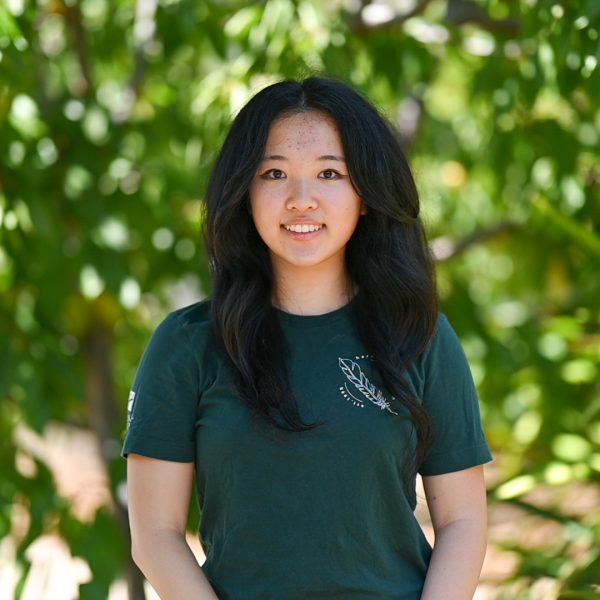
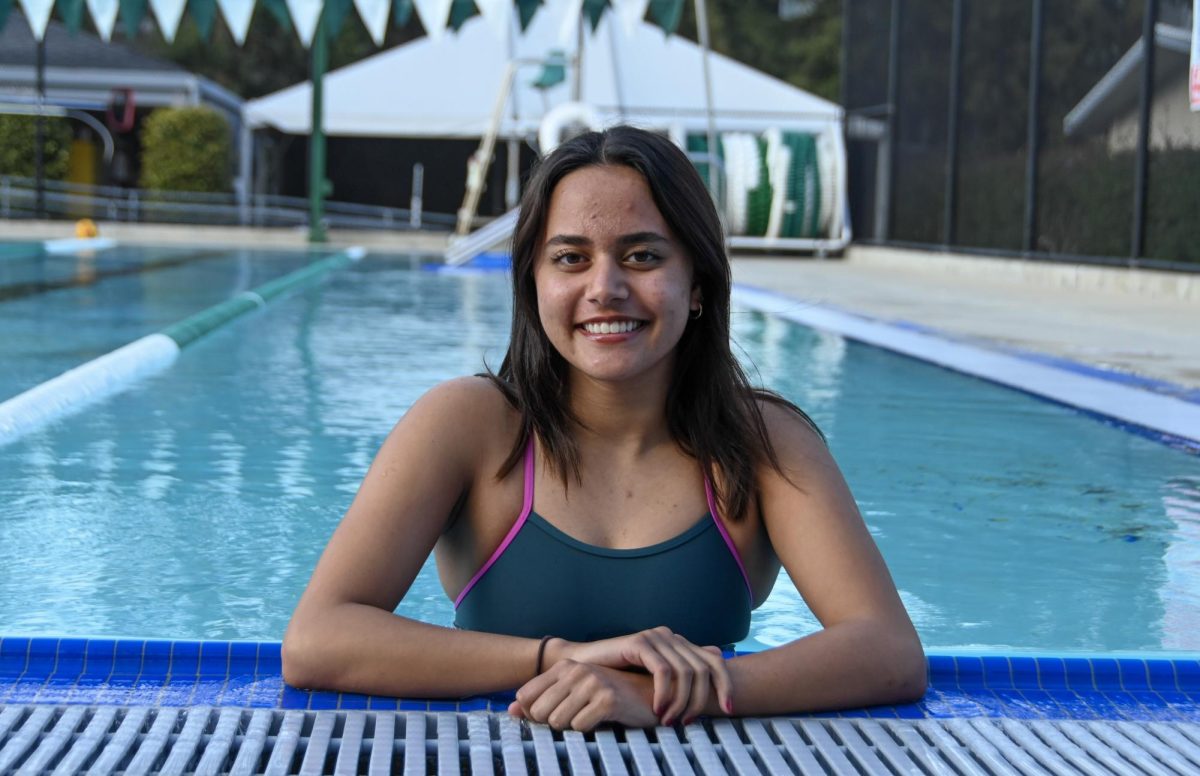
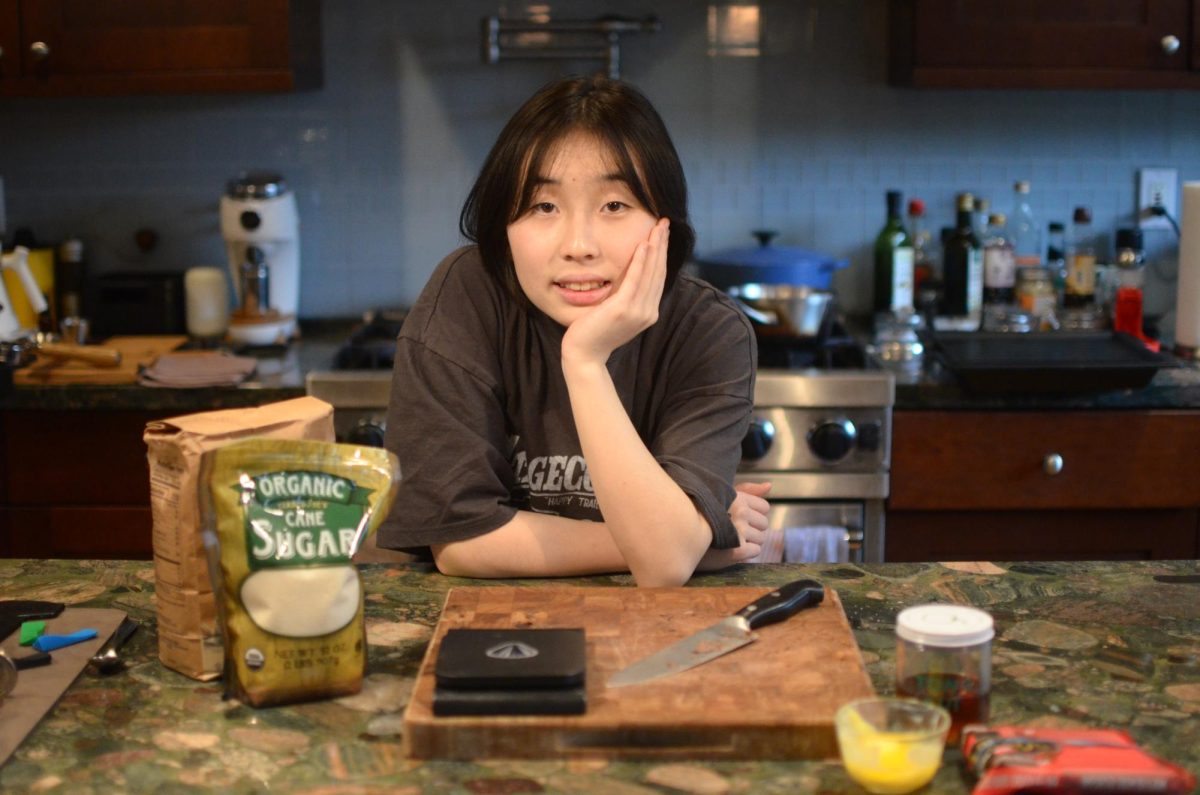
![“I wasn't discouraged by some of the obstacles we faced. I learned a lot from the leadership. I found that different people need different ways of receiving feedback — you can't [just] tell them to do something and expect the best. [Some] people needed more incentive. A large part of my role was to figure out what worked for everyone and to figure out how to lead all these separate individuals as a team,” Suhana Bhandare (’26) said.](https://harkeraquila.com/wp-content/uploads/2026/06/SuhanaBhandare_JasmineHansra-1-1200x798.jpg)
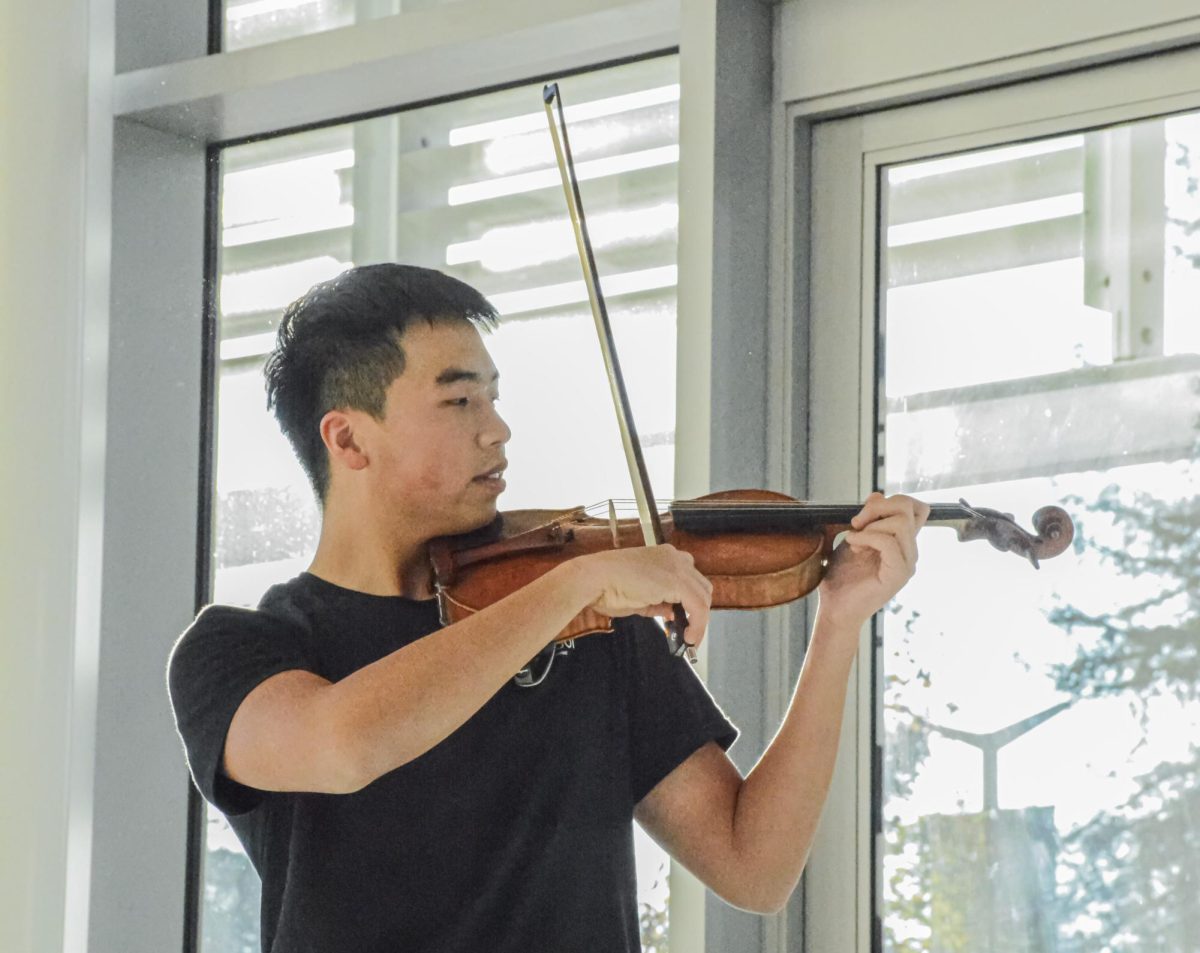
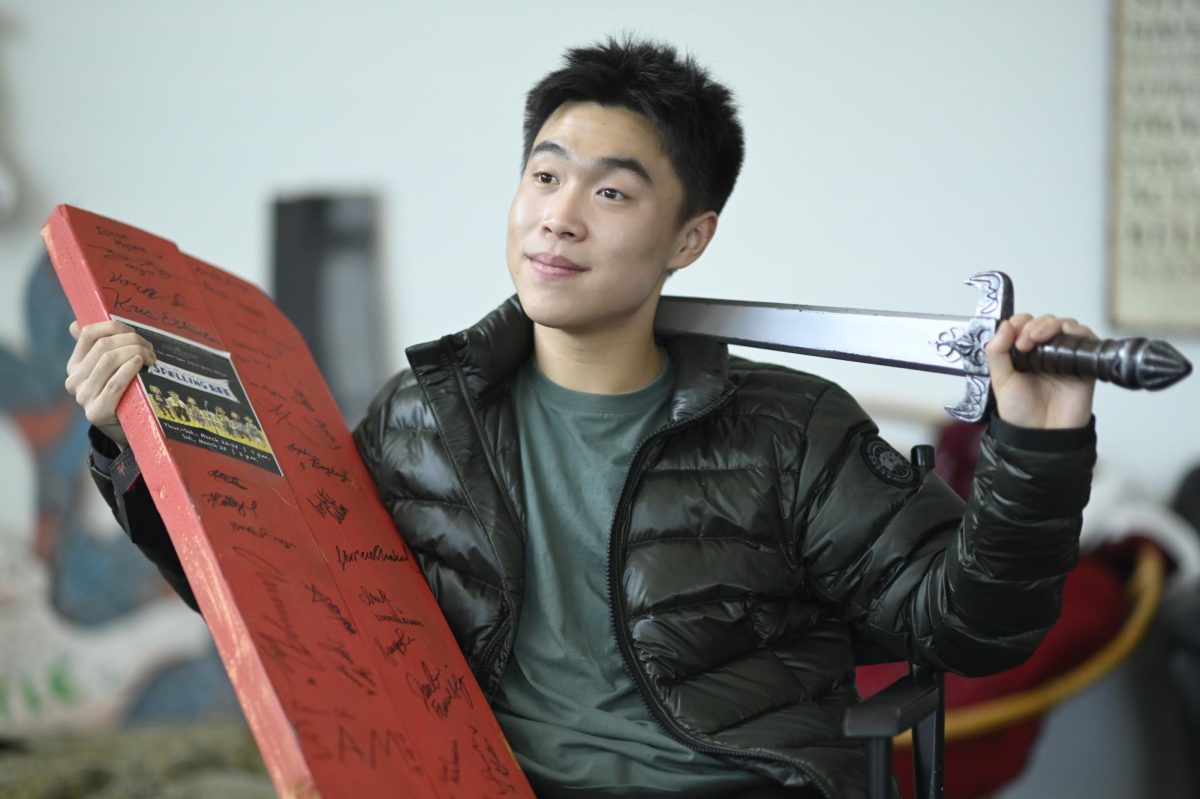
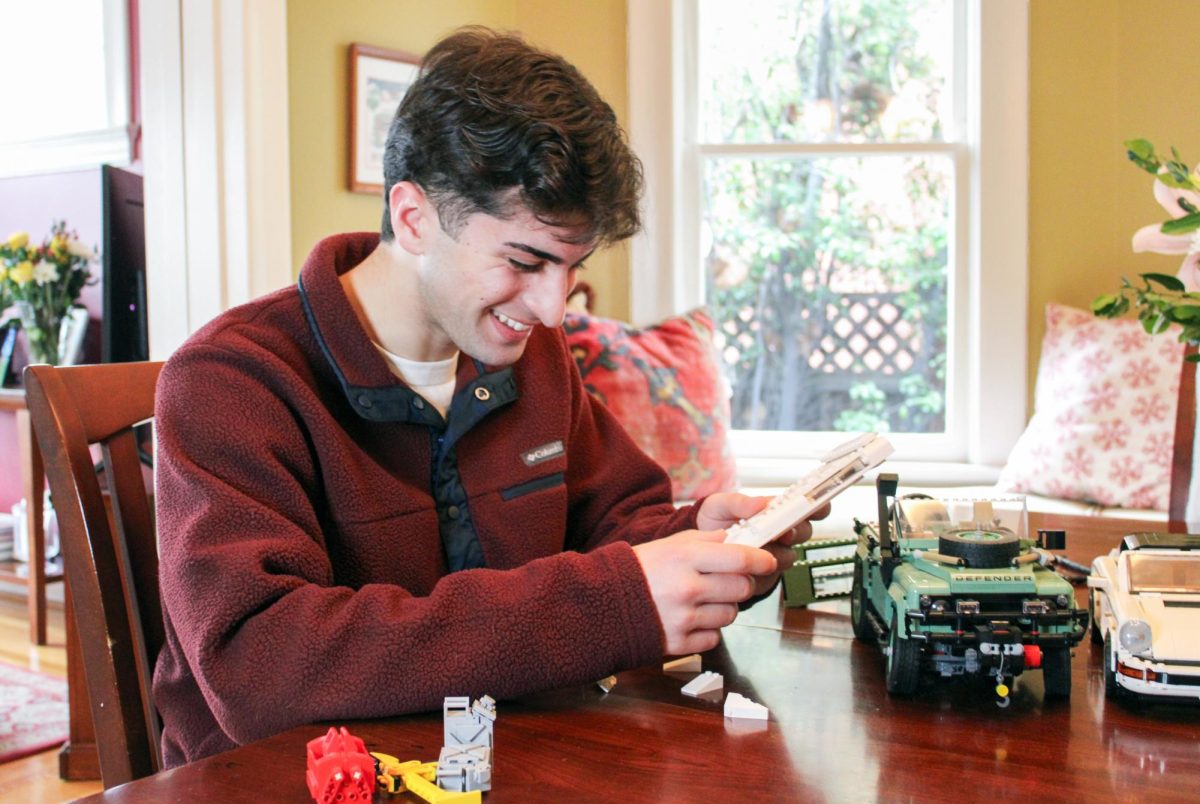
![“This is actually from Randy Pausch Randy P. Brick: ‘Walls are there for a reason. You have to show how much you want to overcome them.’ You have to show how much you want something. That's what I've always been able to do with tennis, Link Crew and getting that internship [with Kushy Baby]. It’s important pushing through that — getting around that brick wall, climbing over it or clawing through it,” Yash Sachdeva (’26) said.](https://harkeraquila.com/wp-content/uploads/2026/05/YashSachdeva_RamBatchu-copy-1200x1002.jpg)
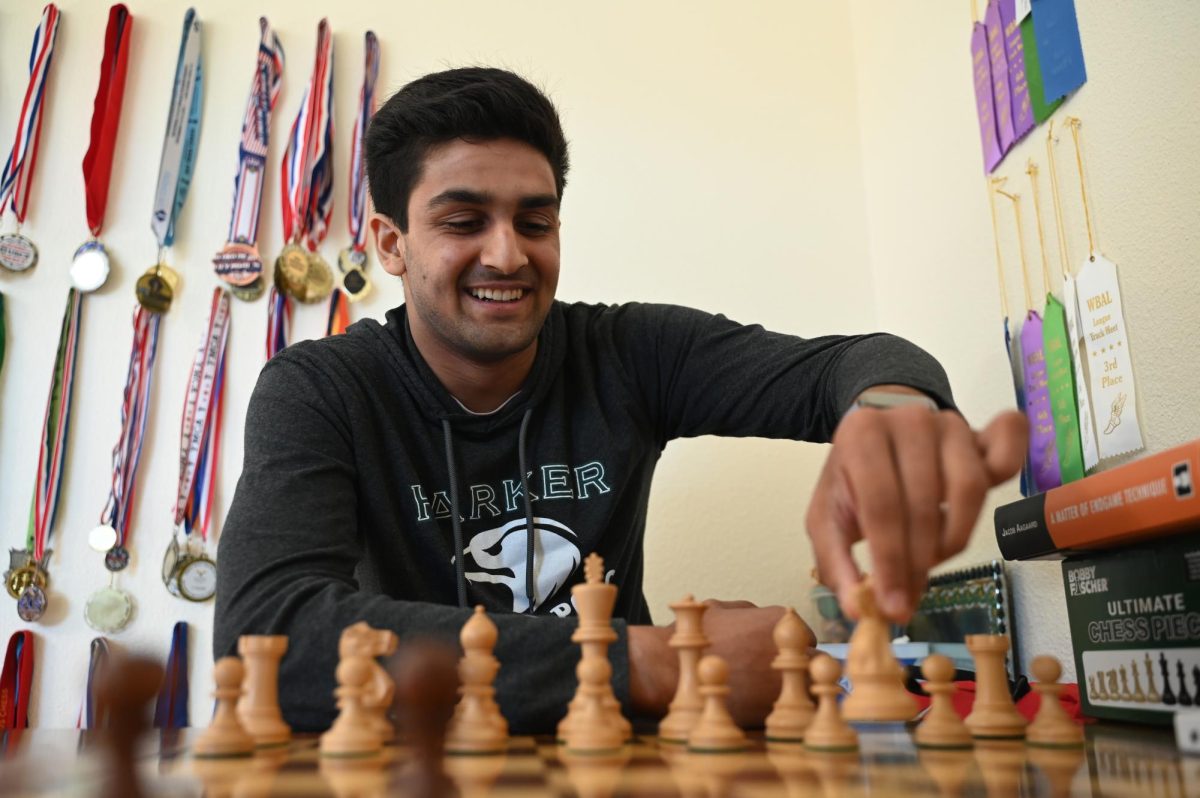






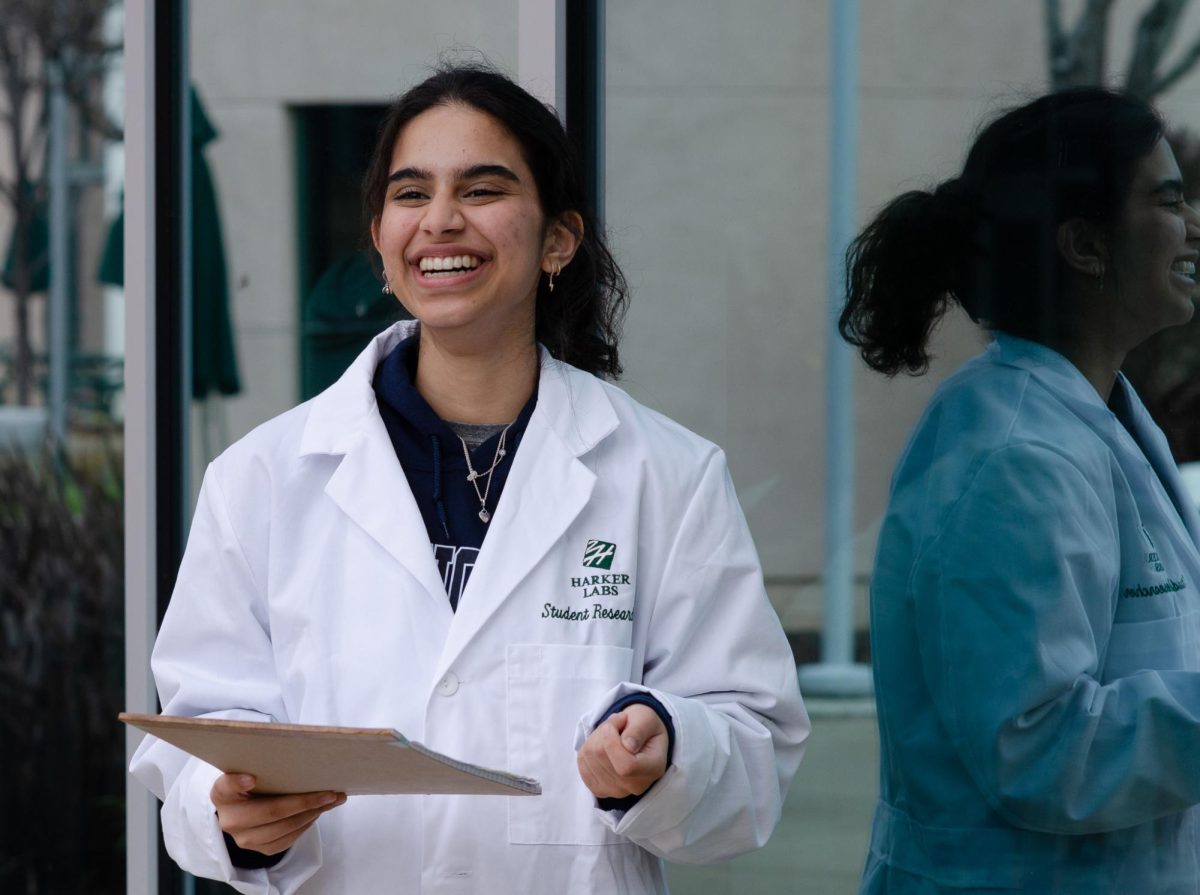

![“[Building nerf blasters] became this outlet of creativity for me that hasn't been matched by anything else. The process [of] making a build complete to your desire is such a painstakingly difficult process, but I've had to learn from [the skills needed from] soldering to proper painting. There's so many different options for everything, if you think about it, it exists. The best part is [that] if it doesn't exist, you can build it yourself," Ishaan Parate said.](https://harkeraquila.com/wp-content/uploads/2022/08/DSC_8149-900x604.jpg)

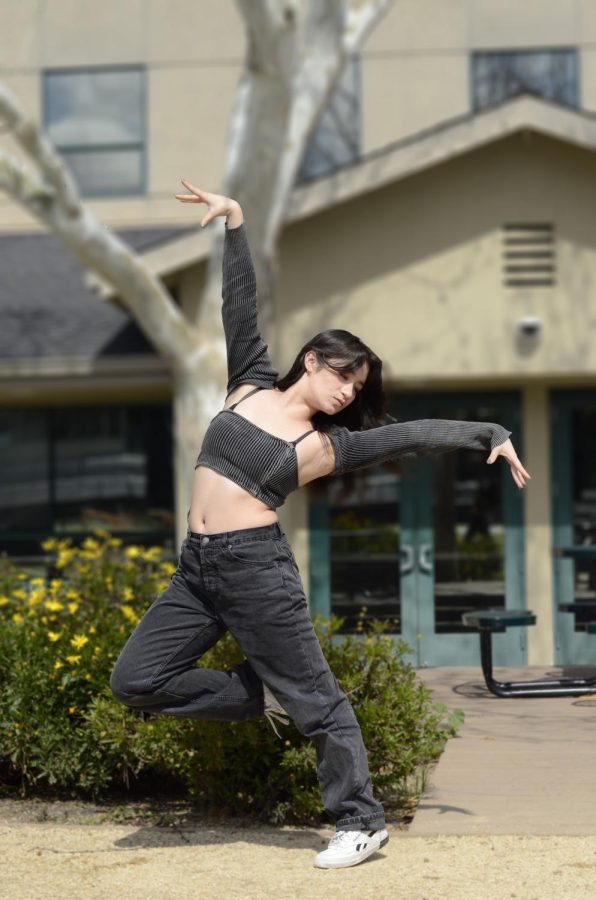
![“When I came into high school, I was ready to be a follower. But DECA was a game changer for me. It helped me overcome my fear of public speaking, and it's played such a major role in who I've become today. To be able to successfully lead a chapter of 150 students, an officer team and be one of the upperclassmen I once really admired is something I'm [really] proud of,” Anvitha Tummala ('21) said.](https://harkeraquila.com/wp-content/uploads/2021/07/Screen-Shot-2021-07-25-at-9.50.05-AM-900x594.png)


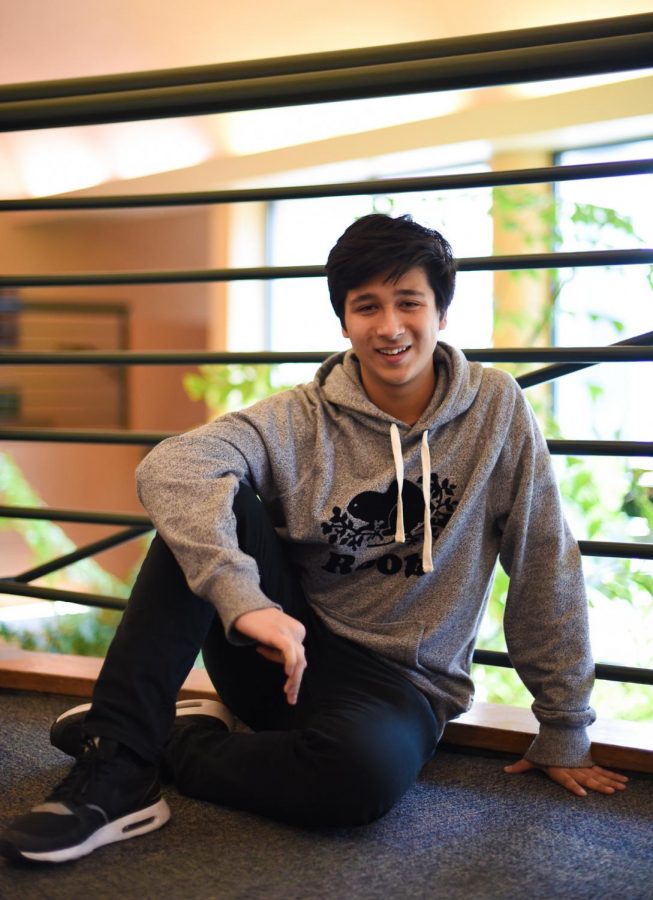
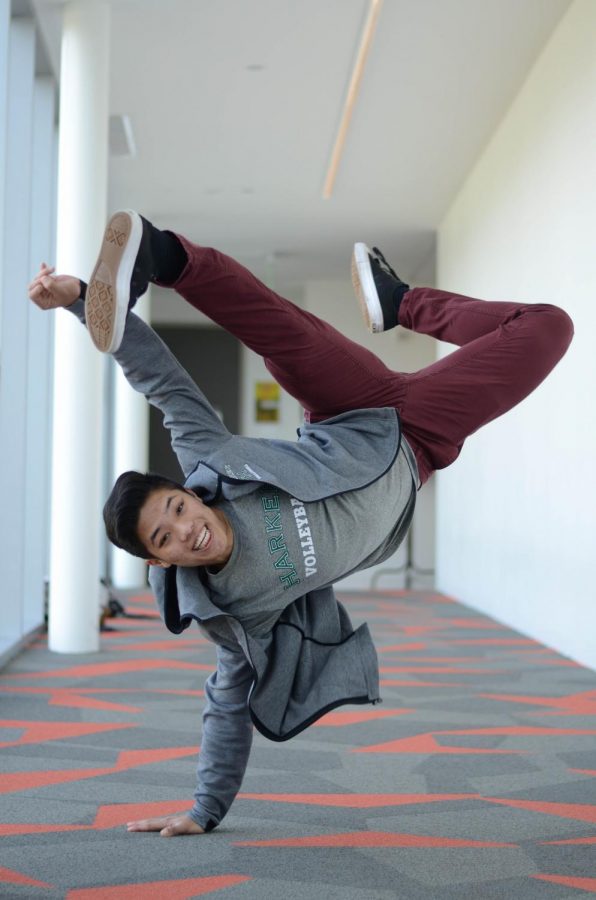


![“I think getting up in the morning and having a sense of purpose [is exciting]. I think without a certain amount of drive, life is kind of obsolete and mundane, and I think having that every single day is what makes each day unique and kind of makes life exciting,” Neymika Jain (12) said.](https://harkeraquila.com/wp-content/uploads/2017/06/Screen-Shot-2017-06-03-at-4.54.16-PM.png)

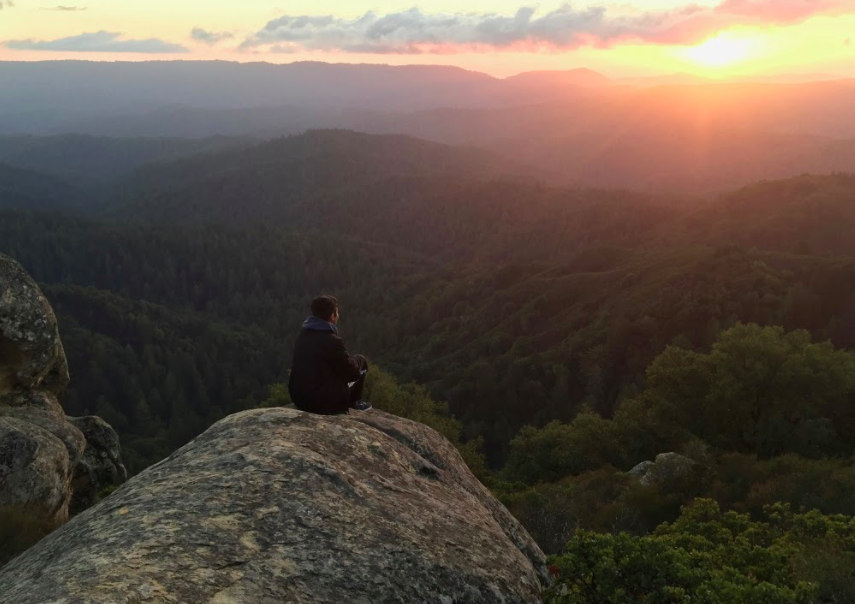
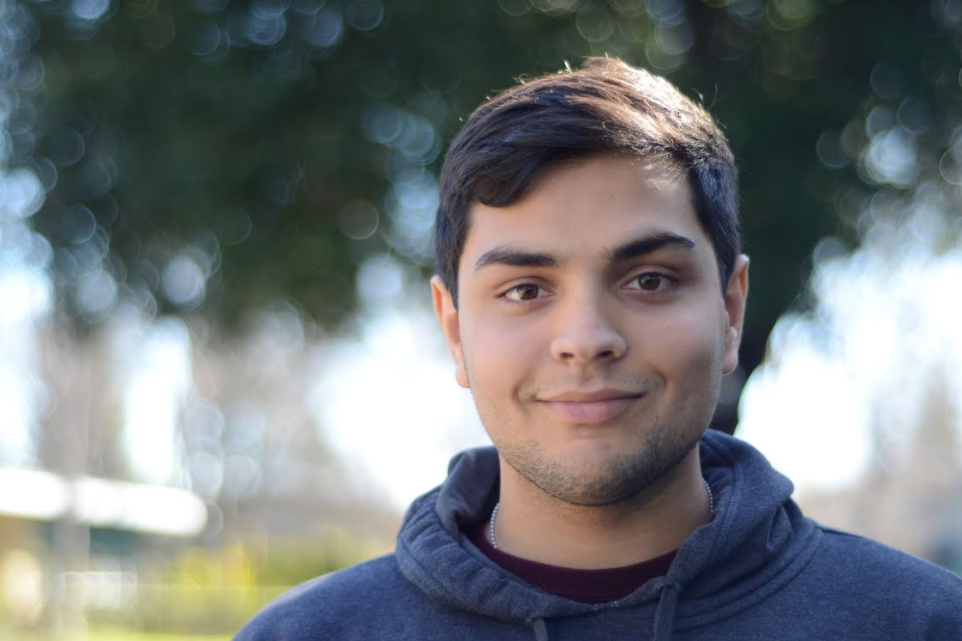

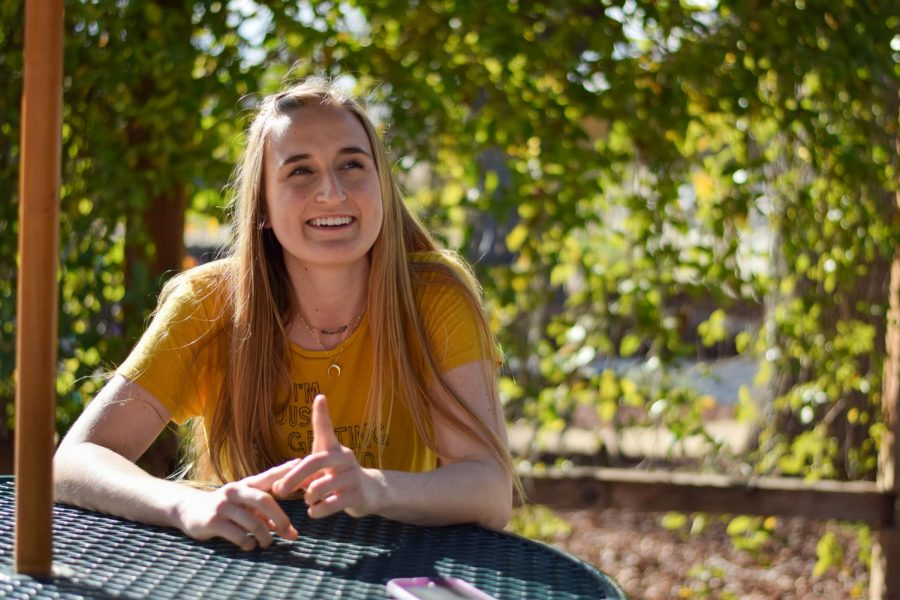
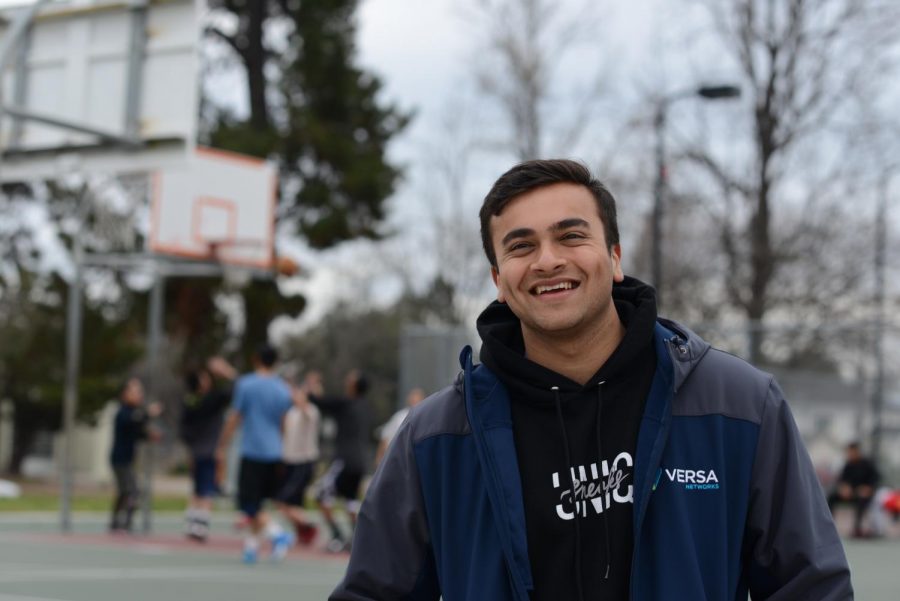
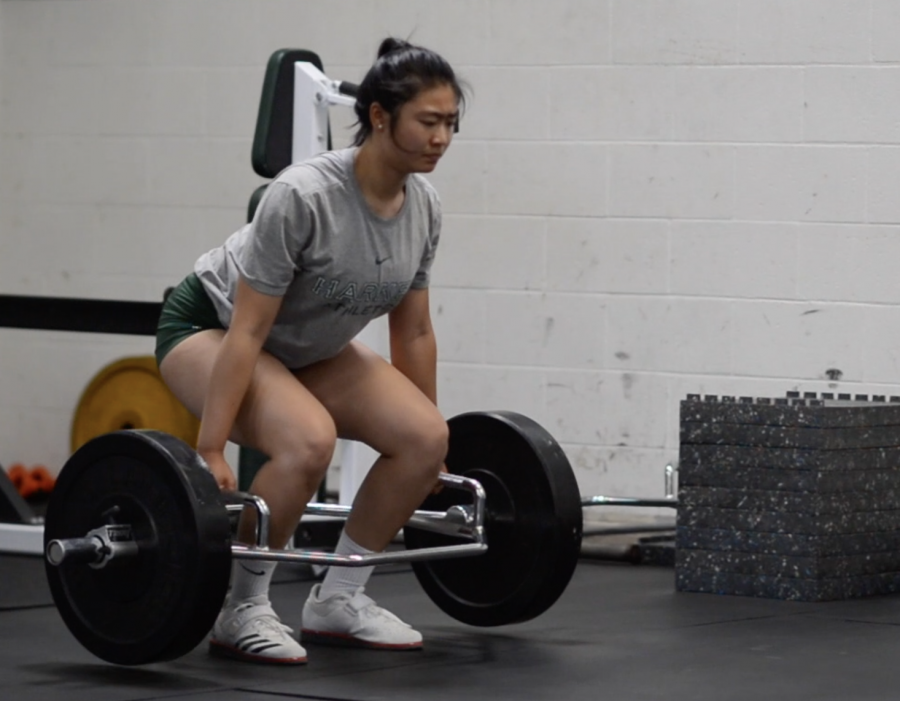

![“My slogan is ‘slow feet, don’t eat, and I’m hungry.’ You need to run fast to get where you are–you aren't going to get those championships if you aren't fast,” Angel Cervantes (12) said. “I want to do well in school on my tests and in track and win championships for my team. I live by that, [and] I can do that anywhere: in the classroom or on the field.”](https://harkeraquila.com/wp-content/uploads/2018/06/DSC5146-900x601.jpg)
![“[Volleyball has] taught me how to fall correctly, and another thing it taught is that you don’t have to be the best at something to be good at it. If you just hit the ball in a smart way, then it still scores points and you’re good at it. You could be a background player and still make a much bigger impact on the team than you would think,” Anya Gert (’20) said.](https://harkeraquila.com/wp-content/uploads/2020/06/AnnaGert_JinTuan_HoHPhotoEdited-600x900.jpeg)

![“I'm not nearly there yet, but [my confidence has] definitely been getting better since I was pretty shy and timid coming into Harker my freshman year. I know that there's a lot of people that are really confident in what they do, and I really admire them. Everyone's so driven and that has really pushed me to kind of try to find my own place in high school and be more confident,” Alyssa Huang (’20) said.](https://harkeraquila.com/wp-content/uploads/2020/06/AlyssaHuang_EmilyChen_HoHPhoto-900x749.jpeg)


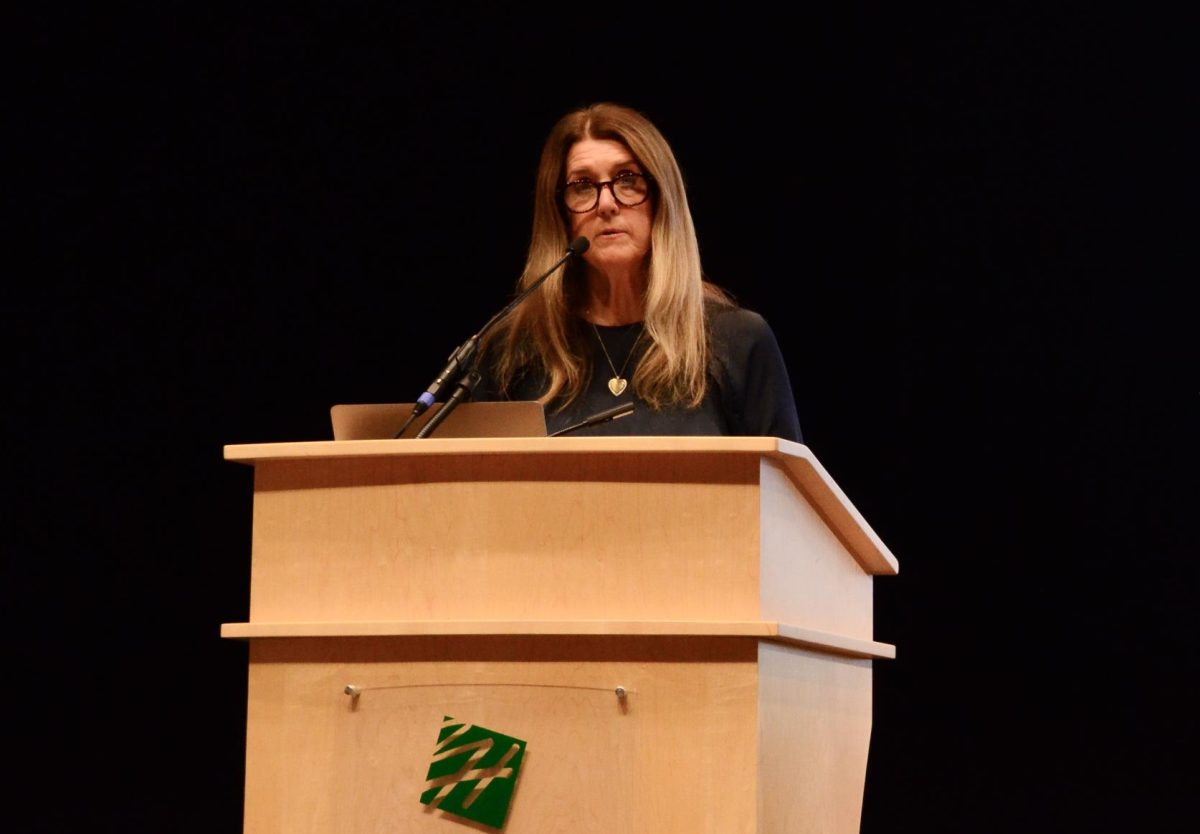
Nonprofit Challenge Success hosted a college counseling workshop titled “A Healthier Approach to College Admissions” for sophomores, juniors and their parents in the Patil Theater on Wednesday.
Associated with the Stanford Graduate School of Education, Challenge Success aims to foster a community of mentally healthy pre-college students. Challenge Success senior design partner Margaret Dunlap presented her research about the pressure society puts on college acceptance and the inevitable mental toll on high school students.
Dunlap surveyed high school students in her research on questions like, “What is your definition of success?”, which she specifically asked the audience to discuss amongst themselves. She found that when they were in the presence of an adult, students mostly responded that success meant happiness, but when they were alone, they admitted good grades and money controlled their definition of success.
Students often believe that after going to college, there will be a clear path to success. However, Dunlap explained that an individual’s career beyond college is not predestined but full of choices that lead to unexpected twists and turns and encouraged parents to share their own journeys.
She believes that seemingly detrimental shifts are contingent for students to discover their true passions, whether for specific classes or in extracurriculars. Ultimately, balance was key for student well-being: creating space for school, extracurriculars, friends and family.
The presentation changed junior Robinson Xiang’s initial feelings of obligation to his surrounding environment to commitment towards his personal investments.
“I want to see how I interact with people around me and whether I am fulfilled in the long term,” Robinson said. “If you really care about the relationships with people you have and who you’re spending time with, you will make sure you have that special time designated.”
During the presentation, students and parents filled out a form to rank certain aspects of colleges like diversity and location from “Not Important,” “Nice to have” to “Essential” based on their personal priorities. They evaluated the student’s own readiness for college in the categories “Academic Skills,” “Social-emotional Skills,” “Positive Coping Skills” and “Life Skills” in a second form.
“What’s interesting to me is that what I think is important to my child is actually quite different from what my child thinks,” Catherine Li, parent of sophomore Chelsea Xie, said. “[Selectivity] has nothing to do with how well your kid is going to learn in that college. I’ll try to respect my child’s choice more, especially the one that makes her happy.”
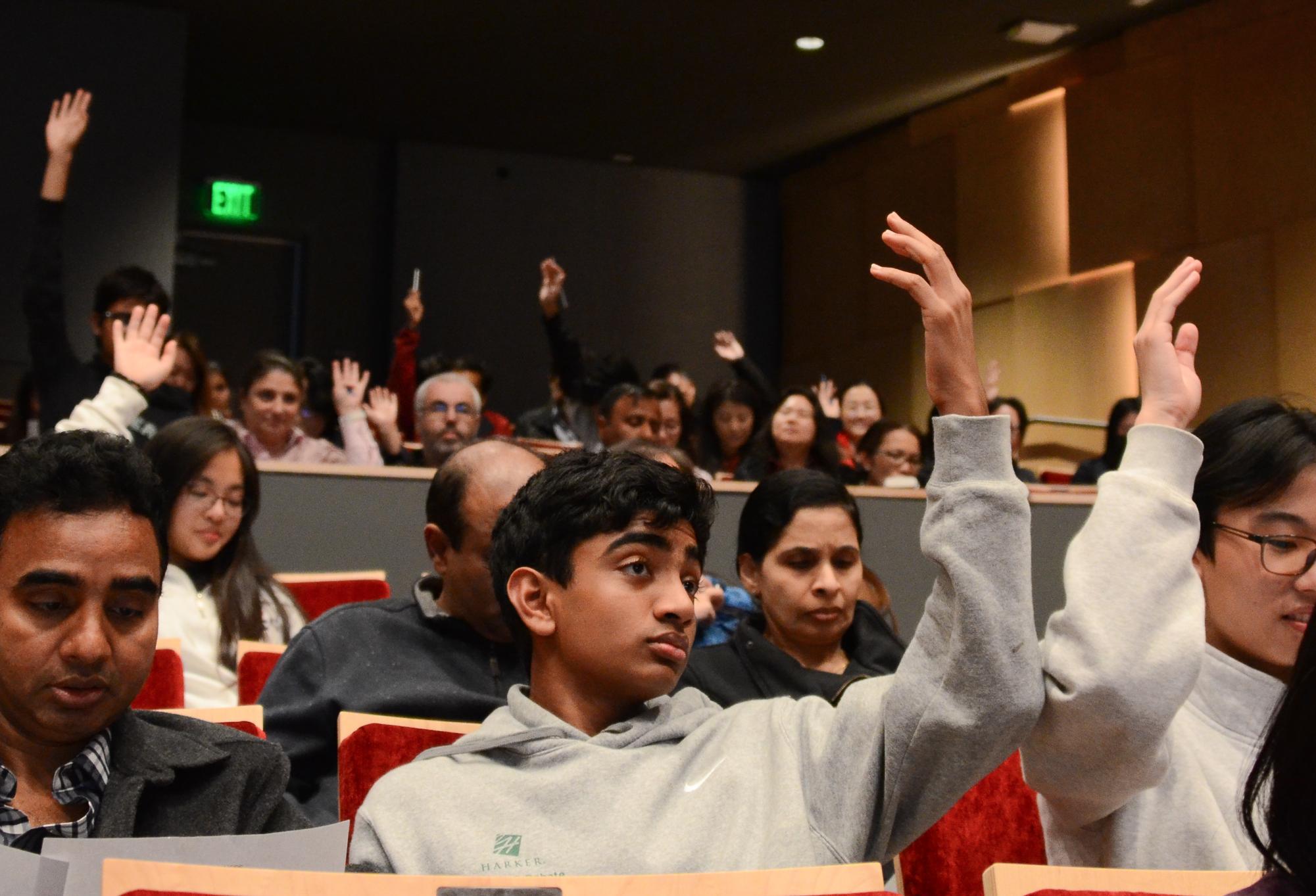
Dunlap concluded the session by asking the audience to promise to make a commitment to themselves from the ideas that she shared, from sleeping the necessary nine hours to entirely rethinking their goals for college.
Sophomore Eliana Chui believed that the session changed her perspective on college admissions. As a swimmer, she hopes to continue her athletic journey at the collegiate level.
“College is just a small part of your life,” Eliana said. “It’s not something that you should stress over because when you’re older, and you look upon this moment, upon your college life, it will be full of good memories, but it also won’t be a defining moment.”