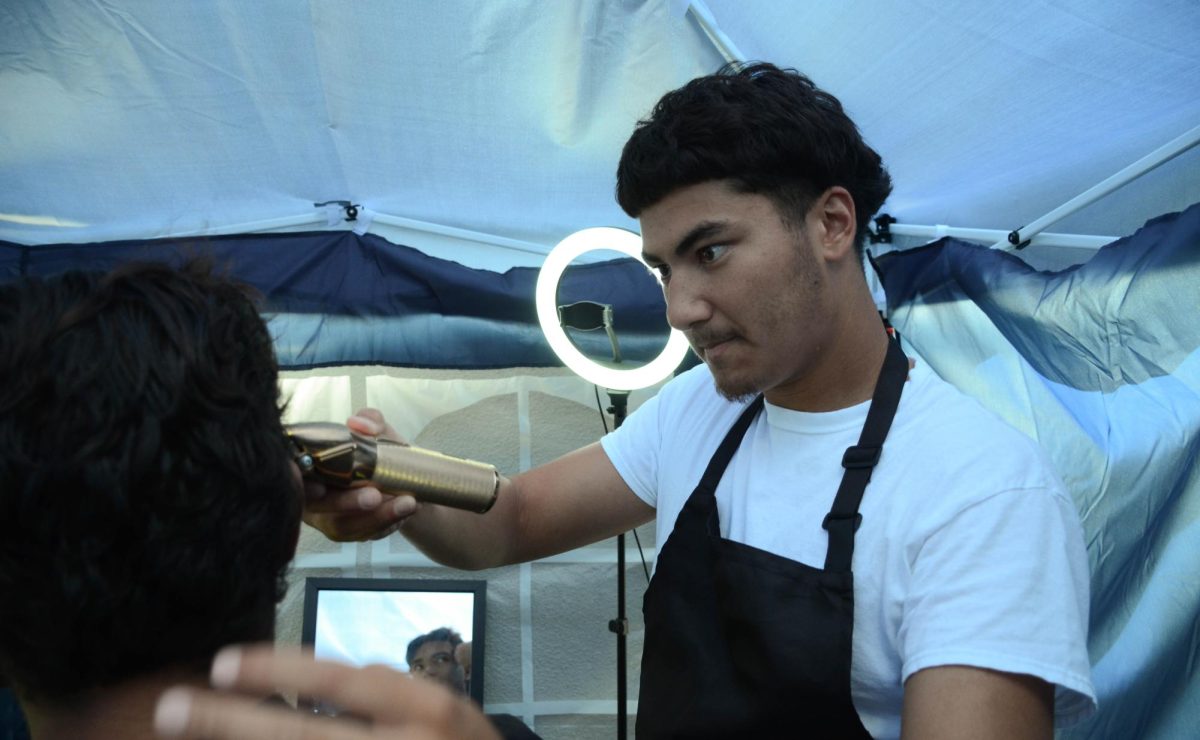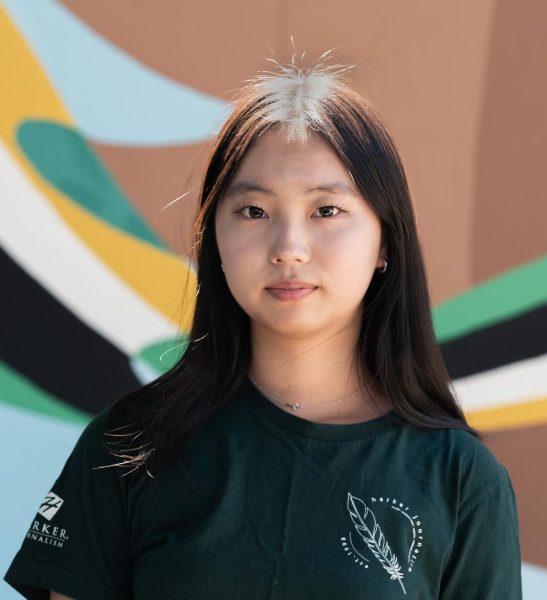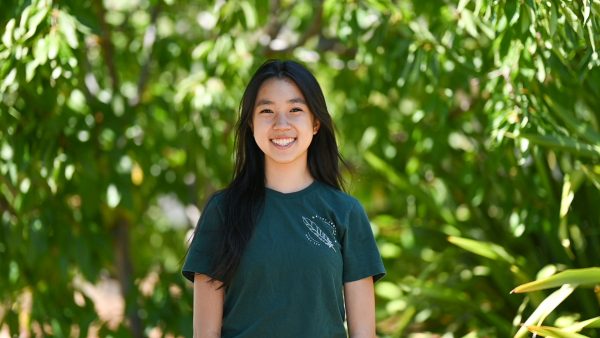
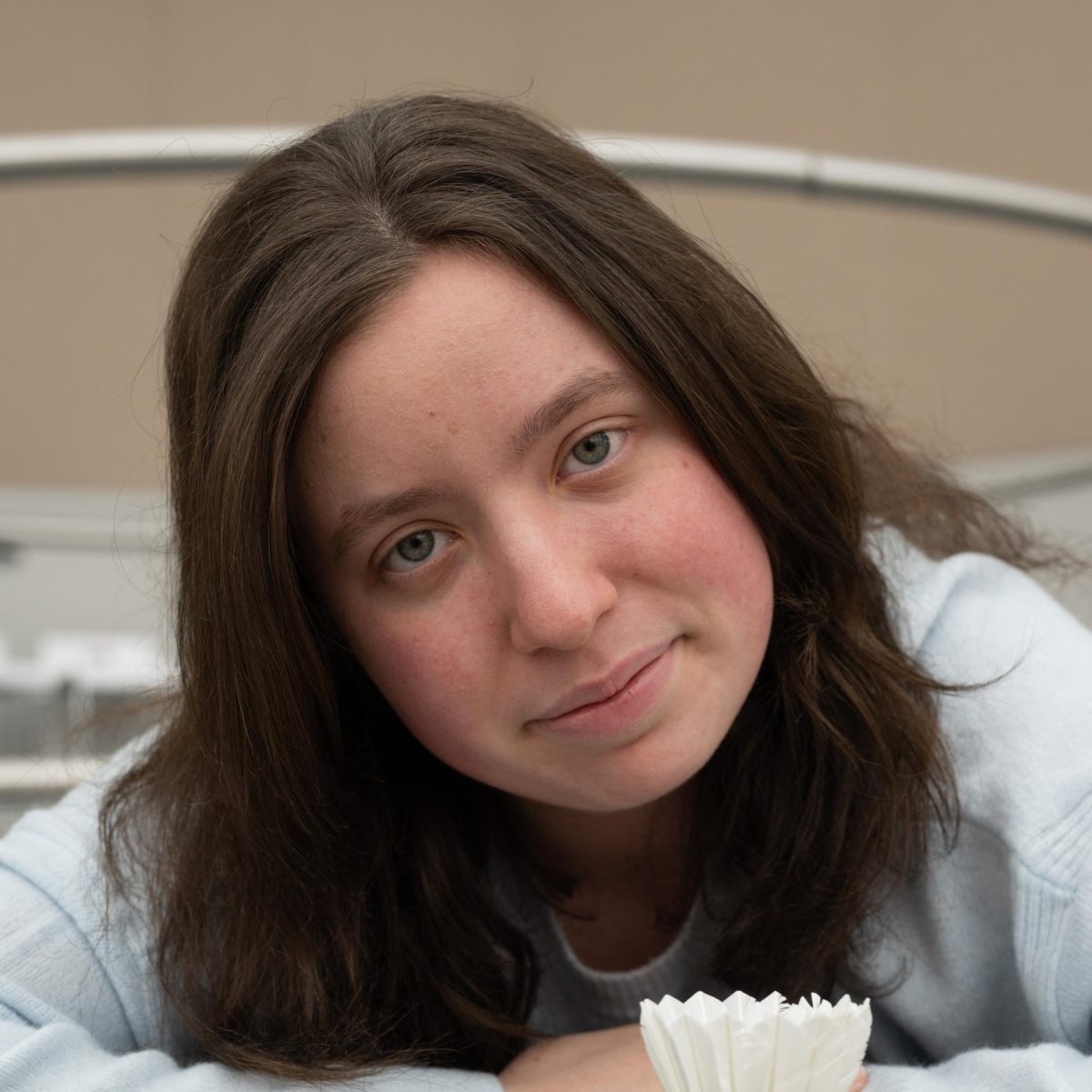
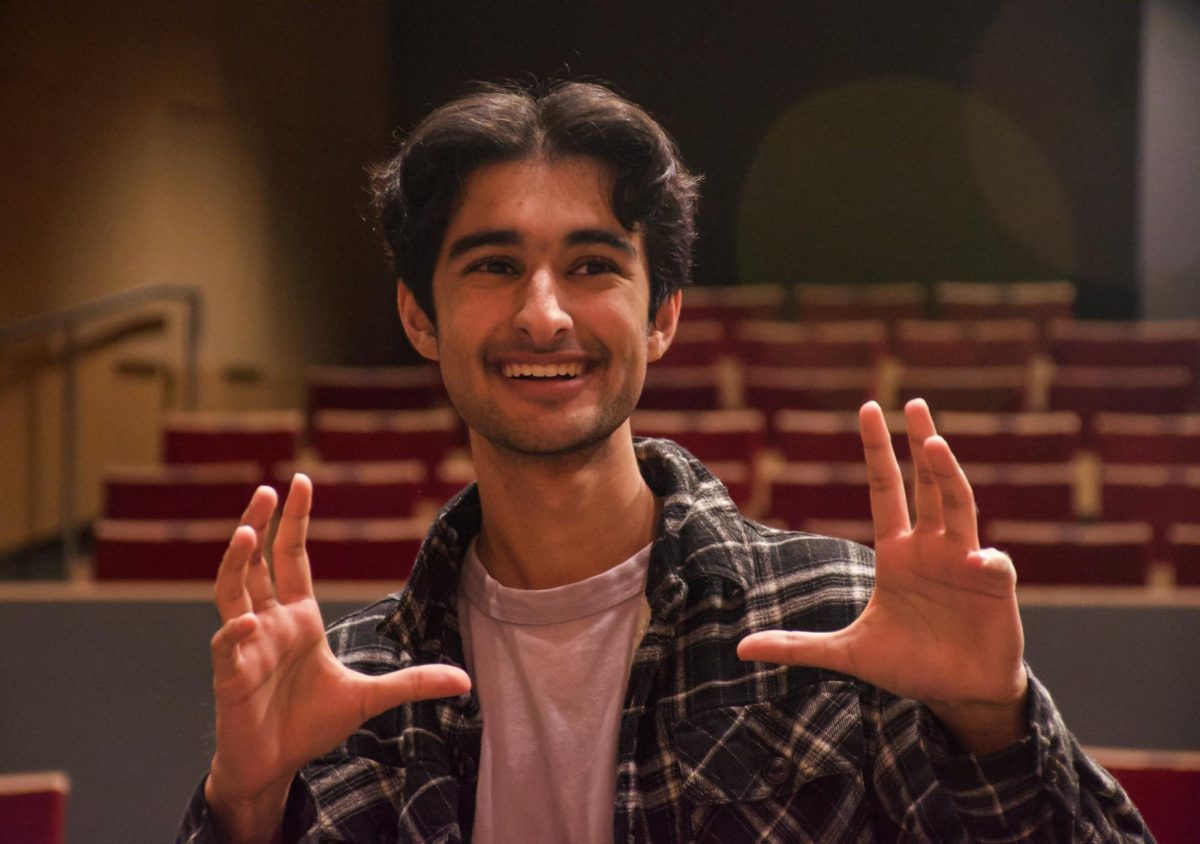
![“I wasn't discouraged by some of the obstacles we faced. I learned a lot from the leadership. I found that different people need different ways of receiving feedback — you can't [just] tell them to do something and expect the best. [Some] people needed more incentive. A large part of my role was to figure out what worked for everyone and to figure out how to lead all these separate individuals as a team,” Suhana Bhandare (’26) said.](https://harkeraquila.com/wp-content/uploads/2026/06/SuhanaBhandare_JasmineHansra-1-1200x798.jpg)
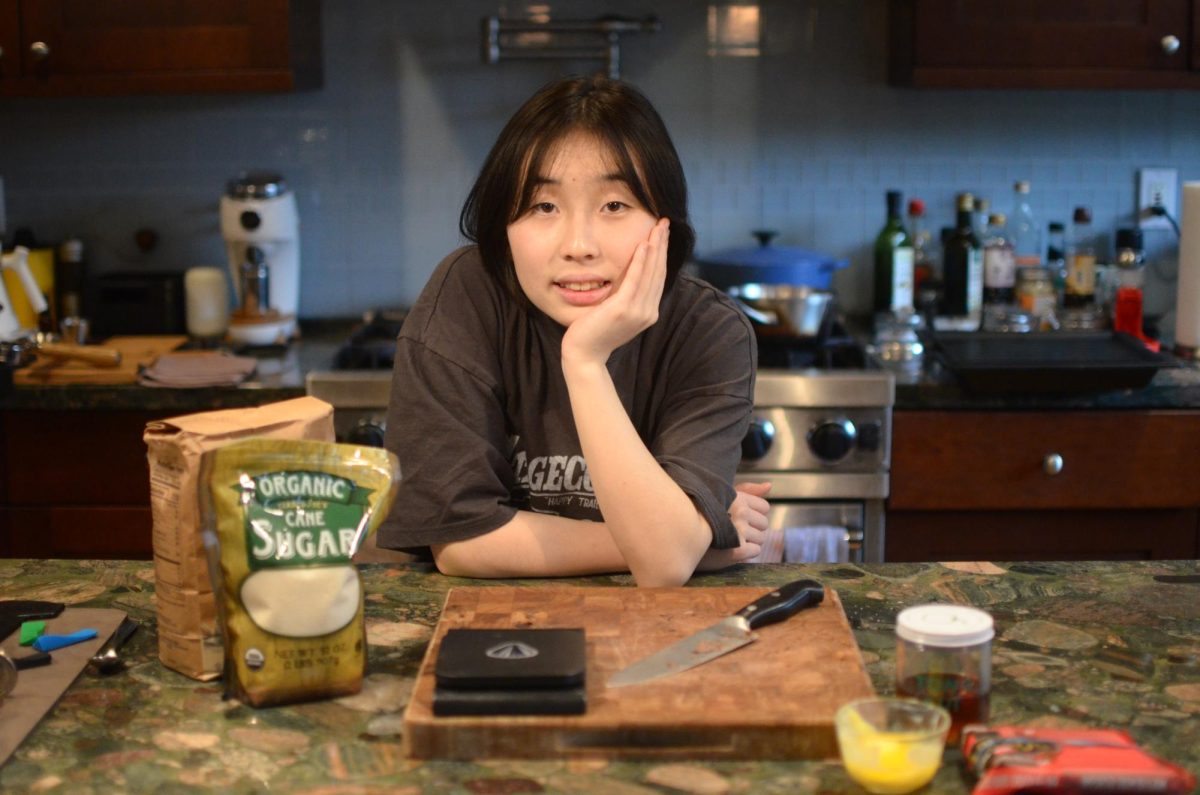
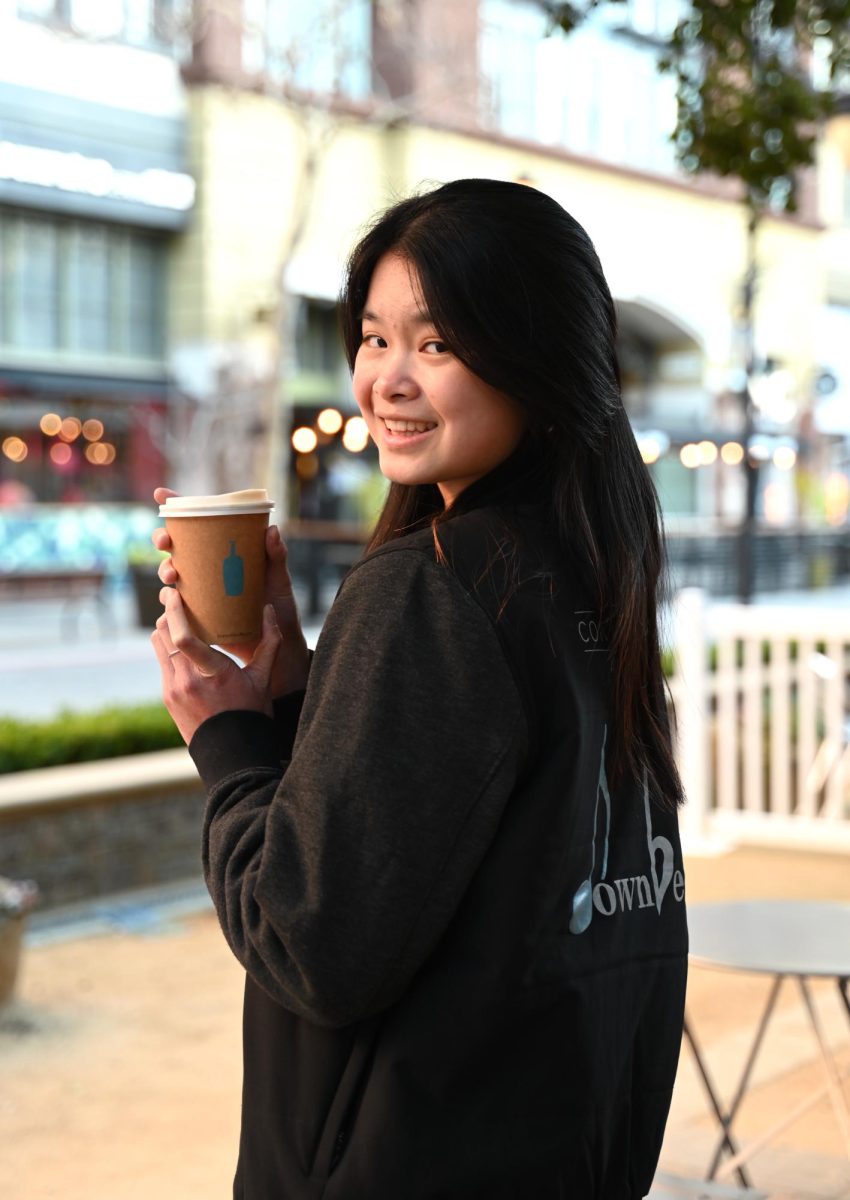
![“This is actually from Randy Pausch Randy P. Brick: ‘Walls are there for a reason. You have to show how much you want to overcome them.’ You have to show how much you want something. That's what I've always been able to do with tennis, Link Crew and getting that internship [with Kushy Baby]. It’s important pushing through that — getting around that brick wall, climbing over it or clawing through it,” Yash Sachdeva (’26) said.](https://harkeraquila.com/wp-content/uploads/2026/05/YashSachdeva_RamBatchu-copy-1200x1002.jpg)
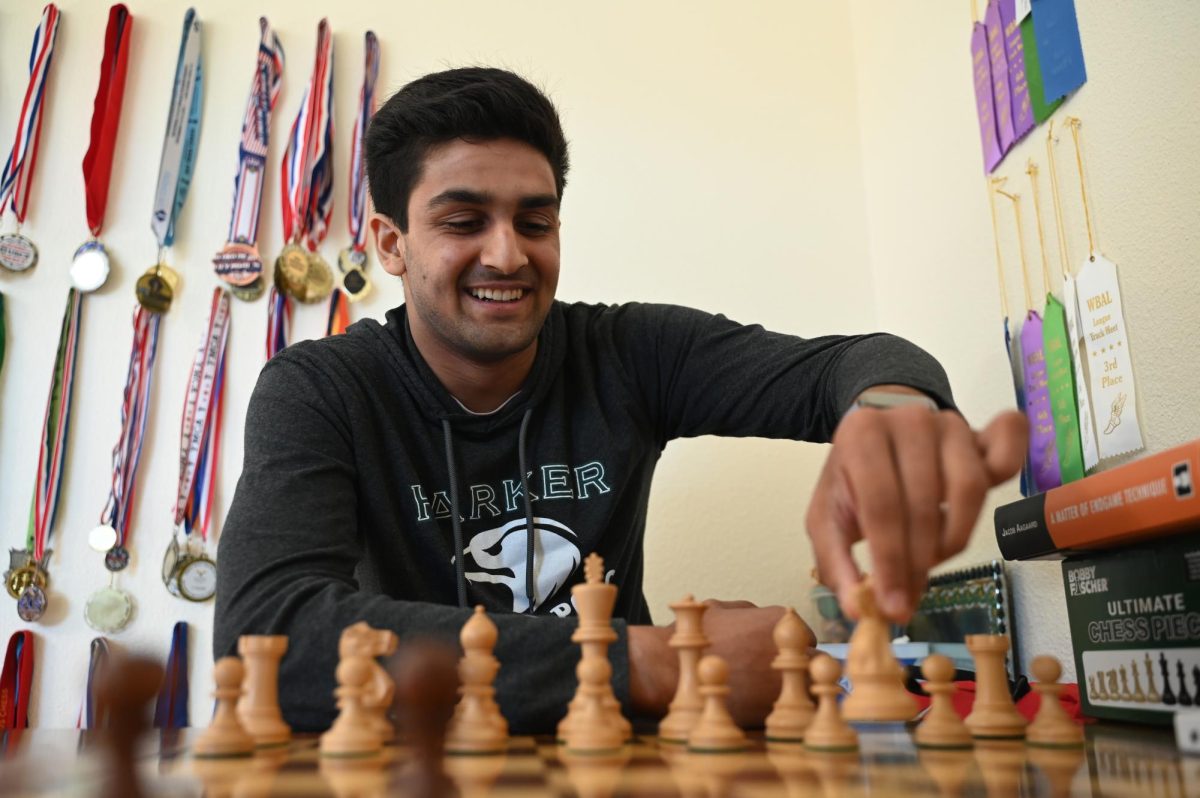
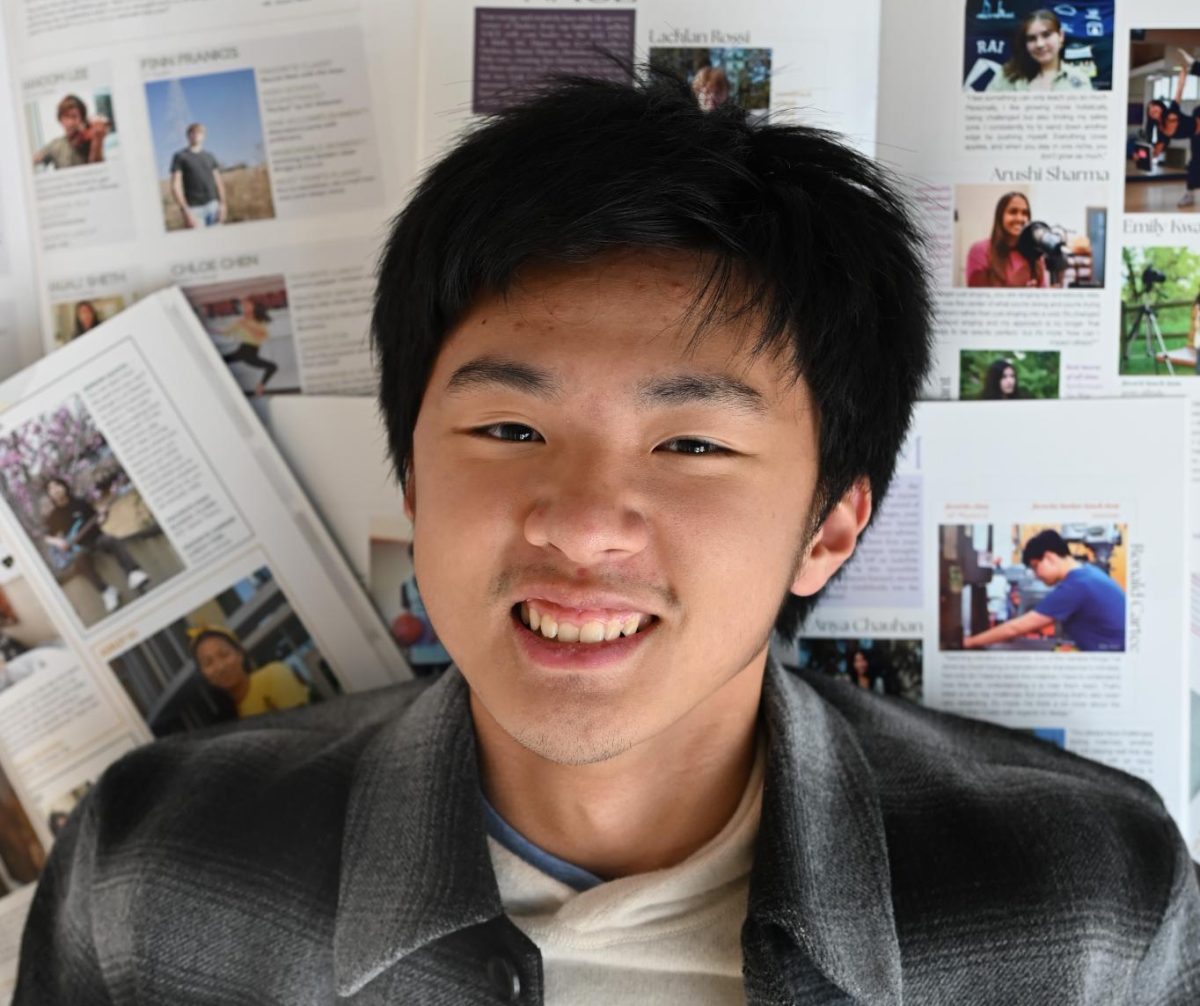
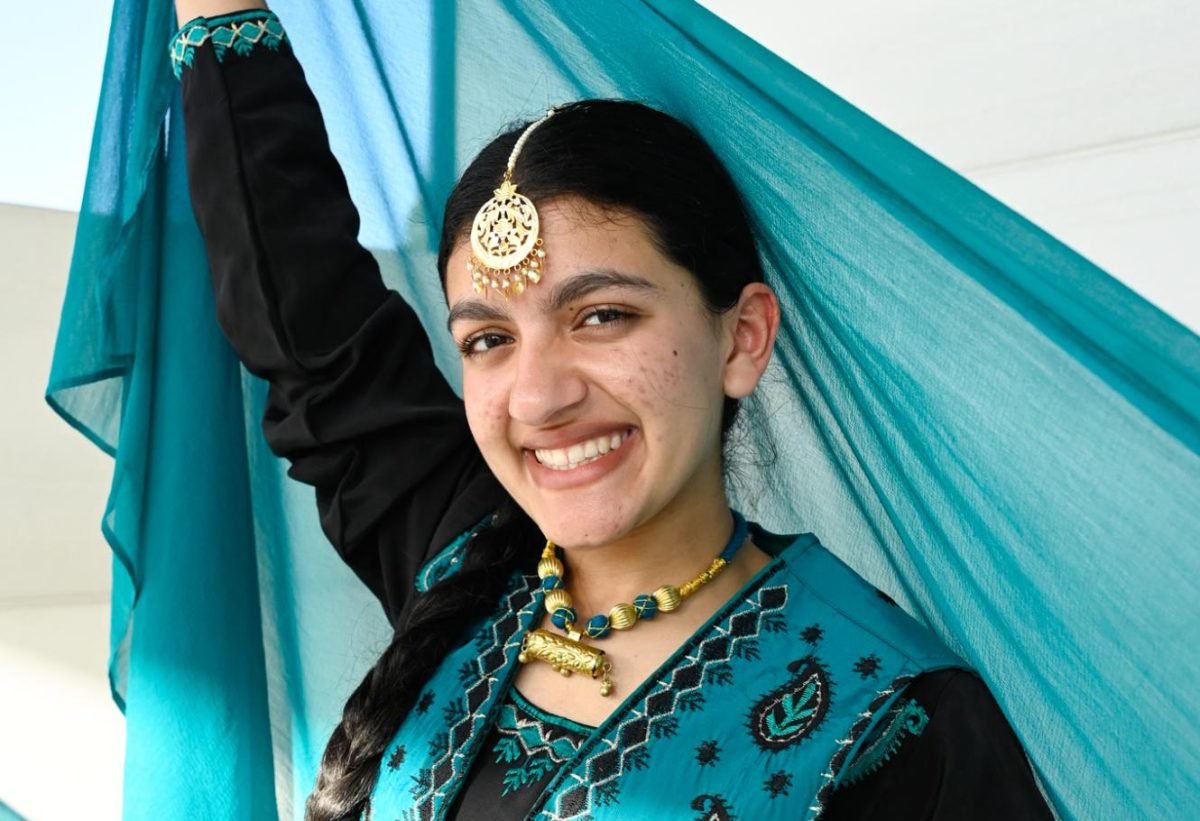
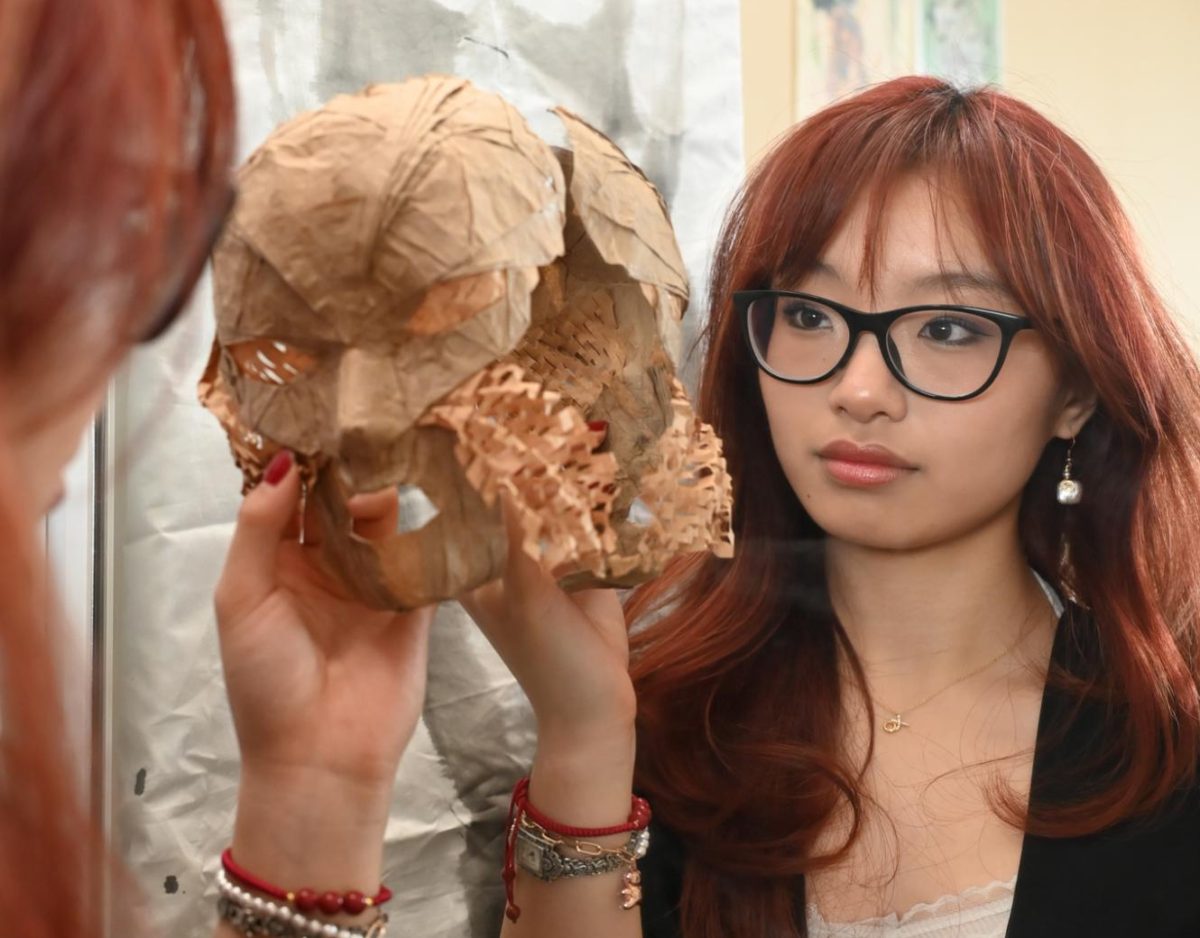
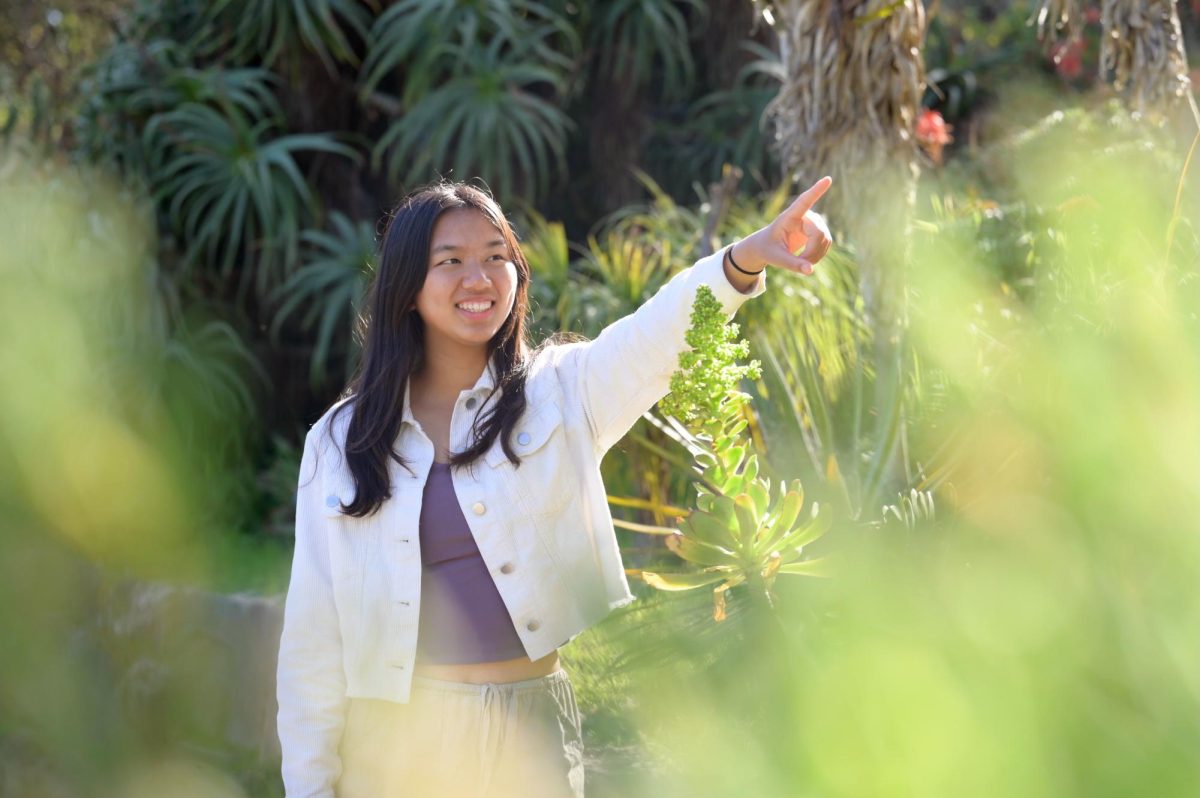
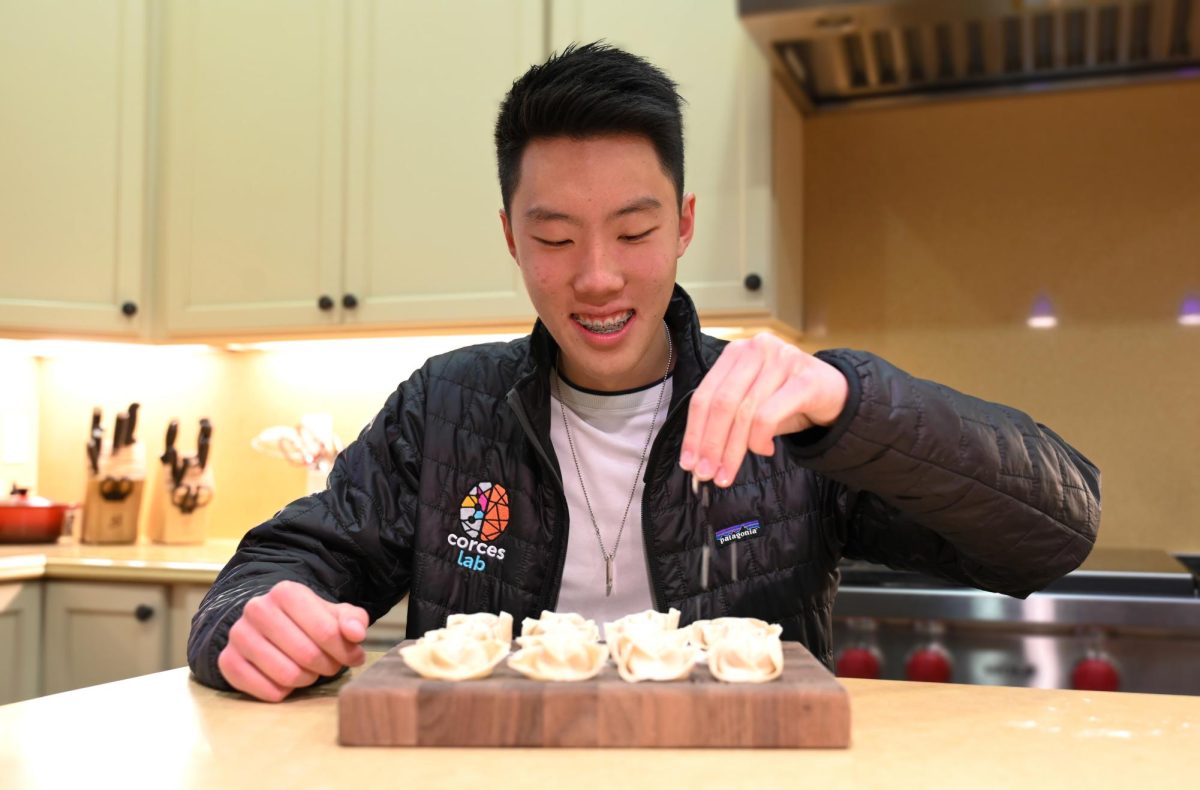
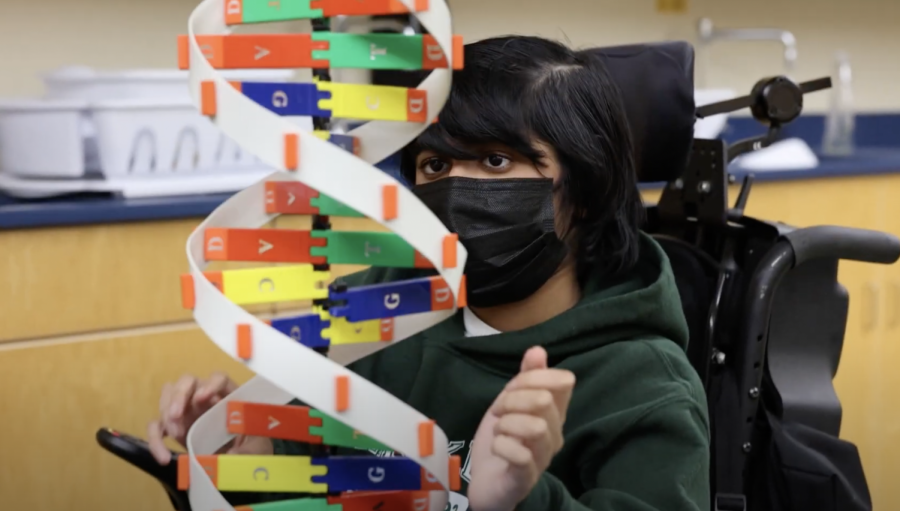
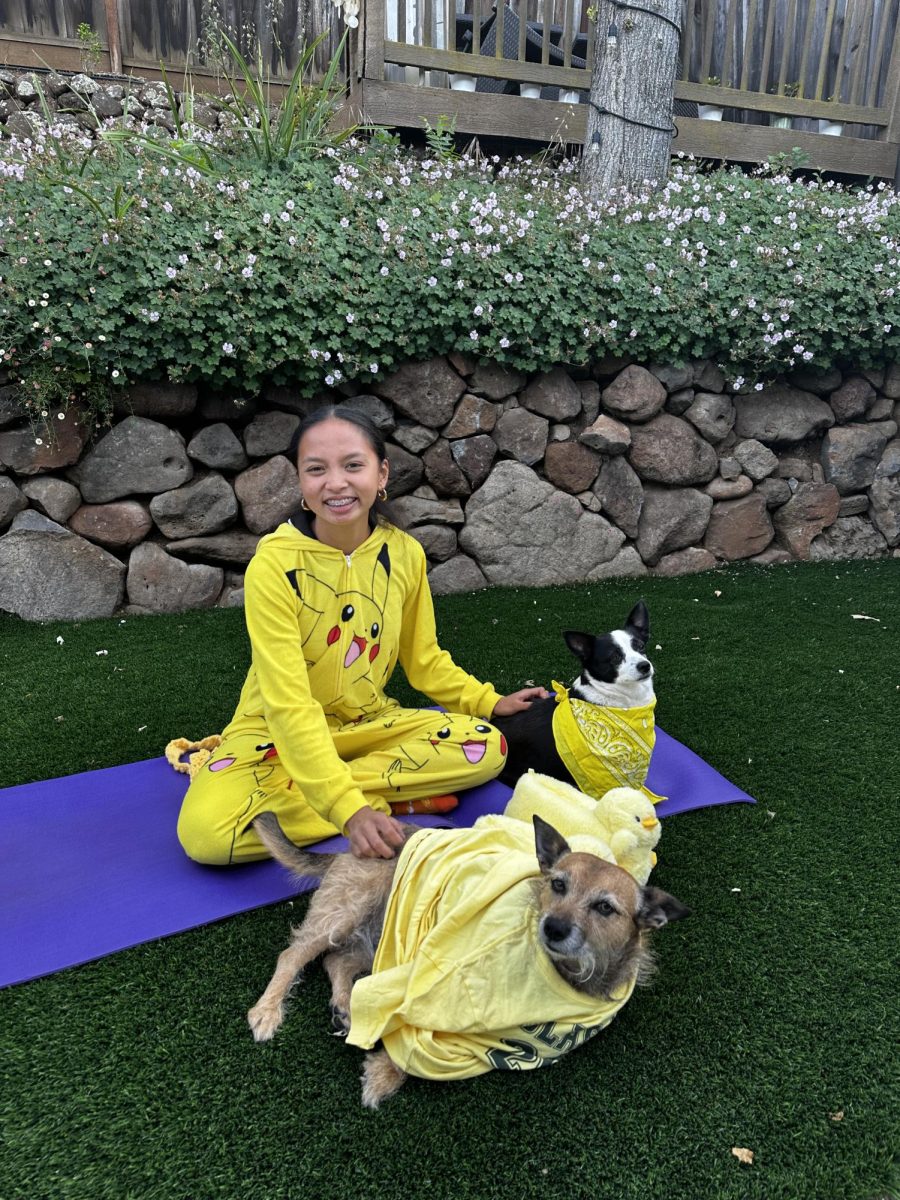
![“[Building nerf blasters] became this outlet of creativity for me that hasn't been matched by anything else. The process [of] making a build complete to your desire is such a painstakingly difficult process, but I've had to learn from [the skills needed from] soldering to proper painting. There's so many different options for everything, if you think about it, it exists. The best part is [that] if it doesn't exist, you can build it yourself," Ishaan Parate said.](https://harkeraquila.com/wp-content/uploads/2022/08/DSC_8149-900x604.jpg)
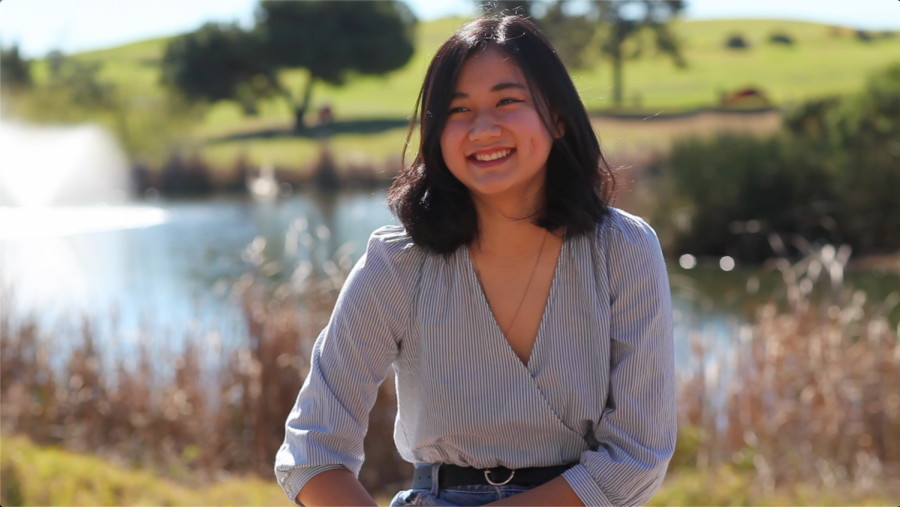
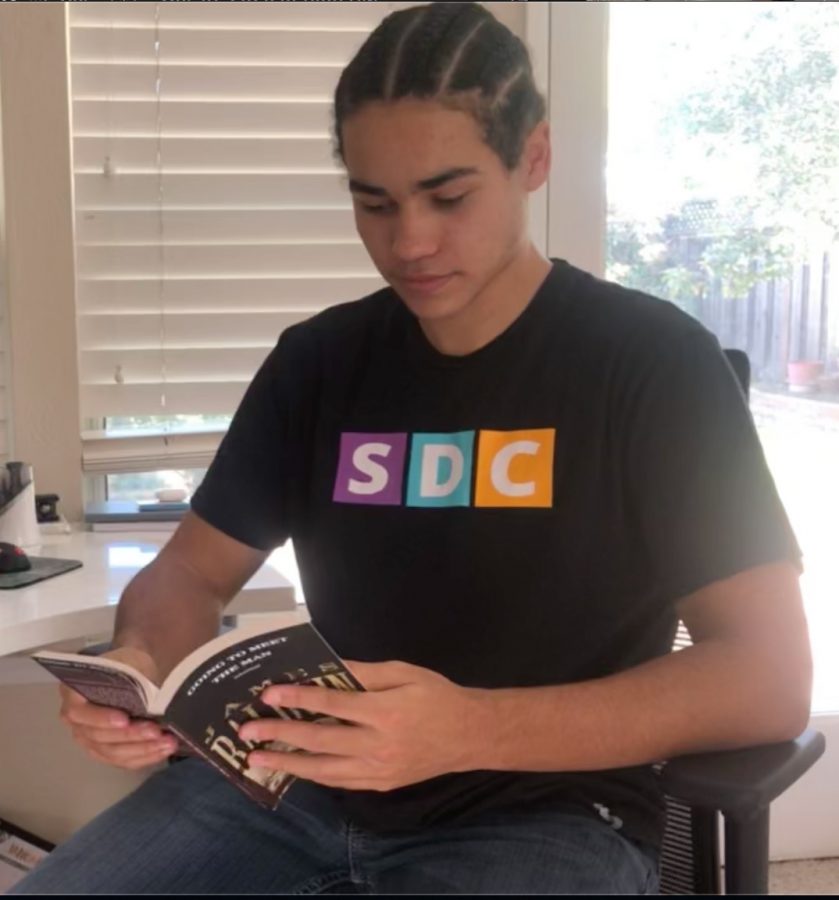
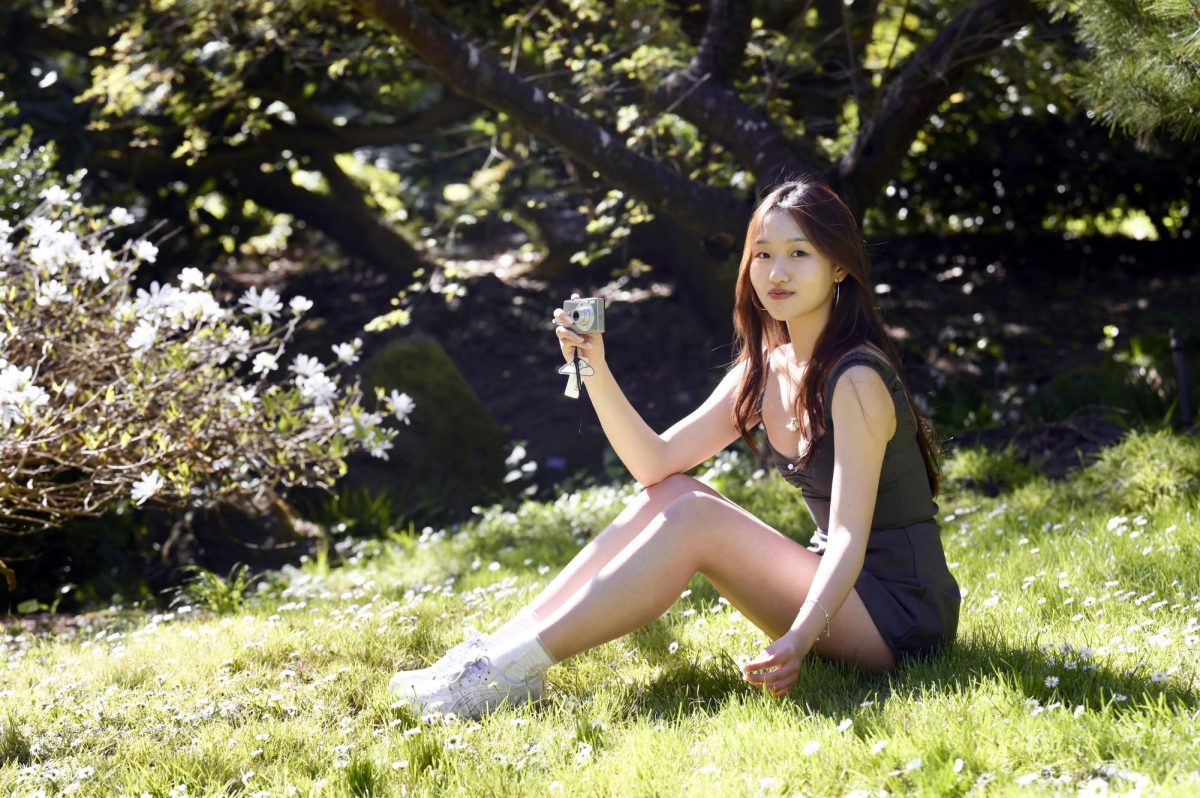
![“When I came into high school, I was ready to be a follower. But DECA was a game changer for me. It helped me overcome my fear of public speaking, and it's played such a major role in who I've become today. To be able to successfully lead a chapter of 150 students, an officer team and be one of the upperclassmen I once really admired is something I'm [really] proud of,” Anvitha Tummala ('21) said.](https://harkeraquila.com/wp-content/uploads/2021/07/Screen-Shot-2021-07-25-at-9.50.05-AM-900x594.png)
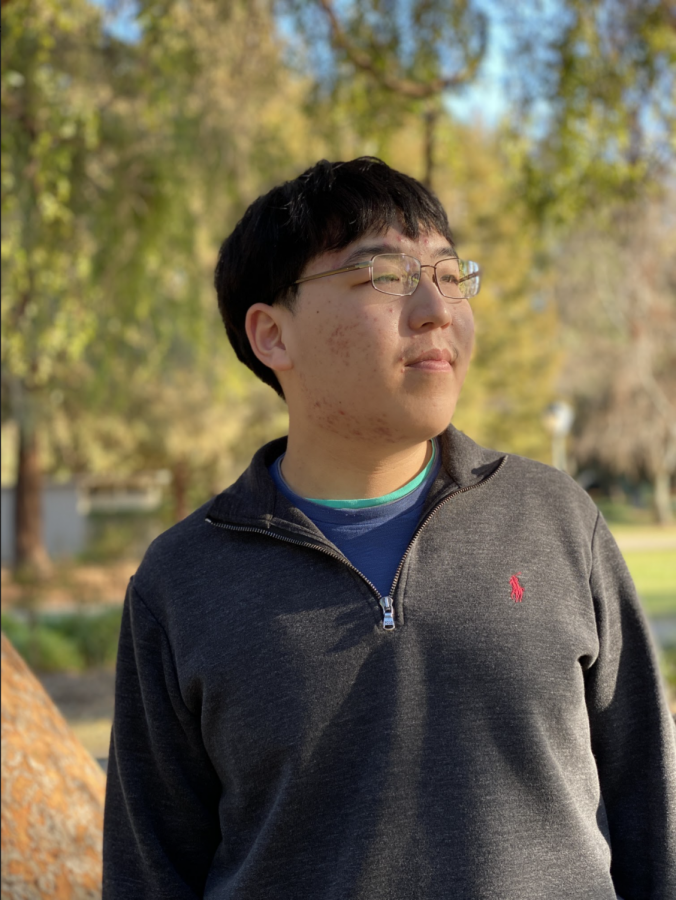
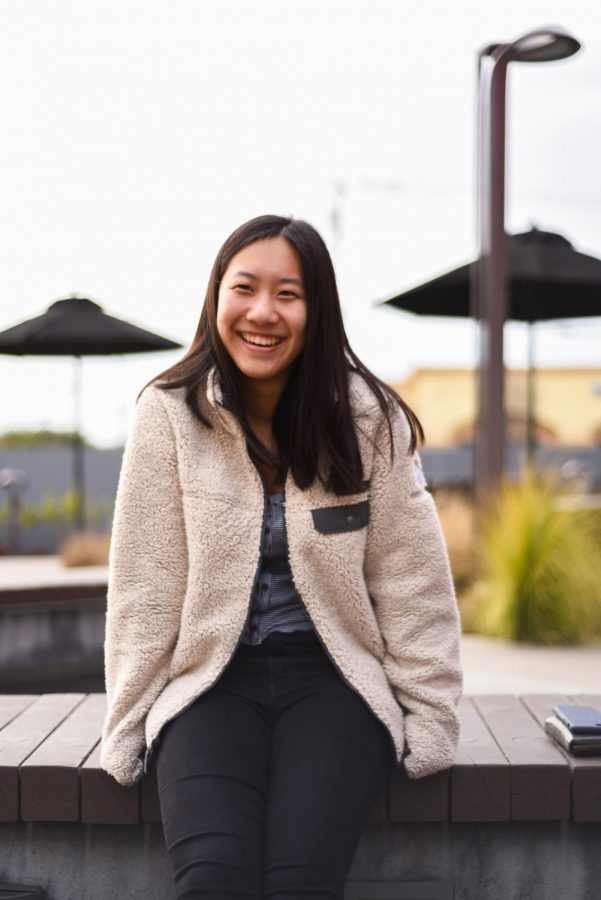
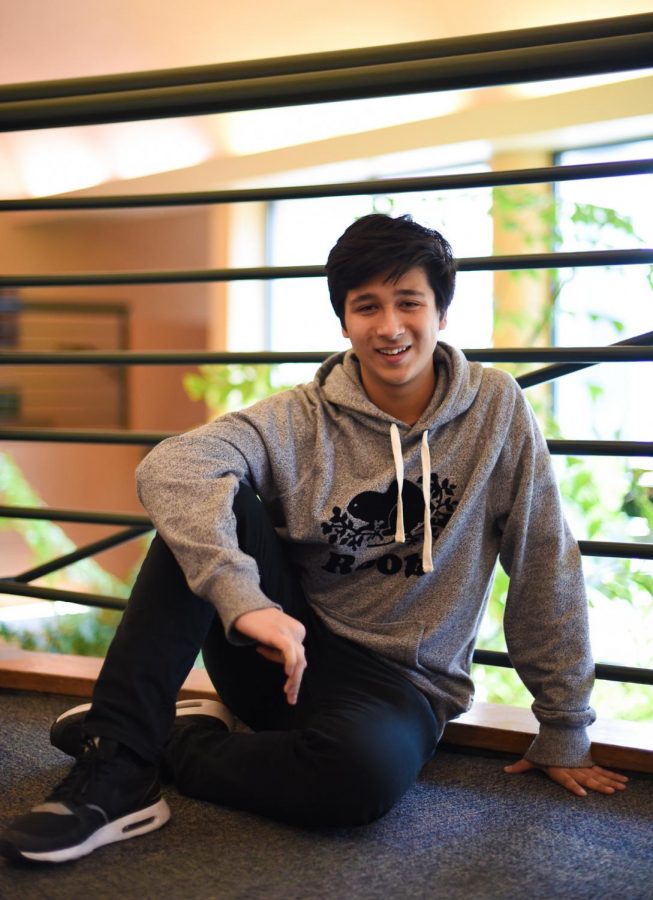
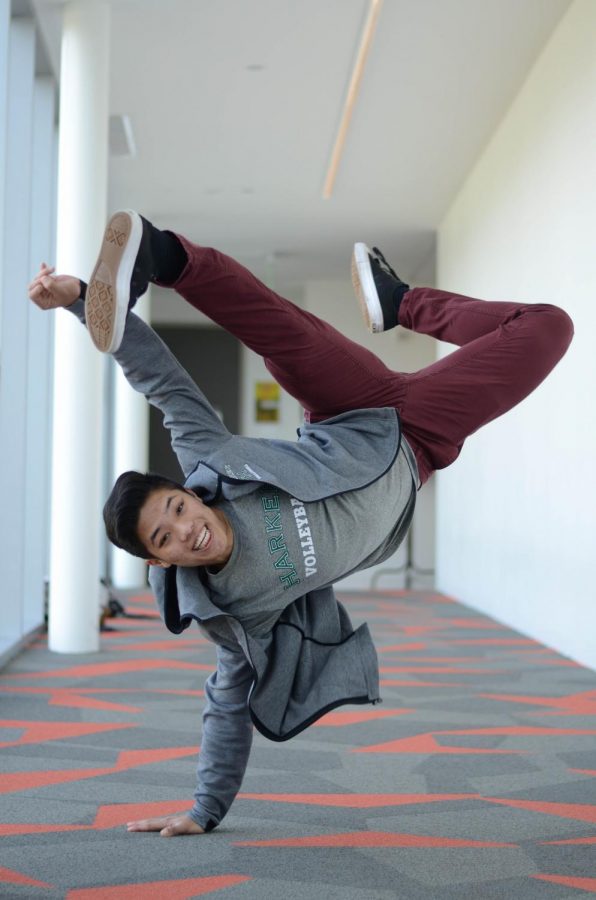
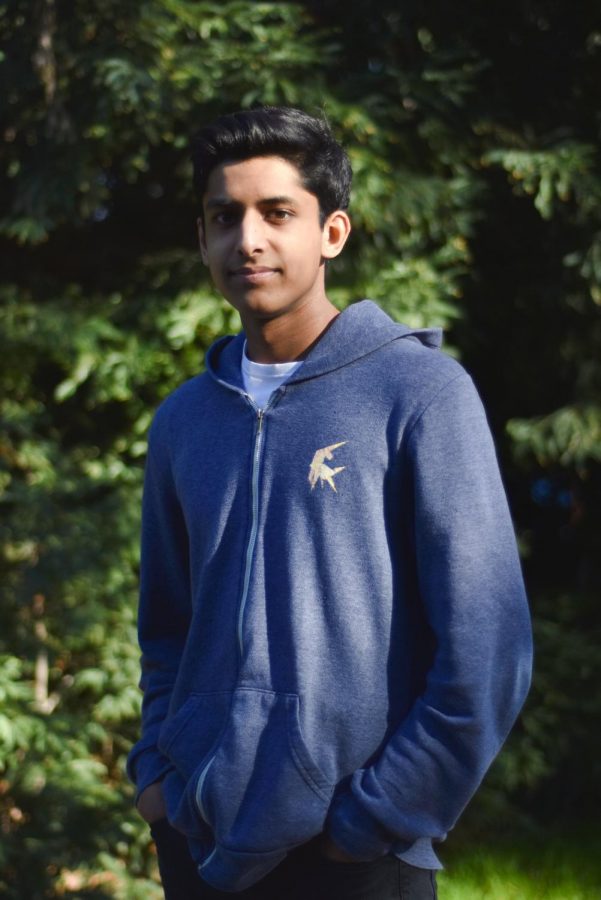
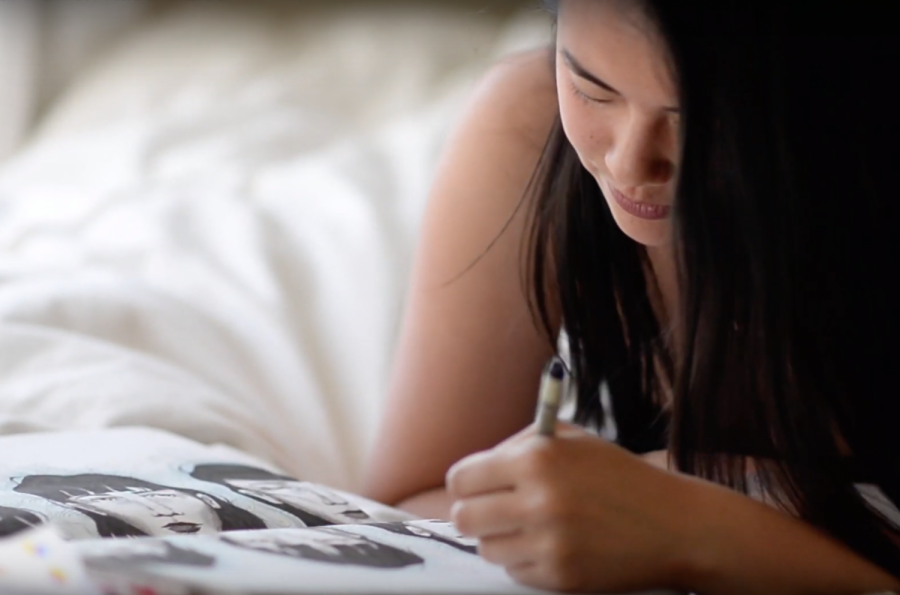
![“I think getting up in the morning and having a sense of purpose [is exciting]. I think without a certain amount of drive, life is kind of obsolete and mundane, and I think having that every single day is what makes each day unique and kind of makes life exciting,” Neymika Jain (12) said.](https://harkeraquila.com/wp-content/uploads/2017/06/Screen-Shot-2017-06-03-at-4.54.16-PM.png)
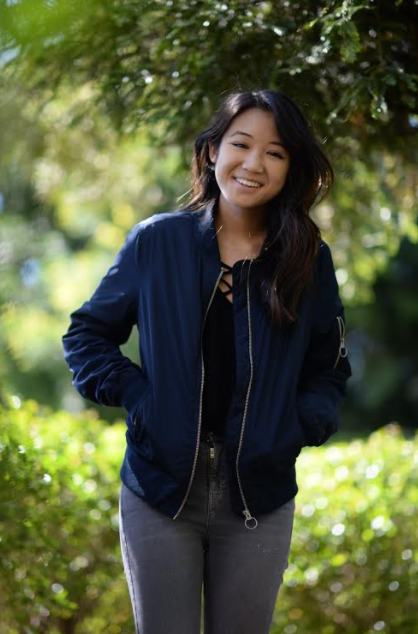
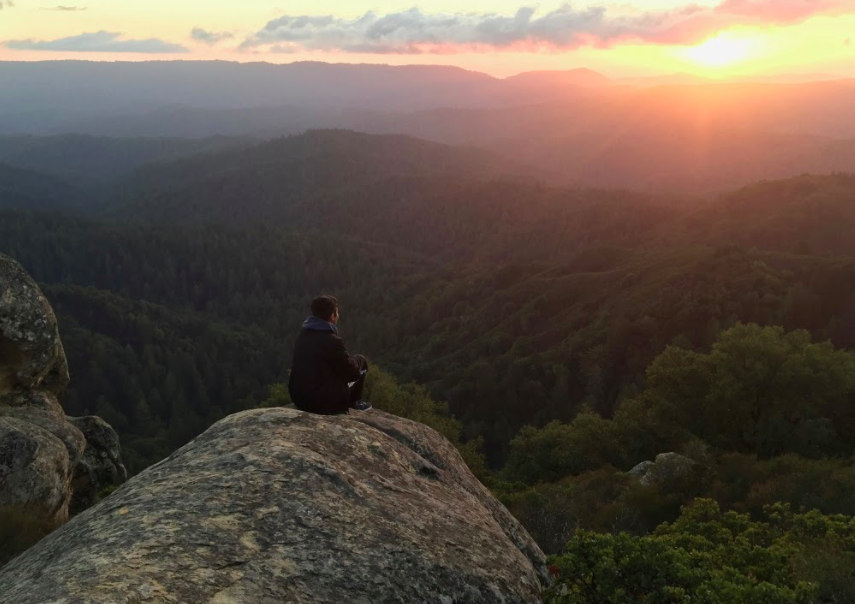
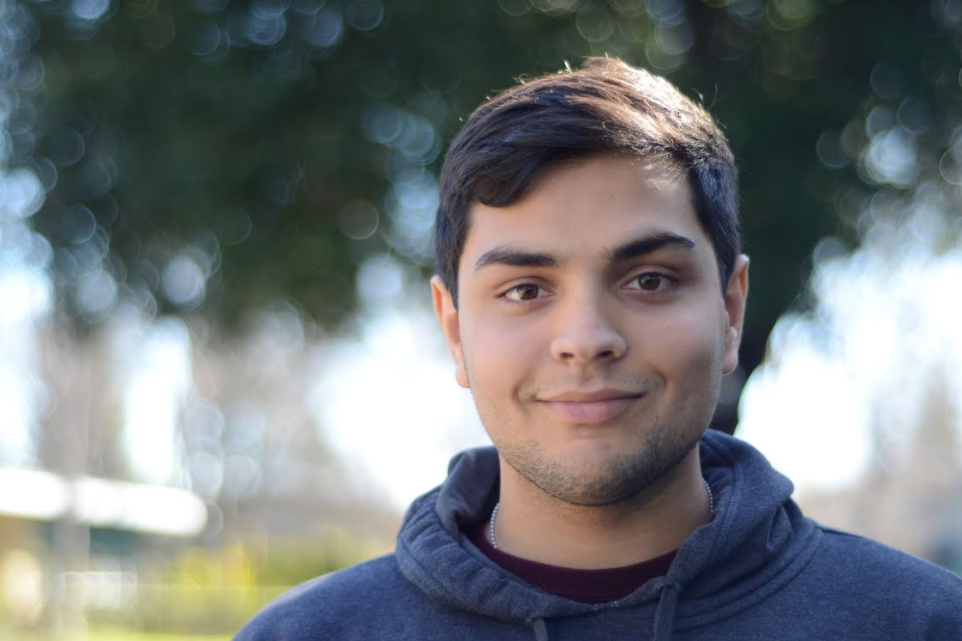
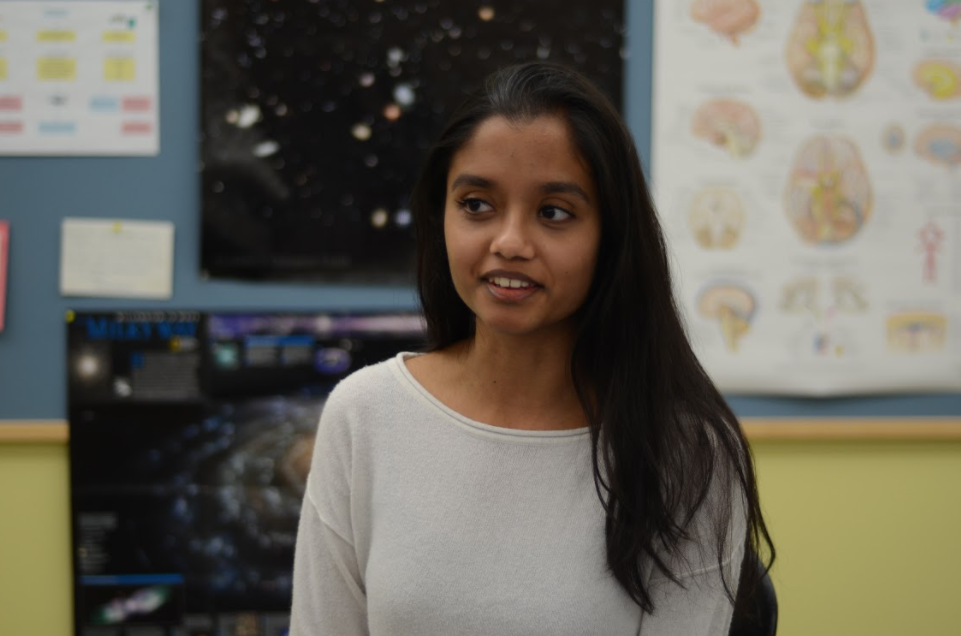
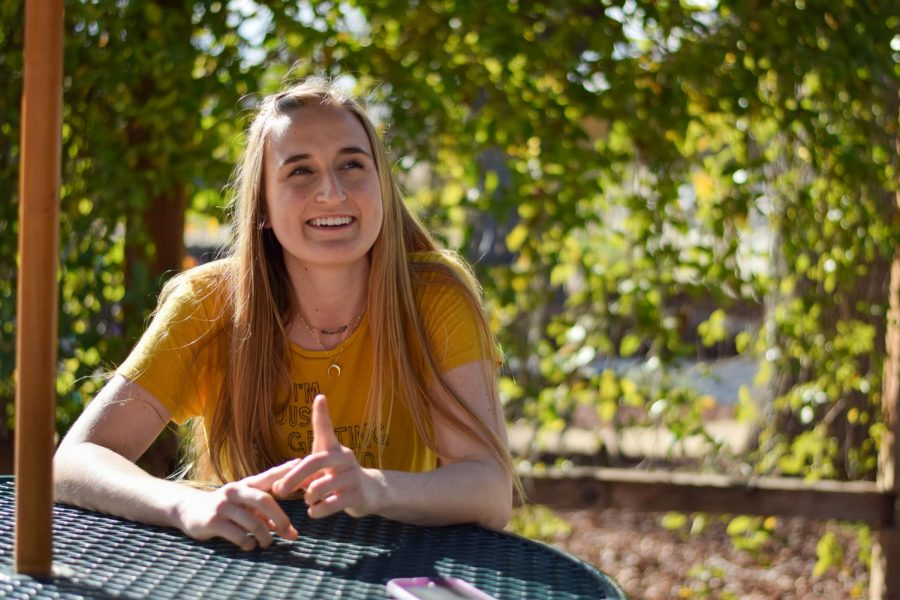
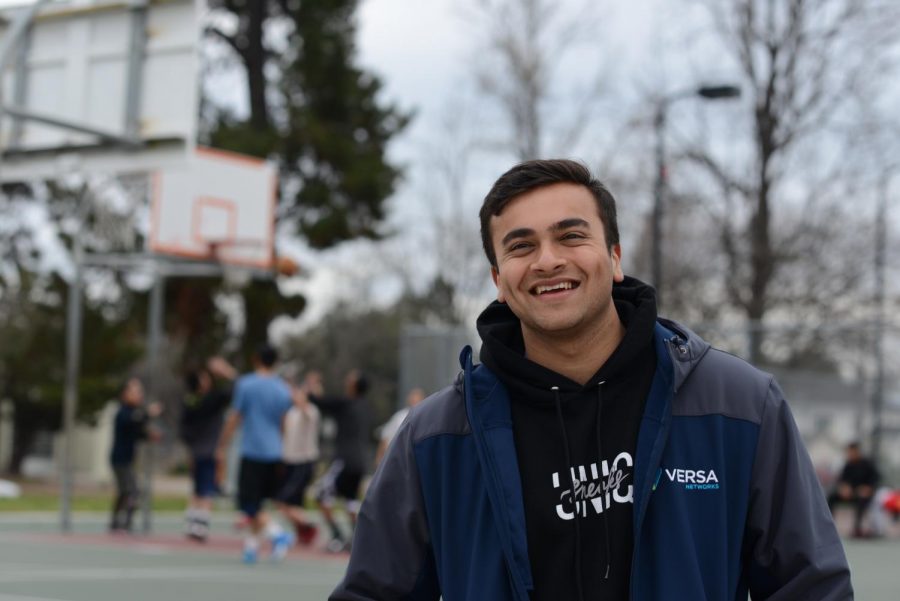
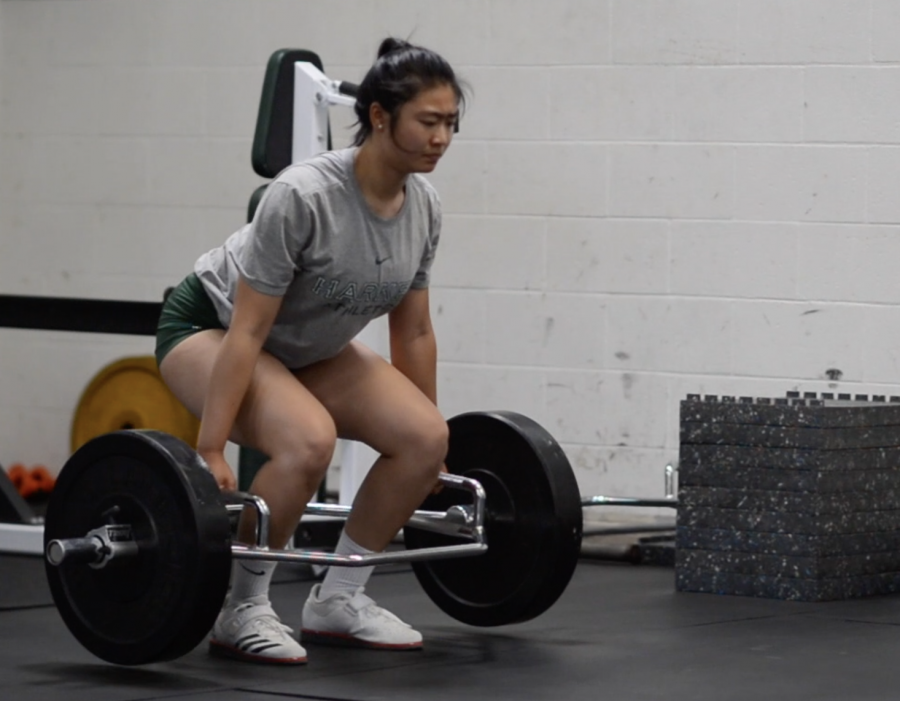

![“My slogan is ‘slow feet, don’t eat, and I’m hungry.’ You need to run fast to get where you are–you aren't going to get those championships if you aren't fast,” Angel Cervantes (12) said. “I want to do well in school on my tests and in track and win championships for my team. I live by that, [and] I can do that anywhere: in the classroom or on the field.”](https://harkeraquila.com/wp-content/uploads/2018/06/DSC5146-900x601.jpg)
![“[Volleyball has] taught me how to fall correctly, and another thing it taught is that you don’t have to be the best at something to be good at it. If you just hit the ball in a smart way, then it still scores points and you’re good at it. You could be a background player and still make a much bigger impact on the team than you would think,” Anya Gert (’20) said.](https://harkeraquila.com/wp-content/uploads/2020/06/AnnaGert_JinTuan_HoHPhotoEdited-600x900.jpeg)
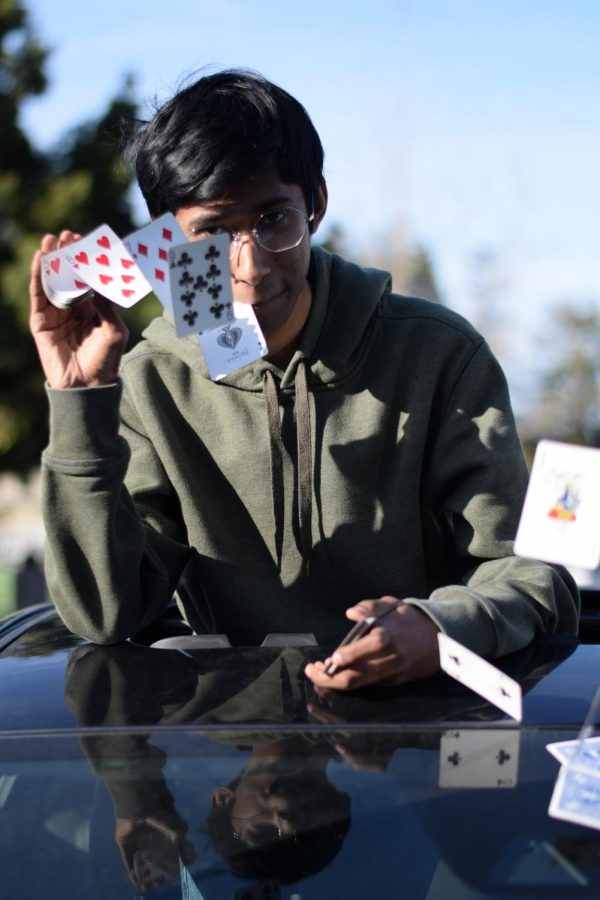
![“I'm not nearly there yet, but [my confidence has] definitely been getting better since I was pretty shy and timid coming into Harker my freshman year. I know that there's a lot of people that are really confident in what they do, and I really admire them. Everyone's so driven and that has really pushed me to kind of try to find my own place in high school and be more confident,” Alyssa Huang (’20) said.](https://harkeraquila.com/wp-content/uploads/2020/06/AlyssaHuang_EmilyChen_HoHPhoto-900x749.jpeg)


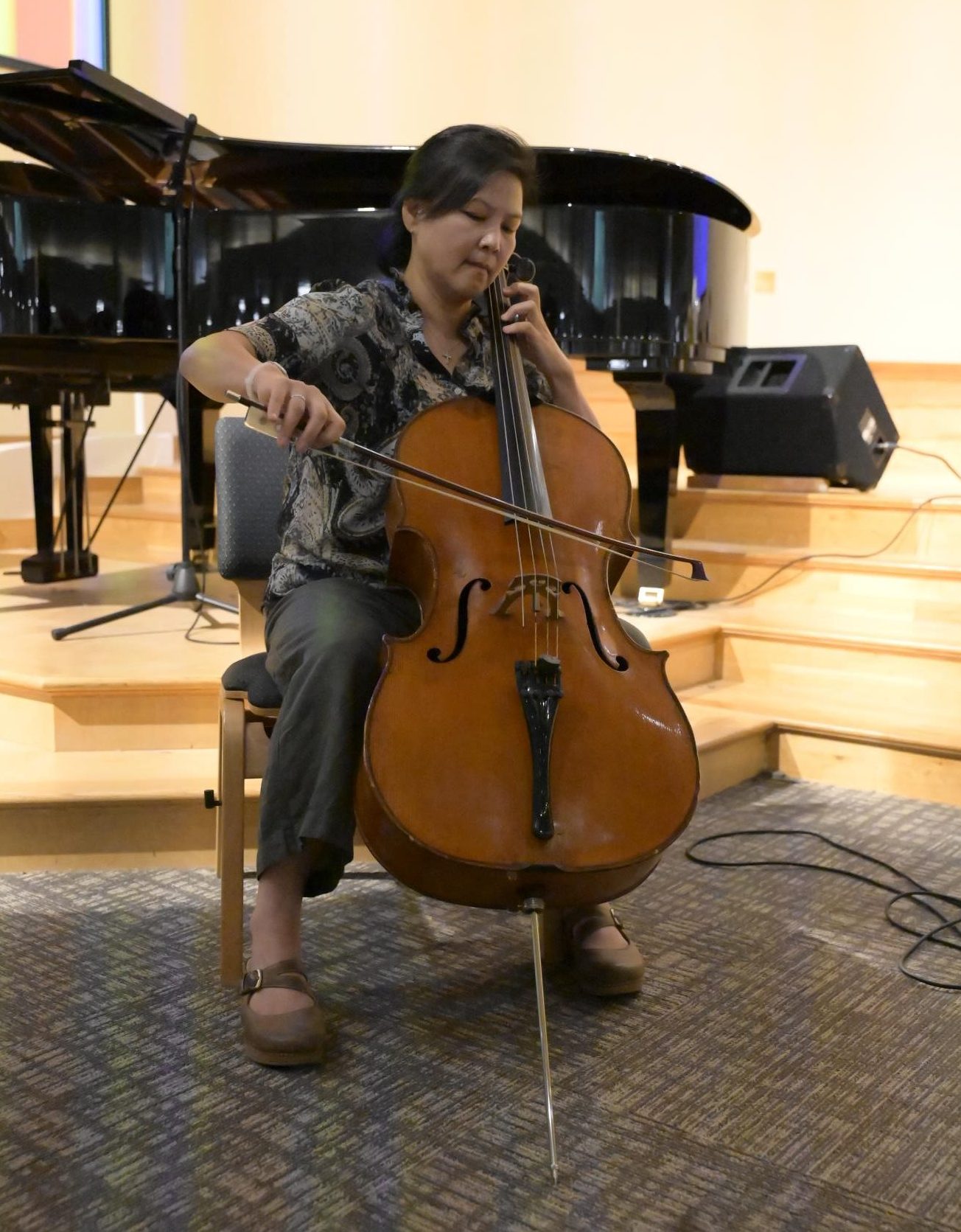
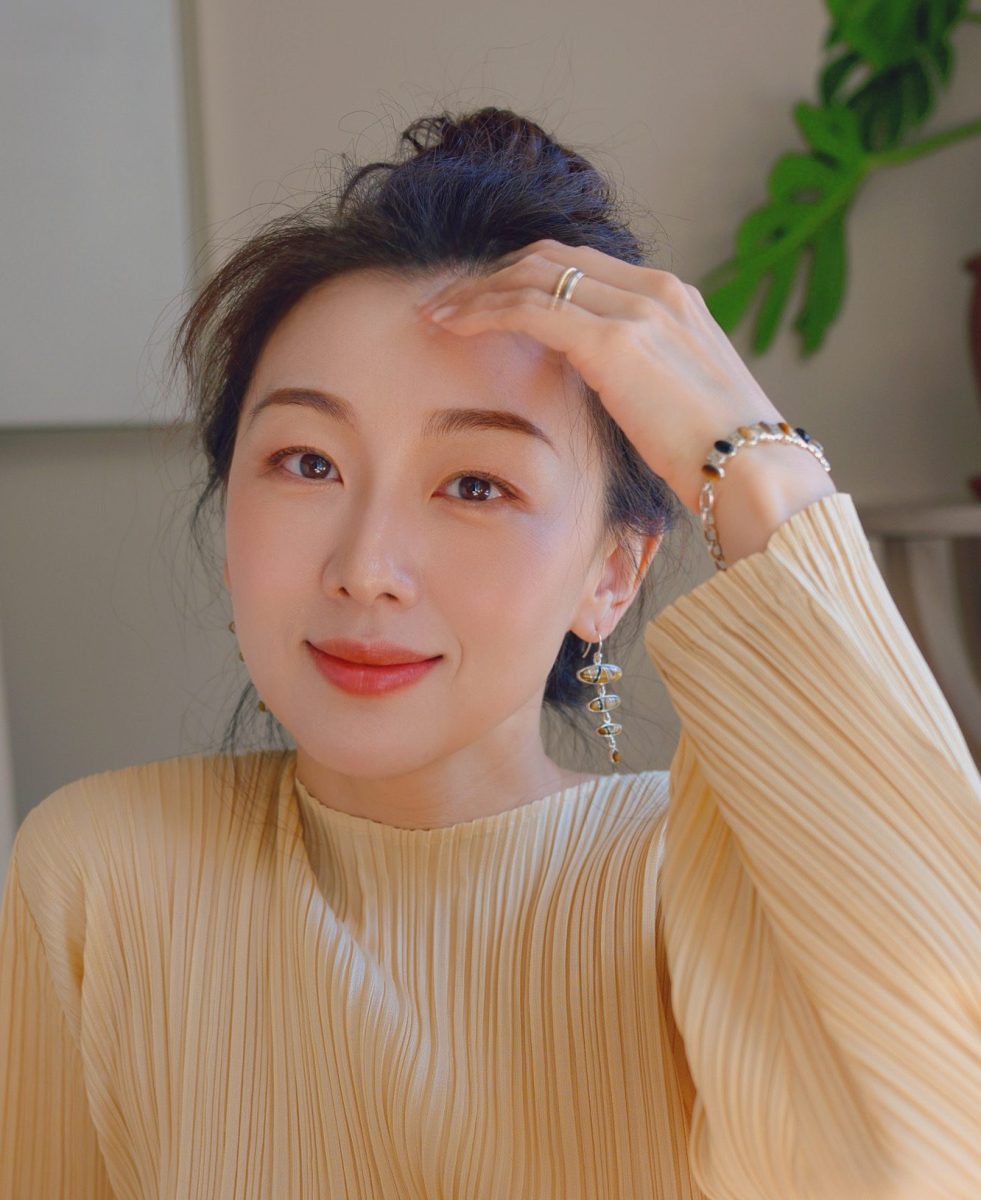
Majestic white feathers. An elegant swoop of the neck. With each graceful stroke of her bow, Sara Hong evokes an image of a serene swan, mimicking its delicate, melancholy movements with effortless fluidity. As the sonorous notes of “The Swan” by Camille Saint-Saëns filled the apartment, a three-year-old boy watched, captivated by the beauty and raw emotion of her performance. That moment marked a turning point in Hong’s career as a cellist. She realized that each performance was not directed merely to a sea of blurred faces and vowed to play with her deepest passion no matter the audience or the venue.
“Even though he had never heard of cello before and was just three years old, I wanted to treat him as if I performed for the world,” Hong said. “I wanted to give him the best. From that moment, I wanted to change my attitude. Whether I play in a library for little kids, or play with the professionals, it doesn’t matter.”
Hong began her instrumental career in Korea at the age of five when she started playing the cello and piano. At 10 years old, she chose to solely pursue the cello and later entered Korea’s prestigious Yewon Middle and High School dedicated to instrumental prodigies. After graduating high school, she studied with renowned instructors at The Juilliard School as a cello major and went on to become a concert soloist, later moving to the San Francisco Conservatory of Music to study as a chamber music major.
Despite receiving mentorship and dedicating immense time to the cello in Korea, Hong encountered cultural differences in America that changed her perspective of music. The Korean training system emphasized flawless intonation and precise technique but did not focus on the philosophical and emotional aspects of music. She realized she needed an authentic connection to the music on a personal level to truly execute a piece.
“I was taught to follow all the instructions that were written, but not so much ‘why play that music or what does it mean to you?’” Hong said. “There is something genuine about certain artists’ expression and understanding of music. They know the meaning of music by heart because they are simply born that way and raised in that context. But, people like me try to mimic it without thinking. I tried to imitate it, but it was not mine.”
Hong immersed herself in reading about music history, which is crucial in understanding the context of any composition. By understanding the hidden meaning and stories behind a music piece, Hong aimed to deepen her connection with the music she played and develop a greater appreciation for the composers at the core of the music.
“I saw that I actually started to value people as souls,” Hong said. “Music has to go beyond its intellectual designer. Everyone is so important.”
Picking from the wide range of career opportunities open to concert cellists – accompanying at an opera, composing music, teaching orchestras or becoming a chamber musician – was no simple task. After college, Hong ultimately decided to pursue chamber music but struggled to form lasting ensembles. Ten years ago, she successfully formed an ensemble that plays a wide variety of music ranging from contemporary to classical, baroque to renaissance.
“When I formed a string quartet, most of our members actually had to move, so after a few years, we had to break up,” Hong said. “I formed another piano trio, and the same thing happened. It was really difficult to have a regular group of musicians to actually work with.”
In addition to studying chamber music, Hong explored the realm of teaching cello. At the San Francisco Conservatory of Music, she participated in a master class led by cellist Bonnie Hampton. To this day, she draws on Hampton’s influence.
“In her studio, her students were almost beginners and not well prepared to go into the professional world,” Hong said. “But she actually turned them into beautiful, amazing cellists at the end. Really great teachers should be able to change people wherever they are, what level they are.”
Hong aims to introduce diverse repertoires during her performances while creating an embracing and welcoming atmosphere for the audience. Her experiences interacting with a spectrum of musicians led her to realize her love for sharing music with others, an act that transcends all boundaries of skill and age.
“Music is not just a simple material,” Hong said. “It’s something that moves between soul to soul. You speak to people and move their soul, and if the music doesn’t suit people’s souls, then it’s not reaching the goal. Even if you have 500 people sitting there, if one person changed, you succeeded. Every single concert has to be meaningful in that way.”