


![“I wasn't discouraged by some of the obstacles we faced. I learned a lot from the leadership. I found that different people need different ways of receiving feedback — you can't [just] tell them to do something and expect the best. [Some] people needed more incentive. A large part of my role was to figure out what worked for everyone and to figure out how to lead all these separate individuals as a team,” Suhana Bhandare (’26) said.](https://harkeraquila.com/wp-content/uploads/2026/06/SuhanaBhandare_JasmineHansra-1-1200x798.jpg)
![“This is actually from Randy Pausch Randy P. Brick: ‘Walls are there for a reason. You have to show how much you want to overcome them.’ You have to show how much you want something. That's what I've always been able to do with tennis, Link Crew and getting that internship [with Kushy Baby]. It’s important pushing through that — getting around that brick wall, climbing over it or clawing through it,” Yash Sachdeva (’26) said.](https://harkeraquila.com/wp-content/uploads/2026/05/YashSachdeva_RamBatchu-copy-1200x1002.jpg)
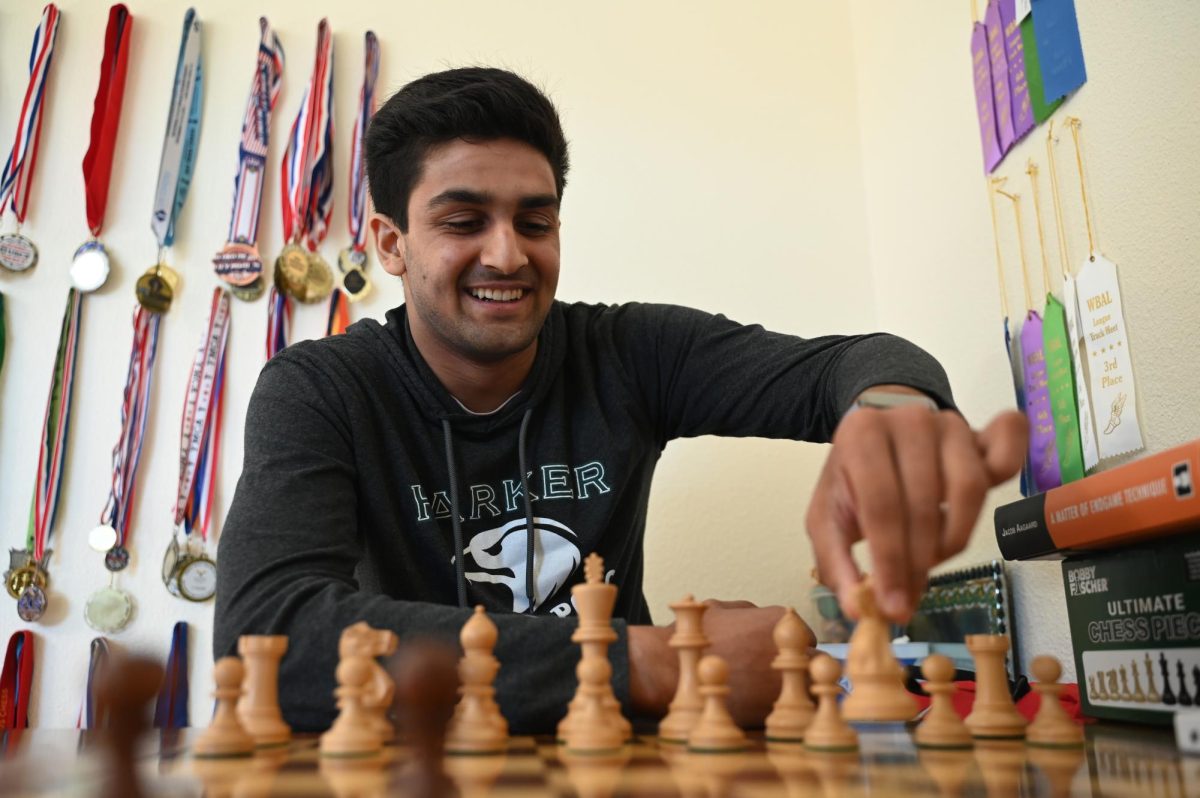
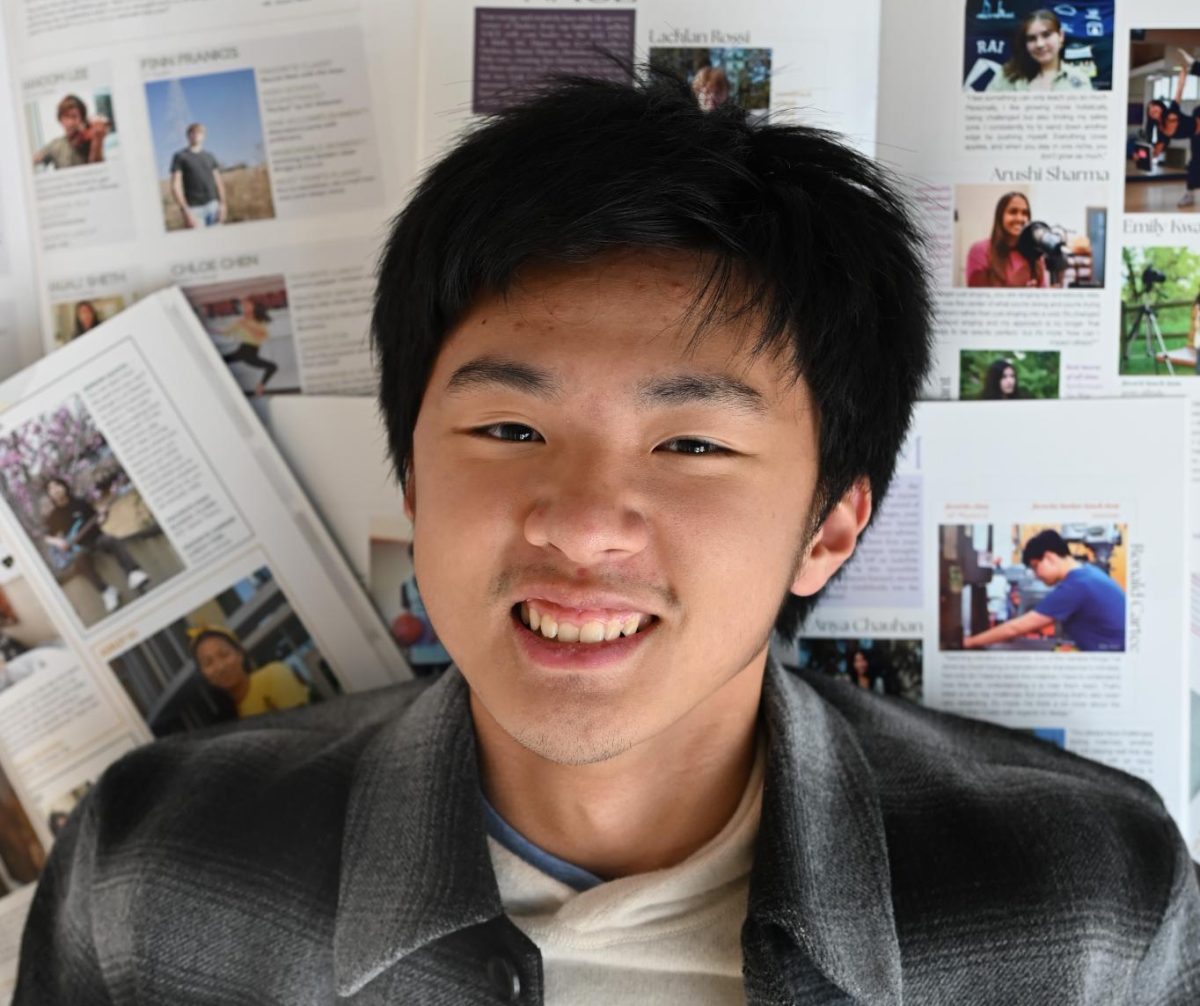
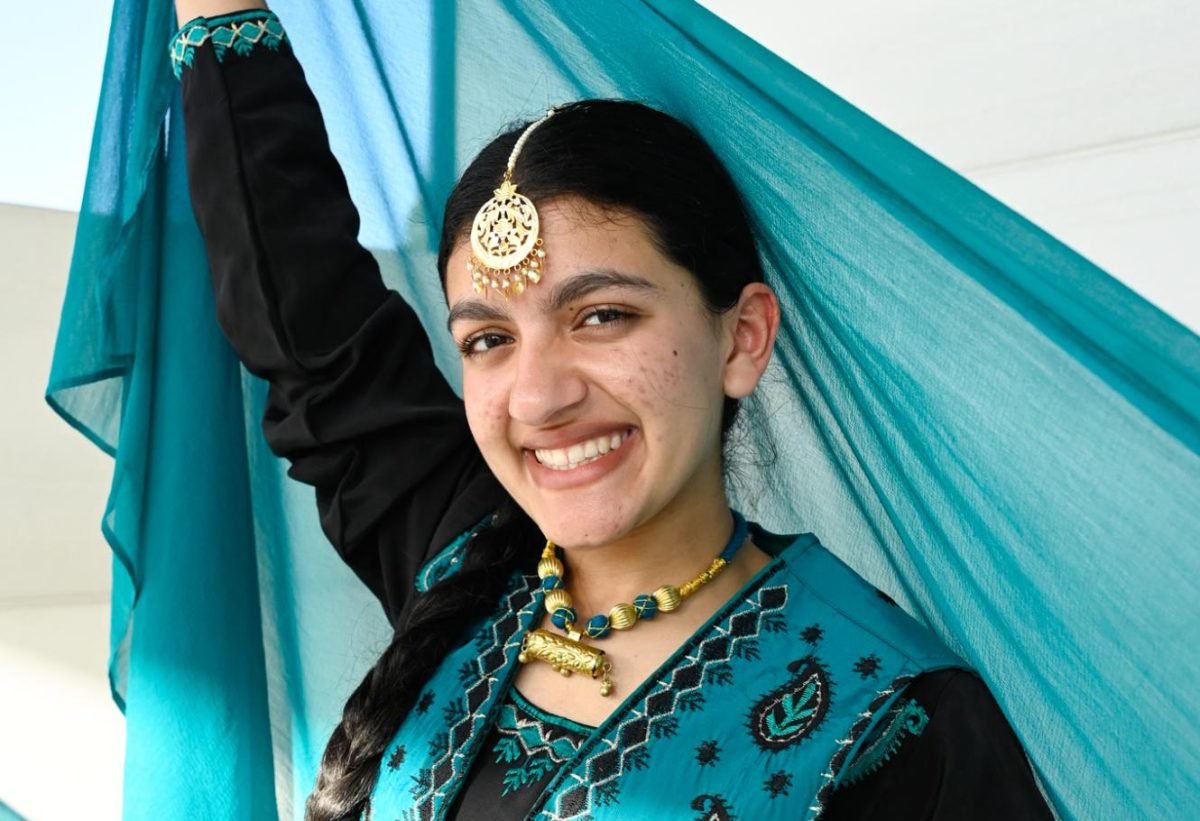


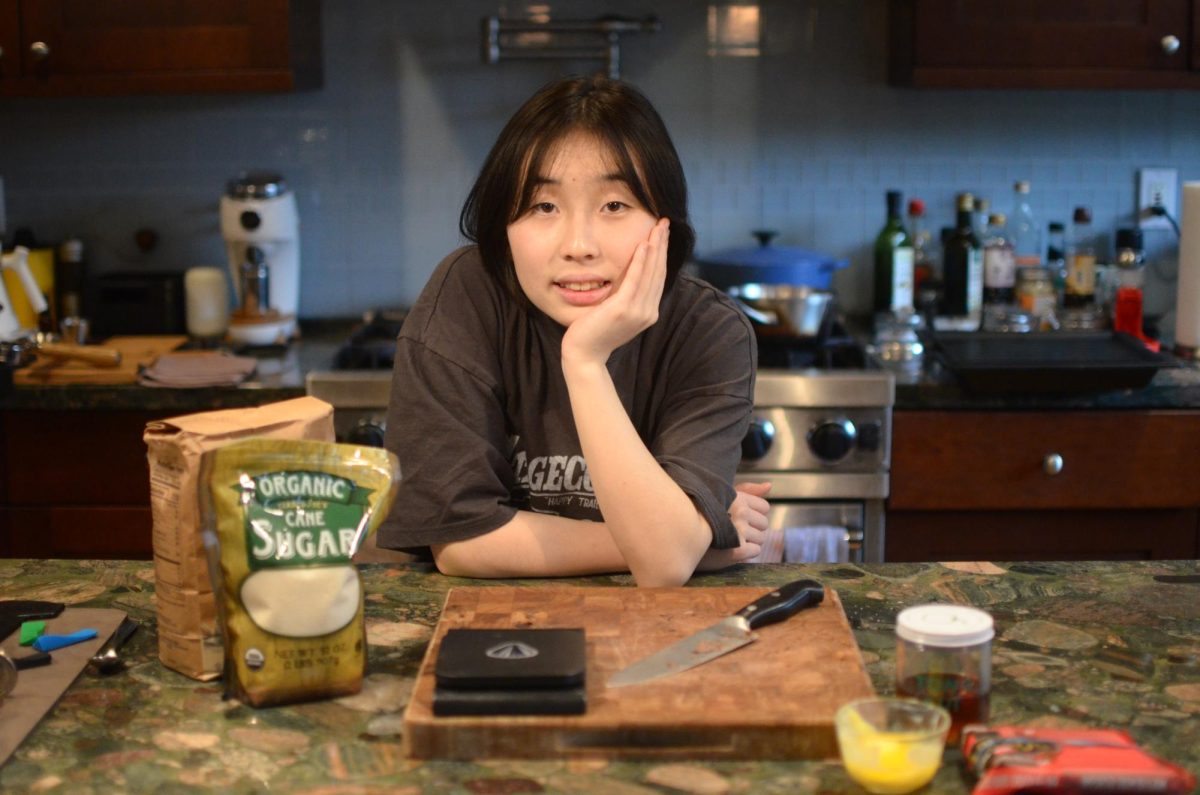





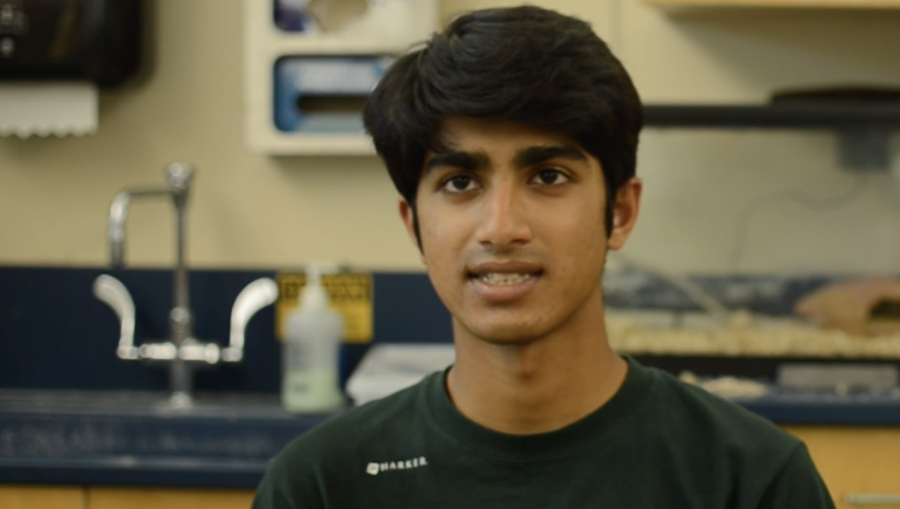
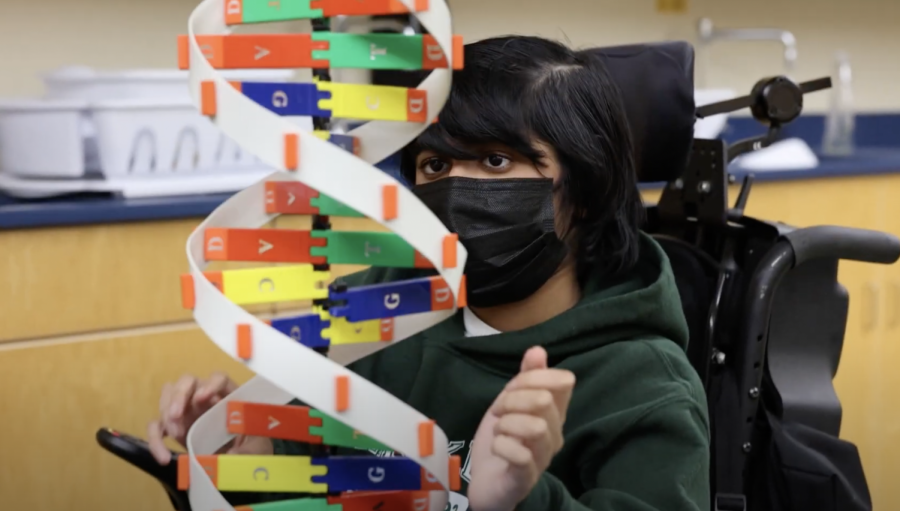
![“[Building nerf blasters] became this outlet of creativity for me that hasn't been matched by anything else. The process [of] making a build complete to your desire is such a painstakingly difficult process, but I've had to learn from [the skills needed from] soldering to proper painting. There's so many different options for everything, if you think about it, it exists. The best part is [that] if it doesn't exist, you can build it yourself," Ishaan Parate said.](https://harkeraquila.com/wp-content/uploads/2022/08/DSC_8149-900x604.jpg)
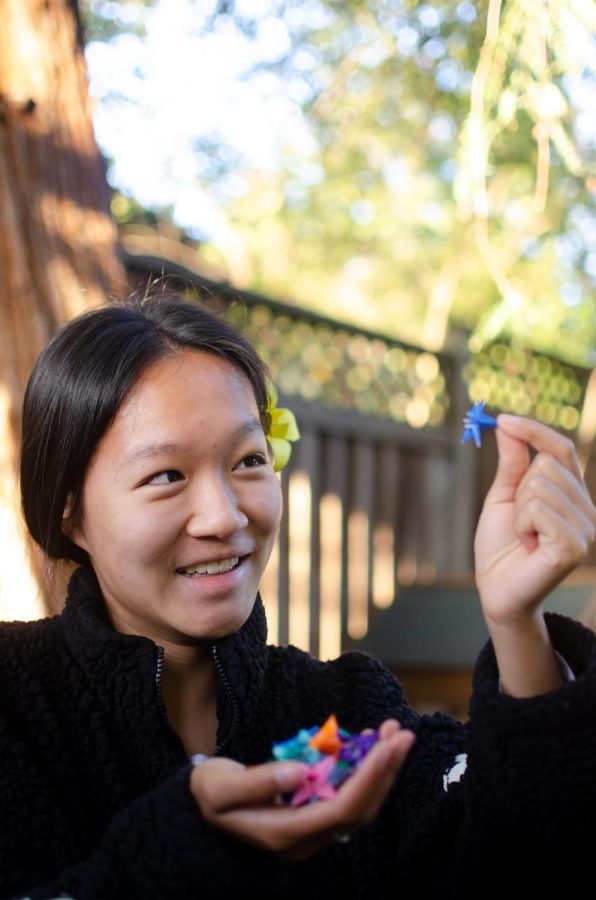
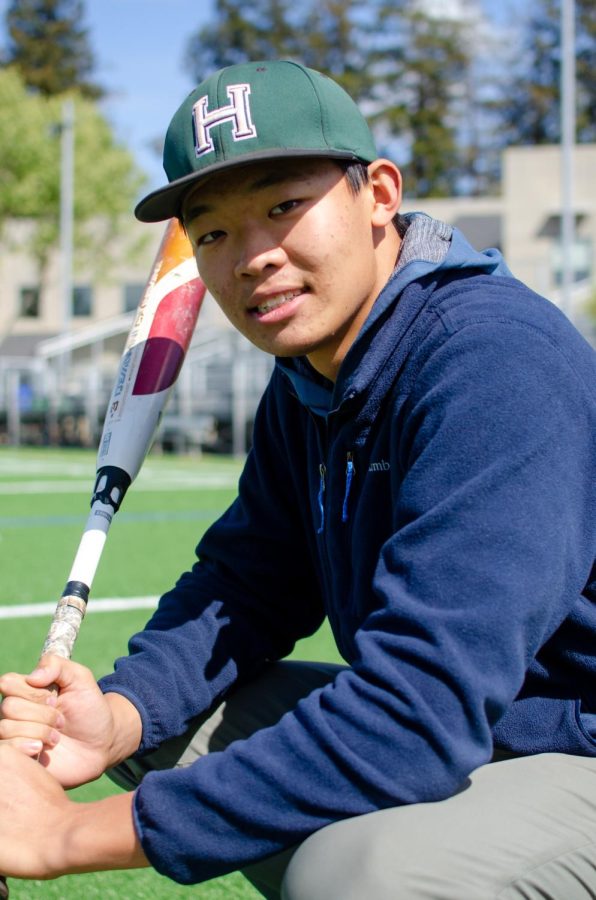
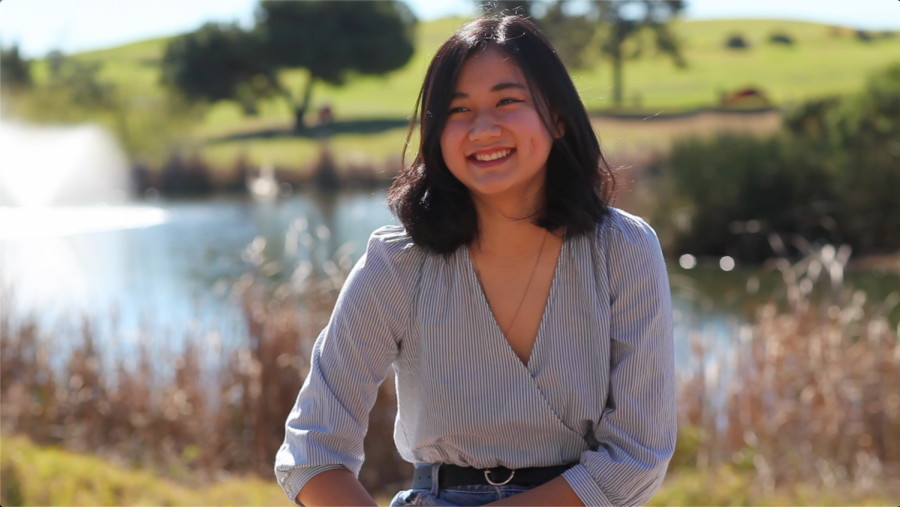
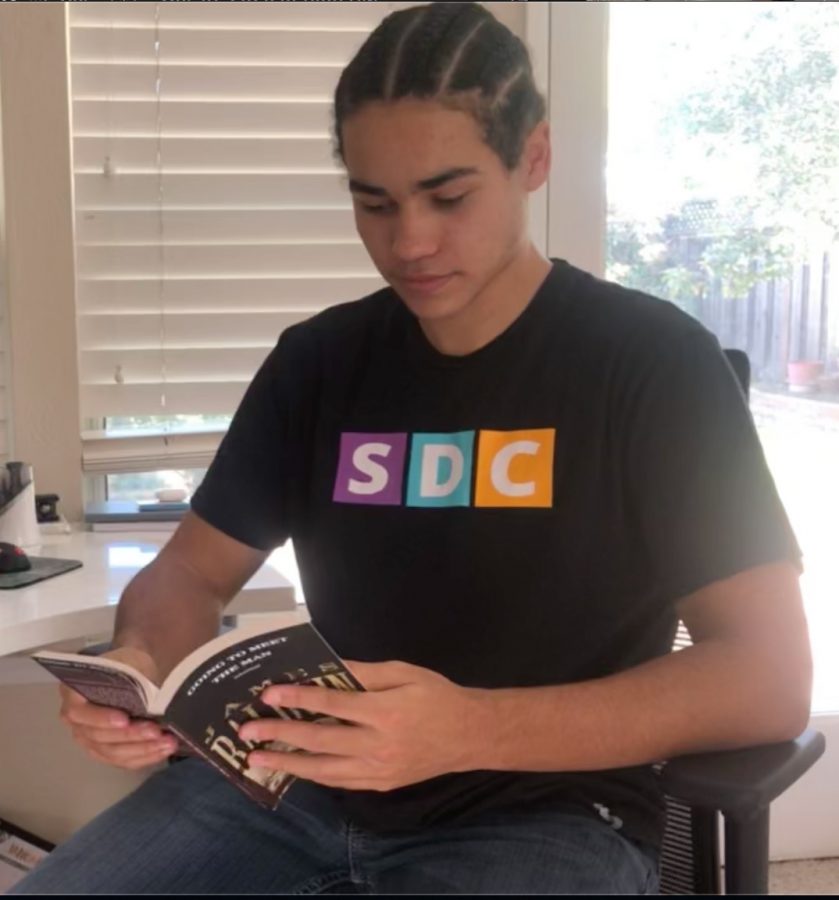
![“When I came into high school, I was ready to be a follower. But DECA was a game changer for me. It helped me overcome my fear of public speaking, and it's played such a major role in who I've become today. To be able to successfully lead a chapter of 150 students, an officer team and be one of the upperclassmen I once really admired is something I'm [really] proud of,” Anvitha Tummala ('21) said.](https://harkeraquila.com/wp-content/uploads/2021/07/Screen-Shot-2021-07-25-at-9.50.05-AM-900x594.png)

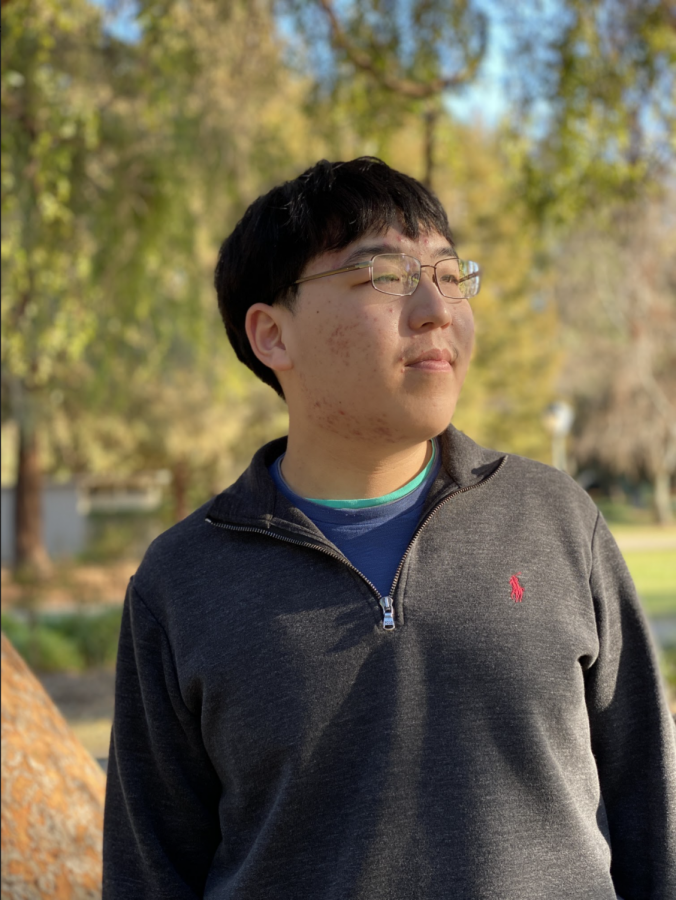
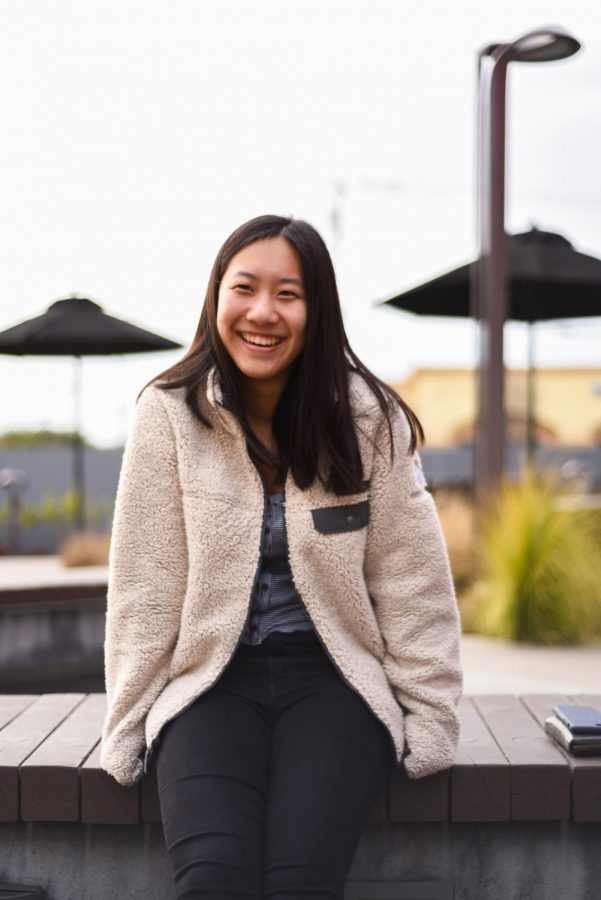
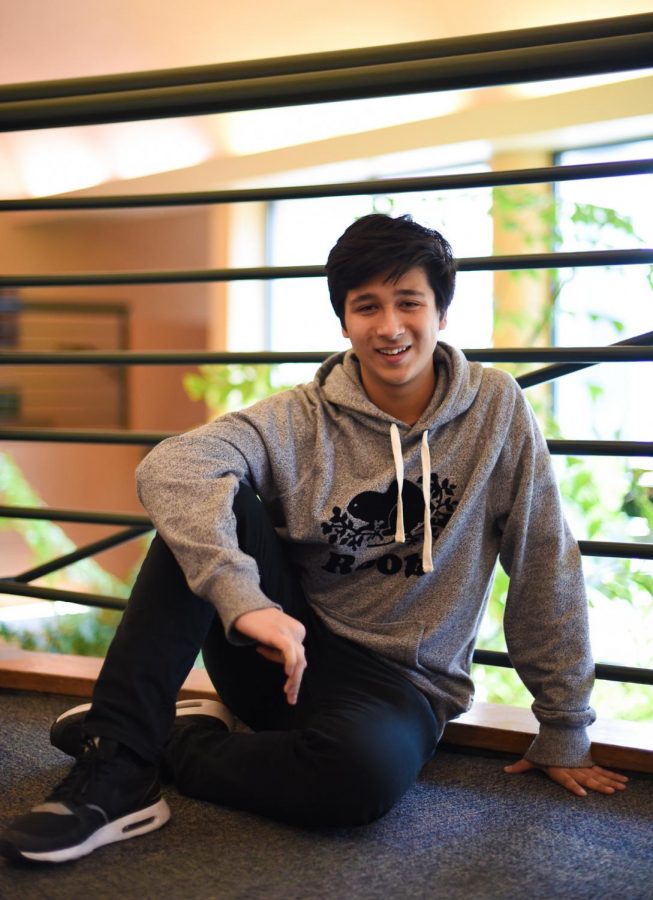
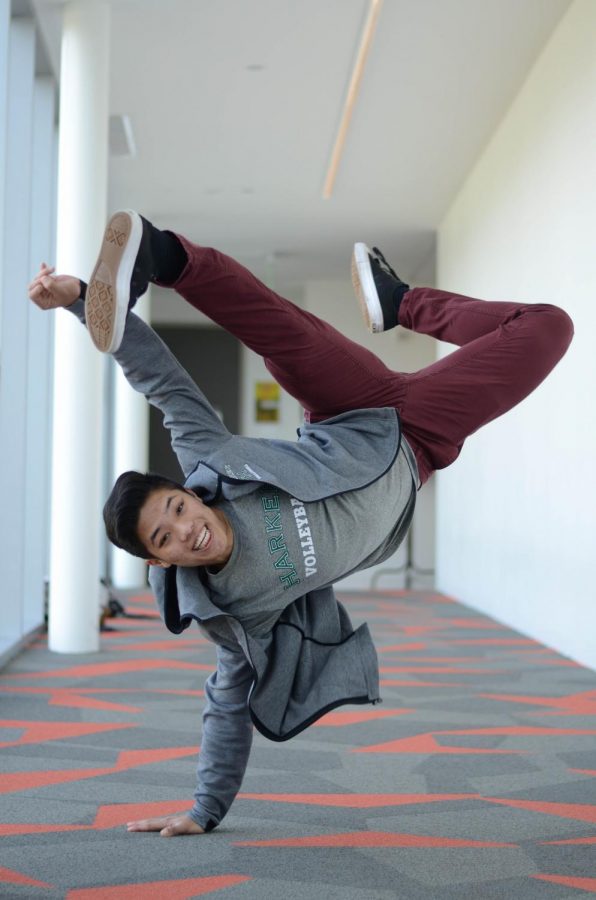
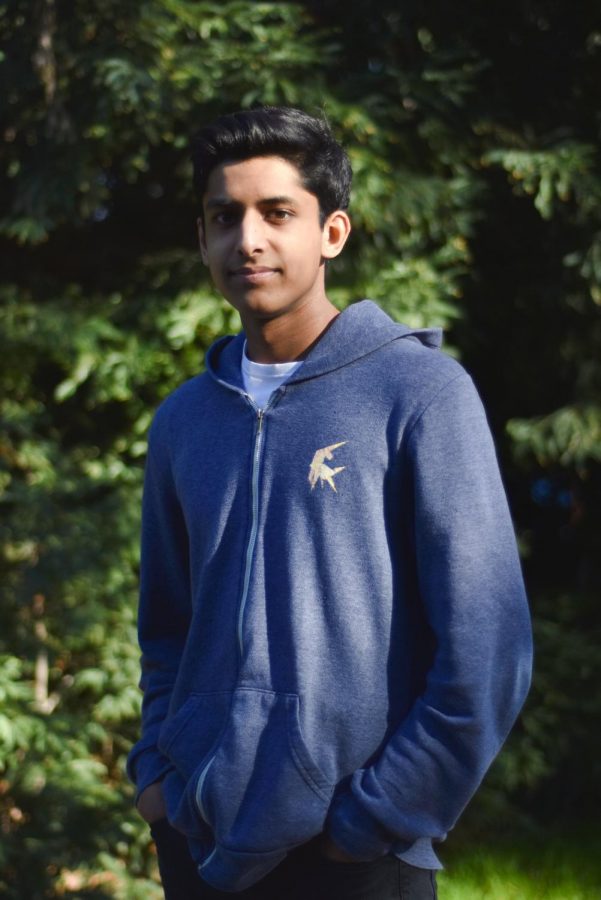

![“I think getting up in the morning and having a sense of purpose [is exciting]. I think without a certain amount of drive, life is kind of obsolete and mundane, and I think having that every single day is what makes each day unique and kind of makes life exciting,” Neymika Jain (12) said.](https://harkeraquila.com/wp-content/uploads/2017/06/Screen-Shot-2017-06-03-at-4.54.16-PM.png)
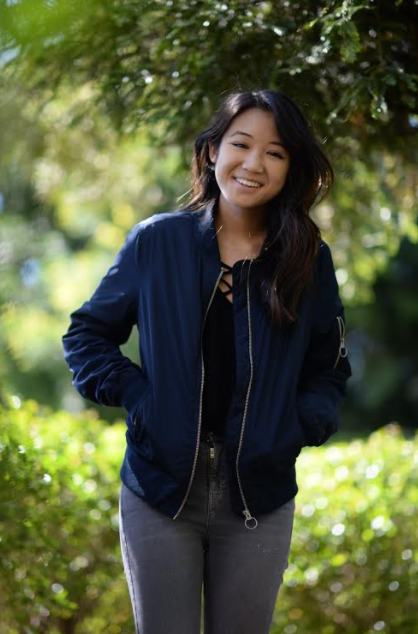
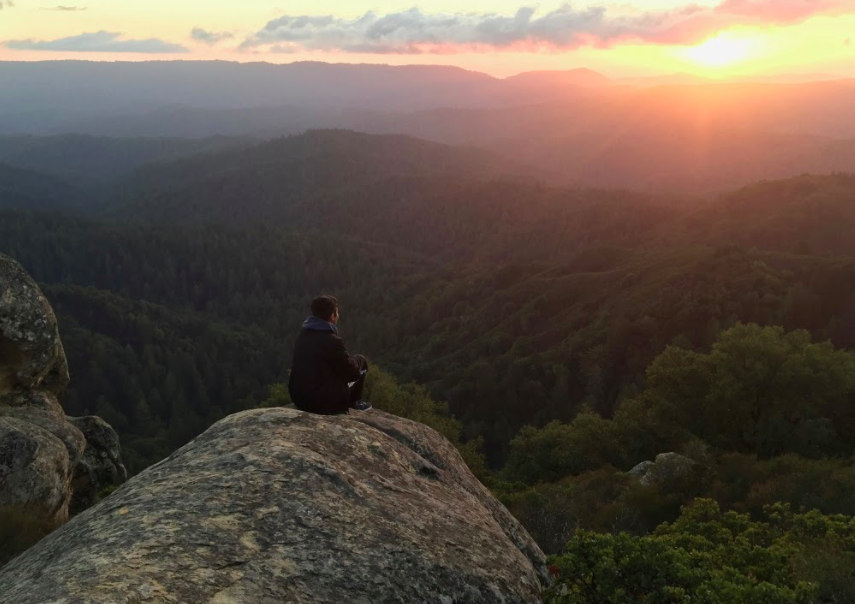
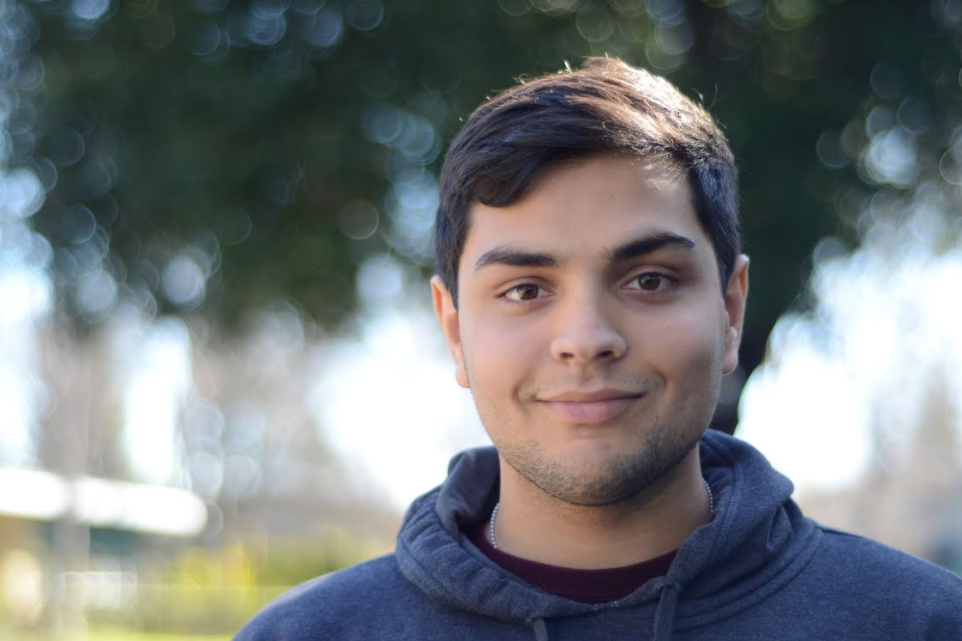
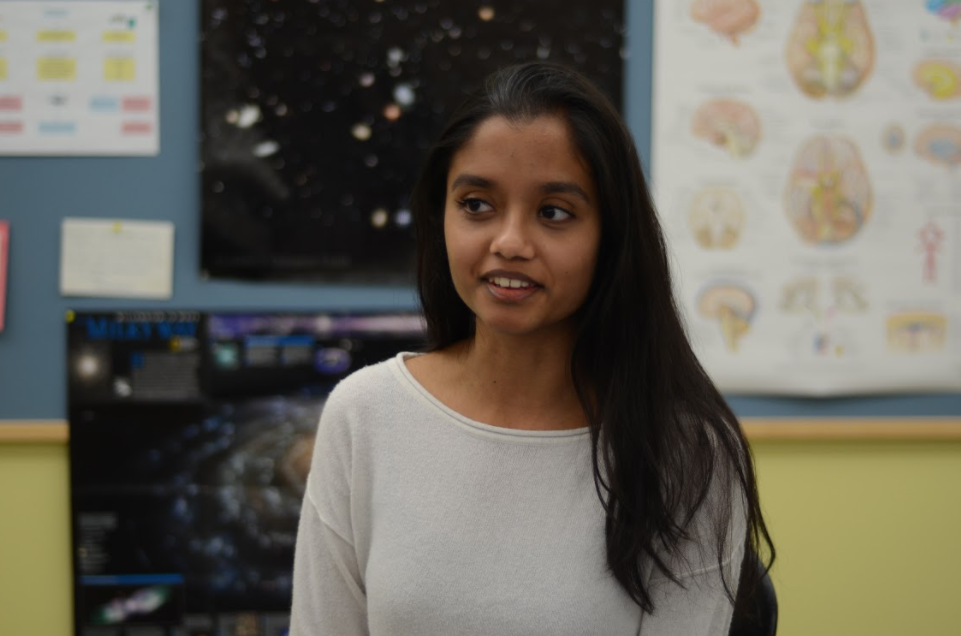
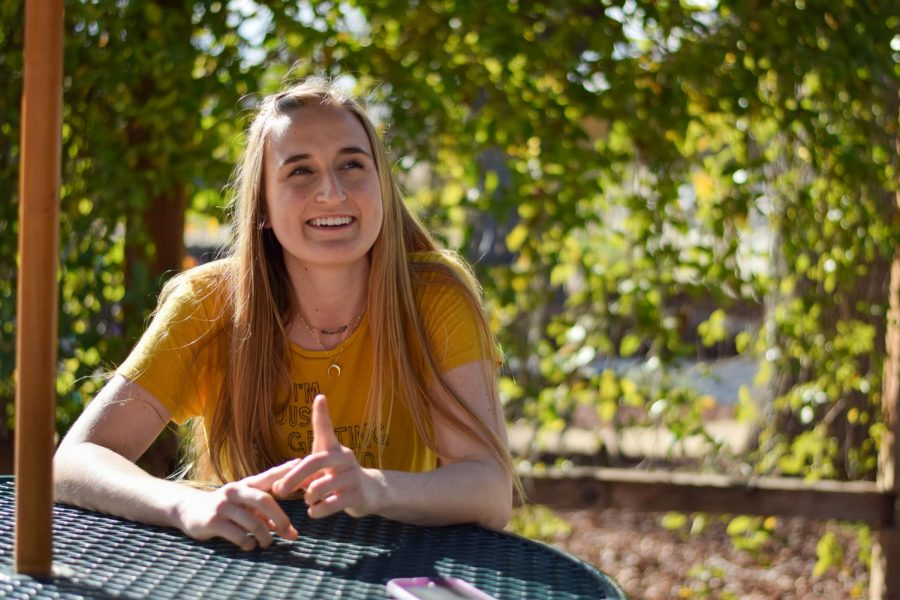
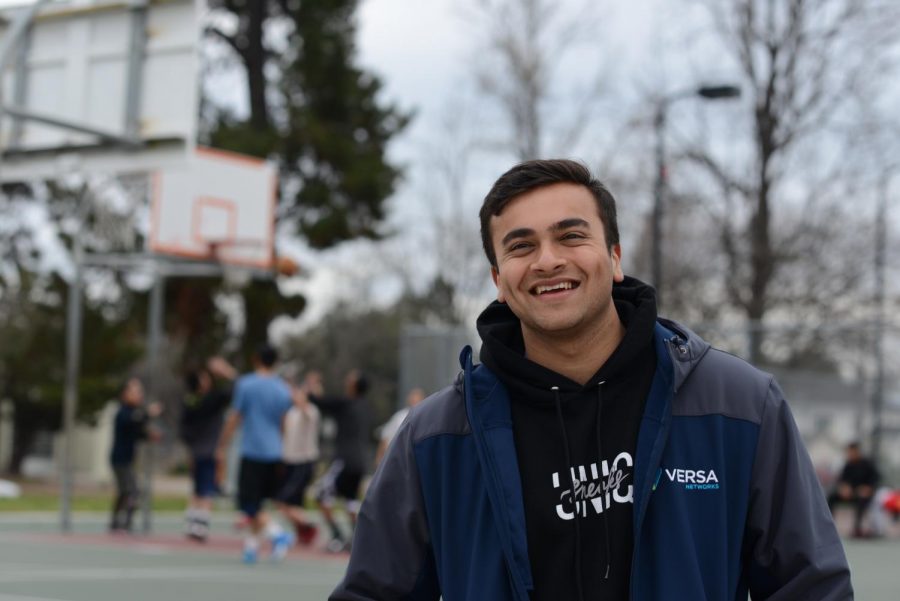
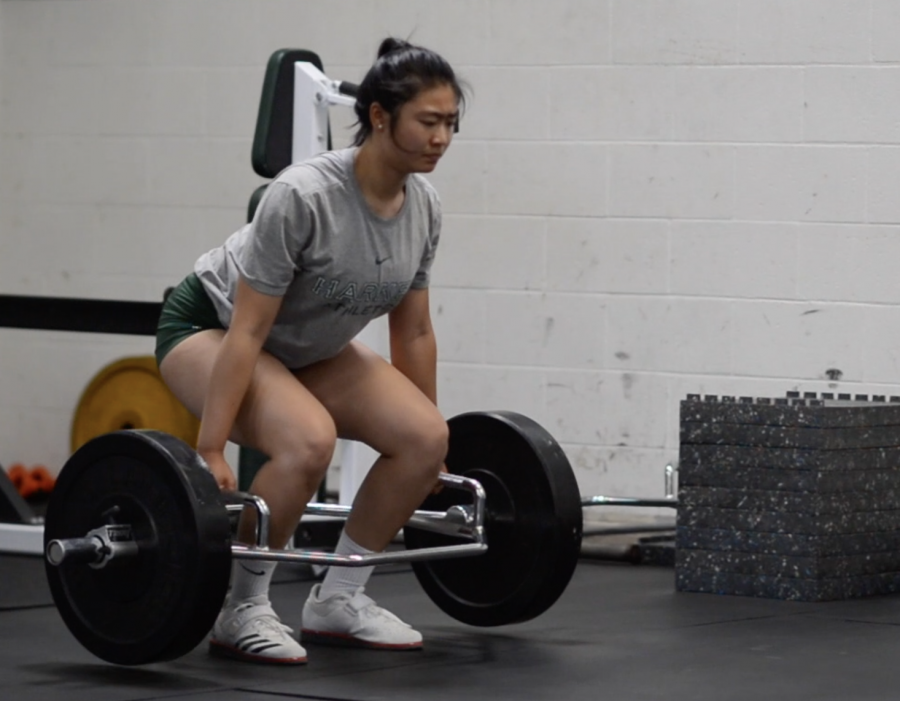

![“My slogan is ‘slow feet, don’t eat, and I’m hungry.’ You need to run fast to get where you are–you aren't going to get those championships if you aren't fast,” Angel Cervantes (12) said. “I want to do well in school on my tests and in track and win championships for my team. I live by that, [and] I can do that anywhere: in the classroom or on the field.”](https://harkeraquila.com/wp-content/uploads/2018/06/DSC5146-900x601.jpg)
![“[Volleyball has] taught me how to fall correctly, and another thing it taught is that you don’t have to be the best at something to be good at it. If you just hit the ball in a smart way, then it still scores points and you’re good at it. You could be a background player and still make a much bigger impact on the team than you would think,” Anya Gert (’20) said.](https://harkeraquila.com/wp-content/uploads/2020/06/AnnaGert_JinTuan_HoHPhotoEdited-600x900.jpeg)
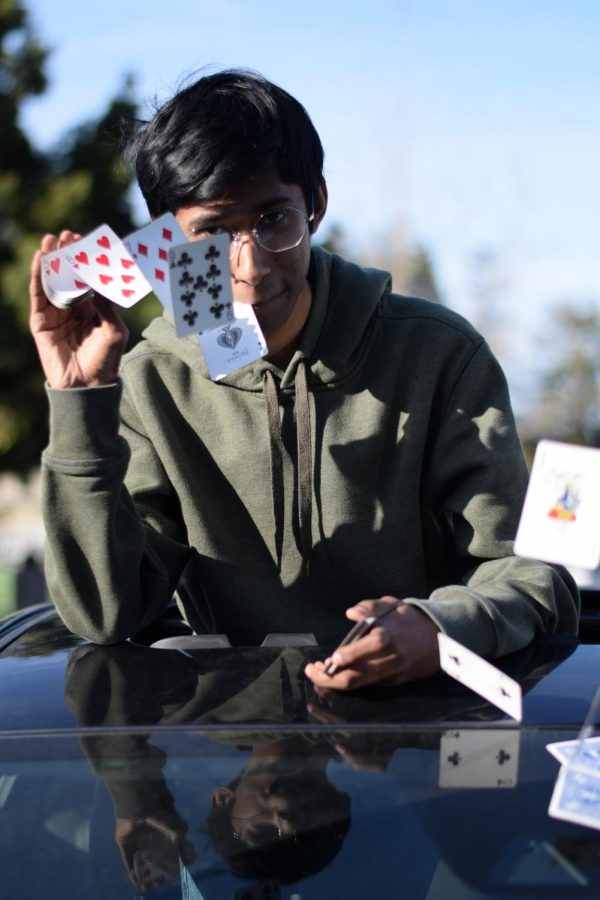
![“I'm not nearly there yet, but [my confidence has] definitely been getting better since I was pretty shy and timid coming into Harker my freshman year. I know that there's a lot of people that are really confident in what they do, and I really admire them. Everyone's so driven and that has really pushed me to kind of try to find my own place in high school and be more confident,” Alyssa Huang (’20) said.](https://harkeraquila.com/wp-content/uploads/2020/06/AlyssaHuang_EmilyChen_HoHPhoto-900x749.jpeg)

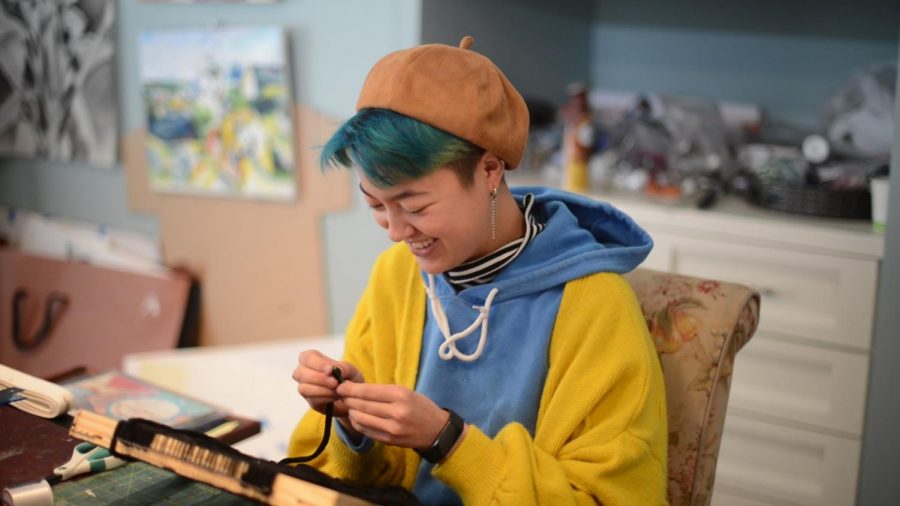

Humans of Harker: Thinking beyond borders
Dilsher Dhaliwal navigates the dynamics of foreign policy
![“[Foreign policy has helped me think] more outside of my personal bubble. When I see something now, I think more about not just how this is affecting us, but how this affects the world more broadly. Recently, there was the economic crisis of gas and oil — that doesn't just affect the US, it affects Europe,” Dilsher Dhaliwal (12) said.](https://harkeraquila.com/wp-content/uploads/2023/02/DilsherDhaliwalHOH_MC-900x596.jpg)
“[Foreign policy has helped me think] more outside of my personal bubble. When I see something now, I think more about not just how this is affecting us, but how this affects the world more broadly. Recently, there was the economic crisis of gas and oil — that doesn’t just affect the US, it affects Europe,” Dilsher Dhaliwal (12) said.
While international relations meetings occur every day, only the most important ones become mainstream enough to capture the general public’s attention. But these decisions have far-reaching impacts that extend well beyond the meeting rooms they’re made in. Even seemingly small foreign policy decisions can have ripple effects in the dynamic ecosystem of global affairs. Recognizing the significance of these decisions, Dilsher Dhaliwal (12) aspires to make meaningful contributions to U.S. policy.
Dilsher took an interest in history in lower school, though he didn’t realize he wanted to study international relations until much later. Since learning more about foreign policy, he has grown to think globally and make connections across states and borders.
“[Foreign policy has helped me think] more outside of my personal bubble,” Dilsher said. “When I see something now, I think more about not just how this is affecting us, but how this affects the world more broadly. Recently, there was the economic crisis of gas and oil — that doesn’t just affect the US, it affects Europe.”
During the summer of his junior year, Dilsher took an international relations course at American University in Washington D.C., which fostered his interest in the subject and taught him about the process of making foreign policy decisions in the United States.
“The class helped me think about things more regionally, because obviously, the way a country approaches foreign policy in different regions of the world is going to be different,” Dilsher said. “It helped me understand how what one country may do, like Europe, might be different than what another country may do, like a policy discourse in the Middle East.”
Because of the shifting dynamics and complex background of the Middle East, Dilsher took particular interest in the Iran Nuclear Deal and how the politics of the different countries came into play with such negotiations.
“Obviously, the Middle East is a very eventful region of the world,” Dilsher said. “I find the history of how the various states were formed and how these societies interact with each other captivating.”
Upper school history teacher Dr. Chuck Witschorik reflected on Dilsher’s time in his AP U.S. History class as a junior, noting his dedication to and genuine love of history, which comes as a result of Dilsher’s interest in foreign policy.
“He is always trying to improve his performance in class, especially his commitment to history,” Dr. Witschorik said. “He’s somebody that I remember talking with after class or before class about history-related topics. He went above and beyond just what we were talking about in class to other examples from history that he’s interested in.”
Close friend John Cracraft (12), who met Dilsher in middle school, quickly noticed Dilsher’s unrelenting dedication to the topics or hobbies he loves. As the two progressed from seventh grade to senior year, John observed that Dilsher’s tenacity remained unwavering.
“If he’s interested in something, he’s very passionate about it — like history or comics and fantasy,” John said. “His work ethic is very strong.”
In addition to international relations, Dilsher has other hobbies which he engages in. From comics to video games, Dilsher enjoys the depth of fictional worlds and how far he can immerse himself in the details and landscapes, attributing his carefree nature to his ability to unwind and find moments of relaxation even in stressful situations.
“I want to be remembered as a guy who didn’t really stress too much about things, a guy who took things easily,” Dilsher said. “I’ve always tried to not let stress get to me too much, which is why I have those hobbies.”
Dilsher’s easy going demeanor is cherished by his friends as well. Close friend Andrew Pluzhnikov (12) values his conversations with Dilsher, noting how Dilsher brings a unique perspective to the table.
“He can make his opinion heard very well,” Andrew said. “He’s nice, he’s easy to talk to. There’s no feeling that he doesn’t want to listen at any point.”
Ultimately, whether in academic or social settings, Dilsher strives to help others understand the complexities of foreign policy. Looking to the future, he hopes to leave a meaningful mark on U.S. international relations.
“I just want to be able to, as much as I can, be able to affect the way the country conducts itself,” Dilsher said. “I realize it’s a pretty big thing to say in high school, but I hope to one day be able to do that and help affect the course of the country’s foreign policy.”
Margaret Cartee 12) is a co-managing editor for Harker Aquila, and this is her fourth year on staff. This year, Margaret wants to do more illustrations...