


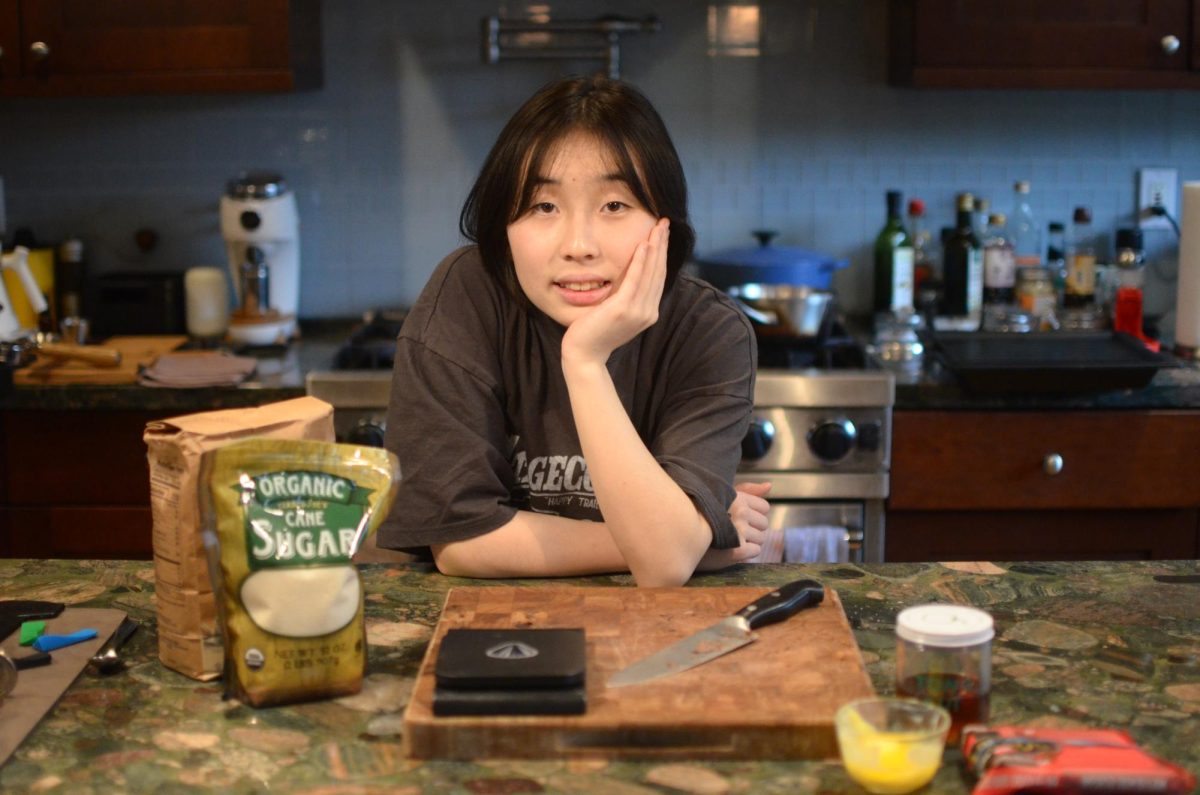
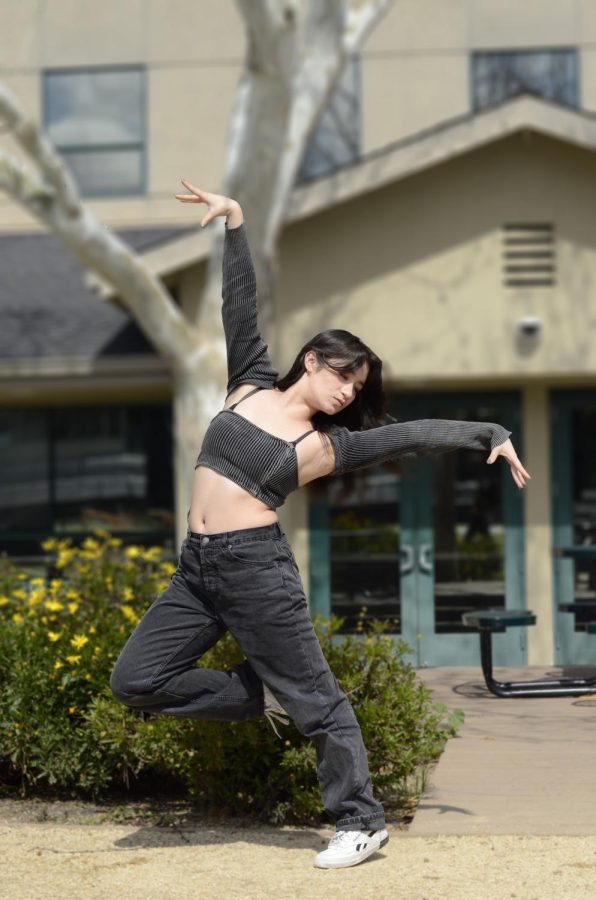
![“I wasn't discouraged by some of the obstacles we faced. I learned a lot from the leadership. I found that different people need different ways of receiving feedback — you can't [just] tell them to do something and expect the best. [Some] people needed more incentive. A large part of my role was to figure out what worked for everyone and to figure out how to lead all these separate individuals as a team,” Suhana Bhandare (’26) said.](https://harkeraquila.com/wp-content/uploads/2026/06/SuhanaBhandare_JasmineHansra-1-1200x798.jpg)
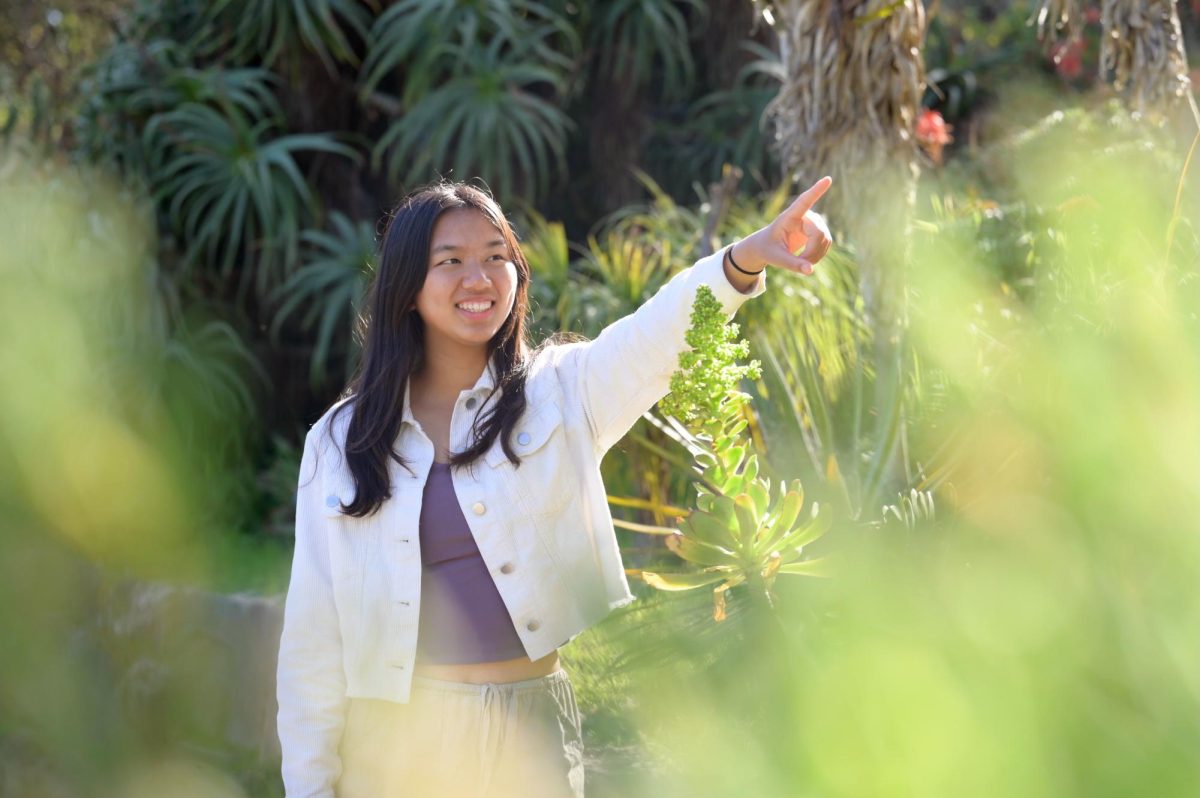
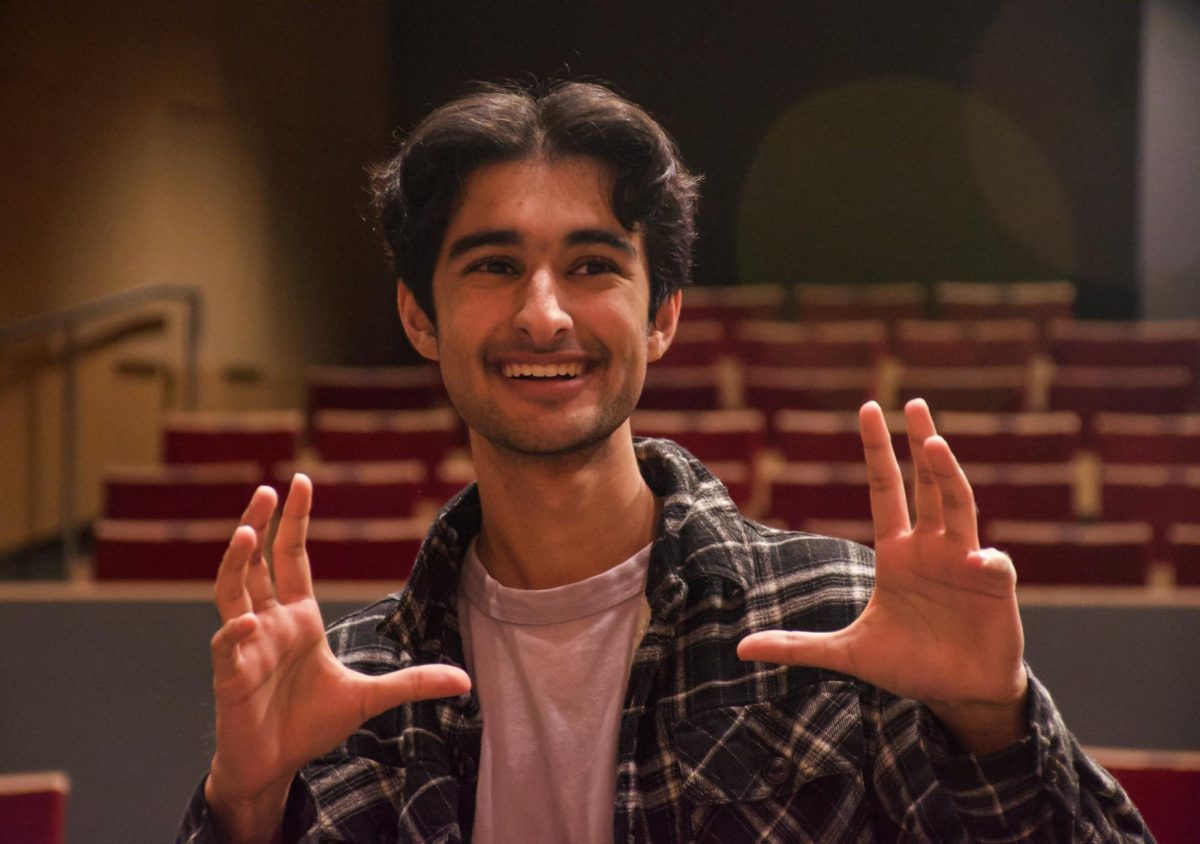
![“This is actually from Randy Pausch Randy P. Brick: ‘Walls are there for a reason. You have to show how much you want to overcome them.’ You have to show how much you want something. That's what I've always been able to do with tennis, Link Crew and getting that internship [with Kushy Baby]. It’s important pushing through that — getting around that brick wall, climbing over it or clawing through it,” Yash Sachdeva (’26) said.](https://harkeraquila.com/wp-content/uploads/2026/05/YashSachdeva_RamBatchu-copy-1200x1002.jpg)
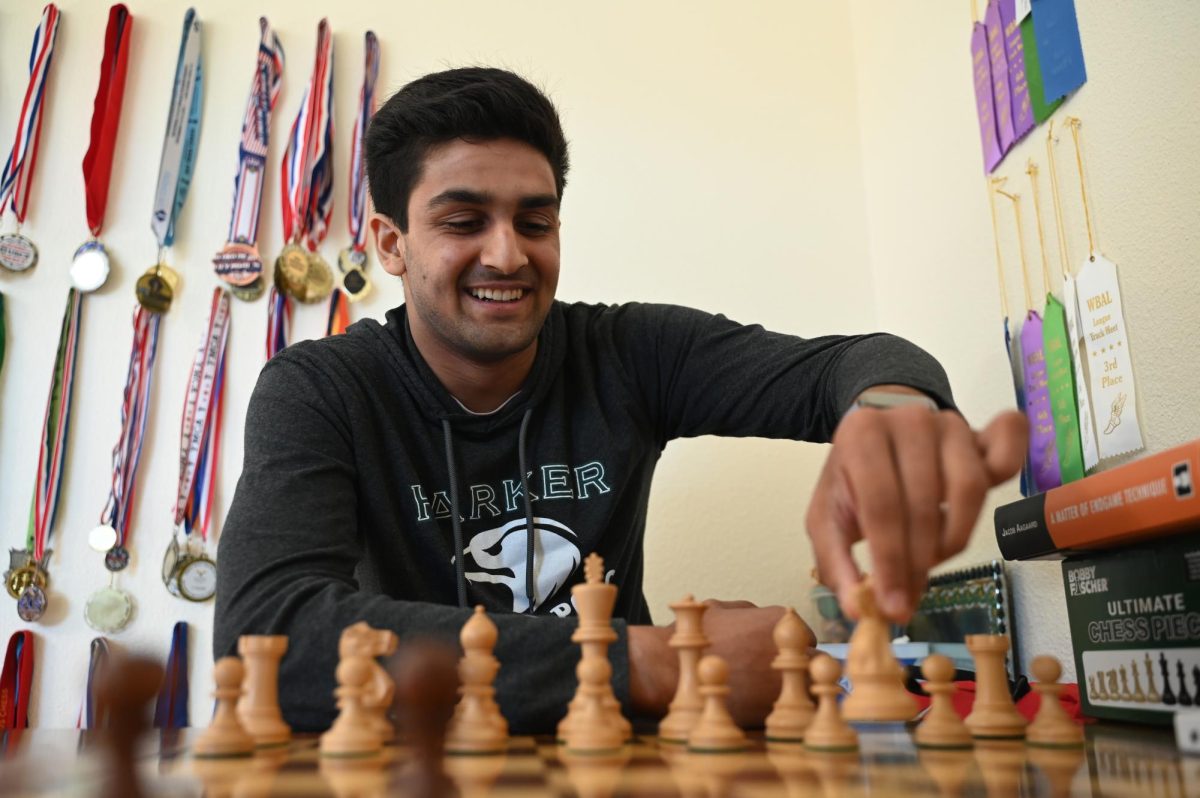


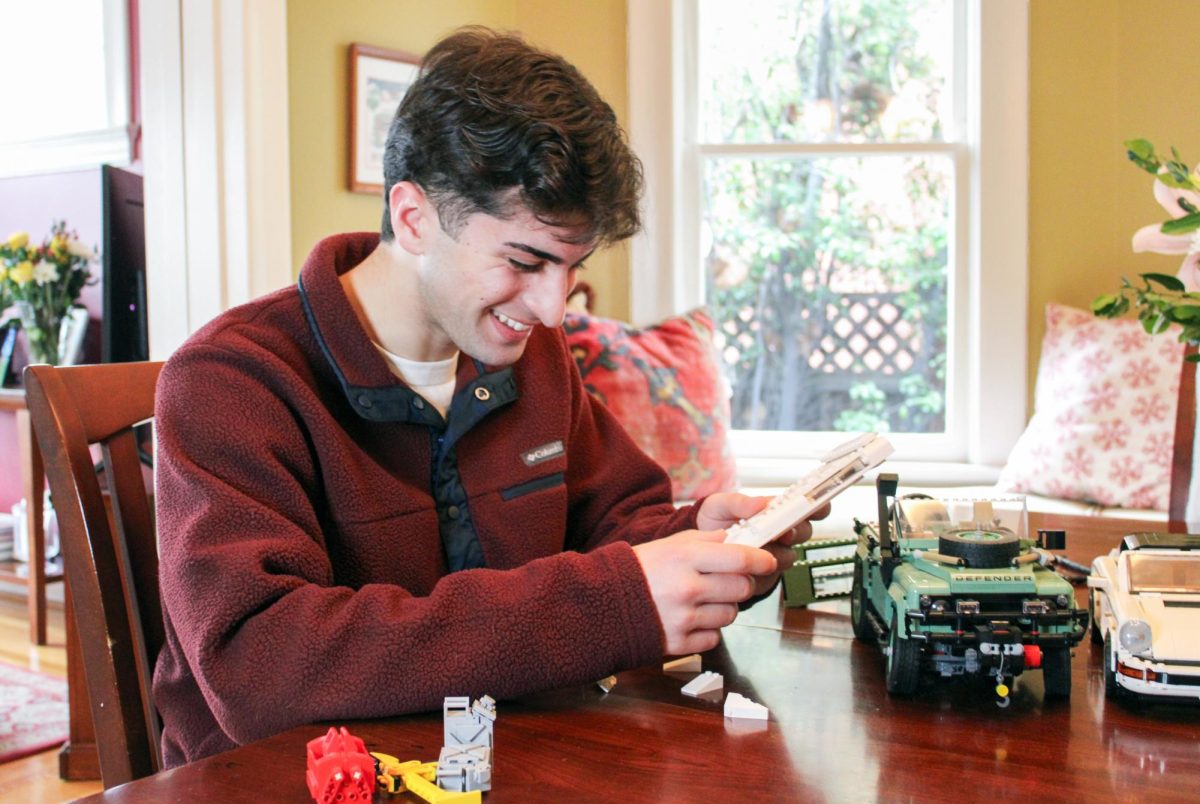


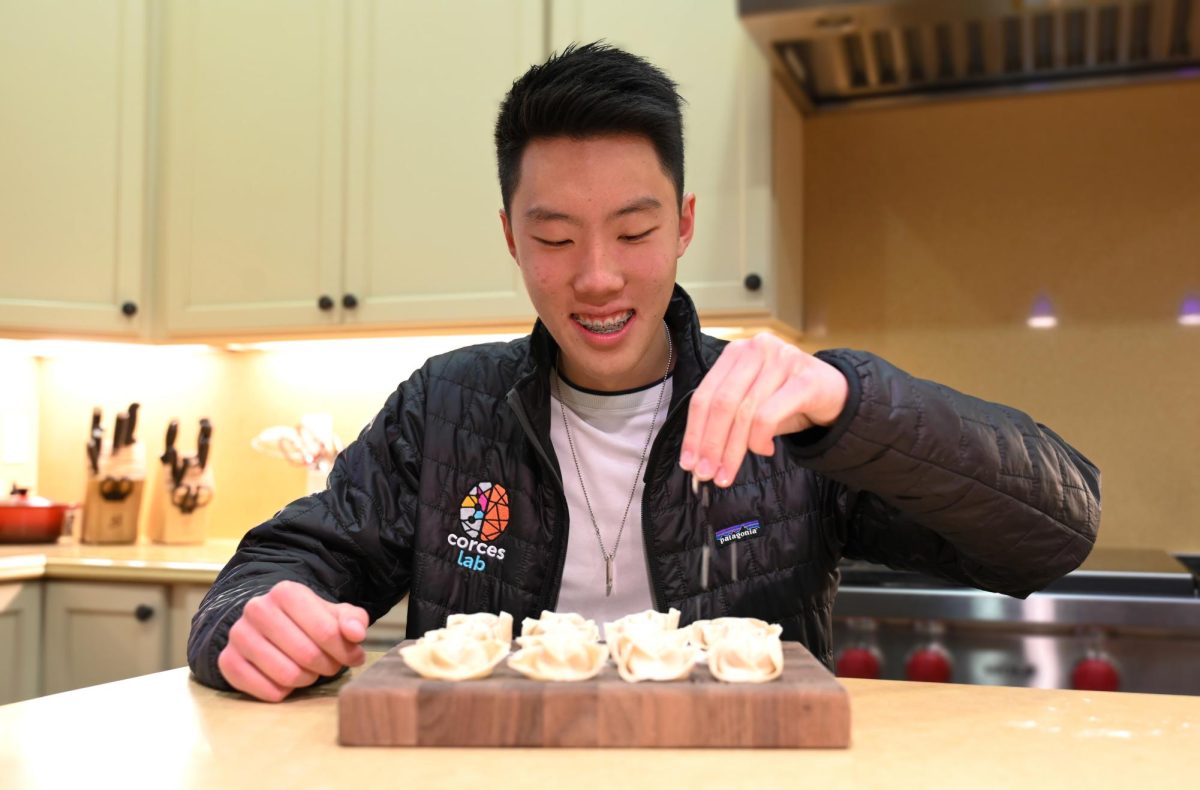
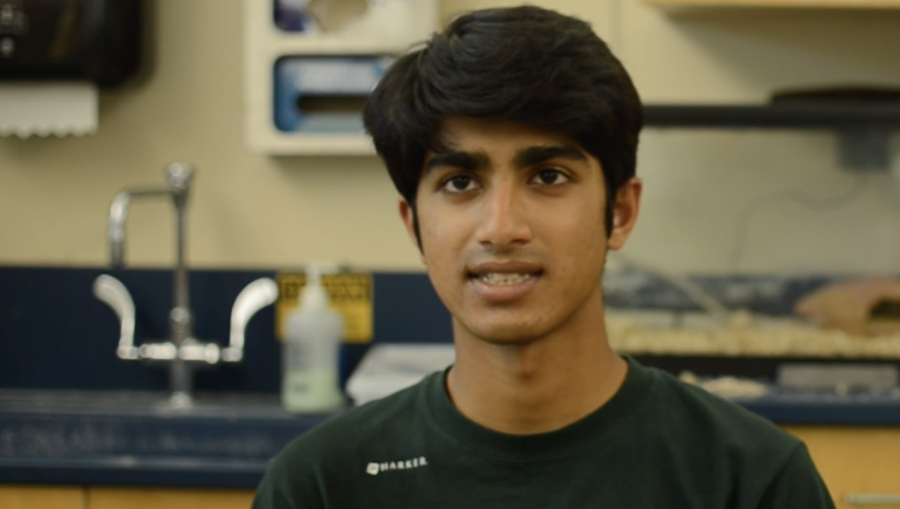
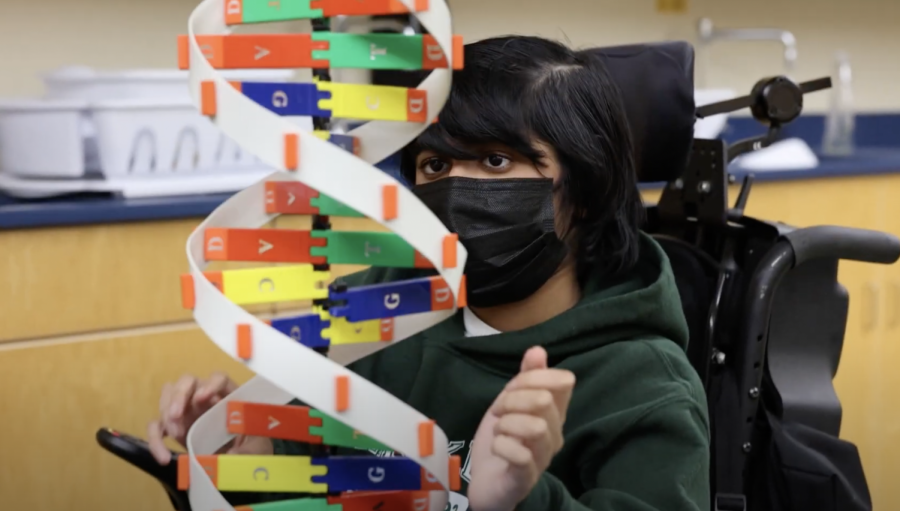
![“[Building nerf blasters] became this outlet of creativity for me that hasn't been matched by anything else. The process [of] making a build complete to your desire is such a painstakingly difficult process, but I've had to learn from [the skills needed from] soldering to proper painting. There's so many different options for everything, if you think about it, it exists. The best part is [that] if it doesn't exist, you can build it yourself," Ishaan Parate said.](https://harkeraquila.com/wp-content/uploads/2022/08/DSC_8149-900x604.jpg)
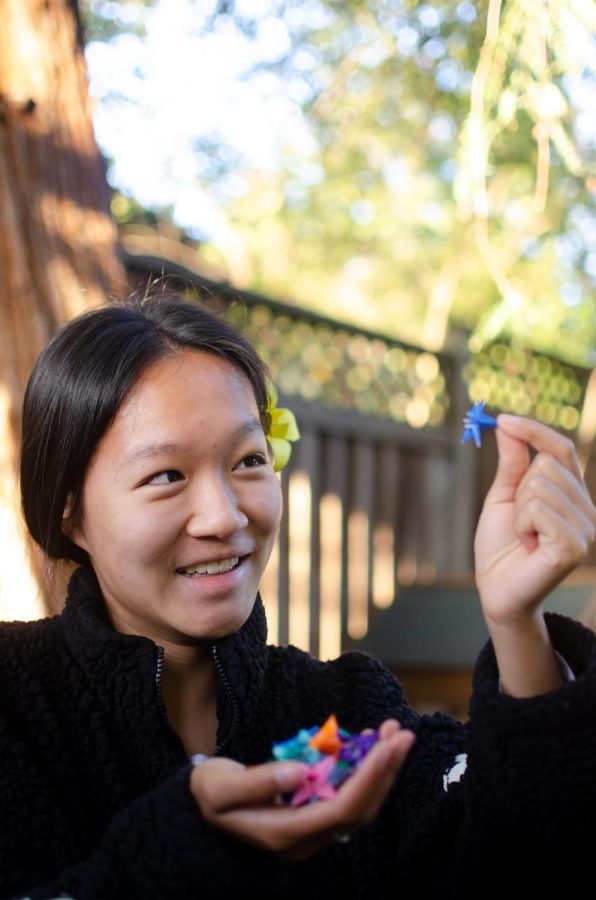
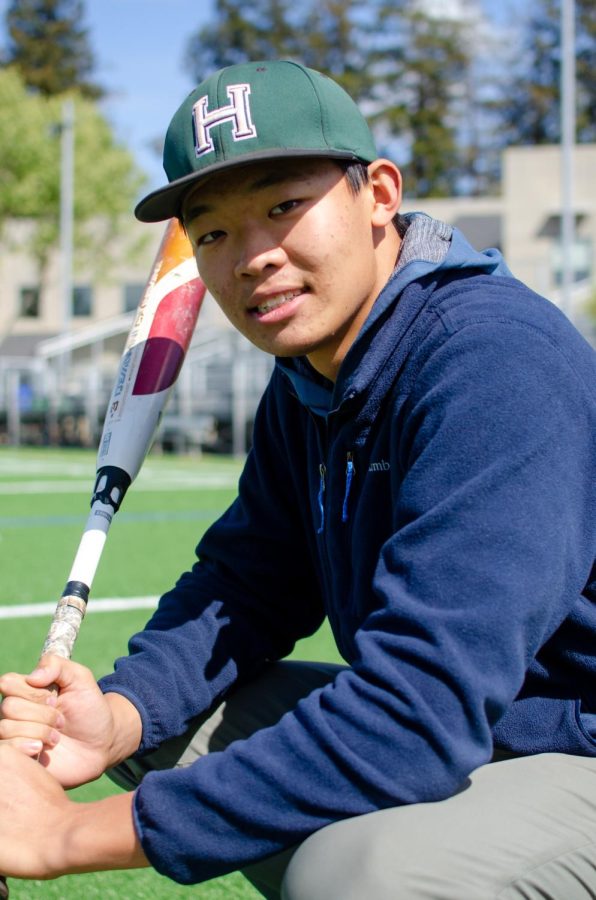
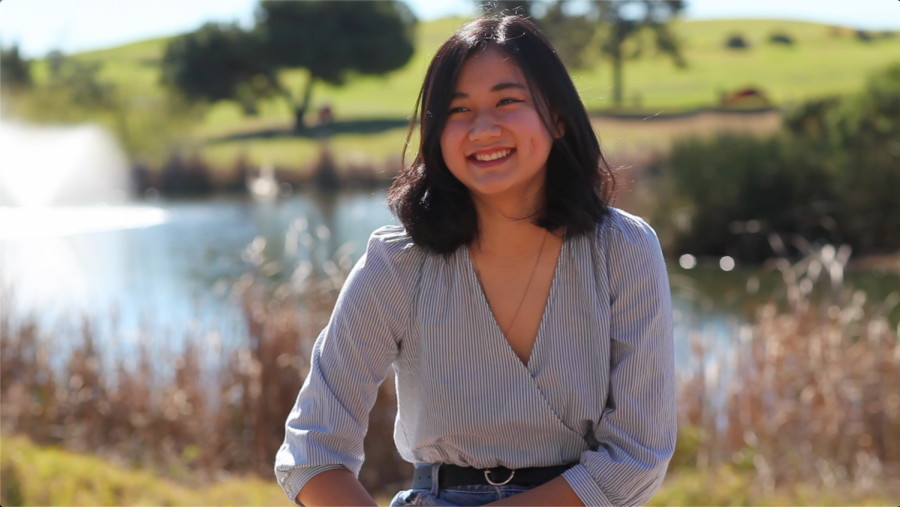
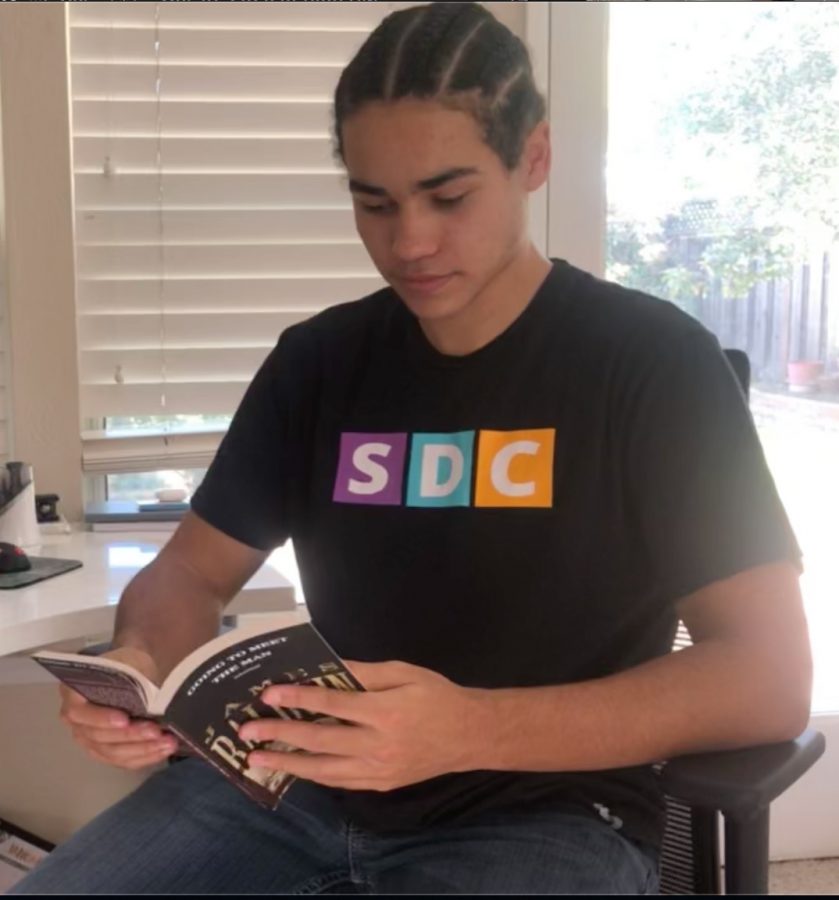
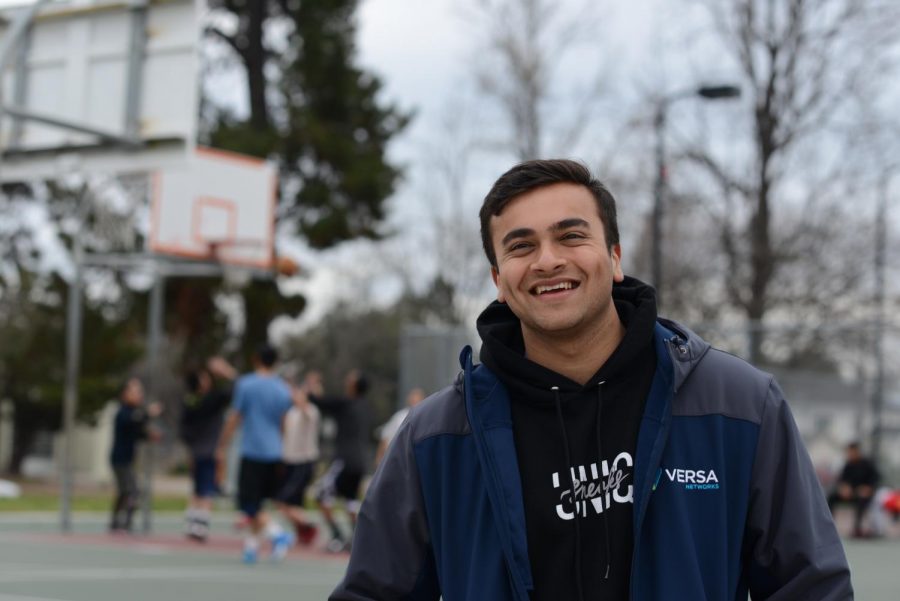
![“When I came into high school, I was ready to be a follower. But DECA was a game changer for me. It helped me overcome my fear of public speaking, and it's played such a major role in who I've become today. To be able to successfully lead a chapter of 150 students, an officer team and be one of the upperclassmen I once really admired is something I'm [really] proud of,” Anvitha Tummala ('21) said.](https://harkeraquila.com/wp-content/uploads/2021/07/Screen-Shot-2021-07-25-at-9.50.05-AM-900x594.png)

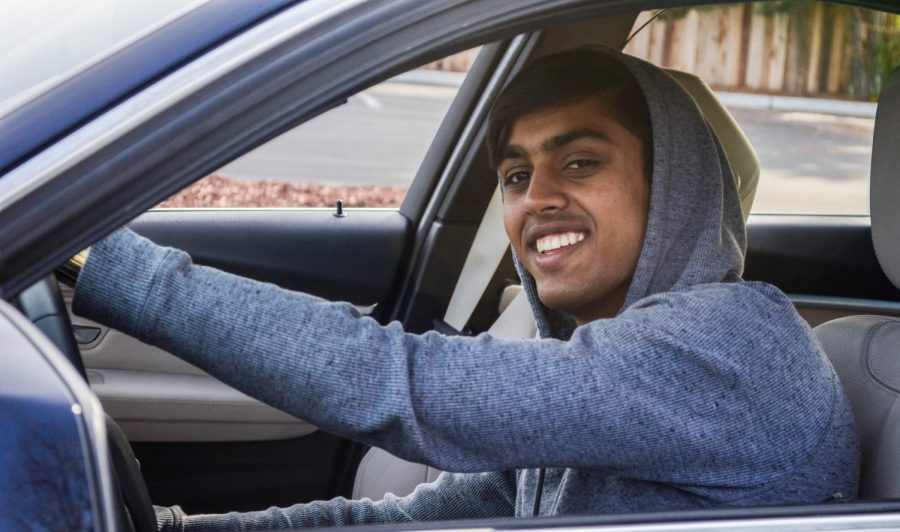
![“I think getting up in the morning and having a sense of purpose [is exciting]. I think without a certain amount of drive, life is kind of obsolete and mundane, and I think having that every single day is what makes each day unique and kind of makes life exciting,” Neymika Jain (12) said.](https://harkeraquila.com/wp-content/uploads/2017/06/Screen-Shot-2017-06-03-at-4.54.16-PM.png)
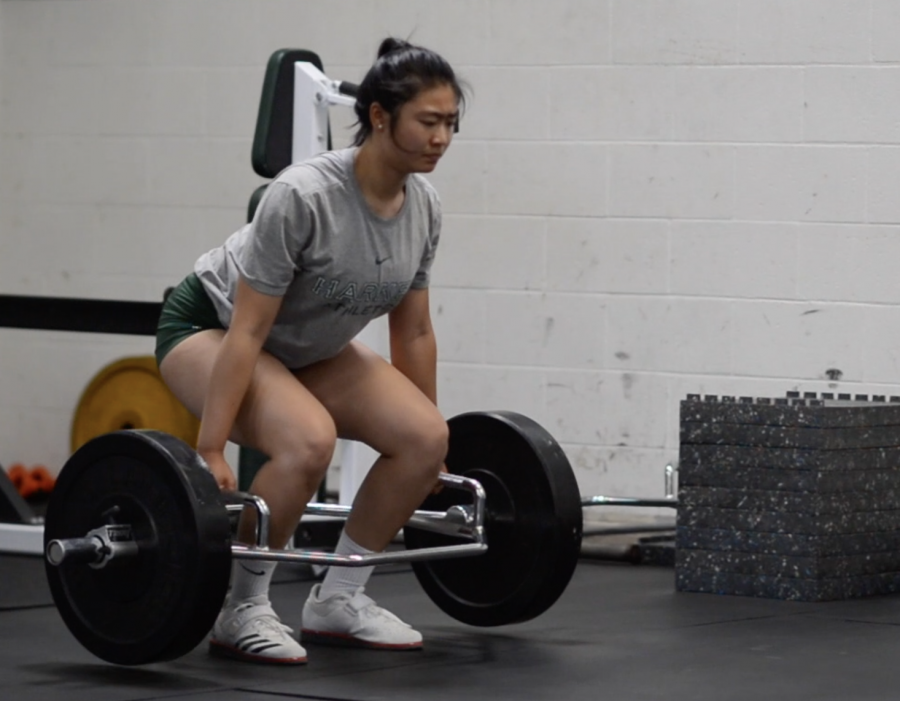
![“My slogan is ‘slow feet, don’t eat, and I’m hungry.’ You need to run fast to get where you are–you aren't going to get those championships if you aren't fast,” Angel Cervantes (12) said. “I want to do well in school on my tests and in track and win championships for my team. I live by that, [and] I can do that anywhere: in the classroom or on the field.”](https://harkeraquila.com/wp-content/uploads/2018/06/DSC5146-900x601.jpg)
![“[Volleyball has] taught me how to fall correctly, and another thing it taught is that you don’t have to be the best at something to be good at it. If you just hit the ball in a smart way, then it still scores points and you’re good at it. You could be a background player and still make a much bigger impact on the team than you would think,” Anya Gert (’20) said.](https://harkeraquila.com/wp-content/uploads/2020/06/AnnaGert_JinTuan_HoHPhotoEdited-600x900.jpeg)
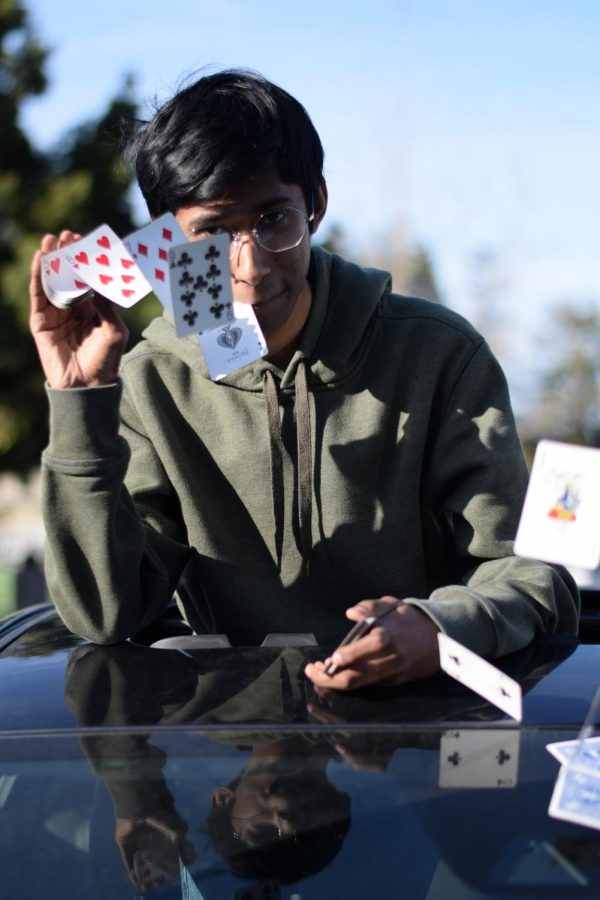
![“I'm not nearly there yet, but [my confidence has] definitely been getting better since I was pretty shy and timid coming into Harker my freshman year. I know that there's a lot of people that are really confident in what they do, and I really admire them. Everyone's so driven and that has really pushed me to kind of try to find my own place in high school and be more confident,” Alyssa Huang (’20) said.](https://harkeraquila.com/wp-content/uploads/2020/06/AlyssaHuang_EmilyChen_HoHPhoto-900x749.jpeg)

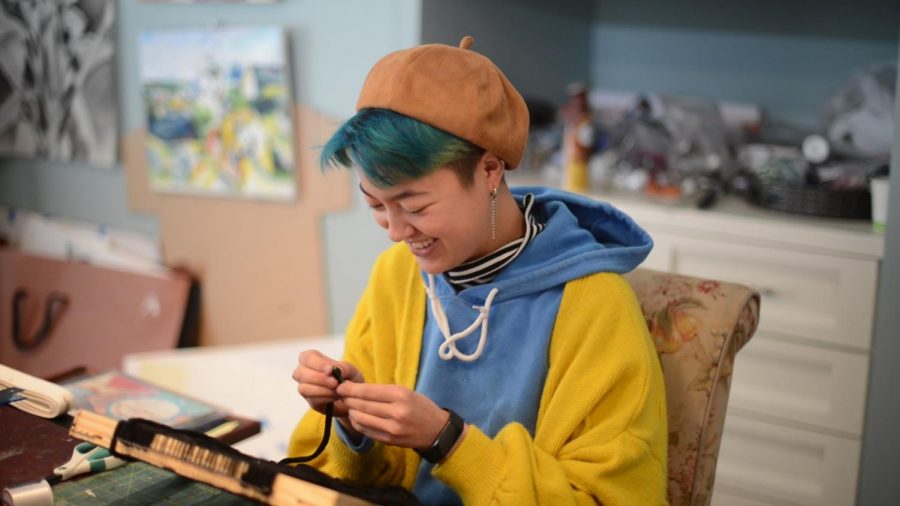

Humans of Harker: Power in perspective
Arnav Jain explores new ideas and builds connections with others through maintaining an open perspective
![“Being able to see both sides of an argument for debate really helped to expand my worldview. Being able to analyze, even if I don’t agree with one side, how I would think about it from [that] perspective gave me more nuanced thinking. This is helpful even in interpersonal situations: being able to recognize what other people are thinking and see things from other people’s perspectives," Arnav Jain (12) said.](https://harkeraquila.com/wp-content/uploads/2021/12/ArnavJainHoH_EllaYee-900x596.jpeg)
“Being able to see both sides of an argument for debate really helped to expand my worldview. Being able to analyze, even if I don’t agree with one side, how I would think about it from [that] perspective gave me more nuanced thinking. This is helpful even in interpersonal situations: being able to recognize what other people are thinking and see things from other people’s perspectives,” Arnav Jain (12) said.
Arnav Jain (12) laughs as he recalls the joy he felt after realizing he had won a round at an Arizona State University debate tournament last year. Though winning any round would already come as good news, that victory in particular meant that he had qualified for the Tournament of Champions, a national high school tournament held annually. Having accomplished one of his biggest goals, Arnav delighted in the promise of competing with other skilled debaters.
Arnav began debate in sixth grade to experiment with something new and unfamiliar, but the quick thinking it required and the thrill that it brought him convinced him to continue. Since then, debate has evolved into one of his greatest interests.
“When you’re in a big debate event, you see different challenges,” Arnav said. “There are new surprises, and you have to be able to handle them in a very short amount of time. It’s very exciting to see what happens next.”
As Arnav’s involvement with the activity grew, he began to recognize how it influenced other aspects of his life. Because debate often required him to consider an argument from contrasting perspectives, he started to view various situations, including his interactions with others, through an open-minded lens.
“Being able to see both sides of an argument for debate really helped to expand my worldview,” Arnav said. “Being able to analyze, even if I don’t agree with one side, how I would think about it from [that] perspective gave me more nuanced thinking. This is helpful even in interpersonal situations: being able to recognize what other people are thinking and see things from other people’s perspectives.”
Upper school speech and debate teacher Greg Achten, who has witnessed Arnav’s growth as a debater since middle school, noted how Arnav’s ability to carefully dissect an argument instead of simply making a decision based on impulse sets him apart from other students.
“He is more thoughtful than your average student,” Achten said. “He doesn’t glom on to an argument because he agrees with it. He is very analytical, very thoughtful, and likes to look at both sides of an issue to figure out what he thinks is the stronger side.”
Arnav takes a similarly receptive approach when it comes to programming, an activity which he found delight in after attending a summer camp before freshman year.
“In programming, it can be important to have a very open view because there are many different ways to code a program,” Arnav said. “You might at first come up with some idea [and believe] it is the best way to solve a problem, but if someone else comes up with a different idea, it’s important to be able to step back and evaluate all the options objectively.”
Arnav’s experience in programming eventually led him to a cybersecurity internship at the University of Massachusetts. After learning about inherent vulnerabilities in products, common hacks and potential solutions to these issues, he recognized the damage that a cybersecurity attack inflicts on a victim. Because of this finding, he decided to share his knowledge in cybersecurity through presentations at senior centers and libraries.
“It feels good to know that I’m able to make people safer and more informed about the world around them, and going forward they might implement some of the things that I’ve told them,” Arnav said. “It was really nice to know that I might be saving someone a lot of money and [helping] them to take the correct approach.”
Outside of his interactions with the broader community, Arnav applies an equal amount of thoughtfulness in daily interactions with his peers. Friend and former debate partner Harsh Deep (12) appreciates Arnav’s approachable nature and the conversations this quality lends itself to.
“He really listens to someone and then talks,” Harsh said. “If I’m having trouble with something, he’s able to hear my problems and talk to me about them … [He’s the friend I go to] whenever I need to relax or have someone to talk to. It’s always an interesting conversation.”
Saahas Kohli (12), who has known Arnav since middle school, believes that Arnav’s unparalleled kindness and willingness to listen to others is his greatest strength.
“With other people, you’re always a little worried that they might be selfish or they might not be helping you as much as you’d want them to,” Saahas said. “If you ask for help, maybe they’ll say, ‘I’m busy right now.’ Arnav, he’s never busy. If you ask him for something, he’s always there to help. He never ignores anyone, and he never denies them his presence. He’s always calm. He doesn’t get angry at people. That’s going to serve him really well in his life.”
Whether it be an opponent’s argument in the middle of a round or a friend’s opinion on an unusual news article, viewpoints different from Arnav’s always catch his attention and lead to engaging discussions. Because of the enjoyment they give him, Arnav sees a connection between the debate tournaments that he participates in and the casual conversations he has with classmates everyday.
“[I’m happiest] when I’m talking with my friends,” Arnav said. “It can be about anything, from history to politics and anything surrounding that. It’s interesting to have these mini debates between us, but it’s a much more relaxed version of debate since we’re all friends at the end of the day.”
Ella Yee (12) is the co-editor-in-chief of Harker Aquila, and this is her fourth year on staff. This year, Ella hopes to continue bonding with the journalism...
Heidi Lu (12) is co-academics editor for the TALON Yearbook, and this is her fourth year on staff. This year, Heidi hopes to interact more with her community...