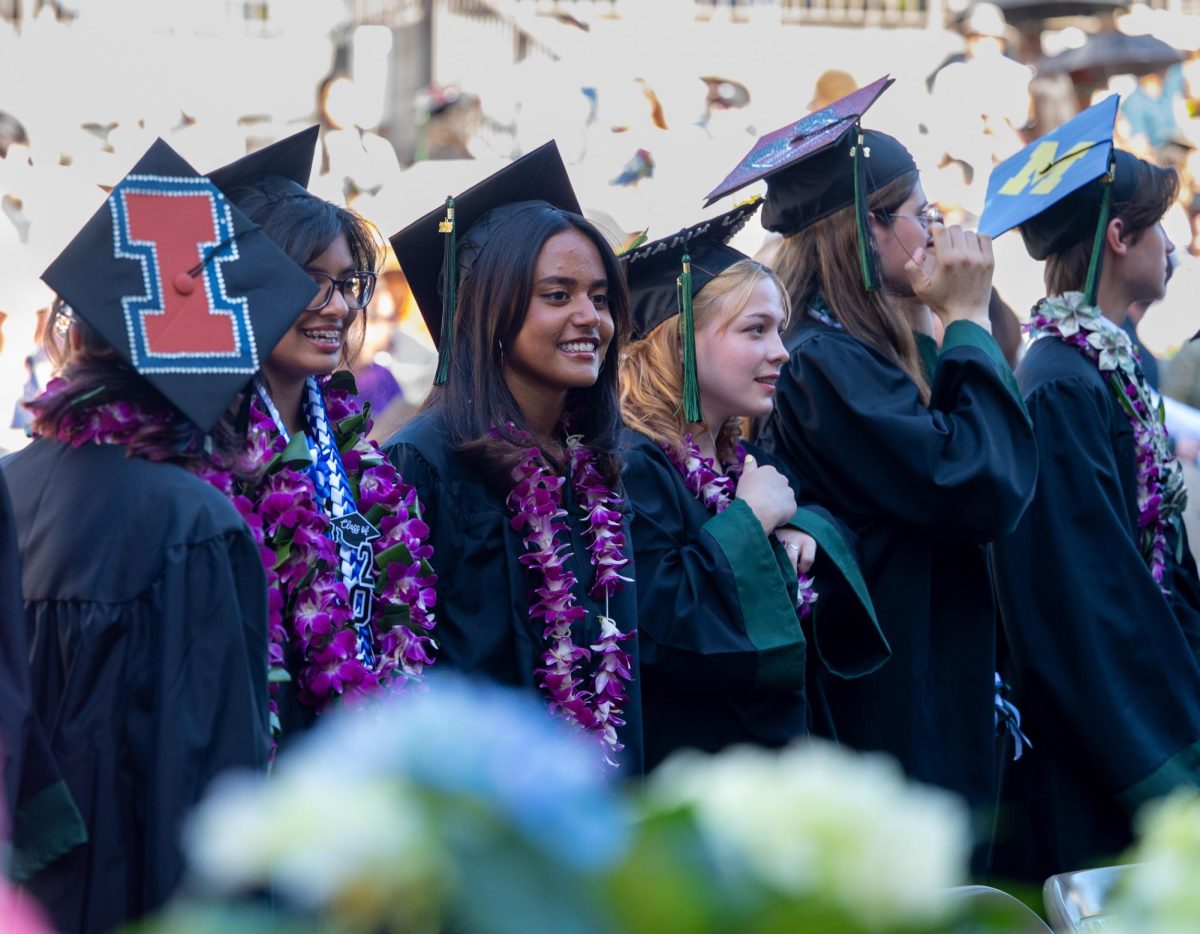
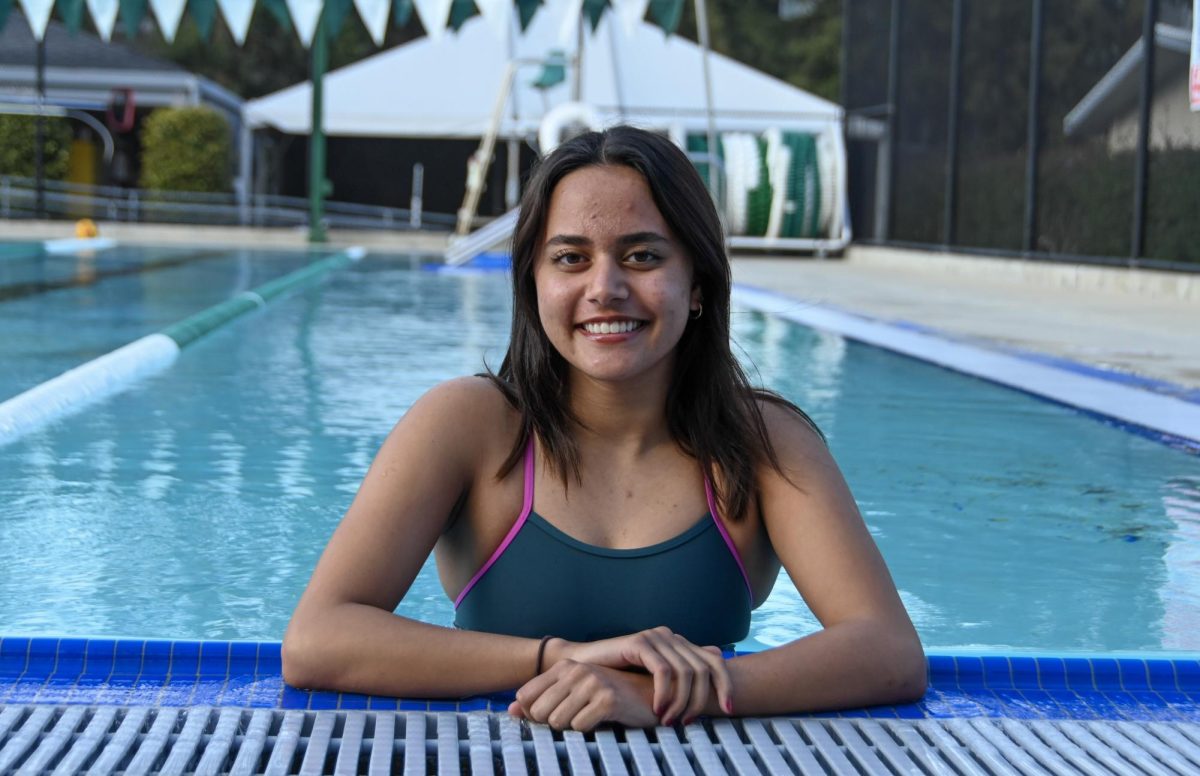
![“I wasn't discouraged by some of the obstacles we faced. I learned a lot from the leadership. I found that different people need different ways of receiving feedback — you can't [just] tell them to do something and expect the best. [Some] people needed more incentive. A large part of my role was to figure out what worked for everyone and to figure out how to lead all these separate individuals as a team,” Suhana Bhandare (’26) said.](https://harkeraquila.com/wp-content/uploads/2026/06/SuhanaBhandare_JasmineHansra-1-1200x798.jpg)
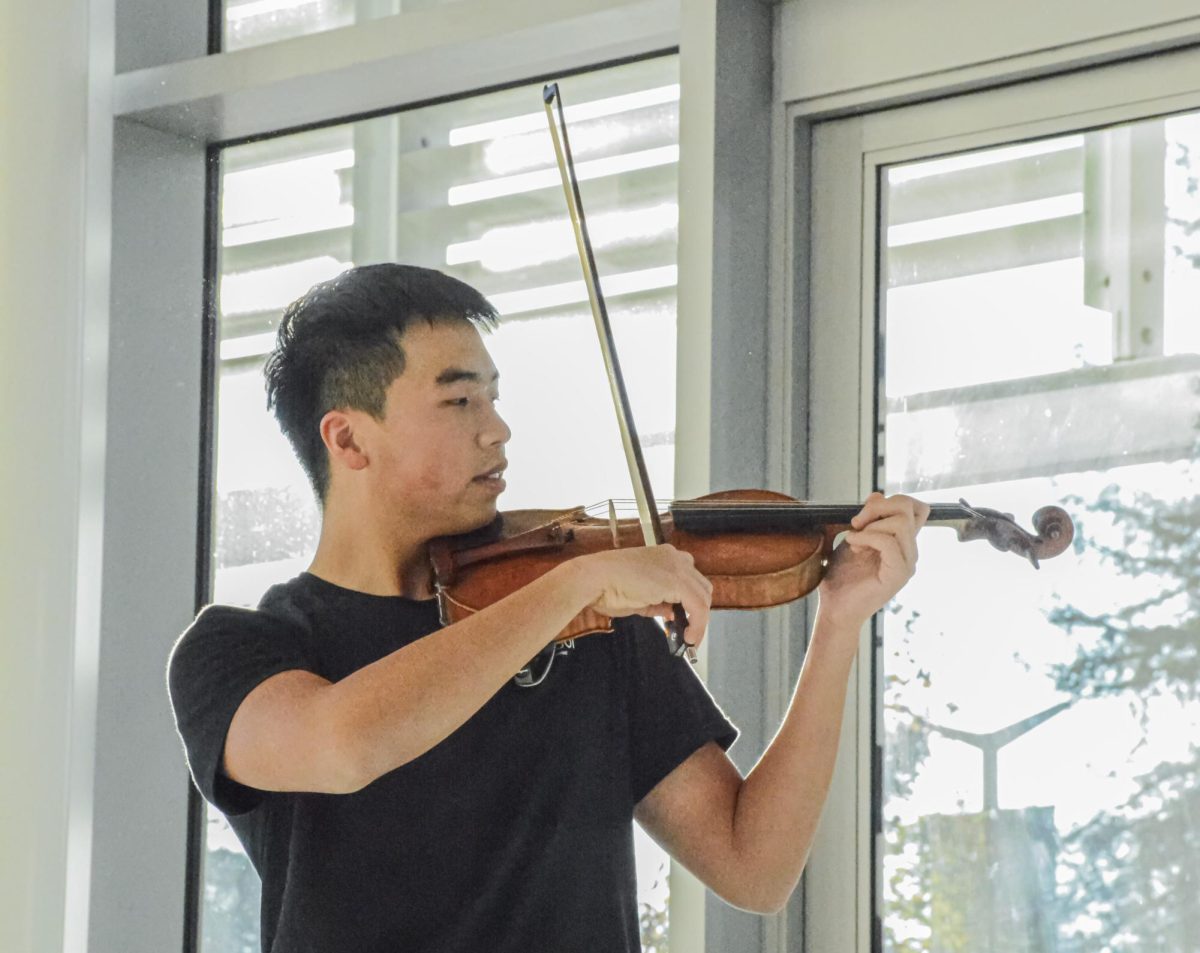
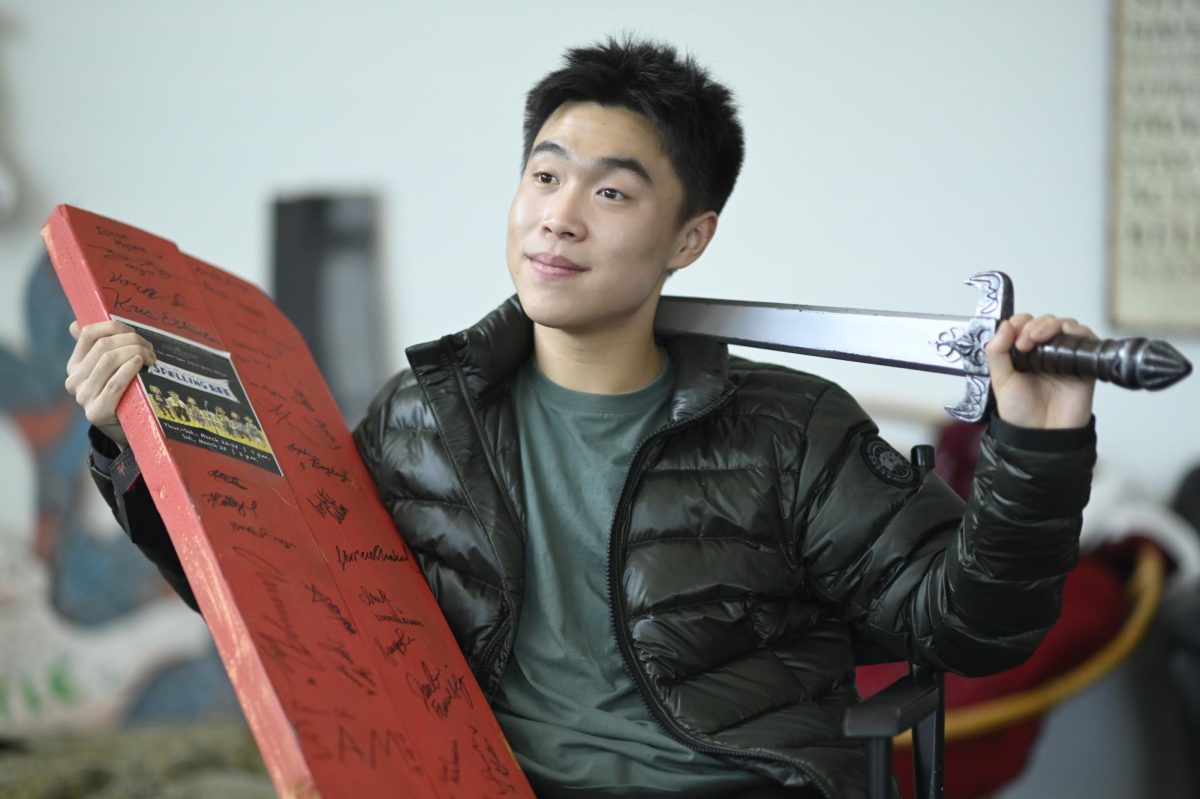
![“This is actually from Randy Pausch Randy P. Brick: ‘Walls are there for a reason. You have to show how much you want to overcome them.’ You have to show how much you want something. That's what I've always been able to do with tennis, Link Crew and getting that internship [with Kushy Baby]. It’s important pushing through that — getting around that brick wall, climbing over it or clawing through it,” Yash Sachdeva (’26) said.](https://harkeraquila.com/wp-content/uploads/2026/05/YashSachdeva_RamBatchu-copy-1200x1002.jpg)
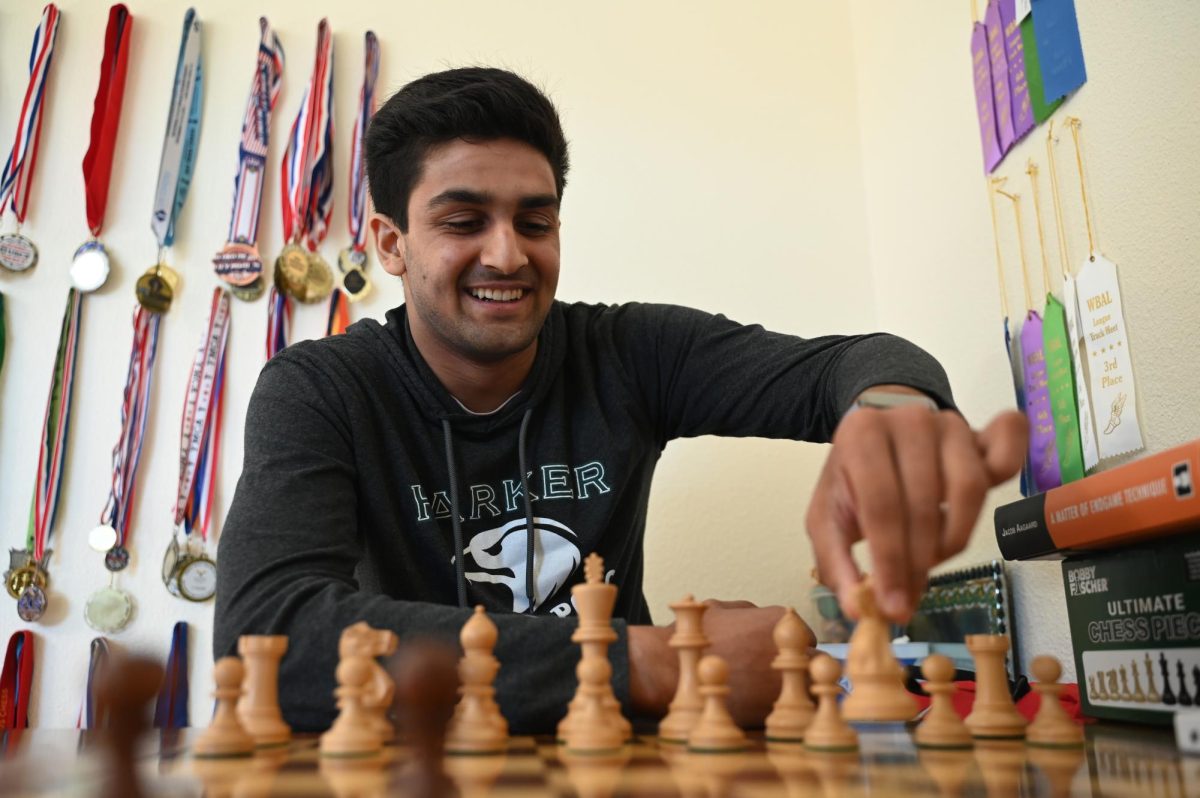



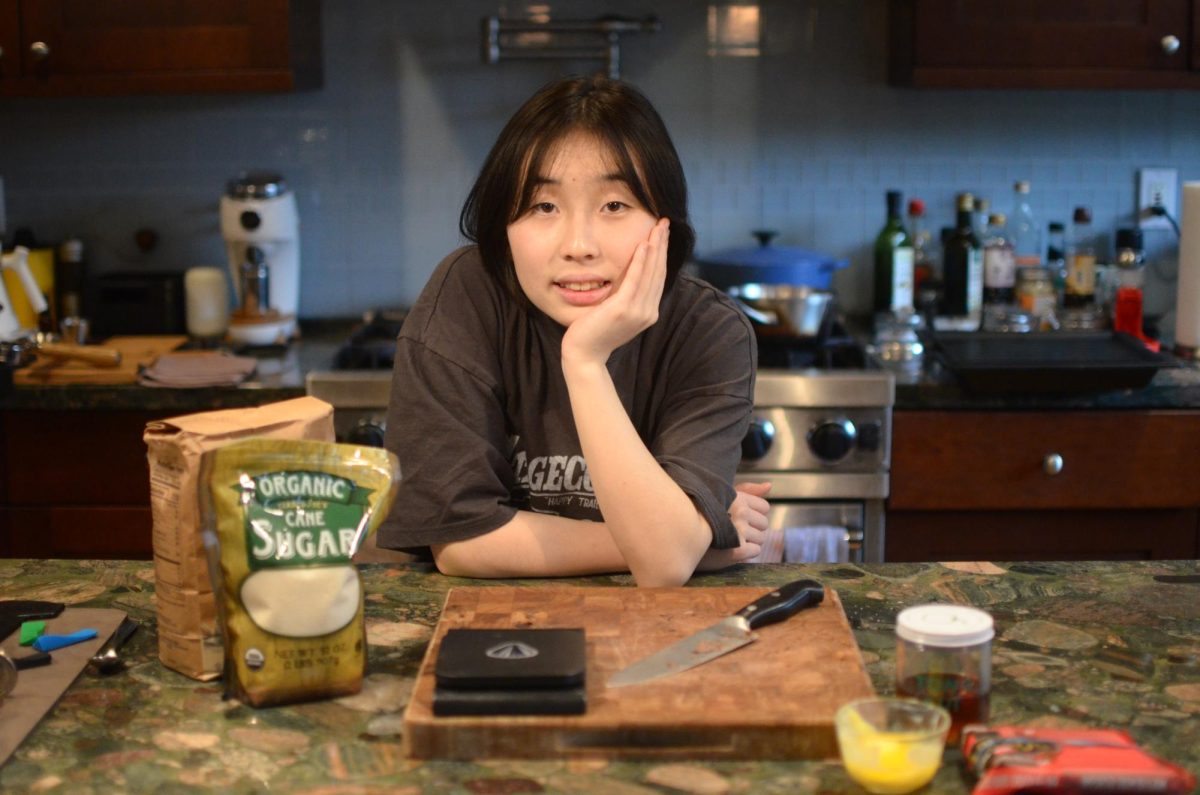


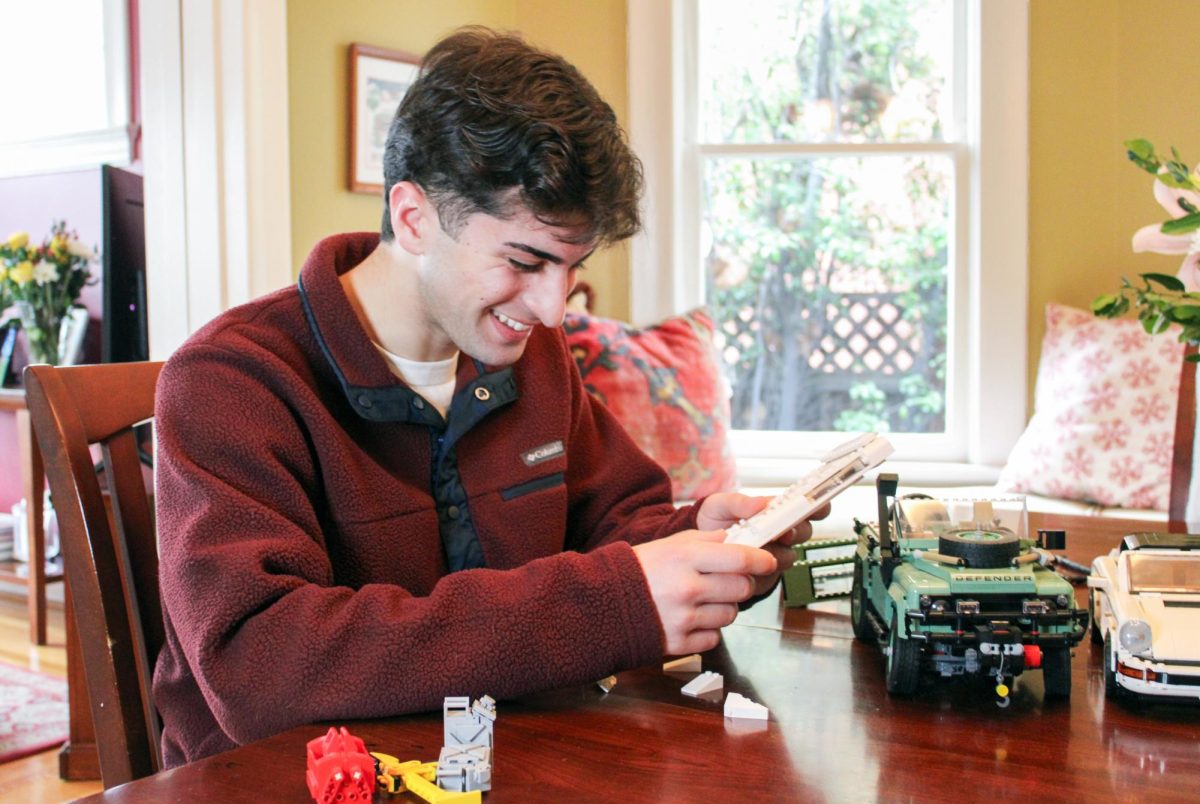

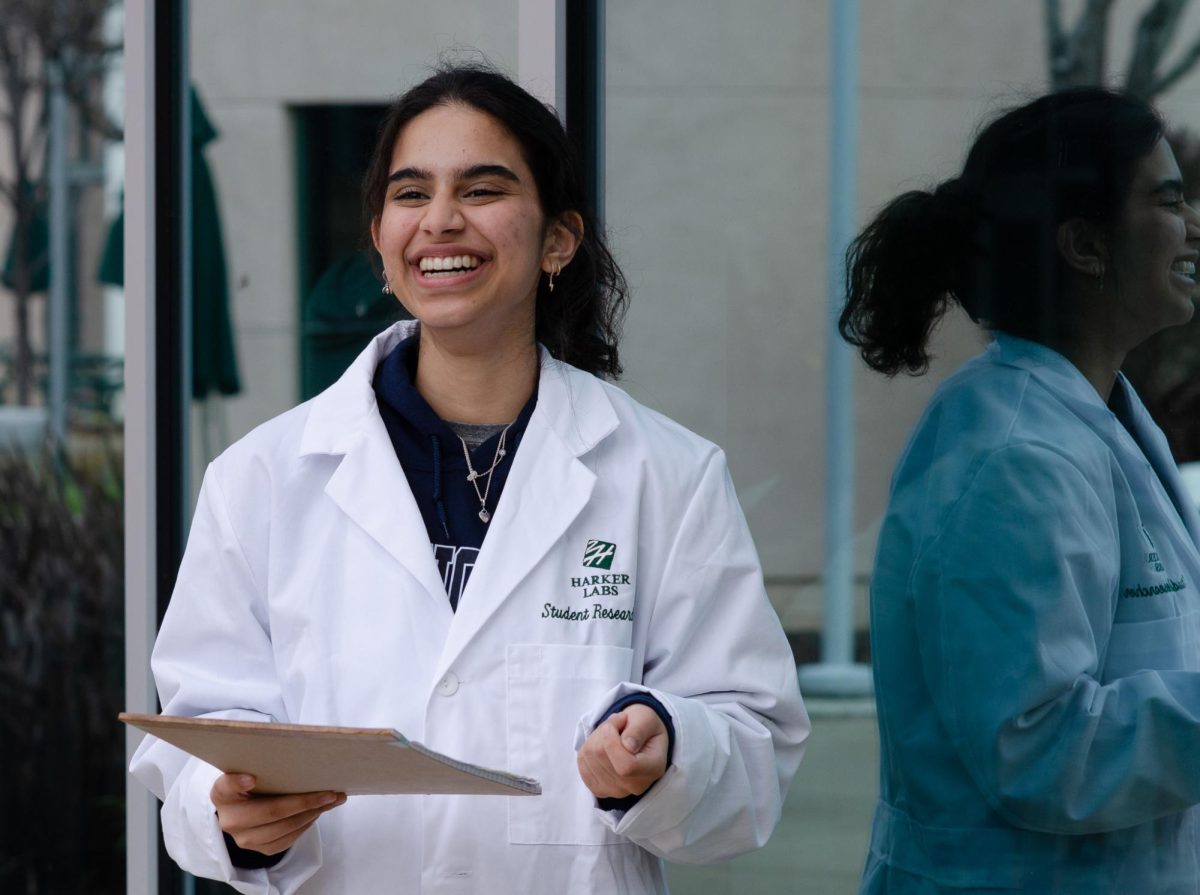
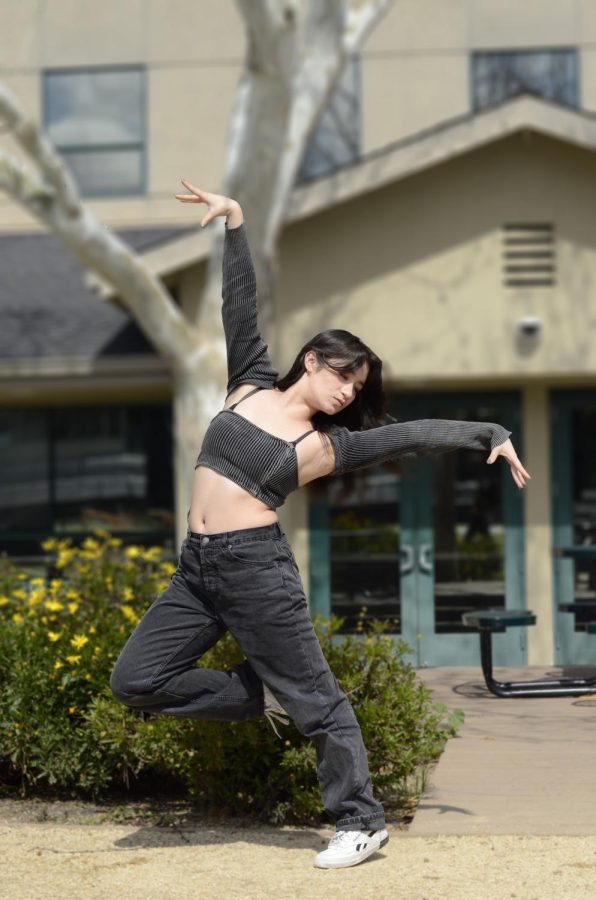
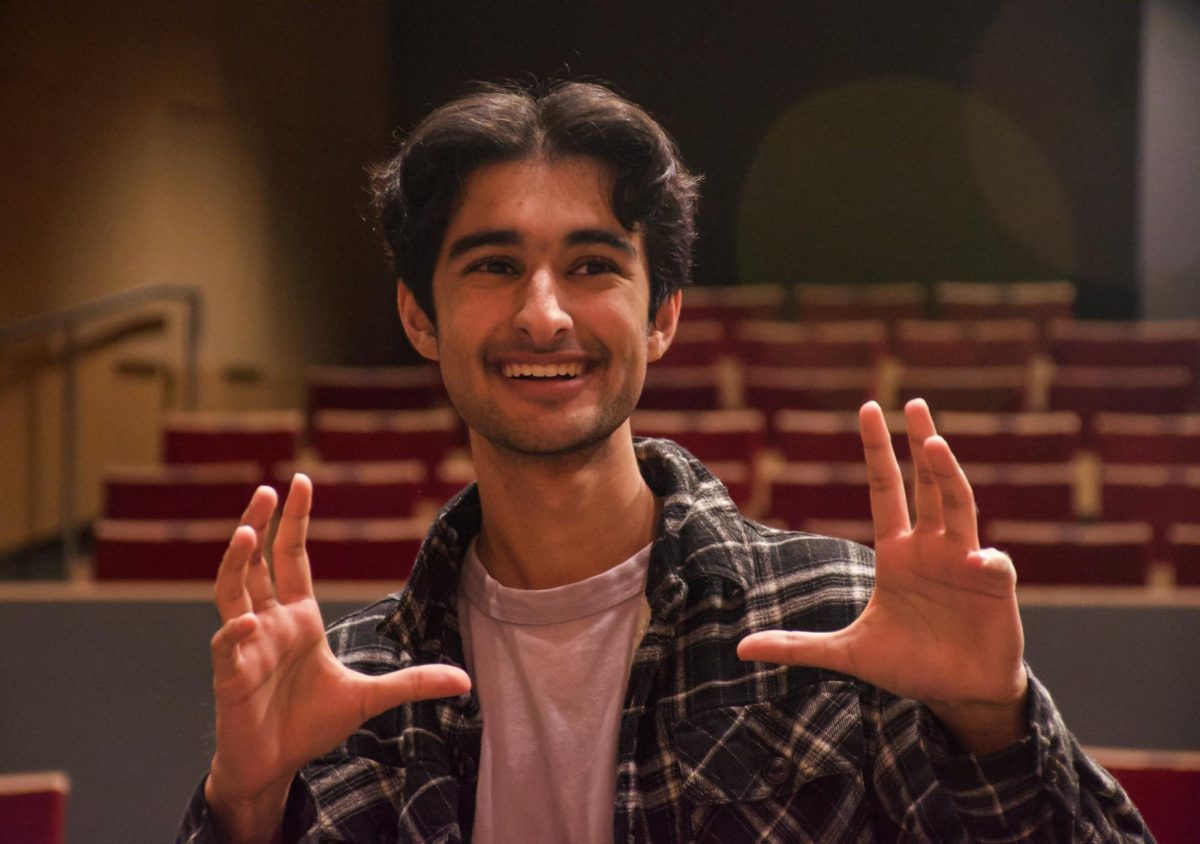

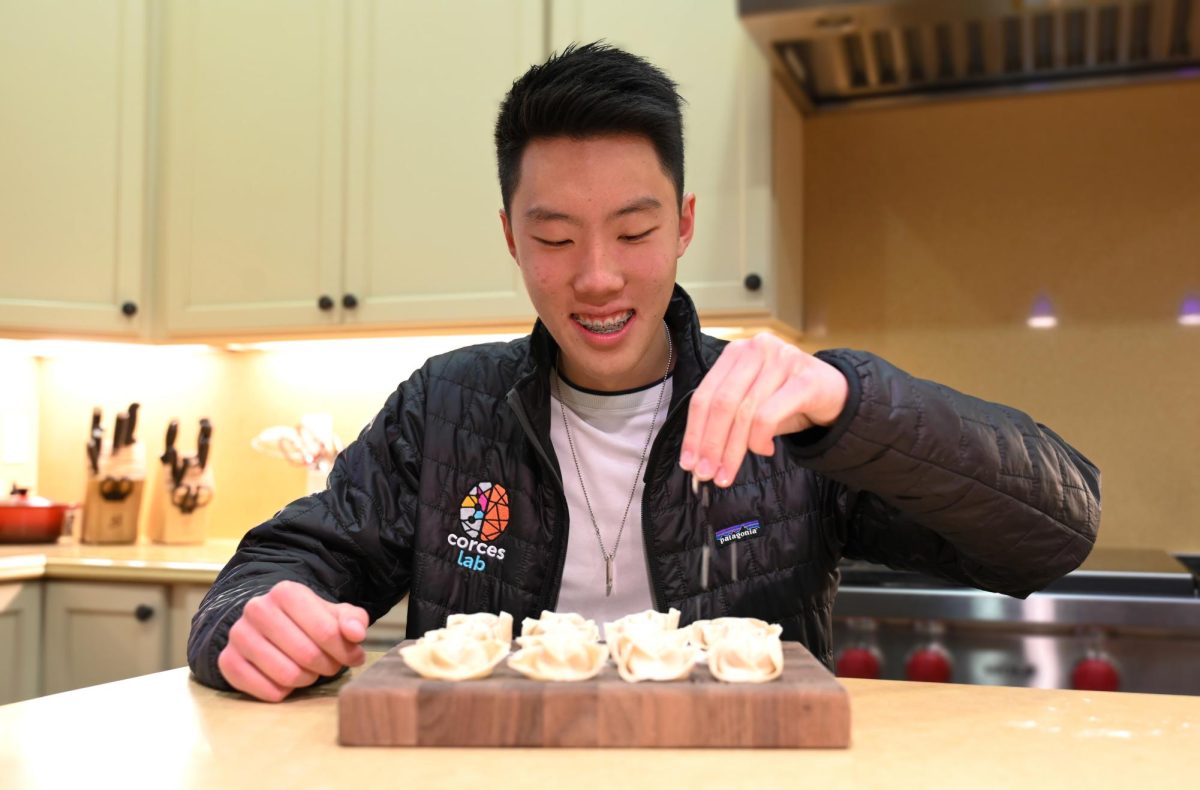
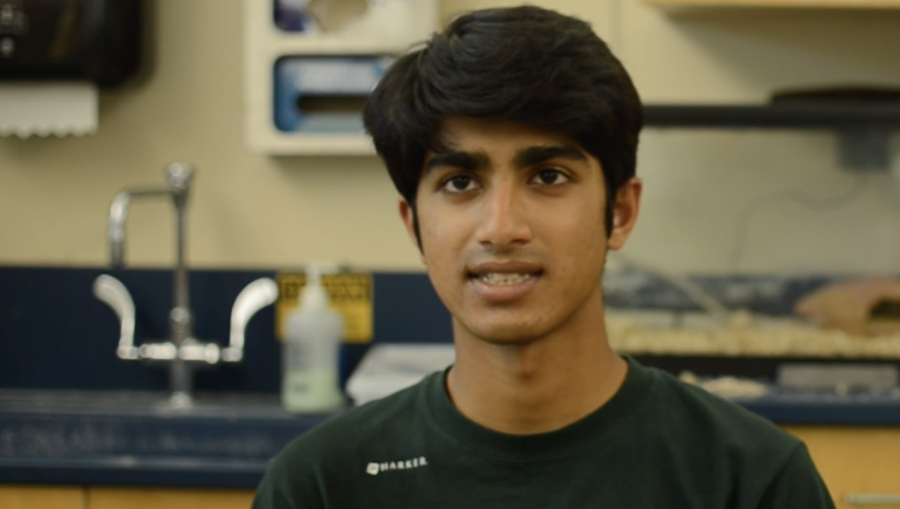
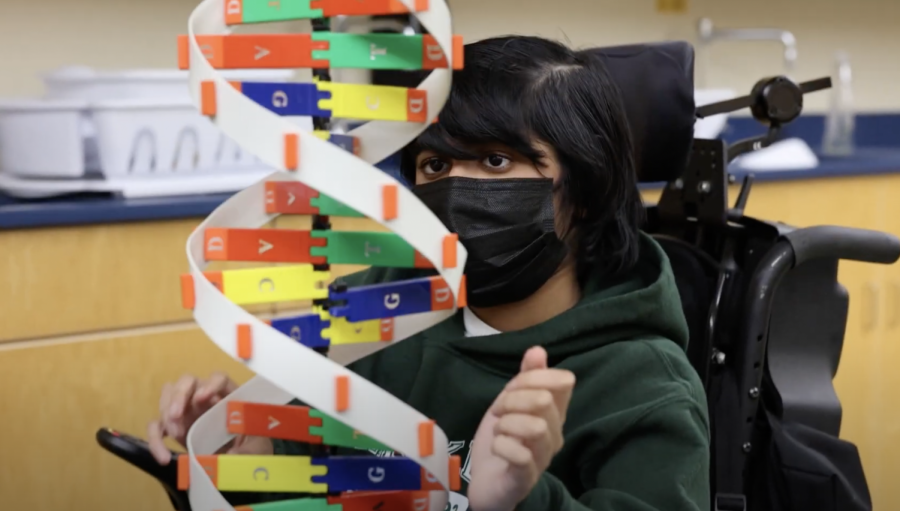
![“[Building nerf blasters] became this outlet of creativity for me that hasn't been matched by anything else. The process [of] making a build complete to your desire is such a painstakingly difficult process, but I've had to learn from [the skills needed from] soldering to proper painting. There's so many different options for everything, if you think about it, it exists. The best part is [that] if it doesn't exist, you can build it yourself," Ishaan Parate said.](https://harkeraquila.com/wp-content/uploads/2022/08/DSC_8149-900x604.jpg)
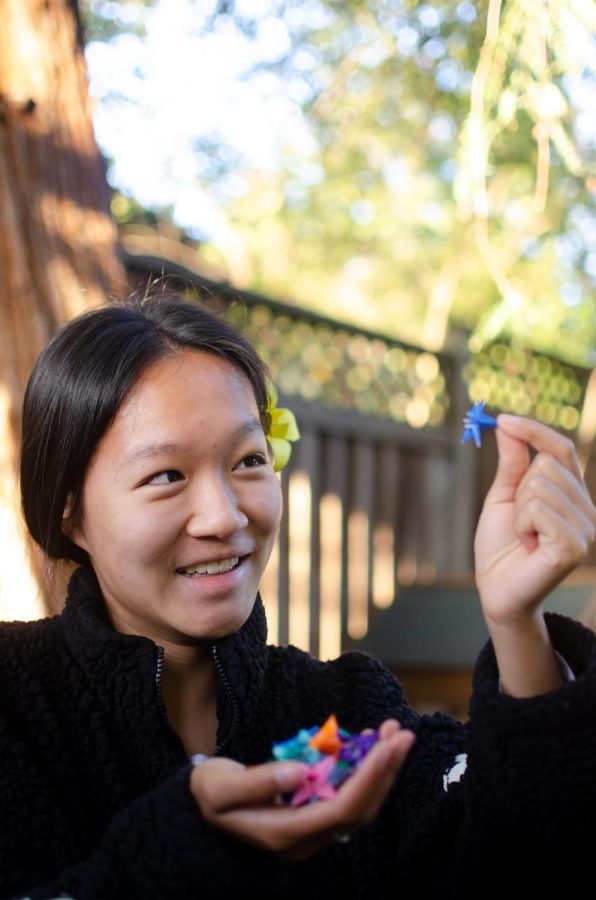
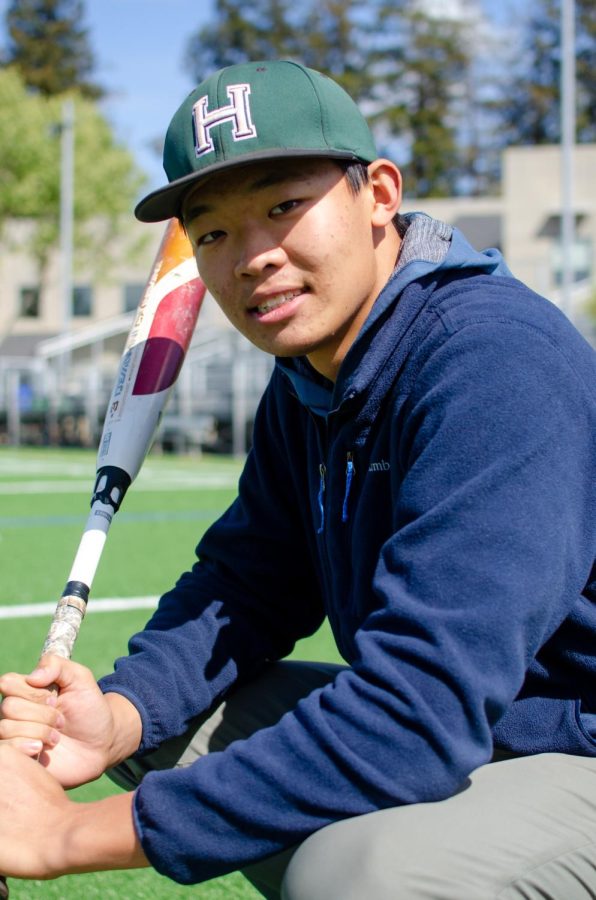

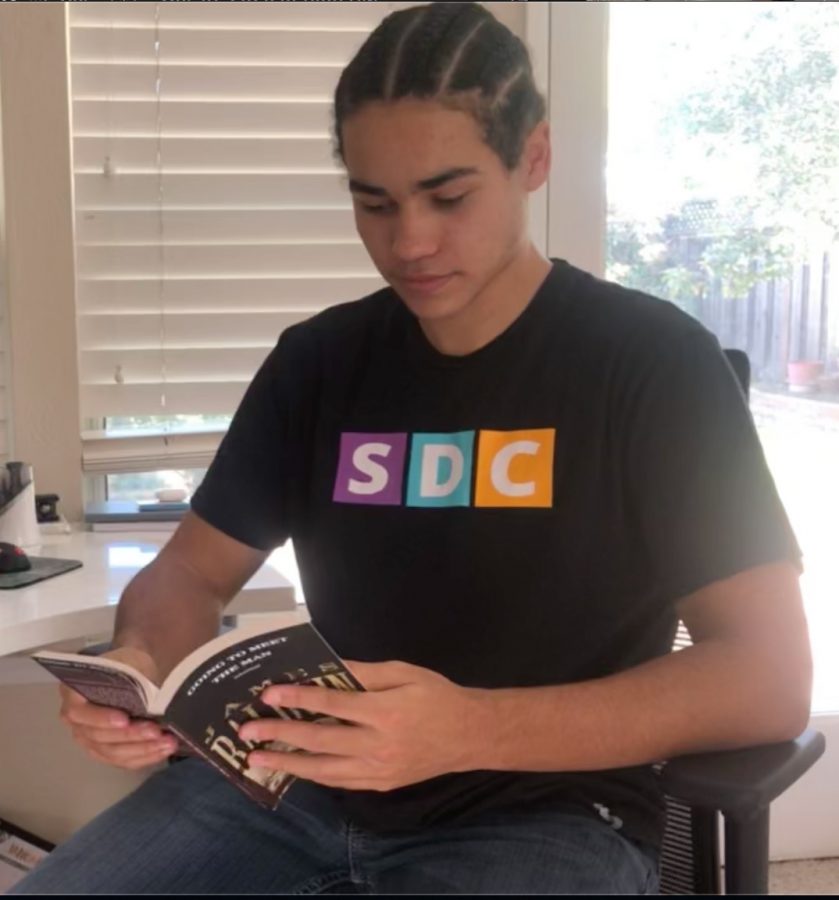
![“When I came into high school, I was ready to be a follower. But DECA was a game changer for me. It helped me overcome my fear of public speaking, and it's played such a major role in who I've become today. To be able to successfully lead a chapter of 150 students, an officer team and be one of the upperclassmen I once really admired is something I'm [really] proud of,” Anvitha Tummala ('21) said.](https://harkeraquila.com/wp-content/uploads/2021/07/Screen-Shot-2021-07-25-at-9.50.05-AM-900x594.png)
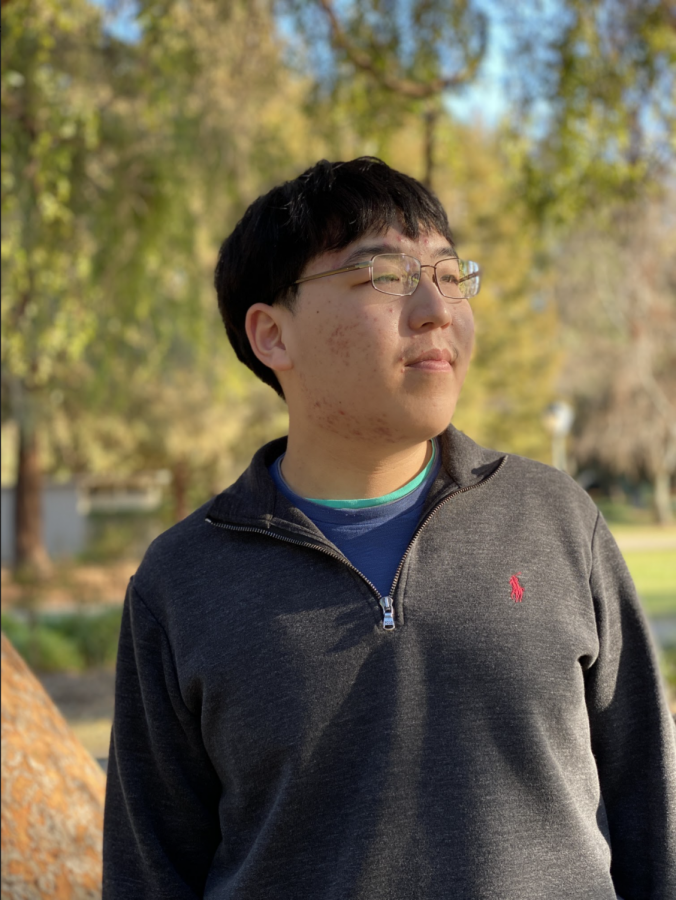
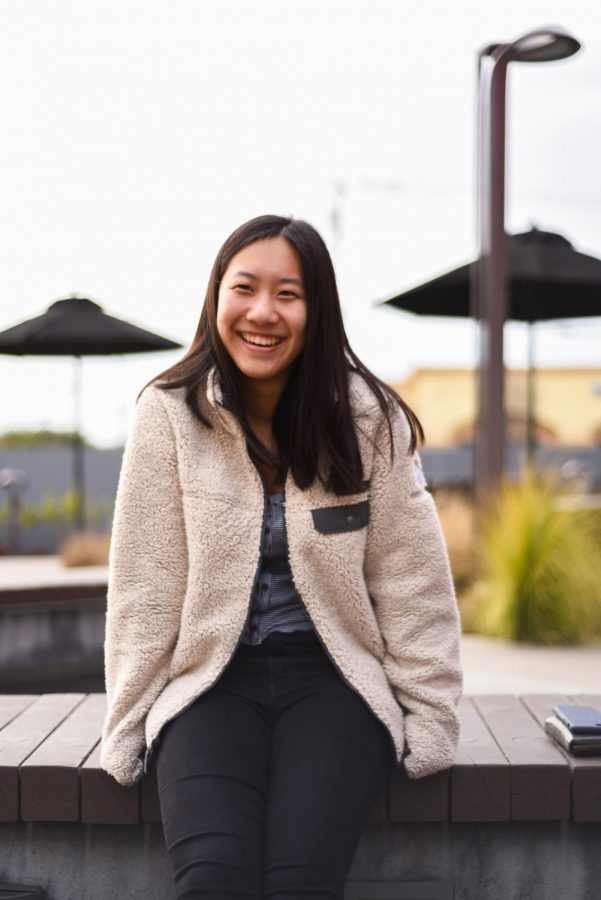
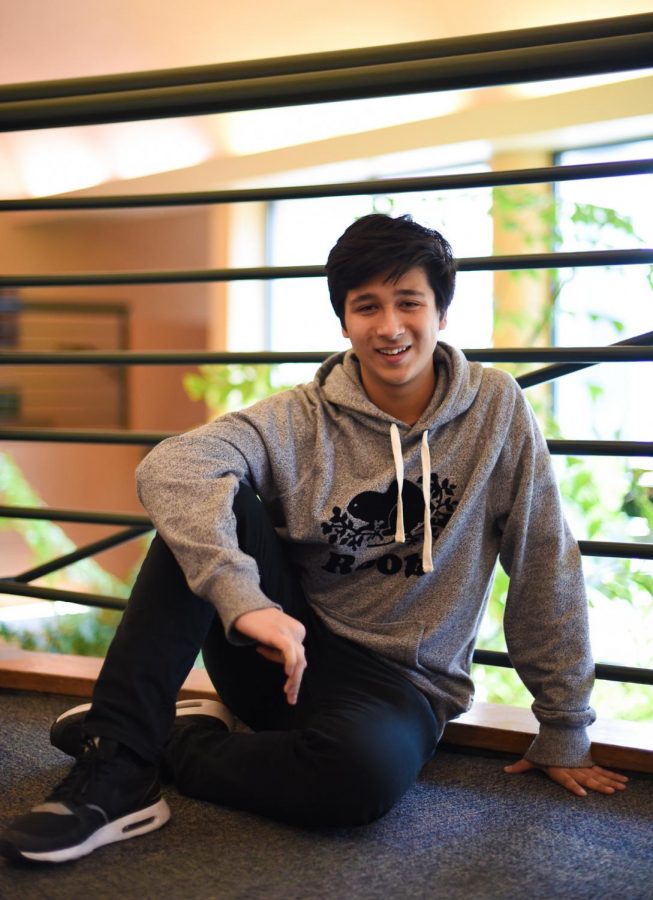
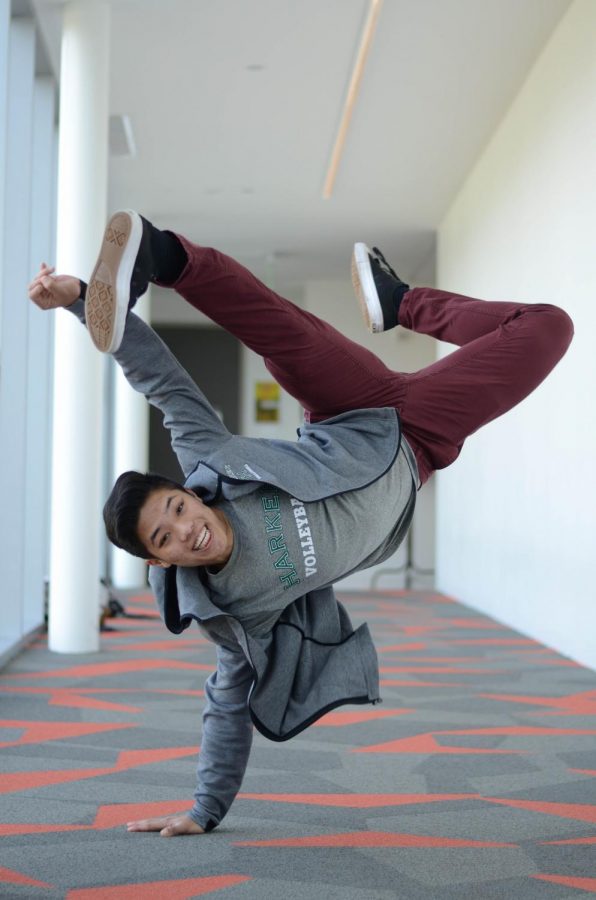
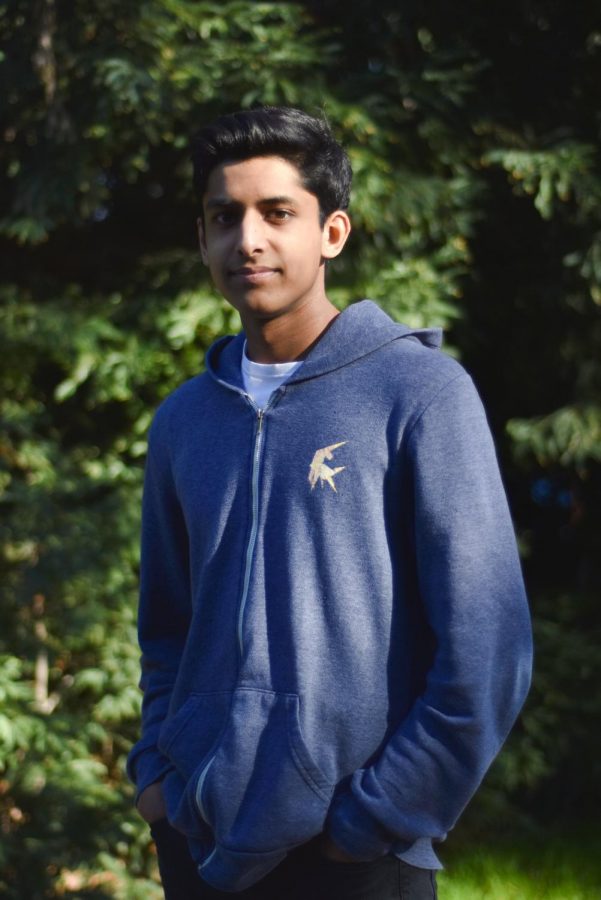

![“I think getting up in the morning and having a sense of purpose [is exciting]. I think without a certain amount of drive, life is kind of obsolete and mundane, and I think having that every single day is what makes each day unique and kind of makes life exciting,” Neymika Jain (12) said.](https://harkeraquila.com/wp-content/uploads/2017/06/Screen-Shot-2017-06-03-at-4.54.16-PM.png)

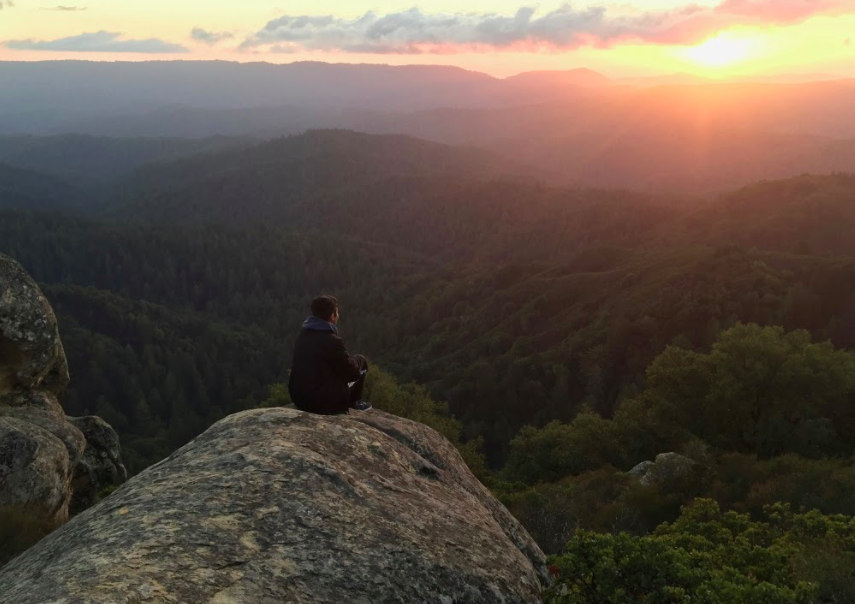
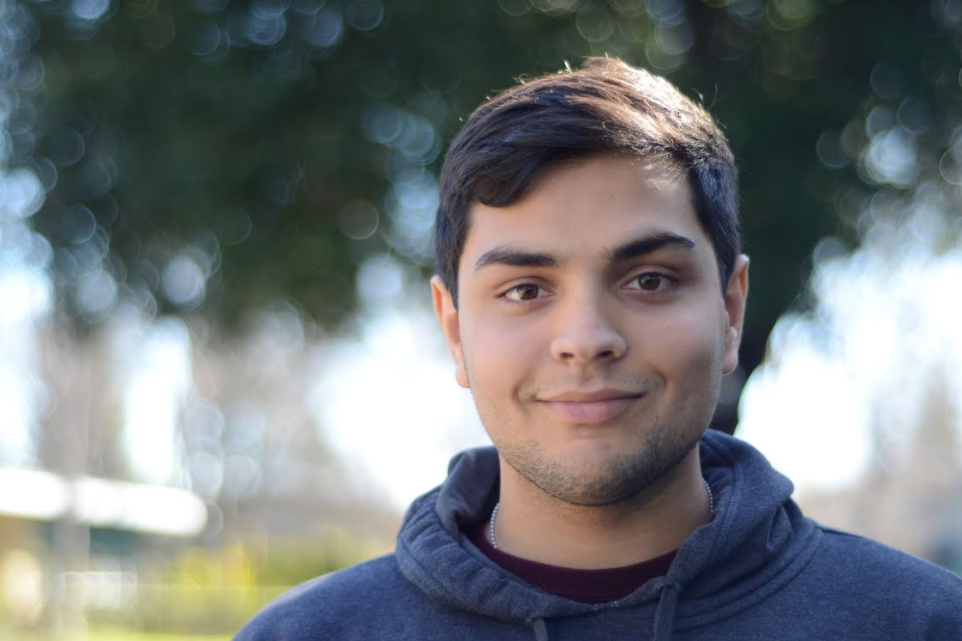
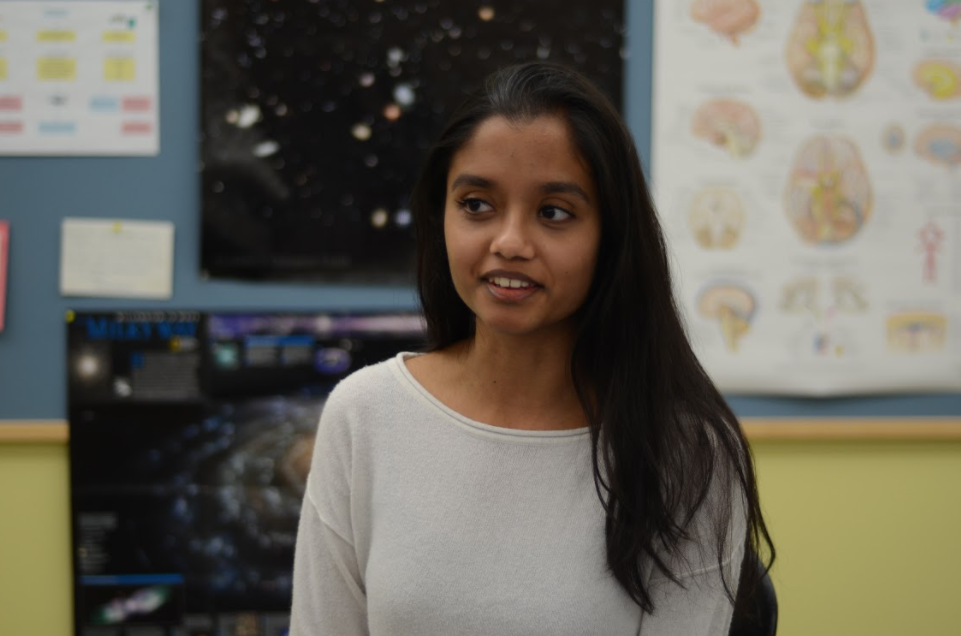
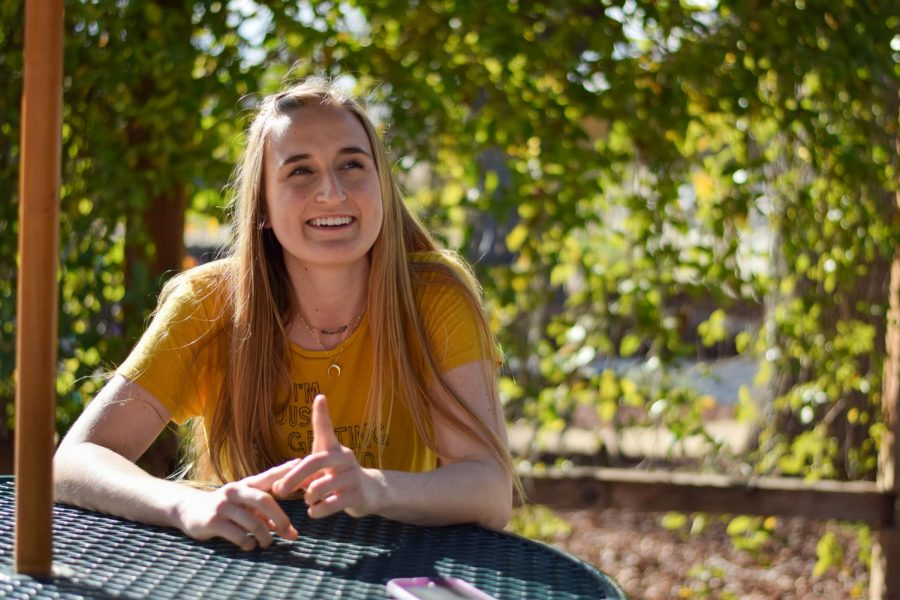
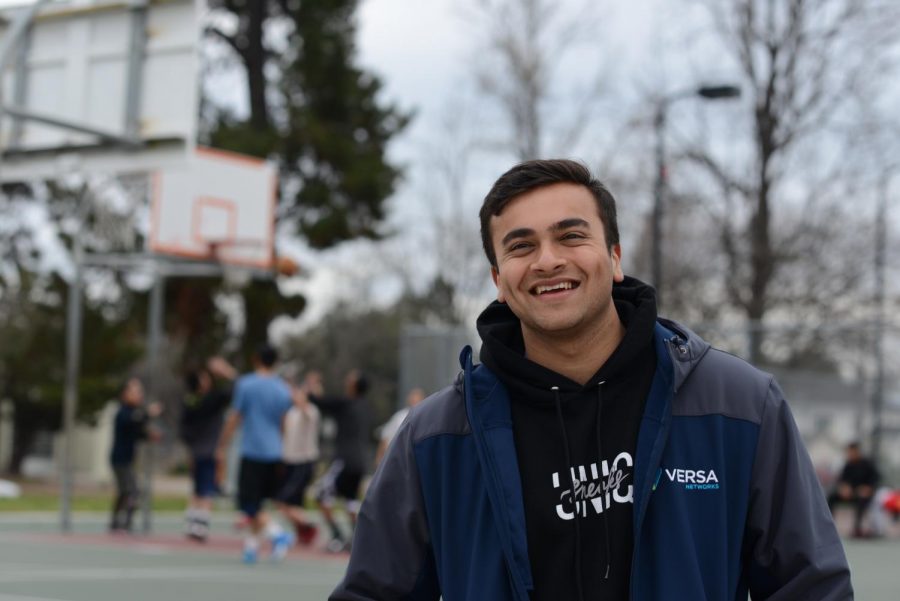
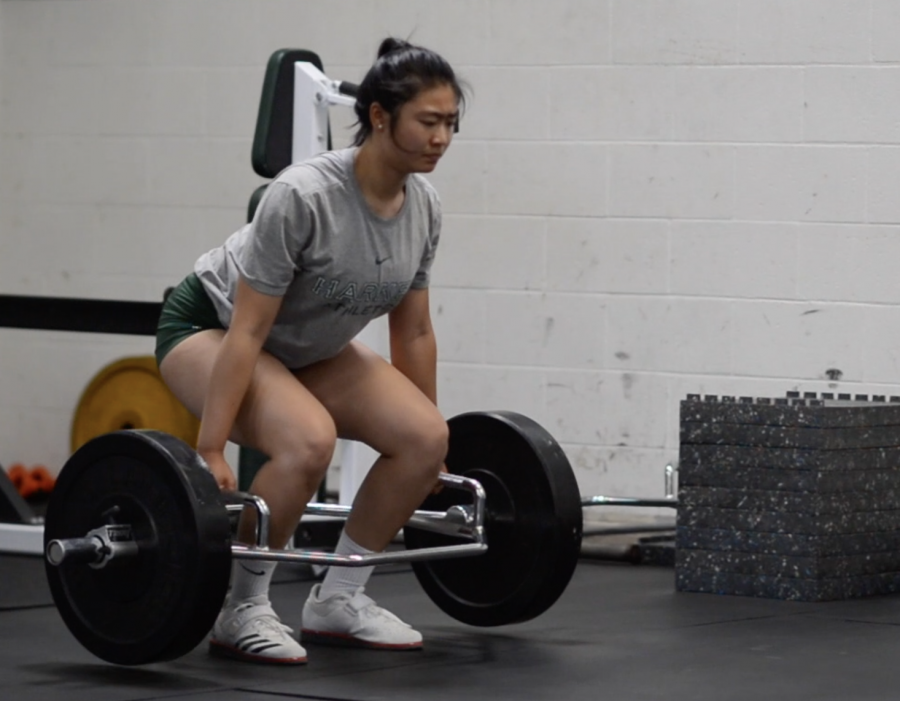

![“My slogan is ‘slow feet, don’t eat, and I’m hungry.’ You need to run fast to get where you are–you aren't going to get those championships if you aren't fast,” Angel Cervantes (12) said. “I want to do well in school on my tests and in track and win championships for my team. I live by that, [and] I can do that anywhere: in the classroom or on the field.”](https://harkeraquila.com/wp-content/uploads/2018/06/DSC5146-900x601.jpg)
![“[Volleyball has] taught me how to fall correctly, and another thing it taught is that you don’t have to be the best at something to be good at it. If you just hit the ball in a smart way, then it still scores points and you’re good at it. You could be a background player and still make a much bigger impact on the team than you would think,” Anya Gert (’20) said.](https://harkeraquila.com/wp-content/uploads/2020/06/AnnaGert_JinTuan_HoHPhotoEdited-600x900.jpeg)
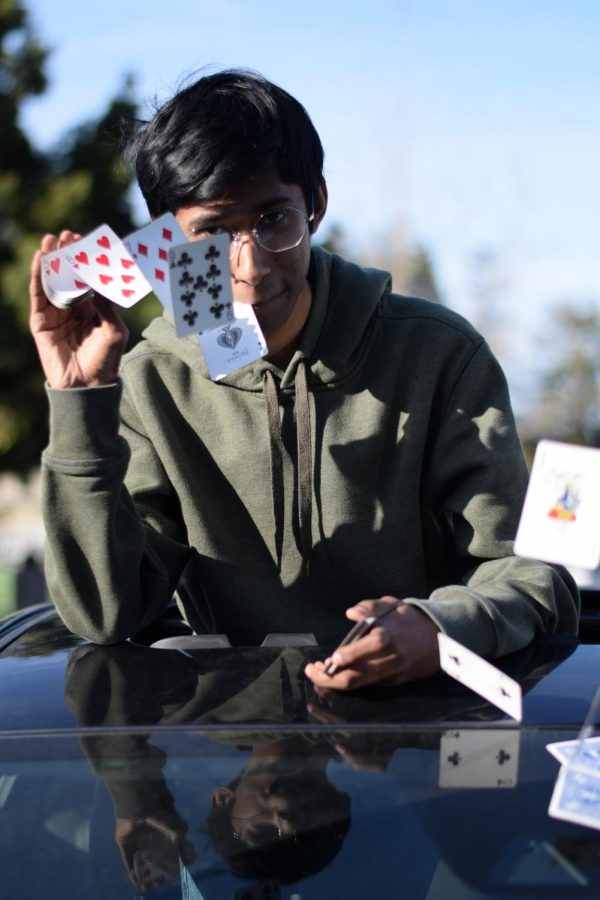
![“I'm not nearly there yet, but [my confidence has] definitely been getting better since I was pretty shy and timid coming into Harker my freshman year. I know that there's a lot of people that are really confident in what they do, and I really admire them. Everyone's so driven and that has really pushed me to kind of try to find my own place in high school and be more confident,” Alyssa Huang (’20) said.](https://harkeraquila.com/wp-content/uploads/2020/06/AlyssaHuang_EmilyChen_HoHPhoto-900x749.jpeg)


Humans of Harker: Markus Wong reflects on his dual nature
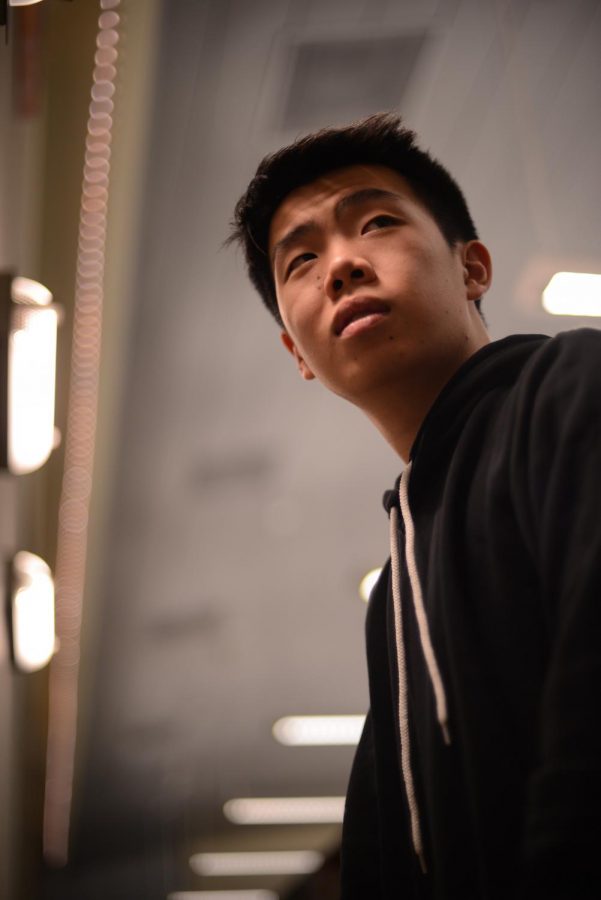
“One of the biggest events in my life was when my parents got divorced,” Markus Wong (12) said. “I’ve always wanted to improve myself — it’s kind of a common theme in my life. I was never satisfied with just being mediocre. When my parents got divorced, I thought it was the worst thing in the world. It was at that point that I was thinking to myself, ‘Why do bad things happen to me, even though I’m trying so hard?’ That kind of started a long journey of realizing that stuff like that will happen, but you have to learn how to be the bigger person. You can’t let things consume you.”
March 3, 2018
“It’s like a cheap drug, in a way,” Markus Wong (12) said of performing arts. “You do it once, it makes you feel good. The difference is that it’s the people you’re with. It’s who you’re interacting with, the kind of memories you form. That’s kind of why you do performing arts: you do it with other people, and it makes you feel great.”
Markus has acted, sung and danced for Harker audiences, balancing commitments such as Guys’ Gig and the annual dance show.
Mathew Mammen (11) met Markus in the middle school production of Aladdin, where Markus’ confident, “go big or go home” performance as head guard piqued his curiosity.
“You would know that he was in the room,” Mathew said. “He carried this great presence with him that I don’t know if you can train. I would call it an acting instinct.”
Senior Darren Gu met Markus in the Student Directed Showcase (SDS) in freshman year, and was drawn to the authentic nature of Markus’ acting.
“His emotions weren’t exaggerated,” Darren said. “His response to certain events were so accurate. His acting is so genuine, and I think that’s a reflection of who he is as a person too.”
He’s donned a Sherlock Holmes-style hat for his role as Detective Fix in “Around the World in 80 Days;” he’s powdered his hair into an peppered gray to play William in “Imperfect Proposal.” On multiple occasions, he’s played several roles in a single play.
“I had to do five accents in one show, and then three years in a row I played old men,” Markus said. “[People] kind of see me as this funny, comedic guy, but that’s not who I am. I’m not someone who’s funny all the time.”
Alongside the expressive, comedic side of Markus’s personality, Darren noted the careful, introspective nature with which he addresses his personal life.
“Markus is not anything like who he is on stage. He’s always really comedic, flamboyant, rowdy on stage. In real life he’s a lot more considerate, thoughtful, and intellectual. He still has that humor that you see on stage, but it’s more of a subtle humor,” Darren said.
Mr. Hurshman, who has taught Markus in both his sophomore and senior years at Harker, has noticed this duality as well.
“He’s the sort of person who seems like he always has something going on in his mind, like he’s turning things over, reflecting on things,” Mr. Hurshman said. “When he actually gets into the realm of performance, he’s really free and he’s willing to be over the top. I think it’s really interesting that he holds together those two sides, he’s able to be thoughtful and sensitive but at the same time, when he gets into certain environments, he’s hilarious and energetic in a different way.”
According to Markus, balancing the thoughtful and theatrical sides of him has been a work in progress.
“One of the biggest events in my life was when my parents got divorced,” he said. “I’ve always wanted to improve myself — it’s kind of a common theme in my life. I was never satisfied with just being mediocre. When my parents got divorced, I thought it was the worst thing in the world. It was at that point that I was thinking to myself, ‘Why do bad things happen to me, even though I’m trying so hard?’ That kind of started a long journey of realizing that stuff like that will happen, but you have to learn how to be the bigger person. You can’t let things consume you.”
This epiphany lead him to pursue a separate, more philosophical set of goals alongside those he had as a performer. Over time, Markus has grown to value empathy and the ability to connect with others.
“When you stop caring about someone, you lose. Let’s say someone punches you in the face. You could hate them for the rest of your life, but what does that do?” Markus said. “It’s just one less person you’re not connected to, one less person you can make a difference with.”
Markus’s effort to care about others is evident in his conversations.
“When you talk to him and he’s not cracking jokes, he seems to genuinely care about what you have to say,” Mathew said. “It’ll be a conversation where you can say what’s on your mind, whatever’s bothering you.”
Markus enjoys speaking with other people. To him, open-mindedness is a critical human attribute, and he classifies person-to-person communication based on the level of willingness to accept dissenting ideas. While discussions involve the sharing of opinions already formed, conversations are the deliberation of a topic between two people without the inclusion of personal convictions.
“In improv, the way you advance a scene is by saying ‘yes, and,’” Markus said. “When you’re having a conversation, you’re understanding where those ideas are coming from and adding on to them, whereas a discussion is more talking about something and you’re going to have an opinion about it, and you discuss those opinions and why you have them.”
In these conversations, Markus looks either to learn from or to teach whoever he is speaking to. He’s willing to discuss a broad spectrum of topics ranging from jazz to the NRA, enrolling in classes like Modern Physics to expand his knowledge.
“He’s really keen on learning, which is why he’s open to conversations about things that he doesn’t understand,” Rahul Bhethanabotla (12) said. “There’s always something to learn about or from Markus every day.”