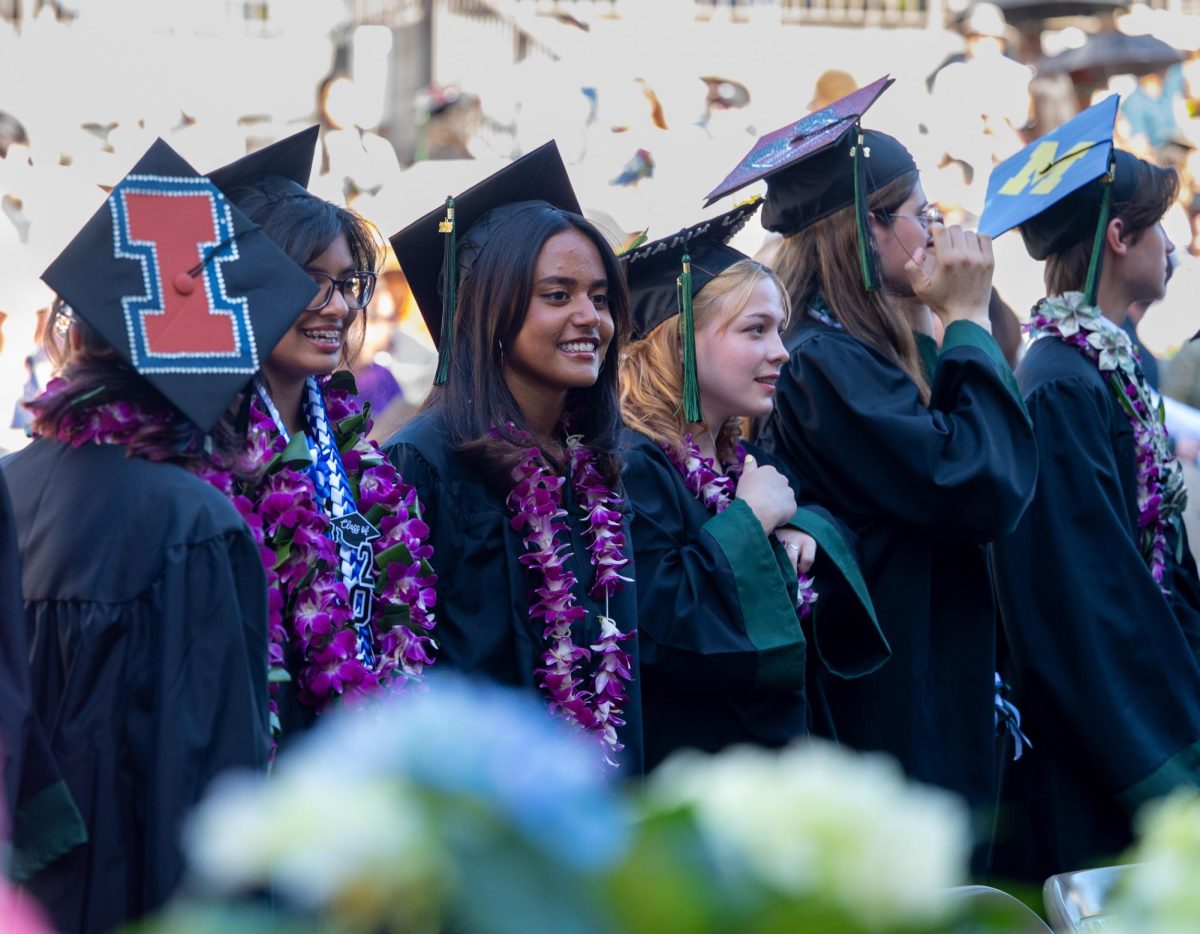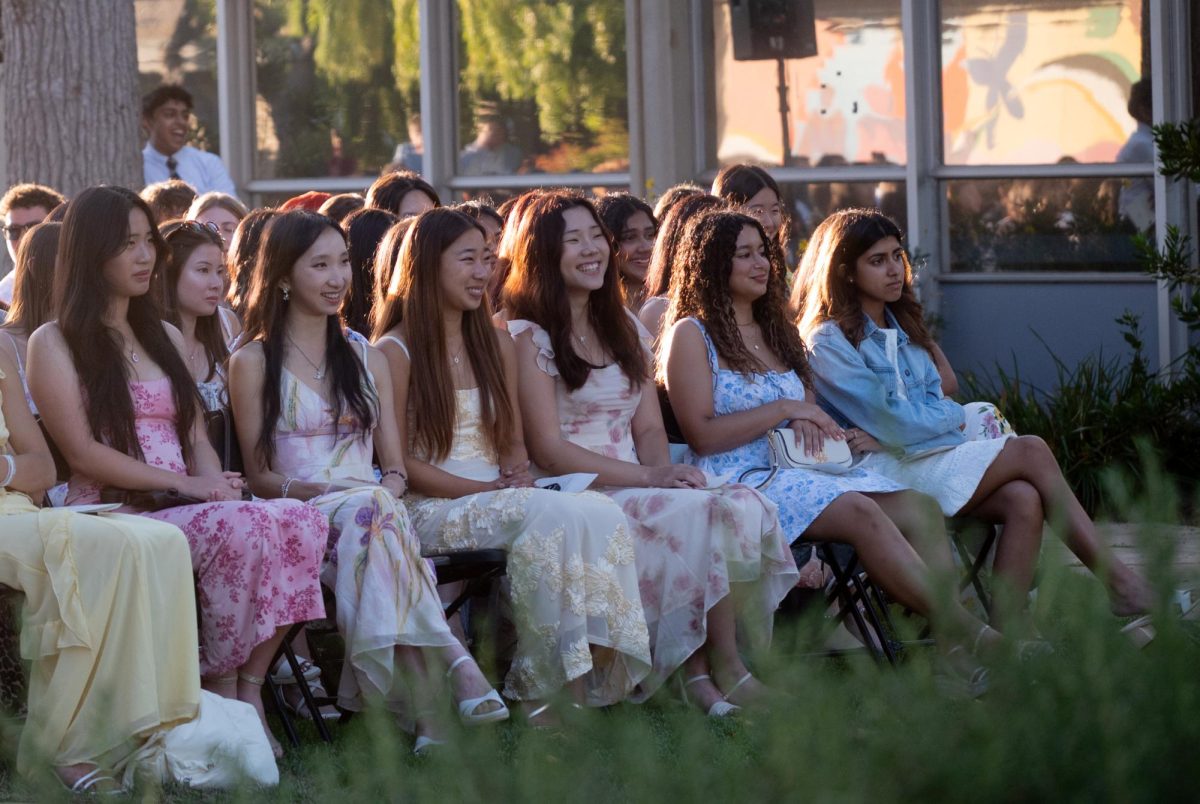
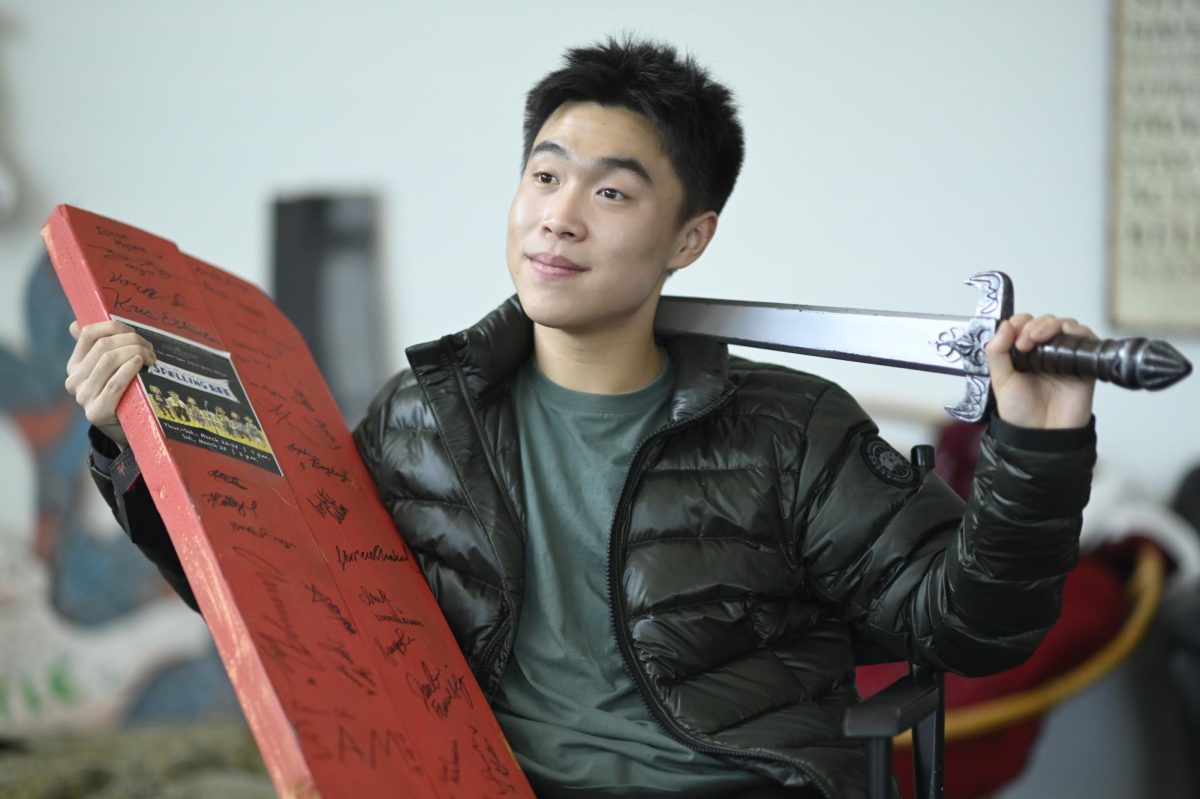
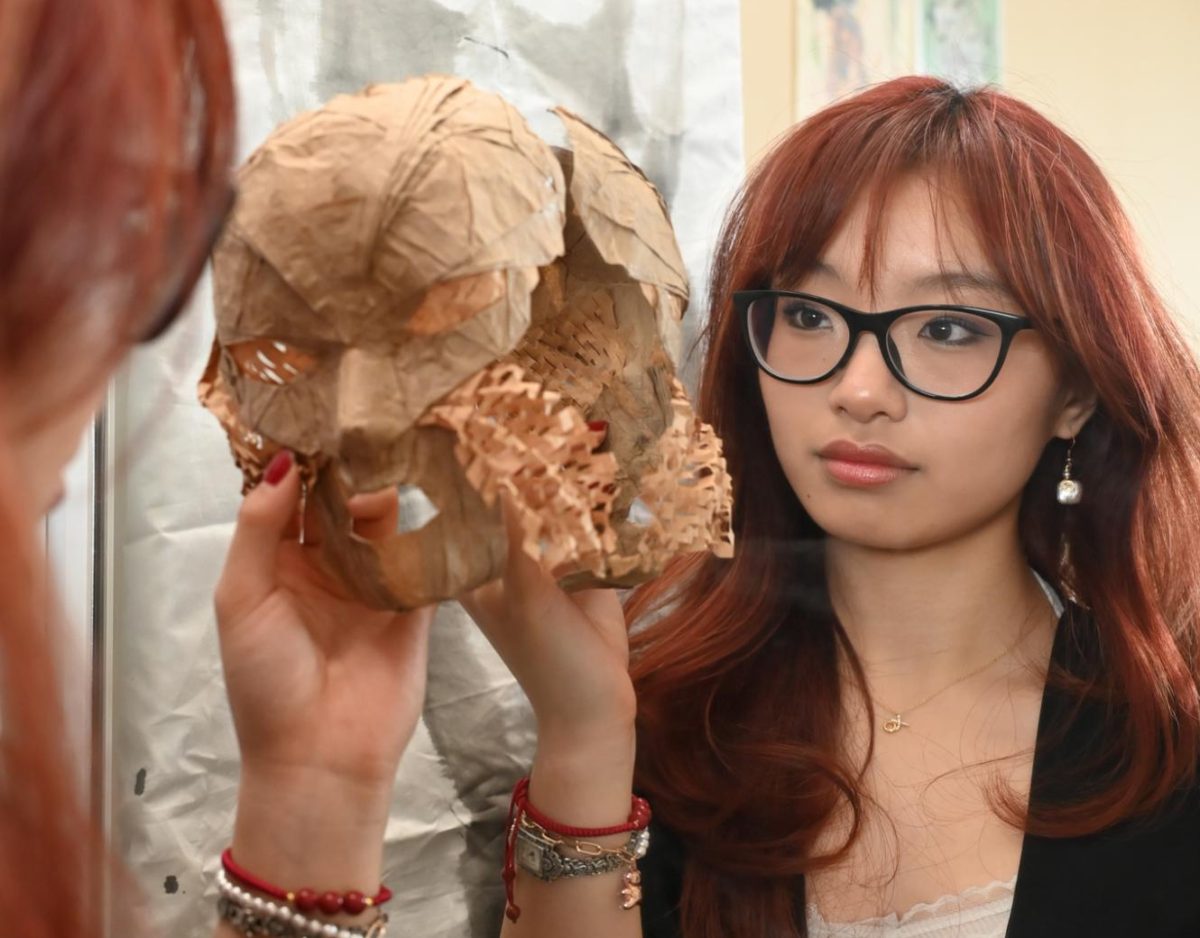
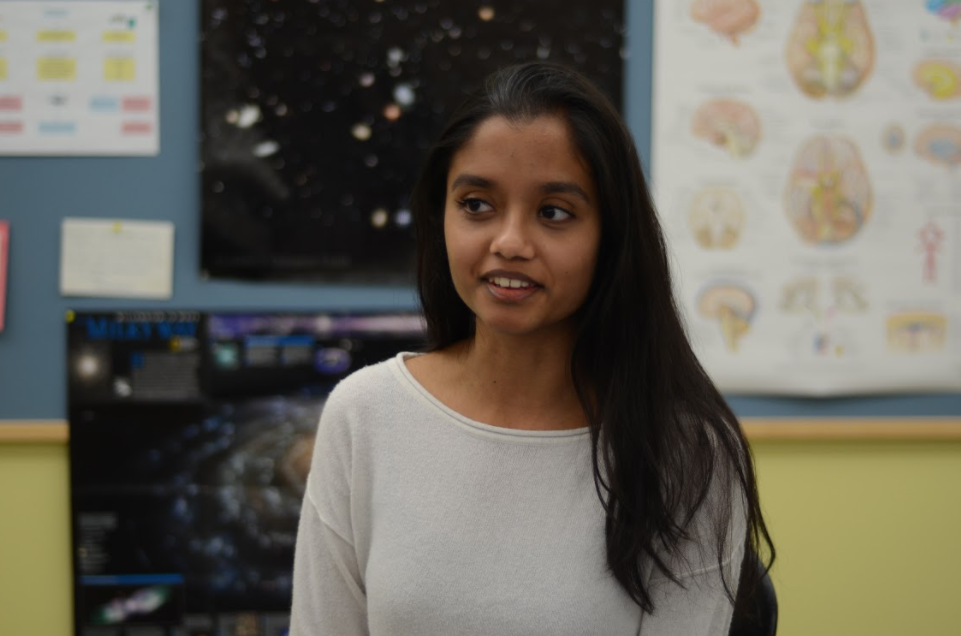
![“I wasn't discouraged by some of the obstacles we faced. I learned a lot from the leadership. I found that different people need different ways of receiving feedback — you can't [just] tell them to do something and expect the best. [Some] people needed more incentive. A large part of my role was to figure out what worked for everyone and to figure out how to lead all these separate individuals as a team,” Suhana Bhandare (’26) said.](https://harkeraquila.com/wp-content/uploads/2026/06/SuhanaBhandare_JasmineHansra-1-1200x798.jpg)
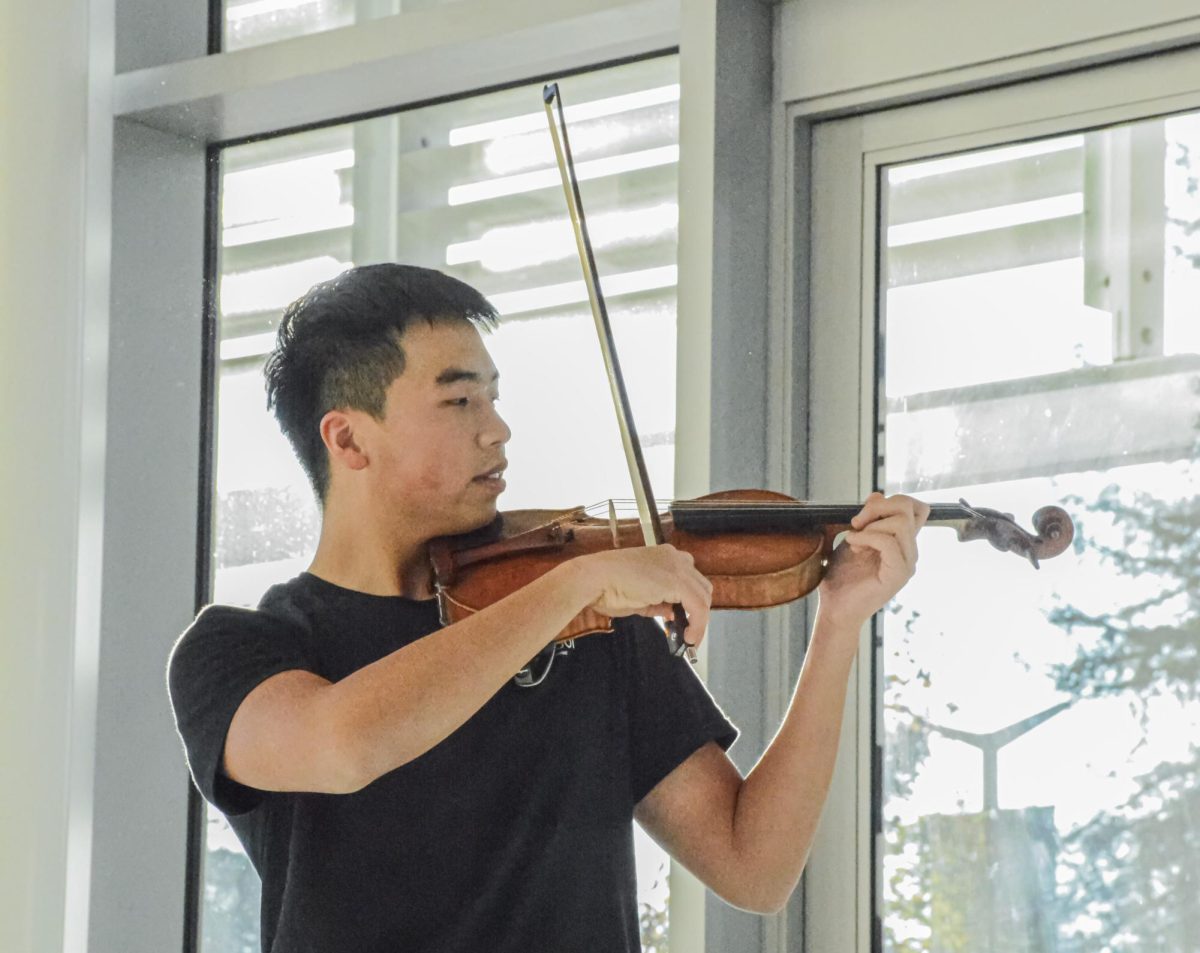
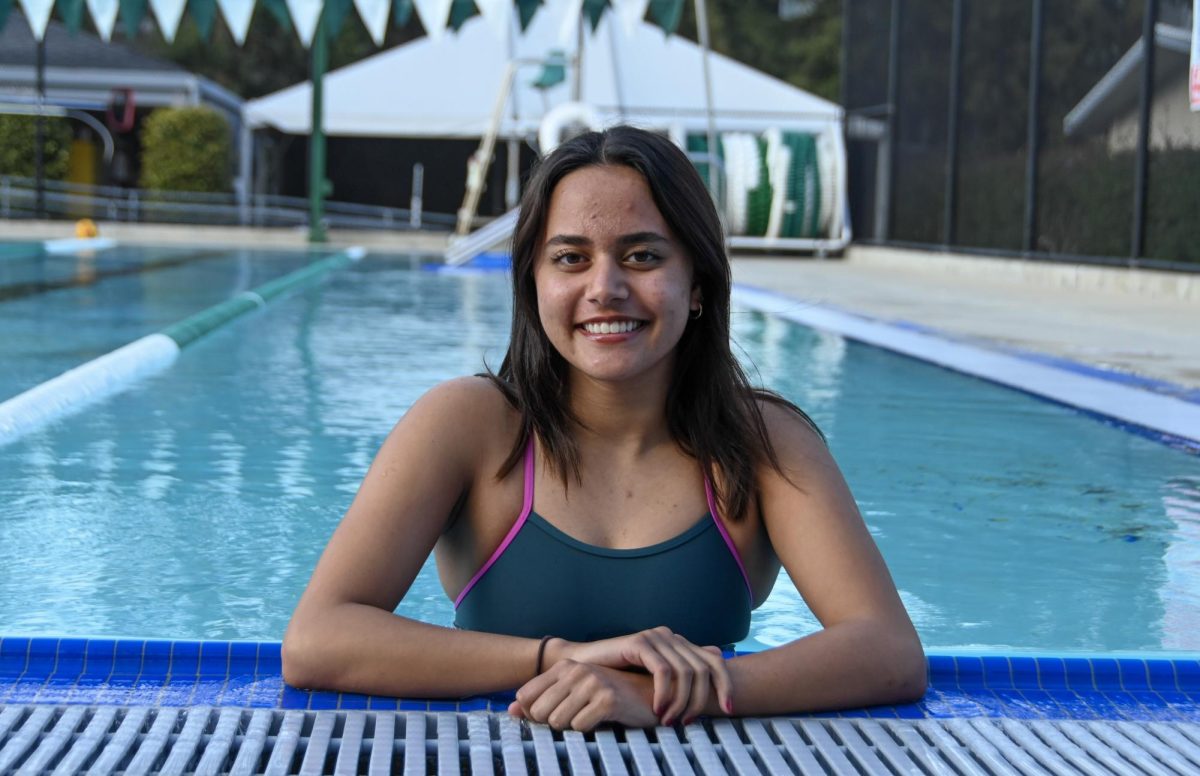
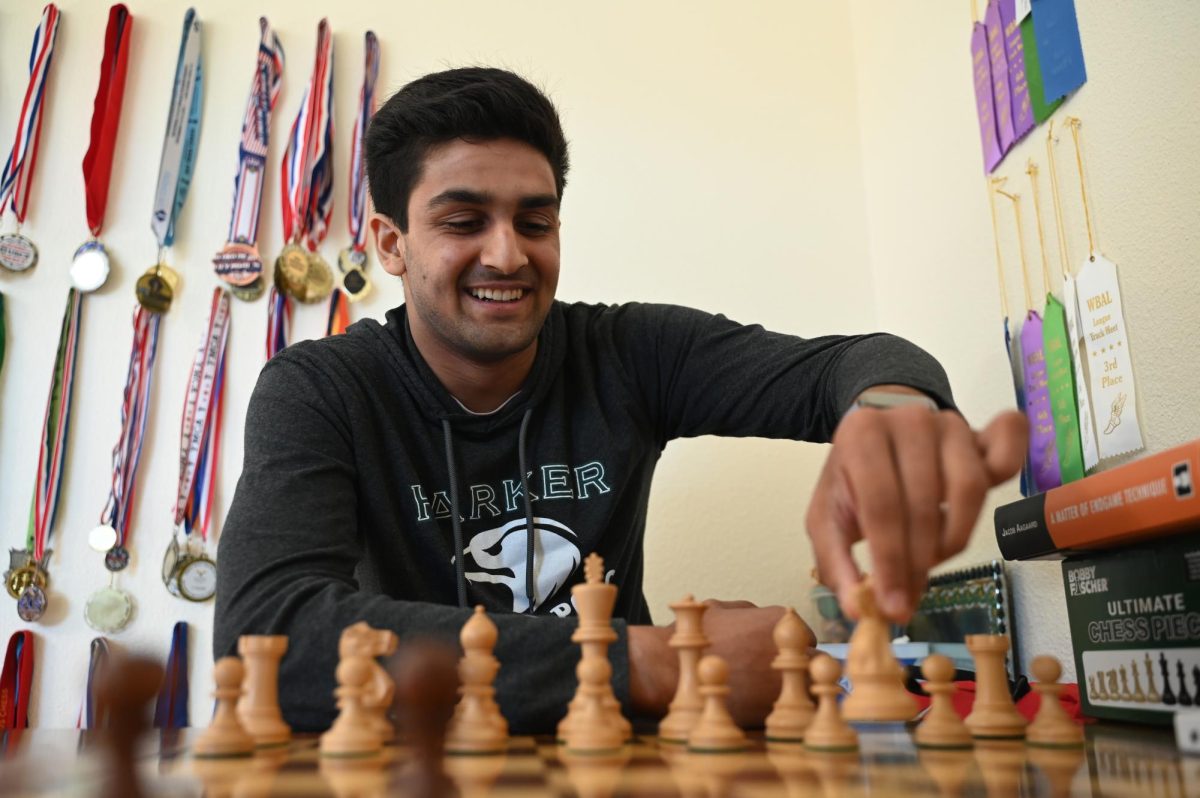
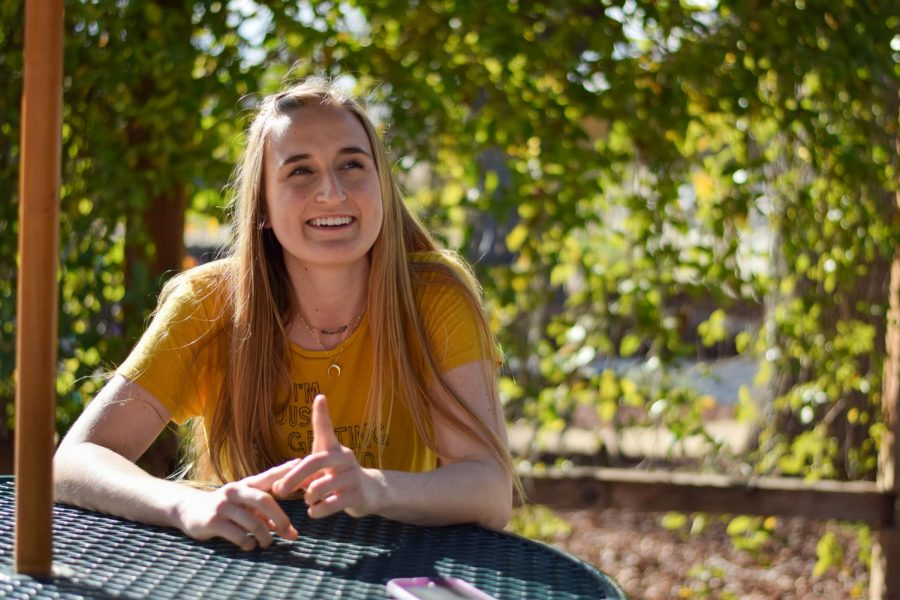
![“This is actually from Randy Pausch Randy P. Brick: ‘Walls are there for a reason. You have to show how much you want to overcome them.’ You have to show how much you want something. That's what I've always been able to do with tennis, Link Crew and getting that internship [with Kushy Baby]. It’s important pushing through that — getting around that brick wall, climbing over it or clawing through it,” Yash Sachdeva (’26) said.](https://harkeraquila.com/wp-content/uploads/2026/05/YashSachdeva_RamBatchu-copy-1200x1002.jpg)



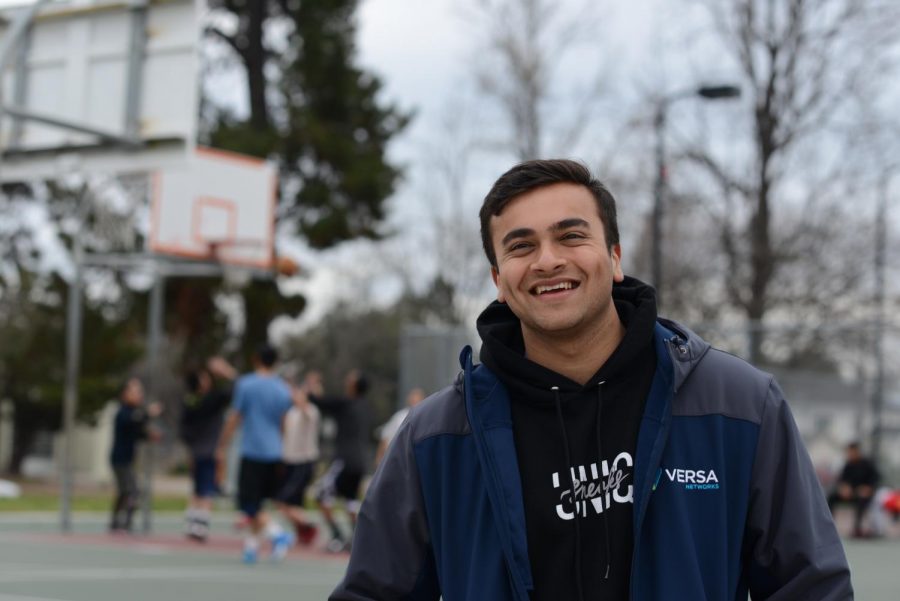
![“[Building nerf blasters] became this outlet of creativity for me that hasn't been matched by anything else. The process [of] making a build complete to your desire is such a painstakingly difficult process, but I've had to learn from [the skills needed from] soldering to proper painting. There's so many different options for everything, if you think about it, it exists. The best part is [that] if it doesn't exist, you can build it yourself," Ishaan Parate said.](https://harkeraquila.com/wp-content/uploads/2022/08/DSC_8149-900x604.jpg)
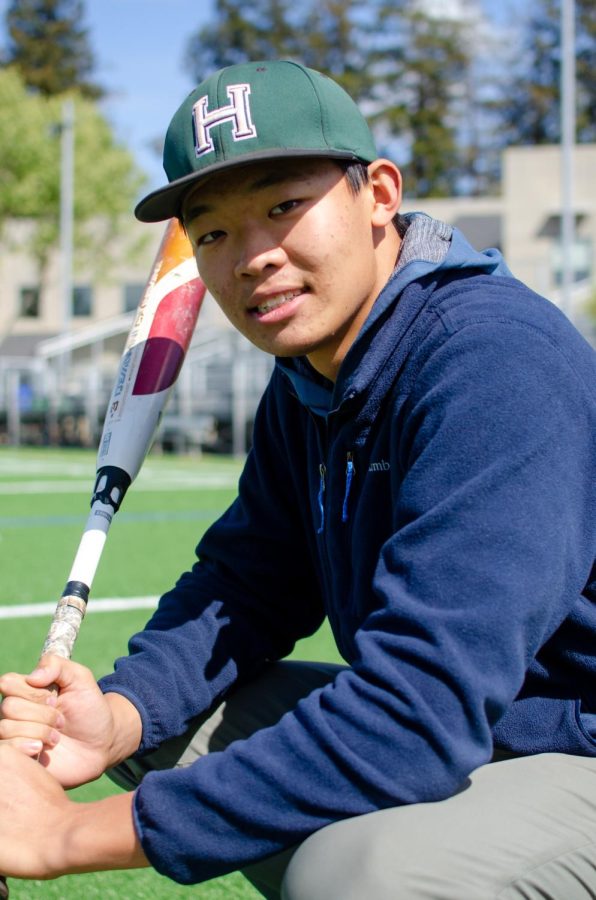
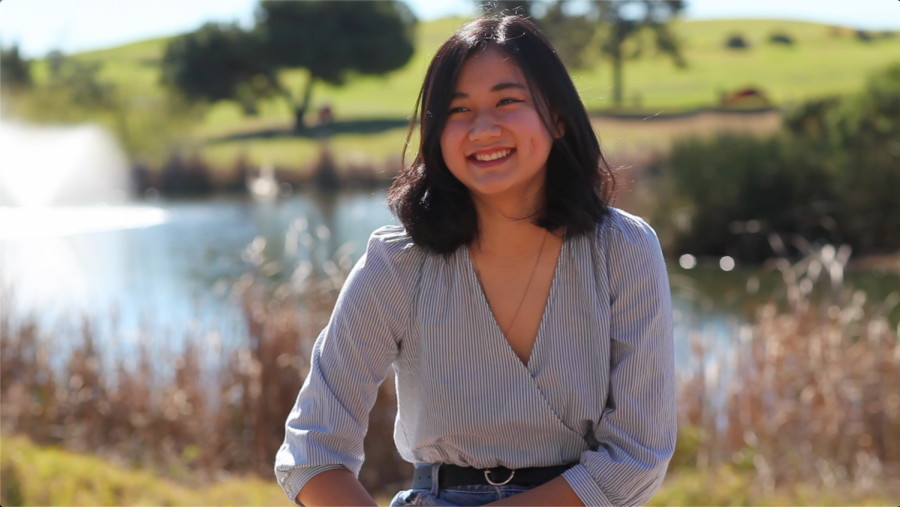
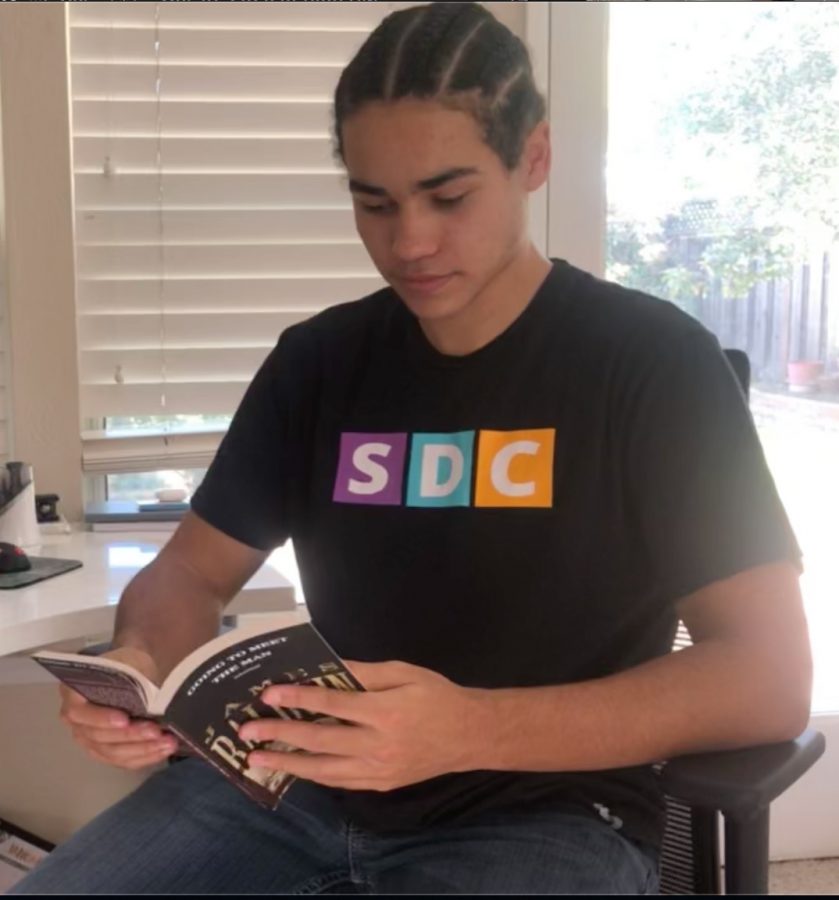
![“When I came into high school, I was ready to be a follower. But DECA was a game changer for me. It helped me overcome my fear of public speaking, and it's played such a major role in who I've become today. To be able to successfully lead a chapter of 150 students, an officer team and be one of the upperclassmen I once really admired is something I'm [really] proud of,” Anvitha Tummala ('21) said.](https://harkeraquila.com/wp-content/uploads/2021/07/Screen-Shot-2021-07-25-at-9.50.05-AM-900x594.png)
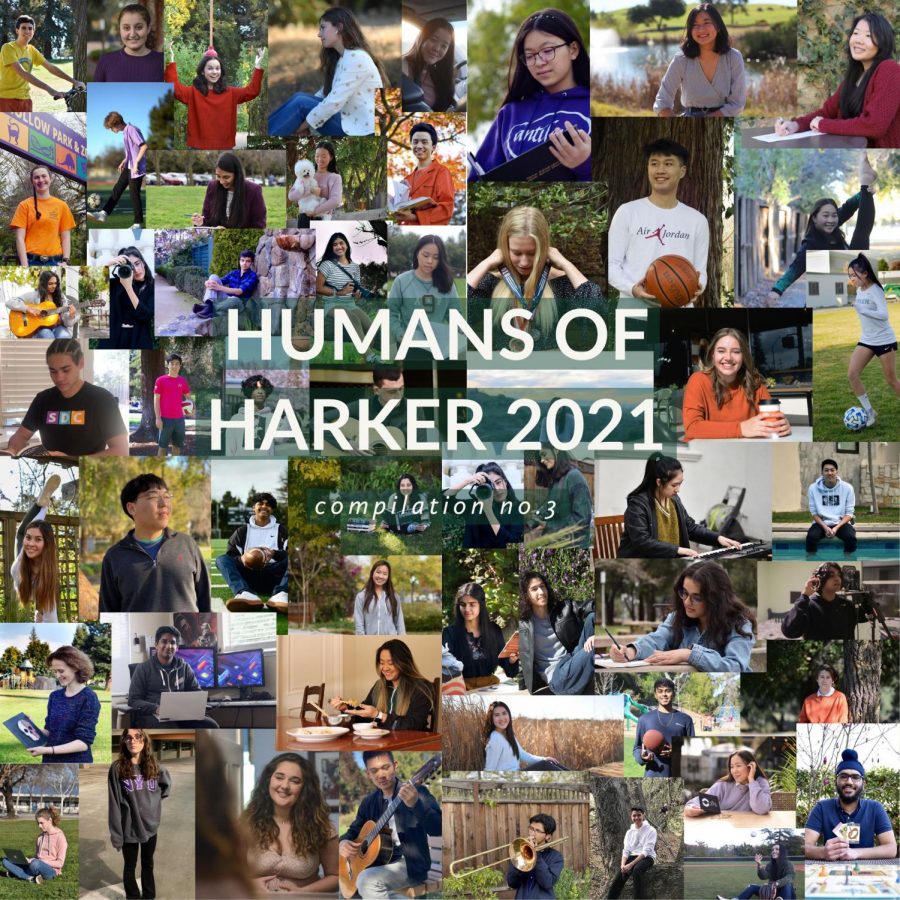
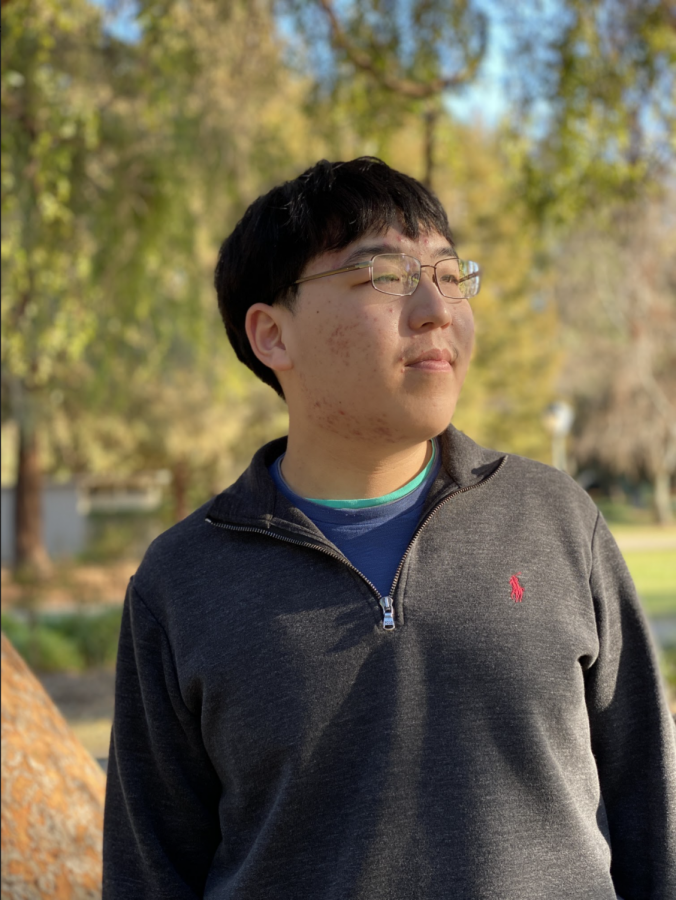
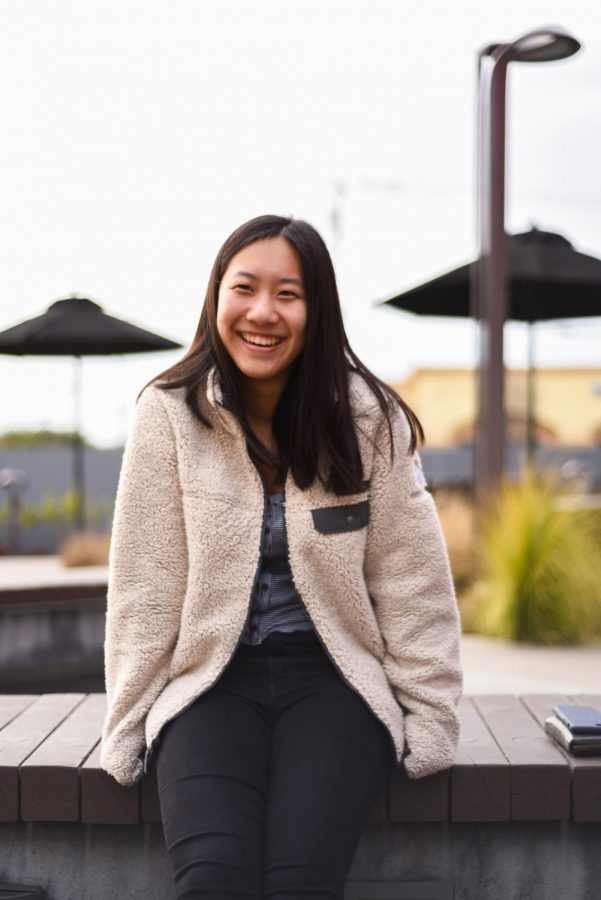
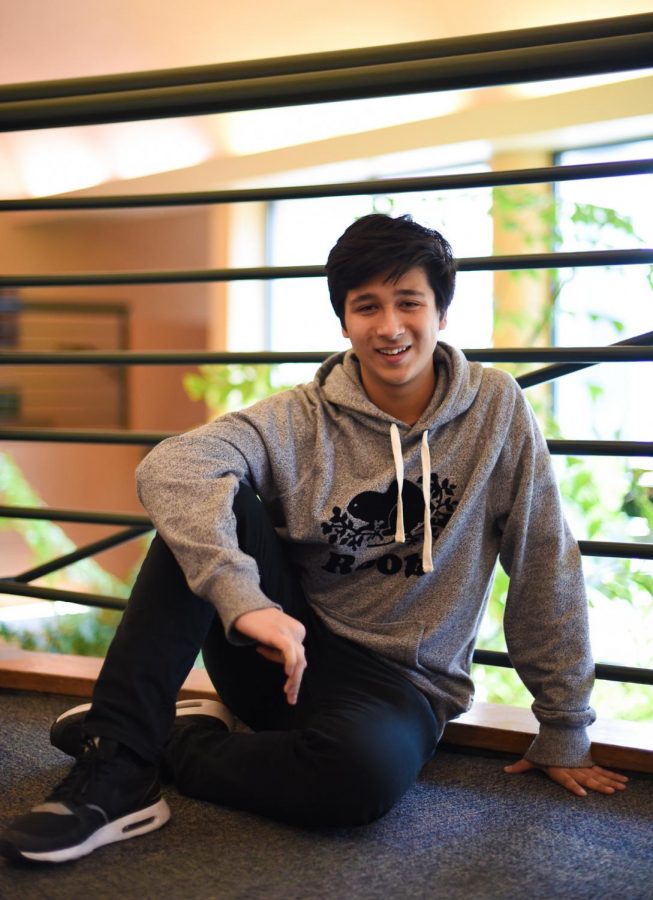
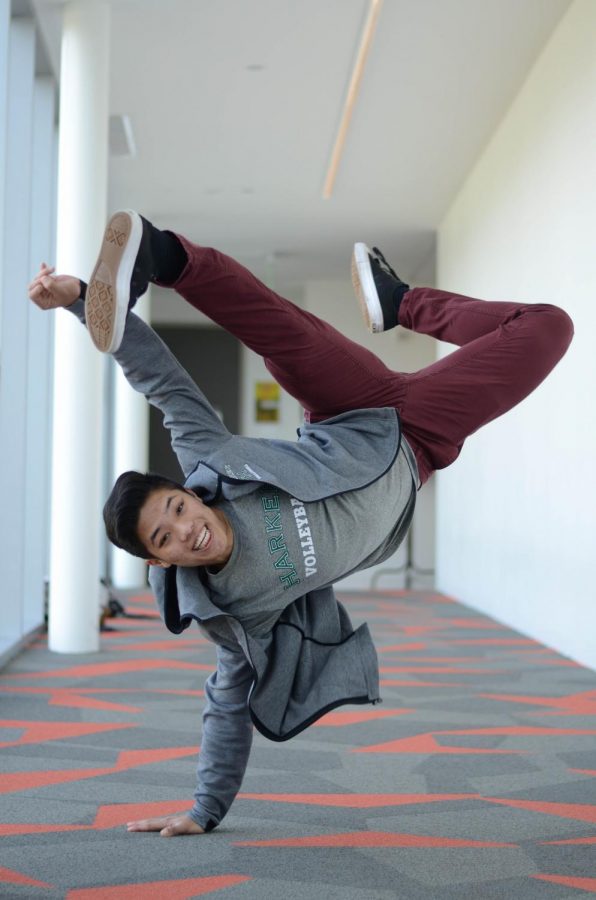
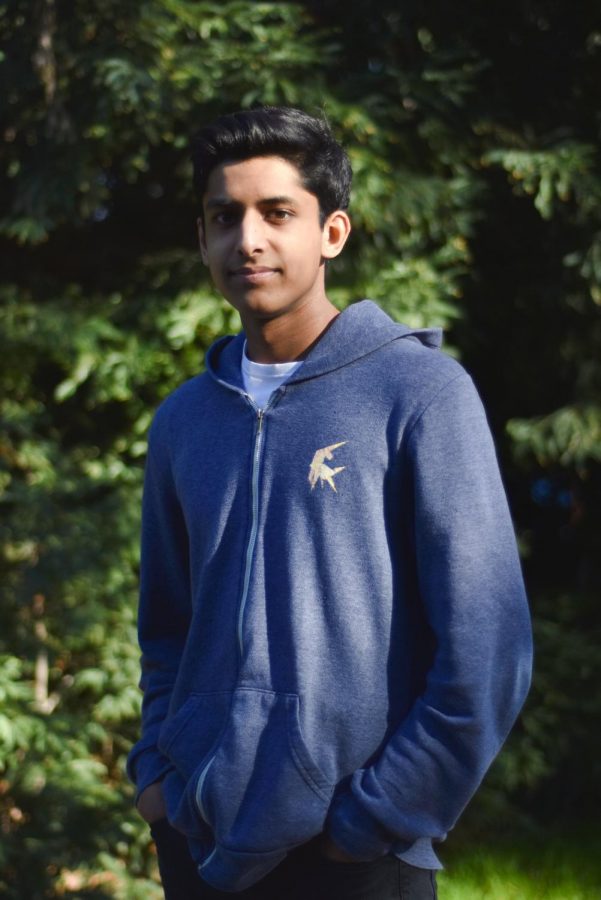

![“I think getting up in the morning and having a sense of purpose [is exciting]. I think without a certain amount of drive, life is kind of obsolete and mundane, and I think having that every single day is what makes each day unique and kind of makes life exciting,” Neymika Jain (12) said.](https://harkeraquila.com/wp-content/uploads/2017/06/Screen-Shot-2017-06-03-at-4.54.16-PM.png)
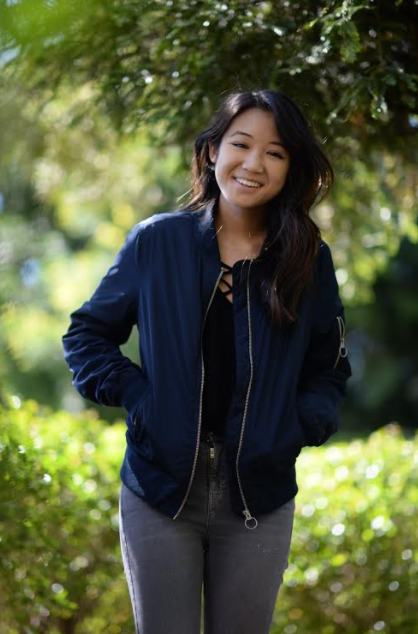
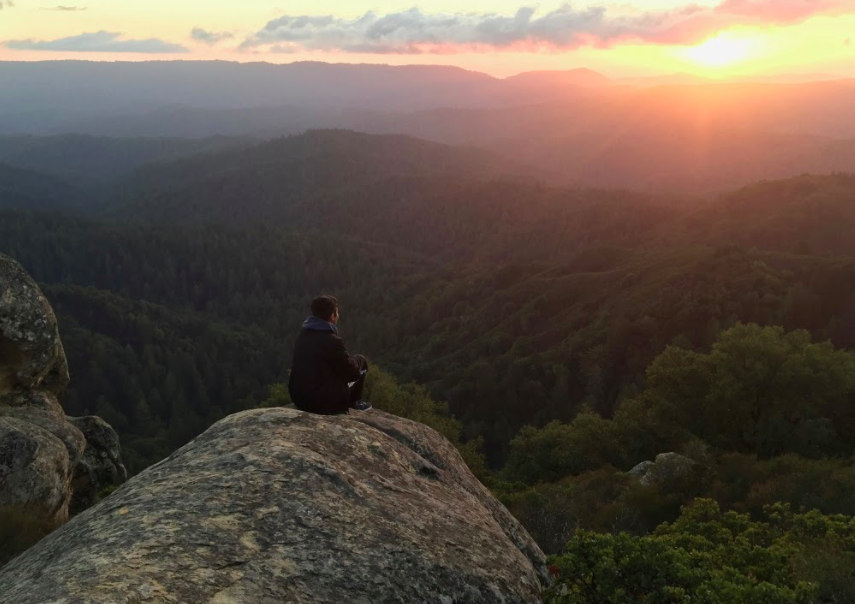
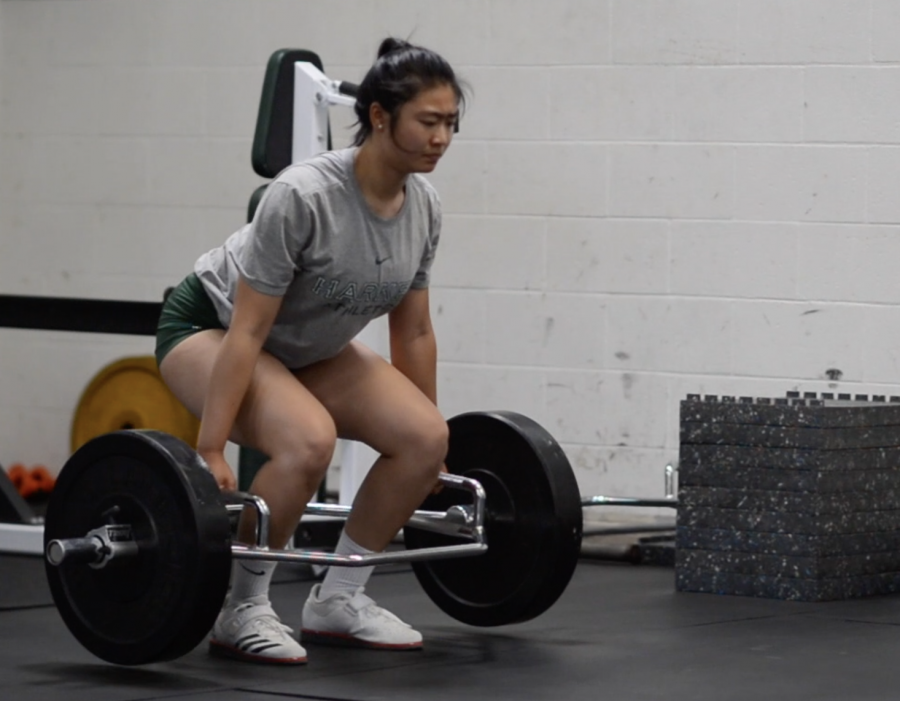

![“My slogan is ‘slow feet, don’t eat, and I’m hungry.’ You need to run fast to get where you are–you aren't going to get those championships if you aren't fast,” Angel Cervantes (12) said. “I want to do well in school on my tests and in track and win championships for my team. I live by that, [and] I can do that anywhere: in the classroom or on the field.”](https://harkeraquila.com/wp-content/uploads/2018/06/DSC5146-900x601.jpg)
![“[Volleyball has] taught me how to fall correctly, and another thing it taught is that you don’t have to be the best at something to be good at it. If you just hit the ball in a smart way, then it still scores points and you’re good at it. You could be a background player and still make a much bigger impact on the team than you would think,” Anya Gert (’20) said.](https://harkeraquila.com/wp-content/uploads/2020/06/AnnaGert_JinTuan_HoHPhotoEdited-600x900.jpeg)
![“I'm not nearly there yet, but [my confidence has] definitely been getting better since I was pretty shy and timid coming into Harker my freshman year. I know that there's a lot of people that are really confident in what they do, and I really admire them. Everyone's so driven and that has really pushed me to kind of try to find my own place in high school and be more confident,” Alyssa Huang (’20) said.](https://harkeraquila.com/wp-content/uploads/2020/06/AlyssaHuang_EmilyChen_HoHPhoto-900x749.jpeg)


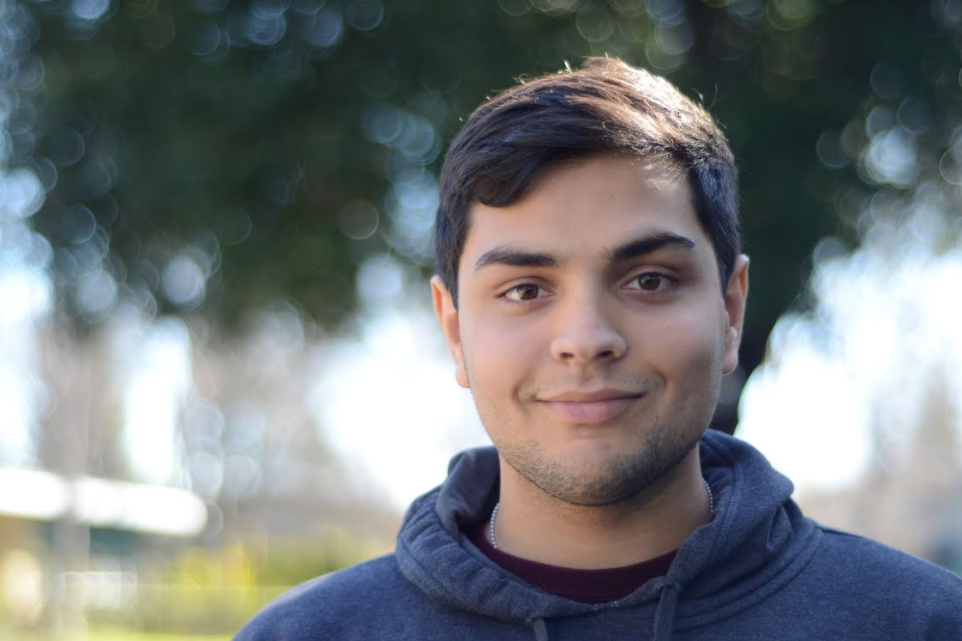
Manan Shah (12) named Siemens National Finalist
Provided by Manan Shah
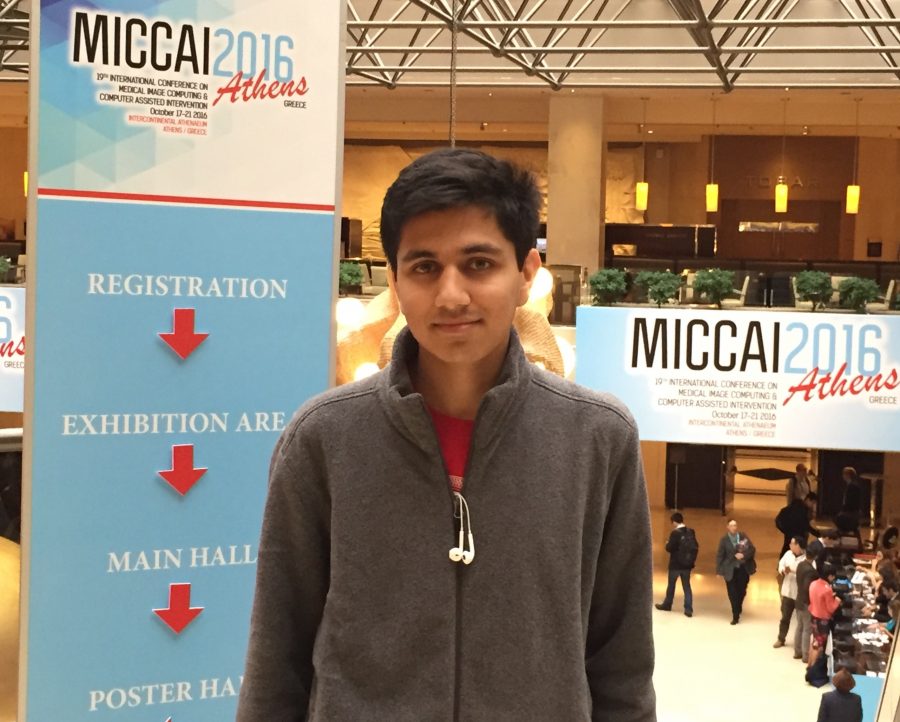
Manan Shah poses for a photo at the October 2016 Medical Image Computing Assisted Intervention (MICCAI) Conference in Athens, Greece. He gave a talk about his Siemens research and findings on tumor proliferation at the event.
November 20, 2016
The Siemens Foundation named Manan Shah (12) as a national finalist in the Siemens Competition on Nov. 7.
Manan earned top individual honors and a $3,000 scholarship for developing a computational model that would help pathologists more efficiently assess breast cancer severity in patients.
“[My project] predicts the scale both on a categorical level, so one, two or three, where three is the most severe, and on a molecular level, so investigating how likely this tumor is to proliferate based on biological factors from samples [and] biopsy tissues,” he said.
After his grandfather was diagnosed with prostate cancer following a long period of examinations, Manan was inspired to create a way to expedite the process.
“In India and other developing countries, it’s difficult for a lot of patients to get diagnosed for these types of cancers because tissue examinations take a long time and are inefficient for pathologists to grade,” he said. “To obviate the subjectivity and the underlying time [three or four hours] involved in this kind of process, I hoped to develop a method that would fix those concerns.”
He worked with his mentor, Dayong Wang, and other researchers to further develop his approaches and methods at the Beck Lab, a part of the Beth Israel Deaconess Medical Center of the Harvard Medical School.
“The P.I. [Principal Investigator] at the lab was Dr. Andrew Beck, and he was also pretty helpful in helping me write the paper and create the presentation,” he said. “The other pathologists helped verify my methods, so it was like a collaborative effort from fields of biology and computer science.”
Though most of the problems he encountered while developing his project were minor computational errors, an issue that required deeper research and experimentation involved accounting for the various methods used internationally to stain tissues extracted from biopsies.
“In different parts of the U.S. and also internationally, these stains may vary with different colors and intensities, and so my methods that I developed wouldn’t generalize to other intensities,” he said. “I corrected the staining normalization by employing Dr. Bejnordi’s algorithm to normalize all of the stains, resulting in an improved accuracy.”
Upper school physics and science research teacher Chris Spenner and science and biology teacher Anita Chetty also helped Manan throughout his project by editing his drafts and providing feedback on his presentations.
“[Mr. Spenner and Ms. Chetty] have provided me with both a really solid biological and computational base,” he said. “[They’ve also] provided me feedback on my papers and revisions, so the end product was something to be proud of.”
Manan will move on to present his work alongside five other individual finalists and six team finalists at George Washington University in Washington, D.C. on Dec. 2 to 6 for a chance to become a national winner of the Siemens Competition.