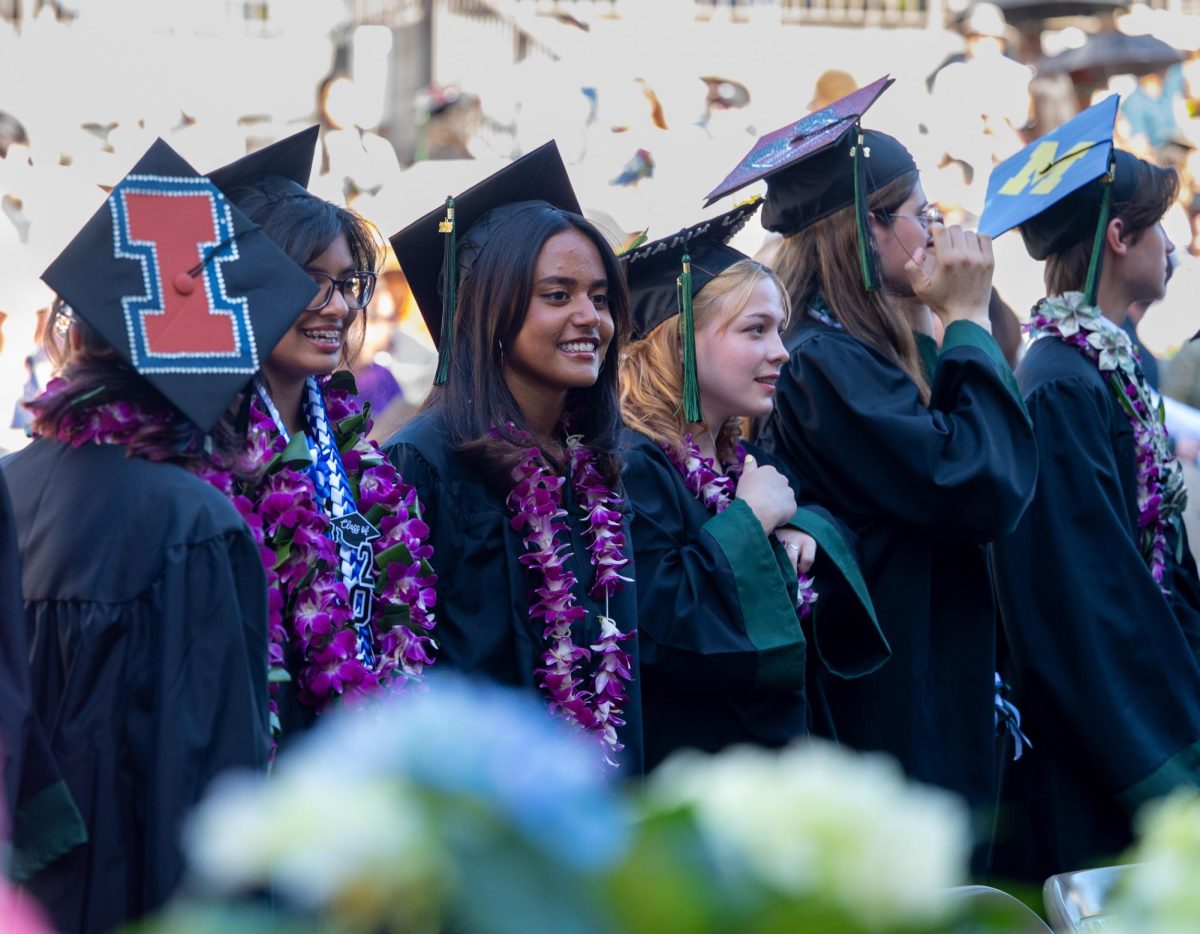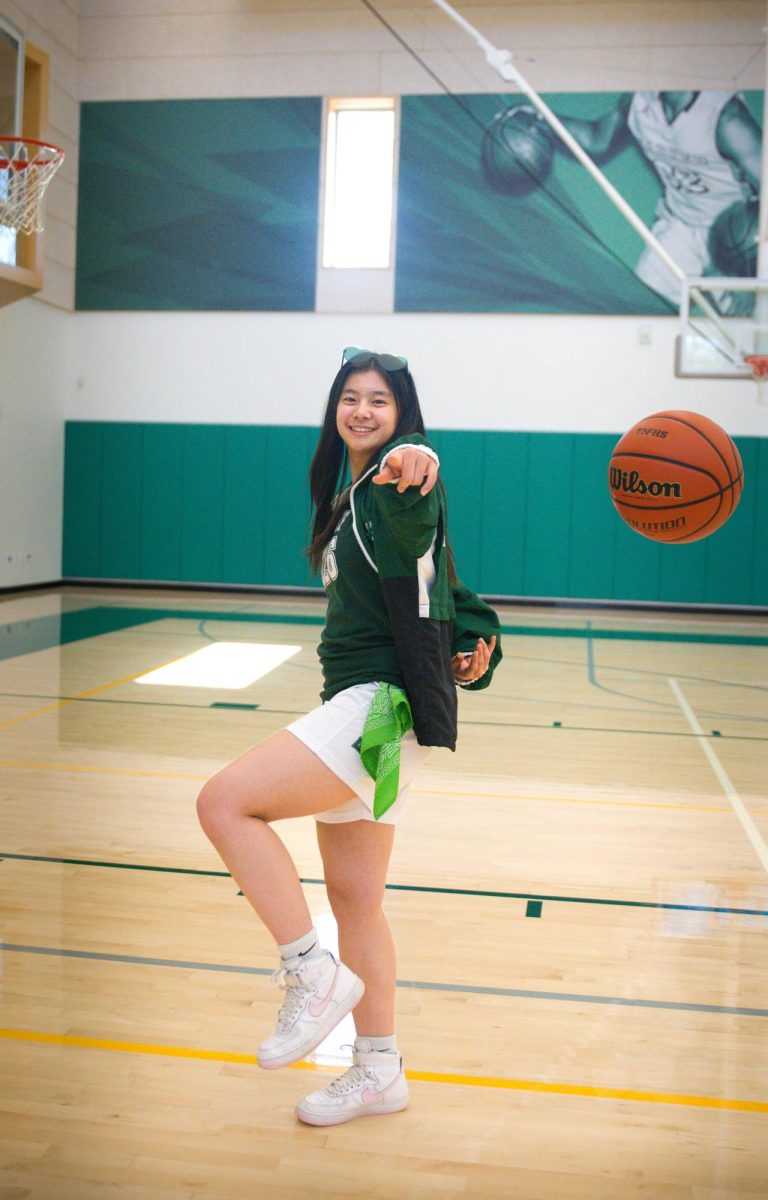
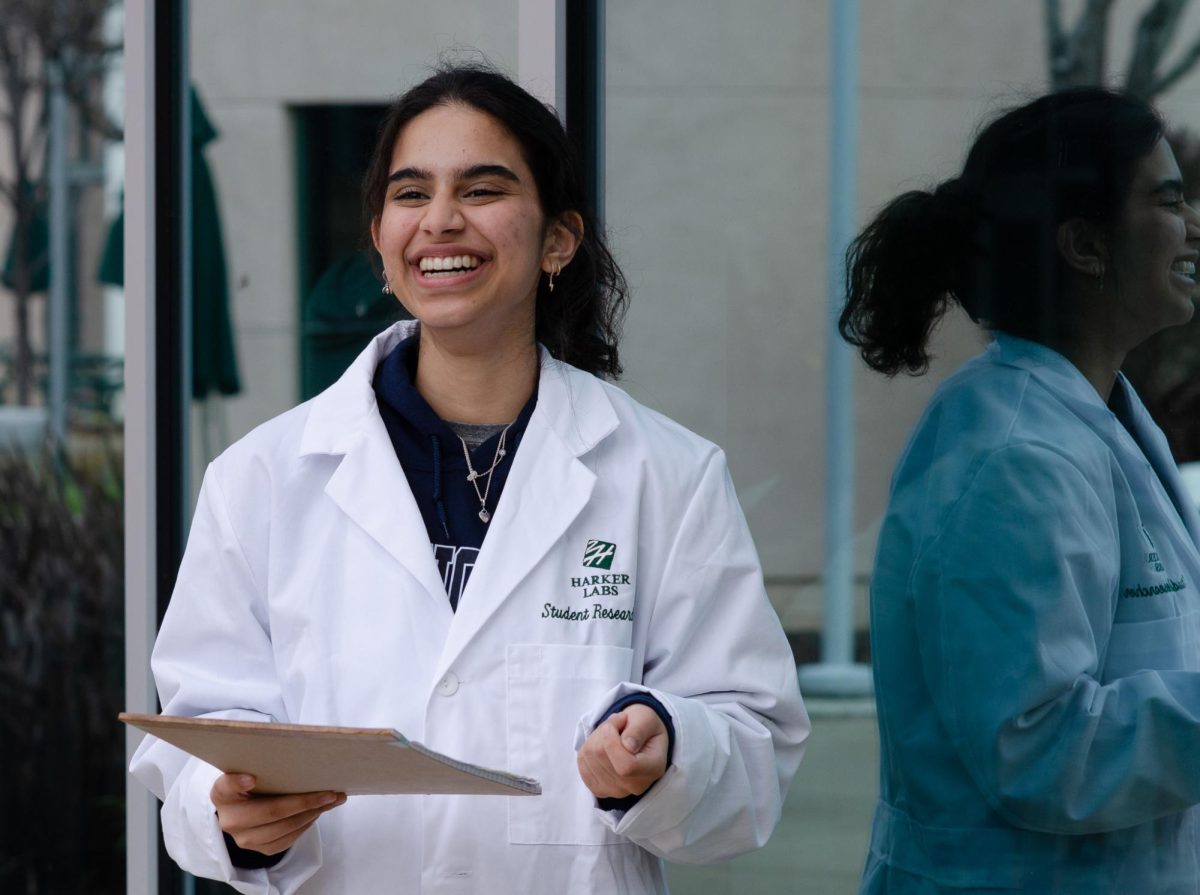
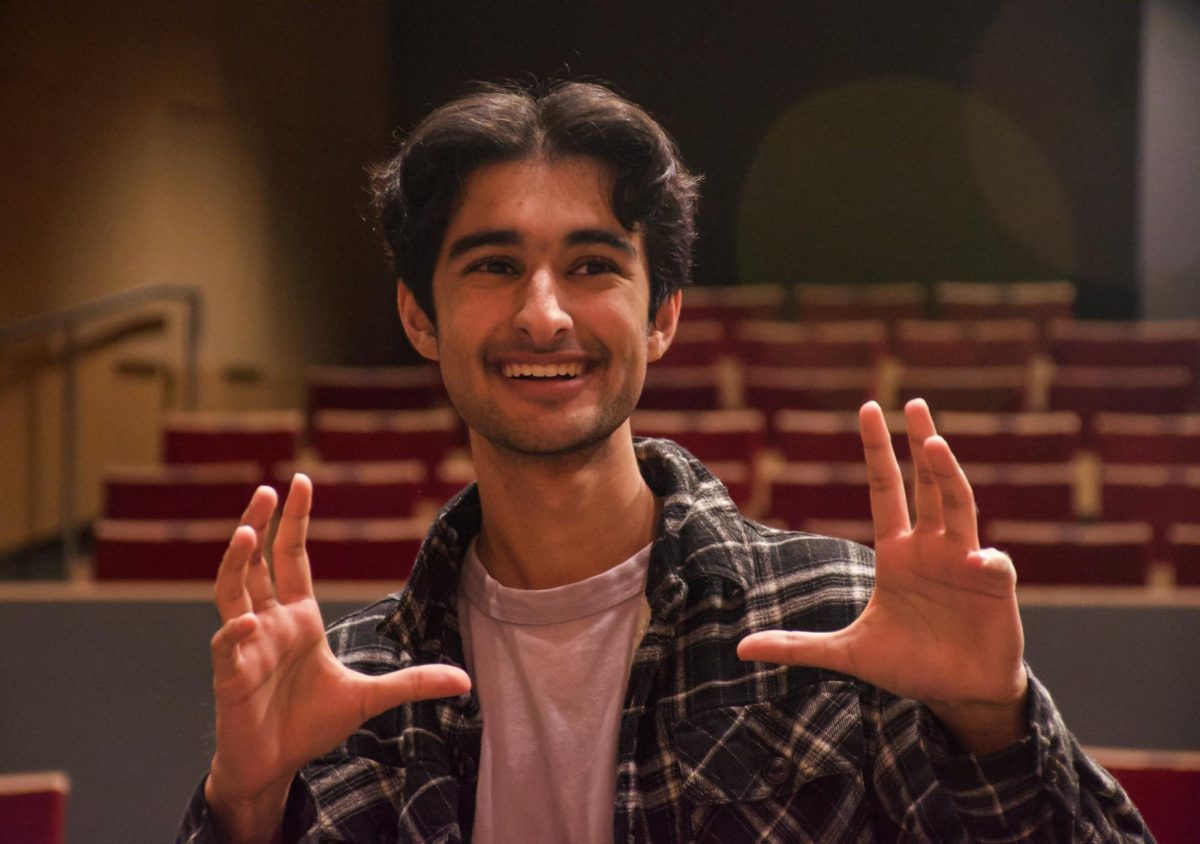
![“I wasn't discouraged by some of the obstacles we faced. I learned a lot from the leadership. I found that different people need different ways of receiving feedback — you can't [just] tell them to do something and expect the best. [Some] people needed more incentive. A large part of my role was to figure out what worked for everyone and to figure out how to lead all these separate individuals as a team,” Suhana Bhandare (’26) said.](https://harkeraquila.com/wp-content/uploads/2026/06/SuhanaBhandare_JasmineHansra-1-1200x798.jpg)
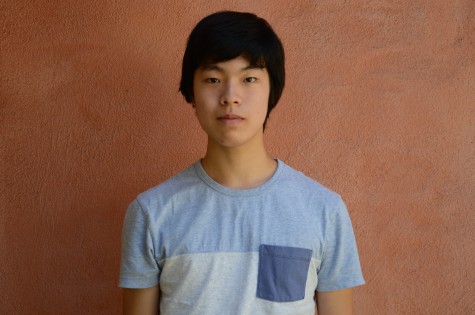
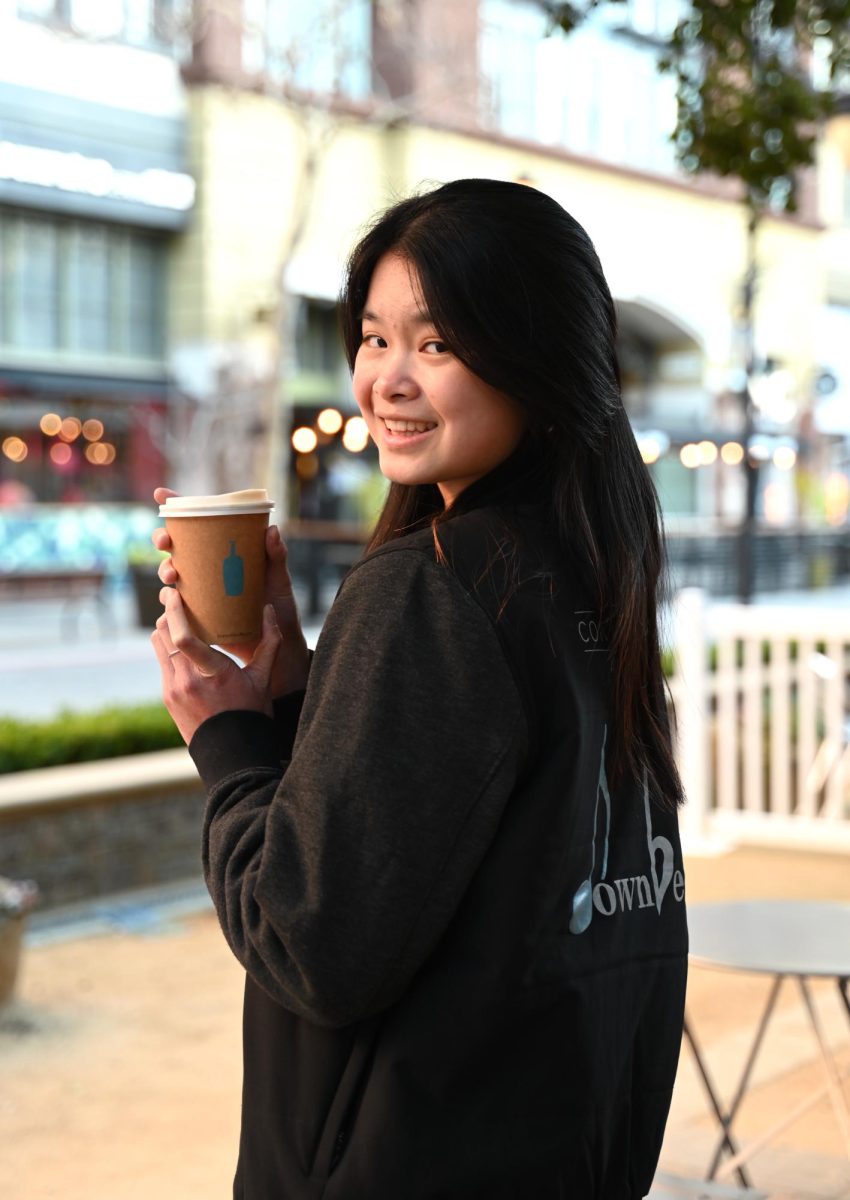
![“This is actually from Randy Pausch Randy P. Brick: ‘Walls are there for a reason. You have to show how much you want to overcome them.’ You have to show how much you want something. That's what I've always been able to do with tennis, Link Crew and getting that internship [with Kushy Baby]. It’s important pushing through that — getting around that brick wall, climbing over it or clawing through it,” Yash Sachdeva (’26) said.](https://harkeraquila.com/wp-content/uploads/2026/05/YashSachdeva_RamBatchu-copy-1200x1002.jpg)

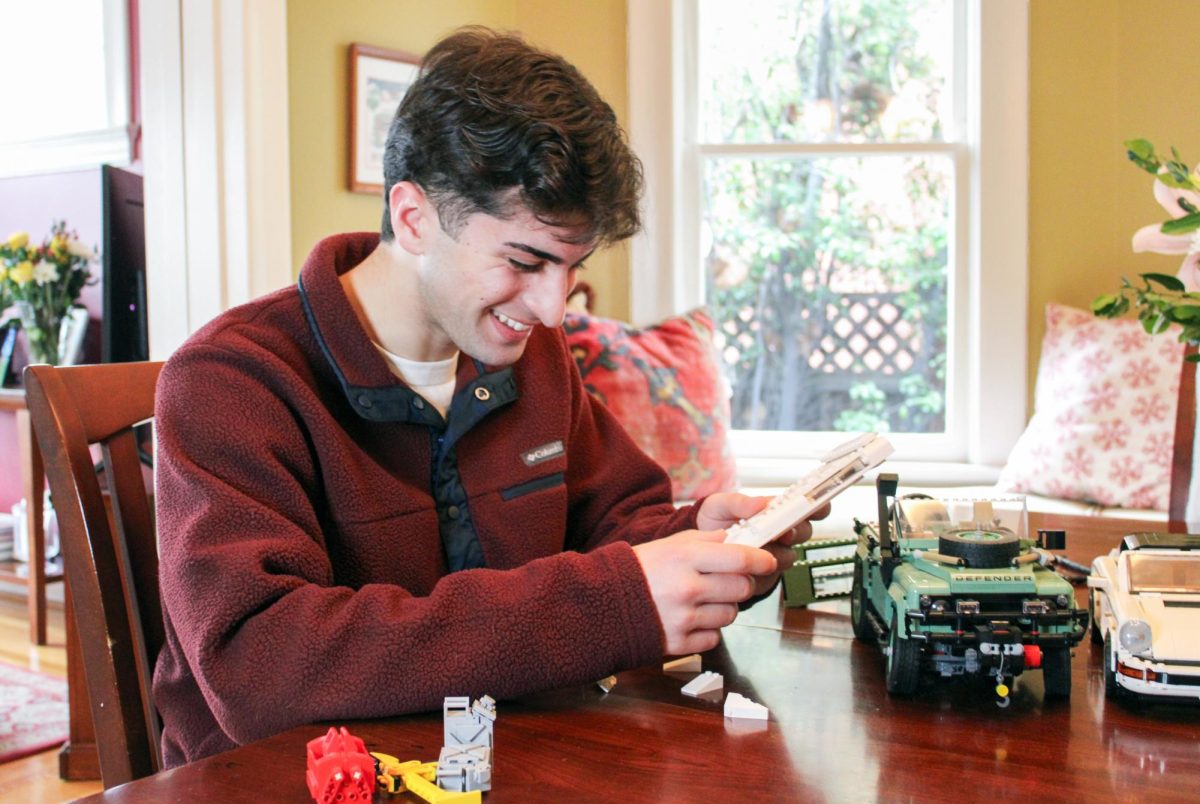
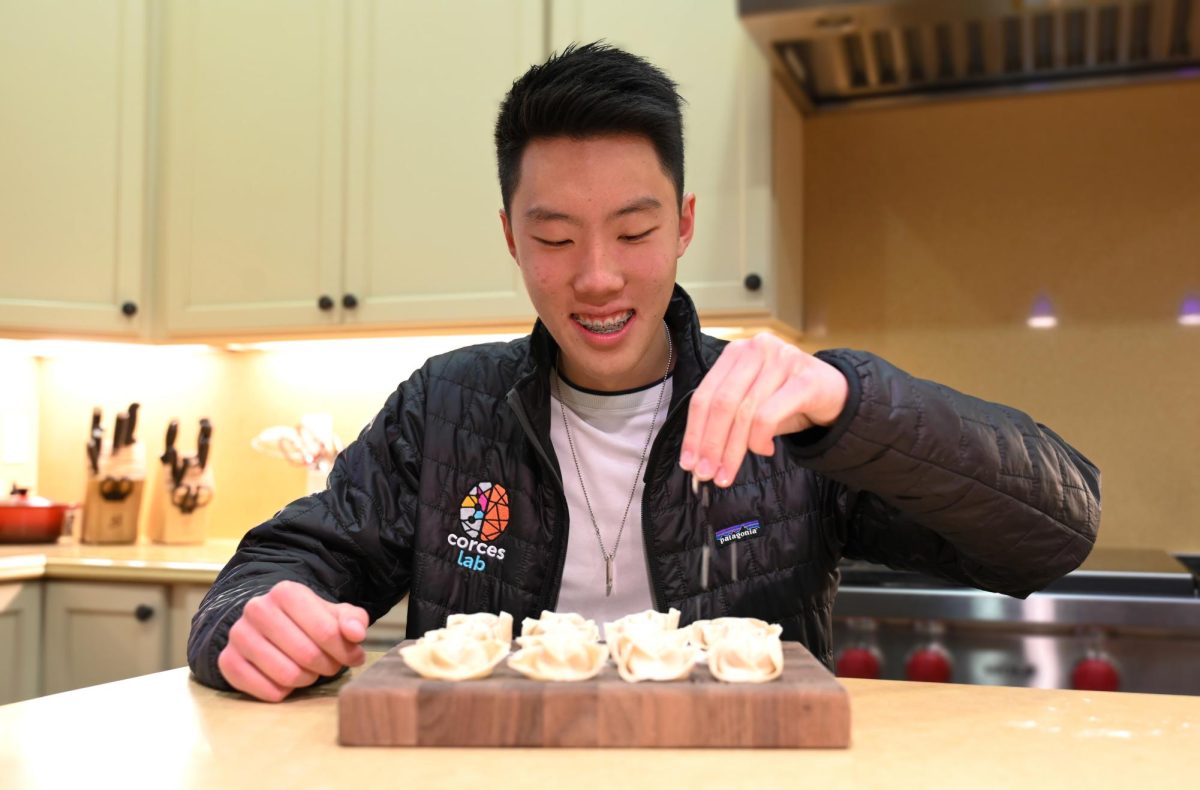
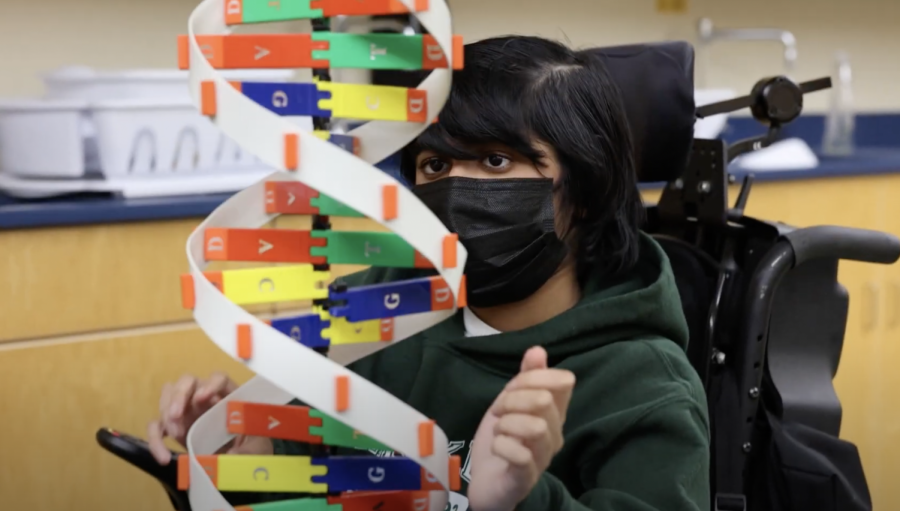
![“[Building nerf blasters] became this outlet of creativity for me that hasn't been matched by anything else. The process [of] making a build complete to your desire is such a painstakingly difficult process, but I've had to learn from [the skills needed from] soldering to proper painting. There's so many different options for everything, if you think about it, it exists. The best part is [that] if it doesn't exist, you can build it yourself," Ishaan Parate said.](https://harkeraquila.com/wp-content/uploads/2022/08/DSC_8149-900x604.jpg)
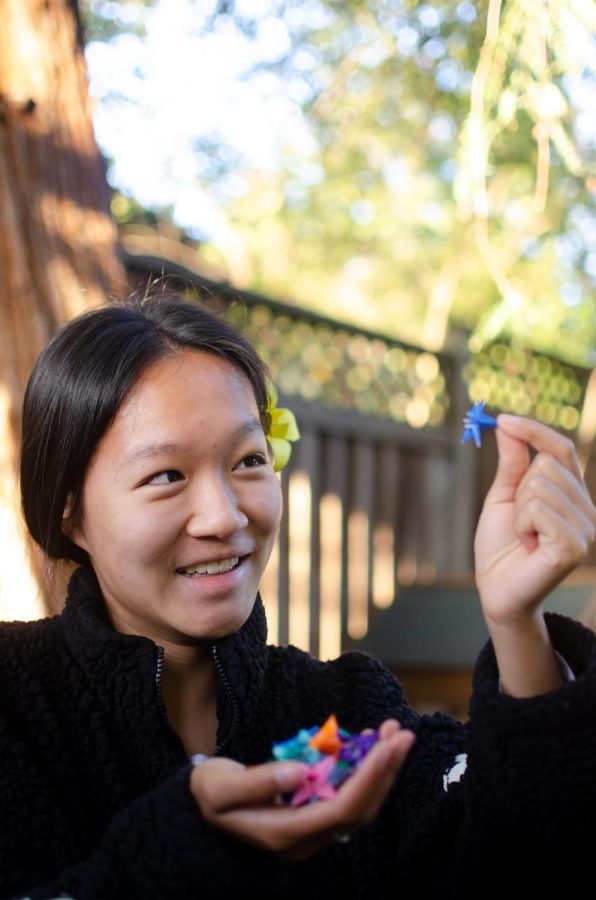
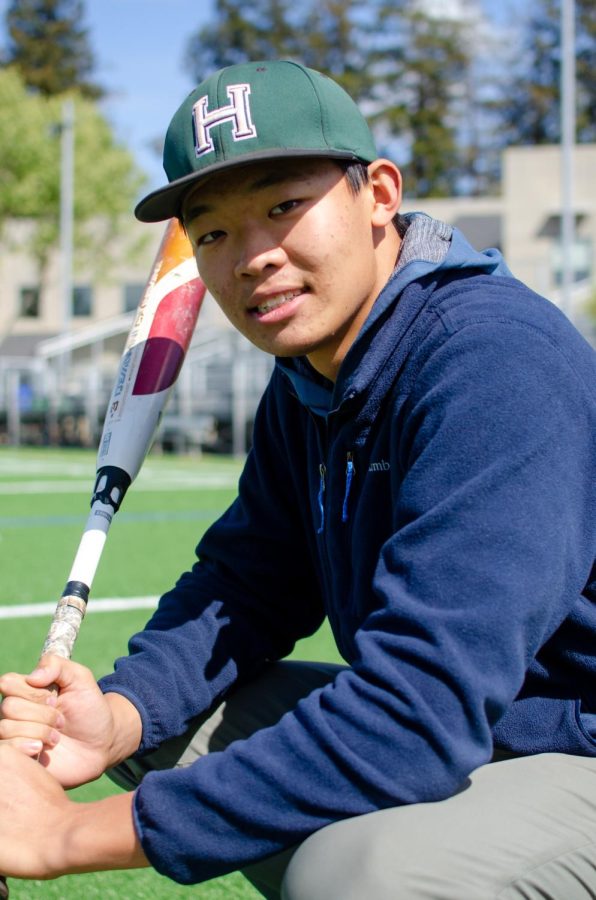
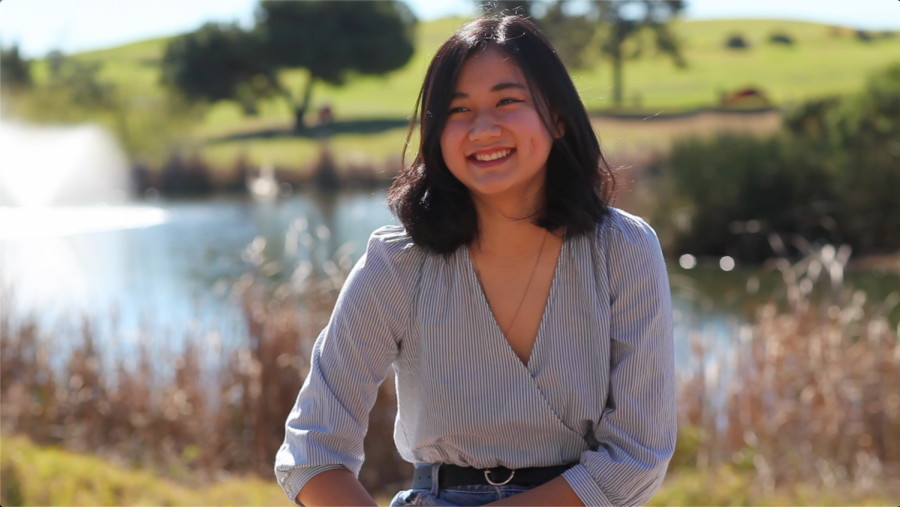
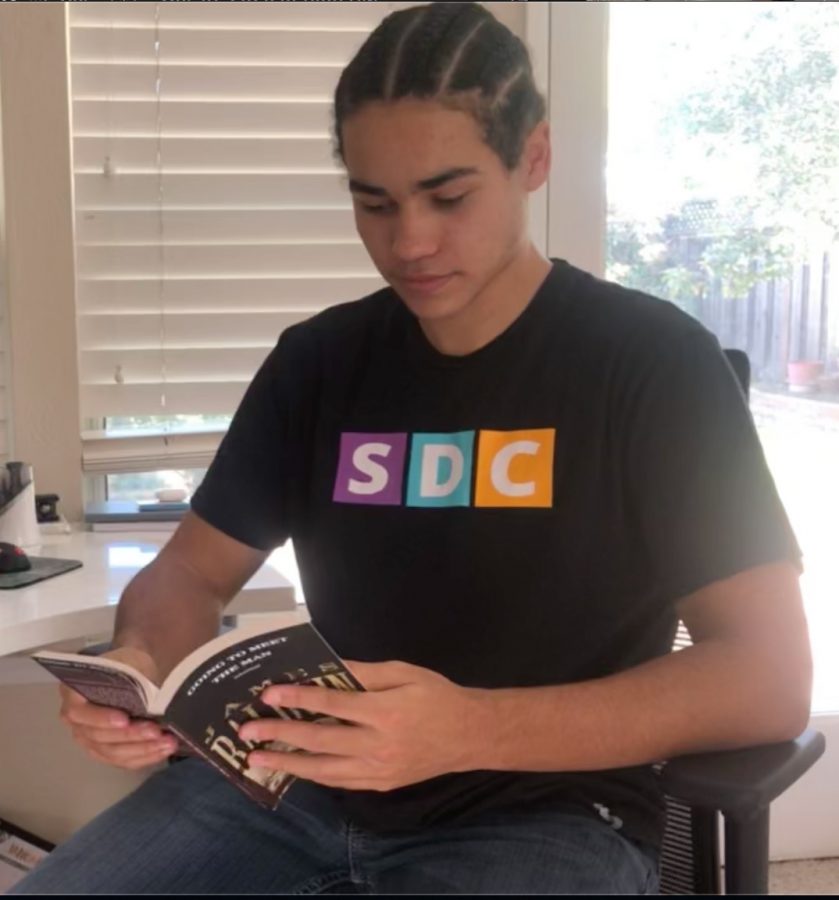
![“When I came into high school, I was ready to be a follower. But DECA was a game changer for me. It helped me overcome my fear of public speaking, and it's played such a major role in who I've become today. To be able to successfully lead a chapter of 150 students, an officer team and be one of the upperclassmen I once really admired is something I'm [really] proud of,” Anvitha Tummala ('21) said.](https://harkeraquila.com/wp-content/uploads/2021/07/Screen-Shot-2021-07-25-at-9.50.05-AM-900x594.png)
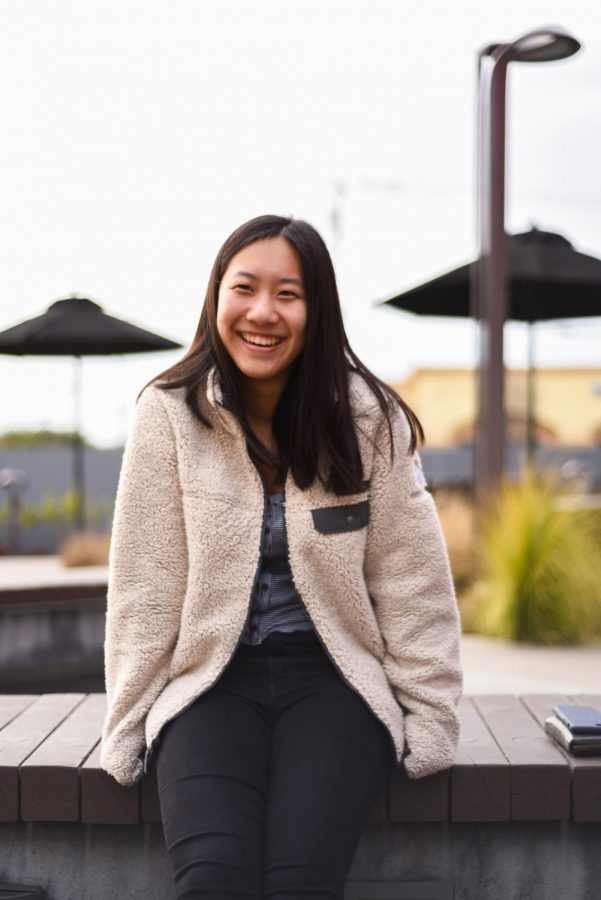
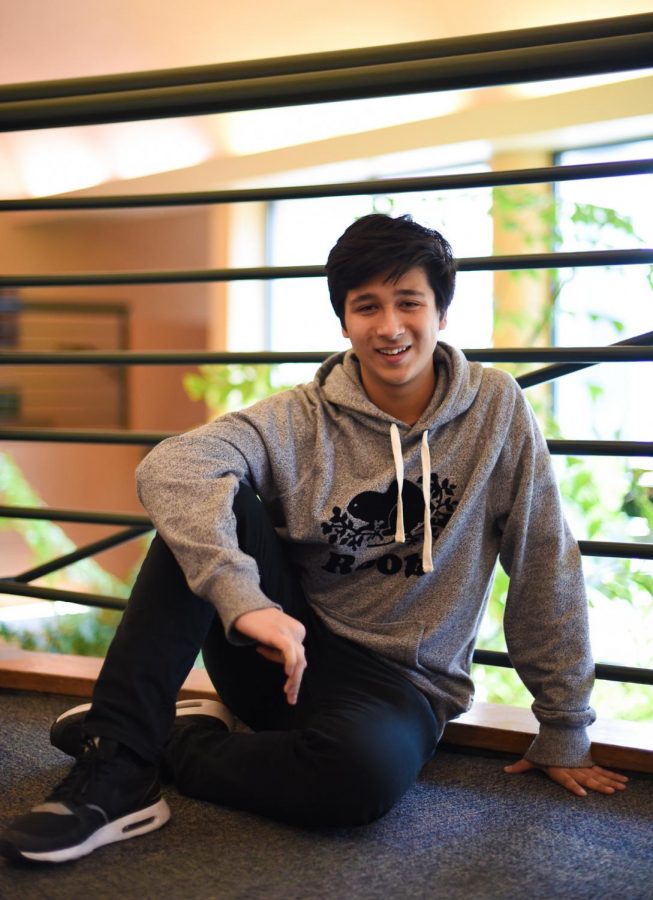
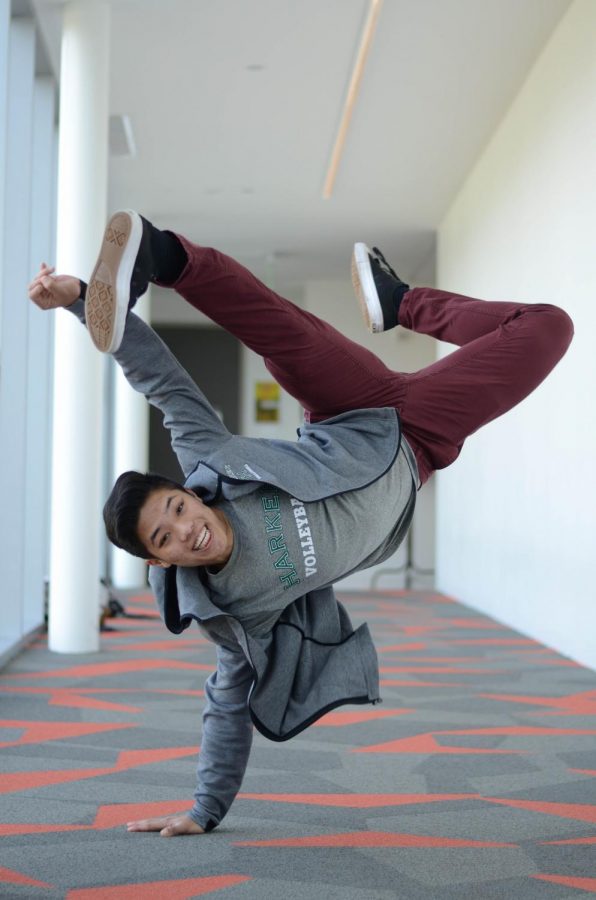
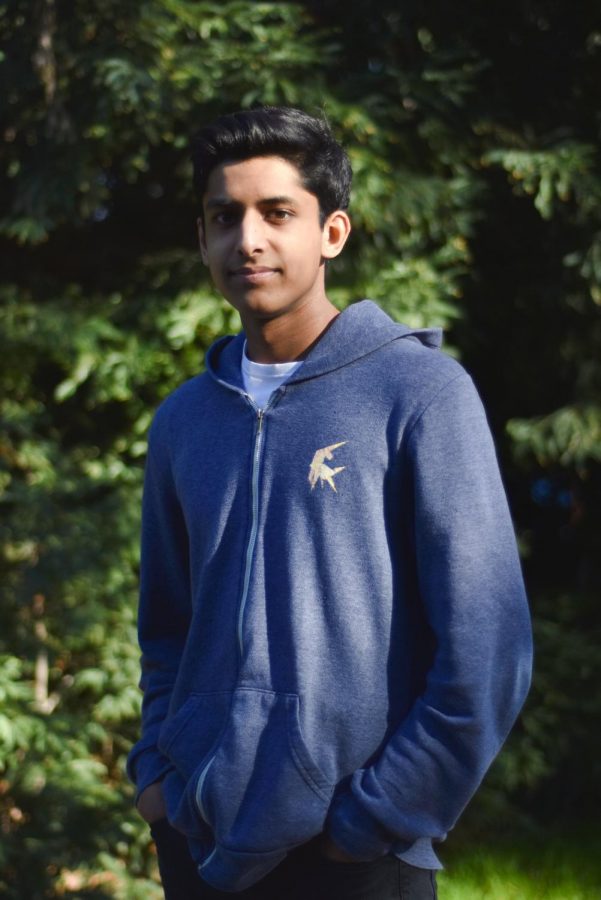

![“I think getting up in the morning and having a sense of purpose [is exciting]. I think without a certain amount of drive, life is kind of obsolete and mundane, and I think having that every single day is what makes each day unique and kind of makes life exciting,” Neymika Jain (12) said.](https://harkeraquila.com/wp-content/uploads/2017/06/Screen-Shot-2017-06-03-at-4.54.16-PM.png)
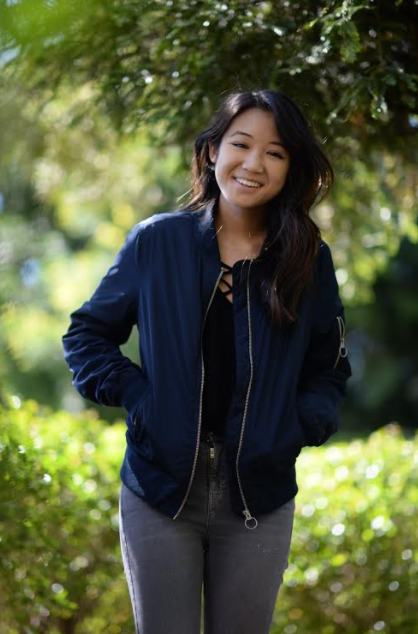
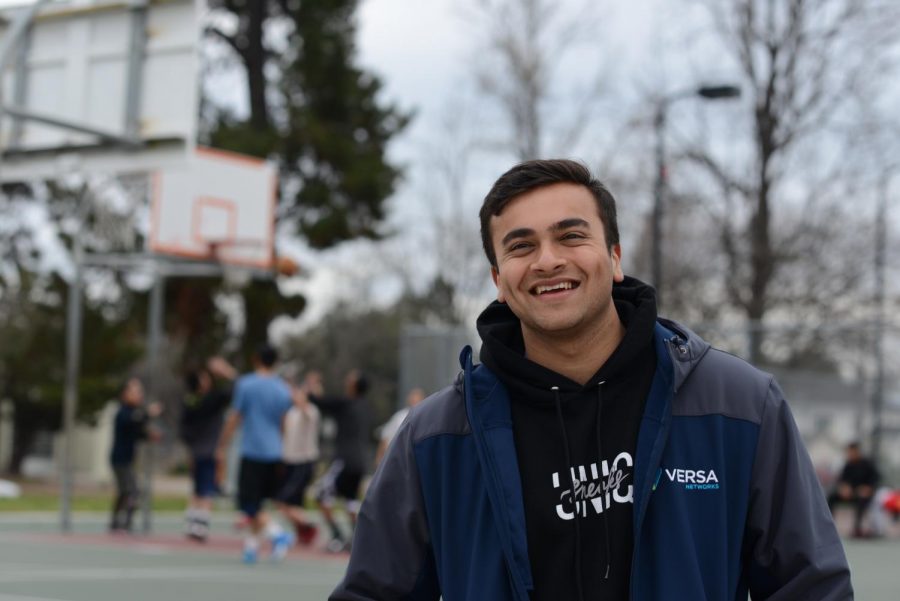
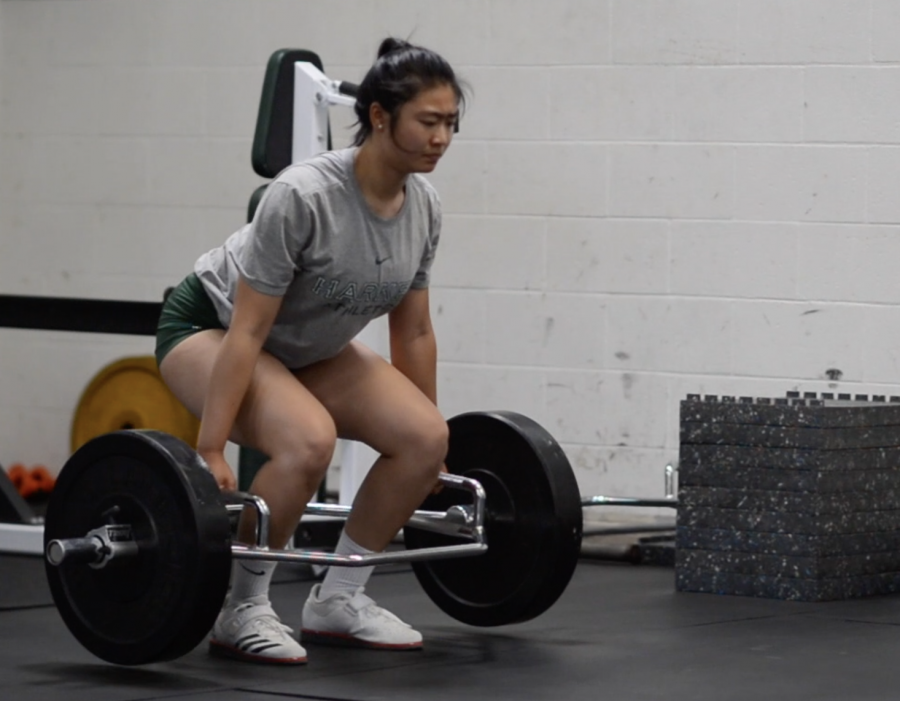
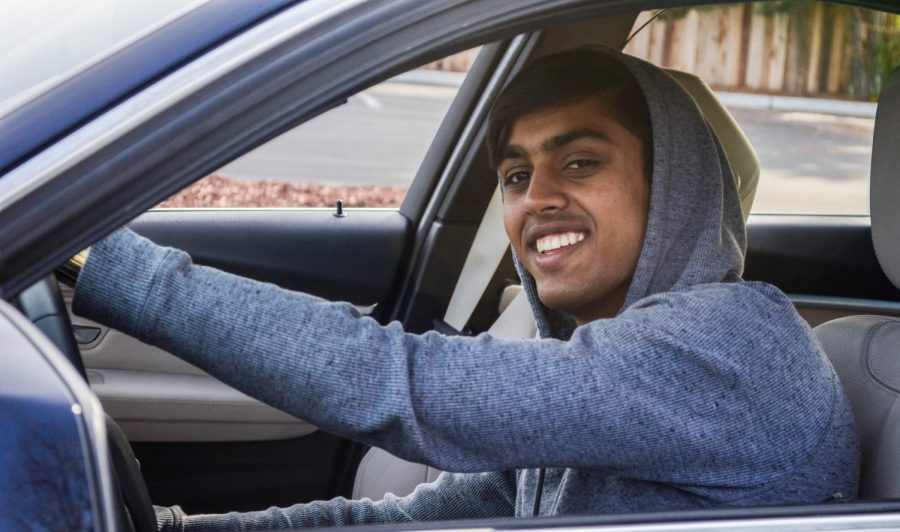
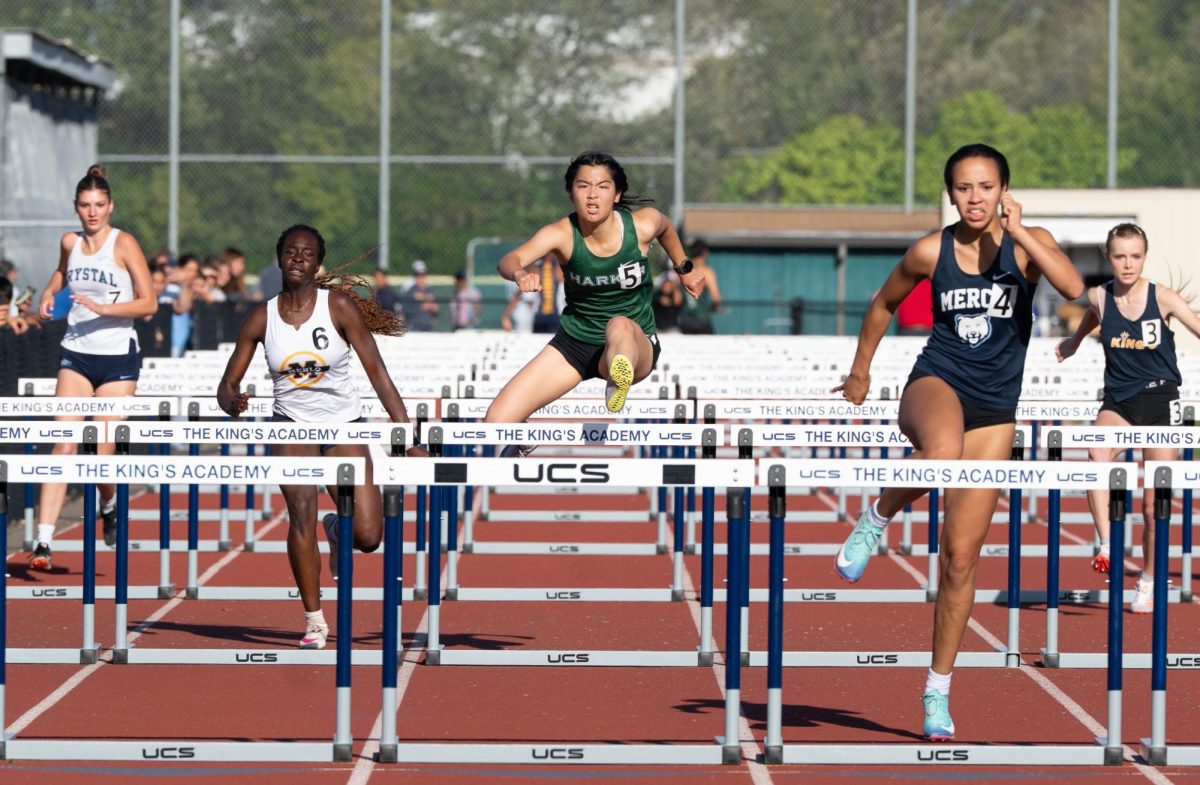
![“My slogan is ‘slow feet, don’t eat, and I’m hungry.’ You need to run fast to get where you are–you aren't going to get those championships if you aren't fast,” Angel Cervantes (12) said. “I want to do well in school on my tests and in track and win championships for my team. I live by that, [and] I can do that anywhere: in the classroom or on the field.”](https://harkeraquila.com/wp-content/uploads/2018/06/DSC5146-900x601.jpg)
![“[Volleyball has] taught me how to fall correctly, and another thing it taught is that you don’t have to be the best at something to be good at it. If you just hit the ball in a smart way, then it still scores points and you’re good at it. You could be a background player and still make a much bigger impact on the team than you would think,” Anya Gert (’20) said.](https://harkeraquila.com/wp-content/uploads/2020/06/AnnaGert_JinTuan_HoHPhotoEdited-600x900.jpeg)
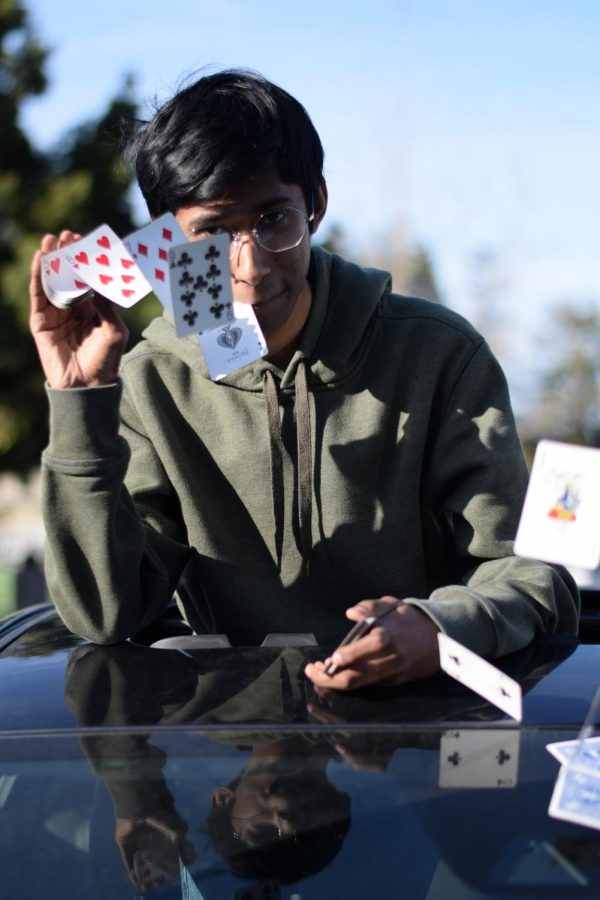
![“I'm not nearly there yet, but [my confidence has] definitely been getting better since I was pretty shy and timid coming into Harker my freshman year. I know that there's a lot of people that are really confident in what they do, and I really admire them. Everyone's so driven and that has really pushed me to kind of try to find my own place in high school and be more confident,” Alyssa Huang (’20) said.](https://harkeraquila.com/wp-content/uploads/2020/06/AlyssaHuang_EmilyChen_HoHPhoto-900x749.jpeg)

Students to showcase research in annual Synopsys Competition
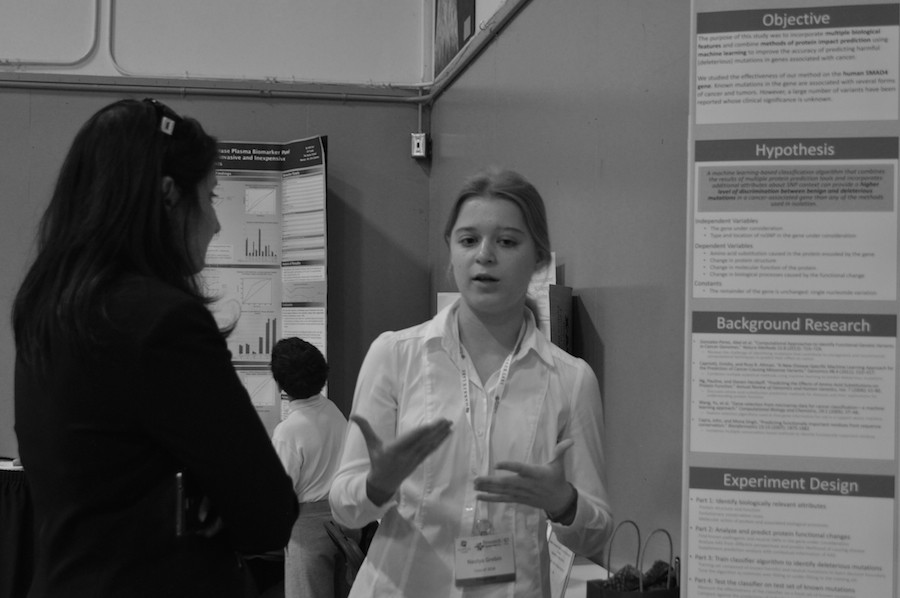
Nastya Grebin (9) explains her research project at the research symposium. She conducted her research with her partner, Anooshree Sengupta (9).
March 6, 2016
The Synopsys Science and Technology Championship science fair, with 74 Harker students participating, will take place on March 17.
Both upper school and middle school students will participate and submit research in poster format.
Students researched a variety of scientific fields, including physical engineering, biological sciences, biomedical engineering and physical sciences.
“They have to come up with a research project and do some background research in order to make a proposal that they submit to the Synopsys organization that runs the science fair,” Upper School Biology teacher Dr. Gary Blickenstaff said.
The research mentor, the teacher supervising the project, reviews the research proposal with the students and offers advice.
Dr. Blickenstaff recommends that students should search out mentors for their projects themselves based upon the project’s field, as methods of research varies for each field.
“For example, if they’re doing a chemistry project, then one of the chemistry teachers is going to get involved, if it’s a biology project, then the biology teachers, and so on,” Dr. Blickenstaff said. “It’s not like they’re assigned, this is something the student should generally try and do on their own to approach a specific teacher on mentoring them for their project.”
Many projects for this year’s fair offer unique solutions to a variety of problems.
“For this year’s Synopsys, I’m working on a project that’s aimed to help with concussion with football players and other sports players,” Rajiv Movva (10) said. “I’d heard about some other concussion detection sensors, and my project puts a new twist on that by measuring accelerations and using machine learning as well.”
However, other students are motivated by personal experiences as well.
“The way I came up with the idea is more personal,” Emily Chen (10) said. “It’s pretty much been established that obsessive compulsive disorder and generalized anxiety have some connection with each other. Based on fact that I know people who have symptoms of both these disorders that manifest together, as well as my personal experience, I decided to see if there would be a way to identify treatment that targets the root of the cause, the gene, rather than just alleviate symptoms.”
Emily’s project is on analyzing genetic relationships and linked treatment targets of obsessive-compulsive disorder and generalized anxiety.
Dr. Blickenstaff recommended students pursue projects based on their own interests and questions. He stated that anyone can participate regardless of prior experience
“We try to encourage them to research something that they’re actually interested in, a question they have,” Dr. Blickenstaff said. “Some of them have had research experience in the middle school, so they understand a little bit about how you approach a research project. Some of them are pretty new to it, and whoever is helping them, in terms of the adult, can give them some guidance about sources to look at, for ideas.”
Nishant Ravi (9) has participated in Synopsys in the past and is currently researching the antibiotic resistance of E. Coli.
“I read a lot of scientific articles; that’s how you come up with a project for Synopsys,” Nishant said. “You read science magazines and look around for something that’s interesting and feasible first, so this seemed like a good idea as I had some experience with the field before.”
Students who are participating in the competition often utilize the Open Lab Program, a program that allows students to work hours after school, and outside of class time.
Student participants will begin setting up their poster presentations on March. 16, and the fair will be held on March. 17.