



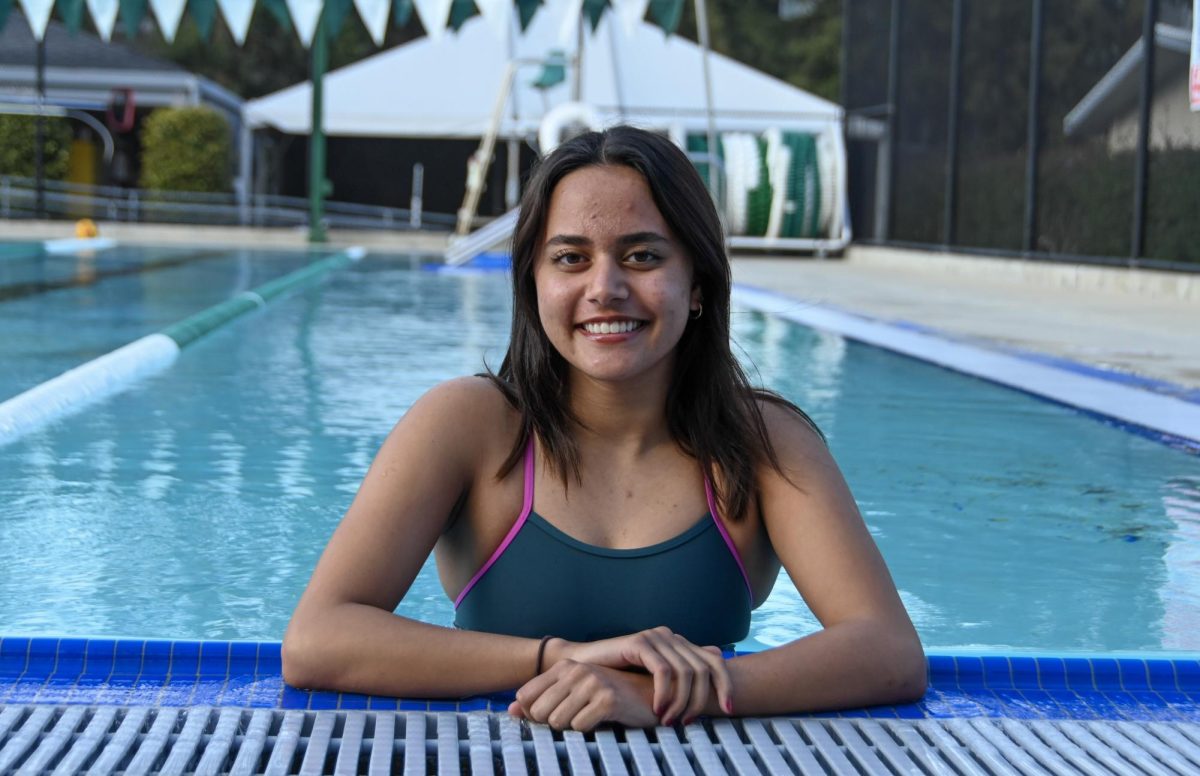
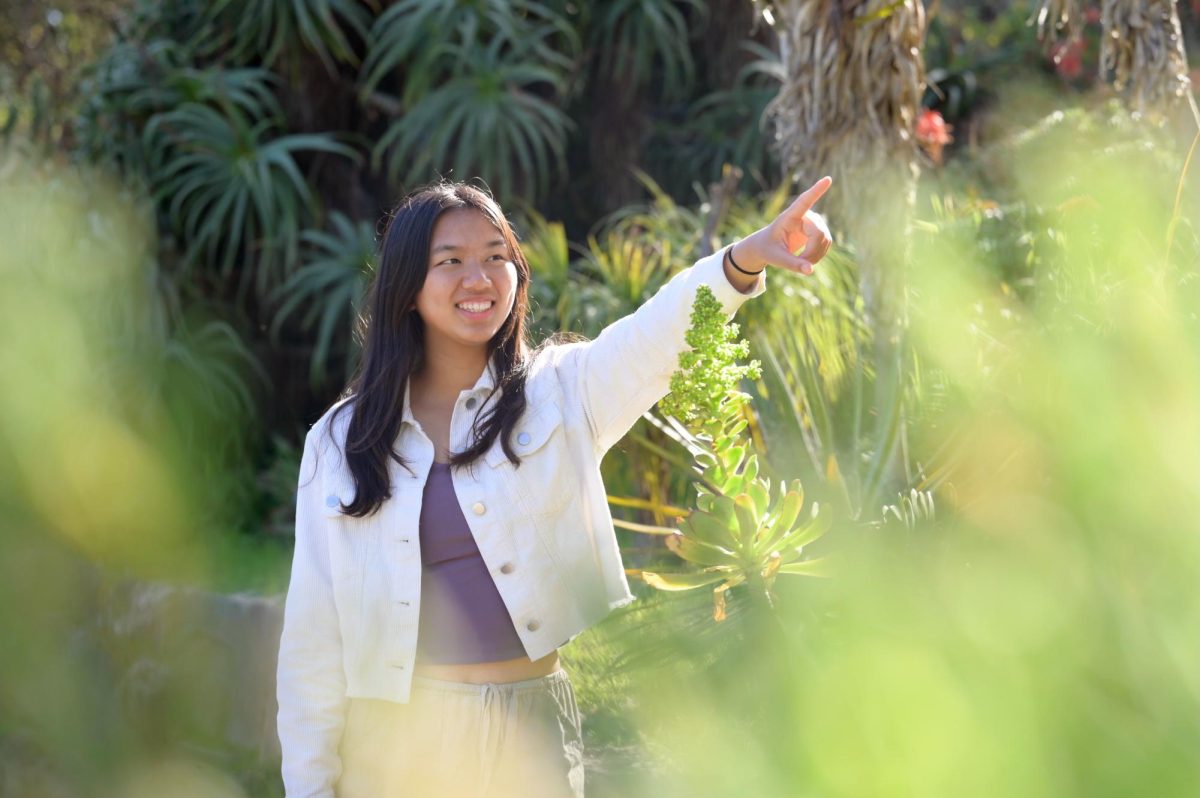
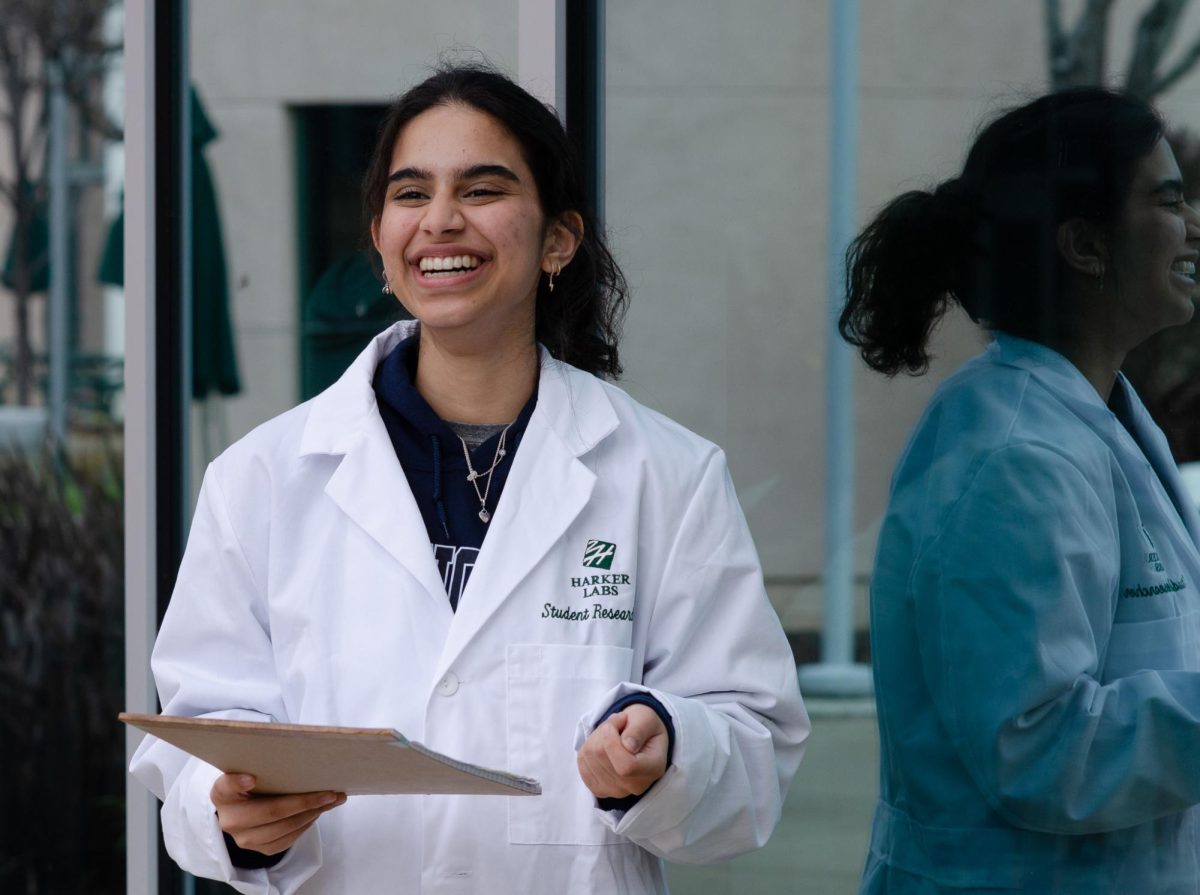
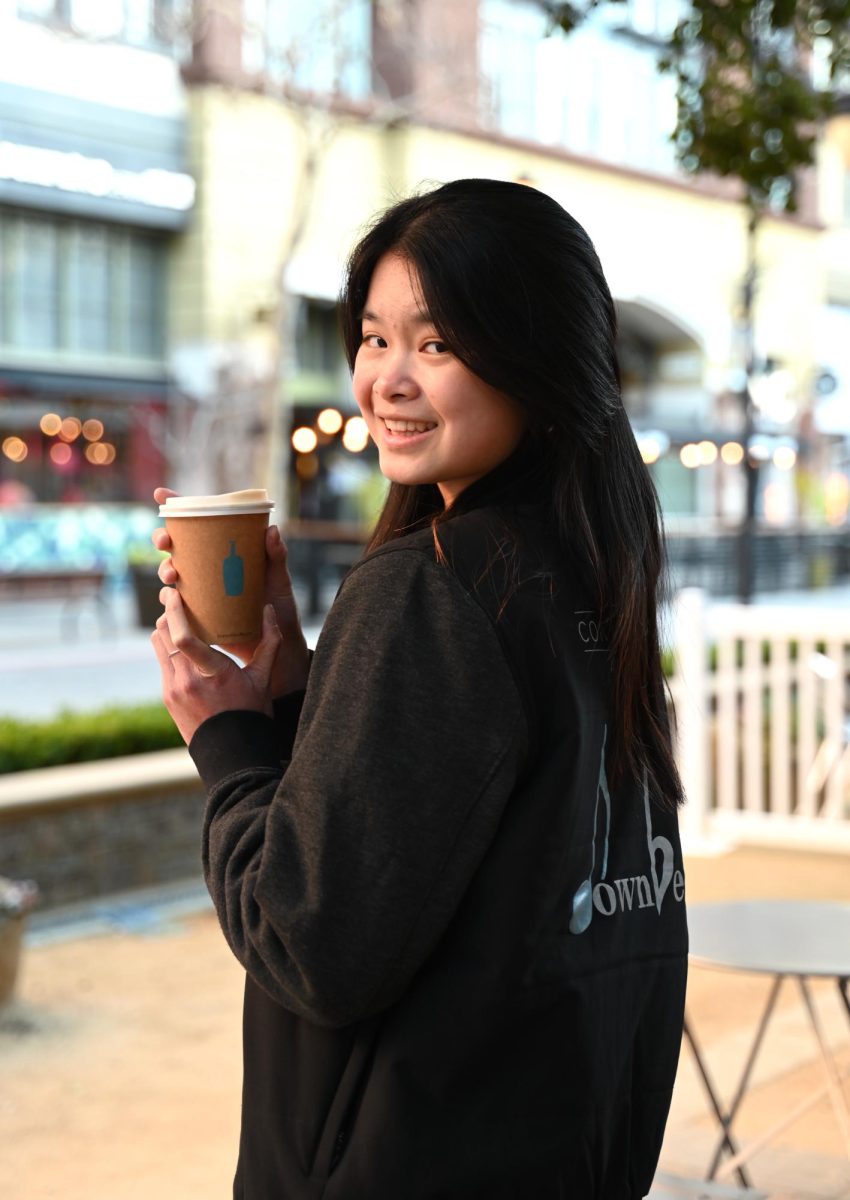
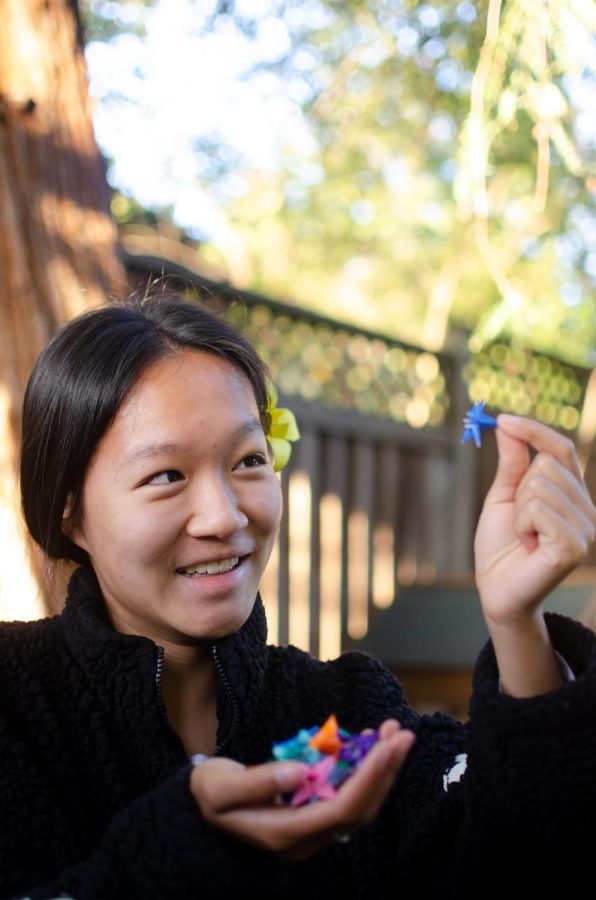
![“I wasn't discouraged by some of the obstacles we faced. I learned a lot from the leadership. I found that different people need different ways of receiving feedback — you can't [just] tell them to do something and expect the best. [Some] people needed more incentive. A large part of my role was to figure out what worked for everyone and to figure out how to lead all these separate individuals as a team,” Suhana Bhandare (’26) said.](https://harkeraquila.com/wp-content/uploads/2026/06/SuhanaBhandare_JasmineHansra-1-1200x798.jpg)

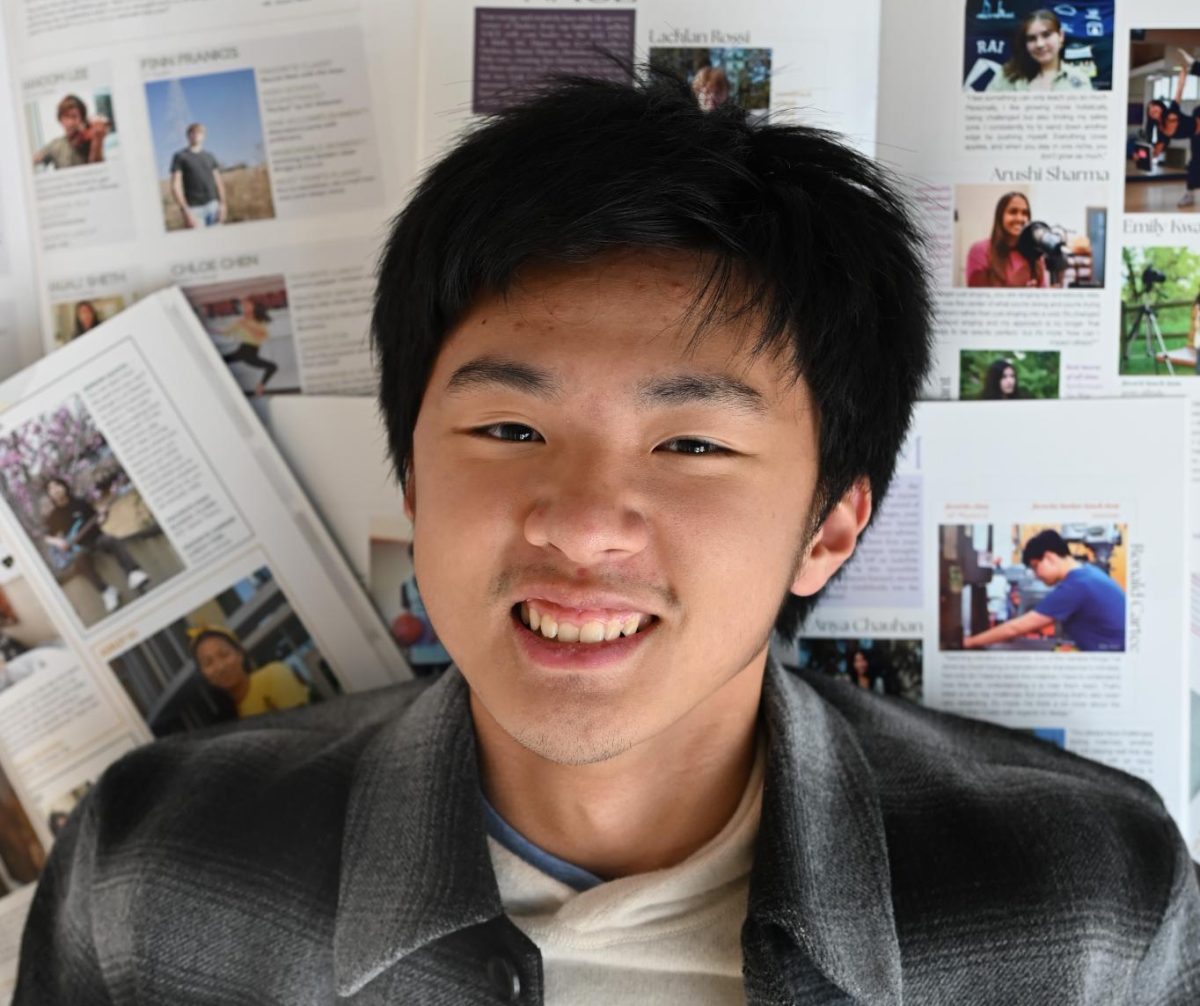
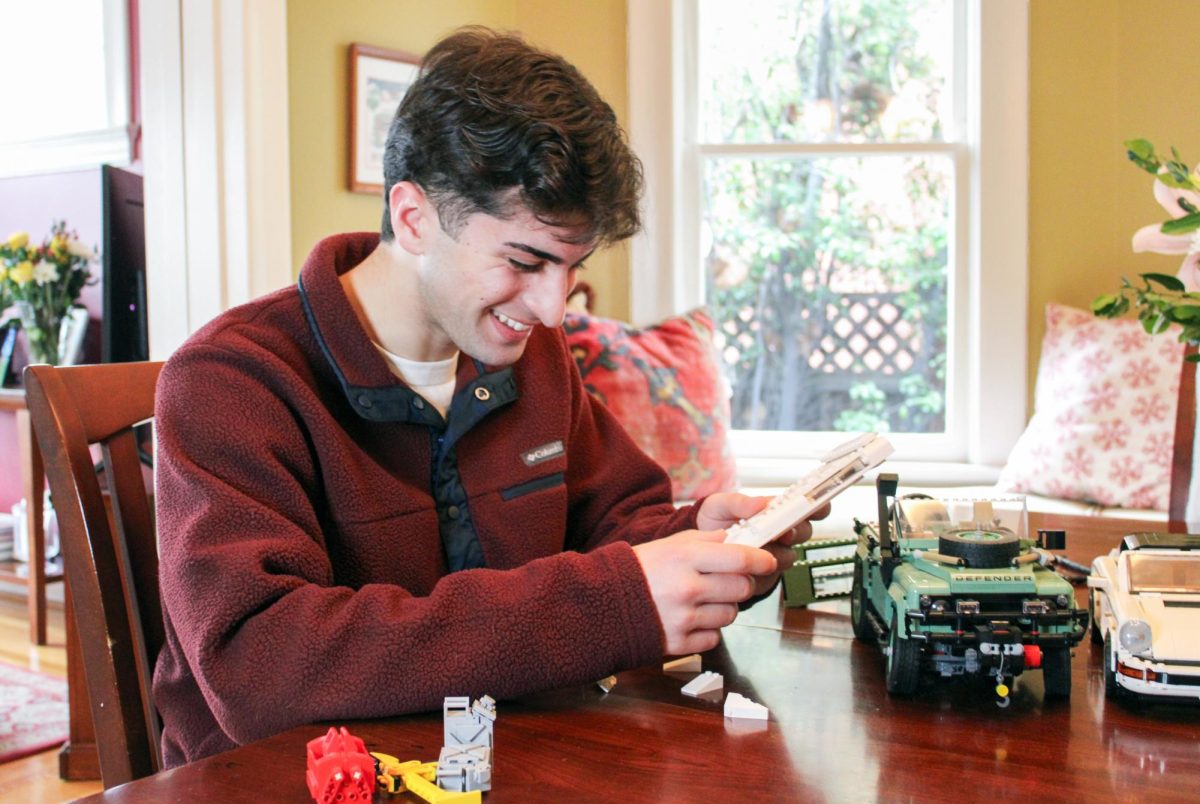
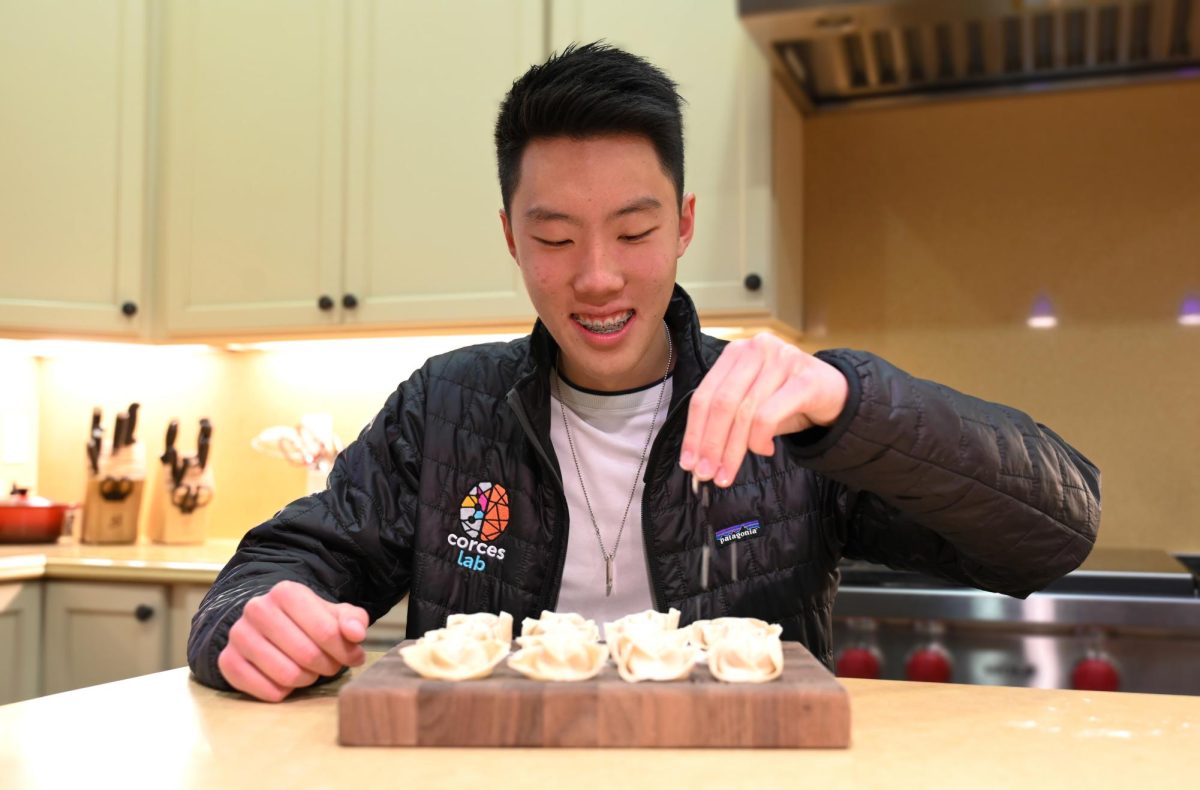
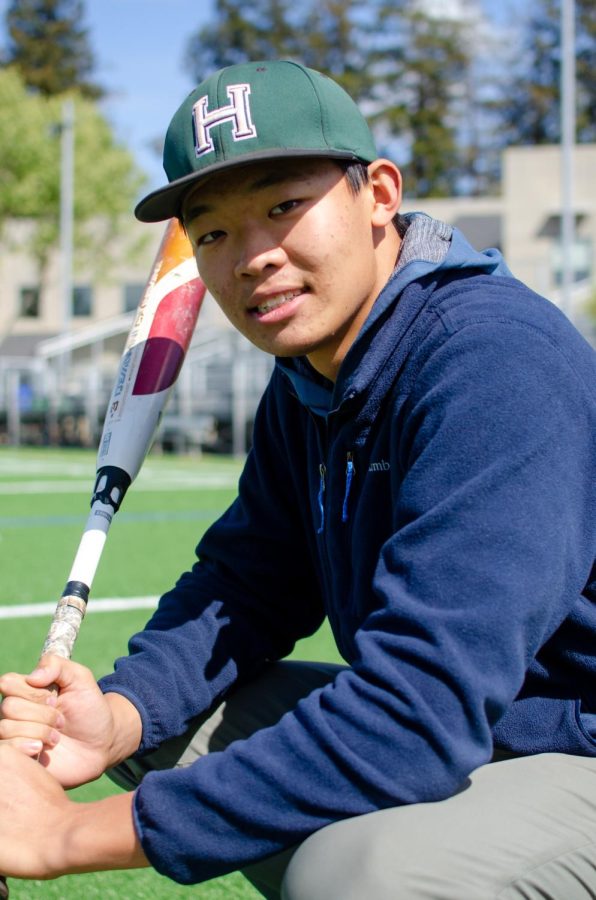
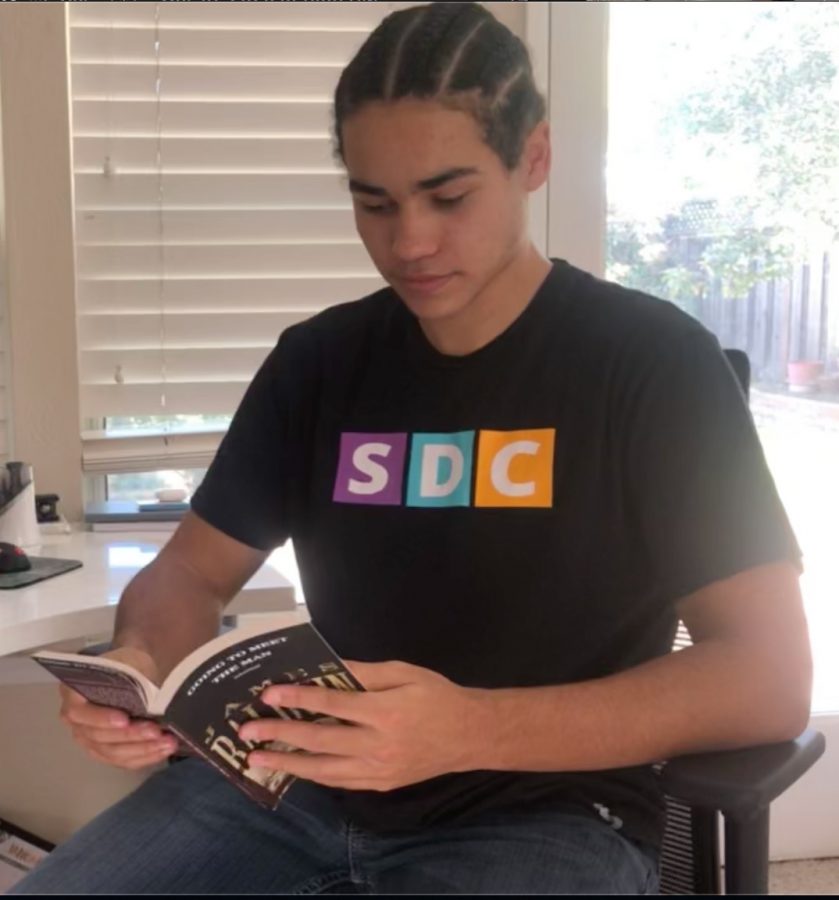
![“This is actually from Randy Pausch Randy P. Brick: ‘Walls are there for a reason. You have to show how much you want to overcome them.’ You have to show how much you want something. That's what I've always been able to do with tennis, Link Crew and getting that internship [with Kushy Baby]. It’s important pushing through that — getting around that brick wall, climbing over it or clawing through it,” Yash Sachdeva (’26) said.](https://harkeraquila.com/wp-content/uploads/2026/05/YashSachdeva_RamBatchu-copy-1200x1002.jpg)


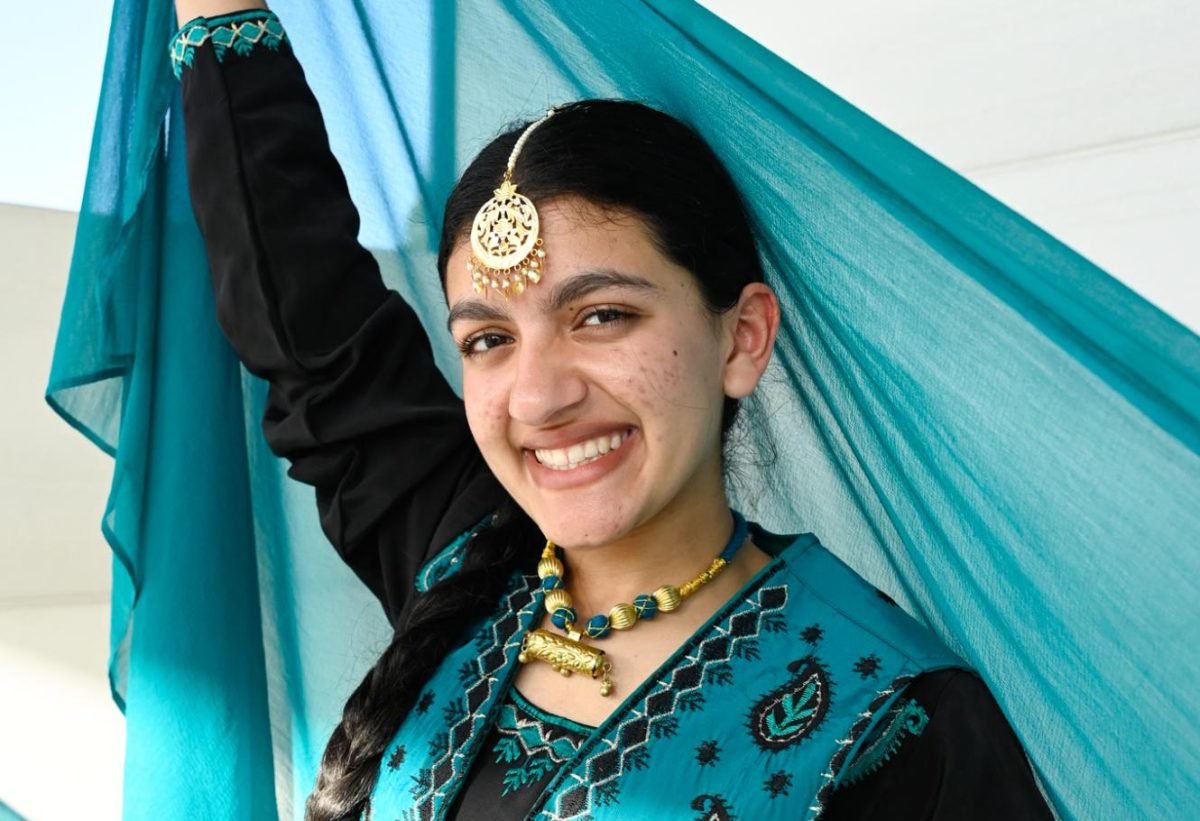


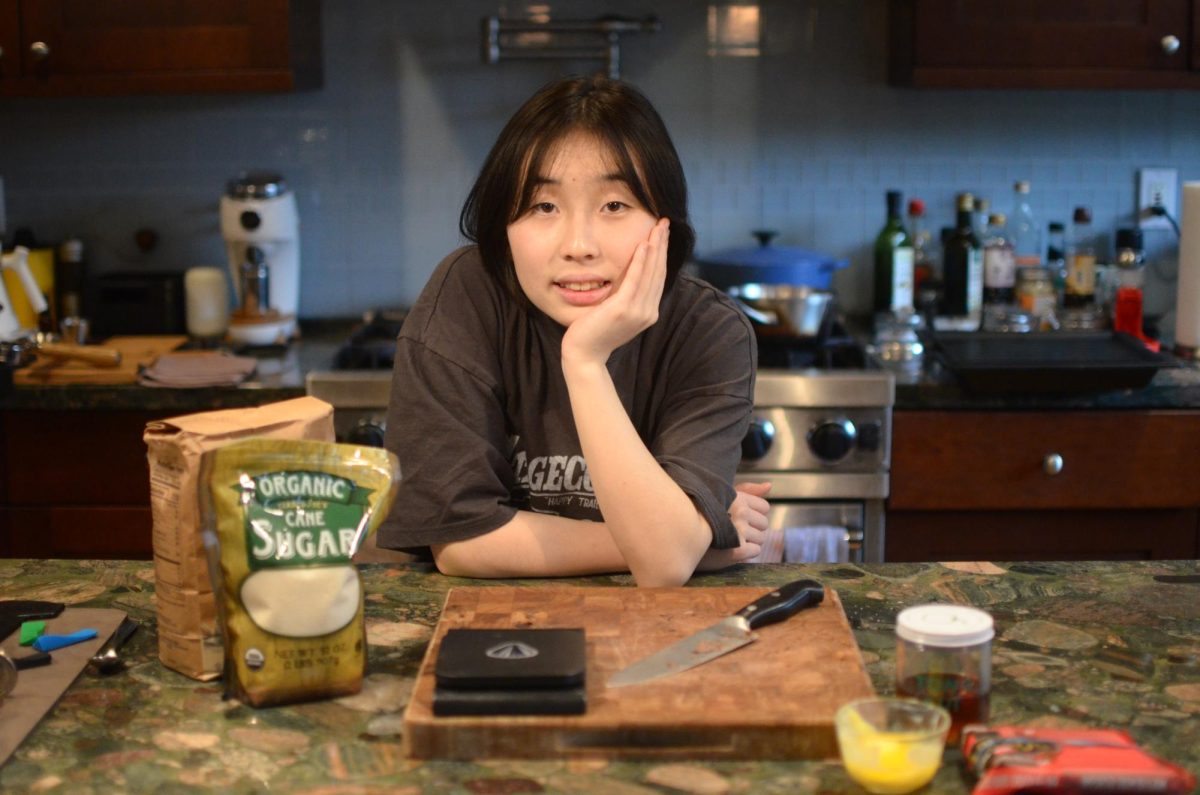



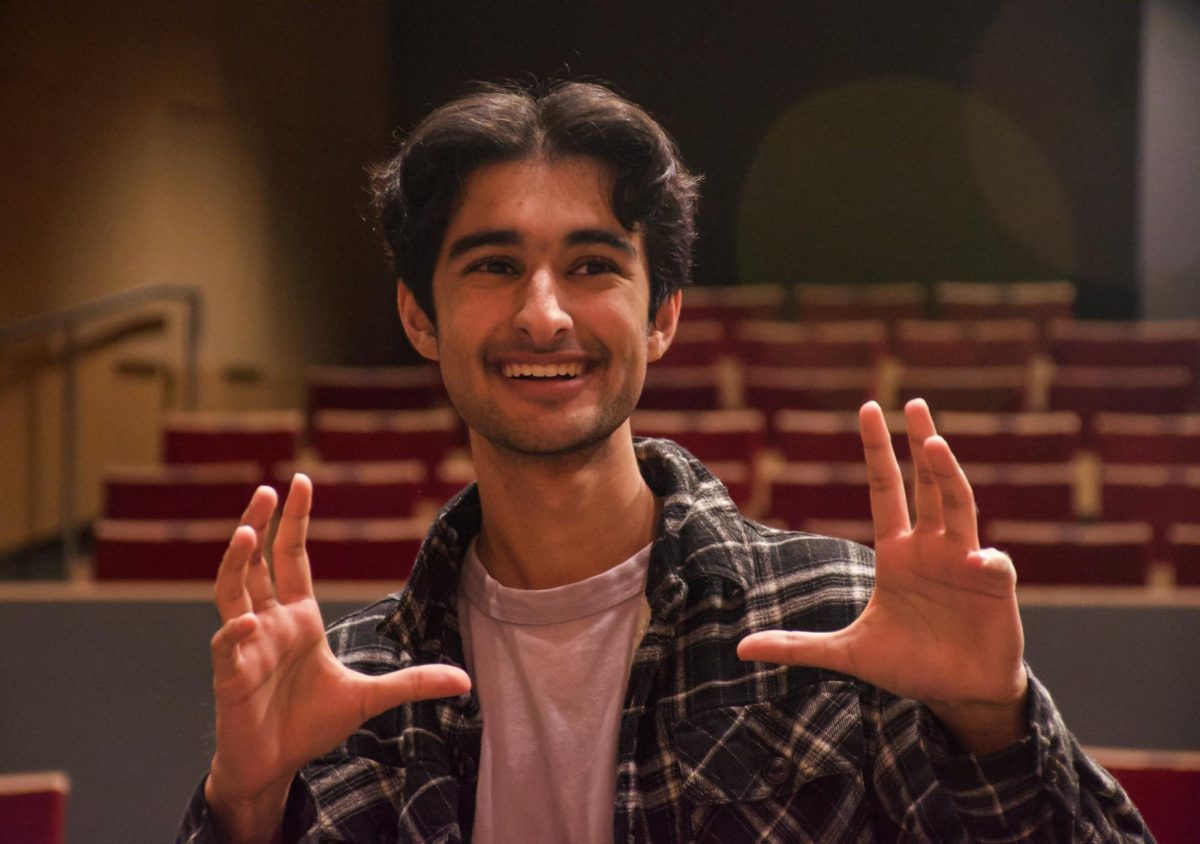
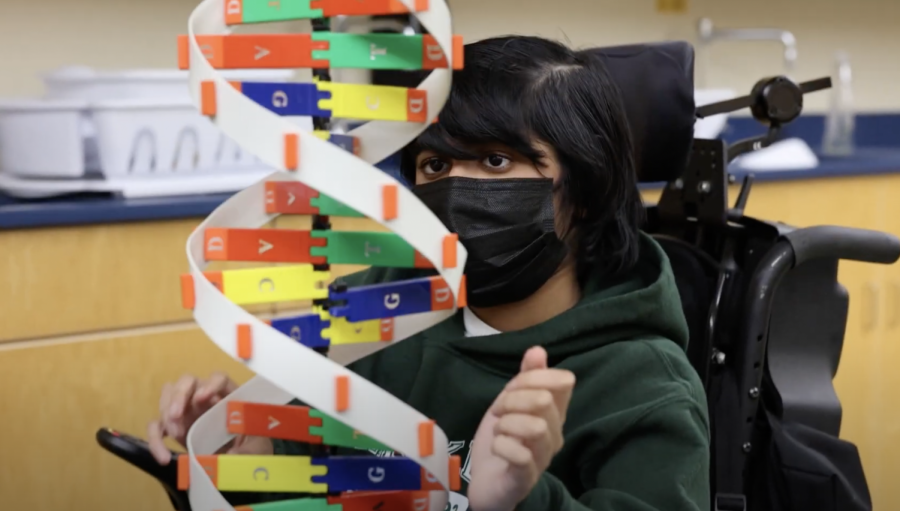
![“[Building nerf blasters] became this outlet of creativity for me that hasn't been matched by anything else. The process [of] making a build complete to your desire is such a painstakingly difficult process, but I've had to learn from [the skills needed from] soldering to proper painting. There's so many different options for everything, if you think about it, it exists. The best part is [that] if it doesn't exist, you can build it yourself," Ishaan Parate said.](https://harkeraquila.com/wp-content/uploads/2022/08/DSC_8149-900x604.jpg)
![“When I came into high school, I was ready to be a follower. But DECA was a game changer for me. It helped me overcome my fear of public speaking, and it's played such a major role in who I've become today. To be able to successfully lead a chapter of 150 students, an officer team and be one of the upperclassmen I once really admired is something I'm [really] proud of,” Anvitha Tummala ('21) said.](https://harkeraquila.com/wp-content/uploads/2021/07/Screen-Shot-2021-07-25-at-9.50.05-AM-900x594.png)

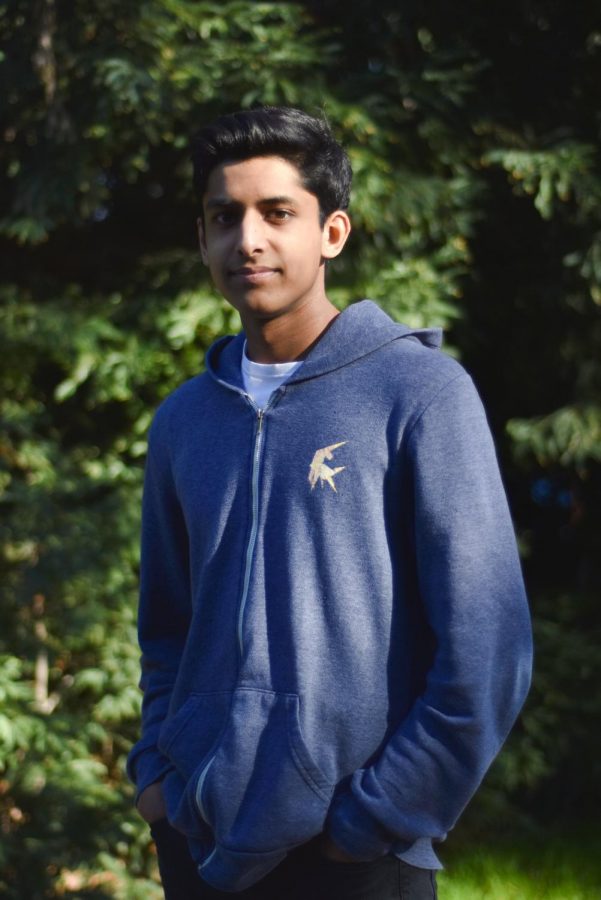

![“I think getting up in the morning and having a sense of purpose [is exciting]. I think without a certain amount of drive, life is kind of obsolete and mundane, and I think having that every single day is what makes each day unique and kind of makes life exciting,” Neymika Jain (12) said.](https://harkeraquila.com/wp-content/uploads/2017/06/Screen-Shot-2017-06-03-at-4.54.16-PM.png)
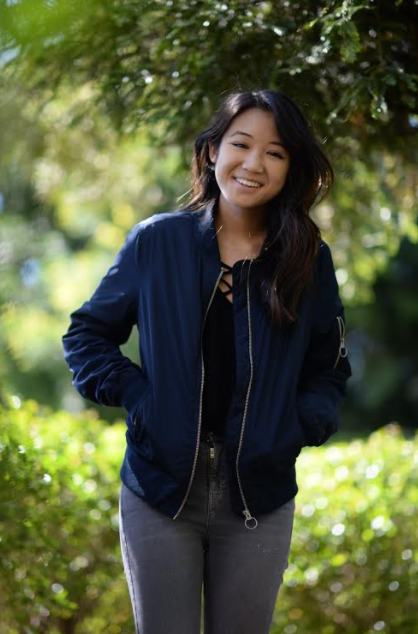
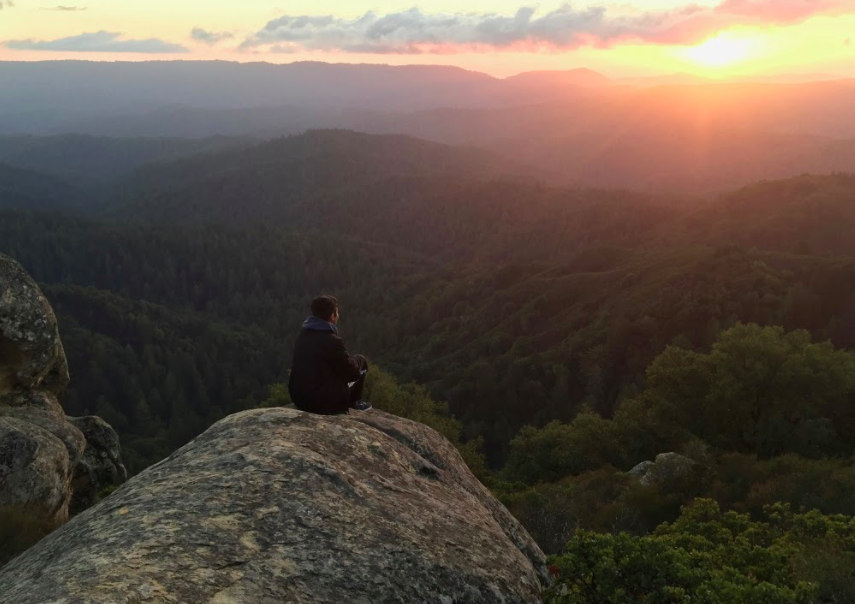

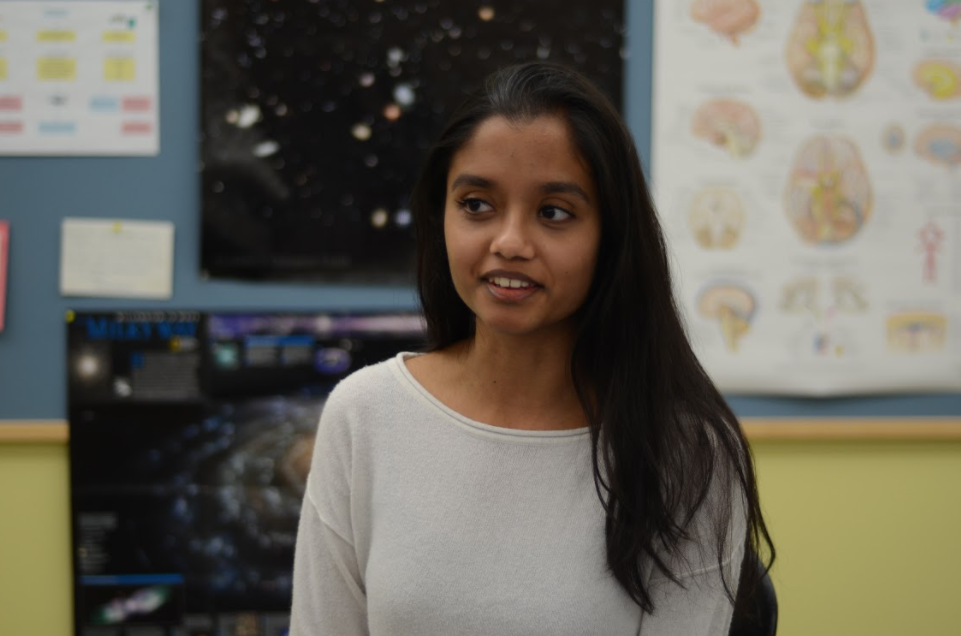
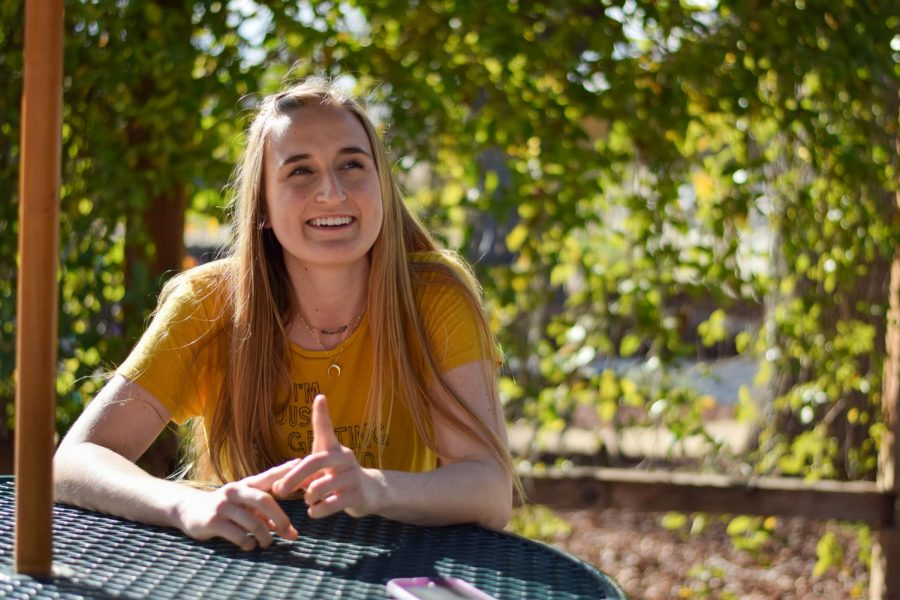
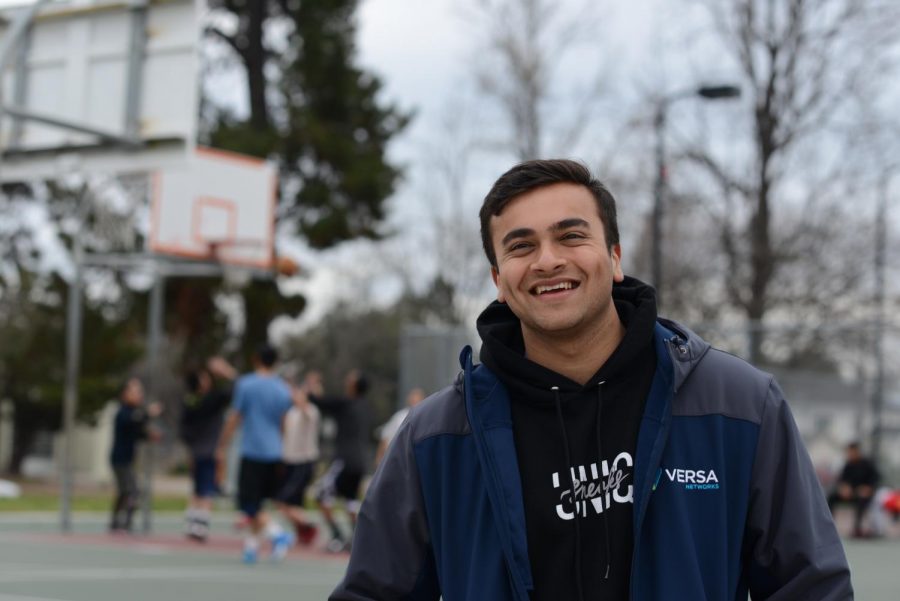
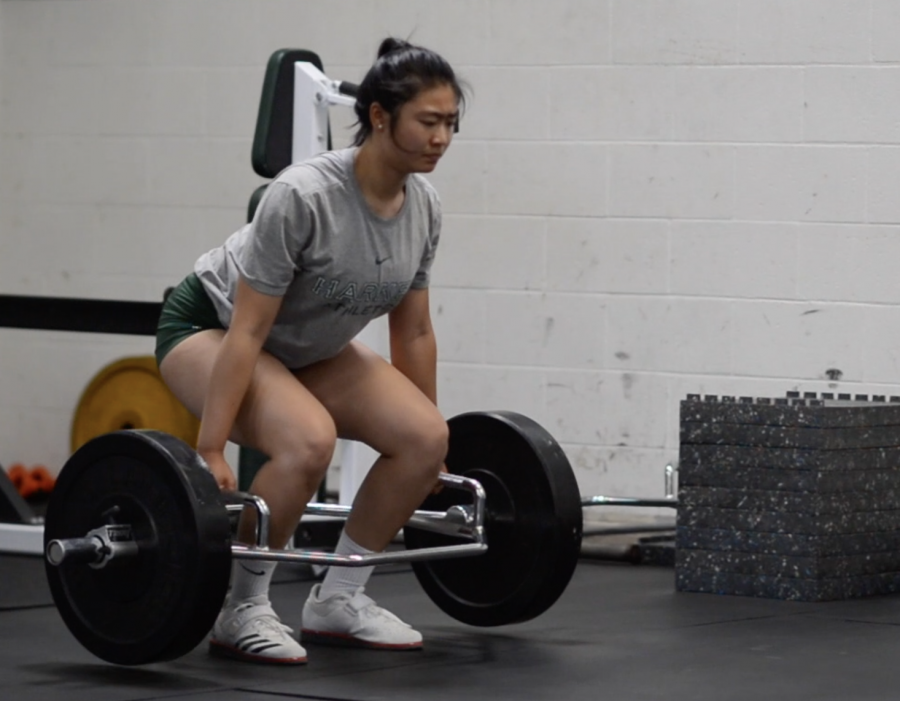

![“My slogan is ‘slow feet, don’t eat, and I’m hungry.’ You need to run fast to get where you are–you aren't going to get those championships if you aren't fast,” Angel Cervantes (12) said. “I want to do well in school on my tests and in track and win championships for my team. I live by that, [and] I can do that anywhere: in the classroom or on the field.”](https://harkeraquila.com/wp-content/uploads/2018/06/DSC5146-900x601.jpg)
![“[Volleyball has] taught me how to fall correctly, and another thing it taught is that you don’t have to be the best at something to be good at it. If you just hit the ball in a smart way, then it still scores points and you’re good at it. You could be a background player and still make a much bigger impact on the team than you would think,” Anya Gert (’20) said.](https://harkeraquila.com/wp-content/uploads/2020/06/AnnaGert_JinTuan_HoHPhotoEdited-600x900.jpeg)

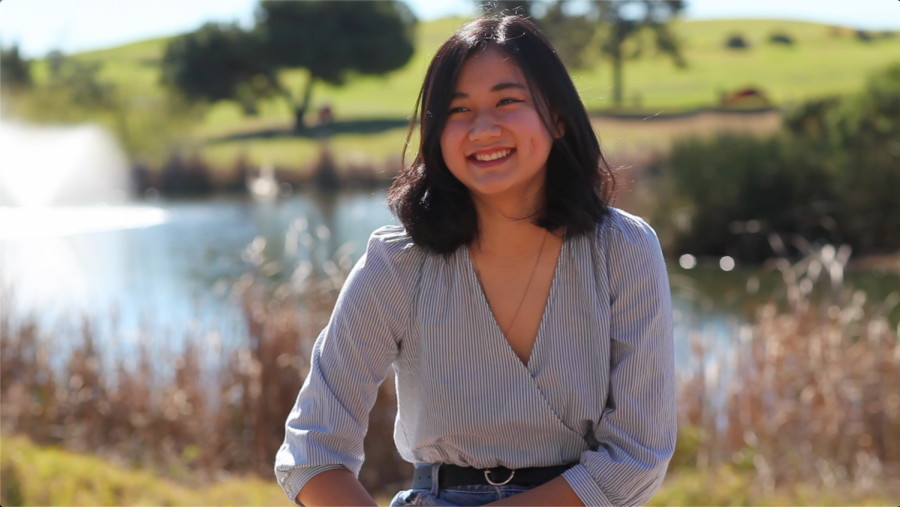
![“I'm not nearly there yet, but [my confidence has] definitely been getting better since I was pretty shy and timid coming into Harker my freshman year. I know that there's a lot of people that are really confident in what they do, and I really admire them. Everyone's so driven and that has really pushed me to kind of try to find my own place in high school and be more confident,” Alyssa Huang (’20) said.](https://harkeraquila.com/wp-content/uploads/2020/06/AlyssaHuang_EmilyChen_HoHPhoto-900x749.jpeg)

Evolution of perfect beauty campaigns
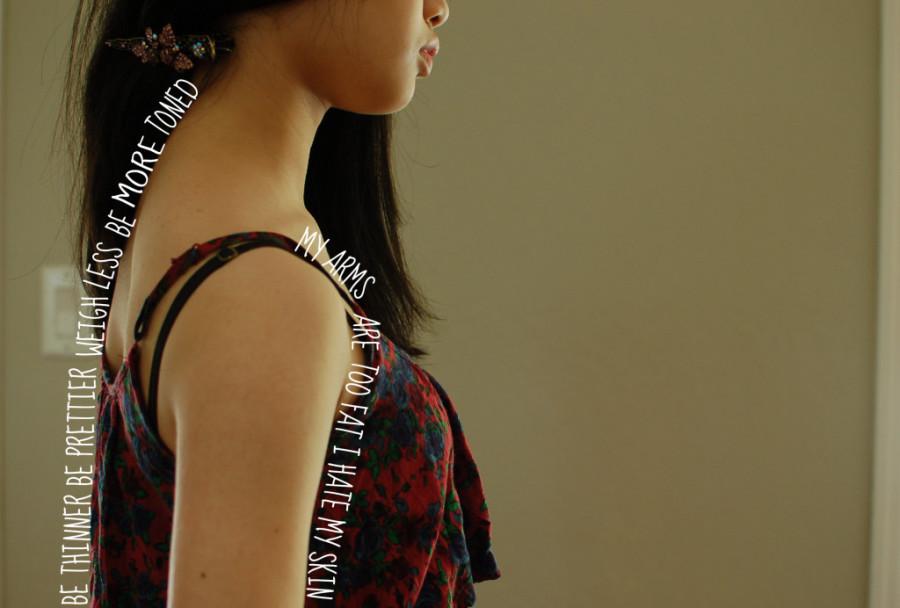
Today, photoshopping is the norm. Size zero is the size to be, and a thigh gap is the best accessory for a mini-skirt. Long story short, we live in a world where the standard for women’s beauty is unrealistic and unattainable. Values like these are only reinforced by the media– celebrities undergoing massive plastic surgery to fit the ideal aesthetic image, young girls’ self esteem plummeting, and thousands of women suffering from body image issues.
Dove’s 2004 Campaign for Real Beauty kickstarted the change in advertisements– companies had begun to realize what everybody already knew, the ideals portrayed were limiting, to say the least. First, the company released a much talked-about ad campaign featuring real women whose appearances defied stereotypical norms of beauty. The advertisements invited viewers to judge the women’s looks (wrinkled or wonderful?,) and cast their votes at campaignforrealbeauty.com.
In the second and most iconic phase of the campaign, in June 2005, billboards, online media, and magazine ads featured six real women with “real bodies and real curves.” Created to debunk the stereotype that thin is beautiful; the campaign drove thousands of women to campaignforrealbeauty.com to discuss body image issues.
In September 2006, news and media erupted when Spain banned “overly thin models” from its fashion runways. In response, Dove produced the viral video, “Evolution,” depicting a hair, makeup, and photoshop tranformation of a real woman into a model to promote awareness of how unrealistic perceptions of beauty are created. The same year, the company established the Dove Self-Esteem Fund, to act as “an agent of change to inspire and educate girls and women about a wider definition of beauty.
A year later, Dove targeted women from ages 50 to 64, recognizing that 91% of women in that age range believe it is time for society to change its views about women and aging. Celebrating the essence of 50+, the advertisements featured wrinkles, age spots, and graying hair.
Years later, 14 year-old Julia Bluhm began a petition on Change.org demanding Seventeen magazine to display truthful images of young women. And they responded.
In response, the magazine company began their “Body Peace Treaty” for their readers, that pledges to “never change girls’ body or face shapes” in published issues and insists that they will only feature “real girls and models who are healthy.” They vow to “celebrate every kind of beauty,” and now allow readers to digitally sign their treaty to make peace with their bodies.
American Eagle’s lingerie brand, Aerie, took the plunge in 2014. After witnessing the change of the lack of PhotoShop for their ads, customers flocked to stores. Featuring models without airbrushing, brand representative Jenny Altman said in an interview, “We left beauty marks, we left tattoos — what you see is really what you get with our campaign.” Within a business quarter, Aerie lingerie sales soared nine percent, a striking contrast to the recent Victoria’s Secret flop campaign.
And today, we’ve gone backwards in the fight for inclusive beauty in advertisements. The ad for their ‘Body Bra’ features models with the similar “model-type” bodies– tall, airbrushed, flat-tummied, and the phrase “The Perfect Body” superimposed over the image.
The advertisement not only rejects all other forms of beauty, but suggests that there is only one definition of the perfect body.
Luckily, ladies are taking a stand for a realistic, all-inclusive definition of beauty. The campaign outraged viewers around the world. Multiple petitions have been created, and #IAmPerfect has been risen.
In the UK, another lingerie brand, Dear Kate, has risen to the backlash vanguard. The brand said on its website, “As if women need a reminder of our society’s homogenous definition of beauty, the ad features ten models with almost identical body shapes. The creators of the ad probably didn’t think twice of the message it is sending, and to us, it’s irresponsible marketing.”Their advertisement features ten models of different ethnicities and varying shapes and sizes, superimposed with the same phrase, “The Perfect Body.”
The Victoria’s Secret angels must have heard our prayers- within days, the lingerie company changed their advertisement to from “A Perfect Body” to “A Body for Every Body,” superimposed over the same image.
At the end of the day, the question remains the same: when will media and advertisements portray beauty in its healthy, all-inclusive, perfectly-imperfect style? The answer to these questions are uncertain to say the least, but with campaigns like Dove and Dear Kate’s, we’re certainly heading in the right direction.
This piece was originally published in the pages of The Winged Post on November 21.

Kaity Gee (12) is the assistant Editor in Chief of Wingspan. Serving as a reporter for TALONWP freshman year, Kaity has written pieces for Winged Post...