


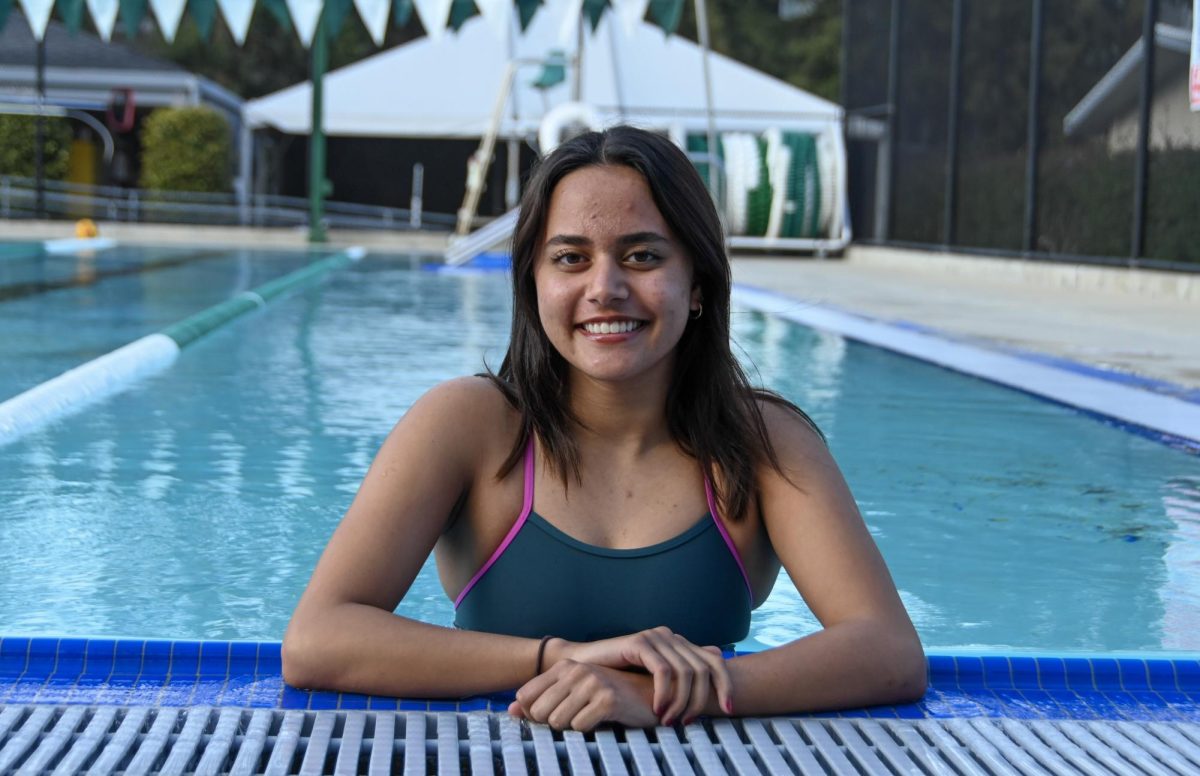
![“I wasn't discouraged by some of the obstacles we faced. I learned a lot from the leadership. I found that different people need different ways of receiving feedback — you can't [just] tell them to do something and expect the best. [Some] people needed more incentive. A large part of my role was to figure out what worked for everyone and to figure out how to lead all these separate individuals as a team,” Suhana Bhandare (’26) said.](https://harkeraquila.com/wp-content/uploads/2026/06/SuhanaBhandare_JasmineHansra-1-1200x798.jpg)
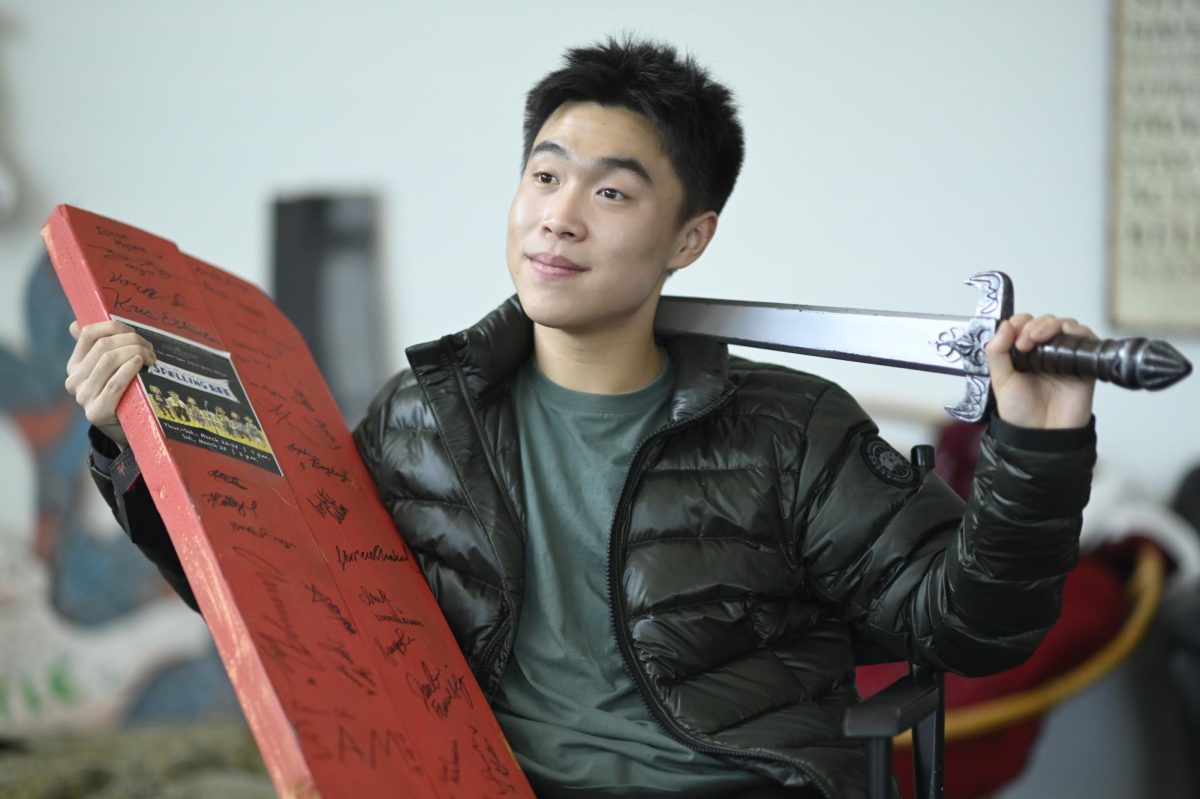
![“This is actually from Randy Pausch Randy P. Brick: ‘Walls are there for a reason. You have to show how much you want to overcome them.’ You have to show how much you want something. That's what I've always been able to do with tennis, Link Crew and getting that internship [with Kushy Baby]. It’s important pushing through that — getting around that brick wall, climbing over it or clawing through it,” Yash Sachdeva (’26) said.](https://harkeraquila.com/wp-content/uploads/2026/05/YashSachdeva_RamBatchu-copy-1200x1002.jpg)
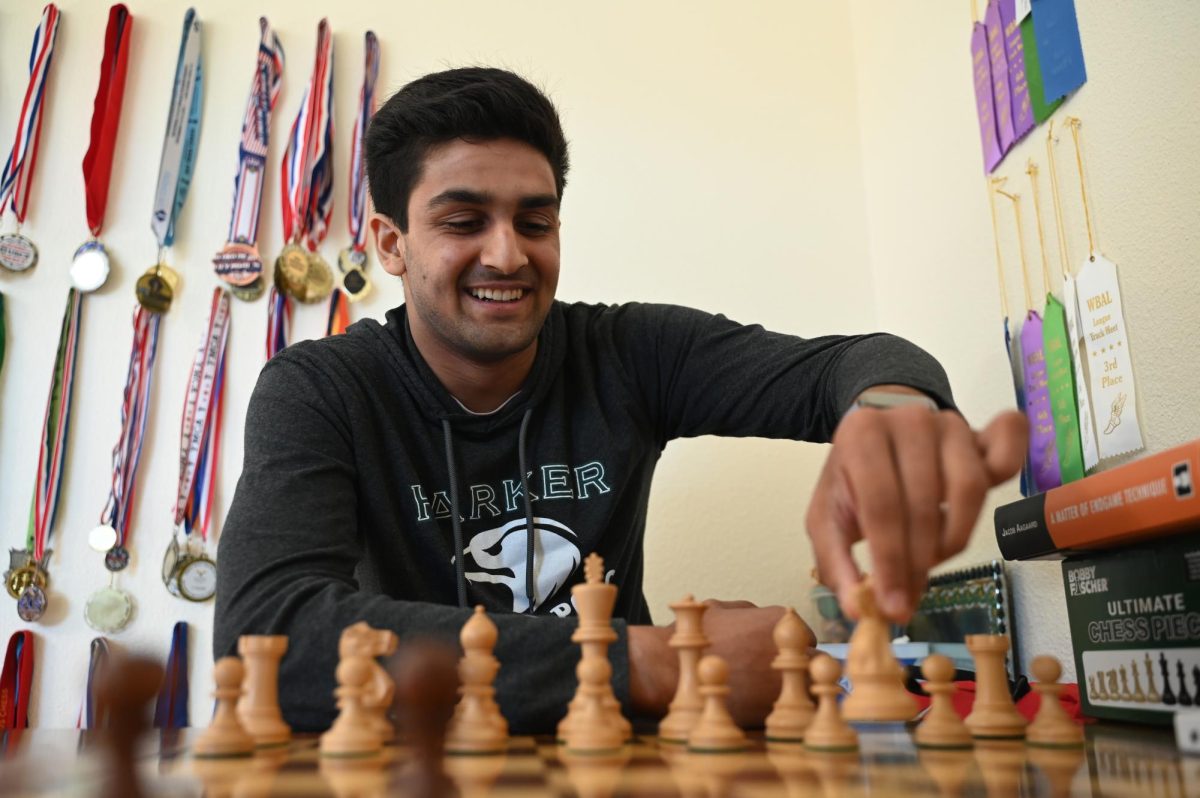
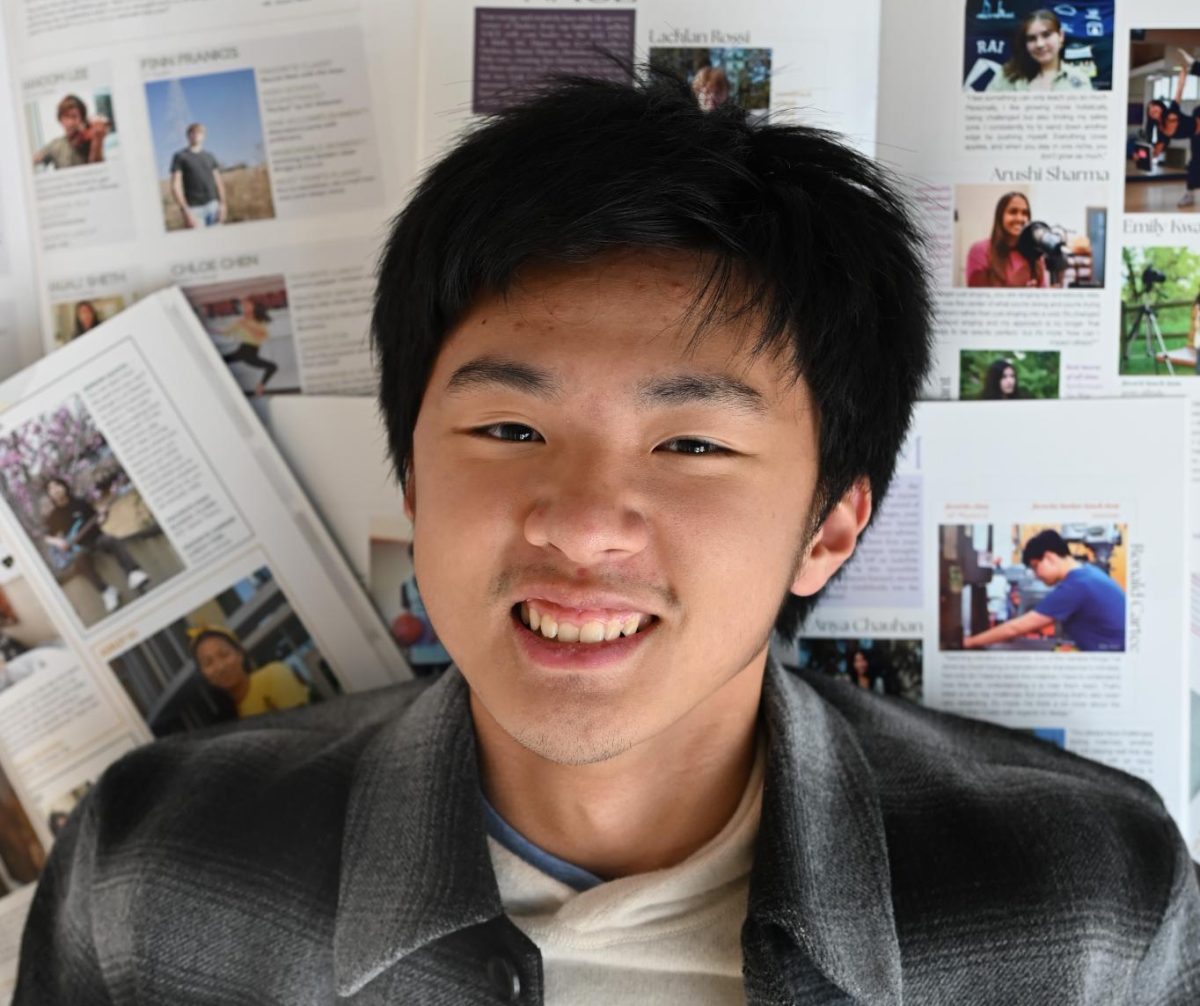

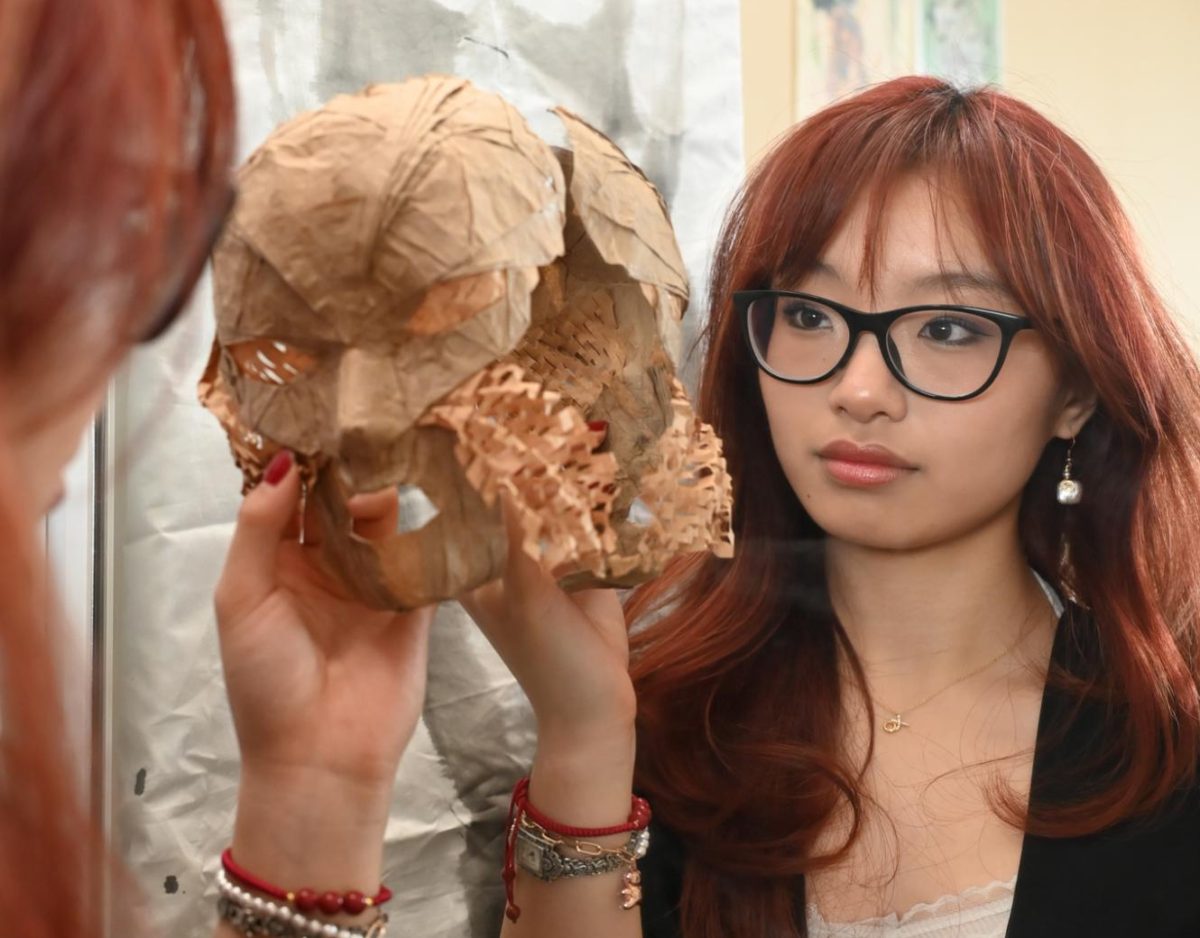

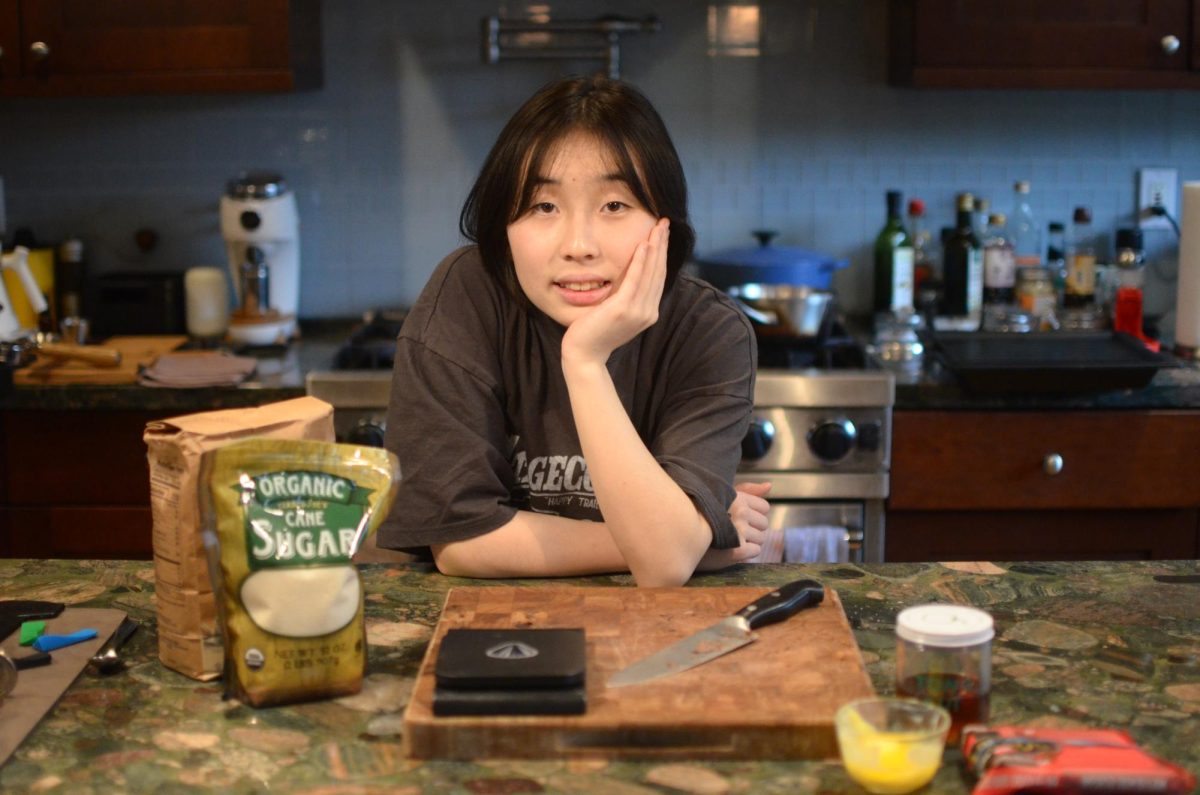


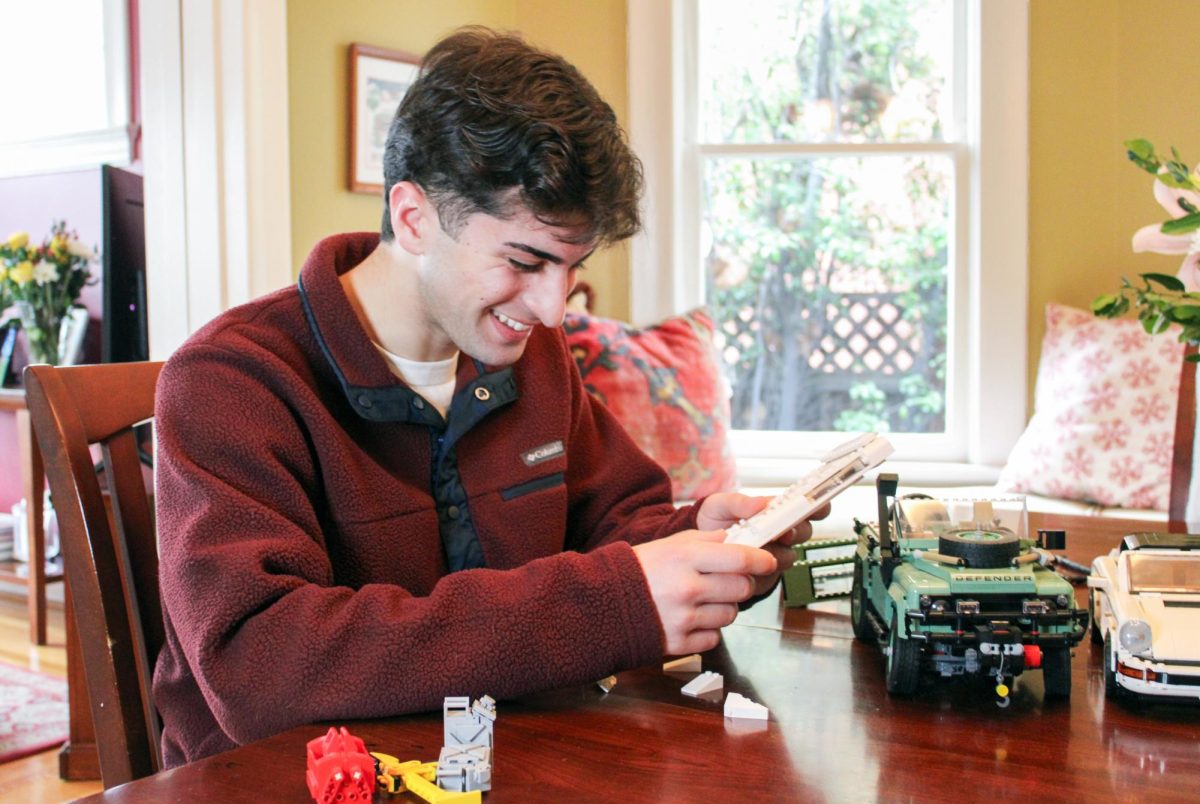


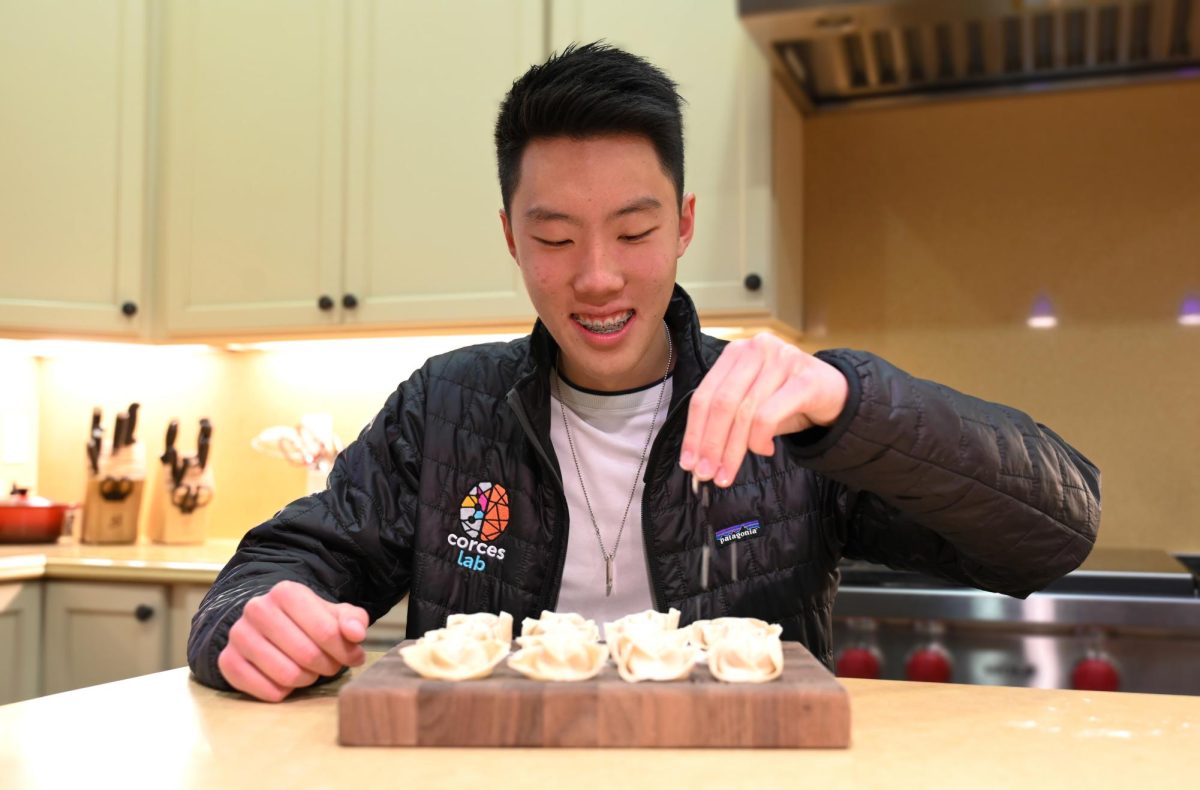
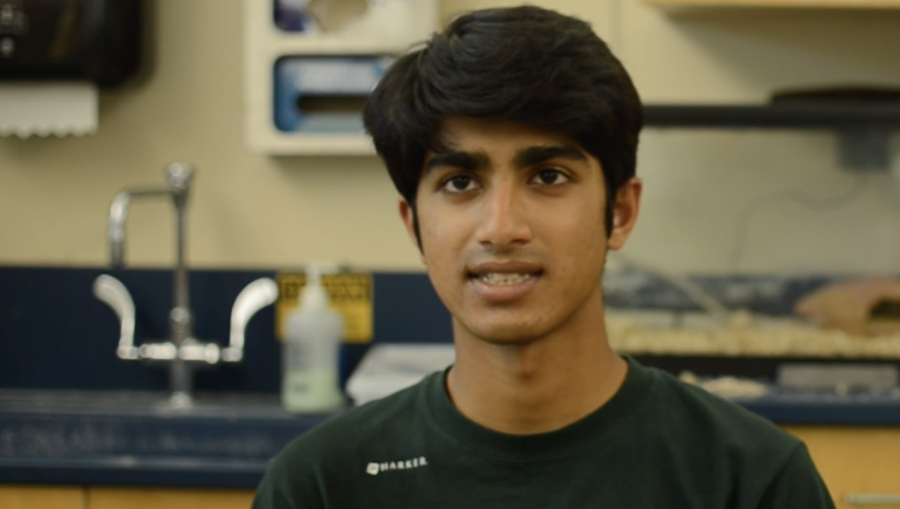
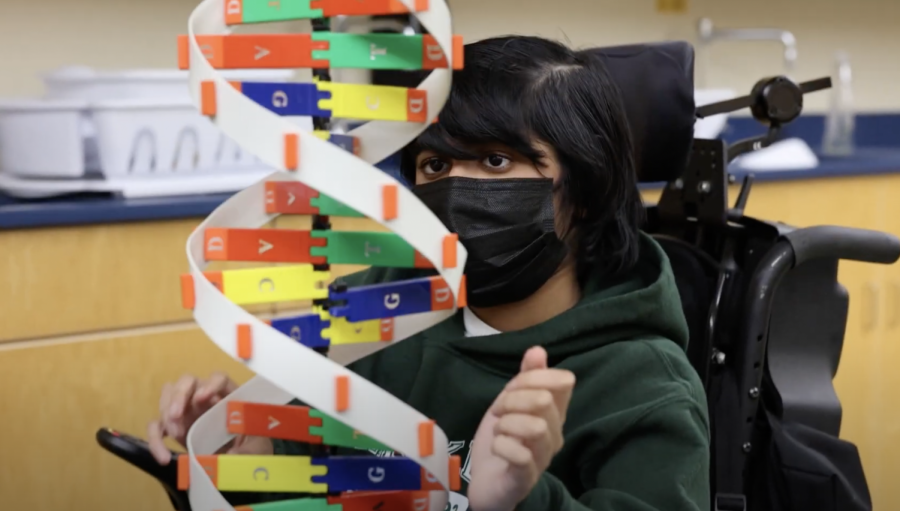
![“[Building nerf blasters] became this outlet of creativity for me that hasn't been matched by anything else. The process [of] making a build complete to your desire is such a painstakingly difficult process, but I've had to learn from [the skills needed from] soldering to proper painting. There's so many different options for everything, if you think about it, it exists. The best part is [that] if it doesn't exist, you can build it yourself," Ishaan Parate said.](https://harkeraquila.com/wp-content/uploads/2022/08/DSC_8149-900x604.jpg)
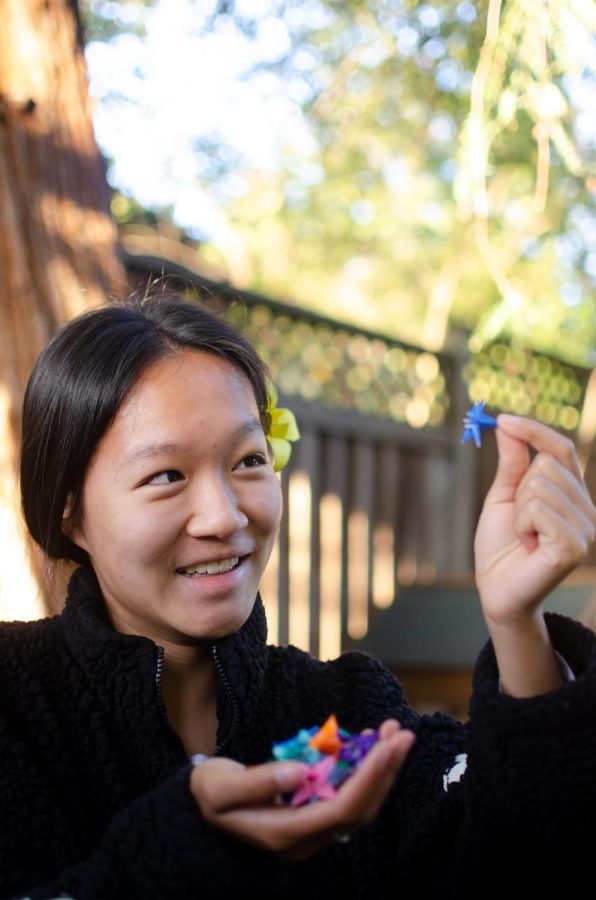
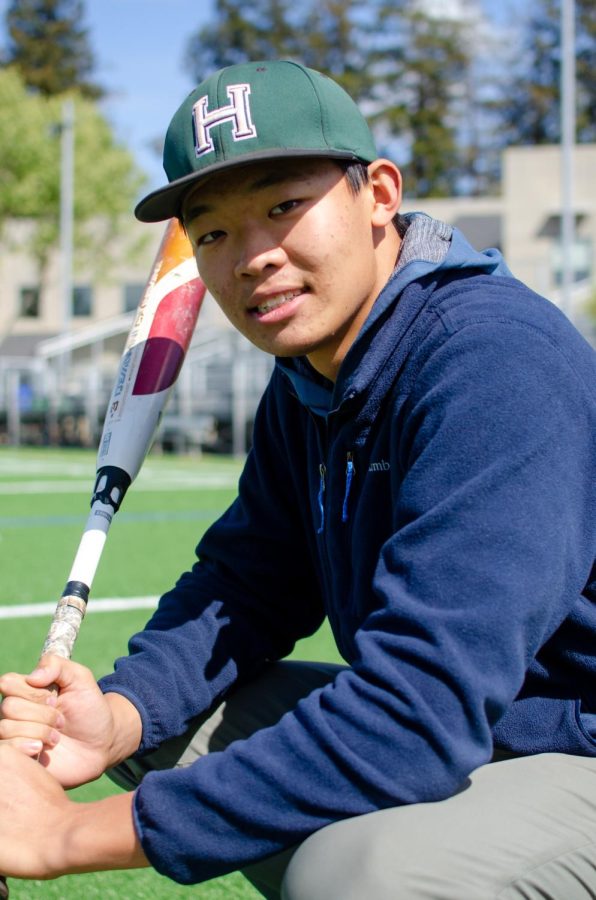

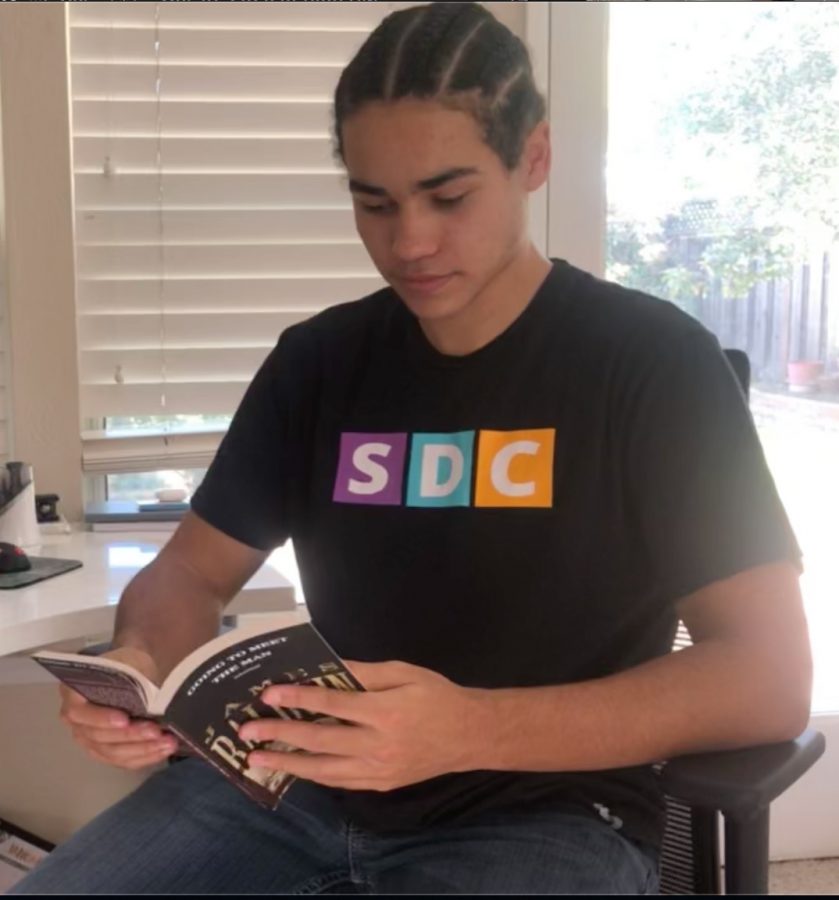
![“When I came into high school, I was ready to be a follower. But DECA was a game changer for me. It helped me overcome my fear of public speaking, and it's played such a major role in who I've become today. To be able to successfully lead a chapter of 150 students, an officer team and be one of the upperclassmen I once really admired is something I'm [really] proud of,” Anvitha Tummala ('21) said.](https://harkeraquila.com/wp-content/uploads/2021/07/Screen-Shot-2021-07-25-at-9.50.05-AM-900x594.png)

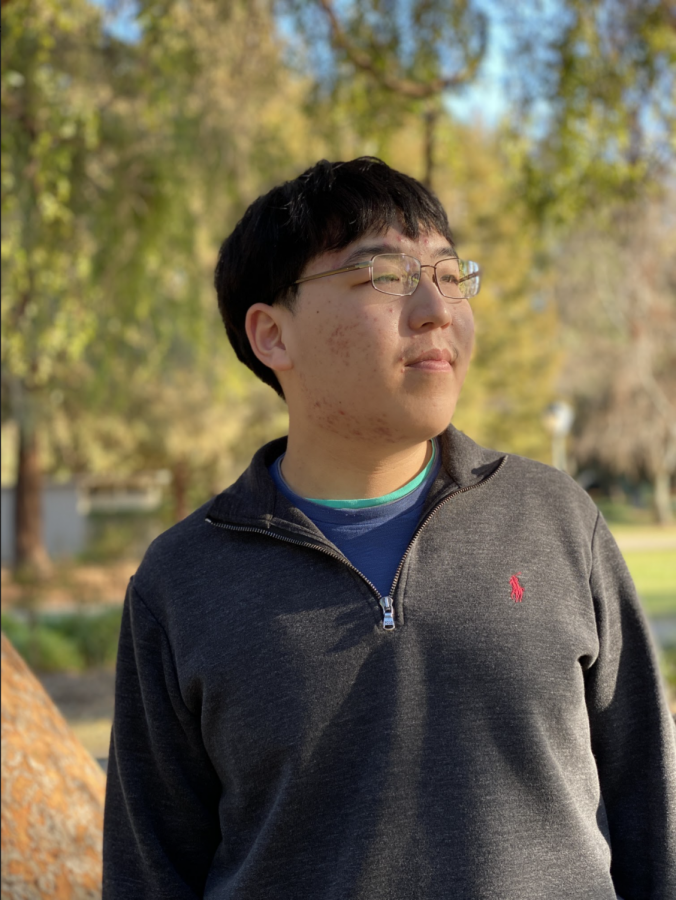
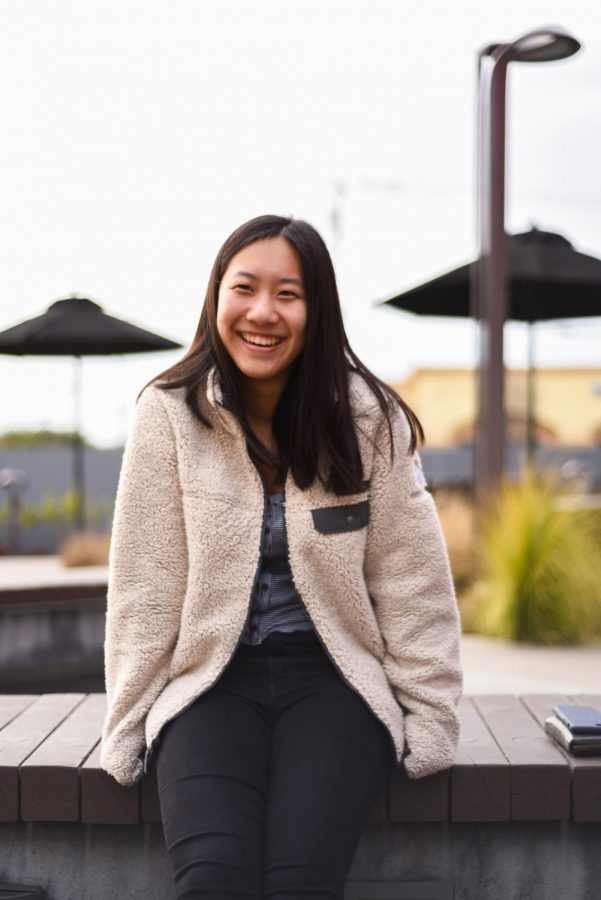
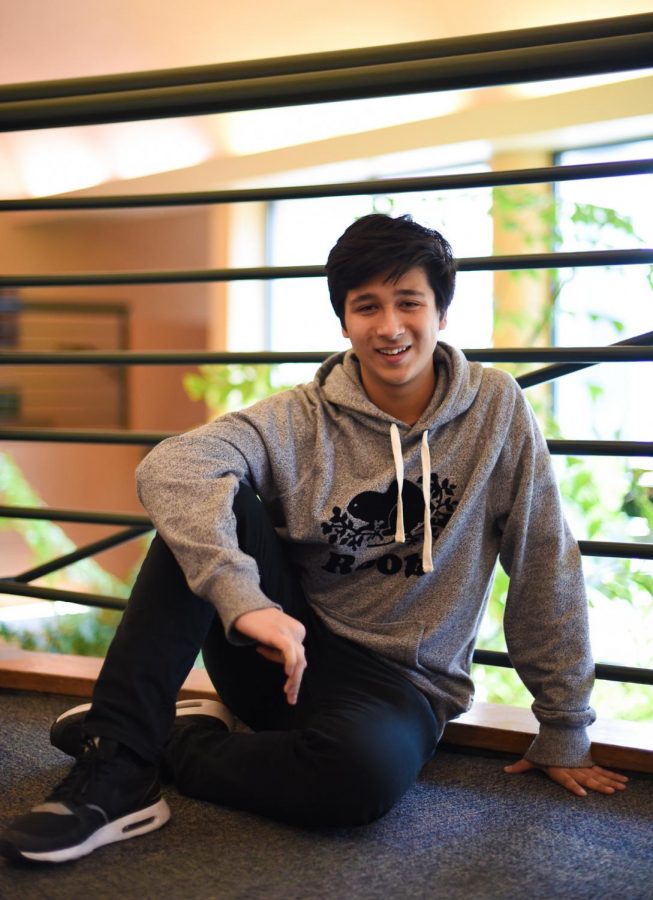
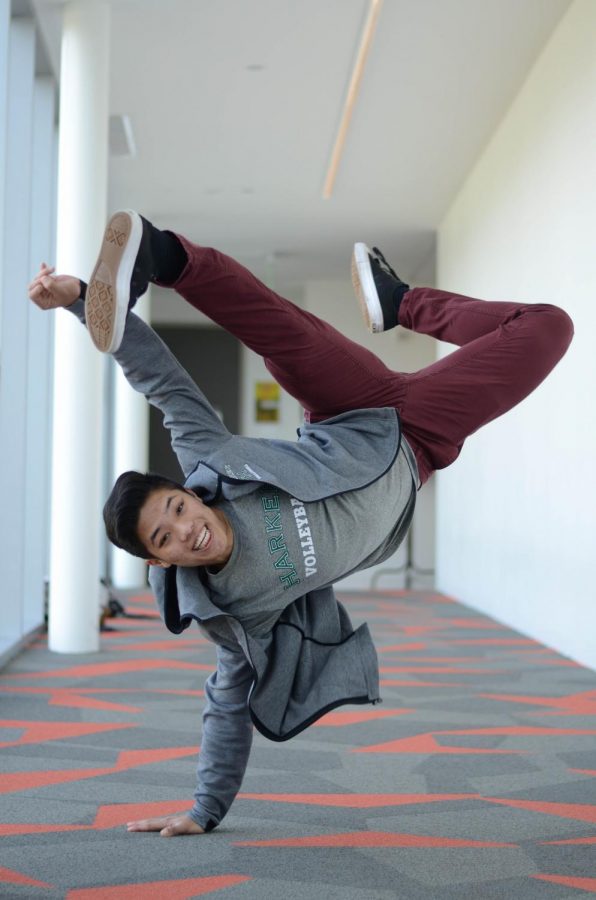


![“I think getting up in the morning and having a sense of purpose [is exciting]. I think without a certain amount of drive, life is kind of obsolete and mundane, and I think having that every single day is what makes each day unique and kind of makes life exciting,” Neymika Jain (12) said.](https://harkeraquila.com/wp-content/uploads/2017/06/Screen-Shot-2017-06-03-at-4.54.16-PM.png)

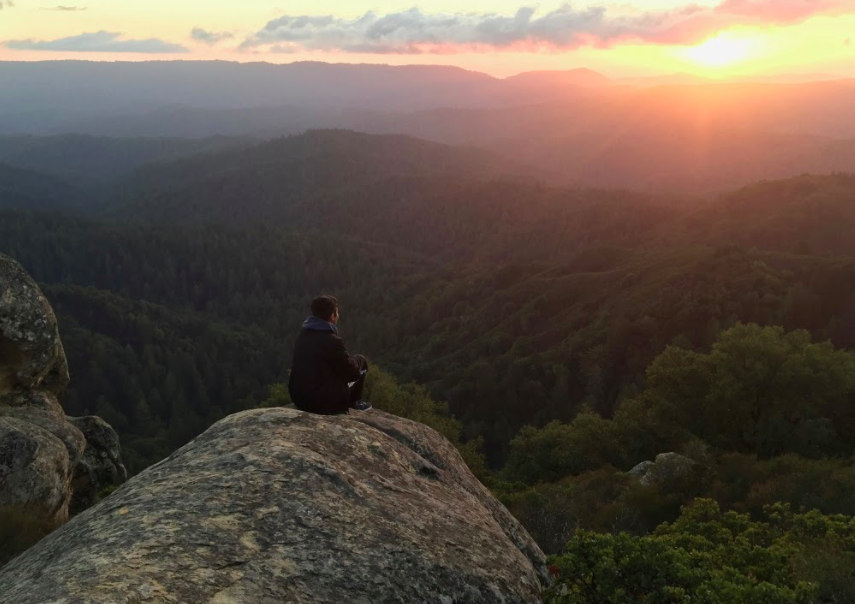

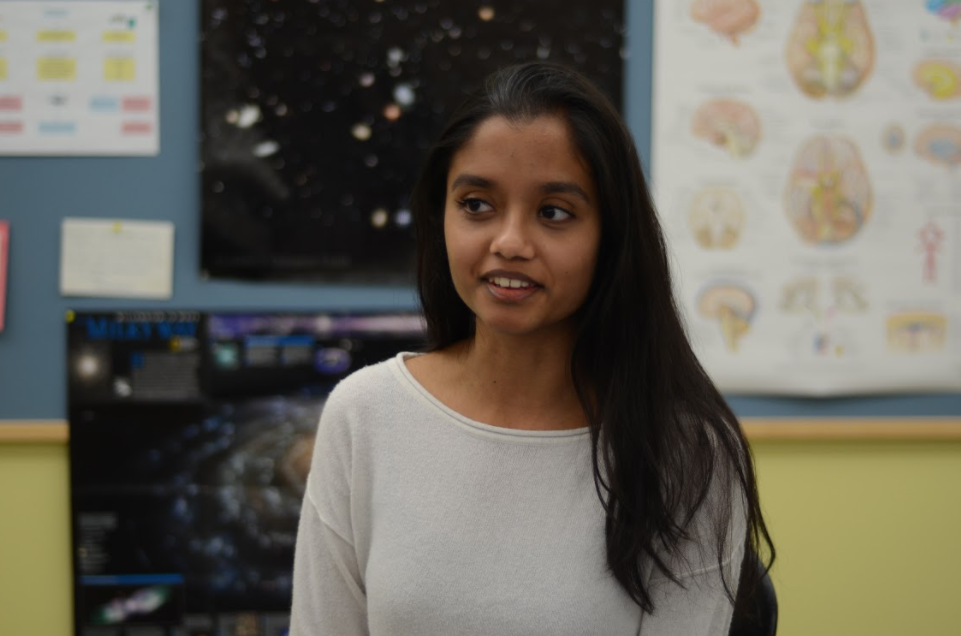
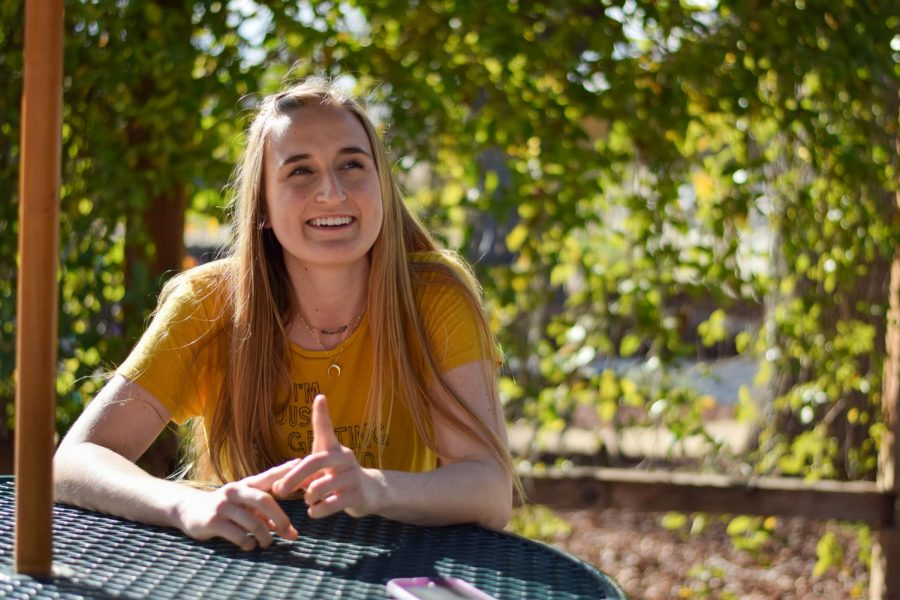
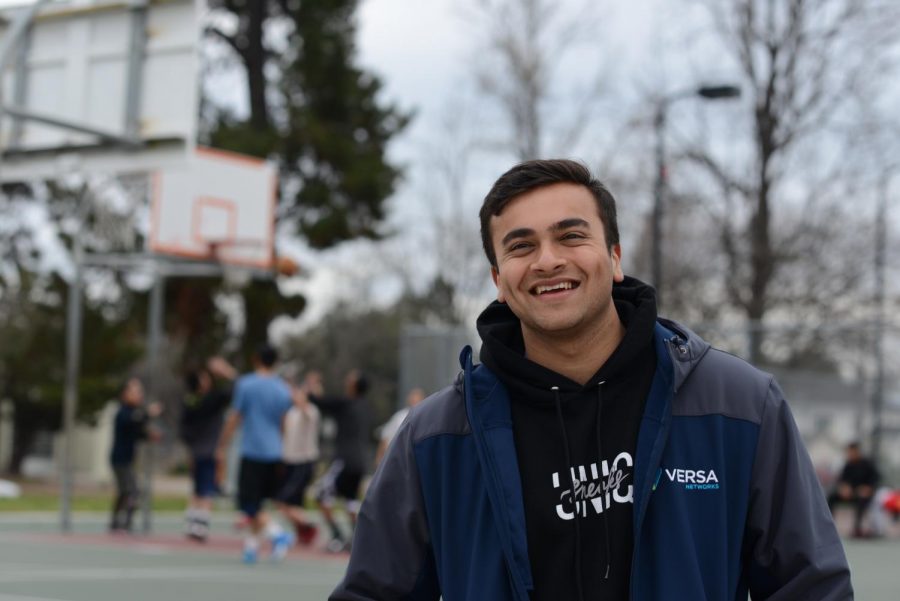
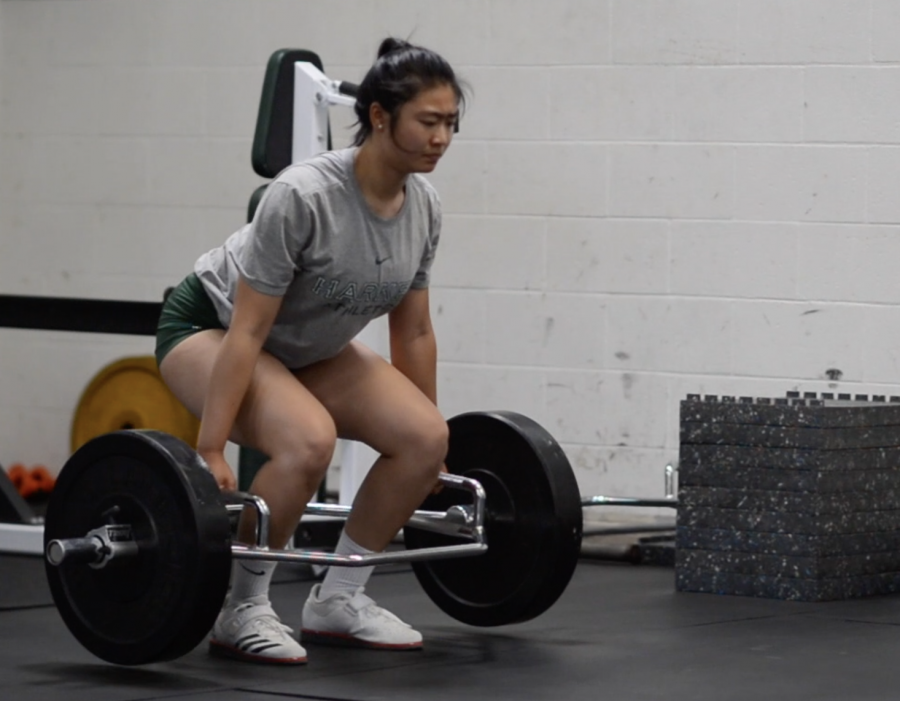

![“My slogan is ‘slow feet, don’t eat, and I’m hungry.’ You need to run fast to get where you are–you aren't going to get those championships if you aren't fast,” Angel Cervantes (12) said. “I want to do well in school on my tests and in track and win championships for my team. I live by that, [and] I can do that anywhere: in the classroom or on the field.”](https://harkeraquila.com/wp-content/uploads/2018/06/DSC5146-900x601.jpg)
![“[Volleyball has] taught me how to fall correctly, and another thing it taught is that you don’t have to be the best at something to be good at it. If you just hit the ball in a smart way, then it still scores points and you’re good at it. You could be a background player and still make a much bigger impact on the team than you would think,” Anya Gert (’20) said.](https://harkeraquila.com/wp-content/uploads/2020/06/AnnaGert_JinTuan_HoHPhotoEdited-600x900.jpeg)
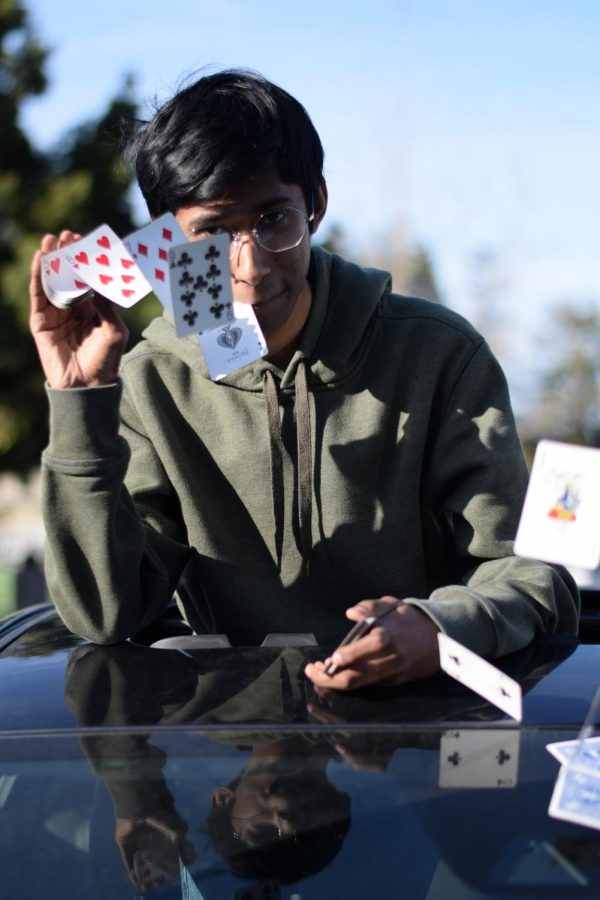
![“I'm not nearly there yet, but [my confidence has] definitely been getting better since I was pretty shy and timid coming into Harker my freshman year. I know that there's a lot of people that are really confident in what they do, and I really admire them. Everyone's so driven and that has really pushed me to kind of try to find my own place in high school and be more confident,” Alyssa Huang (’20) said.](https://harkeraquila.com/wp-content/uploads/2020/06/AlyssaHuang_EmilyChen_HoHPhoto-900x749.jpeg)

Mitty skater heads to Sochi
Elliott Almond
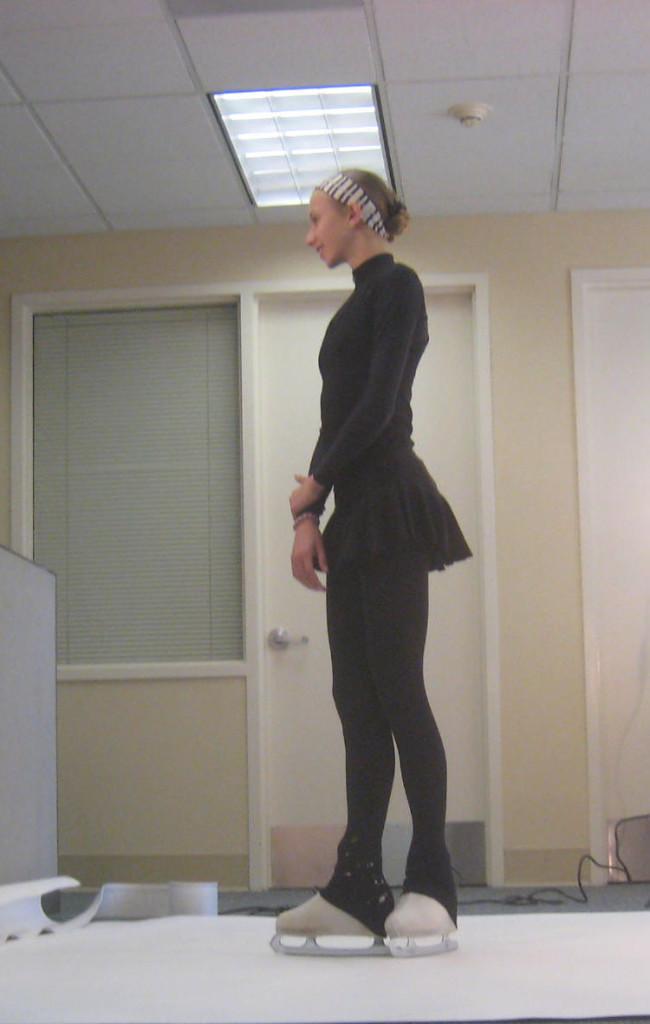
Polina Edmunds (15) poses in her skating attire.
Archbishop Mitty student Polina Edmunds (10) earned a spot on the U.S. Women’s Olympic Figure Skating Team for the Sochi 2014 Winter Olympics after 13 years of training, joined by teammates Gracie Gold, 18, and Ashley Wagner, 22.
At age 15, Polina will be one of the youngest U.S. athletes to have ever competed in the Olympic Games. After watching the U.S. Women’s Figure Skating Team at the 2010 Vancouver Winter Olympics, she was inspired, and her determination to seriously pursue figure skating was ignited. Now, having finished second in her first senior national competition, the Mitty sophomore has a chance to go down in Olympic history.
“For the last four years I’ve been training and working as hard as I could, learning new elements to get to this point. I’m just so happy that all this work has paid off,” she said.
Particularly exciting for Polina is the opportunity to return to Russia, a country she has not visited since the age of two. Because her mother and fellow coach Nina Edmunds grew up approximately 100 miles from Moscow, Sochi 2014 is a sort of homecoming for the Edmunds family.
In 2010, Polina landed her first double axel – a turning point in her career.
“A double axel is the stepping stone for skaters,” she said. “The skaters who can learn double axels are set up for the triples, and once you learn the triples, you’re into the competitive ranks of figure skating.”
Upon returning to school after the 2014 U.S. Championships, she was greeted by a large crowd of cheering Mitty students, as well as a large banner announcing her success.
“I was just so surprised because I was never expecting anything like that. I was just so excited that everyone was supporting me,” Polina said.
Yet, in the midst of her athletic celebrity, Polina is still a full-time high school student committed to her academics.
“She needs to finish her homework, and she’s the same student she was before,” Polina’s mother, Nina Edmunds said. “It is a little bit hard for us to see that she’s skated hard, she’s tired, and after coming home she needs to do homework, but she can do it.”
Polina has attributed her success as a figure skater to immense technical training under her coach David Glynn, who has coached her since she was four years old. The routines in Polina’s programs at the 2014 U.S. Championships, where she qualified for the Olympics, were the most technically challenging in the competition.
“[Glynn’s] taught me incredible technique, and that’s what’s really helped my skating,” she said.
The past 11 years of training together have fostered a strong relationship between Polina and her coach.
“We have kind of a very close relationship. We joke around all the time, and it’s like a love-hate relationship,” she said.
Particularly exciting for Polina is the opportunity to return to Russia, a country she has not visited since the age of two. Because her mother and fellow coach Nina Edmunds grew up approximately 100 miles from Moscow, Sochi 2014 is a homecoming for the Edmunds family.
NBC will broadcast Polina’s journey through Sochi through their coverage of the Olympic games from Feb. 7 to 23.
This piece was originally published in the pages of the Winged Post on Jan. 27, 2014.