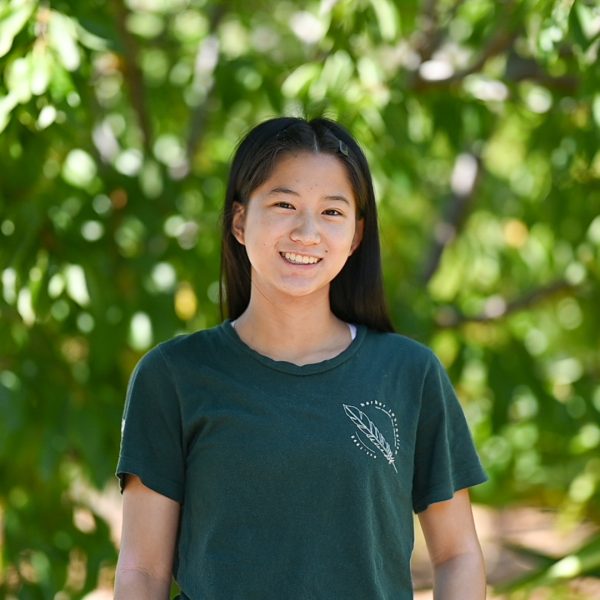
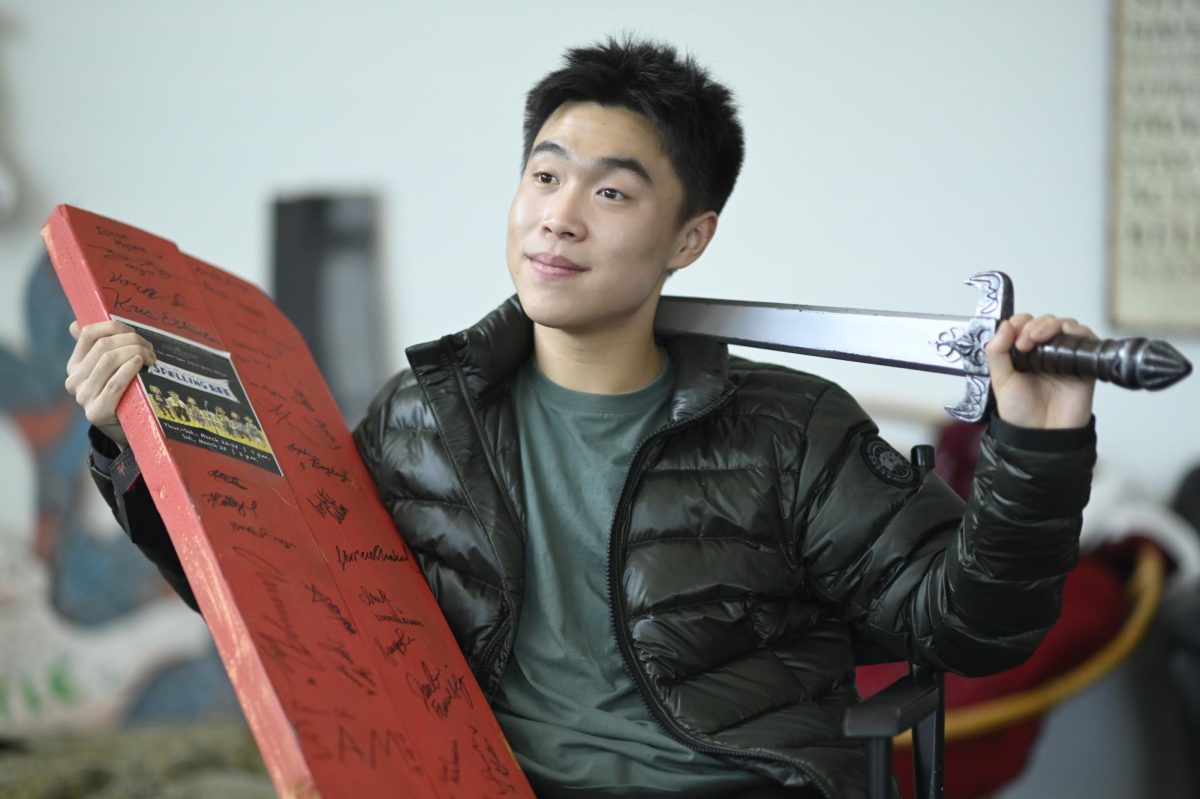
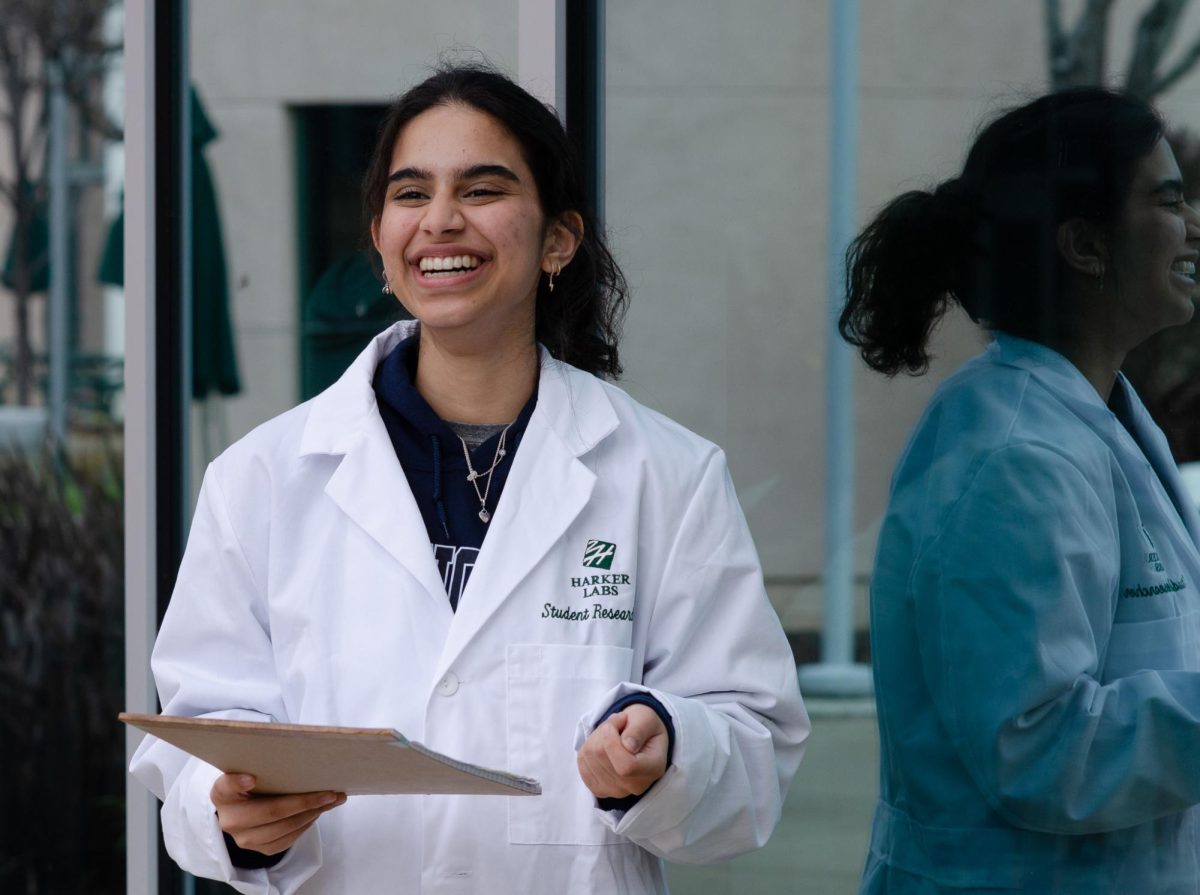
![“I wasn't discouraged by some of the obstacles we faced. I learned a lot from the leadership. I found that different people need different ways of receiving feedback — you can't [just] tell them to do something and expect the best. [Some] people needed more incentive. A large part of my role was to figure out what worked for everyone and to figure out how to lead all these separate individuals as a team,” Suhana Bhandare (’26) said.](https://harkeraquila.com/wp-content/uploads/2026/06/SuhanaBhandare_JasmineHansra-1-1200x798.jpg)
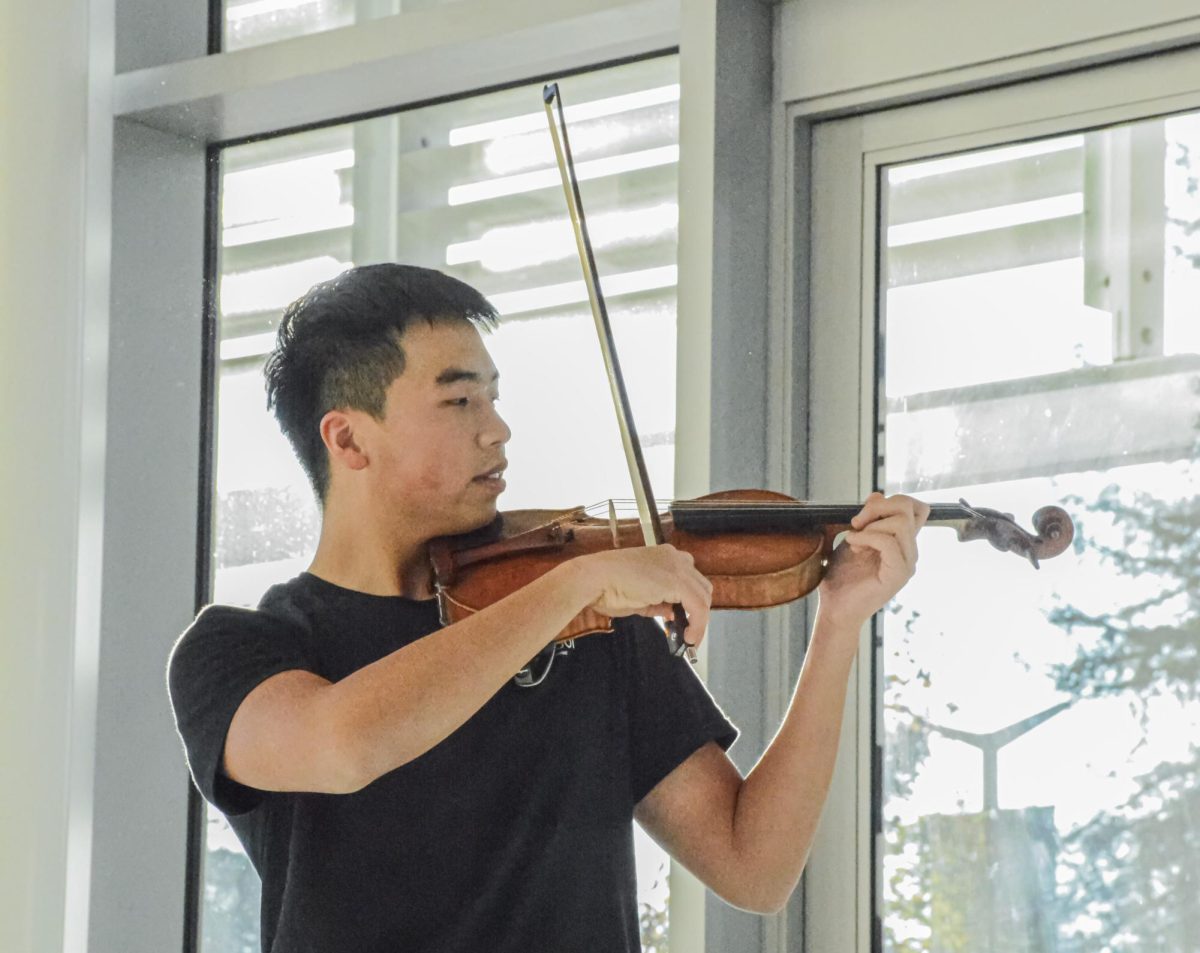
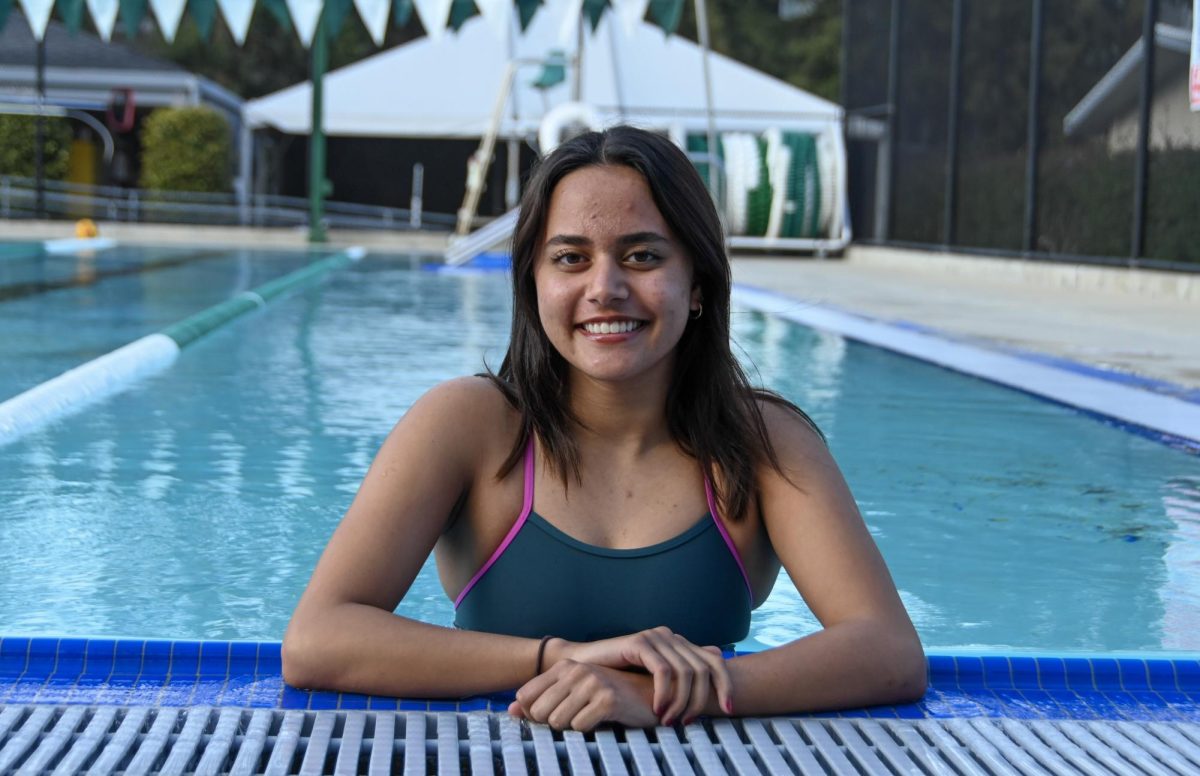
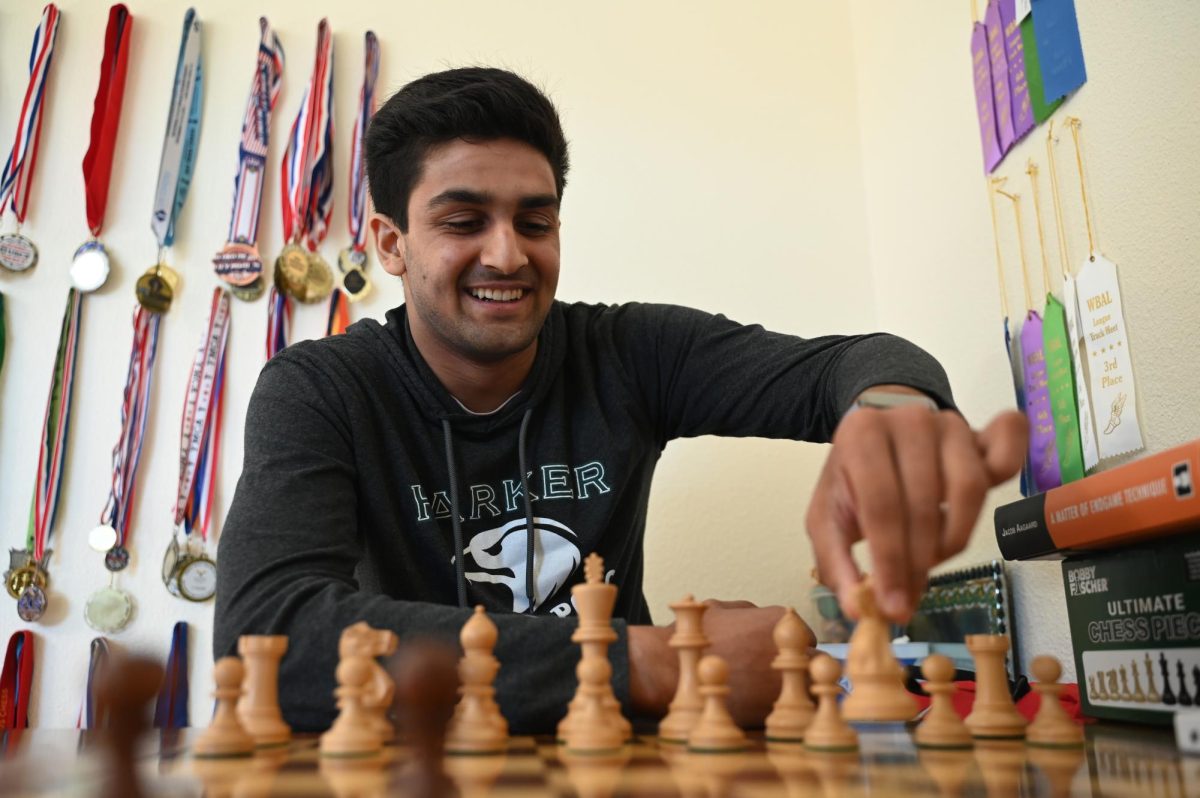
![“This is actually from Randy Pausch Randy P. Brick: ‘Walls are there for a reason. You have to show how much you want to overcome them.’ You have to show how much you want something. That's what I've always been able to do with tennis, Link Crew and getting that internship [with Kushy Baby]. It’s important pushing through that — getting around that brick wall, climbing over it or clawing through it,” Yash Sachdeva (’26) said.](https://harkeraquila.com/wp-content/uploads/2026/05/YashSachdeva_RamBatchu-copy-1200x1002.jpg)
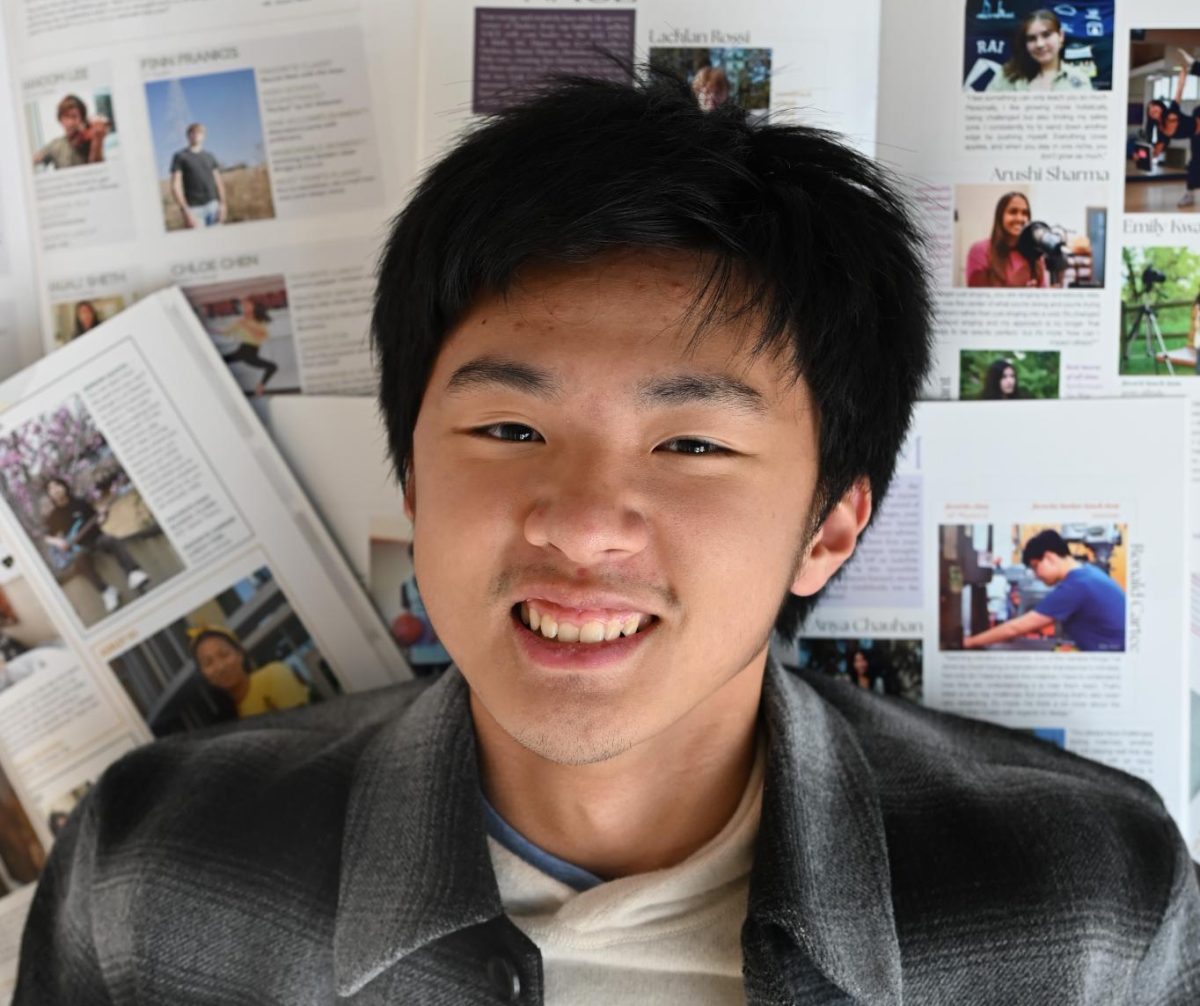





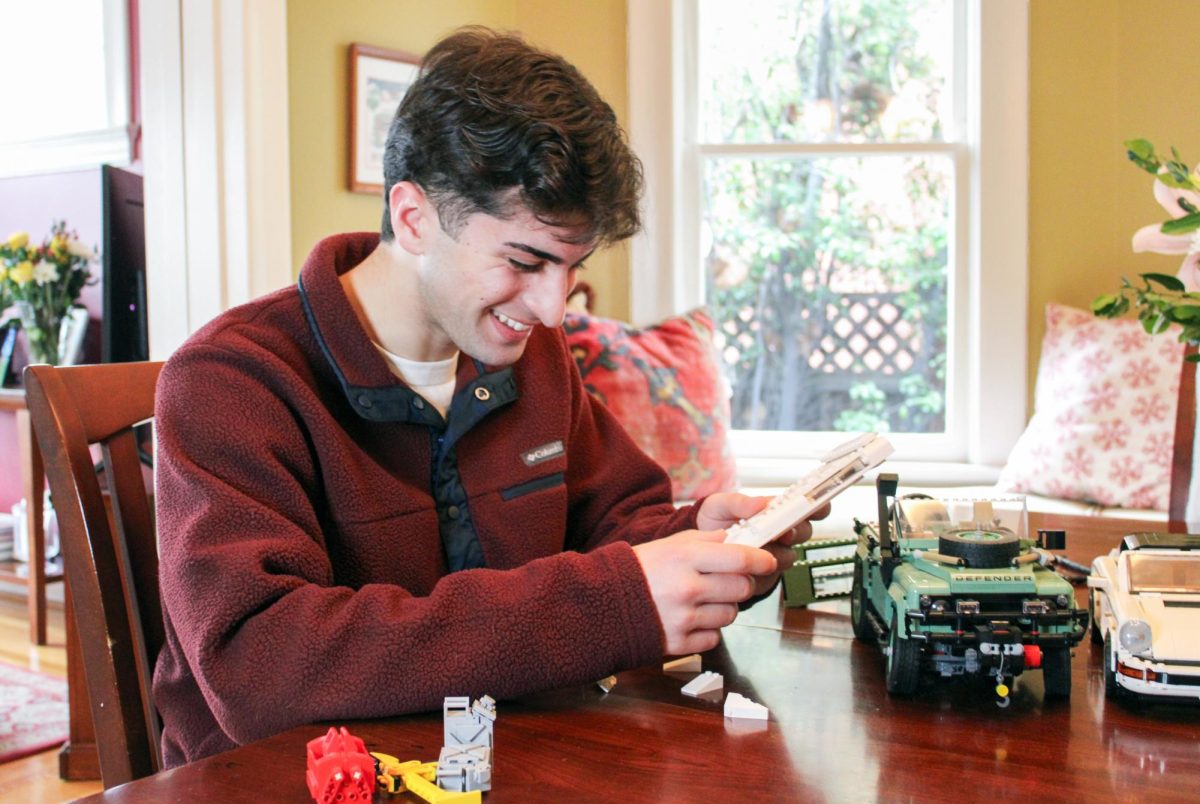


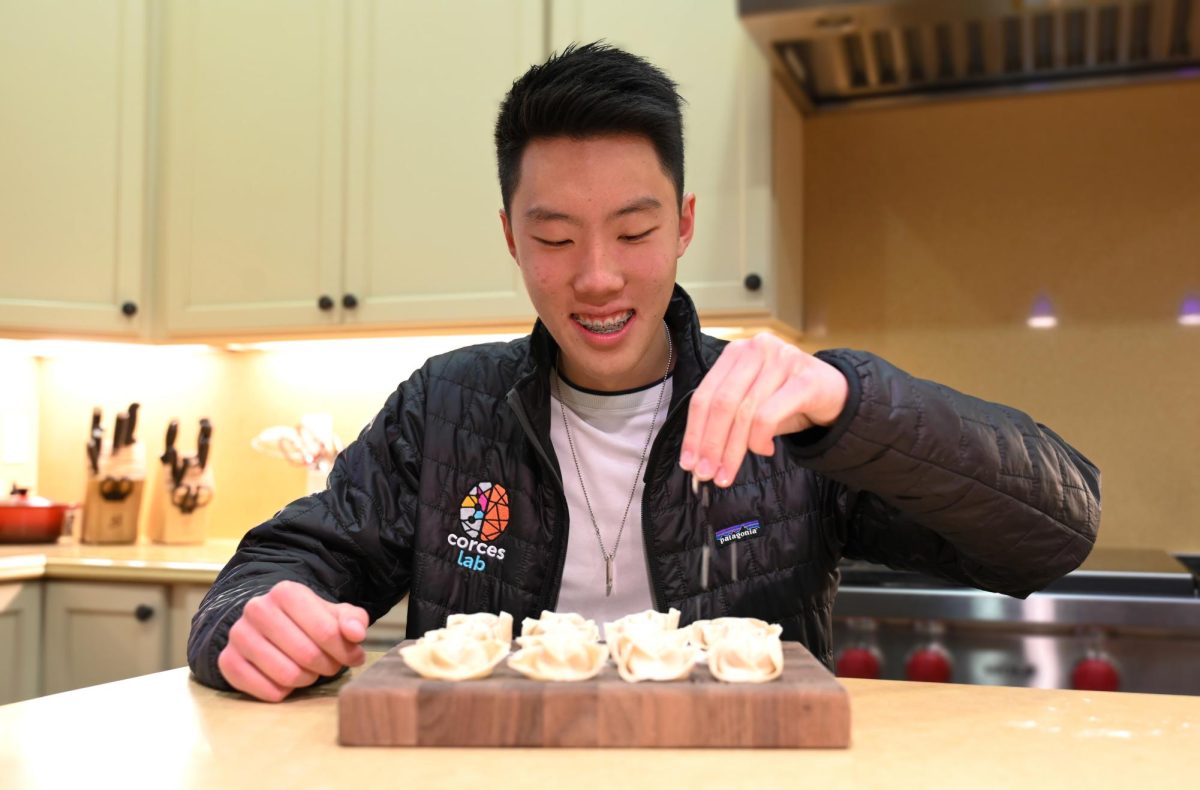
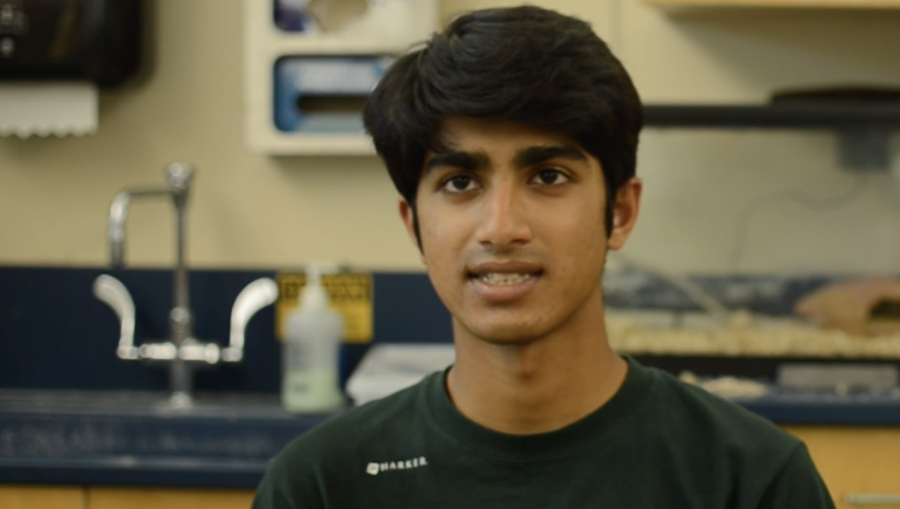
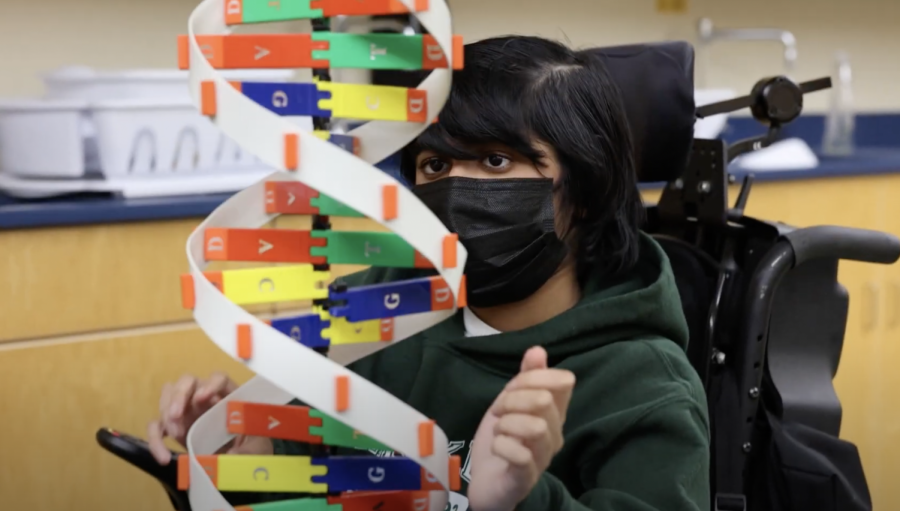
![“[Building nerf blasters] became this outlet of creativity for me that hasn't been matched by anything else. The process [of] making a build complete to your desire is such a painstakingly difficult process, but I've had to learn from [the skills needed from] soldering to proper painting. There's so many different options for everything, if you think about it, it exists. The best part is [that] if it doesn't exist, you can build it yourself," Ishaan Parate said.](https://harkeraquila.com/wp-content/uploads/2022/08/DSC_8149-900x604.jpg)
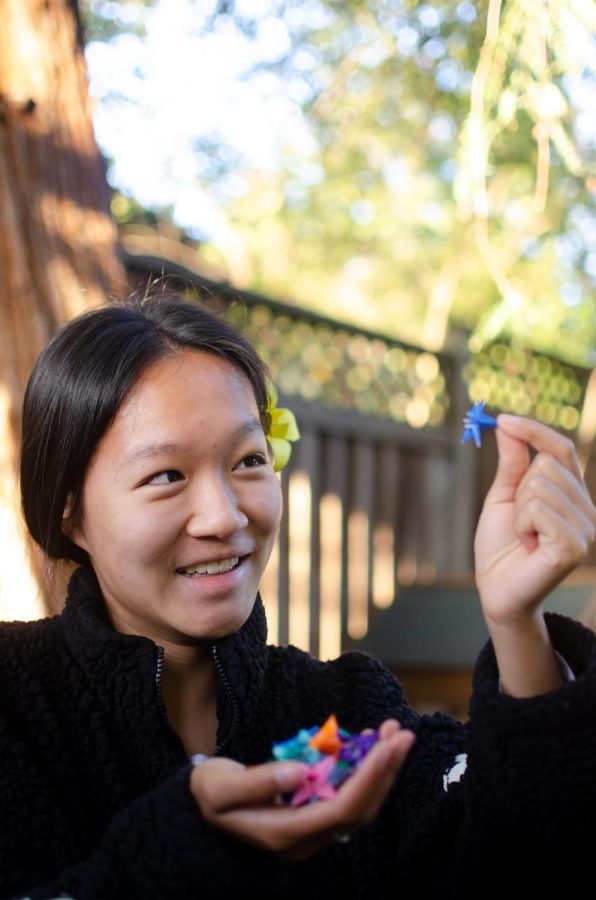
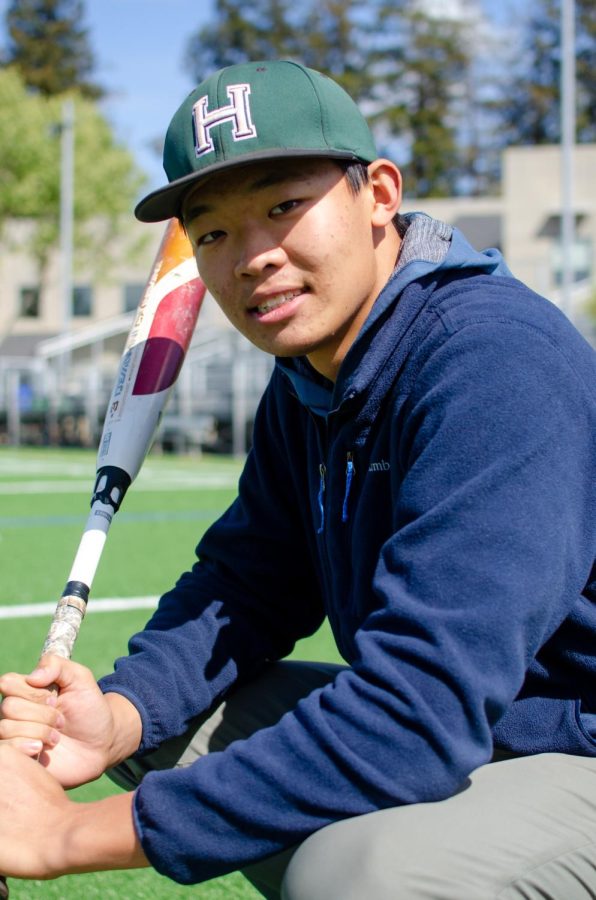

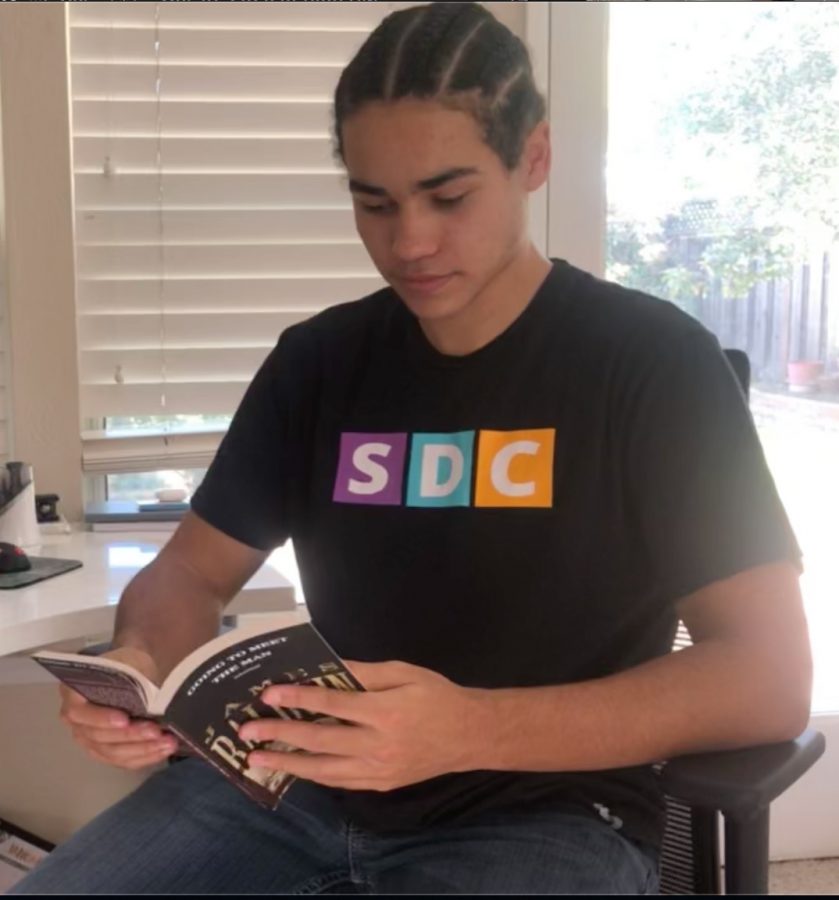
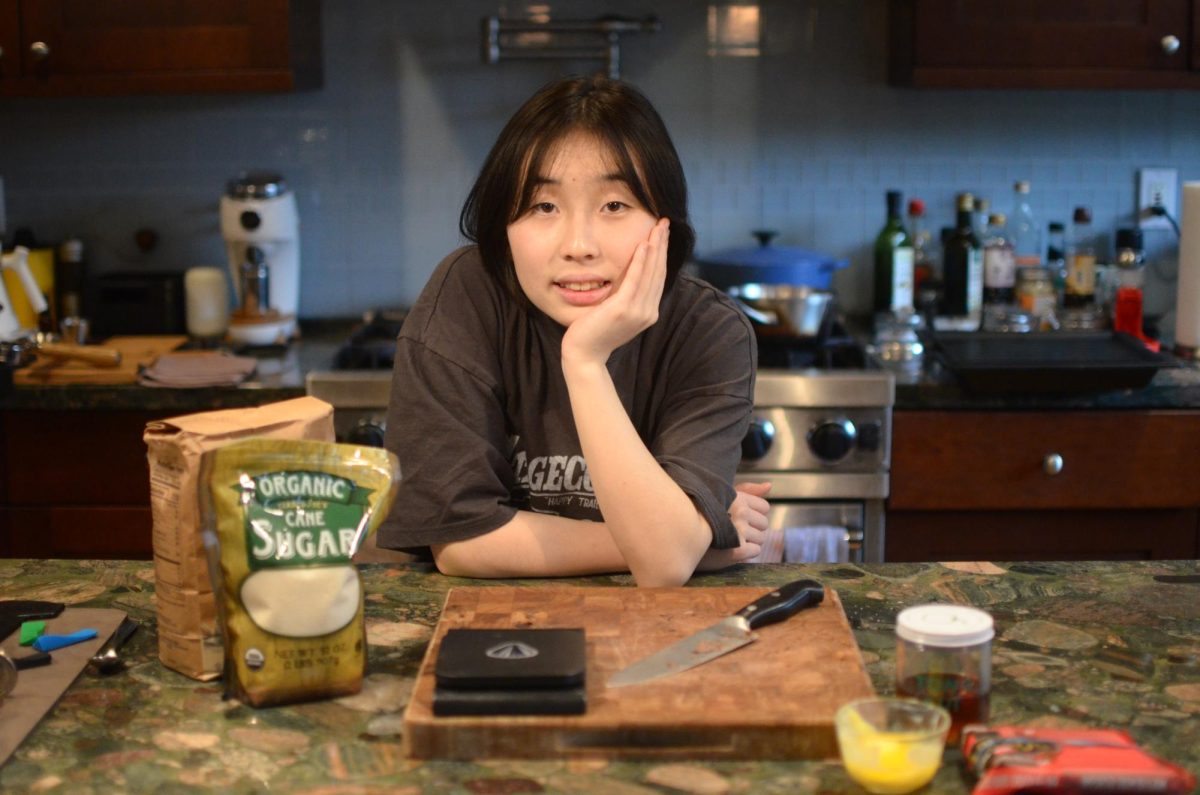
![“When I came into high school, I was ready to be a follower. But DECA was a game changer for me. It helped me overcome my fear of public speaking, and it's played such a major role in who I've become today. To be able to successfully lead a chapter of 150 students, an officer team and be one of the upperclassmen I once really admired is something I'm [really] proud of,” Anvitha Tummala ('21) said.](https://harkeraquila.com/wp-content/uploads/2021/07/Screen-Shot-2021-07-25-at-9.50.05-AM-900x594.png)

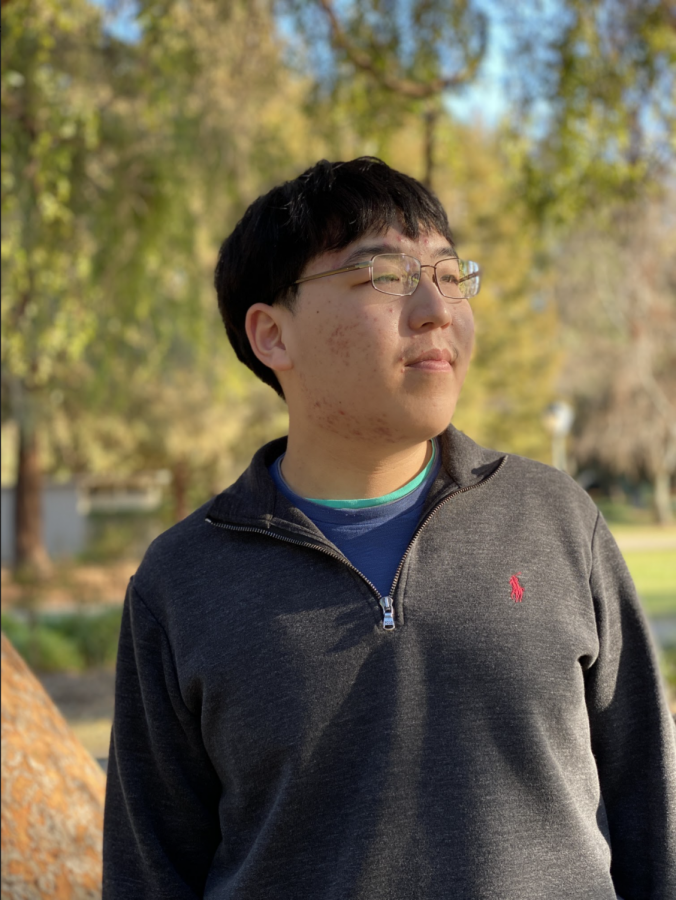

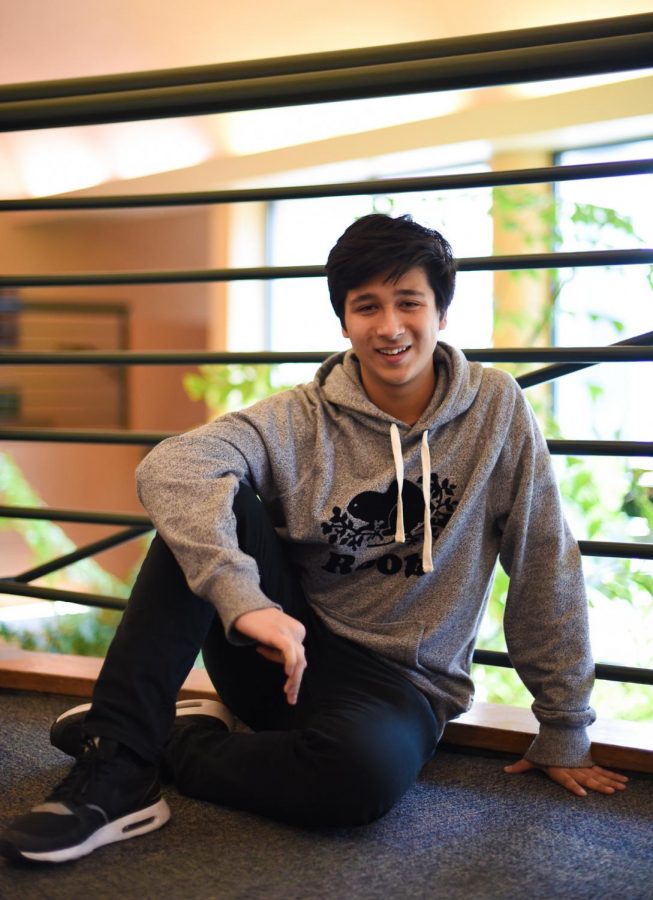
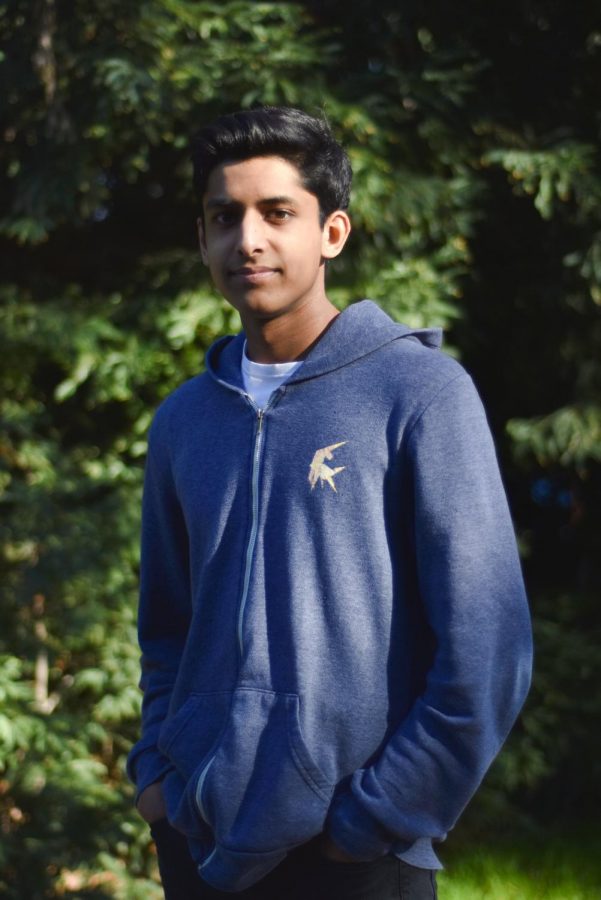

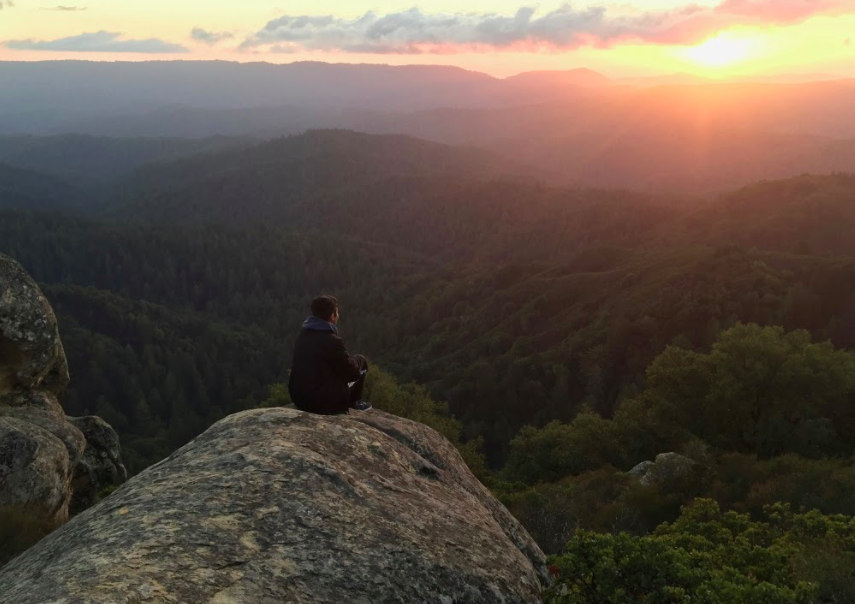
![“I think getting up in the morning and having a sense of purpose [is exciting]. I think without a certain amount of drive, life is kind of obsolete and mundane, and I think having that every single day is what makes each day unique and kind of makes life exciting,” Neymika Jain (12) said.](https://harkeraquila.com/wp-content/uploads/2017/06/Screen-Shot-2017-06-03-at-4.54.16-PM.png)

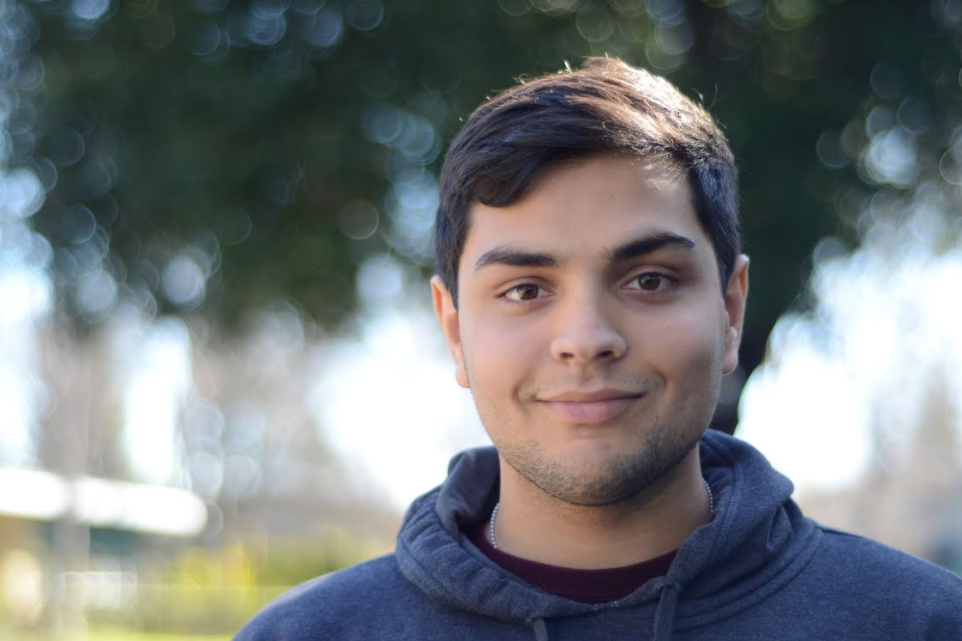


![“My slogan is ‘slow feet, don’t eat, and I’m hungry.’ You need to run fast to get where you are–you aren't going to get those championships if you aren't fast,” Angel Cervantes (12) said. “I want to do well in school on my tests and in track and win championships for my team. I live by that, [and] I can do that anywhere: in the classroom or on the field.”](https://harkeraquila.com/wp-content/uploads/2018/06/DSC5146-900x601.jpg)
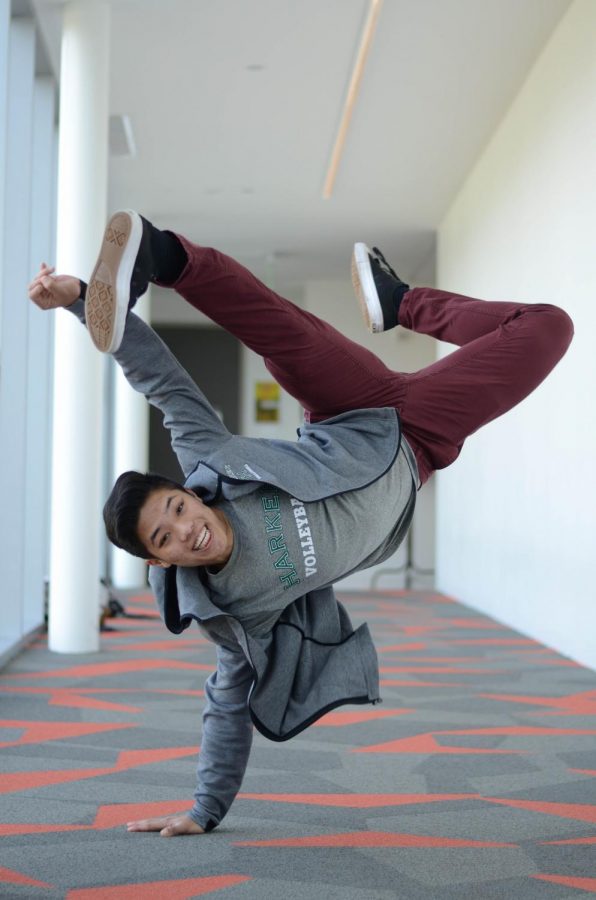
![“[Volleyball has] taught me how to fall correctly, and another thing it taught is that you don’t have to be the best at something to be good at it. If you just hit the ball in a smart way, then it still scores points and you’re good at it. You could be a background player and still make a much bigger impact on the team than you would think,” Anya Gert (’20) said.](https://harkeraquila.com/wp-content/uploads/2020/06/AnnaGert_JinTuan_HoHPhotoEdited-600x900.jpeg)
![“I'm not nearly there yet, but [my confidence has] definitely been getting better since I was pretty shy and timid coming into Harker my freshman year. I know that there's a lot of people that are really confident in what they do, and I really admire them. Everyone's so driven and that has really pushed me to kind of try to find my own place in high school and be more confident,” Alyssa Huang (’20) said.](https://harkeraquila.com/wp-content/uploads/2020/06/AlyssaHuang_EmilyChen_HoHPhoto-900x749.jpeg)



Sophomores and seniors attended Living with Intent, Focus and Enthusiasm (LIFE) sessions on Tuesday during lunch. Highway Patrol Officer Chris Miceli spoke to sophomores about the dangers of unsafe driving, while seniors learned how to navigate difficult conversations with psychology teacher Julie Turchin.
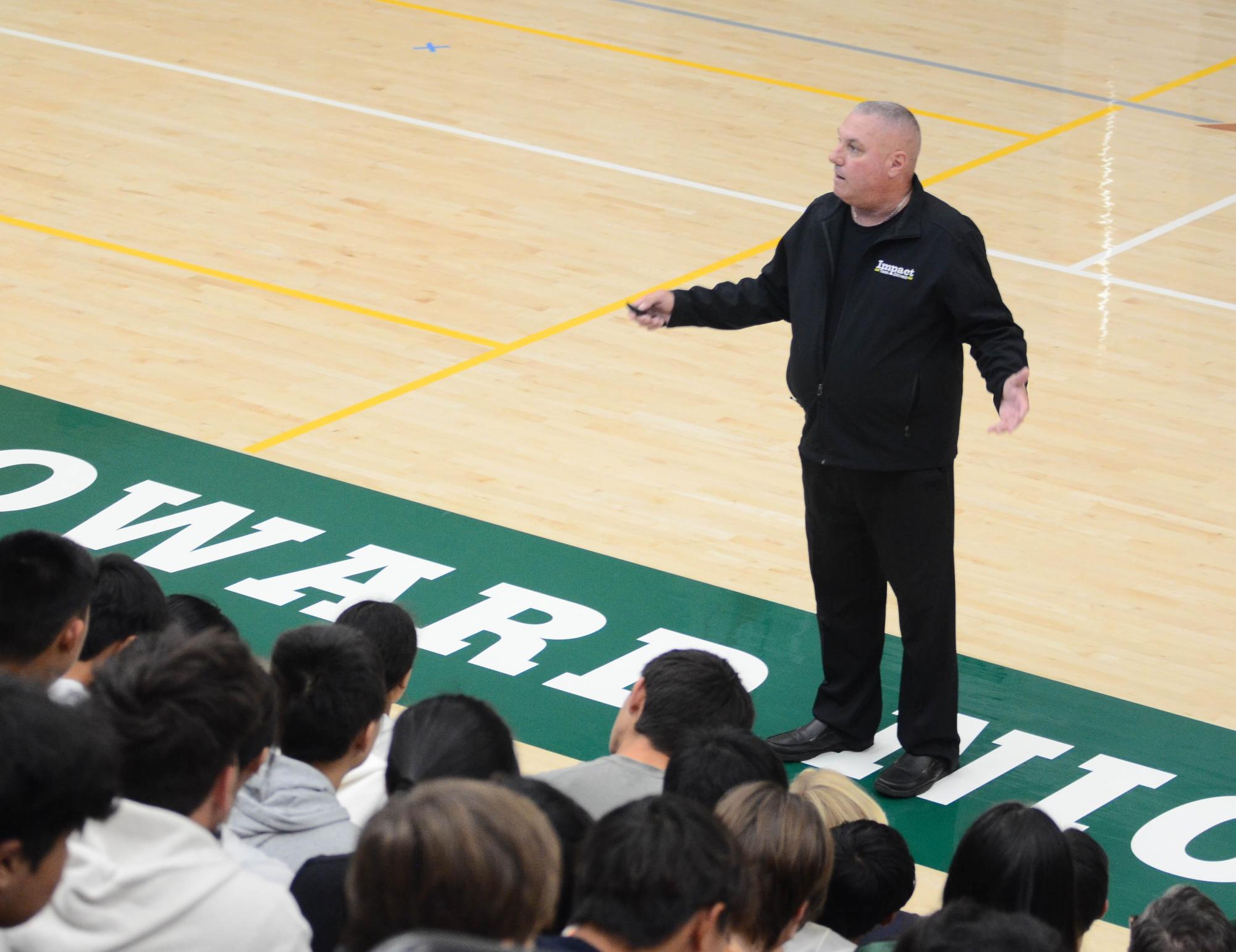
After opening the sophomores’ meeting by talking about cautious driving, LIFE Board member Natalie Barth (12) introduced Miceli, who explained the effects of reckless driving by highlighting how everyday actions like applying lip gloss can lead to cognitive distractions while driving.
Miceli then played two videos that showed real examples of fatal crashes that reminded students to promote safe driving, even when they are not behind the wheel. Sophomore Alexis Santosa expressed how the videos influenced her perspective about irresponsible driving and its consequences.
“It actually made me cry at one point,” Alexis said. “The purpose was to teach us that reckless driving is a serious danger to almost anyone and everyone, especially teenagers. I feel like I should definitely regard driving as a more serious matter now.”
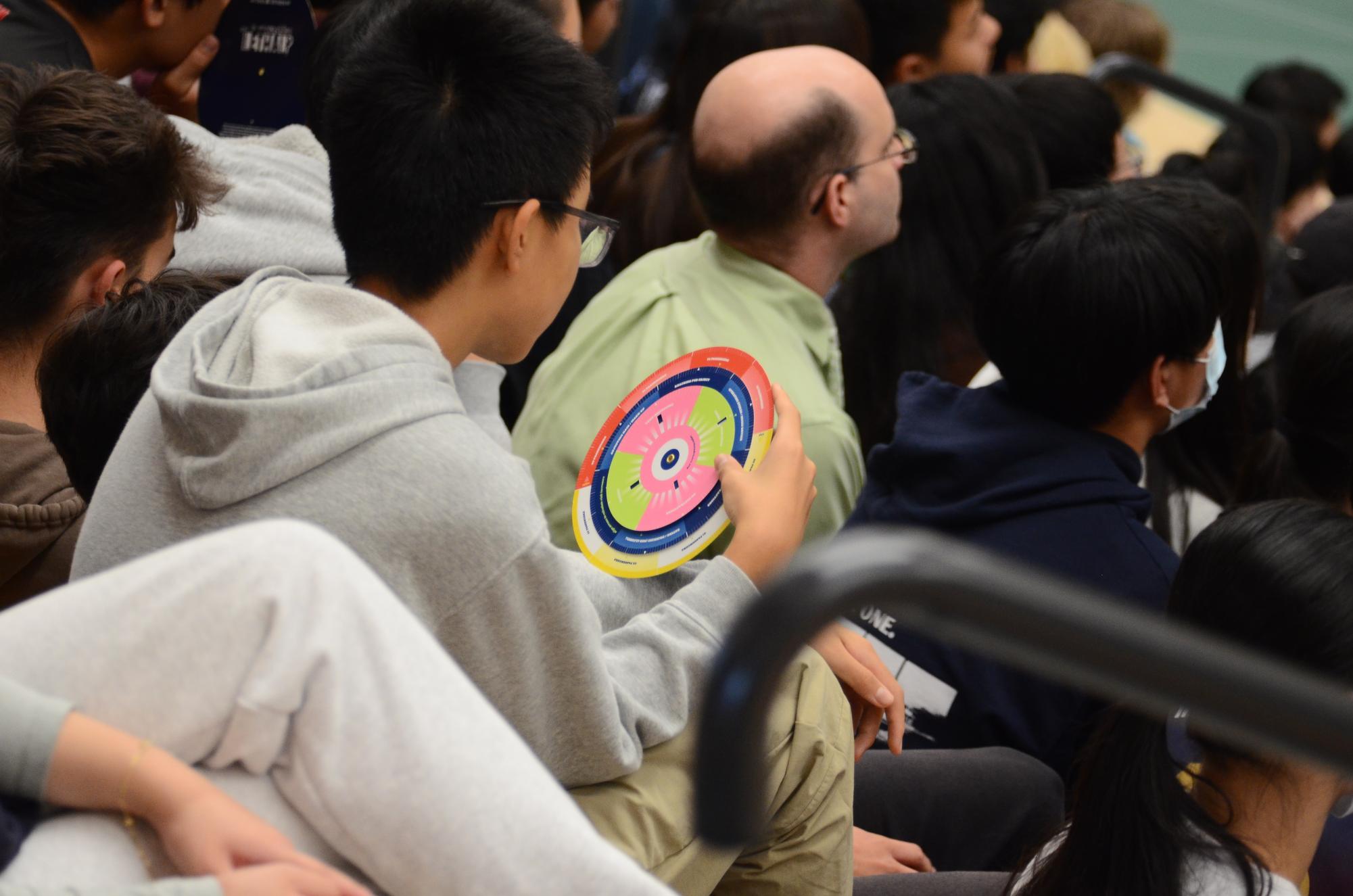
Before the meeting, students received paper wheels that displayed the percentages of teenagers who die from different distractions while driving. Miceli also handed out shirts to students that used colored dots to show the most major causes of death for teens, with driving accidents being the leading cause.
Miceli ended the meeting by introducing an opportunity to spread awareness about unsafe driving through the Create Real Impact Contest. In the contest, students can create an infographic or video about reckless driving for a chance to earn money.
At the senior LIFE meeting, Dr. Turchin outlined steps to approaching high-stakes discussions. She listed examples of approaching difficult conversations in examples like confronting an always-late friend, explaining college major decisions to a parent and asking for a raise from a boss.
She encouraged the seniors to prepare for productive dialogues even during disagreements by thinking of a clear goal beforehand. The acronym STAR, standing for situation or task, action and result, can help users outline the steps of addressing difficult topics in conversation.
“When you’re feeling emotional, your ability to think ahead and pause actually goes down,” Dr. Turchin said. “Moral of the story? Lots of us don’t behave the way that we want to in conversations. So this process gives you the best chance at success.”
LIFE board member Angelina Antony (12) simulated a conversation with Dr. Turchin, roleplaying as her parent who was upset when Turchin explained her new romantic relationship. Turchin noted the effects of speaking politely and acknowledging her parents’ concerns while still advocating for herself and her own point-of-view.
Dr. Turchin then answered audience questions about the details of confronting different types of conversations and how to manage accountability. She suggested keeping a record for people who deny patterns in their behavior and approaching all conversations ready to work together towards a common goal.
Senior Sathvik Vemulapalli looks forward to implementing Dr. Turchin’s techniques in his real life whenever he gets into arguments with friends or family. He referenced STAR as a helpful framework to reference when things get heated.
“You always have problems with people, that’s just how life goes,” Sathvik said. “I’m looking forward to using this in my daily life. Whenever I come across something difficult, I can think back to this and be like, ‘Okay, let’s state my objective,’ and go through that.”