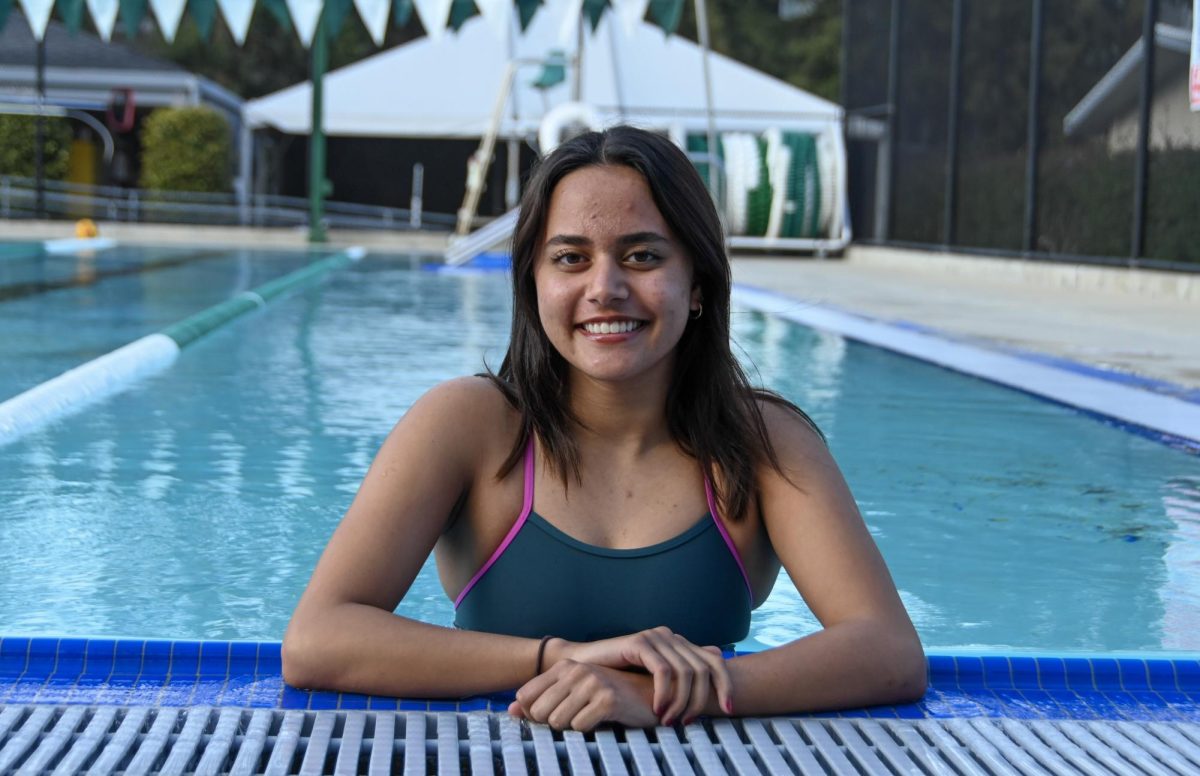
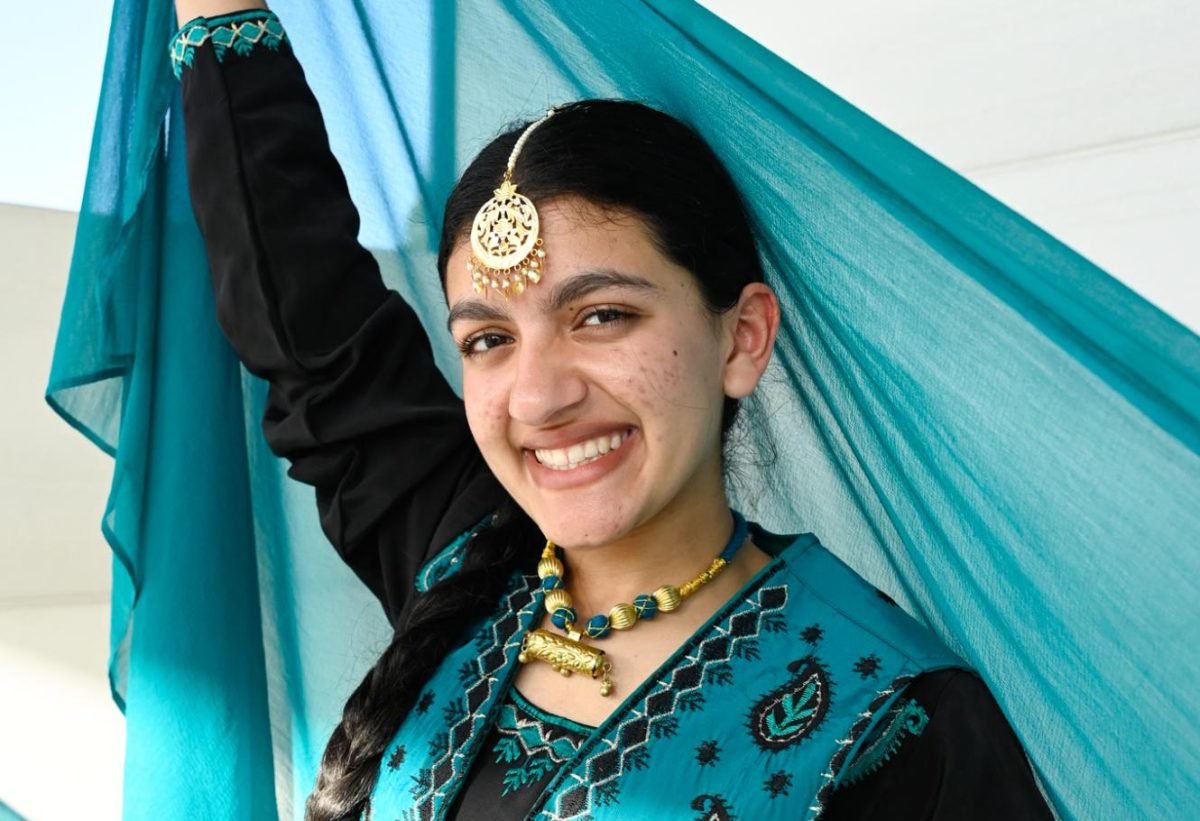
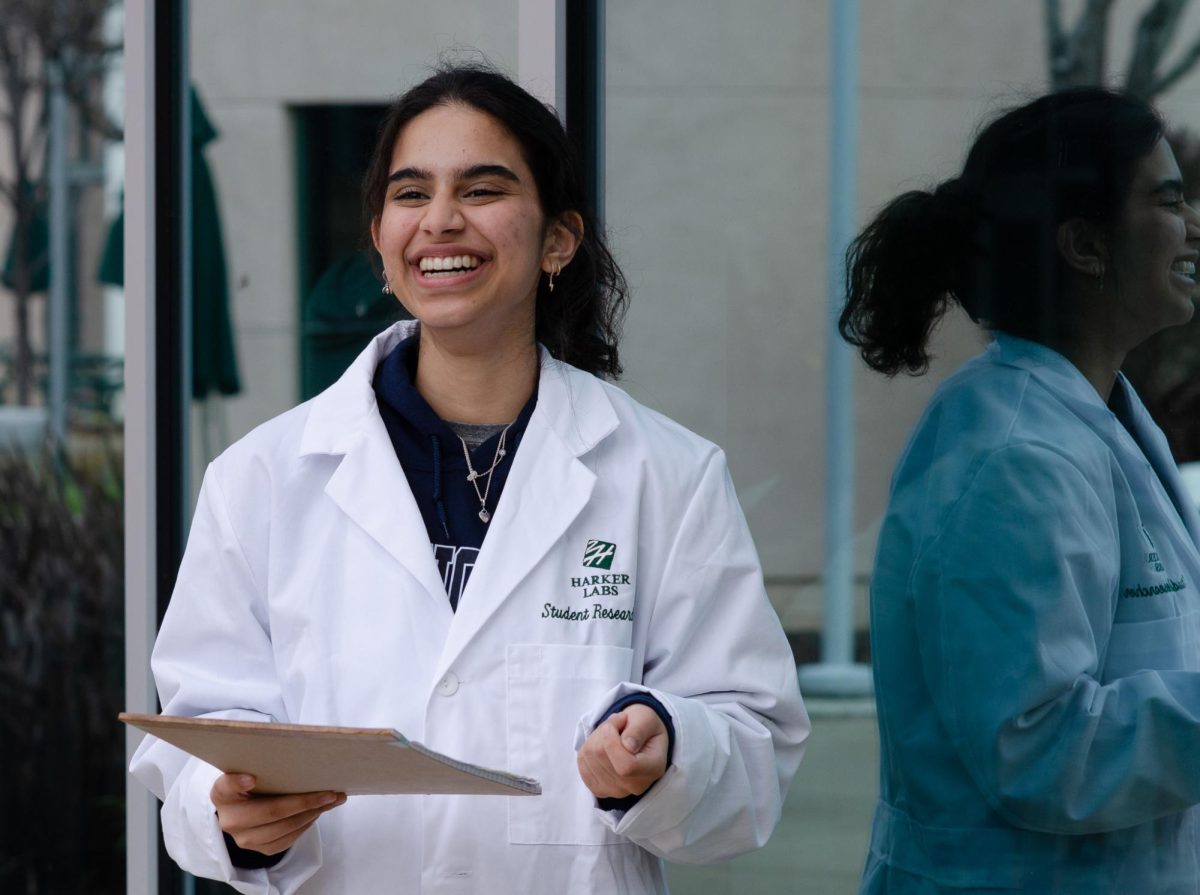
![“I wasn't discouraged by some of the obstacles we faced. I learned a lot from the leadership. I found that different people need different ways of receiving feedback — you can't [just] tell them to do something and expect the best. [Some] people needed more incentive. A large part of my role was to figure out what worked for everyone and to figure out how to lead all these separate individuals as a team,” Suhana Bhandare (’26) said.](https://harkeraquila.com/wp-content/uploads/2026/06/SuhanaBhandare_JasmineHansra-1-1200x798.jpg)
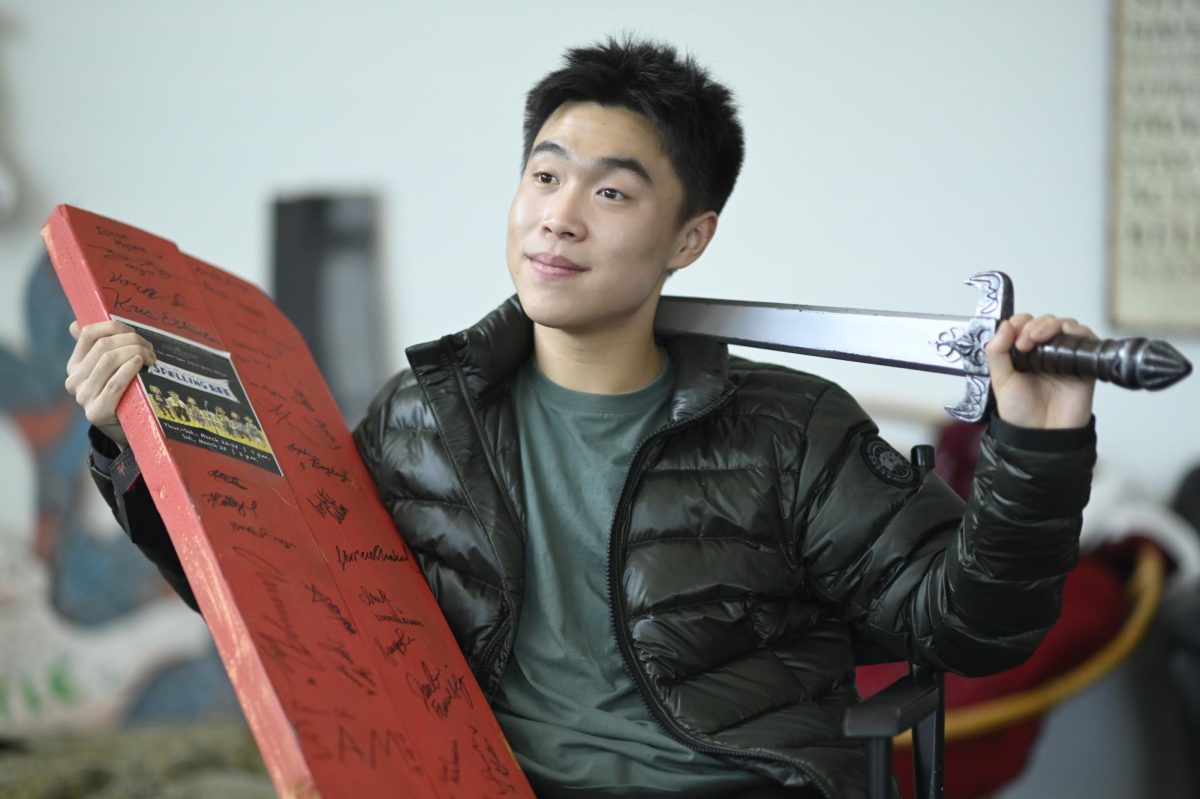
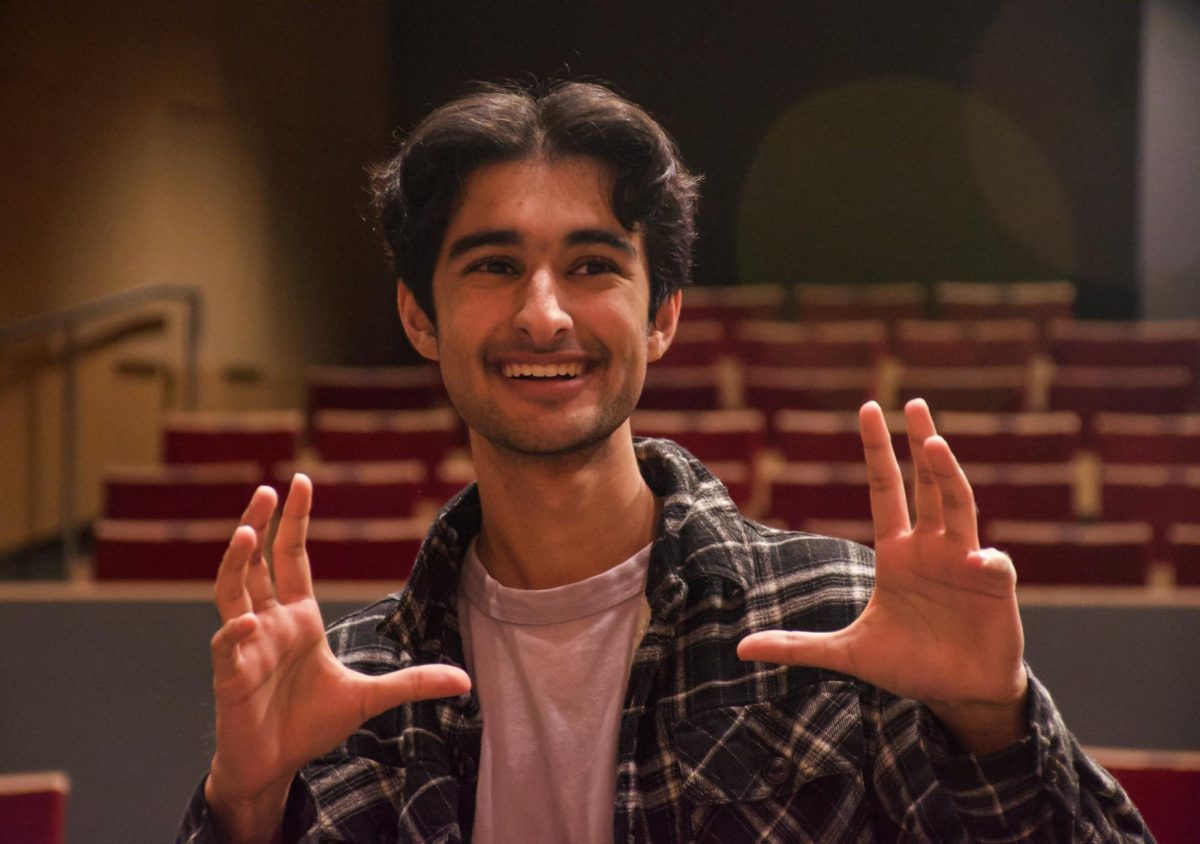
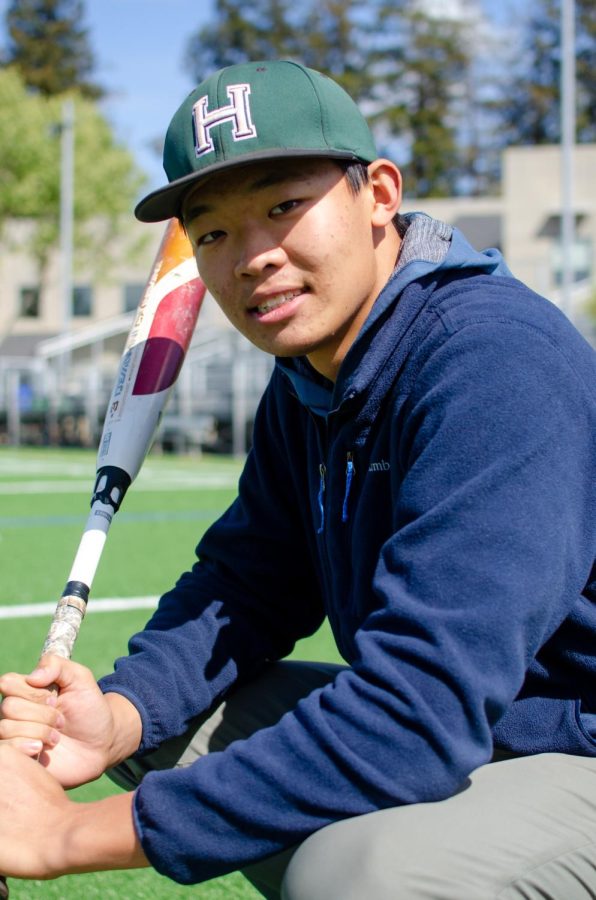
![“This is actually from Randy Pausch Randy P. Brick: ‘Walls are there for a reason. You have to show how much you want to overcome them.’ You have to show how much you want something. That's what I've always been able to do with tennis, Link Crew and getting that internship [with Kushy Baby]. It’s important pushing through that — getting around that brick wall, climbing over it or clawing through it,” Yash Sachdeva (’26) said.](https://harkeraquila.com/wp-content/uploads/2026/05/YashSachdeva_RamBatchu-copy-1200x1002.jpg)
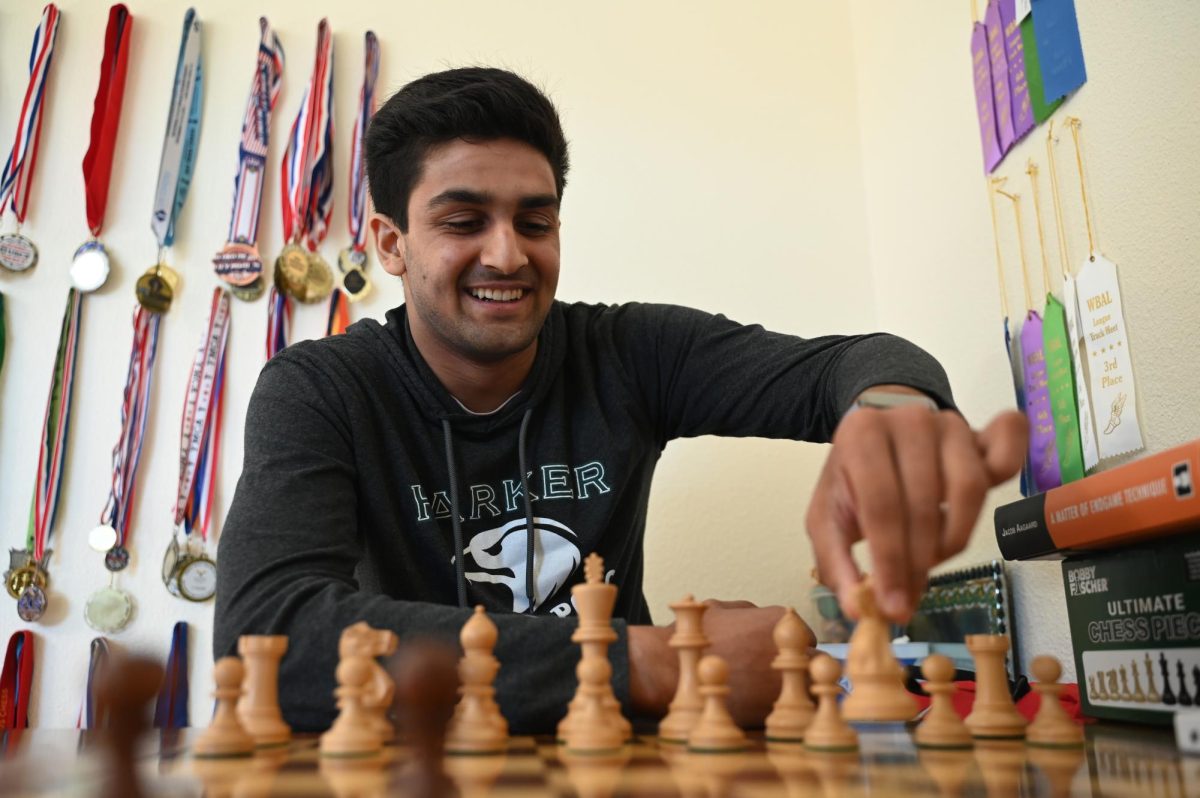
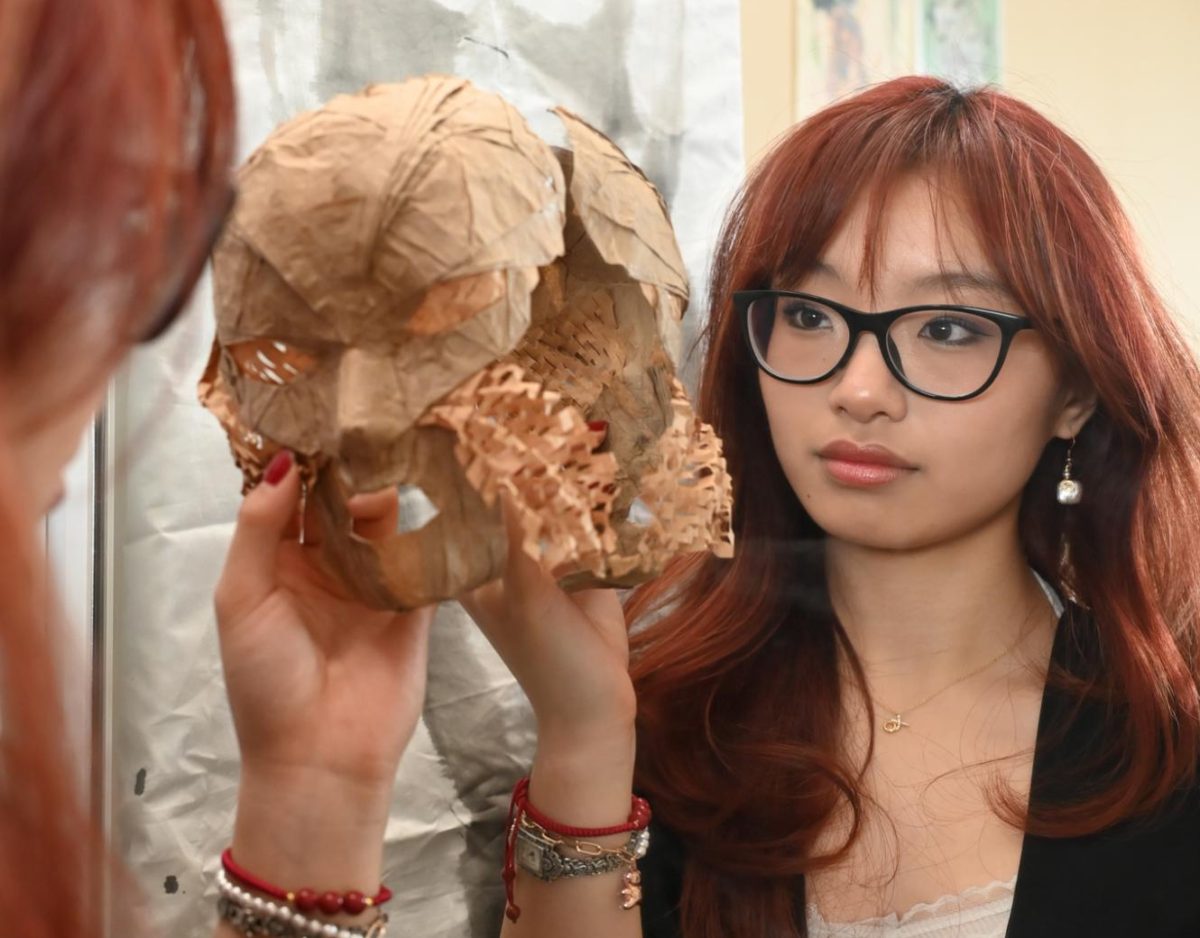
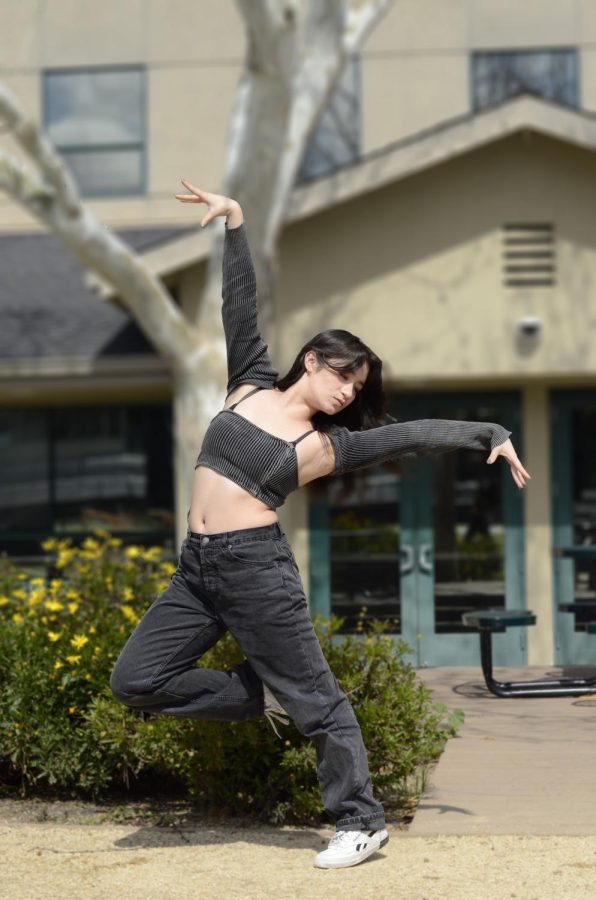
![“[Building nerf blasters] became this outlet of creativity for me that hasn't been matched by anything else. The process [of] making a build complete to your desire is such a painstakingly difficult process, but I've had to learn from [the skills needed from] soldering to proper painting. There's so many different options for everything, if you think about it, it exists. The best part is [that] if it doesn't exist, you can build it yourself," Ishaan Parate said.](https://harkeraquila.com/wp-content/uploads/2022/08/DSC_8149-900x604.jpg)
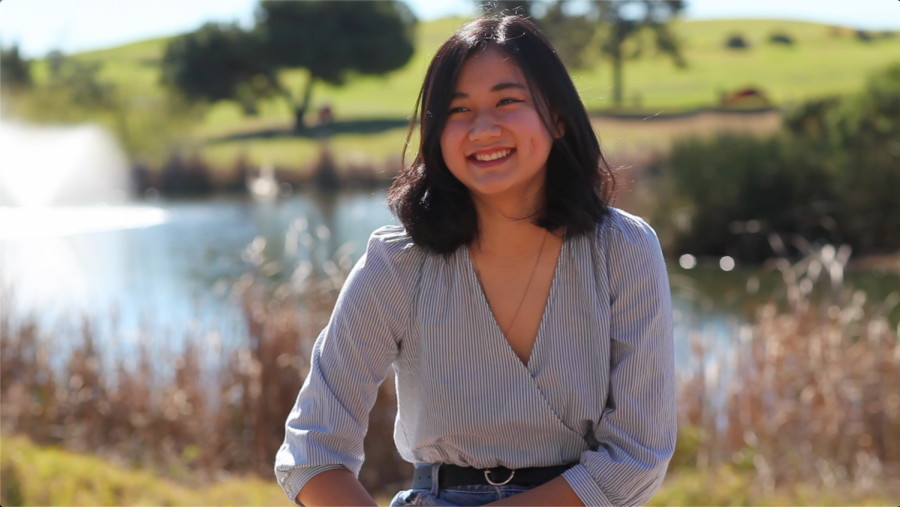
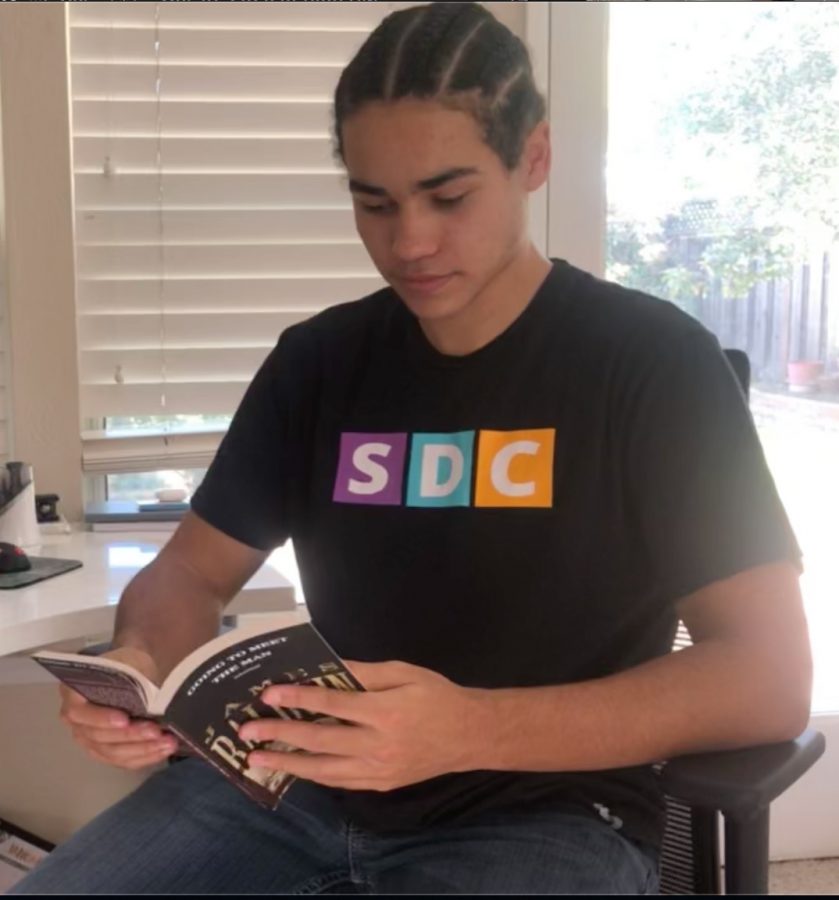
![“When I came into high school, I was ready to be a follower. But DECA was a game changer for me. It helped me overcome my fear of public speaking, and it's played such a major role in who I've become today. To be able to successfully lead a chapter of 150 students, an officer team and be one of the upperclassmen I once really admired is something I'm [really] proud of,” Anvitha Tummala ('21) said.](https://harkeraquila.com/wp-content/uploads/2021/07/Screen-Shot-2021-07-25-at-9.50.05-AM-900x594.png)
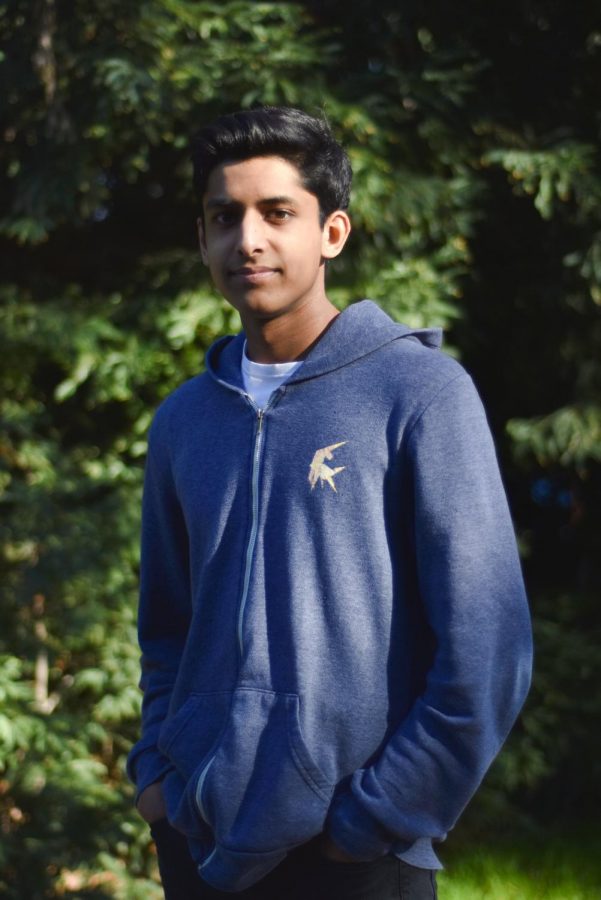
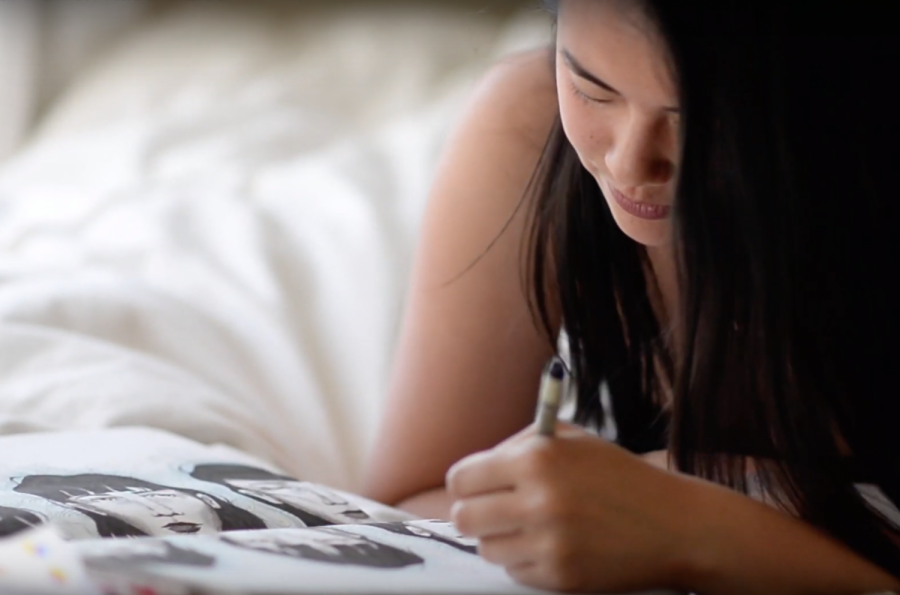
![“I think getting up in the morning and having a sense of purpose [is exciting]. I think without a certain amount of drive, life is kind of obsolete and mundane, and I think having that every single day is what makes each day unique and kind of makes life exciting,” Neymika Jain (12) said.](https://harkeraquila.com/wp-content/uploads/2017/06/Screen-Shot-2017-06-03-at-4.54.16-PM.png)
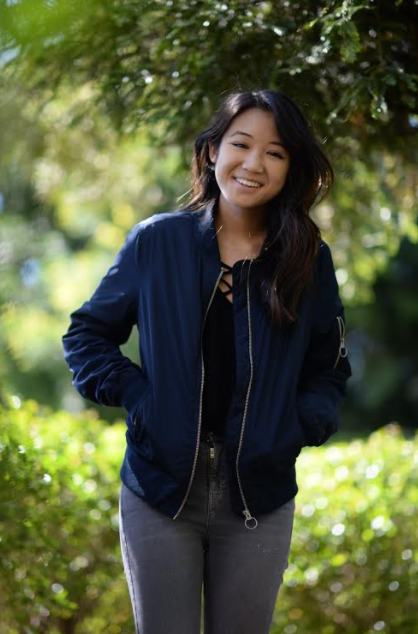
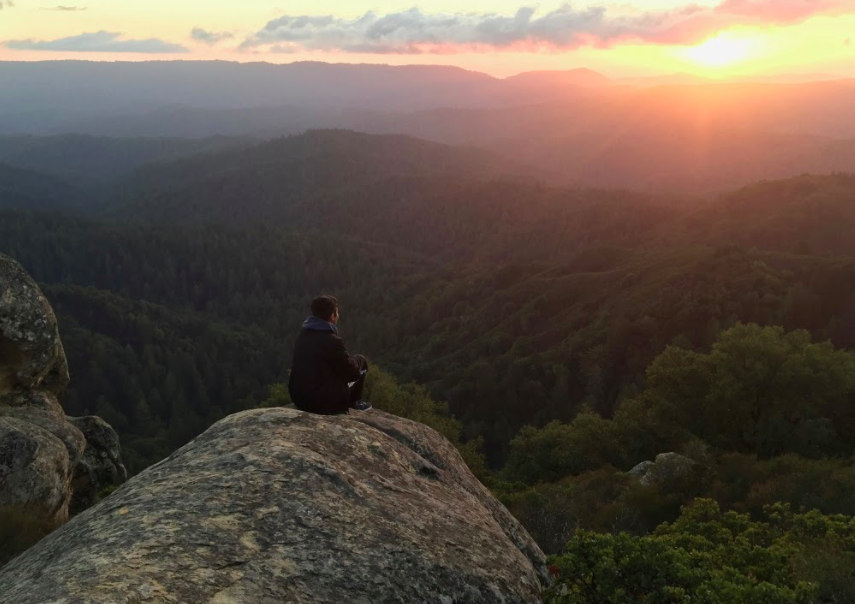
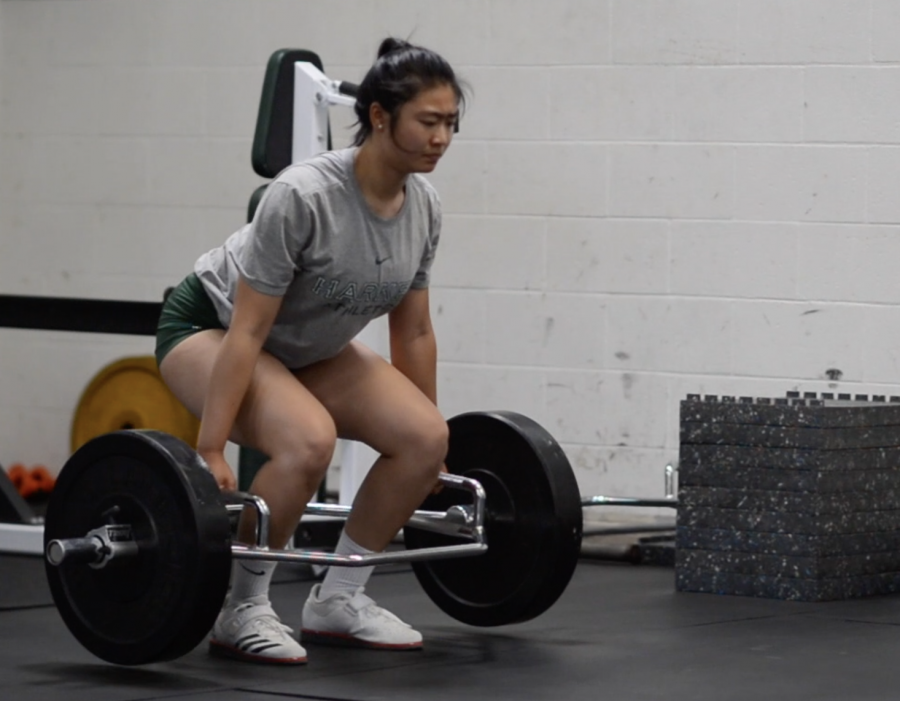
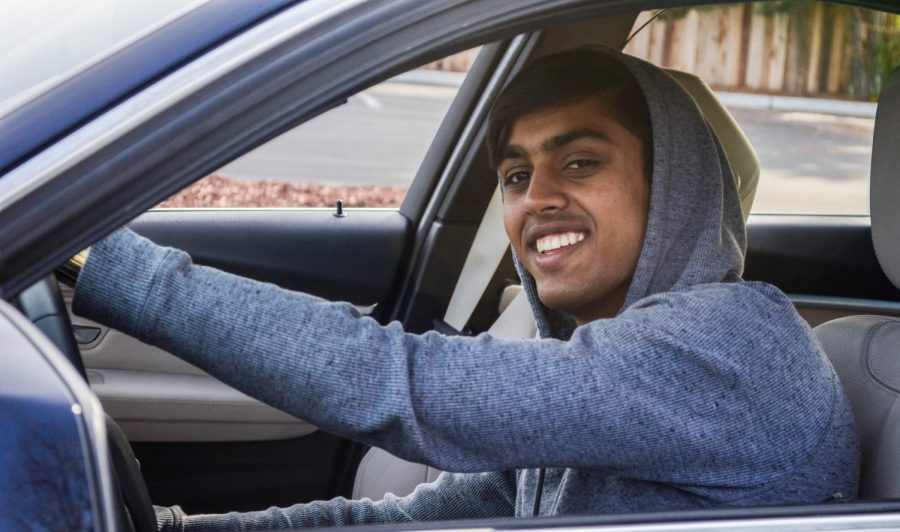
![“My slogan is ‘slow feet, don’t eat, and I’m hungry.’ You need to run fast to get where you are–you aren't going to get those championships if you aren't fast,” Angel Cervantes (12) said. “I want to do well in school on my tests and in track and win championships for my team. I live by that, [and] I can do that anywhere: in the classroom or on the field.”](https://harkeraquila.com/wp-content/uploads/2018/06/DSC5146-900x601.jpg)
![“[Volleyball has] taught me how to fall correctly, and another thing it taught is that you don’t have to be the best at something to be good at it. If you just hit the ball in a smart way, then it still scores points and you’re good at it. You could be a background player and still make a much bigger impact on the team than you would think,” Anya Gert (’20) said.](https://harkeraquila.com/wp-content/uploads/2020/06/AnnaGert_JinTuan_HoHPhotoEdited-600x900.jpeg)
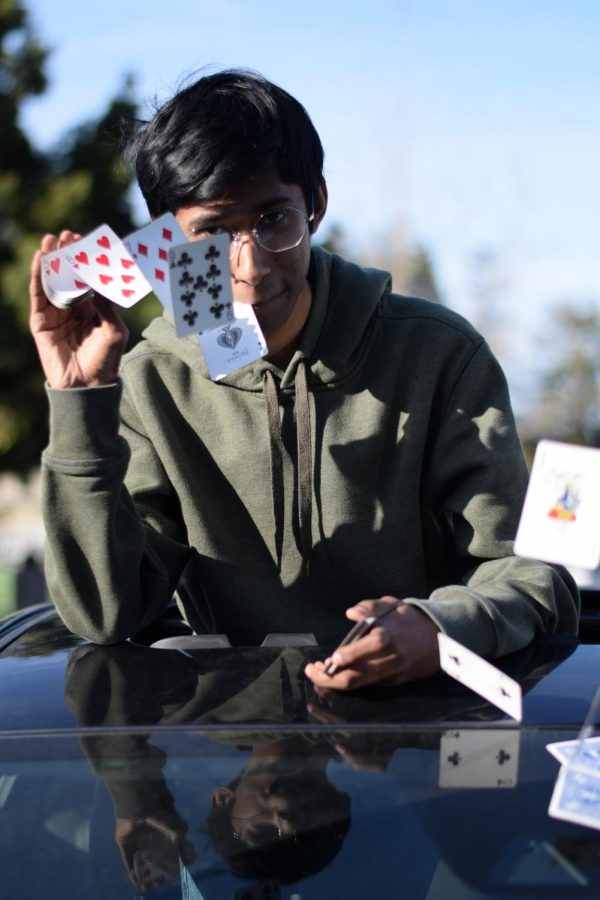
![“I'm not nearly there yet, but [my confidence has] definitely been getting better since I was pretty shy and timid coming into Harker my freshman year. I know that there's a lot of people that are really confident in what they do, and I really admire them. Everyone's so driven and that has really pushed me to kind of try to find my own place in high school and be more confident,” Alyssa Huang (’20) said.](https://harkeraquila.com/wp-content/uploads/2020/06/AlyssaHuang_EmilyChen_HoHPhoto-900x749.jpeg)
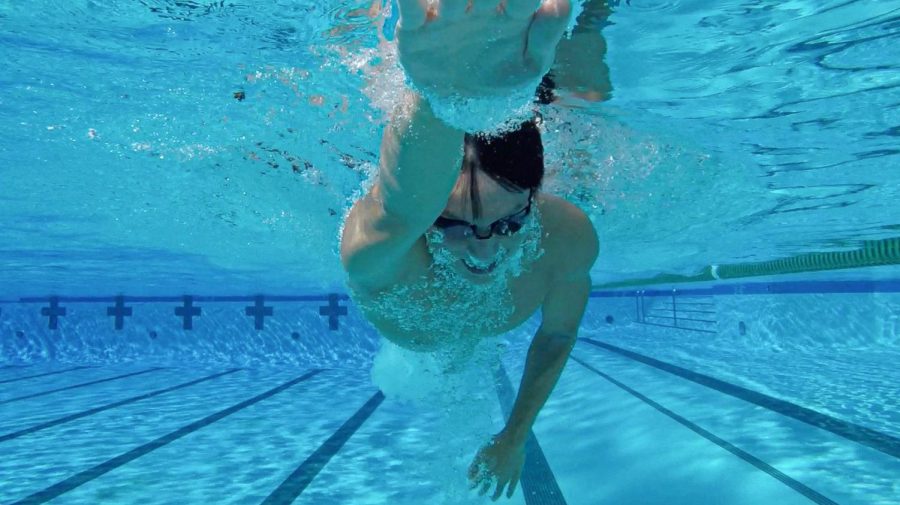

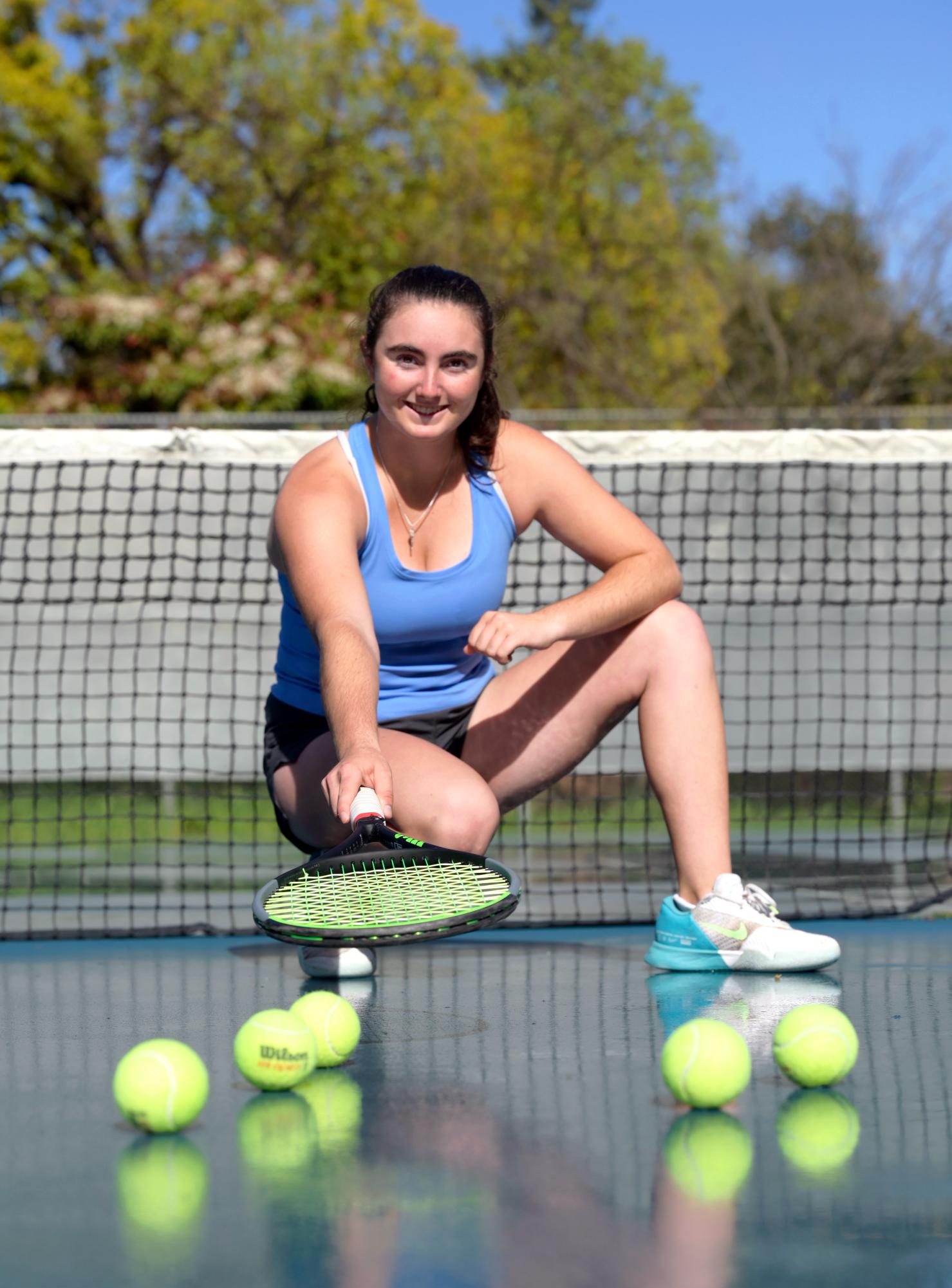
Tensions rise within the audience on the field’s bleachers when the tennis match’s score comes close. The audience members keep on cheering, seeing how members of the team start to give up and lose hope. All of sudden, Rachel Hernandez (12) runs onto the court and swipes the ball over the net with her racket so intensely, preventing the other team from gaining the point and allowing her team to dominate the tournament.
Rachel entered the world of tennis along with her twin sister at a young age and began competing in tournaments. Following in her parents’ footsteps, Rachel started playing tennis with her twin sister at a young age. With the guidance of her parents and coaches, she soon began competing herself.
“My parents and my coaches contributed to my success, and I wouldn’t be where I am today without them because they’ve always inspired me and pushed me to be my best on and off,” Rachel said. “They’ve provided me with great opportunities.”
Rachel initially started tennis unsure of how she felt toward the sport and then found her passion for the activity after first trying it out. She started off playing casually at around the age of 3 and then eventually made her way matches at around the age of eight. While Rachel enjoys tennis because of the opportunities it provides her to compete and improve her skills, tennis has also taught her crucial skills as well as expanded her relationships with peers.
“Tennis has taught me the importance of resilience and dedication,” Rachel said. “I’ve also created lifelong friendships, which is really important. The people you meet through tennis, even if they live across the country or even in other countries — it’s a great bond that you have with them.”
While Rachel enjoys playing tennis, she also believes that when faced with challenges, such as recovering from injuries, one of the most crucial skills is being able to not let those obstacles get in the way through perseverance and pushing through these challenges in times of difficulty. Rachel believes that possessing these skills contribute to a successful tennis player, even more than winning games.
“You always face challenges during matches, whether it’s not playing well that day or dealing with an injury,” Rachel said. “But the important thing is pushing through and doing the best you possibly can that day, and being mentally tough instead of just giving up and saying you’ll try again a different day. It’s like working through whatever issue you’re going through on the court. Like winning ugly because that’s what defines a truly good tennis player from just a regular tennis player.”
Going further into the importance of perseverance, Rachel also notices the positive effects of having persistence. Even through her challenges, she always gives her full attention and energy to accomplish her goals.
“Hard work pays off,” Rachel said. “Really being dedicated to something is important, and it teaches you that if you decide to do something, you have to do it 100%. You have to try to do your best every day, and it’ll add up over time.”
Twin sister Sophie Hernandez also views Rachel as a resilient person, which can be seen through their tennis journey together. They would often play together and persevere through challenges as a team, which allowed them to achieve great strides in tennis.
“We would play singles, replays, doubles,” Sophie said. “We don’t play doubles together anymore, but we used to play doubles together when we were around 10, 11, 12 years old. We won this big, so that was cool to share that moment together and to see our hard work pay off.”
This year, Rachel committed to Emory College to play tennis. Teammate Anika Akkiraju (10) recalls the moment when Rachel received the news and Rachel’s dedication to tennis. She also noted the pride she felt in the moment when Rachel received the news.
“When she told me, she had committed to play tennis at a college she really wanted to go to,” Anika said. “I was really, really happy for her, and I was proud of her. It was really, a good moment.”
Close friend Kailana Eaker-Natsuoka met Rachel at around the age of 11 at a tennis academy. As time went on, they started getting to know each other better through practicing and competing together at several tournaments and eventually made a connection as friends soon after. Kailana recalls a moment when Rachel took the initiative to start their friendship, when she had the courage to approach Kailana initially.
“She’s always been extroverted and I was quieter, but she would talk to me,” Kailana said. And she was probably the first one to talk to me rather than me talking to her. She’s always super friendly to everyone.”
Kailana also notes that contrary to having a facet that is very extroverted, Rachel also can be characterized as someone who takes into consideration the thoughts of others and builds on their thoughts or at least remembers to listen to others.
“I’ve gotten to know her better, and she’s very understanding,” Kailana said. “She’ll always listen and understand and she won’t talk over you or try to share her opinion right away. She will share what she thinks, but she’ll definitely let you explain, and she’ll try to understand exactly how you feel or what you think.”