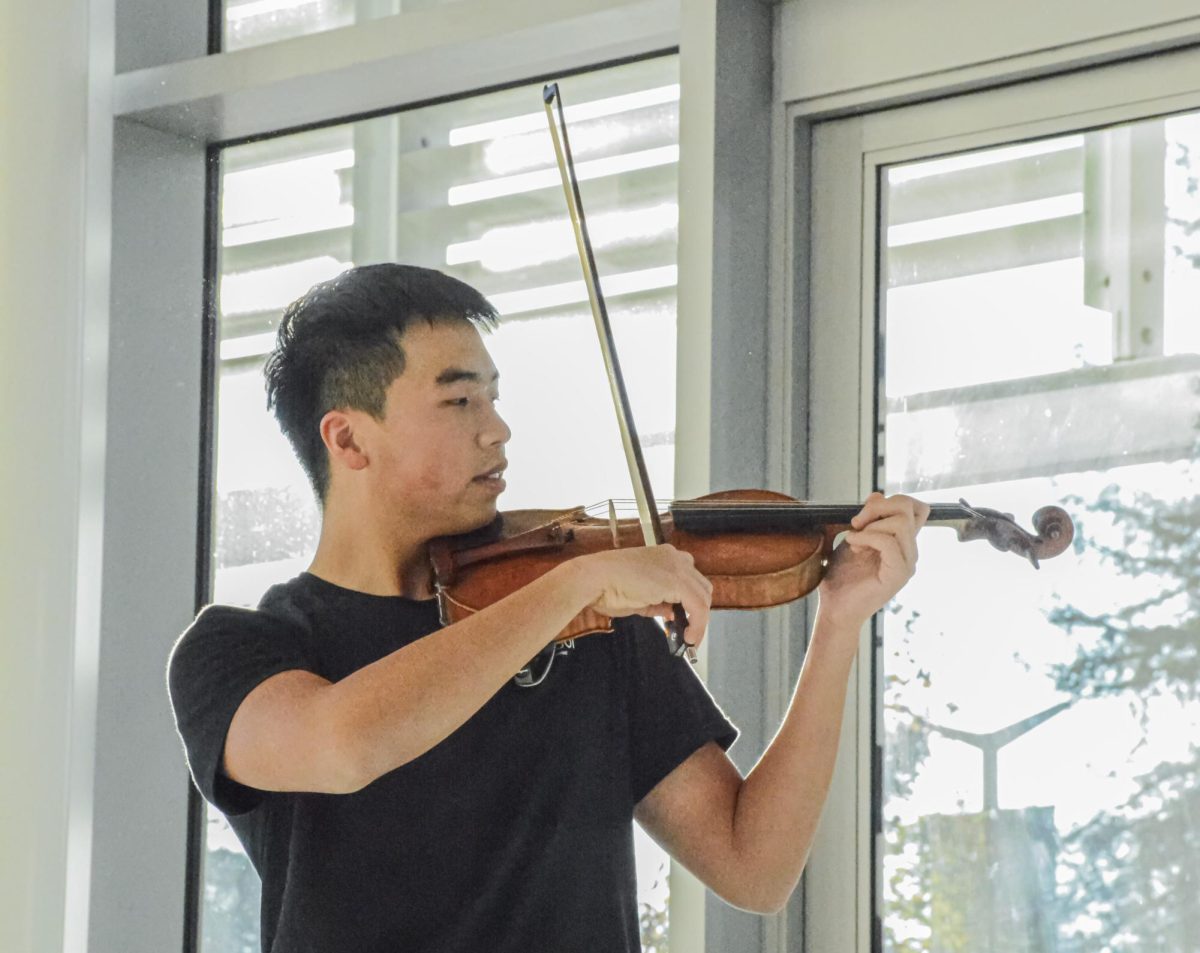
![“I wasn't discouraged by some of the obstacles we faced. I learned a lot from the leadership. I found that different people need different ways of receiving feedback — you can't [just] tell them to do something and expect the best. [Some] people needed more incentive. A large part of my role was to figure out what worked for everyone and to figure out how to lead all these separate individuals as a team,” Suhana Bhandare (’26) said.](https://harkeraquila.com/wp-content/uploads/2026/06/SuhanaBhandare_JasmineHansra-1-1200x798.jpg)
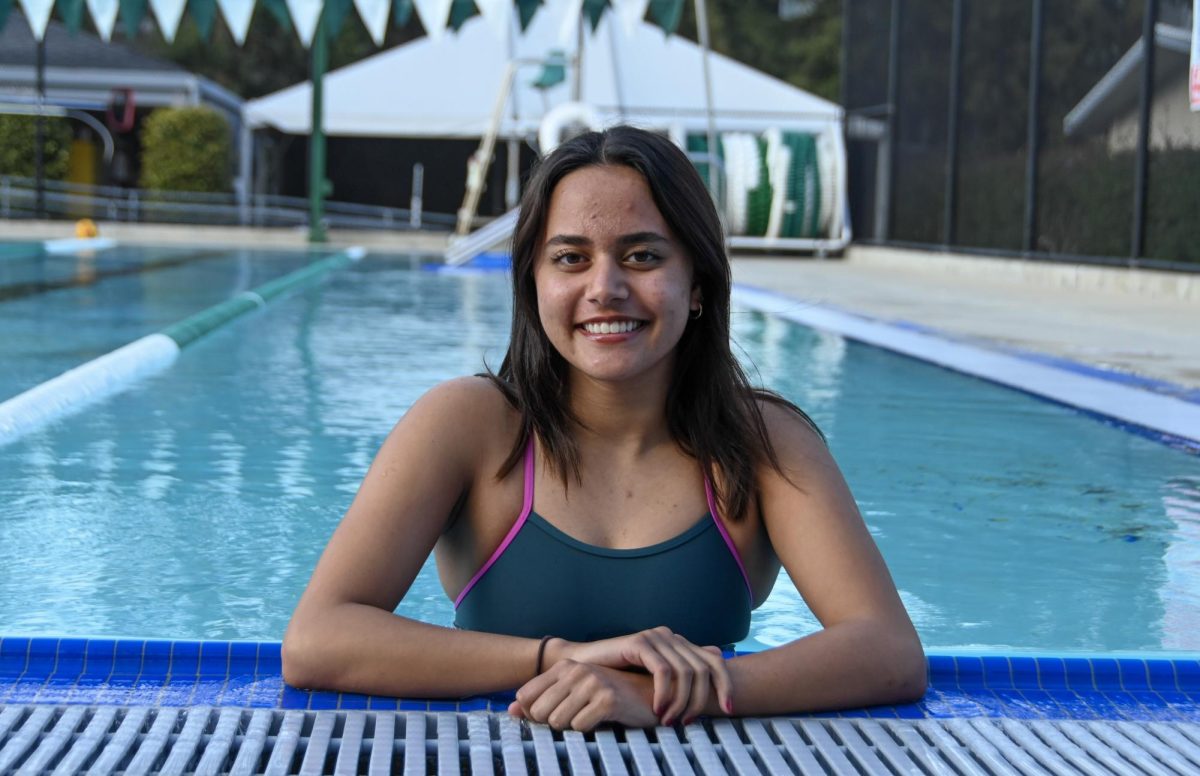
![“This is actually from Randy Pausch Randy P. Brick: ‘Walls are there for a reason. You have to show how much you want to overcome them.’ You have to show how much you want something. That's what I've always been able to do with tennis, Link Crew and getting that internship [with Kushy Baby]. It’s important pushing through that — getting around that brick wall, climbing over it or clawing through it,” Yash Sachdeva (’26) said.](https://harkeraquila.com/wp-content/uploads/2026/05/YashSachdeva_RamBatchu-copy-1200x1002.jpg)
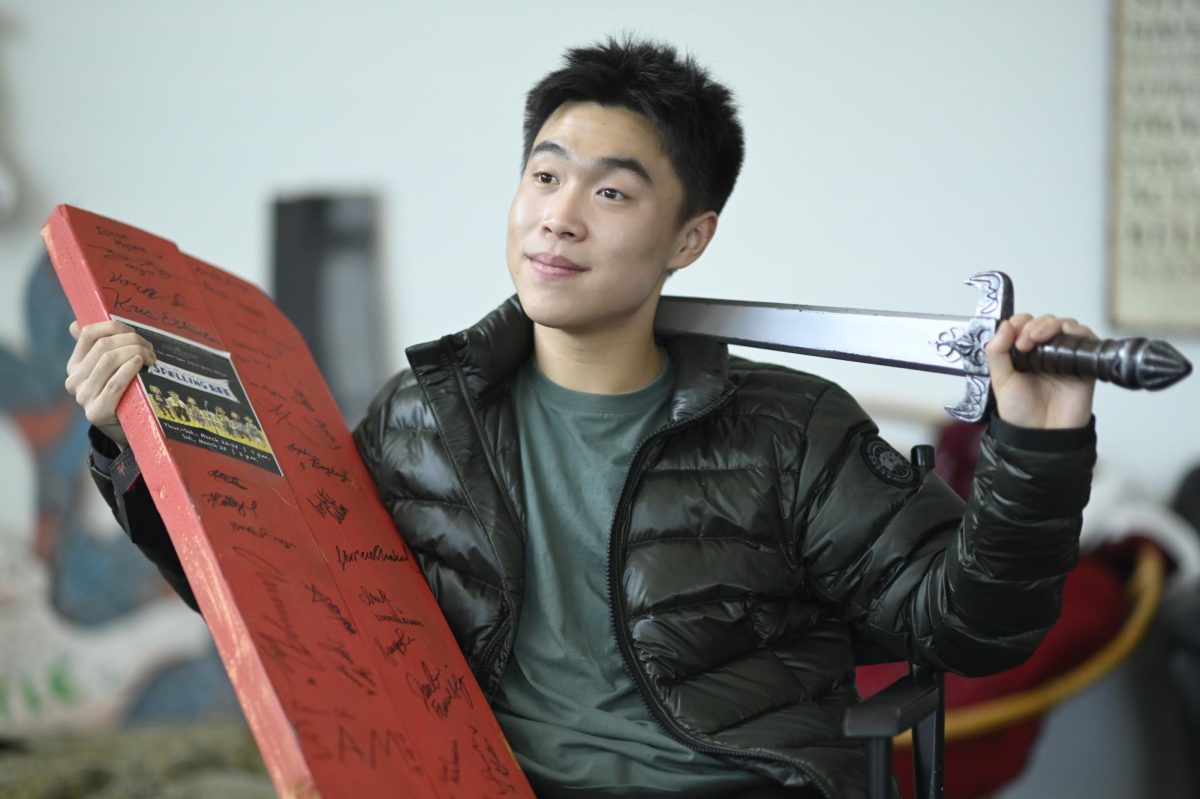
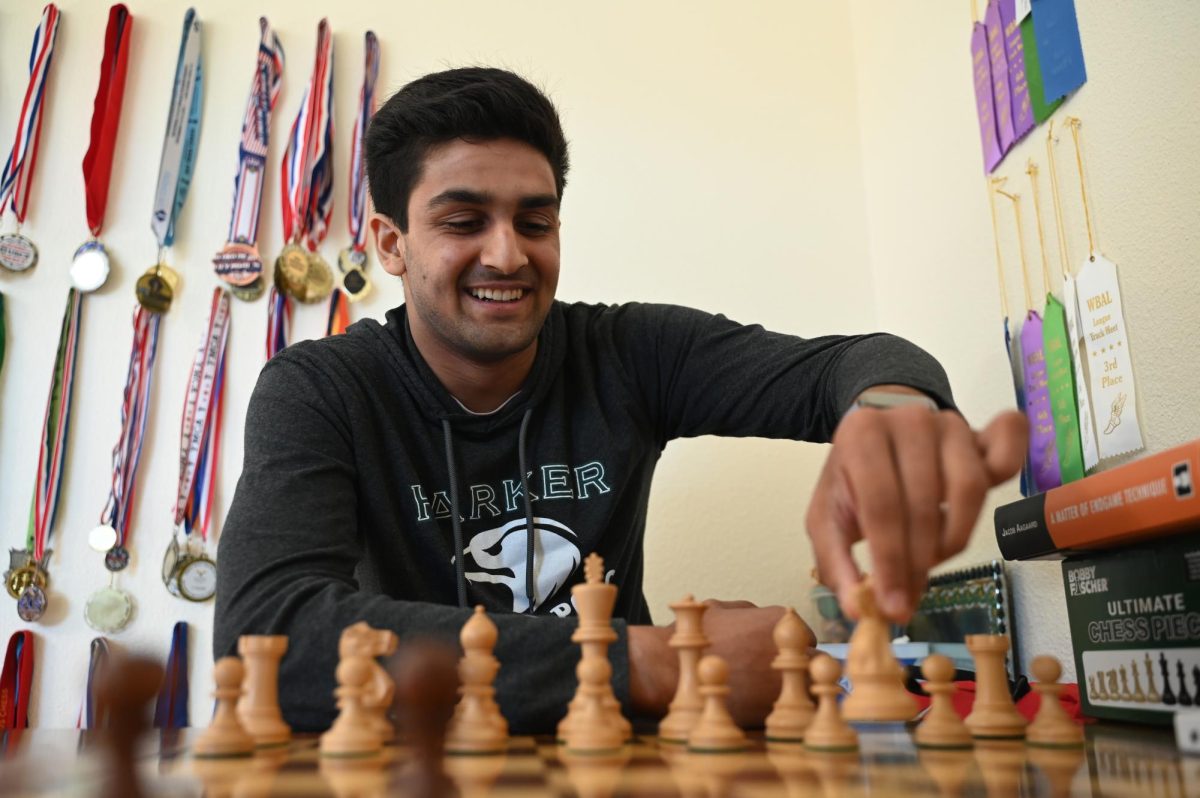

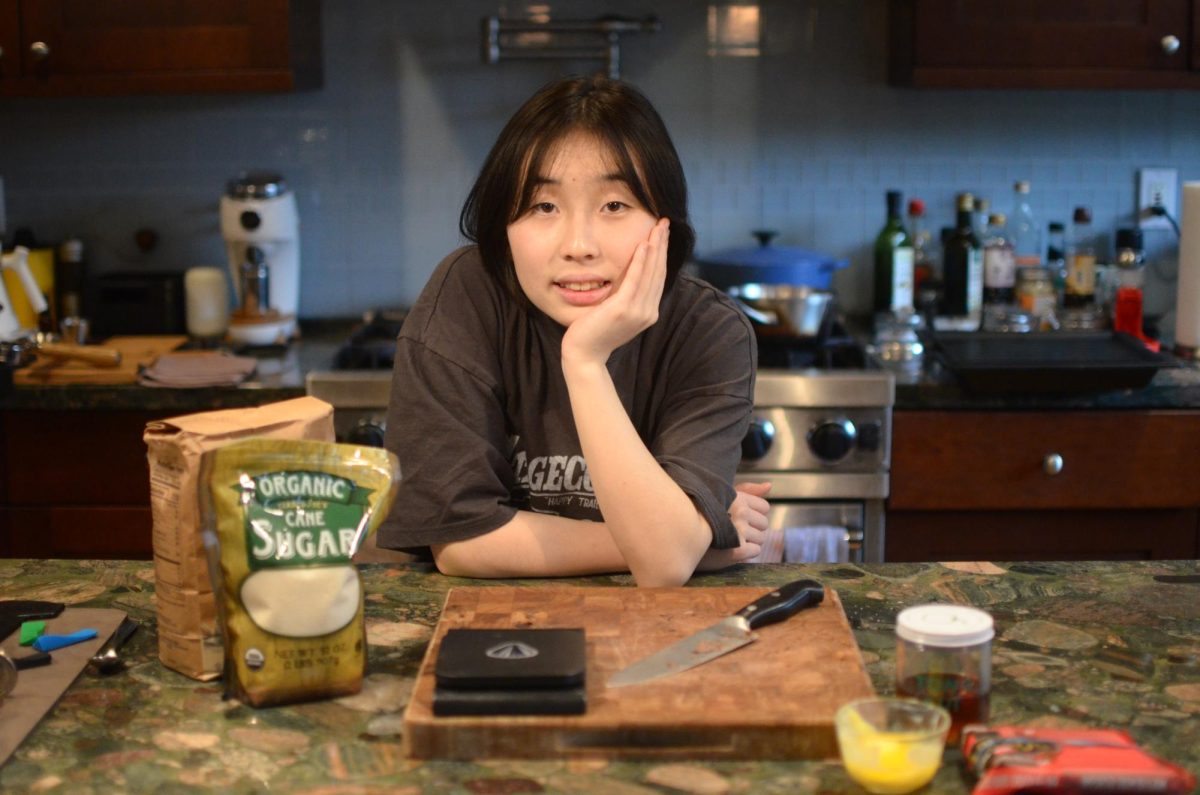


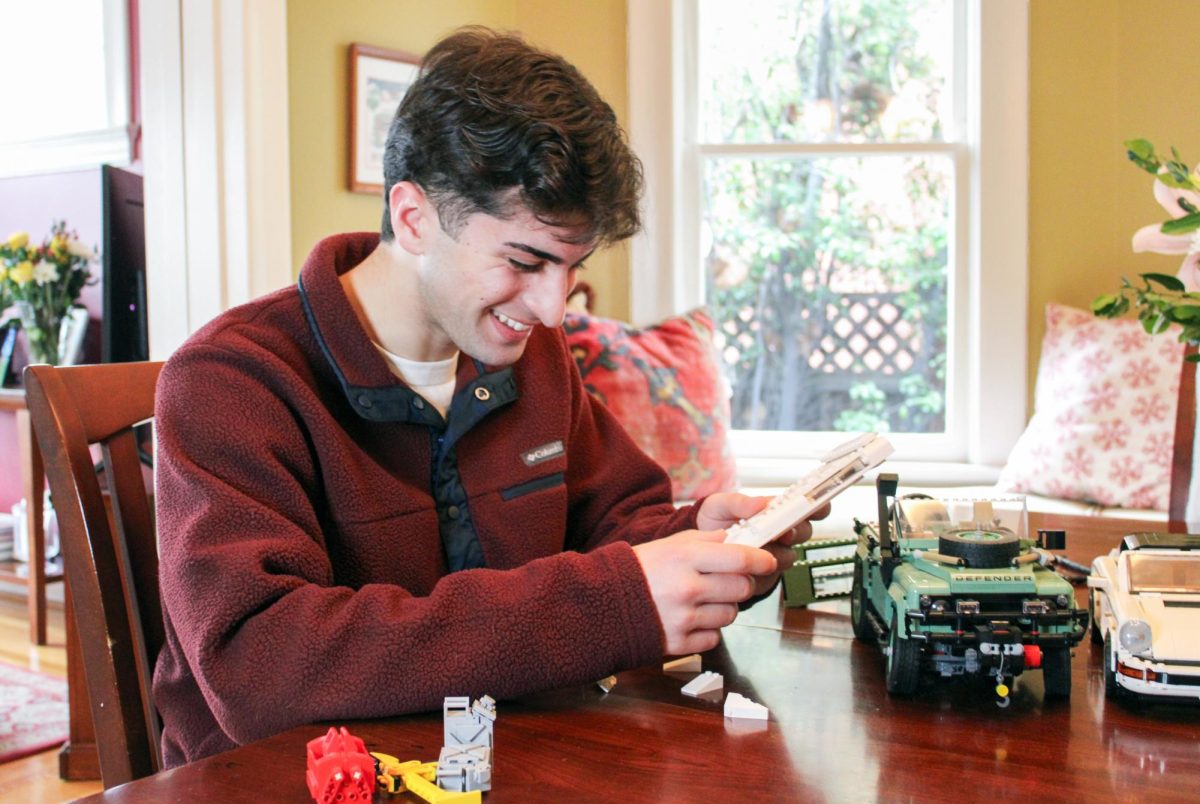

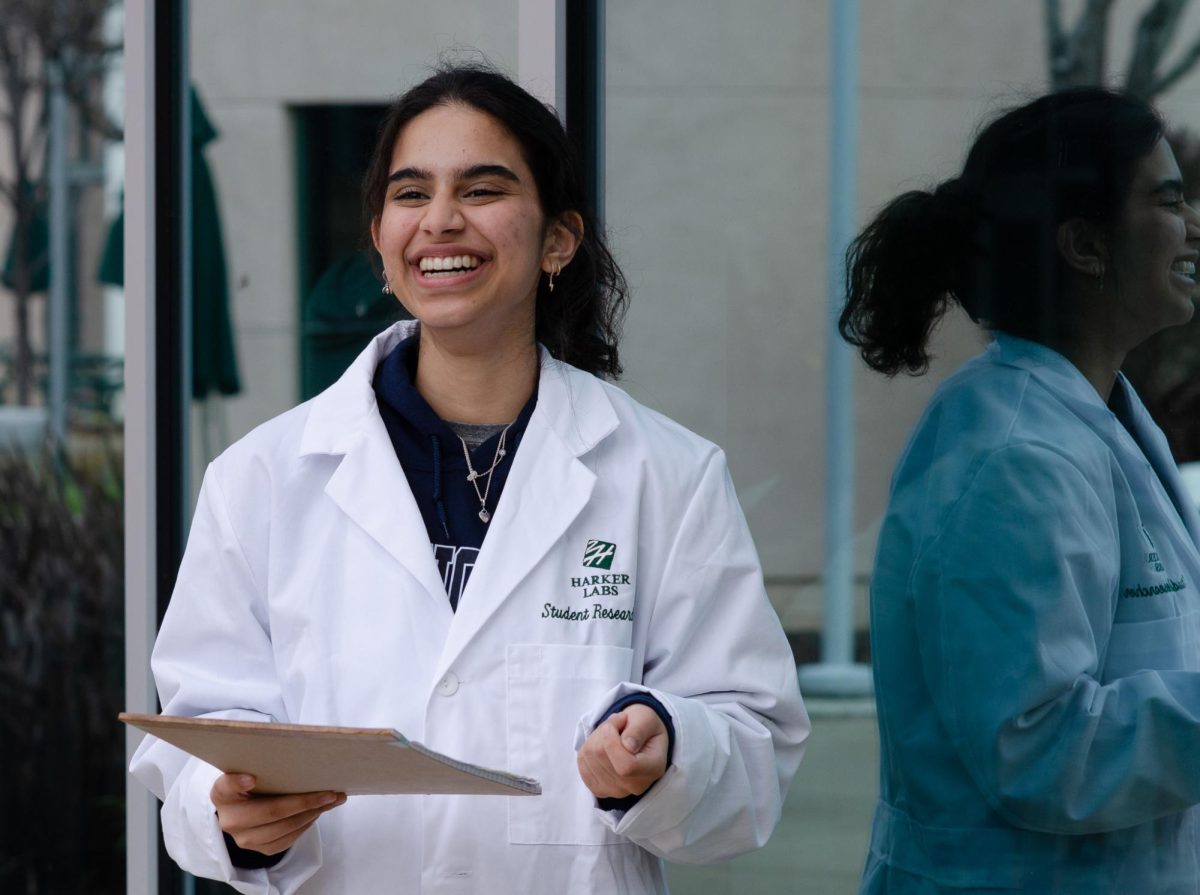
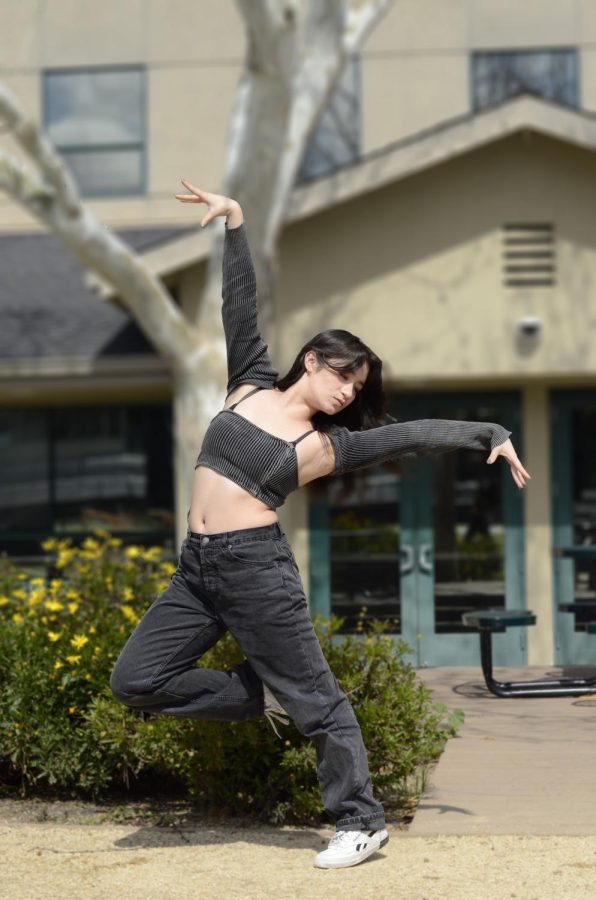

![“[Building nerf blasters] became this outlet of creativity for me that hasn't been matched by anything else. The process [of] making a build complete to your desire is such a painstakingly difficult process, but I've had to learn from [the skills needed from] soldering to proper painting. There's so many different options for everything, if you think about it, it exists. The best part is [that] if it doesn't exist, you can build it yourself," Ishaan Parate said.](https://harkeraquila.com/wp-content/uploads/2022/08/DSC_8149-900x604.jpg)


![“When I came into high school, I was ready to be a follower. But DECA was a game changer for me. It helped me overcome my fear of public speaking, and it's played such a major role in who I've become today. To be able to successfully lead a chapter of 150 students, an officer team and be one of the upperclassmen I once really admired is something I'm [really] proud of,” Anvitha Tummala ('21) said.](https://harkeraquila.com/wp-content/uploads/2021/07/Screen-Shot-2021-07-25-at-9.50.05-AM-900x594.png)


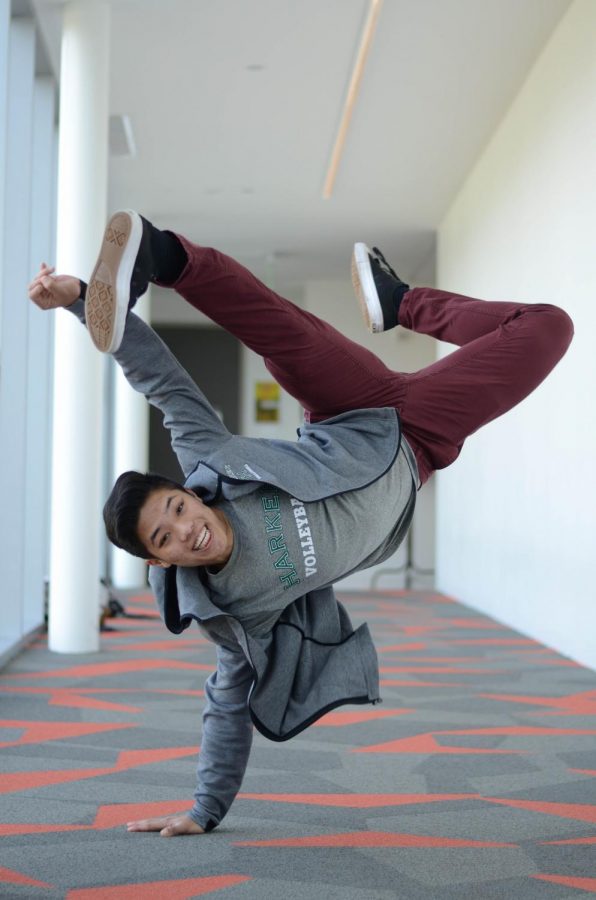


![“I think getting up in the morning and having a sense of purpose [is exciting]. I think without a certain amount of drive, life is kind of obsolete and mundane, and I think having that every single day is what makes each day unique and kind of makes life exciting,” Neymika Jain (12) said.](https://harkeraquila.com/wp-content/uploads/2017/06/Screen-Shot-2017-06-03-at-4.54.16-PM.png)

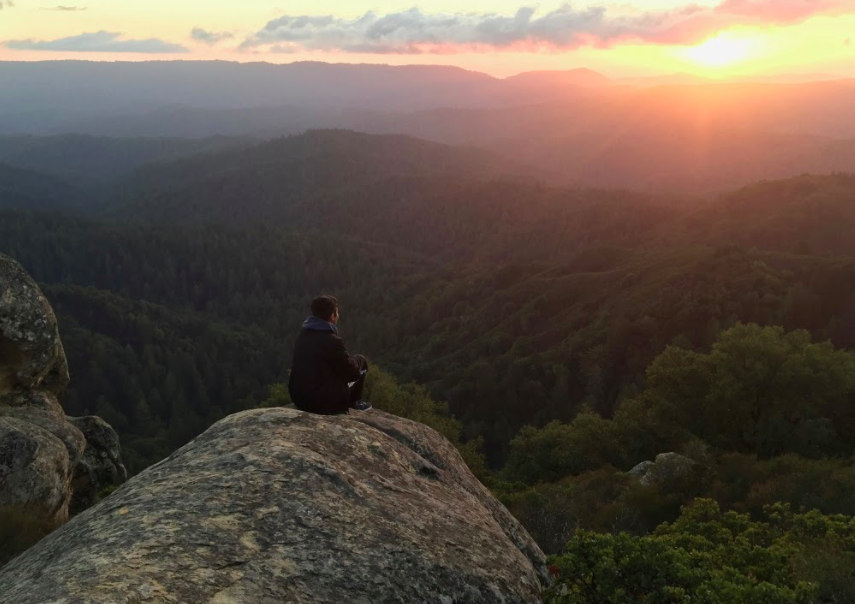
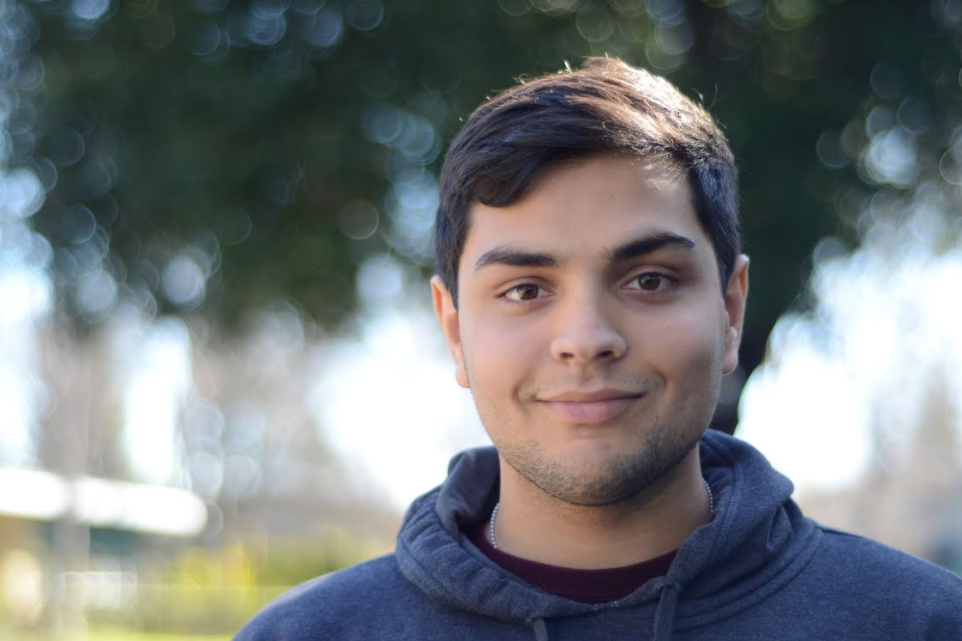
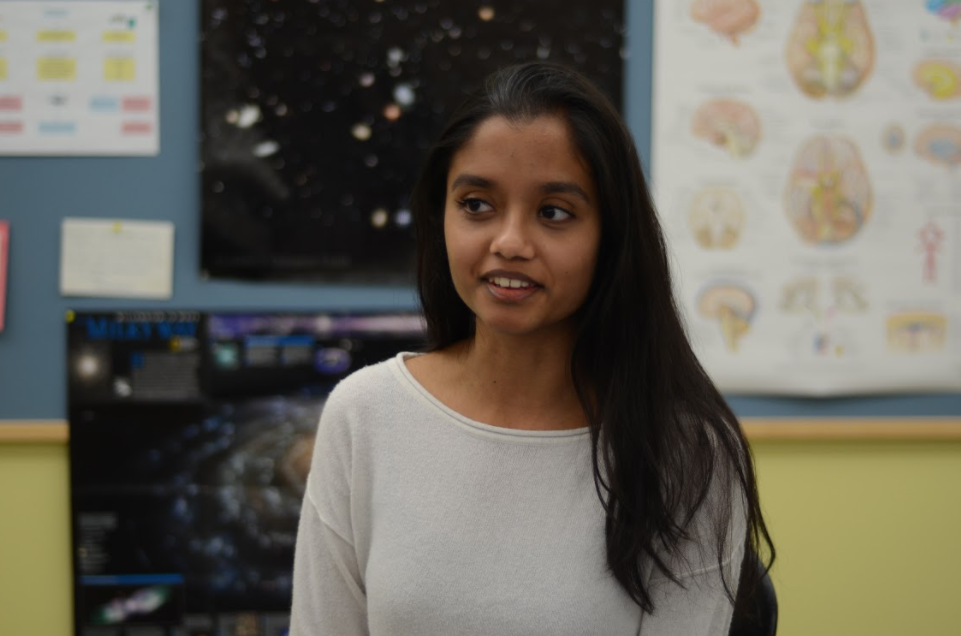
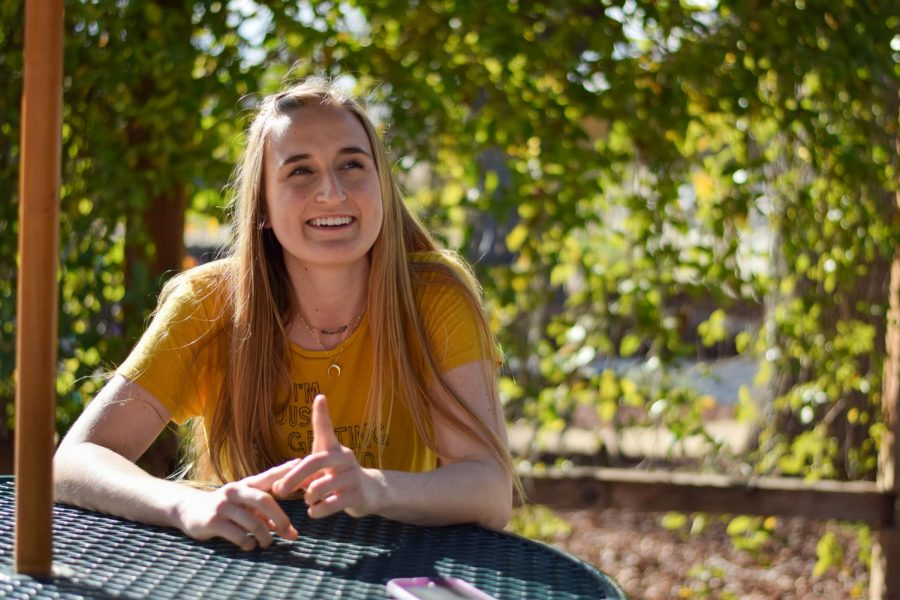
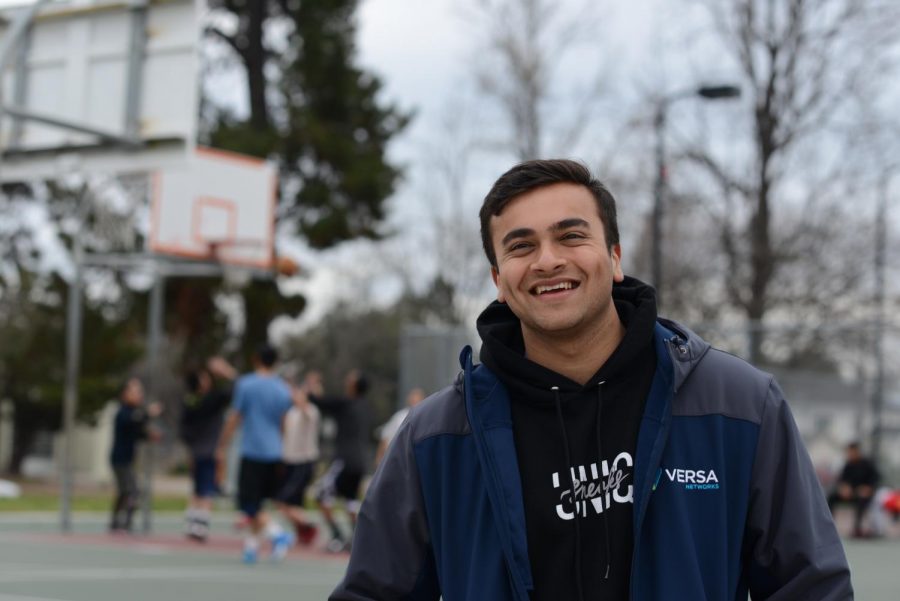
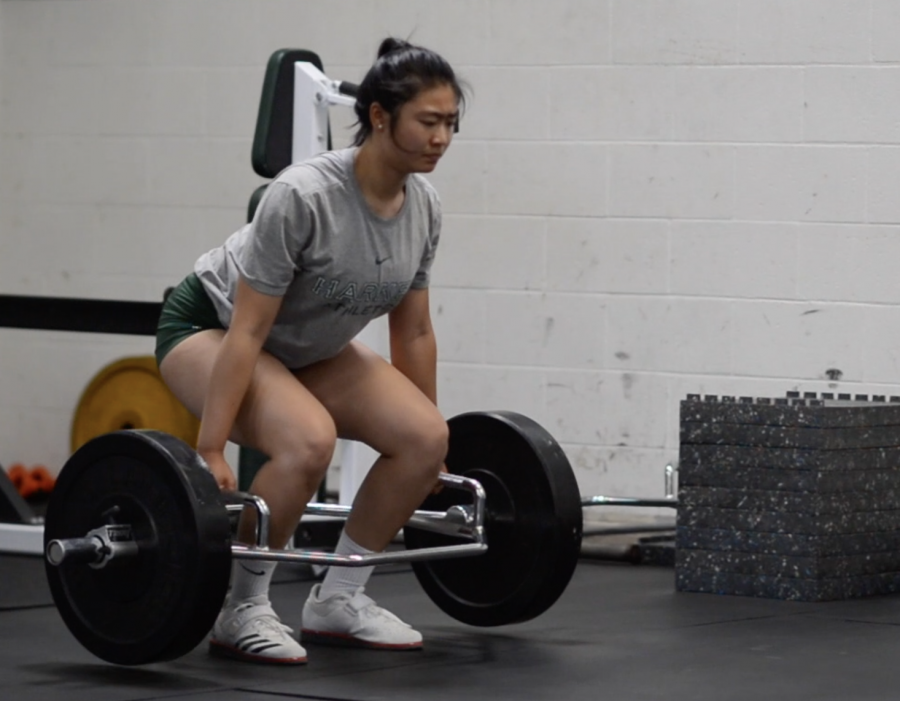

![“My slogan is ‘slow feet, don’t eat, and I’m hungry.’ You need to run fast to get where you are–you aren't going to get those championships if you aren't fast,” Angel Cervantes (12) said. “I want to do well in school on my tests and in track and win championships for my team. I live by that, [and] I can do that anywhere: in the classroom or on the field.”](https://harkeraquila.com/wp-content/uploads/2018/06/DSC5146-900x601.jpg)
![“[Volleyball has] taught me how to fall correctly, and another thing it taught is that you don’t have to be the best at something to be good at it. If you just hit the ball in a smart way, then it still scores points and you’re good at it. You could be a background player and still make a much bigger impact on the team than you would think,” Anya Gert (’20) said.](https://harkeraquila.com/wp-content/uploads/2020/06/AnnaGert_JinTuan_HoHPhotoEdited-600x900.jpeg)

![“I'm not nearly there yet, but [my confidence has] definitely been getting better since I was pretty shy and timid coming into Harker my freshman year. I know that there's a lot of people that are really confident in what they do, and I really admire them. Everyone's so driven and that has really pushed me to kind of try to find my own place in high school and be more confident,” Alyssa Huang (’20) said.](https://harkeraquila.com/wp-content/uploads/2020/06/AlyssaHuang_EmilyChen_HoHPhoto-900x749.jpeg)


Hitting the school hard and fast the week of Monday, September 14th, the H1N1 flu and a strain of seasonal flu together had over 118 students out.
Symptoms, which lasted approximately three to ten days, included nausea, wracking coughs, crippling headaches, chills, and fevers.
According to Director of Nursing Debra Nott, on Monday, September 14, only four students were absent with confirmed fevers. The next day, ten were affected, the following day, 50, and on September 17, 54. Records from the school also indicate that on those four days, total absences at the upper school, including those accounted for by Nott, were 31 on September 14, 61 on September 15, 62 on September 16, and 93 on September 17. 118 were out on September 18.
Figures decreased the following week, with 117 absent from illness Monday, 57 Tuesday, 36 Wednesday, and regular attendance by Thursday.
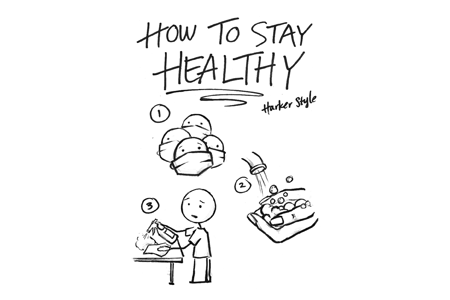
Sky-high numbers of absences spurred hyper-awareness of hygiene throughout the campus. Teachers encouraged students to wash their hands between classes and before meals. Some students even carried napkins in their pockets to use when opening doors. Classes disinfected and wiped desks each period. Pocket-sized hand sanitizers became a common sight.
“I’ve become a germophobe. No joke,” Margaret Krackeler (10) said.
Students who came to school despite being sick concerned their peers. “I was worried because during my free period, I was with three people… one of them was coughing and two of them were really tired. The three were out for the rest of the week,” Richard Chiou (11) said.
On the other hand, those who had already contracted H1N1 were unfazed. “I got sick in the summer from camp, so I felt kind of protected already,” Warren Kwong (11) said.
“It doesn’t matter anymore. I’ve already had it,” Ashima Agrawal (10) said, after four days of illness.
There were also a few who never acquired the illness but were entirely indifferent. “I don’t care,” Indraneel Salukhe (10) said. “Not one bit.”
The high absence rate disrupted classes. With so many students missing, many teachers were unwilling to give lessons.
“I didn’t teach. I didn’t have enough [students] to teach,” chemistry teacher Dr. Smriti Koodanjeri said. She was not too concerned about catching up but admitted that if this year’s winter seasonal flu hits as hard as last year’s did, completing the required curriculum before May would be a challenge.
Other teachers plunged on with their lessons, taking advantage of smaller class sizes.
“In my class of 11… three or four people were around on Friday,” English teacher Alexandra Mattraw said. “When I have a smaller class… people who tend to be more quiet seem to feel more comfortable to share… I get to have more interaction with them. Unfortunately, we were going through some major units… and huge gaps were left in the heads of those three or four people that were out for days… and once they came back, the other four would be gone.”
Physics teacher Chris Spenner echoed Mattraw’s experience. “In the moment it makes classes easier to teach because there’s more direct interaction, but [teachers] pay for that tenfold in the time that [they] spend getting students caught up afterwards, getting bombarded by emails, getting students who are trying to schedule test make-ups,” he said.
Students who returned after recovering felt the strain of catching up as well. “It’s really hard, because there’s so much that you miss, like the notes, the tests, all the teaching,” Farrah Gulzar (10) said.
For Alex Creasman (12), the first day back after missing several days of school was overwhelming. “I was asleep most of the time I was gone. There wasn’t very much time I was awake worrying about things. I was more worried about not vomiting,” he said, mouth covered with a filter mask.
Even after missing only one day of class, Daniel Cho (11) felt the pressure. “I only missed Friday… but it’s already been hard and hectic. Right now I just came back from making up a test… and tomorrow I have to make up an essay, so I’m really stressing out. I also had to miss the sailing trip that the juniors had,” he said.
To help those who were sick catch up, teachers held extra class sessions and proctored makeup assessments during extra helps, during their lunch periods, and afterschool. They collaborated with the academic counseling department in a flurry to schedule makeup examination times.
However, accommodating over one hundred students, some of whom had skipped three or four exams, was a colossal task that at times became simply impossible to address. Wednesday after the outbreak, the counseling department emailed all teachers asking them to stop sending students to the testing center, which was already full.
Venturing to quell the frenzy, Butch Keller, Upper School Division Head, approved two special schedules for the following Thursday and Monday with special extra help sessions, allowing students who had been ill to catch up on exams and lessons.
History teacher Mai Lien Nguyen noted the benefits of Keller’s decision. “Even though I was able to get a lot of my students to make up tests at a different time, now they’re freed up,” she said. “I know it’s hard when you lose ten minutes of a class… but it helps relieve the students’ stress in a lot of ways… They now have this time to see all these other teachers.”