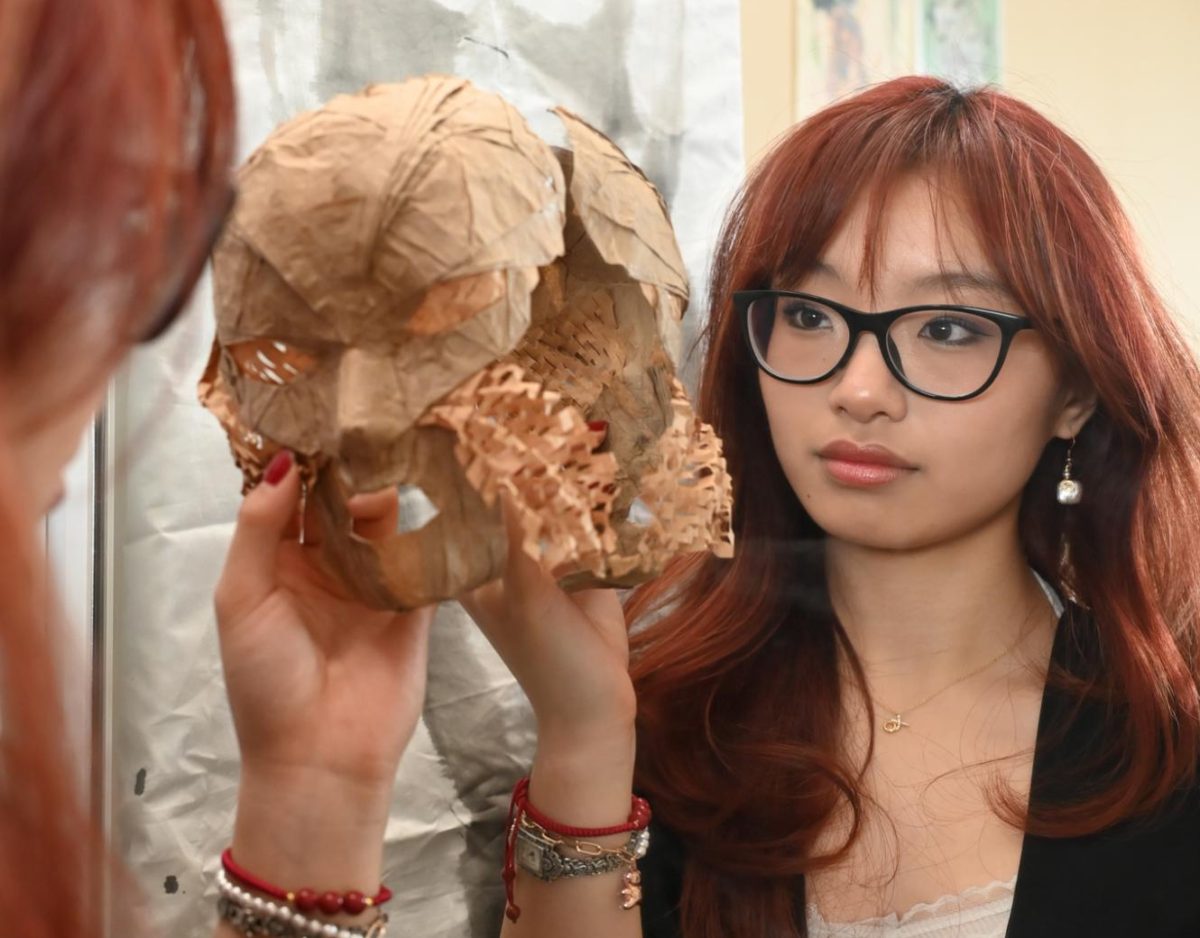
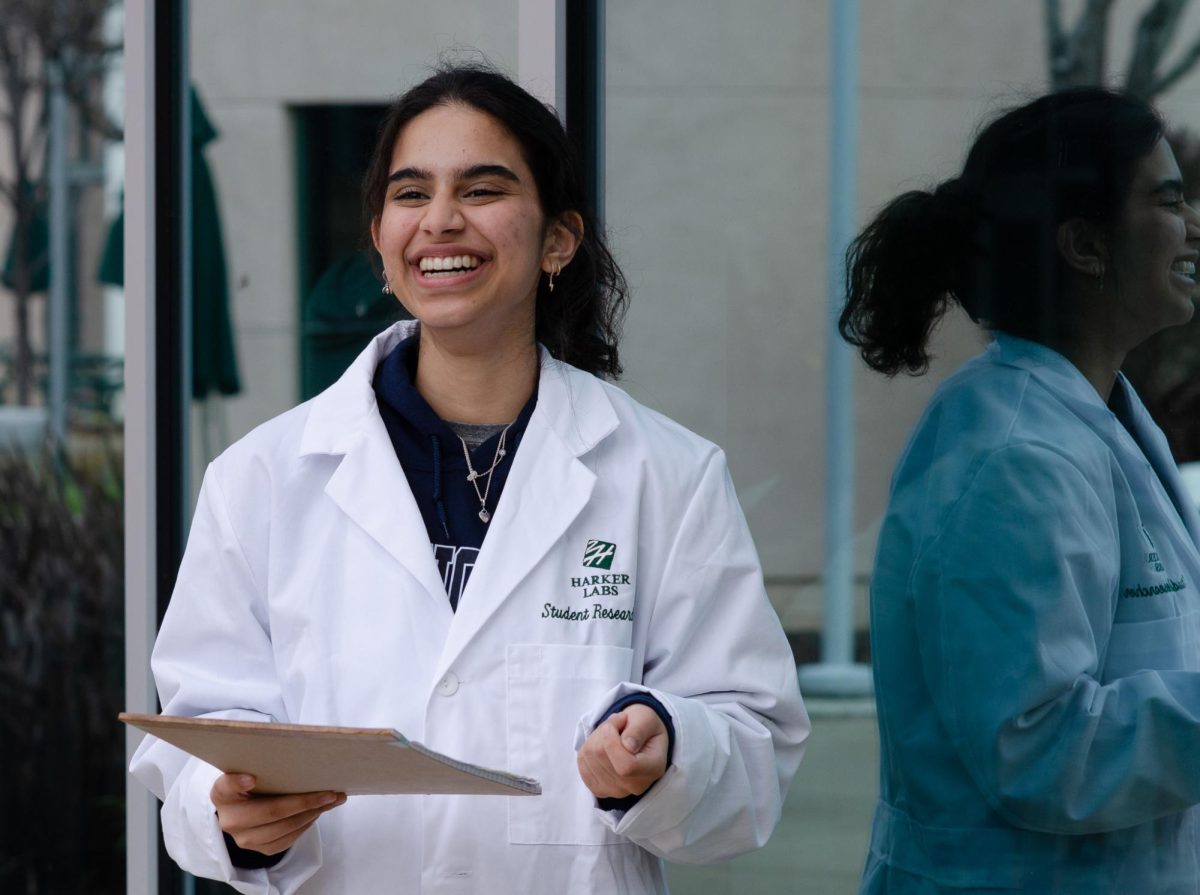
![“I wasn't discouraged by some of the obstacles we faced. I learned a lot from the leadership. I found that different people need different ways of receiving feedback — you can't [just] tell them to do something and expect the best. [Some] people needed more incentive. A large part of my role was to figure out what worked for everyone and to figure out how to lead all these separate individuals as a team,” Suhana Bhandare (’26) said.](https://harkeraquila.com/wp-content/uploads/2026/06/SuhanaBhandare_JasmineHansra-1-1200x798.jpg)
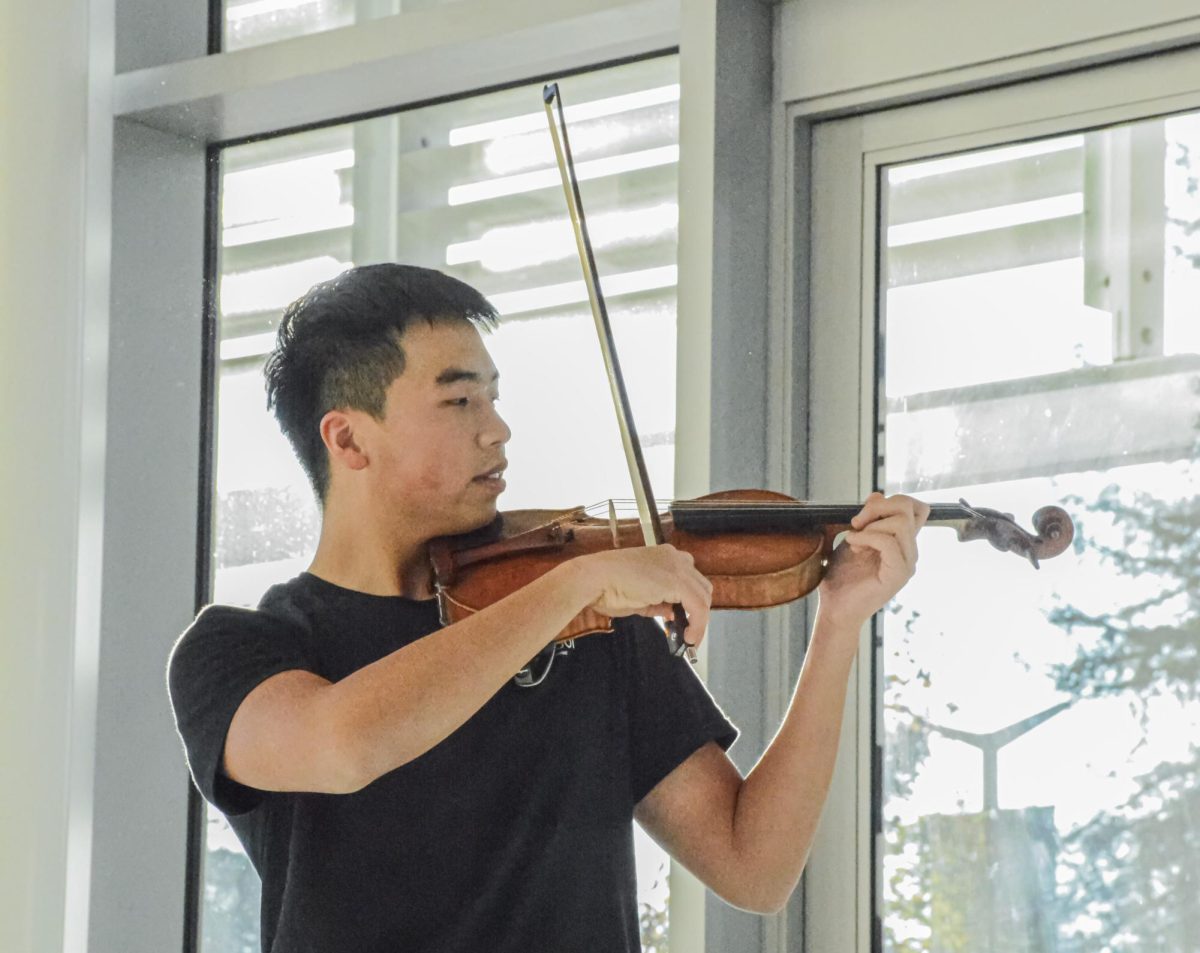
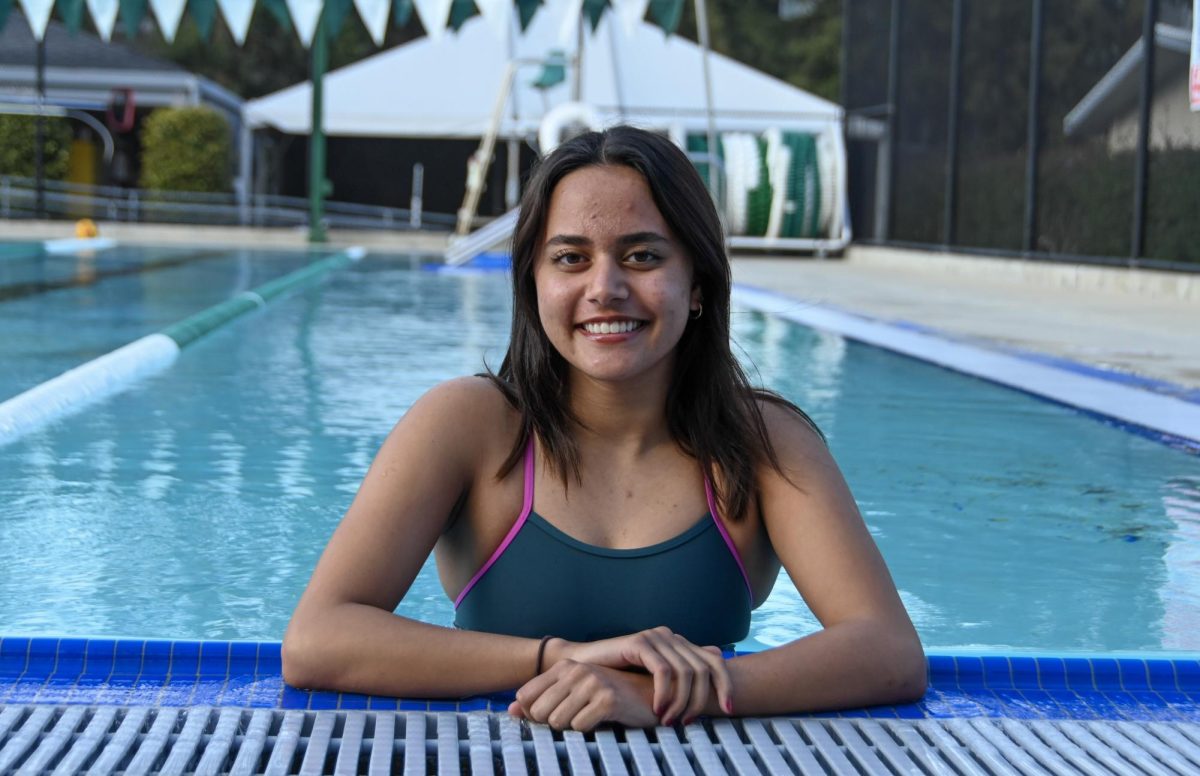
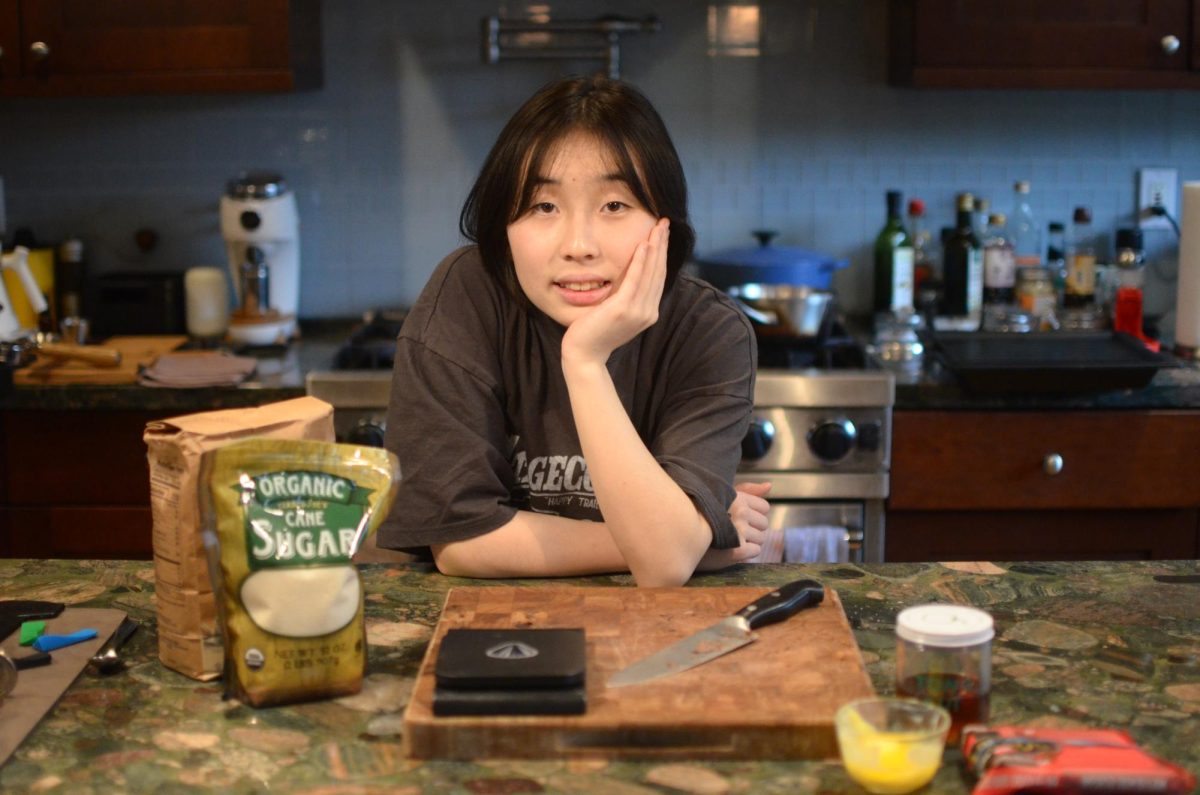
![“This is actually from Randy Pausch Randy P. Brick: ‘Walls are there for a reason. You have to show how much you want to overcome them.’ You have to show how much you want something. That's what I've always been able to do with tennis, Link Crew and getting that internship [with Kushy Baby]. It’s important pushing through that — getting around that brick wall, climbing over it or clawing through it,” Yash Sachdeva (’26) said.](https://harkeraquila.com/wp-content/uploads/2026/05/YashSachdeva_RamBatchu-copy-1200x1002.jpg)

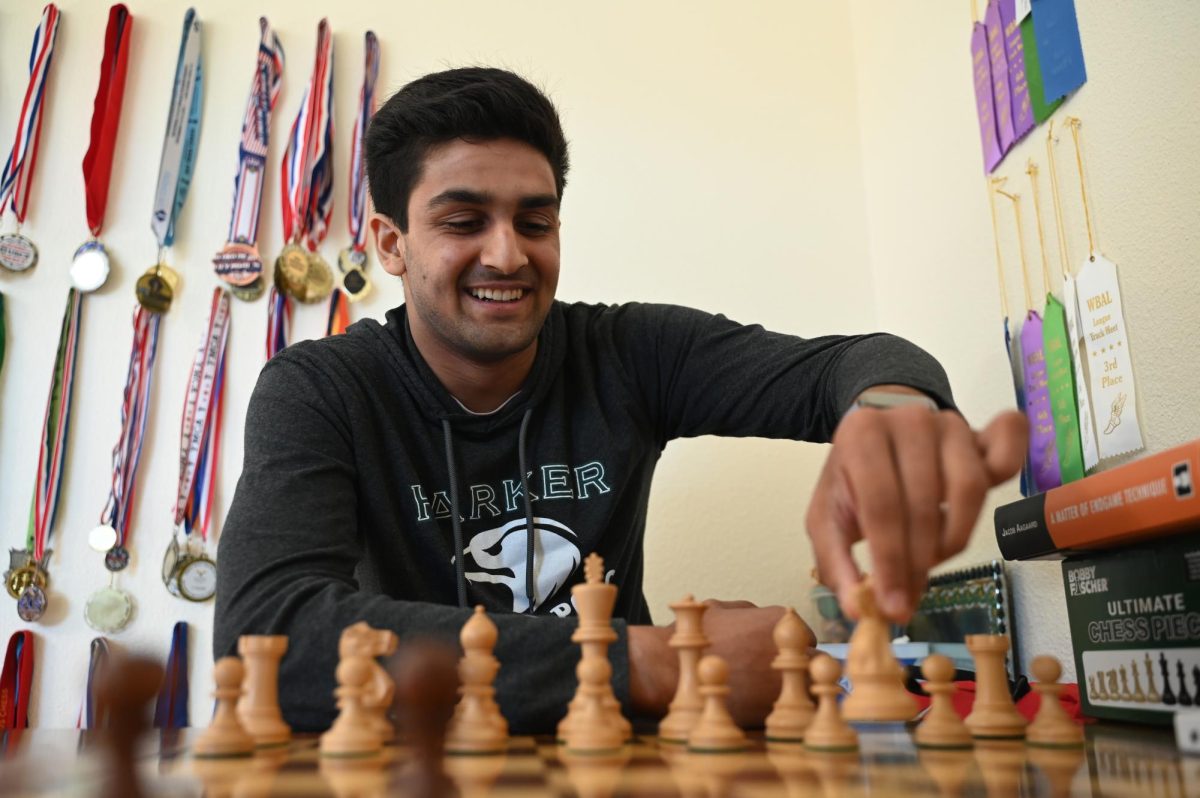




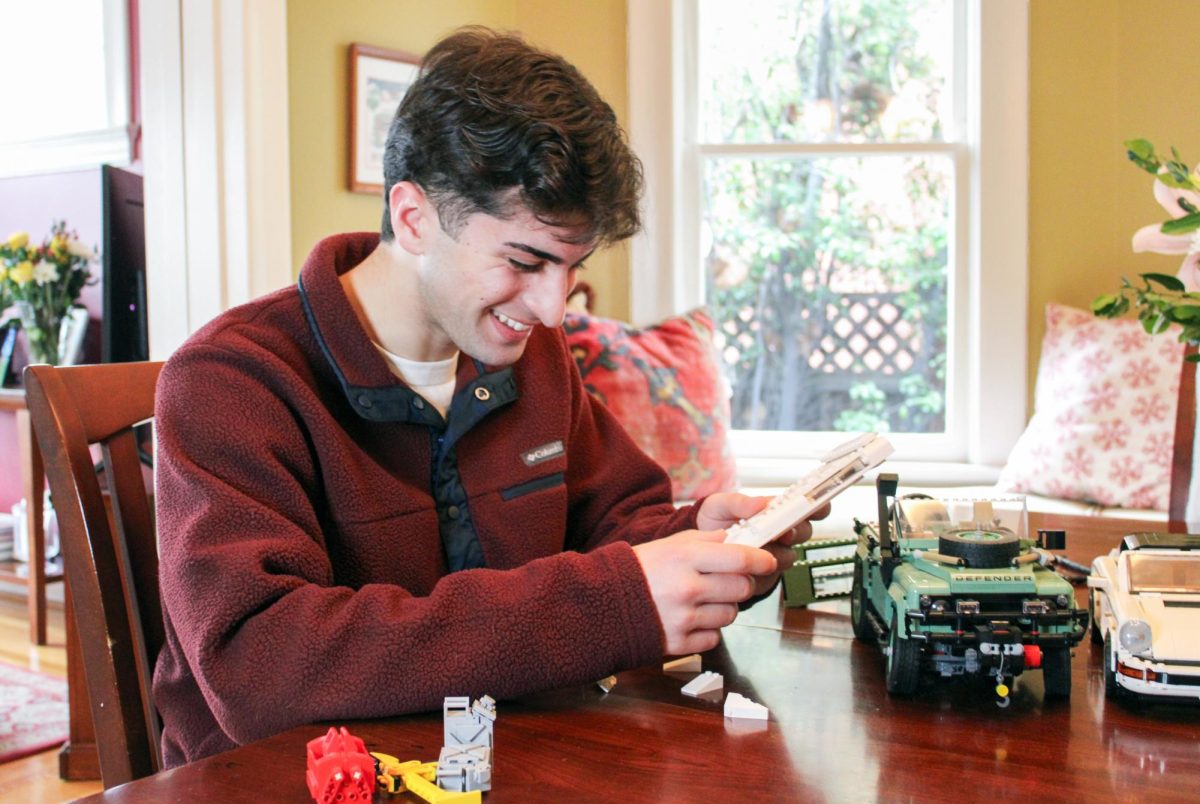

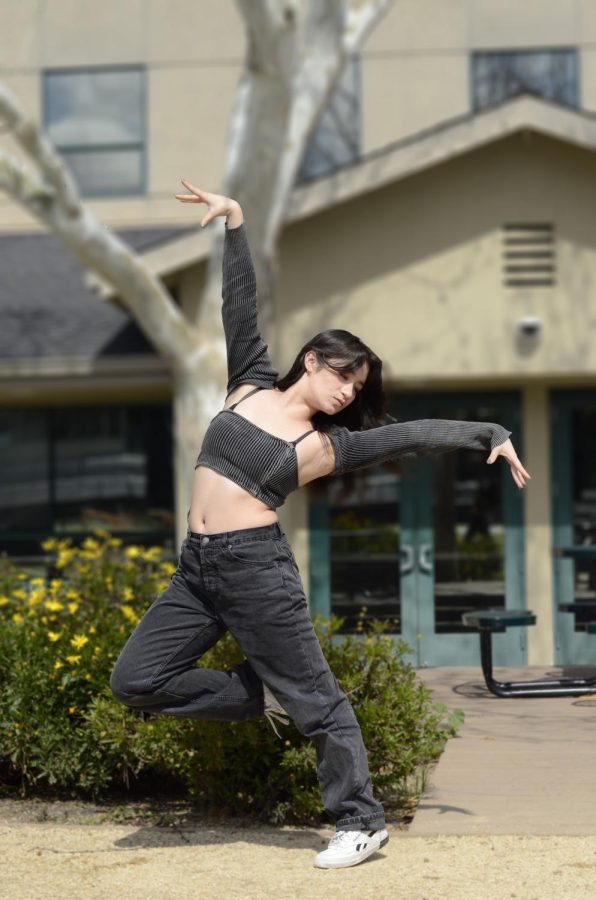
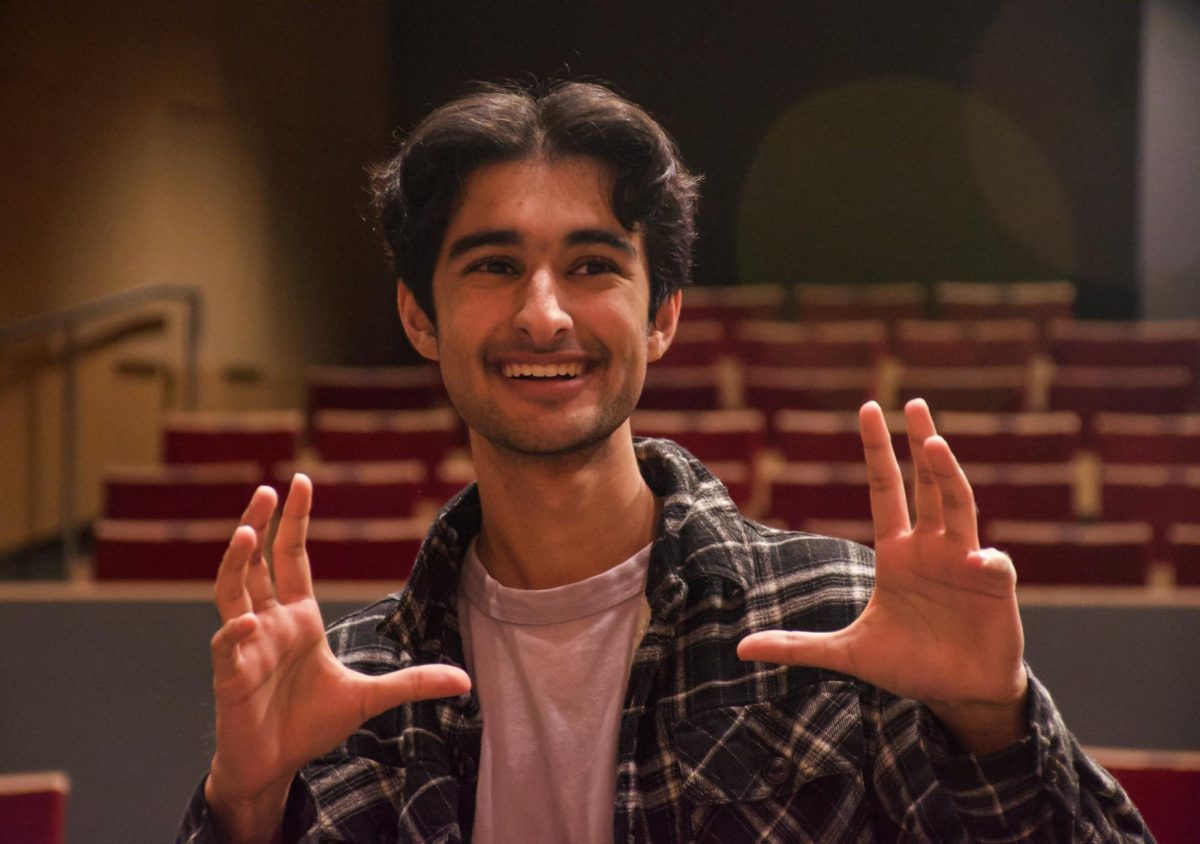
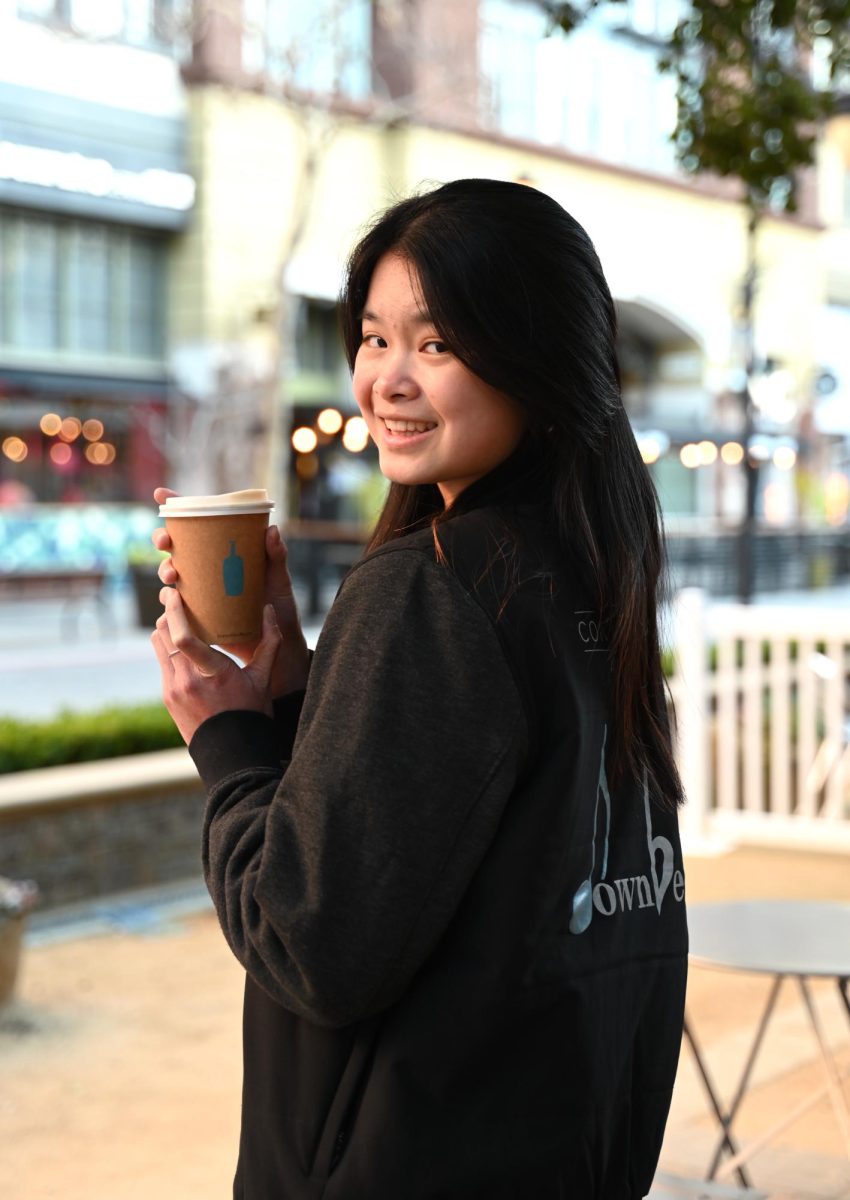
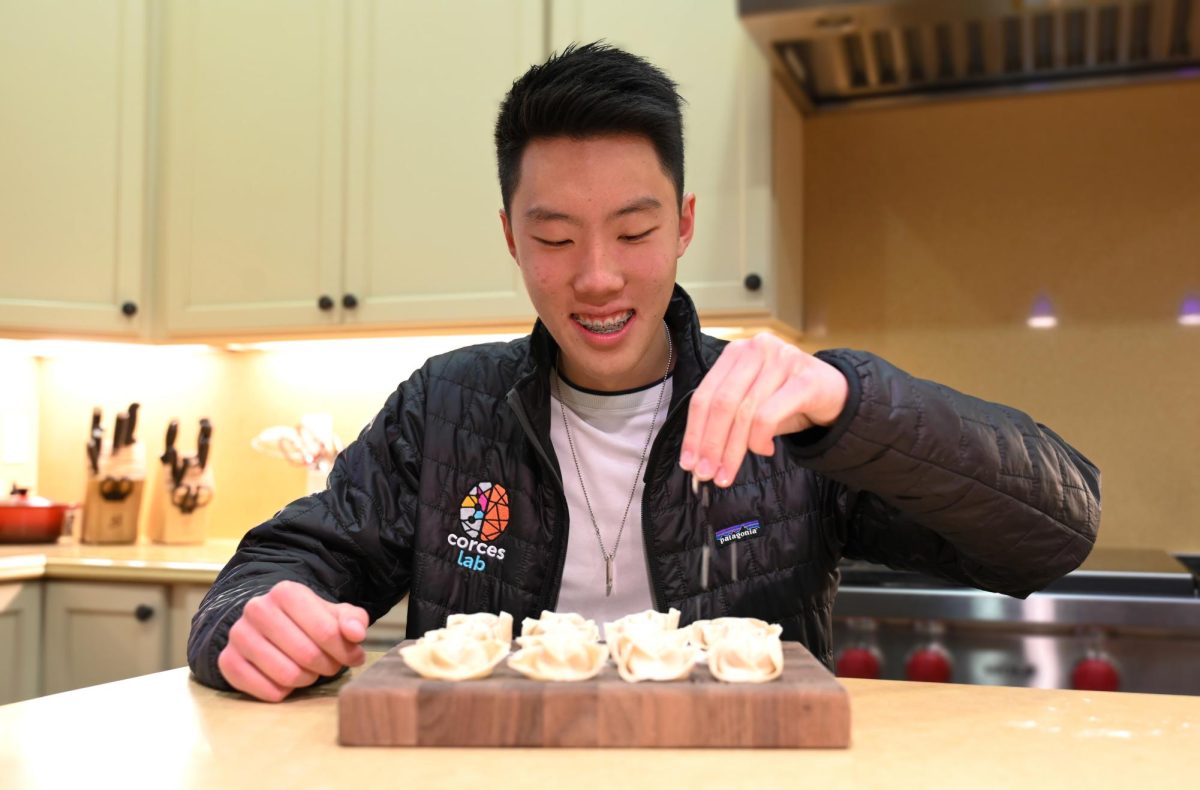
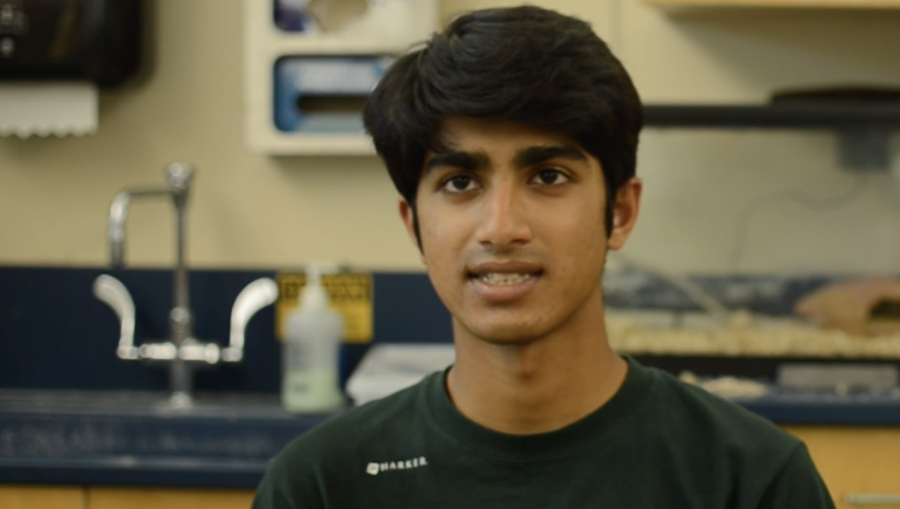
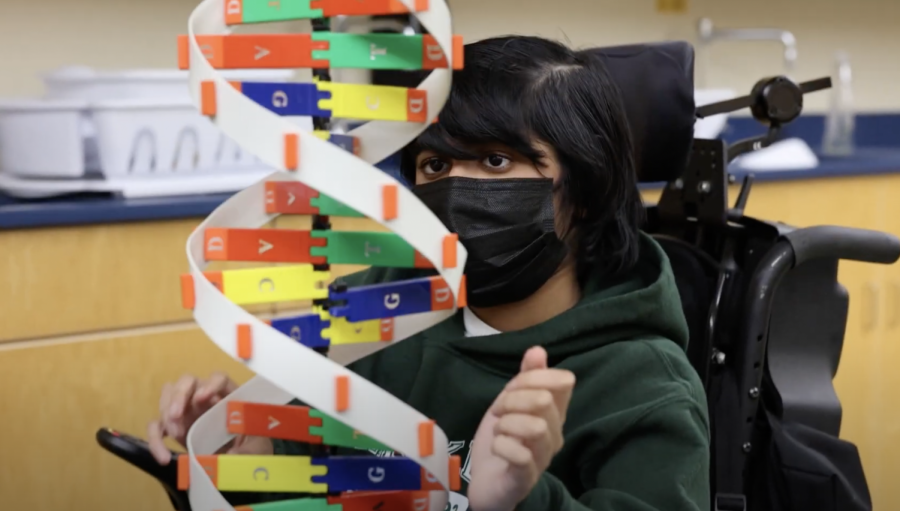
![“[Building nerf blasters] became this outlet of creativity for me that hasn't been matched by anything else. The process [of] making a build complete to your desire is such a painstakingly difficult process, but I've had to learn from [the skills needed from] soldering to proper painting. There's so many different options for everything, if you think about it, it exists. The best part is [that] if it doesn't exist, you can build it yourself," Ishaan Parate said.](https://harkeraquila.com/wp-content/uploads/2022/08/DSC_8149-900x604.jpg)
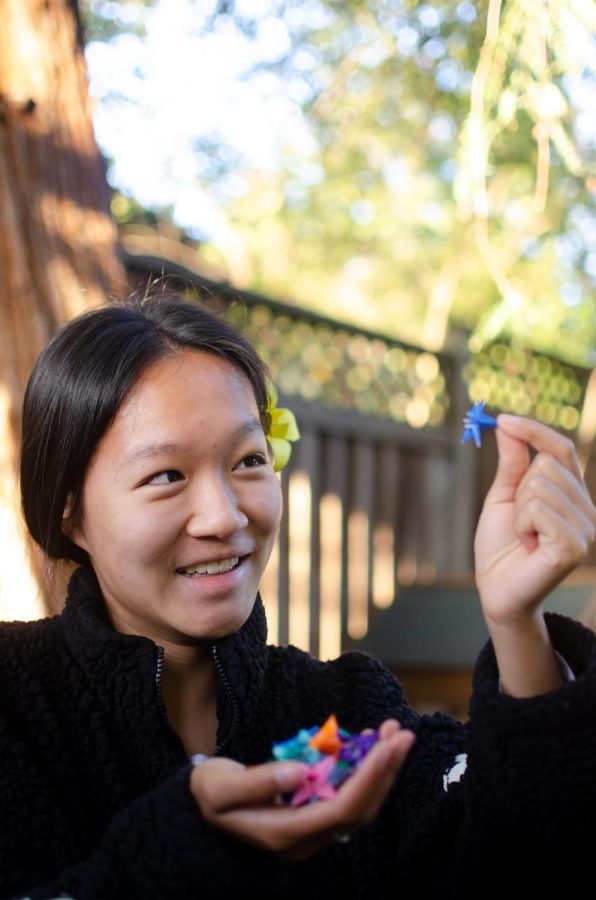
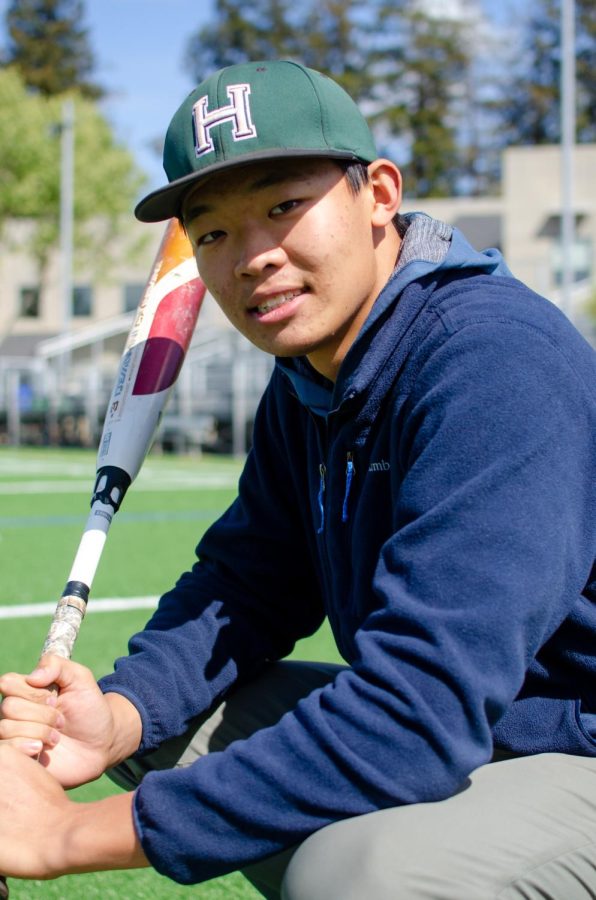

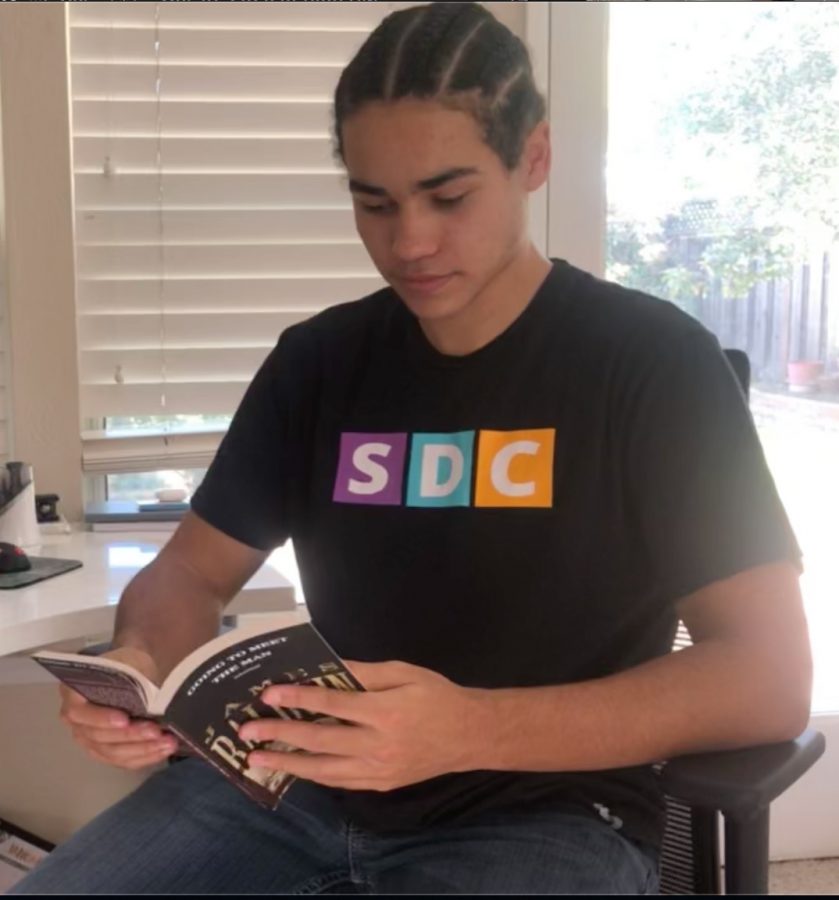
![“When I came into high school, I was ready to be a follower. But DECA was a game changer for me. It helped me overcome my fear of public speaking, and it's played such a major role in who I've become today. To be able to successfully lead a chapter of 150 students, an officer team and be one of the upperclassmen I once really admired is something I'm [really] proud of,” Anvitha Tummala ('21) said.](https://harkeraquila.com/wp-content/uploads/2021/07/Screen-Shot-2021-07-25-at-9.50.05-AM-900x594.png)

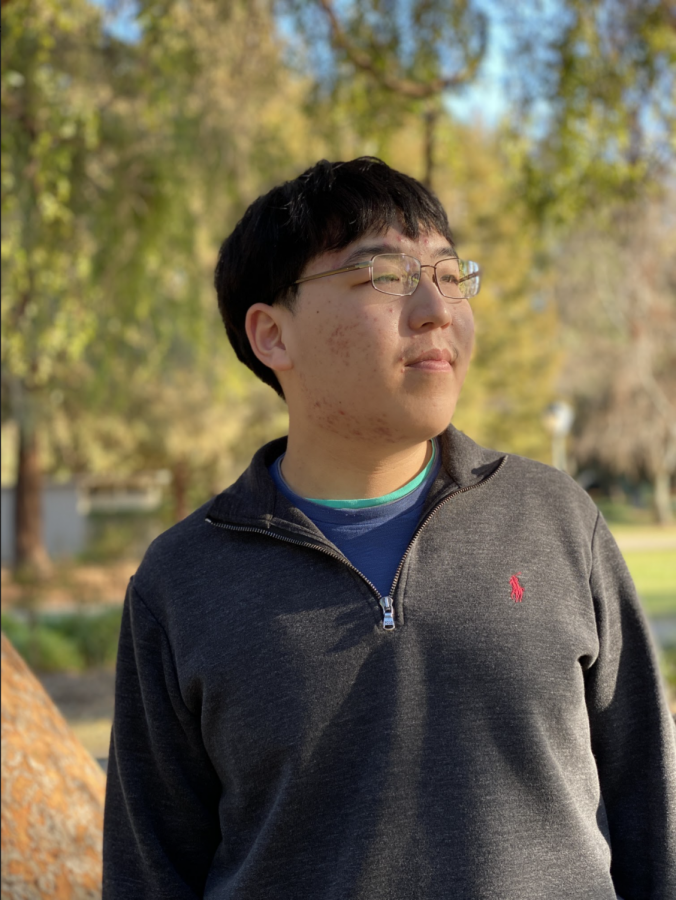


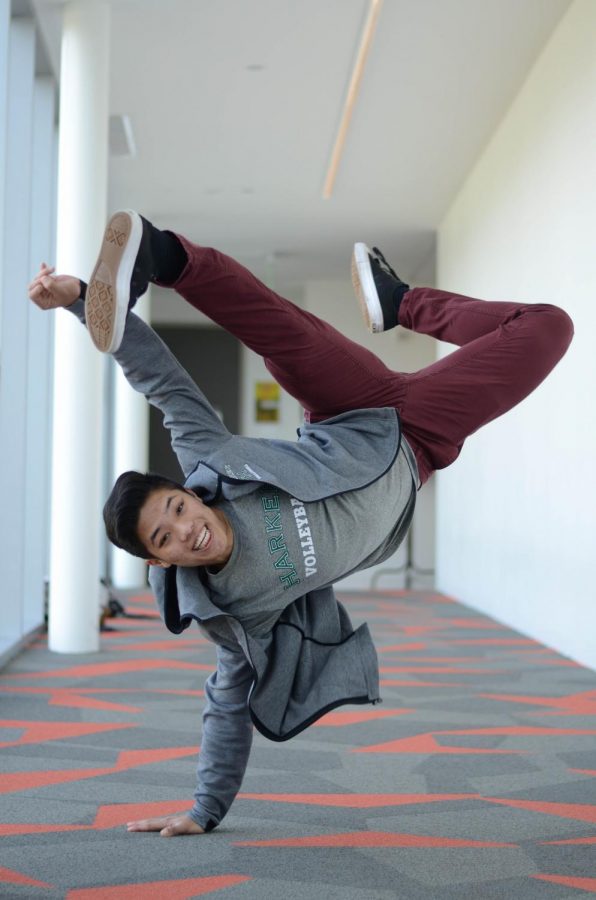


![“I think getting up in the morning and having a sense of purpose [is exciting]. I think without a certain amount of drive, life is kind of obsolete and mundane, and I think having that every single day is what makes each day unique and kind of makes life exciting,” Neymika Jain (12) said.](https://harkeraquila.com/wp-content/uploads/2017/06/Screen-Shot-2017-06-03-at-4.54.16-PM.png)






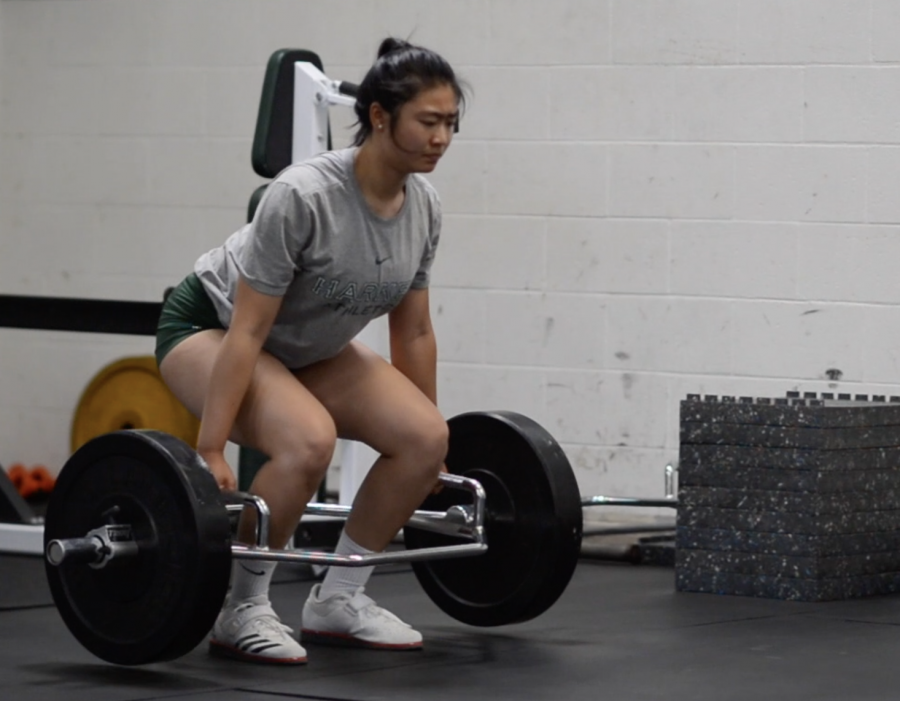

![“My slogan is ‘slow feet, don’t eat, and I’m hungry.’ You need to run fast to get where you are–you aren't going to get those championships if you aren't fast,” Angel Cervantes (12) said. “I want to do well in school on my tests and in track and win championships for my team. I live by that, [and] I can do that anywhere: in the classroom or on the field.”](https://harkeraquila.com/wp-content/uploads/2018/06/DSC5146-900x601.jpg)
![“[Volleyball has] taught me how to fall correctly, and another thing it taught is that you don’t have to be the best at something to be good at it. If you just hit the ball in a smart way, then it still scores points and you’re good at it. You could be a background player and still make a much bigger impact on the team than you would think,” Anya Gert (’20) said.](https://harkeraquila.com/wp-content/uploads/2020/06/AnnaGert_JinTuan_HoHPhotoEdited-600x900.jpeg)

![“I'm not nearly there yet, but [my confidence has] definitely been getting better since I was pretty shy and timid coming into Harker my freshman year. I know that there's a lot of people that are really confident in what they do, and I really admire them. Everyone's so driven and that has really pushed me to kind of try to find my own place in high school and be more confident,” Alyssa Huang (’20) said.](https://harkeraquila.com/wp-content/uploads/2020/06/AlyssaHuang_EmilyChen_HoHPhoto-900x749.jpeg)



Onigilly brings modern fast food and Japanese tradition together in Palo Alto
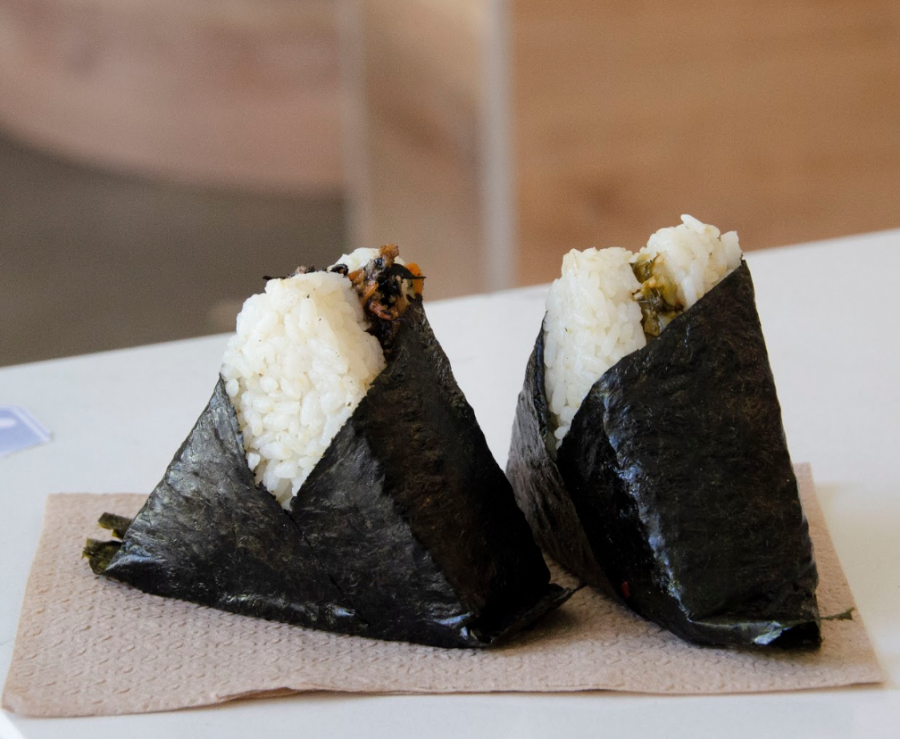
Onigiri filings range from eight seafood options, to three meat options, to a eight vegetarian options. The sets of onigiri range from around $7.25 to $12.15.
October 25, 2018
When it comes to the most popular bustling streets infused with eateries and stores in the Bay Area, Palo Alto downtown’s University Ave is undoubtedly perched at the top of the list. There’s always a uniquely continuous flow of people in University Ave, from the morning shuffle of office goers to the evening chatter of families blended in with melodies of street jazz in the air. At lunchtime, the cafés of Palo Alto control the activity and business, coming from every conceivable cuisine and dramatic ambiences. In this lively mix, it would be easy to miss the comparatively simple new arrival just off of High Street that somehow manages to bring yet another unique style to the Palo Alto gastronomy.
Onigilly, situated at 164 University Avenue, merges fast food with traditional Japanese cuisine to bring customers their signature dish “Japanese gourmet rice balls,” a Californian version of Japanese onigiri. Starting as a street cart in 2010 in San Francisco, Onigilly opened in Palo Alto as a restaurant just this summer on June 11.
In the café-esque interior, spherical lamps hang from the ceiling above rectangular white tables that surround the main counter, where employees take orders and then cook and assemble the onigiri in a customer-order style like Chipotle. Up against the window is a small bar-like counter for customers to sit down for a casual and quick meal. To its right, a station with utensils, napkins, water and seasonings sits under the bright green triangular symbol of the restaurant.
The main dish, onigiri, is constructed to be a convenient package that you can eat with your hands. First, customers choose the fillings or “flavors” for their onigiri; these range from eight seafood options including snow crab and unagi, or freshwater eel, to three meat options to a eight off-beat vegetarian options including renkon, or spicy sauteéd lotus root, and natto, a sticky mix of fermented soybeans.
The flavor is inserted between two triangles of tightly packed sticky rice, and which is then all wrapped in nori, or a sheet of dried seaweed. These onigiri come in different sets along with side dishes like tempura and fried chicken, vegetables like yams or daikon radish, and traditional Japanese sides like miso soup or edamame.
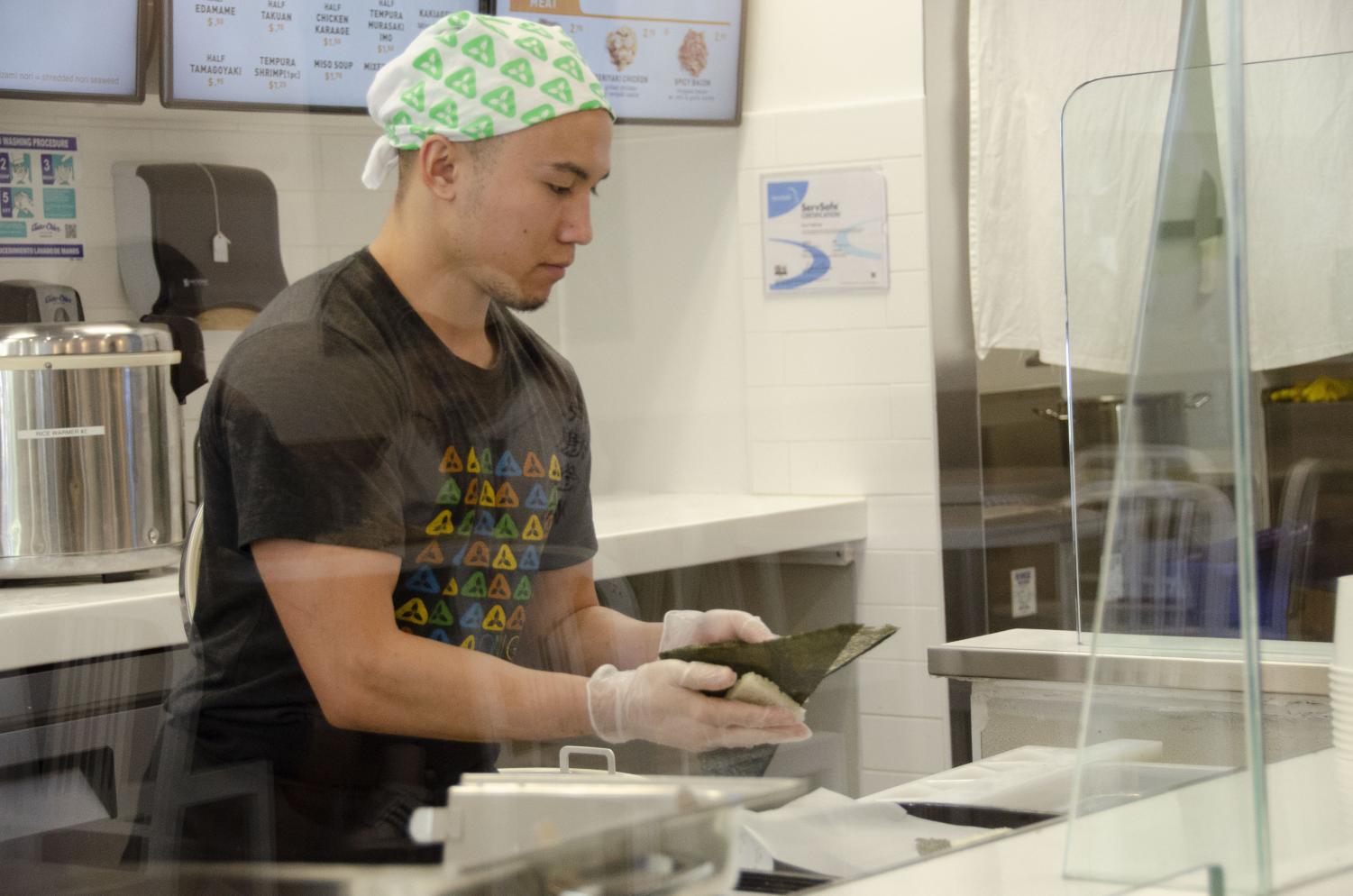
An Onigilly employee prepares an onigiri, which are Japanese rice balls. Starting as a street cart in 2010 in San Francisco, Onigilly opened in Palo Alto as a restaurant just this summer on June 11.
Onigilly’s menu also sports two main dish soups: zosui, a Japanese brown rice soup, and a tofu noodle soup, which both come with the customer’s choice of an aforementioned flavor and other toppings. For light meals, customers can instead opt for either the rice bowl, salad bowl, or tofu noodle bowl, which come with an assortment of vegetables and a choice of a flavor.
For such innovative offerings, Onigilly’s pricing is reasonable and affordable, even on the cheaper side for a place like University Ave. The sets of onigiri range from around $7.25 to $12.15, depending upon the number and flavors of the onigiri and the type of set. Bowls, which are large portions, average around $13, while the smaller soups average around $5. Most sides are around a dollar or two and thus can be added to any meal without making it much more pricey.
Overall, the food choices of onigiri offer a wholesome and balanced meal for anyone, with or without dietary restrictions, given its customizability: pairing together the onigiri, bowls, soups, and sides make for a delectable set unique to each customer. If you do decide to visit Onigilly to try out something new, you can trust that a healthy, tasty and innovative creation will be waiting for you after you order at the end of the polished counter at 164 University Ave.