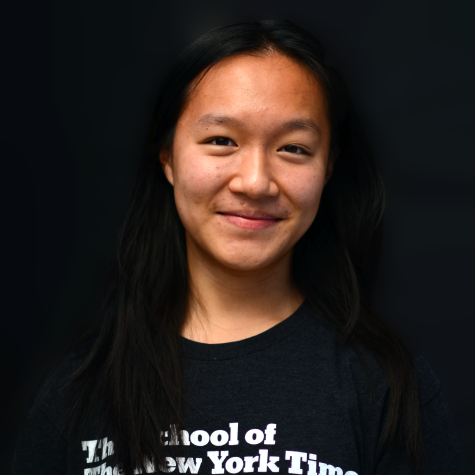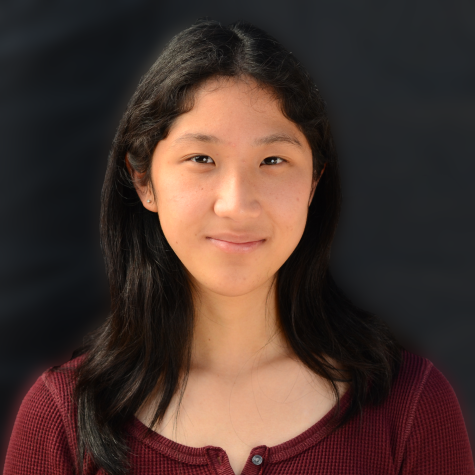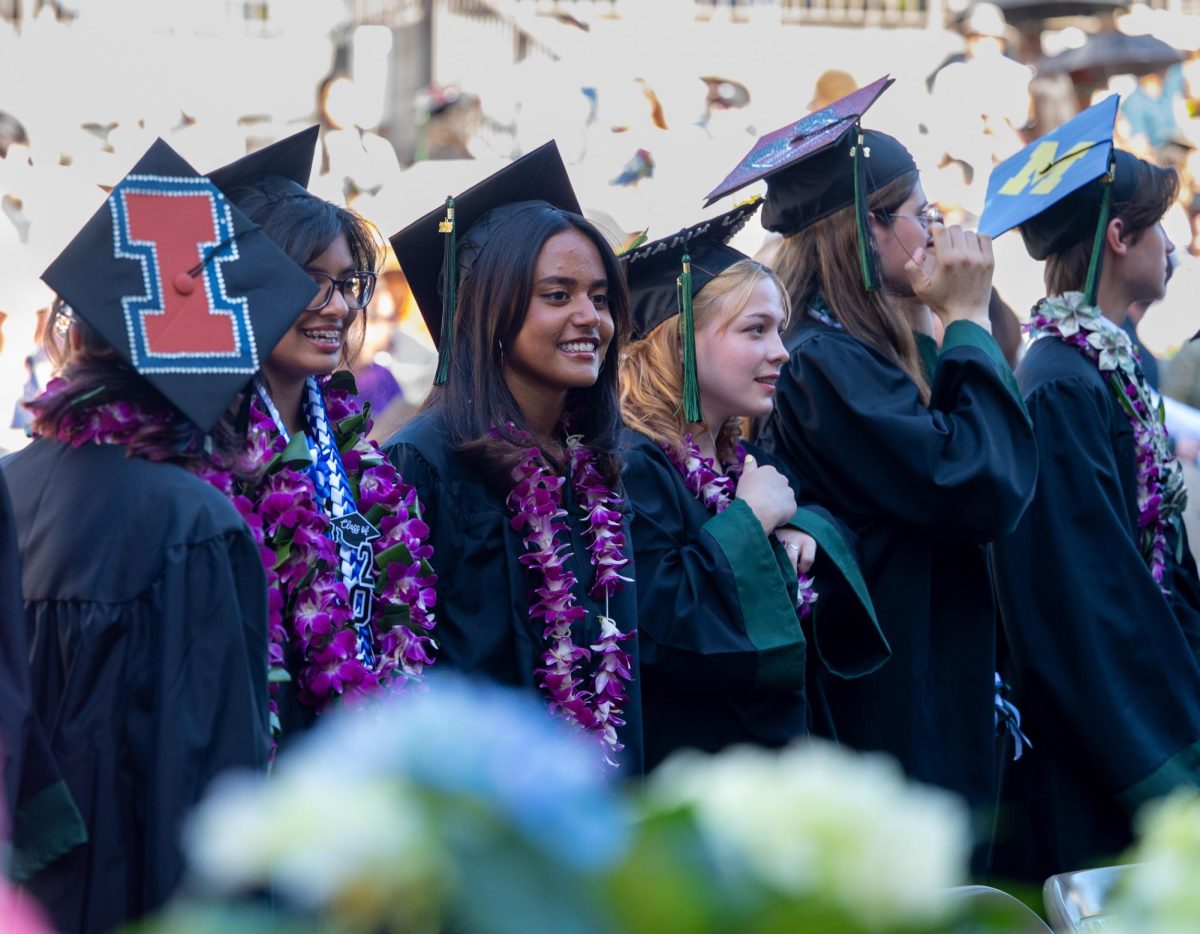
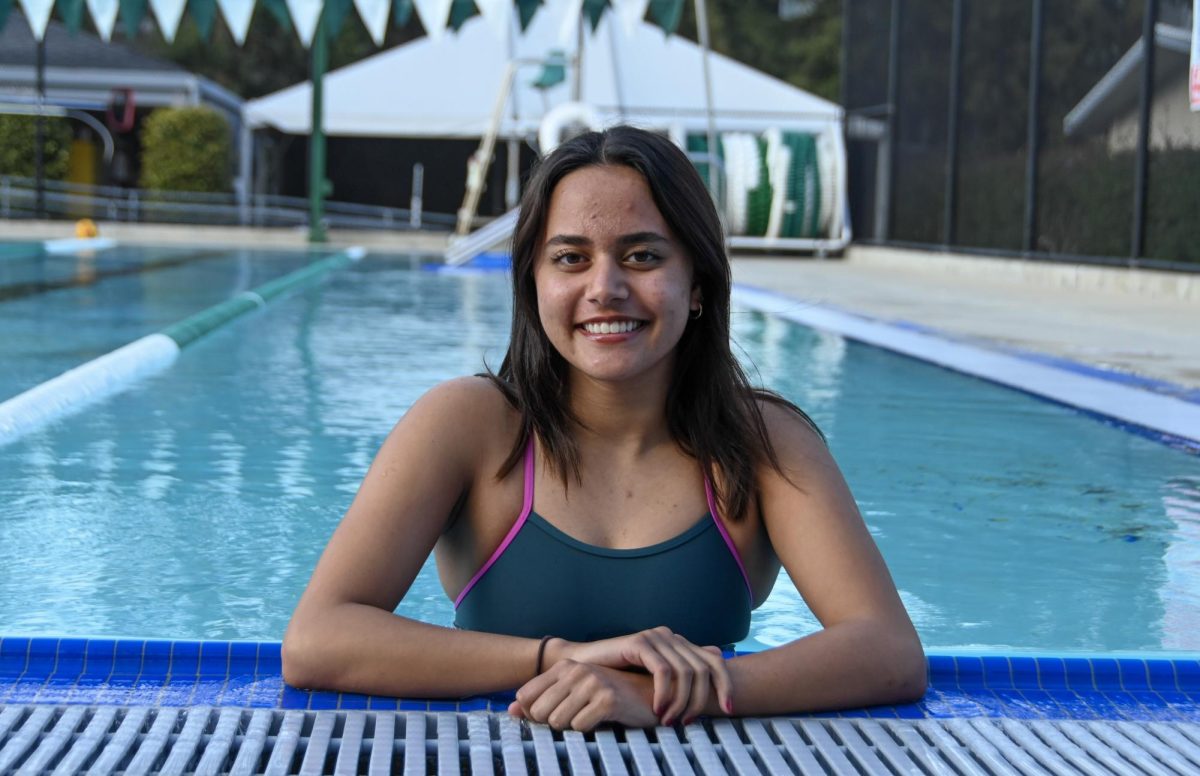
![“I wasn't discouraged by some of the obstacles we faced. I learned a lot from the leadership. I found that different people need different ways of receiving feedback — you can't [just] tell them to do something and expect the best. [Some] people needed more incentive. A large part of my role was to figure out what worked for everyone and to figure out how to lead all these separate individuals as a team,” Suhana Bhandare (’26) said.](https://harkeraquila.com/wp-content/uploads/2026/06/SuhanaBhandare_JasmineHansra-1-1200x798.jpg)
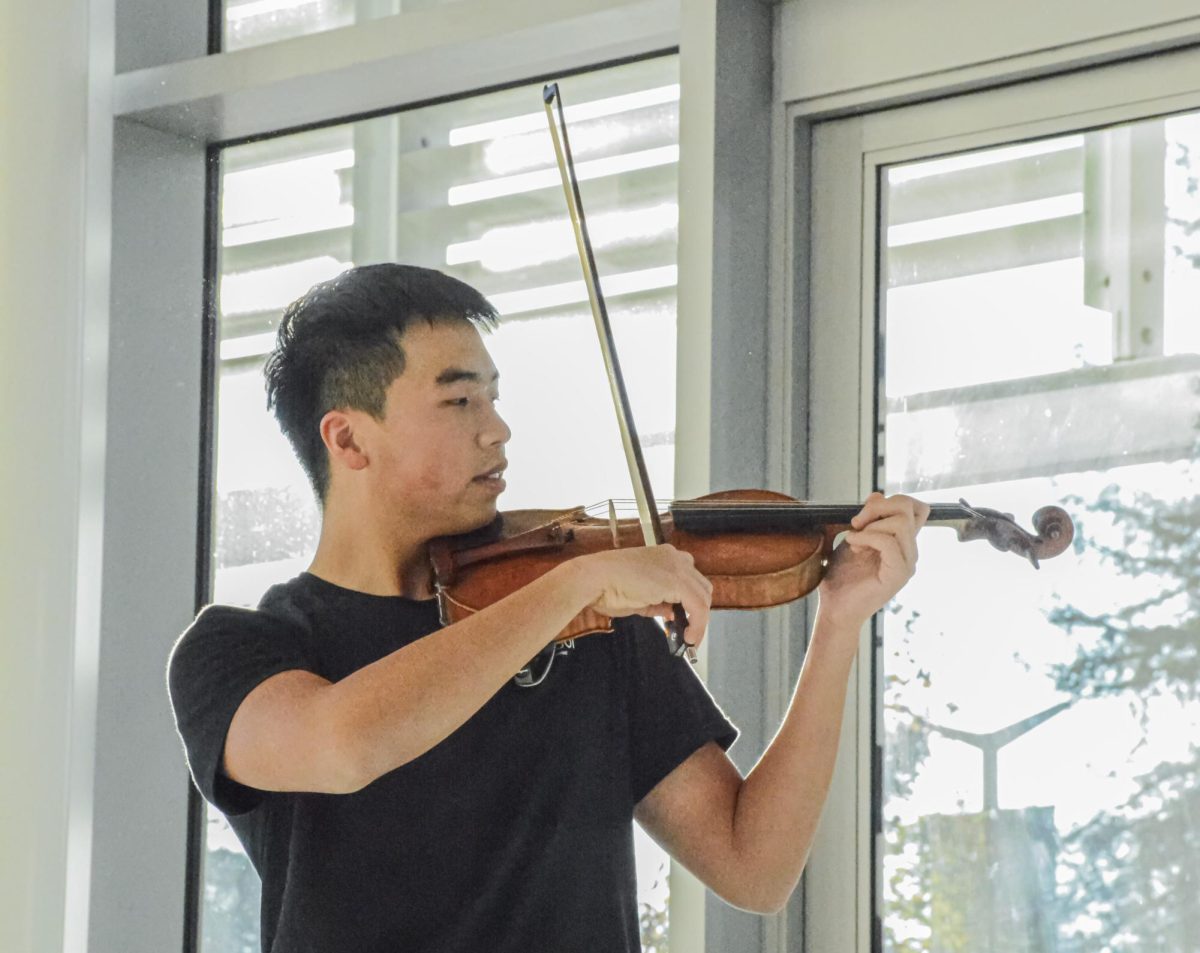
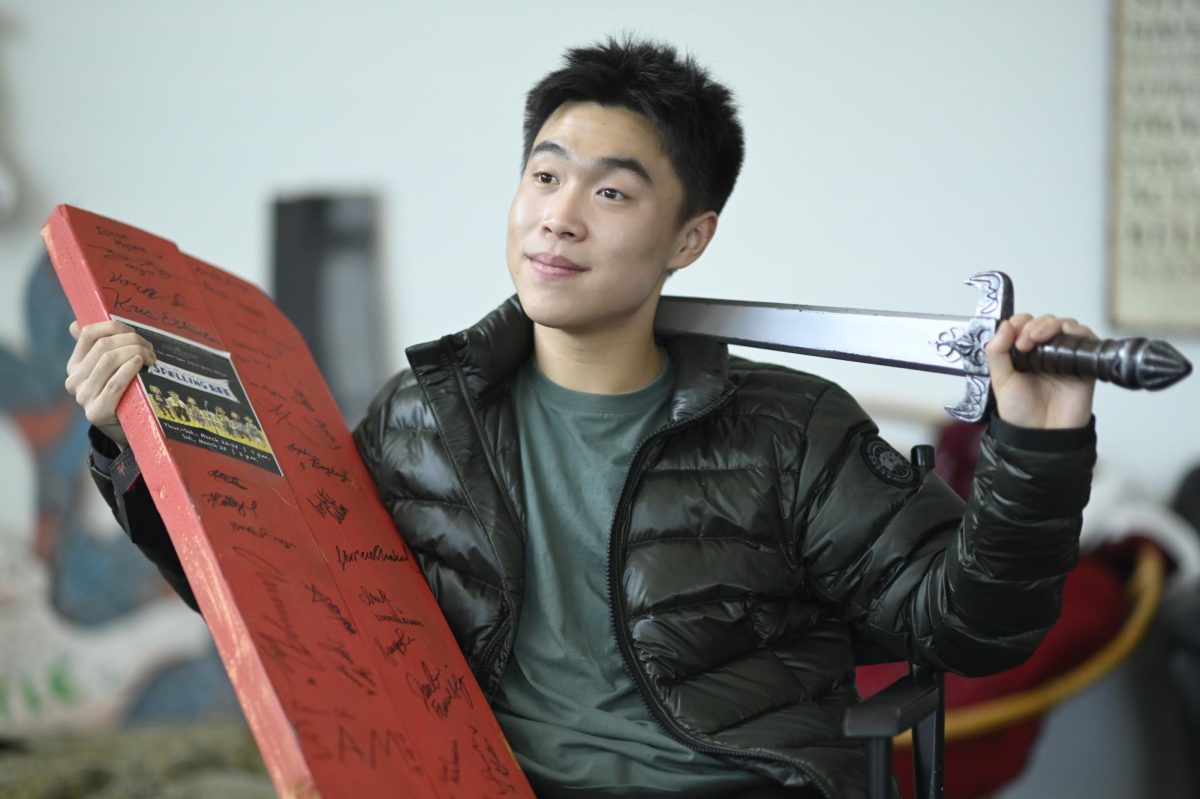
![“This is actually from Randy Pausch Randy P. Brick: ‘Walls are there for a reason. You have to show how much you want to overcome them.’ You have to show how much you want something. That's what I've always been able to do with tennis, Link Crew and getting that internship [with Kushy Baby]. It’s important pushing through that — getting around that brick wall, climbing over it or clawing through it,” Yash Sachdeva (’26) said.](https://harkeraquila.com/wp-content/uploads/2026/05/YashSachdeva_RamBatchu-copy-1200x1002.jpg)
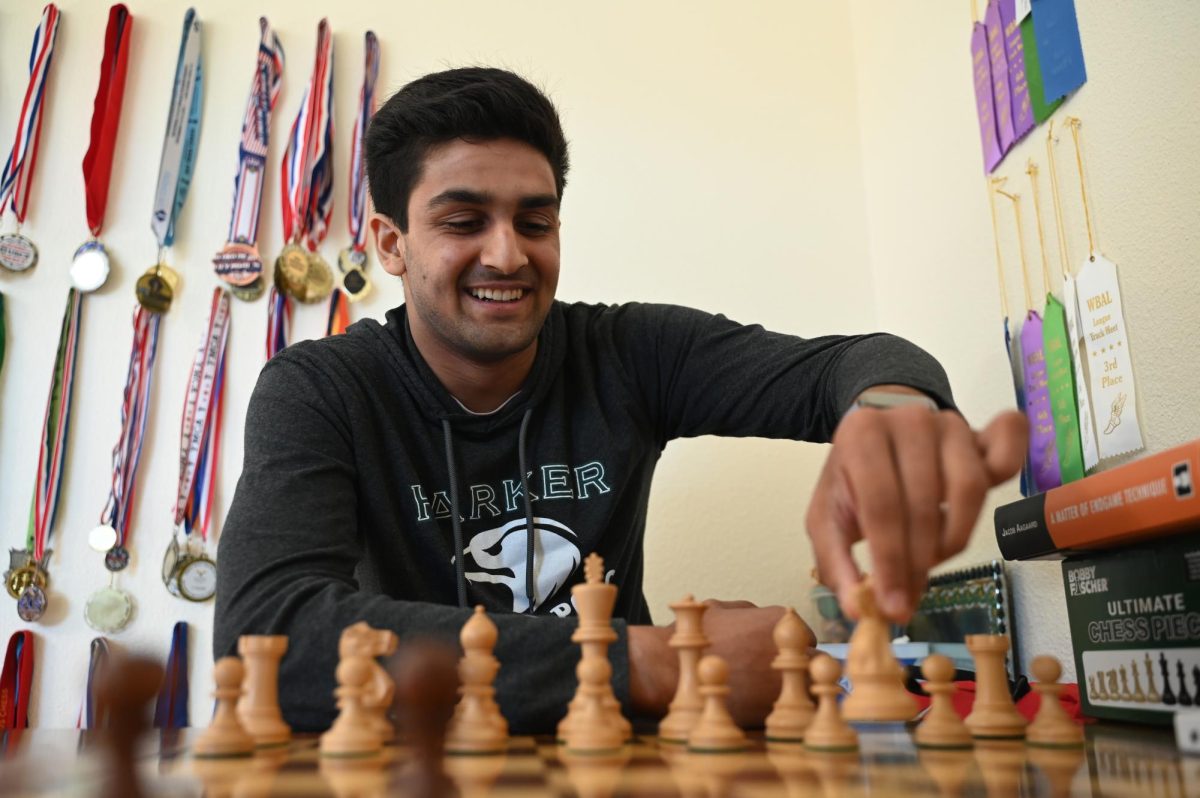
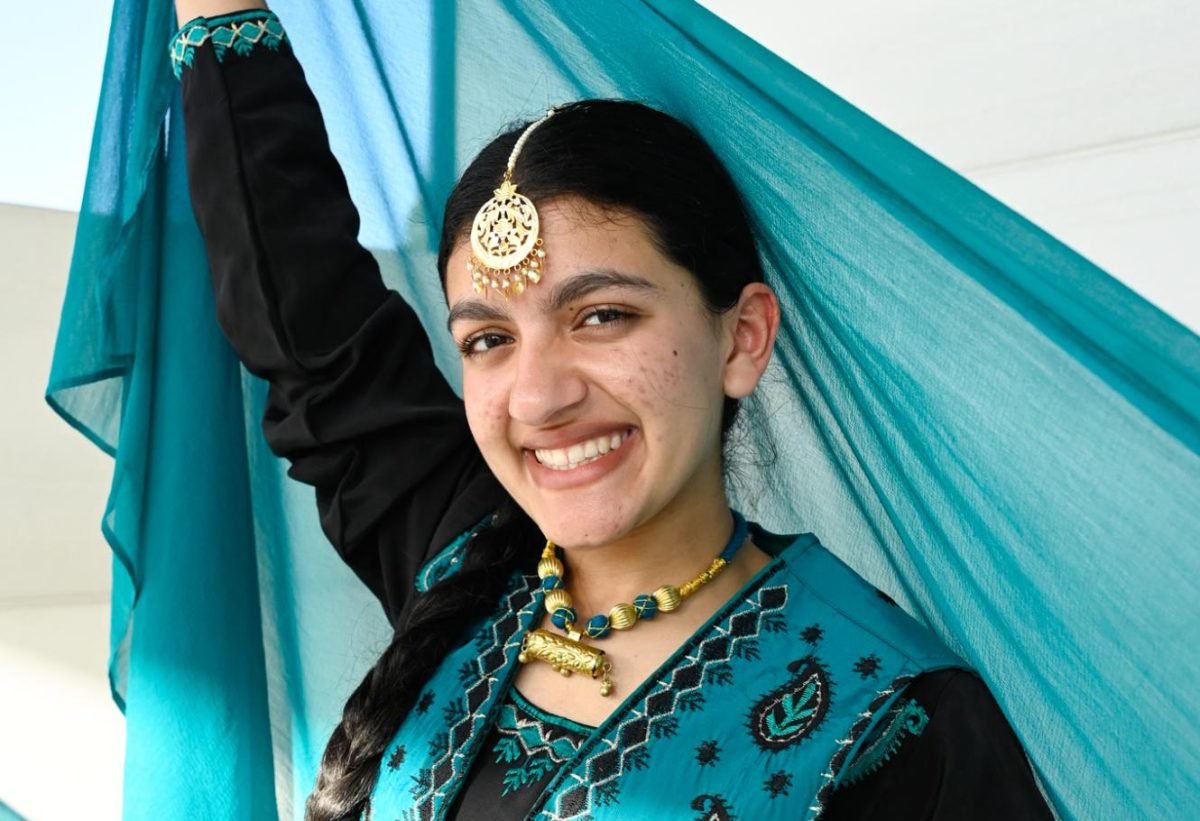


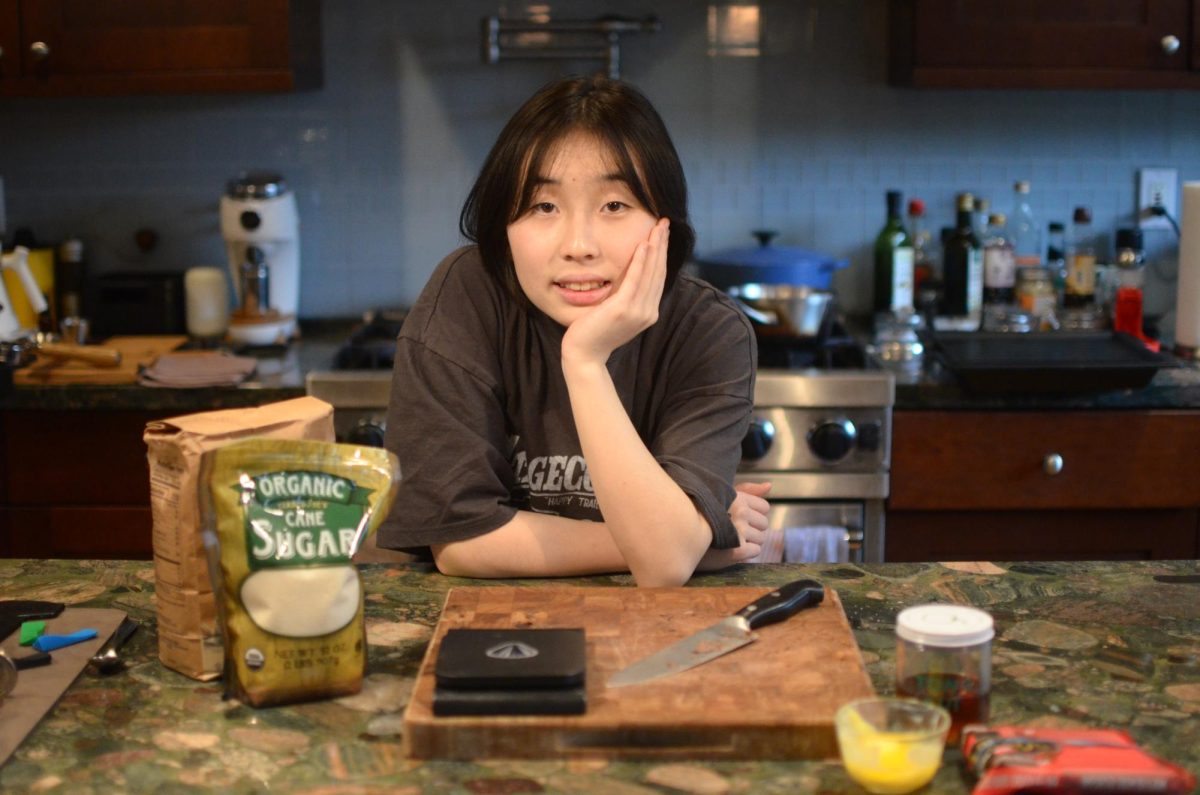


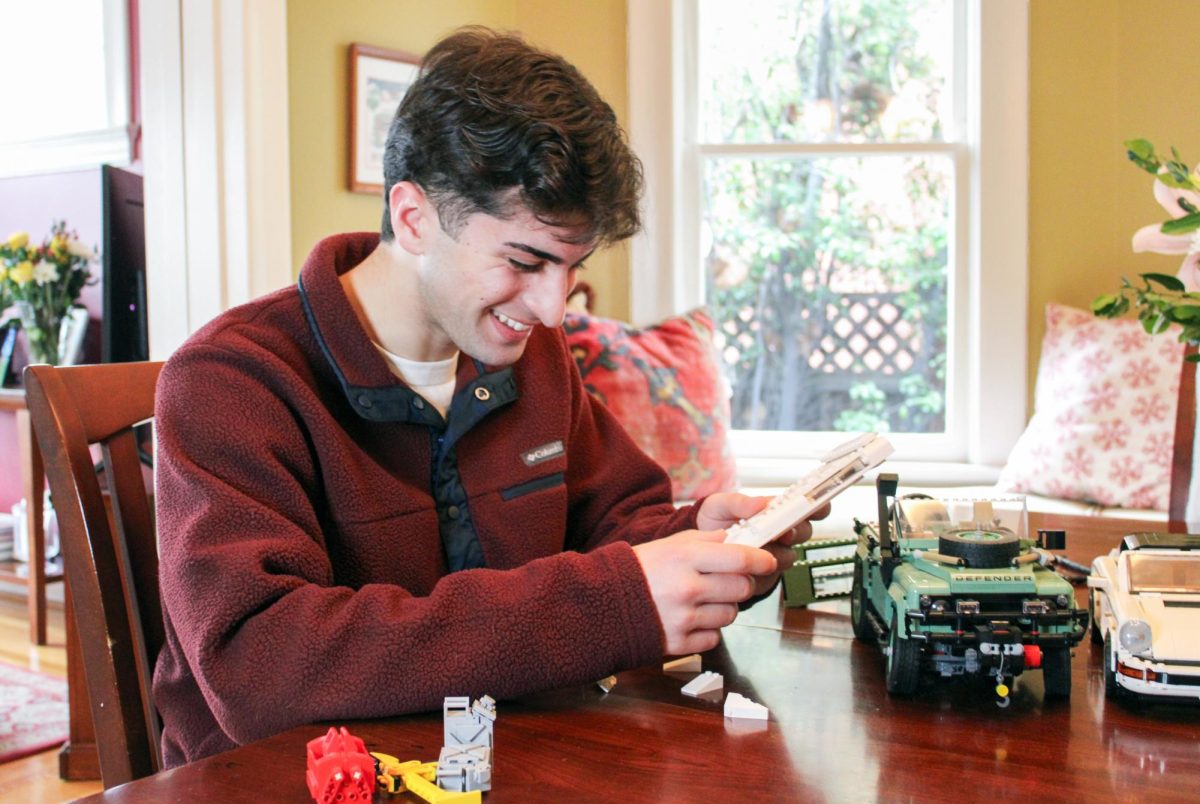

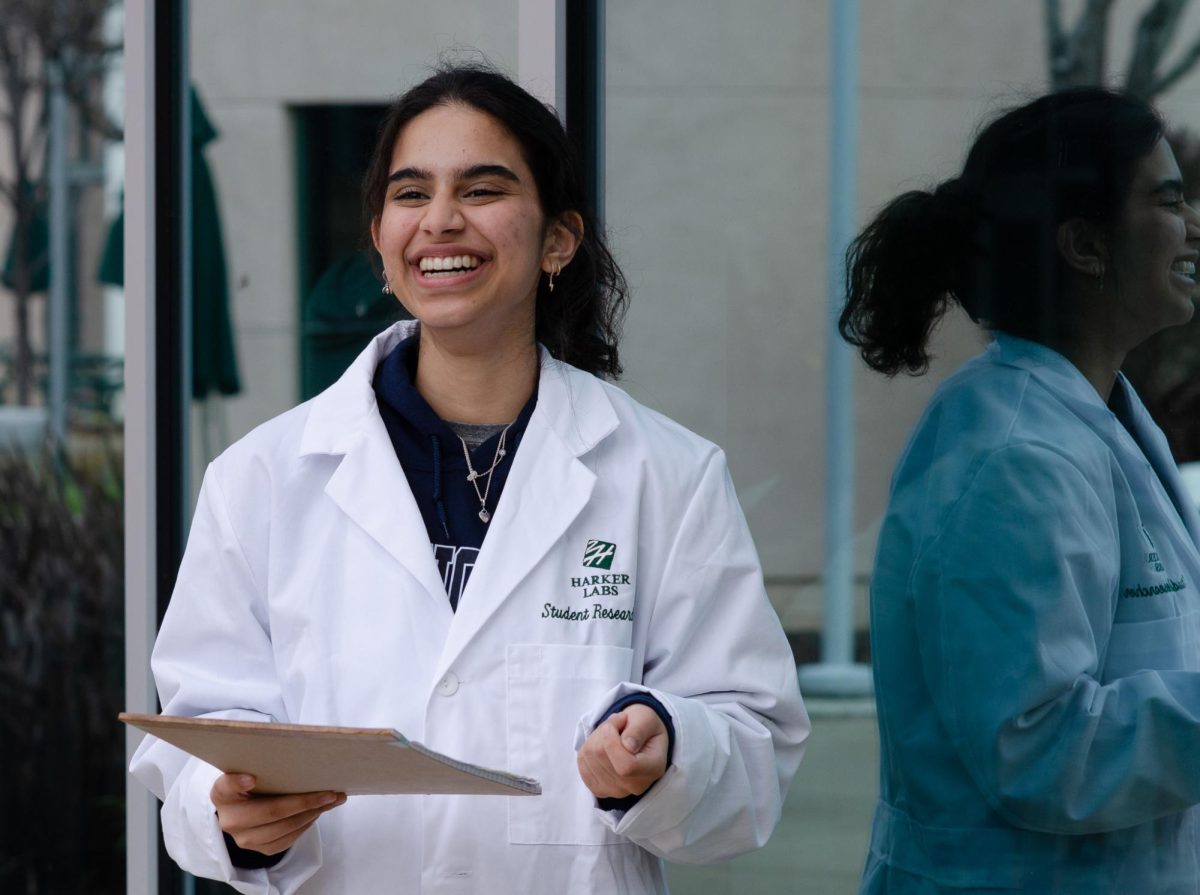

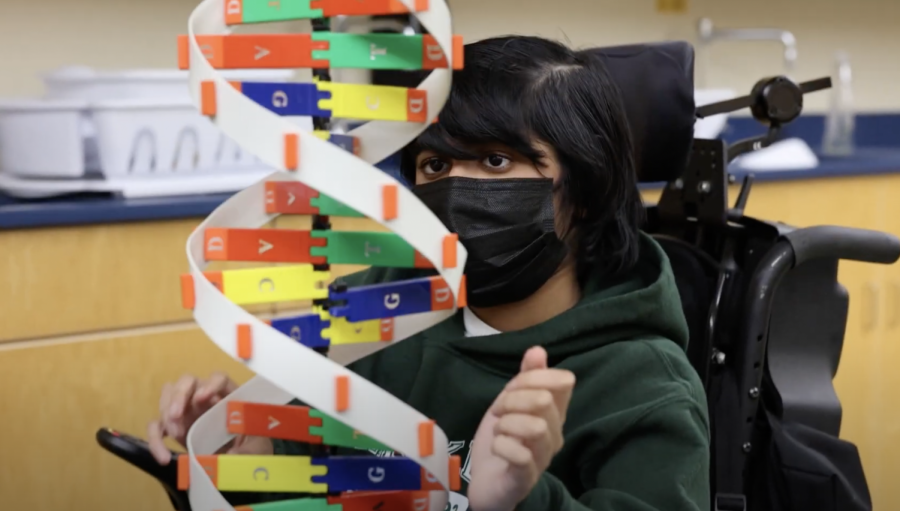
![“[Building nerf blasters] became this outlet of creativity for me that hasn't been matched by anything else. The process [of] making a build complete to your desire is such a painstakingly difficult process, but I've had to learn from [the skills needed from] soldering to proper painting. There's so many different options for everything, if you think about it, it exists. The best part is [that] if it doesn't exist, you can build it yourself," Ishaan Parate said.](https://harkeraquila.com/wp-content/uploads/2022/08/DSC_8149-900x604.jpg)
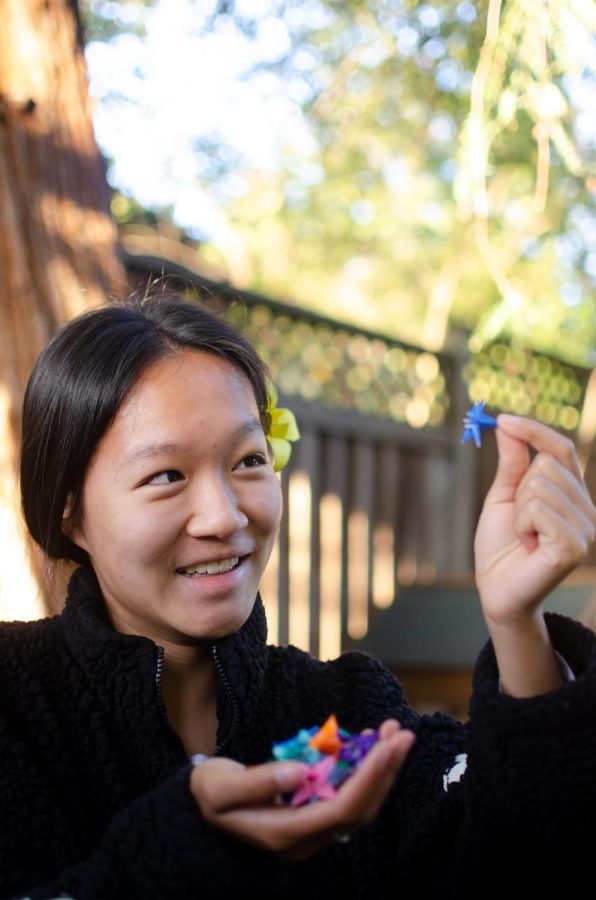
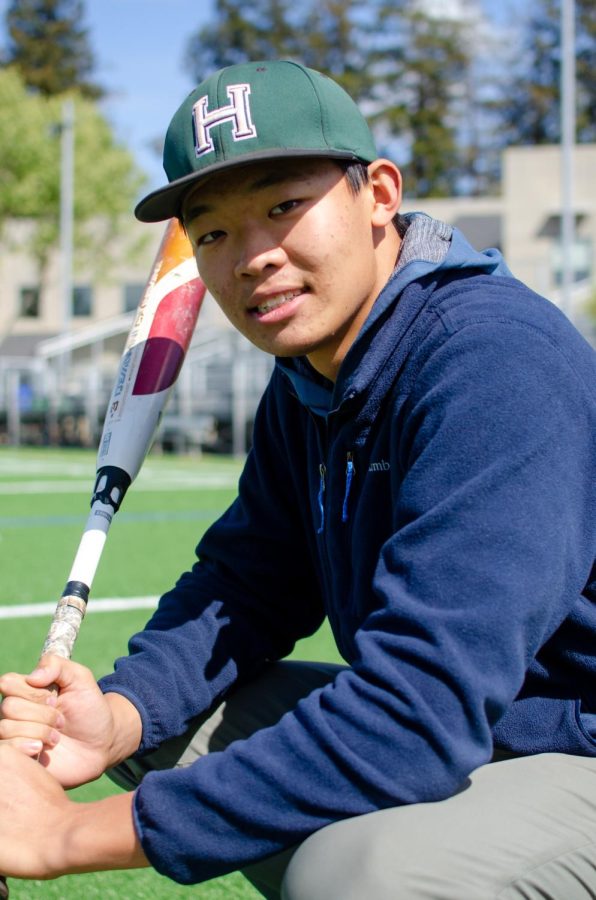
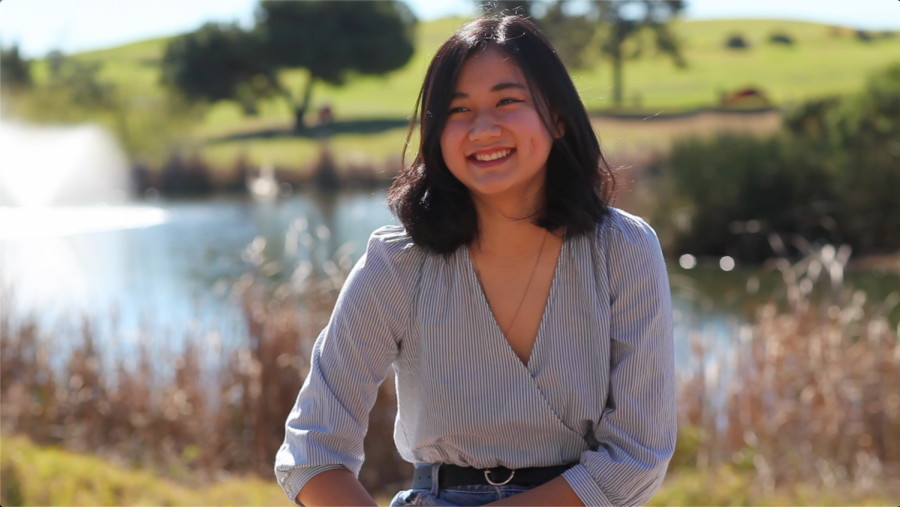
![“When I came into high school, I was ready to be a follower. But DECA was a game changer for me. It helped me overcome my fear of public speaking, and it's played such a major role in who I've become today. To be able to successfully lead a chapter of 150 students, an officer team and be one of the upperclassmen I once really admired is something I'm [really] proud of,” Anvitha Tummala ('21) said.](https://harkeraquila.com/wp-content/uploads/2021/07/Screen-Shot-2021-07-25-at-9.50.05-AM-900x594.png)

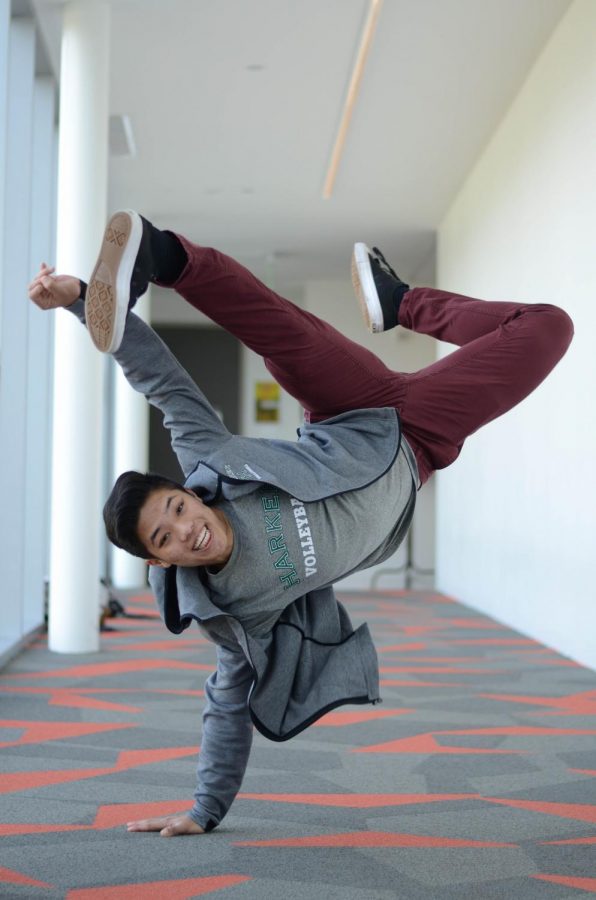
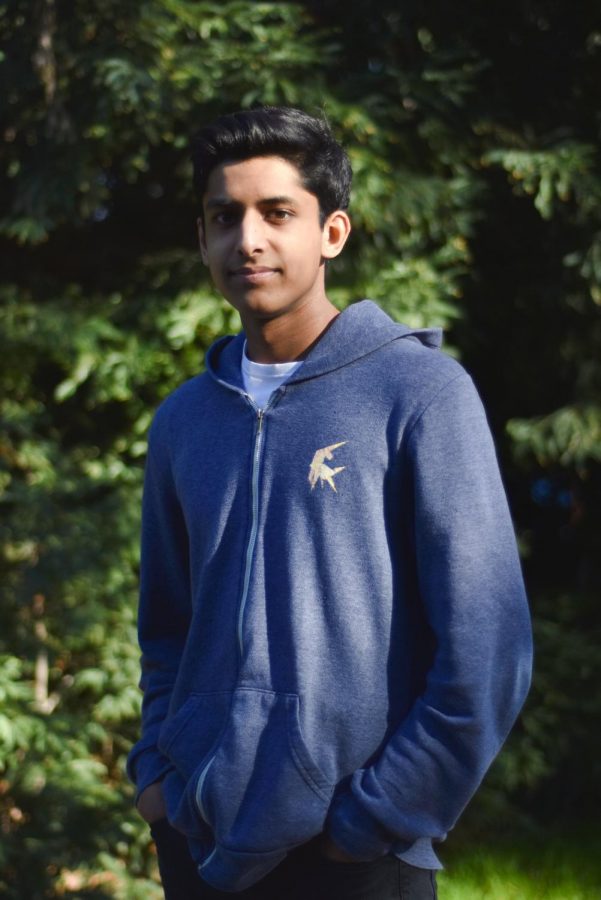

![“I think getting up in the morning and having a sense of purpose [is exciting]. I think without a certain amount of drive, life is kind of obsolete and mundane, and I think having that every single day is what makes each day unique and kind of makes life exciting,” Neymika Jain (12) said.](https://harkeraquila.com/wp-content/uploads/2017/06/Screen-Shot-2017-06-03-at-4.54.16-PM.png)
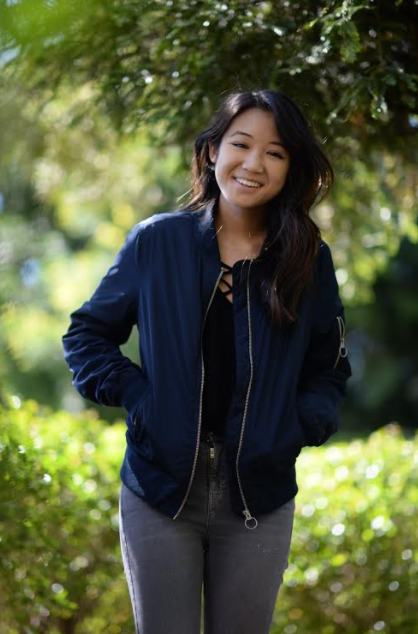
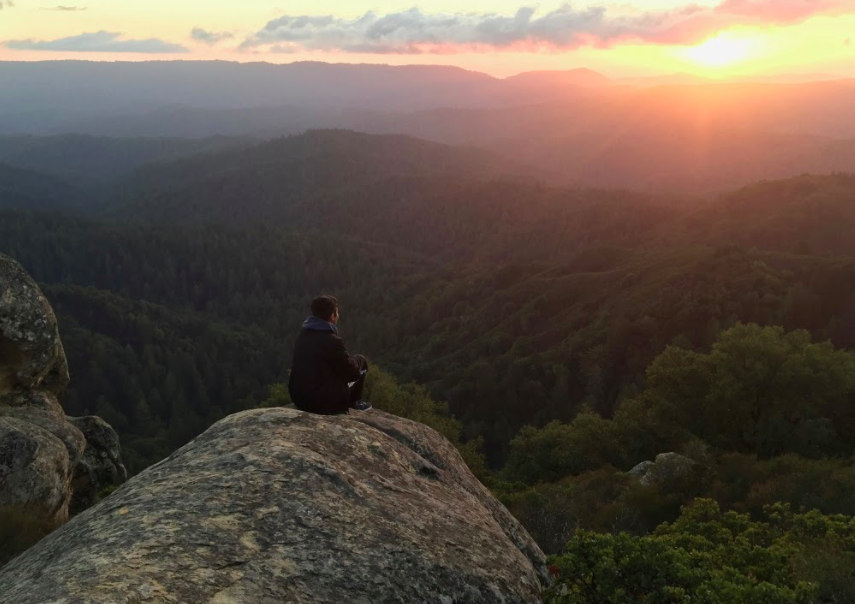
![“My slogan is ‘slow feet, don’t eat, and I’m hungry.’ You need to run fast to get where you are–you aren't going to get those championships if you aren't fast,” Angel Cervantes (12) said. “I want to do well in school on my tests and in track and win championships for my team. I live by that, [and] I can do that anywhere: in the classroom or on the field.”](https://harkeraquila.com/wp-content/uploads/2018/06/DSC5146-900x601.jpg)
![“[Volleyball has] taught me how to fall correctly, and another thing it taught is that you don’t have to be the best at something to be good at it. If you just hit the ball in a smart way, then it still scores points and you’re good at it. You could be a background player and still make a much bigger impact on the team than you would think,” Anya Gert (’20) said.](https://harkeraquila.com/wp-content/uploads/2020/06/AnnaGert_JinTuan_HoHPhotoEdited-600x900.jpeg)
![“I'm not nearly there yet, but [my confidence has] definitely been getting better since I was pretty shy and timid coming into Harker my freshman year. I know that there's a lot of people that are really confident in what they do, and I really admire them. Everyone's so driven and that has really pushed me to kind of try to find my own place in high school and be more confident,” Alyssa Huang (’20) said.](https://harkeraquila.com/wp-content/uploads/2020/06/AlyssaHuang_EmilyChen_HoHPhoto-900x749.jpeg)


Learning from legacy
Celebrating MLK Day and recognizing Black leaders will further the upper school’s diversity and inclusion efforts
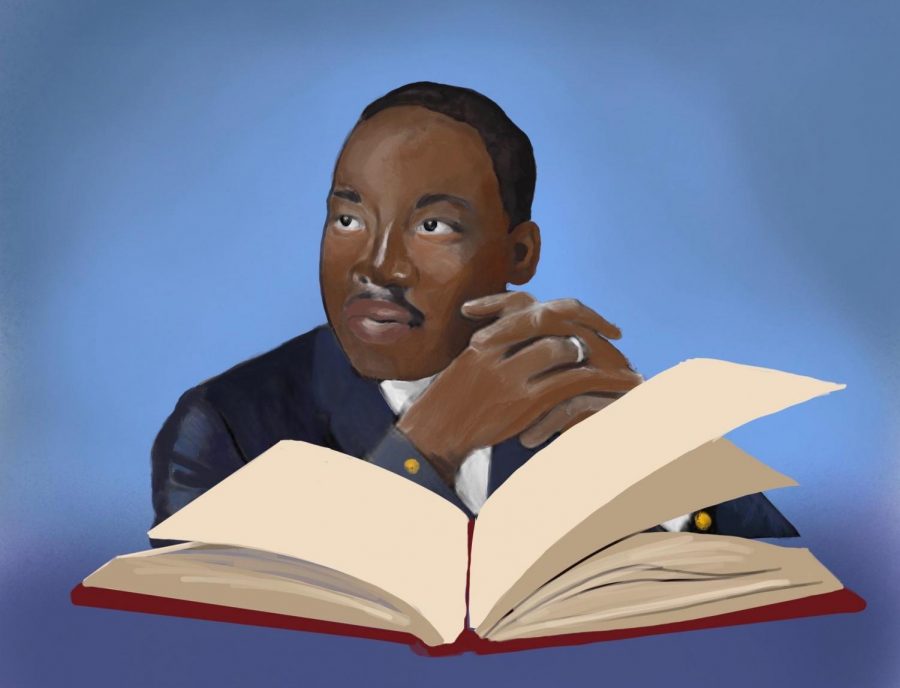
Celebrating Martin Luther King Jr. Day at the upper school is integral to promoting racial equity within our community. Especially at the upper school level, learning about Dr. King’s legacy in a thorough and informed manner allows students to better understand America’s history of racism and examine the nuances of bridging the racial divide of today.
January 19, 2021
“Injustice anywhere is a threat to justice everywhere,” Dr. Martin Luther King, Jr. wrote in his “Letter from Birmingham Jail.” With these words, Dr. King persevered in his pursuit of racial justice in hopes of paving a more equitable world for future generations.
It has been decades since the Civil Rights movement, yet we are still witnessing countless racial injustices occur across the nation – most recently, the blatant display of deeply rooted white supremacy and anti-Blackness in our country at the breach of the Capitol on Jan. 6. This injustice, and many others, from the police brutality Black Lives Matter (BLM) protesters faced last summer to the disproportionate coronavirus deaths of Black and indigenous people across the U.S., prompted the Harker community to reflect on our own role in the pervasiveness of racial injustice.
It is undeniable that Harker has taken several important strides to improve diversity, equity and inclusion on campus since the killing of George Floyd in late May of last year.
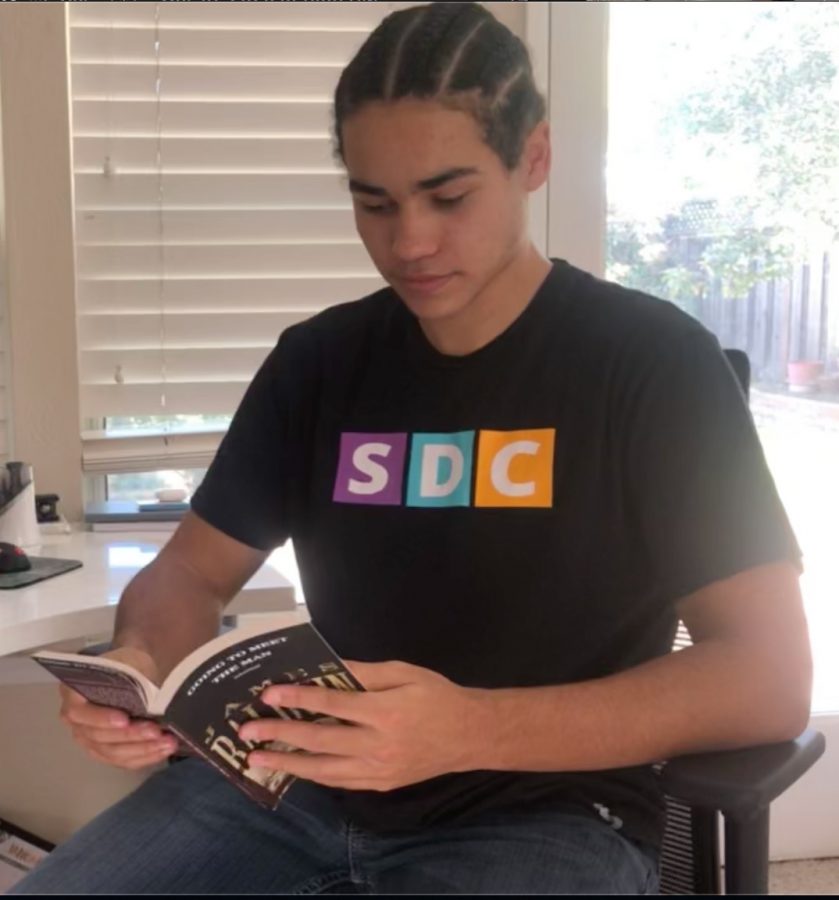
In the weeks following his death, Harker held a virtual vigil and a town hall for faculty, staff, parents, alumni and students to discuss the BLM protests and consider ways in which the Harker community perpetuates racial inequality. Last semester, seniors Brian Pinkston, Natasha Yen and Dylan Williams and junior Uma Iyer collaborated with administration to create the Student Diversity Coalition (SDC), the first institutionalized organization of its kind dedicated to creating a cohesive and equitable community culture at Harker. For the first time, groups such as the Black Student Union and the Latinx Affinity Group provide safe spaces for students to share their experiences.
New courses, from the Black American Literature English elective to an ethnic studies history elective, brought powerful voices of people of color into the Harker curriculum. Just last Thursday, students, faculty, staff, administrators and board members took the Assessment of Inclusion and Multiculturalism (AIM) survey to inform Harker about community views on diversity.
Yet, despite these positive advancements, there is still more that can be done. For one, while the lower and middle school campuses held class discussions and attended assemblies honoring Dr. King’s legacy, the upper school campus did not formally celebrate Martin Luther King Jr. Day. This federal holiday provided an evident opportunity to facilitate education on Black history and to honor Black historical figures at the upper school.
Celebrating Martin Luther King Jr. Day at the upper school is integral to promoting racial equity within our community. Especially at the upper school level, learning about Dr. King’s legacy in a thorough and informed manner allows students to better understand America’s history of racism and examine the nuances of bridging the racial divide of today.
Simple activities, such as reading Dr. King’s most famous rhetoric or conversing about his message of civil rights in a way that enriches perspectives on modern BLM movements, can further diversify the upper school community and lead to a more cohesive, caring culture. Even without a school-facilitated event, members of the upper school community can honor his legacy, from actively seeking to understand and acknowledge the experiences of Black peers to calling for people to be antiracist.
In the words of Dr. King, “The time is always right to do what is right.” Let us continue to strive to be empathetic, open-minded individuals by holding school-wide discussions of Dr. King’s work and the work of other Black leaders.