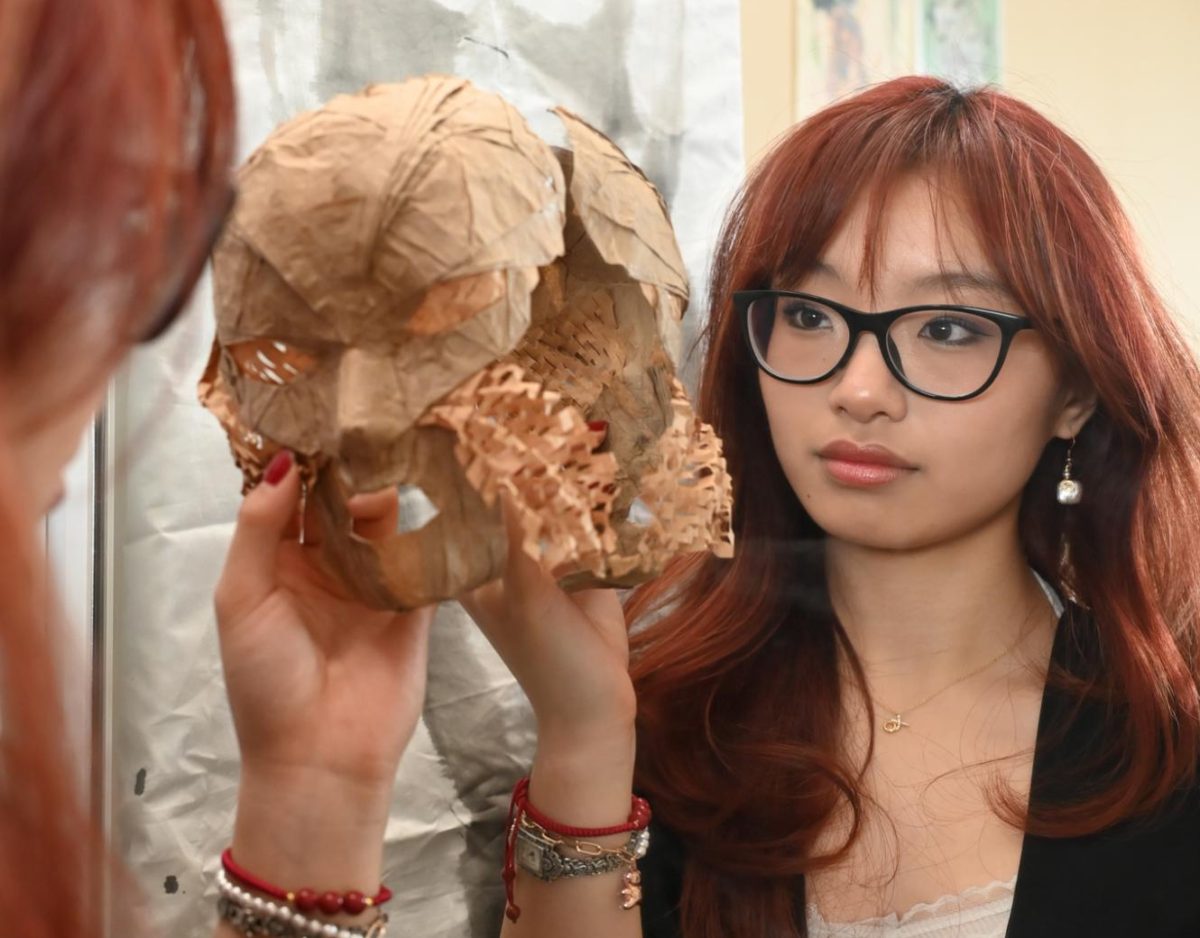
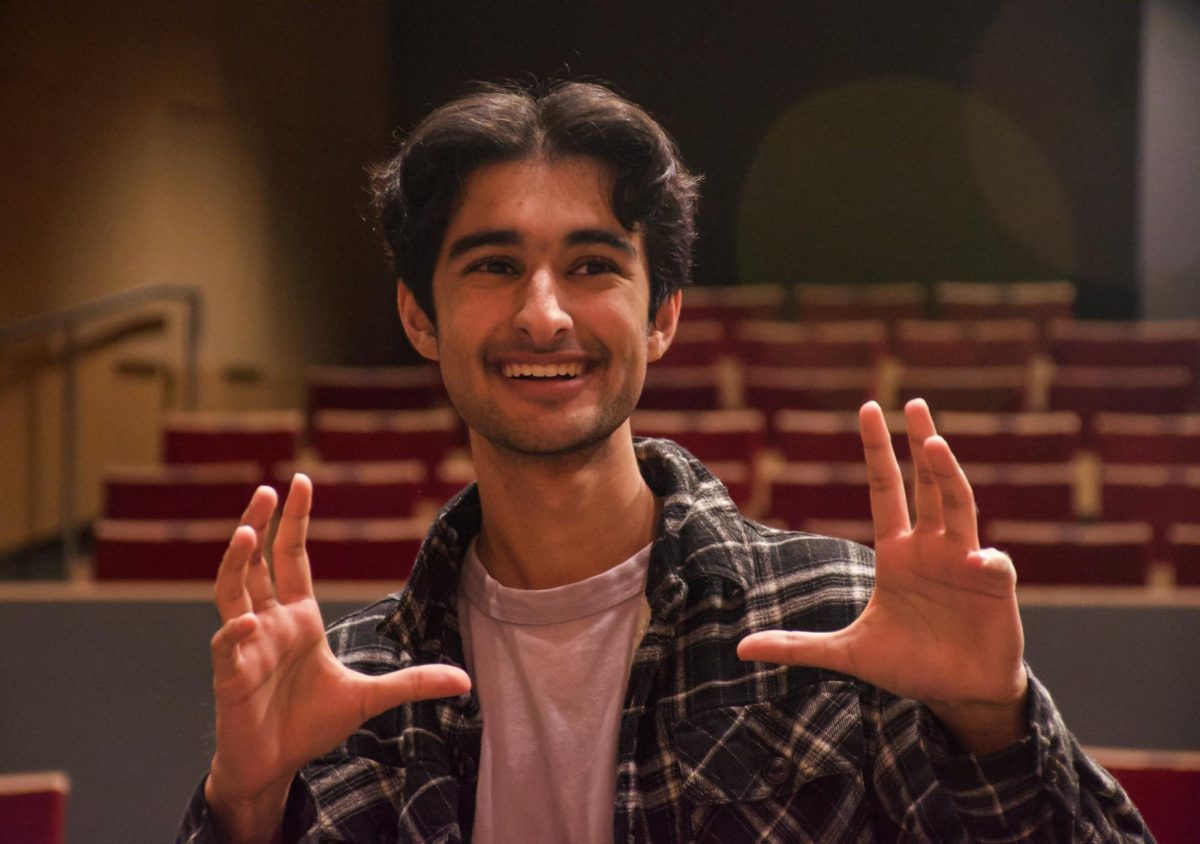
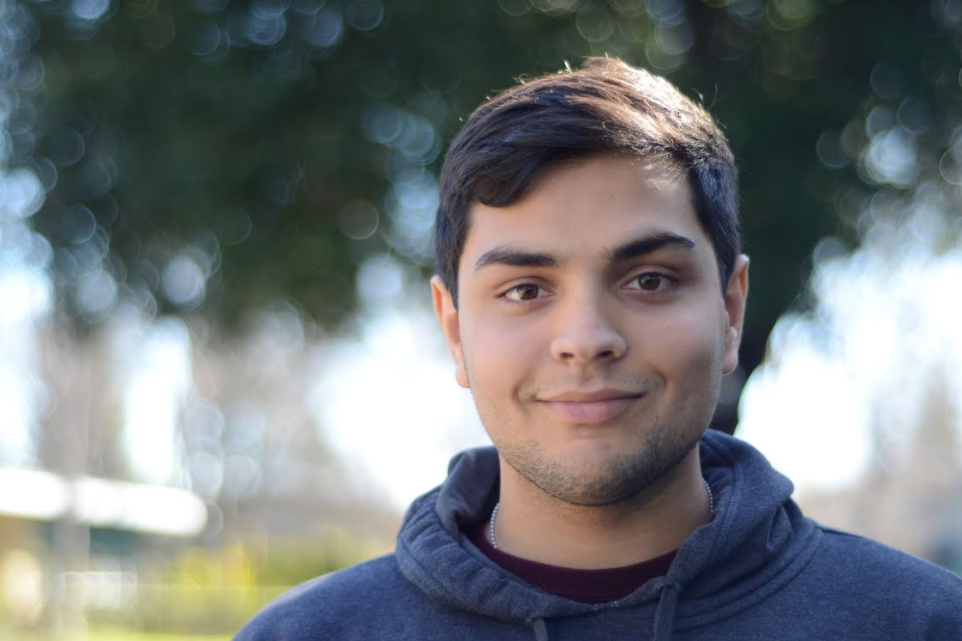
![“I wasn't discouraged by some of the obstacles we faced. I learned a lot from the leadership. I found that different people need different ways of receiving feedback — you can't [just] tell them to do something and expect the best. [Some] people needed more incentive. A large part of my role was to figure out what worked for everyone and to figure out how to lead all these separate individuals as a team,” Suhana Bhandare (’26) said.](https://harkeraquila.com/wp-content/uploads/2026/06/SuhanaBhandare_JasmineHansra-1-1200x798.jpg)
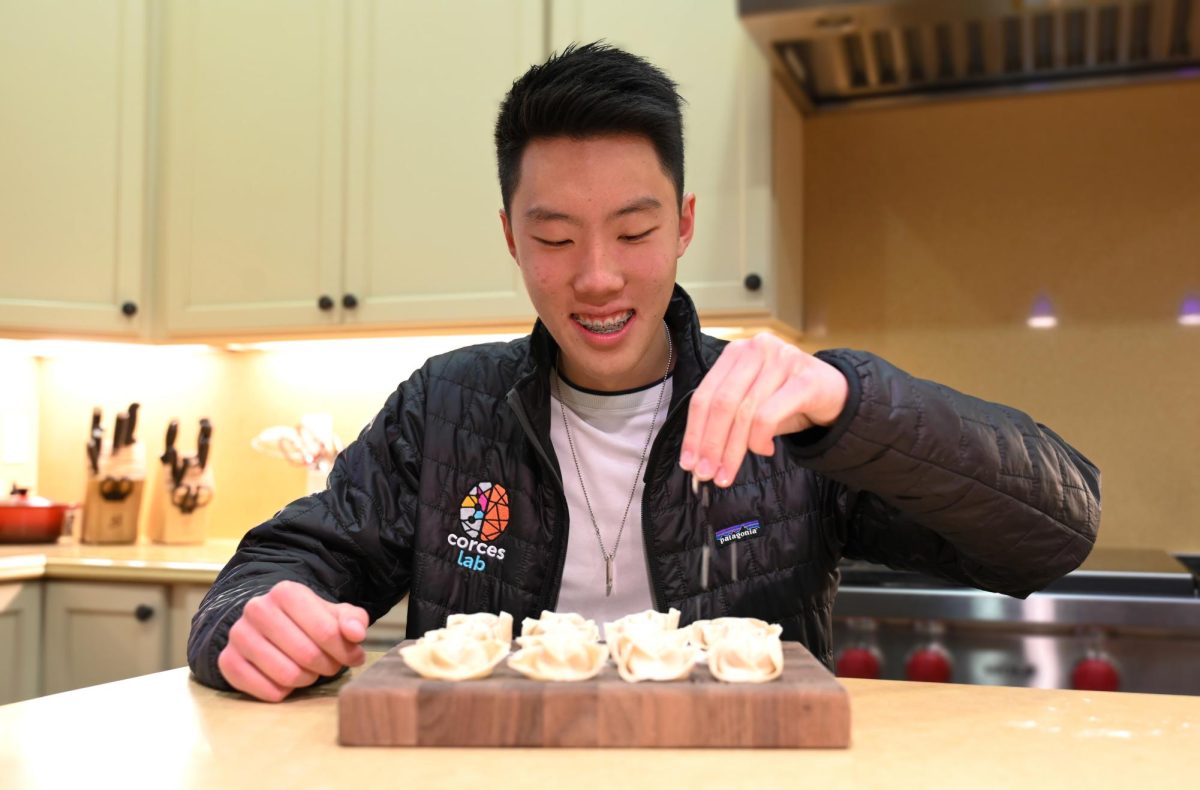
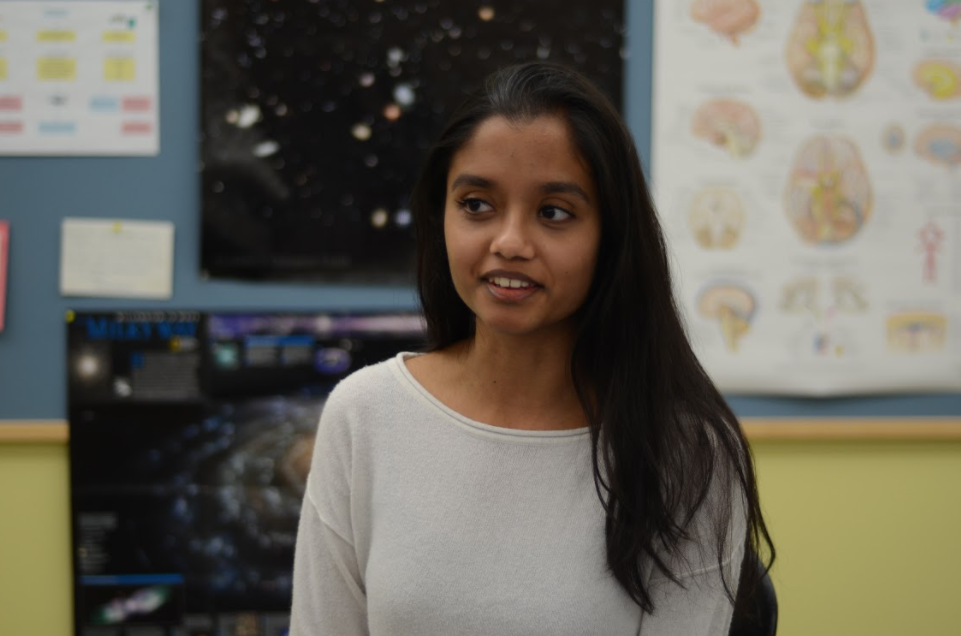
![“This is actually from Randy Pausch Randy P. Brick: ‘Walls are there for a reason. You have to show how much you want to overcome them.’ You have to show how much you want something. That's what I've always been able to do with tennis, Link Crew and getting that internship [with Kushy Baby]. It’s important pushing through that — getting around that brick wall, climbing over it or clawing through it,” Yash Sachdeva (’26) said.](https://harkeraquila.com/wp-content/uploads/2026/05/YashSachdeva_RamBatchu-copy-1200x1002.jpg)
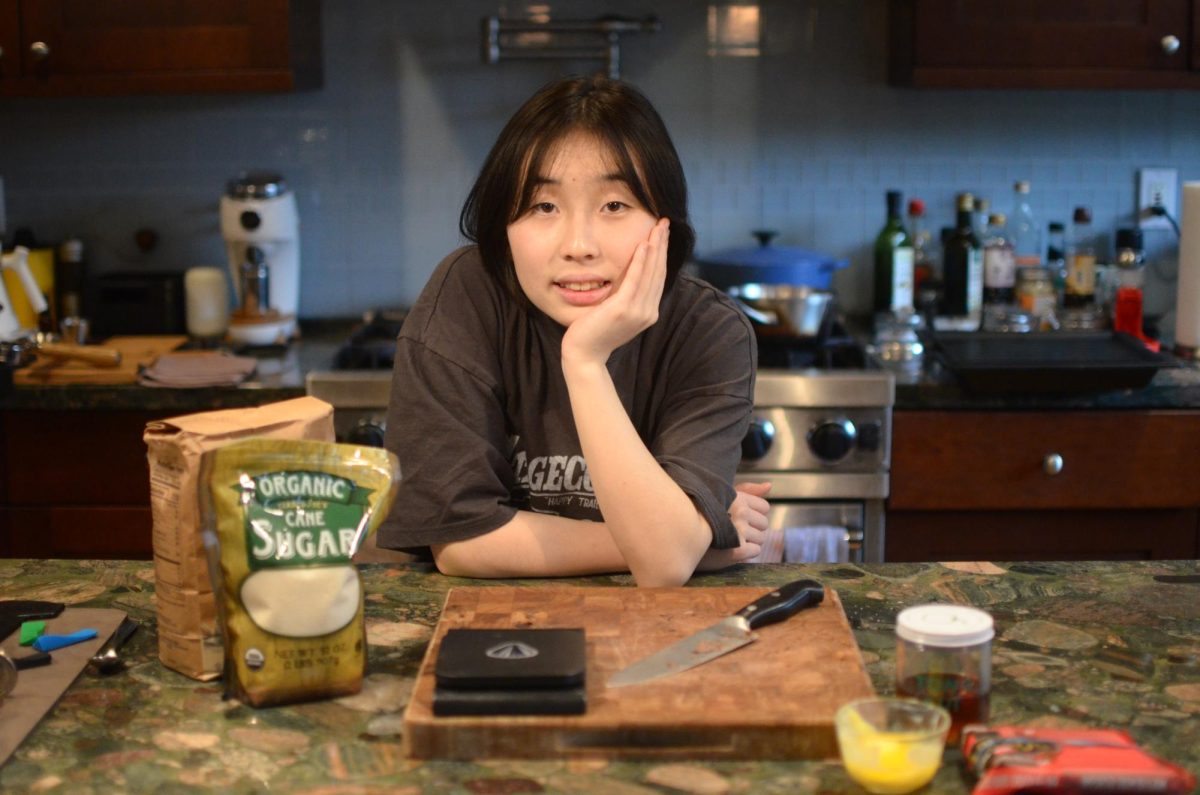
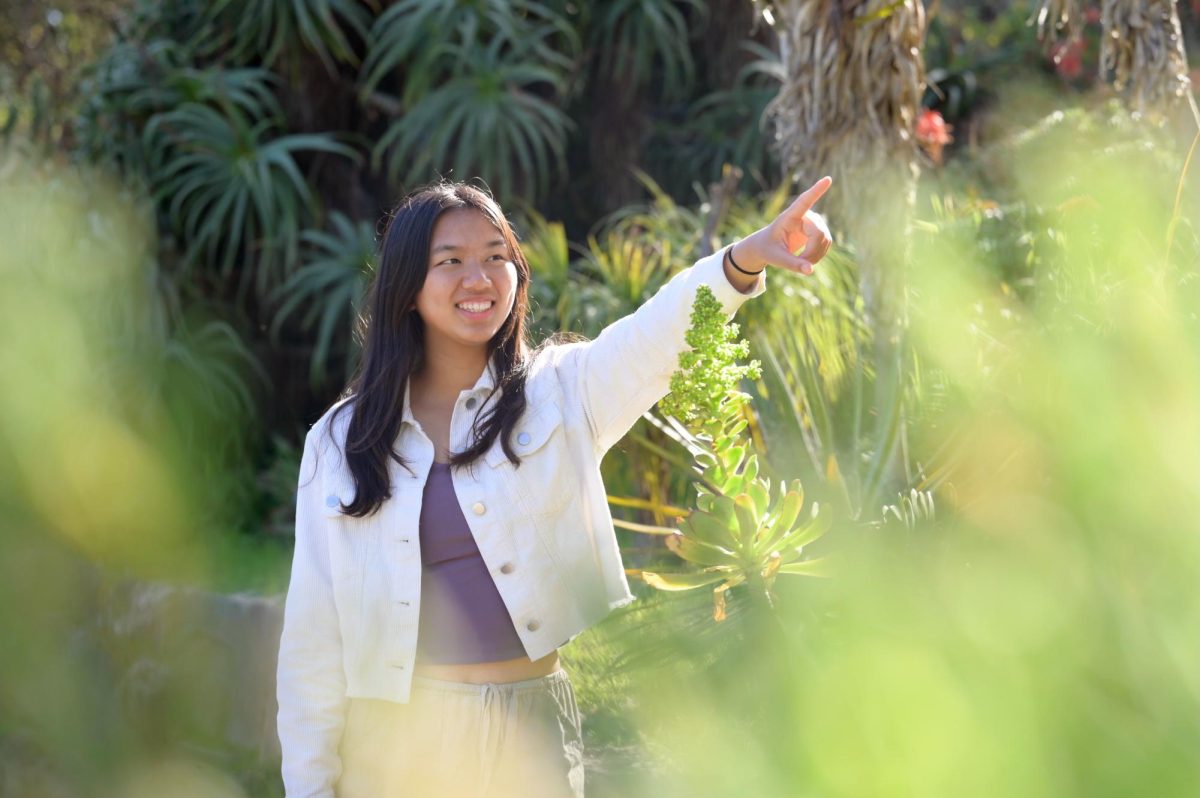

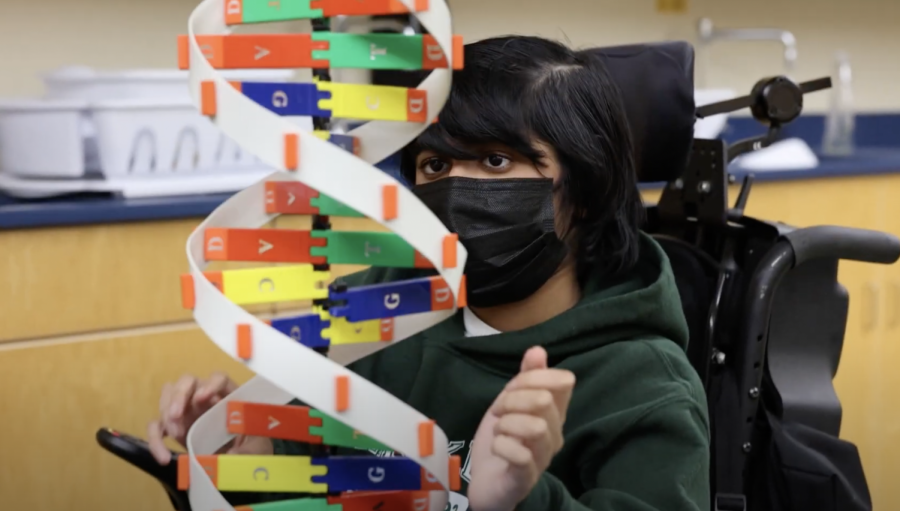
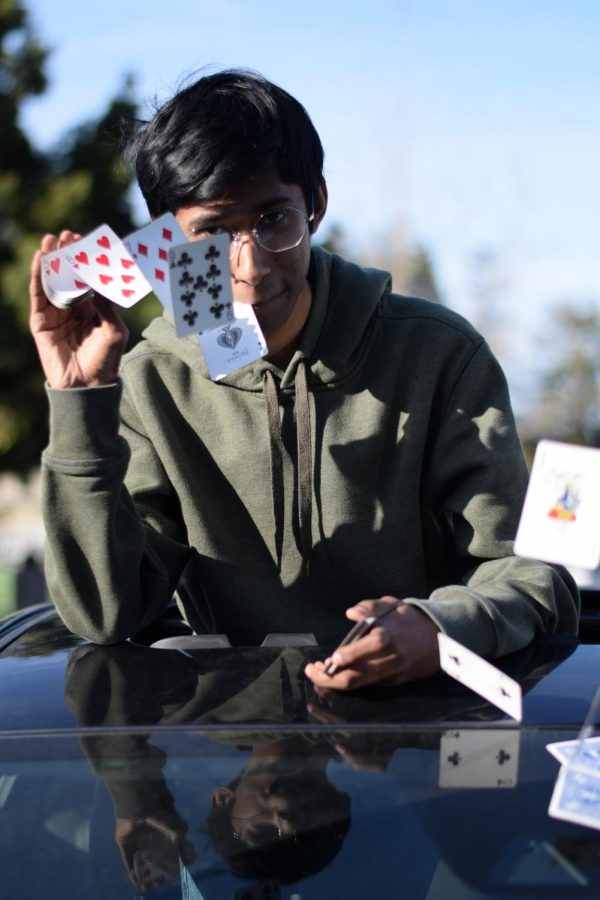
![“[Building nerf blasters] became this outlet of creativity for me that hasn't been matched by anything else. The process [of] making a build complete to your desire is such a painstakingly difficult process, but I've had to learn from [the skills needed from] soldering to proper painting. There's so many different options for everything, if you think about it, it exists. The best part is [that] if it doesn't exist, you can build it yourself," Ishaan Parate said.](https://harkeraquila.com/wp-content/uploads/2022/08/DSC_8149-900x604.jpg)
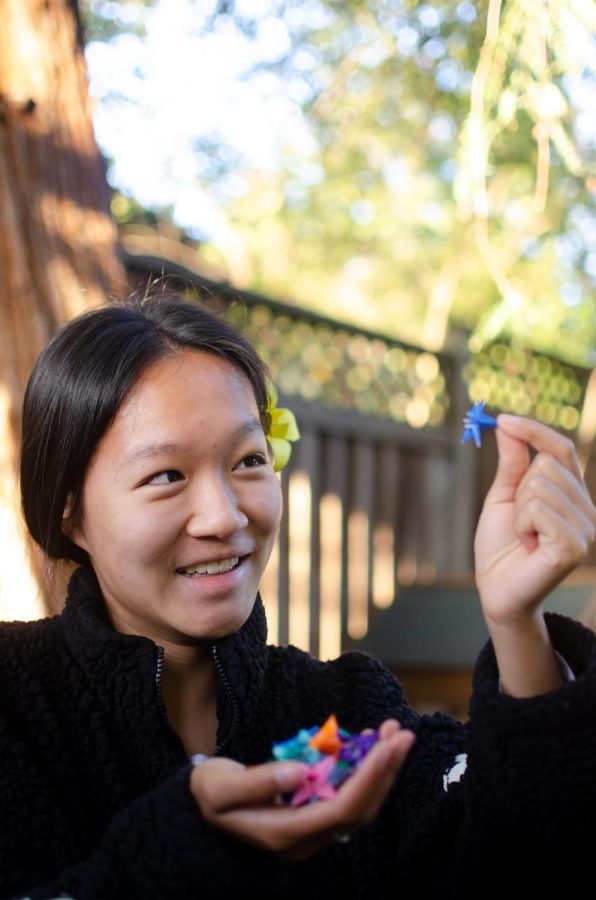
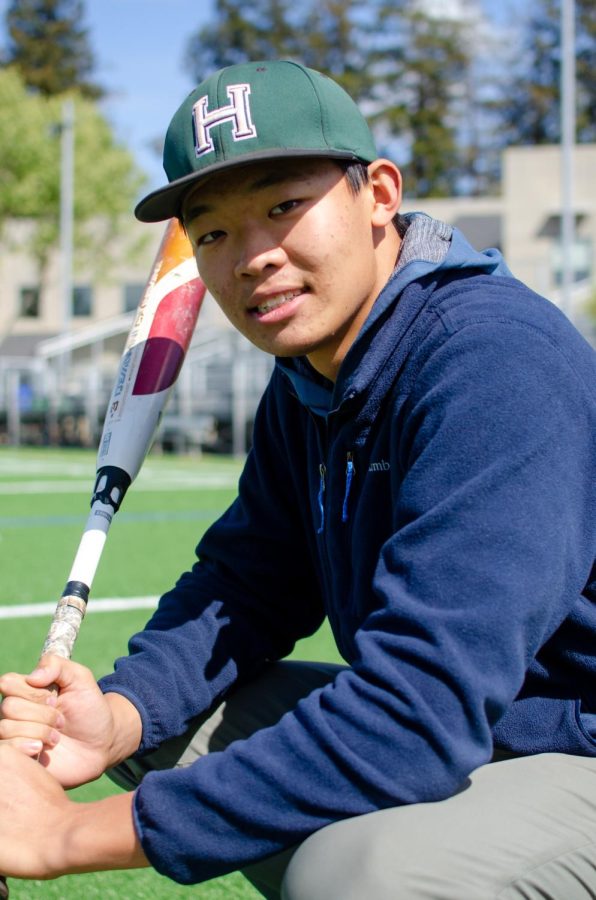
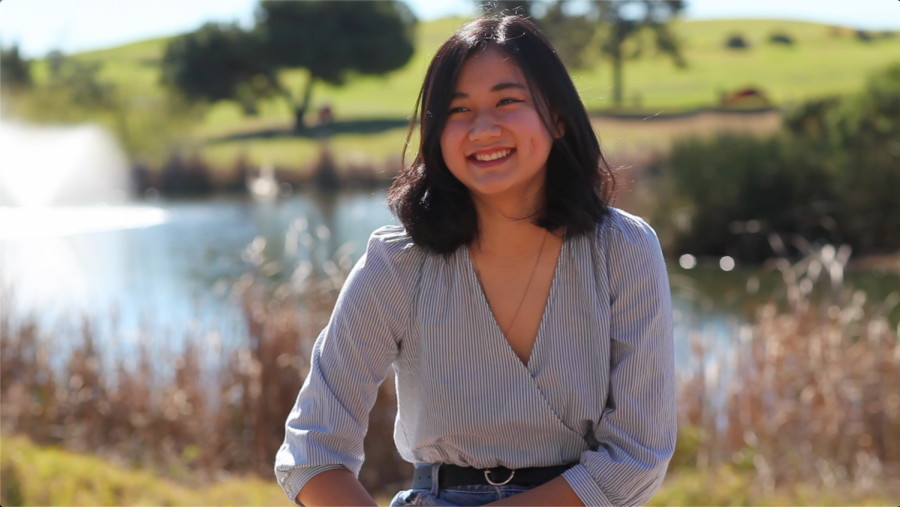
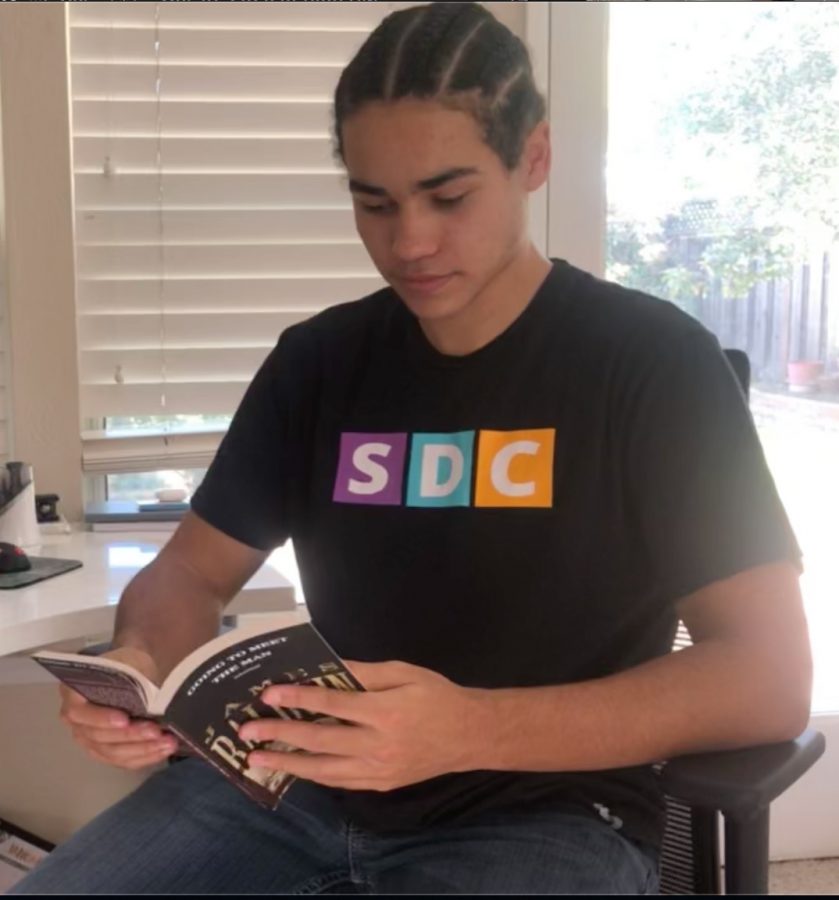
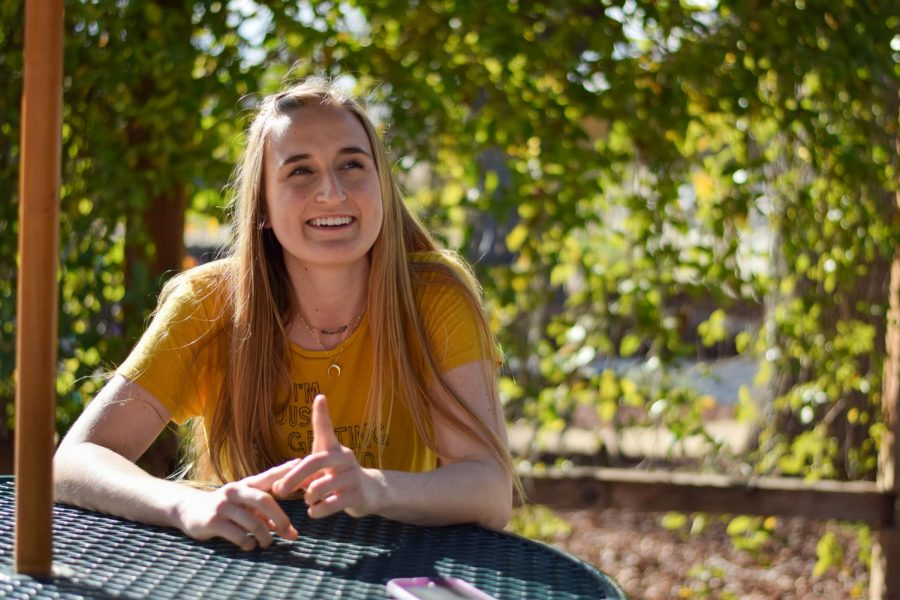
![“When I came into high school, I was ready to be a follower. But DECA was a game changer for me. It helped me overcome my fear of public speaking, and it's played such a major role in who I've become today. To be able to successfully lead a chapter of 150 students, an officer team and be one of the upperclassmen I once really admired is something I'm [really] proud of,” Anvitha Tummala ('21) said.](https://harkeraquila.com/wp-content/uploads/2021/07/Screen-Shot-2021-07-25-at-9.50.05-AM-900x594.png)
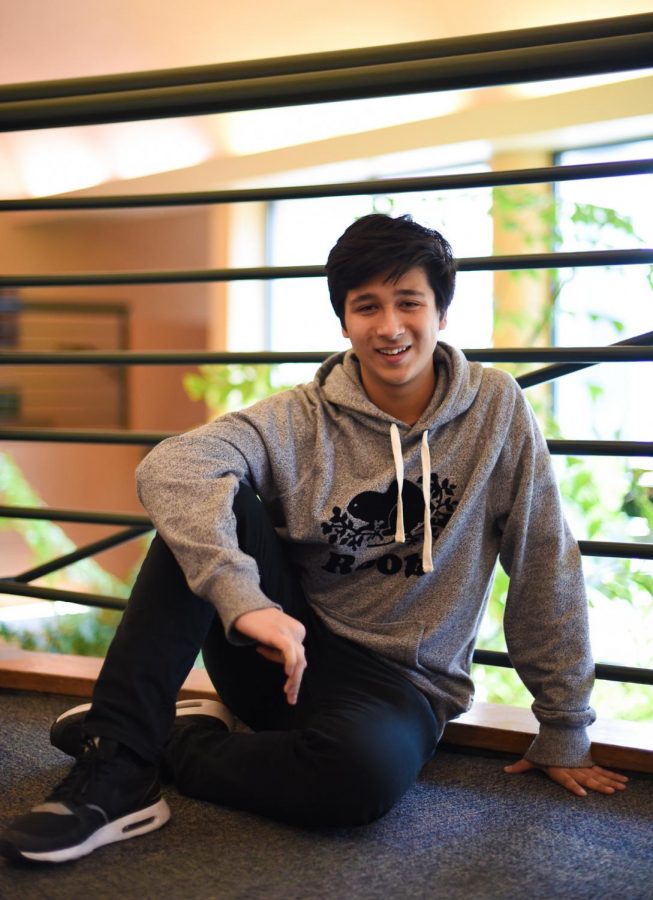
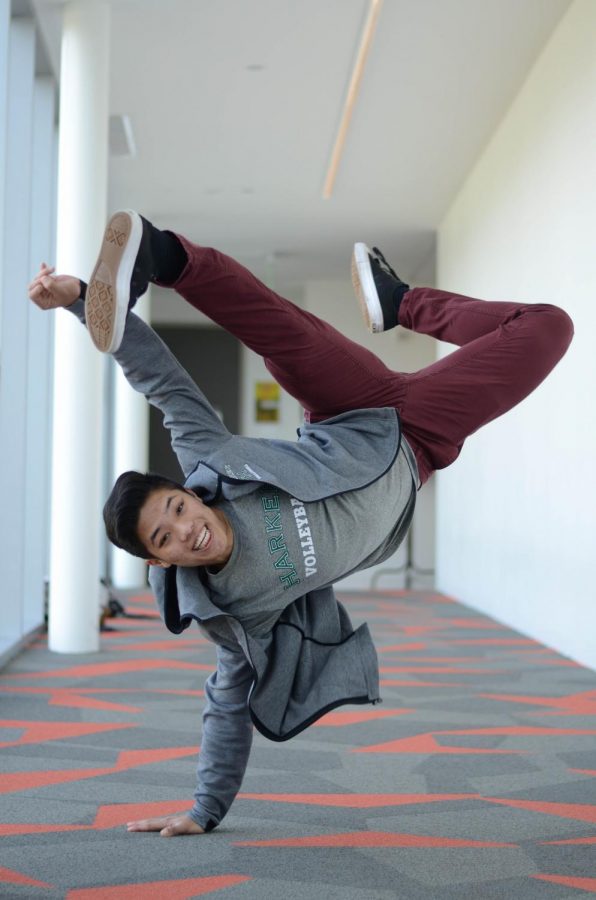
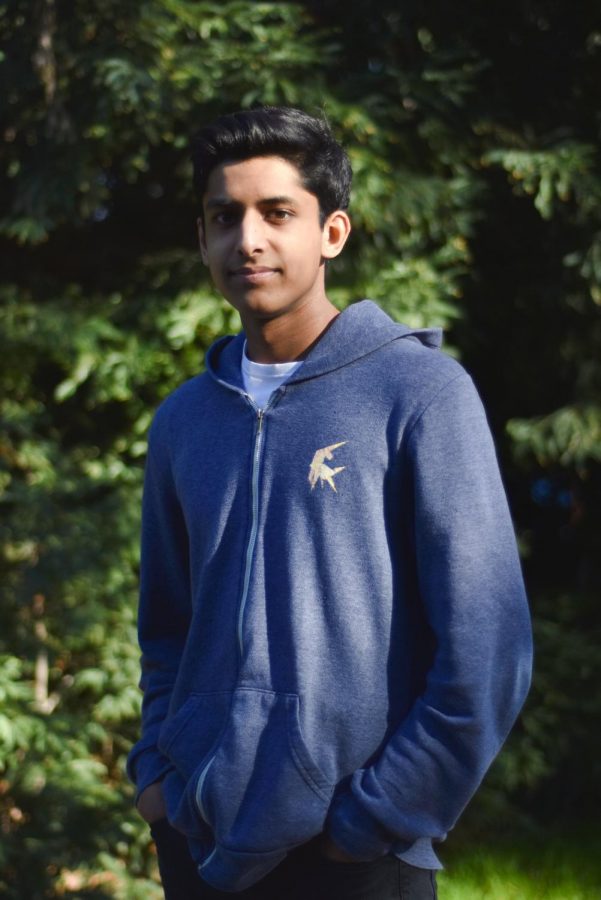

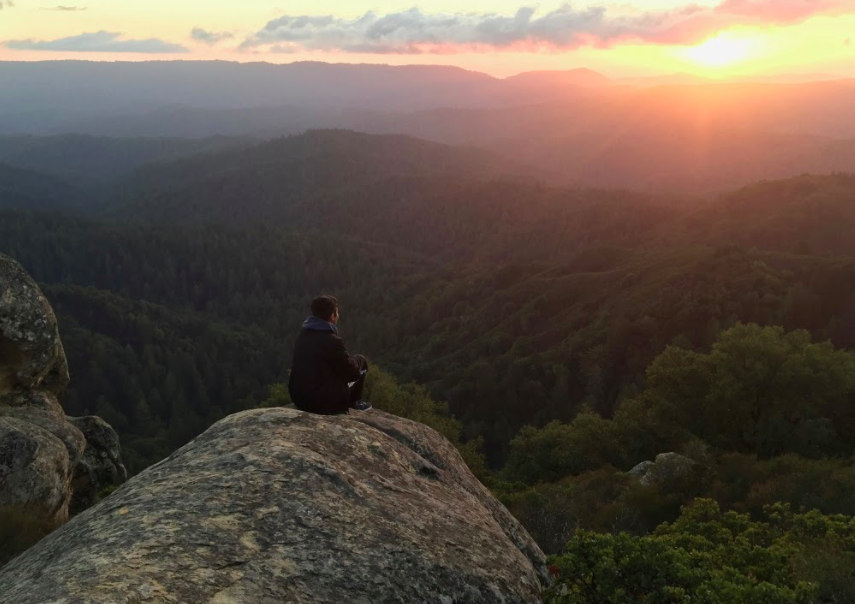
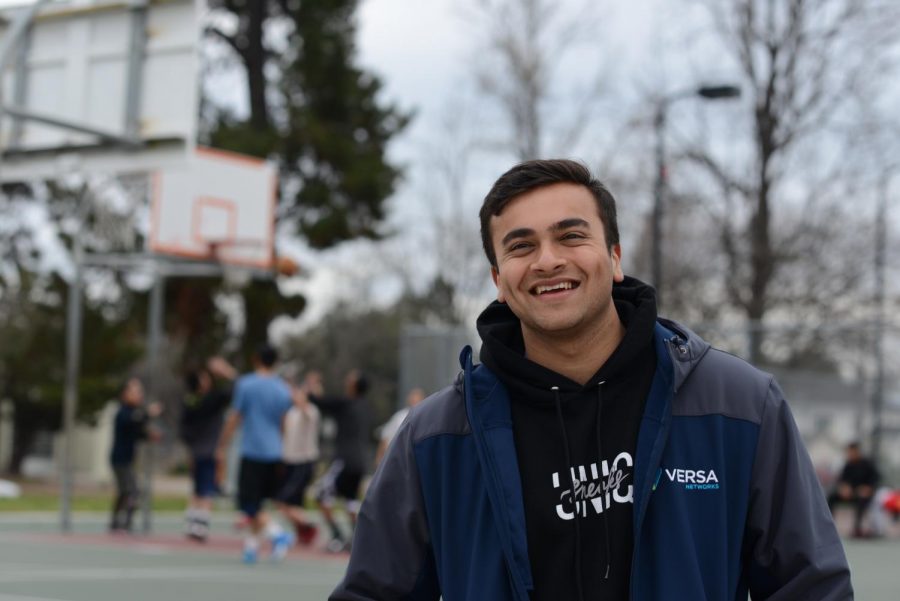
![“I think getting up in the morning and having a sense of purpose [is exciting]. I think without a certain amount of drive, life is kind of obsolete and mundane, and I think having that every single day is what makes each day unique and kind of makes life exciting,” Neymika Jain (12) said.](https://harkeraquila.com/wp-content/uploads/2017/06/Screen-Shot-2017-06-03-at-4.54.16-PM.png)
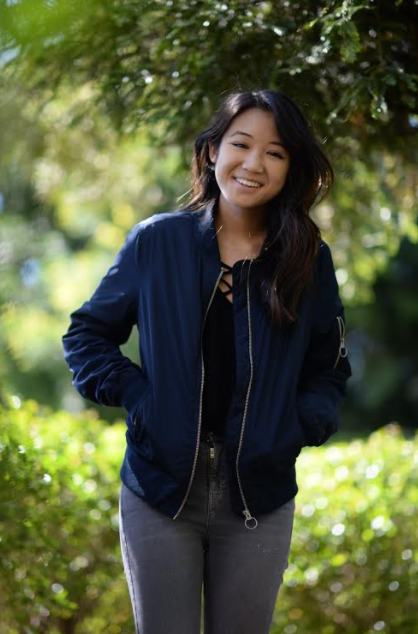
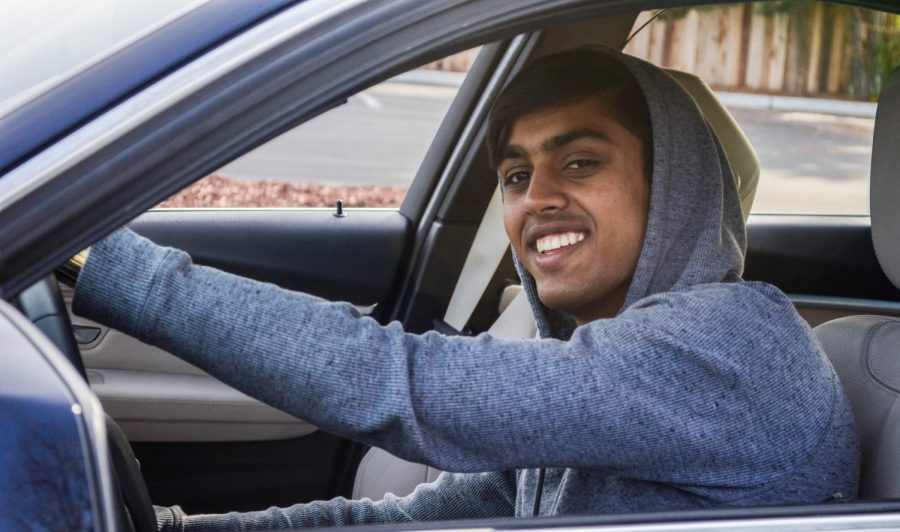
![“My slogan is ‘slow feet, don’t eat, and I’m hungry.’ You need to run fast to get where you are–you aren't going to get those championships if you aren't fast,” Angel Cervantes (12) said. “I want to do well in school on my tests and in track and win championships for my team. I live by that, [and] I can do that anywhere: in the classroom or on the field.”](https://harkeraquila.com/wp-content/uploads/2018/06/DSC5146-900x601.jpg)
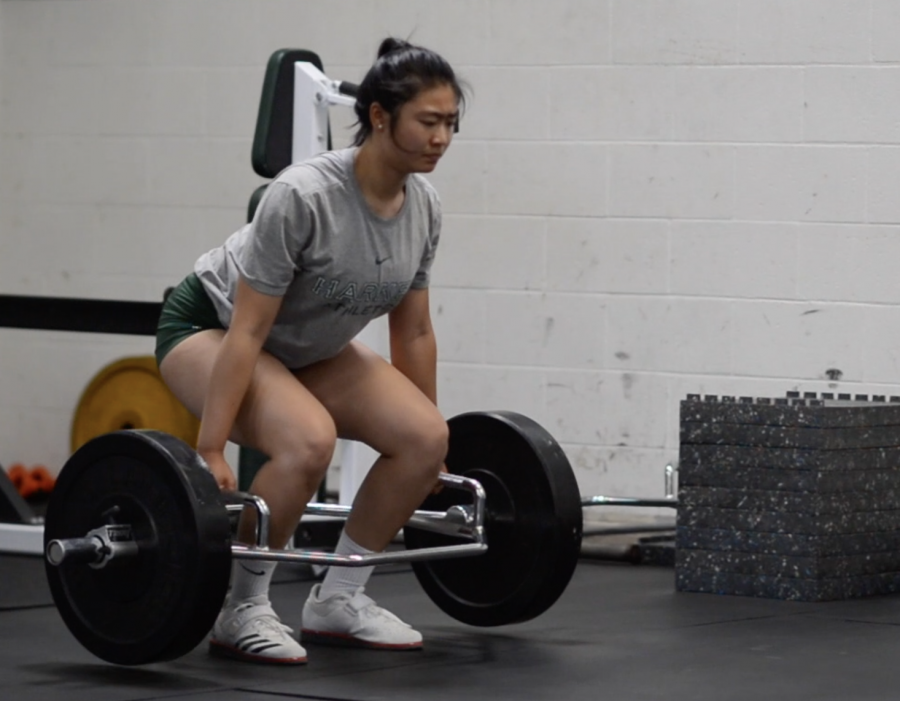
![“[Volleyball has] taught me how to fall correctly, and another thing it taught is that you don’t have to be the best at something to be good at it. If you just hit the ball in a smart way, then it still scores points and you’re good at it. You could be a background player and still make a much bigger impact on the team than you would think,” Anya Gert (’20) said.](https://harkeraquila.com/wp-content/uploads/2020/06/AnnaGert_JinTuan_HoHPhotoEdited-600x900.jpeg)
![“I'm not nearly there yet, but [my confidence has] definitely been getting better since I was pretty shy and timid coming into Harker my freshman year. I know that there's a lot of people that are really confident in what they do, and I really admire them. Everyone's so driven and that has really pushed me to kind of try to find my own place in high school and be more confident,” Alyssa Huang (’20) said.](https://harkeraquila.com/wp-content/uploads/2020/06/AlyssaHuang_EmilyChen_HoHPhoto-900x749.jpeg)


Town hall sparks conversations for embracing diversity and inclusion
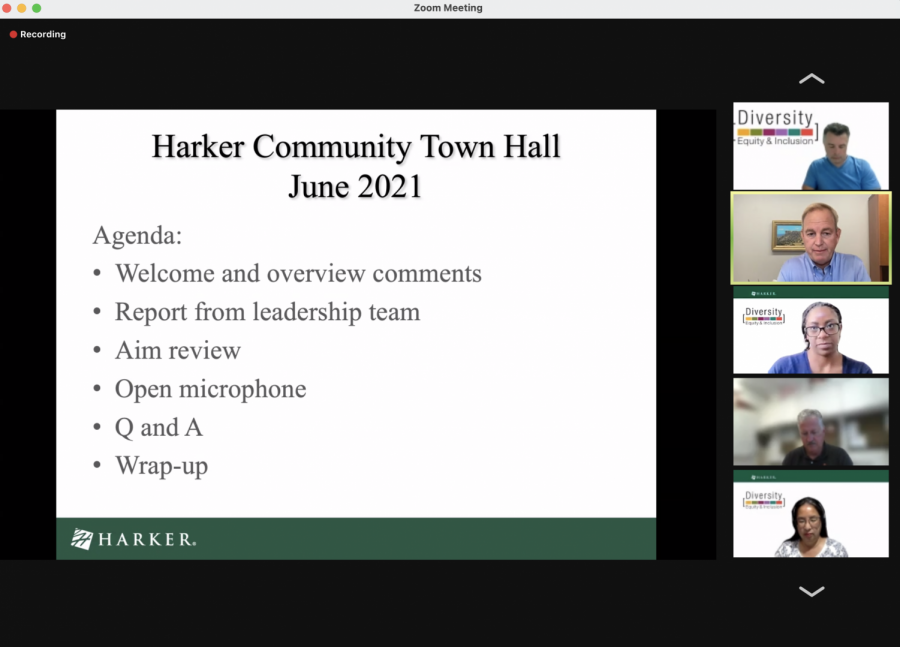
Head of School Brian Yager reviews the Harker Community Town Hall agenda. The town hall included discussions about the progress made so far, the AIM survey results, reflections and a question and answer session.
June 22, 2021
To discuss new updates, ideas and concerns regarding diversity among students, alumni and faculty, the administration organized Harker’s second set of town halls of the 2020-2021 school year on June 9, with the first set of town halls taking place in the fall. 38 students and staff joined to listen and share their ideas, and a town hall for parents and alumni took place on June 8.
In an email sent out to the school community, Head of School Brian Yager addressed the purpose of the town hall.
“The primary goal of these town halls is for the school to share updates, and to provide community members an opportunity to ask questions and provide input that will help the school enhance and focus our efforts and impact in the coming years,” Yager wrote. “These town halls will include an update from the Harker Diversity Committee on the school’s work in this area over the past year.”
Yager discussed the new diversity-conscious electives, such as Introduction to Ethnic Studies, Introduction to Social Justice and Black American Literature. Topics of discussion also included the plaque recognizing the Muwekma Ohlone land the campus is settled on and the results of the Assessment of Inclusivity and Multiculturalism (AIM) survey, which all students took earlier in the year.
“We want to make sure that we are creating a community in which all people, regardless of background and identity, feel a sense of belonging,” Mark Janda, co-chair of the Diversity Committee and upper school history and social science teacher, said in an interview. “That’s kind of abstract and intangible, and we want to come up with some more concrete ways to move us in that direction. Things like having a town hall, doing the AIM survey, having affinity groups, those are pieces that we’ve worked on in order to create a space [where] everyone, regardless of identity, feels a sense of belong[ing].”
Some results of the AIM survey that Yager discussed include a bigger need for respect for cultural diversity; more diversity in socioeconomic status for current and prospective students; a more diverse administration, staff and student body; additional support for LGBTQ+ students and more support for students with different views on the political spectrum.
The upper school Student Diversity Coalition (SDC) has worked closely with administration to create more spaces for affinity groups and to organize events, such as Challenge Day, in which the community can come together to share and discuss their ideas and personal viewpoints. SDC has also discussed with administration endowments for financial aid students.
“Harker is looking to be more inclusive and supportive of different socioeconomic statuses and working with [the] admissions office in the future on that as well,” Natasha Yen (‘21), a co-leader of the SDC, said. “The administration and especially the Diversity Committee were being really transparent on where they are and where they’re hoping to go. One of my takeaways about why town halls are important is just learning about what Harker is doing, but also, it’s a way to make sure that Harker is, in some ways, held accountable to pursuing DEI initiatives.”
Some of the SDC faculty and students that attended shared their thoughts about the progress being made during an open mic portion at the event, in which attendees could voice their opinions, confront problems or talk about goals for the future.
Dina Ande (9), one of the SDC officers for the class of 2024, appreciated how students and faculty remained engaged and attentive during the town hall. This was the first town hall that she attended, and she enjoyed having a space that allowed the community to share their opinions and ideas.
“I was pleasantly surprised and pleased with how it went,” Dina said in an interview. “Everyone was really open to share the insights and issues within our school community that we need to change and continue to improve. I didn’t discuss much, but hearing what other people had to say and knowing that they cared was just really great.”
Dina hopes that more people can attend the event in the future through in-person meetings or a mandatory time integrated into the school schedule in the future.
“Mr. Yager mentioned this might be like a yearly ritual that we do as a school, and so if that is the case, maybe [we could hold it] during assembly time so that everyone can come because I think it is important to see what the student body has to say about how they feel,” Dina said.
Middle School Diversity Coordinator Rebecca Williams emphasized the importance of diversity as a way to enrich students’ learning and their ability to engage deeply with the world ahead of them.
“Part of our mission is to prepare students to be global citizens,” Williams said in an interview. “The global society is made up of different people, and so learning other stories, learning how to interact, learning how to cooperate, work, grow and build on people’s strengths is essential to be successful beyond school.”
Upper school English Teacher Susanne Salhab, who serves as a faculty member on the Diversity Council, believes that “diversity, equity, inclusion and justice guide [her] work as an educator.” She hopes that students will feel reassurance that they have support from the community no matter what their background is.
“I want our community to know that they have a space where they can express themselves and feel safe,” Salhab said in an interview. “Everyone at Harker should know that we as a community want to hear their voices and uplift them.”
Harker community members with ideas or questions to share with the Harker Diversity Committee can email [email protected].
A previous version of this article incorrectly referred to the Student Diversity Coalition as the Student Diversity Committee. The article has been updated on Nov. 25, 2021 to reflect the correction of this error.