![“I wasn't discouraged by some of the obstacles we faced. I learned a lot from the leadership. I found that different people need different ways of receiving feedback — you can't [just] tell them to do something and expect the best. [Some] people needed more incentive. A large part of my role was to figure out what worked for everyone and to figure out how to lead all these separate individuals as a team,” Suhana Bhandare (’26) said.](https://harkeraquila.com/wp-content/uploads/2026/06/SuhanaBhandare_JasmineHansra-1-1200x798.jpg)

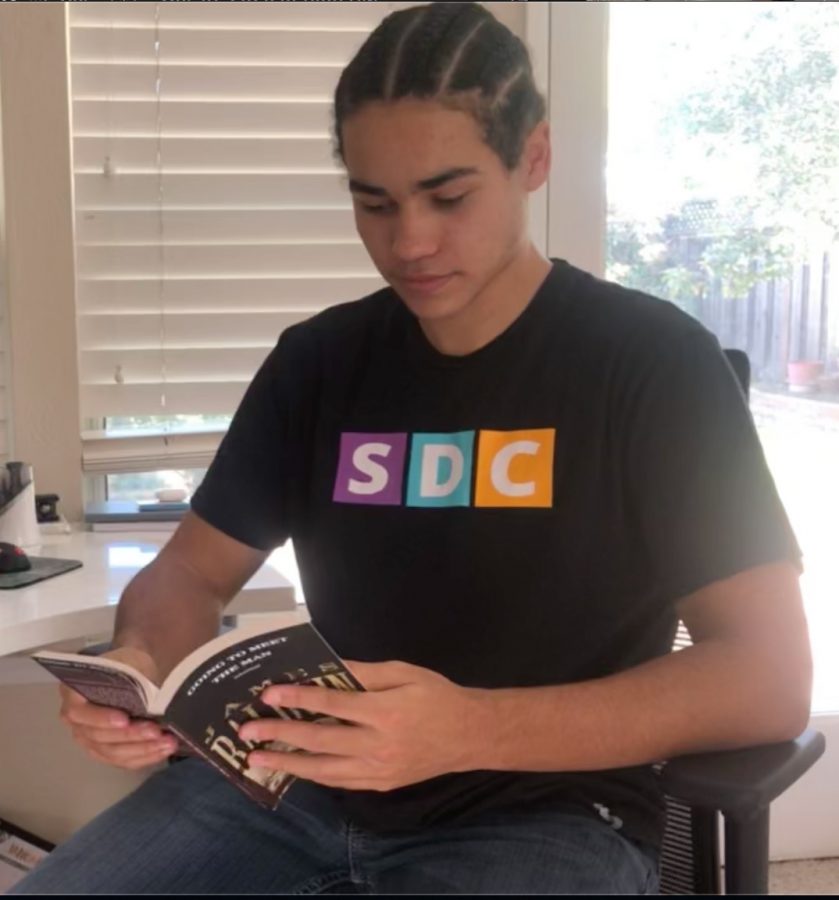
![“This is actually from Randy Pausch Randy P. Brick: ‘Walls are there for a reason. You have to show how much you want to overcome them.’ You have to show how much you want something. That's what I've always been able to do with tennis, Link Crew and getting that internship [with Kushy Baby]. It’s important pushing through that — getting around that brick wall, climbing over it or clawing through it,” Yash Sachdeva (’26) said.](https://harkeraquila.com/wp-content/uploads/2026/05/YashSachdeva_RamBatchu-copy-1200x1002.jpg)
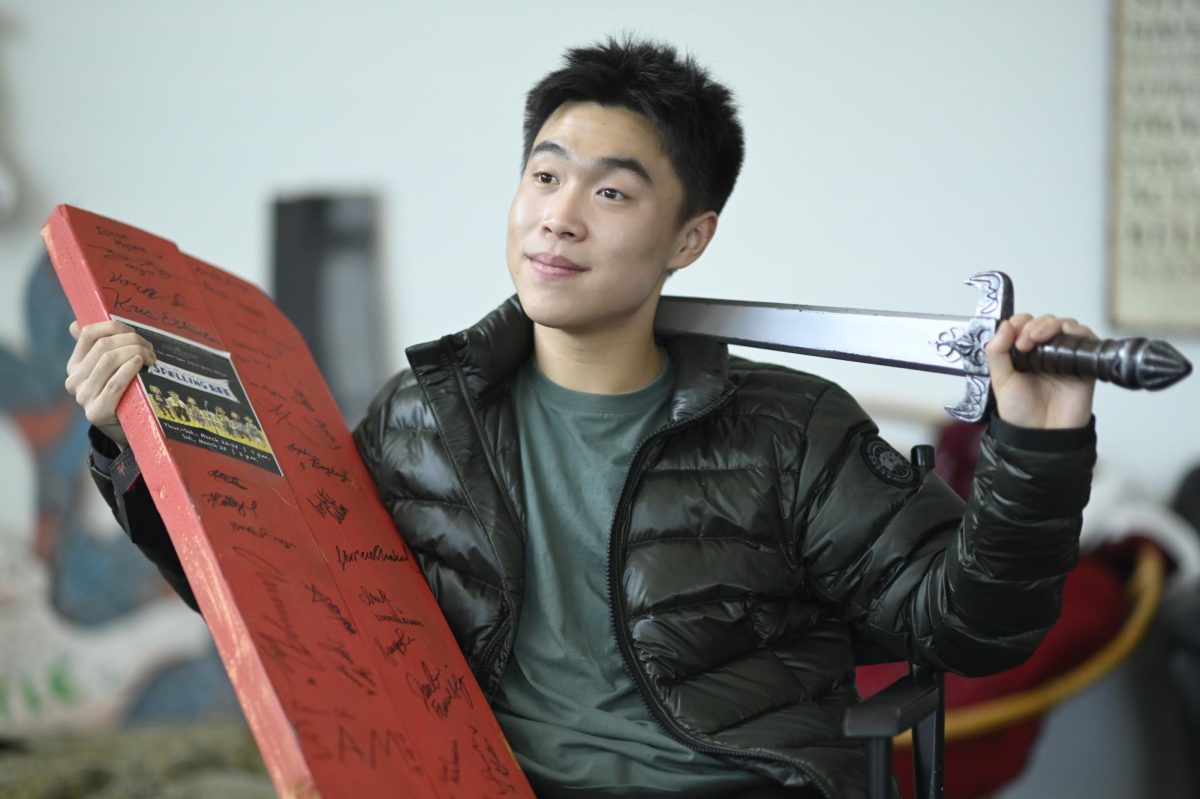
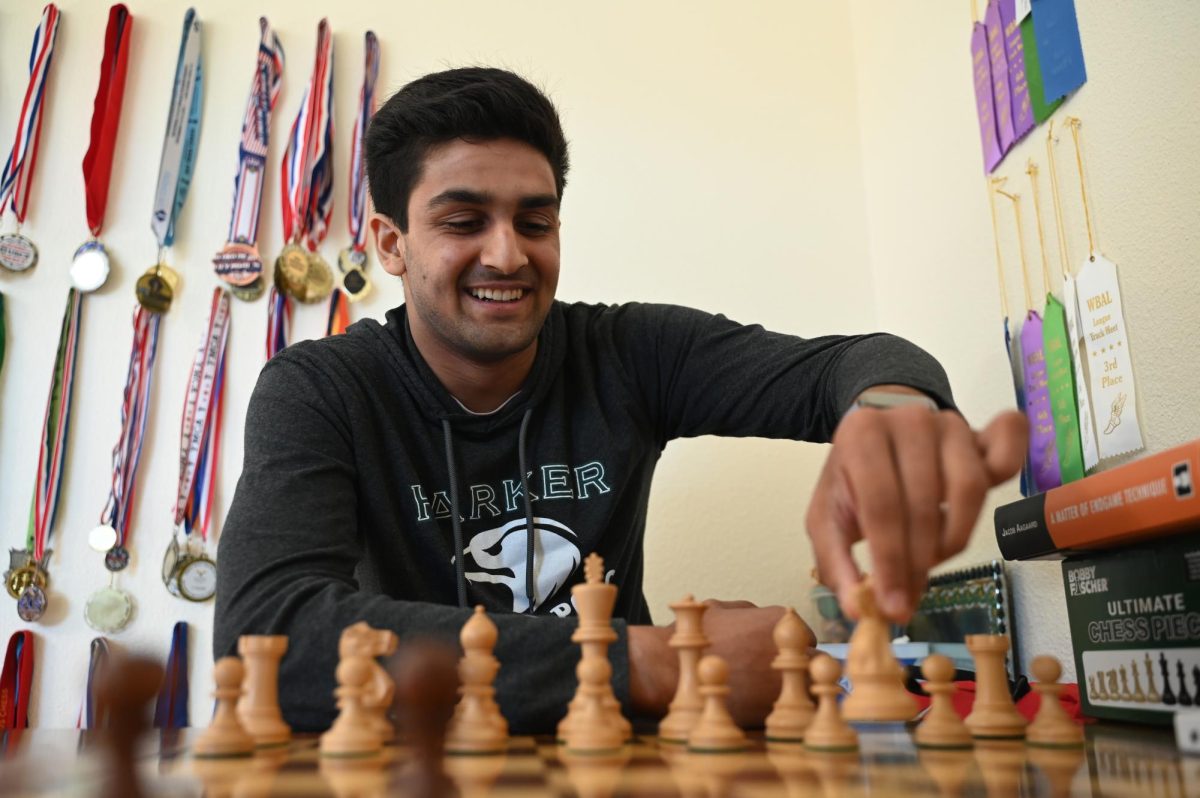
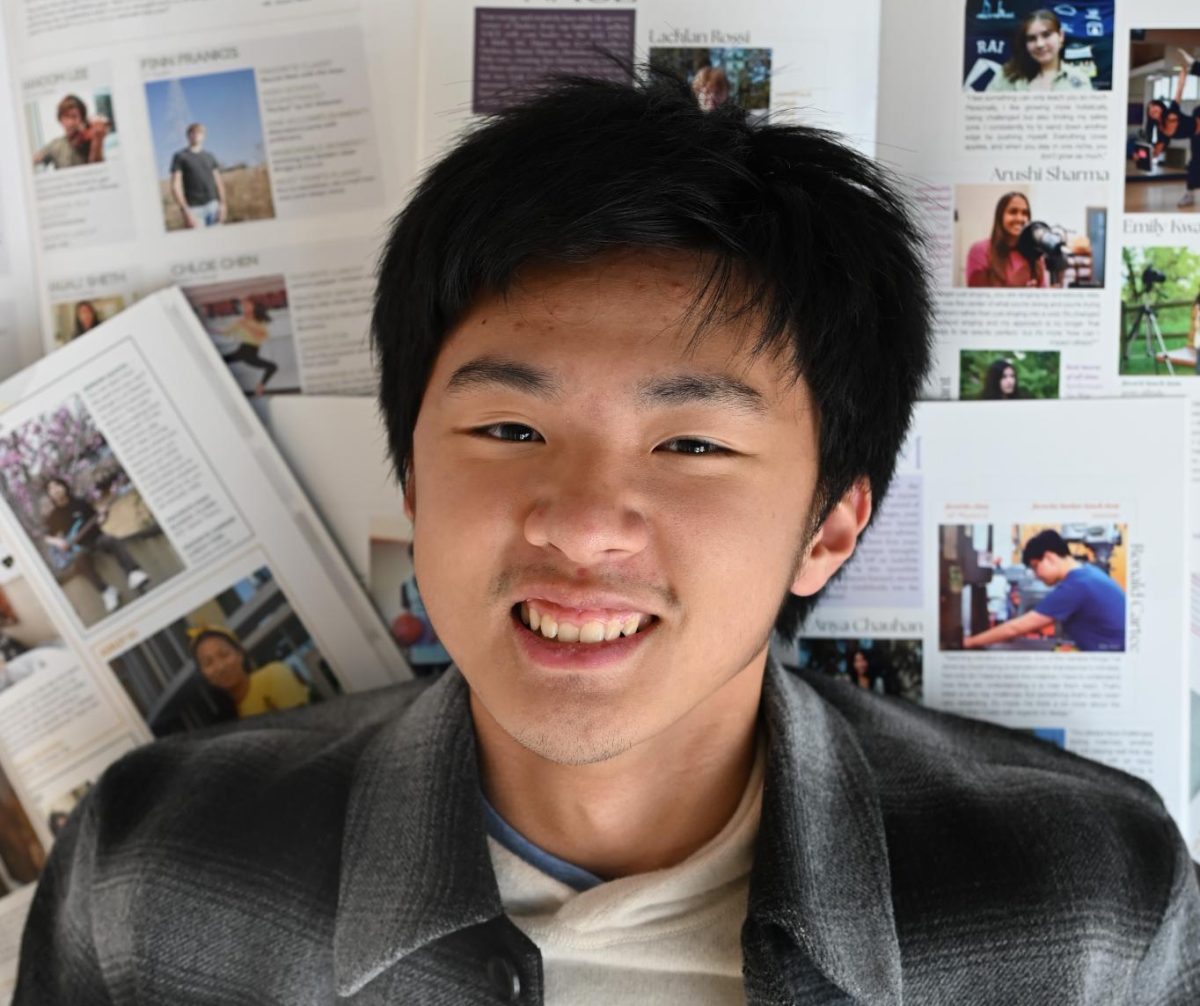
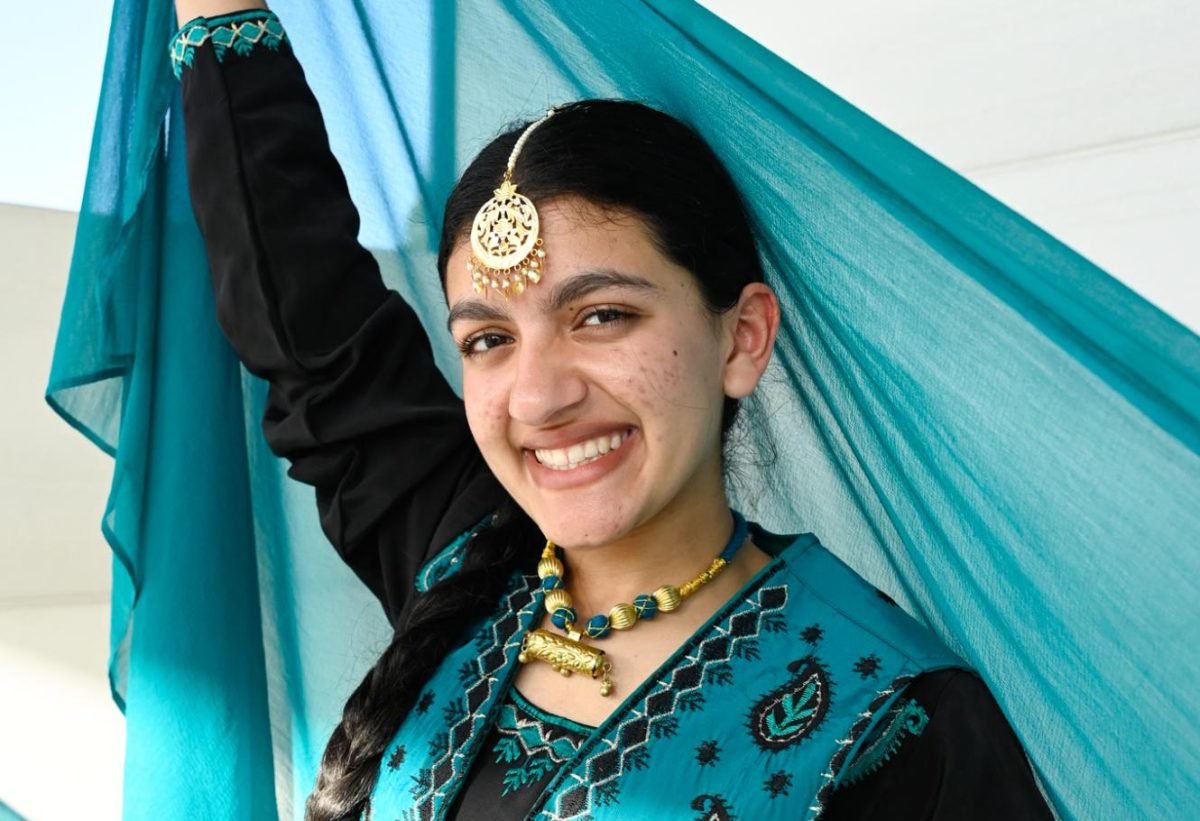


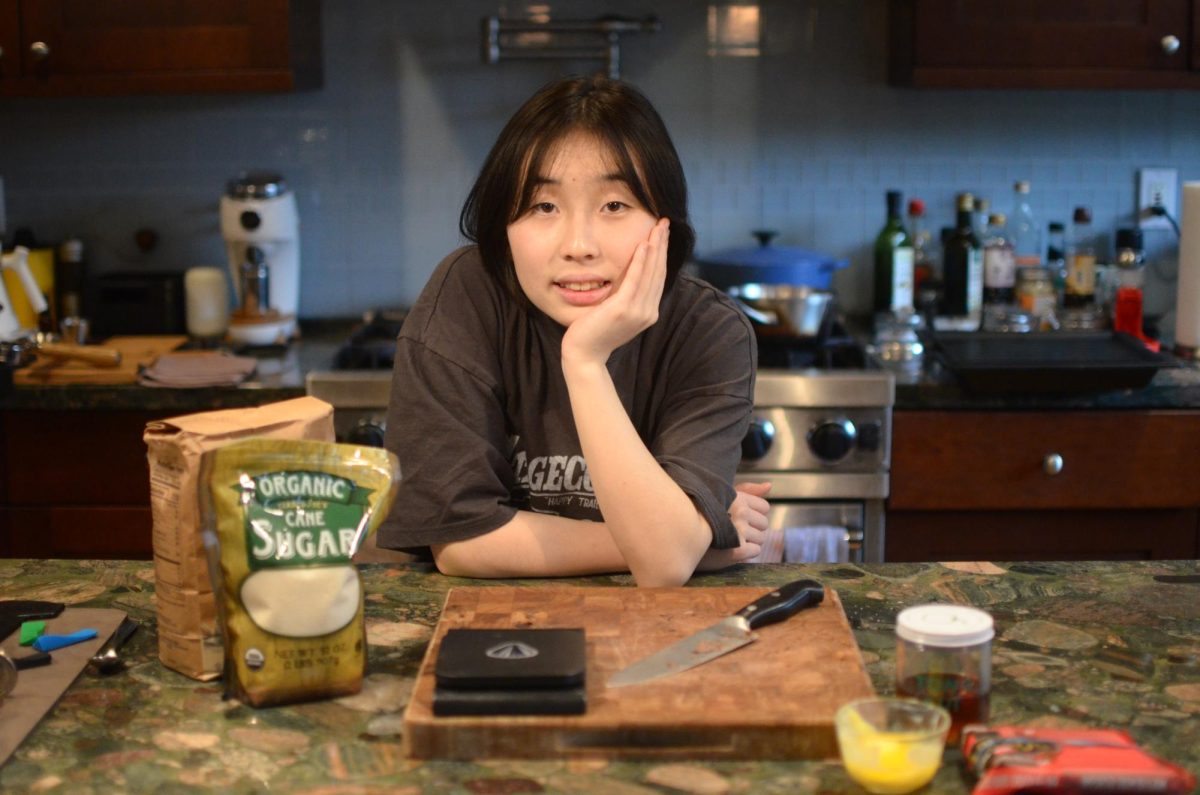


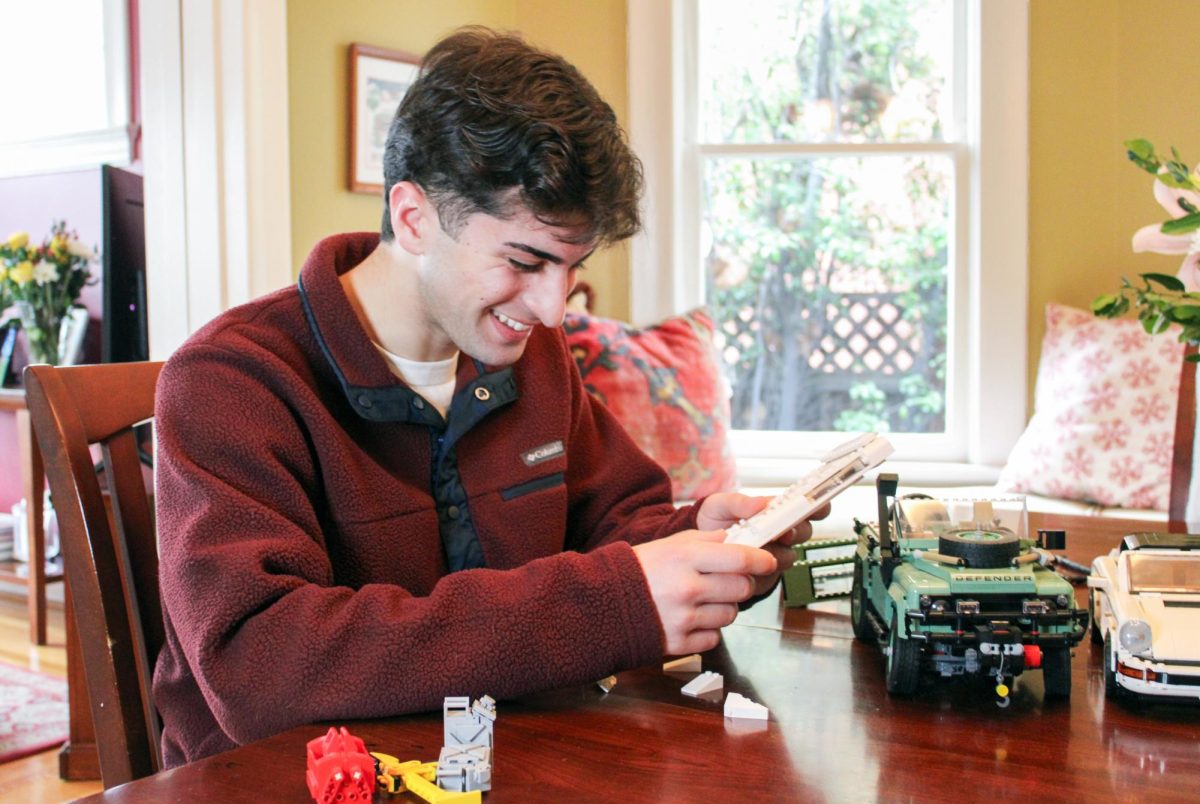

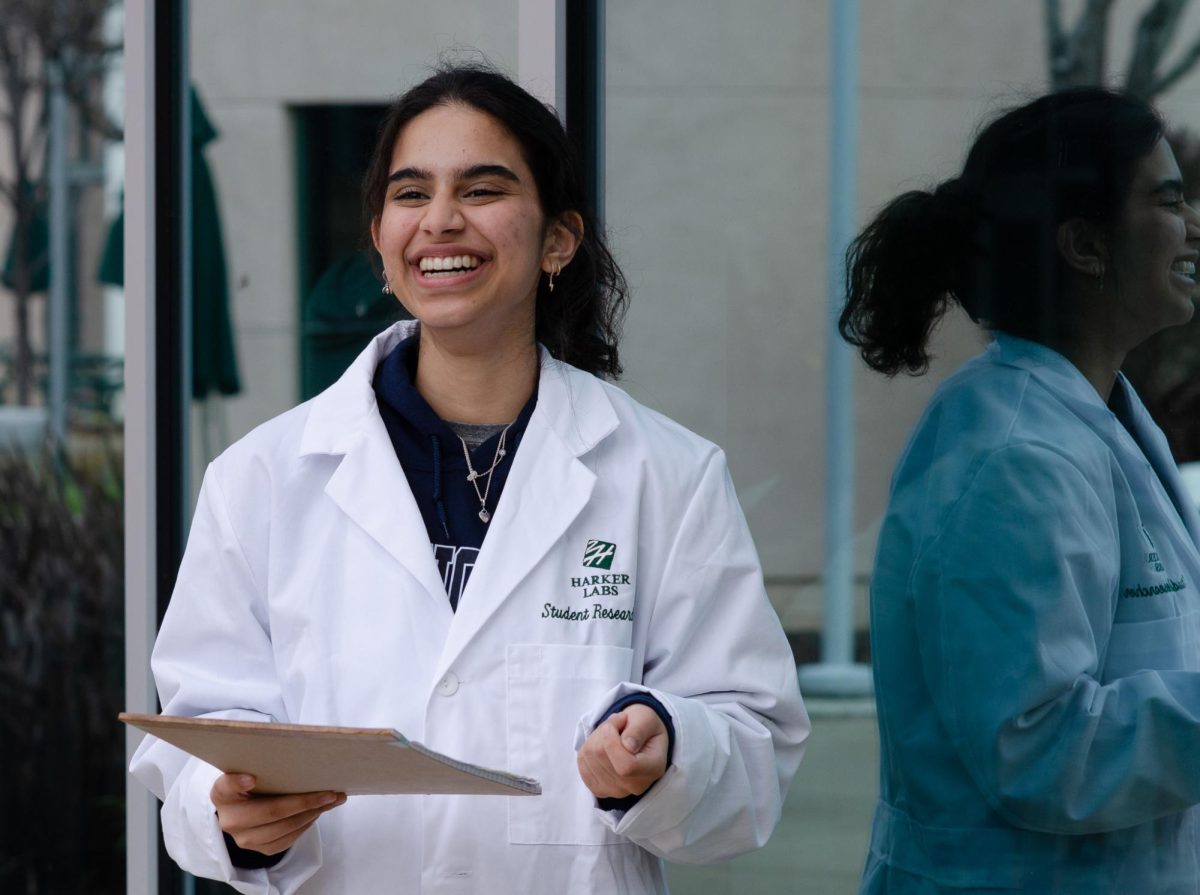

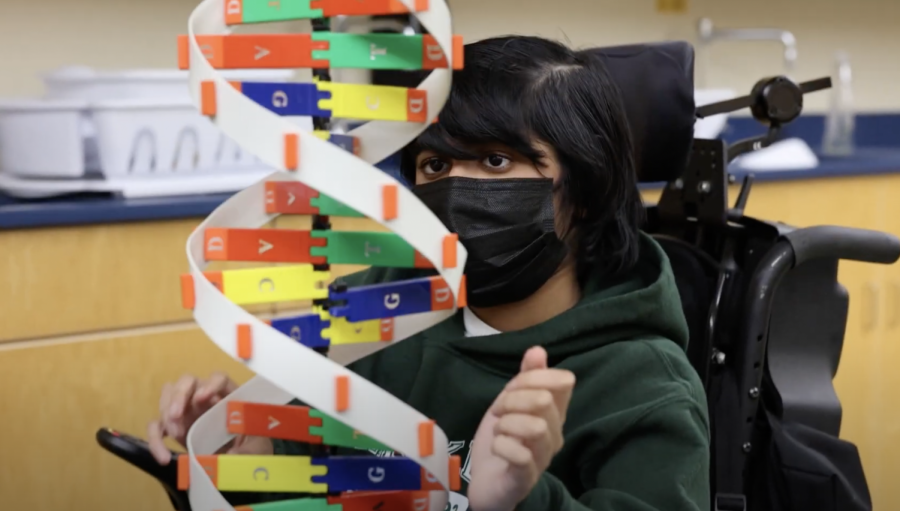
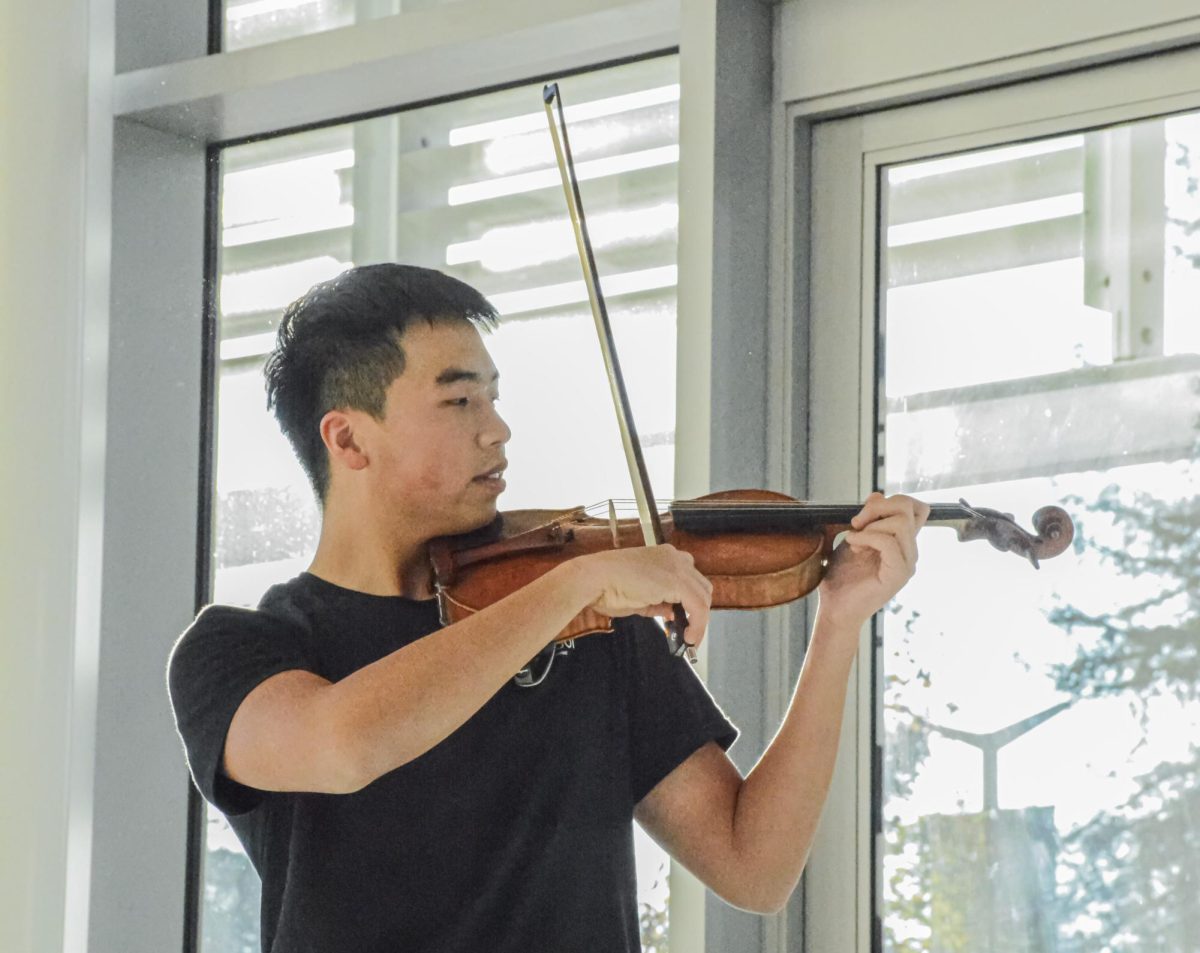
![“[Building nerf blasters] became this outlet of creativity for me that hasn't been matched by anything else. The process [of] making a build complete to your desire is such a painstakingly difficult process, but I've had to learn from [the skills needed from] soldering to proper painting. There's so many different options for everything, if you think about it, it exists. The best part is [that] if it doesn't exist, you can build it yourself," Ishaan Parate said.](https://harkeraquila.com/wp-content/uploads/2022/08/DSC_8149-900x604.jpg)
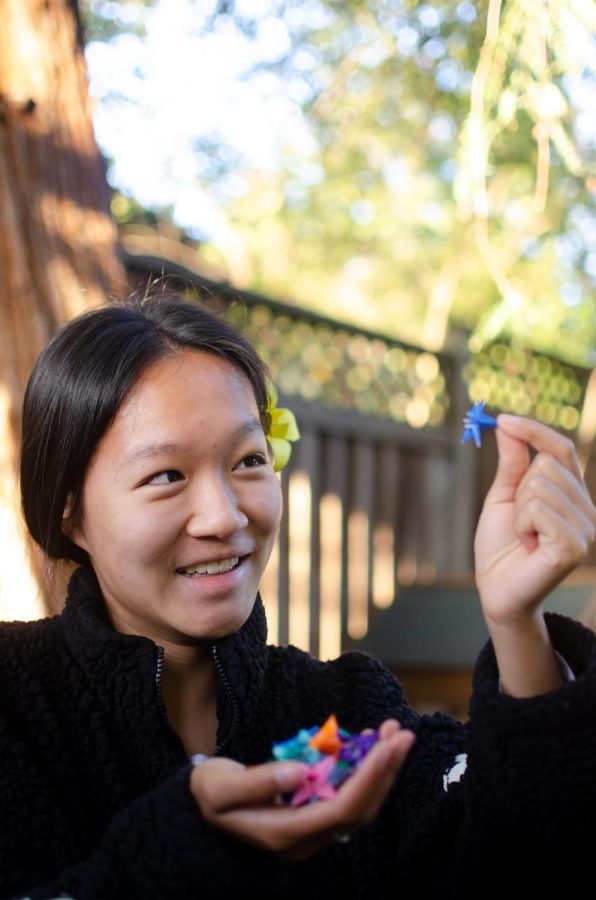
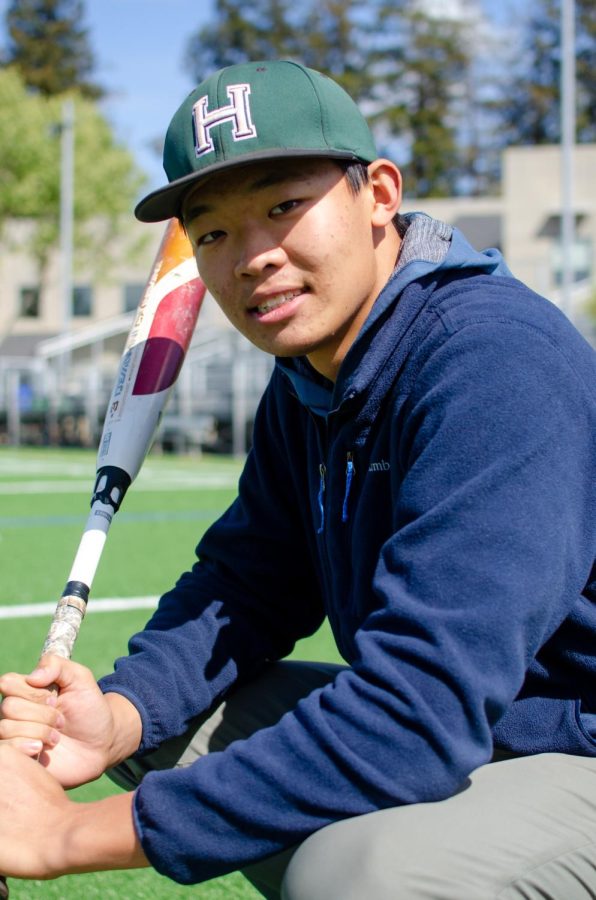
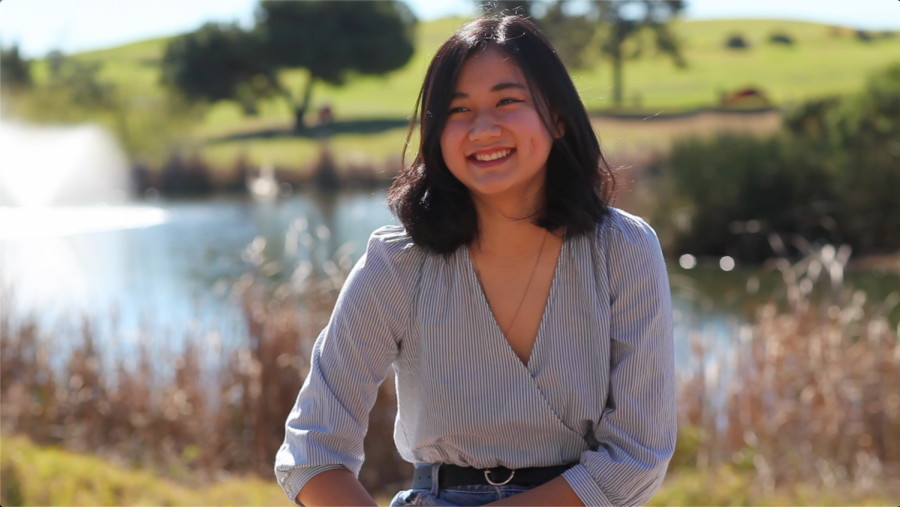
![“When I came into high school, I was ready to be a follower. But DECA was a game changer for me. It helped me overcome my fear of public speaking, and it's played such a major role in who I've become today. To be able to successfully lead a chapter of 150 students, an officer team and be one of the upperclassmen I once really admired is something I'm [really] proud of,” Anvitha Tummala ('21) said.](https://harkeraquila.com/wp-content/uploads/2021/07/Screen-Shot-2021-07-25-at-9.50.05-AM-900x594.png)
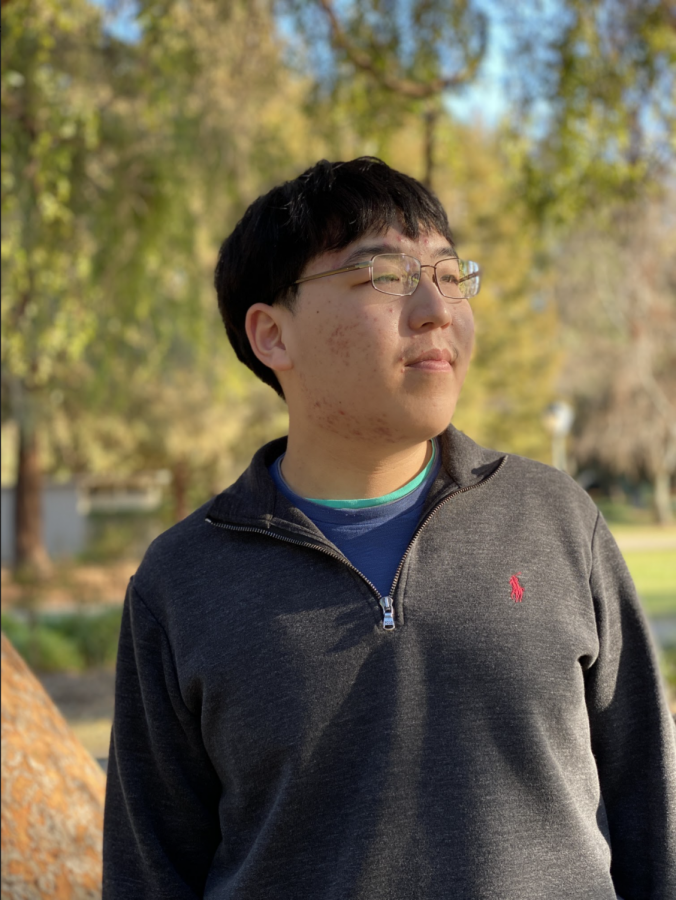
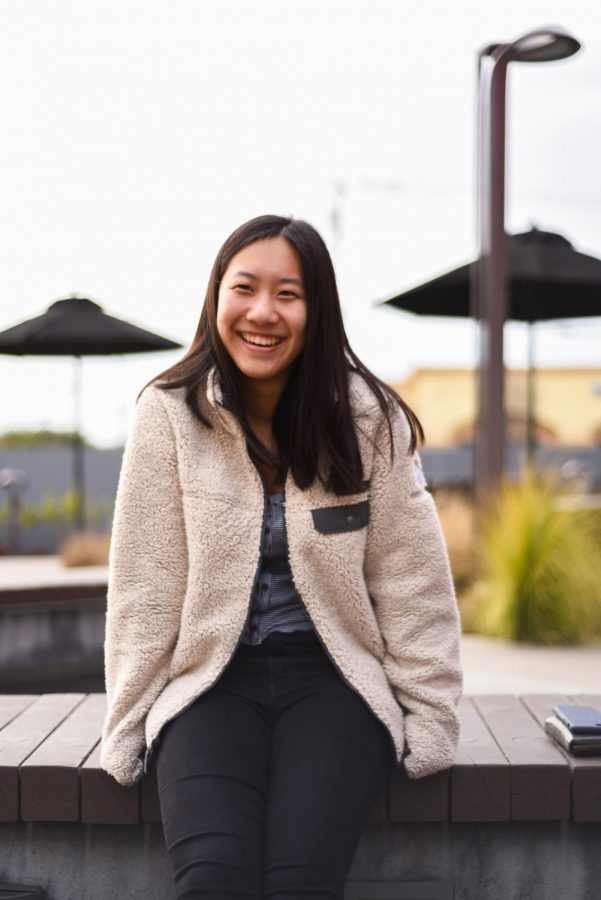
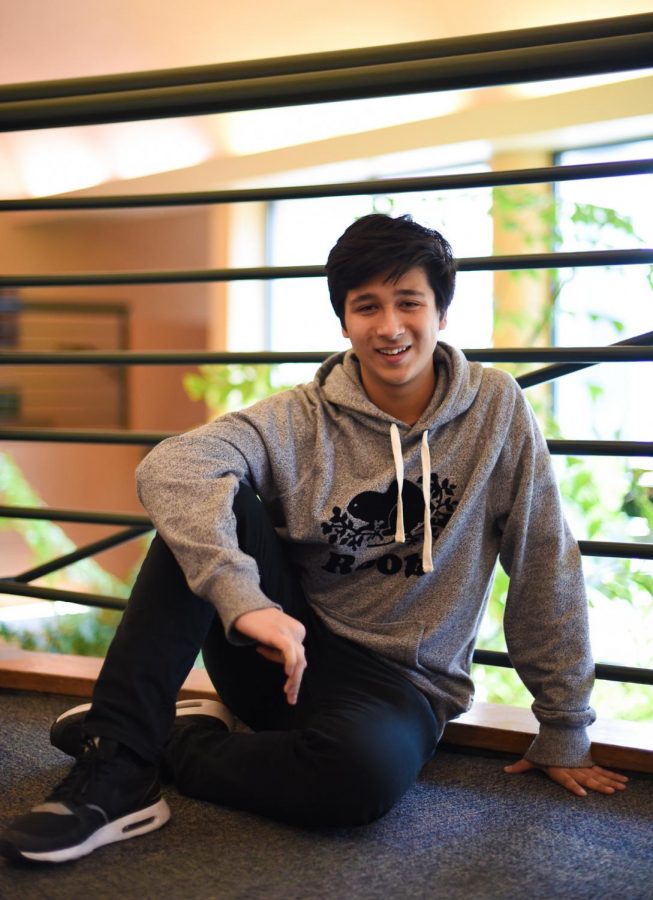
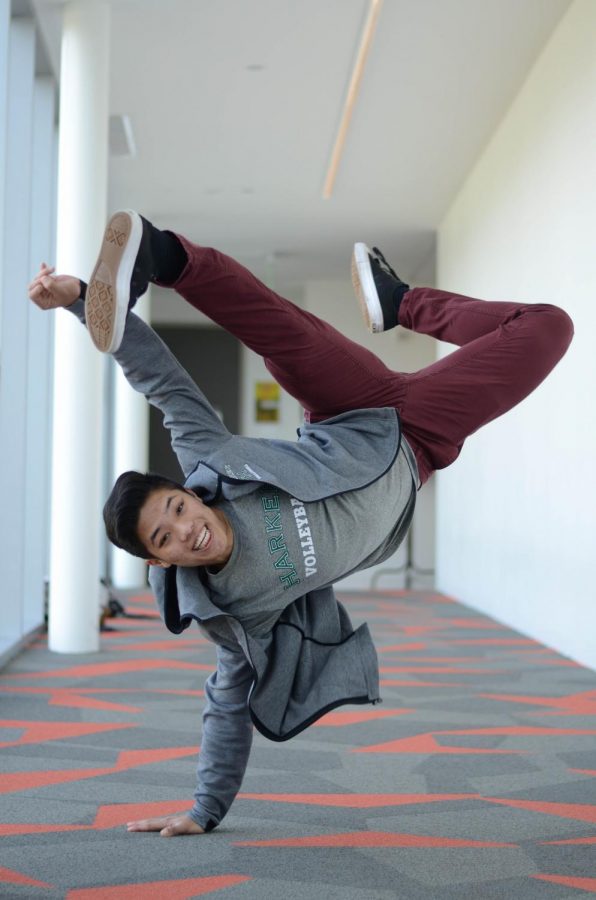
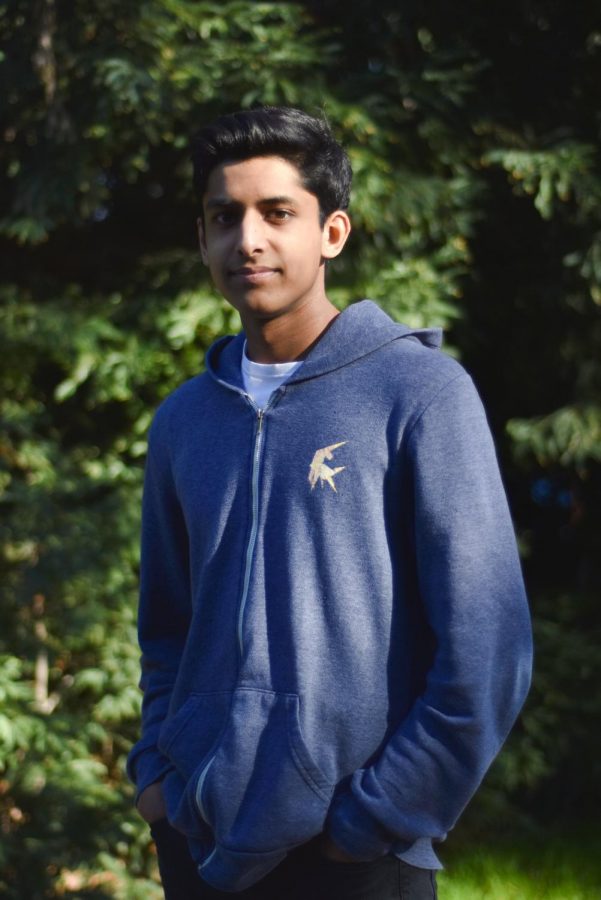

![“I think getting up in the morning and having a sense of purpose [is exciting]. I think without a certain amount of drive, life is kind of obsolete and mundane, and I think having that every single day is what makes each day unique and kind of makes life exciting,” Neymika Jain (12) said.](https://harkeraquila.com/wp-content/uploads/2017/06/Screen-Shot-2017-06-03-at-4.54.16-PM.png)
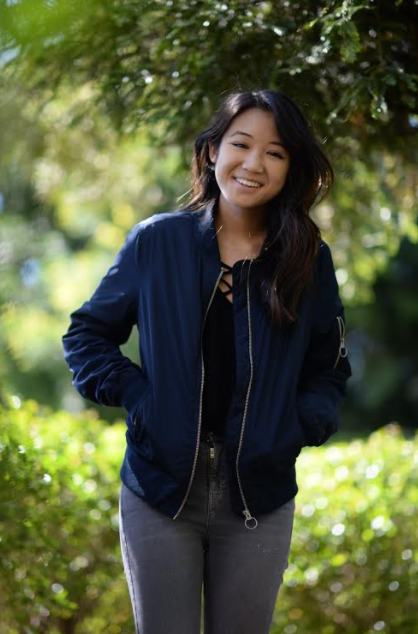
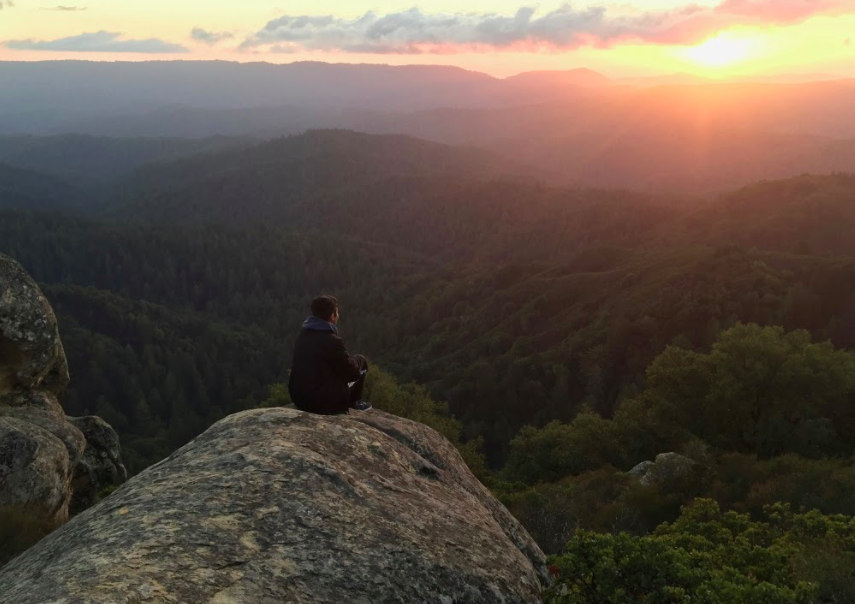
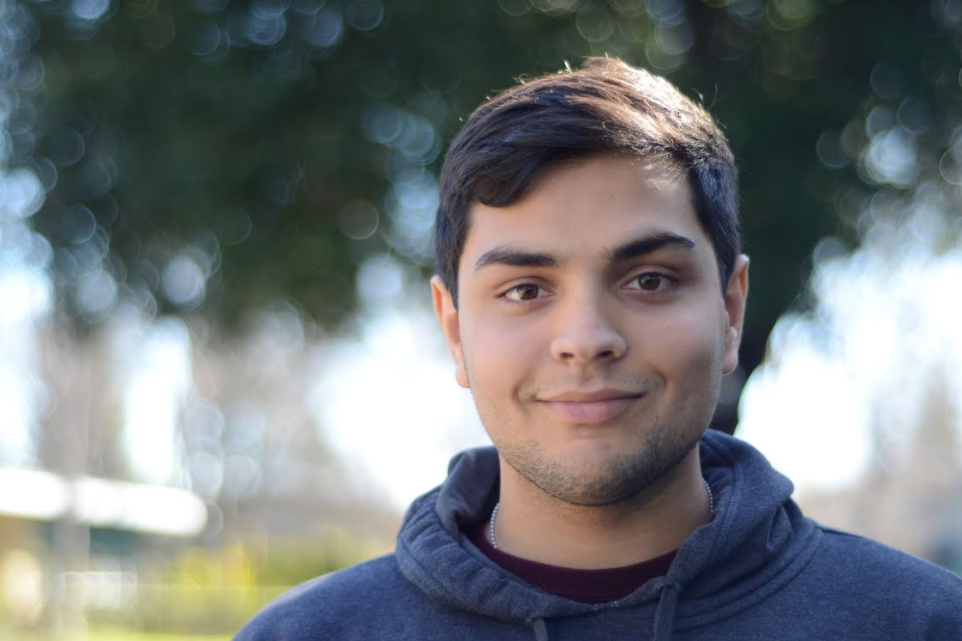
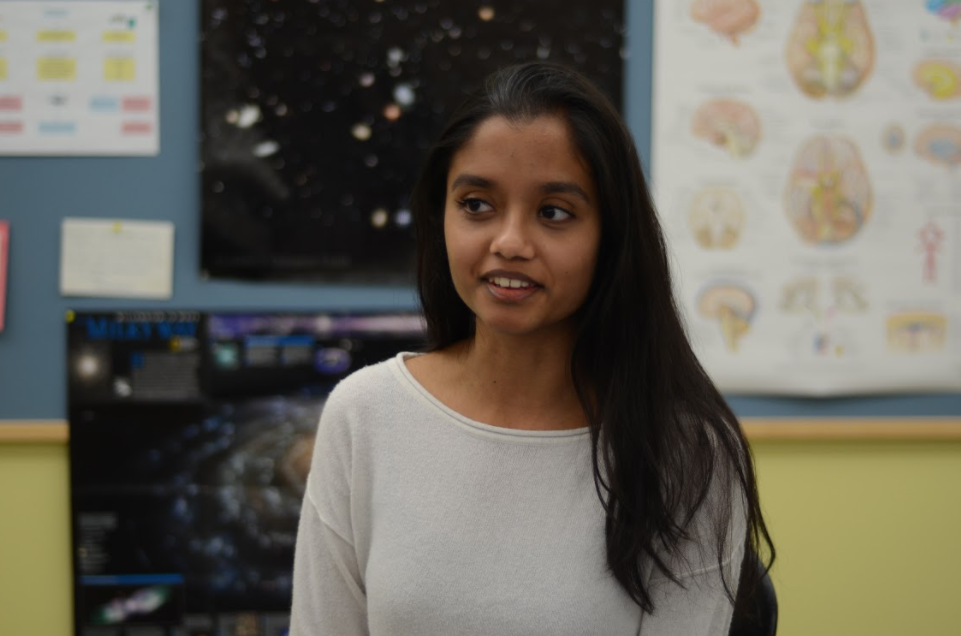
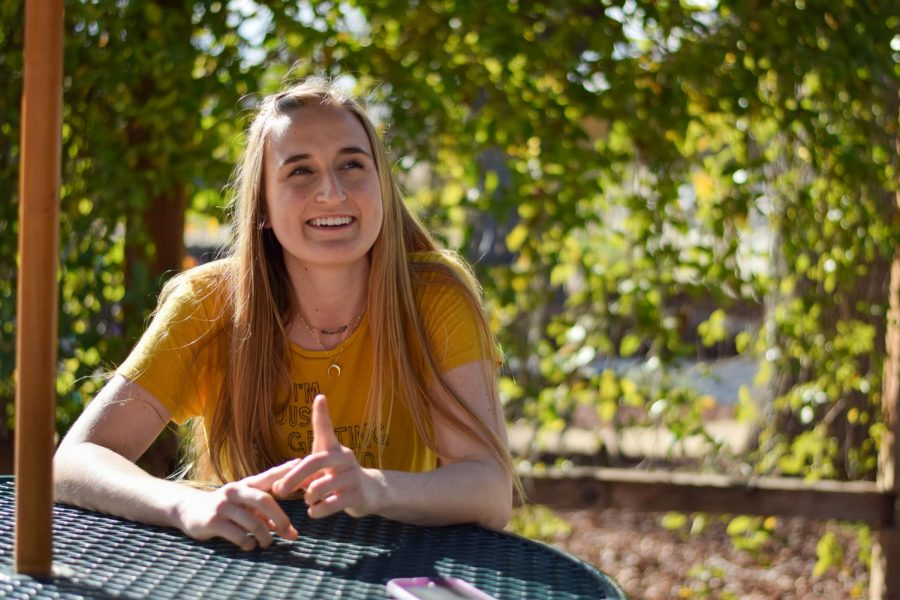
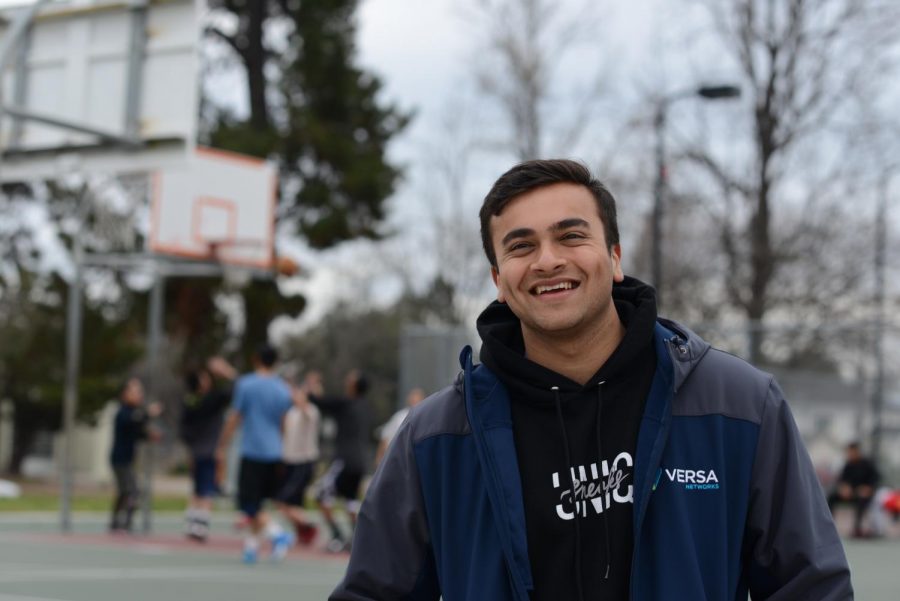
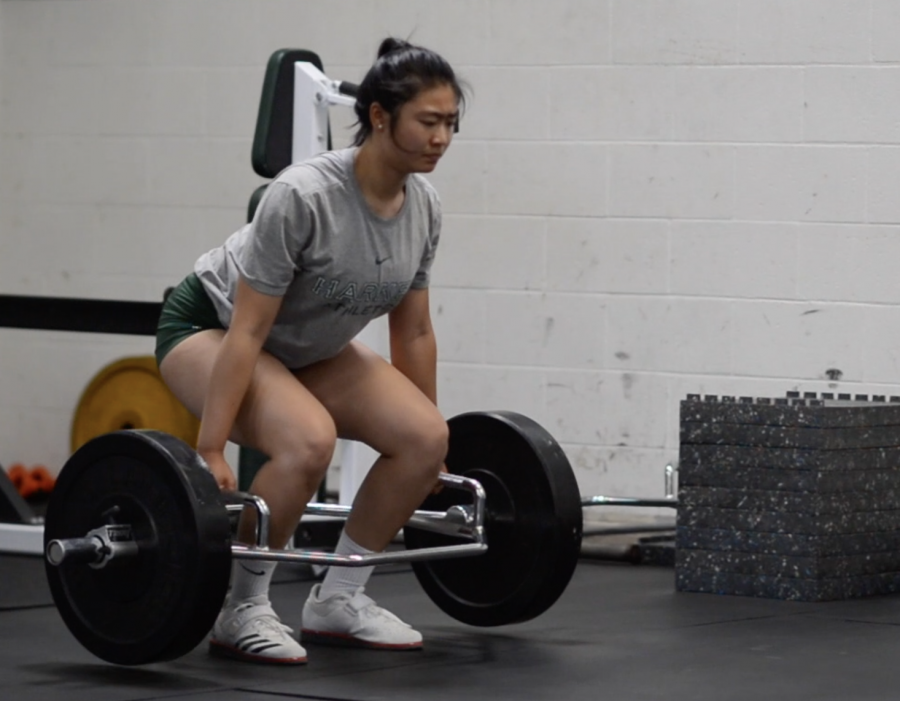
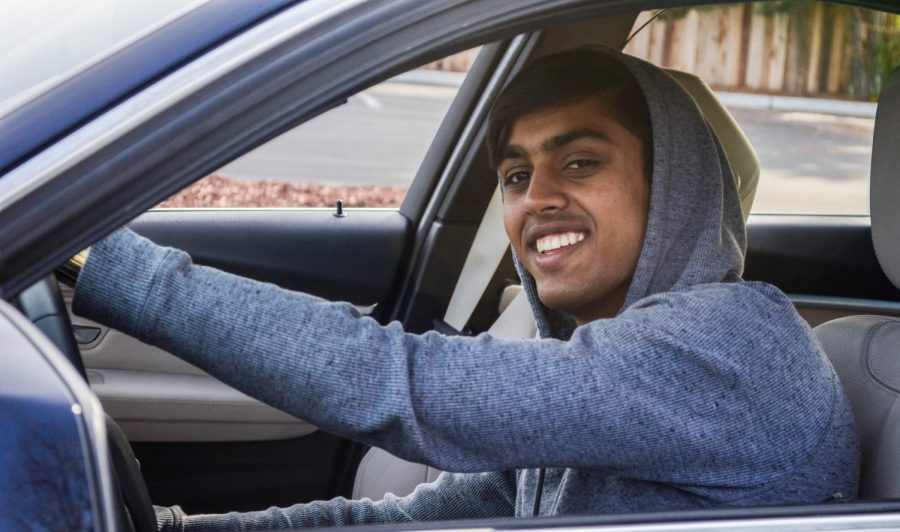
![“My slogan is ‘slow feet, don’t eat, and I’m hungry.’ You need to run fast to get where you are–you aren't going to get those championships if you aren't fast,” Angel Cervantes (12) said. “I want to do well in school on my tests and in track and win championships for my team. I live by that, [and] I can do that anywhere: in the classroom or on the field.”](https://harkeraquila.com/wp-content/uploads/2018/06/DSC5146-900x601.jpg)
![“[Volleyball has] taught me how to fall correctly, and another thing it taught is that you don’t have to be the best at something to be good at it. If you just hit the ball in a smart way, then it still scores points and you’re good at it. You could be a background player and still make a much bigger impact on the team than you would think,” Anya Gert (’20) said.](https://harkeraquila.com/wp-content/uploads/2020/06/AnnaGert_JinTuan_HoHPhotoEdited-600x900.jpeg)
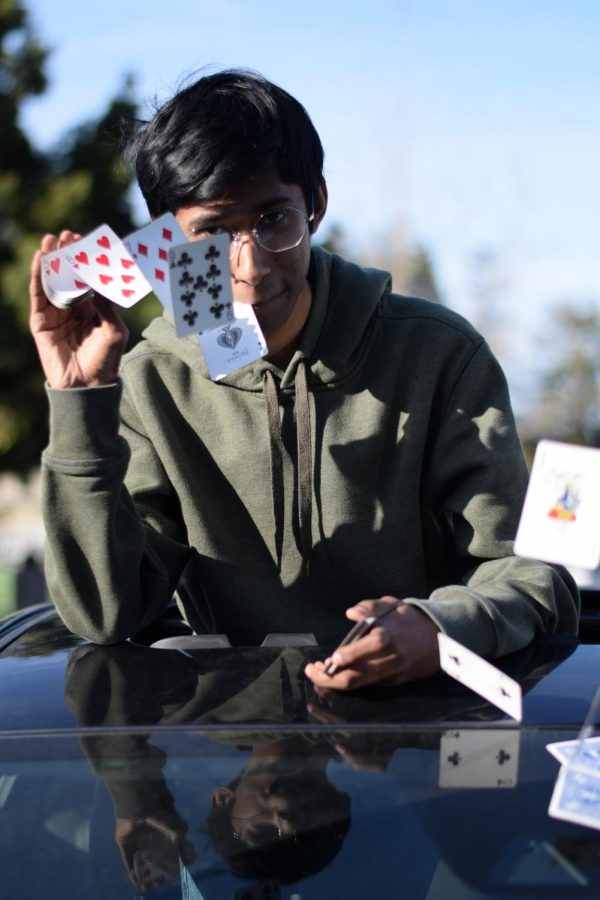
![“I'm not nearly there yet, but [my confidence has] definitely been getting better since I was pretty shy and timid coming into Harker my freshman year. I know that there's a lot of people that are really confident in what they do, and I really admire them. Everyone's so driven and that has really pushed me to kind of try to find my own place in high school and be more confident,” Alyssa Huang (’20) said.](https://harkeraquila.com/wp-content/uploads/2020/06/AlyssaHuang_EmilyChen_HoHPhoto-900x749.jpeg)


Pulse of the People: “Call out injustice, call out racism”
University of Georgia speaker discusses Abolitionist Teaching, equity in speaker event hosted on first day of Black History Month
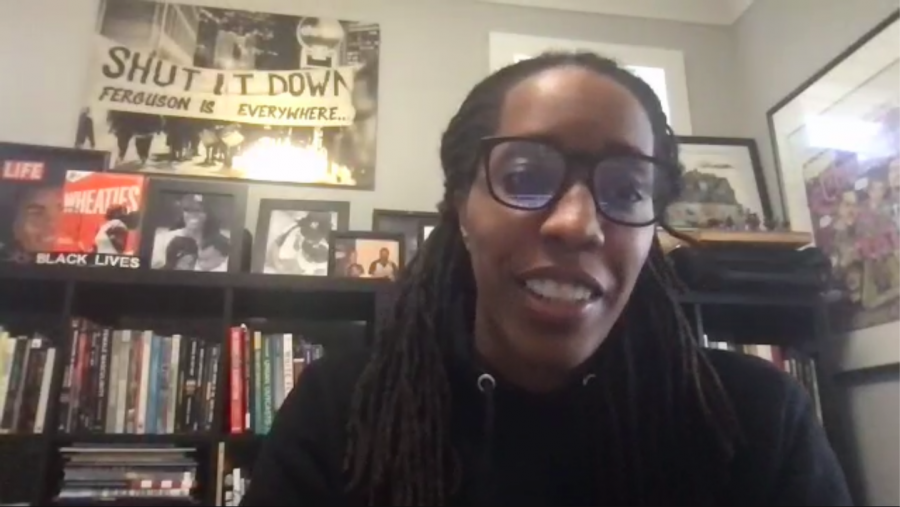
Dr. Bettina Love of University of Georgia kicked off Black History Month at the upper school with her talk on issues including structural racism, the evolution of Black culture and the history of African American oppression and its lasting impacts.
February 19, 2021
“Shut it Down, Ferguson is Everywhere,” read a framed portrait in the background of University of Georgia Professor Dr. Bettina Love’s Zoom screen in reference to the 2014-2015 protests after the police shooting of Michael Brown. Love, wearing a simple black hoodie and a pair of black-rimmed glasses, spoke to over 470 students and faculty on Monday Feb. 1, discussing modern-day racism and abolitionist teaching in America as part of a Black History Month webinar.
In the event, hosted by the Black Students Union and the Student Diversity Coalition, Love spoke about issues of diversity, equity and inclusion Black people face today as well as abolition, which she defined as “a radical framework that is asking us to look deeply at our structures, to look deeply at our institutions, and not try to reform them, but to try to build something that is more kind to all human beings.”
“I believe we live in a country that has the love and imagination, the creativity and the people for liberation of Black folks, liberation of human beings and liberation from capitalism, we have the capacity to do it,” she said. “But we need a framework that pushes us there, that makes us think about a new world.”
After an introduction from Black Student Union co-leaders Brian Pinkston (12) and Dylan Williams (12), Love began her discussion of structural racism by pointing to educational redlining, noting that activist Ruby Bridges, who was the first Black student to attend an all-white elementary school in the South at six years old, is now only 66.
Love then examined the disproportionate impacts of COVID-19 on the Black community as a result of generational discrimination.
“You have not been allowed access to, discriminated from, your jobs, education, college, food access, housing,” Love said. “You have been denied all that generationally, so when a global pandemic hits, and if you are not allowed to have all of those things, you are not allowed to have a social safety net. Racism is a preexisting condition, and your country makes you more vulnerable.”
She emphasized racism as a structural problem, defining anti-Blackness as a disregard for Black Americans and racism as the policies that allow anti-Blackness to go unnoticed.
“It might be obvious to us, but it’s still worth mentioning that some people don’t believe [in] institutionalized, systemic racism, and the fact that it [results in] genuine brutality is important,” Kailash Ranganathan (11) said.
Upper school history department chair and Social Justice elective teacher Mark Janda enjoyed listening to Dr. Love. He recognized that she didn’t dilute the concepts that she was discussing, instead shedding light on their importance and impacts.
“She was unadulterated, unfiltered. She just spoke with an honesty, a reality that I find refreshing. I think sometimes when we talk about the state of the world, particularly to high school students, and particularly to uniquely privileged people, we tend to soften the message so that it’s more palatable,” Janda said.” “Dr. Love is just going to tell you how it is, palatable or not, and I appreciate that.”
Love’s call to action for educating youth about racial issues resonated with attendees like Ritu Belani (9) who, through the media, gradually gained a nuanced understanding of modern-day inequalities.
“[Getting kids started talking about race from an earlier age] is so important because when people have that notion that everyone’s equal because that’s what they learned in fifth grade, then they’re less likely to pay attention to social causes that matter,” Ritu said.
Likewise, Survey of American literature teacher Brigid Miller emphasized the need to continuously reflect and learn about African American history, not just in Black History Month.
“To ignore the ugly truths of what it’s like to be African American in this country would be to whitewash American history,” Miller said. “Going forward, one of the things we need to talk about is not just having different perspectives but actively being anti-racist. It’s the youth that will move us into the future.”
Love also talked about the difference between “co-conspirators” and “allies,” encouraging the upper school community to continuously push to find solutions and create solidarity to improve society.
“We need folks who are willing to be co-conspirators, young people like yourselves, who realize that, to make this world better, [you] need to call out injustice, [you] need to call out racism. That’s what it means to be a co-conspirator,” Love said.