


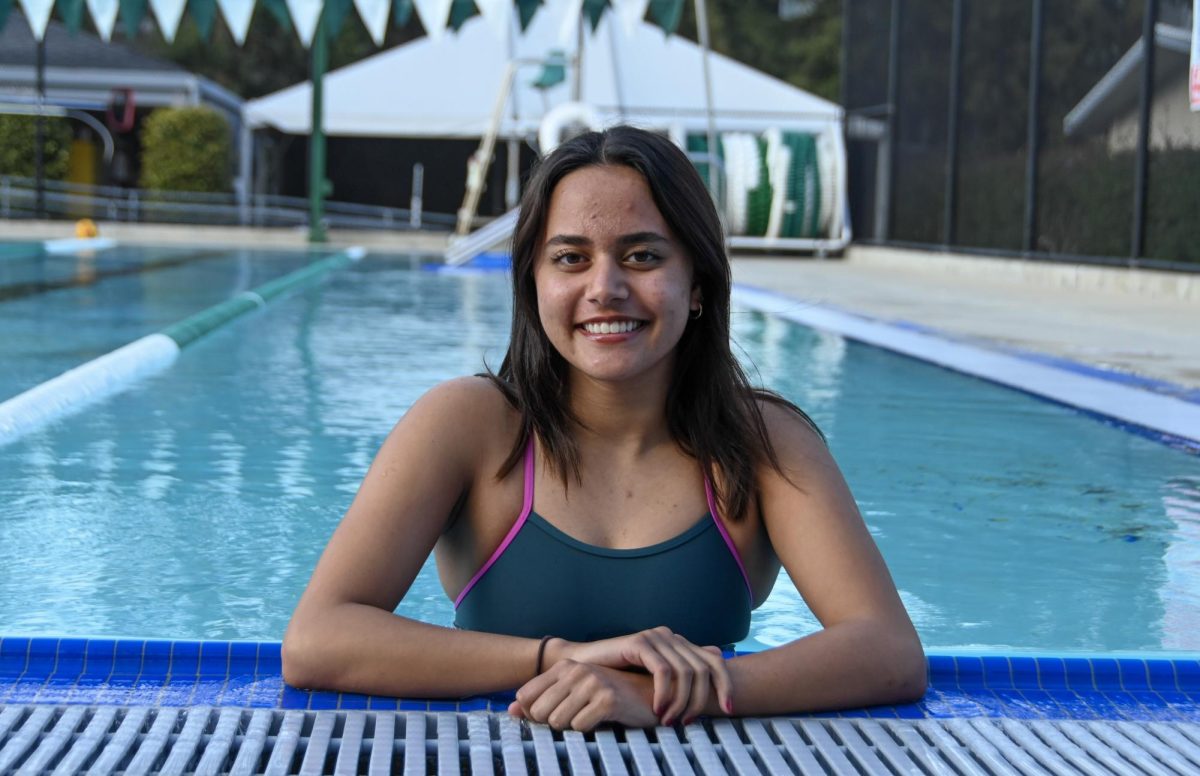
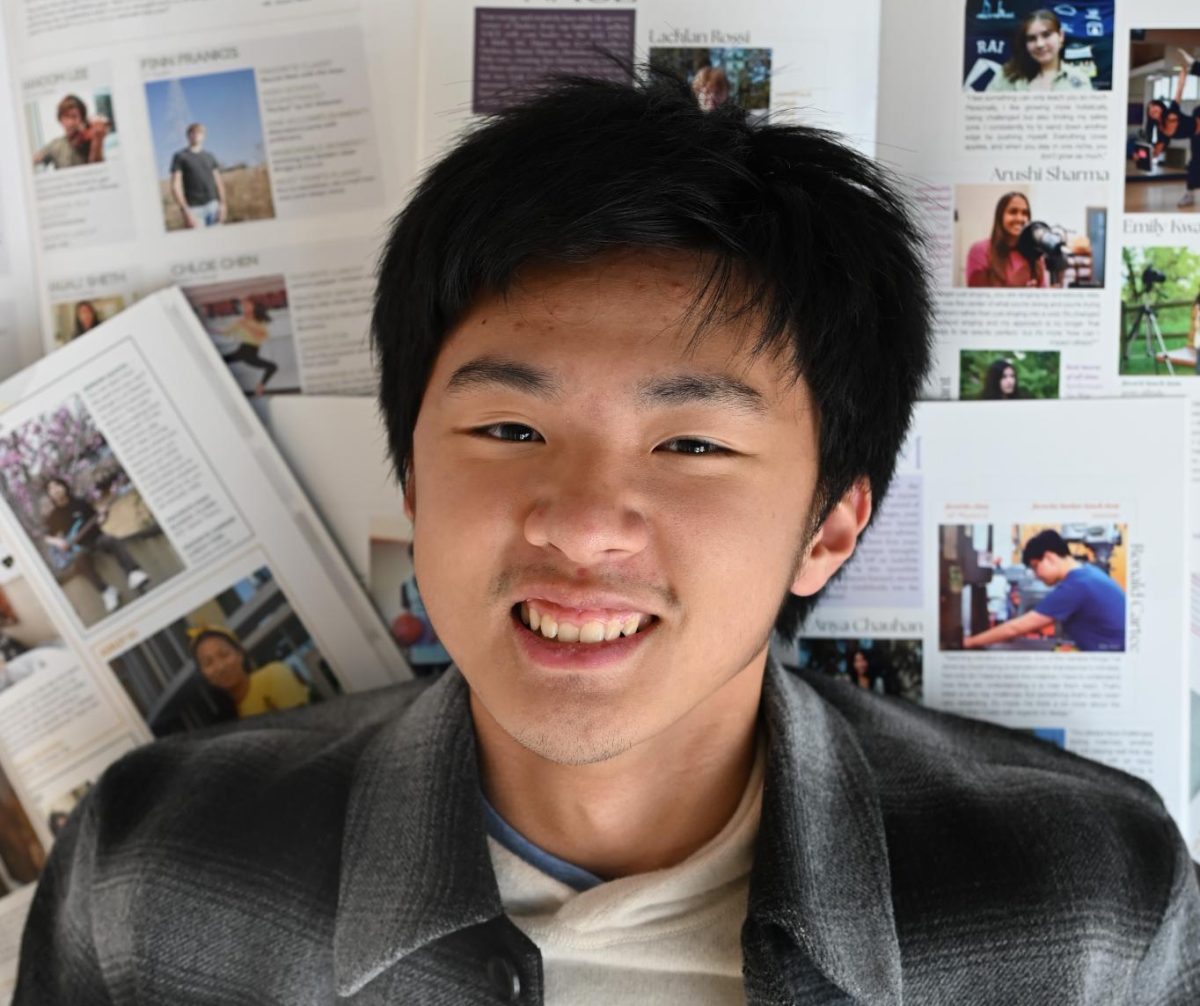
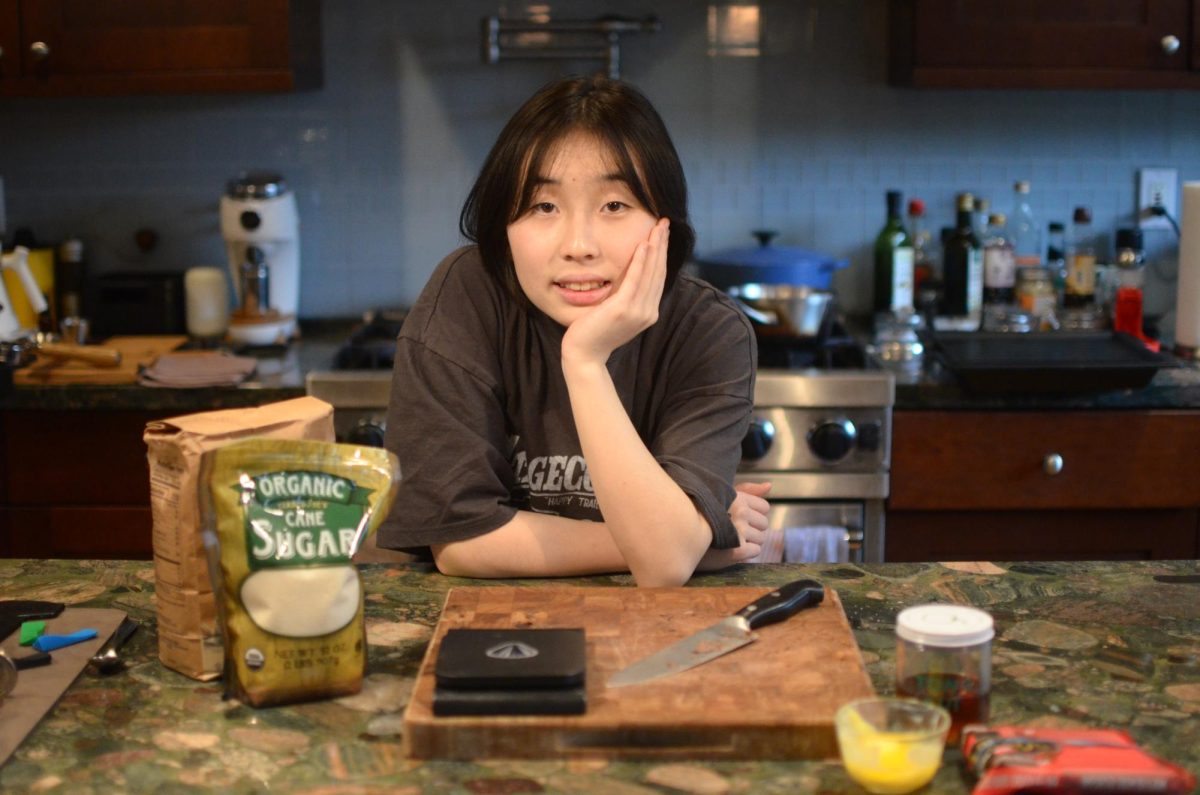
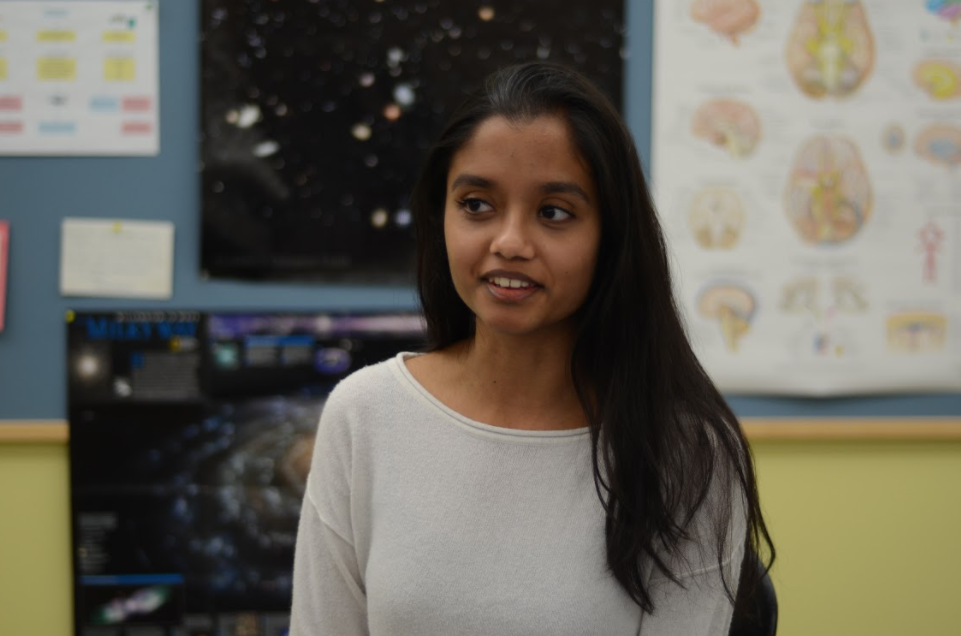
![“I wasn't discouraged by some of the obstacles we faced. I learned a lot from the leadership. I found that different people need different ways of receiving feedback — you can't [just] tell them to do something and expect the best. [Some] people needed more incentive. A large part of my role was to figure out what worked for everyone and to figure out how to lead all these separate individuals as a team,” Suhana Bhandare (’26) said.](https://harkeraquila.com/wp-content/uploads/2026/06/SuhanaBhandare_JasmineHansra-1-1200x798.jpg)
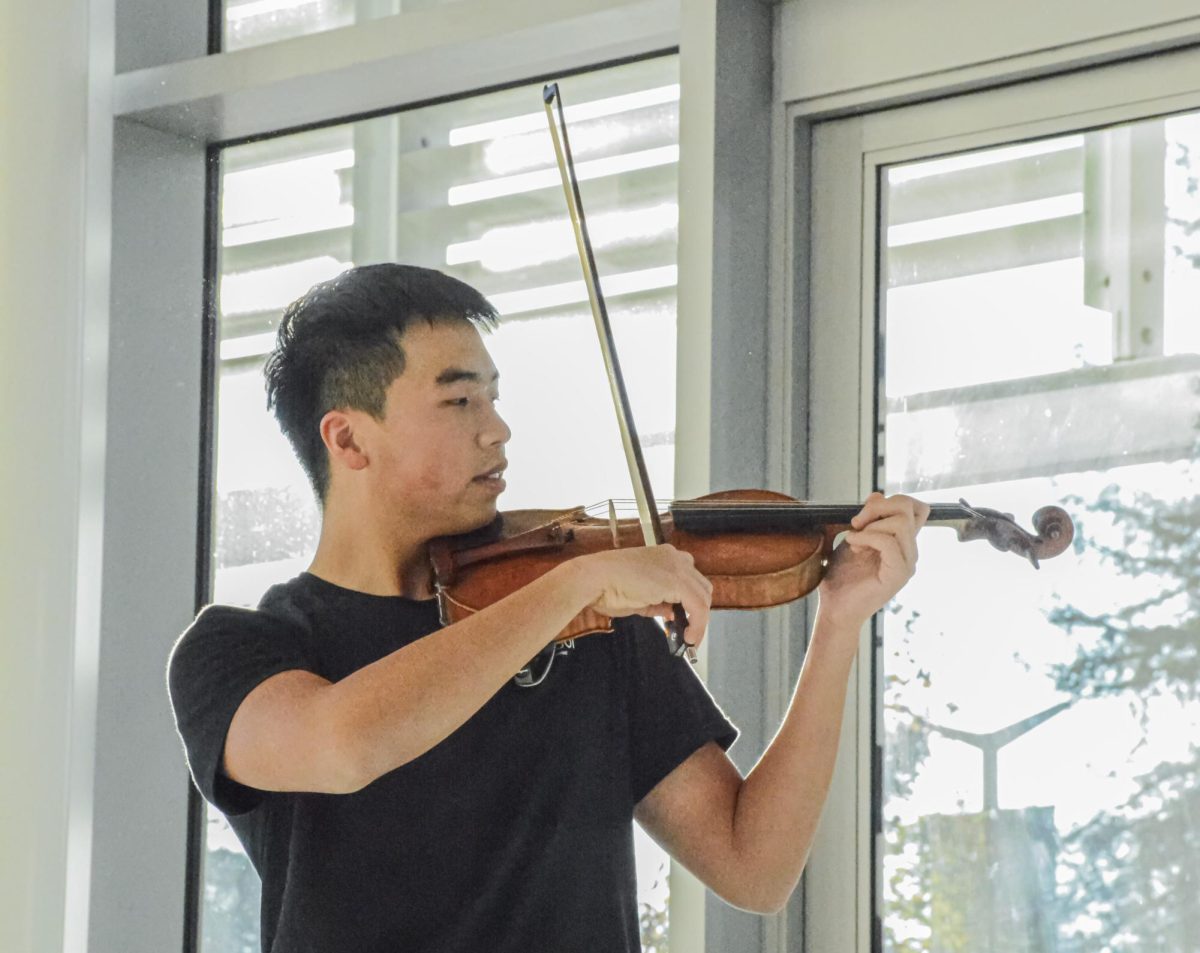
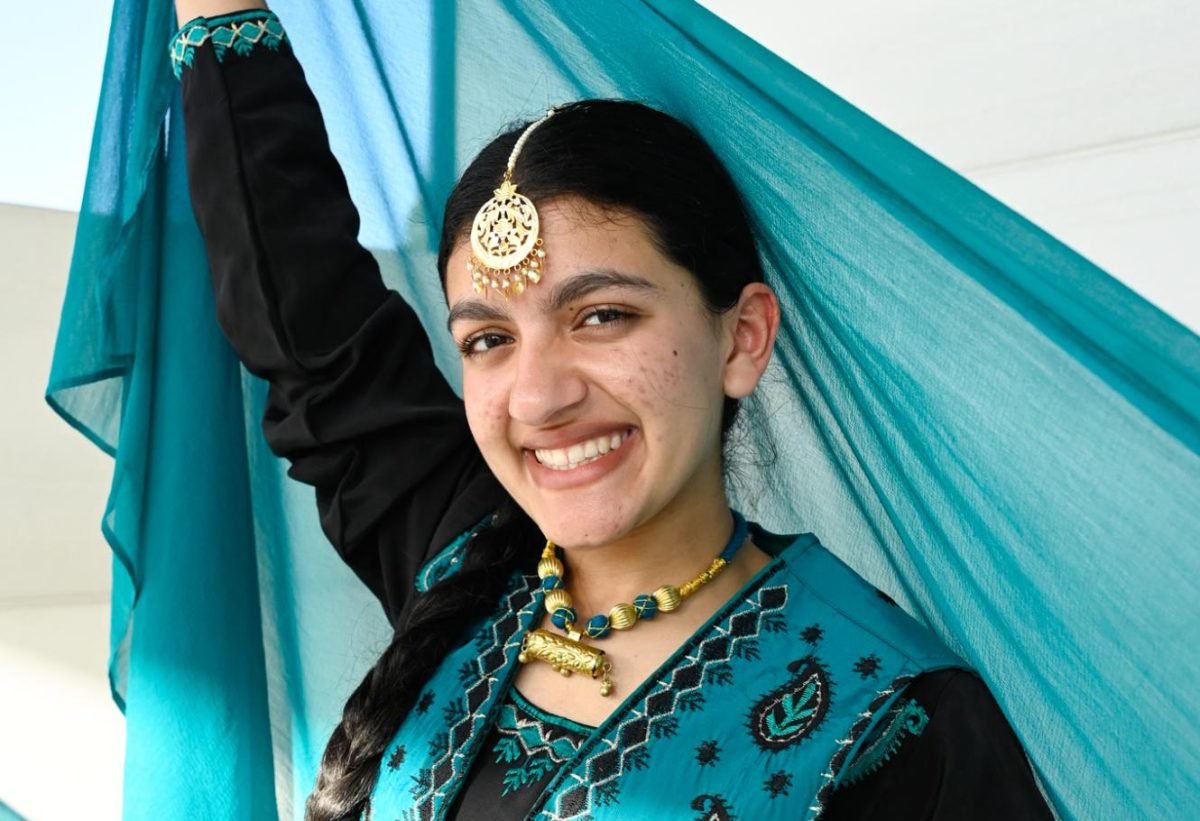
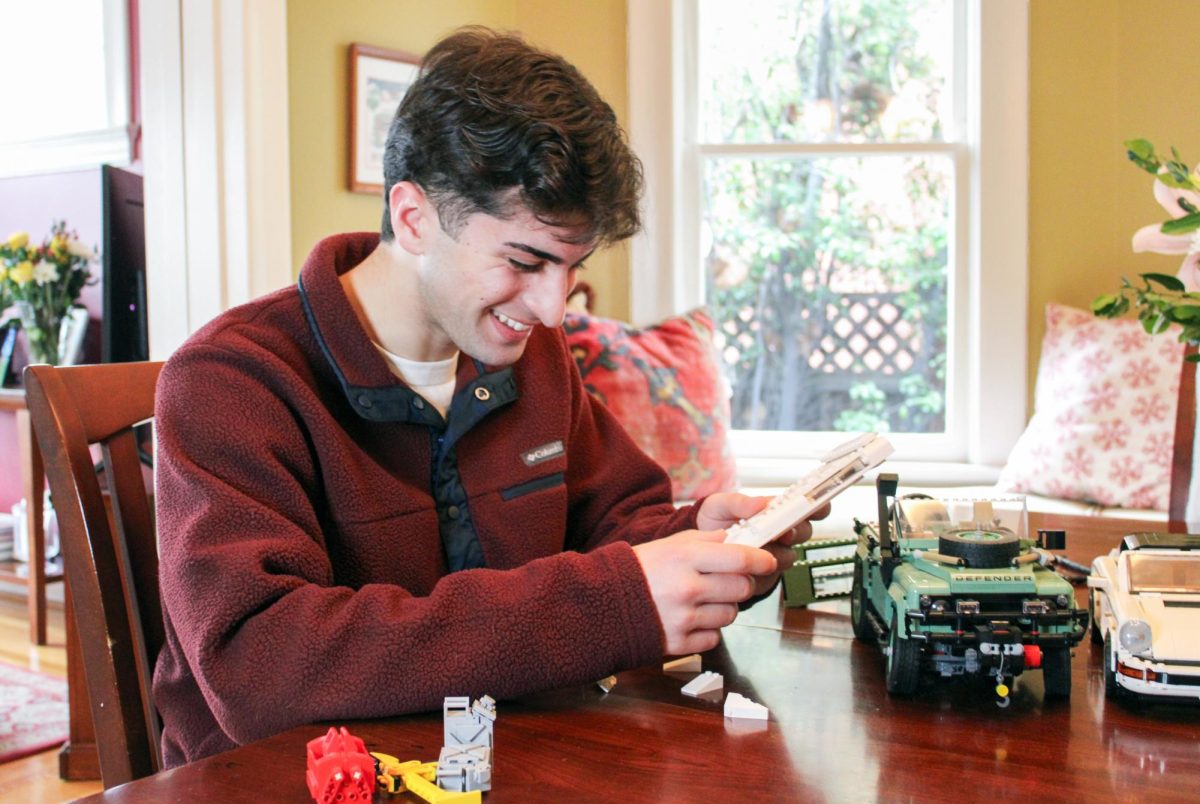
![“This is actually from Randy Pausch Randy P. Brick: ‘Walls are there for a reason. You have to show how much you want to overcome them.’ You have to show how much you want something. That's what I've always been able to do with tennis, Link Crew and getting that internship [with Kushy Baby]. It’s important pushing through that — getting around that brick wall, climbing over it or clawing through it,” Yash Sachdeva (’26) said.](https://harkeraquila.com/wp-content/uploads/2026/05/YashSachdeva_RamBatchu-copy-1200x1002.jpg)

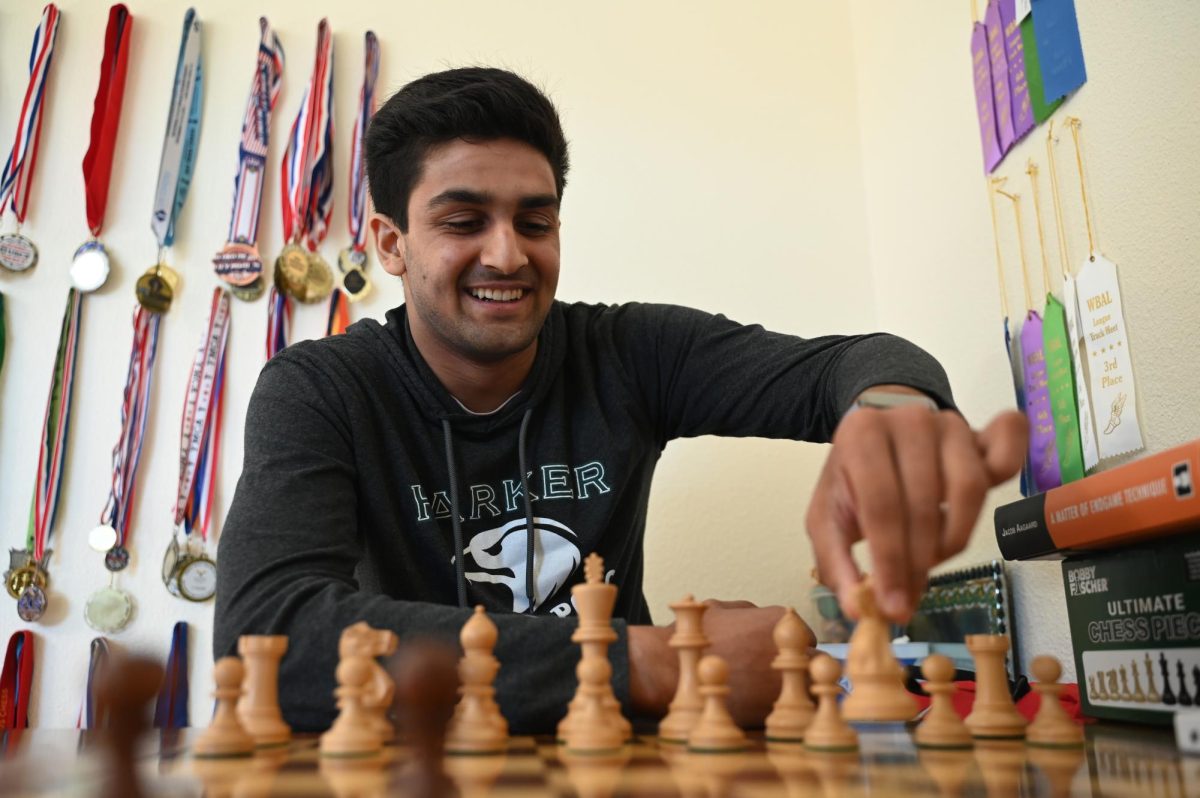



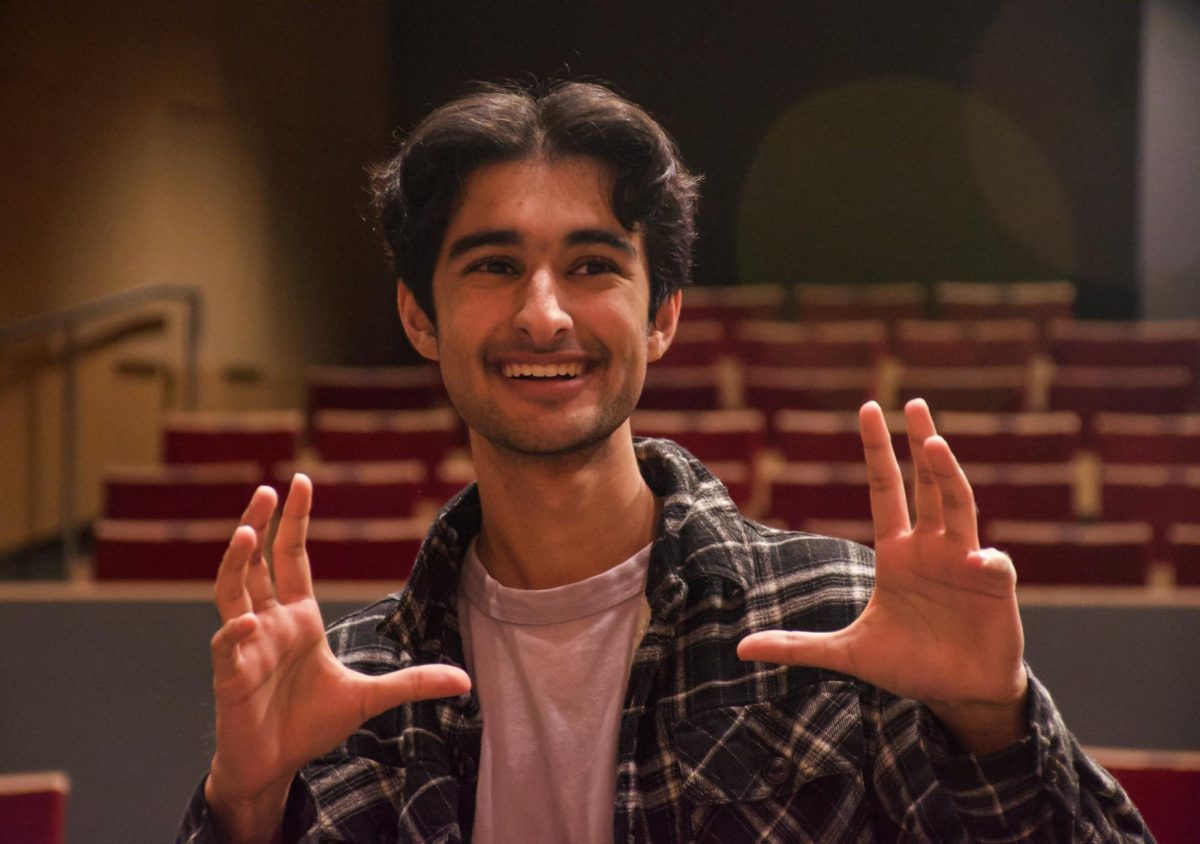

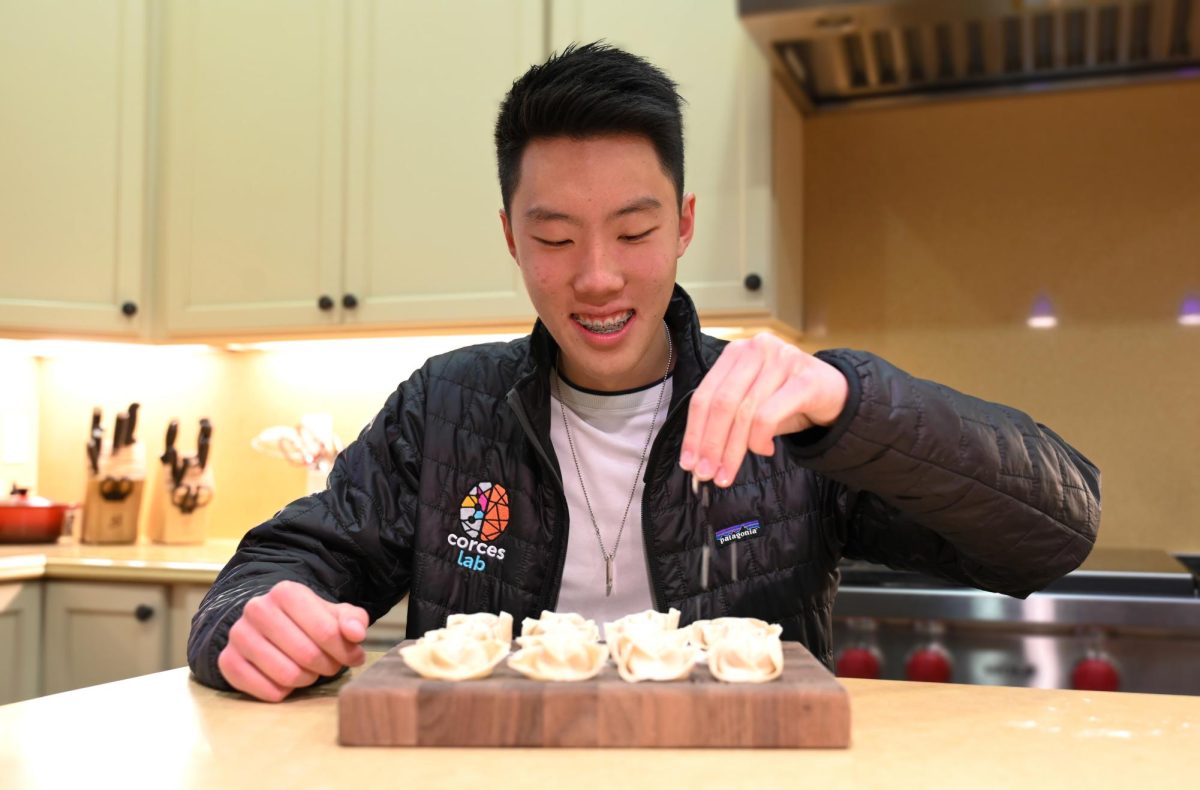
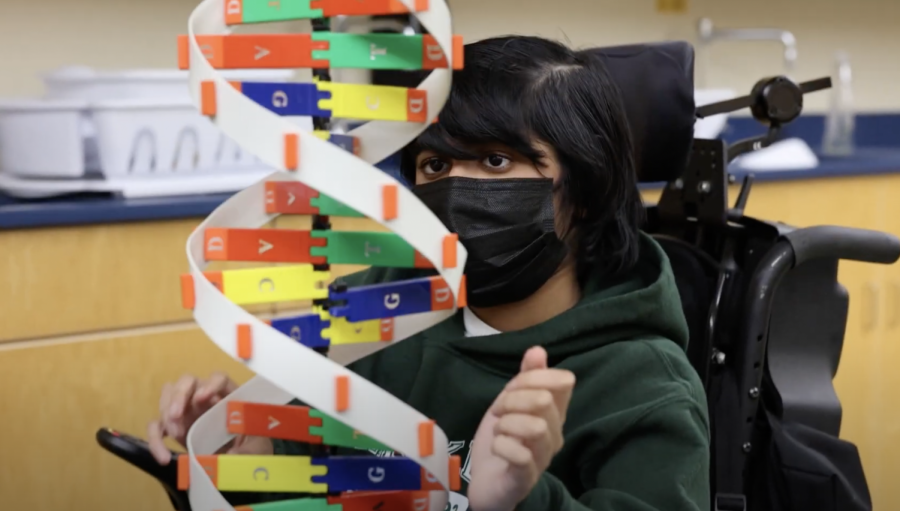
![“[Building nerf blasters] became this outlet of creativity for me that hasn't been matched by anything else. The process [of] making a build complete to your desire is such a painstakingly difficult process, but I've had to learn from [the skills needed from] soldering to proper painting. There's so many different options for everything, if you think about it, it exists. The best part is [that] if it doesn't exist, you can build it yourself," Ishaan Parate said.](https://harkeraquila.com/wp-content/uploads/2022/08/DSC_8149-900x604.jpg)
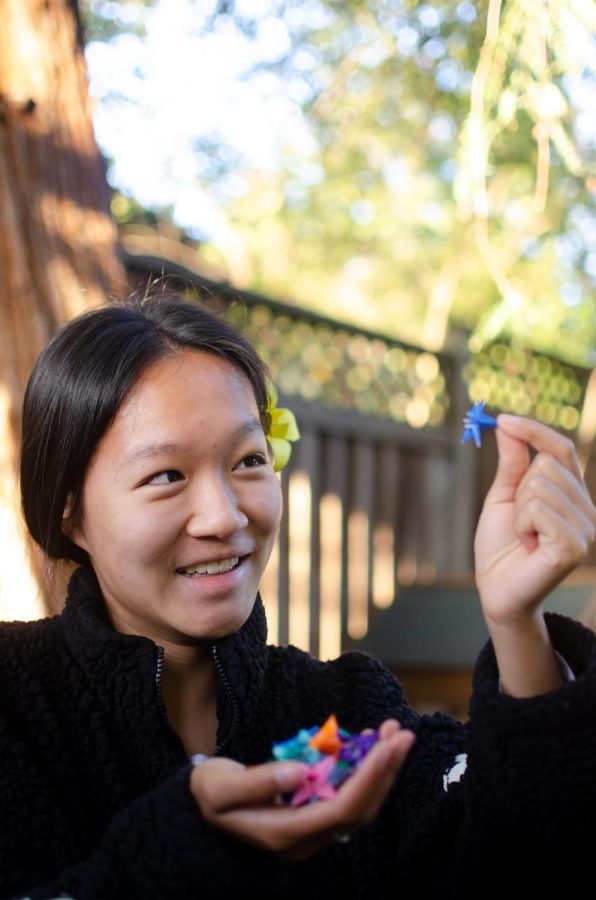
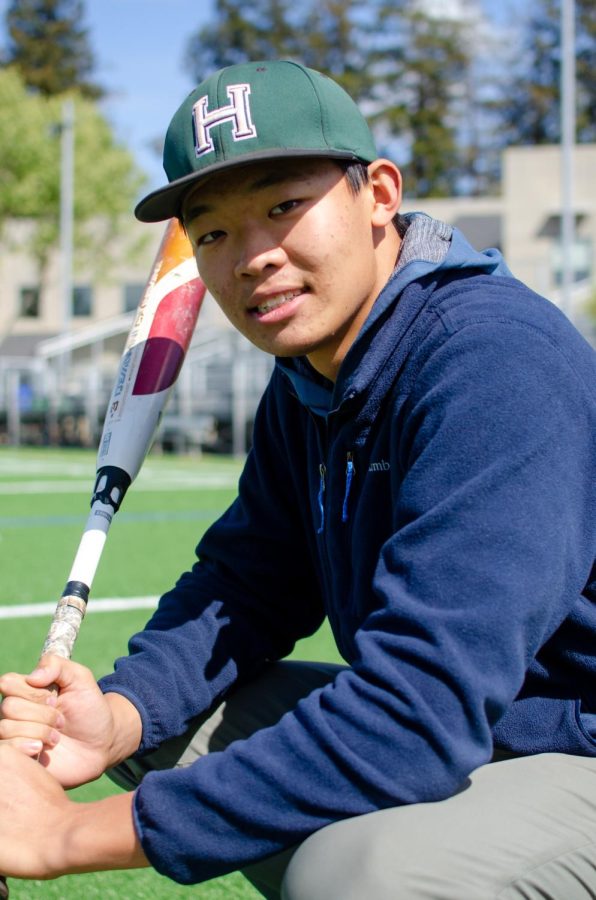

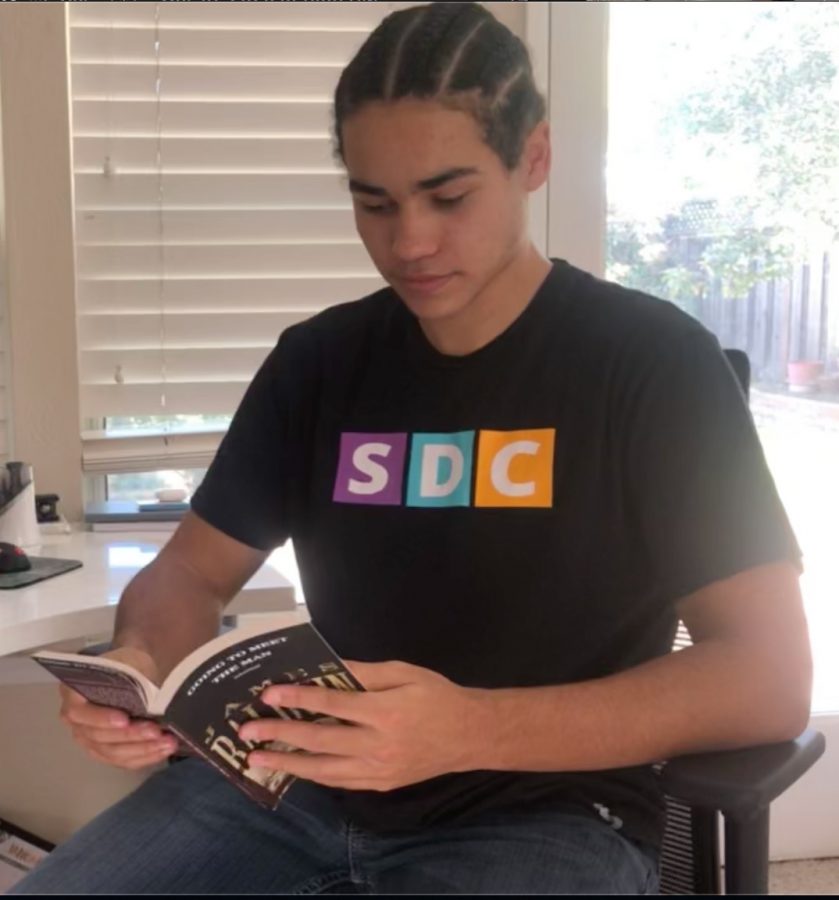
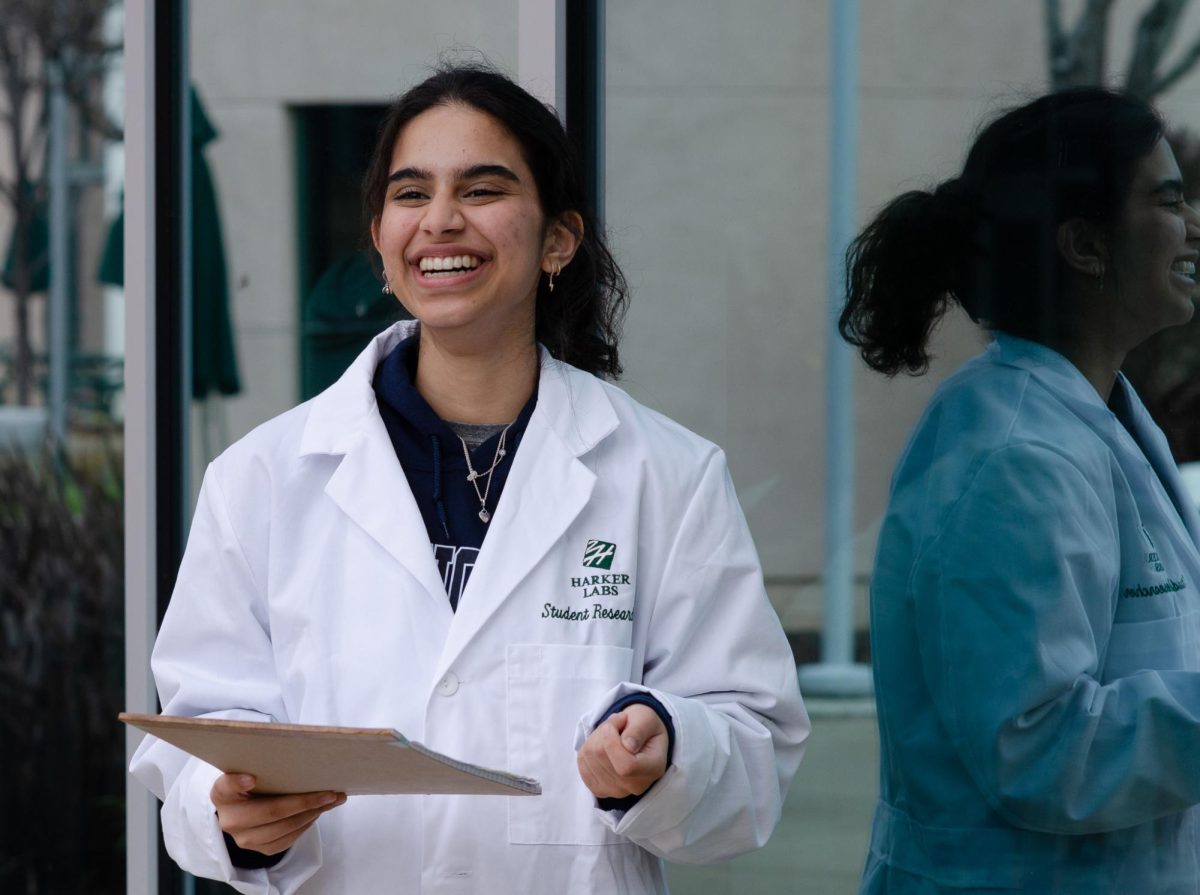
![“When I came into high school, I was ready to be a follower. But DECA was a game changer for me. It helped me overcome my fear of public speaking, and it's played such a major role in who I've become today. To be able to successfully lead a chapter of 150 students, an officer team and be one of the upperclassmen I once really admired is something I'm [really] proud of,” Anvitha Tummala ('21) said.](https://harkeraquila.com/wp-content/uploads/2021/07/Screen-Shot-2021-07-25-at-9.50.05-AM-900x594.png)
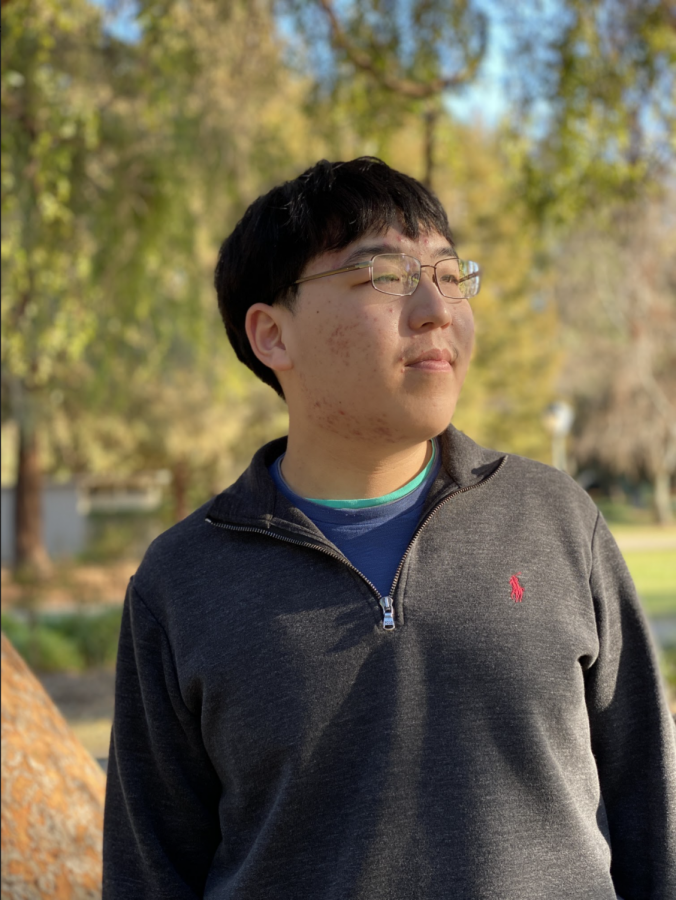


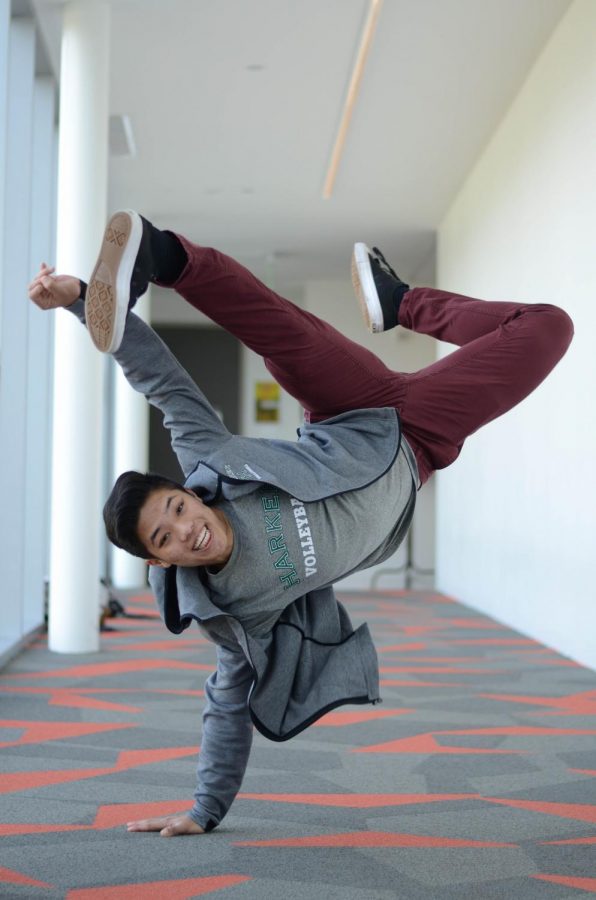
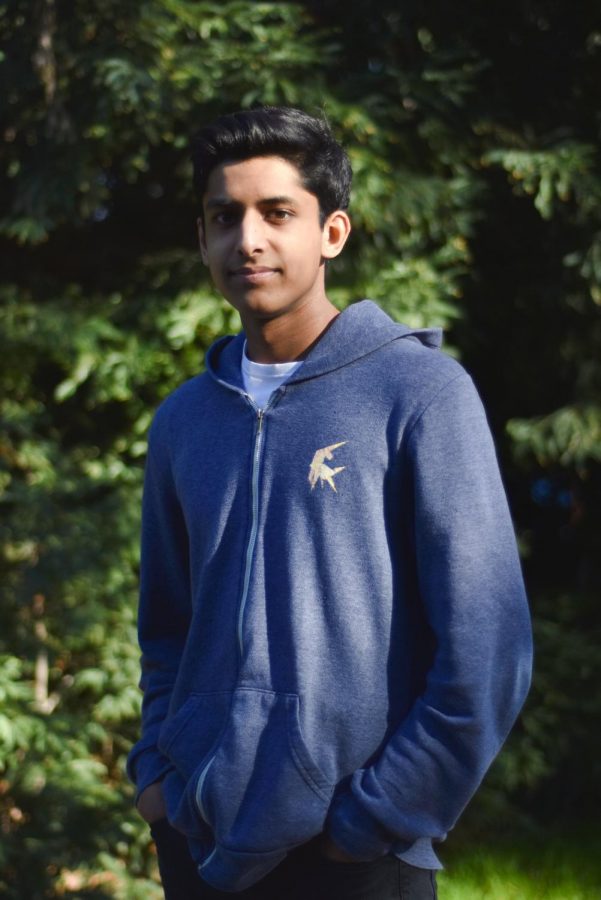

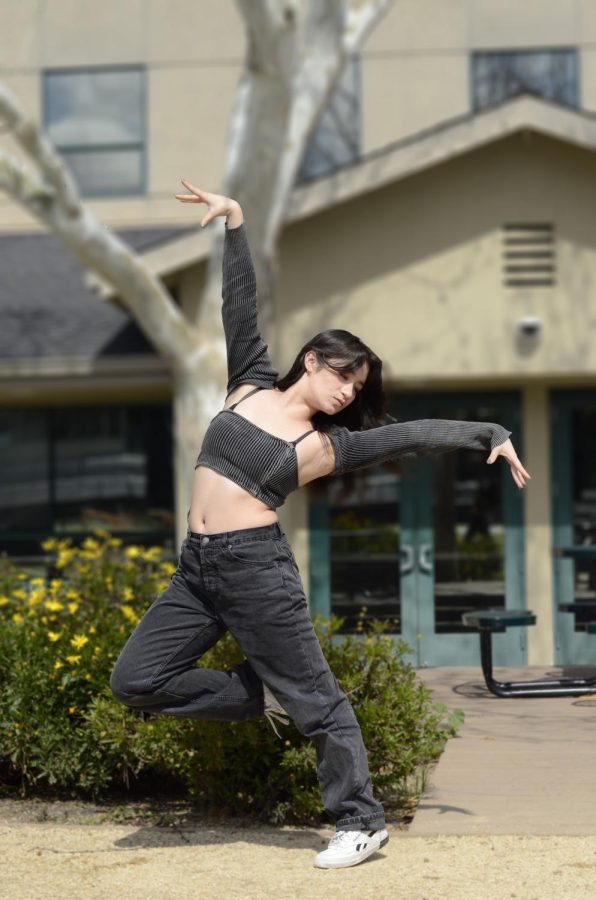
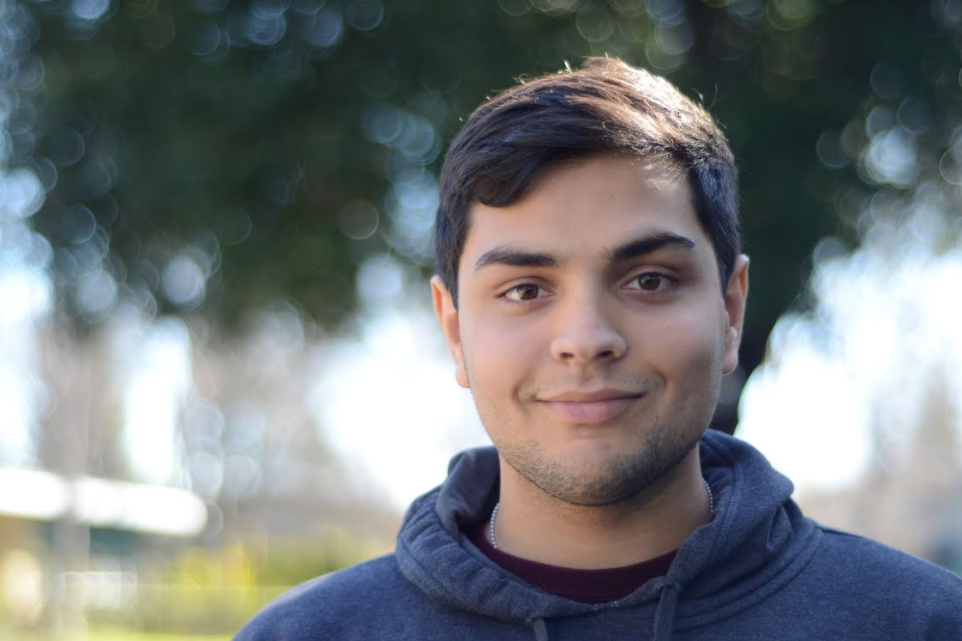
![“I think getting up in the morning and having a sense of purpose [is exciting]. I think without a certain amount of drive, life is kind of obsolete and mundane, and I think having that every single day is what makes each day unique and kind of makes life exciting,” Neymika Jain (12) said.](https://harkeraquila.com/wp-content/uploads/2017/06/Screen-Shot-2017-06-03-at-4.54.16-PM.png)

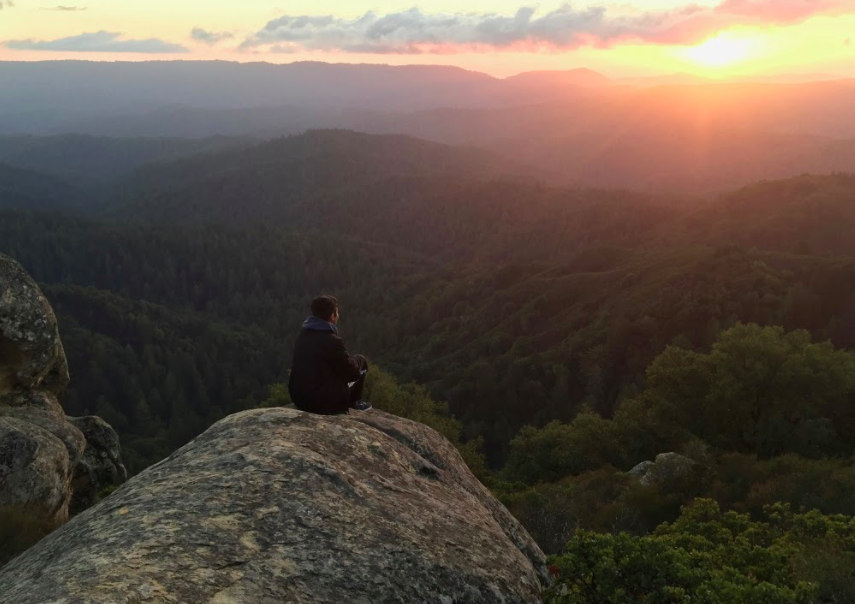
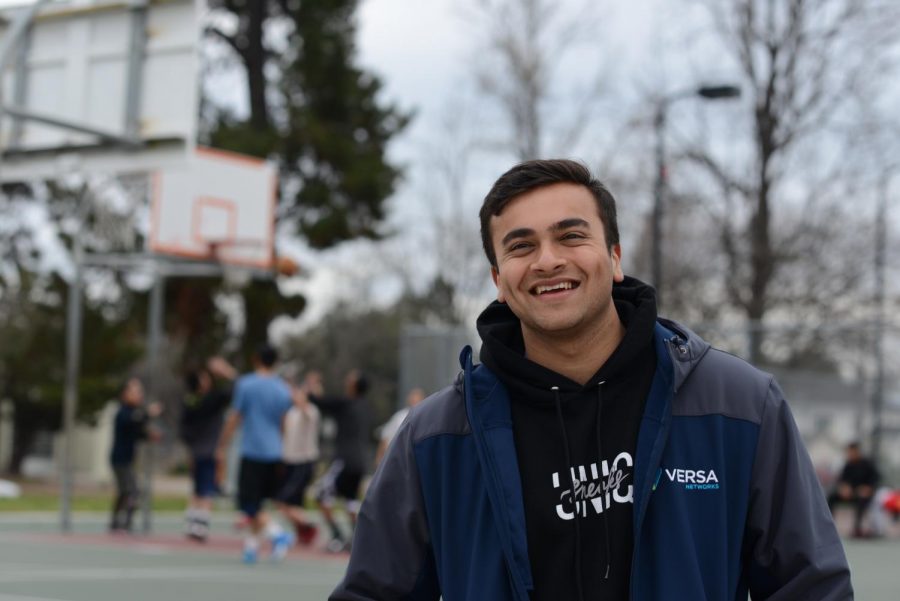
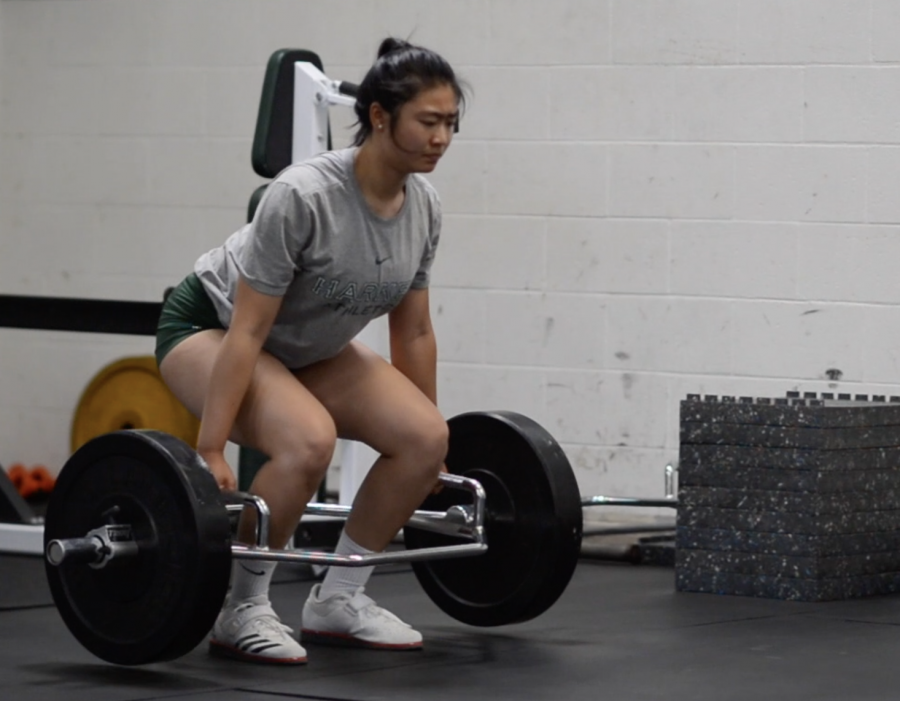

![“My slogan is ‘slow feet, don’t eat, and I’m hungry.’ You need to run fast to get where you are–you aren't going to get those championships if you aren't fast,” Angel Cervantes (12) said. “I want to do well in school on my tests and in track and win championships for my team. I live by that, [and] I can do that anywhere: in the classroom or on the field.”](https://harkeraquila.com/wp-content/uploads/2018/06/DSC5146-900x601.jpg)
![“[Volleyball has] taught me how to fall correctly, and another thing it taught is that you don’t have to be the best at something to be good at it. If you just hit the ball in a smart way, then it still scores points and you’re good at it. You could be a background player and still make a much bigger impact on the team than you would think,” Anya Gert (’20) said.](https://harkeraquila.com/wp-content/uploads/2020/06/AnnaGert_JinTuan_HoHPhotoEdited-600x900.jpeg)

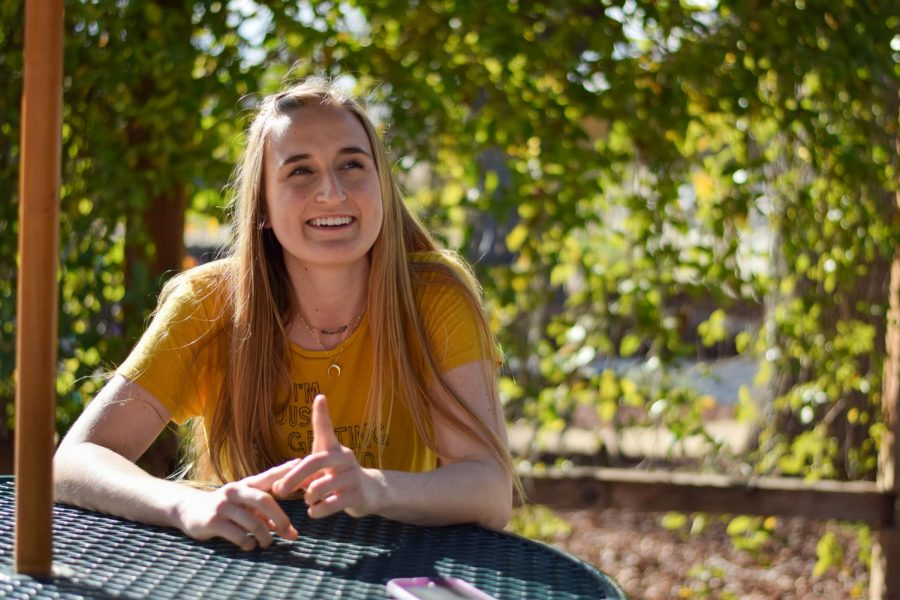
![“I'm not nearly there yet, but [my confidence has] definitely been getting better since I was pretty shy and timid coming into Harker my freshman year. I know that there's a lot of people that are really confident in what they do, and I really admire them. Everyone's so driven and that has really pushed me to kind of try to find my own place in high school and be more confident,” Alyssa Huang (’20) said.](https://harkeraquila.com/wp-content/uploads/2020/06/AlyssaHuang_EmilyChen_HoHPhoto-900x749.jpeg)


New coronavirus outbreak spreads globally, raising public health concerns
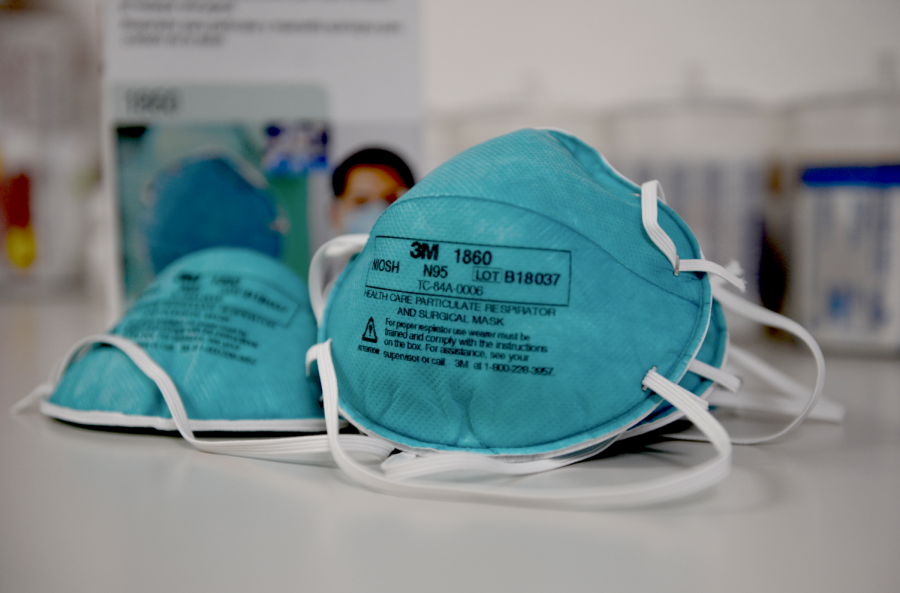
Emergency masks in the upper school office of nurse Clare Elchert. Masks like these are being used in China in public areas, where a novel coronavirus, 2019-nCoV, is rapidly spreading.
The outbreak of a new coronavirus that emerged in Wuhan, China, has elevated public health concerns as it spread globally to countries as far as the U.S. and France.
The spread of this virus has also complicated travel plans locally as upper school students and families prepare for Lunar New Year festivities around the Bay Area this weekend.
Harker’s Director of Health Services Debra Nott and Assistant Head of School Greg Lawson notified parents via email on Wednesday afternoon of actions the school is taking to monitor the virus’ spread.
“We will take guidance from the [Centers for Disease Control and Prevention] and our county and state health departments, and we are monitoring reports from them daily,” Nott and Lawson wrote in the email.
As of midnight on Jan. 24, China Standard Time (CST), this new coronavirus, identified as 2019-nCoV, has infected 1287 people worldwide with 41 total deaths since its first reported appearance in Wuhan on Dec. 31, including residents from 30 Chinese provinces and cities, according to a report published by the National Health Commission of China (NHC).
Outside China, there are two confirmed cases in the U.S., two in France and 24 in neighboring East Asian countries, the NHC reports.
Wuhan, located in Southern China, has a population of 8.32 million. Public health officials have placed 4928 people under medical observation as of Jan. 22 (CST). According to the Jan. 24 report from China’s NHC, up to 1965 potential additional cases of the virus are currently pending confirmation.
Zelan Zhang, an engineer in San Jose who is from Wuhan, has family and friends in Wuhan who originally had planned to visit relatives for Lunar New Year celebrations. After the 2019-nCoV outbreak, their plans were cancelled.
Zhang’s family, who live on the campus of Wuhan University and are not yet affected by the virus, have observed recommended preventative measures, including washing their hands regularly, wearing masks and staying indoors as much as possible.
“Outside, there are government announcements posted, preventing people from going outside. This way, the goal is preventing infection,” Zhang said. “[Family members] haven’t gone to public places. If they need to go out and buy something, they drive by themselves, and the supermarkets all have stock to sell.”
Some of Zhang’s friends recently visited Wuhan and returned to the Bay Area around New Year’s Day, before the Centers for Disease Control and Prevention (CDC) began screenings at U.S. airports. Zhang noted that they have been “very responsible” with taking preventative measures. In particular, she says, “if they come back, they won’t go see other people and will wear masks.”
The first confirmed case in the U.S., which was reported to the CDC on Jan. 21, involved a man who returned to Seattle from Wuhan on Jan. 15. Texas A&M University stated yesterday that one of its students may have a possible case of the virus, as notified by the Brazos County Health District.
Today, the CDC and the Chicago Department of Public Health confirmed the second travel-related case of 2019-nCoV in the U.S. The patient, who arrived in O’Hare International Airport in Chicago, Illinois, from Wuhan on Jan. 13, was diagnosed with the virus after experiencing symptoms. The patient is currently hospitalized in an isolation room. Public health officials are currently investigating the illness by tracking close contacts to limit potential spread of the virus.
Though the CDC considers the 2019-nCoV to be “a serious public health concern,” the organization states that the virus currently poses low risk to the general American public.
At a dial-in press conference today, health officials the World Health Organization (WHO) announced that they are not declaring a Public Health Emergency of International Concern. Officials are still tracking and investigating the outbreak.
Common symptoms of the virus include fever, cough and shortness of breath and take two to 14 days after exposure to appear, according to the CDC.
The WHO has published a list of preventative measures that can be taken to minimize risk of infection.
To minimize the risk of illness, Nott recommends the following preventative actions: “Wash your hands frequently with soap and water for at least 20 seconds; avoid touching your eyes, nose or mouth with unwashed hands and avoid close contact with people who are sick.”
Additionally, Nott emphasizes that if students or faculty have a fever, they should stay home until the fever has receded for 24 hours.
The CDC has reported that the outbreak may have originated from a large animal and seafood market in Wuhan.
The virus can spread from animals to humans, as well as from person to person, though the risk of person-to-person transmission is currently unclear.
WHO officials say that person-to-person transmission has not yet occurred outside China and seems to be contained to family groups and medical workers who are caring for infected patients in China.
At 10 a.m. on Jan. 23 (CST), Wuhan officials suspended all transportation in and out of the city, including urban buses, subways, ferries, railways and airplanes. Residents of Wuhan are not permitted to leave the city without special permission.
U.S. health officials began screening passengers last Friday at the three airports that receive most of the traffic from Wuhan: San Francisco (SFO), Los Angeles (LAX) and New York City (JFK).. This screening measure expanded to include to flights from Wuhan at the Atlanta and Chicago O’Hare international airports on Tuesday. Passengers arriving in the U.S. from Wuhan were rerouted to these five airports for screening.
The travel restrictions to and from Wuhan coincide with the Lunar New Year holiday this weekend, during which many Chinese families had planned to visit relatives.
The U.S. Senate, which is currently sitting as the impeachment court, received a briefing today from health officials about the 2019-nCoV.
As health officials worldwide monitor this outbreak and work to limit its spread, Zhang continues to send her support to her family and friends in Wuhan.
“I’m still a little worried, but I will send them some positive information,” Zhang said. “They feel okay. They feel that staying home is safe.”
This is a developing story. Check Harker Aquila for future updates.
Correction: A previous version of this story misidentified the office depicted in the photo. The article has been updated to reflect this error.
Note: Harker Aquila’s interview with Zelan Zhang was originally conducted in Mandarin and translated to English.
Additional reporting by Erica Cai and Nina Gee.
Kathy Fang (12) is the editor-in-chief of Harker Aquila. This is her fourth year on staff. From covering local marches and protests to initiating Harker...
Eric Fang (12) is the co-editor in chief of the Winged Post. This is his fourth year in Harker Journalism, and he hopes to hone his skills as both a writer...
Irina Malyugina (11) is the photo editor of Harker Aquila and the Winged Post. This is her third year on staff. She has a passion for visual storytelling...