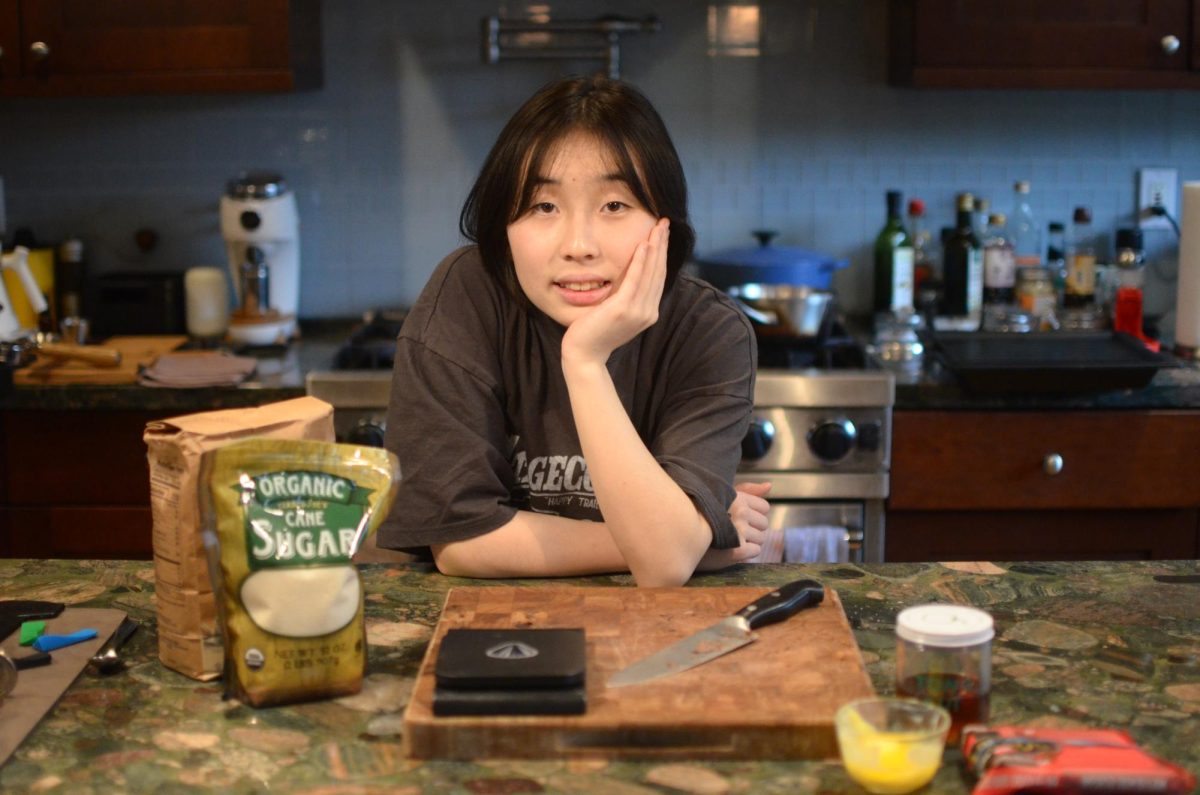
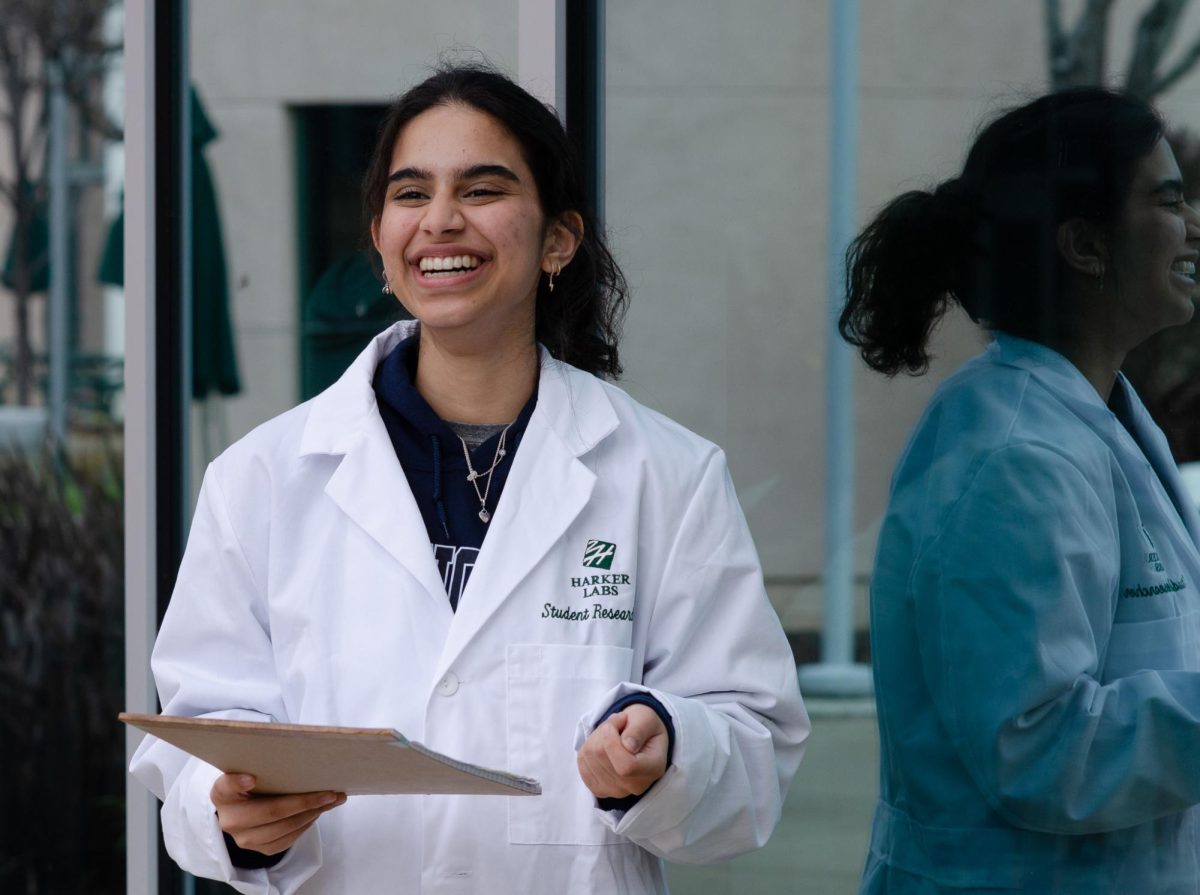
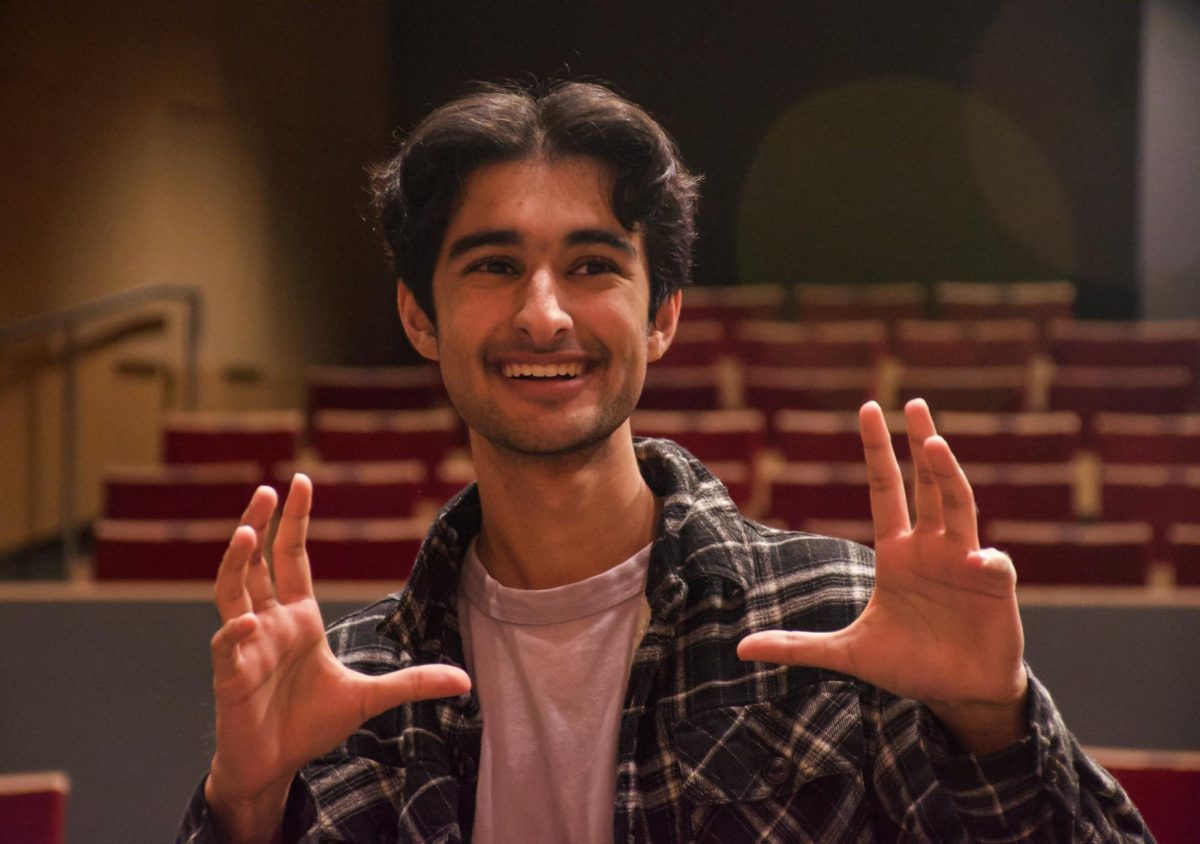
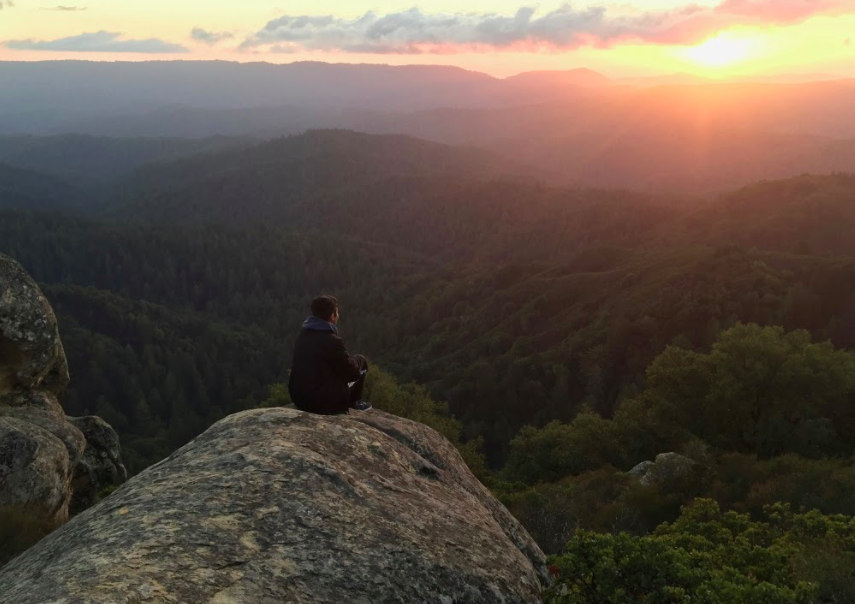
![“I wasn't discouraged by some of the obstacles we faced. I learned a lot from the leadership. I found that different people need different ways of receiving feedback — you can't [just] tell them to do something and expect the best. [Some] people needed more incentive. A large part of my role was to figure out what worked for everyone and to figure out how to lead all these separate individuals as a team,” Suhana Bhandare (’26) said.](https://harkeraquila.com/wp-content/uploads/2026/06/SuhanaBhandare_JasmineHansra-1-1200x798.jpg)
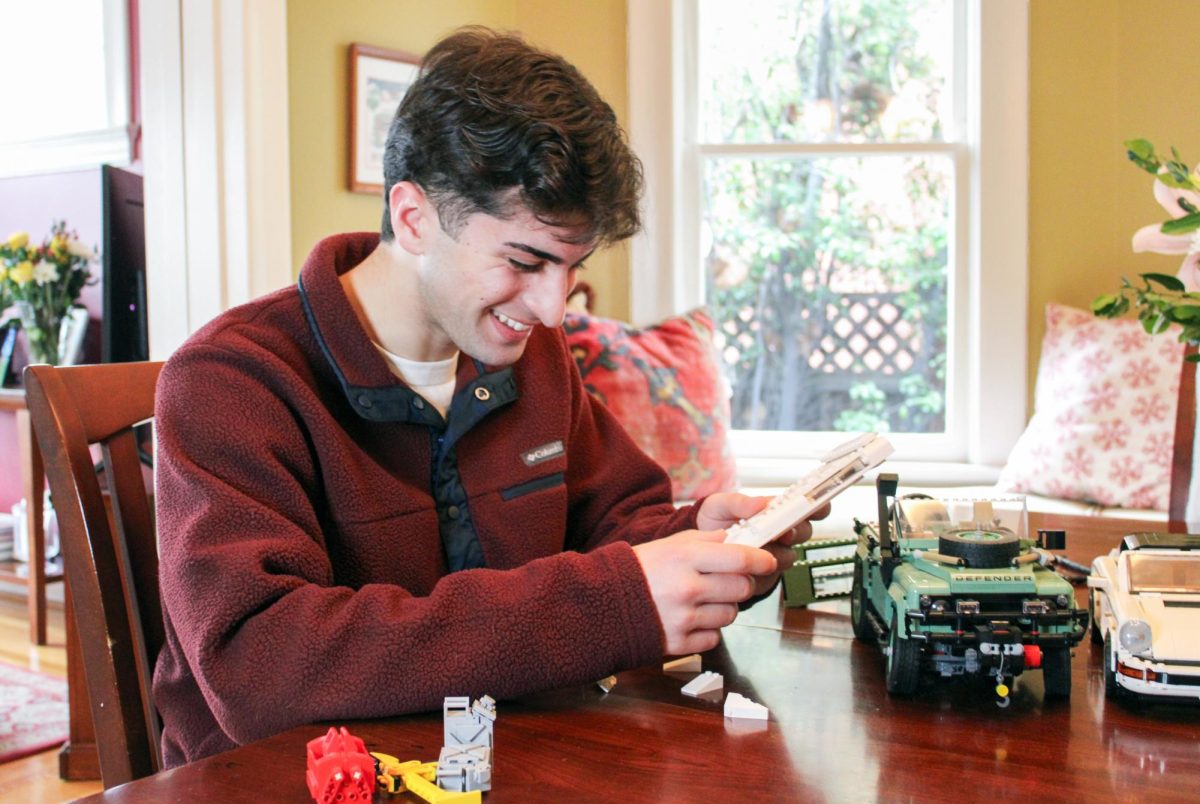
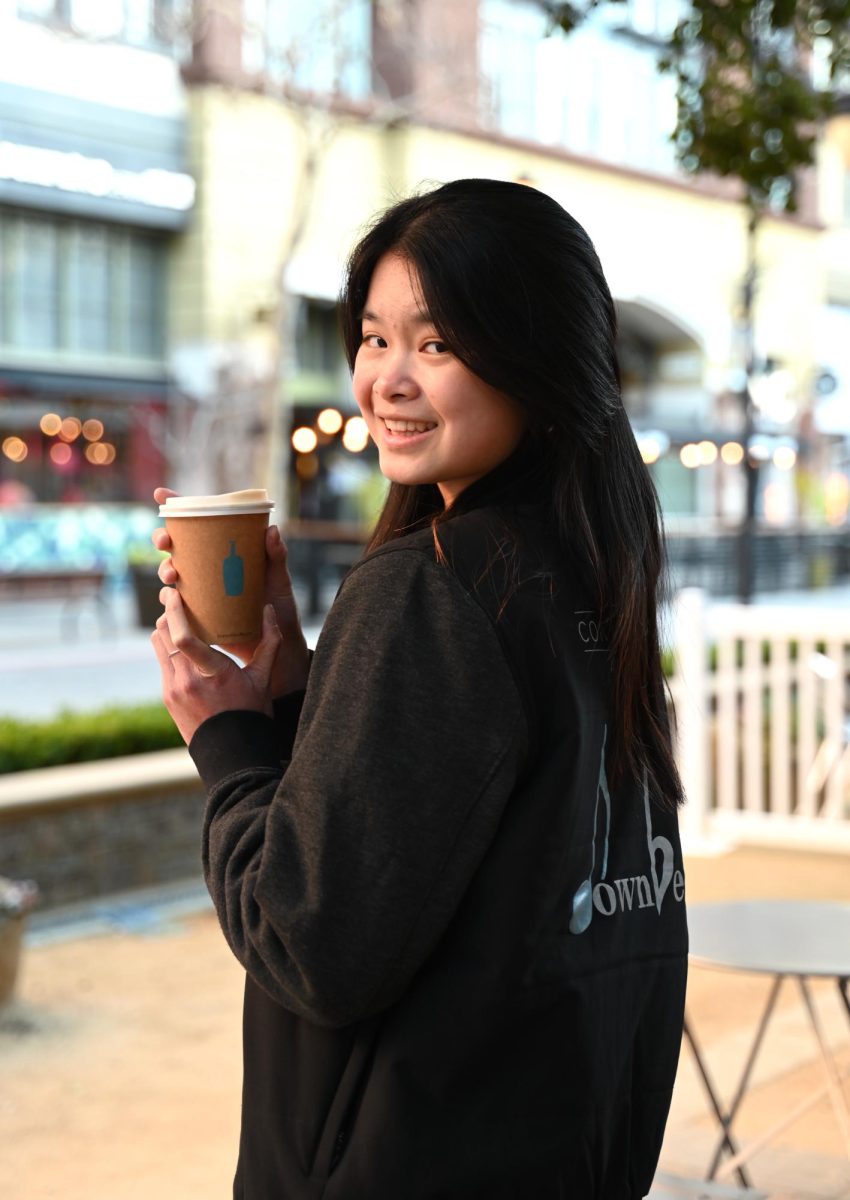
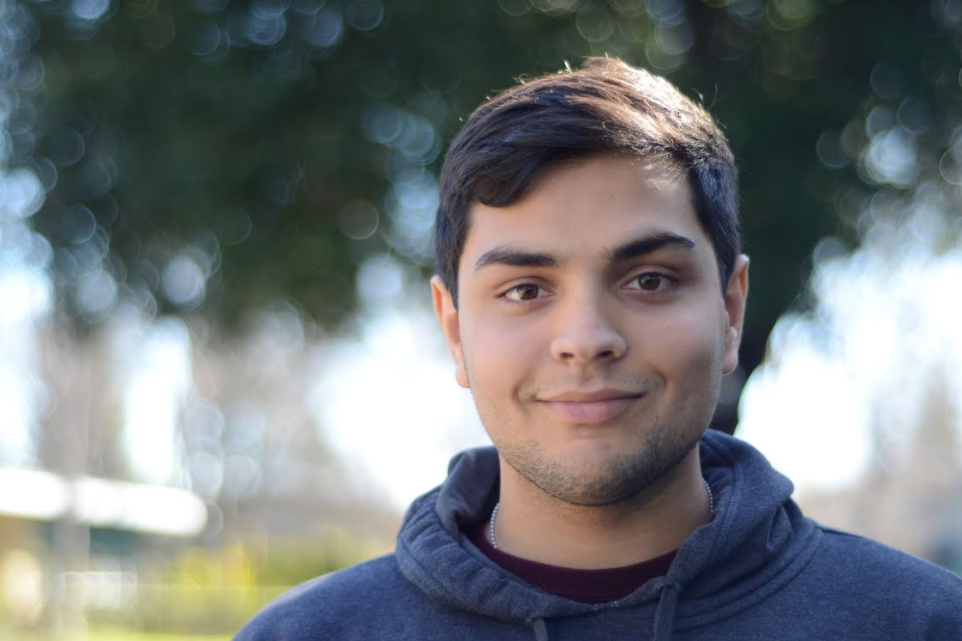
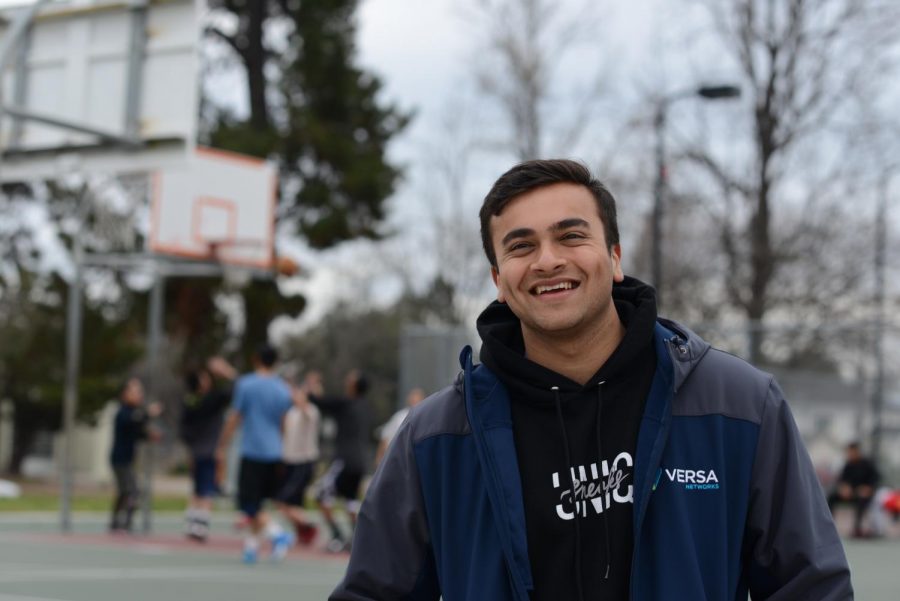
![“This is actually from Randy Pausch Randy P. Brick: ‘Walls are there for a reason. You have to show how much you want to overcome them.’ You have to show how much you want something. That's what I've always been able to do with tennis, Link Crew and getting that internship [with Kushy Baby]. It’s important pushing through that — getting around that brick wall, climbing over it or clawing through it,” Yash Sachdeva (’26) said.](https://harkeraquila.com/wp-content/uploads/2026/05/YashSachdeva_RamBatchu-copy-1200x1002.jpg)
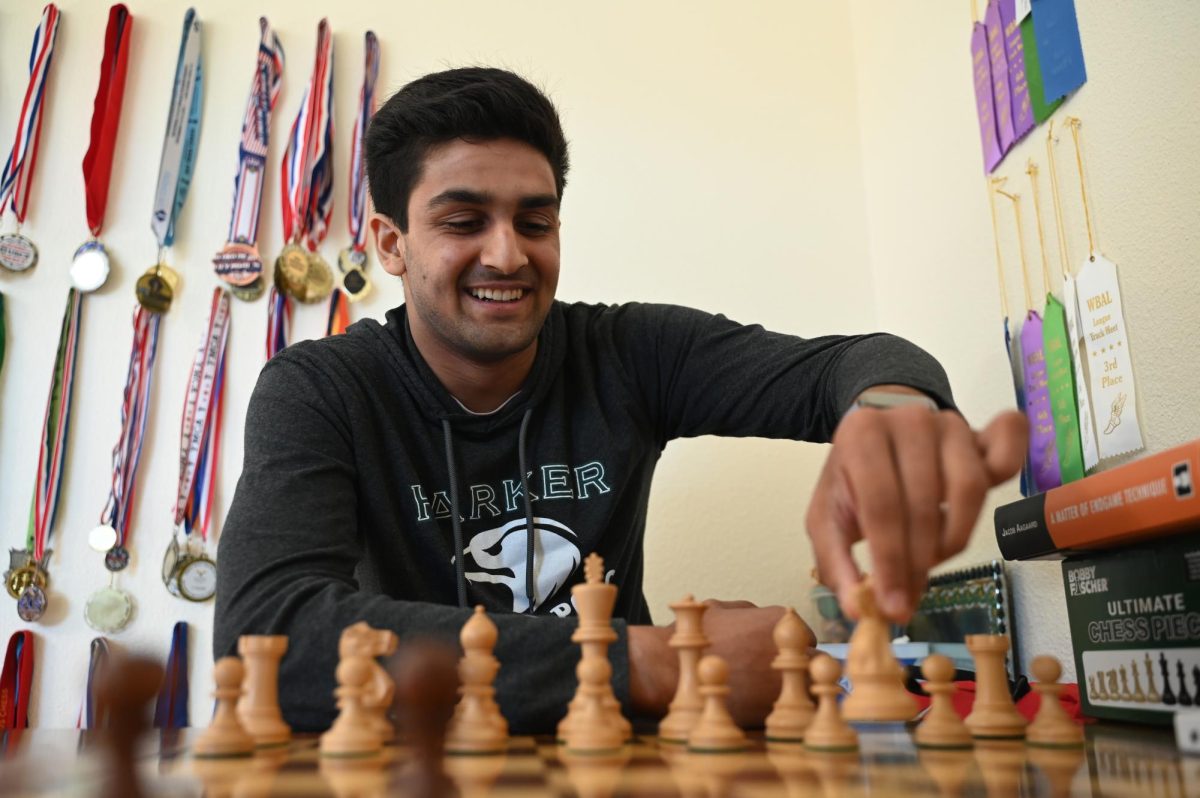
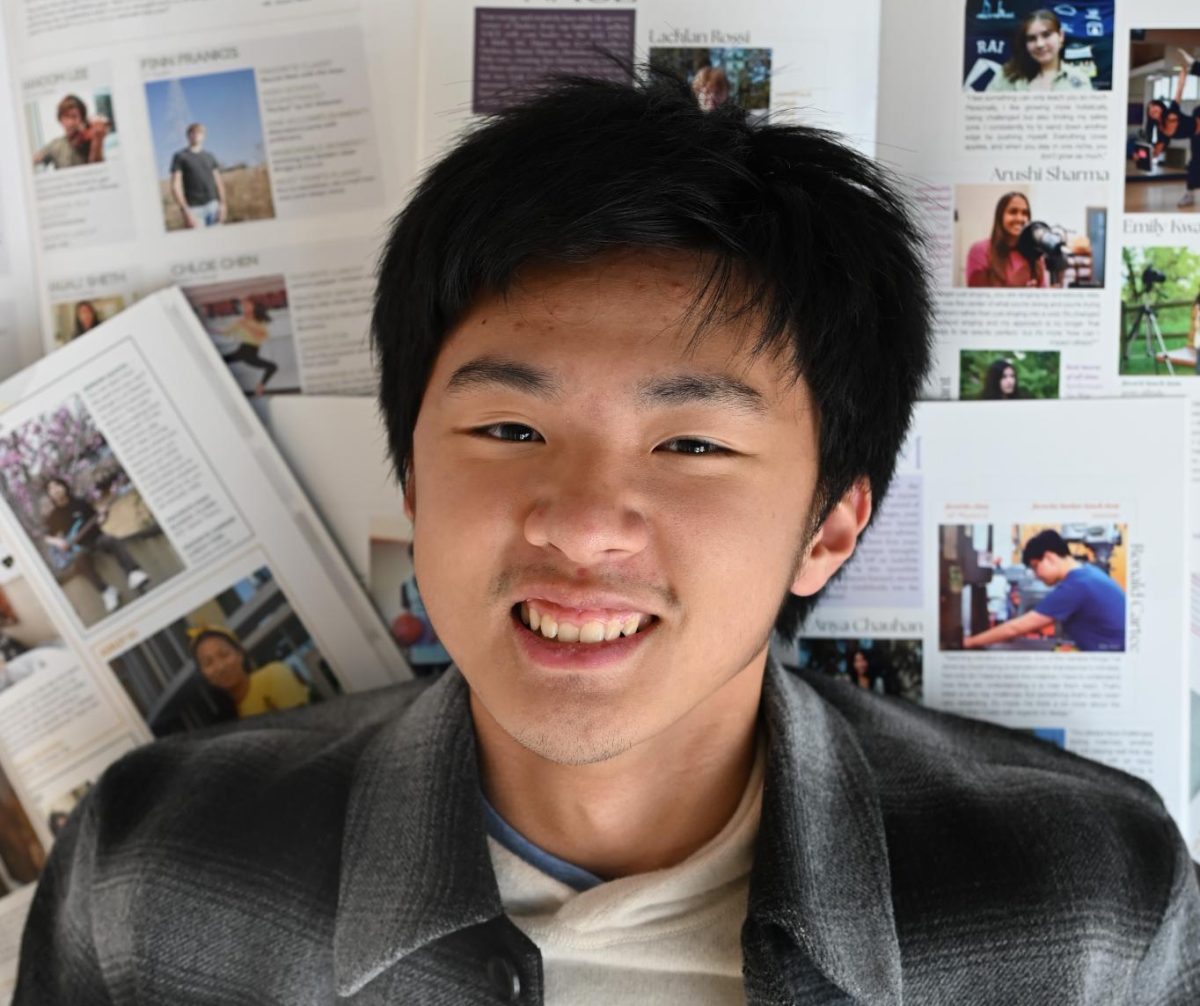
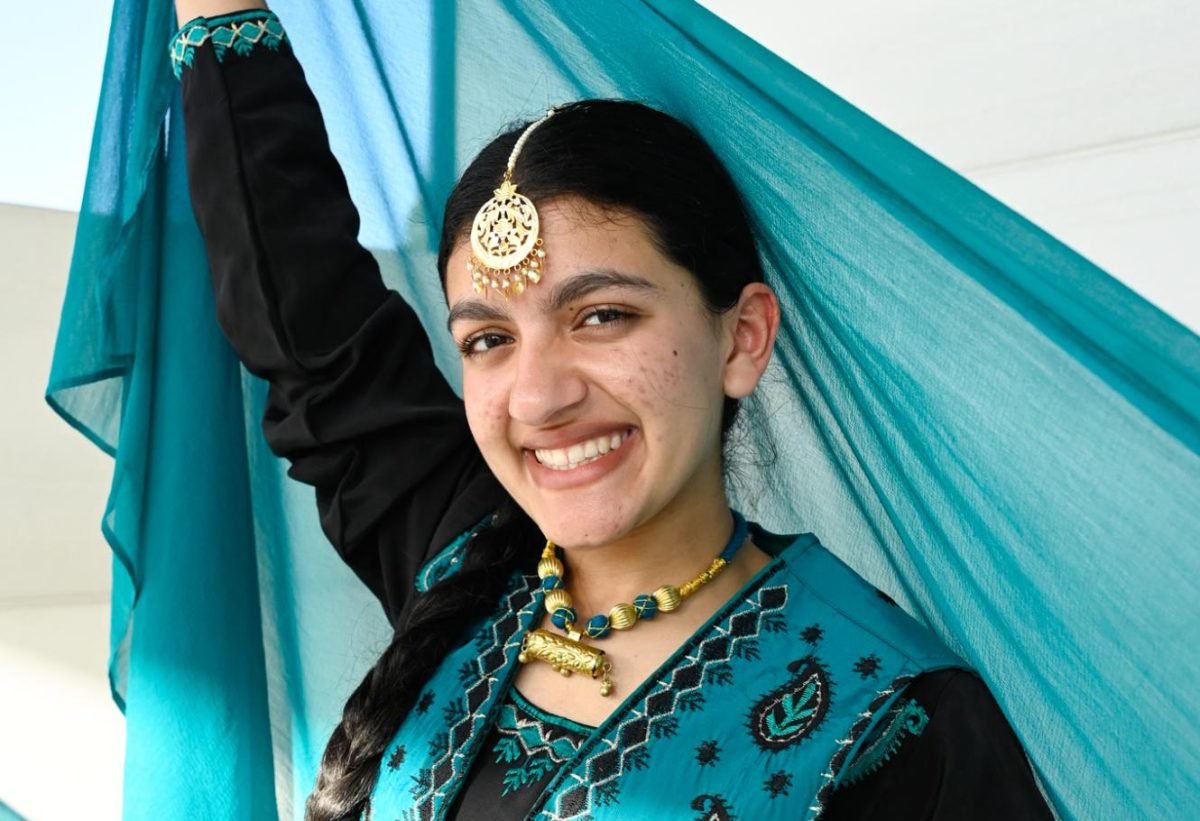

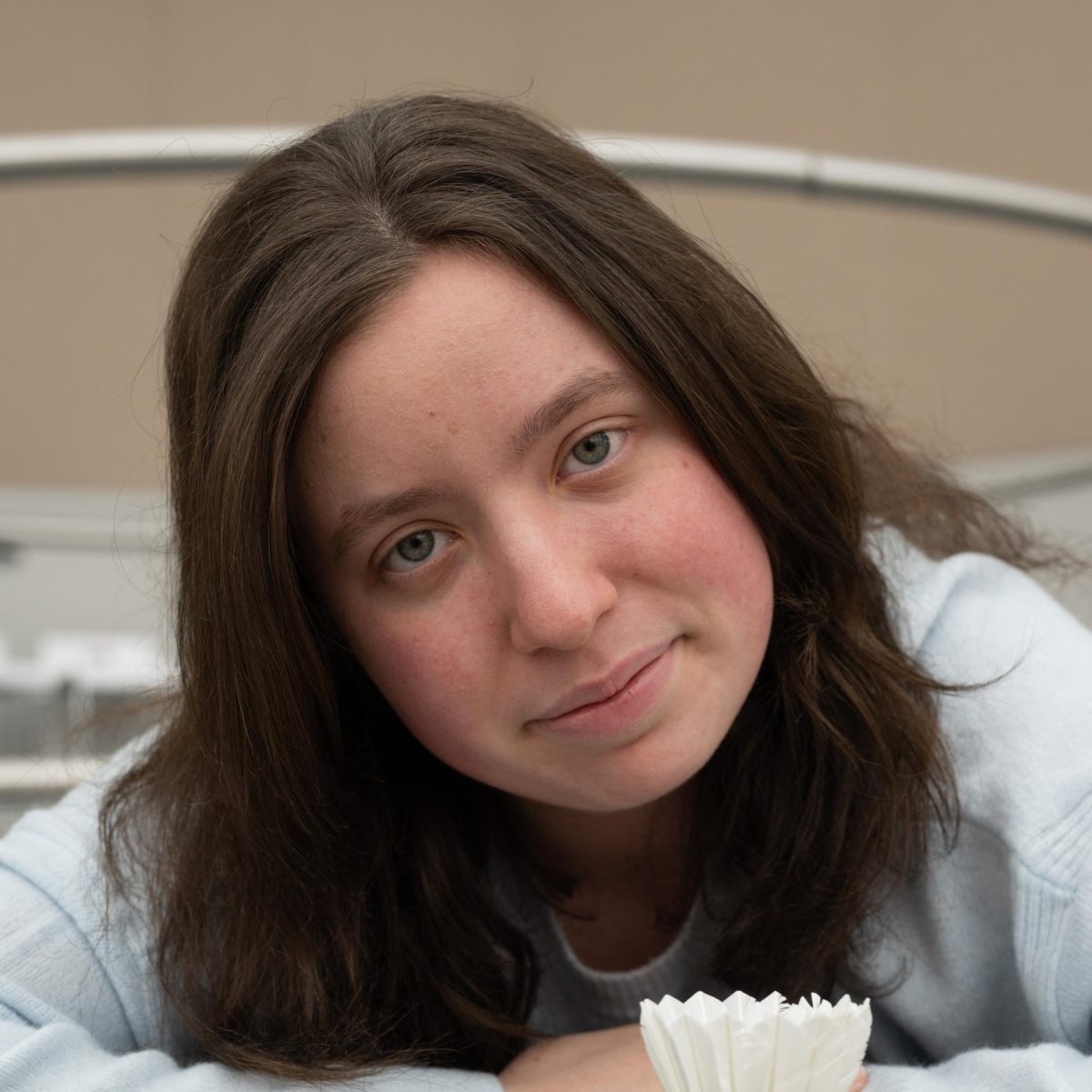



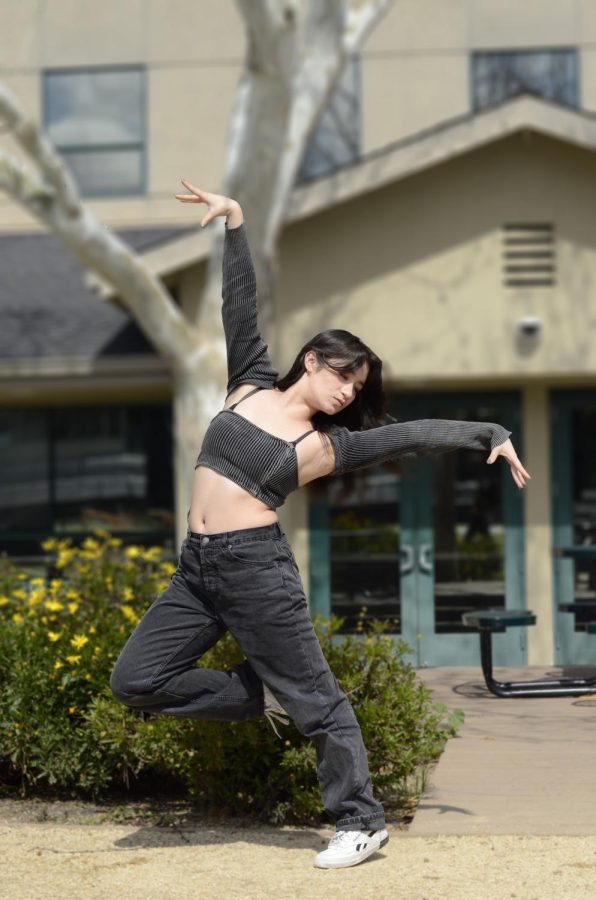
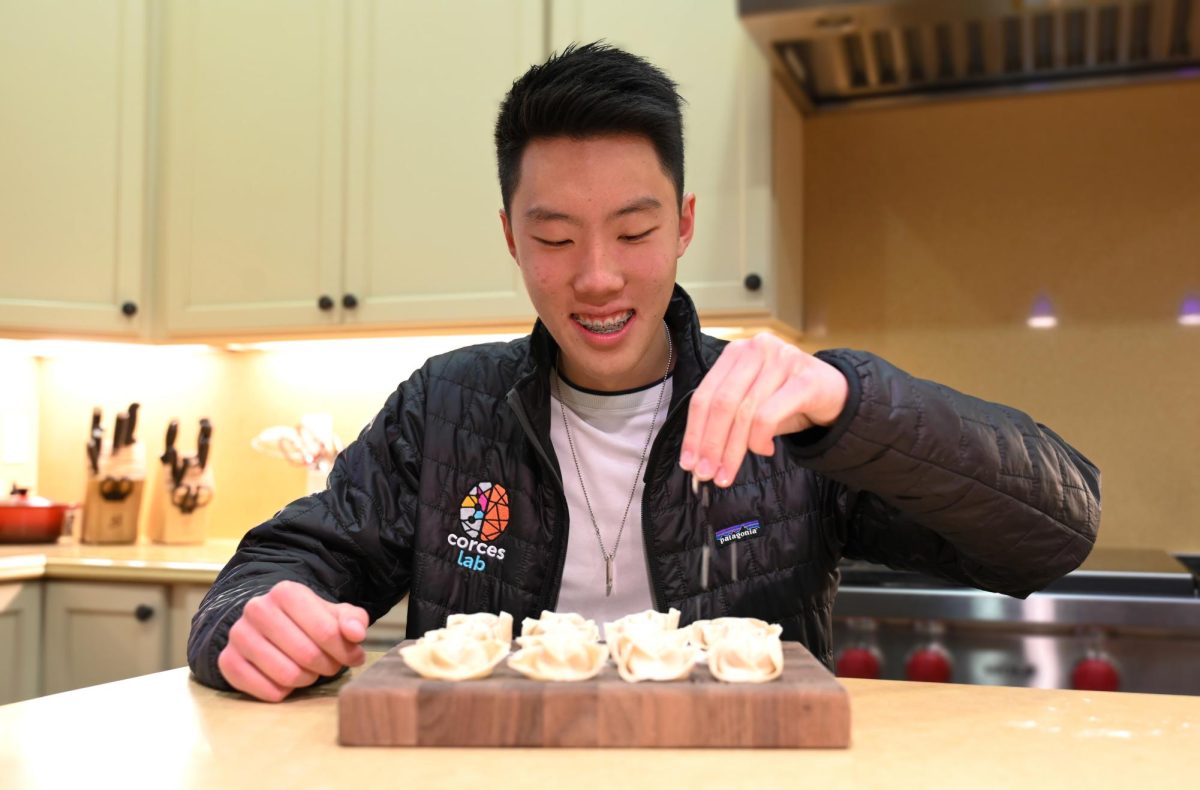
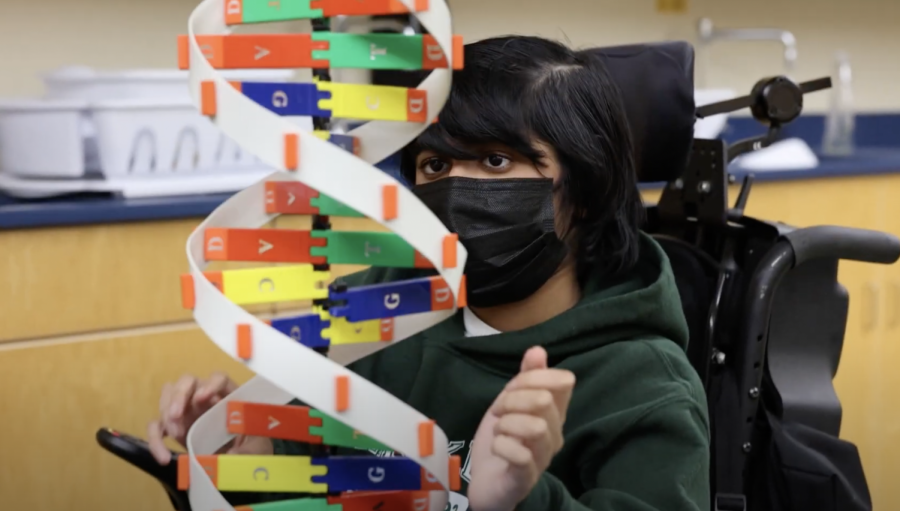
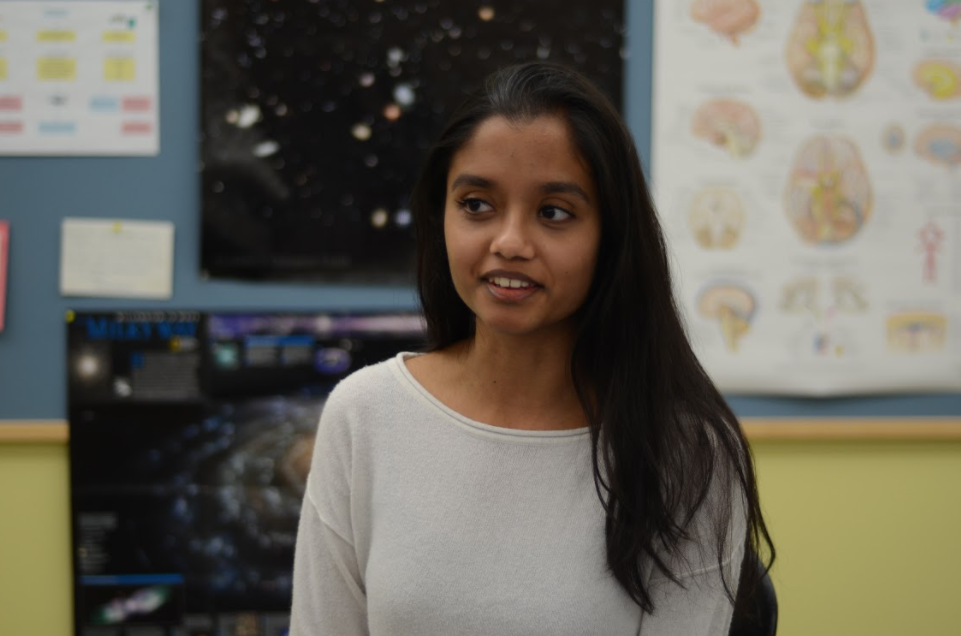
![“[Building nerf blasters] became this outlet of creativity for me that hasn't been matched by anything else. The process [of] making a build complete to your desire is such a painstakingly difficult process, but I've had to learn from [the skills needed from] soldering to proper painting. There's so many different options for everything, if you think about it, it exists. The best part is [that] if it doesn't exist, you can build it yourself," Ishaan Parate said.](https://harkeraquila.com/wp-content/uploads/2022/08/DSC_8149-900x604.jpg)
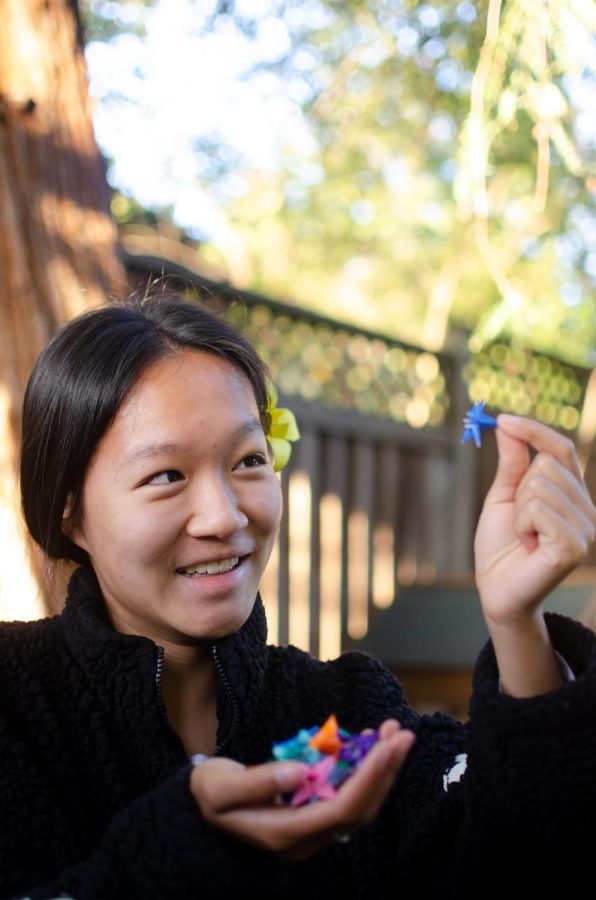
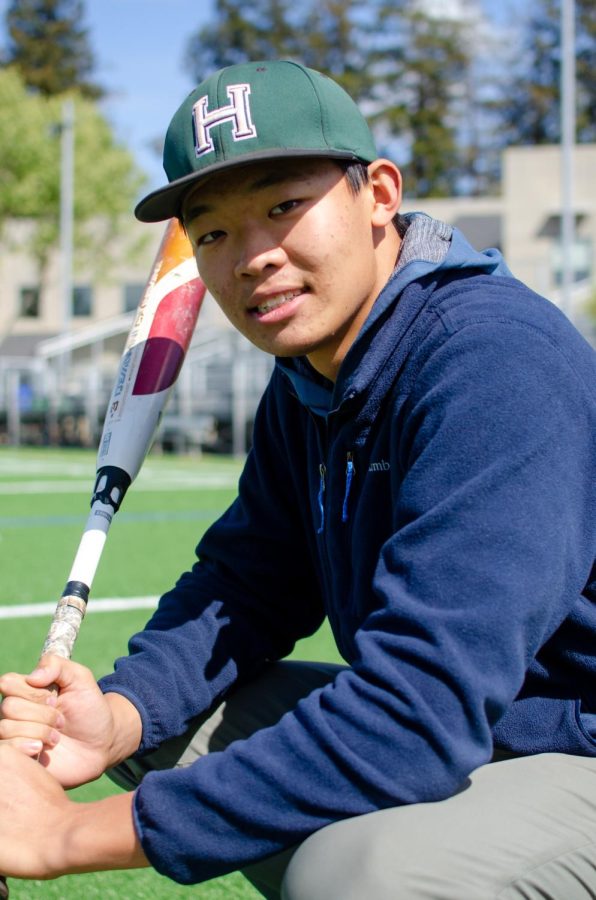
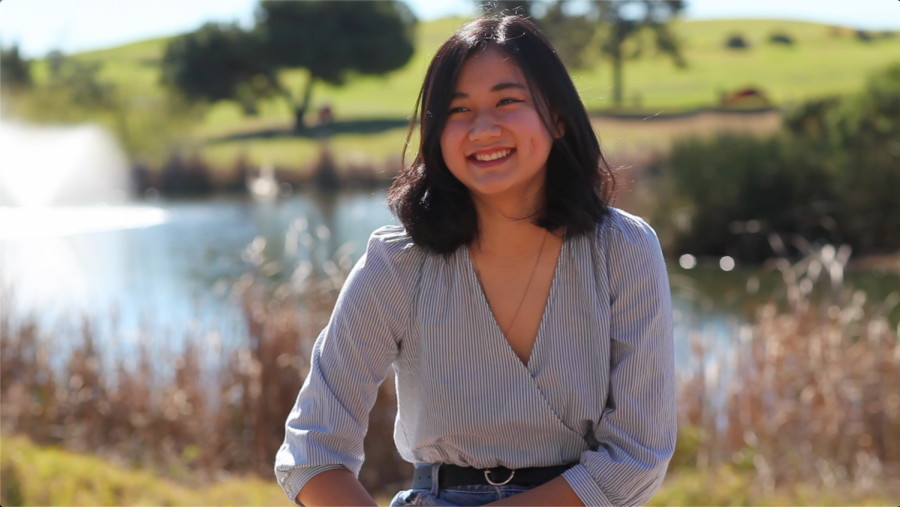
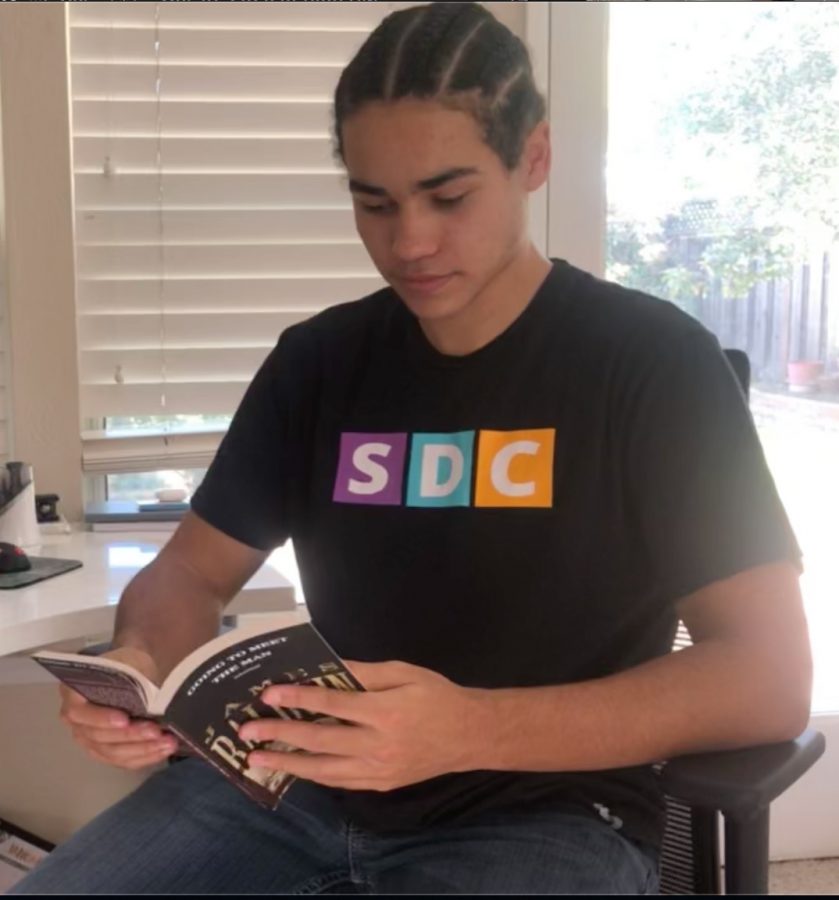
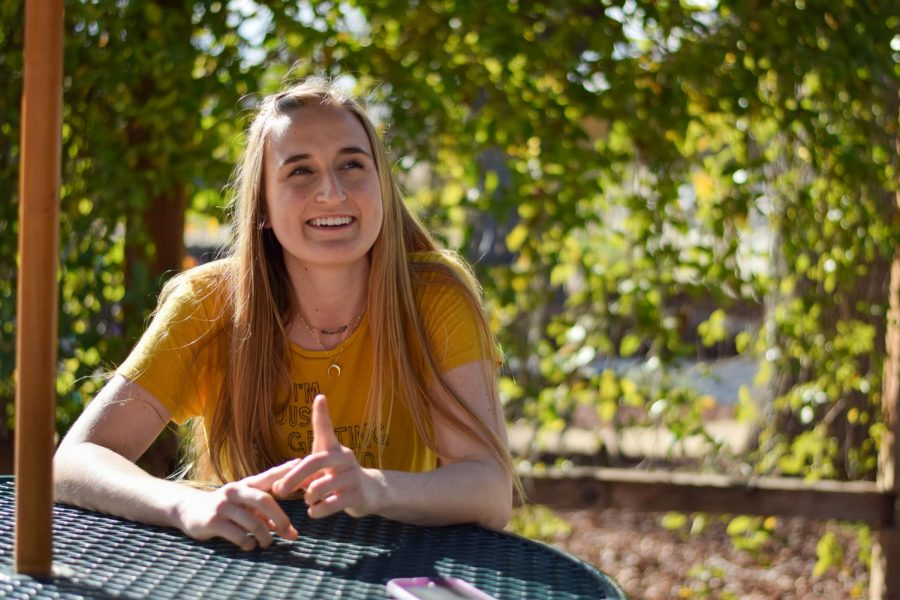
![“When I came into high school, I was ready to be a follower. But DECA was a game changer for me. It helped me overcome my fear of public speaking, and it's played such a major role in who I've become today. To be able to successfully lead a chapter of 150 students, an officer team and be one of the upperclassmen I once really admired is something I'm [really] proud of,” Anvitha Tummala ('21) said.](https://harkeraquila.com/wp-content/uploads/2021/07/Screen-Shot-2021-07-25-at-9.50.05-AM-900x594.png)
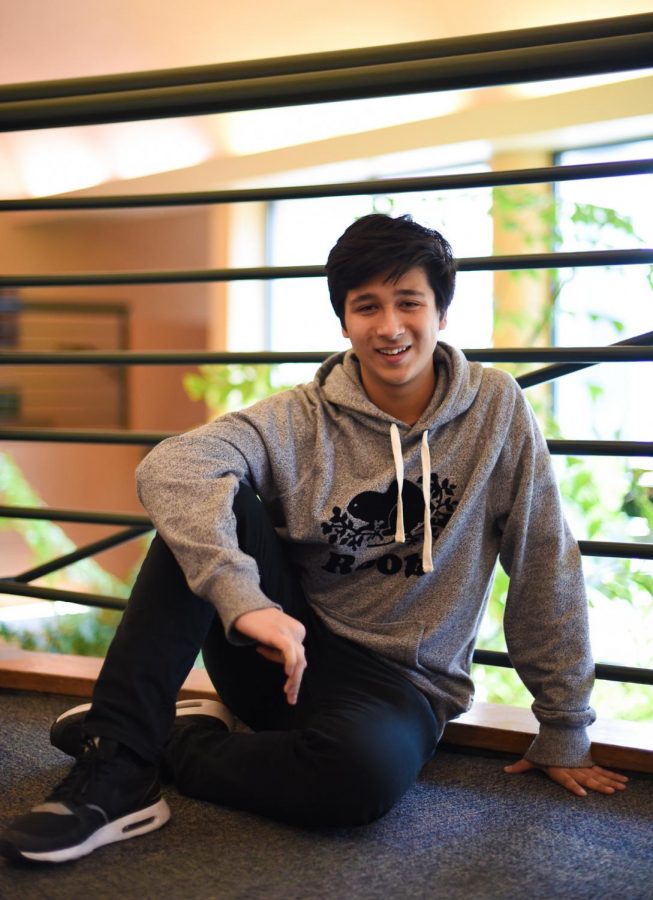
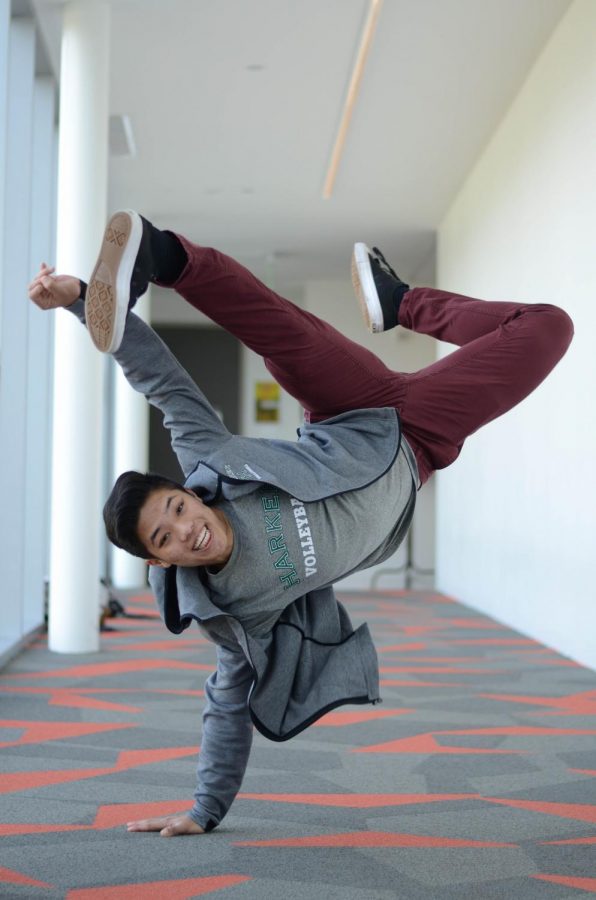
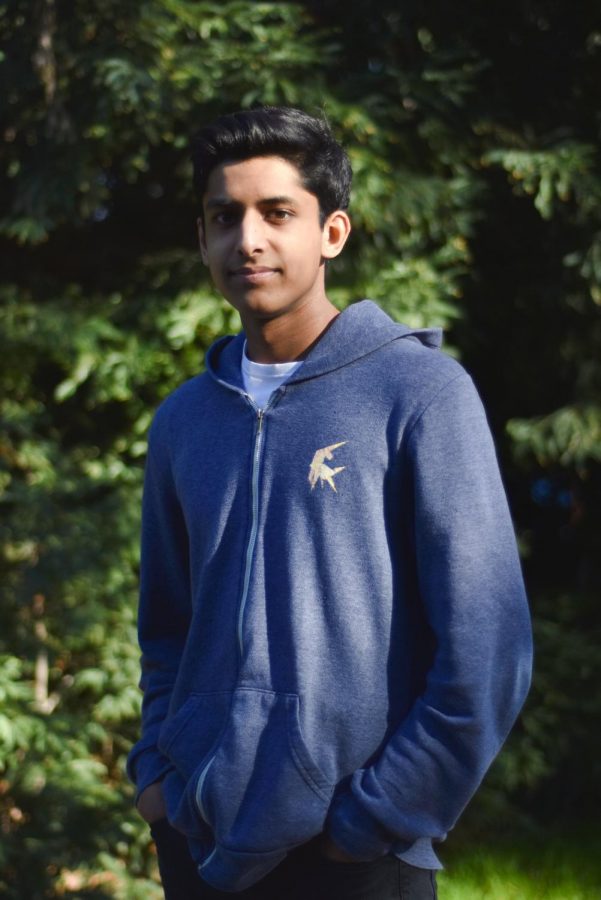

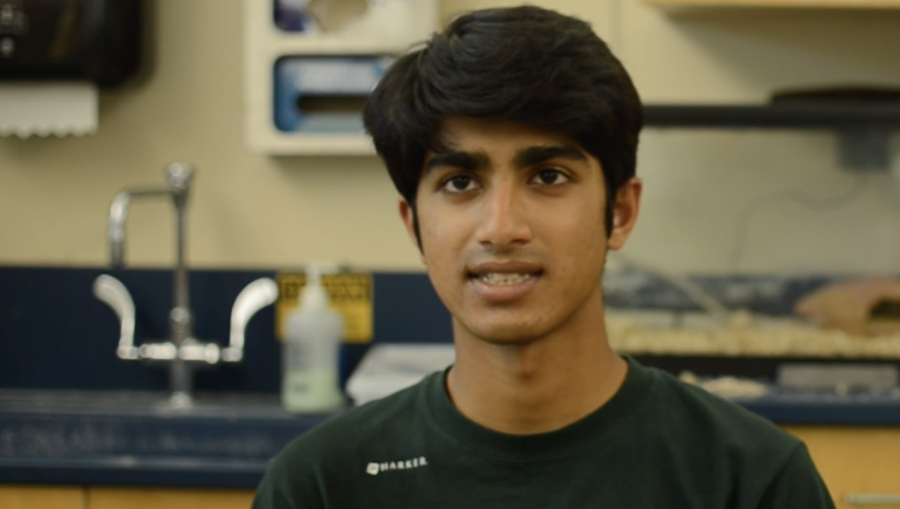
![“I think getting up in the morning and having a sense of purpose [is exciting]. I think without a certain amount of drive, life is kind of obsolete and mundane, and I think having that every single day is what makes each day unique and kind of makes life exciting,” Neymika Jain (12) said.](https://harkeraquila.com/wp-content/uploads/2017/06/Screen-Shot-2017-06-03-at-4.54.16-PM.png)
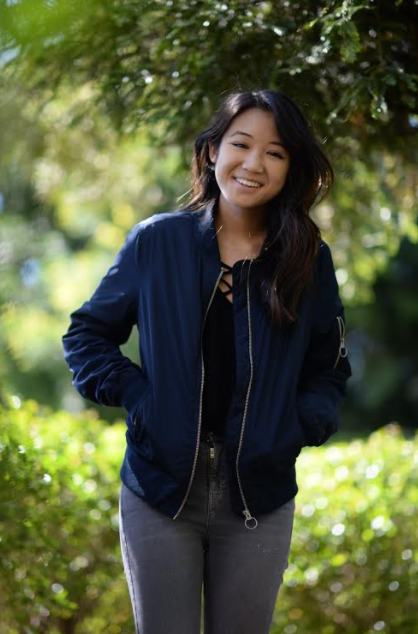
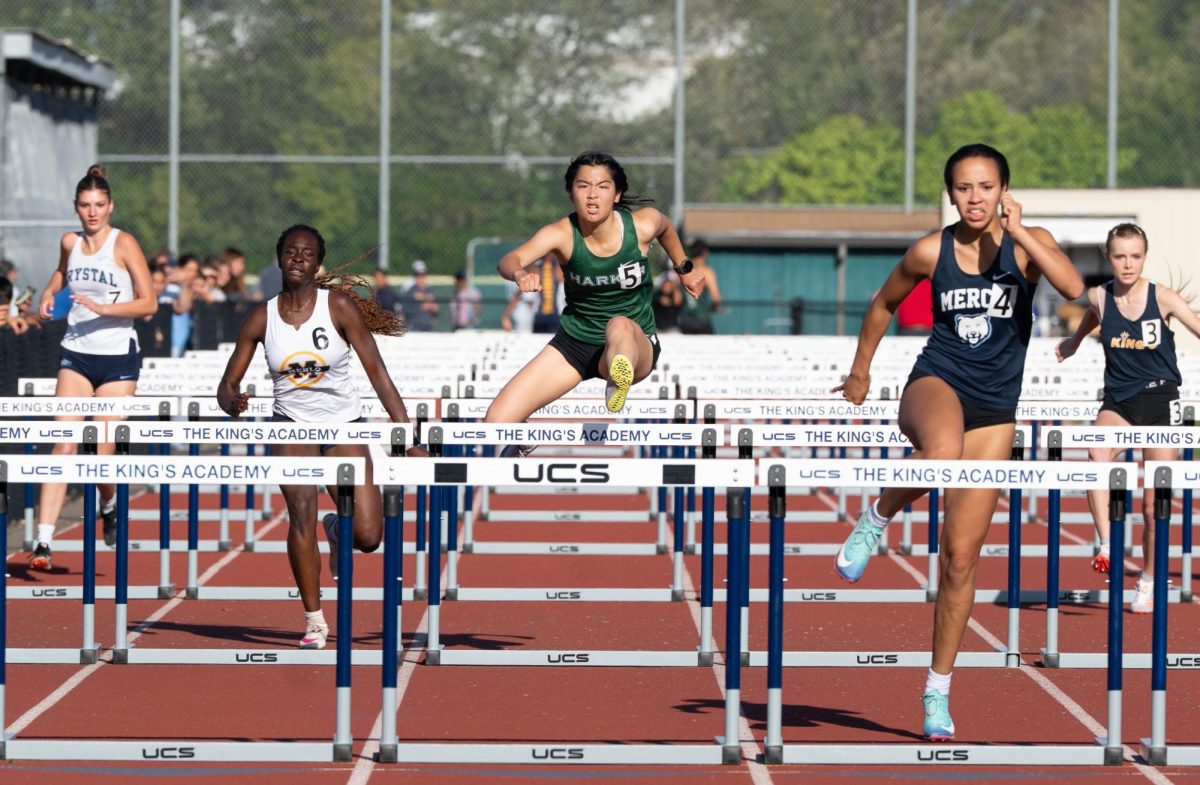
![“My slogan is ‘slow feet, don’t eat, and I’m hungry.’ You need to run fast to get where you are–you aren't going to get those championships if you aren't fast,” Angel Cervantes (12) said. “I want to do well in school on my tests and in track and win championships for my team. I live by that, [and] I can do that anywhere: in the classroom or on the field.”](https://harkeraquila.com/wp-content/uploads/2018/06/DSC5146-900x601.jpg)
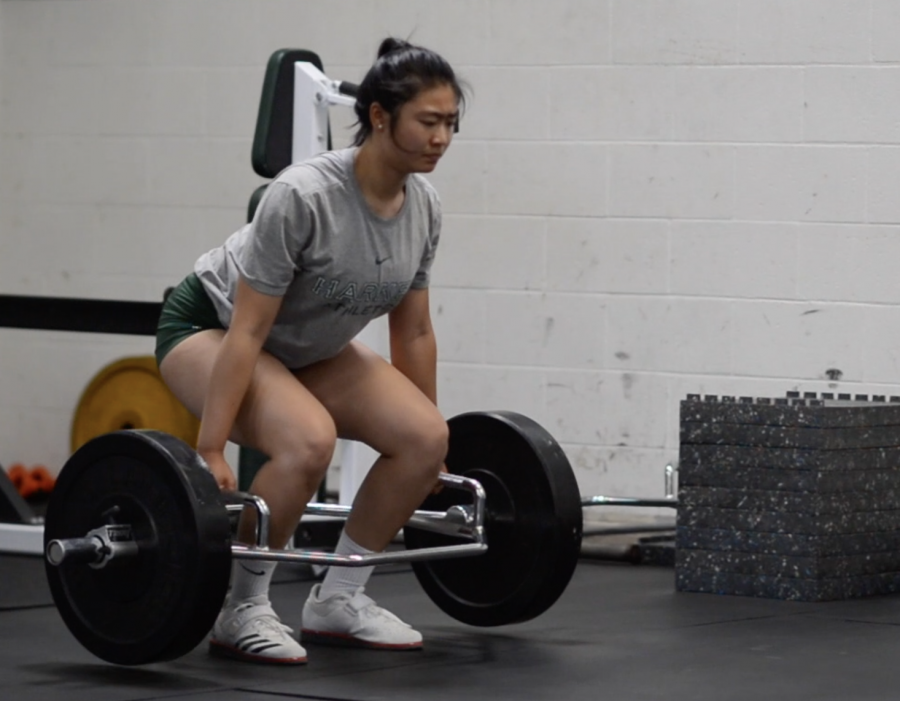
![“[Volleyball has] taught me how to fall correctly, and another thing it taught is that you don’t have to be the best at something to be good at it. If you just hit the ball in a smart way, then it still scores points and you’re good at it. You could be a background player and still make a much bigger impact on the team than you would think,” Anya Gert (’20) said.](https://harkeraquila.com/wp-content/uploads/2020/06/AnnaGert_JinTuan_HoHPhotoEdited-600x900.jpeg)
![“I'm not nearly there yet, but [my confidence has] definitely been getting better since I was pretty shy and timid coming into Harker my freshman year. I know that there's a lot of people that are really confident in what they do, and I really admire them. Everyone's so driven and that has really pushed me to kind of try to find my own place in high school and be more confident,” Alyssa Huang (’20) said.](https://harkeraquila.com/wp-content/uploads/2020/06/AlyssaHuang_EmilyChen_HoHPhoto-900x749.jpeg)

Inside the Dash: Galloping Forward
September 30, 2019
This podcast series hopes to slow things down for a few minutes of conversation with someone in this community, and to tell the stories of the lives of our community — inside the dash.
Are you happy?
This seems like such a simple question, one asked in passing and almost always answered with a simple “yes” or “no.”
Earlier this month, I participated in a team bonding activity framed like the Privilege Walk but with standard ‘get-to-know-you’ questions. Chatter rang out across the blacktop as the facilitator read out each question.
“Question 9: Are you happy?”
We all fell silent, looking around, hesitating to step forward yet also hesitating not to.
What I failed to account for was the bigger picture. Instead of thinking about all the work I’ve done or haven’t done, I could have been reflecting on all the reasons to be grateful: the supportive people in my life; lessons learned in and outside the classroom; my Mint Mojito from Philz.
As American journalist Sydney Harris said, “Happiness is a direction, not a place.”
Even the adults in our daily school life encounter difficulties, yet they are eventually able to find the positives in the journey towards their destination.
Mr. Keller attended his first rodeo with the impetus of meeting girls. The three events — the barrel race, the stake race and the flag race — are all high intensity, high paced, high stakes events with an overwhelmingly female competitor pool.
Decked out in his first cowboy hat, dress clothes and boots, Mr. Keller rode in the grand entry parade on his aunt’s horse, Yimkin. Half a country away from knowing anybody, he had high hopes of meeting new people. However, his horse fell and rolled on him in the mud.
“You talk about having to deal with adversity, I was crushed. My stupid horse fell down. Now who am I going to meet covered in mud?” Mr. Keller said.
Needless to say, Mr. Keller was pretty sour after his first experience at the rodeo. But as much as he wanted to quit, his uncle refused.
Instead, his uncle borrowed Buck, a faster and stronger horse.
Despite having a natural affinity for sports, this was all new, and Mr. Keller had to work to overcome challenges riding Buck. In his first race, Mr. Keller was hanging on for dear life, having the sole goal of not falling off.
He didn’t win his first race; he didn’t even come close. But he didn’t quit.
“Of all the high school and college trophies I won for sports, the trophies my mother put on the mantle were the ones in the rodeo. She was so proud of those, because that didn’t come naturally like sports came naturally. It was fun, and I did it for three years,” Mr. Keller said.
If Yimkin hadn’t fallen, Mr. Keller would have ridden him in the rest of the parades and would have never experienced the excitement, that adrenaline rush. He wouldn’t have gotten Buck.
“It was a cowboy dream that you see on TV: we got to do it, even if it was just for a little while during the summer,” Mr. Keller said.
Mr. Keller’s annual trip from North Carolina to Arkansas contributed to his growing up more than the physical labor or even the thrill of rodeos; it fostered a close relationship with his uncle.
“My uncle and I were really close and we worked together all day. I loved every minute of it. It didn’t matter how hard the work was. And he didn’t treat me like a 16-year-old. He treated me like I was there to do this man’s work.”
The direction that you go in and what you do while you’re pursuing that direction determines if you are happy. The place — the tangible achievement at the end — is simply a byproduct.
It can be easy to forget in the midst of things, but facing setbacks is the best way, if not the only way, to move forward. Even if you’re covered head-to-toe in mud, you are still working towards your goal.
As Mr. Keller says, “If you fall flat on your face, you’re still moving forward.”