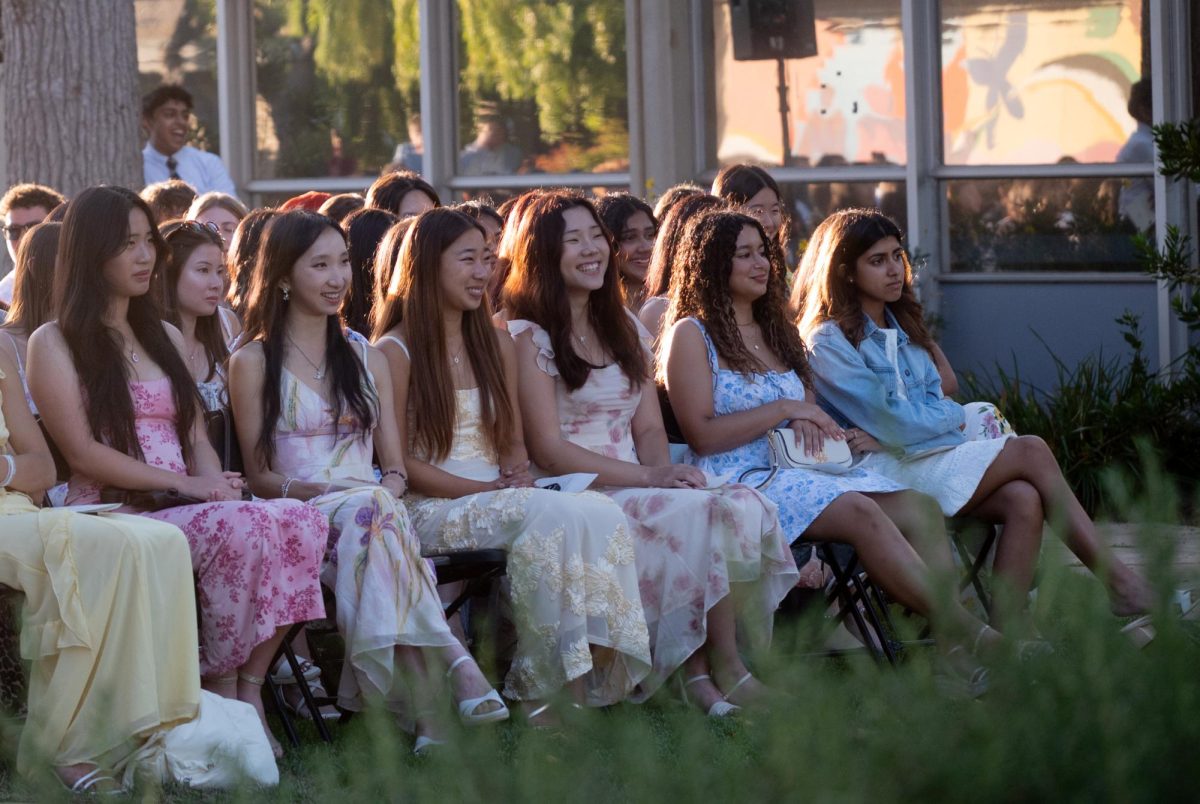
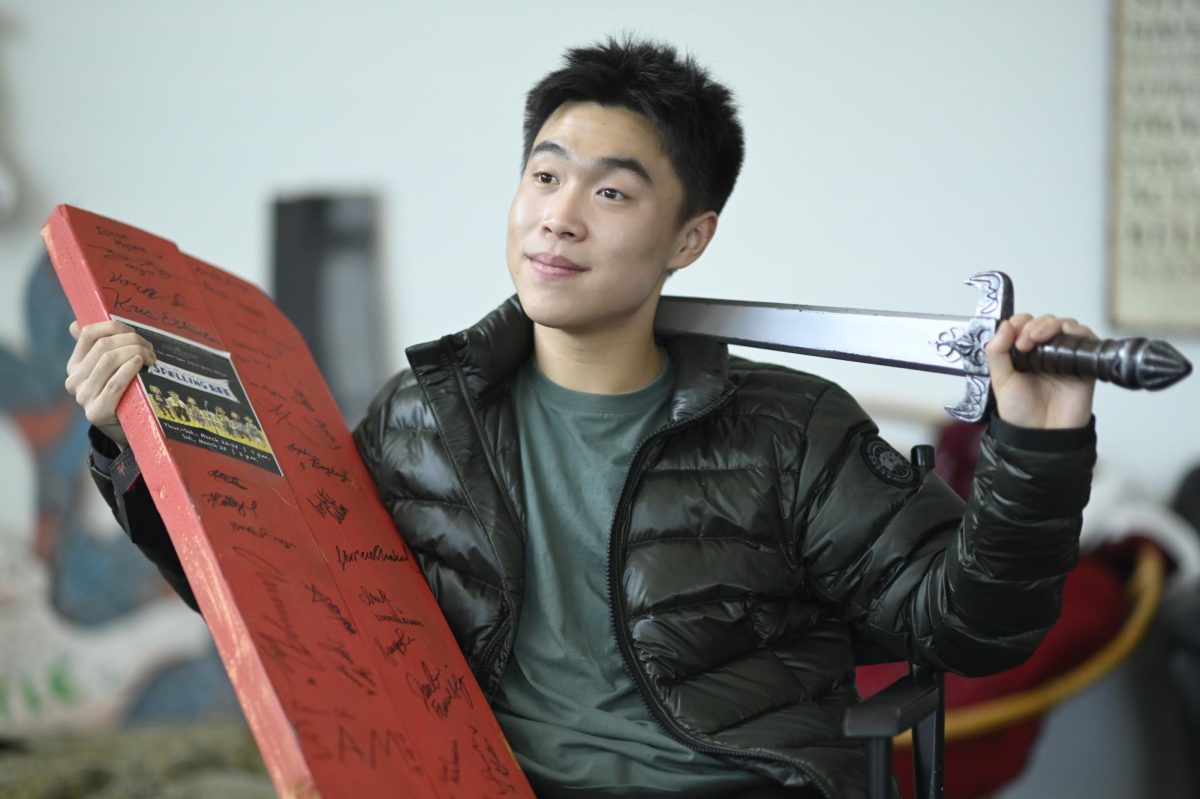
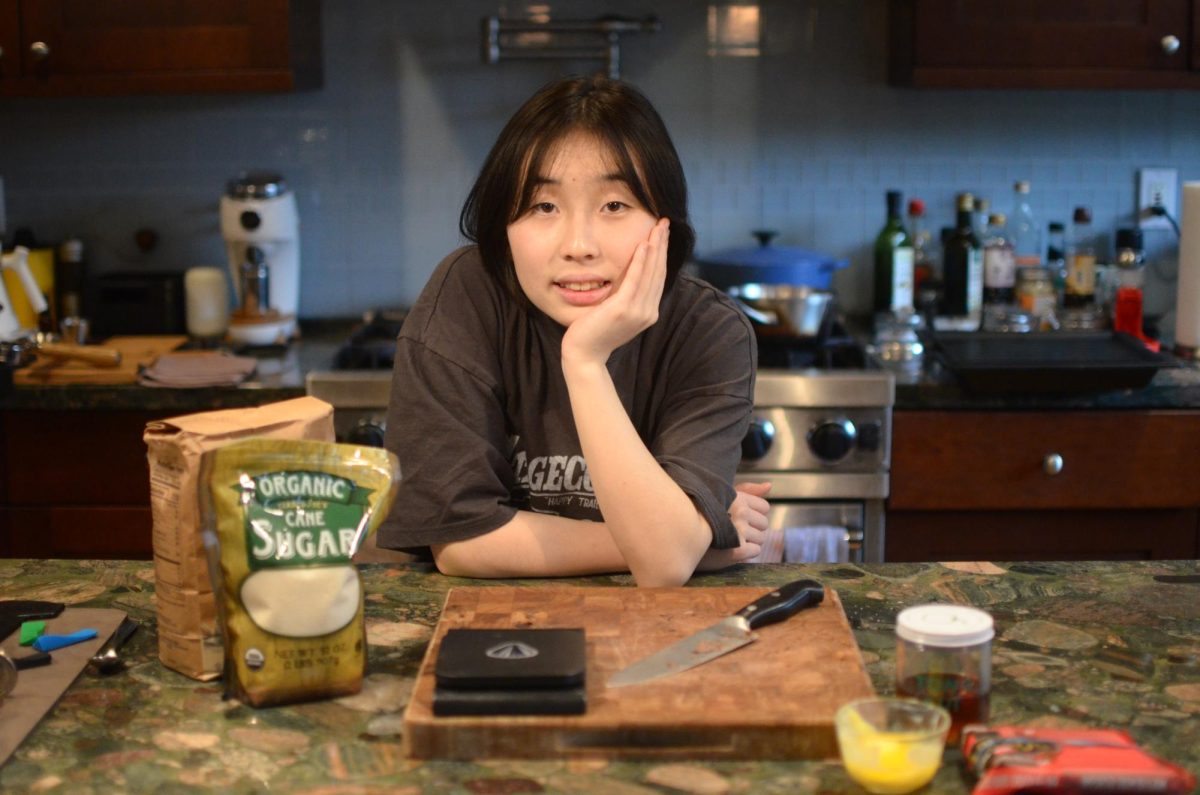
![“I wasn't discouraged by some of the obstacles we faced. I learned a lot from the leadership. I found that different people need different ways of receiving feedback — you can't [just] tell them to do something and expect the best. [Some] people needed more incentive. A large part of my role was to figure out what worked for everyone and to figure out how to lead all these separate individuals as a team,” Suhana Bhandare (’26) said.](https://harkeraquila.com/wp-content/uploads/2026/06/SuhanaBhandare_JasmineHansra-1-1200x798.jpg)

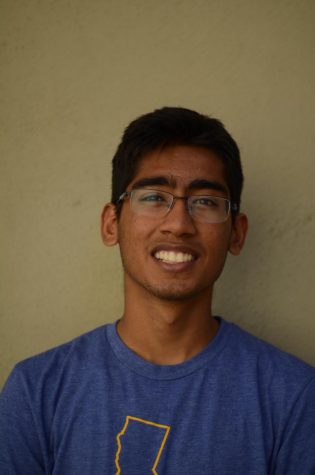
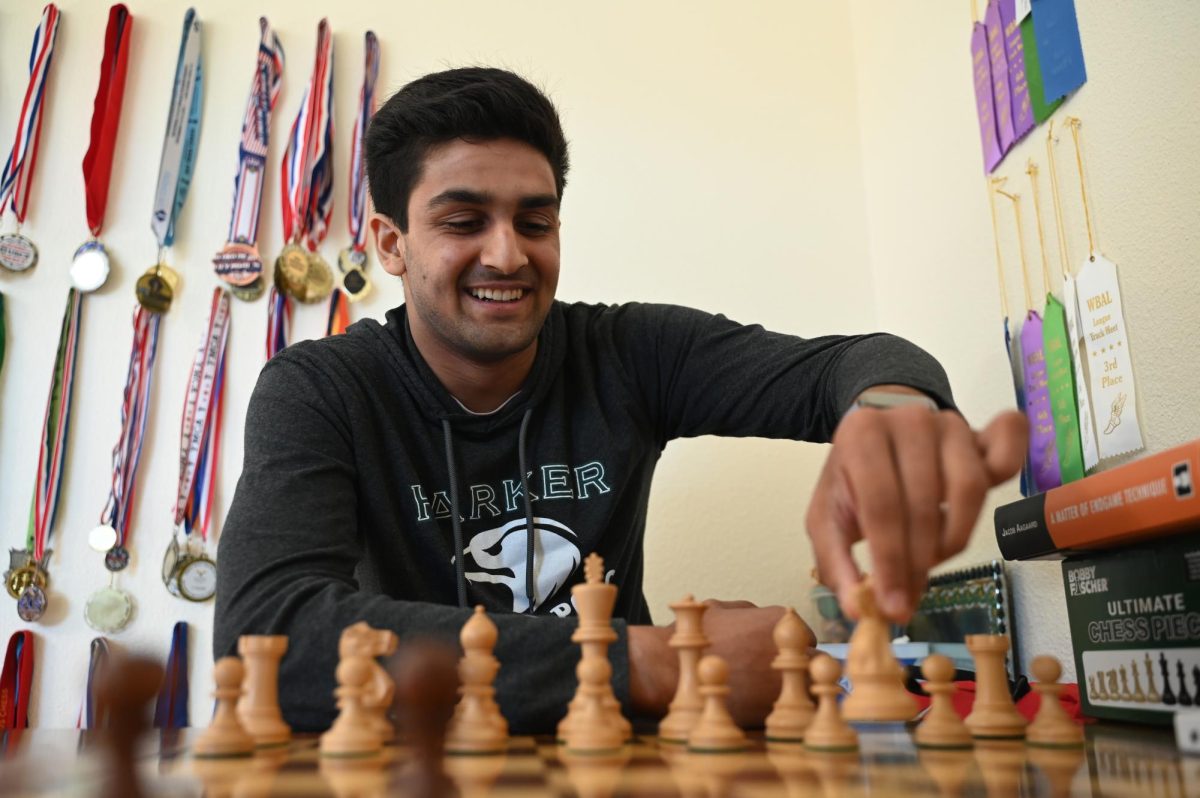
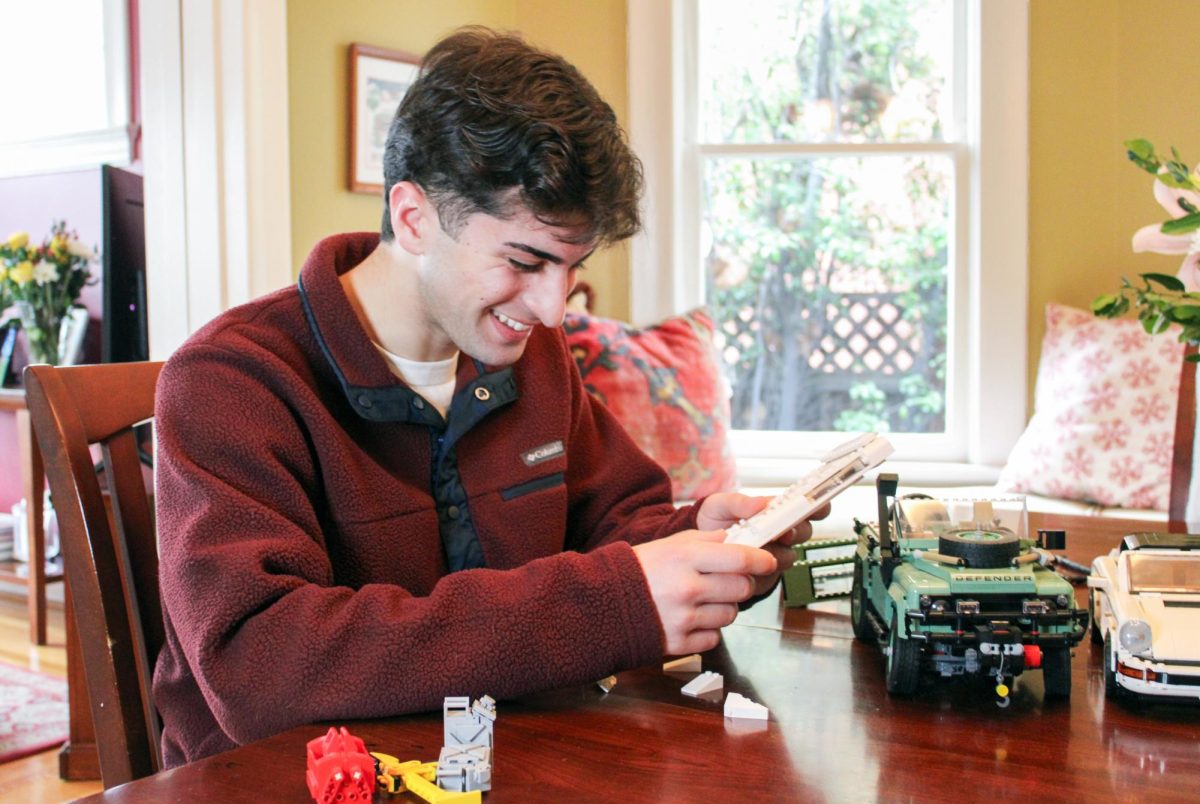
![“This is actually from Randy Pausch Randy P. Brick: ‘Walls are there for a reason. You have to show how much you want to overcome them.’ You have to show how much you want something. That's what I've always been able to do with tennis, Link Crew and getting that internship [with Kushy Baby]. It’s important pushing through that — getting around that brick wall, climbing over it or clawing through it,” Yash Sachdeva (’26) said.](https://harkeraquila.com/wp-content/uploads/2026/05/YashSachdeva_RamBatchu-copy-1200x1002.jpg)






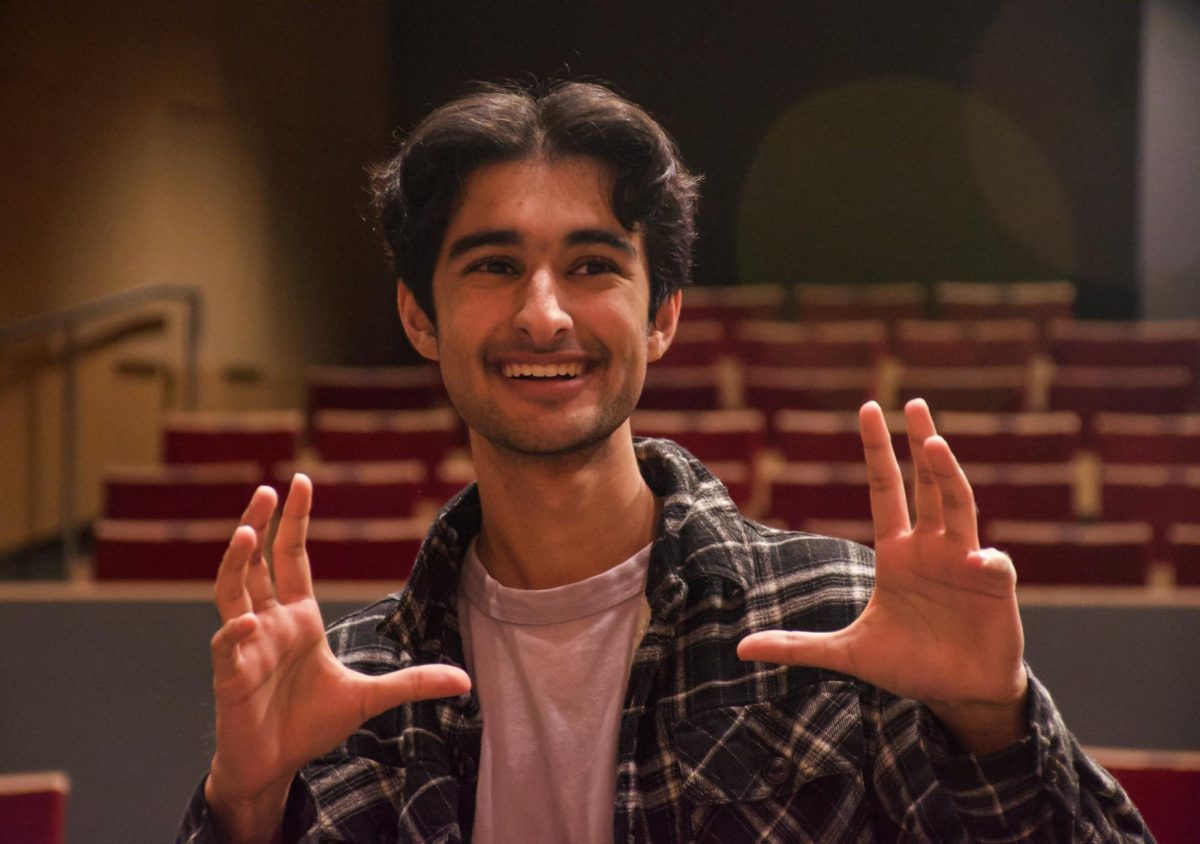


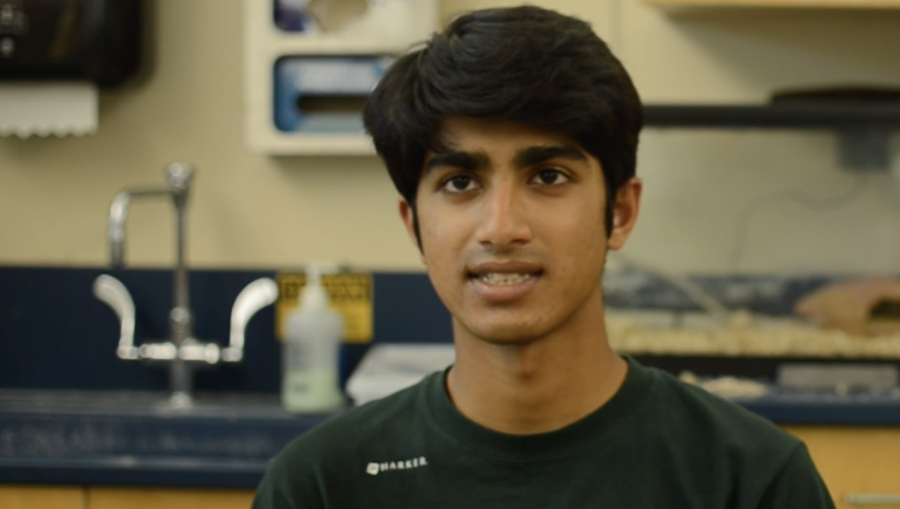
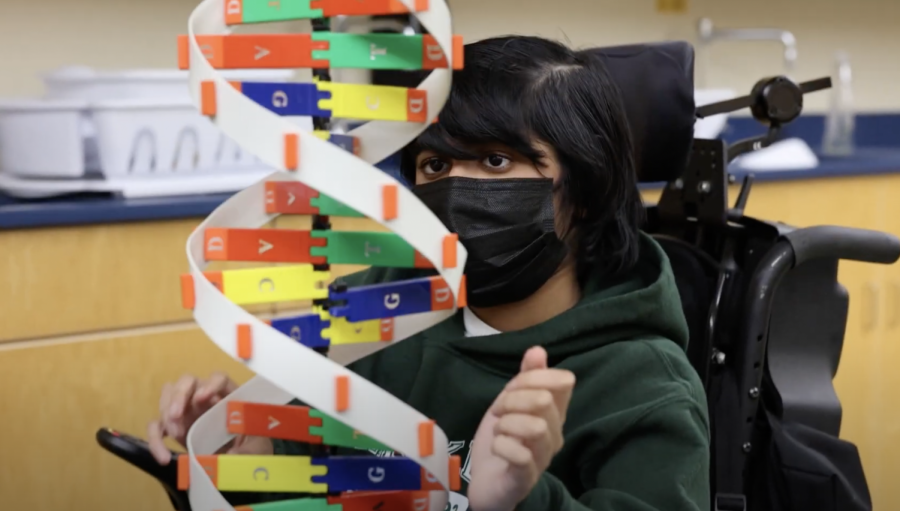
![“[Building nerf blasters] became this outlet of creativity for me that hasn't been matched by anything else. The process [of] making a build complete to your desire is such a painstakingly difficult process, but I've had to learn from [the skills needed from] soldering to proper painting. There's so many different options for everything, if you think about it, it exists. The best part is [that] if it doesn't exist, you can build it yourself," Ishaan Parate said.](https://harkeraquila.com/wp-content/uploads/2022/08/DSC_8149-900x604.jpg)
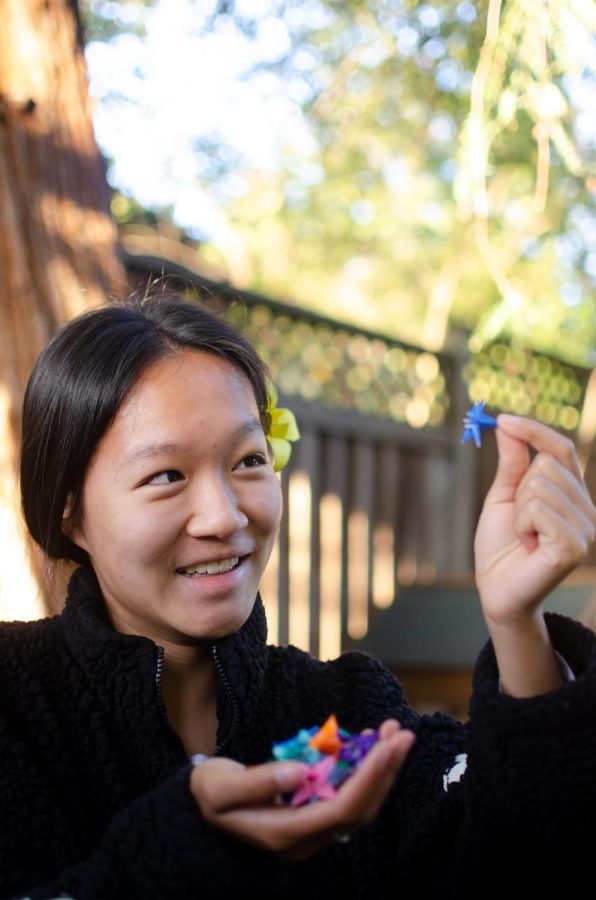
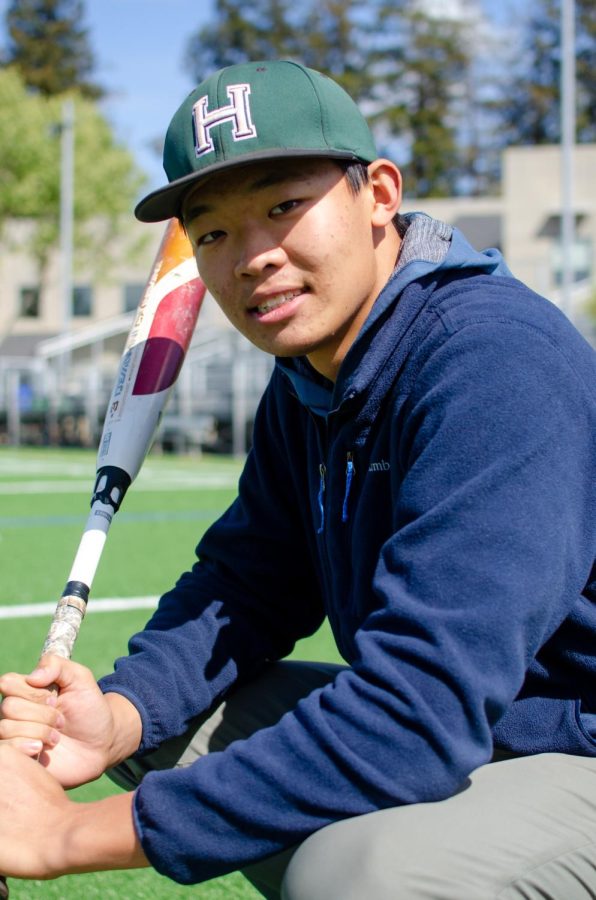

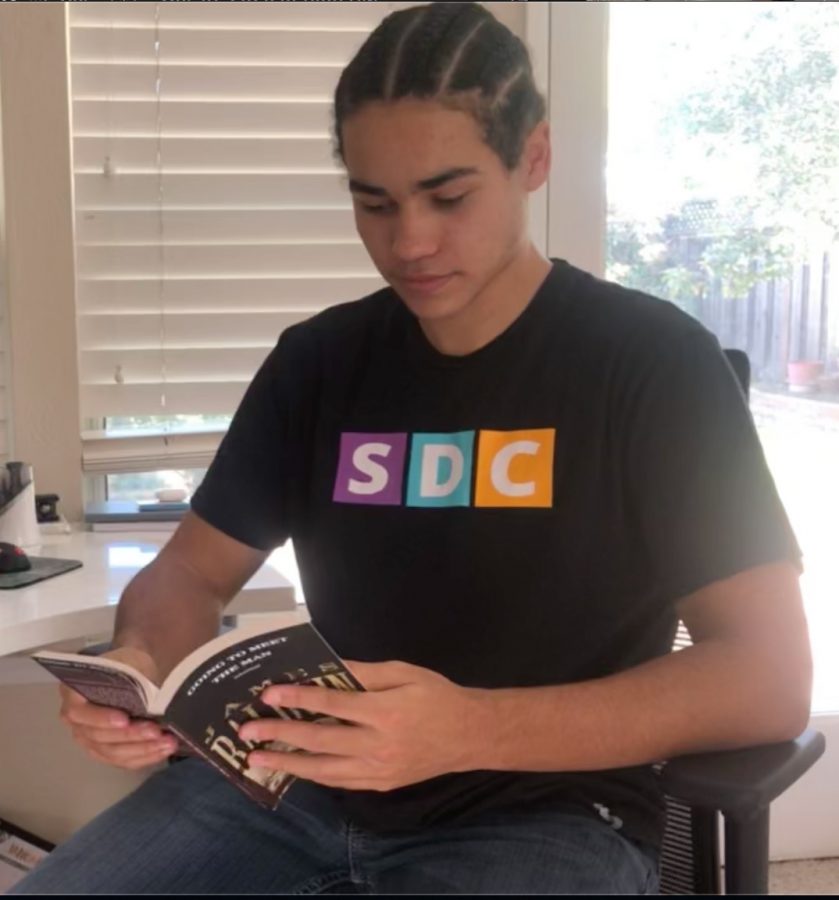
![“When I came into high school, I was ready to be a follower. But DECA was a game changer for me. It helped me overcome my fear of public speaking, and it's played such a major role in who I've become today. To be able to successfully lead a chapter of 150 students, an officer team and be one of the upperclassmen I once really admired is something I'm [really] proud of,” Anvitha Tummala ('21) said.](https://harkeraquila.com/wp-content/uploads/2021/07/Screen-Shot-2021-07-25-at-9.50.05-AM-900x594.png)

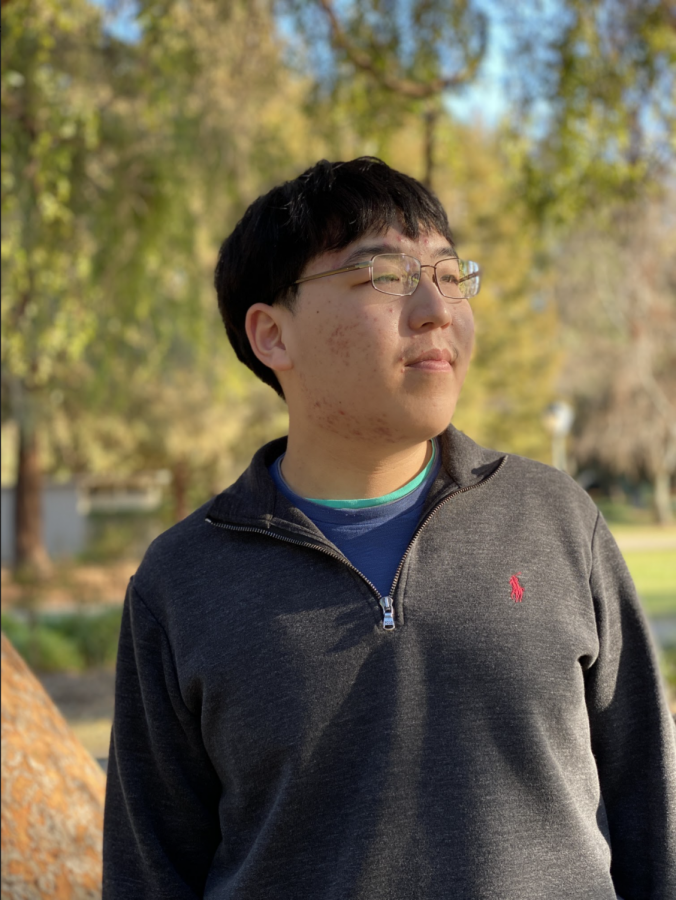

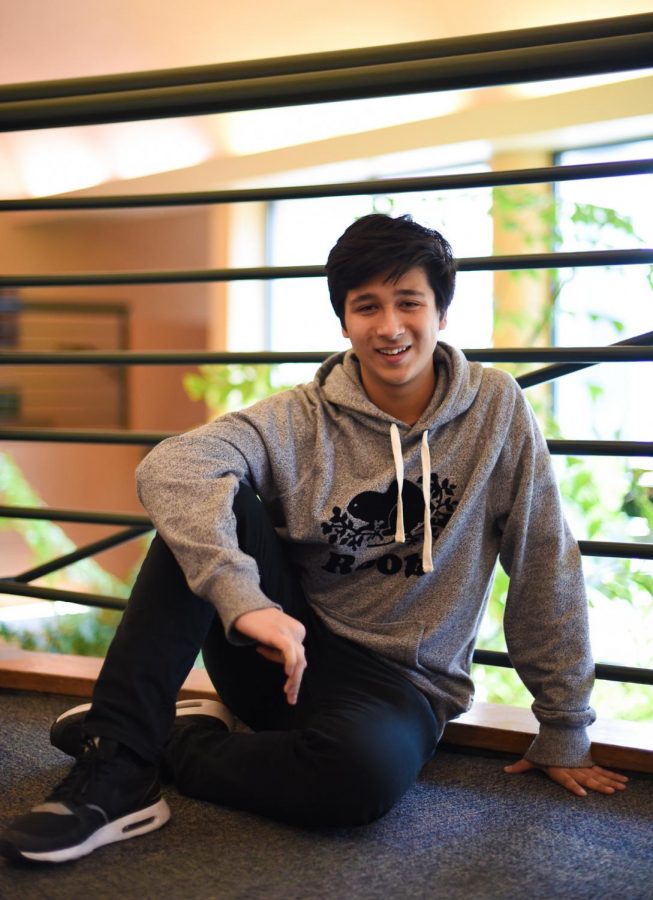
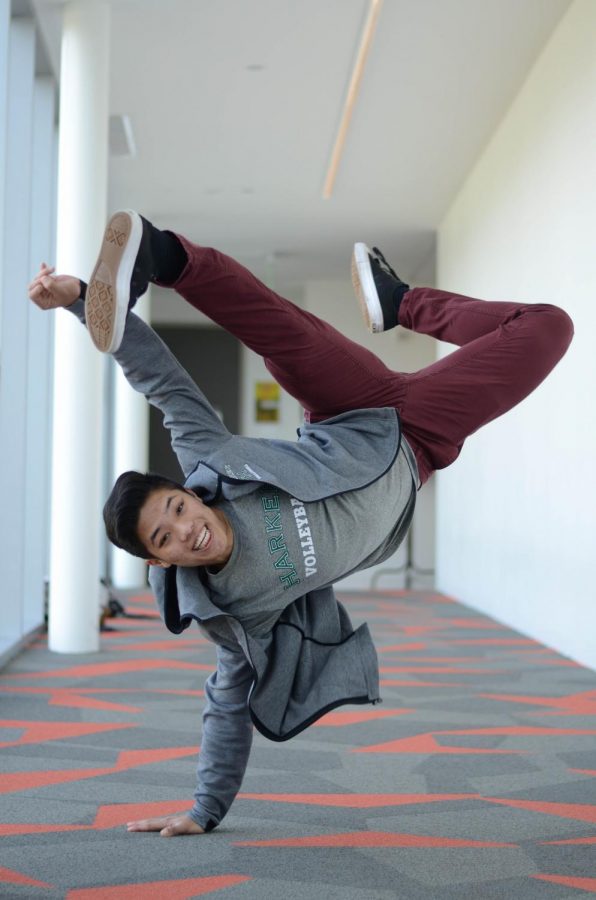
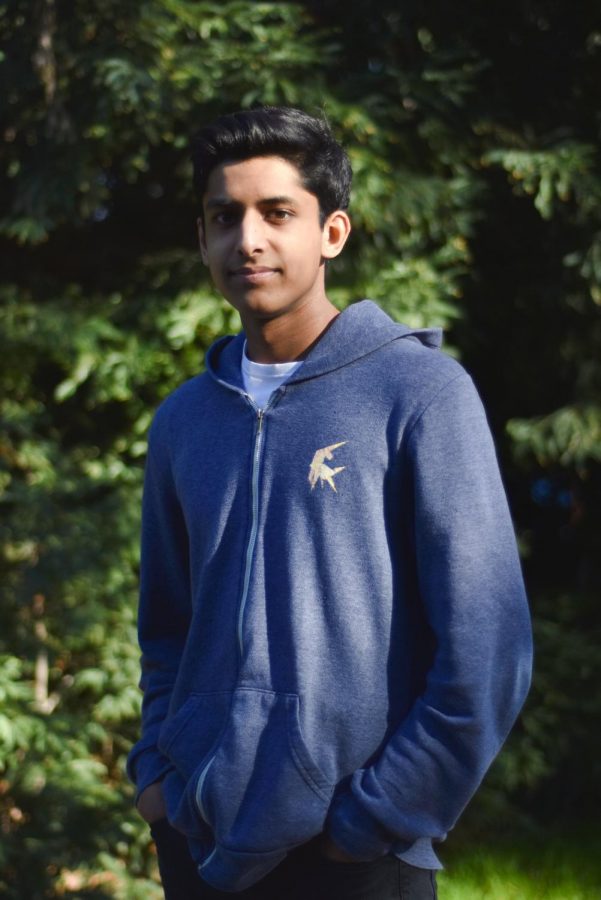

![“I think getting up in the morning and having a sense of purpose [is exciting]. I think without a certain amount of drive, life is kind of obsolete and mundane, and I think having that every single day is what makes each day unique and kind of makes life exciting,” Neymika Jain (12) said.](https://harkeraquila.com/wp-content/uploads/2017/06/Screen-Shot-2017-06-03-at-4.54.16-PM.png)

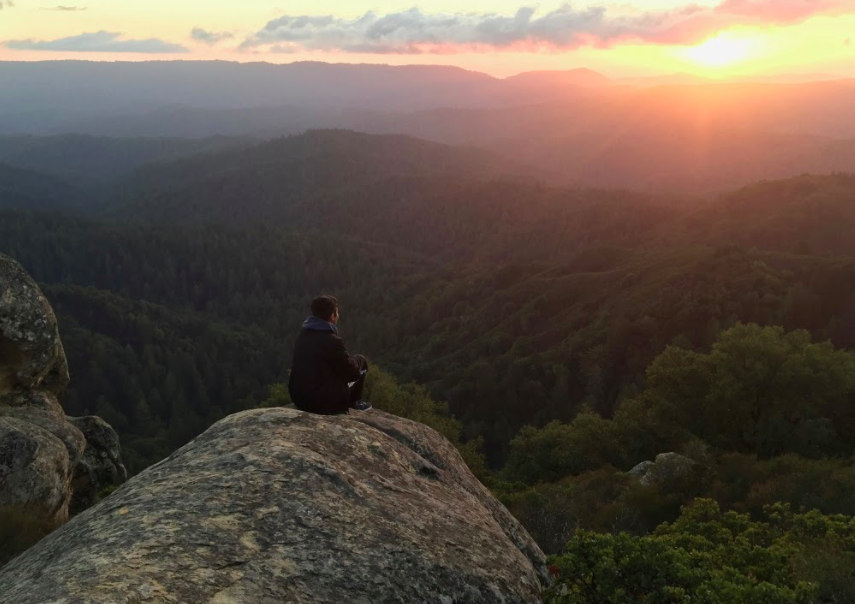




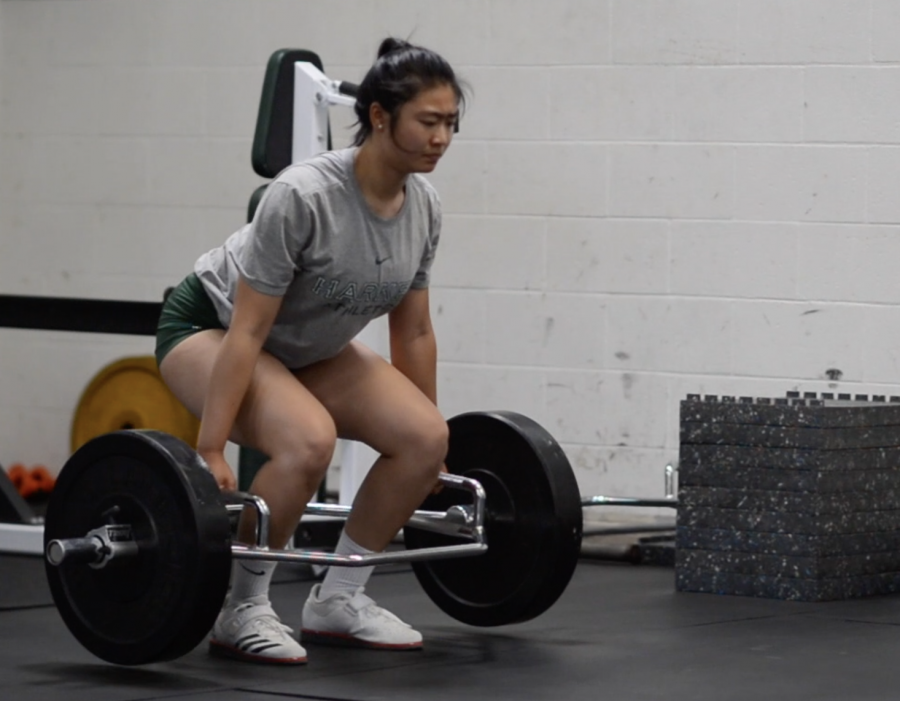
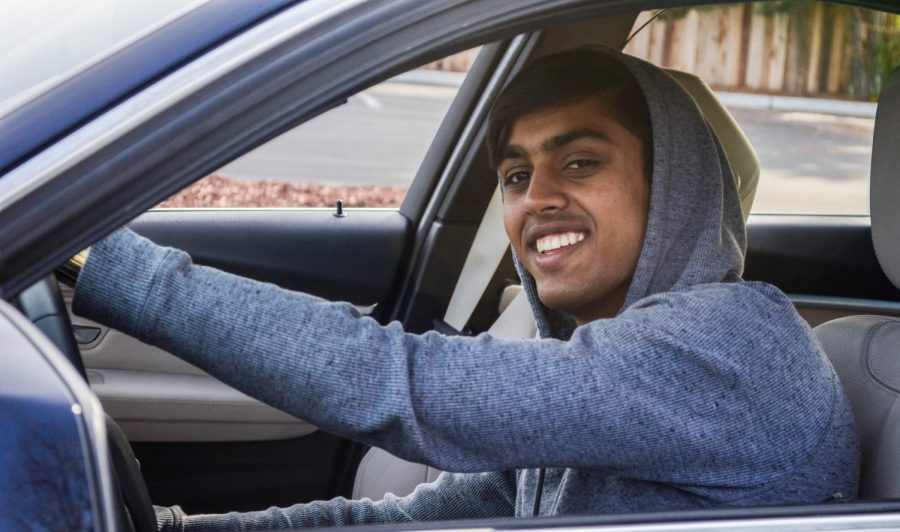
![“My slogan is ‘slow feet, don’t eat, and I’m hungry.’ You need to run fast to get where you are–you aren't going to get those championships if you aren't fast,” Angel Cervantes (12) said. “I want to do well in school on my tests and in track and win championships for my team. I live by that, [and] I can do that anywhere: in the classroom or on the field.”](https://harkeraquila.com/wp-content/uploads/2018/06/DSC5146-900x601.jpg)
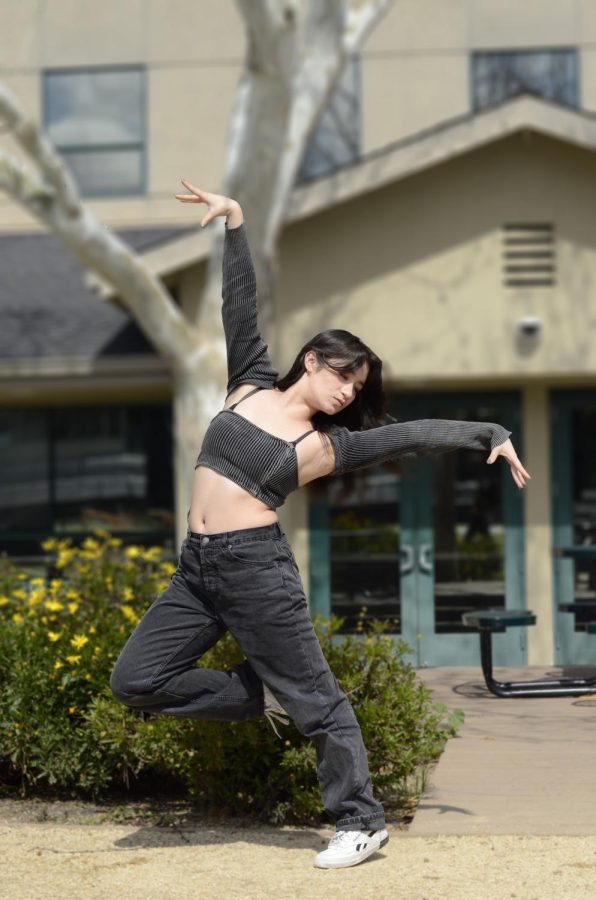
![“[Volleyball has] taught me how to fall correctly, and another thing it taught is that you don’t have to be the best at something to be good at it. If you just hit the ball in a smart way, then it still scores points and you’re good at it. You could be a background player and still make a much bigger impact on the team than you would think,” Anya Gert (’20) said.](https://harkeraquila.com/wp-content/uploads/2020/06/AnnaGert_JinTuan_HoHPhotoEdited-600x900.jpeg)
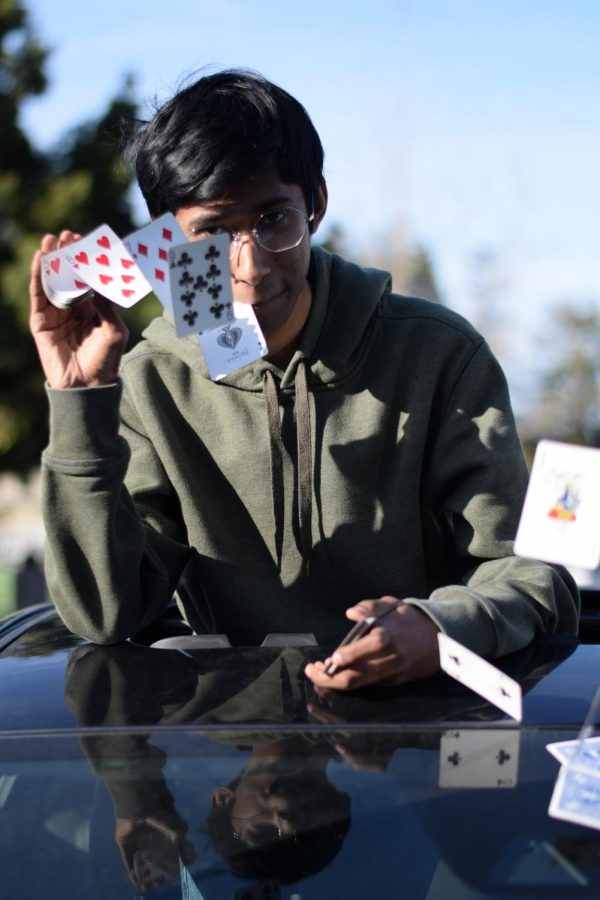
![“I'm not nearly there yet, but [my confidence has] definitely been getting better since I was pretty shy and timid coming into Harker my freshman year. I know that there's a lot of people that are really confident in what they do, and I really admire them. Everyone's so driven and that has really pushed me to kind of try to find my own place in high school and be more confident,” Alyssa Huang (’20) said.](https://harkeraquila.com/wp-content/uploads/2020/06/AlyssaHuang_EmilyChen_HoHPhoto-900x749.jpeg)


Memoir Monday: The Cricket Ball
January 29, 2018
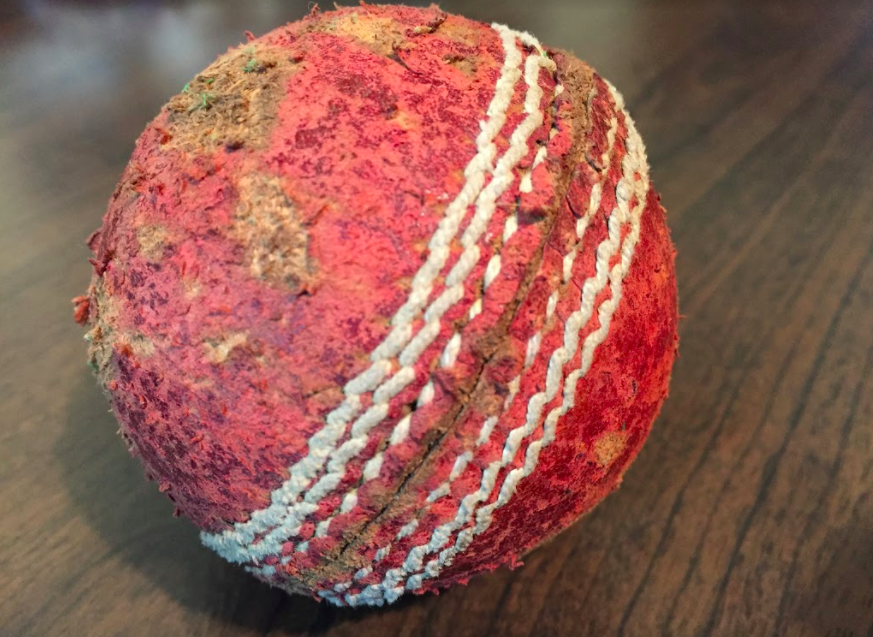
The cherry-colored, beaten up cricket ball lies in a drawer in the garage. Its surface is rough, with flakes of the well-worn leather covering coming off to expose the dirty brown cork underneath. Although surprisingly smooth near the seams, the overall fuzzy texture of the spheroid contrasts with the otherwise indurated material. Six white seams, their stitches relatively intact, run parallel to the meridian where the two halves of the ball are fused together.
Picking it up, I roll it against the seam a few times, lightly tossing it into the air and catching it. I imitate a cricketing bowling action, taking a few quick steps before I deftly release the ball, rotating my wrist in the process to impart the necessary spin and watching the ball as it bounces with a dull “thud” on the hard floor, turning a significant 15 degrees in the process.
As I watch the ball roll, my mind rolls back to the jubilant memories of playing cricket in India. Since the age of six, my friends and I played street cricket obsessively. Almost every evening, we could be found in the dusty parking lot of our apartment building complex, loudly bantering over whether the last ball constituted an “out” or not. We would bring bats and play until seeing the ball became impossible. Most of the kids preferred to bat, but I was always much happier bowling (pitching). In cricket, the ball typically bounces once before reaching the batsman; a bowler either bowls extremely quickly, or spins the ball, which causes it to change direction off the bounce and confuse the batsman (batter). The idea of baffling a batsman while bowling slowly intrigued me and I naturally gravitated toward spin.
We always played with tennis balls — proper cricket balls don’t bounce on concrete — which we often lost, hitting them into the balconies of angry neighbours who refused to return them. It wasn’t until I was eight that I saw a leather ball in person for the first time. I had just joined a semiformal cricket program, so my parents gifted me a leather ball and a collection of other cricketing supplies for my birthday. For months, I was too amazed by the pristine perfection of the shiny leather to use it. During practices, I always had the ball in my bag, but chose to use the worn out balls that the coaches provided. Finally, one day, the keys to the supply shed went missing, and I was forced to use my mint-condition leather ball for the first time. Although nervous at first, I quickly neglected any qualms I had, taking my first wicket with that ball that day.
That ball became special, and I was always oddly possessive of it. Even when I moved to the United States at the age of 10, I refused to leave that ball behind. In the process of trying to adjust to life in a new country, I tried to find a similar cricketing program in the Bay Area, to no avail. Eventually, cricket faded away from my life as American culture slowly eroded the Indian and that amazing little ball now sits in a drawer in my garage, venturing outside occasionally as I reminisce on my childhood in India.