Late at night, far from any other living creature, computer science department chair Eric Nelson stands beside his telescope. Not a soul to talk to, calmness settles over him. He watches as the sky slowly shifts above him and listens to the sounds coming from the equipment and the wind blowing in the darkness.
by Claire Tian, Assistant STEM Editor
• March 4, 2025
In the hustle of everyday life, stargazing offers a source of tranquility. It’s not necessary to invest in telescopes or spend years studying astronomy either. Even for complete amateurs, searching the...
by Charlie Wang, Multimedia Editor
• October 24, 2024
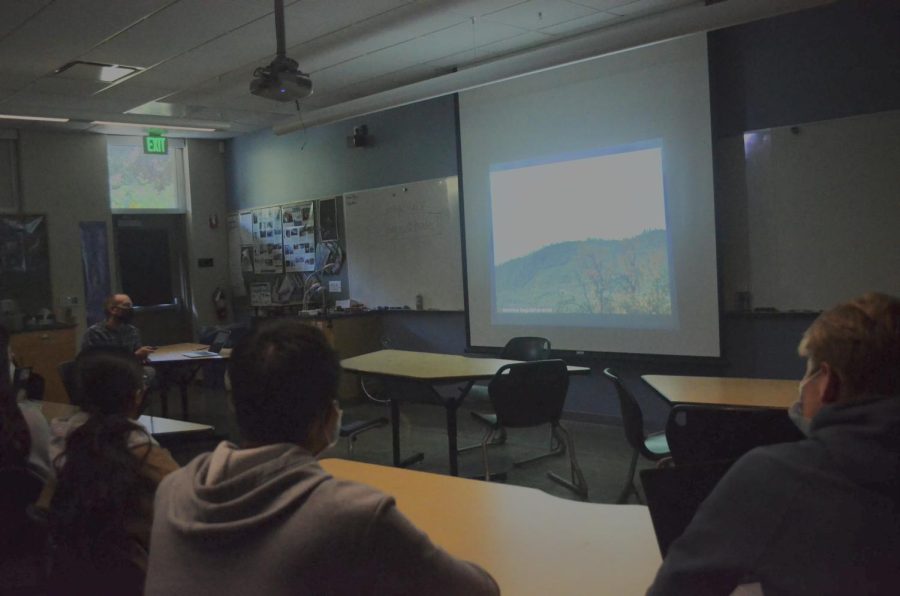
Astronomy Club members learned about astrophotography and visual astronomy in a meeting on Oct. 18.
President Eric Dong (11) began by describing the most prominent objects in the night sky, including...
Harker Programming Club (HPC) hosted the seventh annual Girls Programming League (GPL) Challenge over Zoom on Sept. 21. The event welcomed around 60 female and nonbinary students from around the world...
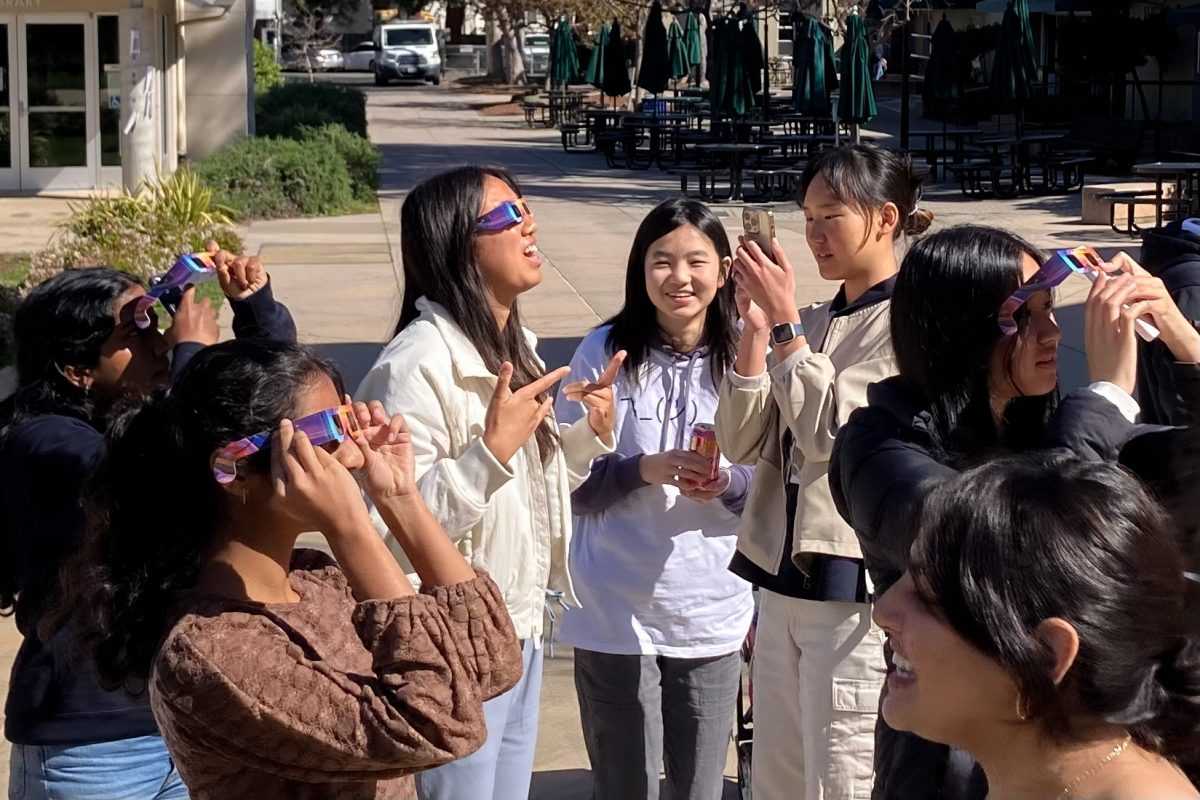
Students and staff across the upper school campus gathered outdoors during lunch on Monday, with eyes, through lenses and filters, affixed to the sun. The partial solar eclipse seized the spotlight on...
Far above the Earth we inhabit lies an infinite abyss, scattered with universes undiscovered and galaxies unexplored. Through our night sky, we capture a fleeting glimpse of this world sublime, a window...
India has unveiled ambitious plans to send an astronaut to the moon by 2040 and establish its own space station, "Bharatiya Antariksha Station," by 2035, as Prime Minister Narendra Modi announced on...
by Victor Gong, Assistant STEM Editor
• November 29, 2022
Last Christmas Eve, while scientists were on their holiday breaks, National Aeronautics and Space Administration’s (NASA) InSight lander detected large seismic activity on Mars. In a paper published...
The James Webb Space Telescope (JWST) completed its 30-day journey into space on Jan. 24 and now floats 1.5 million kilometers away from Earth. From there, it will explore distant galaxies and their pasts...
Astronomy Club invited upper school physics and research teacher Chris Spenner to lead an astrophotography workshop last Thursday during long lunch.
The workshop was the first part of a series intended...
Astronomy Club
The Upper School Astronomy Club held two guest speaker sessions with a Q&A with Dr. Eugene Chiang from UC Berkeley on Sept. 4th and a talk with Dr. Bruce Macintosh from the Stanford...


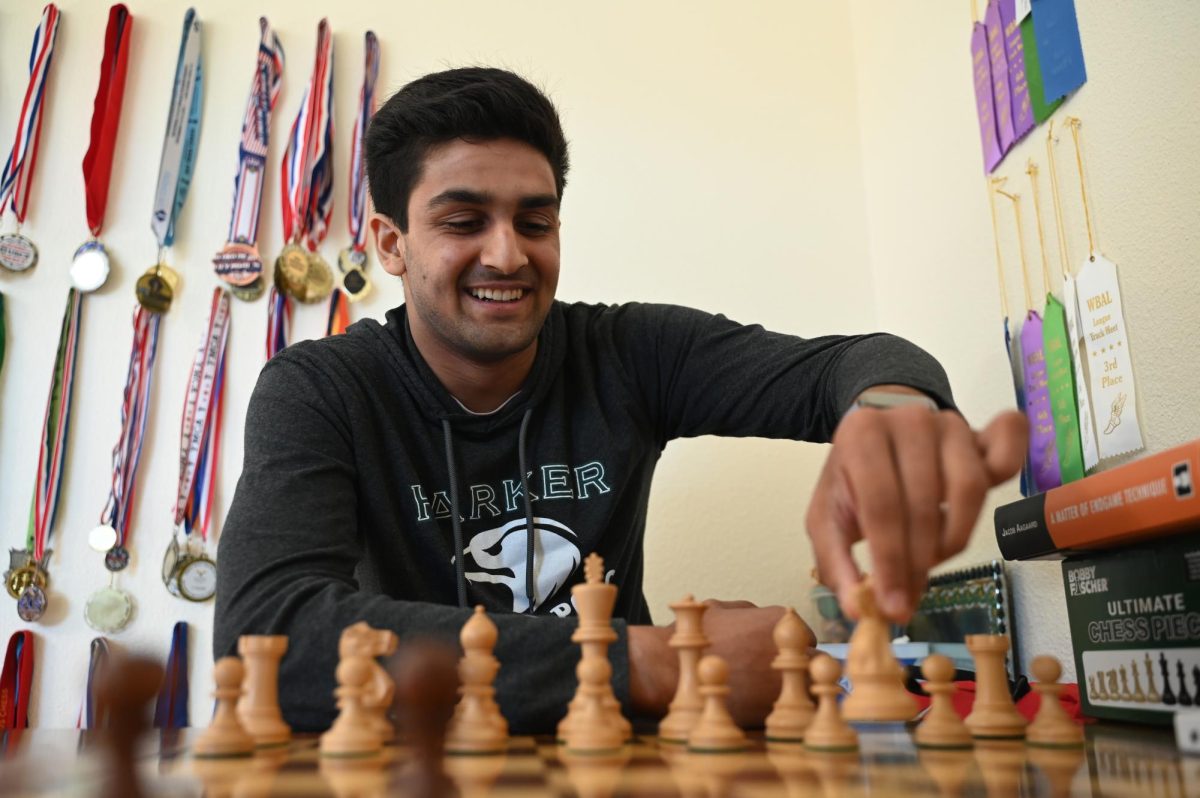
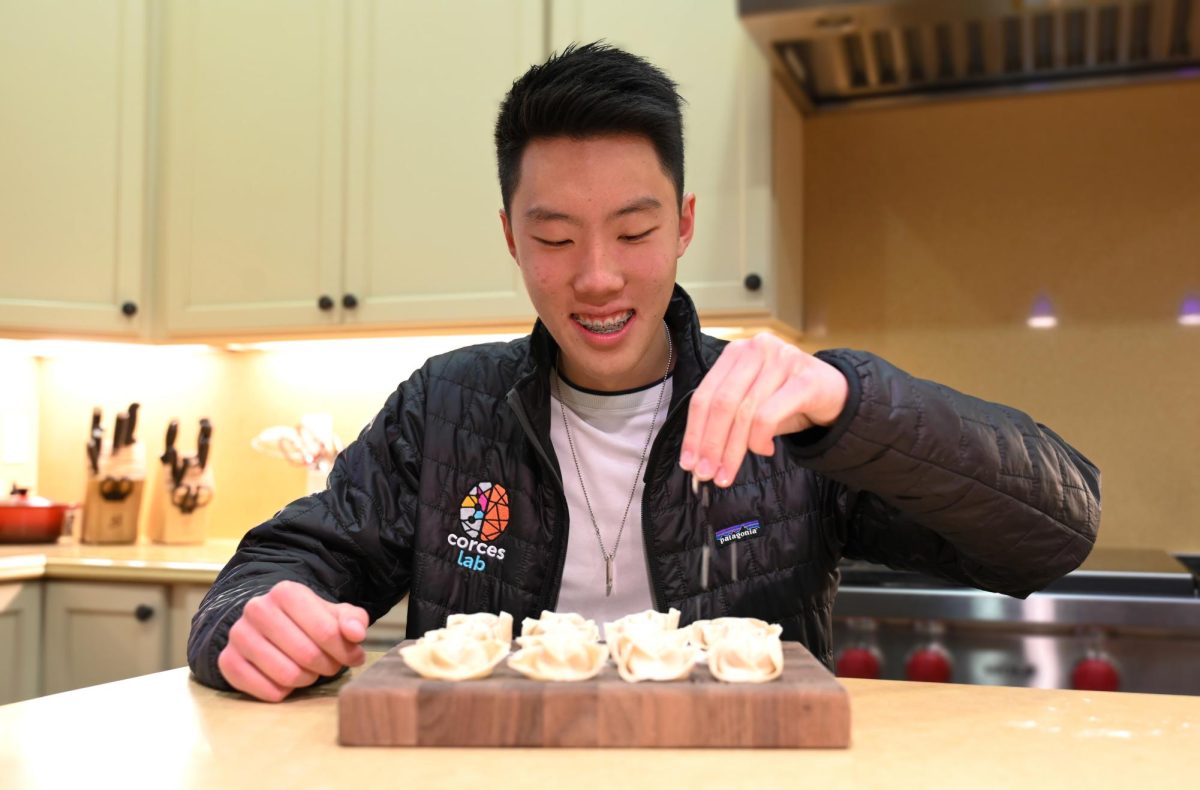
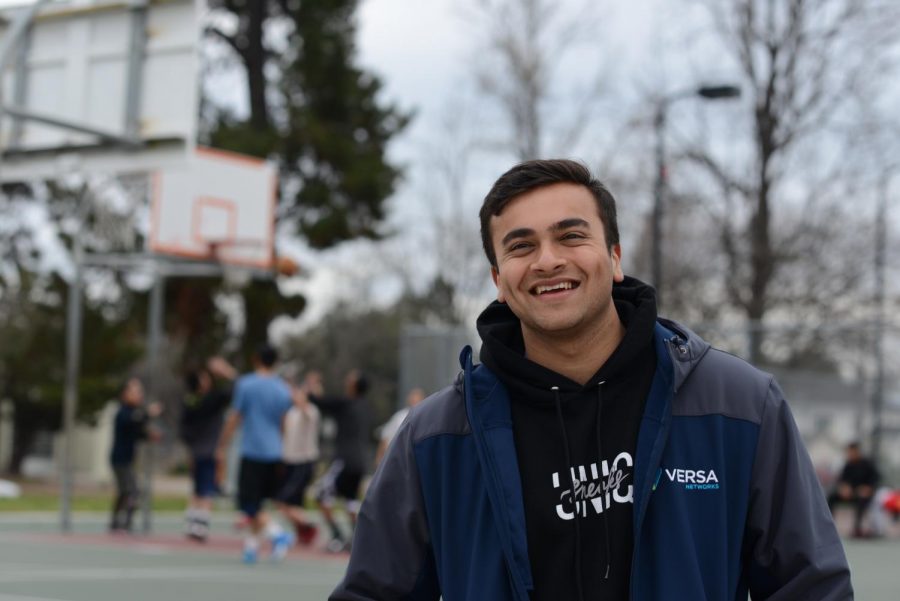
![“This is actually from Randy Pausch Randy P. Brick: ‘Walls are there for a reason. You have to show how much you want to overcome them.’ You have to show how much you want something. That's what I've always been able to do with tennis, Link Crew and getting that internship [with Kushy Baby]. It’s important pushing through that — getting around that brick wall, climbing over it or clawing through it,” Yash Sachdeva (’26) said.](https://harkeraquila.com/wp-content/uploads/2026/05/YashSachdeva_RamBatchu-copy-1200x1002.jpg)
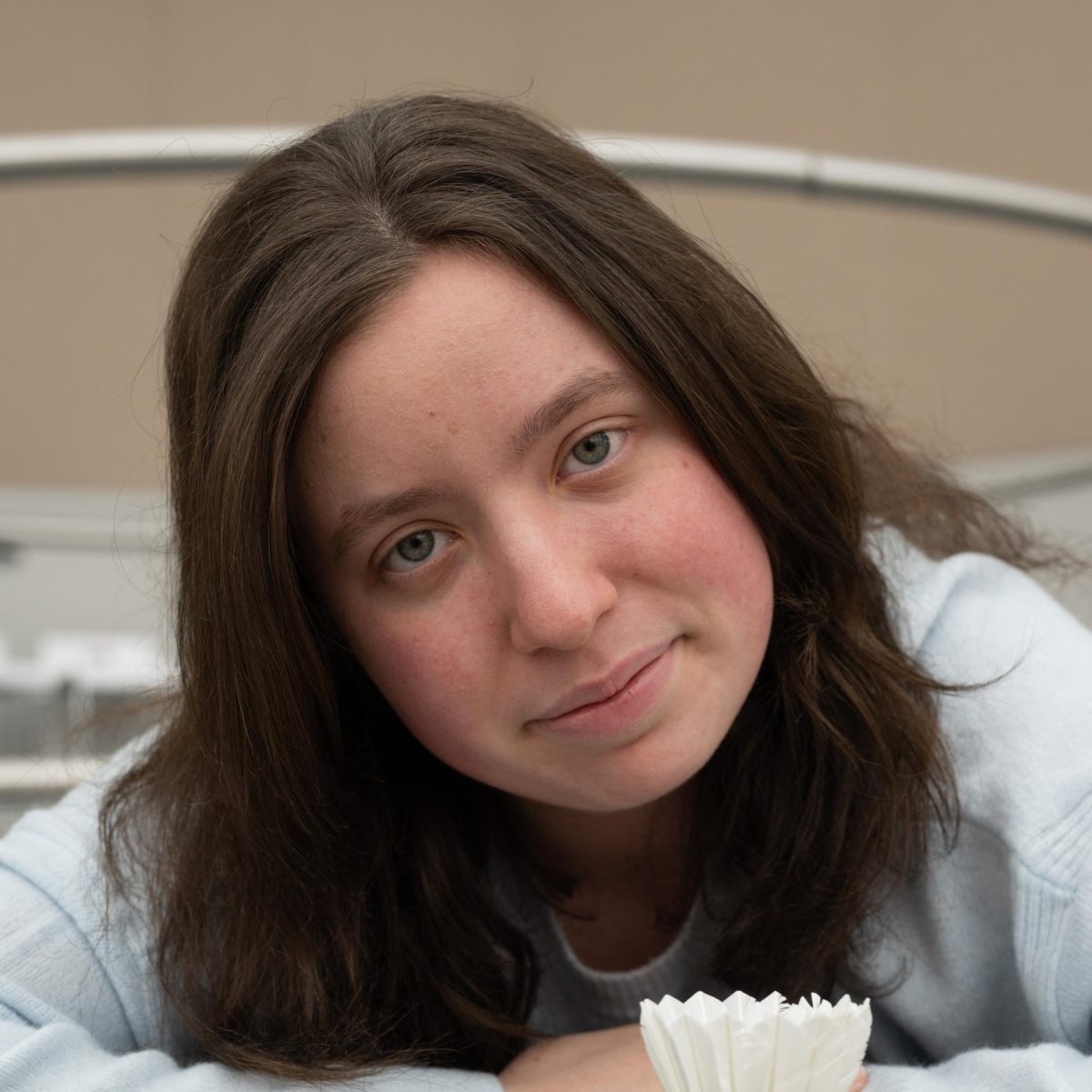
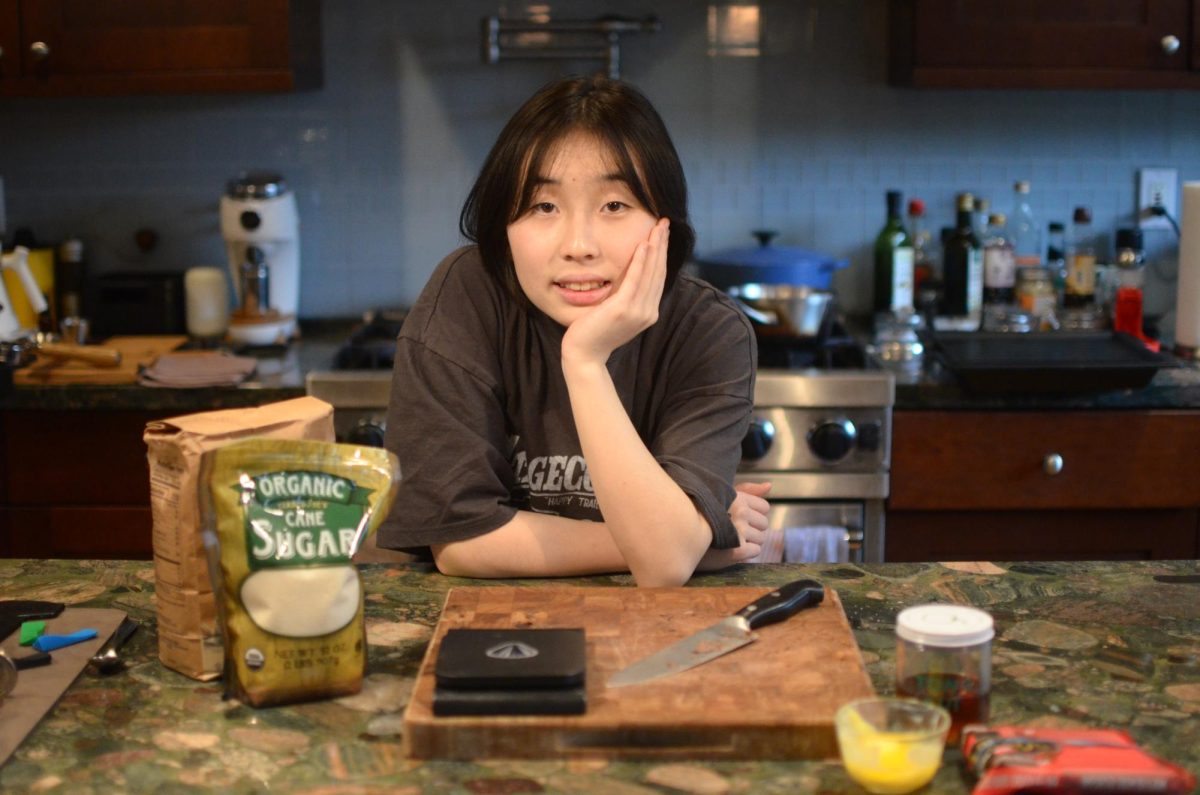
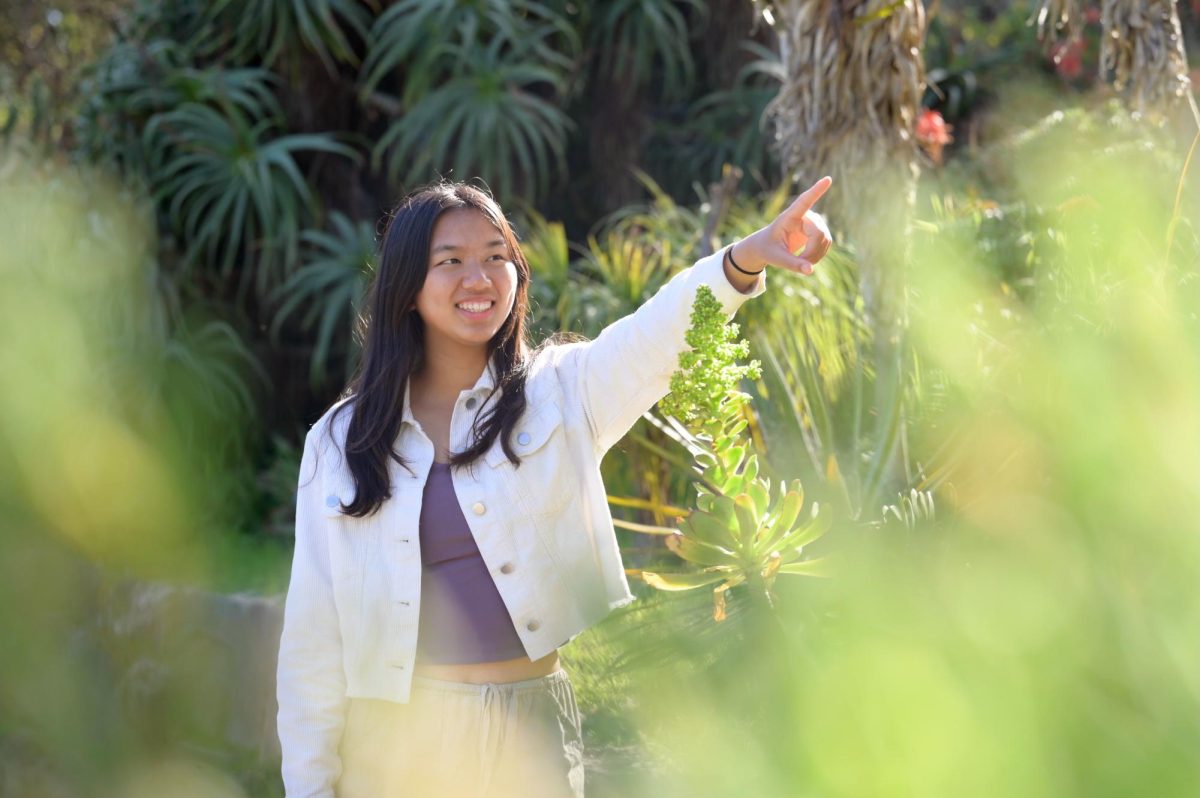

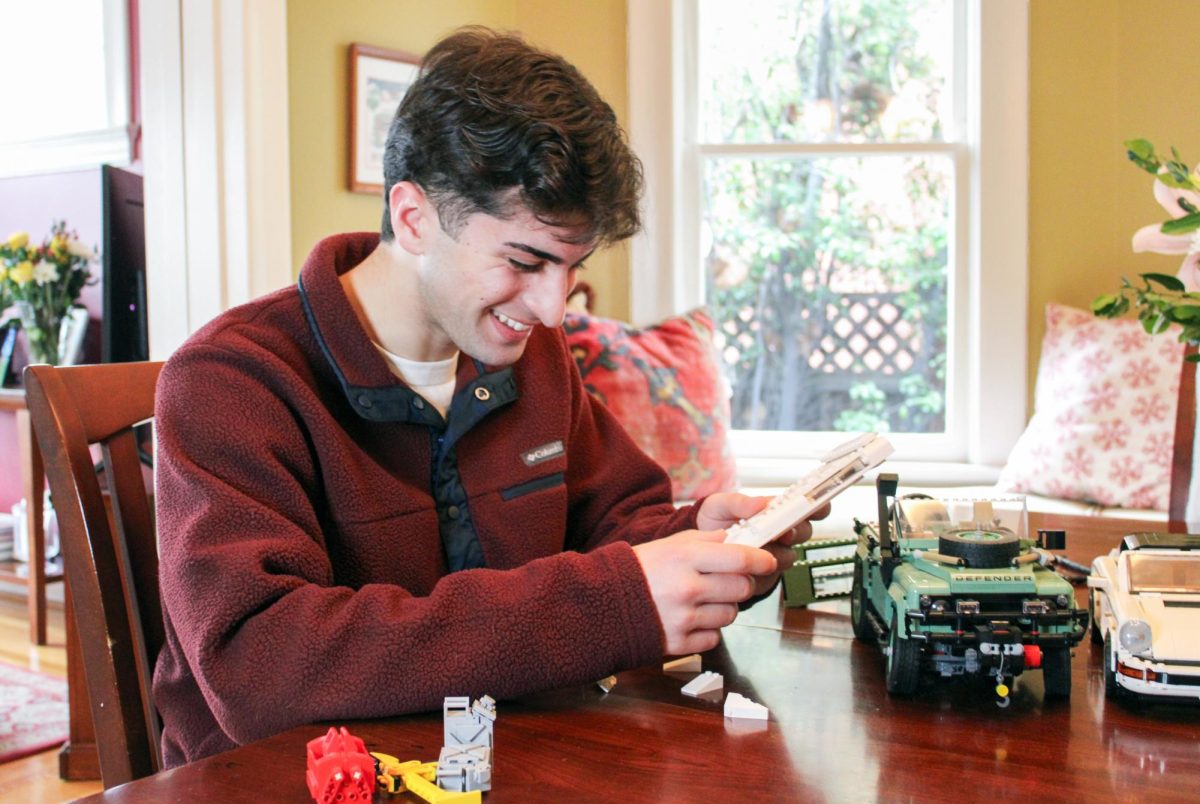

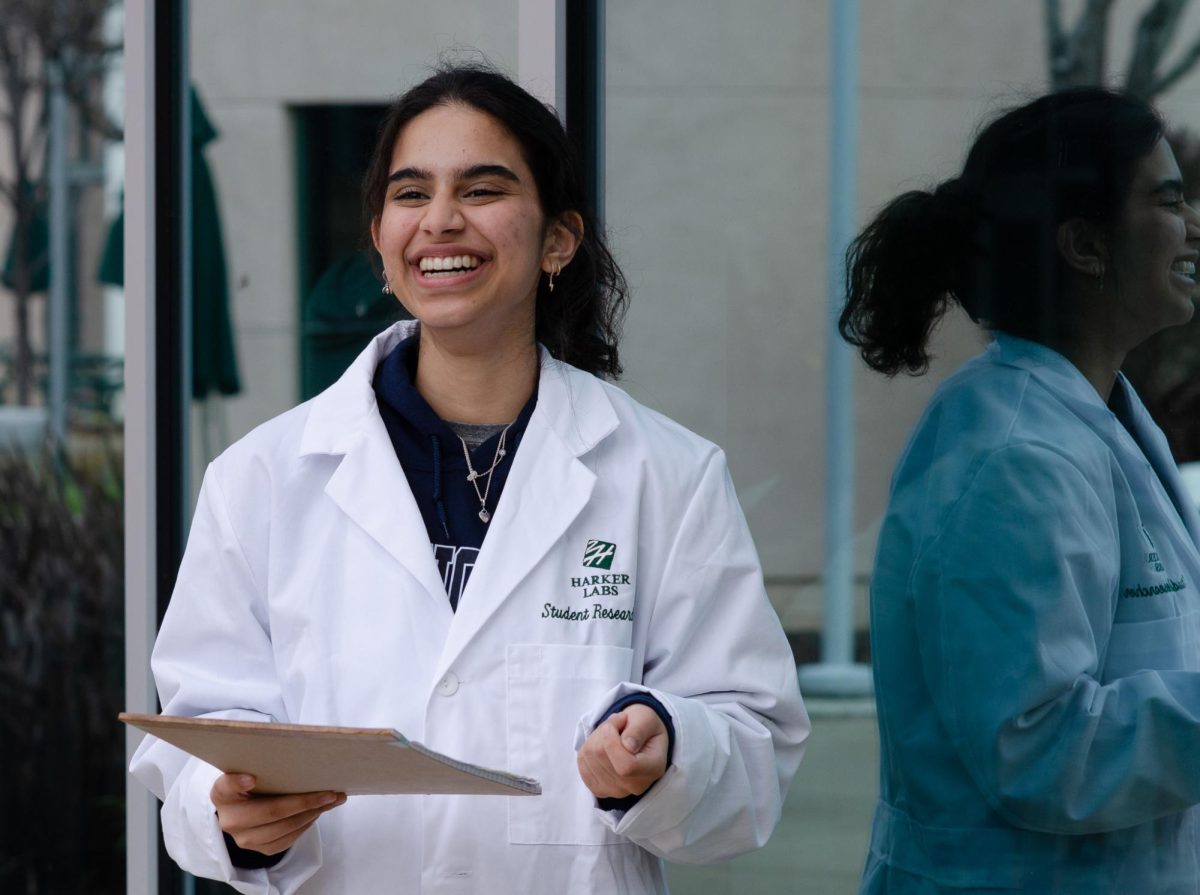
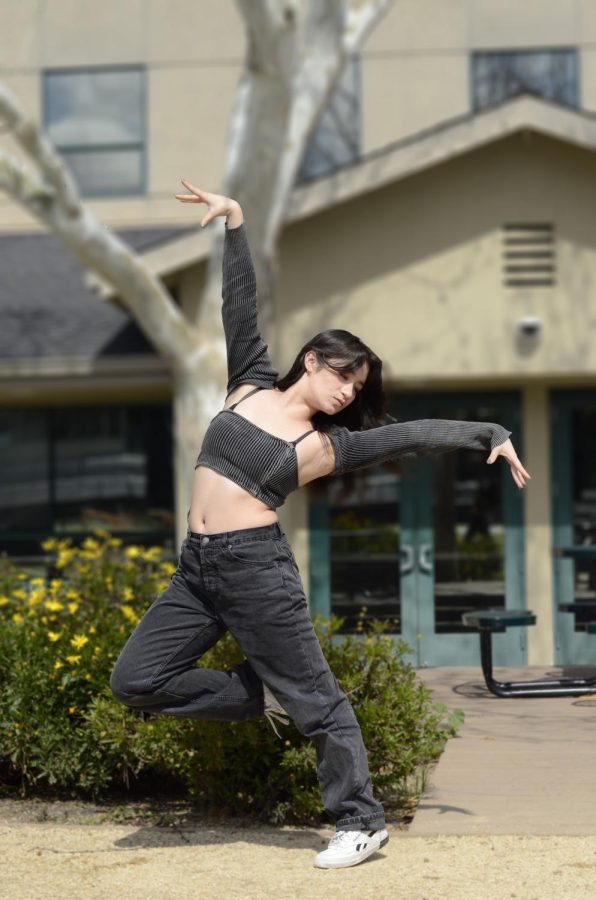
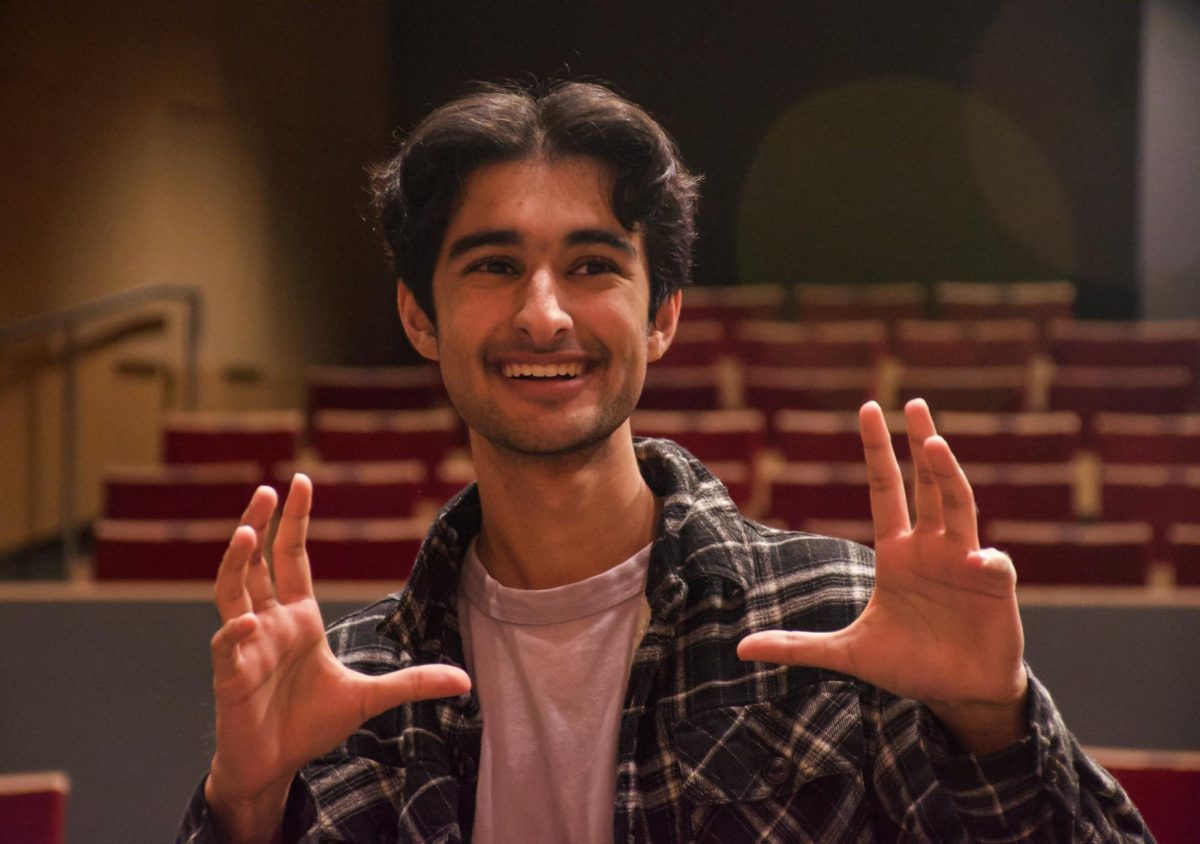
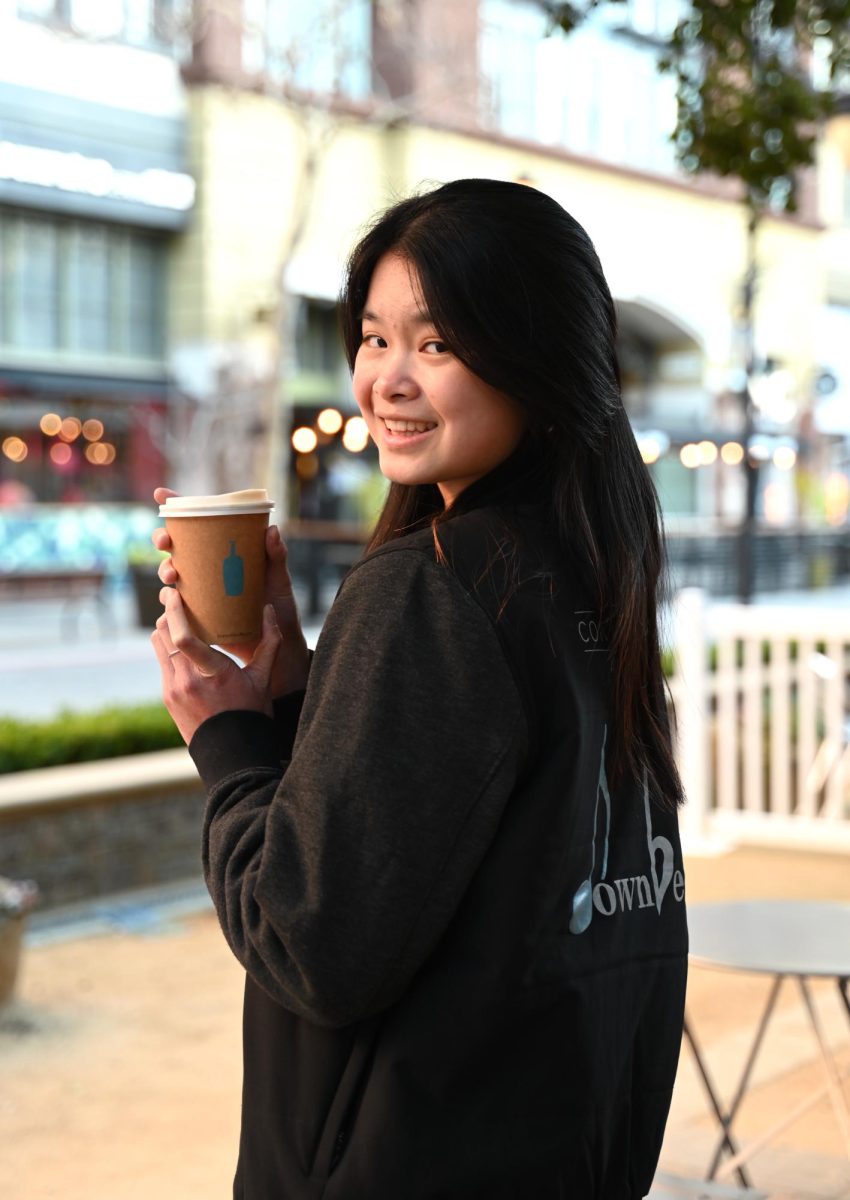
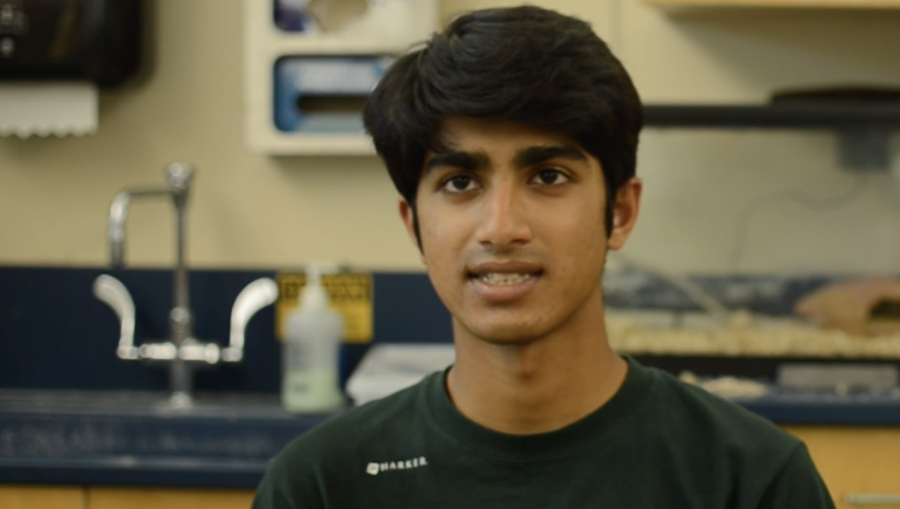
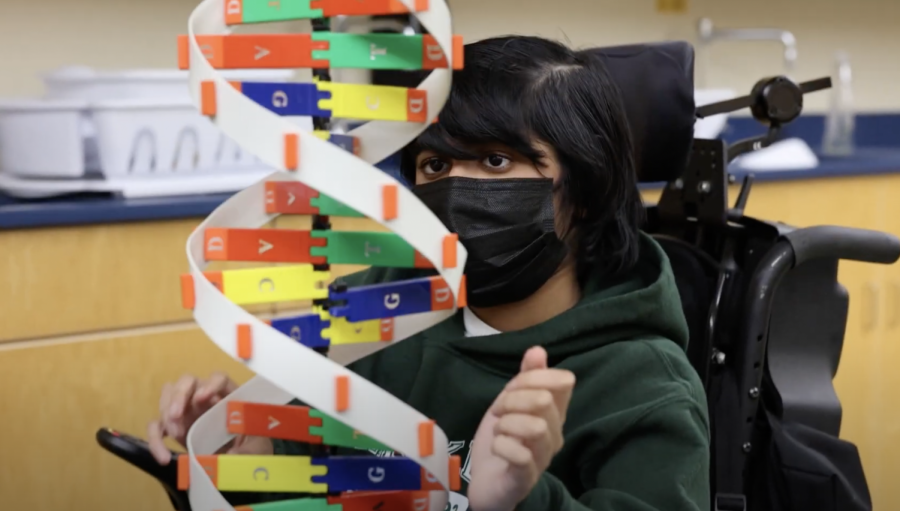
![“[Building nerf blasters] became this outlet of creativity for me that hasn't been matched by anything else. The process [of] making a build complete to your desire is such a painstakingly difficult process, but I've had to learn from [the skills needed from] soldering to proper painting. There's so many different options for everything, if you think about it, it exists. The best part is [that] if it doesn't exist, you can build it yourself," Ishaan Parate said.](https://harkeraquila.com/wp-content/uploads/2022/08/DSC_8149-900x604.jpg)
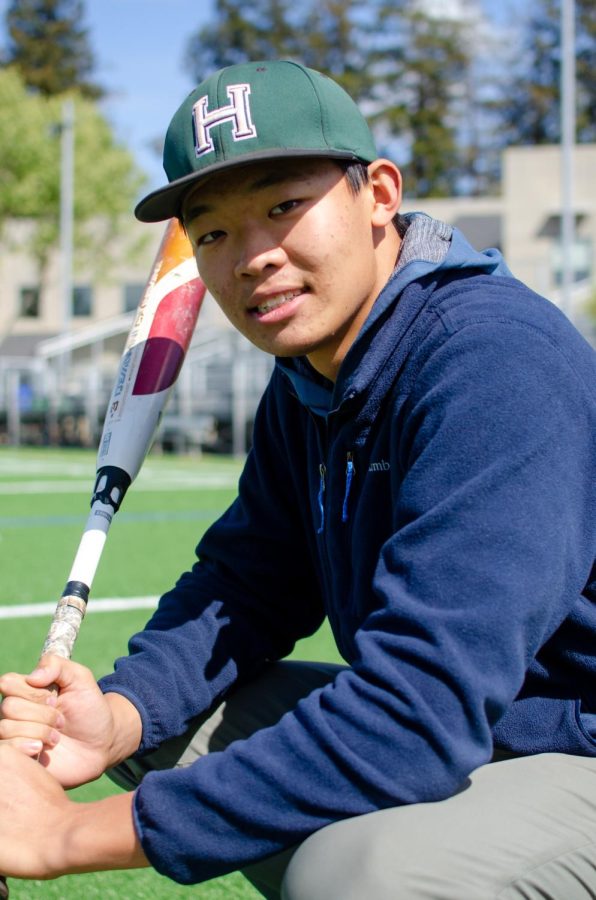
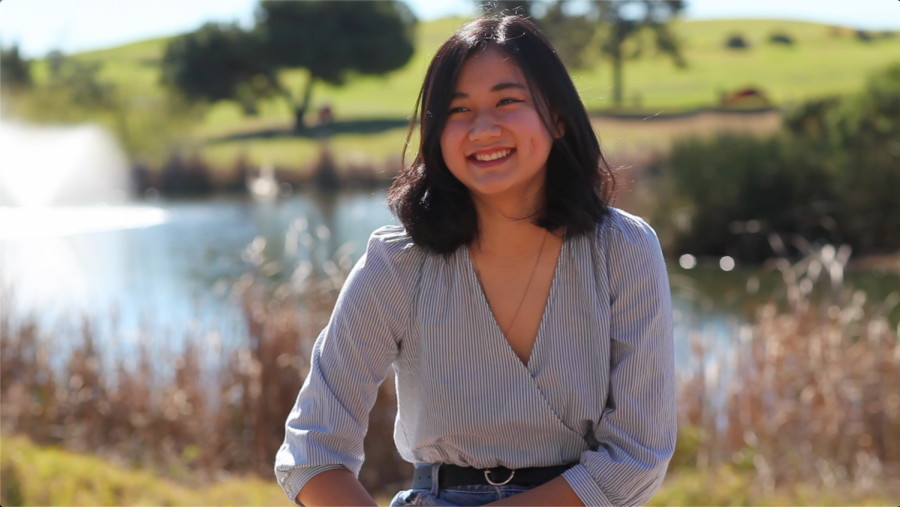
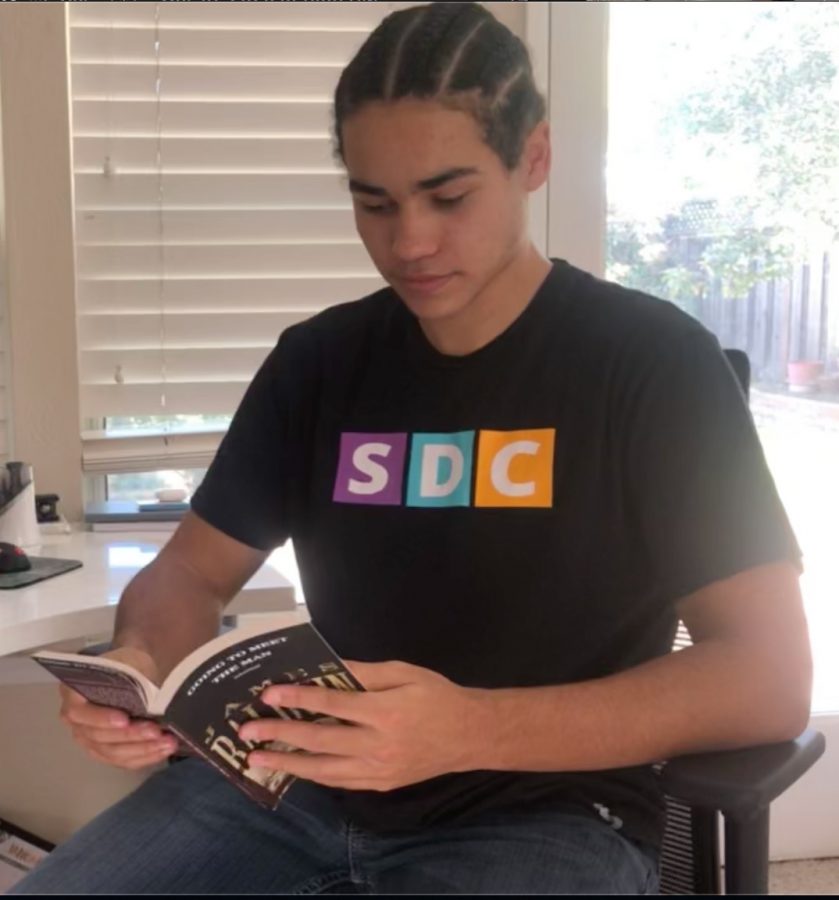
![“When I came into high school, I was ready to be a follower. But DECA was a game changer for me. It helped me overcome my fear of public speaking, and it's played such a major role in who I've become today. To be able to successfully lead a chapter of 150 students, an officer team and be one of the upperclassmen I once really admired is something I'm [really] proud of,” Anvitha Tummala ('21) said.](https://harkeraquila.com/wp-content/uploads/2021/07/Screen-Shot-2021-07-25-at-9.50.05-AM-900x594.png)
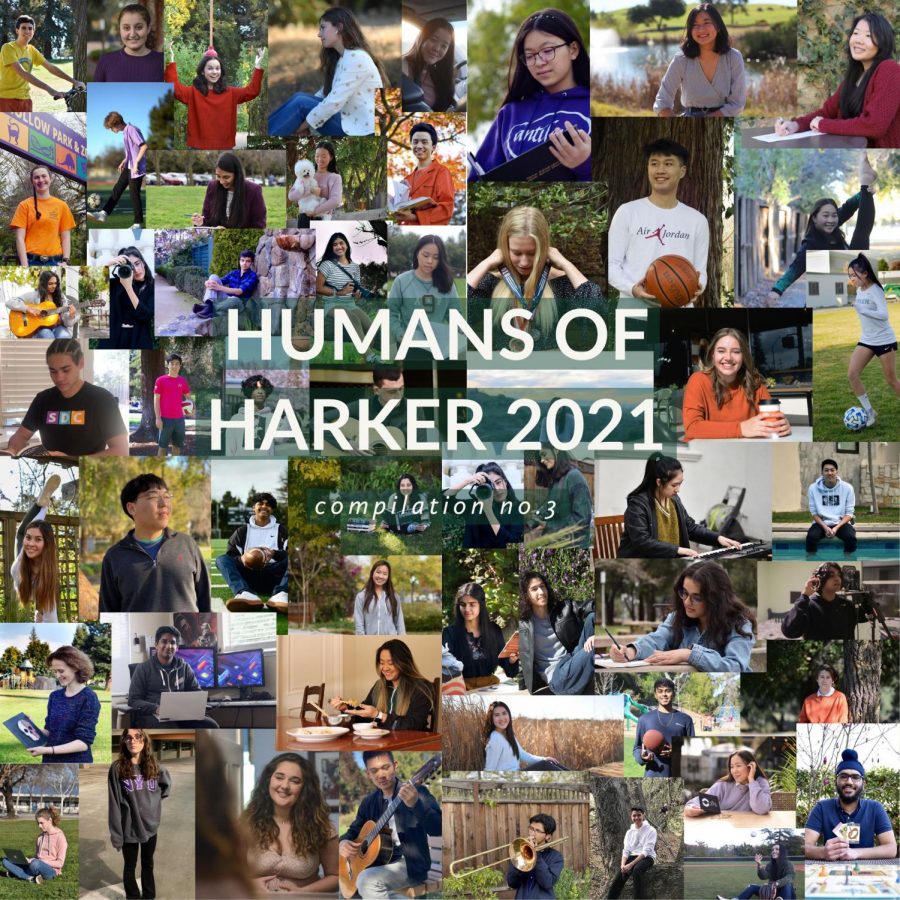
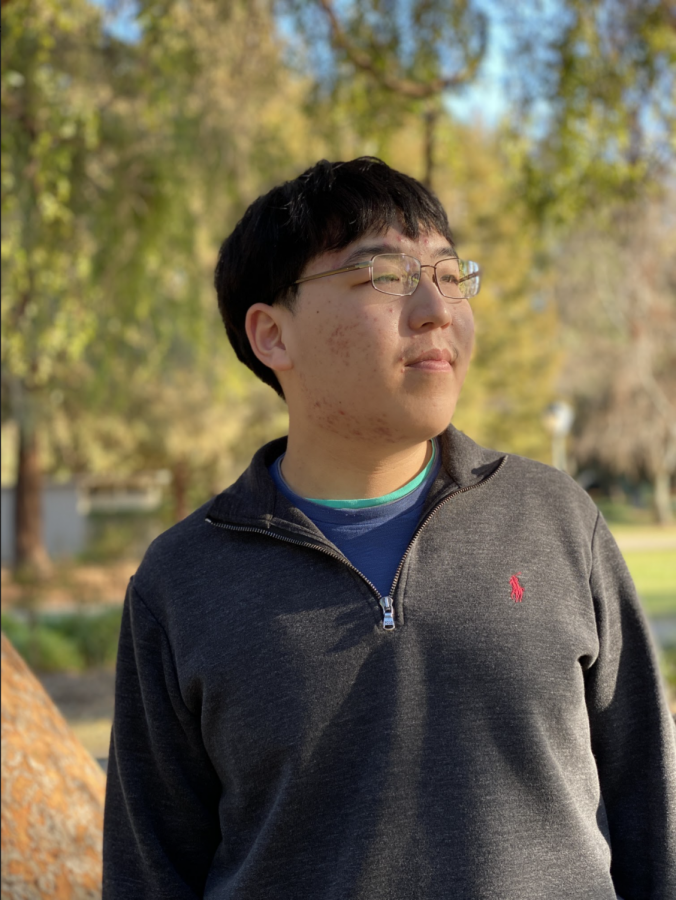
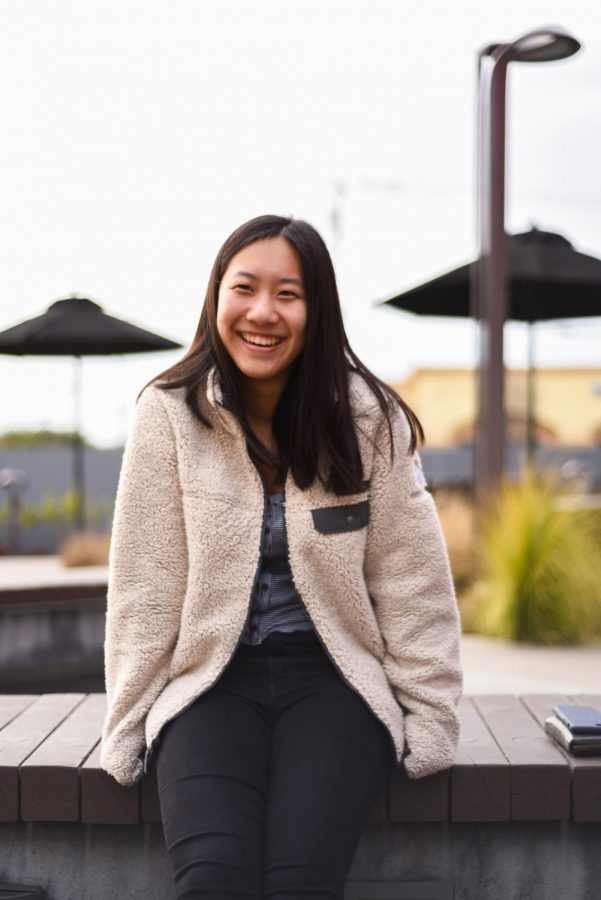
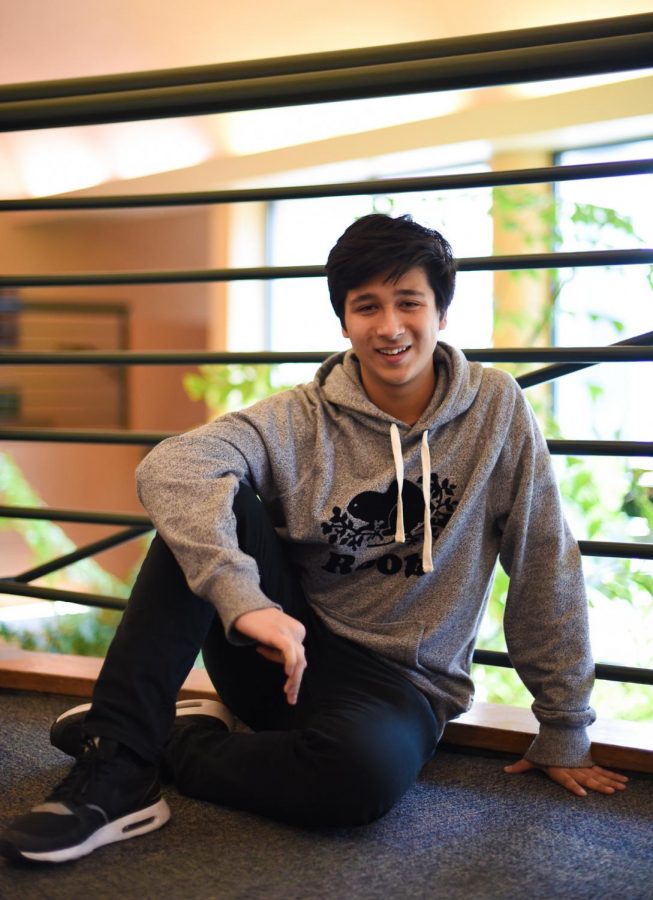
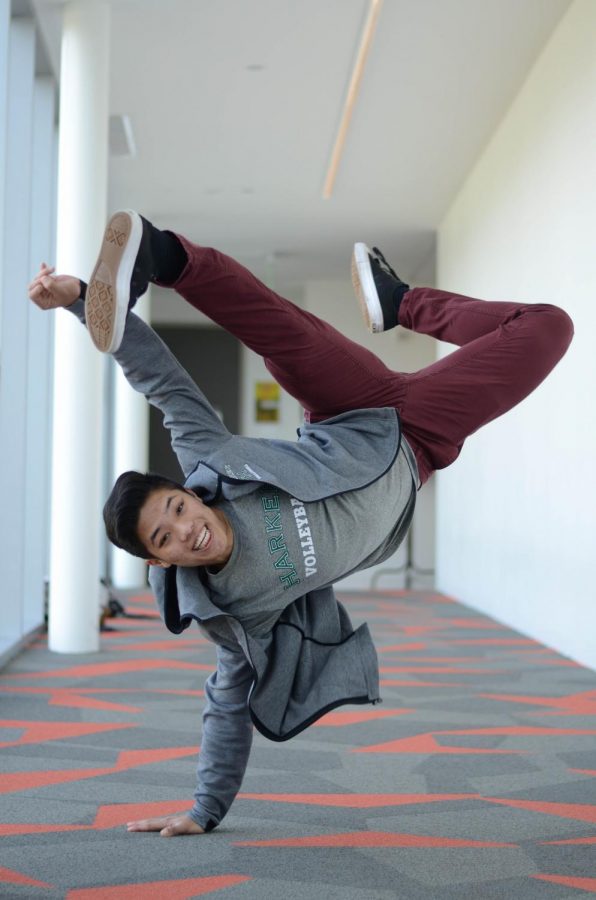
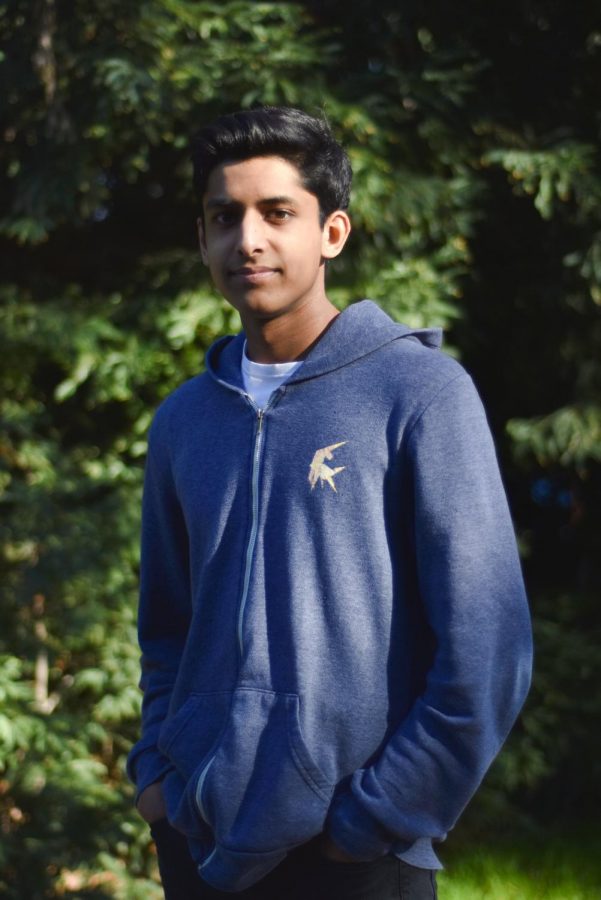

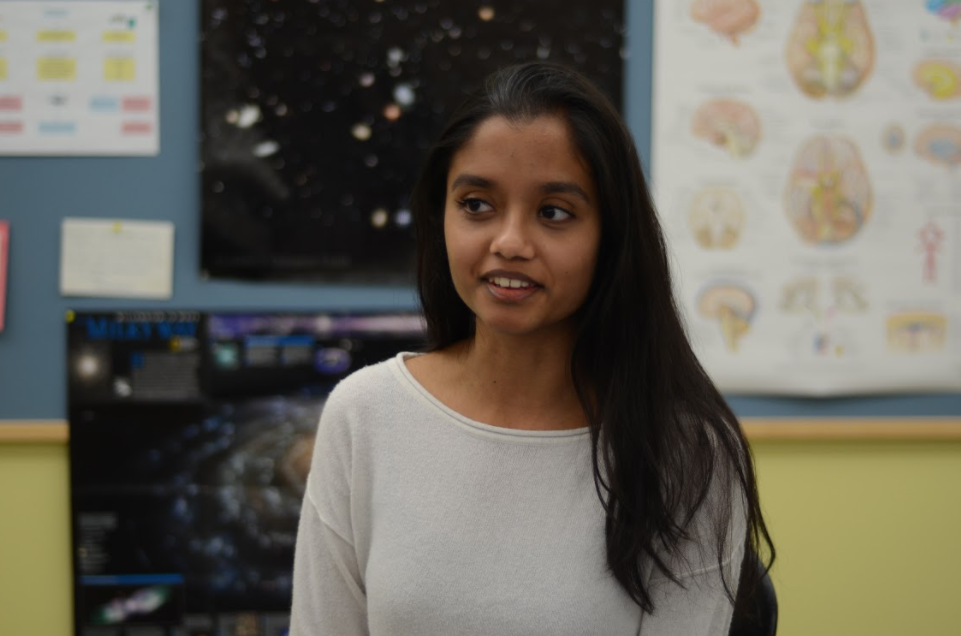
![“I think getting up in the morning and having a sense of purpose [is exciting]. I think without a certain amount of drive, life is kind of obsolete and mundane, and I think having that every single day is what makes each day unique and kind of makes life exciting,” Neymika Jain (12) said.](https://harkeraquila.com/wp-content/uploads/2017/06/Screen-Shot-2017-06-03-at-4.54.16-PM.png)
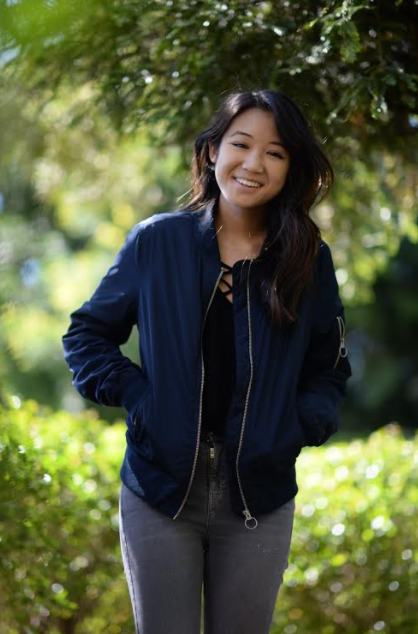
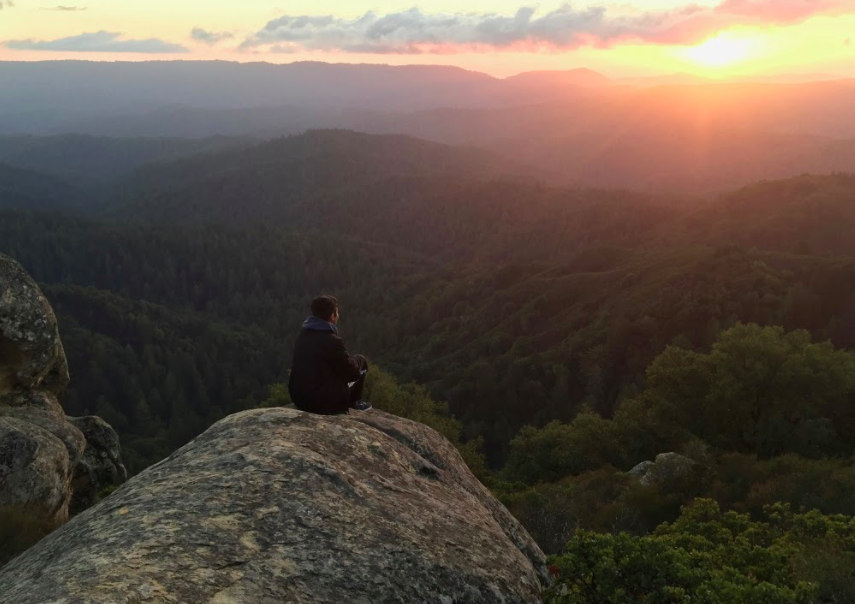
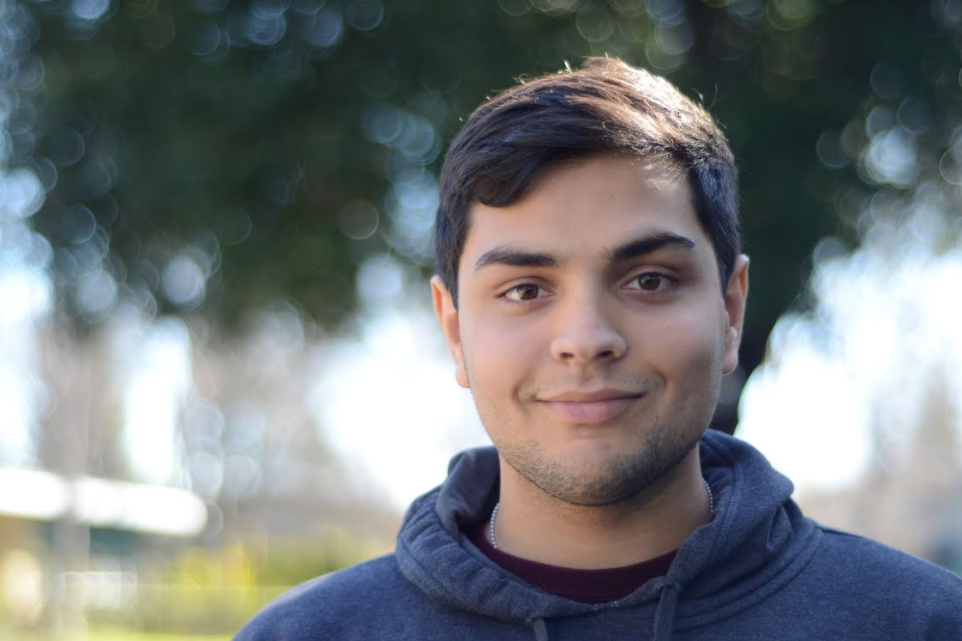
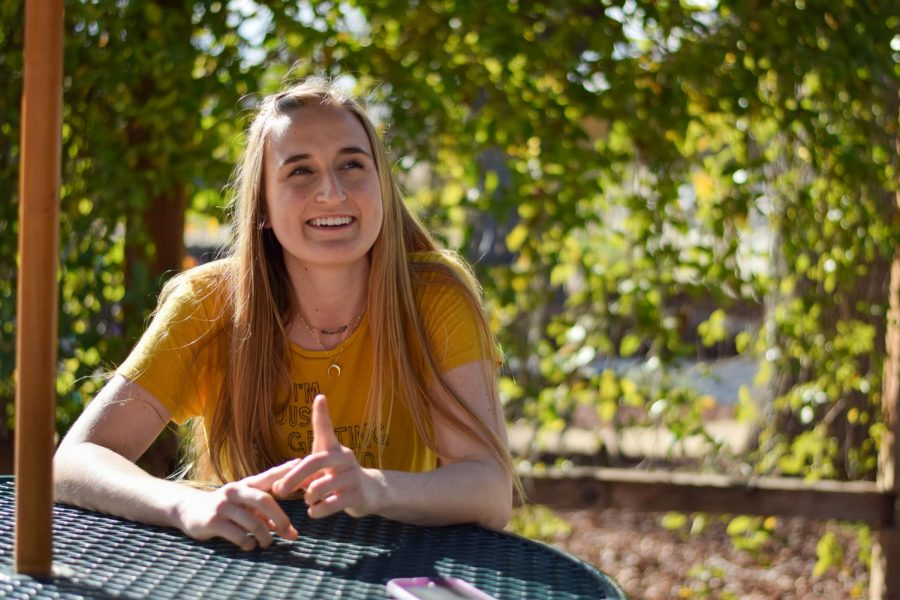
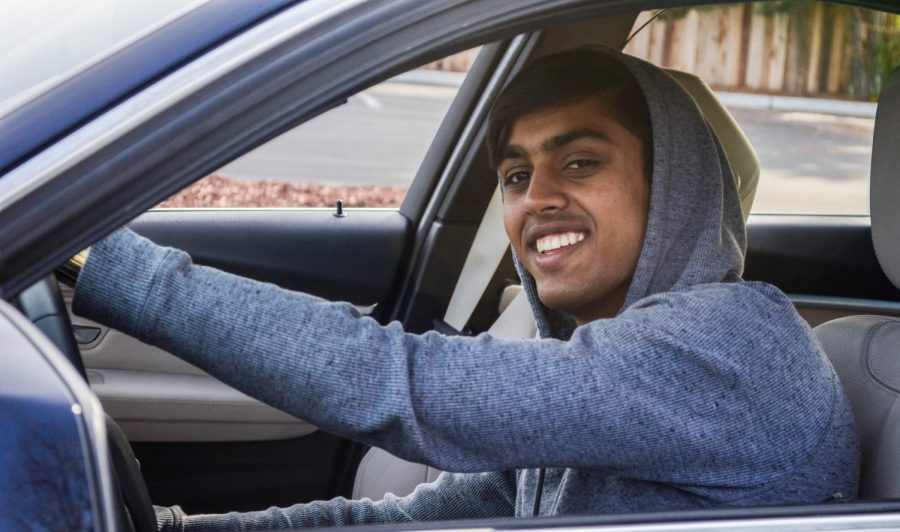
![“My slogan is ‘slow feet, don’t eat, and I’m hungry.’ You need to run fast to get where you are–you aren't going to get those championships if you aren't fast,” Angel Cervantes (12) said. “I want to do well in school on my tests and in track and win championships for my team. I live by that, [and] I can do that anywhere: in the classroom or on the field.”](https://harkeraquila.com/wp-content/uploads/2018/06/DSC5146-900x601.jpg)
![“[Volleyball has] taught me how to fall correctly, and another thing it taught is that you don’t have to be the best at something to be good at it. If you just hit the ball in a smart way, then it still scores points and you’re good at it. You could be a background player and still make a much bigger impact on the team than you would think,” Anya Gert (’20) said.](https://harkeraquila.com/wp-content/uploads/2020/06/AnnaGert_JinTuan_HoHPhotoEdited-600x900.jpeg)
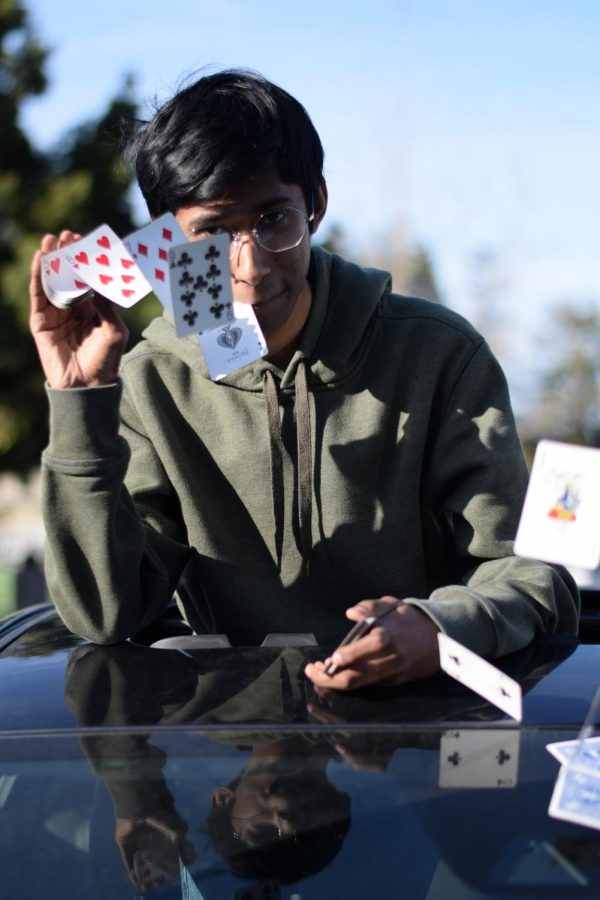
![“I'm not nearly there yet, but [my confidence has] definitely been getting better since I was pretty shy and timid coming into Harker my freshman year. I know that there's a lot of people that are really confident in what they do, and I really admire them. Everyone's so driven and that has really pushed me to kind of try to find my own place in high school and be more confident,” Alyssa Huang (’20) said.](https://harkeraquila.com/wp-content/uploads/2020/06/AlyssaHuang_EmilyChen_HoHPhoto-900x749.jpeg)

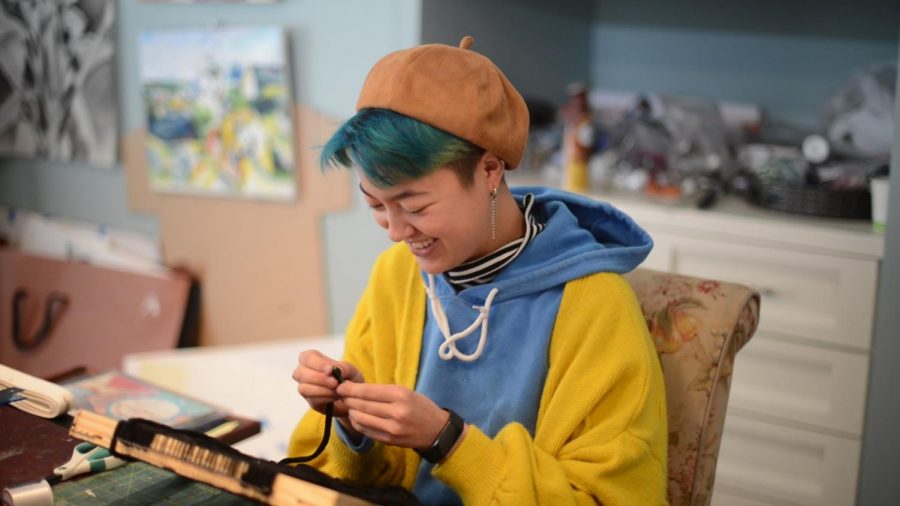



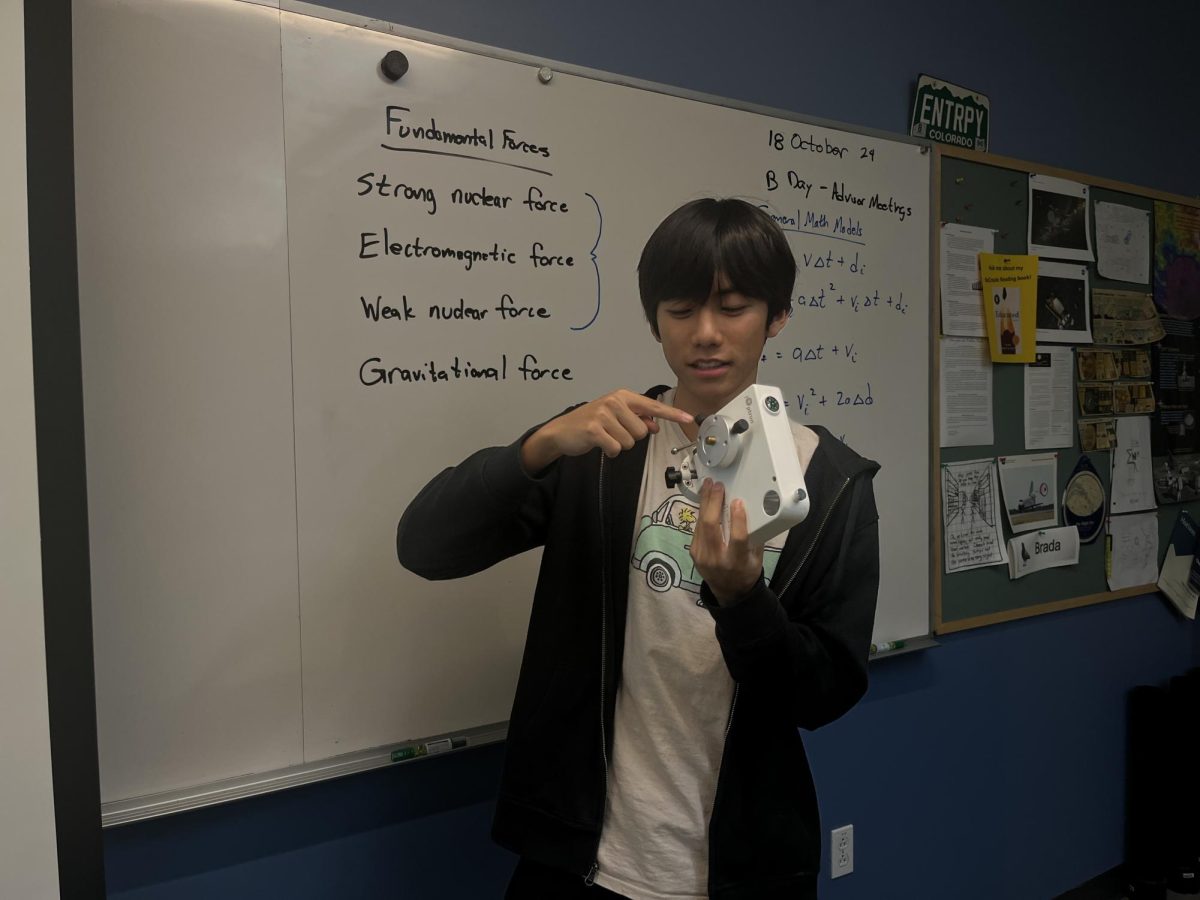









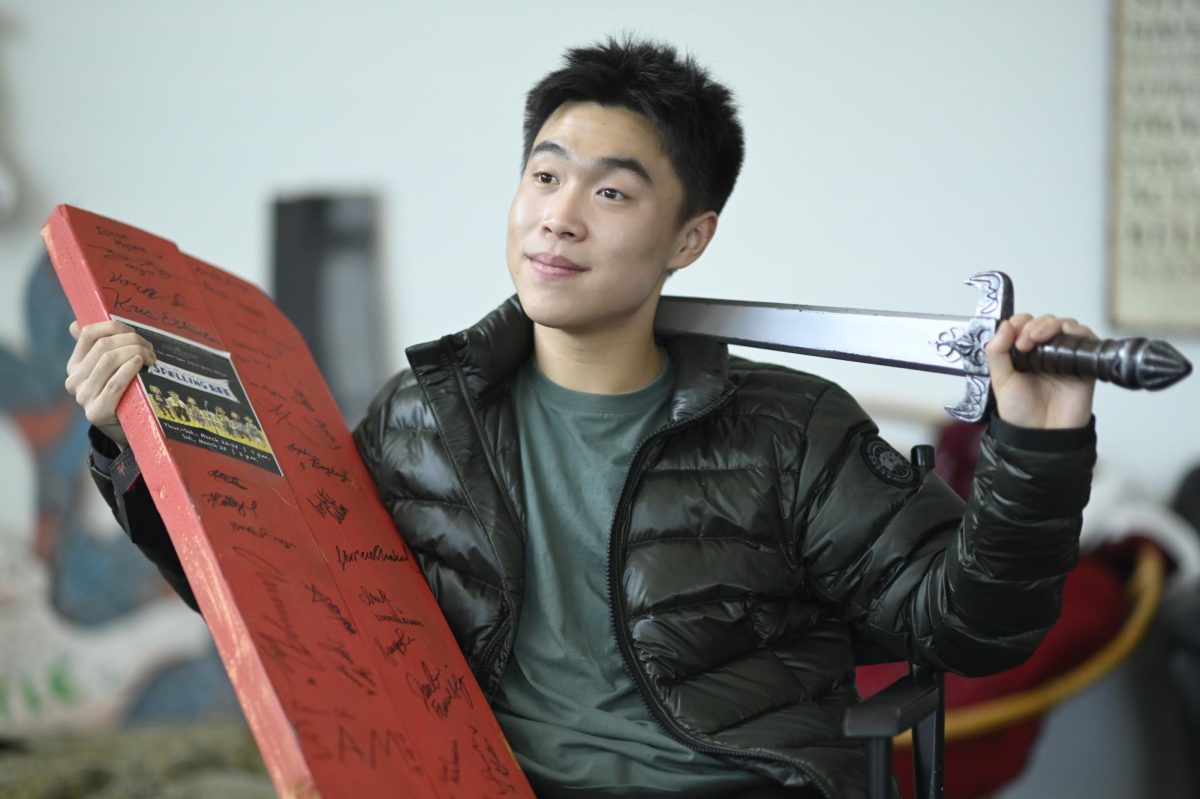
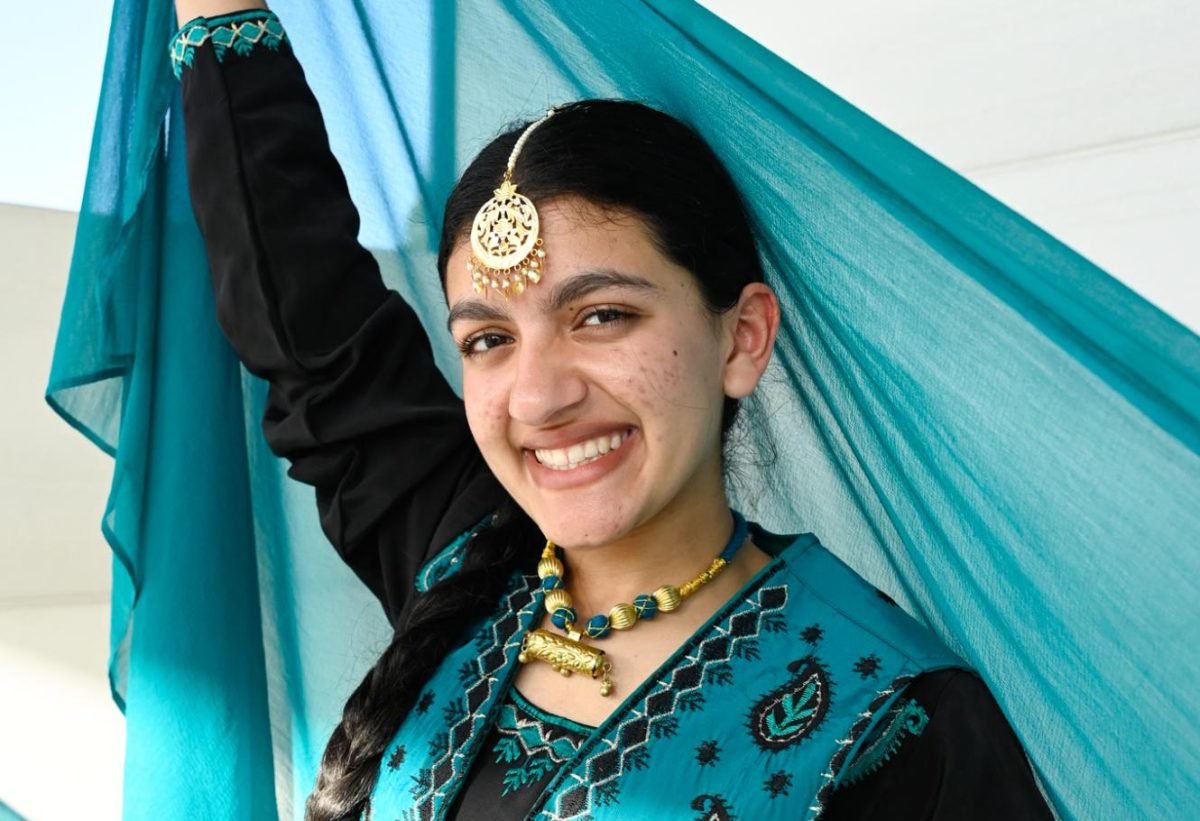
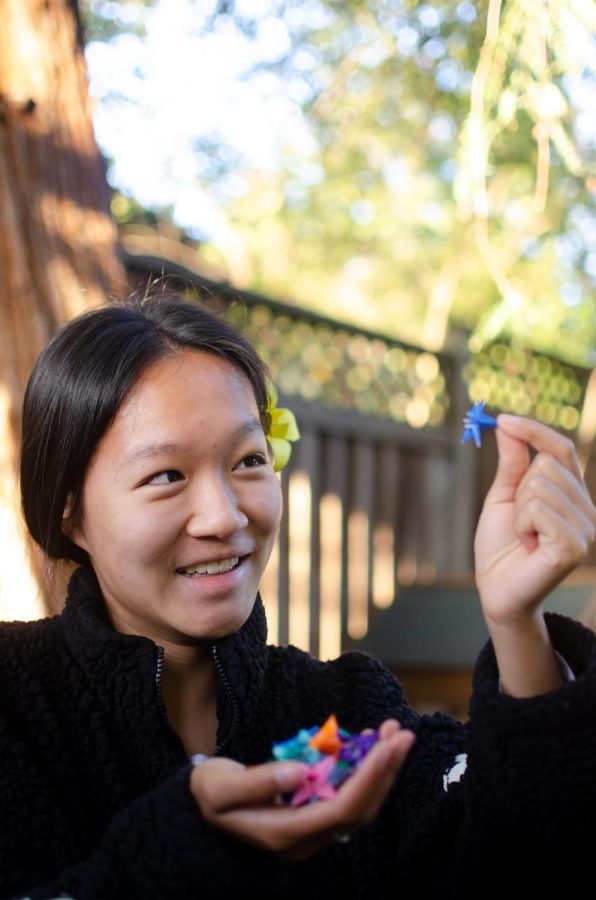
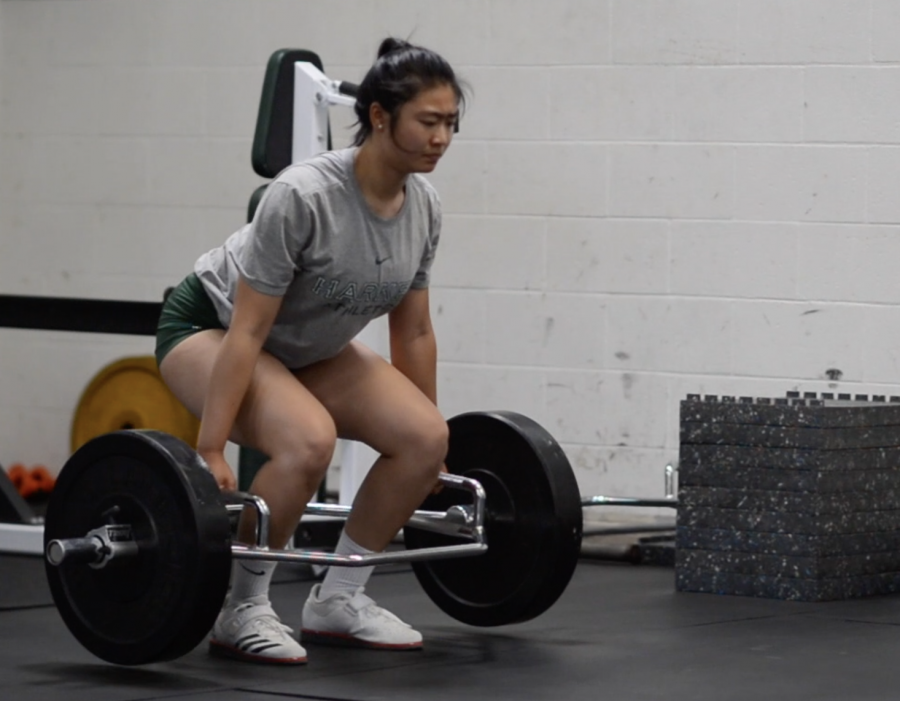
![“I wasn't discouraged by some of the obstacles we faced. I learned a lot from the leadership. I found that different people need different ways of receiving feedback — you can't [just] tell them to do something and expect the best. [Some] people needed more incentive. A large part of my role was to figure out what worked for everyone and to figure out how to lead all these separate individuals as a team,” Suhana Bhandare (’26) said.](https://harkeraquila.com/wp-content/uploads/2026/06/SuhanaBhandare_JasmineHansra-1-1200x798.jpg)