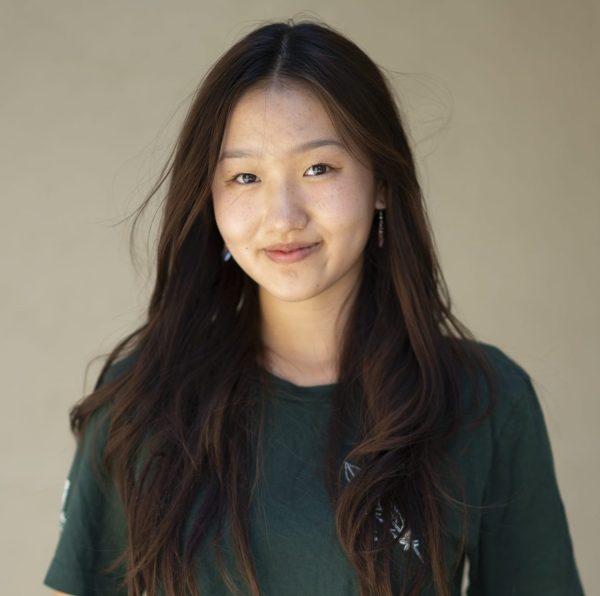
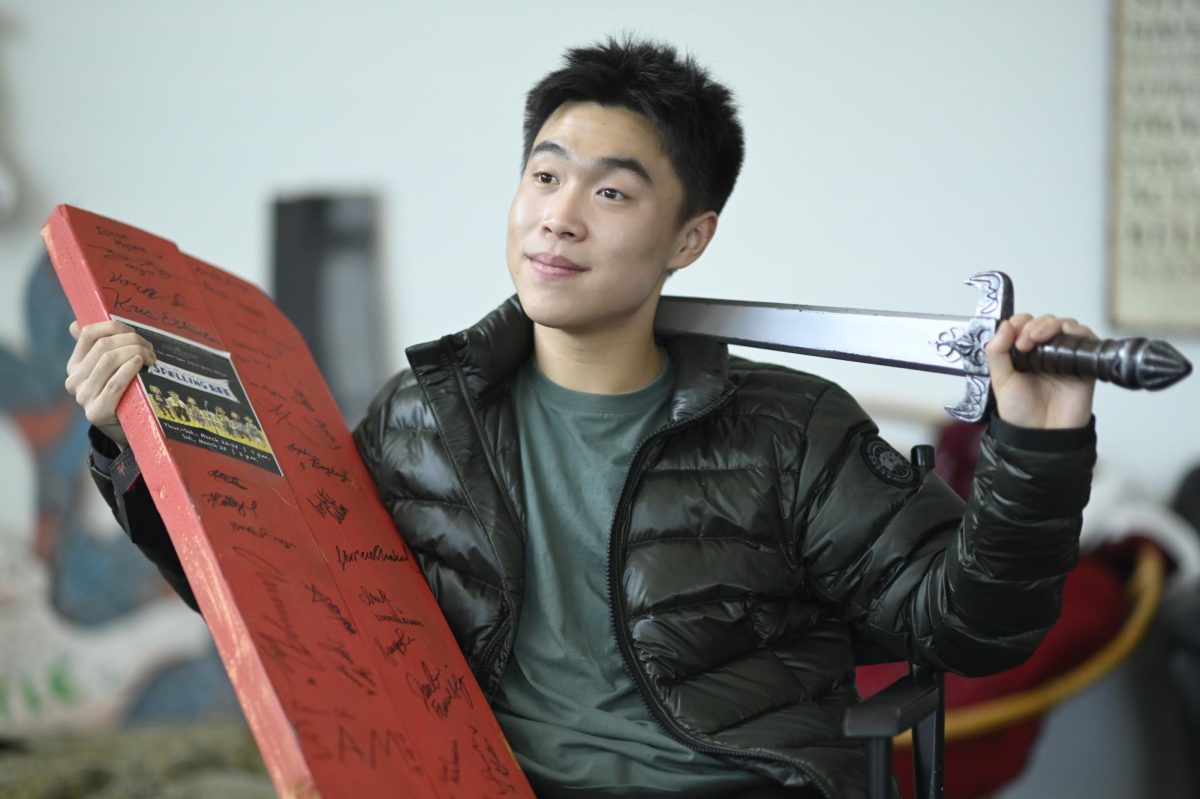
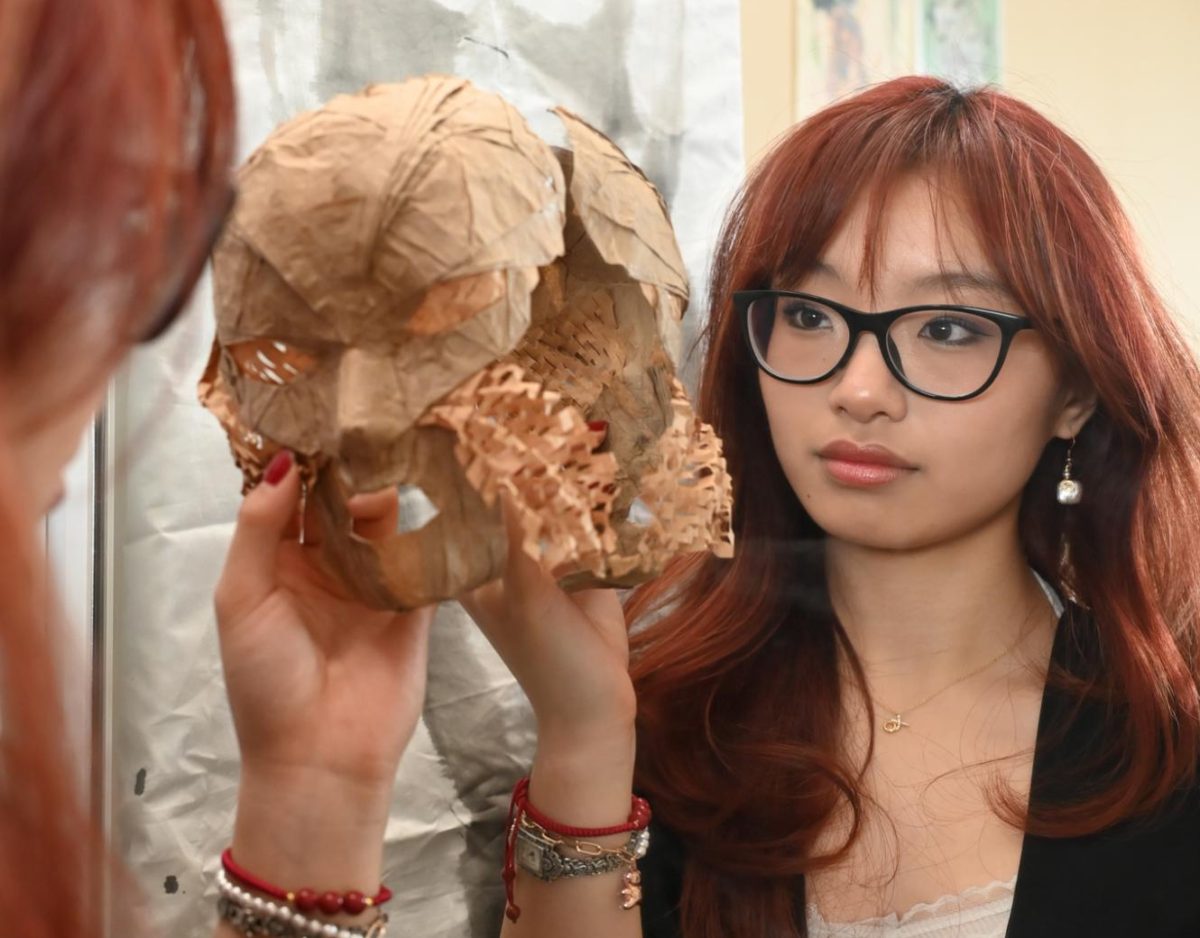
![“I wasn't discouraged by some of the obstacles we faced. I learned a lot from the leadership. I found that different people need different ways of receiving feedback — you can't [just] tell them to do something and expect the best. [Some] people needed more incentive. A large part of my role was to figure out what worked for everyone and to figure out how to lead all these separate individuals as a team,” Suhana Bhandare (’26) said.](https://harkeraquila.com/wp-content/uploads/2026/06/SuhanaBhandare_JasmineHansra-1-1200x798.jpg)
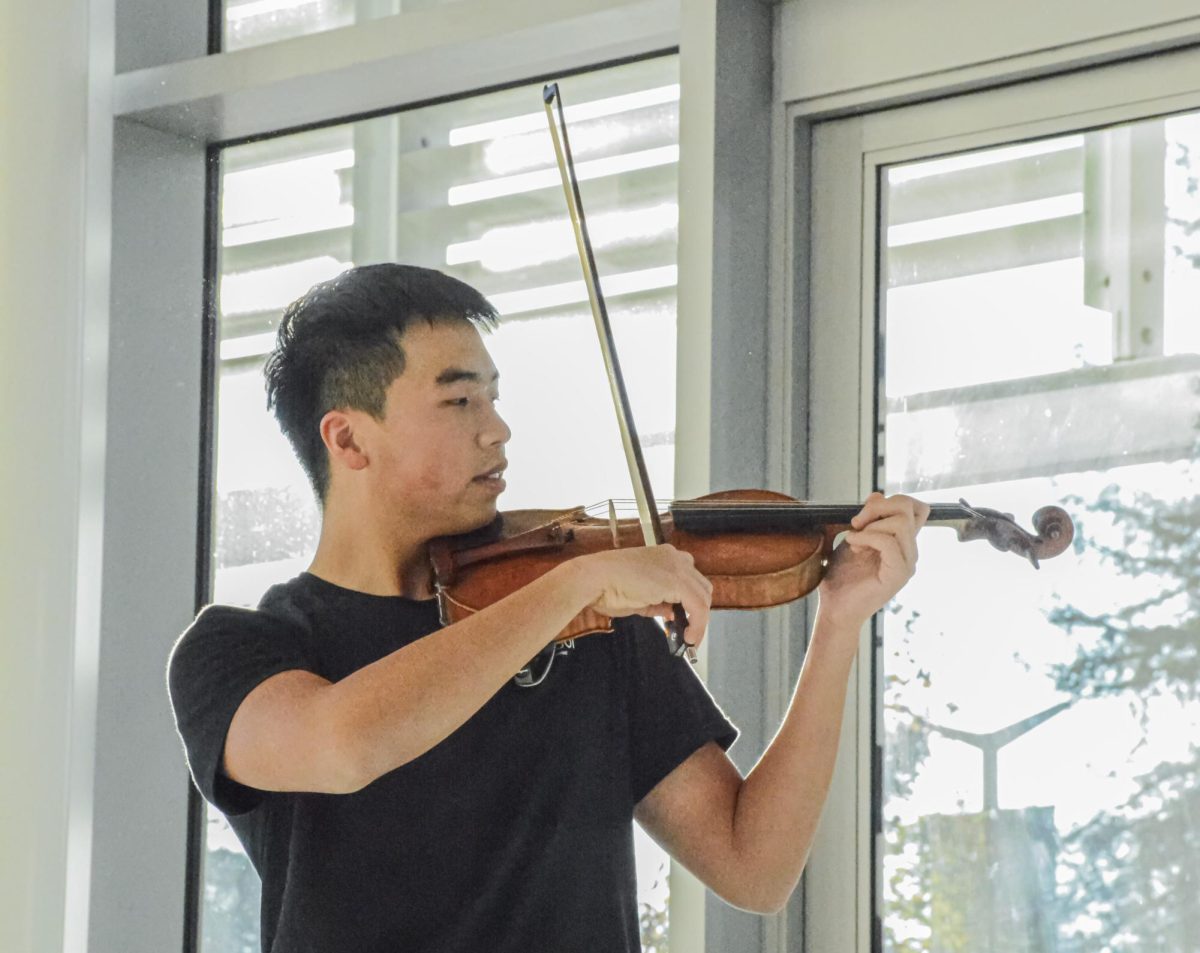
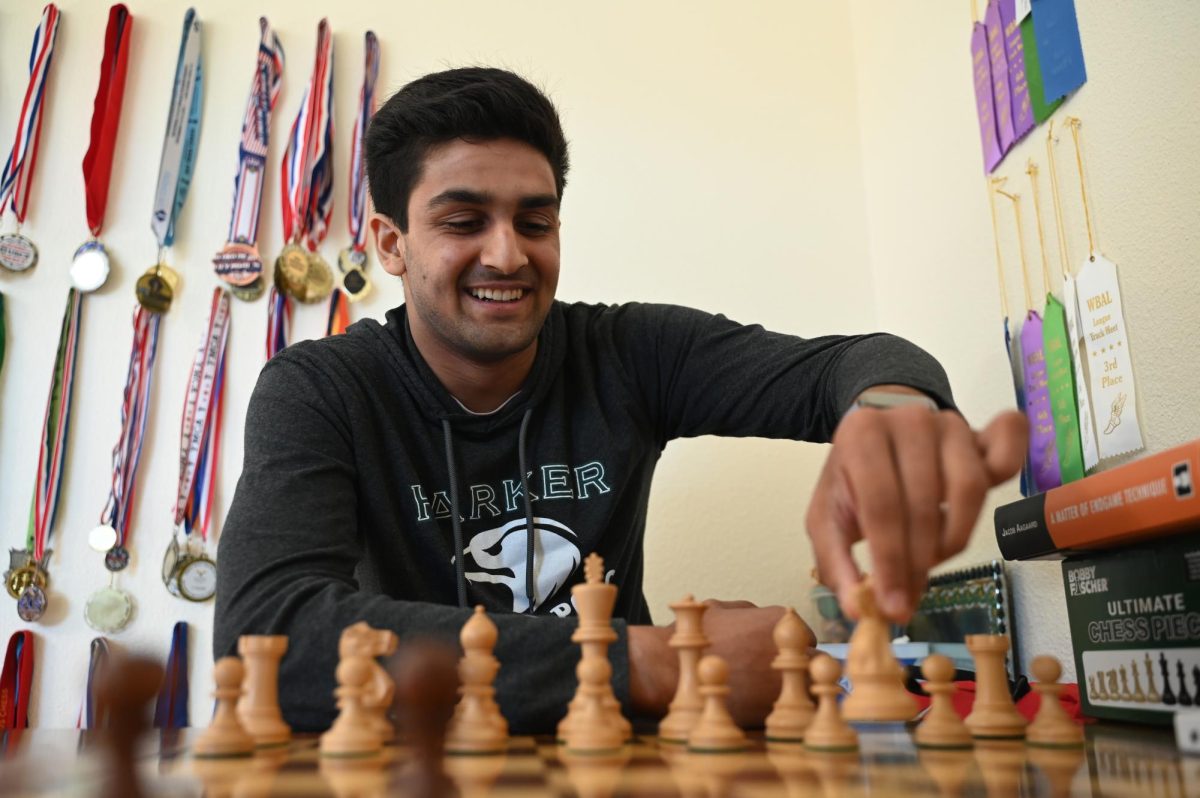
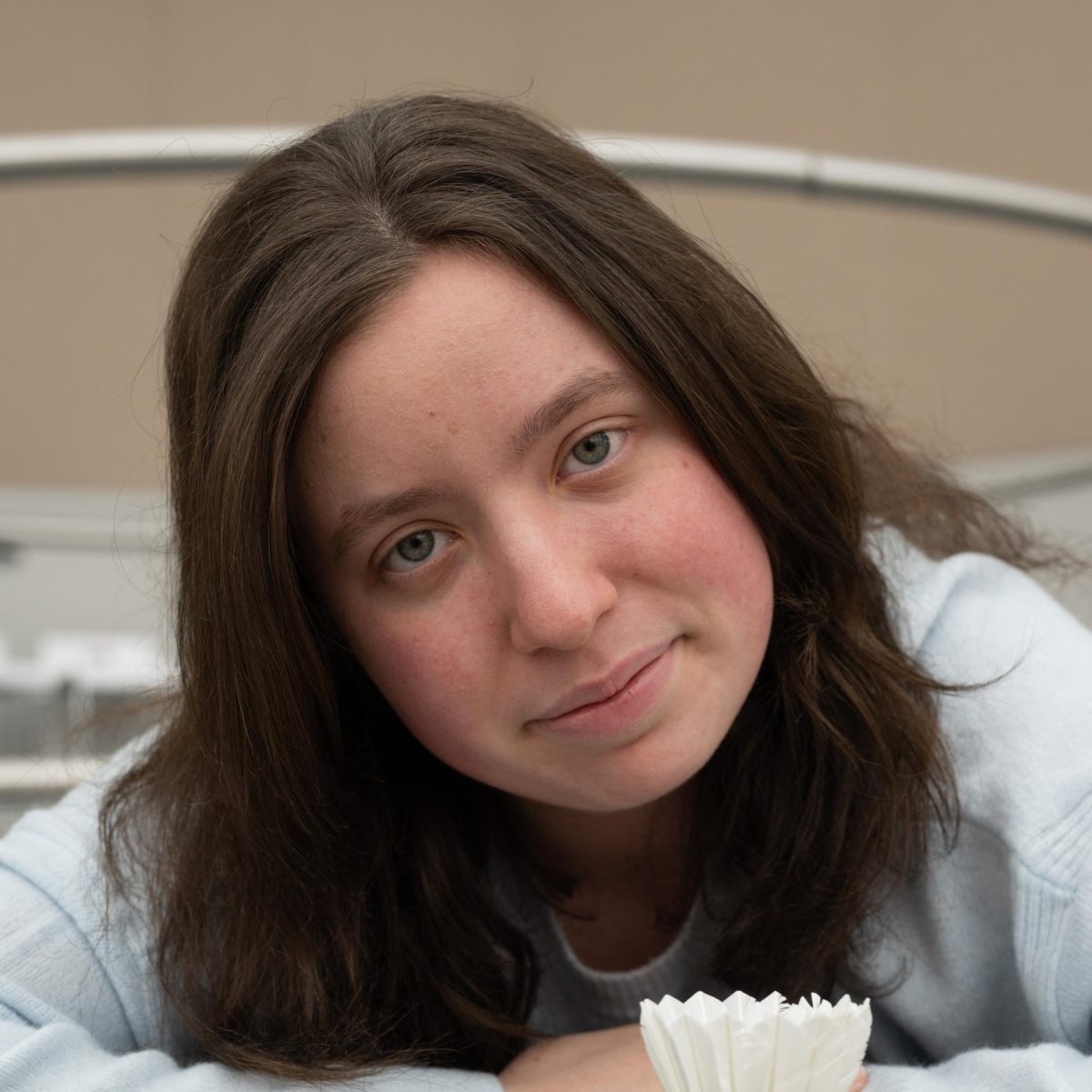
![“This is actually from Randy Pausch Randy P. Brick: ‘Walls are there for a reason. You have to show how much you want to overcome them.’ You have to show how much you want something. That's what I've always been able to do with tennis, Link Crew and getting that internship [with Kushy Baby]. It’s important pushing through that — getting around that brick wall, climbing over it or clawing through it,” Yash Sachdeva (’26) said.](https://harkeraquila.com/wp-content/uploads/2026/05/YashSachdeva_RamBatchu-copy-1200x1002.jpg)
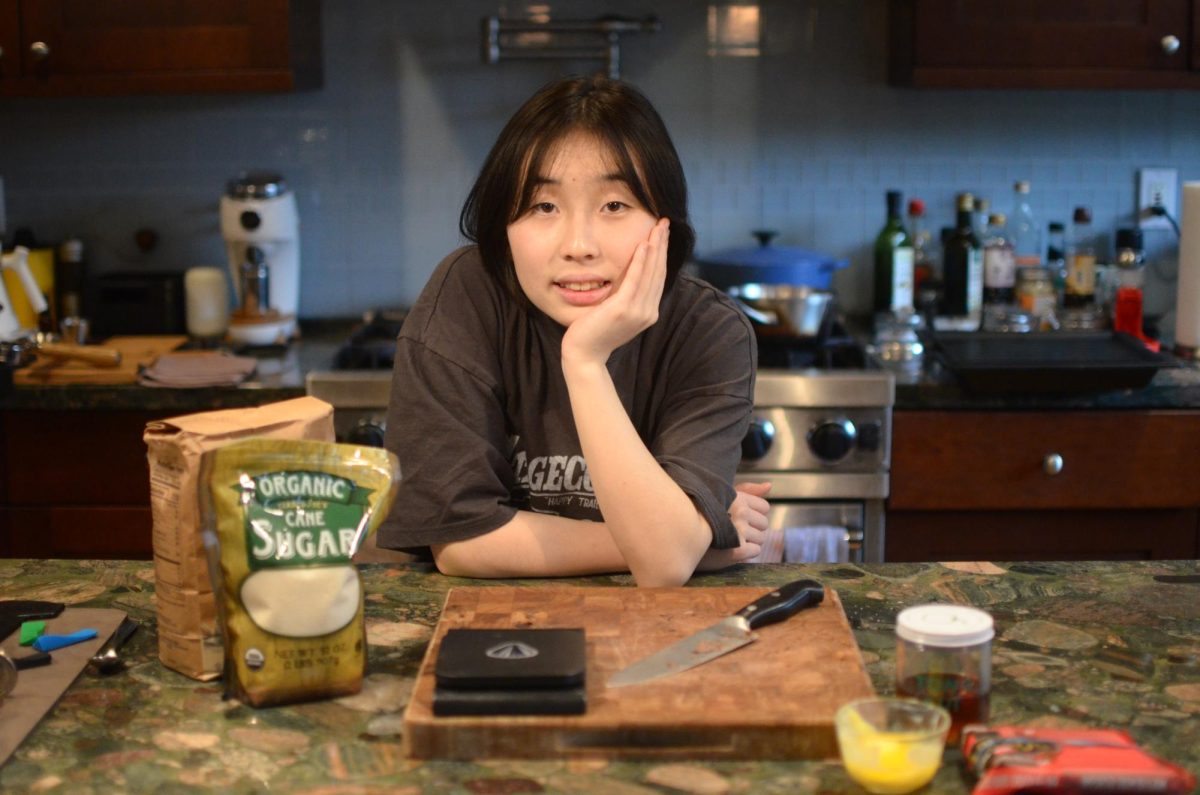

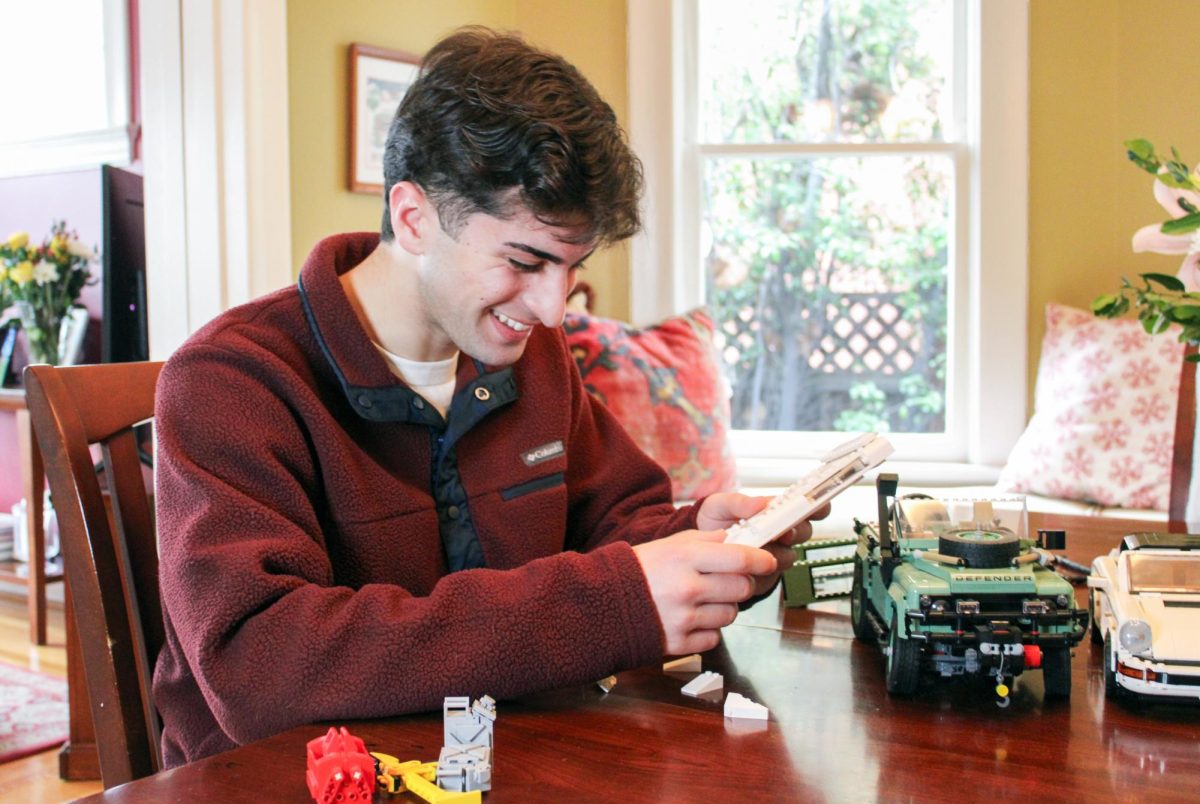
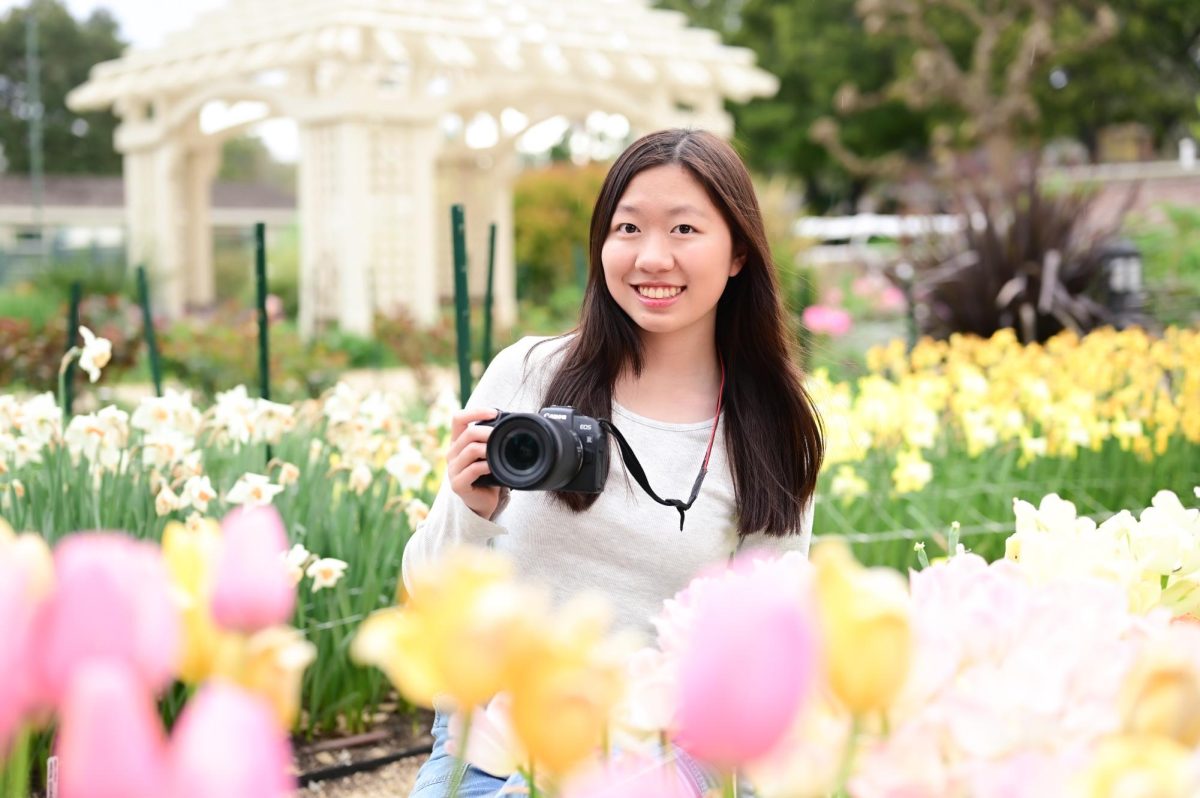
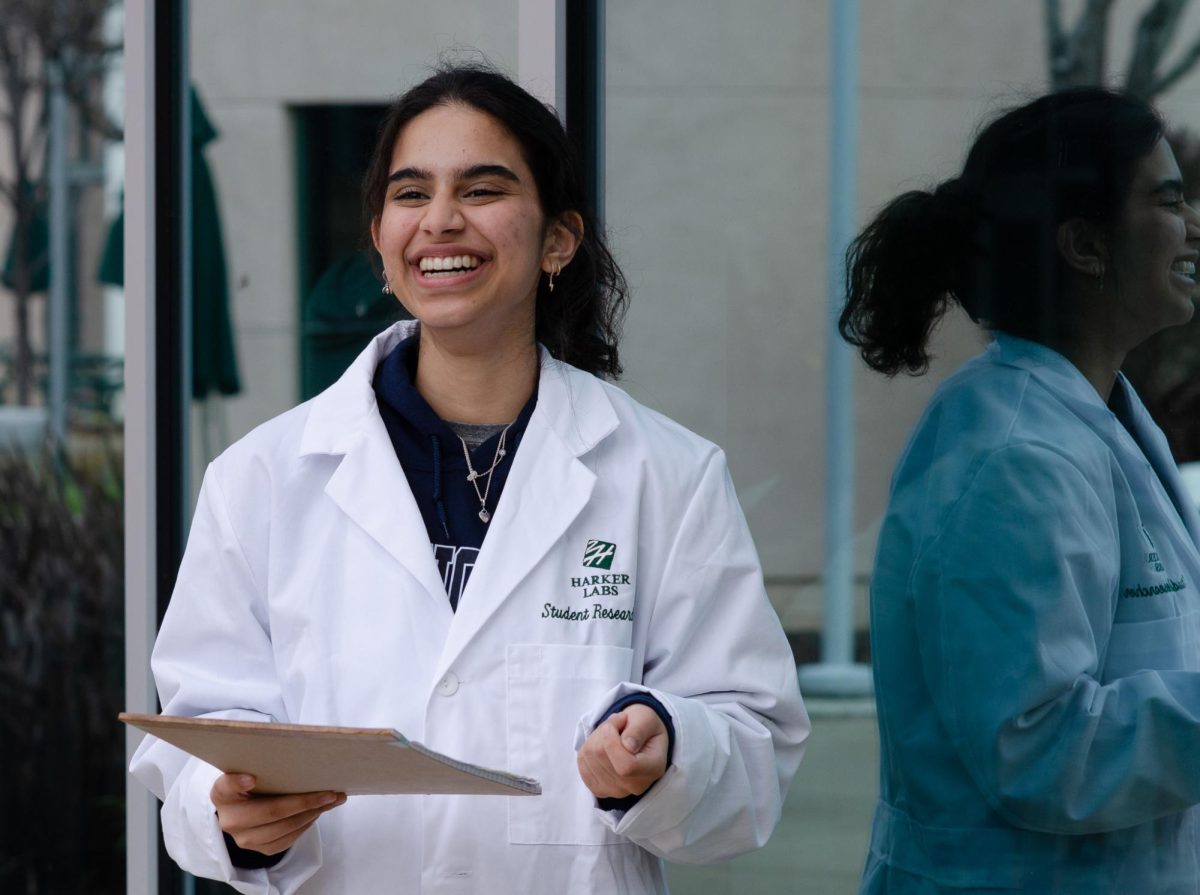
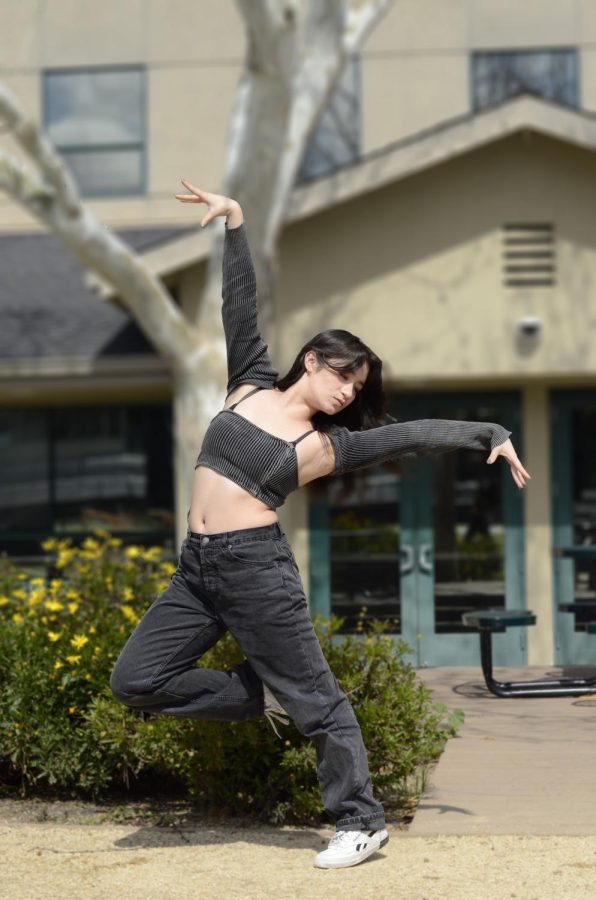
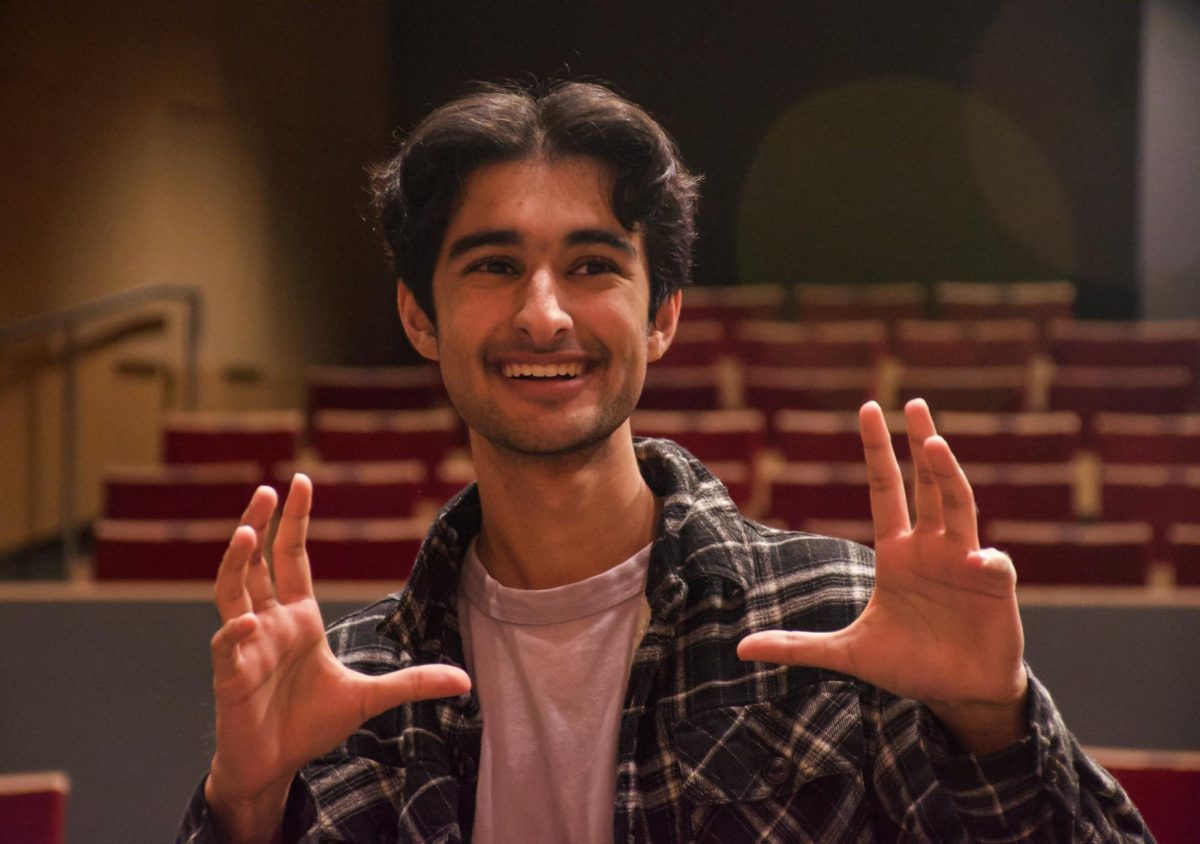
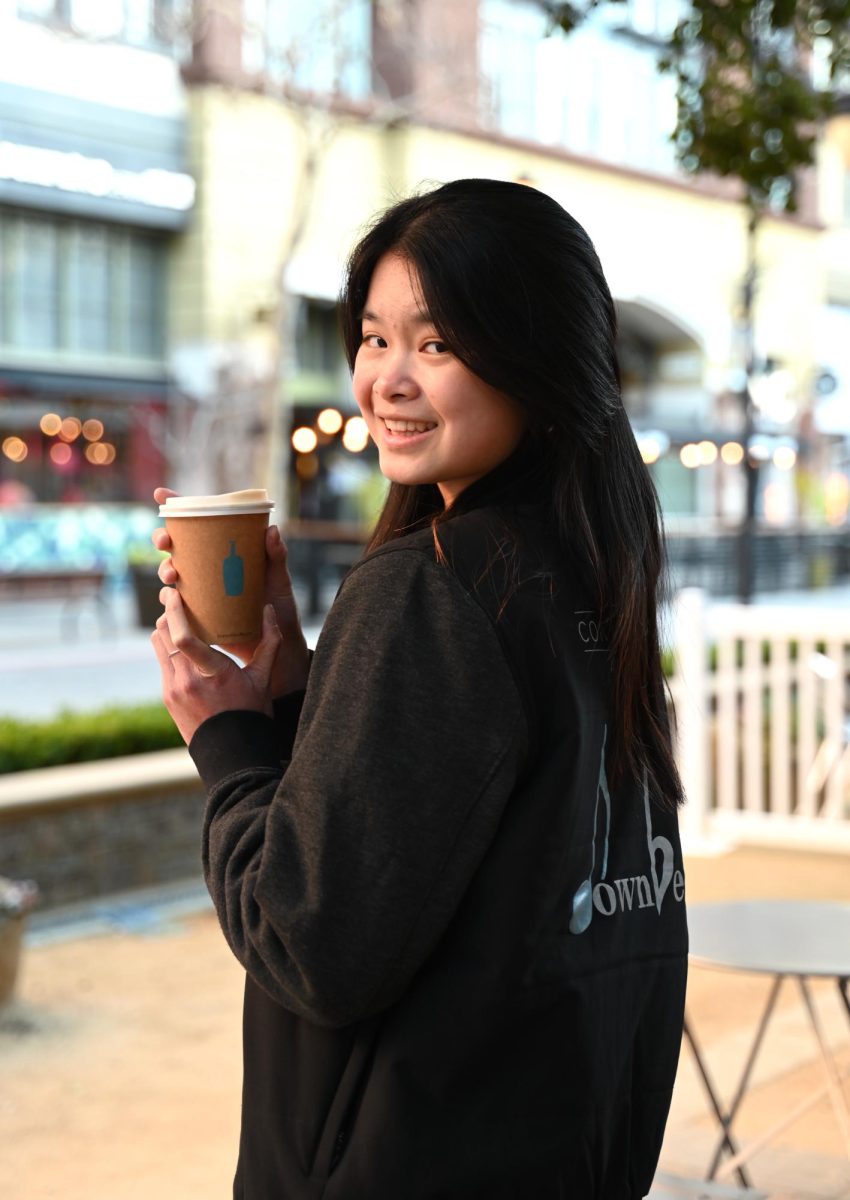
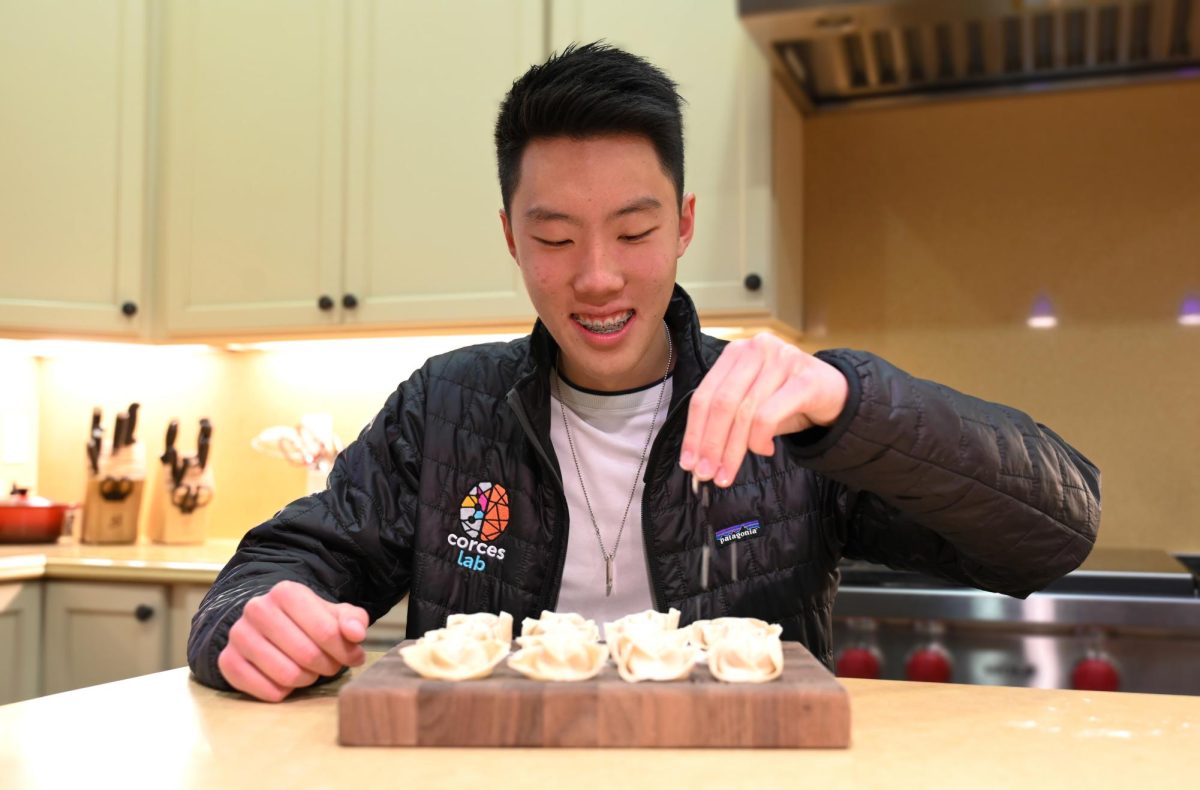
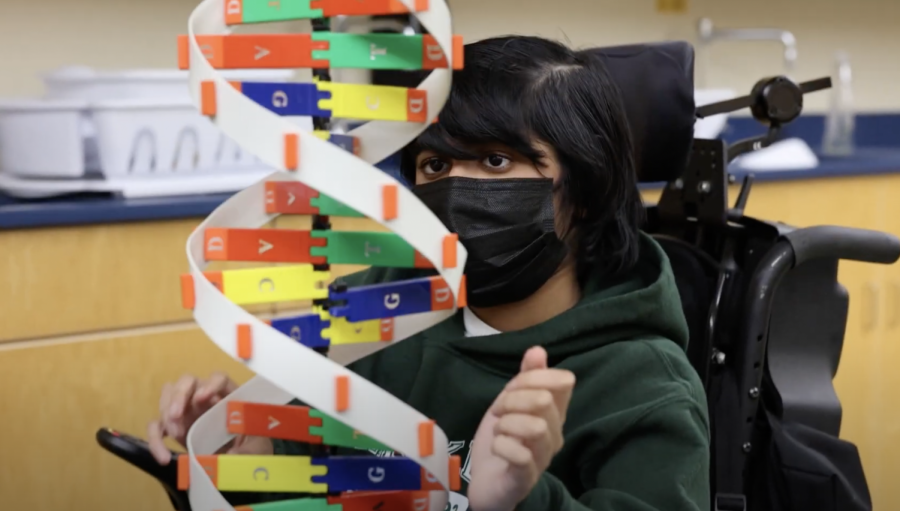
![“[Building nerf blasters] became this outlet of creativity for me that hasn't been matched by anything else. The process [of] making a build complete to your desire is such a painstakingly difficult process, but I've had to learn from [the skills needed from] soldering to proper painting. There's so many different options for everything, if you think about it, it exists. The best part is [that] if it doesn't exist, you can build it yourself," Ishaan Parate said.](https://harkeraquila.com/wp-content/uploads/2022/08/DSC_8149-900x604.jpg)
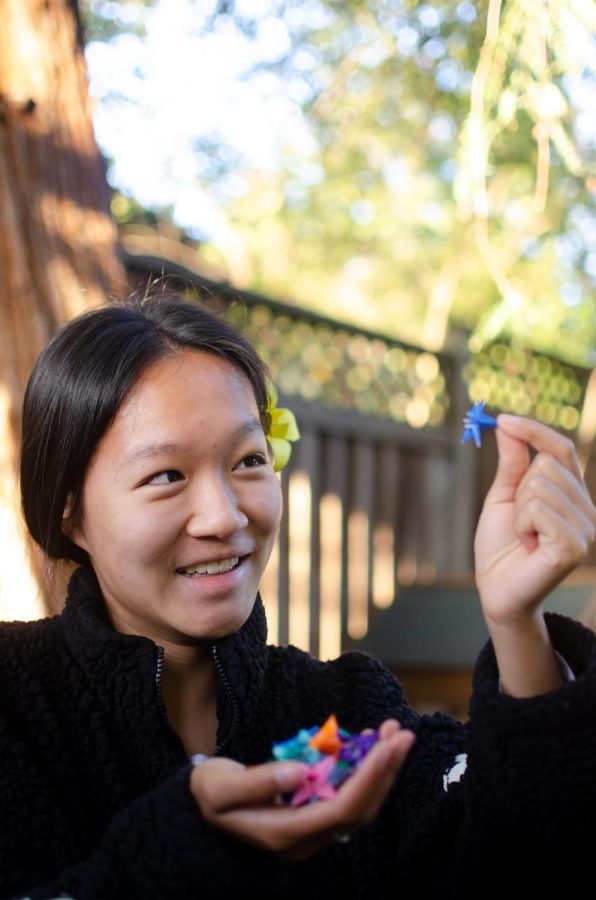
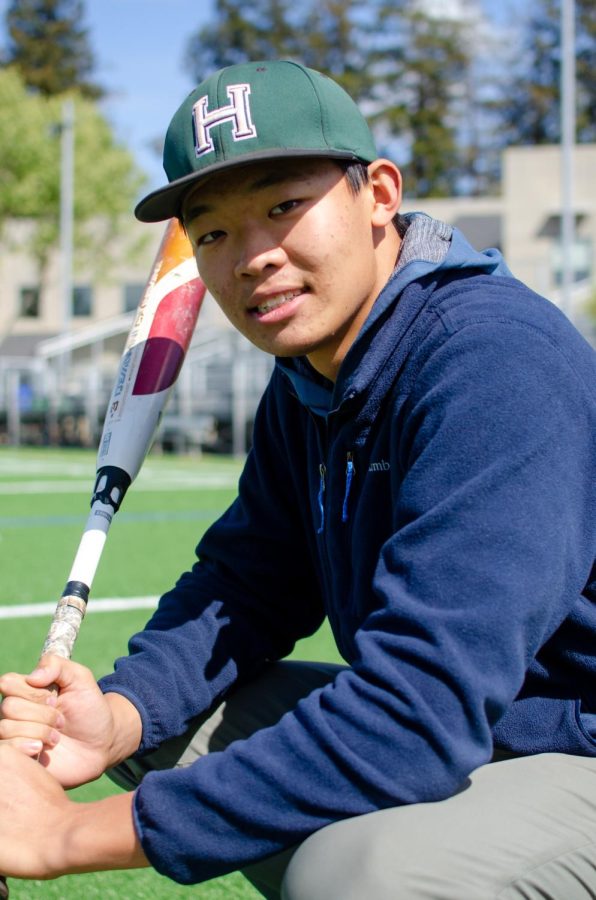
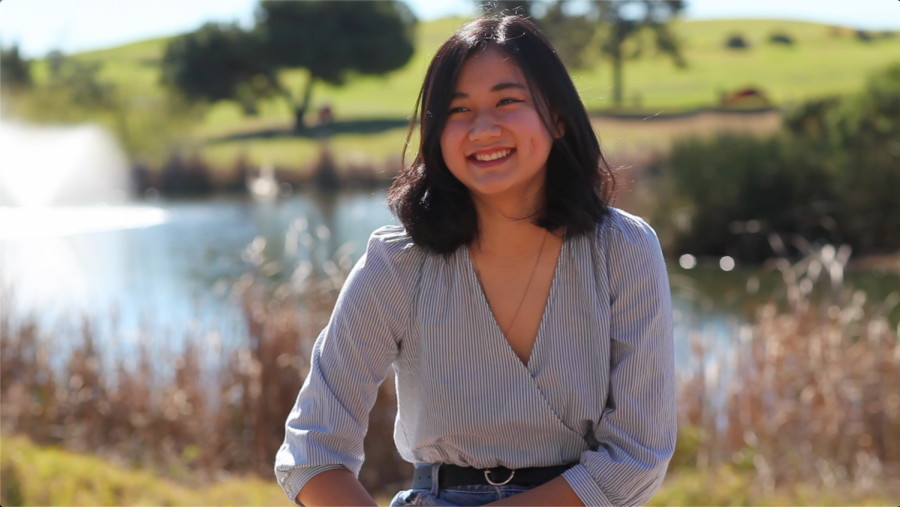
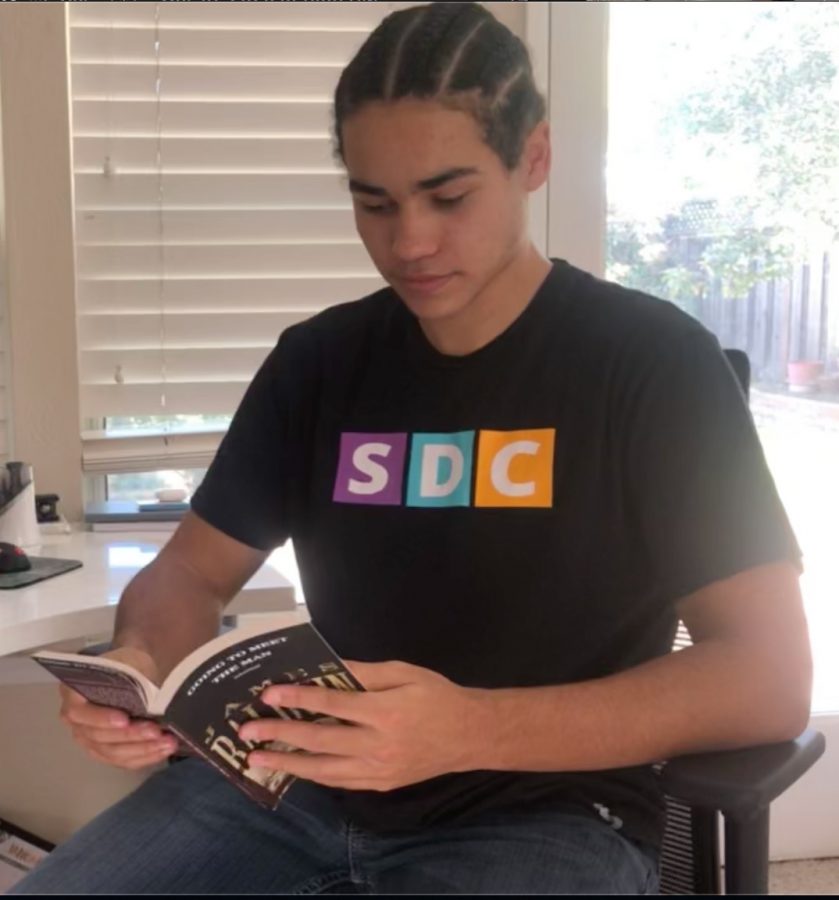
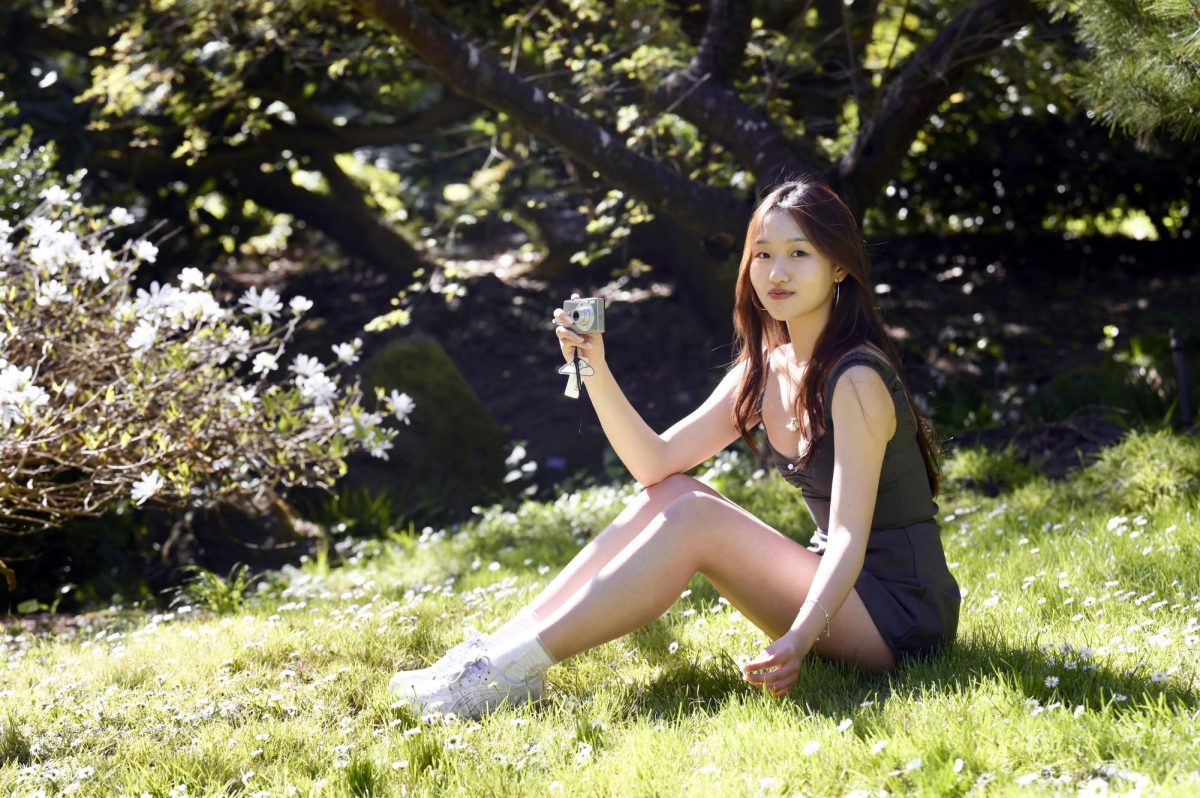
![“When I came into high school, I was ready to be a follower. But DECA was a game changer for me. It helped me overcome my fear of public speaking, and it's played such a major role in who I've become today. To be able to successfully lead a chapter of 150 students, an officer team and be one of the upperclassmen I once really admired is something I'm [really] proud of,” Anvitha Tummala ('21) said.](https://harkeraquila.com/wp-content/uploads/2021/07/Screen-Shot-2021-07-25-at-9.50.05-AM-900x594.png)
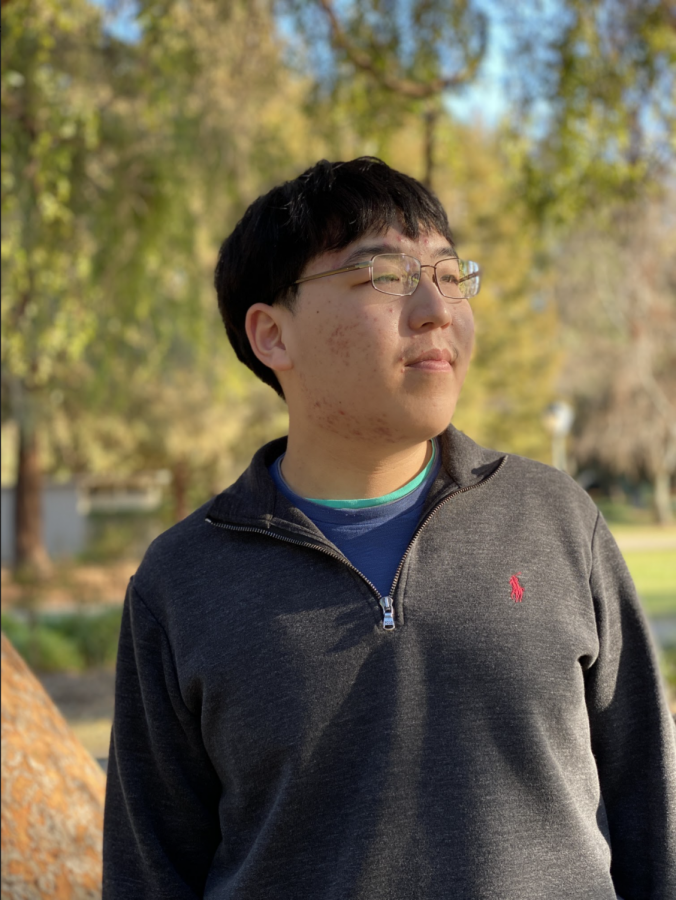
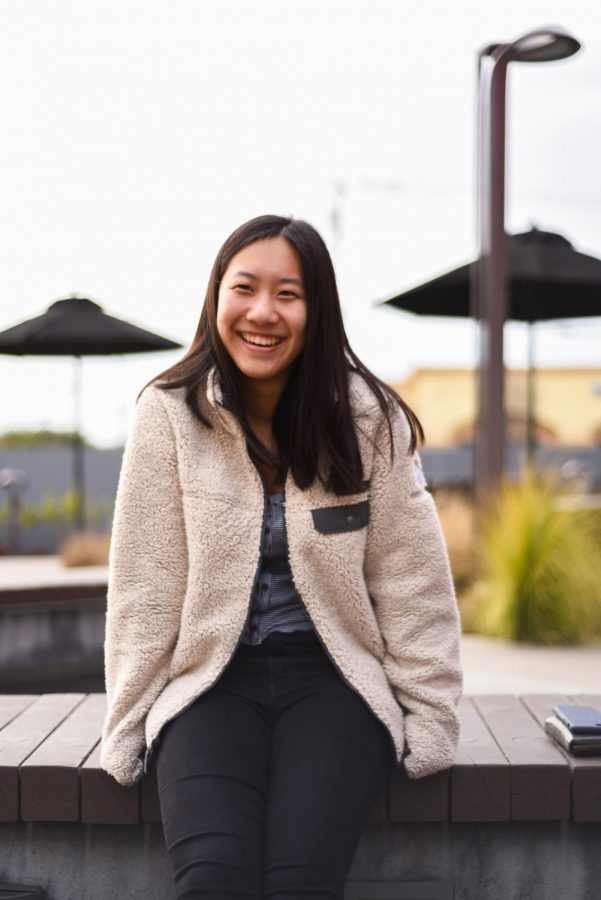
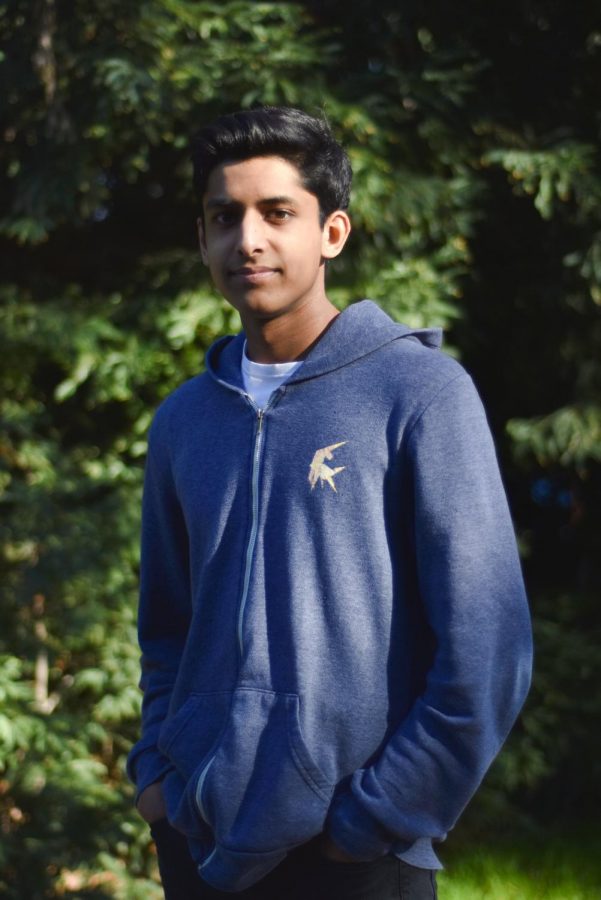
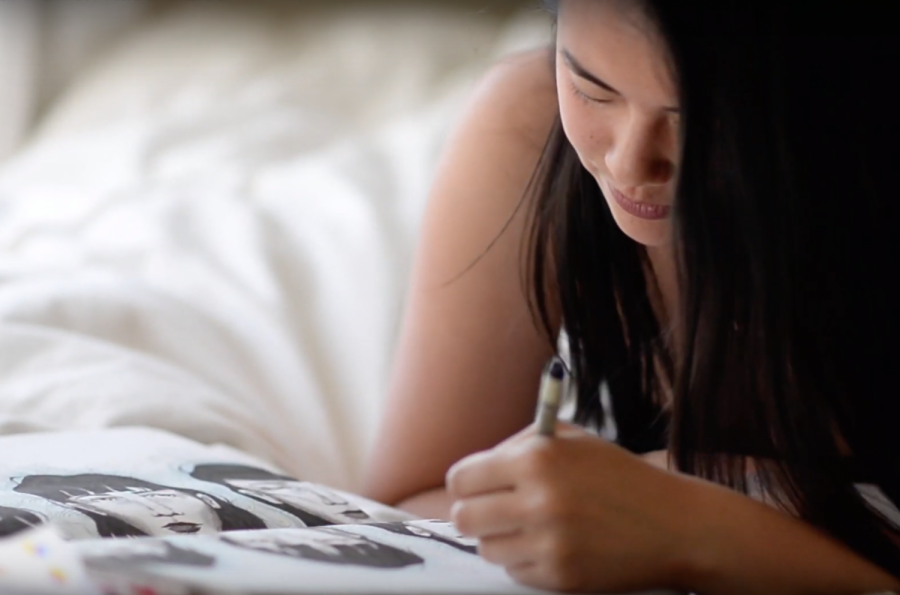
![“I think getting up in the morning and having a sense of purpose [is exciting]. I think without a certain amount of drive, life is kind of obsolete and mundane, and I think having that every single day is what makes each day unique and kind of makes life exciting,” Neymika Jain (12) said.](https://harkeraquila.com/wp-content/uploads/2017/06/Screen-Shot-2017-06-03-at-4.54.16-PM.png)
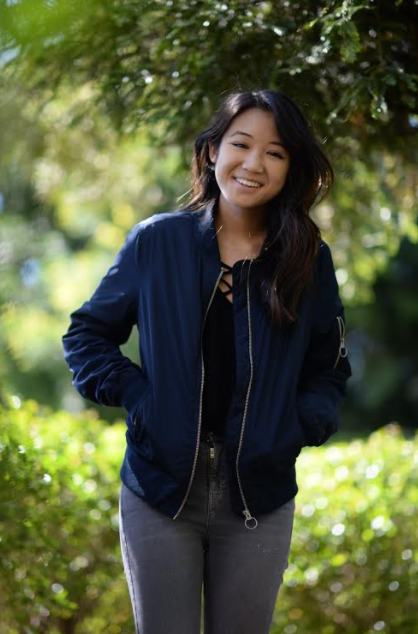
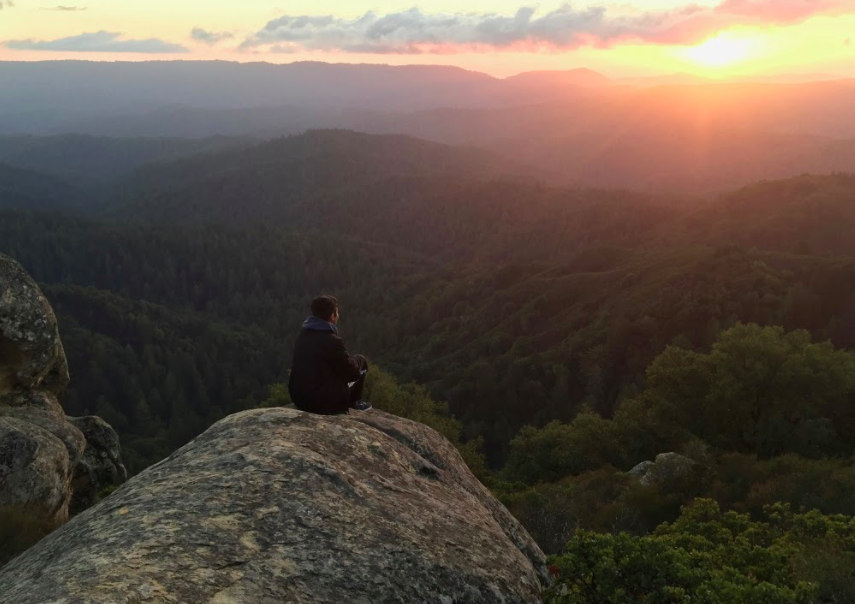
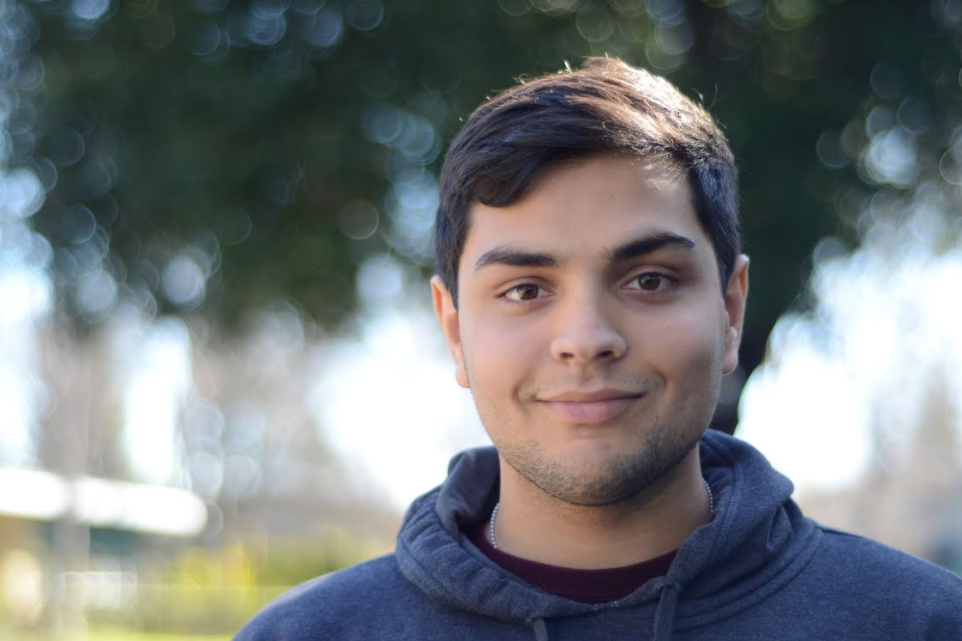
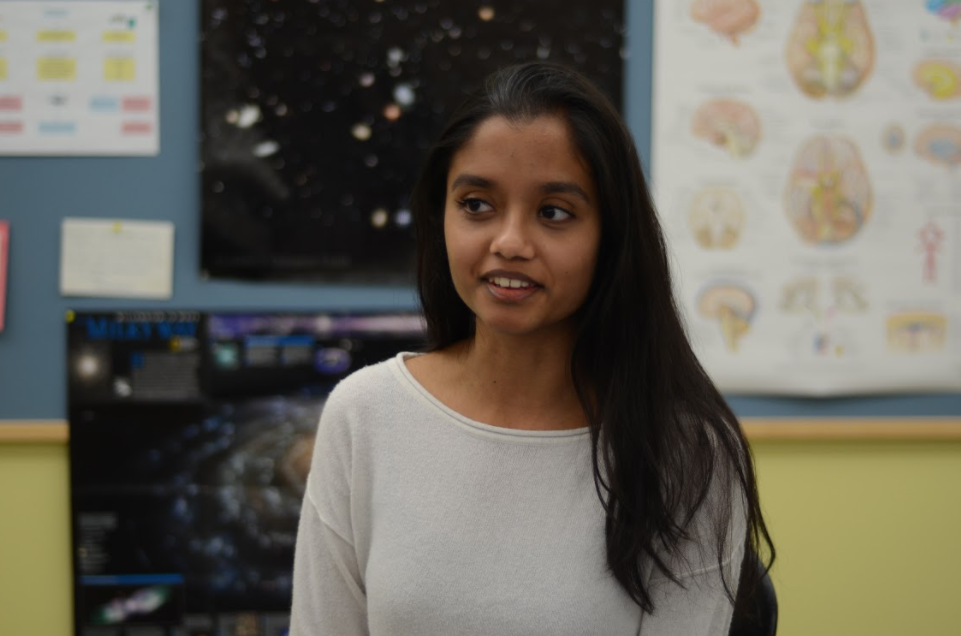
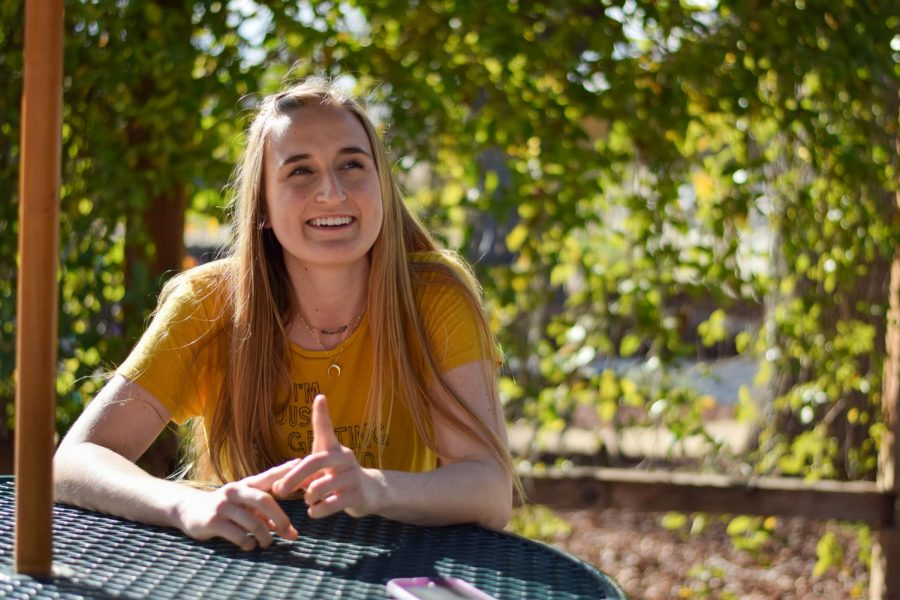
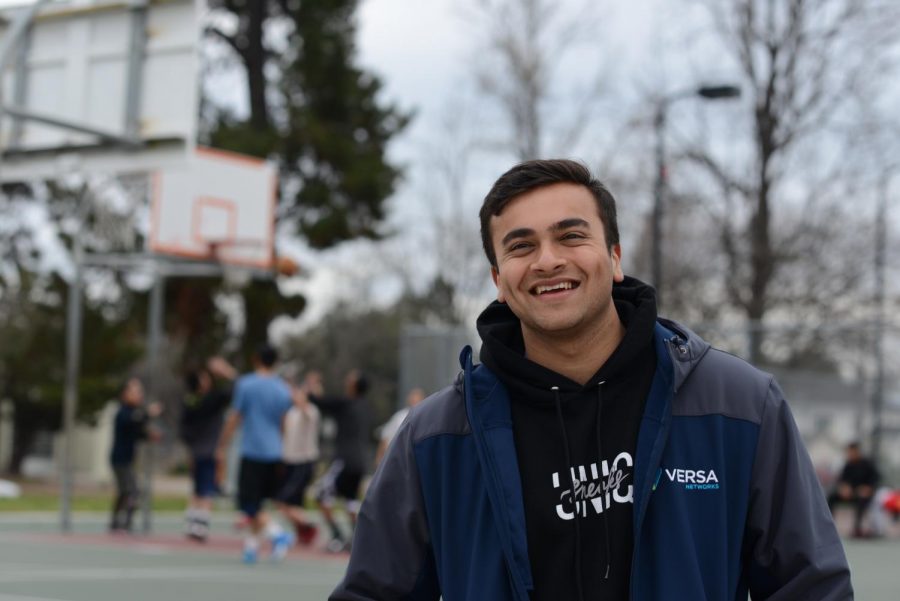
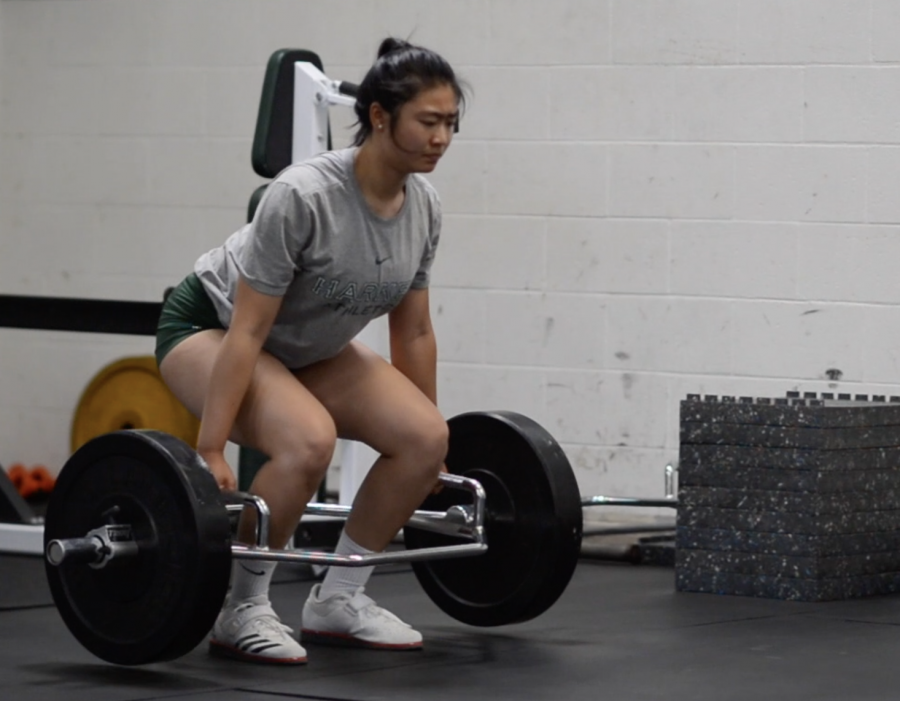

![“My slogan is ‘slow feet, don’t eat, and I’m hungry.’ You need to run fast to get where you are–you aren't going to get those championships if you aren't fast,” Angel Cervantes (12) said. “I want to do well in school on my tests and in track and win championships for my team. I live by that, [and] I can do that anywhere: in the classroom or on the field.”](https://harkeraquila.com/wp-content/uploads/2018/06/DSC5146-900x601.jpg)
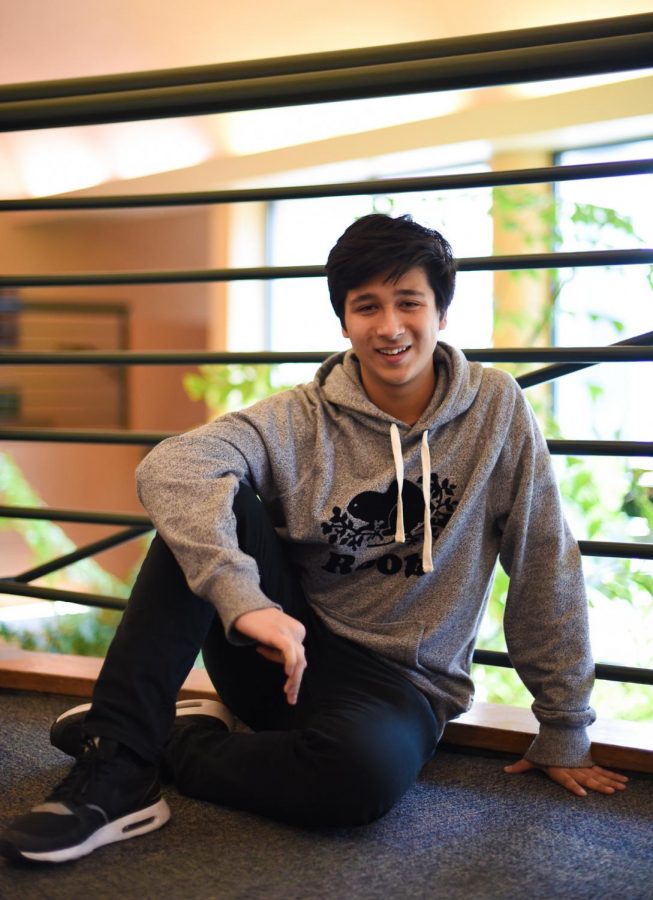
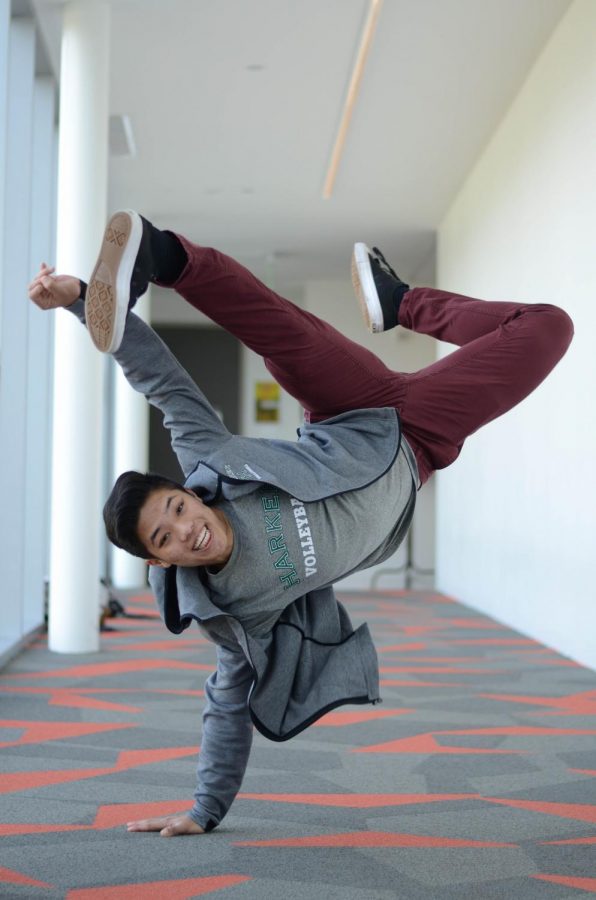
![“[Volleyball has] taught me how to fall correctly, and another thing it taught is that you don’t have to be the best at something to be good at it. If you just hit the ball in a smart way, then it still scores points and you’re good at it. You could be a background player and still make a much bigger impact on the team than you would think,” Anya Gert (’20) said.](https://harkeraquila.com/wp-content/uploads/2020/06/AnnaGert_JinTuan_HoHPhotoEdited-600x900.jpeg)
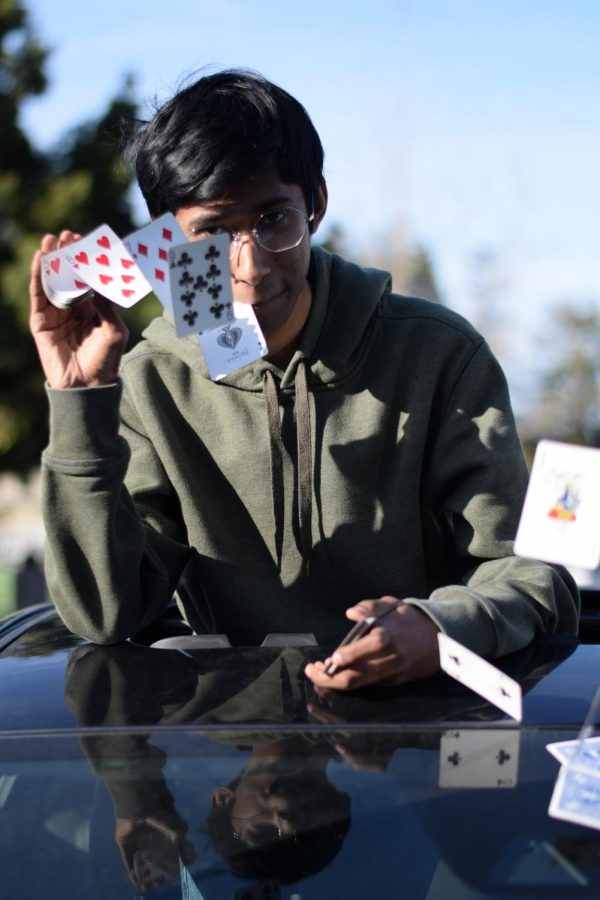
![“I'm not nearly there yet, but [my confidence has] definitely been getting better since I was pretty shy and timid coming into Harker my freshman year. I know that there's a lot of people that are really confident in what they do, and I really admire them. Everyone's so driven and that has really pushed me to kind of try to find my own place in high school and be more confident,” Alyssa Huang (’20) said.](https://harkeraquila.com/wp-content/uploads/2020/06/AlyssaHuang_EmilyChen_HoHPhoto-900x749.jpeg)


Deliver the facts, maintain neutrality. There exists a flawed perspective that journalists should strive for objectivity when reporting the news. Yet objectivity gives the impression of detachment and a disconnect from community — especially concerning given that journalism stands on a foundation of trust with its audience.
While covering stories like crane-folding for a teacher diagnosed with non-Hodgkins lymphoma and the concerning sexualization of minors in K-pop, I grasped the weight of trust placed upon me. As interviewees bared their souls, sharing their beliefs and doubts, hopes and fears, I felt honored to be entrusted with their narratives and struck by the intense empathy I was shown.
This empathy extended far beyond interviews. In my sophomore year, during times of stress and looming deadlines, I remember upperclassmen editors who offered reassurance and support, understanding the pressures of a new reporter all too well. And in my adviser, I found a mentor whose empathy knew no bounds. Through technical difficulties in website redesign and unexpected developments in live coverage, she offered her unwavering guidance and support.
Because of journalism, empathy seeped into every corner of my life, coloring my interactions with friends, family and strangers. It even spilled over to my academic pursuits, infusing my art historical analyses with a sense of compassion.
Last year, during my internship at the Asian Art Museum, I encountered the exhibition “Into View: Bernice Bing.” A woman, lesbian and Chinese American, Bing faced multiple layers of discrimination in a heterosexual male-dominated art world. Her story resonated deeply, and the journalist in me felt compelled to shine light on her experiences.
So I decided to plunge into my research with the drive and curiosity of an investigative journalist for my Near Mitra project. Despite the differences between academic and journalistic writing, I found that empathy remained a constant. It was essential to see Bing not as a subject confined to dusty archives, but as a multifaceted individual with dreams, struggles and a voice yearning to be heard.
For that reason, while I drew from an array of seminal sources to provide historical context for my paper, I also incorporated Bing’s quotes from retrospective interviews. I aimed to paint a nuanced, comprehensive portrait of Bing’s life — one that accurately represented the depth and richness of her experiences, both within and beyond her artistic endeavors.
As journalists, one of our primary goals is to honor the people we report on. This requires recognizing them as complex individuals, not merely subjects to study. If we omit compassion, our articles lose life and color, and we fail to do justice to their stories.
So to every storyteller out there, journalist or not, I urge you: let empathy, not objectivity, guide your storytelling. Embrace nuance and complexity, and honor each individual’s story with compassion.