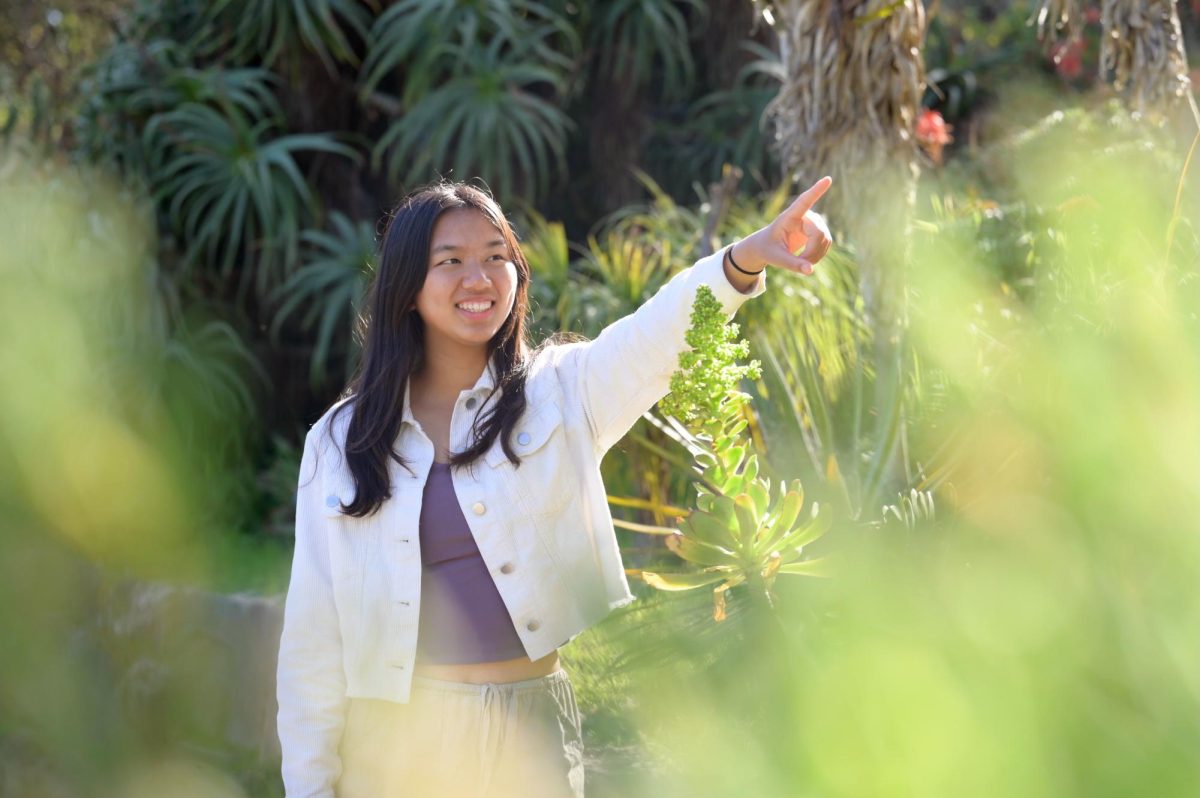
![“I wasn't discouraged by some of the obstacles we faced. I learned a lot from the leadership. I found that different people need different ways of receiving feedback — you can't [just] tell them to do something and expect the best. [Some] people needed more incentive. A large part of my role was to figure out what worked for everyone and to figure out how to lead all these separate individuals as a team,” Suhana Bhandare (’26) said.](https://harkeraquila.com/wp-content/uploads/2026/06/SuhanaBhandare_JasmineHansra-1-1200x798.jpg)
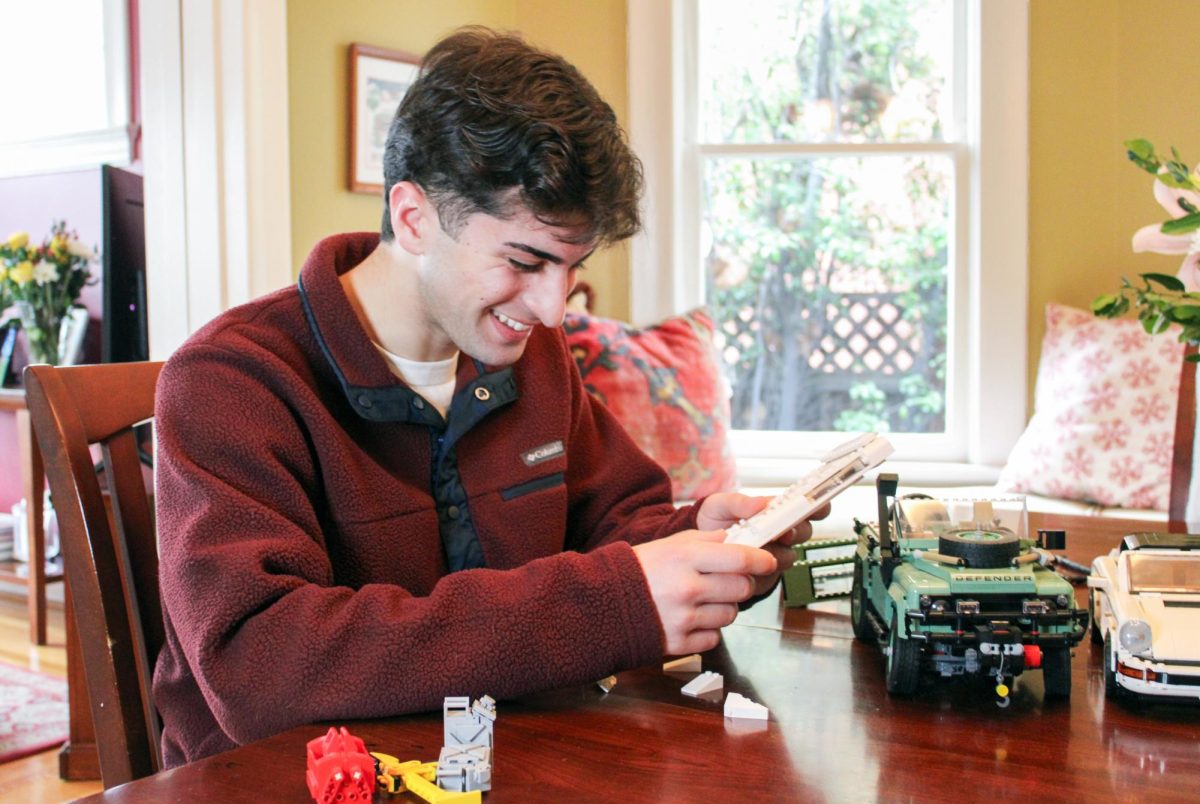
![“This is actually from Randy Pausch Randy P. Brick: ‘Walls are there for a reason. You have to show how much you want to overcome them.’ You have to show how much you want something. That's what I've always been able to do with tennis, Link Crew and getting that internship [with Kushy Baby]. It’s important pushing through that — getting around that brick wall, climbing over it or clawing through it,” Yash Sachdeva (’26) said.](https://harkeraquila.com/wp-content/uploads/2026/05/YashSachdeva_RamBatchu-copy-1200x1002.jpg)
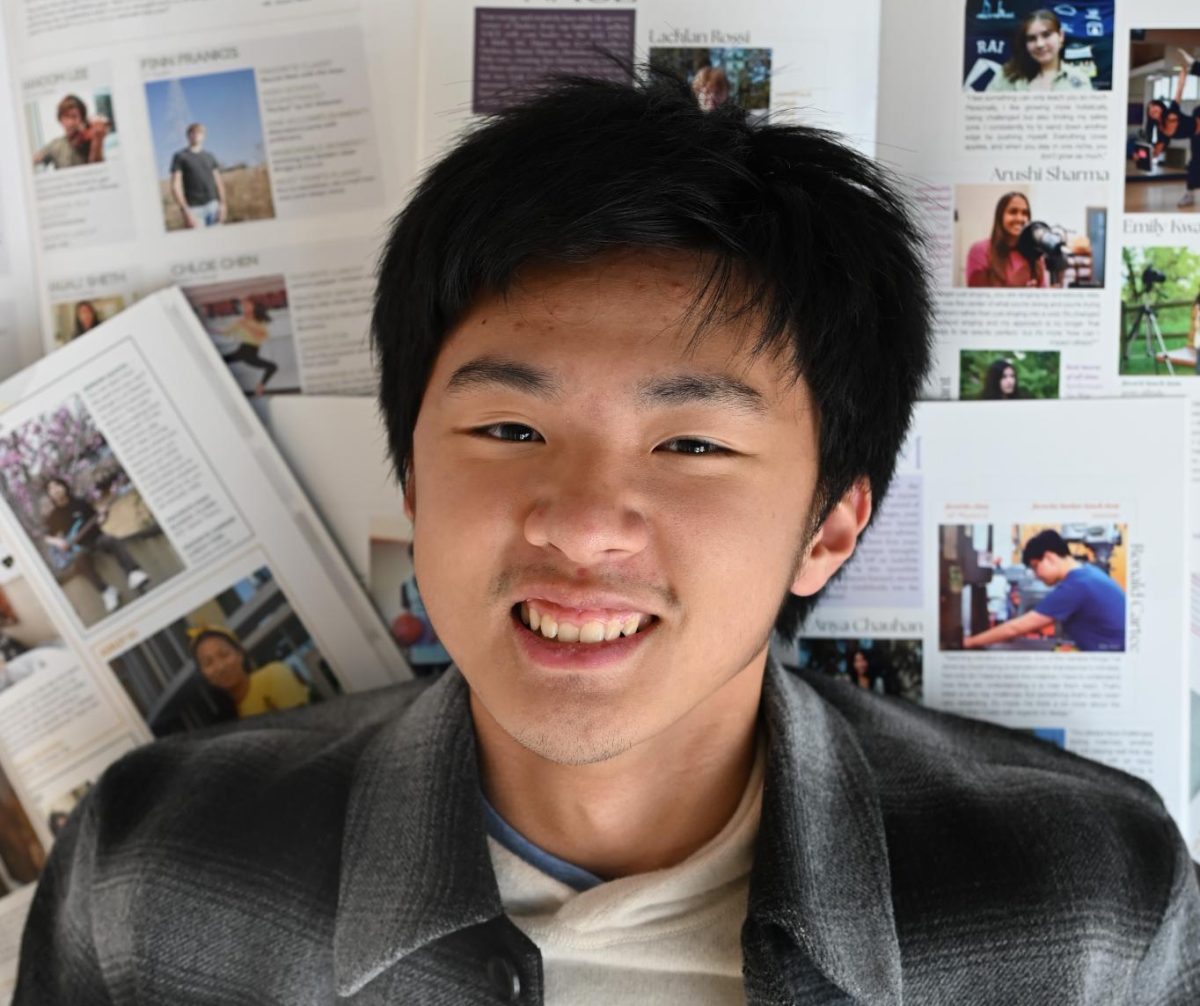
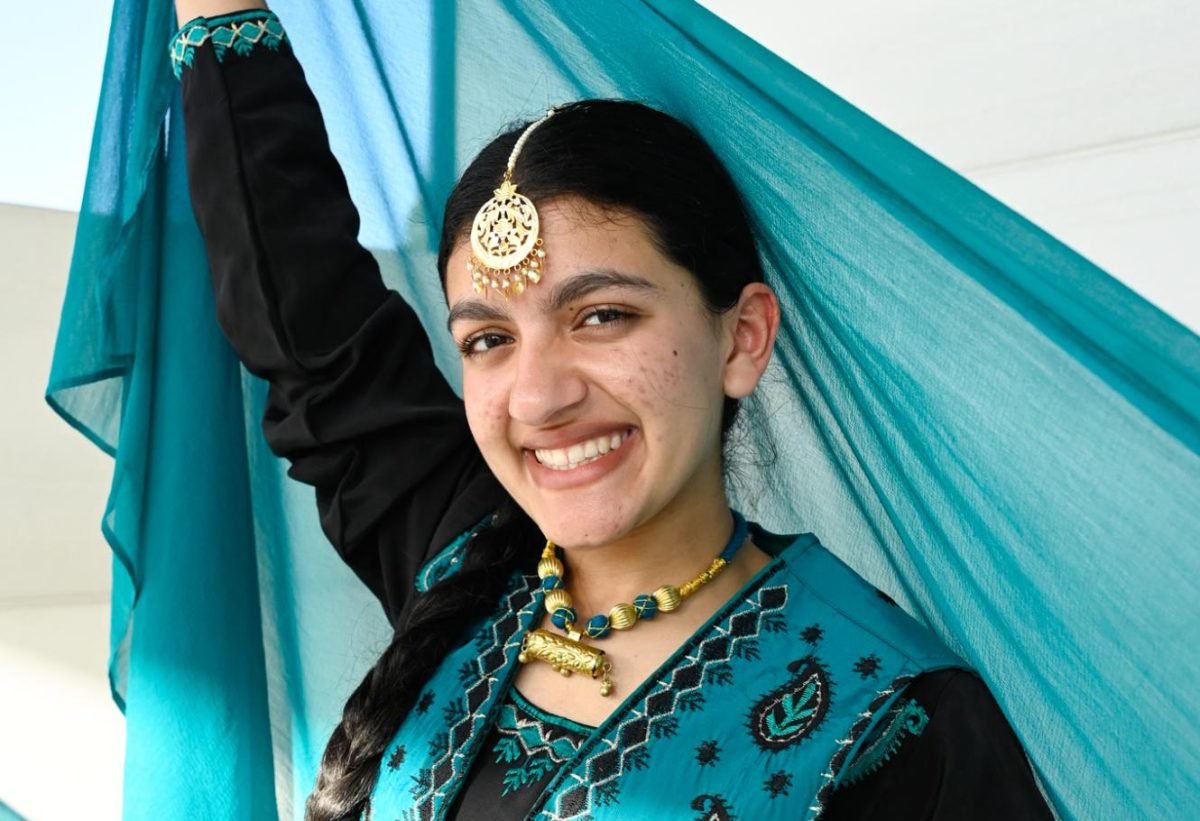
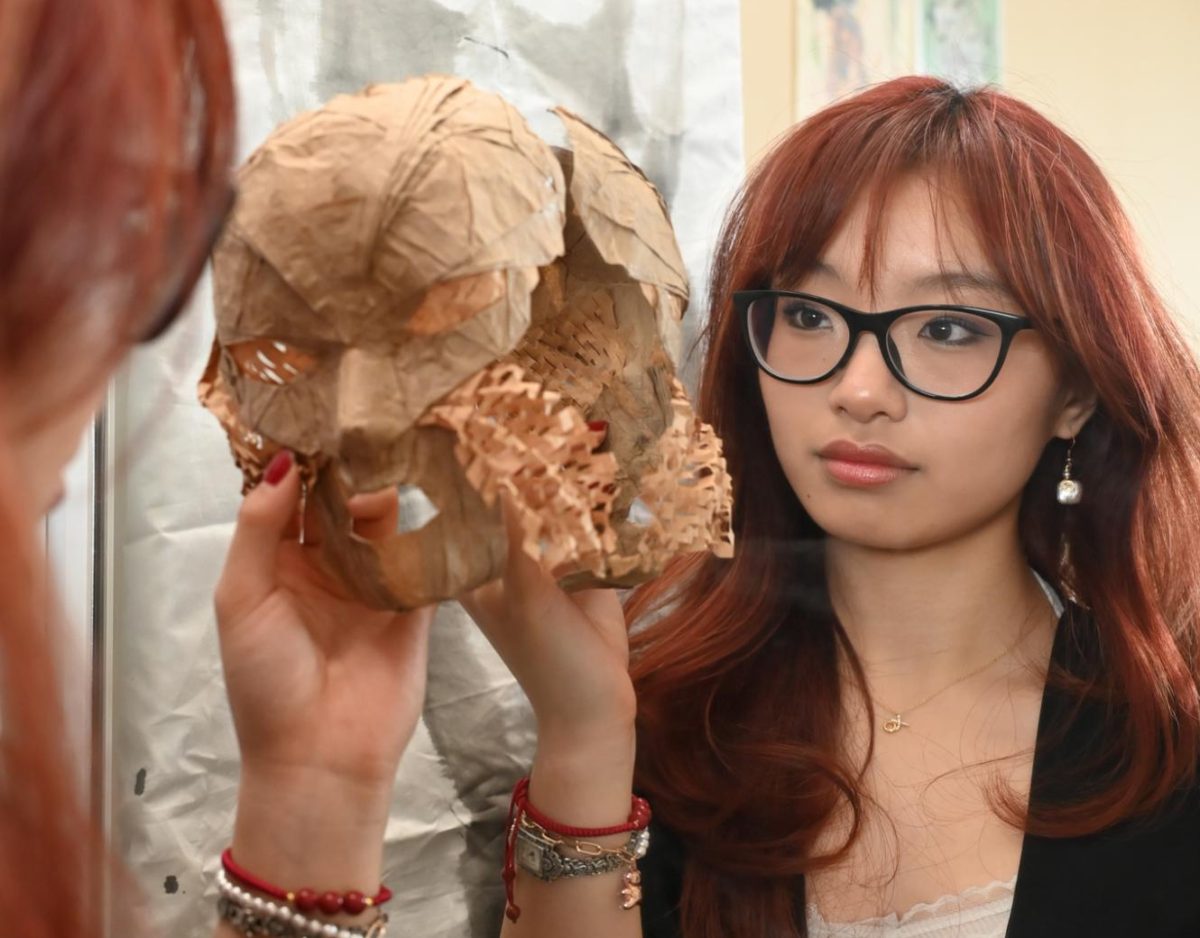

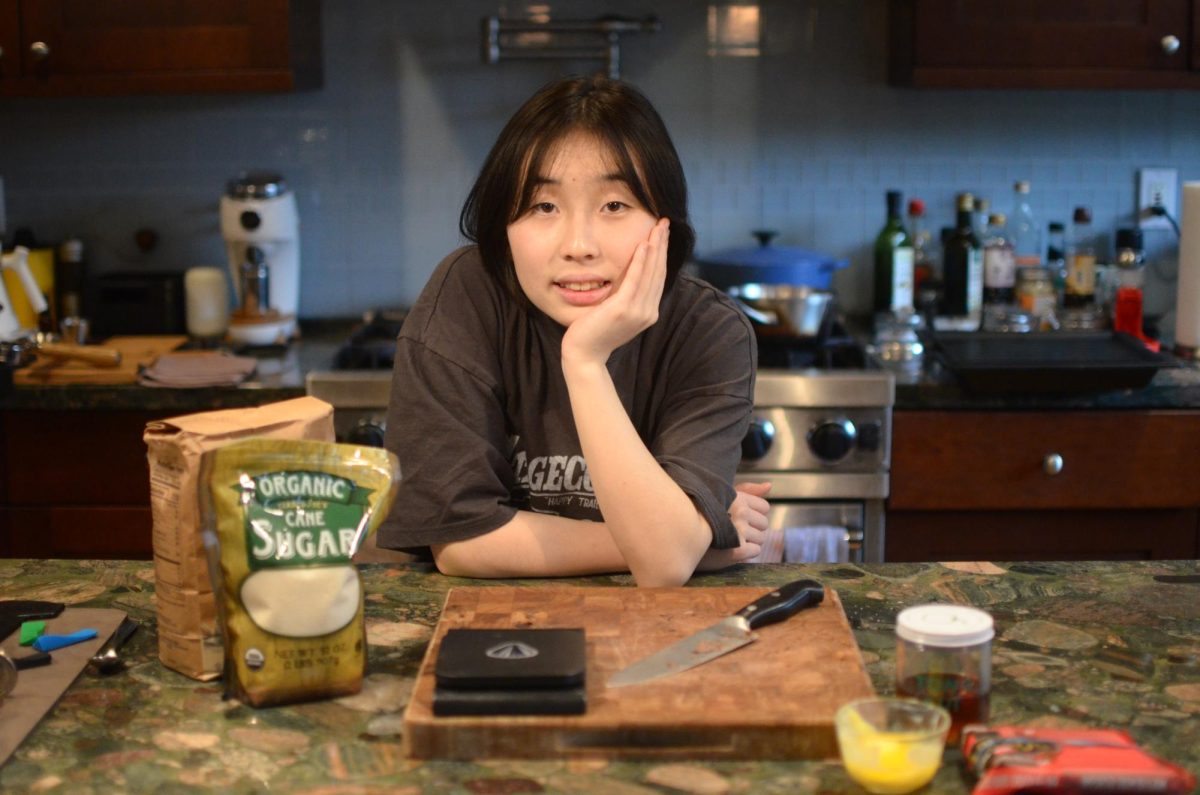


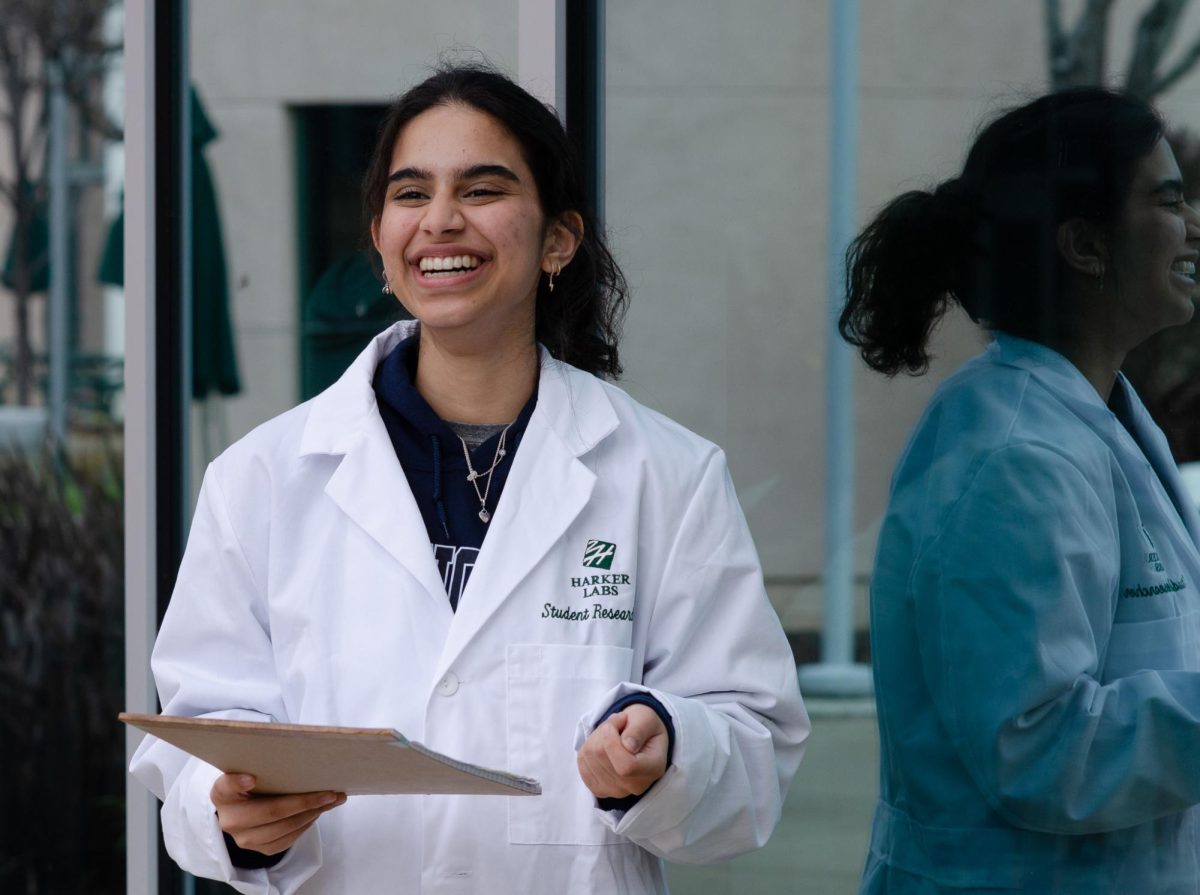
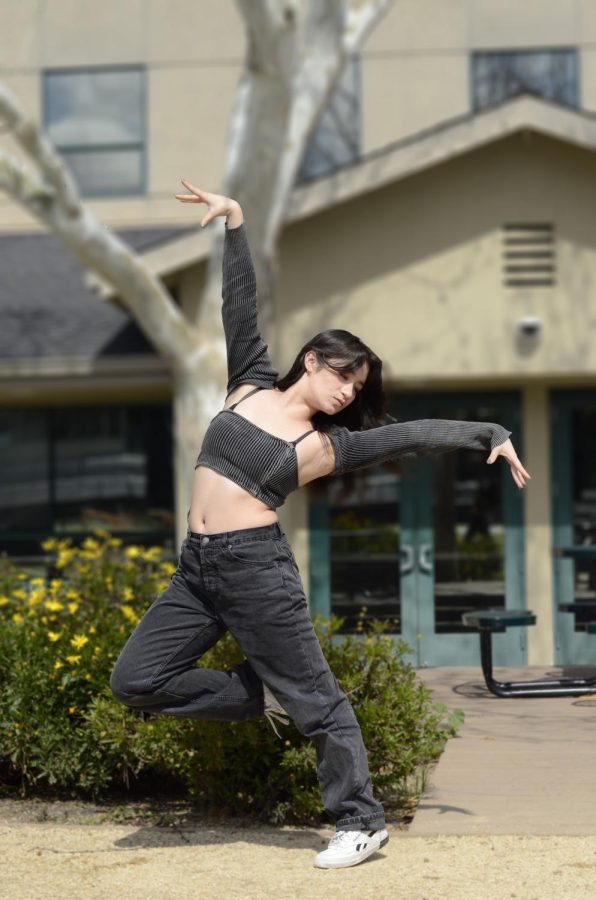
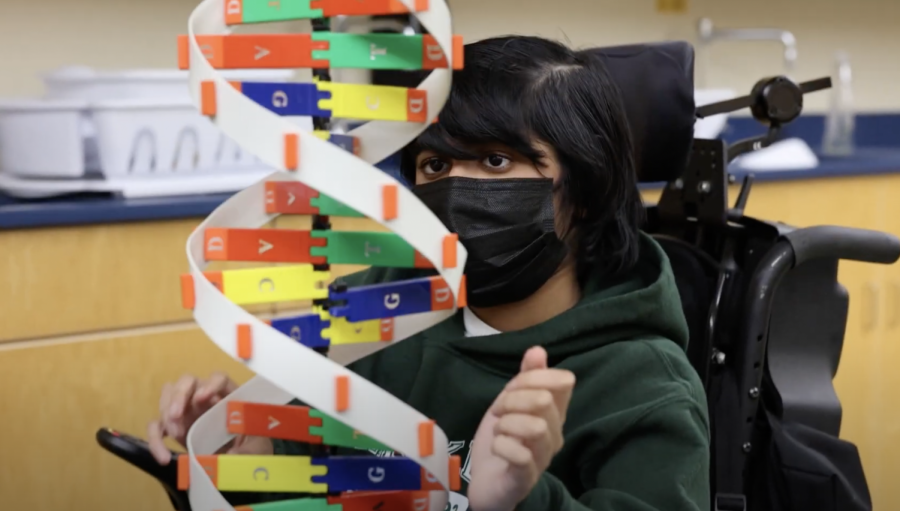
![“[Building nerf blasters] became this outlet of creativity for me that hasn't been matched by anything else. The process [of] making a build complete to your desire is such a painstakingly difficult process, but I've had to learn from [the skills needed from] soldering to proper painting. There's so many different options for everything, if you think about it, it exists. The best part is [that] if it doesn't exist, you can build it yourself," Ishaan Parate said.](https://harkeraquila.com/wp-content/uploads/2022/08/DSC_8149-900x604.jpg)
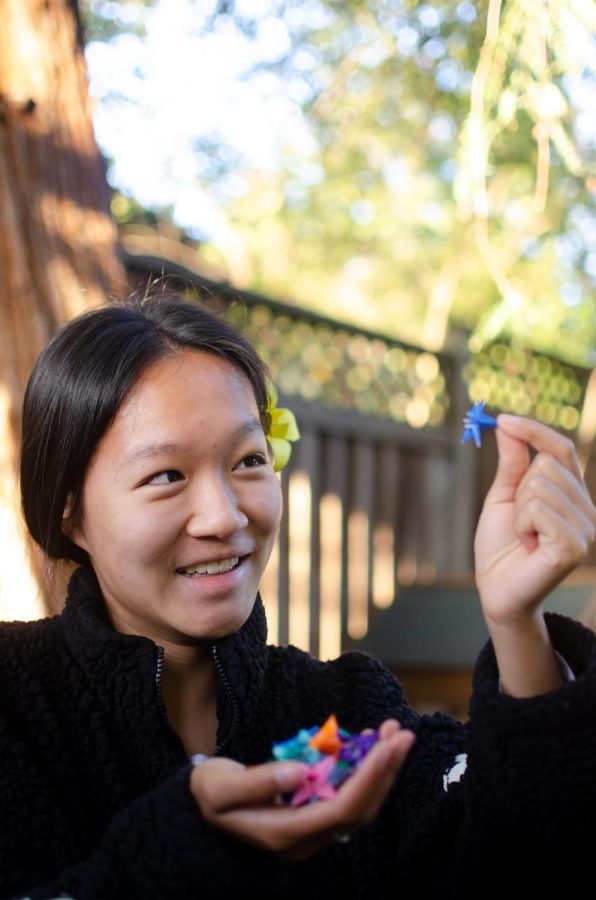
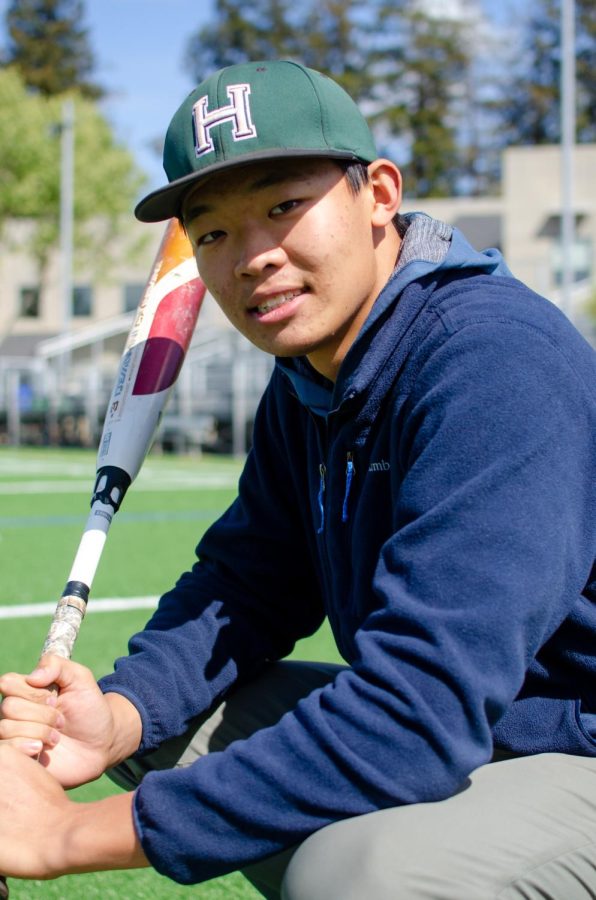
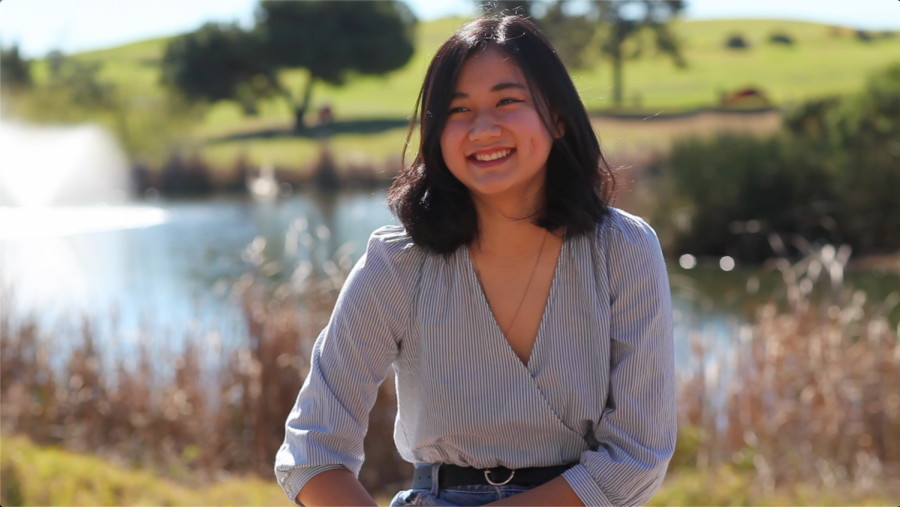
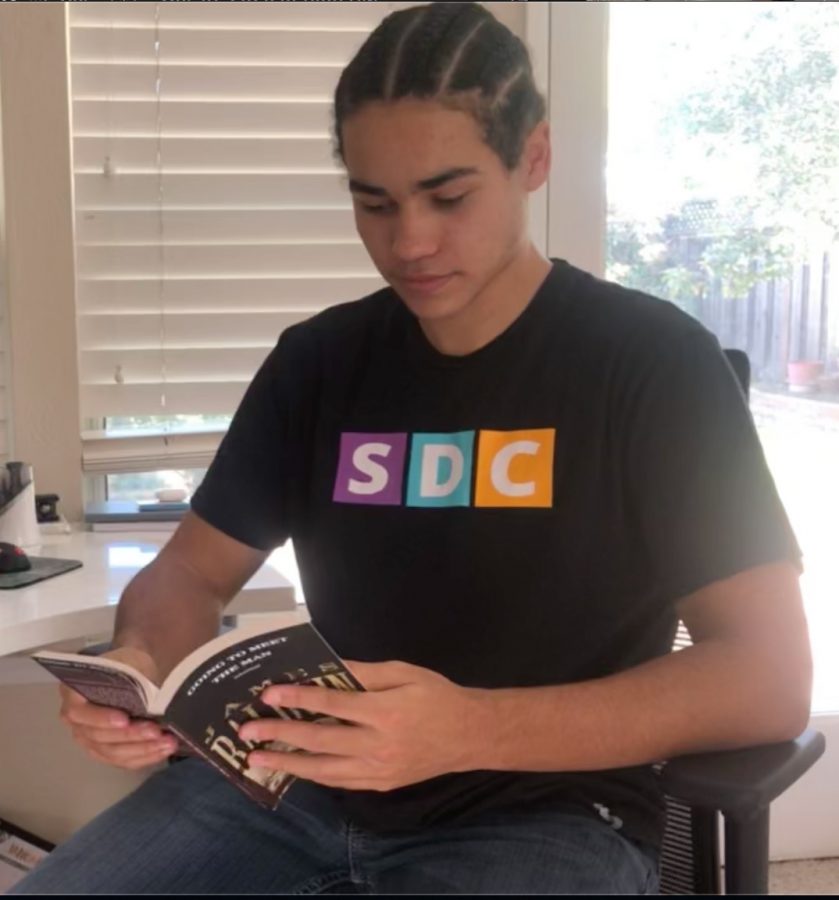
![“When I came into high school, I was ready to be a follower. But DECA was a game changer for me. It helped me overcome my fear of public speaking, and it's played such a major role in who I've become today. To be able to successfully lead a chapter of 150 students, an officer team and be one of the upperclassmen I once really admired is something I'm [really] proud of,” Anvitha Tummala ('21) said.](https://harkeraquila.com/wp-content/uploads/2021/07/Screen-Shot-2021-07-25-at-9.50.05-AM-900x594.png)

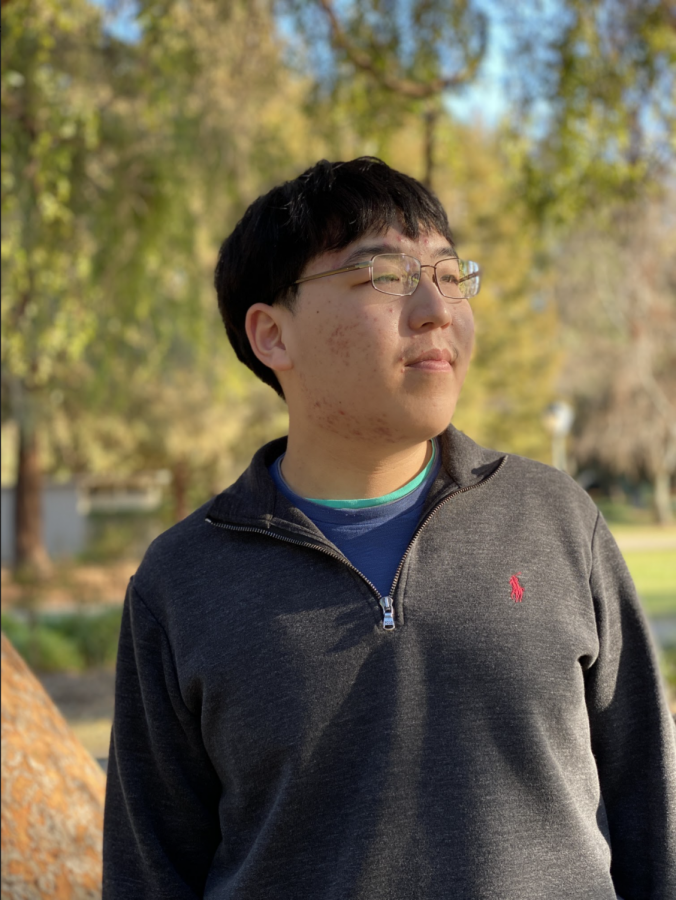
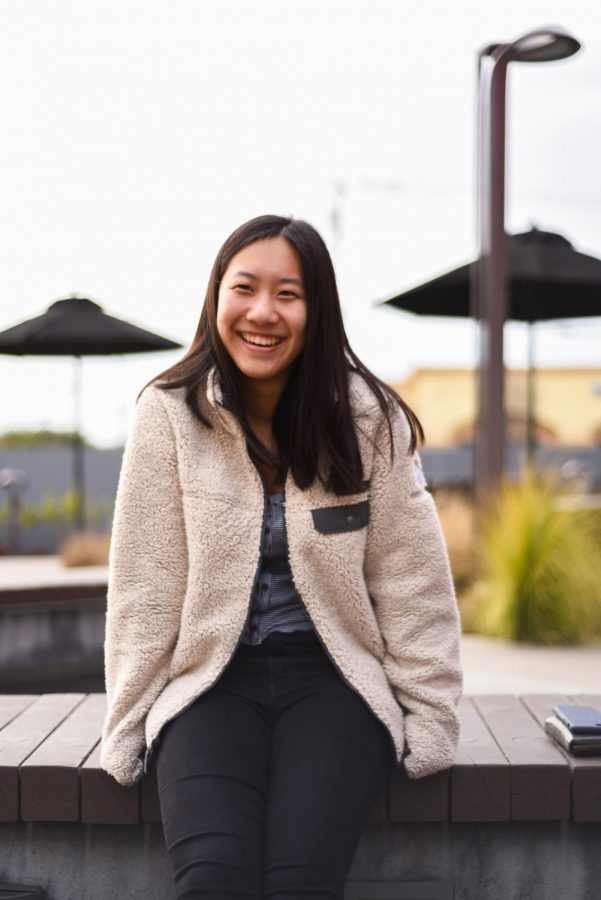
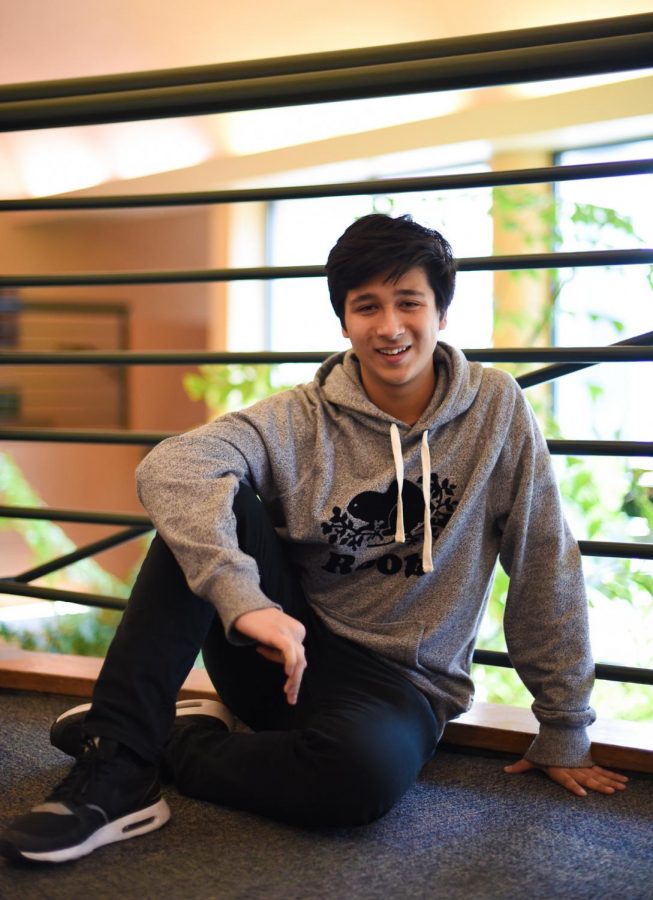

![“I think getting up in the morning and having a sense of purpose [is exciting]. I think without a certain amount of drive, life is kind of obsolete and mundane, and I think having that every single day is what makes each day unique and kind of makes life exciting,” Neymika Jain (12) said.](https://harkeraquila.com/wp-content/uploads/2017/06/Screen-Shot-2017-06-03-at-4.54.16-PM.png)
![“My slogan is ‘slow feet, don’t eat, and I’m hungry.’ You need to run fast to get where you are–you aren't going to get those championships if you aren't fast,” Angel Cervantes (12) said. “I want to do well in school on my tests and in track and win championships for my team. I live by that, [and] I can do that anywhere: in the classroom or on the field.”](https://harkeraquila.com/wp-content/uploads/2018/06/DSC5146-900x601.jpg)
![“[Volleyball has] taught me how to fall correctly, and another thing it taught is that you don’t have to be the best at something to be good at it. If you just hit the ball in a smart way, then it still scores points and you’re good at it. You could be a background player and still make a much bigger impact on the team than you would think,” Anya Gert (’20) said.](https://harkeraquila.com/wp-content/uploads/2020/06/AnnaGert_JinTuan_HoHPhotoEdited-600x900.jpeg)
![“I'm not nearly there yet, but [my confidence has] definitely been getting better since I was pretty shy and timid coming into Harker my freshman year. I know that there's a lot of people that are really confident in what they do, and I really admire them. Everyone's so driven and that has really pushed me to kind of try to find my own place in high school and be more confident,” Alyssa Huang (’20) said.](https://harkeraquila.com/wp-content/uploads/2020/06/AlyssaHuang_EmilyChen_HoHPhoto-900x749.jpeg)
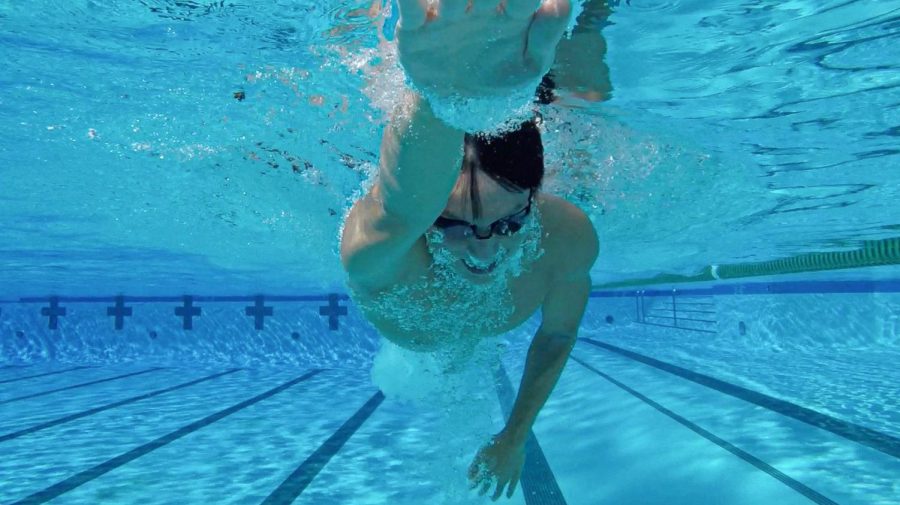

From a range of winning records to invaluable learning experiences, all seasons ultimately come to an end. But with every final hit, run or shot comes a new era: the off season.
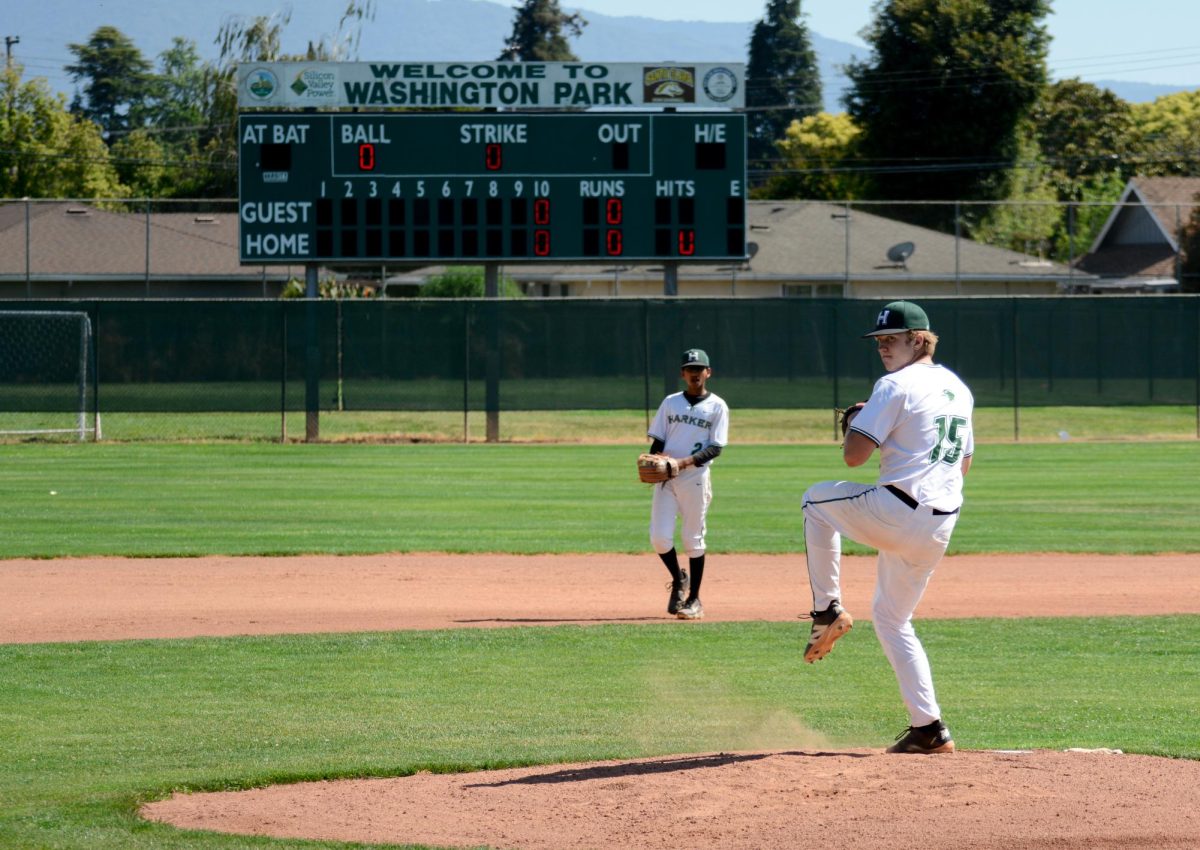
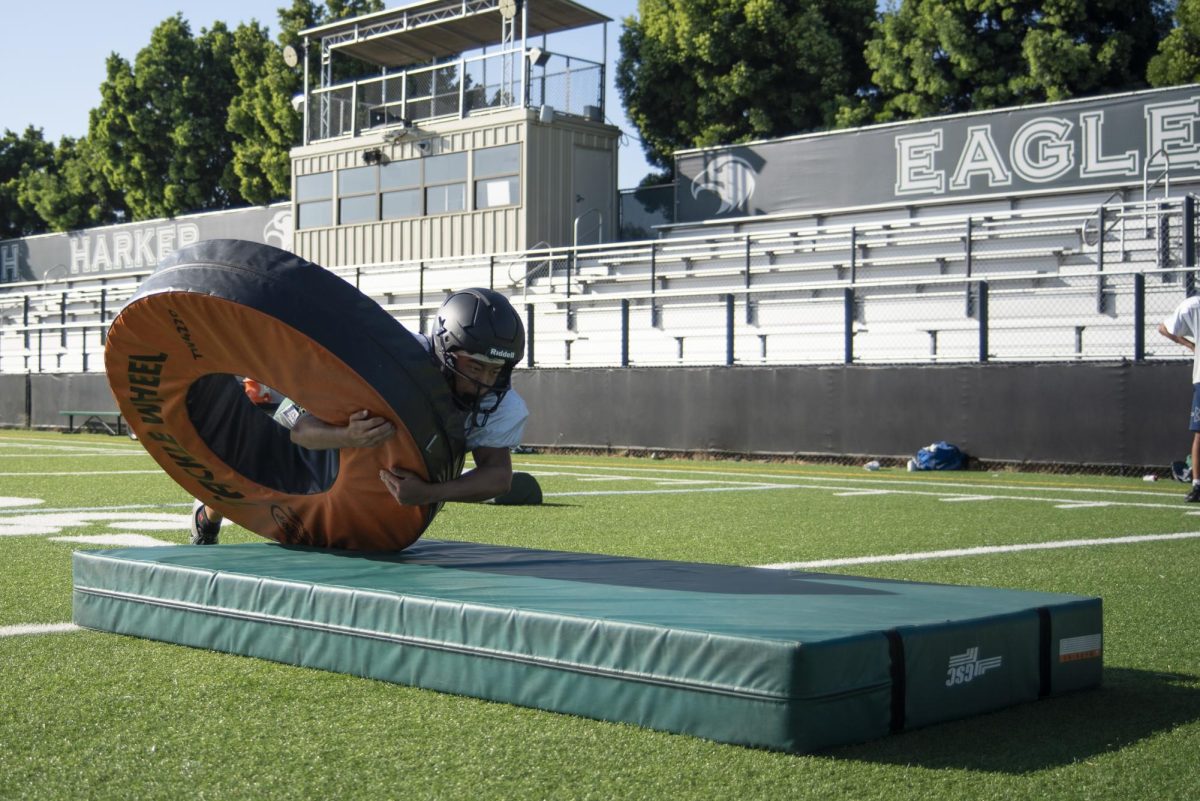
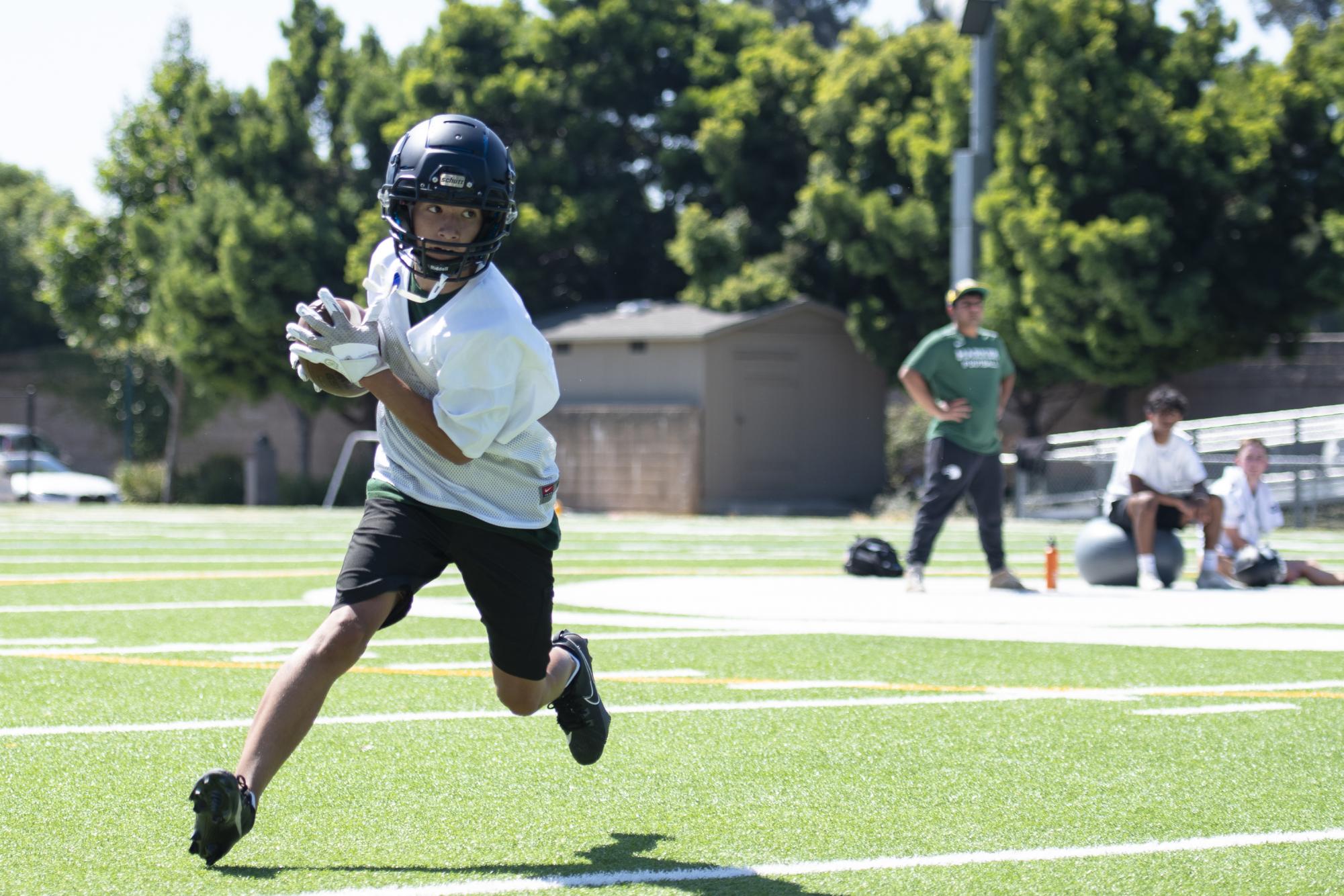
For high-paced sports like football, the game’s intensity calls for non-stop preparations. With fall sports recently resuming, running back Jackson Powell (10) notes how the Harker football team’s off-season training and routines during the summer directly contribute to their performance on the field during the season.
“We practice almost year-round to prepare for the season,” Jackson said. “While our coaches are flexible, everything from the team lifts to the walk-throughs [is] important. [They’re] what prepares us for the grind of the games.”
Injury prevention is another major aspect of the off-season. Jackson explains how head coach Sid Krishnamurthi’s off-season training plans include certain measures to limit injuries.
“We almost always play with low numbers and make sure everybody is in the best shape possible,” Jackson said. “To stay safe is one of [Coach Krishnamurthi’s] biggest things.”
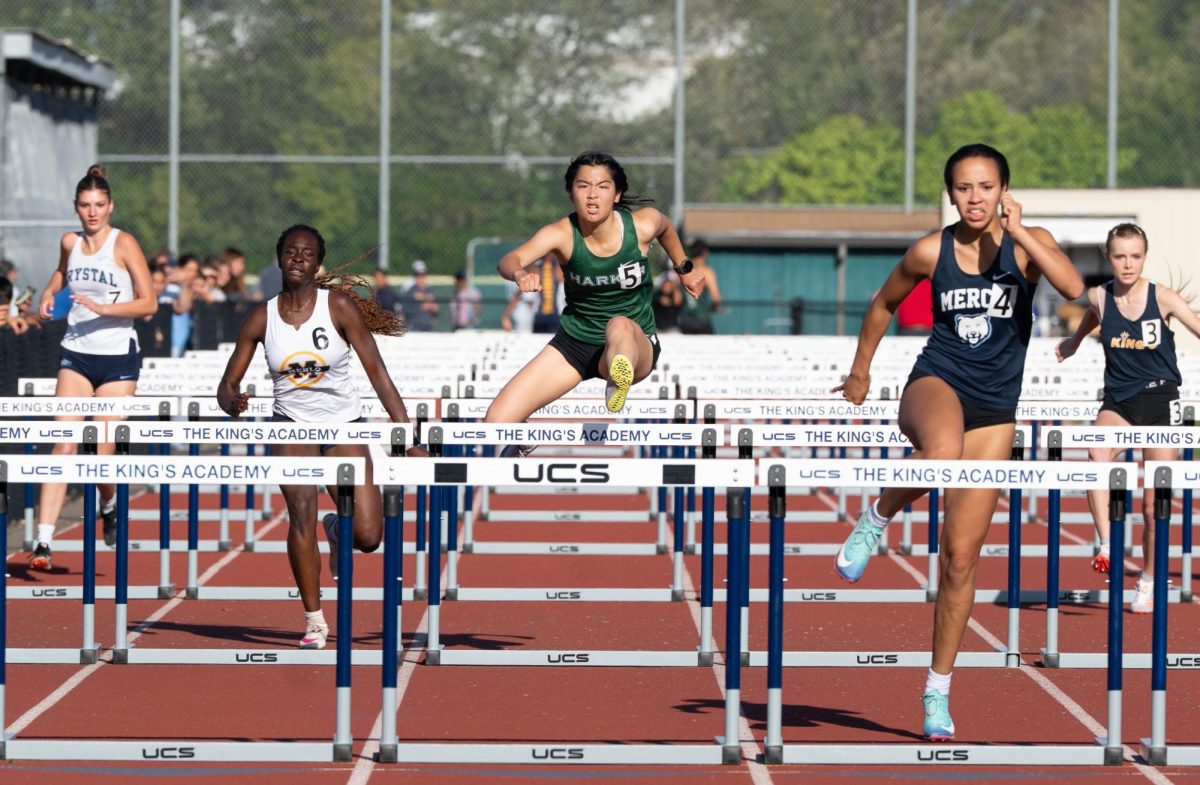
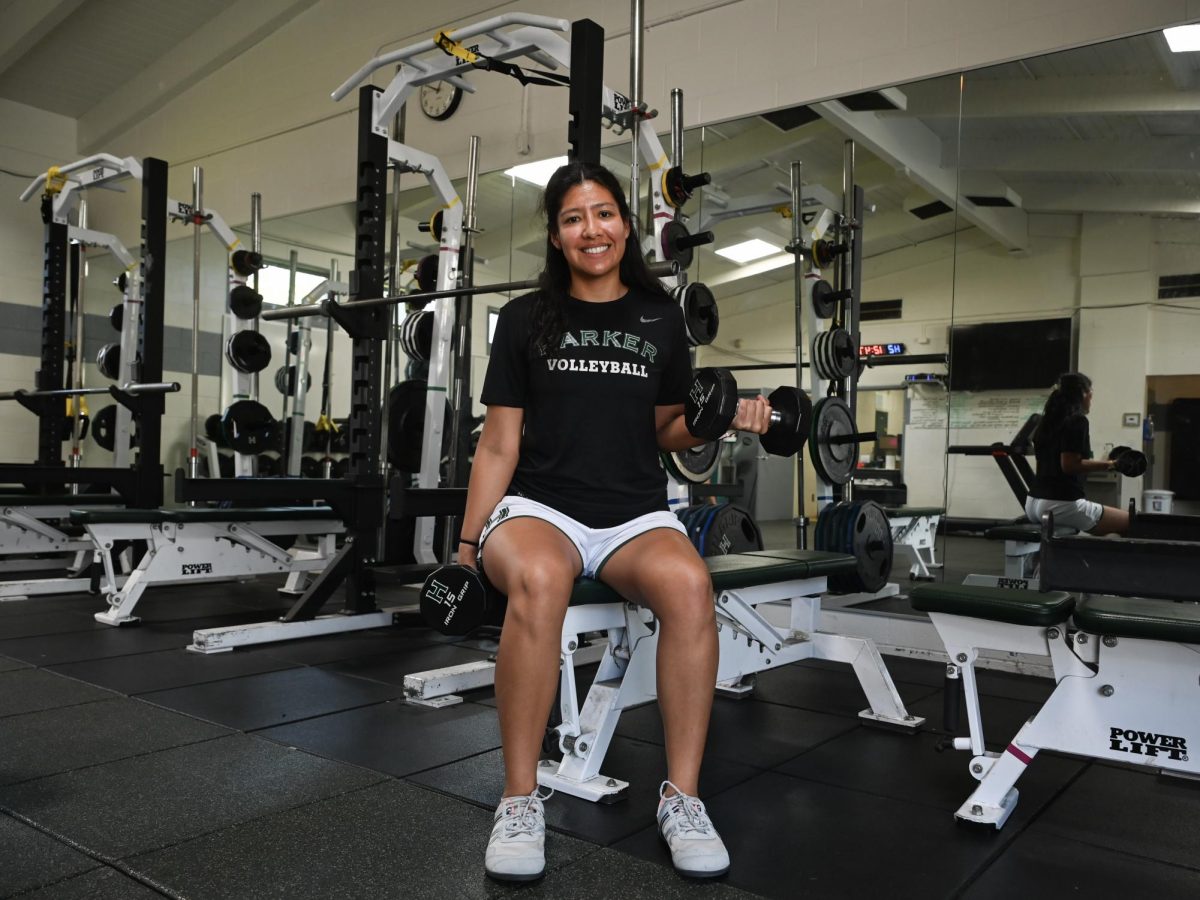
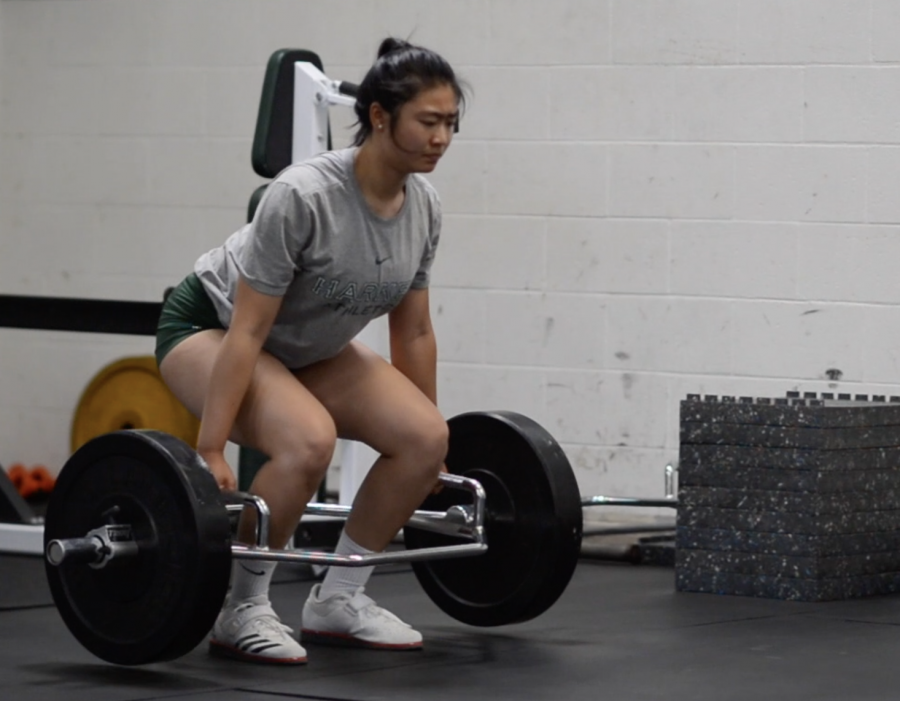
In order to reduce the risk of injuries, many athletes take part in weight training during the off-season. Track and field athlete Anjali Yella (12) describes how physical strength is crucial for runners.
“[Track and field is] a sport where it’s not so much based on your skills like playing with a ball — it’s based on maximizing your physical performance on a given length or distance,” Anjali said. “We lift weights to make ourselves stronger and be able to put more power down.”
Anjali believes that the brevity of competing during the regular season calls for more reliance on the off-season to improve, as the off-season ultimately paves the way for success during competitions.
“In-season, there’s only a certain amount of time where you can increase your speed or increase your power — most of that comes from the off-season,” Anjali said. “You want to have a progression within the season, and if you don’t have a good off-season, you’re limited to just those few months to actually get faster, which is pretty difficult.”
Like Anjali, varsity basketball player Emily Mitnick (11) notes how prioritizing physical strength during the off-season makes for a smoother transition into the regular season. She expands on how a strong performance during games connects back to the work done before the official start of the season.
“Something that is really important about off-season training is building your strength,” Emily said. “If you want to be a team that wins championships, then you also need to have the strength to prevent injuries, and then you also need to progress in your skills.”
On top of the physical aspect of preparations, Emily recalls how Harker’s summer basketball league offered her a chance to form new relationships with future teammates — something that the regular season doesn’t allow for as easily due to the high-stake environment.
“The [frosh and I] got to play with each other before the real season starts, and that’s really important because you should bond with your teammates before you have to play in a high pressure [and] high-stress situation,” Emily said. “We build a bond that is harder to build when you’re in the regular season because the juniors, sophomores and seniors all know each other already, so it’s hard to join the group when you don’t know the inside jokes or the history of their season.”
From cross-country athlete Kai Nishimura’s (9) perspective, his time with the team in the off-season helps strengthen his bonds with his teammates, highlighting the importance of forming a tight-knit community within the team during training.
“As an incoming freshman, I find the team very welcoming,” Kai said. “Everyone is super nice, and the upperclassmen have been extremely supportive throughout the practices … The friendly competition between teammates allows us to push ourselves while making the practices more fun.”
Additional reporting by Gemma Chan and Gabe Sachse.