


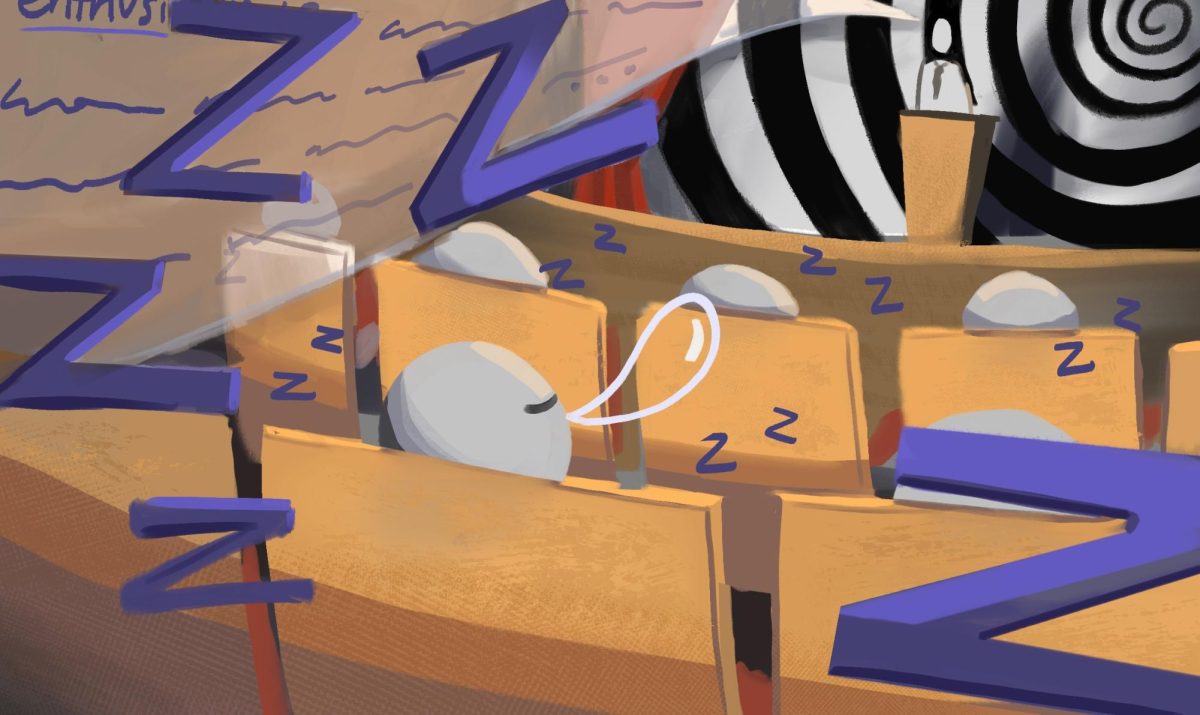
![“I wasn't discouraged by some of the obstacles we faced. I learned a lot from the leadership. I found that different people need different ways of receiving feedback — you can't [just] tell them to do something and expect the best. [Some] people needed more incentive. A large part of my role was to figure out what worked for everyone and to figure out how to lead all these separate individuals as a team,” Suhana Bhandare (’26) said.](https://harkeraquila.com/wp-content/uploads/2026/06/SuhanaBhandare_JasmineHansra-1-1200x798.jpg)
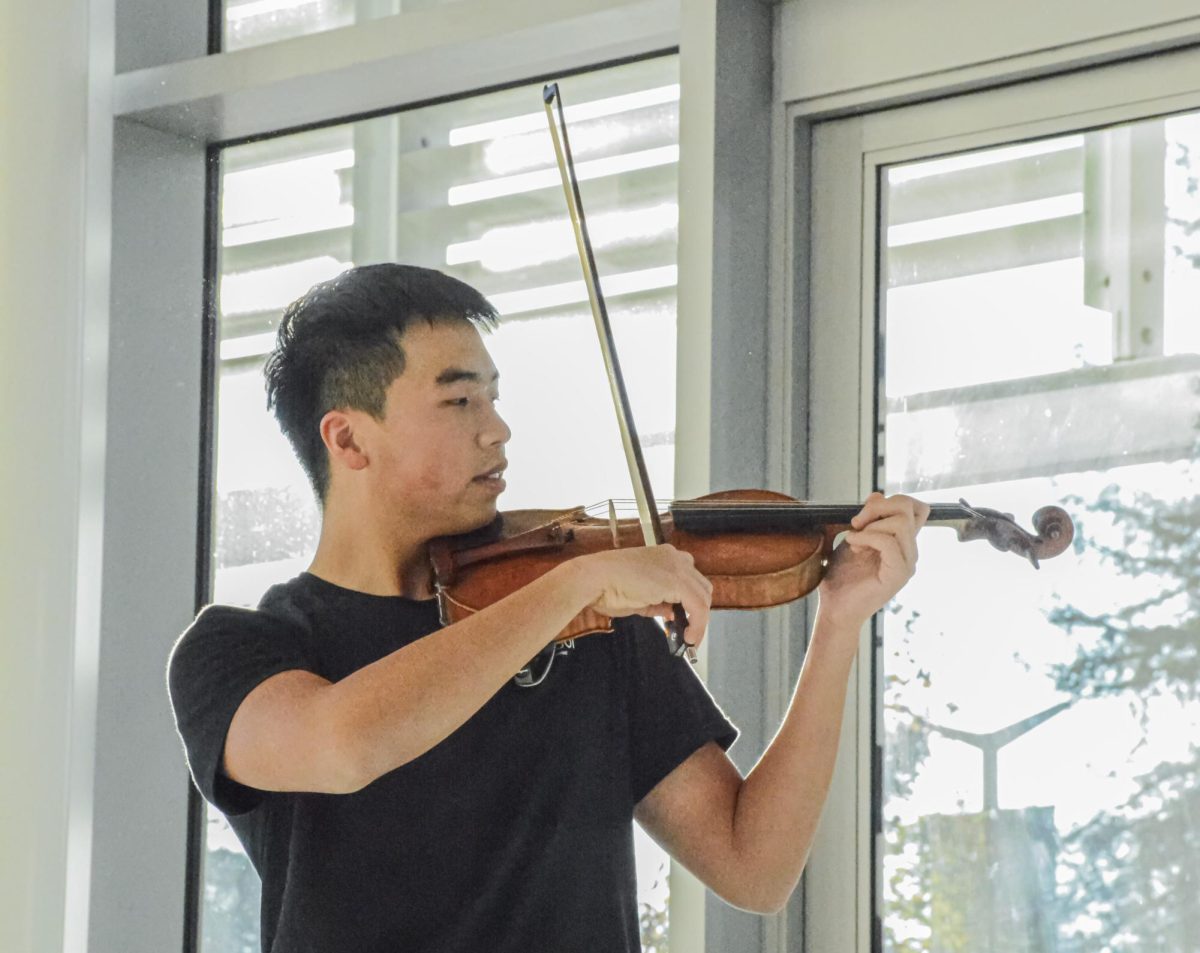

![“This is actually from Randy Pausch Randy P. Brick: ‘Walls are there for a reason. You have to show how much you want to overcome them.’ You have to show how much you want something. That's what I've always been able to do with tennis, Link Crew and getting that internship [with Kushy Baby]. It’s important pushing through that — getting around that brick wall, climbing over it or clawing through it,” Yash Sachdeva (’26) said.](https://harkeraquila.com/wp-content/uploads/2026/05/YashSachdeva_RamBatchu-copy-1200x1002.jpg)









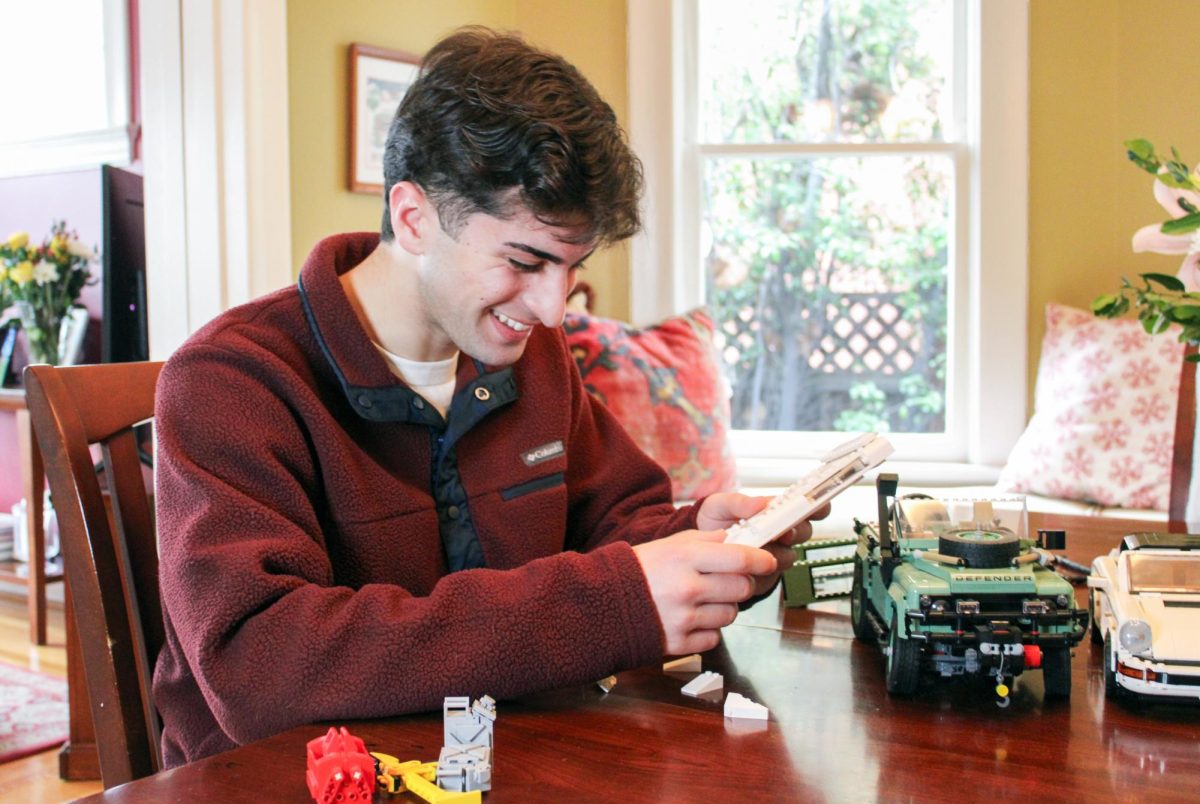



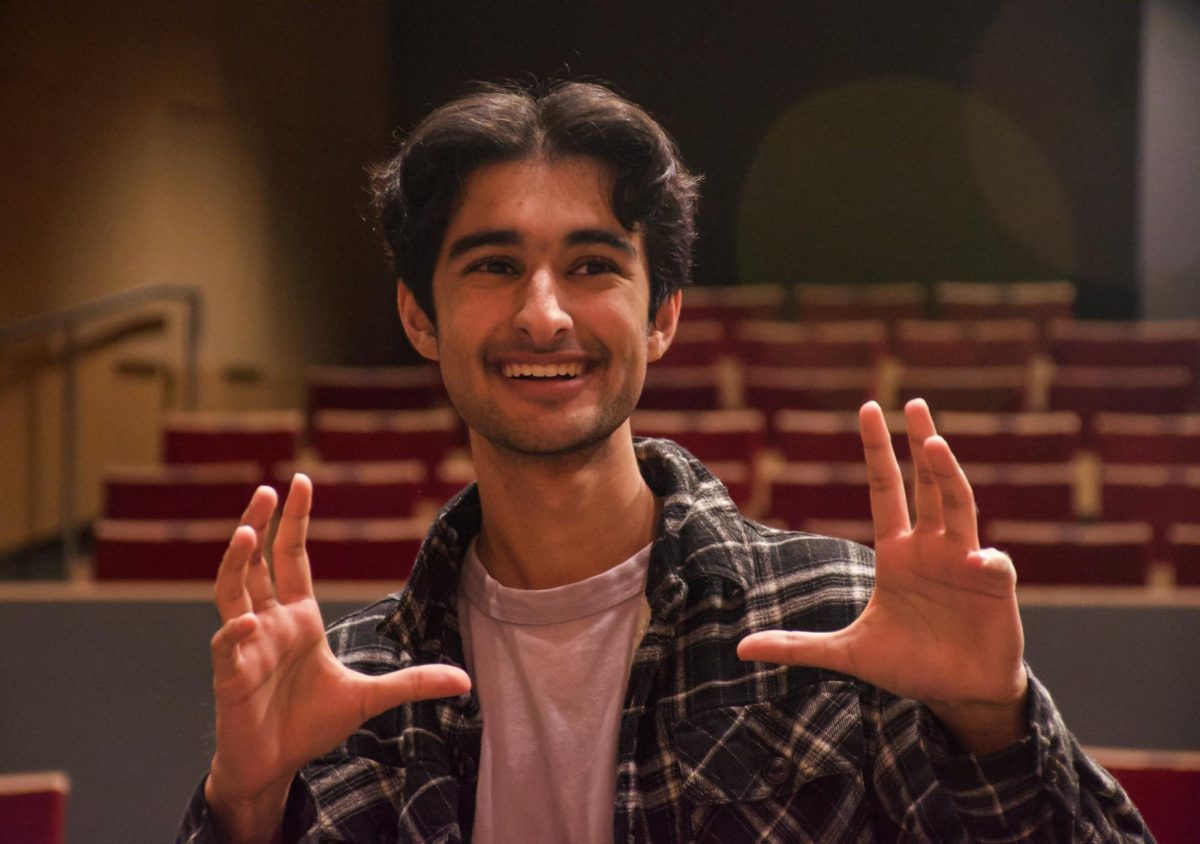



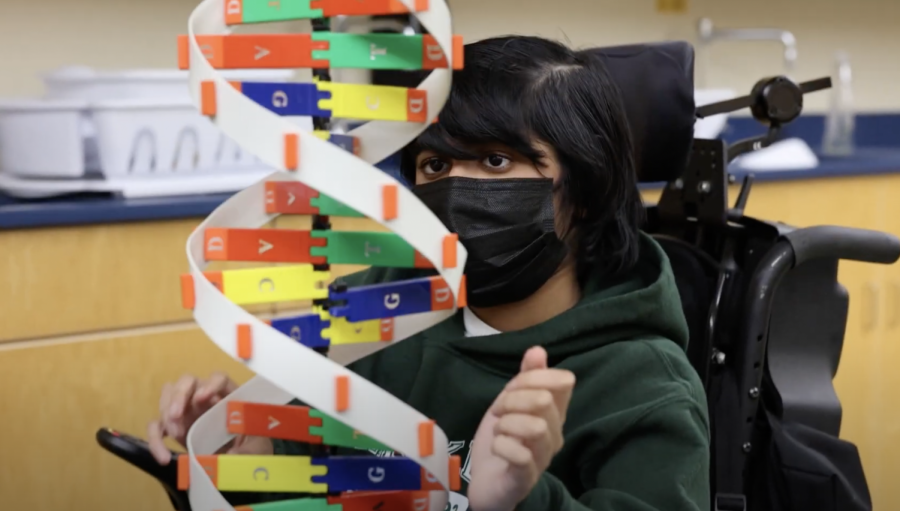
![“[Building nerf blasters] became this outlet of creativity for me that hasn't been matched by anything else. The process [of] making a build complete to your desire is such a painstakingly difficult process, but I've had to learn from [the skills needed from] soldering to proper painting. There's so many different options for everything, if you think about it, it exists. The best part is [that] if it doesn't exist, you can build it yourself," Ishaan Parate said.](https://harkeraquila.com/wp-content/uploads/2022/08/DSC_8149-900x604.jpg)



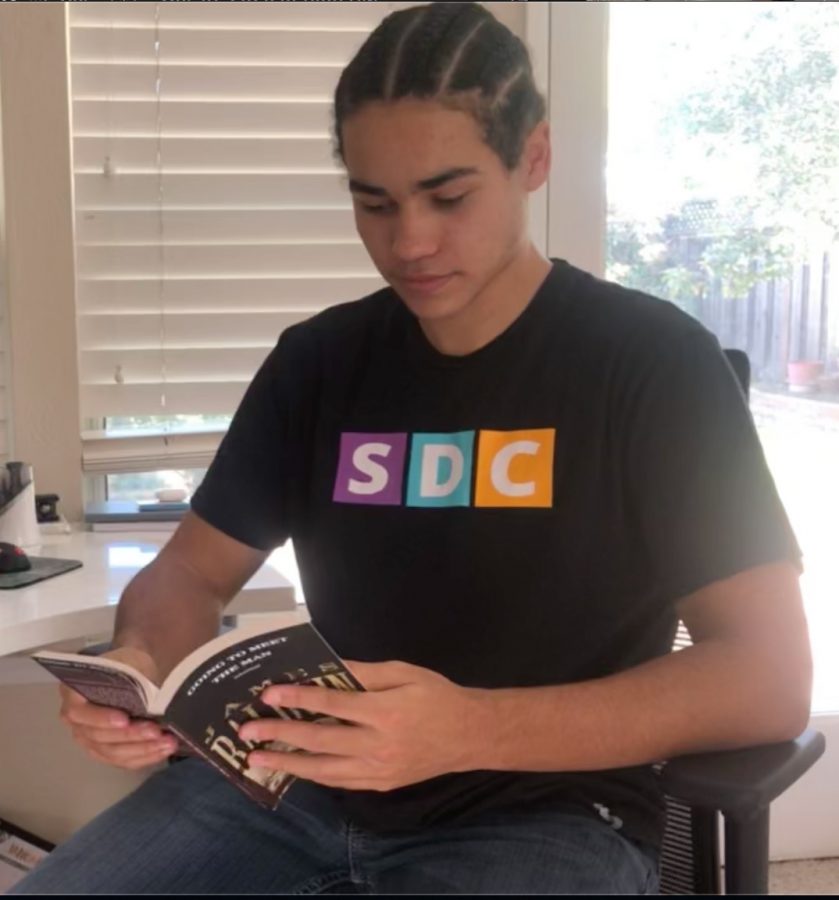
![“When I came into high school, I was ready to be a follower. But DECA was a game changer for me. It helped me overcome my fear of public speaking, and it's played such a major role in who I've become today. To be able to successfully lead a chapter of 150 students, an officer team and be one of the upperclassmen I once really admired is something I'm [really] proud of,” Anvitha Tummala ('21) said.](https://harkeraquila.com/wp-content/uploads/2021/07/Screen-Shot-2021-07-25-at-9.50.05-AM-900x594.png)

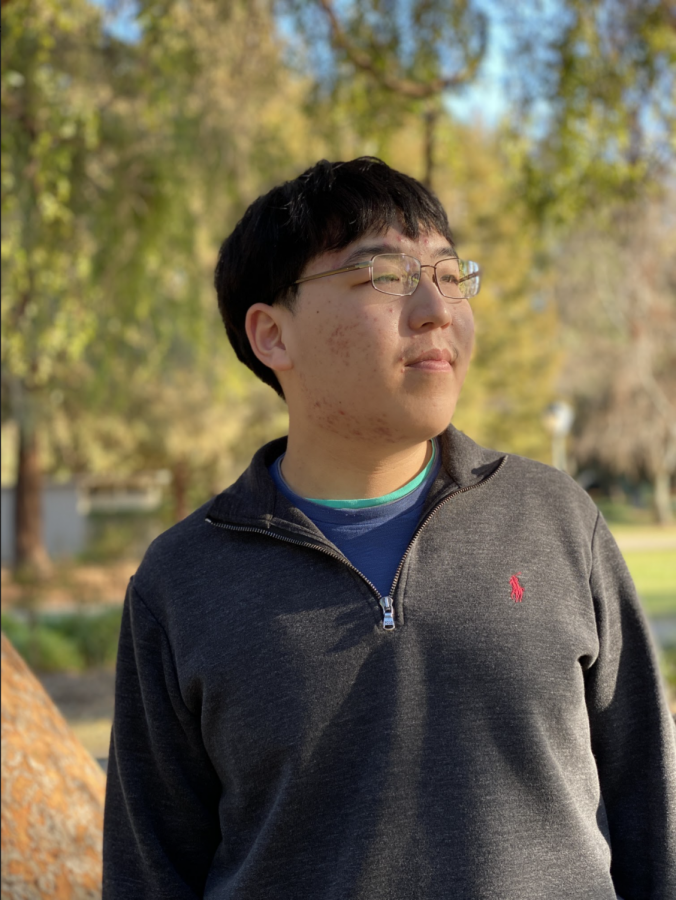


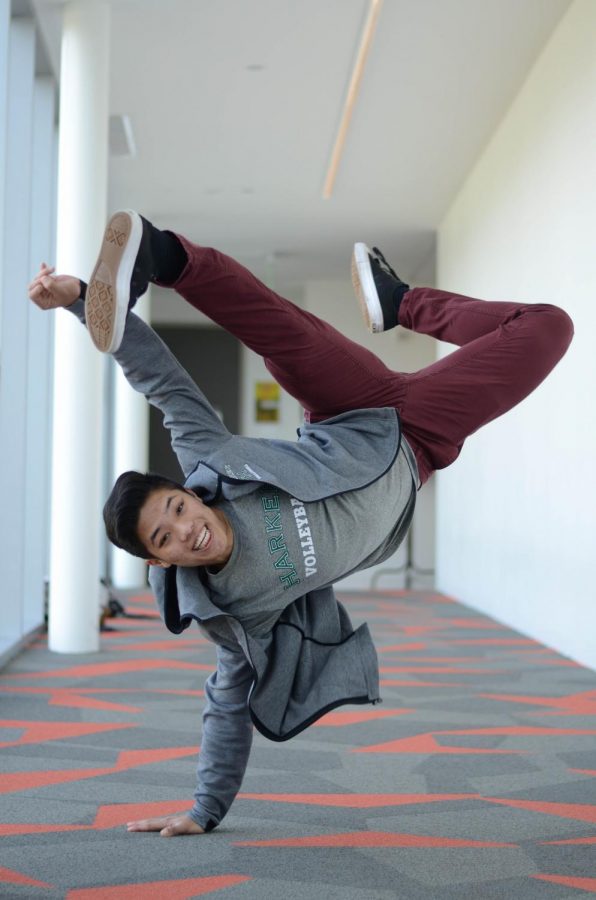


![“I think getting up in the morning and having a sense of purpose [is exciting]. I think without a certain amount of drive, life is kind of obsolete and mundane, and I think having that every single day is what makes each day unique and kind of makes life exciting,” Neymika Jain (12) said.](https://harkeraquila.com/wp-content/uploads/2017/06/Screen-Shot-2017-06-03-at-4.54.16-PM.png)







![“My slogan is ‘slow feet, don’t eat, and I’m hungry.’ You need to run fast to get where you are–you aren't going to get those championships if you aren't fast,” Angel Cervantes (12) said. “I want to do well in school on my tests and in track and win championships for my team. I live by that, [and] I can do that anywhere: in the classroom or on the field.”](https://harkeraquila.com/wp-content/uploads/2018/06/DSC5146-900x601.jpg)
![“[Volleyball has] taught me how to fall correctly, and another thing it taught is that you don’t have to be the best at something to be good at it. If you just hit the ball in a smart way, then it still scores points and you’re good at it. You could be a background player and still make a much bigger impact on the team than you would think,” Anya Gert (’20) said.](https://harkeraquila.com/wp-content/uploads/2020/06/AnnaGert_JinTuan_HoHPhotoEdited-600x900.jpeg)

![“I'm not nearly there yet, but [my confidence has] definitely been getting better since I was pretty shy and timid coming into Harker my freshman year. I know that there's a lot of people that are really confident in what they do, and I really admire them. Everyone's so driven and that has really pushed me to kind of try to find my own place in high school and be more confident,” Alyssa Huang (’20) said.](https://harkeraquila.com/wp-content/uploads/2020/06/AlyssaHuang_EmilyChen_HoHPhoto-900x749.jpeg)


Tossing out the taboo: profanity’s prohibition preventing progress

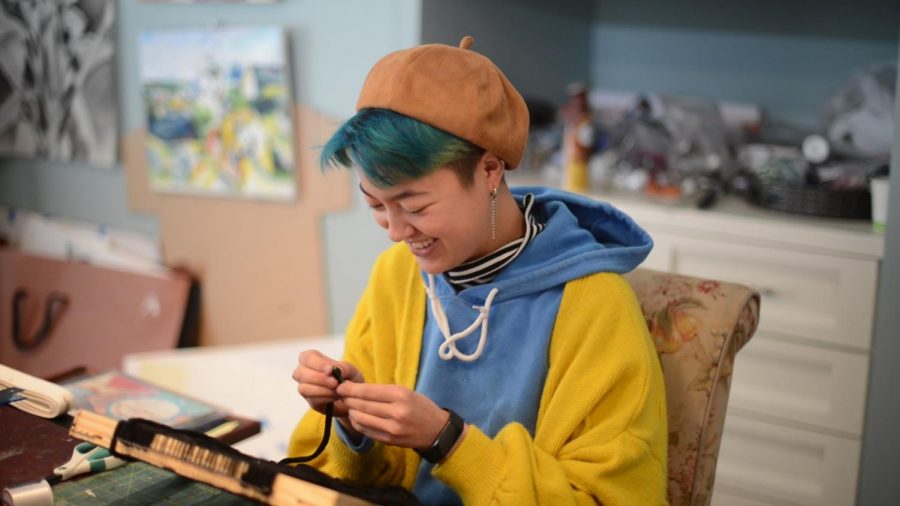
An illustration demonstrating the cultural taboo on swearing. In today’s culture, so-called ‘swear words’ are simply words relating to the taboo, be it bodily functions, anger, madness or anything else deemed socially uncomfortable.
March 23, 2023
As students slowly file into a classroom, grouping themselves into pairs and threes along a horse-shoe shaped table facing the blackboard, we start talking amongst ourselves, introducing who we are to our peers for the next four weeks.
After all, it was not every day where we attended a full day’s worth of dedicated writing direction. Our teacher, Dylan Alexander “The Captain” Mack, was late, an occurrence we soon would recognize as normal, and we failed to notice him stroll through the door. However, it was harder to overlook his presence when he sauntered over to his desk, slammed his fists on the table, and yelled for the entire class to hear: “When I’m in this room, you will all shut your m———— mouths.”
And so began my stint in the California State Summer School for the Arts (CSSSA), a four-week residential camp in Valencia for artistically inclined hopefuls. I studied under the Creative Writing department, and on the first day our four teachers discussed the use of swear words in our classroom. The rules would be the same as those of college, all our instructors being or having been college professors in the past, with us students allowed to use the language we wanted to, swearing or not, unless attempting to demean or deride others. In that case, any language, be it cuss-filled or not, would be reported.
Our teachers then proceeded to explain how as writers, we should see swear words as nothing more than just that: words. Means to express oneself, both in written works and in everyday life. That they did not need to be placed on the undeserved pedestal they reigned on, because their nature as strong language was exactly their purpose, and to shy away from them would be to avoid more powerful expressions of self. The pedestal itself is a part of the problem: we, as a community, give the words their potency. We create a negative feedback loop in which we fear a certain subset of words, making them more malicious, and so the cycle continues. Instead, the teachers encouraged us to understand the words we use, not to strip them of their power but to harness it for good.
In today’s culture, so-called ‘swear words’ are simply words relating to the taboo, be it bodily functions, anger, madness or anything else deemed socially uncomfortable. Swear words are heavily based on present-time social conventions, therefore being intrinsically fluid as society progresses. Historically, foul language for English-speakers originally predominantly related to religion, with blasphemous and religiously profane language being the taboo. In modern times, a shift occurred, transitioning language regarded as profane from the religious to the secular, replacing heresy with more physical and sexual terms as the new sinful words.
Researchers at Keele University in the United Kingdom discovered that people could hold their hands in ice water for longer periods of time if they were able to fire off expletives amidst their struggles, compared to if they were restricted to more neutral words. Swearing can be beneficial, helping us better tolerate pain and build emotional resilience. It can help to alleviate stress, since curse words are usually uttered with frustration. They provide a different sense of release than when we simply vent without expletives, because when we cuss we speak so without self-imposed limitations on our vocabularies. Without a filter, we can release our emotions fully, and thus relieve stress.
There very much is, however, a line drawn between freedom of expression and verbal harassment. Hate speech and speech otherwise meant to ostracize or belittle another is intolerable no matter the professionalism of the language. For this reason, slurs should not be used under any circumstances.
Even the Captain, despite his prolific practice of such language, never used the words or phrases in a malicious manner. There was a level of respect, going both from the teacher to the student and from the student to the teacher that leveled the ground and allowed for a more comfortable classroom environment. The students did not need to fear to watch what they were saying, and the teachers similarly enjoyed not needing to censor themselves.
What I’ve found to be the main factor preventing not only Harker but high schools in general from being unable to employ a similar custom is the lack of such respect and maturity. If students cannot be trusted to even keep their computers closed while the teacher is talking, it is unsurprising that we are disallowed from using such strong language.
School is an especially stress-inducing environment, and removing extra rules could help alleviate pressure. However, it is nonetheless understandable that profanity is barred from our language in the classroom. If we cannot pay attention to what our classmates or teachers are saying, how are we to be given the freedom to speak candidly? Perhaps it is only by improving students’ maturity that our entire school population can enjoy more privileges.







bradley • Mar 23, 2023 at 4:19 pm
To me, words are just words, no matter their spelling. It’s their intent that is what’s most important.