


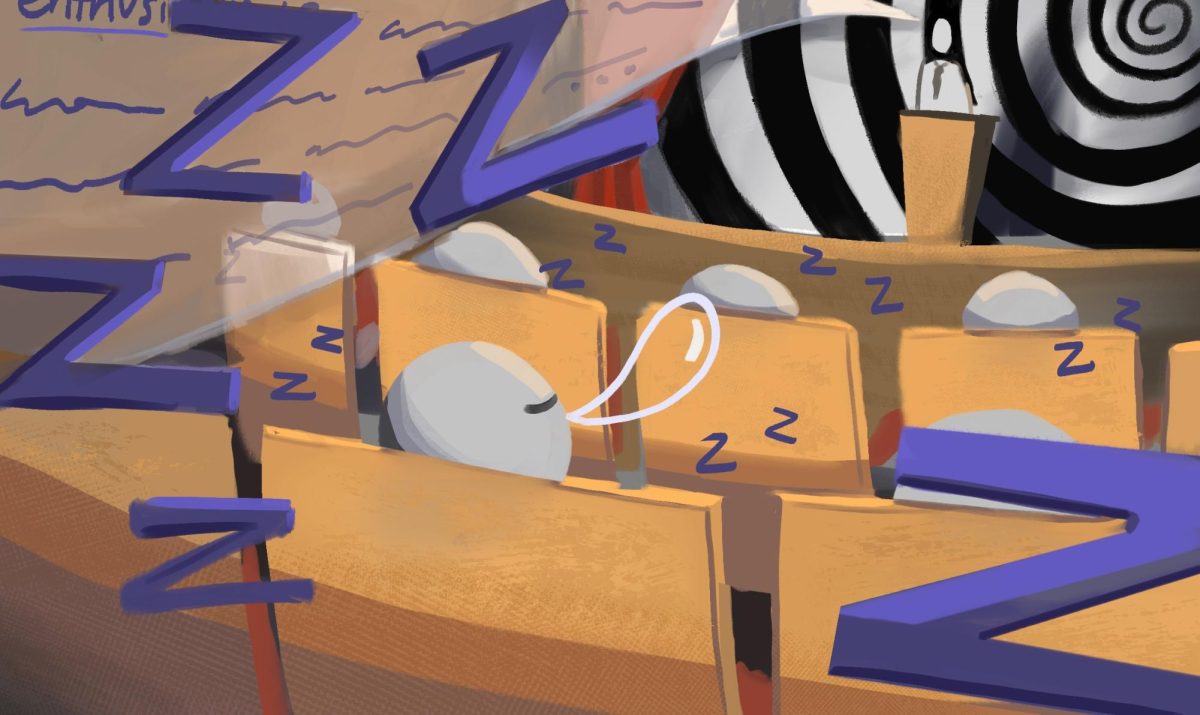
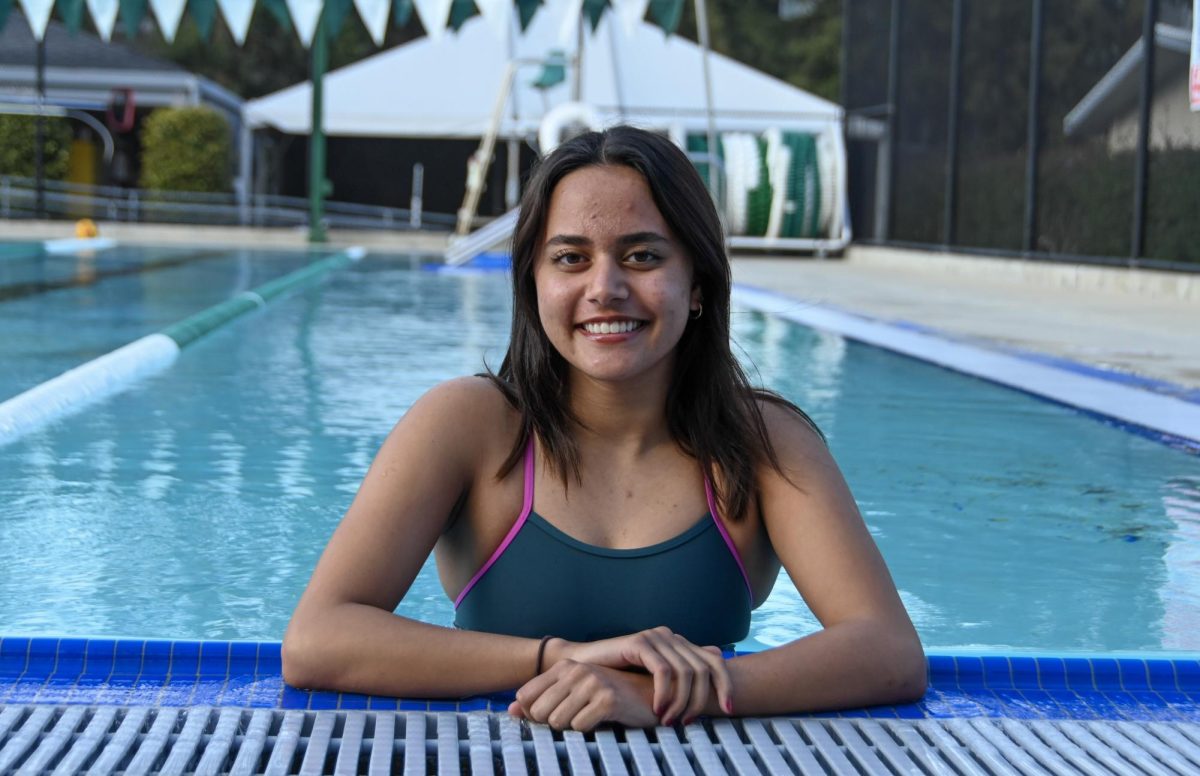
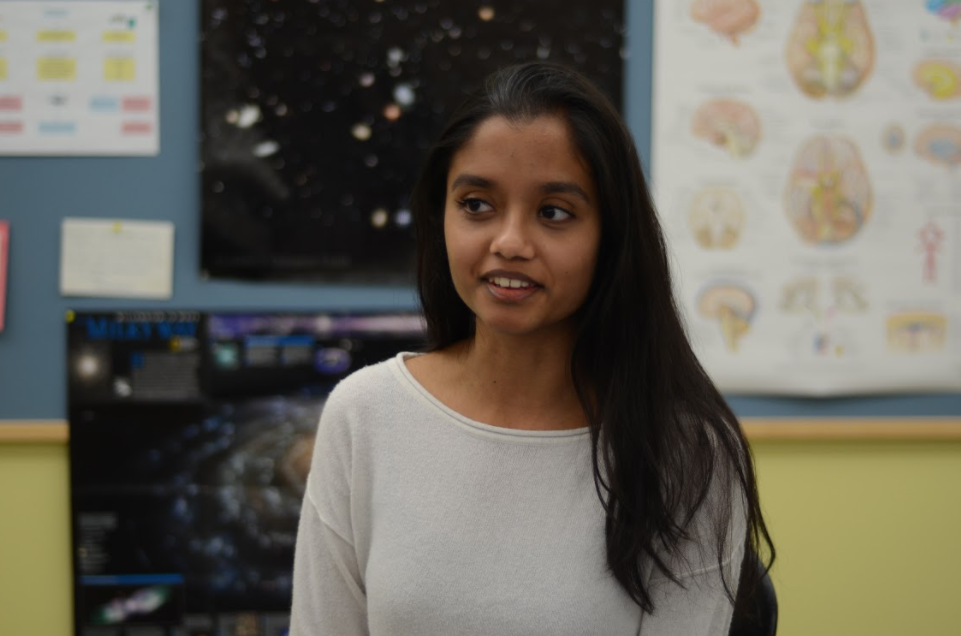
![“I wasn't discouraged by some of the obstacles we faced. I learned a lot from the leadership. I found that different people need different ways of receiving feedback — you can't [just] tell them to do something and expect the best. [Some] people needed more incentive. A large part of my role was to figure out what worked for everyone and to figure out how to lead all these separate individuals as a team,” Suhana Bhandare (’26) said.](https://harkeraquila.com/wp-content/uploads/2026/06/SuhanaBhandare_JasmineHansra-1-1200x798.jpg)
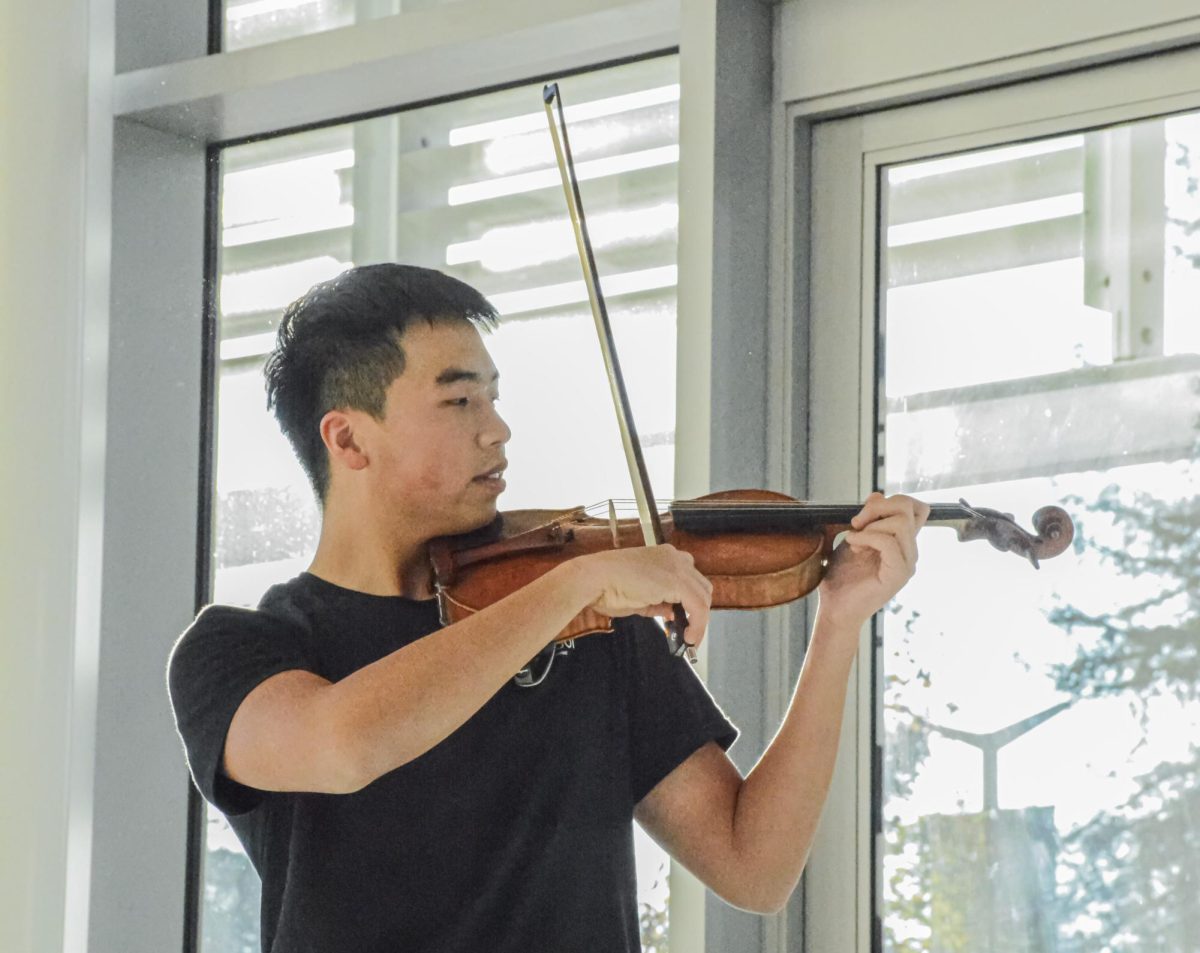
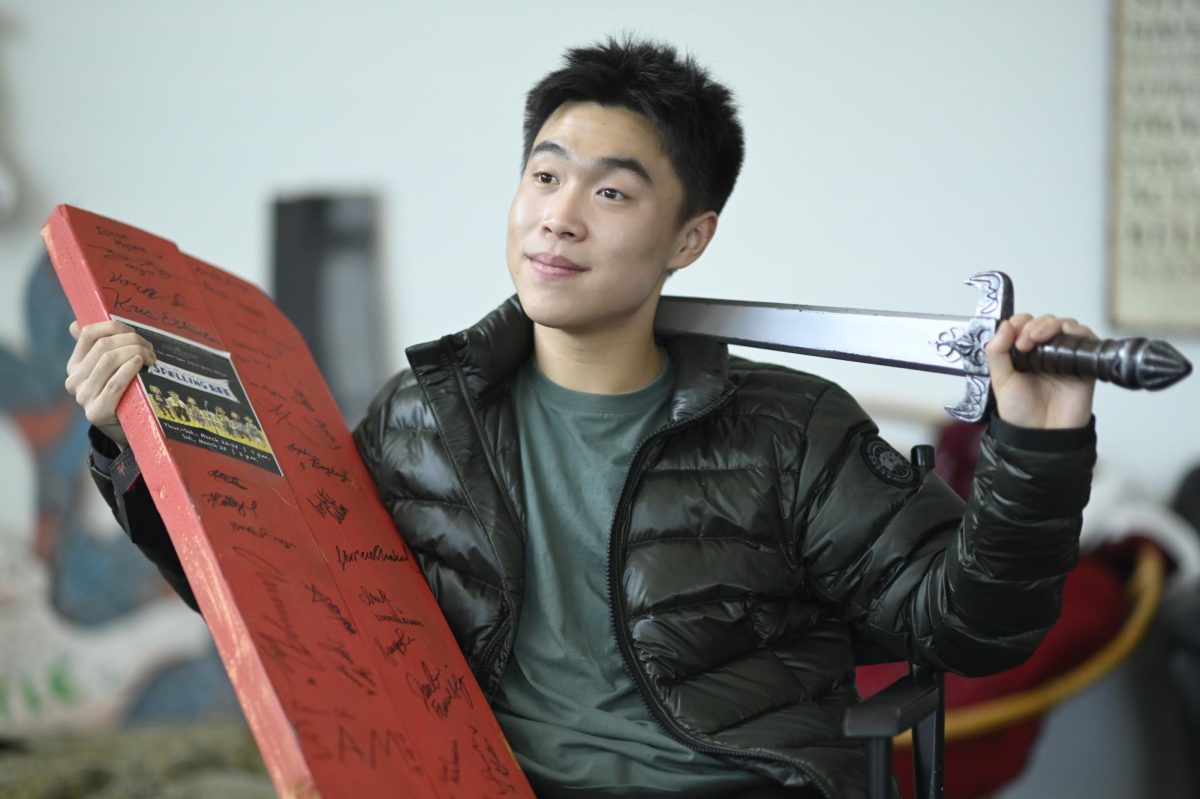
![“This is actually from Randy Pausch Randy P. Brick: ‘Walls are there for a reason. You have to show how much you want to overcome them.’ You have to show how much you want something. That's what I've always been able to do with tennis, Link Crew and getting that internship [with Kushy Baby]. It’s important pushing through that — getting around that brick wall, climbing over it or clawing through it,” Yash Sachdeva (’26) said.](https://harkeraquila.com/wp-content/uploads/2026/05/YashSachdeva_RamBatchu-copy-1200x1002.jpg)
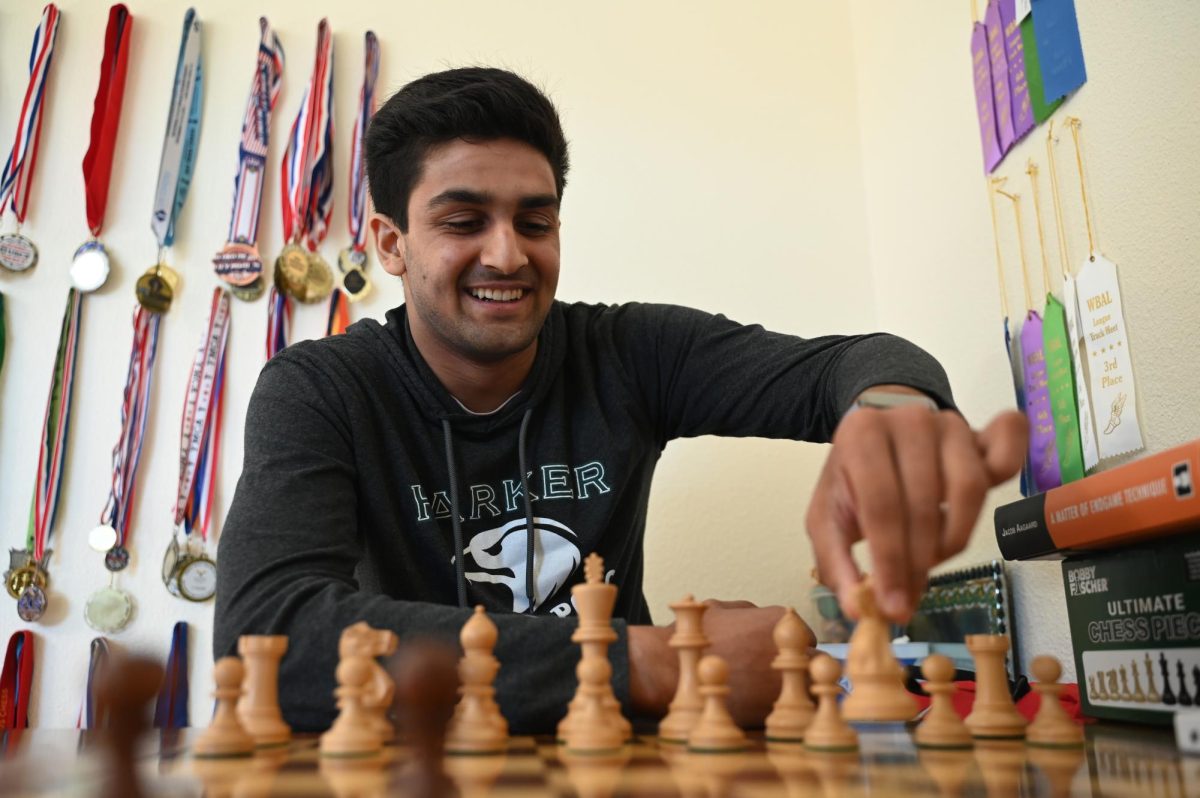
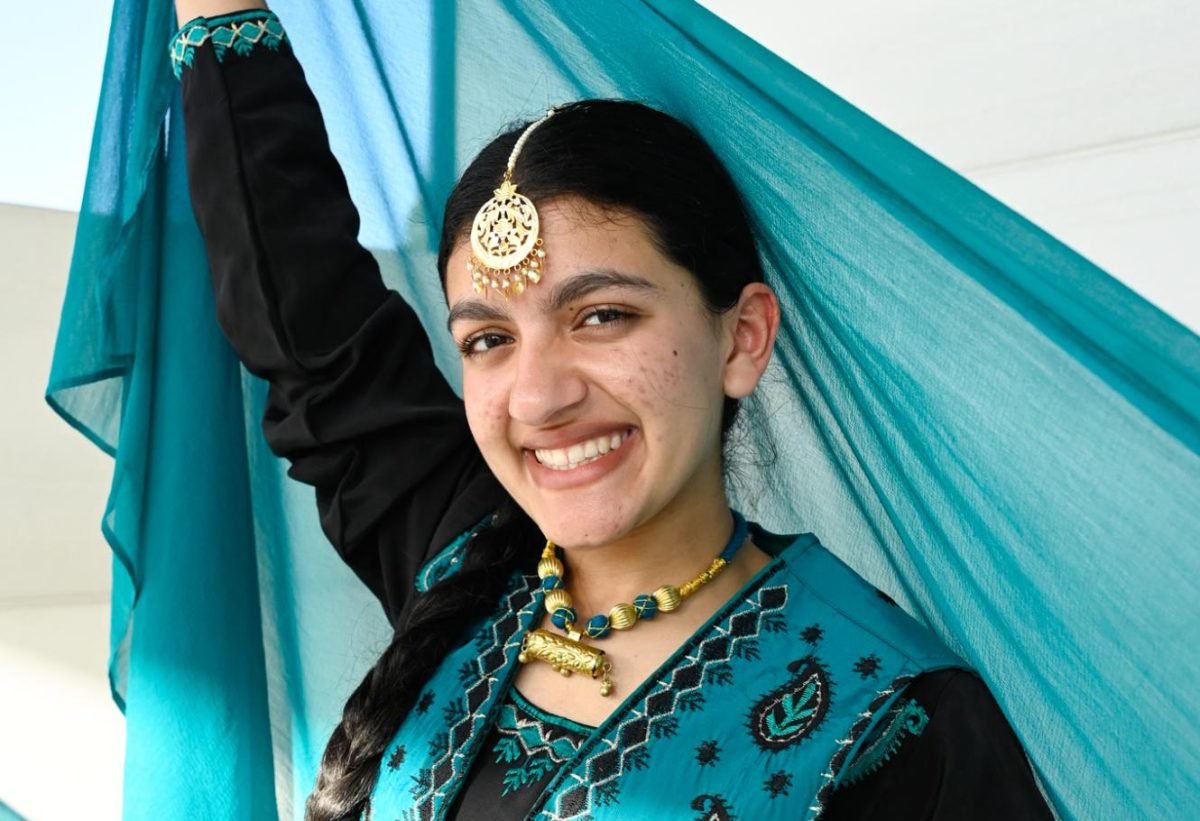


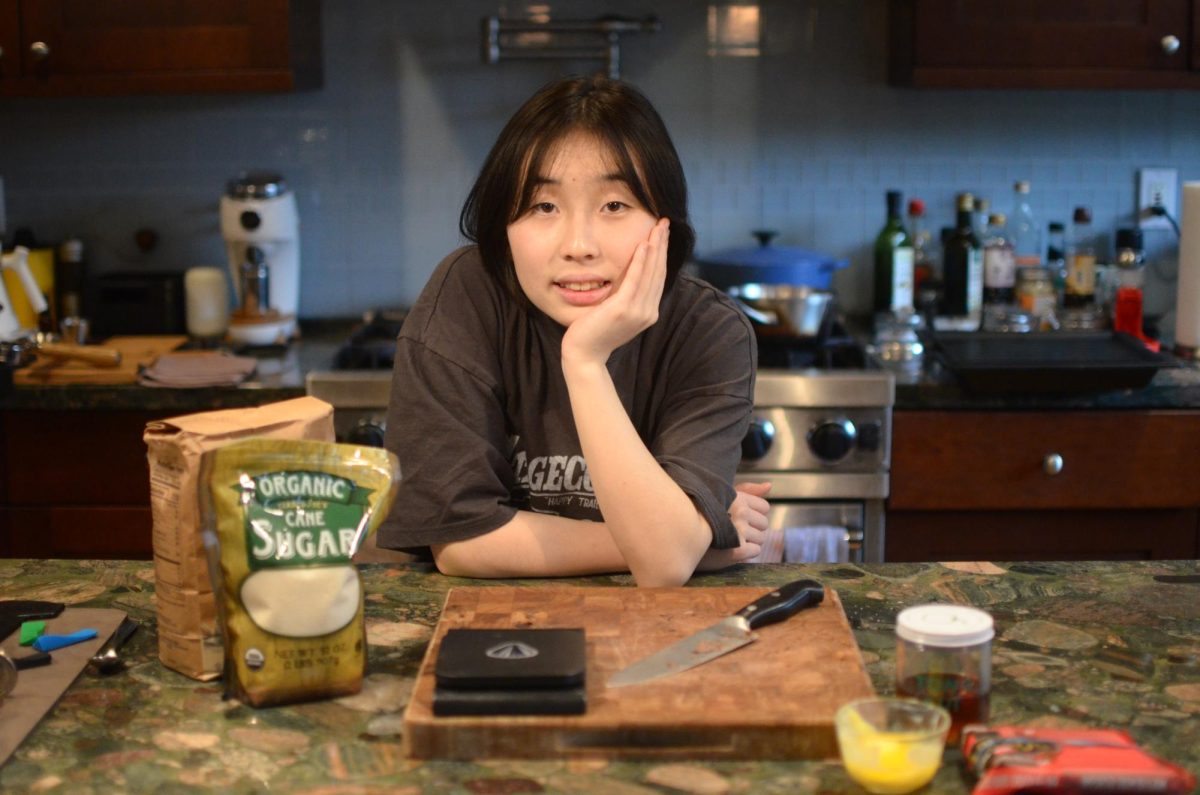


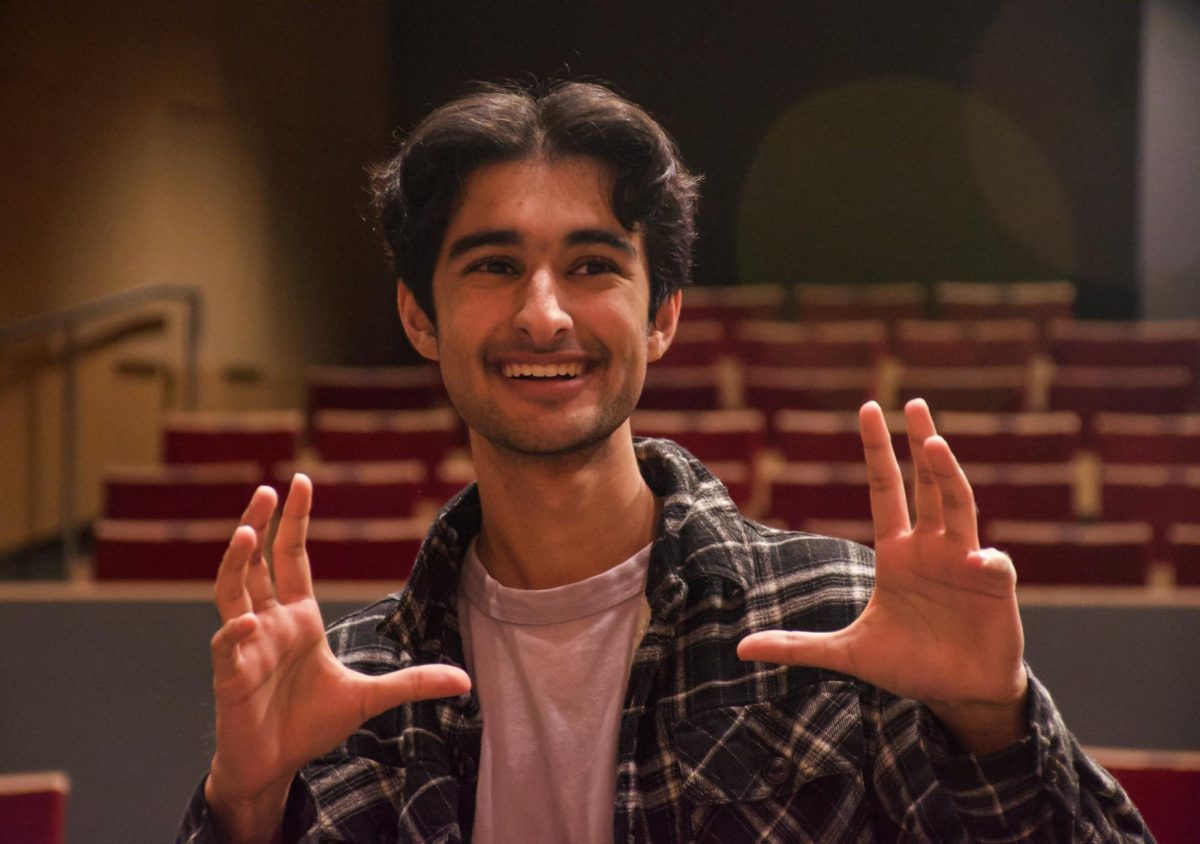


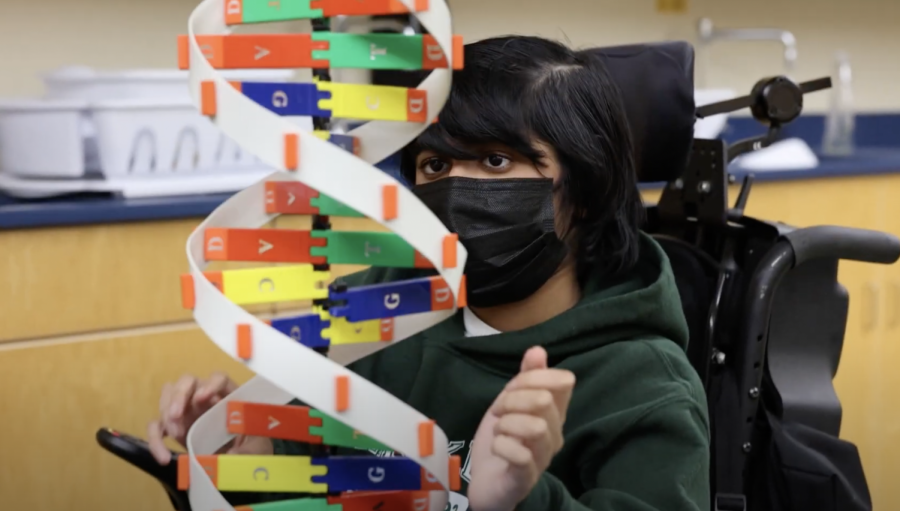
![“[Building nerf blasters] became this outlet of creativity for me that hasn't been matched by anything else. The process [of] making a build complete to your desire is such a painstakingly difficult process, but I've had to learn from [the skills needed from] soldering to proper painting. There's so many different options for everything, if you think about it, it exists. The best part is [that] if it doesn't exist, you can build it yourself," Ishaan Parate said.](https://harkeraquila.com/wp-content/uploads/2022/08/DSC_8149-900x604.jpg)
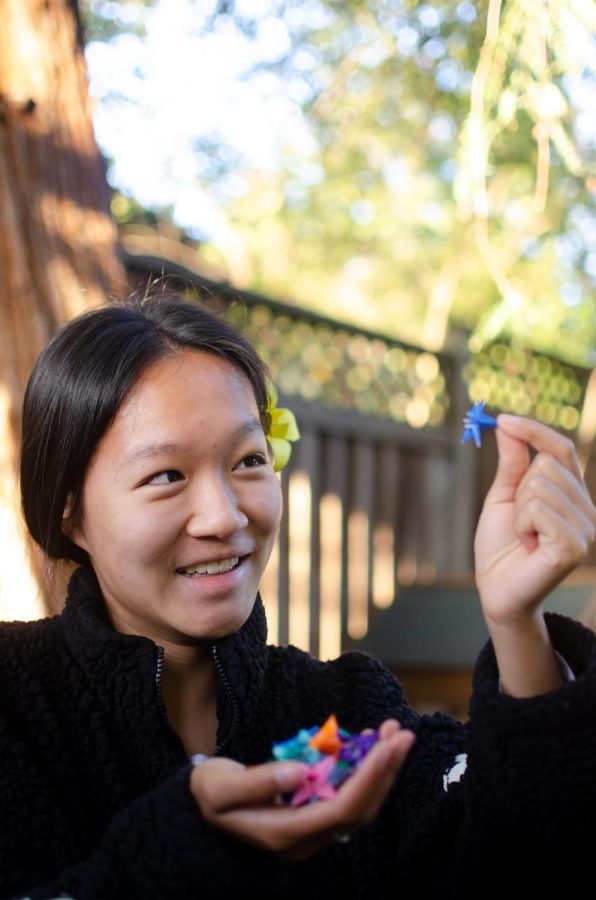
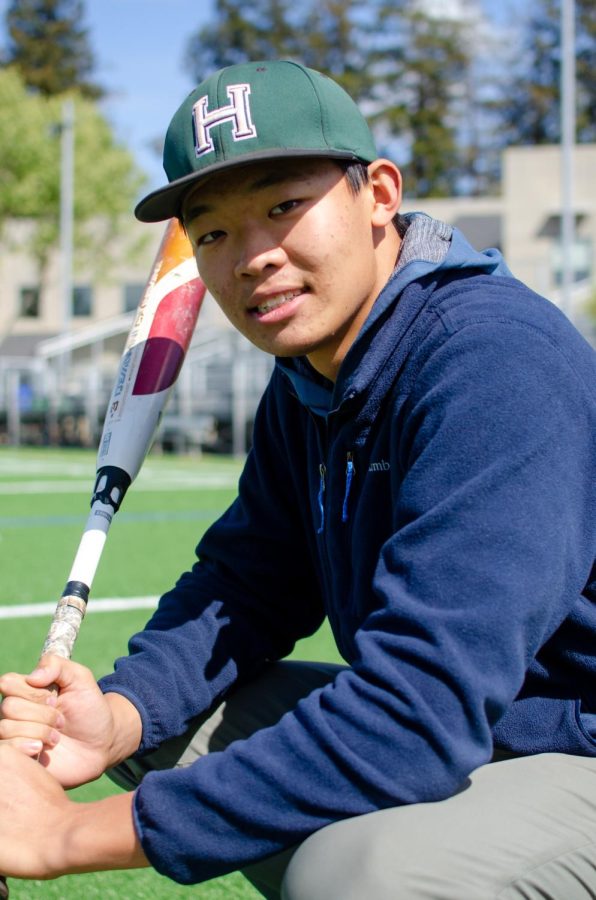
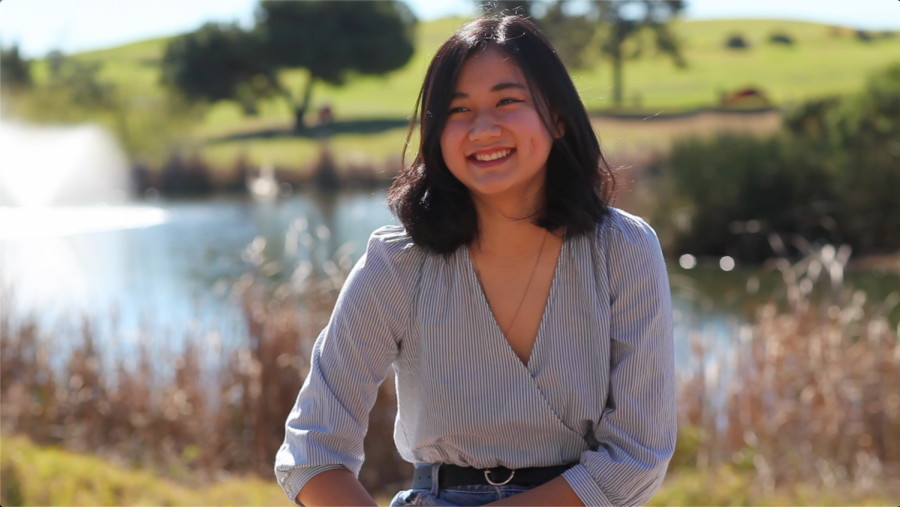
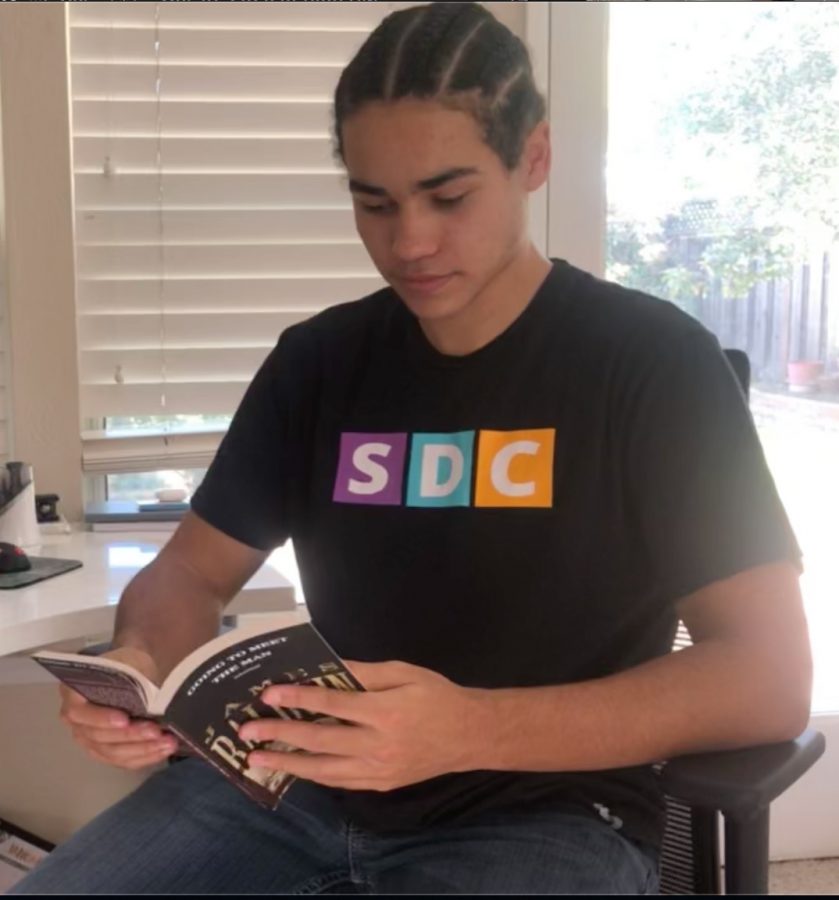
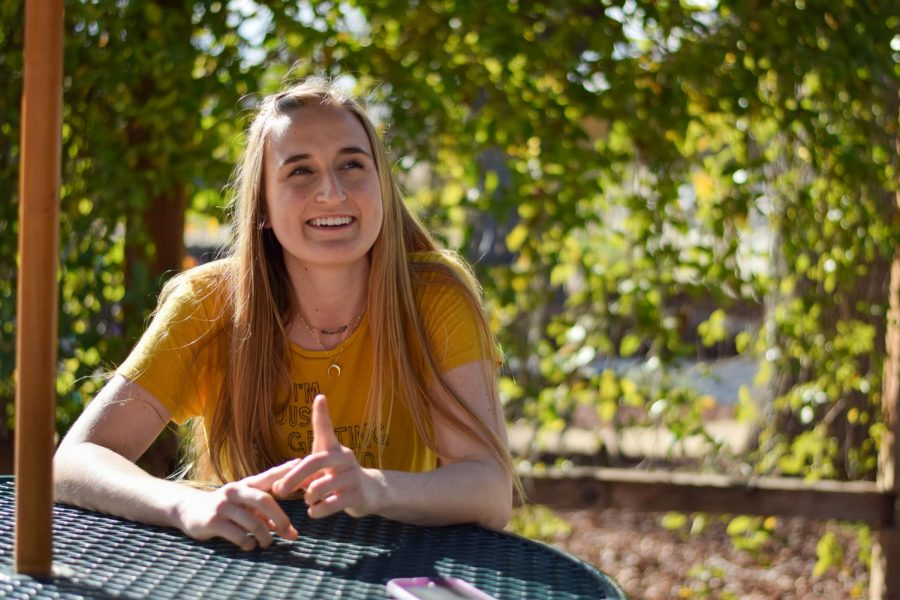
![“When I came into high school, I was ready to be a follower. But DECA was a game changer for me. It helped me overcome my fear of public speaking, and it's played such a major role in who I've become today. To be able to successfully lead a chapter of 150 students, an officer team and be one of the upperclassmen I once really admired is something I'm [really] proud of,” Anvitha Tummala ('21) said.](https://harkeraquila.com/wp-content/uploads/2021/07/Screen-Shot-2021-07-25-at-9.50.05-AM-900x594.png)
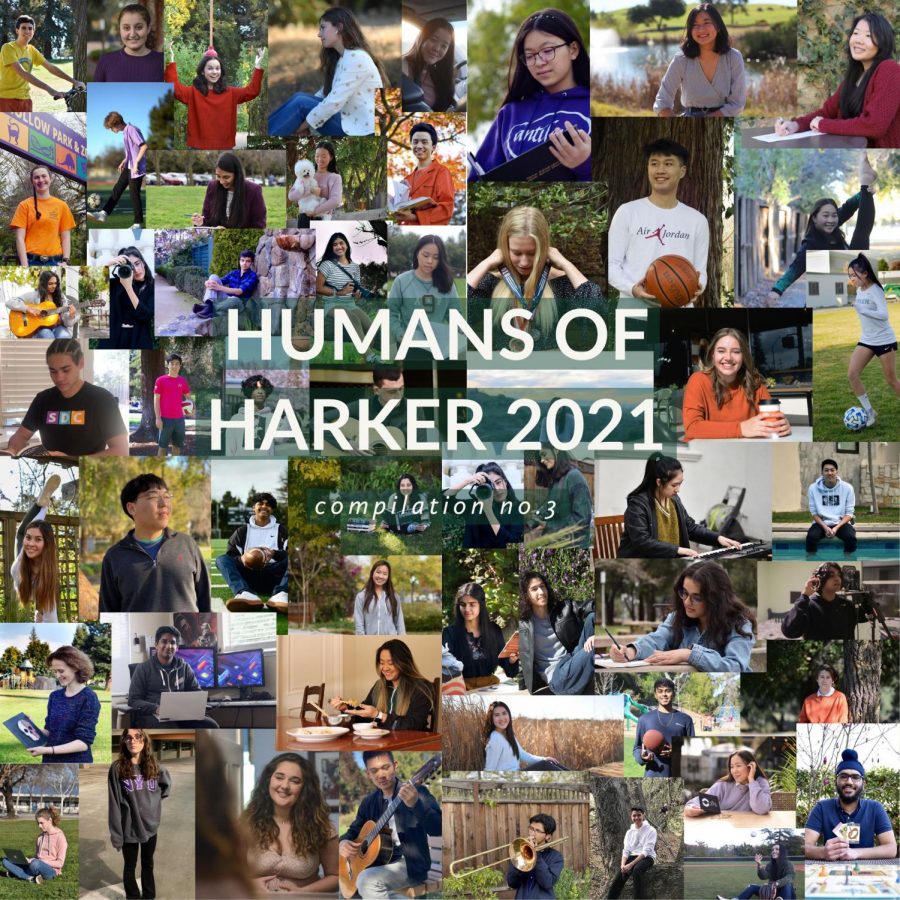
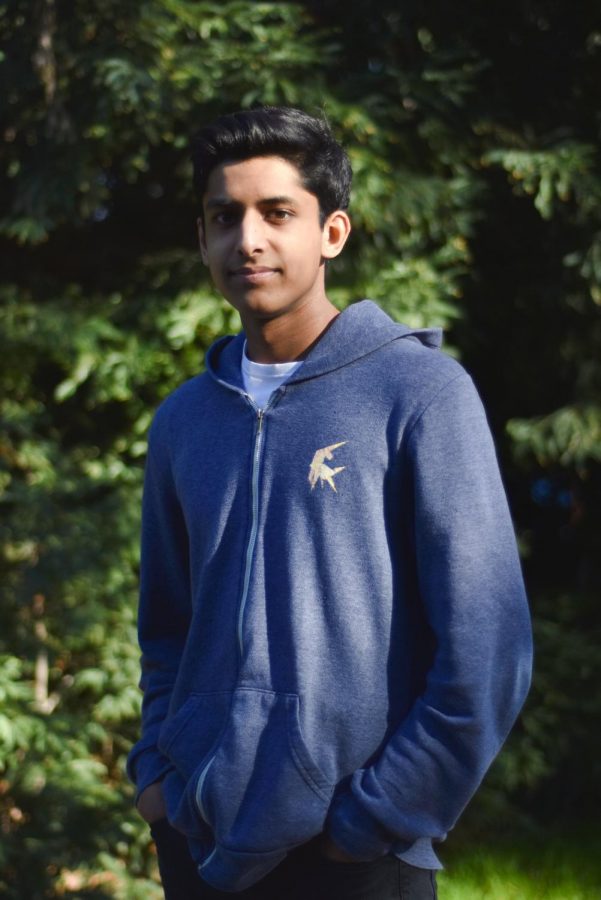

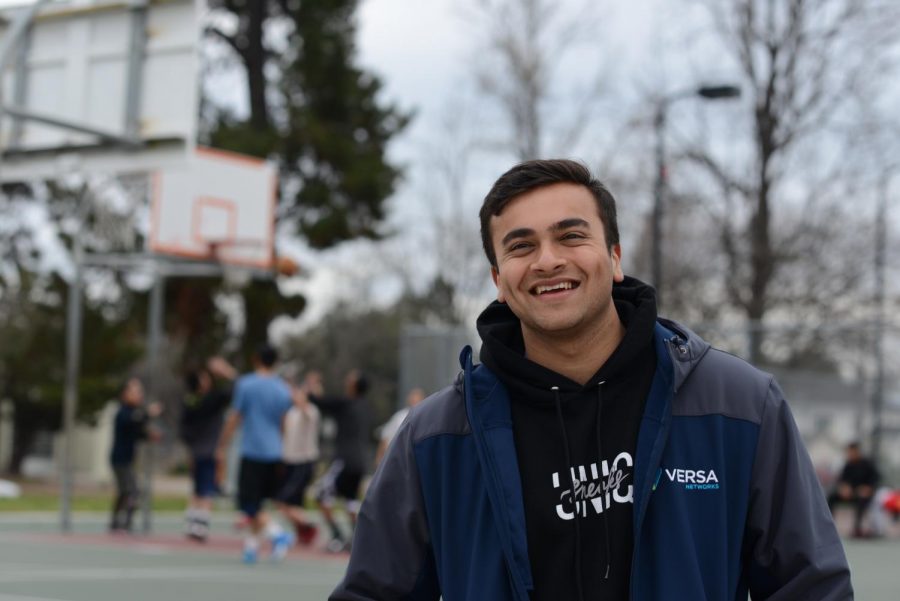
![“I think getting up in the morning and having a sense of purpose [is exciting]. I think without a certain amount of drive, life is kind of obsolete and mundane, and I think having that every single day is what makes each day unique and kind of makes life exciting,” Neymika Jain (12) said.](https://harkeraquila.com/wp-content/uploads/2017/06/Screen-Shot-2017-06-03-at-4.54.16-PM.png)
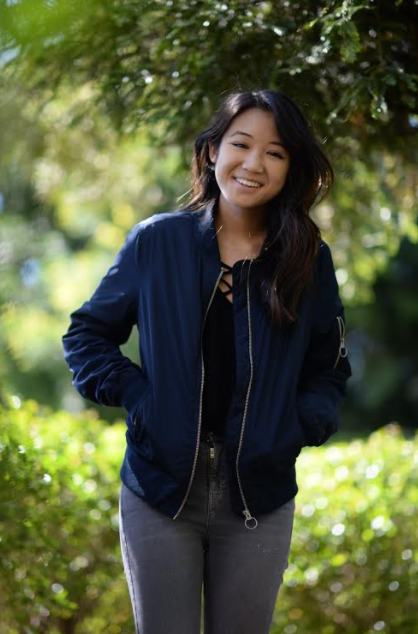
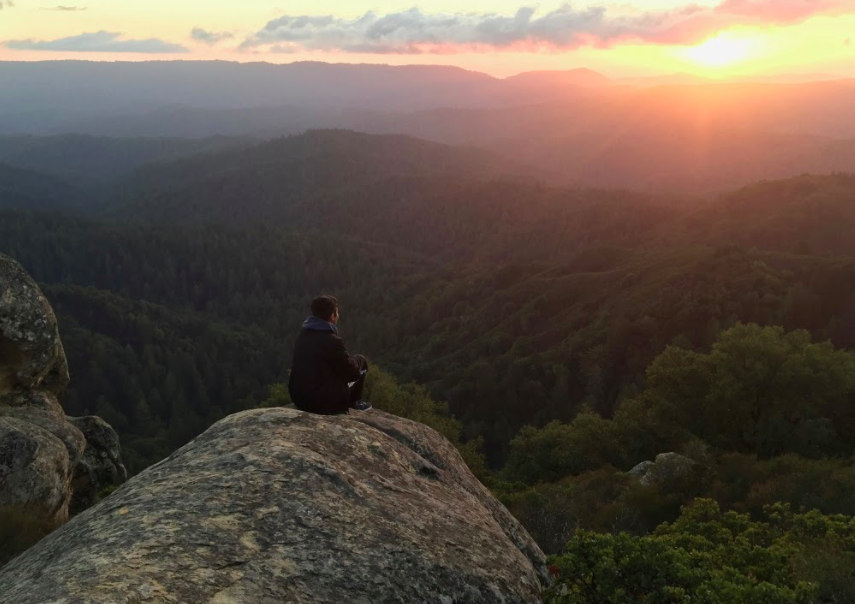
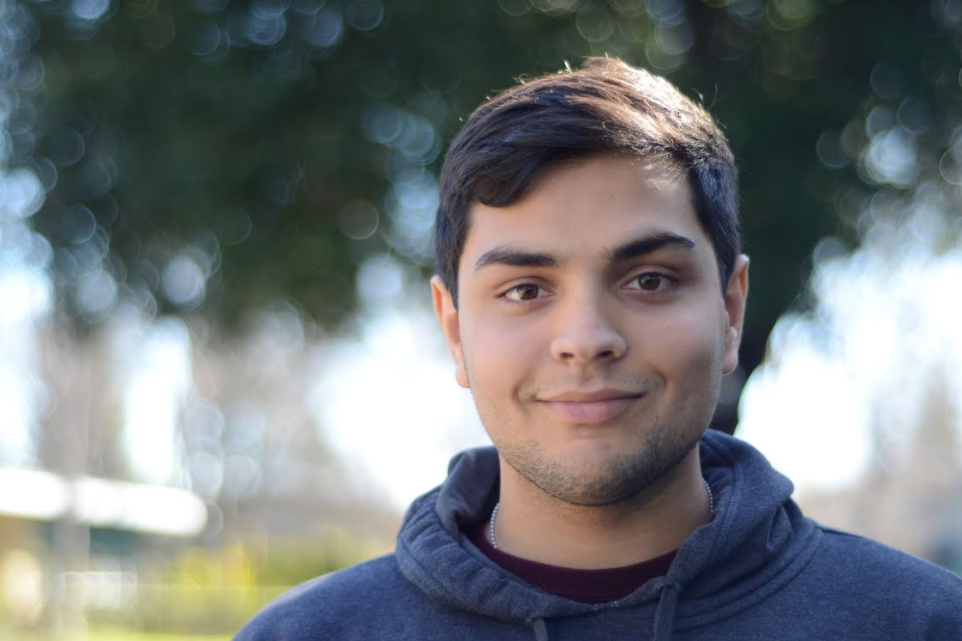
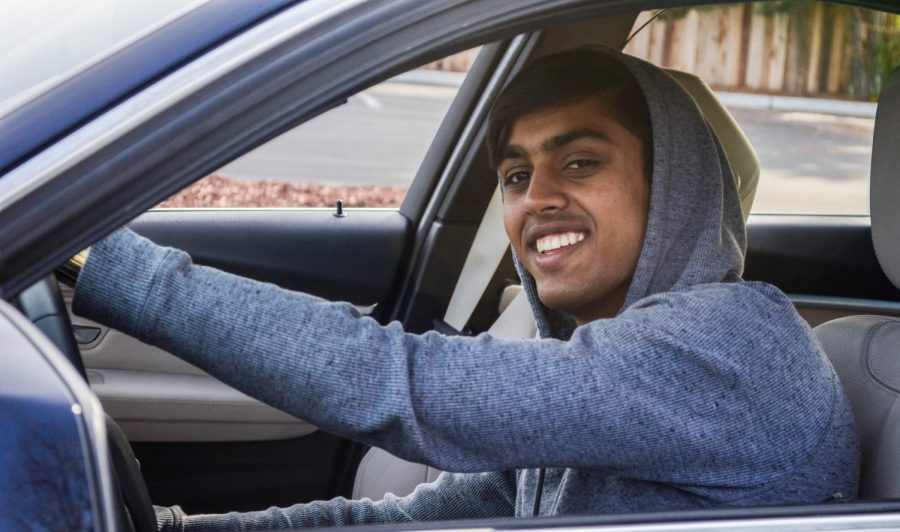
![“My slogan is ‘slow feet, don’t eat, and I’m hungry.’ You need to run fast to get where you are–you aren't going to get those championships if you aren't fast,” Angel Cervantes (12) said. “I want to do well in school on my tests and in track and win championships for my team. I live by that, [and] I can do that anywhere: in the classroom or on the field.”](https://harkeraquila.com/wp-content/uploads/2018/06/DSC5146-900x601.jpg)
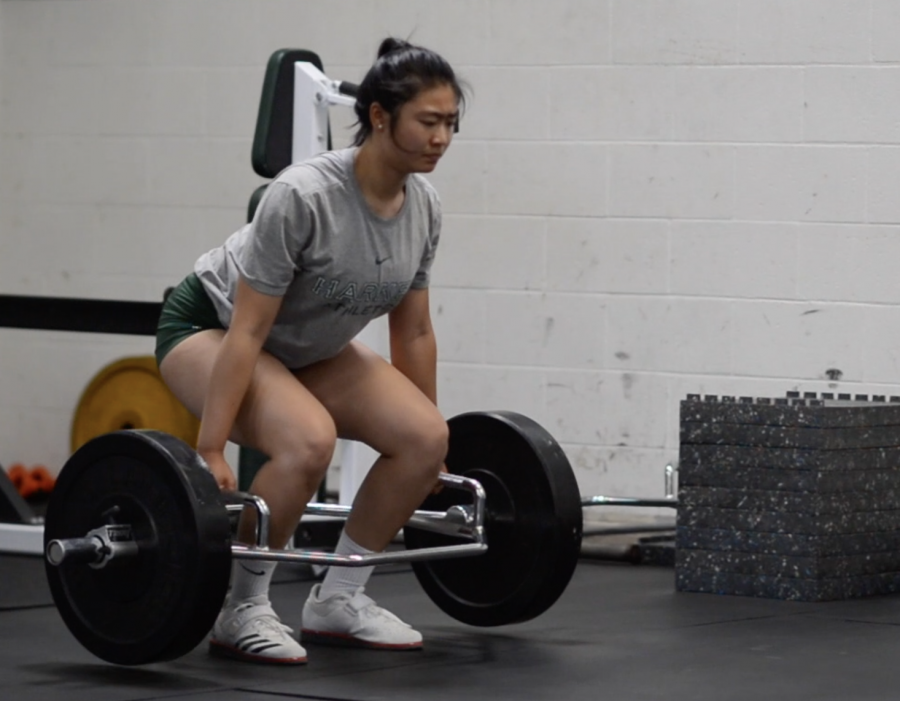
![“[Volleyball has] taught me how to fall correctly, and another thing it taught is that you don’t have to be the best at something to be good at it. If you just hit the ball in a smart way, then it still scores points and you’re good at it. You could be a background player and still make a much bigger impact on the team than you would think,” Anya Gert (’20) said.](https://harkeraquila.com/wp-content/uploads/2020/06/AnnaGert_JinTuan_HoHPhotoEdited-600x900.jpeg)
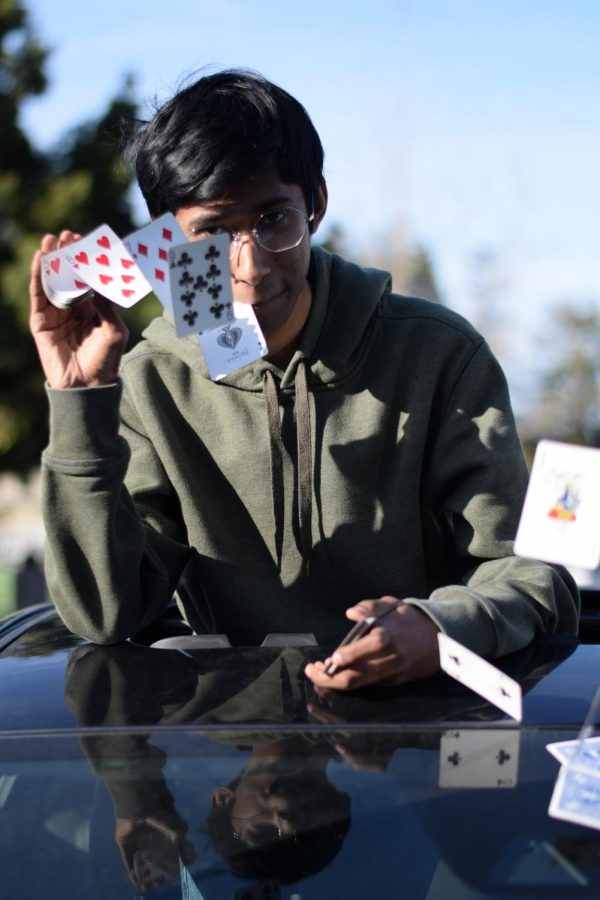
![“I'm not nearly there yet, but [my confidence has] definitely been getting better since I was pretty shy and timid coming into Harker my freshman year. I know that there's a lot of people that are really confident in what they do, and I really admire them. Everyone's so driven and that has really pushed me to kind of try to find my own place in high school and be more confident,” Alyssa Huang (’20) said.](https://harkeraquila.com/wp-content/uploads/2020/06/AlyssaHuang_EmilyChen_HoHPhoto-900x749.jpeg)



Remembering 9/11, 20 years later
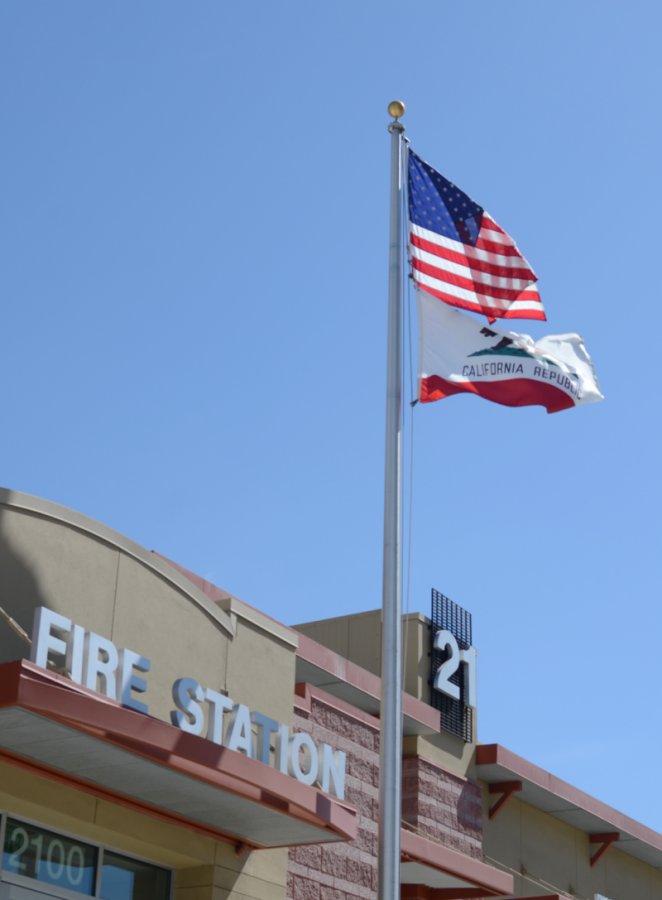
The American and Californian flag fly over the San José Fire Department Station 21 on Sept. 19. Out of the 415 emergency service workers who died on Sept 11., 343 were firefighters according to the New York City Fire Department.
“Some things you just remember, [and] they stop you in your tracks,” upper school history teacher Karen Haley said.
On a couch in her home in Dallas, Texas, Haley, a retired U.S. Army captain, sat frozen as her television displayed dozens of images of the chaos that ensued following the attacks on Sept. 11, 2001.
The 9/11 attacks were a series of planned airplane hijacking attacks that struck the South and North Twin towers of the World Trade Center, the Pentagon and Shanksville, Pennsylvania. Nineteen terrorists associated with al-Qaeda, an Islamist extremist group, seized four commercial planes originally intended to arrive in California.
Two crashed into the Twin Towers of the World Trade Center in New York City, leading to their collapse, and another flew into the Pentagon, the headquarters of the U.S. Department of Defense. Civilians aboard the fourth plane, which was headed toward Washington, D.C., fought back against hijackers to crash the plane in Shanksville, Pennsylvania. Leaving 2,977 individuals dead, 441 of whom were first responders, 9/11 marked the greatest single cause of death from foreign attackers on American soil.
“No one thought that would be their last flight,” Haley said. “So I do think that then, and now, you’ve got to recognize that life is precious. Count those small moments because they could easily evaporate, and then just actually appreciate what you have.”
In response to the attacks, the government founded the Transportation Security Administration (TSA) two months after 9/11. Following the subsequent attempted hijacking such as the 2006 transatlantic aircraft plot, the TSA established stricter guidelines regarding aerial travel. Airport security now limits the amount of liquid allowed in a carry-on bag, requires individuals older than 12 and under 75 to remove shoes when passing through security and scans carry-ons for weapons.
“It has been so long, some things we now [just] take for granted,” said History and Social Science teacher Matthew McCorkle, who teaches “The Looming Tower: Al-Qaeda and the Road to 9/11” in his Modern International Affairs (MIA) elective. “We just consider it normal that the TSA does this sequence of things to you, so understanding where that came from is really important, such as day-to-day security procedures or the way we now rely so much on second signal intelligence rather than human to human intelligence.”
The U.S. also responded with military force, invading Afghanistan on Oct. 7, 2001.
“I really hope civilians will understand that everything is fine until it’s not,” Haley said. “Somebody else saying, ‘I’ve actually got to retaliate with greater magnitude,’ and then you’re in the midst of an international conflict, which usually means that lives will be lost. It’s really tragic.”
On top of structural overhauls in security and the origins of the War on Terror, 9/11 inflicted a deep wound on the American psyche. English teacher Elizabeth Schimenti, who grew up in a suburb of New York City, a 45-minute train ride away from Grand Central Station, recalls the panic and uncertainty following the attacks. At age seven, Schimenti remembers her mother packing the family station wagon with crackers and water and teaching her fourteen-year-old brother how to drive.
“She said, ‘If anything happens, I want you to take your brother, your two sisters, and I want you to drive them. I want you guys to drive to Canada,’” Schimenti said. “Several of my classmates’ parents, and my brother and sisters’ friends’ parents worked at the Trade Center or in New York City. Some of them died. And I just remember the days following that tragedy just being so full of sorrow and questioning.”
The attacks also spurred xenophobia and Islamophobia toward individuals of Middle Eastern descent. The name Osama and the indication of being a Muslim became triggers of discrimination when applying for job positions, even for the most qualified of candidates for a job. Born and raised in the United States, Osama Solieman began searching for jobs after graduating with a Master’s in Management Information Systems with a 3.97 GPA—but was only contacted by a few employers and only received more offers upon changing his name to just the first initial.
According to a 2013 U.S. Equal Employment Opportunity Commission report, Abercrombie and Fitch fired female employees for wearing their hijabs, while a Sikh employee was harassed by his management, who called him “Bin Laden” and suggested that he had joined al-Qaeda to become a terrorist.
Even within the Harker community, deemed a “hyper-liberal” space in the Bay Area by Harker alum Simar Bajaj (‘20), undertones of xenophobia continued to radiate within the school.
In his TedxHarkerSchool talk titled “Breaking the Locks: Why I Cut My Hair After 17 Years,” Bajaj recalls feeling confused after receiving an outpour of “happy birthday” wishes from classmates, despite his birthday not being due for another couple of months in late December. Apparently, an anonymous user had created a fake Facebook profile under Bajaj’s name, listing his birthday as Sept. 11.
“In the aftermath of 9/11, Sikh Americans were regularly targeted and attacked, falsely assumed to be the perpetrators of this horrific act of terrorism,” Bajaj said during his talk. “While horrific, this anecdote does no justice in conveying the prejudice I felt on a daily basis.”
The increase in discrimination against Muslims prompted the Equal Employment Opportunity Commission to create a database code called “Process Type Z”, which recorded the sharply rising Islamaphobia in workplaces. Yet despite the violation of Title VII of 1964, which prohibits the employment discrimination of people in relation to their color, religion, race and sex, attorneys were reluctant to work on the employment discrimination cases that arose for Muslims, referring to them as frivolous lawsuits difficult to win.
Despite the attacks bringing a plethora of negatives on the mental state of Americans and wide racial and religious discrimination, the aftermath also brought out unity.
“Recognize and honor how it did bring out many aspects of the better side of humanity when the first responders came to the scene,” Schimenti said. “Neighbors helping neighbors in the way that we see here in California with the wildfires.”
During the school meeting on Friday, upper school history teacher Dr. Chuck Witschorik asked students and faculty to take a moment of silence in remembrance of 9/11.
“Those who lost their lives 20 years ago in New York City, at the Pentagon and in Shanksville, Pennsylvania, on Sept. 11, 2000, we honor the memory of those who died that day,” Dr. Witschorik said during the meeting. “We recommit ourselves to strive for peace, justice, and inclusivity for the nation in the world.”
The 9/11 Memorial and Museum located in New York also recently created a 20th Anniversary page dedicated to sharing the history and lessons learned of the event and inspiring future generations with memories of fortitude, strength, and resilience.

Twenty years after the U.S. invasion of Afghanistan and following the longest war in American history, the Taliban took over the country on Aug. 15.
According to the Pew Research Center, though the majority of the American public supports Biden’s decision to withdraw the U.S. from Afghanistan, only 26% say the administration has done an excellent or good job, and fewer than half of Democrats remain positive about Biden’s decision.
“It’s an easy punching bag to attack Biden right now, but when you look at the choice to withdraw, that’s really the culmination of a series of political decisions and really American public interest,” McCorkle said. “It’s just that everyone now in hindsight criticizes the nature of the withdrawal, and of course, it was the wrong choice, but not unreasonable.”
A previous version of this article misquoted upper school history teacher Dr. Chuck Witschorik’s speech during school meeting as “10 years ago” instead of “20 years ago.” The article has been updated on Sept. 13, 2021, to reflect the correction of this error.
This article has been updated on Sept. 20, 2021, with a more relevant feature photo taken this past weekend of the fire department’s commemoration of 9/11.
Ananya Sriram (12) is a co-managing editor for the Winged Post, and this is her fourth year on staff. This year, Ananya hopes to bond more with members...
Nicole Tian (12) is the co-editor-in-chief of Harker Aquila. This is her fourth year on staff, and she previously served as the opinion editor, co-lifestyle...

Alysa Suleiman (12) is the co-editor-in-chief of Harker Aquila. This is her fourth year on staff, and she previously served as Aquila's first A&E editor,...

Carter Chadwick (12) is the co-photo editor of the TALON Yearbook, and this is his fourth year on staff. He aims to raise the book on a photographic level...