
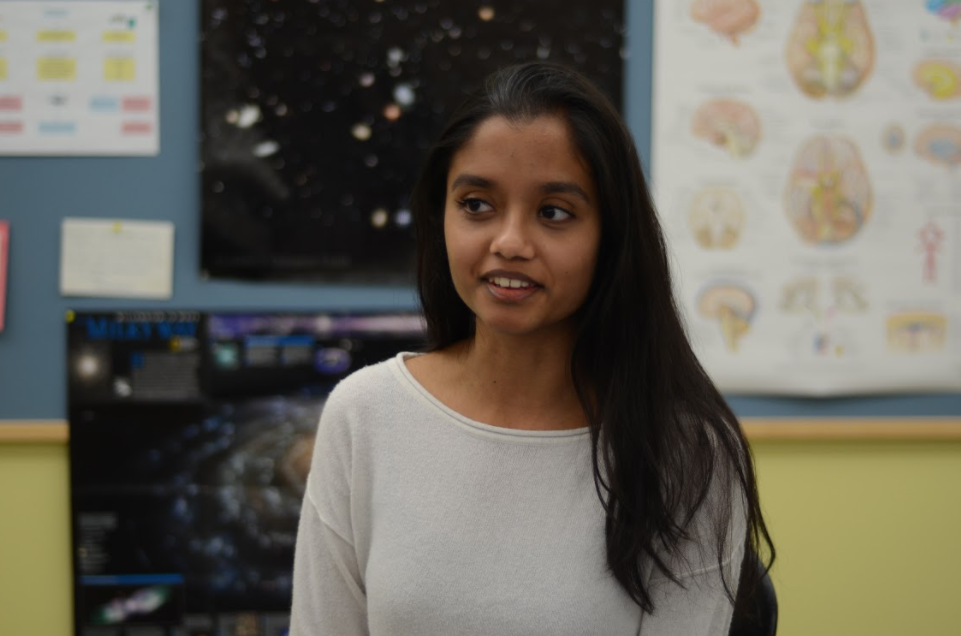
![“I wasn't discouraged by some of the obstacles we faced. I learned a lot from the leadership. I found that different people need different ways of receiving feedback — you can't [just] tell them to do something and expect the best. [Some] people needed more incentive. A large part of my role was to figure out what worked for everyone and to figure out how to lead all these separate individuals as a team,” Suhana Bhandare (’26) said.](https://harkeraquila.com/wp-content/uploads/2026/06/SuhanaBhandare_JasmineHansra-1-1200x798.jpg)
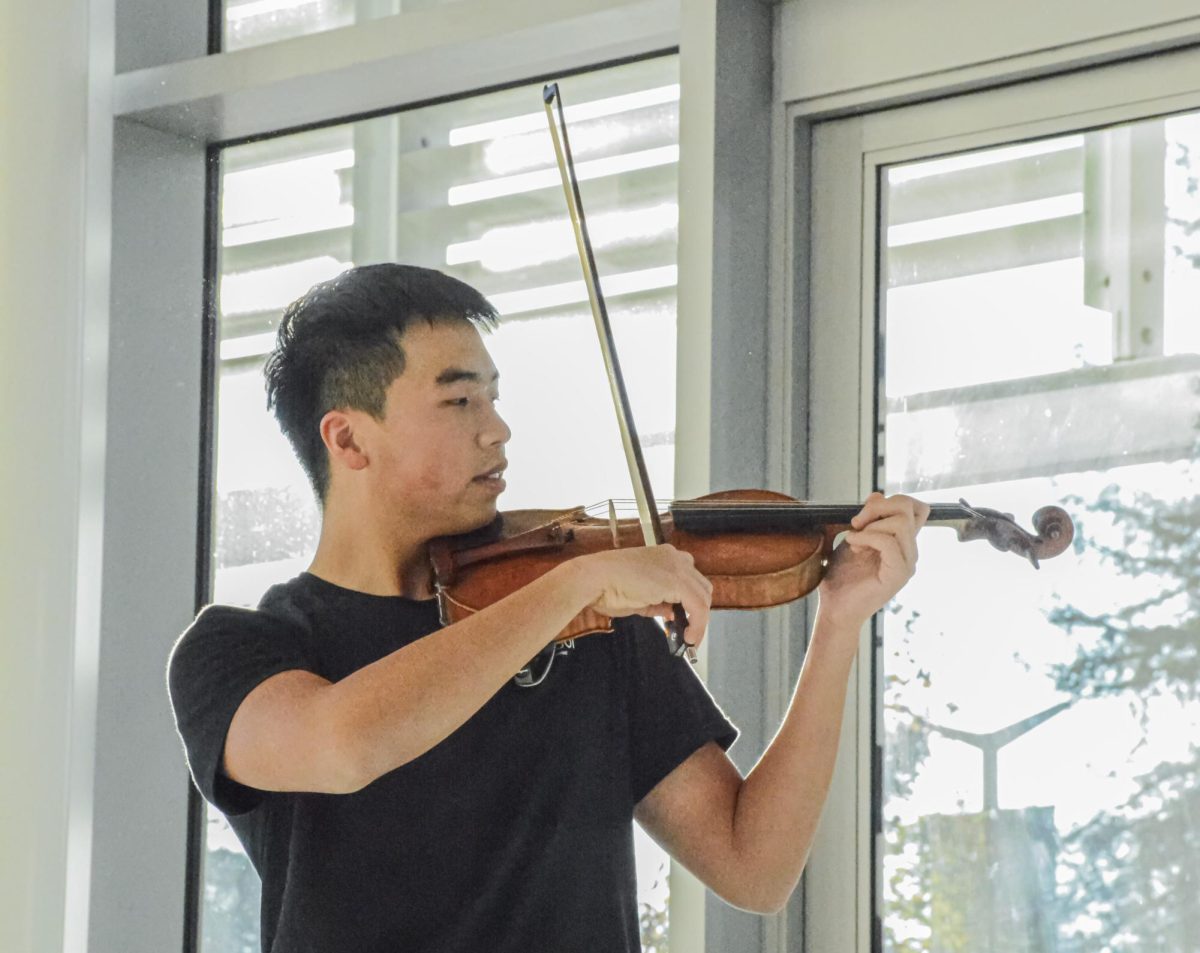
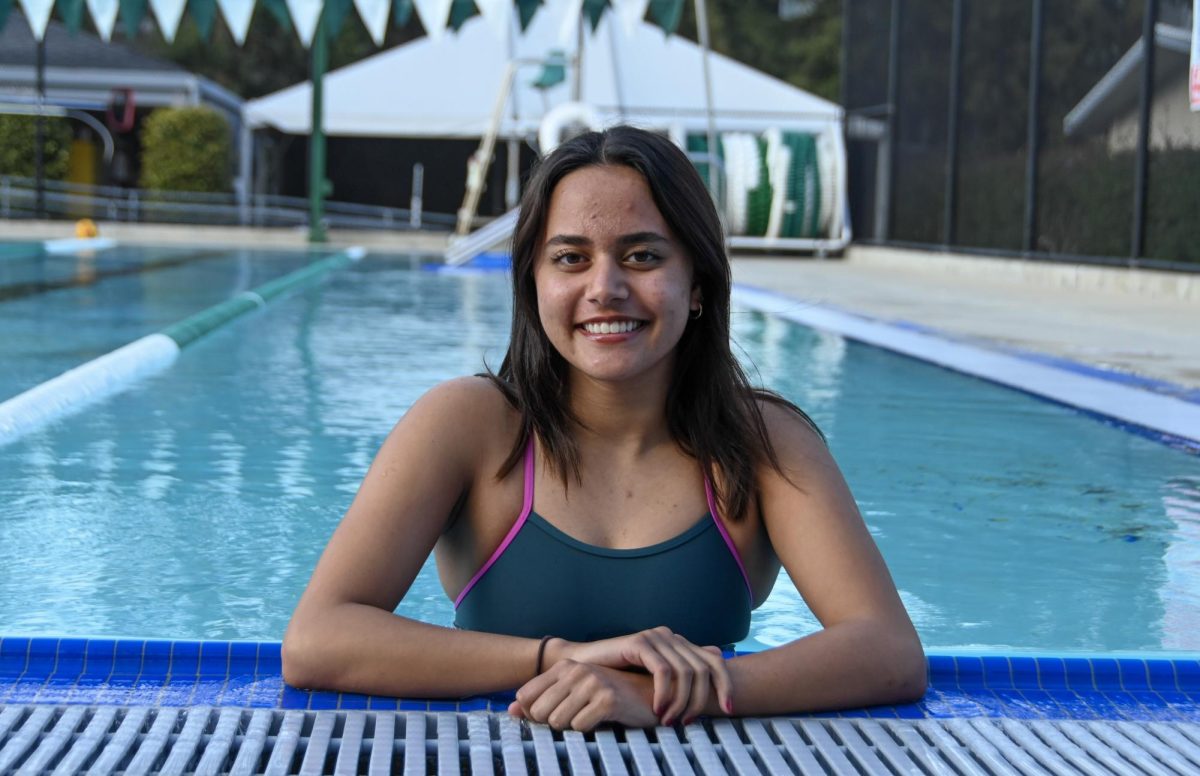
![“This is actually from Randy Pausch Randy P. Brick: ‘Walls are there for a reason. You have to show how much you want to overcome them.’ You have to show how much you want something. That's what I've always been able to do with tennis, Link Crew and getting that internship [with Kushy Baby]. It’s important pushing through that — getting around that brick wall, climbing over it or clawing through it,” Yash Sachdeva (’26) said.](https://harkeraquila.com/wp-content/uploads/2026/05/YashSachdeva_RamBatchu-copy-1200x1002.jpg)


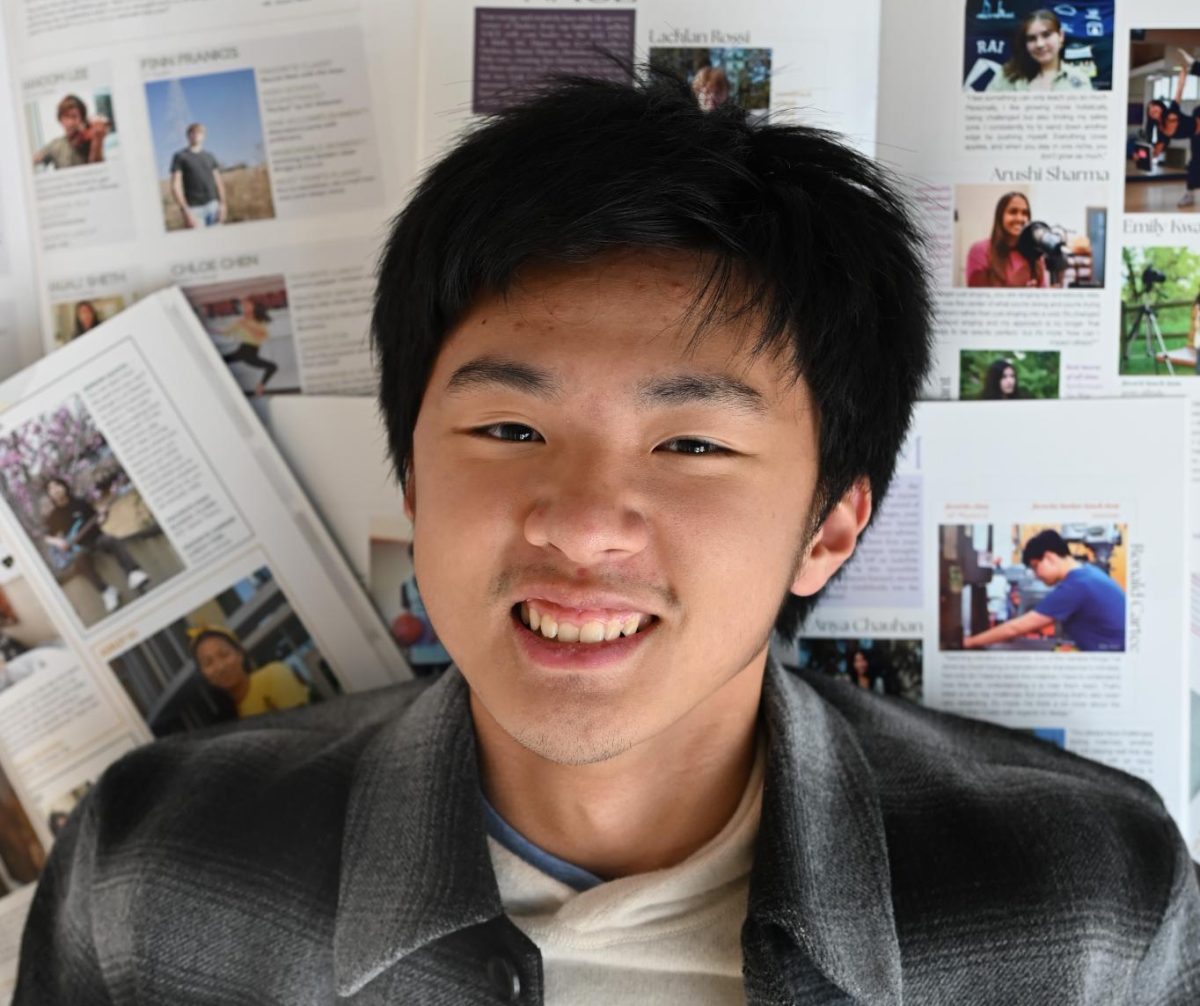
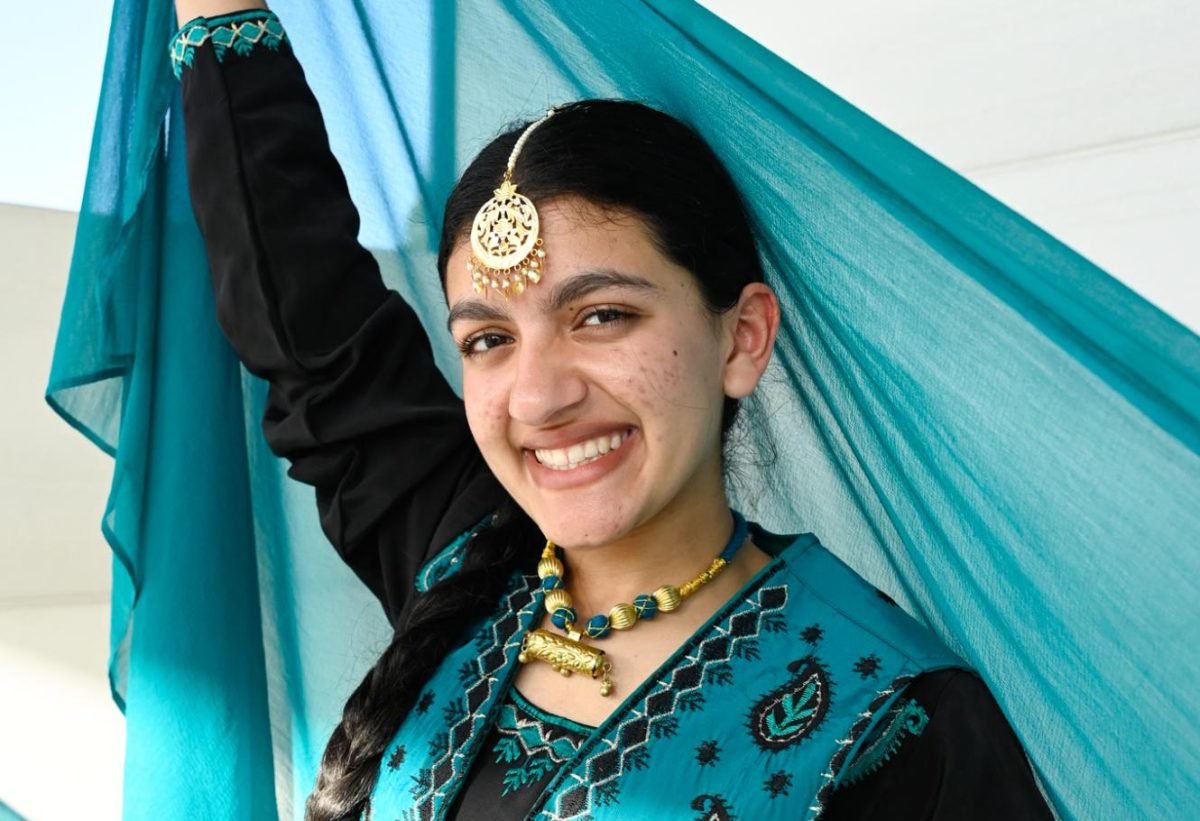


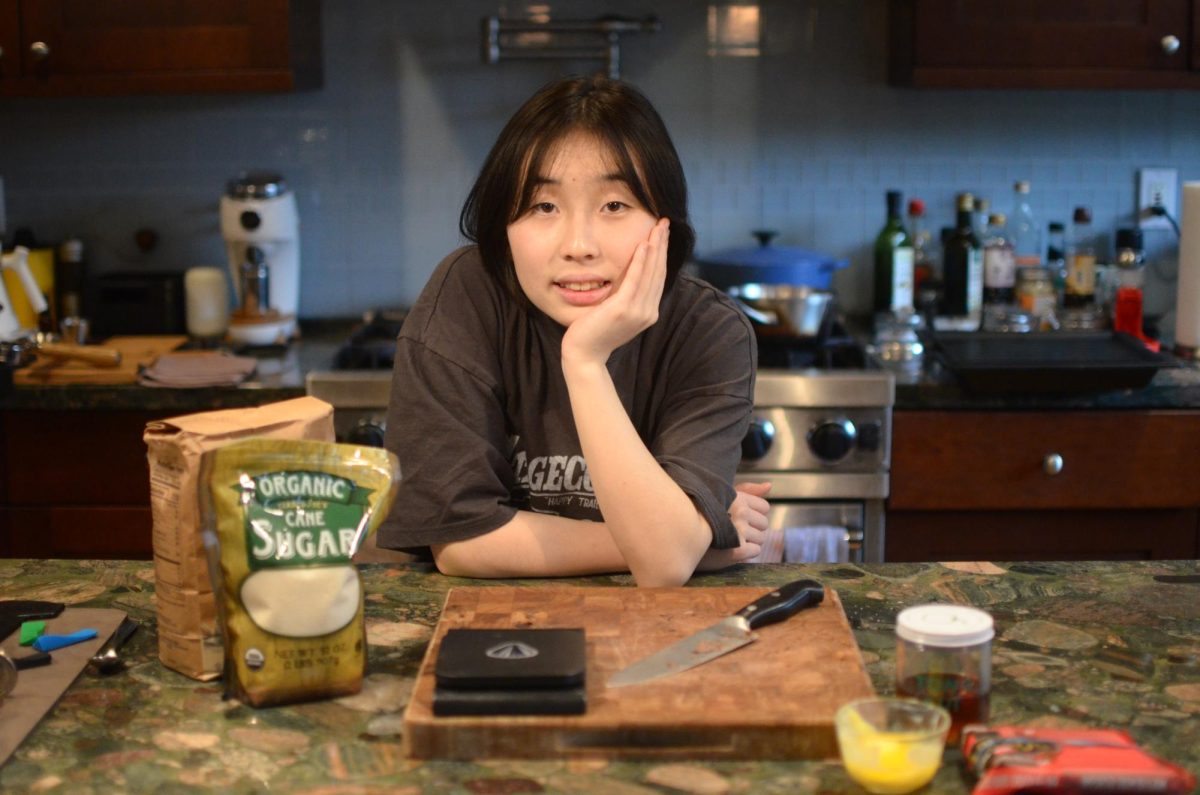


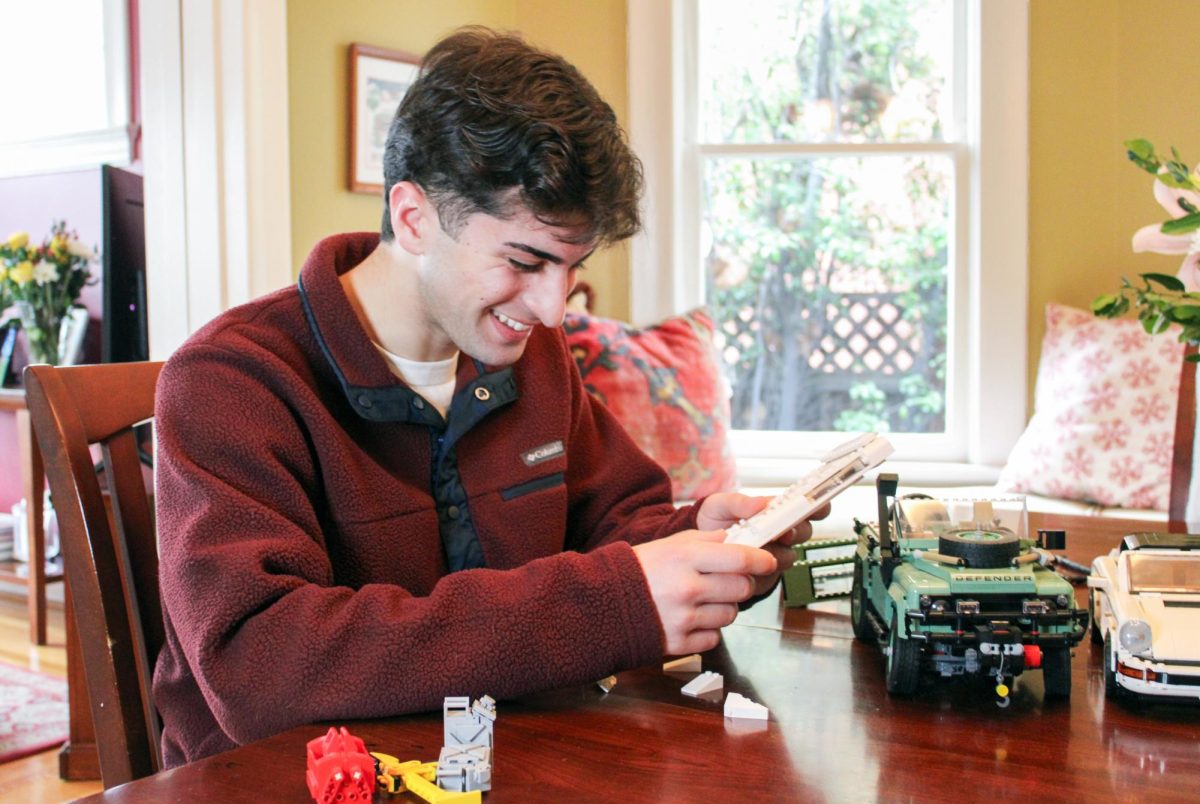

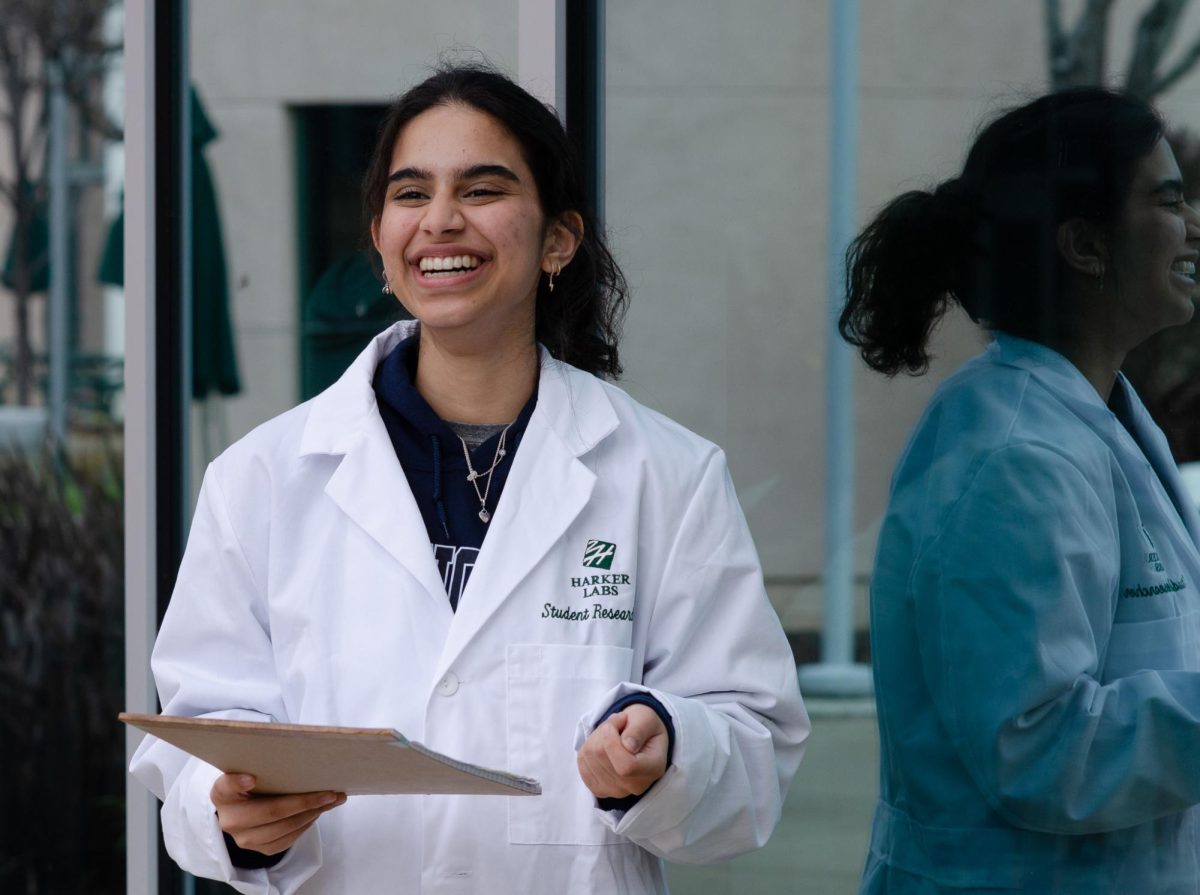
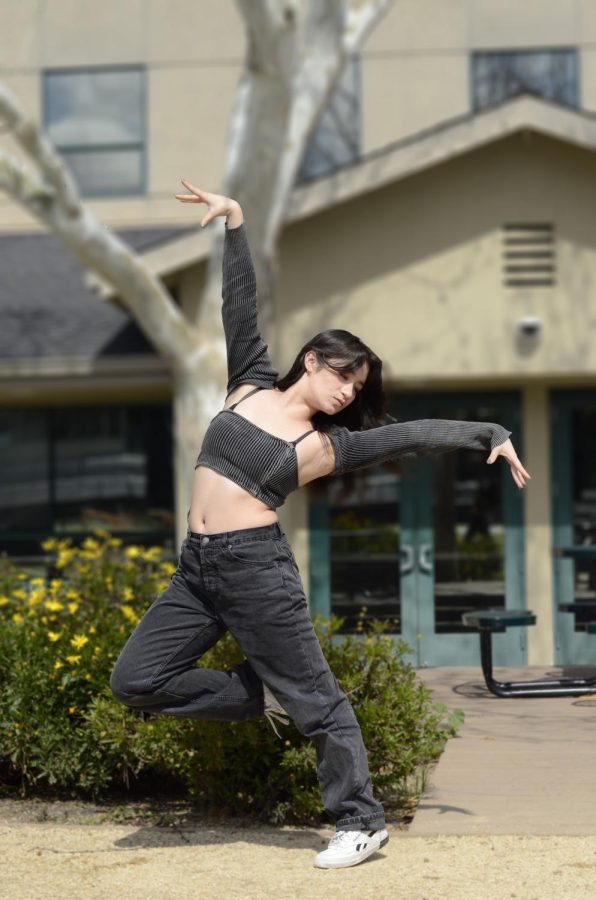
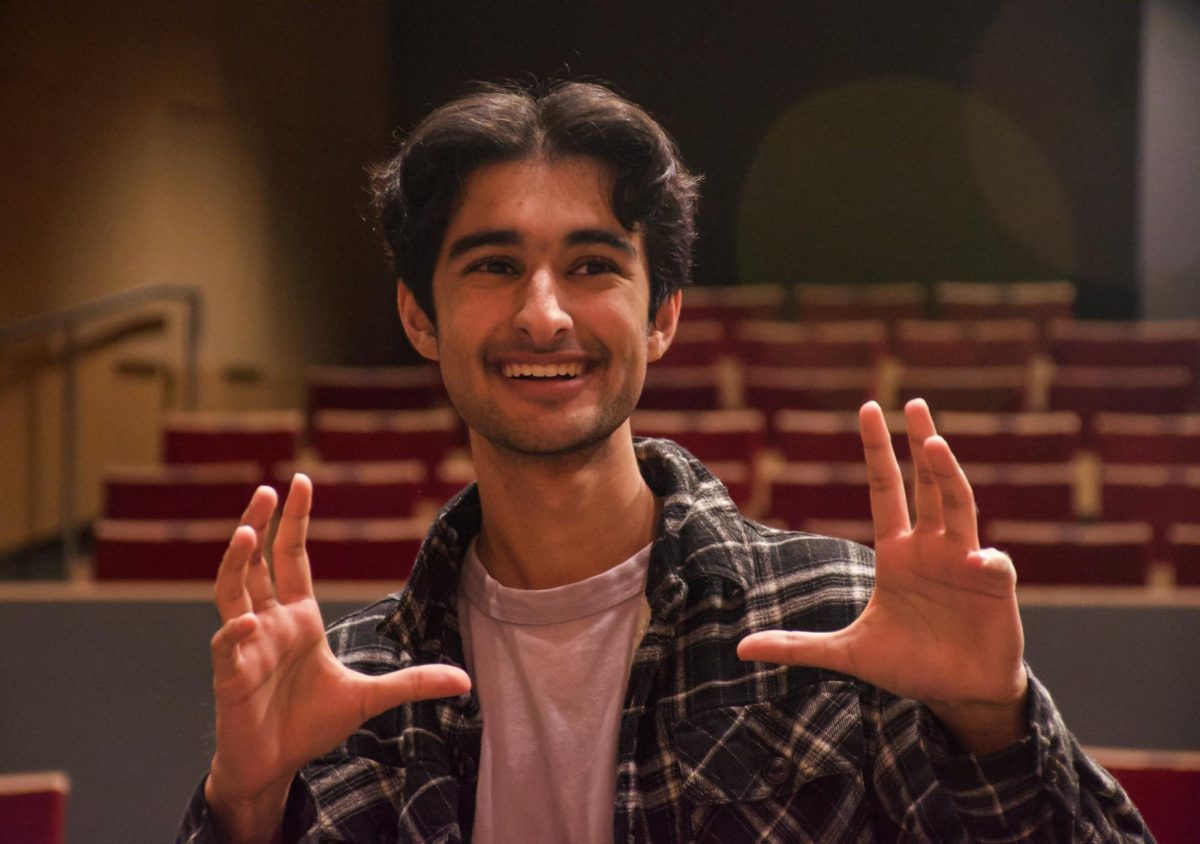
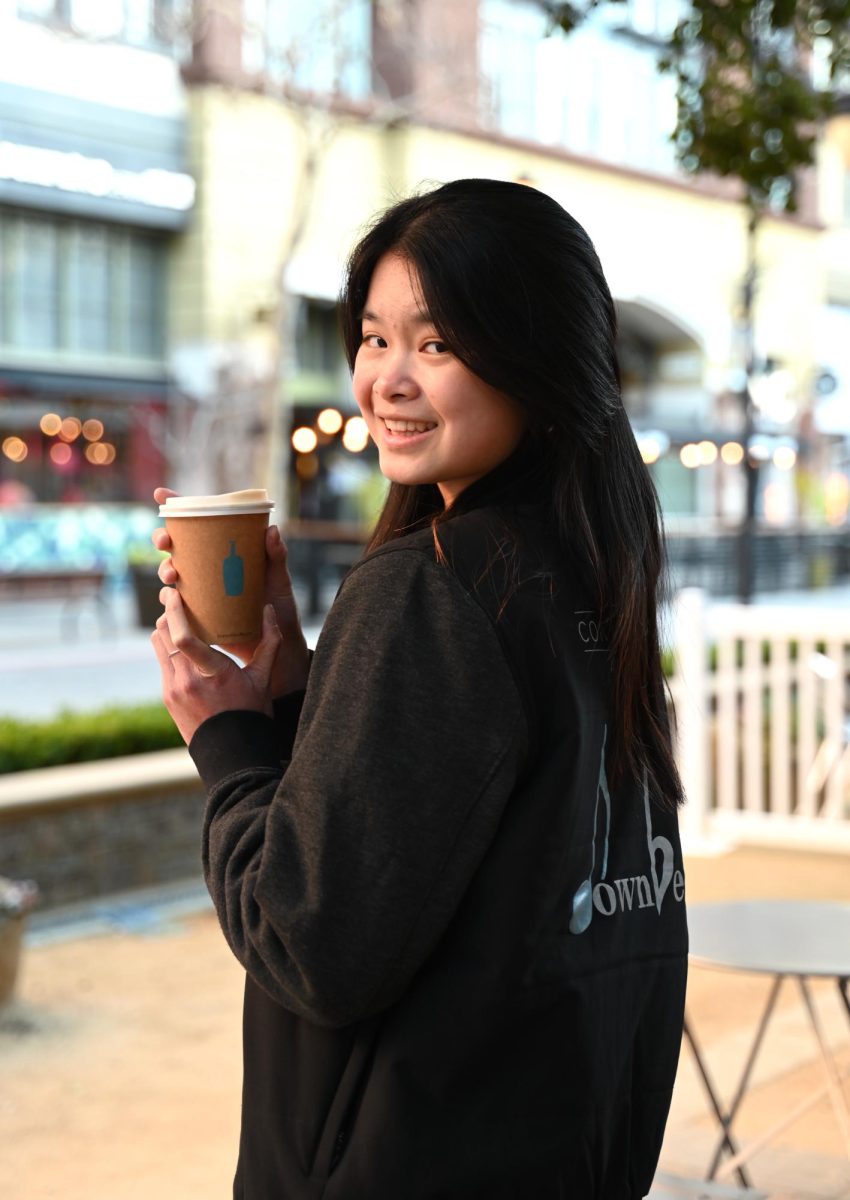
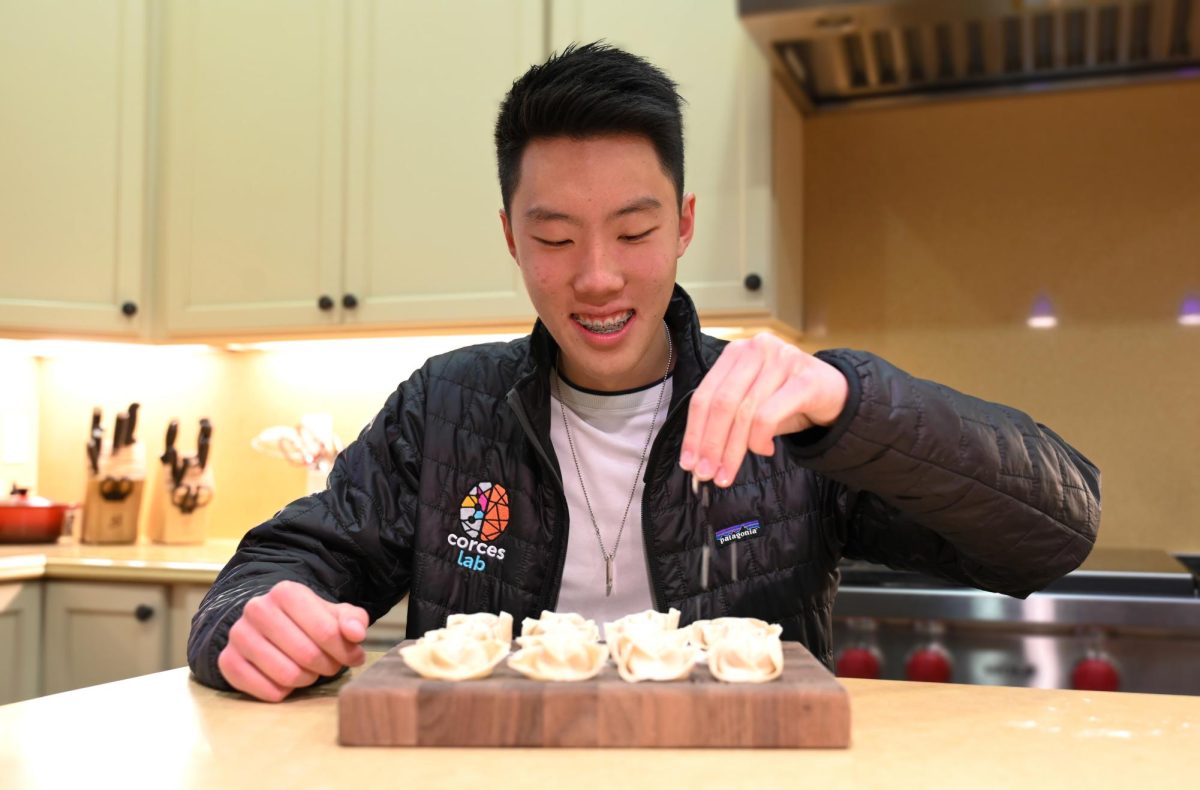
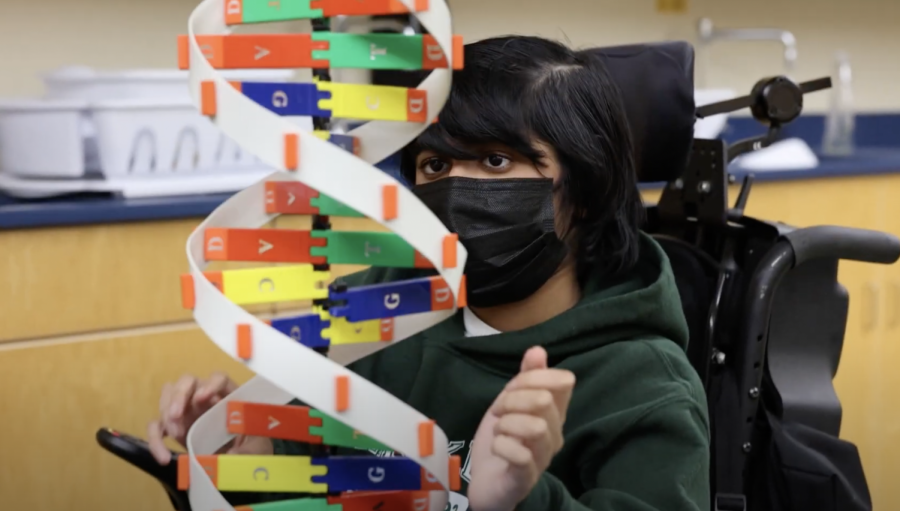
![“[Building nerf blasters] became this outlet of creativity for me that hasn't been matched by anything else. The process [of] making a build complete to your desire is such a painstakingly difficult process, but I've had to learn from [the skills needed from] soldering to proper painting. There's so many different options for everything, if you think about it, it exists. The best part is [that] if it doesn't exist, you can build it yourself," Ishaan Parate said.](https://harkeraquila.com/wp-content/uploads/2022/08/DSC_8149-900x604.jpg)
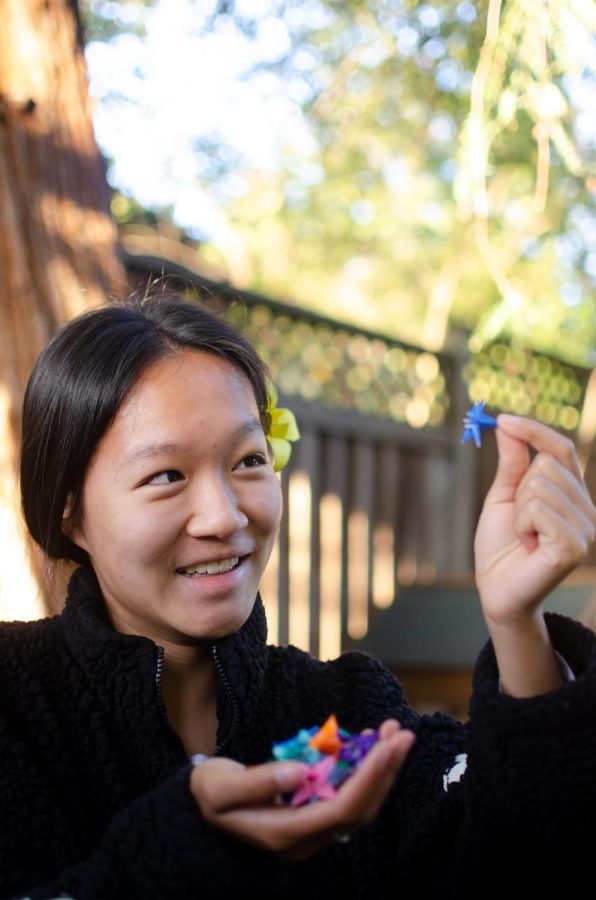
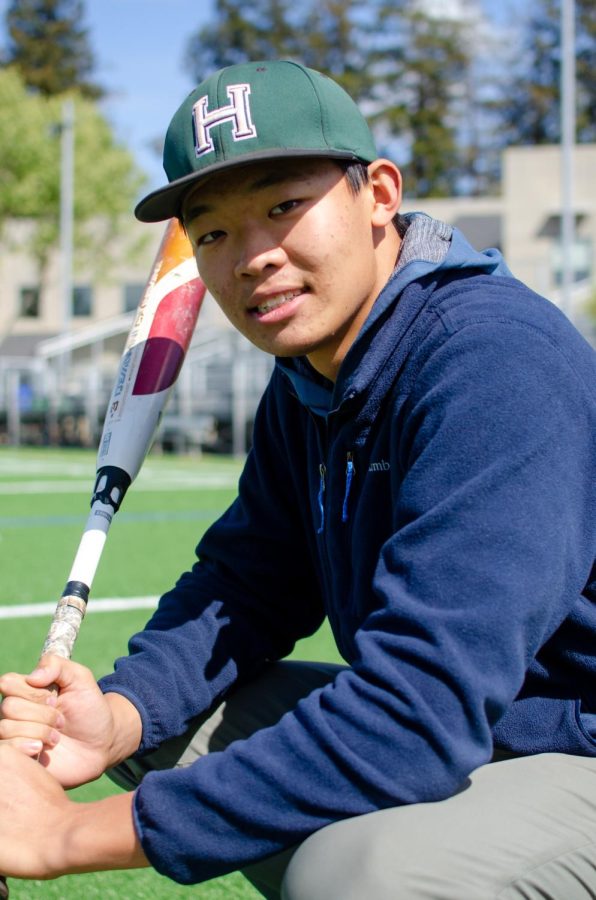
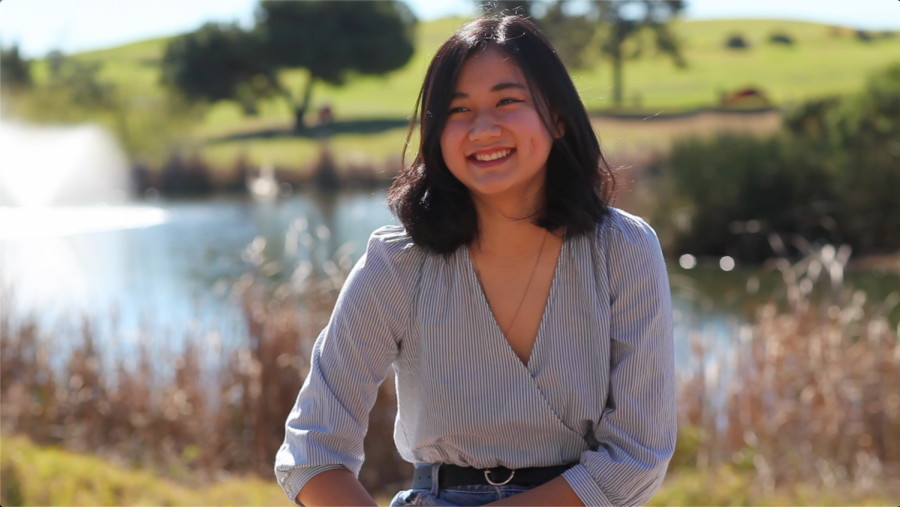
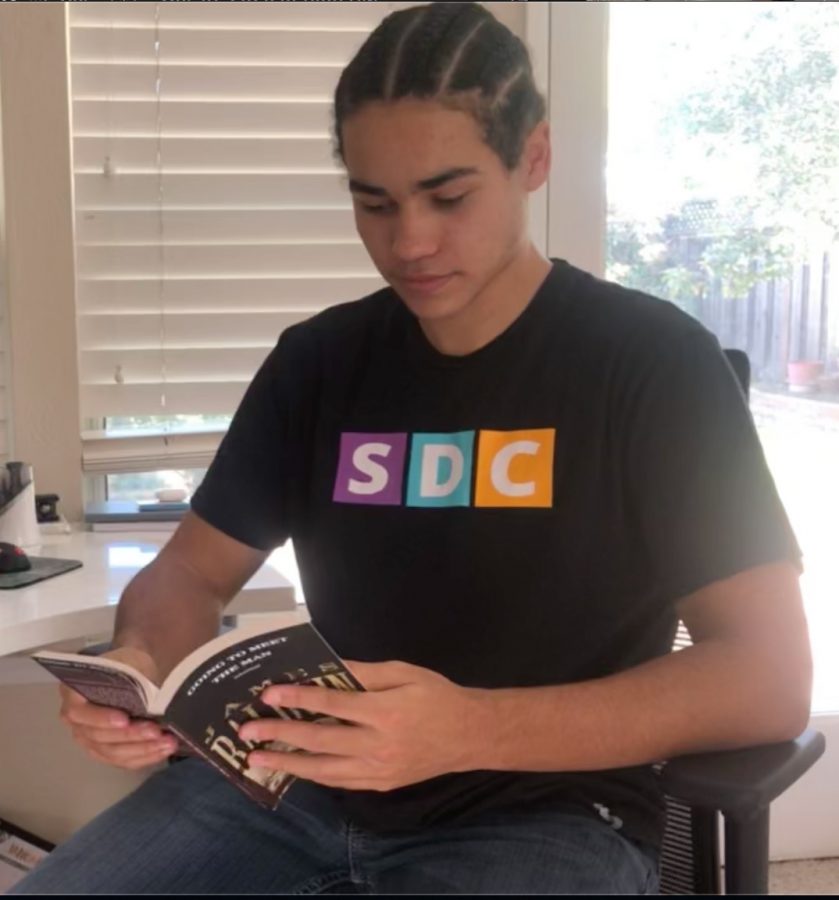
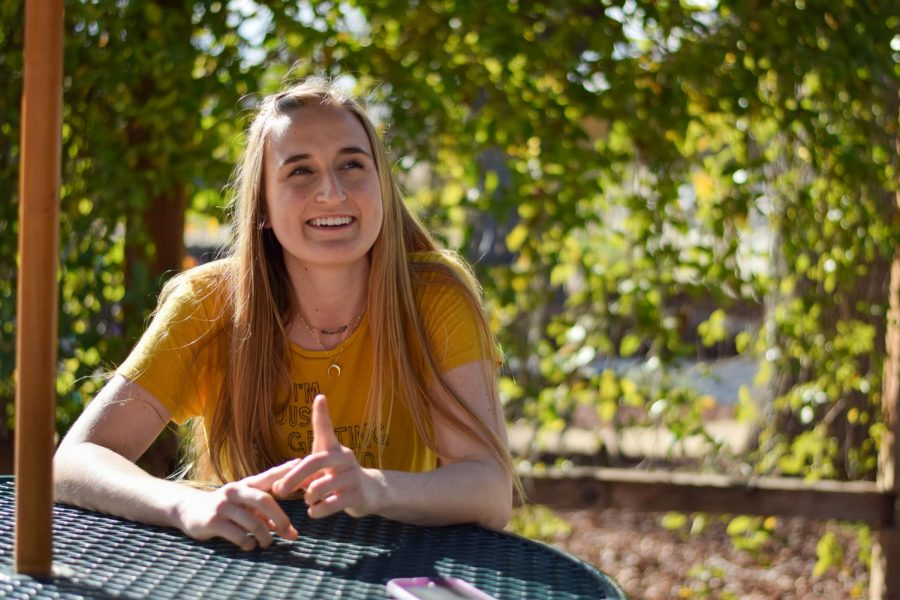
![“When I came into high school, I was ready to be a follower. But DECA was a game changer for me. It helped me overcome my fear of public speaking, and it's played such a major role in who I've become today. To be able to successfully lead a chapter of 150 students, an officer team and be one of the upperclassmen I once really admired is something I'm [really] proud of,” Anvitha Tummala ('21) said.](https://harkeraquila.com/wp-content/uploads/2021/07/Screen-Shot-2021-07-25-at-9.50.05-AM-900x594.png)
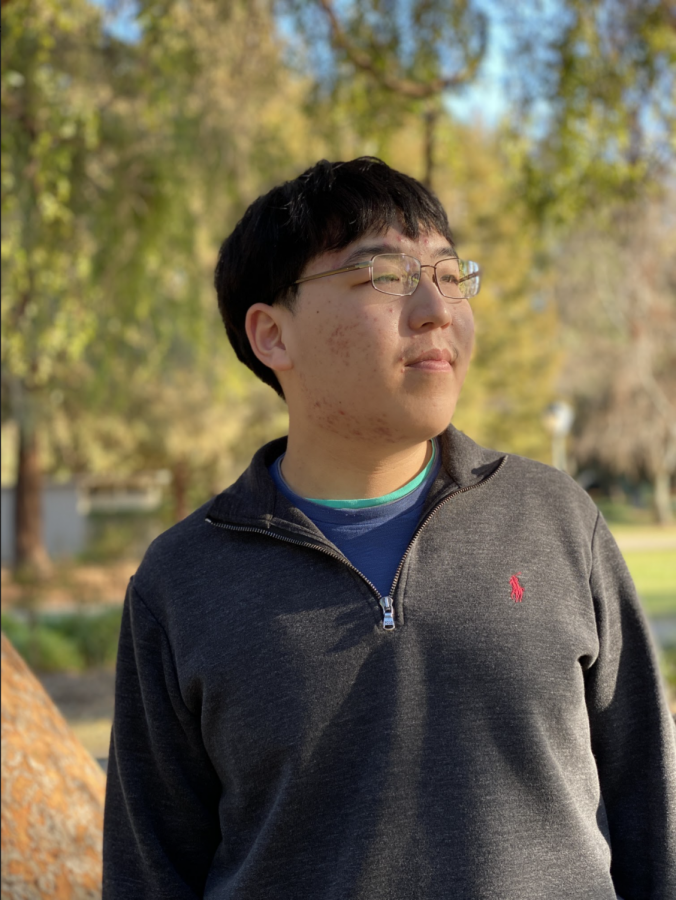
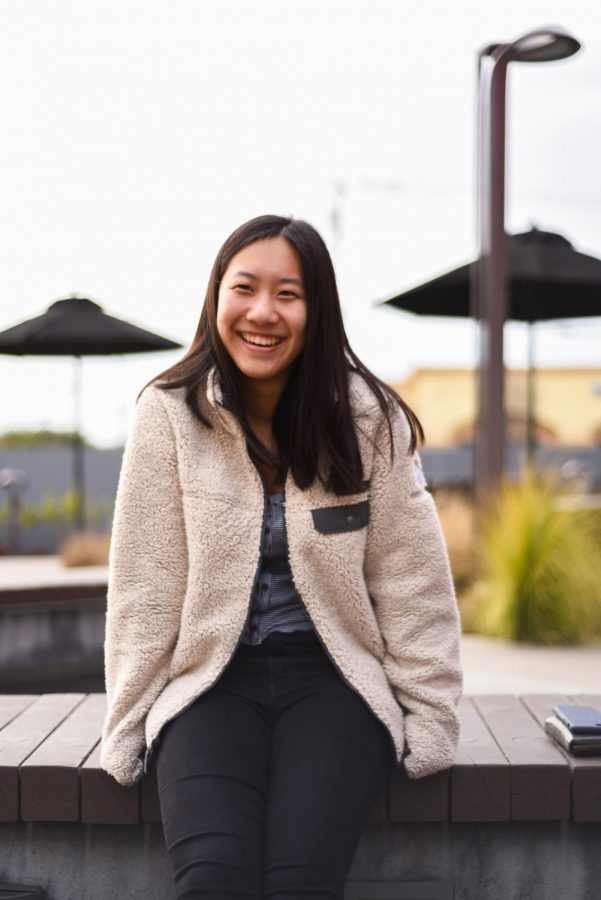
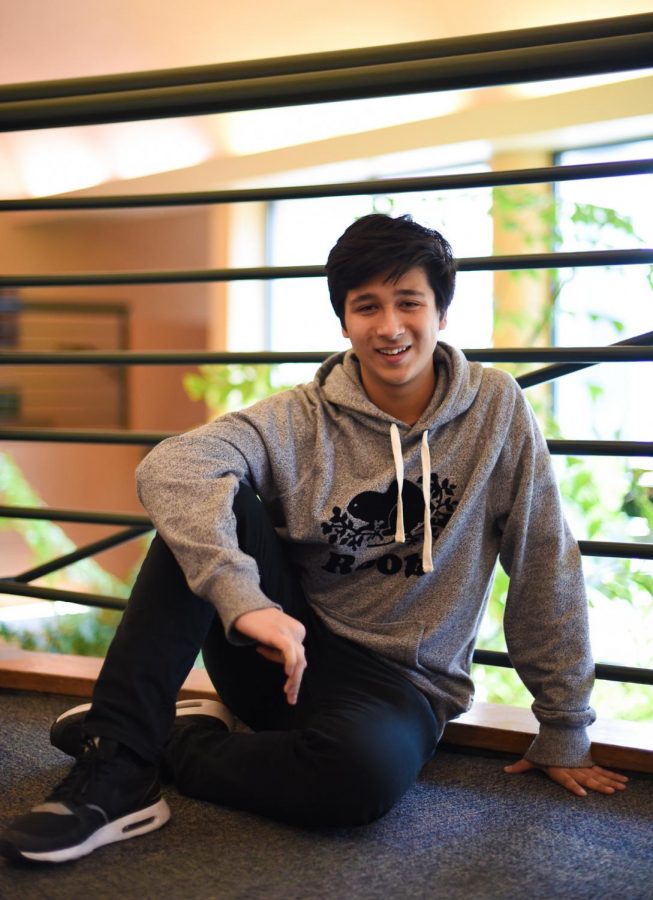
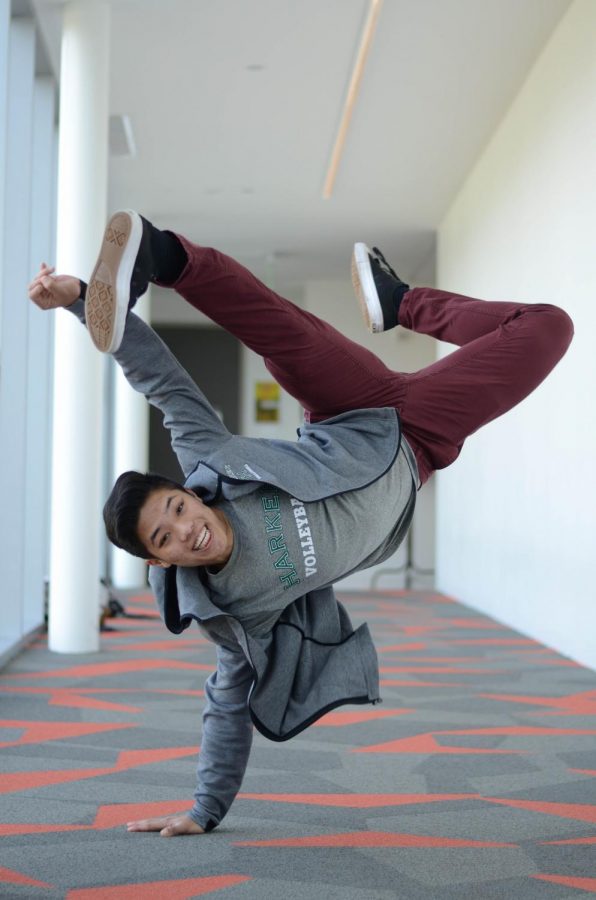
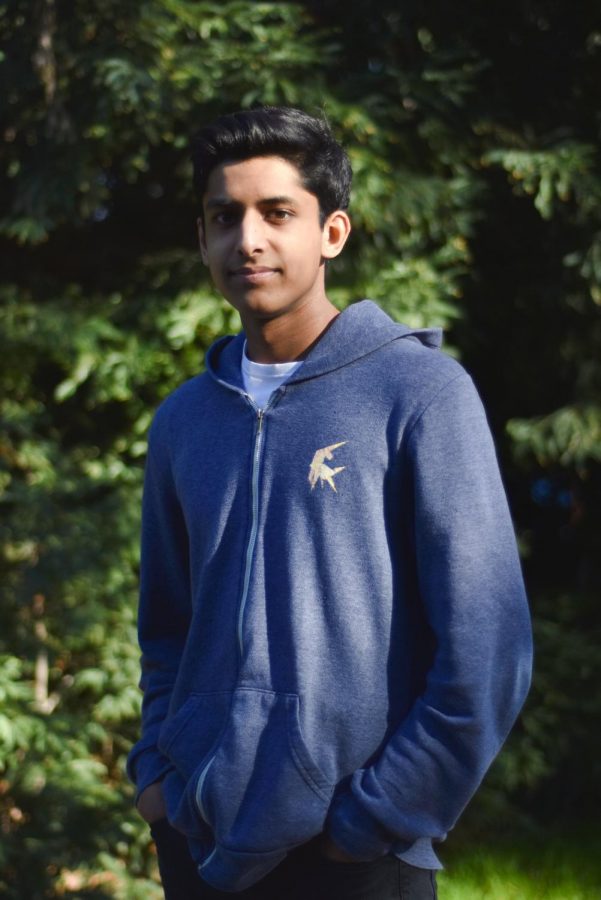

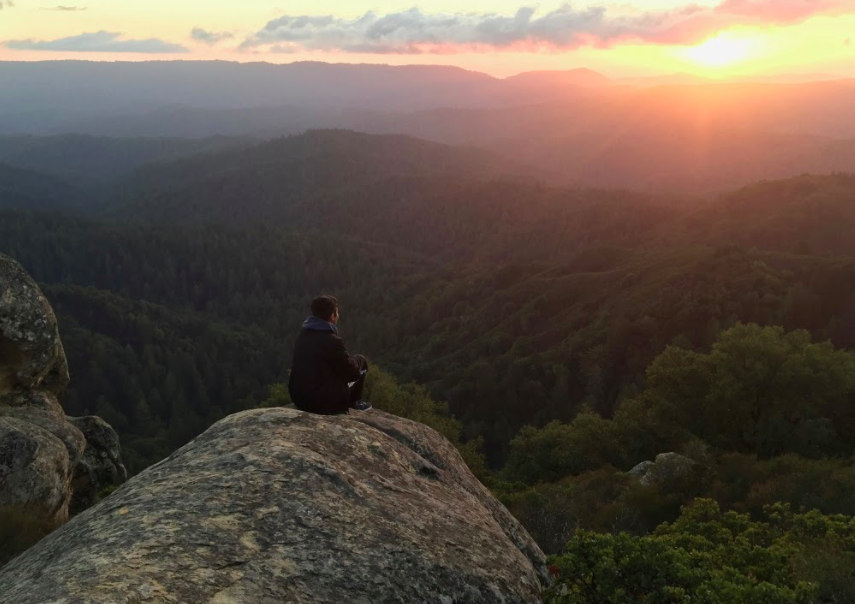
![“I think getting up in the morning and having a sense of purpose [is exciting]. I think without a certain amount of drive, life is kind of obsolete and mundane, and I think having that every single day is what makes each day unique and kind of makes life exciting,” Neymika Jain (12) said.](https://harkeraquila.com/wp-content/uploads/2017/06/Screen-Shot-2017-06-03-at-4.54.16-PM.png)
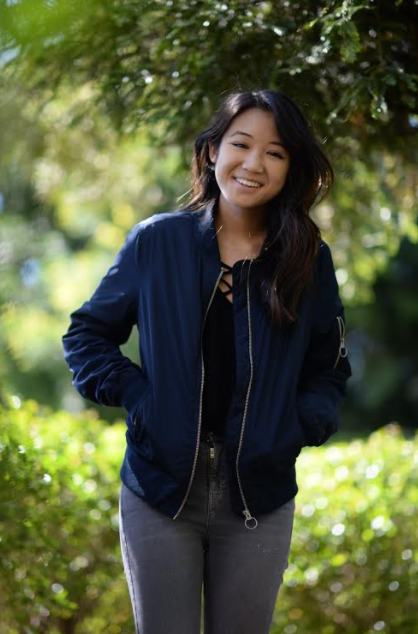



![“My slogan is ‘slow feet, don’t eat, and I’m hungry.’ You need to run fast to get where you are–you aren't going to get those championships if you aren't fast,” Angel Cervantes (12) said. “I want to do well in school on my tests and in track and win championships for my team. I live by that, [and] I can do that anywhere: in the classroom or on the field.”](https://harkeraquila.com/wp-content/uploads/2018/06/DSC5146-900x601.jpg)
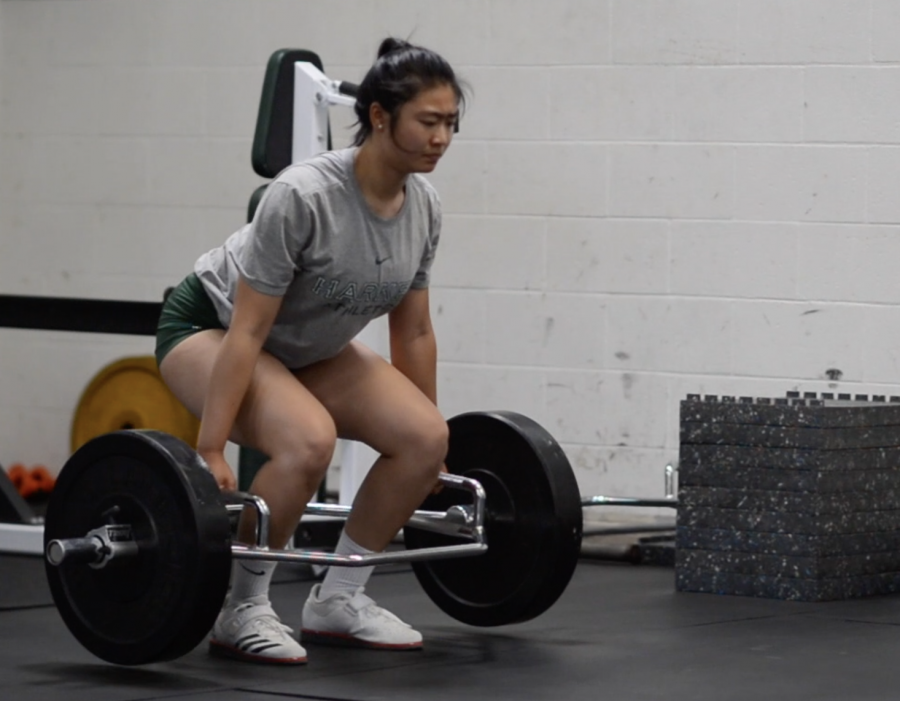
![“[Volleyball has] taught me how to fall correctly, and another thing it taught is that you don’t have to be the best at something to be good at it. If you just hit the ball in a smart way, then it still scores points and you’re good at it. You could be a background player and still make a much bigger impact on the team than you would think,” Anya Gert (’20) said.](https://harkeraquila.com/wp-content/uploads/2020/06/AnnaGert_JinTuan_HoHPhotoEdited-600x900.jpeg)
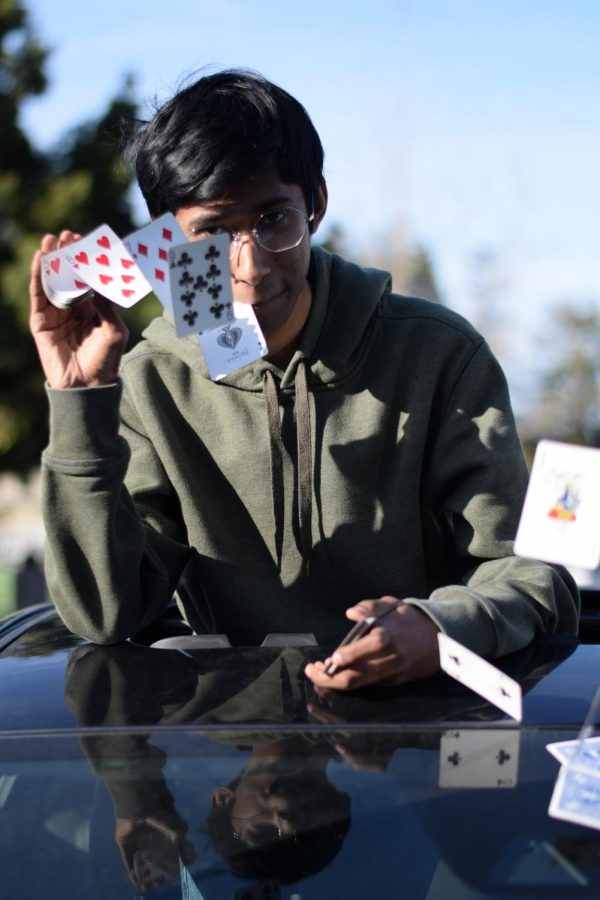
![“I'm not nearly there yet, but [my confidence has] definitely been getting better since I was pretty shy and timid coming into Harker my freshman year. I know that there's a lot of people that are really confident in what they do, and I really admire them. Everyone's so driven and that has really pushed me to kind of try to find my own place in high school and be more confident,” Alyssa Huang (’20) said.](https://harkeraquila.com/wp-content/uploads/2020/06/AlyssaHuang_EmilyChen_HoHPhoto-900x749.jpeg)


Brutal and beautiful: Olivia Rodrigo’s debut album shamelessly floods with feeling
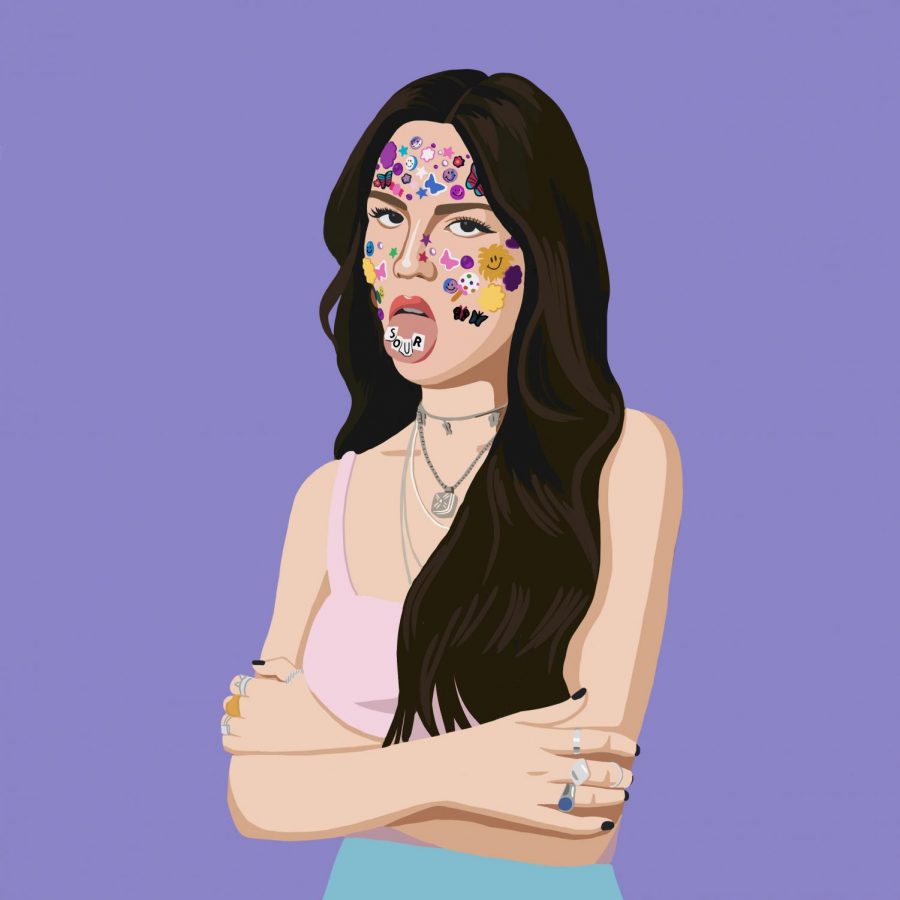
Olivia Rodrigo on her “SOUR” album cover. The album surpassed Spotify’s record for the greatest number of streams for an album in 2021.
August 14, 2021
“God, it’s brutal out here,” 18-year-old Olivia Rodrigo exclaims in the opening track of her debut album “SOUR,” the snappy trill of her voice mingling with bass drumming and a pounding guitar riff in the background. The song moves in a way that is unabashed in its preoccupation with melodrama—confronting everything from the pressure of external expectations to Rodrigo’s frustration with parallel parking.
And, yet, after the second chorus, Rodrigo transcends this angry interrogation of the world. The chords soften, the lyrics become gentle, reminding the audience ultimately of “[her] broken ego, [her] broken heart.”
Rodrigo first released “drivers license” in January, which broke the record for the most-streamed song of 2021, and the heartfelt debut single later became the third track of “SOUR.” The highly-anticipated complete album, written with Rodrigo’s producer Dan Nigro, followed on May 21, picking up the threads of youth and heartbreak in “drivers license.” Available for streaming on Spotify, Apple Music, Youtube Music, Soundcloud and other music platforms, “SOUR” surpassed Spotify’s record for the greatest number of streams for an album in 2021.
The debut album’s popularity has not faltered among listeners. In July, the album topped at No 1. on the Billboard 200 chart for the most played albums for the third consecutive week. During the week of Aug. 12, “good 4 u,” the sixth track of the album, was ranked fifth in a chart of the most global streams on Spotify. Rodrigo then followed the release of “SOUR” with a concert video on YouTube that she called “Sour prom” on June 29, which includes live versions of eight of the tracks.
Throughout “SOUR,” Rodrigo communicates the multiplicity of the human experience in the album’s 11 songs, the fearless, hopeful and gloomy times. Her ability to speak about both the emotions that crush us and the ones that put us back together again draws us to her music, as if she is reminding listeners, “yes, your reaction, too, matters,” as if to say, “Yes, we are feeling the same things.”
Teens related to and appreciated the lyrics entwined within the music of “SOUR,” comparing their poeticism and genuineness to Taylor Swift’s music, which Olivia Rodrigo has gained inspiration from.
By exploring the aftermath of a teenage breakup, an event that people might see as cliche, Rodrigo amplifies the extent of feeling: even the moment of a failed relationship, often an innate part of growing up, is filled with great vulnerability. And we should not ignore or underplay this vulnerability—we should embrace it because it is part of humanity.
The album investigates vulnerability through tracks that evoke these different emotions, allowing people to listen in on Rodrigo’s feelings as they progress and change. In the second track of the album, “traitor,” Rodrigo’s voice turns breathy, singing of her hurt as a result of her lover moving on quickly post-breakup.
“You betrayed me, and I know that you’ll never feel sorry for the way I hurt,” she sings in the chorus, the words brimming with feeling.
These hints of loneliness, of feeling stagnant as the world moves on as if nothing has happened, transition into fiery emotions in the later, more upbeat songs of the album. These songs include “deja vu,” “good 4 u” and “jealousy, jealousy,” the last of which begins with Rodrigo’s sharp confession: “I kinda wanna throw my phone across the room.”
In “enough for you,” Rodrigo reflects on her insecurities within her relationship, herself and her world, singing softly, “Stupid, emotional, obsessive little me.” She doesn’t hold back in her lyrics, criticizing her flaws, ruminating on what went wrong and exploring the selfishness that can come with falling in love.
As the album comes to a close, Rodrigo moves beyond the breakup into her relationships, reflecting on loneliness, falling out of touch and wishing the best for the people around her. Embracing genre bending, Rodrigo mixes ballads and pop rock, harsh crescendos of electric guitar and soft trickles of piano.
Having written the album during the pandemic, Rodrigo communicates the ache of growing pains and spending so much time in solitude. With little details like the “strawberry ice cream in Malibu” that Rodrigo sings of in “deja vu,” she embraces a sort of sentimentality and a way of voicing her longing.
Her songs are so fearless yet so familiar in their desires. Especially for youth who are still finding themselves, the story of love and grief and forgiveness narrated in “SOUR” reminds them of the universality of struggle, that the difficulty and loneliness that can arrive with coming of age is something that everyone experiences, like a door that needs to be passed through.
But mostly, “SOUR” shows listeners what it means to be abundant and whole in their feelings as exemplified by the cover of the album: colorful stickers dazzling Rodrigo’s face, a pop of purple waving in the background like a flag, like a new anthem of sharing boldly.