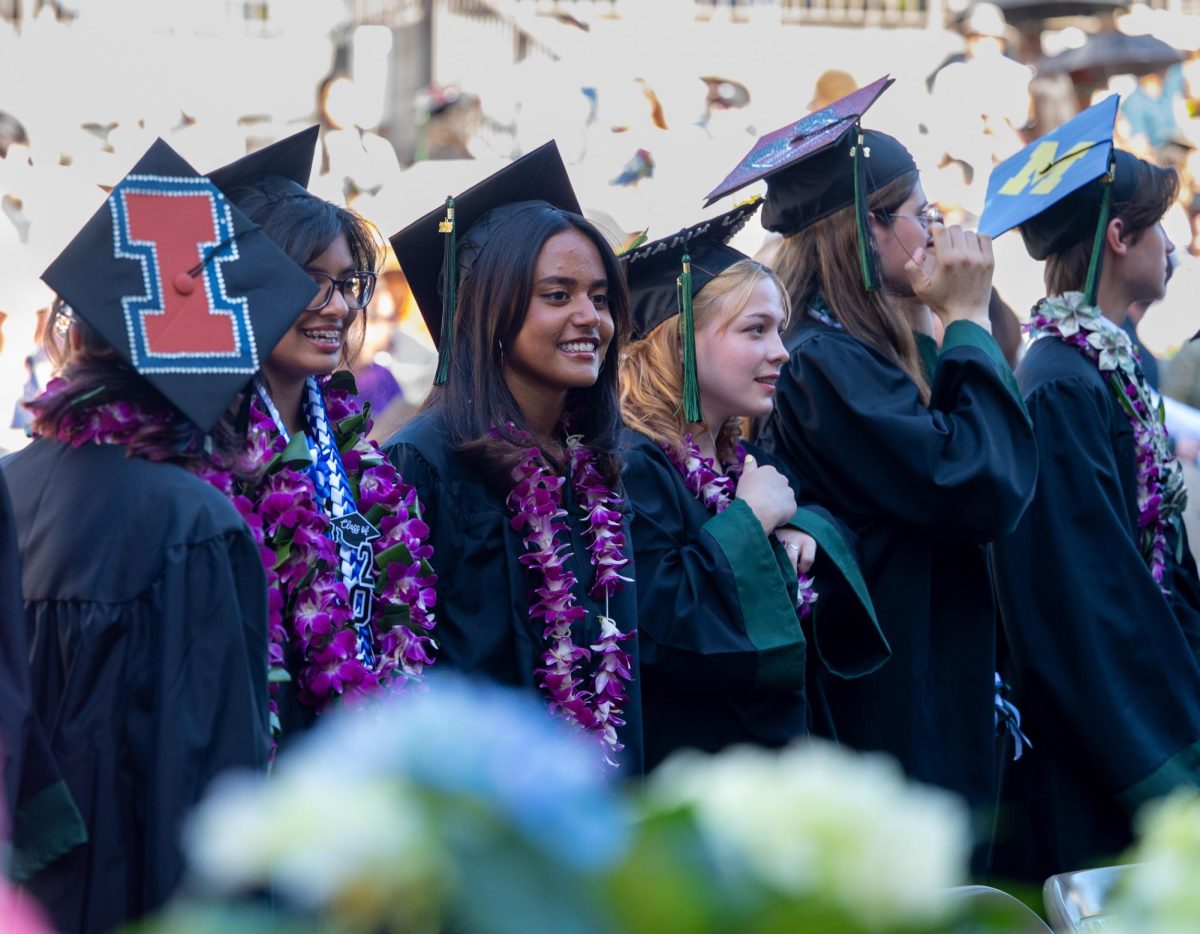
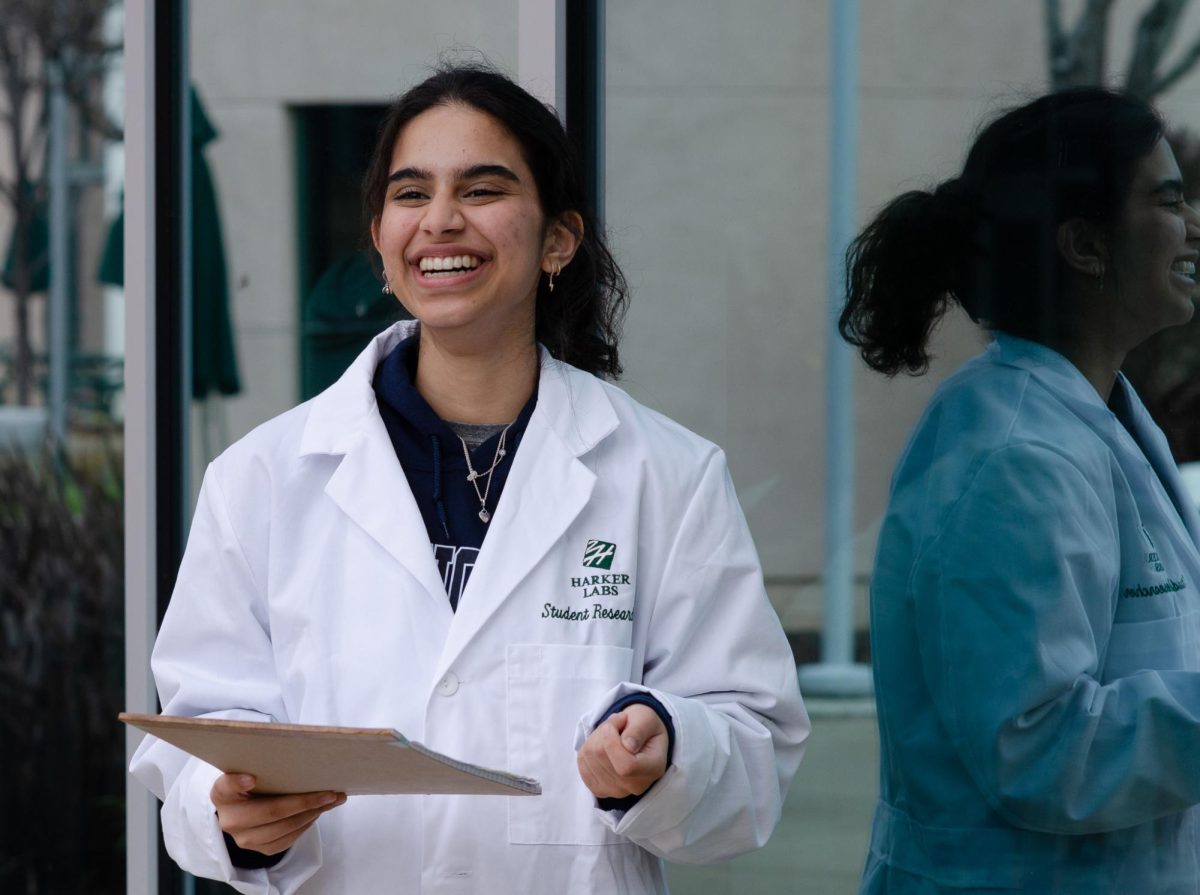
![“I wasn't discouraged by some of the obstacles we faced. I learned a lot from the leadership. I found that different people need different ways of receiving feedback — you can't [just] tell them to do something and expect the best. [Some] people needed more incentive. A large part of my role was to figure out what worked for everyone and to figure out how to lead all these separate individuals as a team,” Suhana Bhandare (’26) said.](https://harkeraquila.com/wp-content/uploads/2026/06/SuhanaBhandare_JasmineHansra-1-1200x798.jpg)


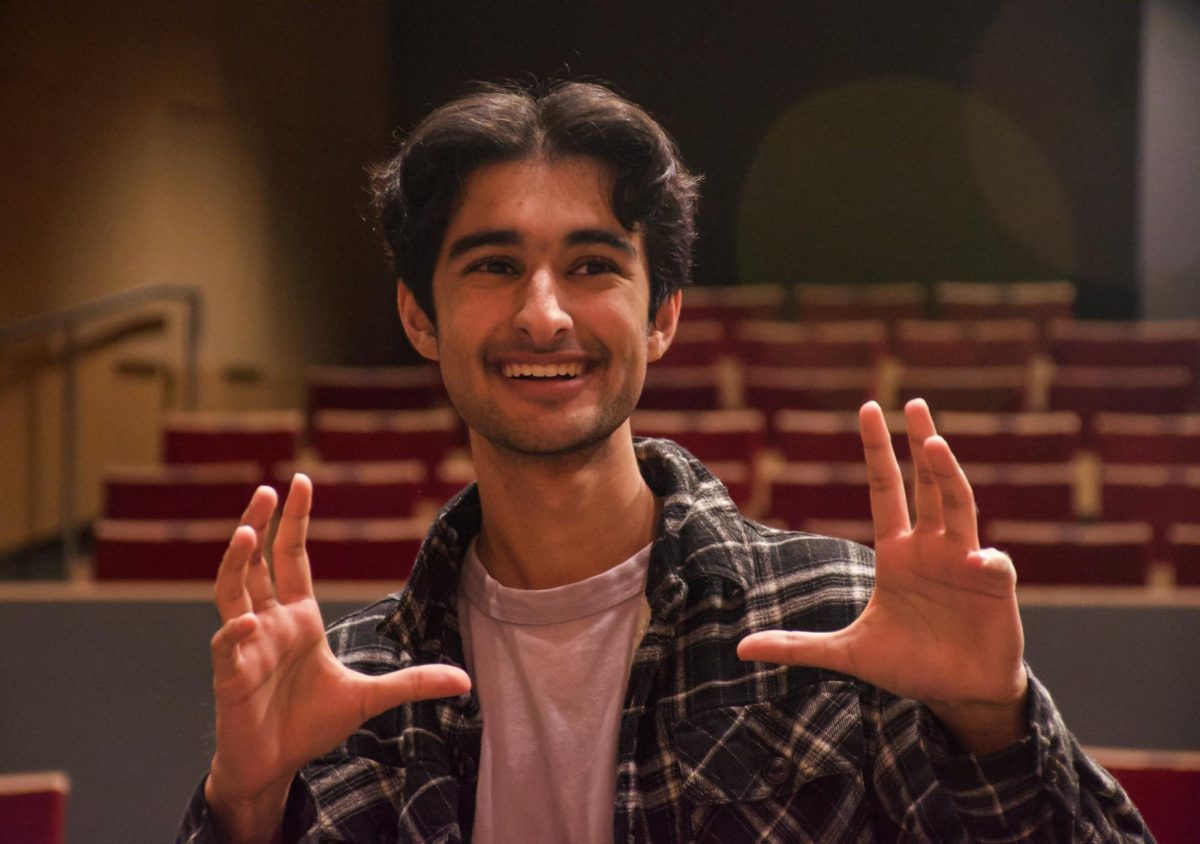
![“This is actually from Randy Pausch Randy P. Brick: ‘Walls are there for a reason. You have to show how much you want to overcome them.’ You have to show how much you want something. That's what I've always been able to do with tennis, Link Crew and getting that internship [with Kushy Baby]. It’s important pushing through that — getting around that brick wall, climbing over it or clawing through it,” Yash Sachdeva (’26) said.](https://harkeraquila.com/wp-content/uploads/2026/05/YashSachdeva_RamBatchu-copy-1200x1002.jpg)
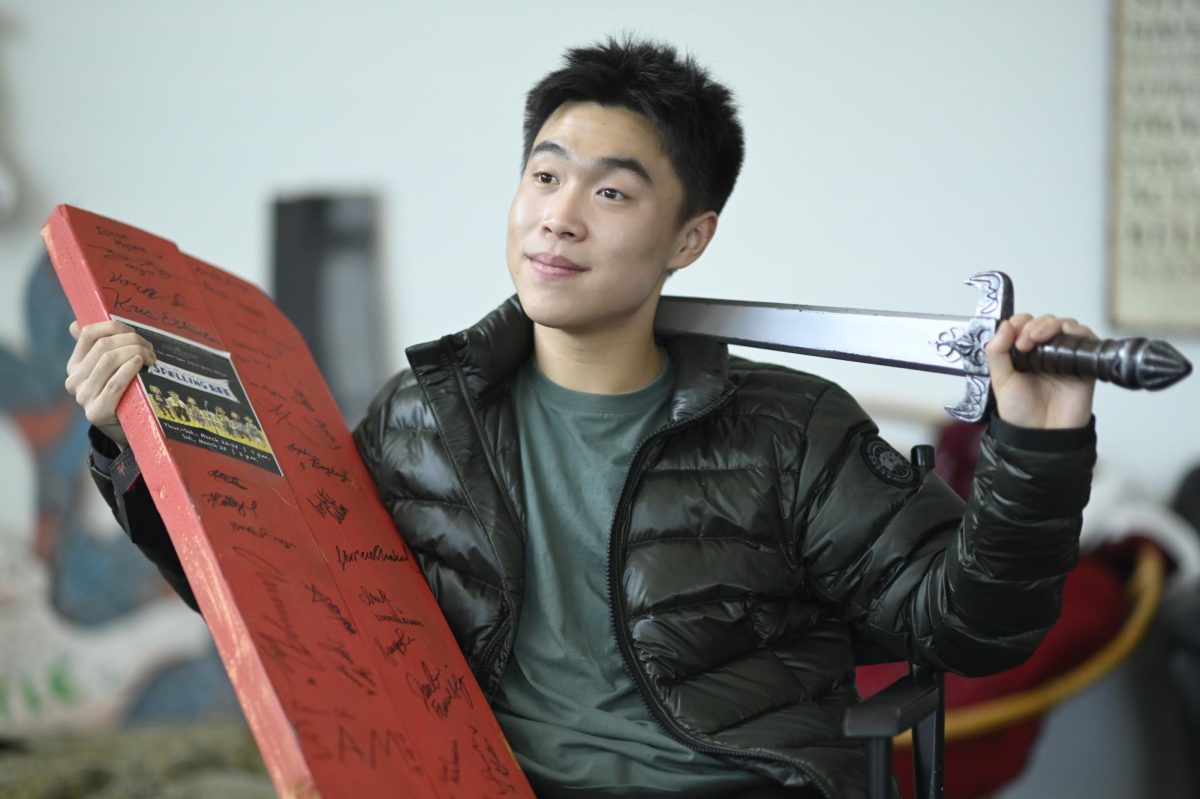











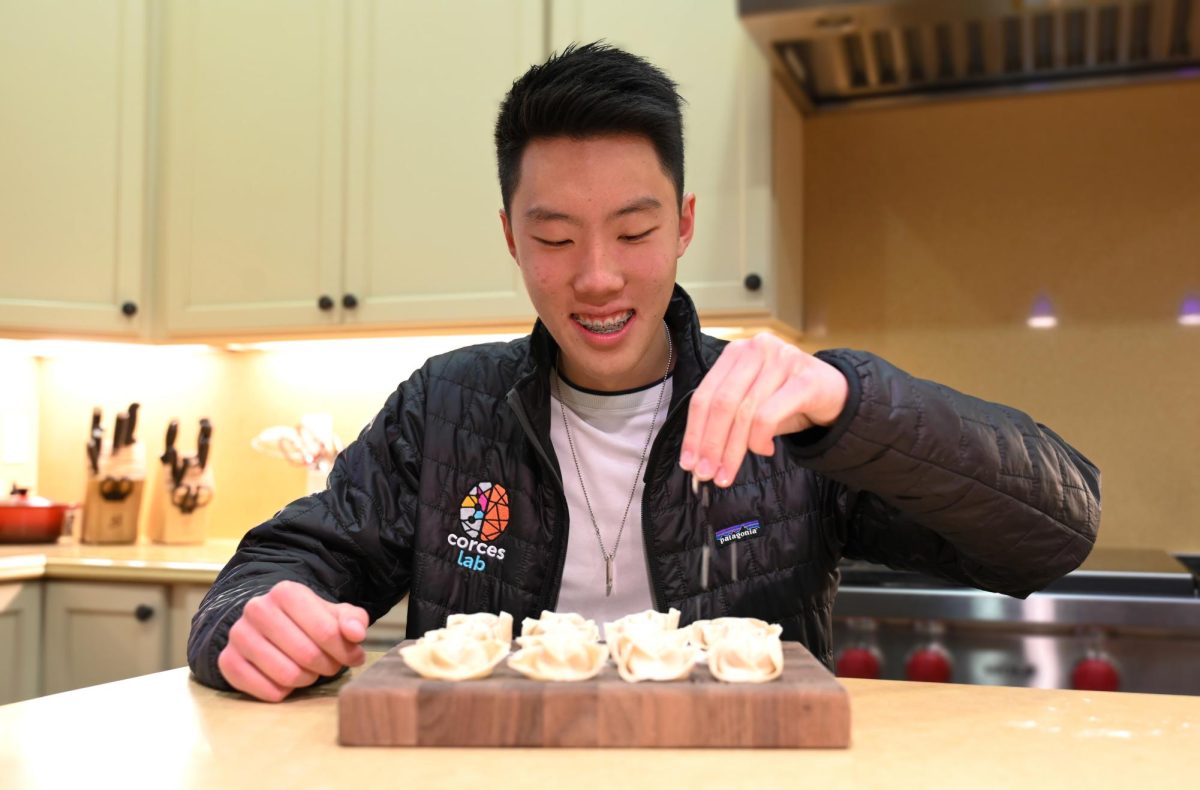
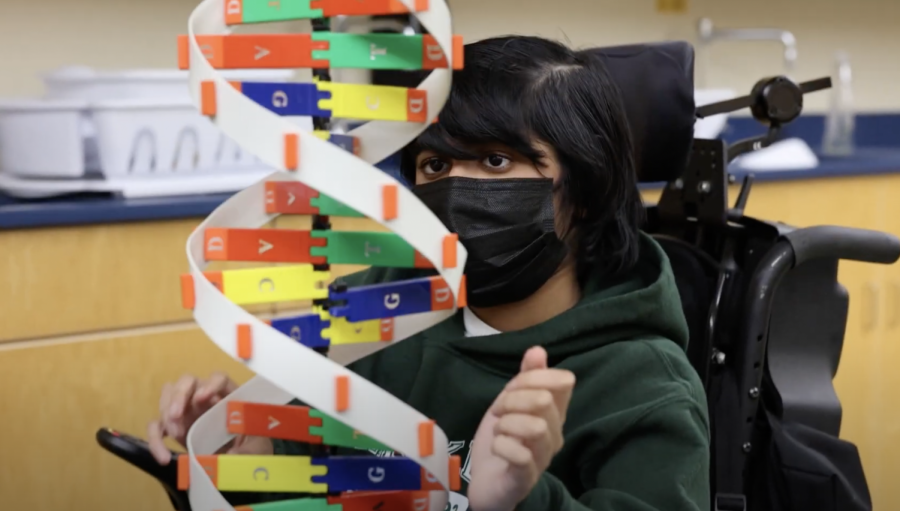
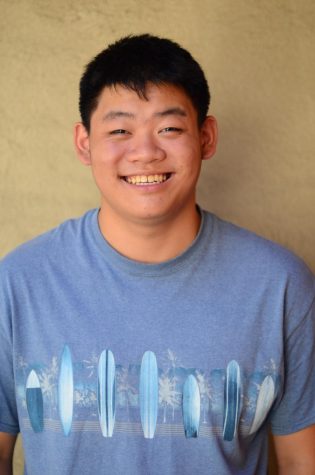
![“[Building nerf blasters] became this outlet of creativity for me that hasn't been matched by anything else. The process [of] making a build complete to your desire is such a painstakingly difficult process, but I've had to learn from [the skills needed from] soldering to proper painting. There's so many different options for everything, if you think about it, it exists. The best part is [that] if it doesn't exist, you can build it yourself," Ishaan Parate said.](https://harkeraquila.com/wp-content/uploads/2022/08/DSC_8149-900x604.jpg)

![“When I came into high school, I was ready to be a follower. But DECA was a game changer for me. It helped me overcome my fear of public speaking, and it's played such a major role in who I've become today. To be able to successfully lead a chapter of 150 students, an officer team and be one of the upperclassmen I once really admired is something I'm [really] proud of,” Anvitha Tummala ('21) said.](https://harkeraquila.com/wp-content/uploads/2021/07/Screen-Shot-2021-07-25-at-9.50.05-AM-900x594.png)
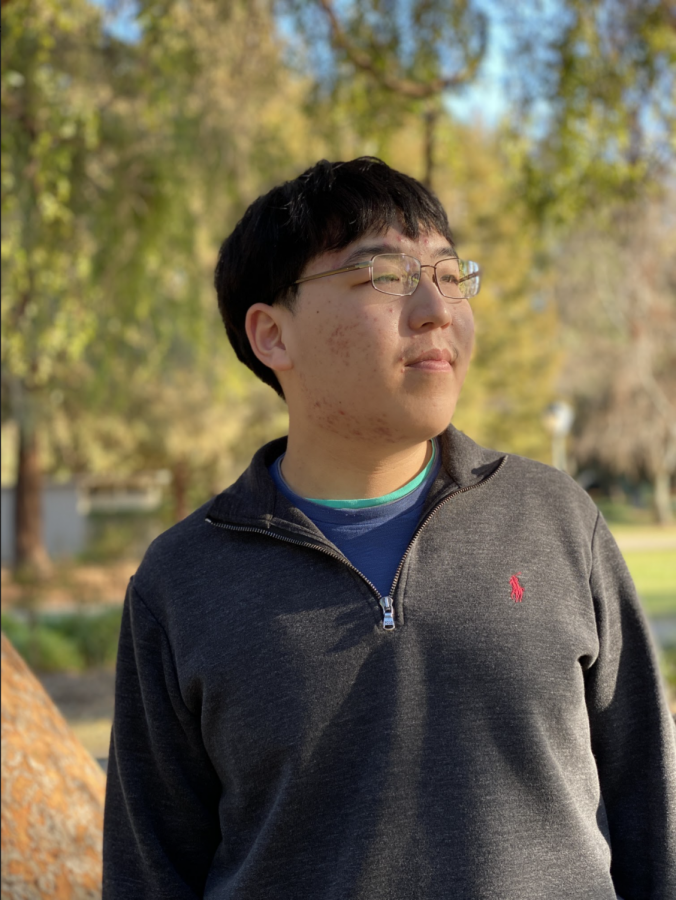


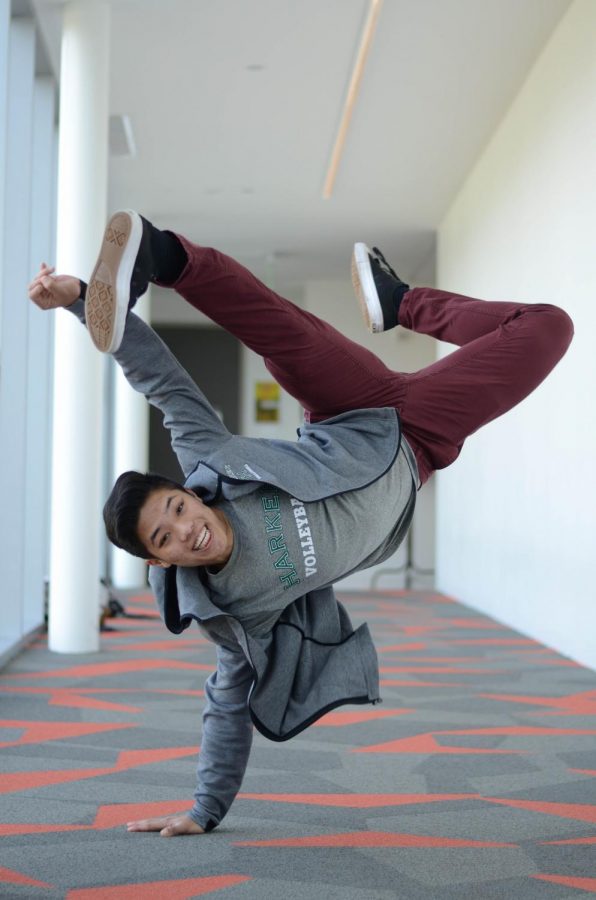


![“I think getting up in the morning and having a sense of purpose [is exciting]. I think without a certain amount of drive, life is kind of obsolete and mundane, and I think having that every single day is what makes each day unique and kind of makes life exciting,” Neymika Jain (12) said.](https://harkeraquila.com/wp-content/uploads/2017/06/Screen-Shot-2017-06-03-at-4.54.16-PM.png)





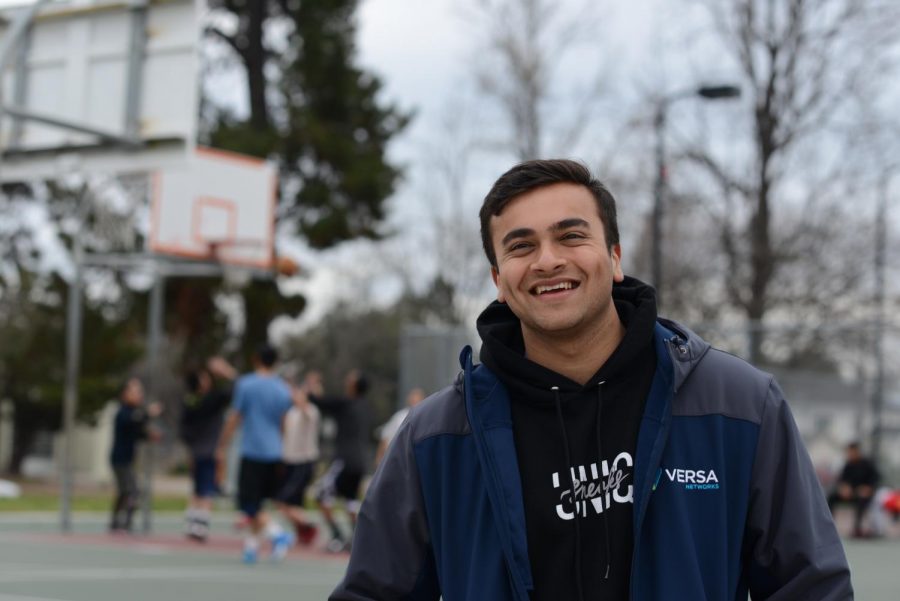

![“My slogan is ‘slow feet, don’t eat, and I’m hungry.’ You need to run fast to get where you are–you aren't going to get those championships if you aren't fast,” Angel Cervantes (12) said. “I want to do well in school on my tests and in track and win championships for my team. I live by that, [and] I can do that anywhere: in the classroom or on the field.”](https://harkeraquila.com/wp-content/uploads/2018/06/DSC5146-900x601.jpg)
![“[Volleyball has] taught me how to fall correctly, and another thing it taught is that you don’t have to be the best at something to be good at it. If you just hit the ball in a smart way, then it still scores points and you’re good at it. You could be a background player and still make a much bigger impact on the team than you would think,” Anya Gert (’20) said.](https://harkeraquila.com/wp-content/uploads/2020/06/AnnaGert_JinTuan_HoHPhotoEdited-600x900.jpeg)

![“I'm not nearly there yet, but [my confidence has] definitely been getting better since I was pretty shy and timid coming into Harker my freshman year. I know that there's a lot of people that are really confident in what they do, and I really admire them. Everyone's so driven and that has really pushed me to kind of try to find my own place in high school and be more confident,” Alyssa Huang (’20) said.](https://harkeraquila.com/wp-content/uploads/2020/06/AlyssaHuang_EmilyChen_HoHPhoto-900x749.jpeg)



Judge rules in favor of Harvard in affirmative action battle
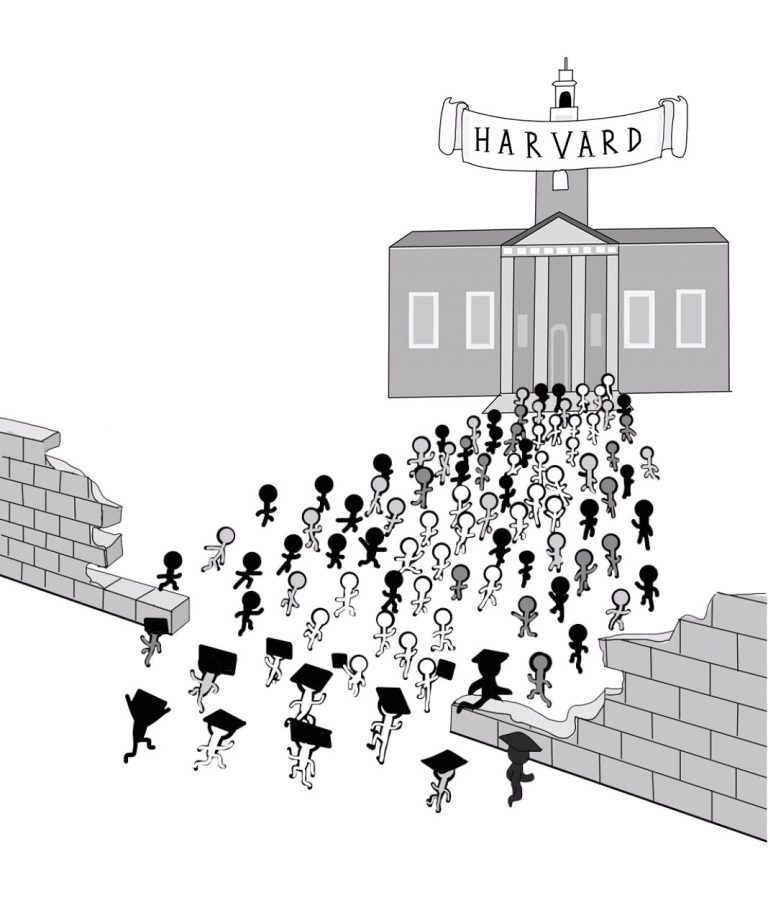
In the verdict of a lawsuit claiming that Harvard University discriminates against Asian American applicants, the judge in the trial ruled on Oct. 1 in favor of Harvard’s admissions practices and defended the use of race-conscious admissions in ensuring diversity on college campuses.
October 21, 2019
In the midst of college application season, the results of a lawsuit claiming that Harvard University discriminates against Asian American applicants have sparked conversation among upper school students, a majority of whom are Asian American.
The judge in the trial, Allison Burroughs, ruled on Oct. 1 in favor of Harvard’s admissions practices and defended the use of race-conscious admissions in ensuring diversity on college campuses. The plaintiff in the five-year lawsuit, Students for Fair Admissions (SFFA), said in an Oct. 5 statement that it would appeal the court’s decision.
In the lawsuit, SFFA alleged that the university’s “whole person review” disadvantages Asian Americans. It presented an analysis of over 160,000 Harvard applications that found that admissions officers regularly ranked Asian Americans lower than other racial groups on personality scores.
According to director of college counseling Nicole Burrell, most U.S. colleges practice some form of holistic review.
“[Colleges] are picking you because they think you’re going to be interesting to talk to at lunch, an interesting dorm roommate to have, someone bringing a perspective to the classroom,” Burrell said. “Whole person [review] can be anything that gives the college a sense of what is that experience, what is that background [that you bring to the table].”
In her ruling, Burroughs acknowledged that Harvard could improve its admissions practices by implementing implicit bias training for admissions officers and upholding clear guidelines on the use of race. Apoorva Rangan (‘15), who graduated from Harvard this May, agreed with the ruling that Harvard’s consideration of personality in admissions is “necessary but flawed.”
“You are hugely susceptible to personal biases and vague ideas about what something like ‘courage’ is,” she said. “It needs to be clarified what exactly the qualities are that someone is looking for in an applicant.”
Asian American groups hold divided opinions on the fairness of affirmative action. The Asian American Coalition for Education (AACE) joined 295 other Asian American organizations in signing a statement in support of SFFA.
“The schools can just consider the applicant’s application materials and see their life experiences, their perspective. They don’t even need to know his or her race,” Swan Lee, AACE co-founder, said in an interview with Harker Aquila. “Race has no other function but to manufacture racial stereotypes and perpetuate racial discrimination.”
Other Asian American groups worked to advocate for affirmative action. Lawyers at Asian Americans Advancing Justice (AAJC) helped Harvard students submit amicus briefs to the court, supporting the role of affirmative action in ensuring diversity.
In his brief, Jang Lee wrote about his experiences as a Korean American student from a predominantly white high school in Texas. Lee graduated from Harvard this May and believes that the racial diversity he encountered at Harvard proved integral to his college experience.
“It’s important to acknowledge that no one is saying that Asian Americans are not discriminated against,” Lee said in an interview with Harker Aquila. “But ignoring race in the admissions process is not the solution to the kind of discrimination that Asian Americans face. In fact, we should be able to acknowledge that race has a very tangible impact on how we live our lives.”
The ruling also prompted discussion of admissions practices favoring legacy students, athletes and children of donors or staff. A study published by SFFA’s expert consultant last month found that 43 percent of white students admitted to Harvard fell in one of the aforementioned categories, as opposed to less than 16 percent of all other racial groups.
Other studies have found that admissions policies based on socioeconomic status (SES) promote racial diversity, though proponents of affirmative action argue that class-based admissions cannot substitute for race-based admissions.
“I think both [race and SES] should be considered, and we need to really break out of this either/or framework, where it’s either race or either SES, and really push universities to broaden access across all of these categories,” Lee said.
For many Californians, the Harvard ruling revived old debates around affirmative action. In 2012, state senator Edward Hernandez attempted to overturn a ban on affirmative action that has been in place in California public universities since 1996.
Hundreds turned out to protest his amendment, Senate Constitutional Amendment No. 5 (SCA-5), which ultimately failed to pass.
“I was deeply involved in the opposition to SCA-5 because at the time many parents and community members were shocked at how the bill would impact not only the college applicants in general but more specifically the Asian applicants,” Yang Shao, Fremont city council member and former school board president said. “Many of [my constituents] were very disappointed by the judicial ruling in favor of Harvard.”
With elections coming up in 2020, opposition to affirmative action has drawn some Californian Asian Americans to the Republican Party. On the Facebook page for his 2020 State Assembly campaign, Republican Benjamin Yu criticized the Harvard ruling.
“This country has long passed the usefulness of affirmative action,” Yu said in an interview with Harker Aquila. “The Republican Party’s emphasis on values such as equality and freedom and the Constitution are more in favor of my view regarding affirmative action.”
The battle around affirmative action is far from over. With SFFA’s appeal, the case is expected to last several more years and potentially reach the Supreme Court, which currently has a conservative majority.
Additional reporting by Kathy Fang and Gloria Zhang.