
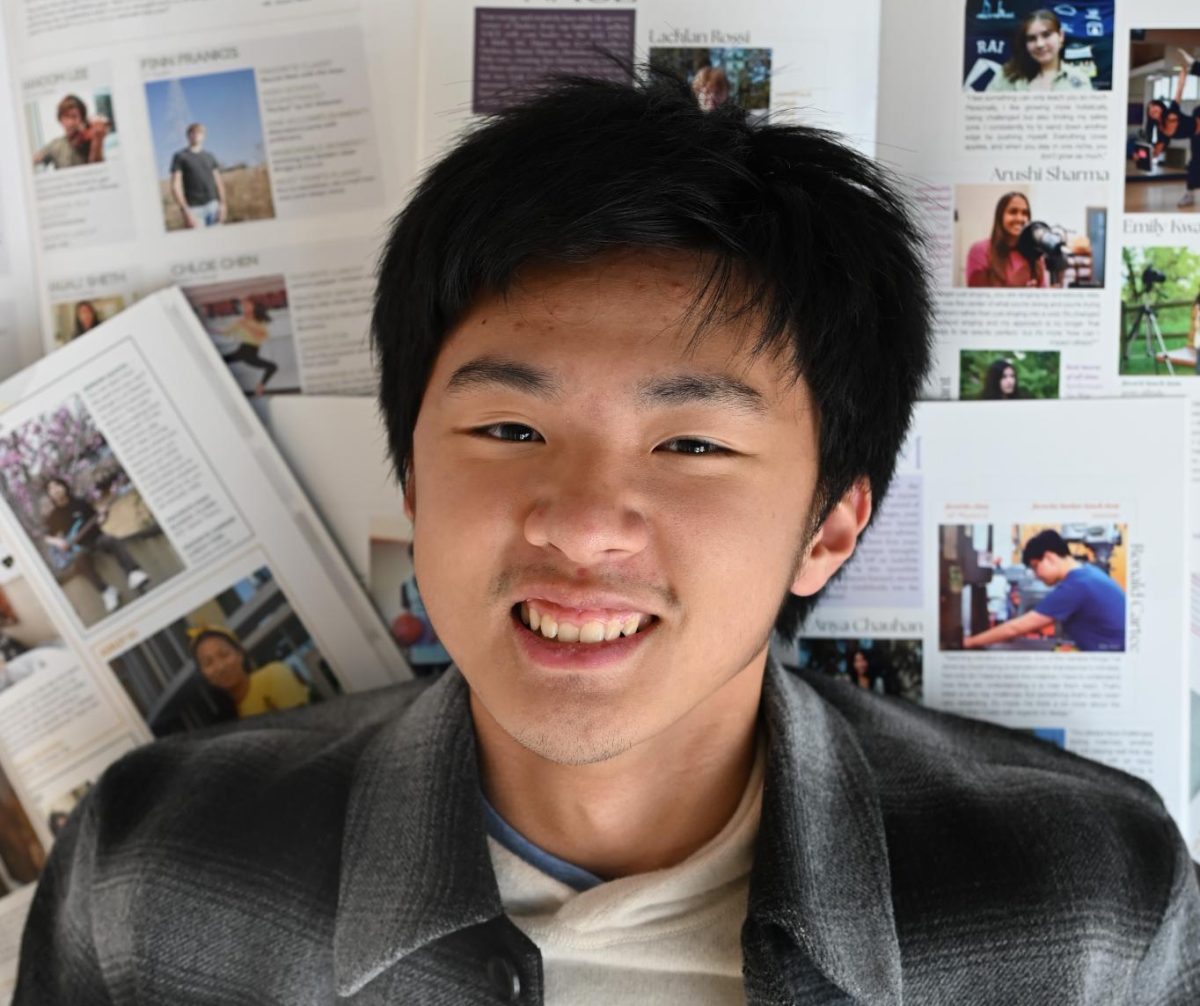
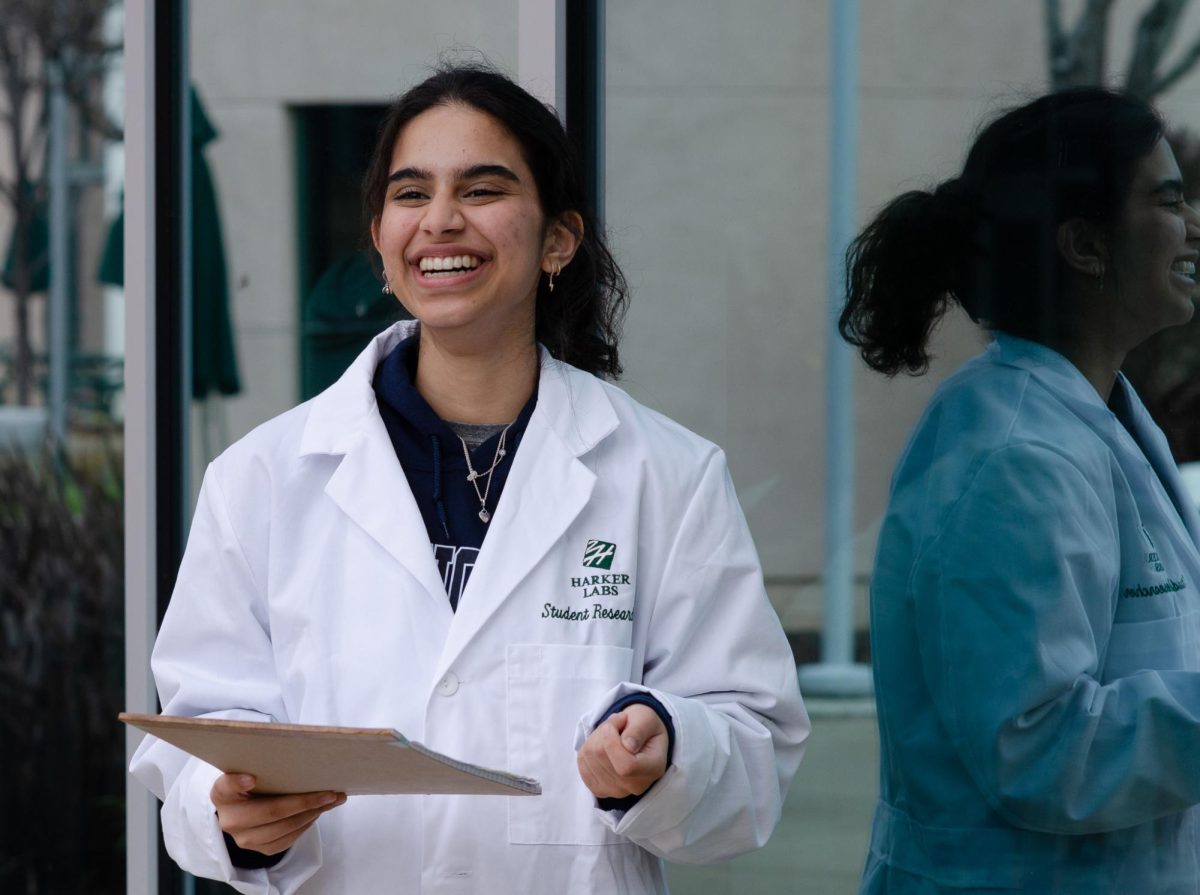
![“I wasn't discouraged by some of the obstacles we faced. I learned a lot from the leadership. I found that different people need different ways of receiving feedback — you can't [just] tell them to do something and expect the best. [Some] people needed more incentive. A large part of my role was to figure out what worked for everyone and to figure out how to lead all these separate individuals as a team,” Suhana Bhandare (’26) said.](https://harkeraquila.com/wp-content/uploads/2026/06/SuhanaBhandare_JasmineHansra-1-1200x798.jpg)


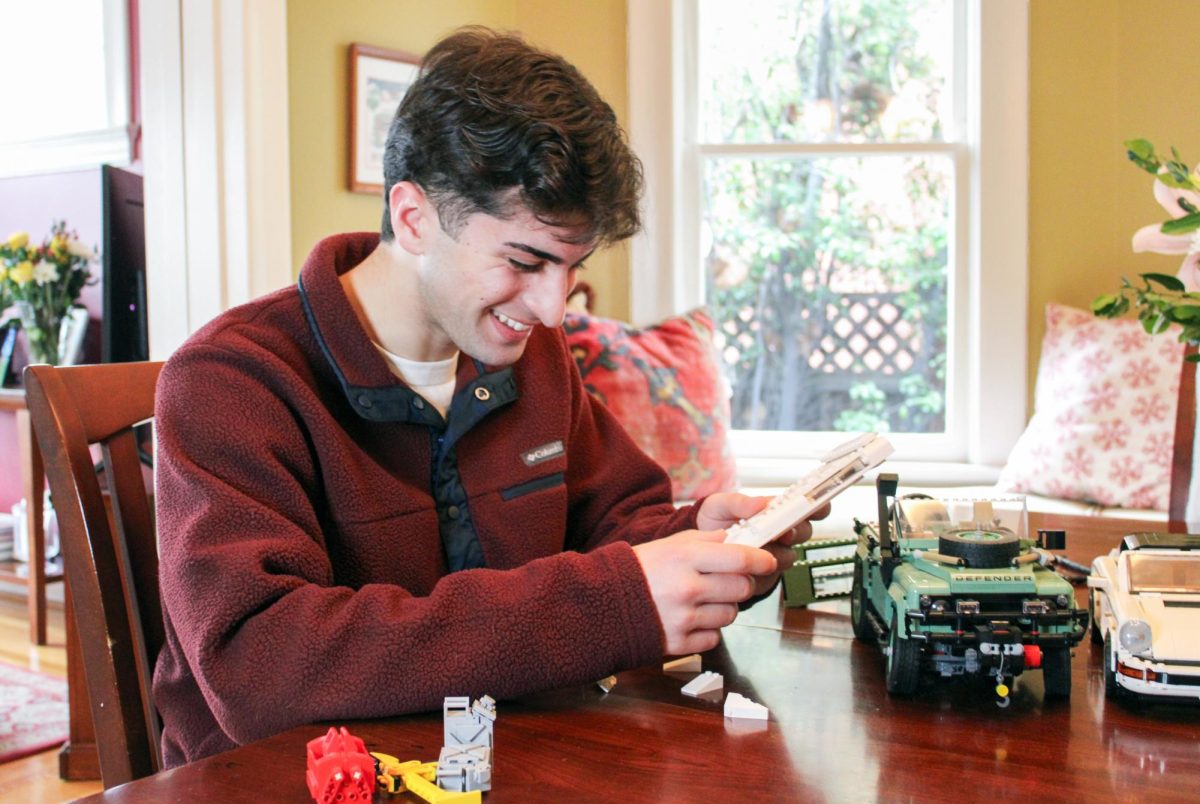
![“This is actually from Randy Pausch Randy P. Brick: ‘Walls are there for a reason. You have to show how much you want to overcome them.’ You have to show how much you want something. That's what I've always been able to do with tennis, Link Crew and getting that internship [with Kushy Baby]. It’s important pushing through that — getting around that brick wall, climbing over it or clawing through it,” Yash Sachdeva (’26) said.](https://harkeraquila.com/wp-content/uploads/2026/05/YashSachdeva_RamBatchu-copy-1200x1002.jpg)










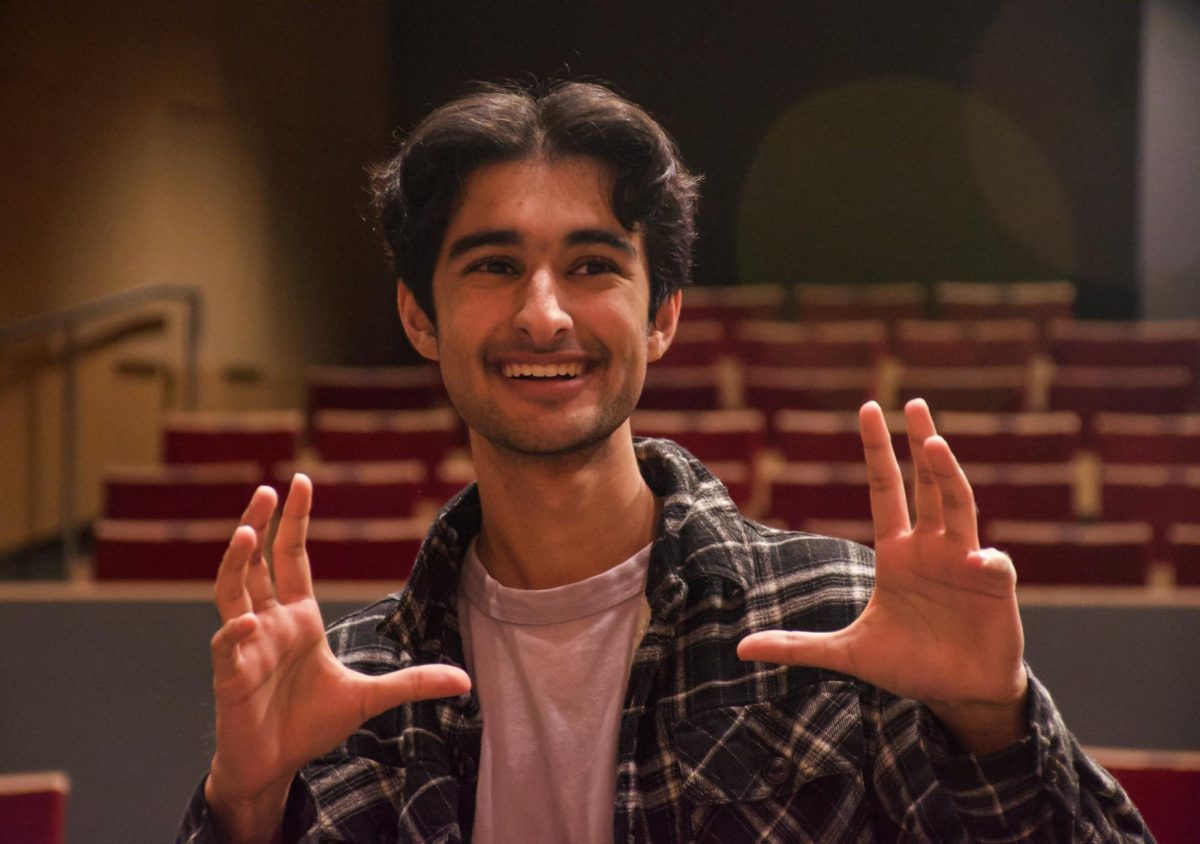


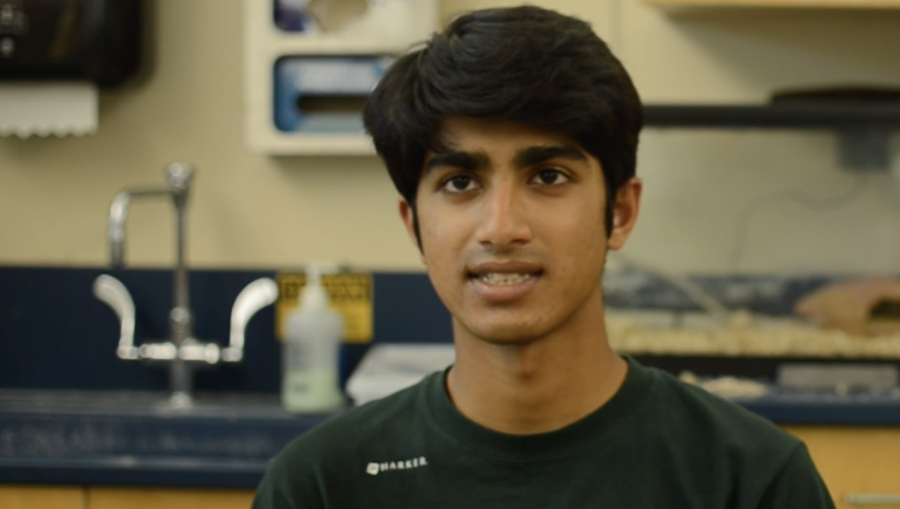
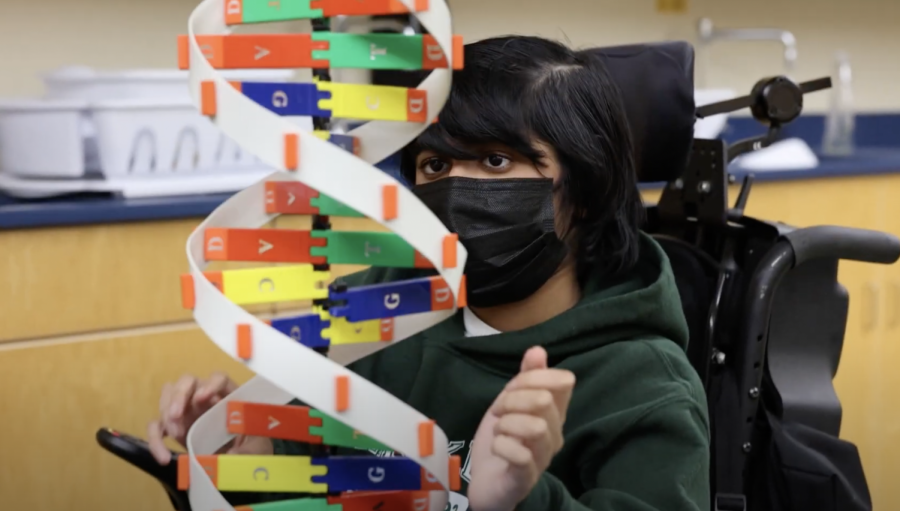
![“[Building nerf blasters] became this outlet of creativity for me that hasn't been matched by anything else. The process [of] making a build complete to your desire is such a painstakingly difficult process, but I've had to learn from [the skills needed from] soldering to proper painting. There's so many different options for everything, if you think about it, it exists. The best part is [that] if it doesn't exist, you can build it yourself," Ishaan Parate said.](https://harkeraquila.com/wp-content/uploads/2022/08/DSC_8149-900x604.jpg)



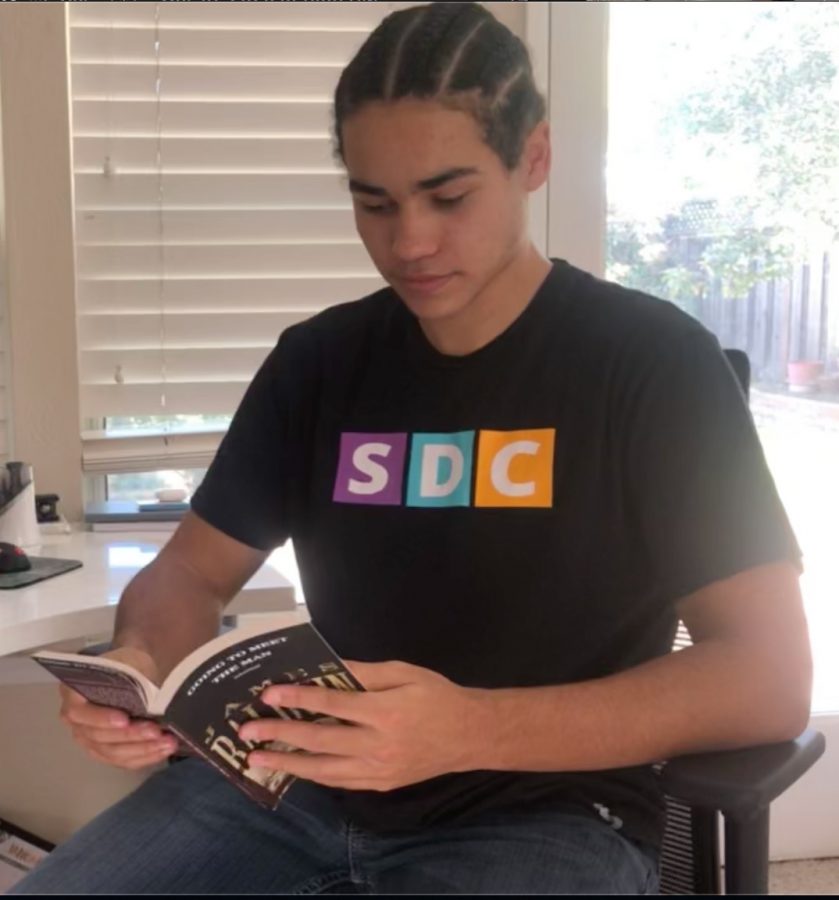
![“When I came into high school, I was ready to be a follower. But DECA was a game changer for me. It helped me overcome my fear of public speaking, and it's played such a major role in who I've become today. To be able to successfully lead a chapter of 150 students, an officer team and be one of the upperclassmen I once really admired is something I'm [really] proud of,” Anvitha Tummala ('21) said.](https://harkeraquila.com/wp-content/uploads/2021/07/Screen-Shot-2021-07-25-at-9.50.05-AM-900x594.png)

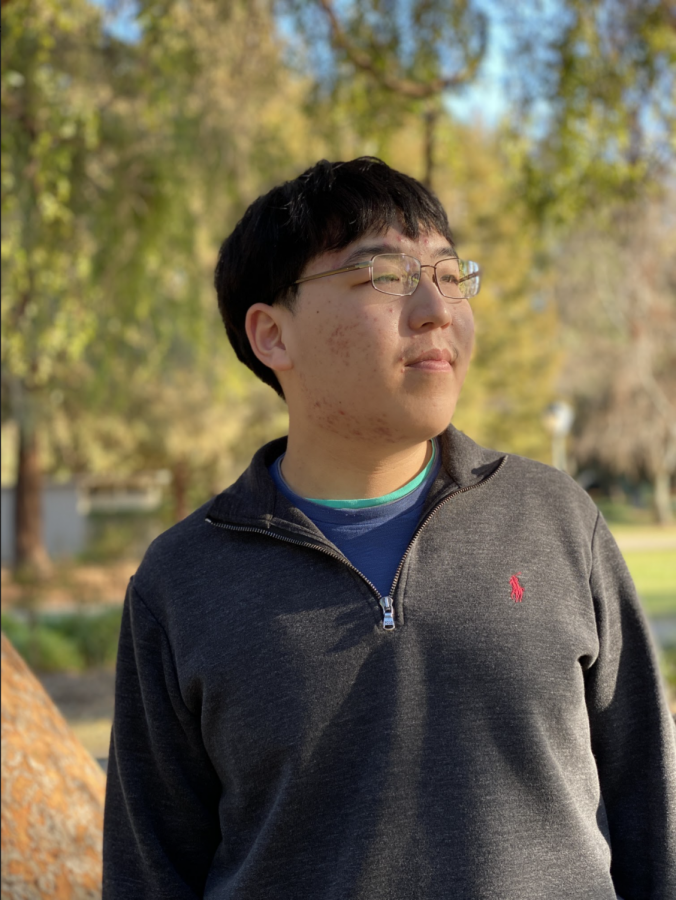

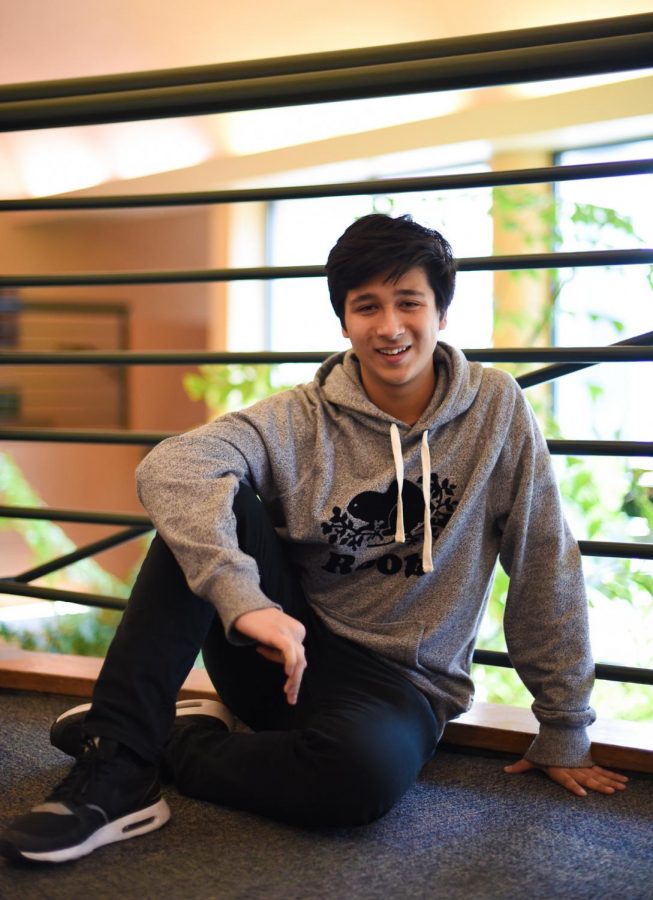
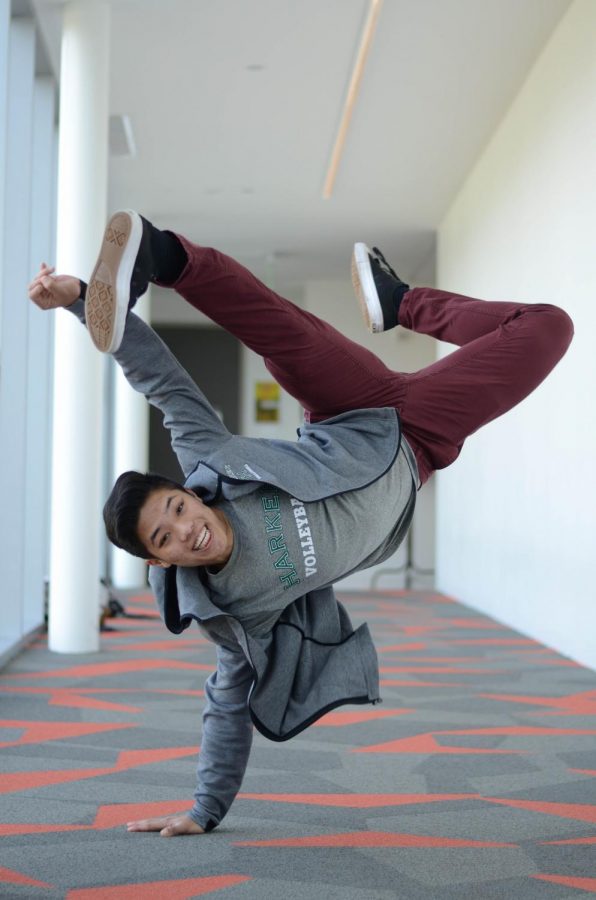


![“I think getting up in the morning and having a sense of purpose [is exciting]. I think without a certain amount of drive, life is kind of obsolete and mundane, and I think having that every single day is what makes each day unique and kind of makes life exciting,” Neymika Jain (12) said.](https://harkeraquila.com/wp-content/uploads/2017/06/Screen-Shot-2017-06-03-at-4.54.16-PM.png)


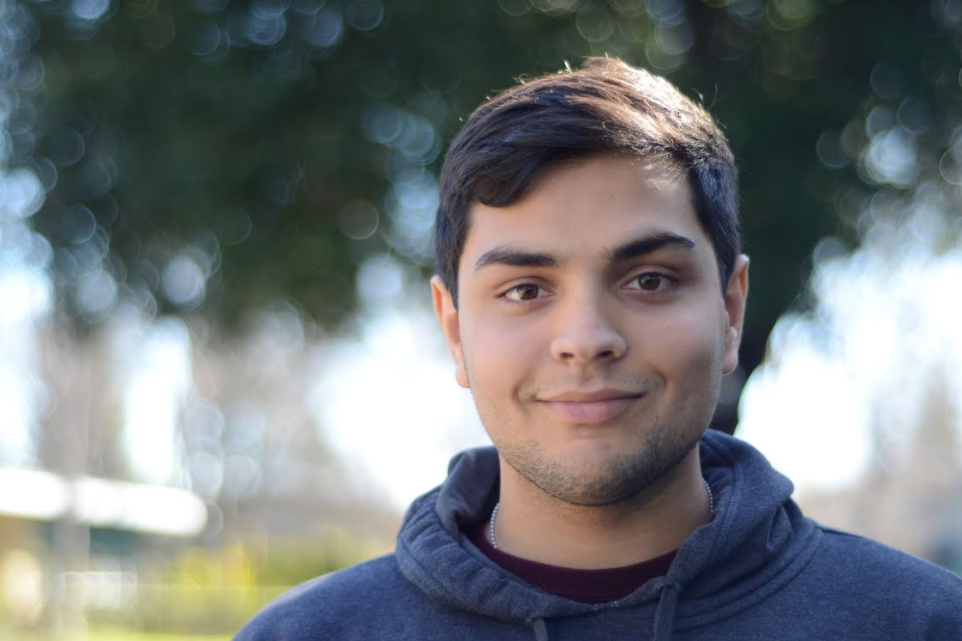





![“My slogan is ‘slow feet, don’t eat, and I’m hungry.’ You need to run fast to get where you are–you aren't going to get those championships if you aren't fast,” Angel Cervantes (12) said. “I want to do well in school on my tests and in track and win championships for my team. I live by that, [and] I can do that anywhere: in the classroom or on the field.”](https://harkeraquila.com/wp-content/uploads/2018/06/DSC5146-900x601.jpg)
![“[Volleyball has] taught me how to fall correctly, and another thing it taught is that you don’t have to be the best at something to be good at it. If you just hit the ball in a smart way, then it still scores points and you’re good at it. You could be a background player and still make a much bigger impact on the team than you would think,” Anya Gert (’20) said.](https://harkeraquila.com/wp-content/uploads/2020/06/AnnaGert_JinTuan_HoHPhotoEdited-600x900.jpeg)

![“I'm not nearly there yet, but [my confidence has] definitely been getting better since I was pretty shy and timid coming into Harker my freshman year. I know that there's a lot of people that are really confident in what they do, and I really admire them. Everyone's so driven and that has really pushed me to kind of try to find my own place in high school and be more confident,” Alyssa Huang (’20) said.](https://harkeraquila.com/wp-content/uploads/2020/06/AlyssaHuang_EmilyChen_HoHPhoto-900x749.jpeg)



New Ethics in Technology Forum addresses moral quandaries in science
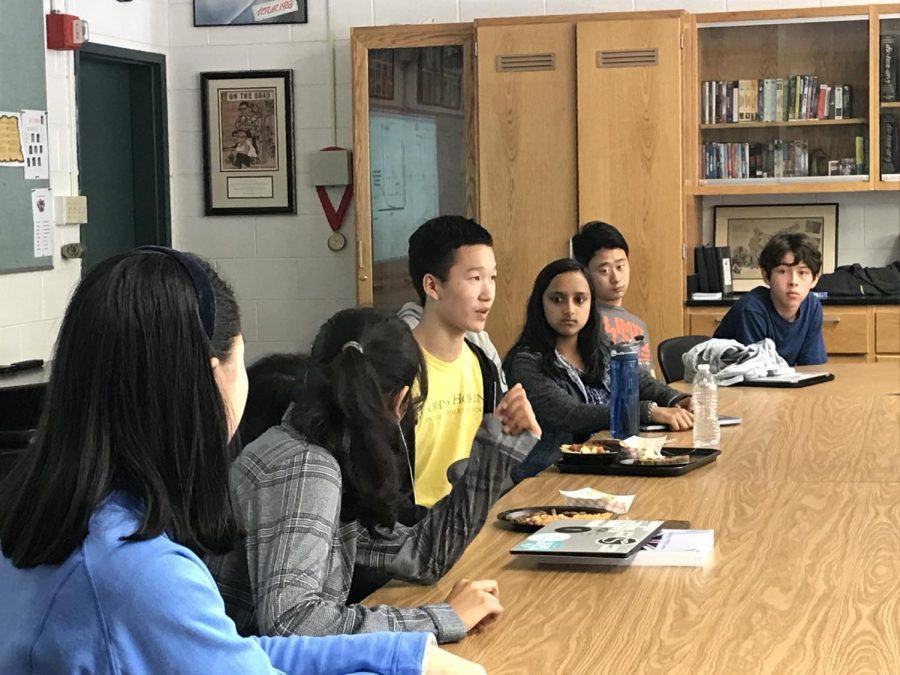
Six sophomores, including Ethics in Technology Forum co-founders Sidra Xu and Jason Lin, engage in discussion around a table. The first Ethics in Technology meeting was held on Sept. 27.
October 9, 2018
In early December 2017, an unconscious and dying patient was rushed into the Jackson Memorial Hospital in Miami, Florida. The Washington Post reported that as doctors hurried to treat the man, they were surprised to discover the words “Do Not Resuscitate” tattooed across his chest with what seemed to be his signature. The medical team was forced to halt treatment in the face of this ethical dilemma. Should they honor the message, and not ‘resuscitate,’ or revive, the patient, or should they not take it seriously? Although the doctors first decided to not respect the tattoo due to being unsure of its legitimacy and the gravity of the life-and-death situation, they eventually spoke to an ethics consultant and made the hard decision to do nothing to save him, believing it was what the man would have wanted.
But would you have been able to make that same choice? Would you have let the man die without his verbal confirmation, even if that might have been what he wanted, when you would have been able to help him? What would have been the right thing to do in such a situation?
If analyzing and debating such ethical quandaries in science seems interesting to you, you may want to consider stopping by room 17 in Main at lunchtime on Monday to attend the next meeting of the new Ethics in Technology Forum at the upper school.
The Ethics in Technology Forum, created by sophomores Jason Lin and Sidra Xu, is a subset of the Philosophy Club. It aims to specifically address ethical debates on STEM-based topics, primarily on rapidly growing technology and their possible restrictions, that are not typically given as much attention as they deserve.
“There are many ethical issues that I think are undervalued, so I hope people can gain an interest in this sort of stuff and also be aware of it,” Jason said. “Right now, many people think, ‘Oh, I’m going to code the next big AI thing that will solve all the issues of the world,’ but they don’t consider that that AI might turn against them and maybe destroy the world.”
He added that the forum is structured to be fairly Socratic, intended to create a positive environment for students to engage in open discussion regarding their own perspectives and opinions about topical scientific issues that interest them, such as autonomous cars and gene editing.
“You can debate morals, ethics, values about people all day long, but machines, technology – that’s a really big, new area,” Ruth Krylov (9), who attended the first meeting, said about the forum’s first discussion topic: the development of AIs and the potential consequences.
The study of technoethics, which addresses technology-related social issues as well as concerns over possibly harmful scientific advancements, has been of rising interest in the last few decades, especially due to the abundance of innovations and new developments produced in the twenty-first century alone, which may have the potential to harm humans, such as by violating privacy or causing health problems.
With topics ranging from digital copyright issues to cloning, these ethical debates address the legal, social and moral implications for conducting research or implementing new technology.
But while technoethics has only recently gained popularity and is a fairly new branch of ethics, the principal values and morals that frame debates have remained consistent since the classical period of the ancient Greeks.
Dr. Ruth Meyer, who teaches the Western Thought and Philosophy class, described the connection between modern moral dilemmas and the teachings of ancient ethicists and scholars, referencing Greek philosopher Plato’s “Allegory of the Cave” to prove her point.
“There are these prisoners in the cave, and all they can see are shadows,” Meyer said. “And one day, one of them sets himself free and goes outside and sees the real world. He comes back to try to tell the prisoners, and they kill him. They can’t take that there’s something else out there that’s real; they’d rather believe in their comfort zone and what they’ve been used to all their lives, rather than question their beliefs.”
Meyer notes that technology has become the “modern-day cave,” and that while it may seem difficult to be critical of new innovations, it is important for the current generation to be analyzing them and investigating their morals rather than simply accepting them.
Therefore, by attending events like the Ethics in Technology Forum, Harker students will have the same opportunity that Greek scholars had thousands of years ago: to debate and examine topical issues in an educated and informed environment.
“This [forum] is not as much like typical clubs in that we have a set goal,” treasurer Hari Bhimaraju (10) said. “Ethics in Technology hopes to provide a place of discussion for people, and the goal is more that we have a space where people can share ideas, and we can educate ourselves about this really important topic with our own knowledge and doing research together.”
Correction: October 11, 2018
A previous version of this piece omitted the significant piece of information that Jackson Memorial Hospital doctors had actually initially agreed to not honor the mentioned tattoo, as reported by The Washington Post. This fact has now been added.