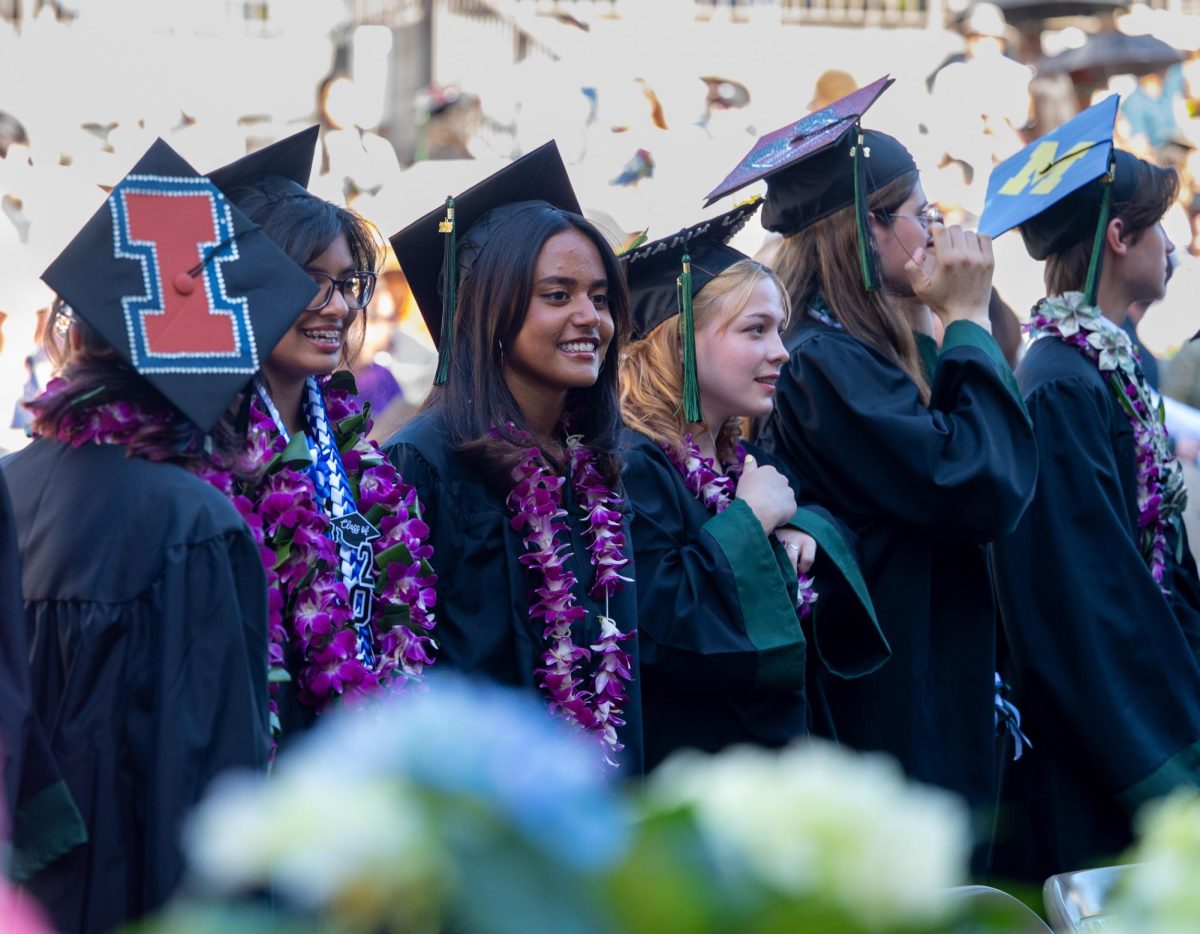
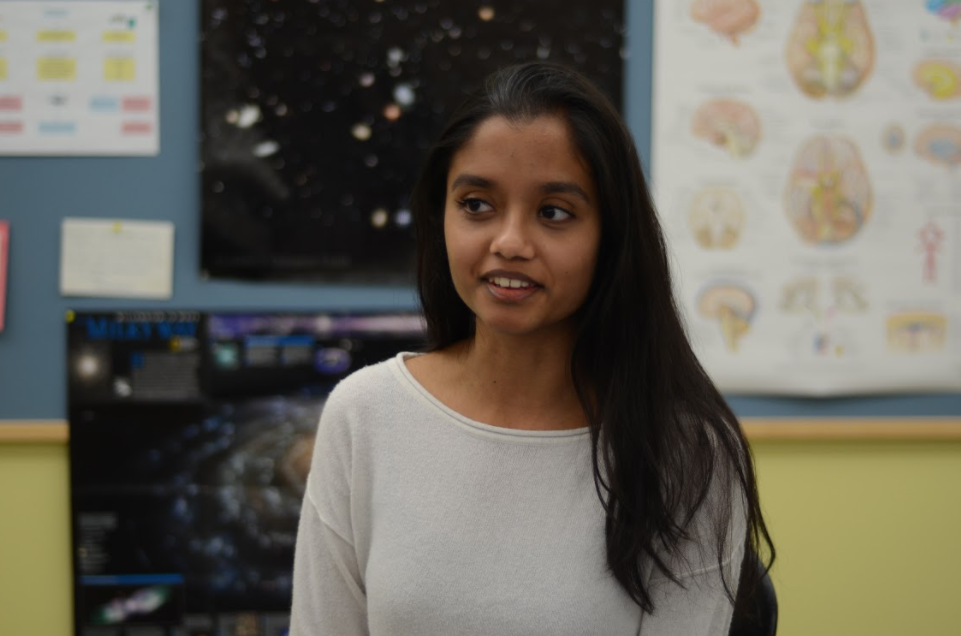
![“I wasn't discouraged by some of the obstacles we faced. I learned a lot from the leadership. I found that different people need different ways of receiving feedback — you can't [just] tell them to do something and expect the best. [Some] people needed more incentive. A large part of my role was to figure out what worked for everyone and to figure out how to lead all these separate individuals as a team,” Suhana Bhandare (’26) said.](https://harkeraquila.com/wp-content/uploads/2026/06/SuhanaBhandare_JasmineHansra-1-1200x798.jpg)
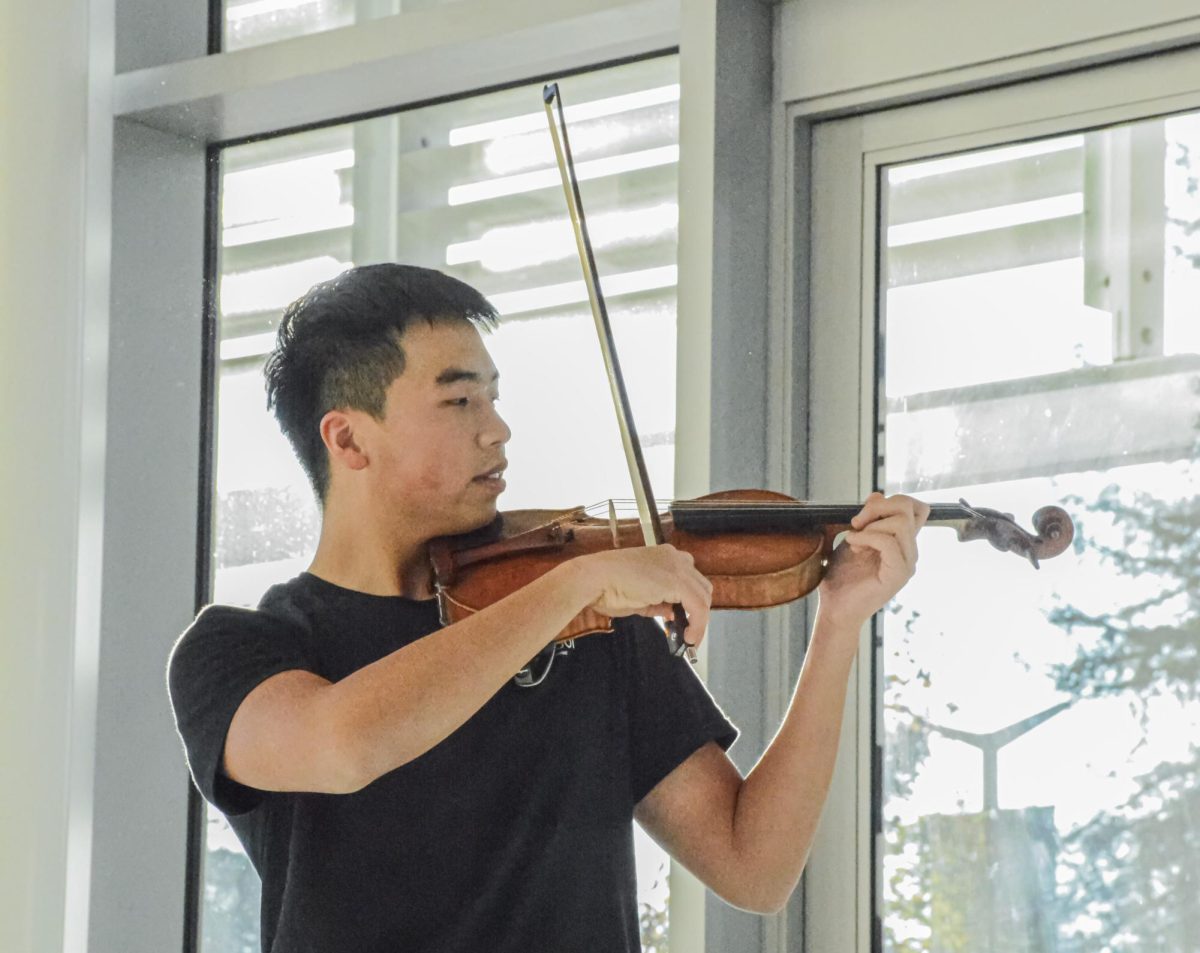

![“This is actually from Randy Pausch Randy P. Brick: ‘Walls are there for a reason. You have to show how much you want to overcome them.’ You have to show how much you want something. That's what I've always been able to do with tennis, Link Crew and getting that internship [with Kushy Baby]. It’s important pushing through that — getting around that brick wall, climbing over it or clawing through it,” Yash Sachdeva (’26) said.](https://harkeraquila.com/wp-content/uploads/2026/05/YashSachdeva_RamBatchu-copy-1200x1002.jpg)

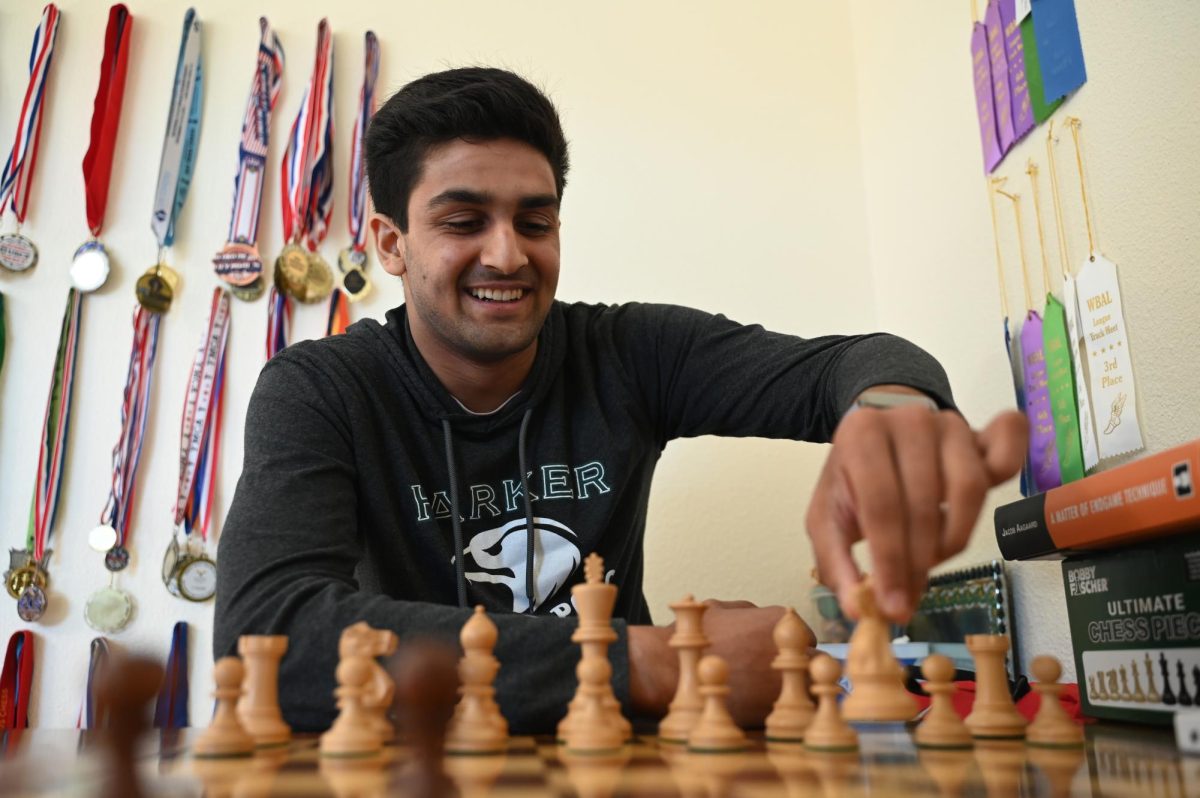







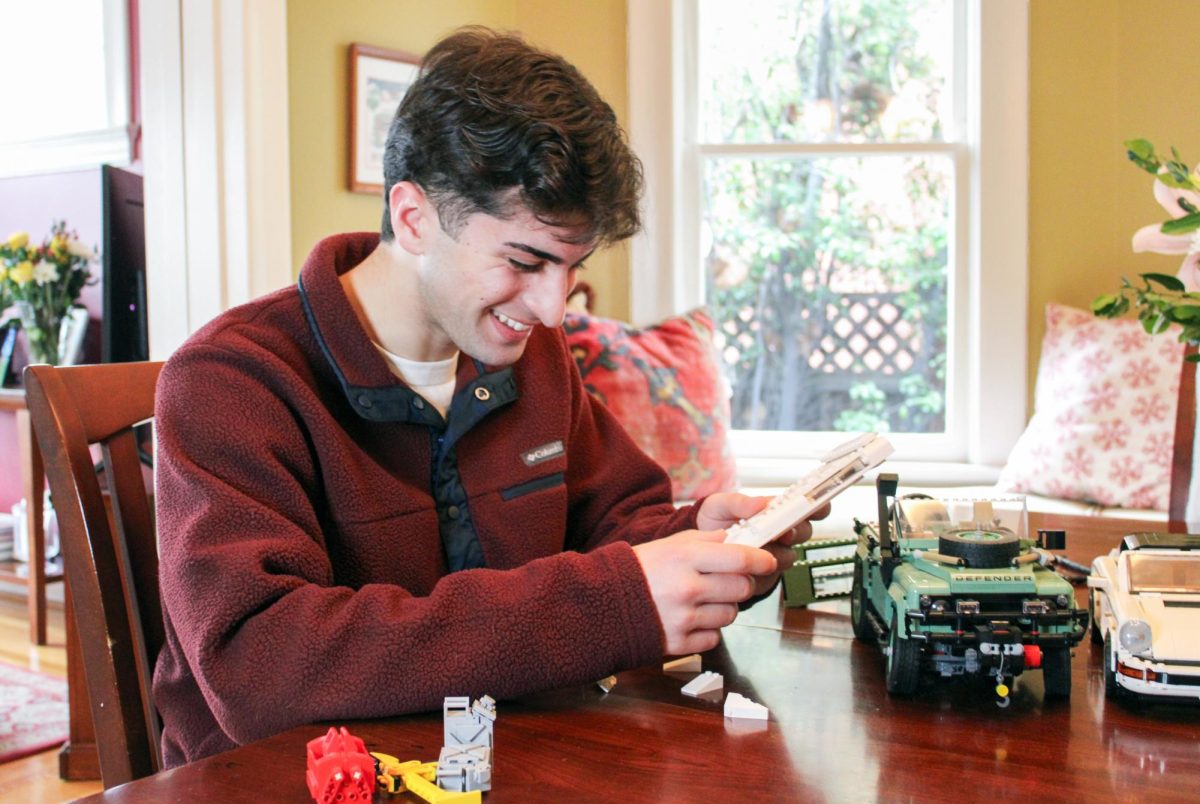

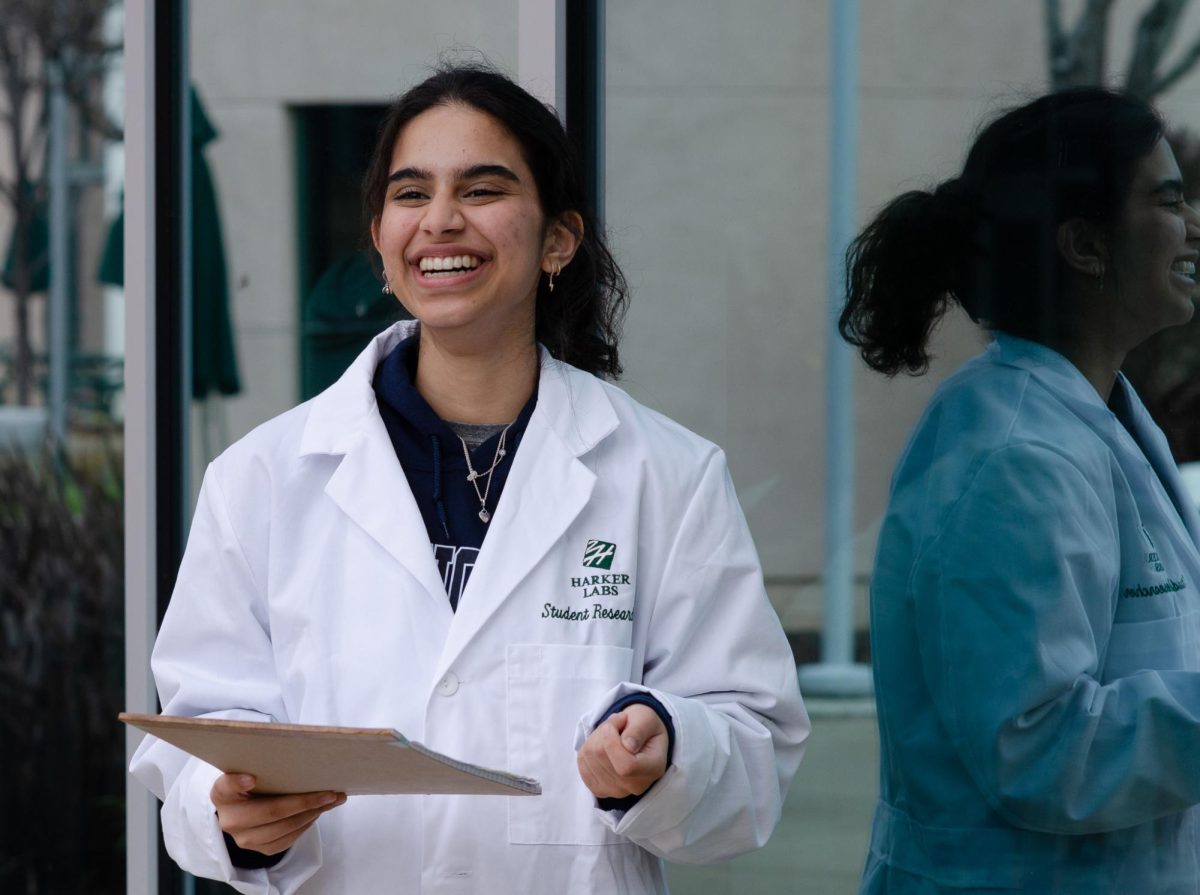
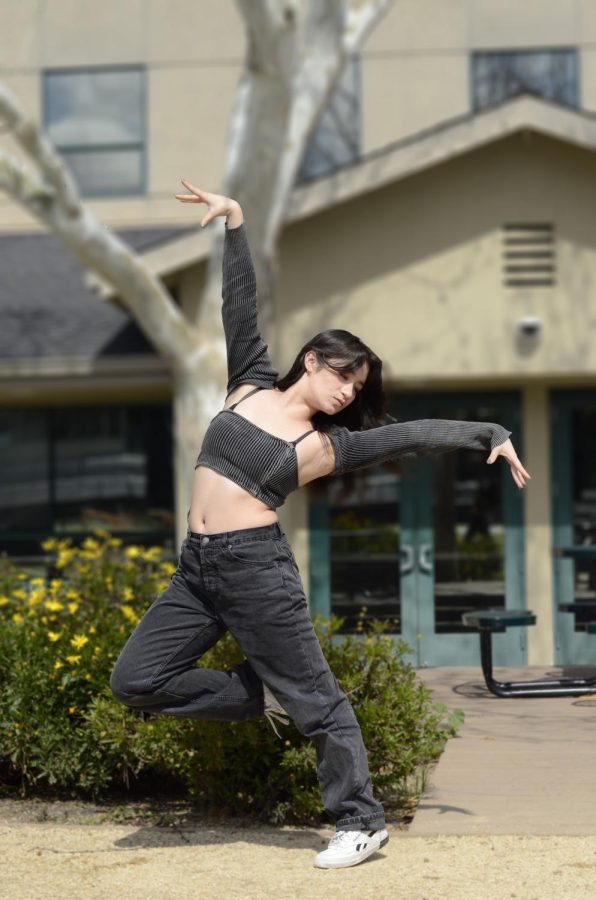
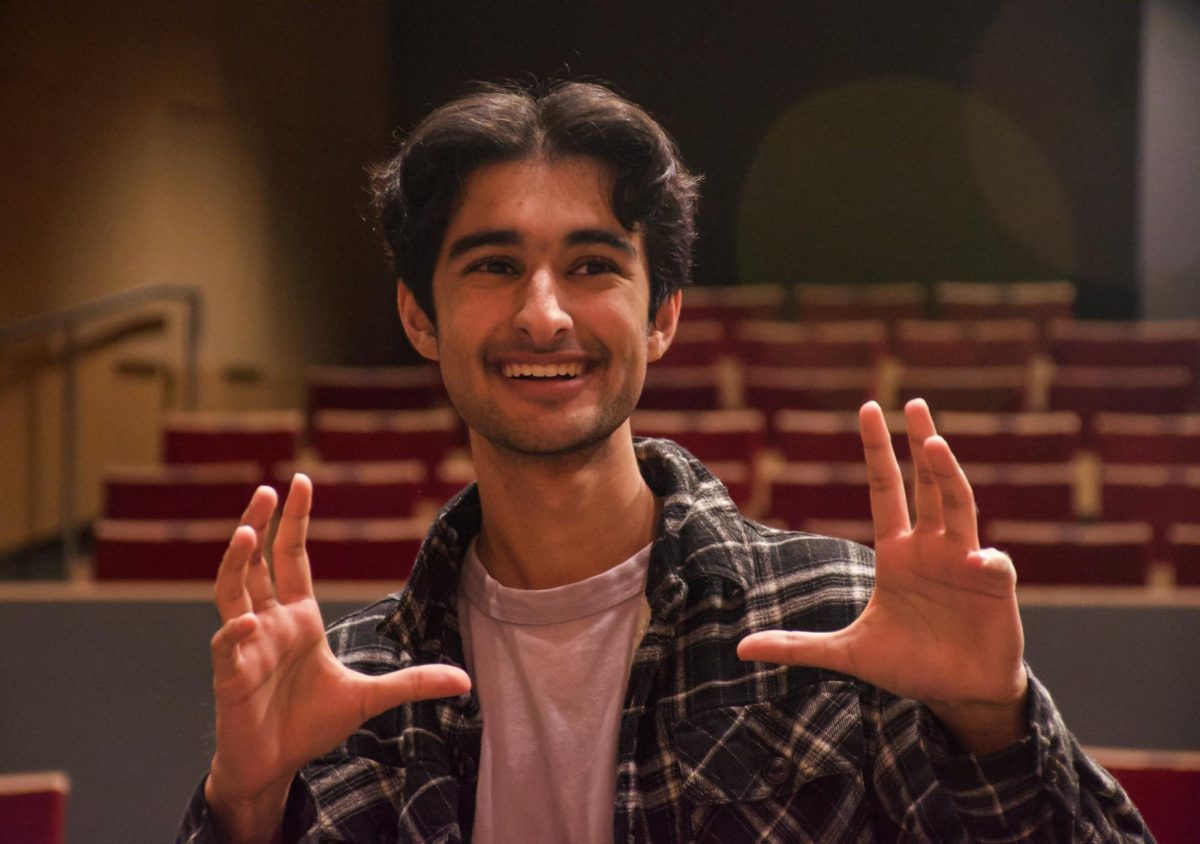


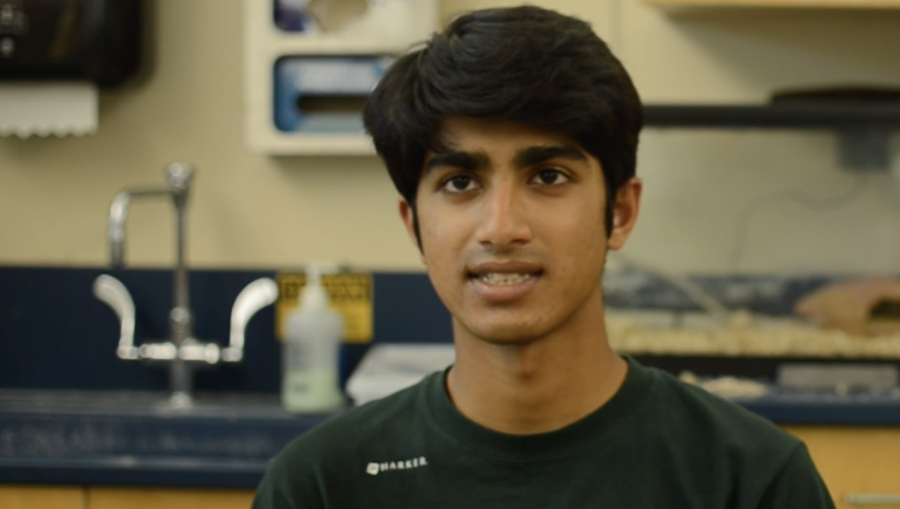
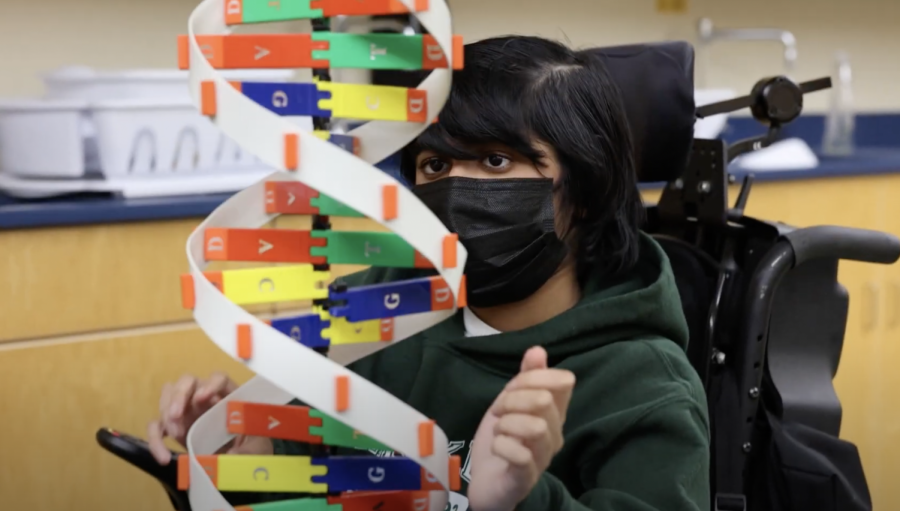
![“[Building nerf blasters] became this outlet of creativity for me that hasn't been matched by anything else. The process [of] making a build complete to your desire is such a painstakingly difficult process, but I've had to learn from [the skills needed from] soldering to proper painting. There's so many different options for everything, if you think about it, it exists. The best part is [that] if it doesn't exist, you can build it yourself," Ishaan Parate said.](https://harkeraquila.com/wp-content/uploads/2022/08/DSC_8149-900x604.jpg)

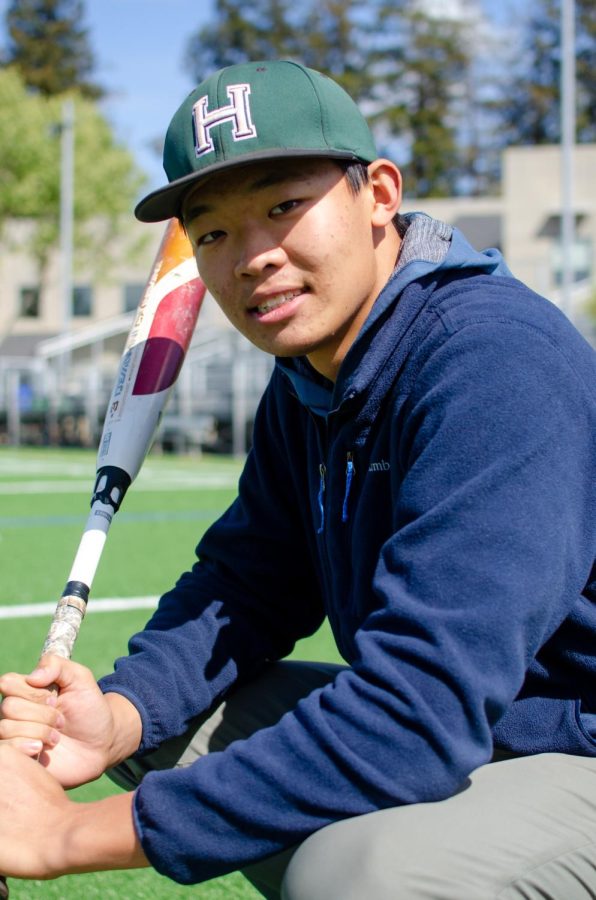

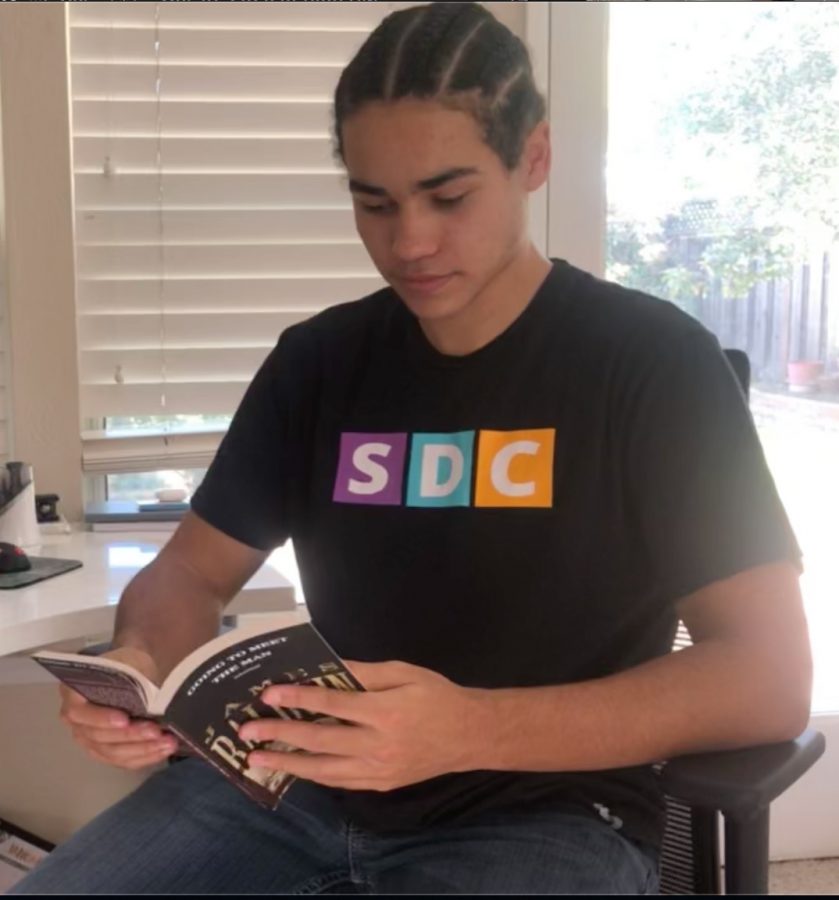
![“When I came into high school, I was ready to be a follower. But DECA was a game changer for me. It helped me overcome my fear of public speaking, and it's played such a major role in who I've become today. To be able to successfully lead a chapter of 150 students, an officer team and be one of the upperclassmen I once really admired is something I'm [really] proud of,” Anvitha Tummala ('21) said.](https://harkeraquila.com/wp-content/uploads/2021/07/Screen-Shot-2021-07-25-at-9.50.05-AM-900x594.png)

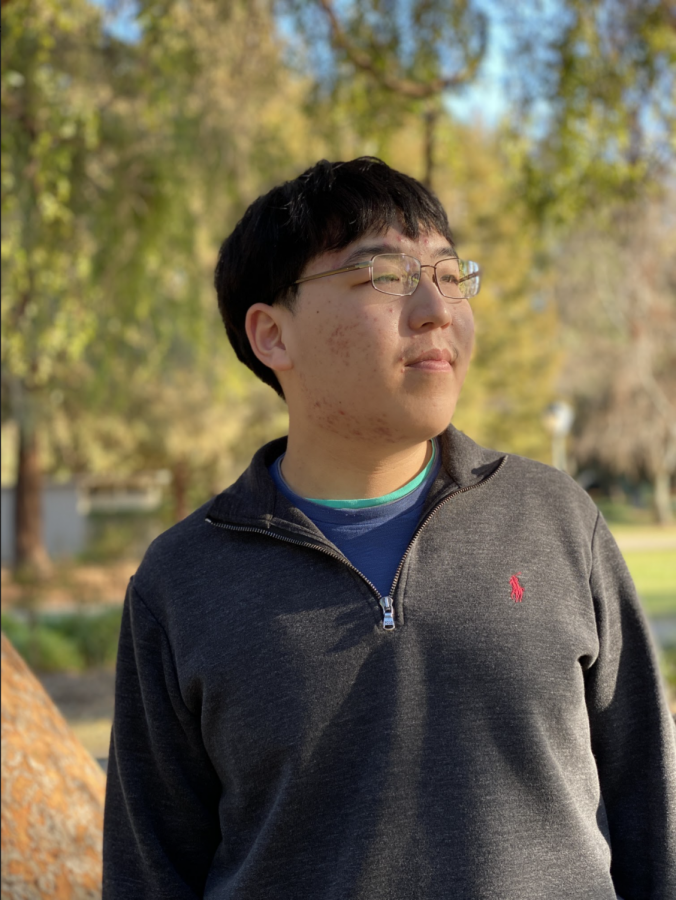





![“I think getting up in the morning and having a sense of purpose [is exciting]. I think without a certain amount of drive, life is kind of obsolete and mundane, and I think having that every single day is what makes each day unique and kind of makes life exciting,” Neymika Jain (12) said.](https://harkeraquila.com/wp-content/uploads/2017/06/Screen-Shot-2017-06-03-at-4.54.16-PM.png)

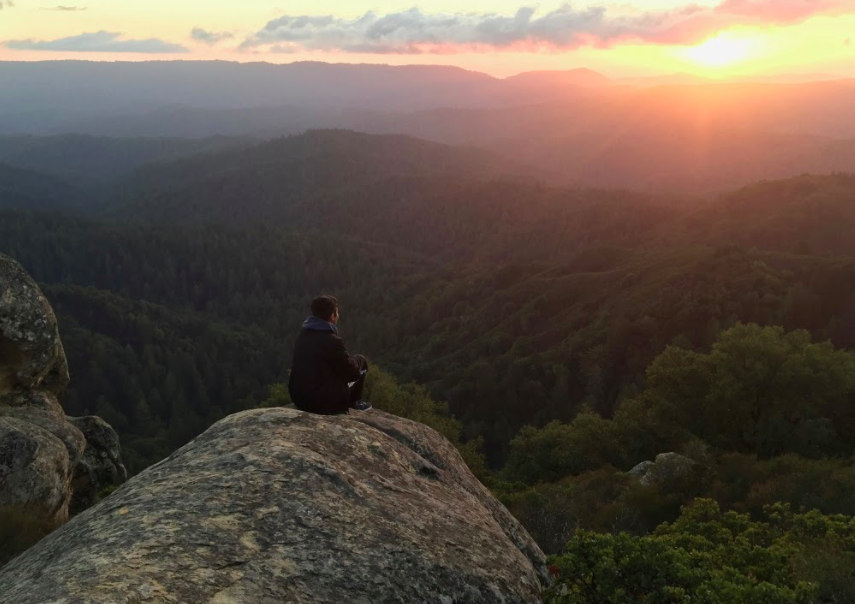
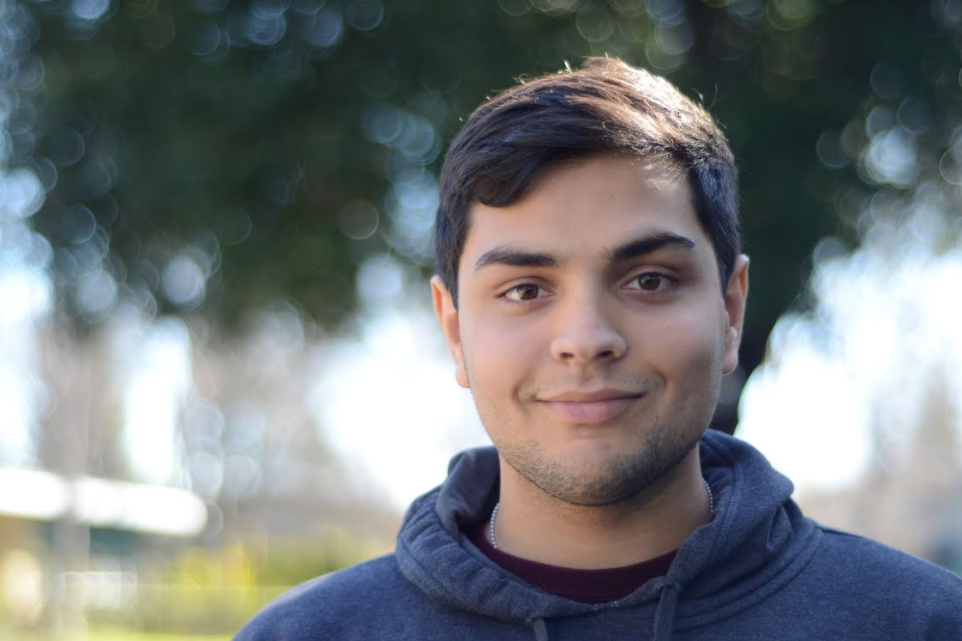


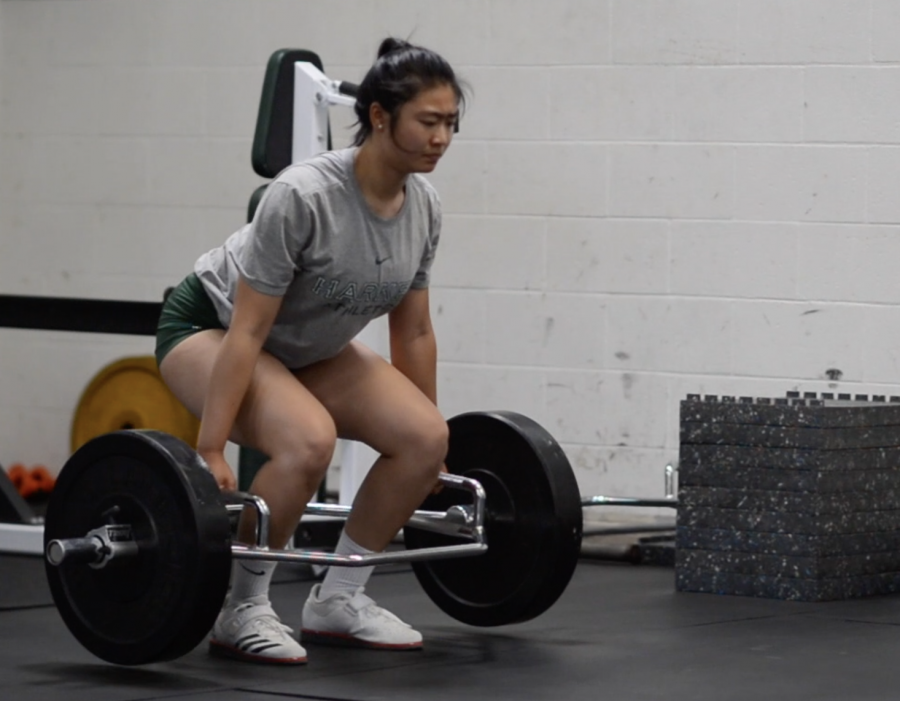
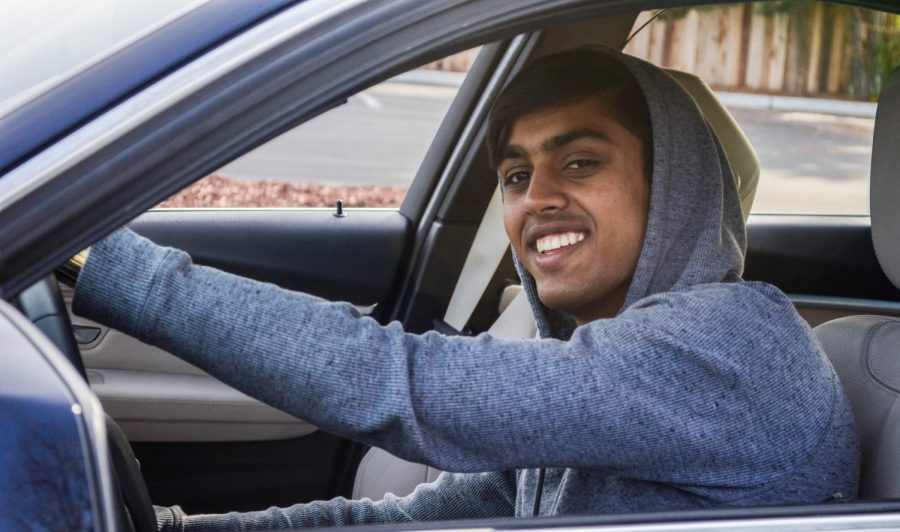
![“My slogan is ‘slow feet, don’t eat, and I’m hungry.’ You need to run fast to get where you are–you aren't going to get those championships if you aren't fast,” Angel Cervantes (12) said. “I want to do well in school on my tests and in track and win championships for my team. I live by that, [and] I can do that anywhere: in the classroom or on the field.”](https://harkeraquila.com/wp-content/uploads/2018/06/DSC5146-900x601.jpg)
![“[Volleyball has] taught me how to fall correctly, and another thing it taught is that you don’t have to be the best at something to be good at it. If you just hit the ball in a smart way, then it still scores points and you’re good at it. You could be a background player and still make a much bigger impact on the team than you would think,” Anya Gert (’20) said.](https://harkeraquila.com/wp-content/uploads/2020/06/AnnaGert_JinTuan_HoHPhotoEdited-600x900.jpeg)
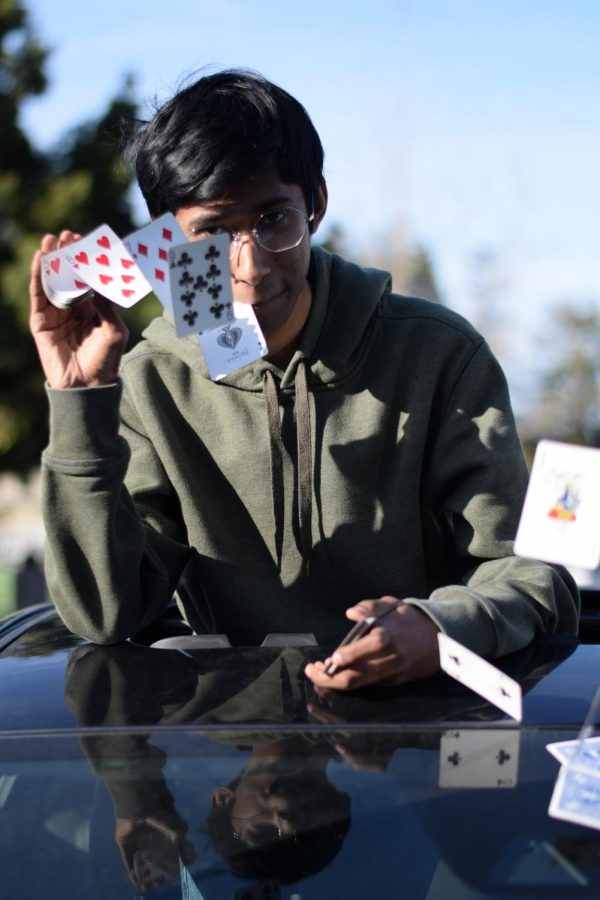
![“I'm not nearly there yet, but [my confidence has] definitely been getting better since I was pretty shy and timid coming into Harker my freshman year. I know that there's a lot of people that are really confident in what they do, and I really admire them. Everyone's so driven and that has really pushed me to kind of try to find my own place in high school and be more confident,” Alyssa Huang (’20) said.](https://harkeraquila.com/wp-content/uploads/2020/06/AlyssaHuang_EmilyChen_HoHPhoto-900x749.jpeg)

Dialectic: Technology and Modernity
April 1, 2018
In our recurring Dialectics, two authors with contrasting viewpoints discuss an issue of prominence in the local or broader community. We hope to use these multiple view stop provoke deeper thought among the student body and help readers explore new perspectives.
Throughout human history, technological progress has improved humanity’s faculties but come with negative consequences.
How can we reconcile the benefits and drawbacks of technological progress? Reporters Vivian Jin and Zoe Sanders discuss this issue.
Winged Post: Some critics of technology acknowledge that it alleviates human needs but also creates new needs. In America you require a car to get around in most places. Cars represent a technological improvement over walking or carriages, but at the same time, they’ve created an environment in which you have to have a car, where a convenience becomes a necessity. Where is the balance between convenience, and forced necessity?
Vivian Jin: I think the balance is very hard to define. For me personally, I have a romantic mindset and—I like technology and the internet, that’s great, but sometimes I just think it might be better or richer in life to go back to the time when everyone rode around on horses, or on bicycles, and it was a smaller community.
Zoe Sanders: As [Vivian] said, technology now is obviously very different from what it used to be, but then again, our generation was born into the world with all this technology around and have never really known a world without it, so it’s kind of hard to even know a world without it if that’s all you’re surrounded by. I think it’s great that in the olden times, people didn’t have to rely on technology to do everything on a daily basis, but in the long run, technology has helped the majority of people, whether it comes to transportation or communication or medicine.
VJ: I think you have a really great point there with transportation, communication and medicine, because maybe those things can be things that save peoples’ lives. In our world, we kind of take that for granted. But I’d also like to point out that those things are bad for the environment too, and for peoples’ lives because if they’re too dependent on them and, say, the power goes out, then immediately everyone panics. Also I’d like to point out something about books. Right now, print books have become a great part of many peoples’ lives, and for people who enjoy reading, print books are really important to them. But maybe one day, [books] will go out of date and everybody will be reading ebooks and [books] will become prized collectibles. That just seems like a sad thing—while we’re moving into the future, to also lose track of the past.
ZS: To that, I would say that everything comes with a bad side effect. If you have the greatest advancement in technology and the greatest new computer, or car with great aspects, you’re going to lose something else. With the new addition of ebooks to our society, people are lacking in the use of print books—but you can’t have it all.
VJ: I see. Another thing would be that, with technology solving all of these problems, it also creates more new problems that may or may not be harder to solve. With the manufacture of, say, phones and solar panels—these are really hi-tech, really cool things that would be unimaginable in other days. But just making a smartphone or a solar panel costs a lot to the environment. We’re kind of like damaging the world in ways that wouldn’t have been possible without the use of technology.
ZS: While there are a lot of setbacks and things that make technology seem not as good as it is, I just think that the overall point of technology and what it does for our society and people in our world is so much higher than any setbacks that there have been. The goods outweigh the bads.
WP: Going back to something Vivian said about ebooks perhaps overtaking print books in the future, there are two questions I would like to pose. The first is, is it necessarily bad that newer technologies may supplant old ones? The second is, do you truly believe old traditions will be completely lost? Some may argue that ebooks will not completely overtake print books: things like the “vinyl revival” in gramophone records, or the increased sale of fountain pens suggest continued cultural value of outmoded technologies.
VJ: I don’t think that old traditions will ever be completely erased, because they will live on in people’s memories. I don’t think that technological advancement is bad, I just feel that I don’t want to let go of the things in the past. Sure, maybe riding a car or going on a plane would be really fast, but people like riding horses, right? That’s a fun experience to have. Same with the ebooks and the print books. Ebooks are a lot more convenient: you can take them anywhere and they won’t get stains or fall apart, and you’ll be able to access it [anywhere]. But the feeling of reading a book and the smell of the pages, the feeling of the pages as you turn them, the different sizes of the books, the covers — all of those are different from ebooks.
ZS: Regarding losing old things: I don’t think it’s necessarily bad, but I do think that, with all of our modern advancements in technology, these past traditions are no longer necessary to our society. However, I think that most of them will stay and should stay. All ebooks, in whatever process of their writing or publishing, were sometime printed. A lot of historical books, a lot of them we don’t have any more just because of physical things that have happened to them, but ebooks can never truly be destroyed. That’s why, I think, technology is really good for the future—not only the present day. I don’t think that books, old cars and old traditions will ever be entirely erased, but I do think that with time, a lot of them will fade into the background and be considered artifacts and ancient things.
WP: The original definition of the word “computer” referred to an actual person who had trained to a high level of skill at performing calculations. Of course, the advent of superior electronic computers has obviated computers role in society. There were once many skills humans could perform unaided by technology—what do you think of the loss of these skills?
VJ: I think for this topic I’m pretty neutral, mostly because even though there are these technological advancements, there are still competitions and things where people can exercise these skills that they don’t use in daily life. Even though there are cars now, [we] still have footracing, athletics and the Olympics. As for calculating things, there are speedcalculating competitions and the use of the abacus—and in competitions too. It’s been preserved.
ZS: There are still certain people in the world that have these mathematical skills. Advancements in technology improve education and help people that before couldn’t do these math problems—whether it’s new ways of learning in school, or something bigger, like experiments. I think that technology actually helps a lot with education in general and learning.
VJ: I think for this topic I’m more pro-technology, mostly because these skills are not like objects: the skills are still being preserved, and we learn new skills too, like with the introduction of Computer Science courses in schools. There are new, valuable skills to have.
ZS: Yeah. I think we’re still preserving those skills that people may have but still improve more and more every day with new advances in technology.
This piece was originally published in the pages of the Winged Post on March 29, 2018.