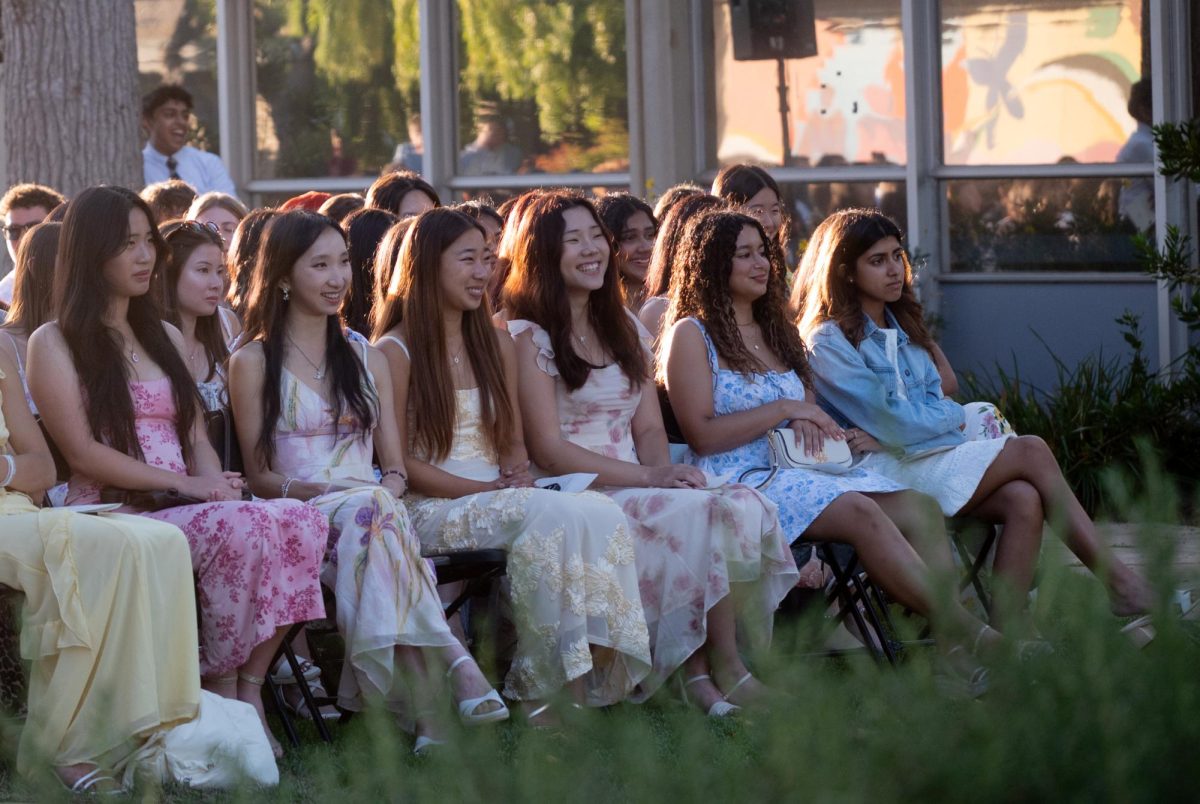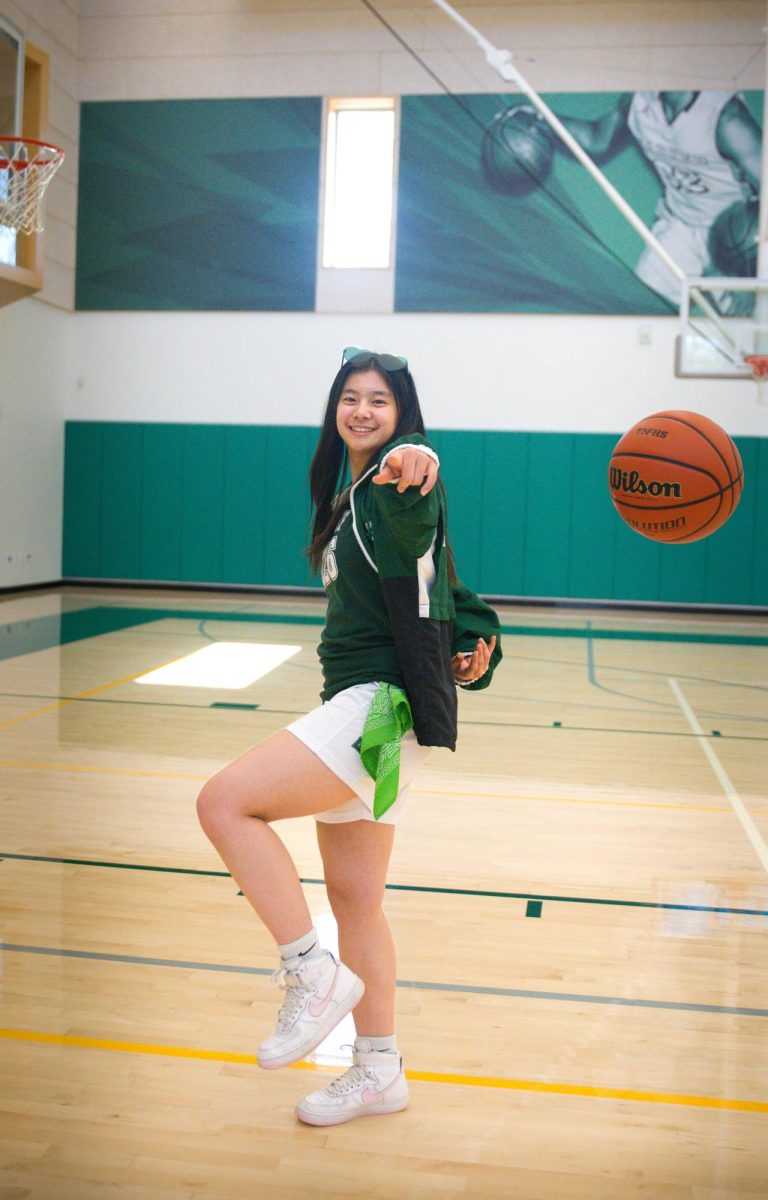
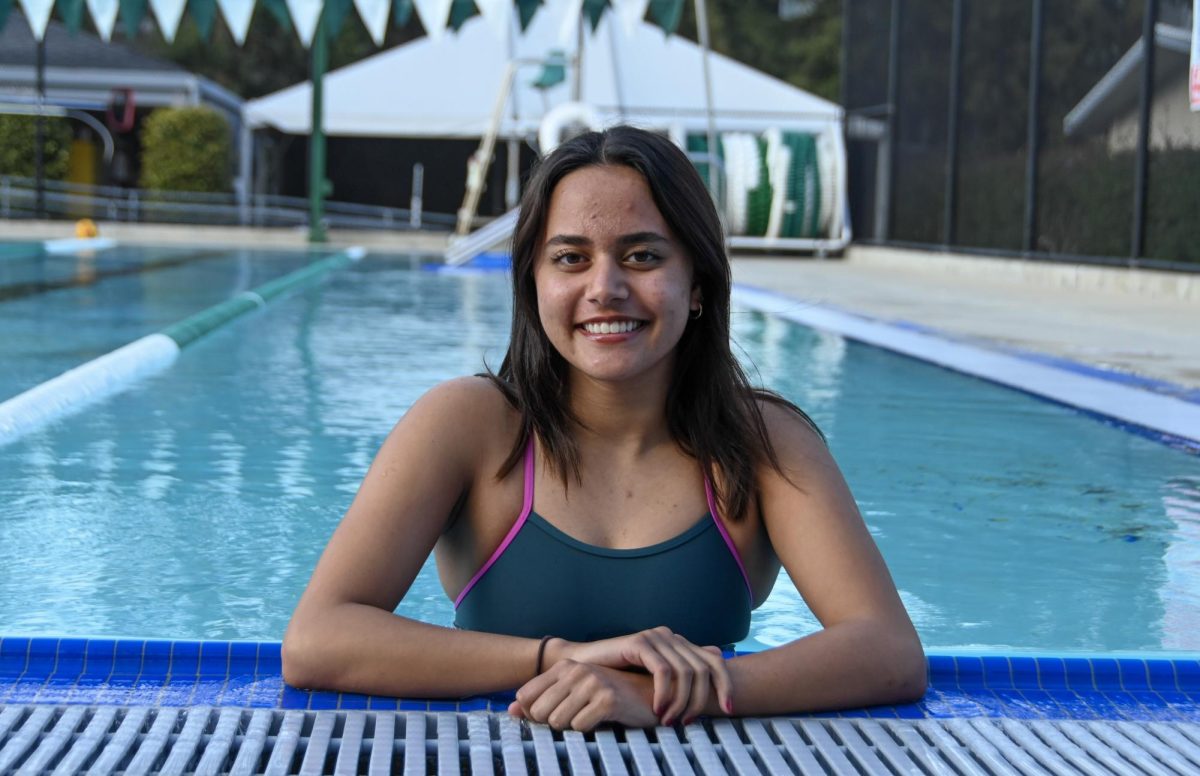
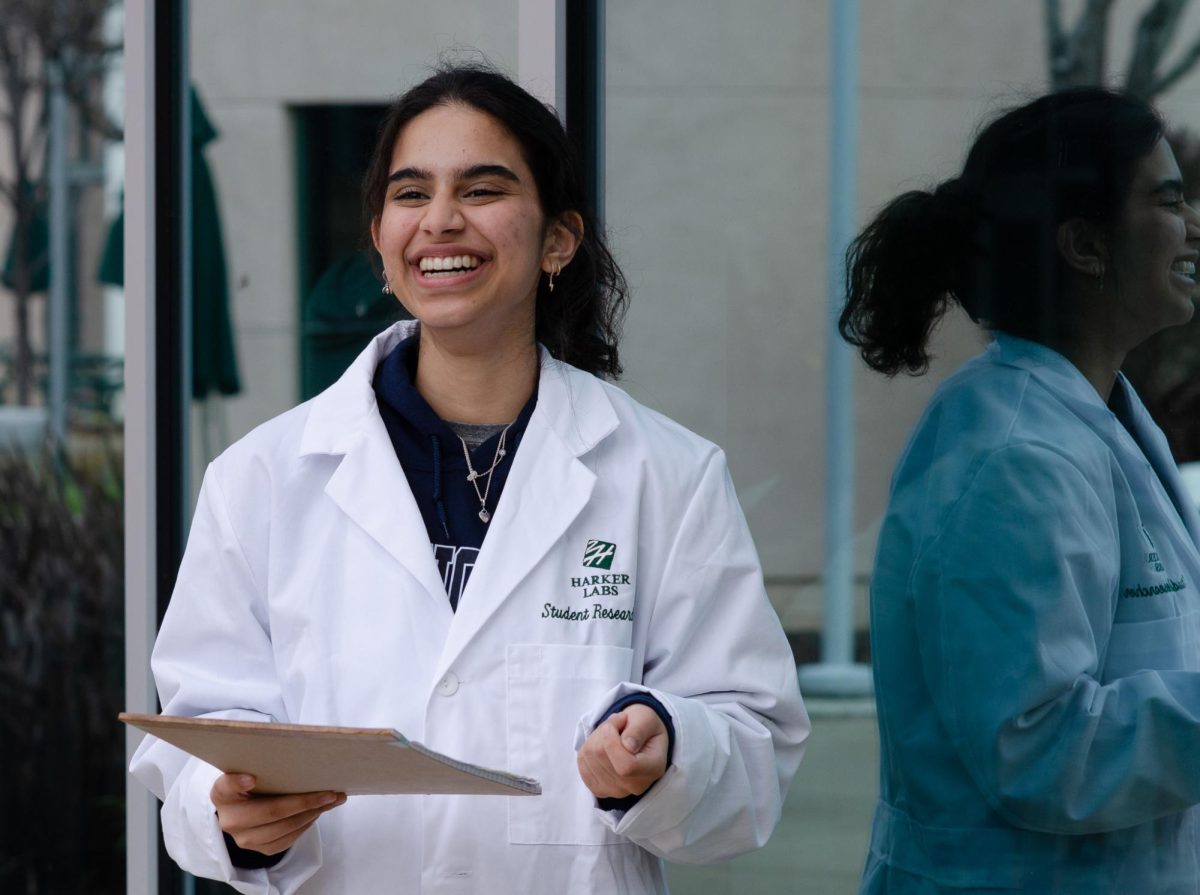
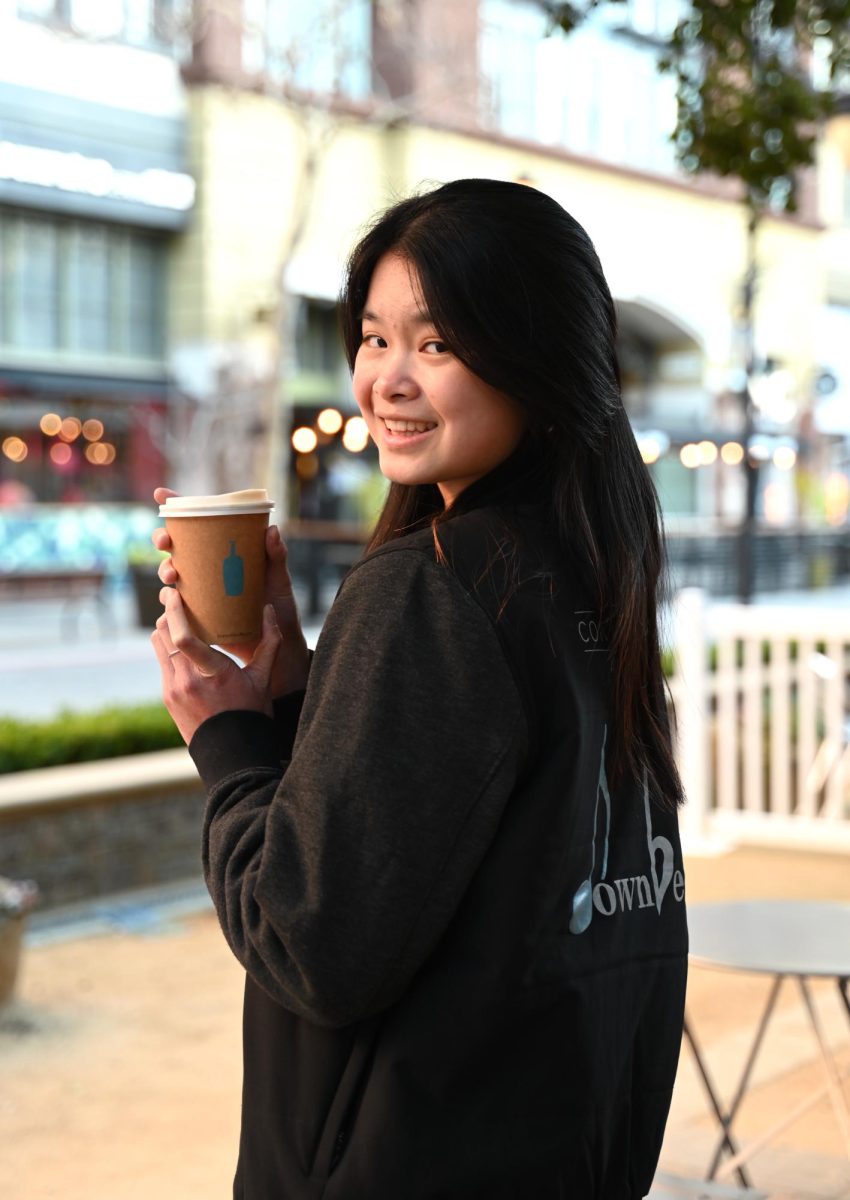
![“I wasn't discouraged by some of the obstacles we faced. I learned a lot from the leadership. I found that different people need different ways of receiving feedback — you can't [just] tell them to do something and expect the best. [Some] people needed more incentive. A large part of my role was to figure out what worked for everyone and to figure out how to lead all these separate individuals as a team,” Suhana Bhandare (’26) said.](https://harkeraquila.com/wp-content/uploads/2026/06/SuhanaBhandare_JasmineHansra-1-1200x798.jpg)
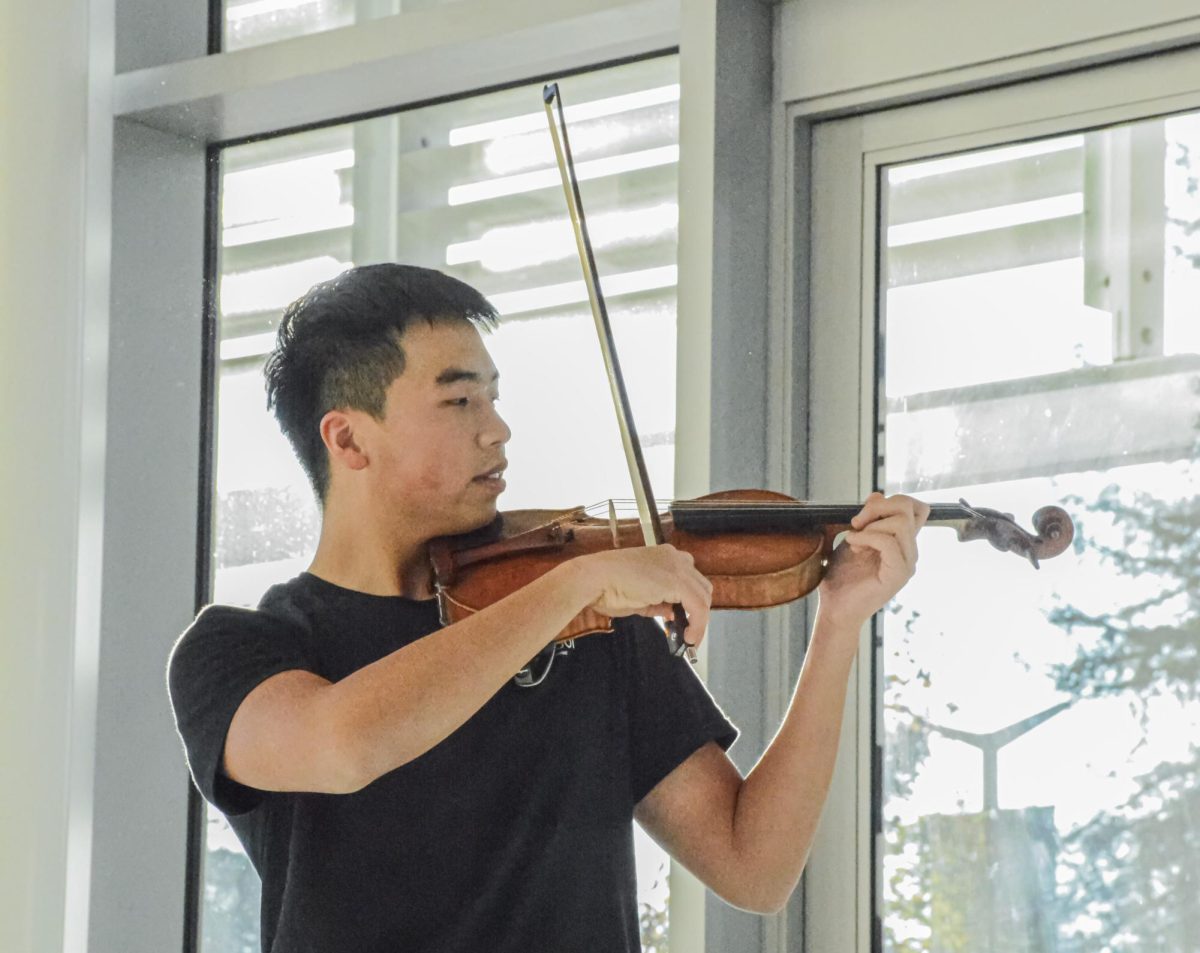
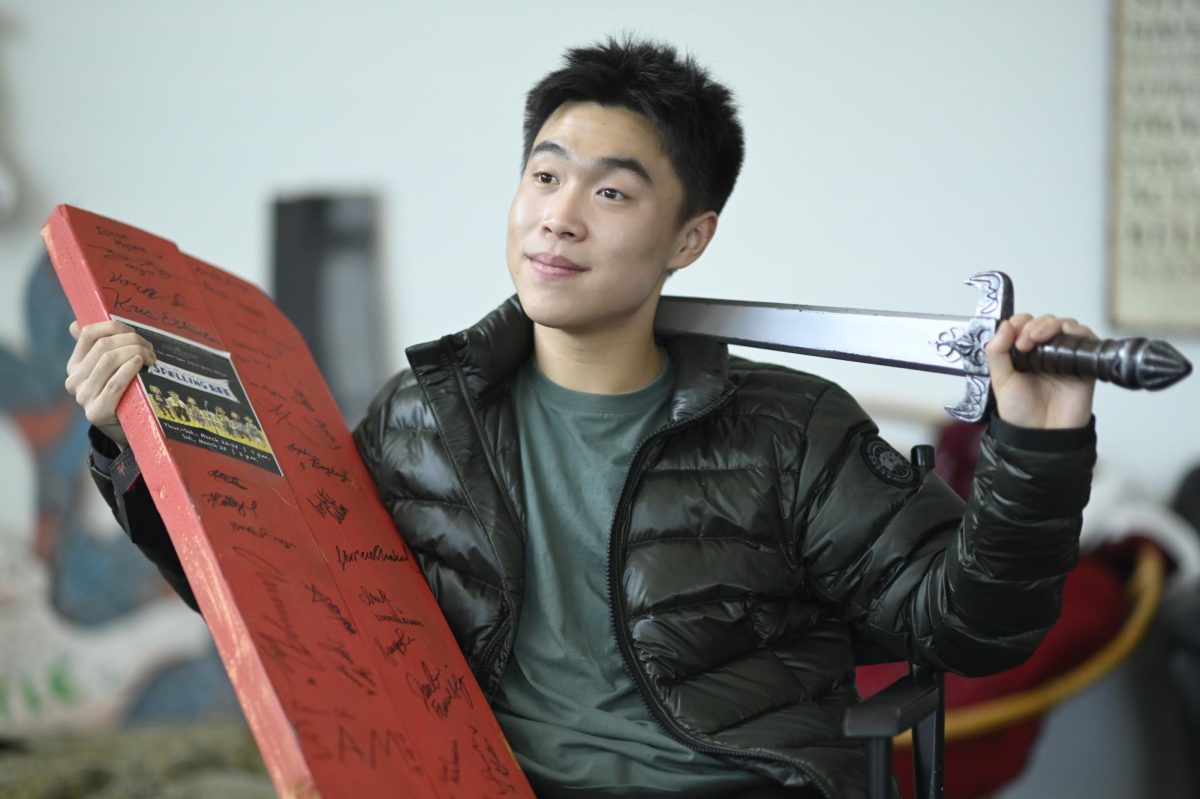
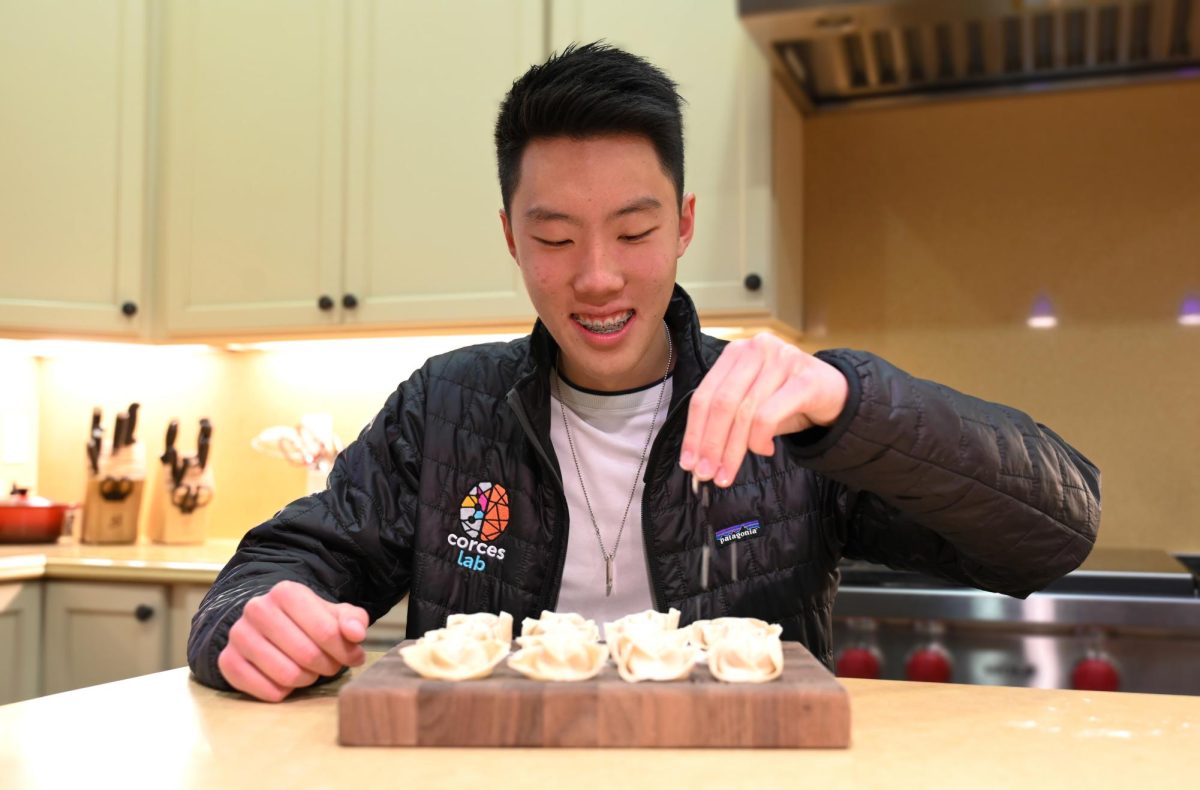
![“This is actually from Randy Pausch Randy P. Brick: ‘Walls are there for a reason. You have to show how much you want to overcome them.’ You have to show how much you want something. That's what I've always been able to do with tennis, Link Crew and getting that internship [with Kushy Baby]. It’s important pushing through that — getting around that brick wall, climbing over it or clawing through it,” Yash Sachdeva (’26) said.](https://harkeraquila.com/wp-content/uploads/2026/05/YashSachdeva_RamBatchu-copy-1200x1002.jpg)
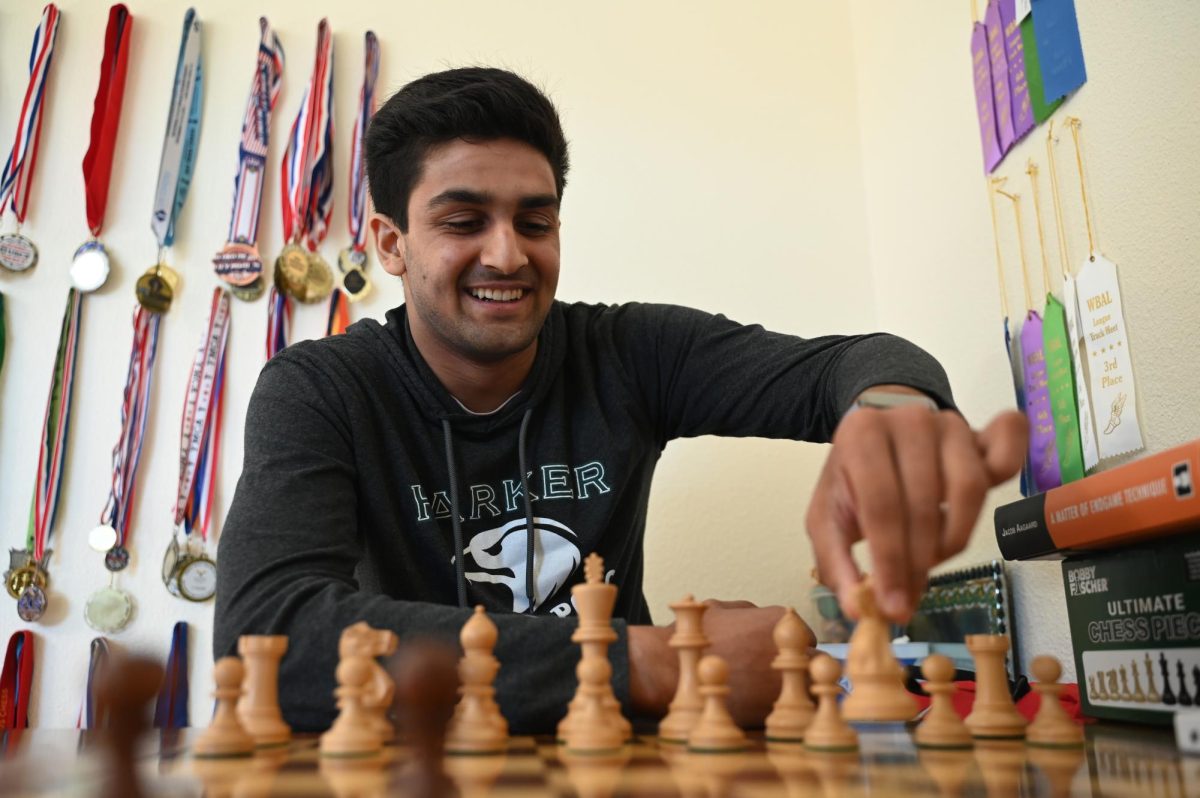
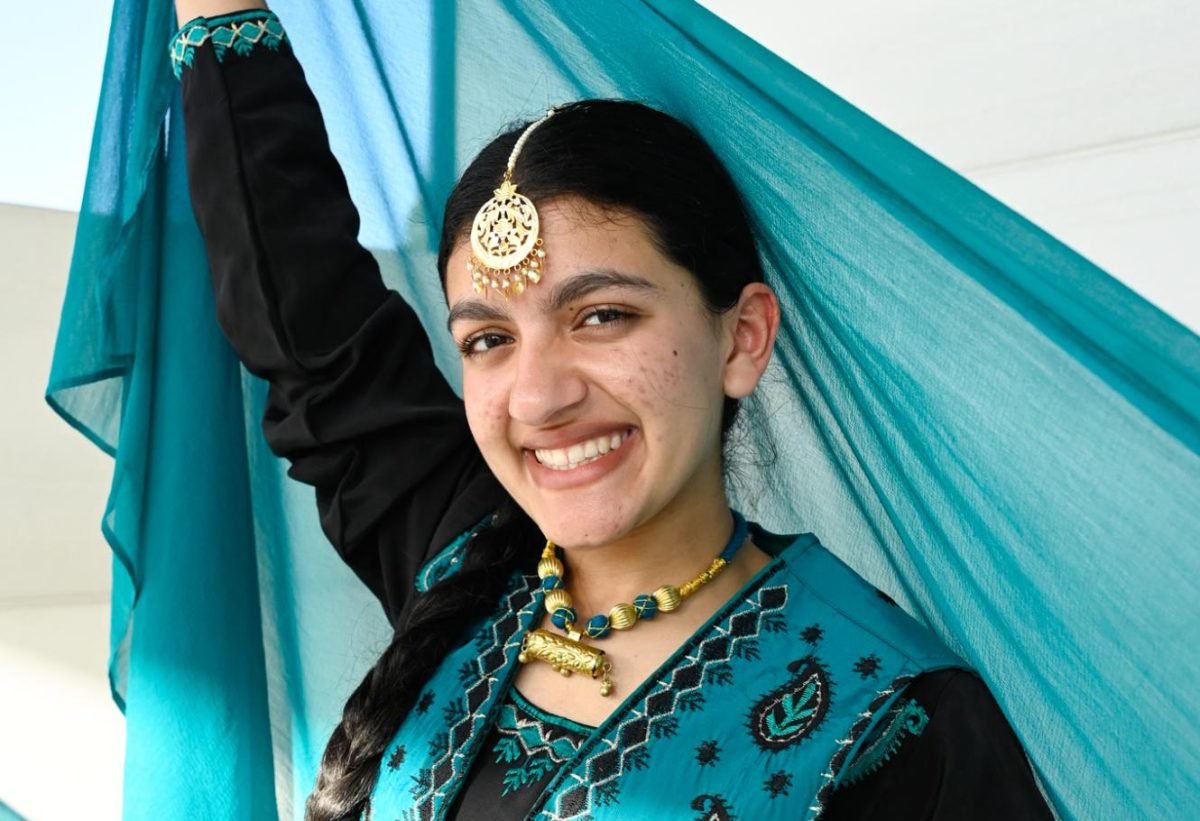
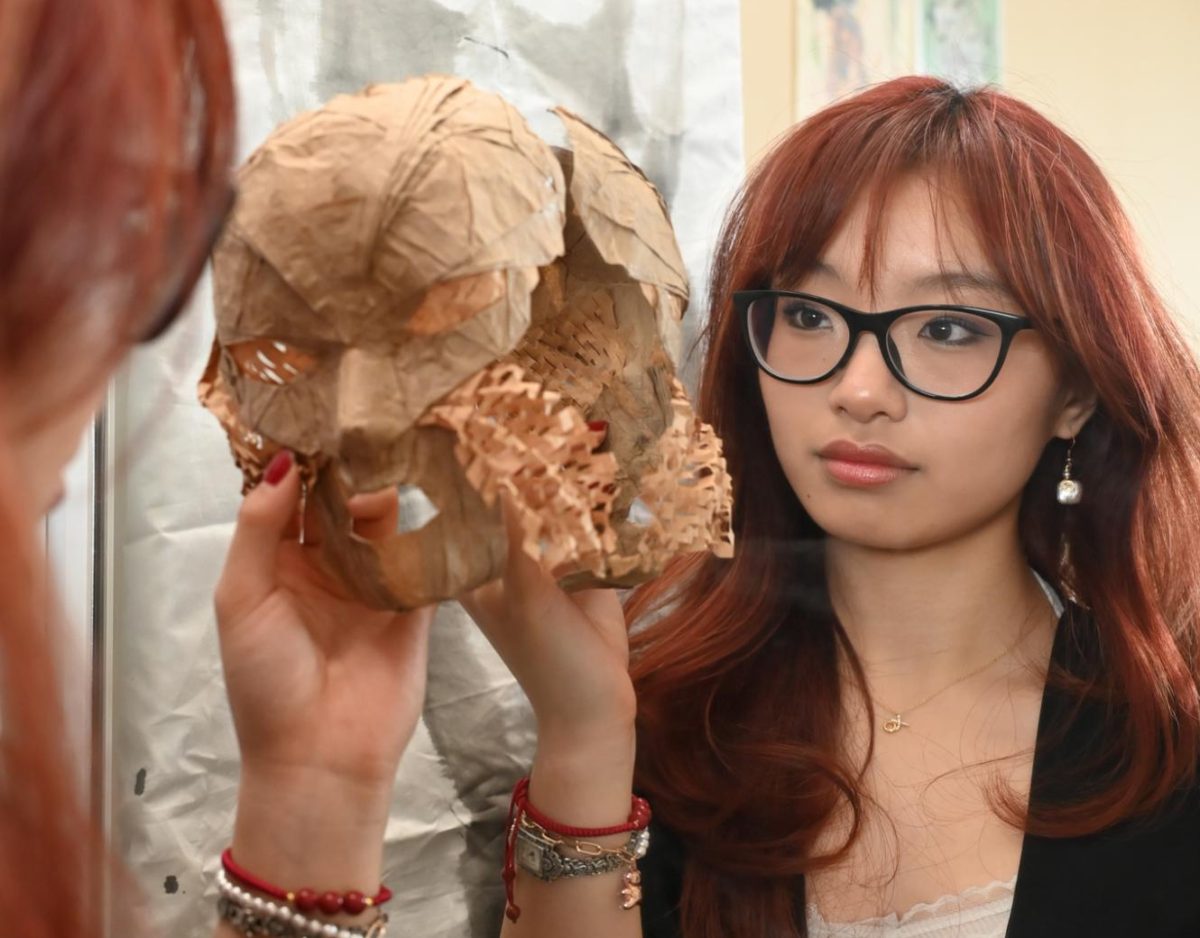
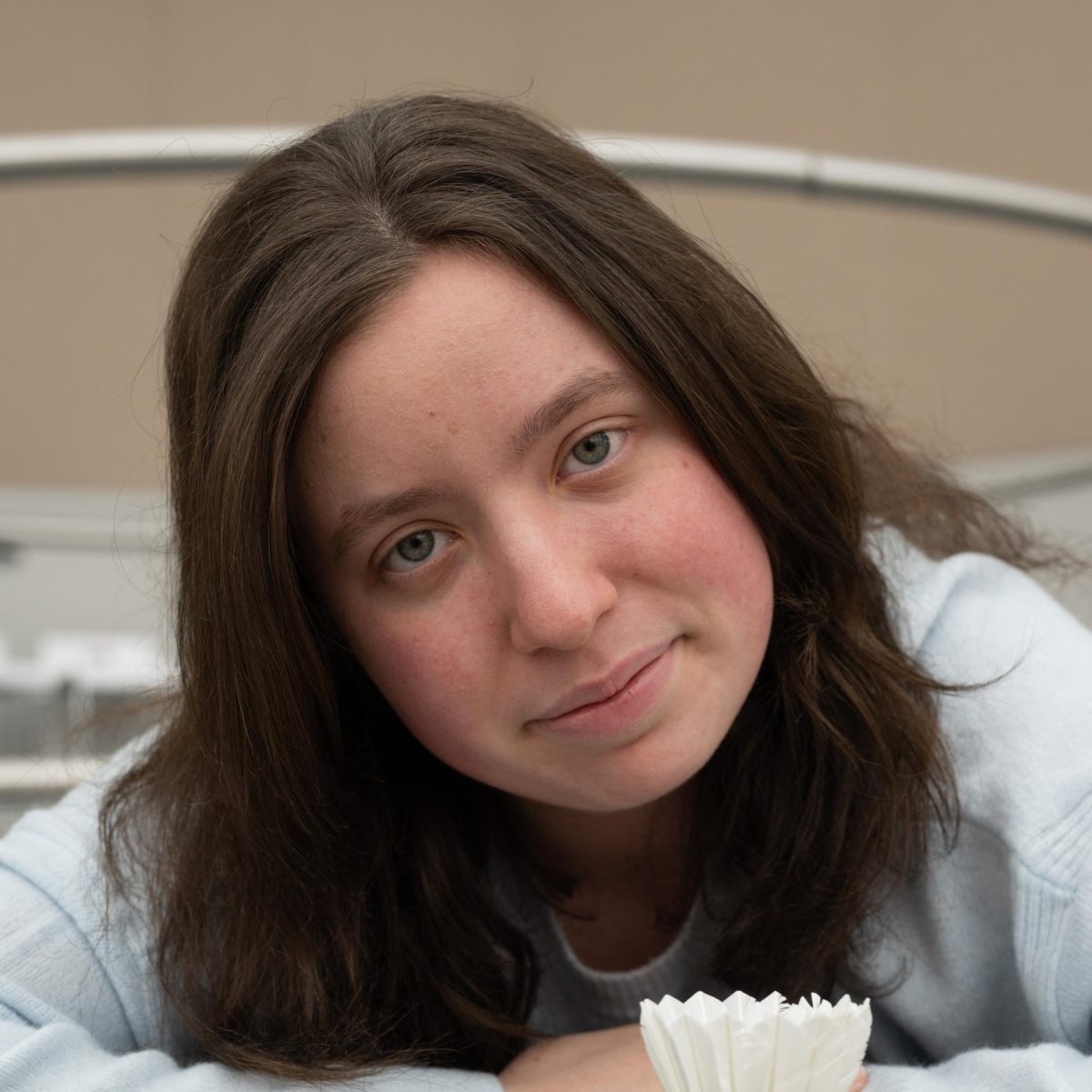
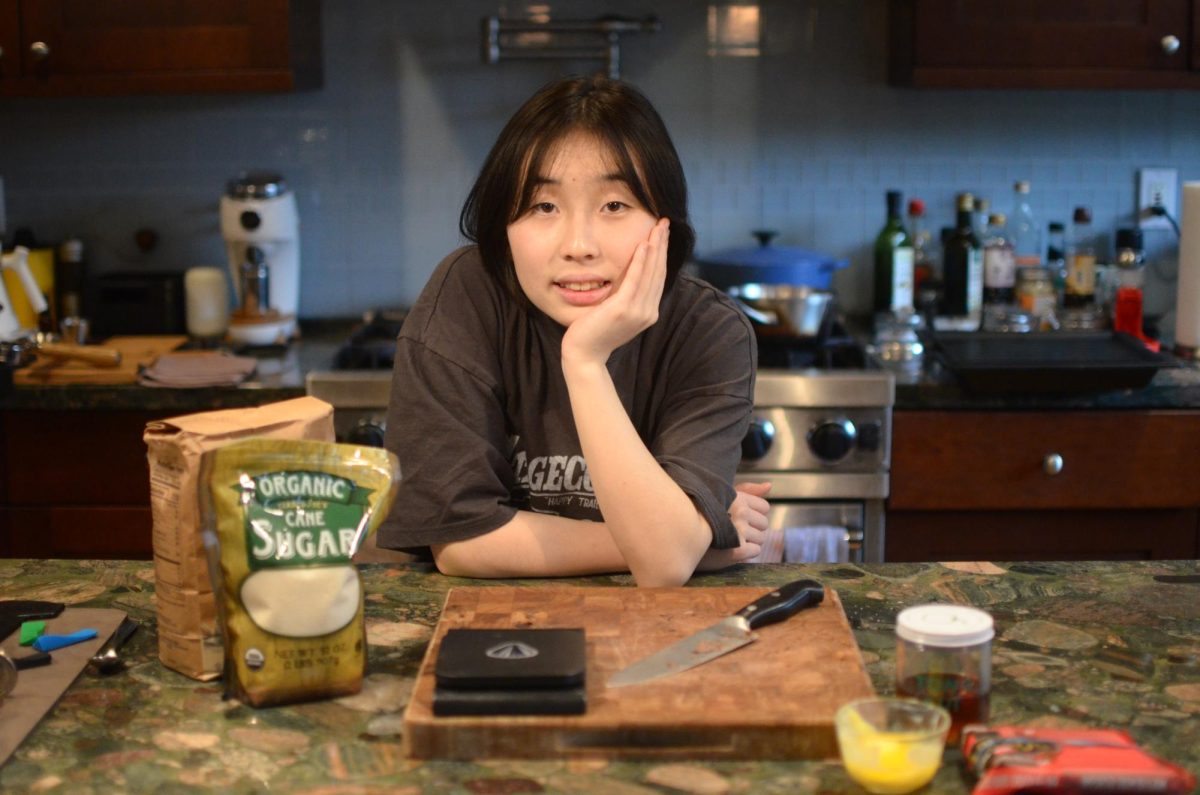


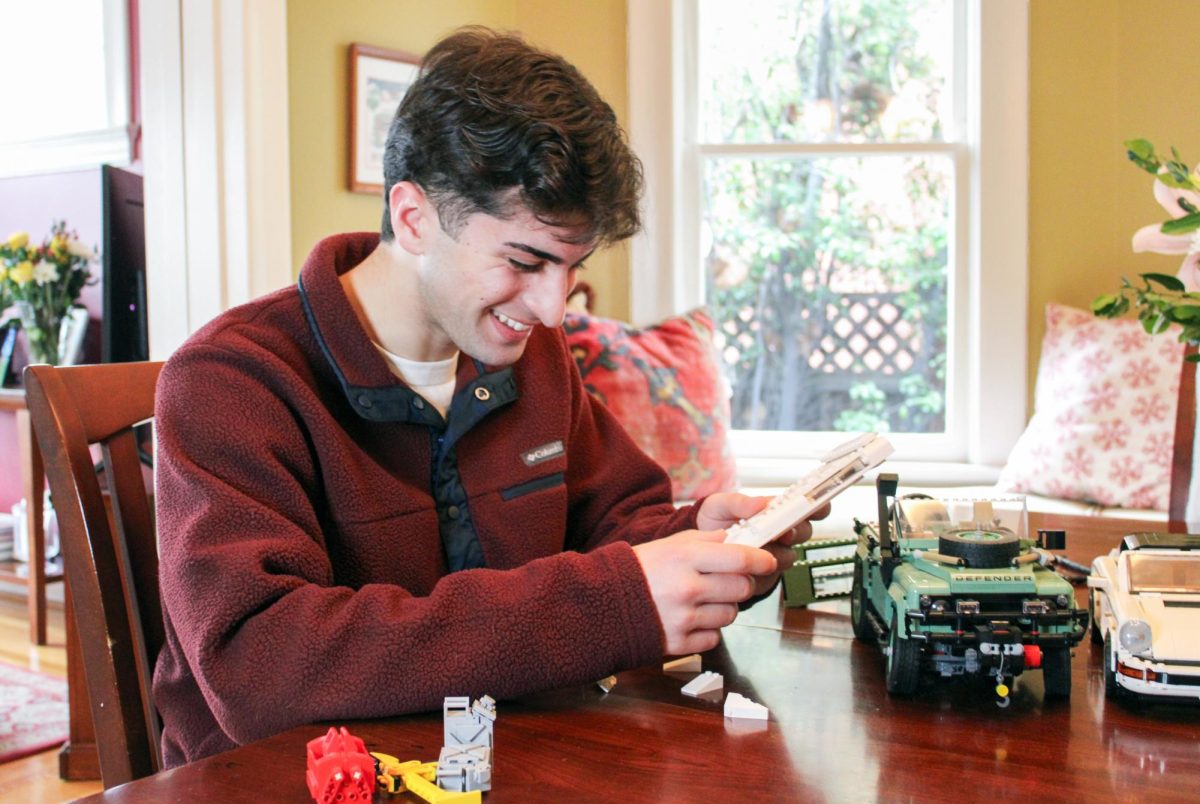

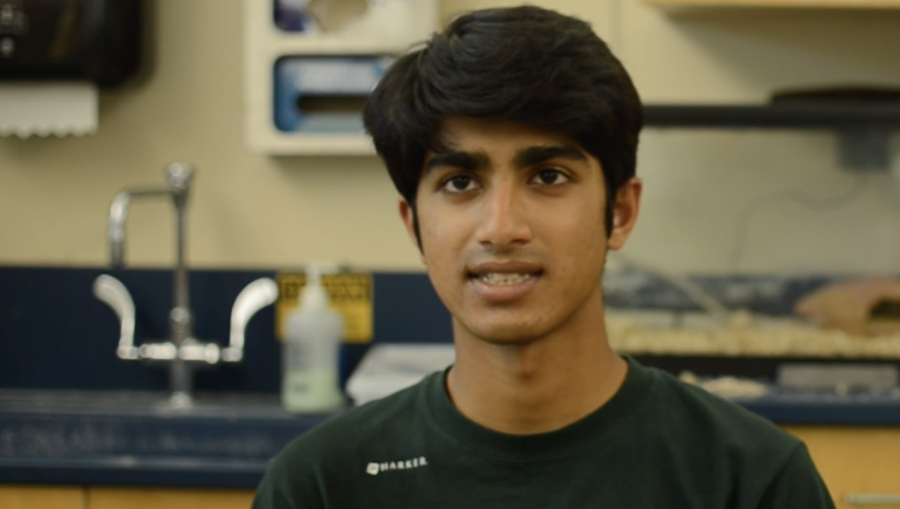
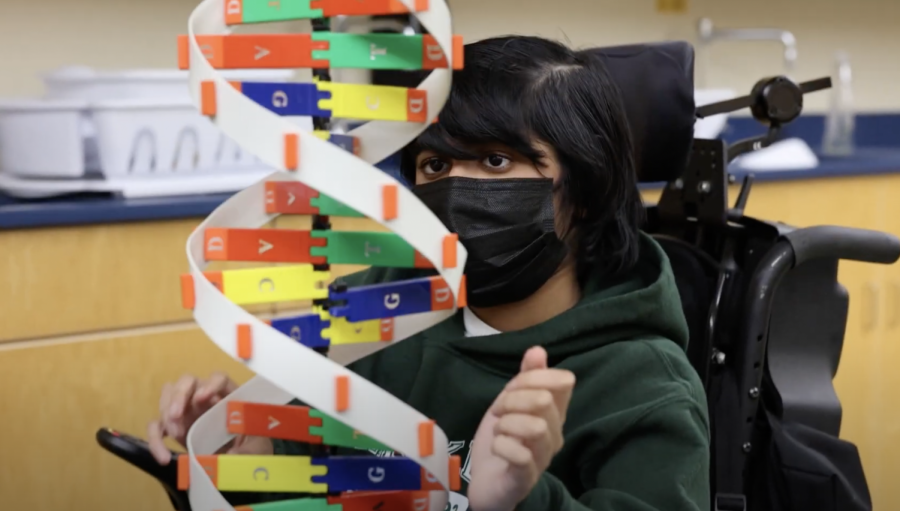
![“[Building nerf blasters] became this outlet of creativity for me that hasn't been matched by anything else. The process [of] making a build complete to your desire is such a painstakingly difficult process, but I've had to learn from [the skills needed from] soldering to proper painting. There's so many different options for everything, if you think about it, it exists. The best part is [that] if it doesn't exist, you can build it yourself," Ishaan Parate said.](https://harkeraquila.com/wp-content/uploads/2022/08/DSC_8149-900x604.jpg)
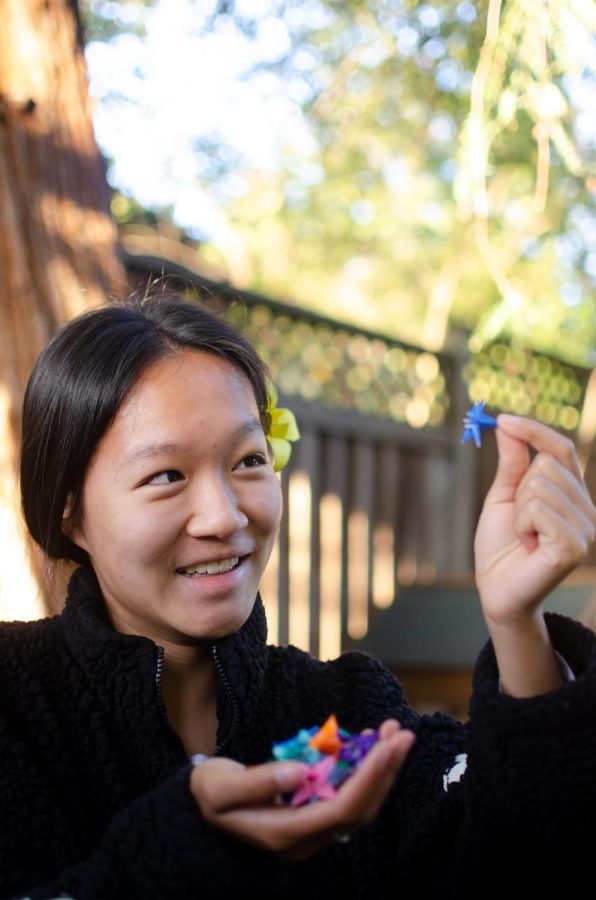
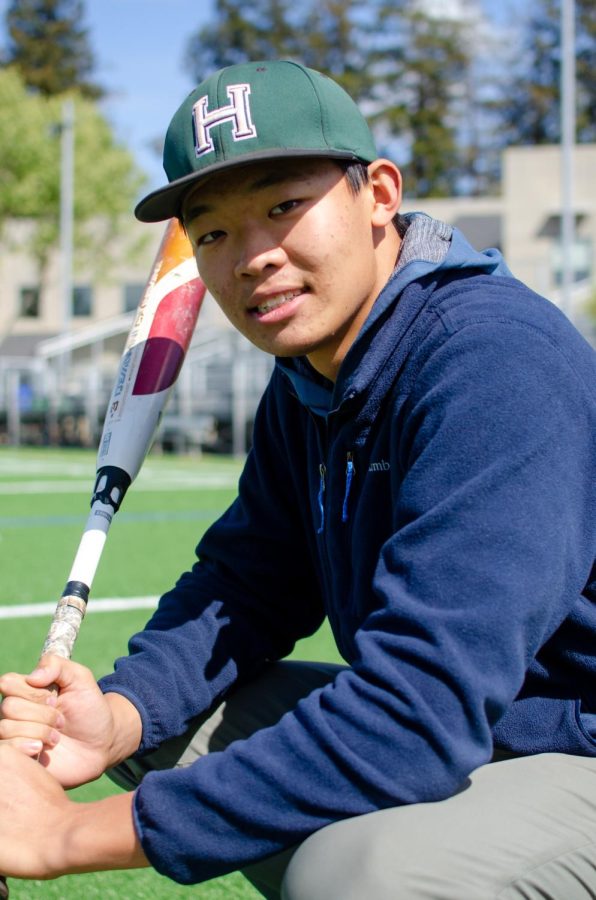
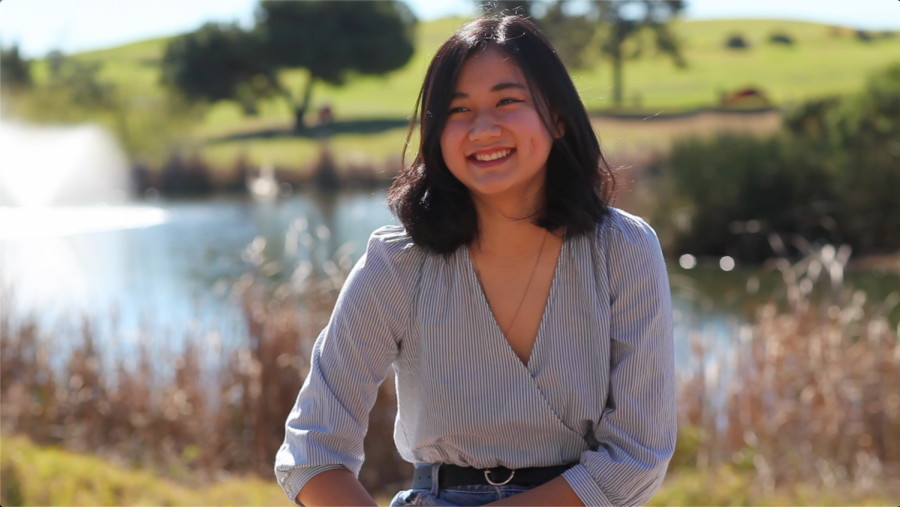
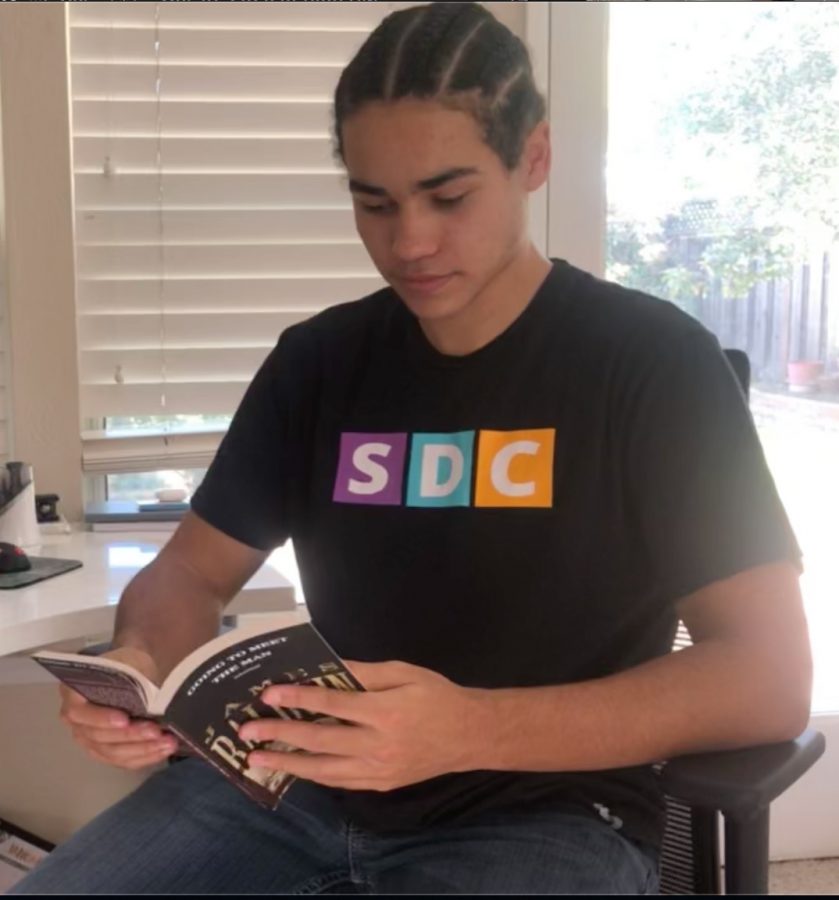
![“When I came into high school, I was ready to be a follower. But DECA was a game changer for me. It helped me overcome my fear of public speaking, and it's played such a major role in who I've become today. To be able to successfully lead a chapter of 150 students, an officer team and be one of the upperclassmen I once really admired is something I'm [really] proud of,” Anvitha Tummala ('21) said.](https://harkeraquila.com/wp-content/uploads/2021/07/Screen-Shot-2021-07-25-at-9.50.05-AM-900x594.png)
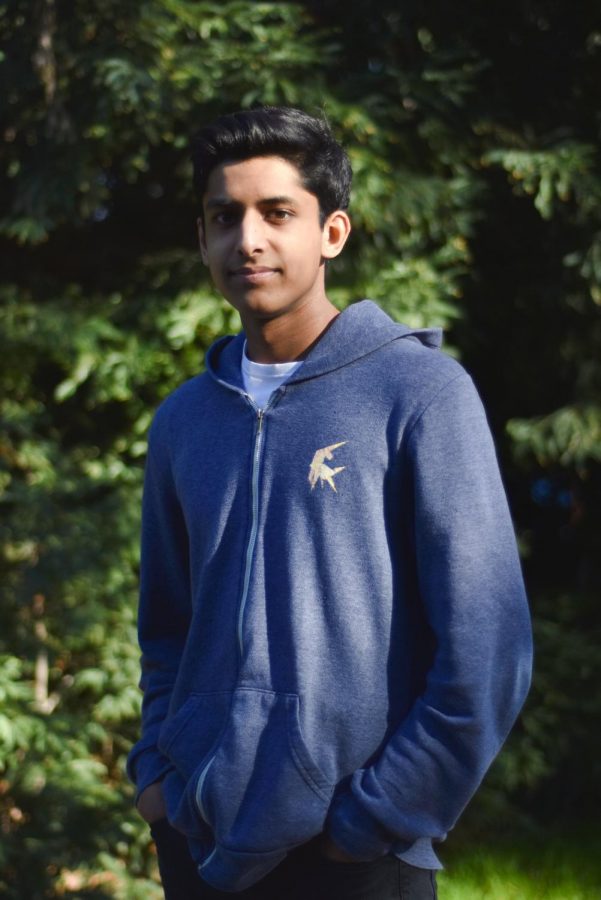

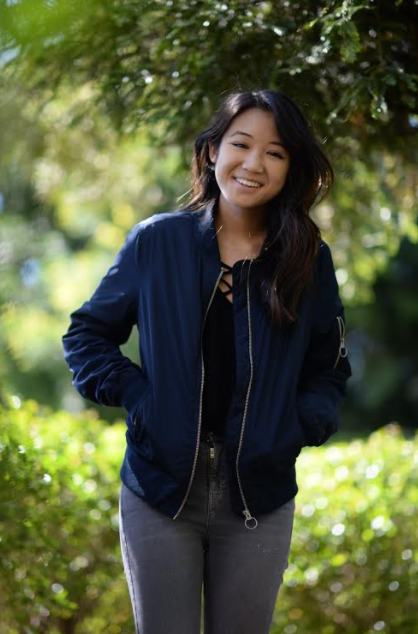
![“I think getting up in the morning and having a sense of purpose [is exciting]. I think without a certain amount of drive, life is kind of obsolete and mundane, and I think having that every single day is what makes each day unique and kind of makes life exciting,” Neymika Jain (12) said.](https://harkeraquila.com/wp-content/uploads/2017/06/Screen-Shot-2017-06-03-at-4.54.16-PM.png)
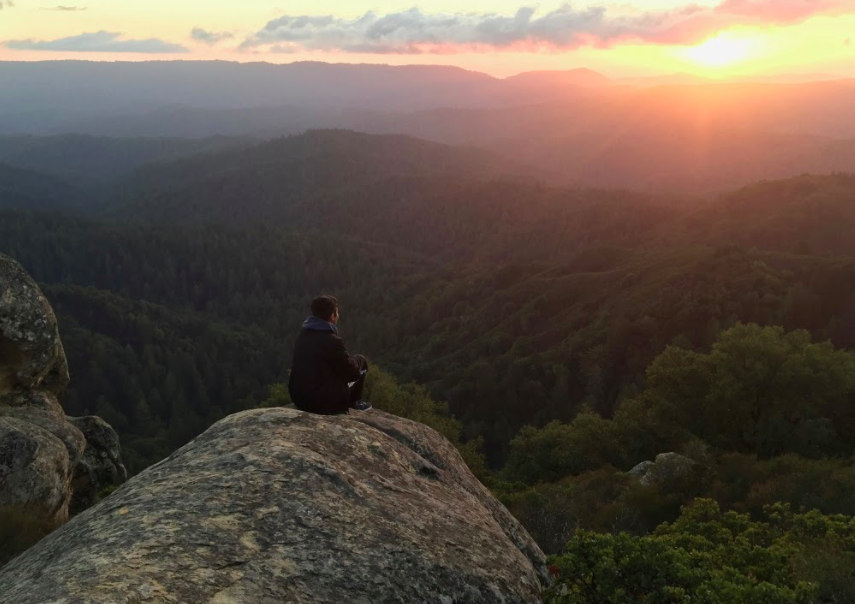
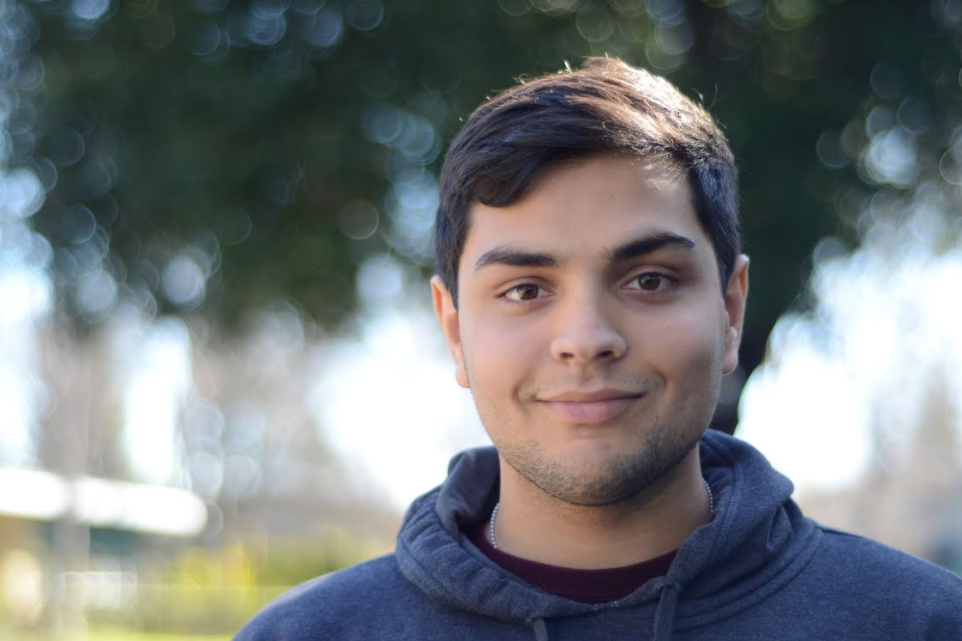
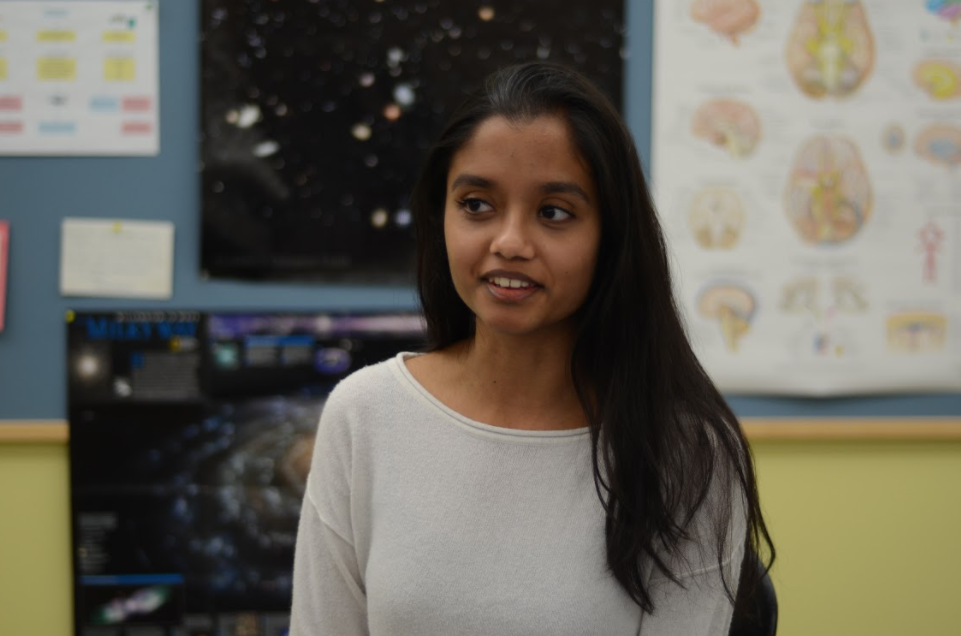
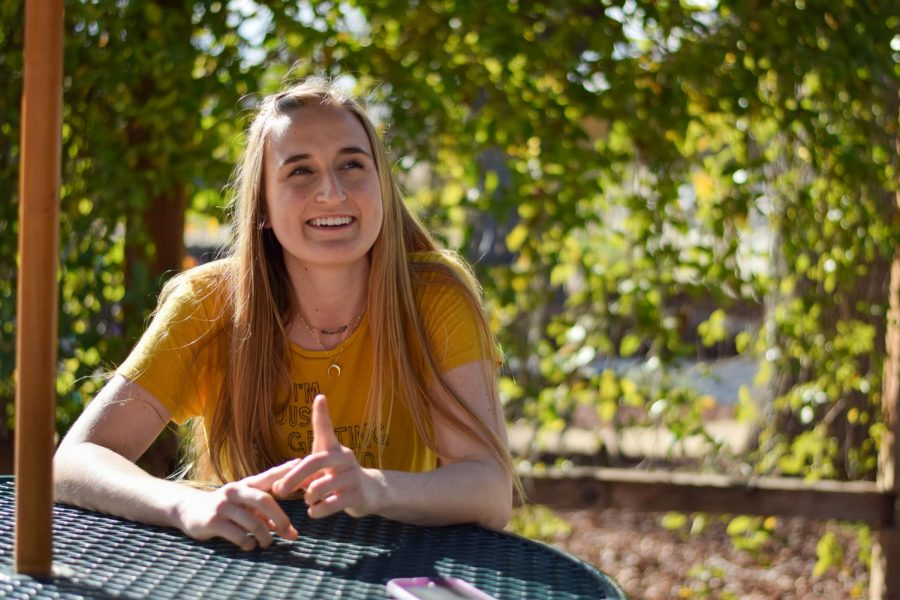
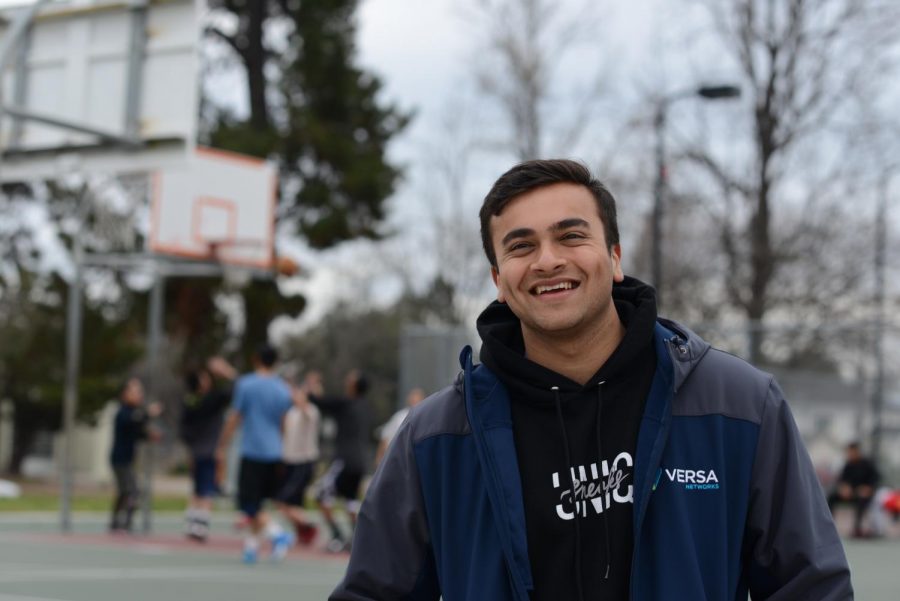
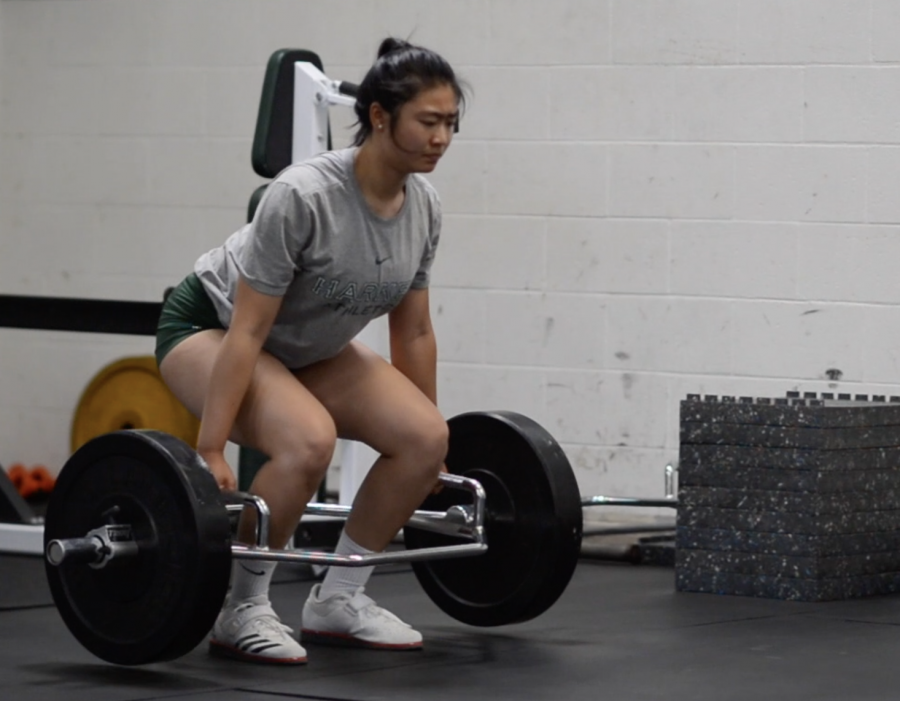
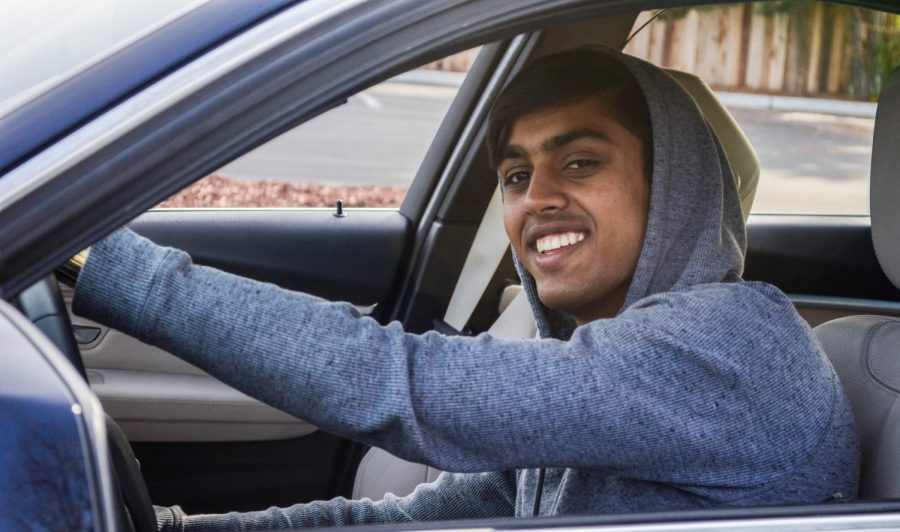
![“My slogan is ‘slow feet, don’t eat, and I’m hungry.’ You need to run fast to get where you are–you aren't going to get those championships if you aren't fast,” Angel Cervantes (12) said. “I want to do well in school on my tests and in track and win championships for my team. I live by that, [and] I can do that anywhere: in the classroom or on the field.”](https://harkeraquila.com/wp-content/uploads/2018/06/DSC5146-900x601.jpg)
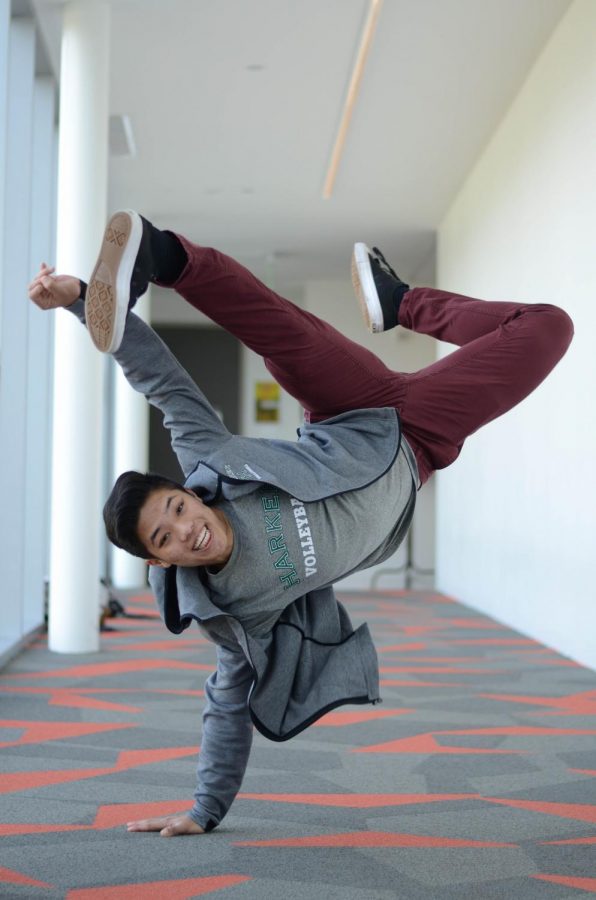
![“[Volleyball has] taught me how to fall correctly, and another thing it taught is that you don’t have to be the best at something to be good at it. If you just hit the ball in a smart way, then it still scores points and you’re good at it. You could be a background player and still make a much bigger impact on the team than you would think,” Anya Gert (’20) said.](https://harkeraquila.com/wp-content/uploads/2020/06/AnnaGert_JinTuan_HoHPhotoEdited-600x900.jpeg)
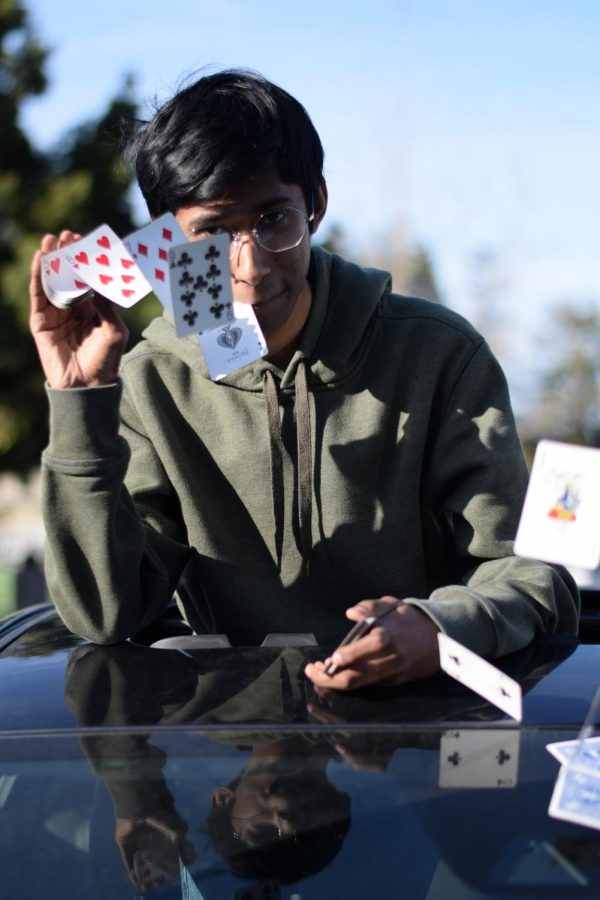
![“I'm not nearly there yet, but [my confidence has] definitely been getting better since I was pretty shy and timid coming into Harker my freshman year. I know that there's a lot of people that are really confident in what they do, and I really admire them. Everyone's so driven and that has really pushed me to kind of try to find my own place in high school and be more confident,” Alyssa Huang (’20) said.](https://harkeraquila.com/wp-content/uploads/2020/06/AlyssaHuang_EmilyChen_HoHPhoto-900x749.jpeg)

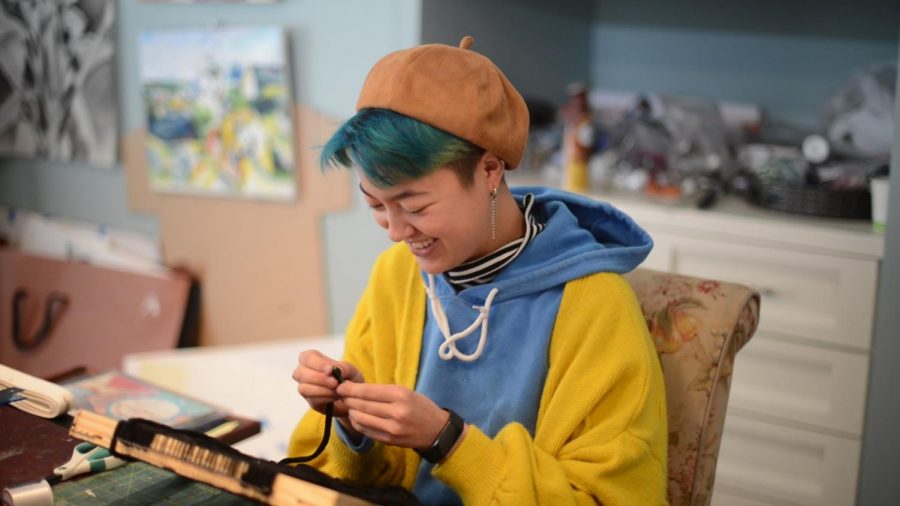

Humans of Harker: Shea Tuli’s dynamic background strengthens her connections with others
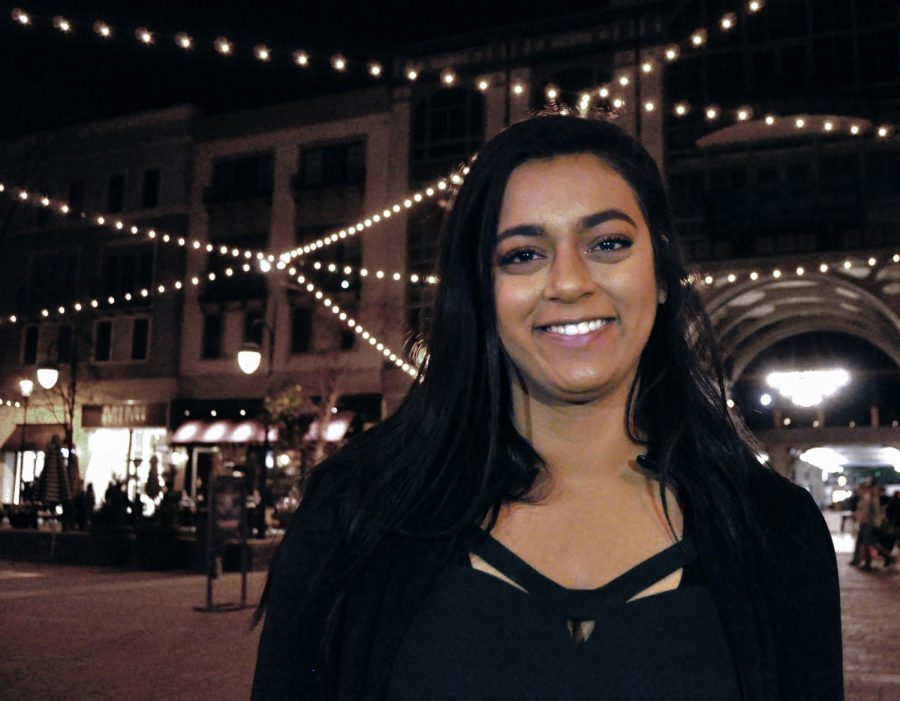
“I’ve been to schools that have medical detectors outside the door, and I’ve been to schools where you can’t wear purple because of gang affiliation. And then I’ve been to schools where it was normal for your nanny to come pick you up,” Shea Tuli (12) said. “I’ve seen so much in my life in the ten schools that I’ve been to, and I got to experience so many different, not places, but backgrounds. It’s make it so much easier to talk to a person, to relate to them, because at some point in my life, I’ve probably been in the situation that they’re in. Regardless of what state, school, ethnicity, I’ve had that interaction before.”
March 18, 2018
“I’ve been to schools that have metal detectors outside the door, and I’ve been to schools where you can’t wear purple because of gang affiliation. And then I’ve been to schools where it was normal for your nanny to come pick you up,” Shea Tuli (12) said. “I’ve seen so much in my life in the ten schools that I’ve been to, and I got to experience so many different, not places, but backgrounds. It’s made it so much easier to talk to a person, to relate to them, because at some point in my life, I’ve probably been in the situation that they’re in. Regardless of what state, school, ethnicity, I’ve had that interaction before.”
Colorado, Pennsylvania, Connecticut, Georgia, North Carolina, California. Having lived in six different states and been to ten different schools, Shea Tuli (12) has had to move constantly throughout her life. As a result, she has developed a “guide” of tips to use when in a new place with new people.
“If you’re looking for a place to find lunch and you’re downtown and it’s super busy, go to the place with the longest line and either go directly to the right of them or to the left, and if the place like that is still in business and it’s next to the busiest place, it’s probably still good food,” Shea said. “Or if you’re trying to seem engaged with a person, tilt your head slightly to the left and notice the color of their eyes, and it seems like you’re far more interested in their conversation. It’s just little tips and tricks like that that I’ve picked up over the years help me make friends and adapt in new situations.”
To Mallory Millard (12), Shea “always knows the right things to say.” To her former advisor Ms. Kelly Horan, she’s “a lot of fun.”
“She’s a very good reader of the room, and she’s very smart. She uses that to kind of understand interpersonal relationships and herself,” Horan said. “She’s the mom of the advisory now, and she’s the one who encourages them to do things, to make memories and build kind of a cohesive family.”
She’s applied those principles from her nuclear family — the only five-person constant in her ever-relocating life.
“When you move around that much, you kind of only have your family. You only have the four people you consistently move with. And we always have this funny little saying. We always say, ‘A Tuli will be there,’ so whenever we have these big events, we always just ask that one of us is there,” Shea said. “It was just about making it possible for someone to be there, someone that you care about and cares about you, to be there for you, to show up for you.”
After years of moving regularly, Shea has learned the ability to move on from complaining about a situation and instead initiate take the next step.
“Harker students especially are really driven by understanding why things happen, maybe why a chemical reaction happens, why some algorithm proves something, but I’ve never really had the luxury of my life to learn why. You can’t go around guessing why you moved here and ‘Why this?’ and ‘Why me?’ It’s just not a happy place to be, because you’ll surround yourself in a ‘what if’ sea essentially — all of these things that don’t let you live in the moment,” Shea said. “And I think I always learned the next question, the far more useful question is ‘Now what? Something happened, now what are you going to do about it, what can you do about it?’”
Shea hopes for the people around her to take charge of their situations and move forward.
“What I ask for in a friend is the ability to want to control your life. That’s what’s really important to me — taking your life into control, like your own hands, and understanding that you have the ability to affect change in it,” she said. “Instead of the typical ‘This happened to me,’ it’s more of the ‘I’m going to do this’ or ‘I’m going to make this happen.’”
Her friend Lauren Napier described her as “funny and witty and kind.”
“I like to always say that even if she’s having the worst day in the world, she’ll never even show it, and she’ll prioritize your feelings over hers and really try to make you feel better even if she’s going through something. She’s focused on others,” Lauren said. “She loves her puns and her little jokes that we like to say that only she thinks is funny, but without them, the day wouldn’t be the same. Shea is so funny and cute and kind and just like a little angel.”
Shea wants to be remembered for making others happier by talking to them.
“[I like] just the idea of a person thinking, ‘Oh, I had a great conversation with Shea,’ like ‘All those laughs I had because of Shea,’” she said. “That means a lot to me when I have good conversation with a person. I’ve connected in a way that you usually don’t, or that takes a while to open up in that way. That’s always a big accomplishment for me.”