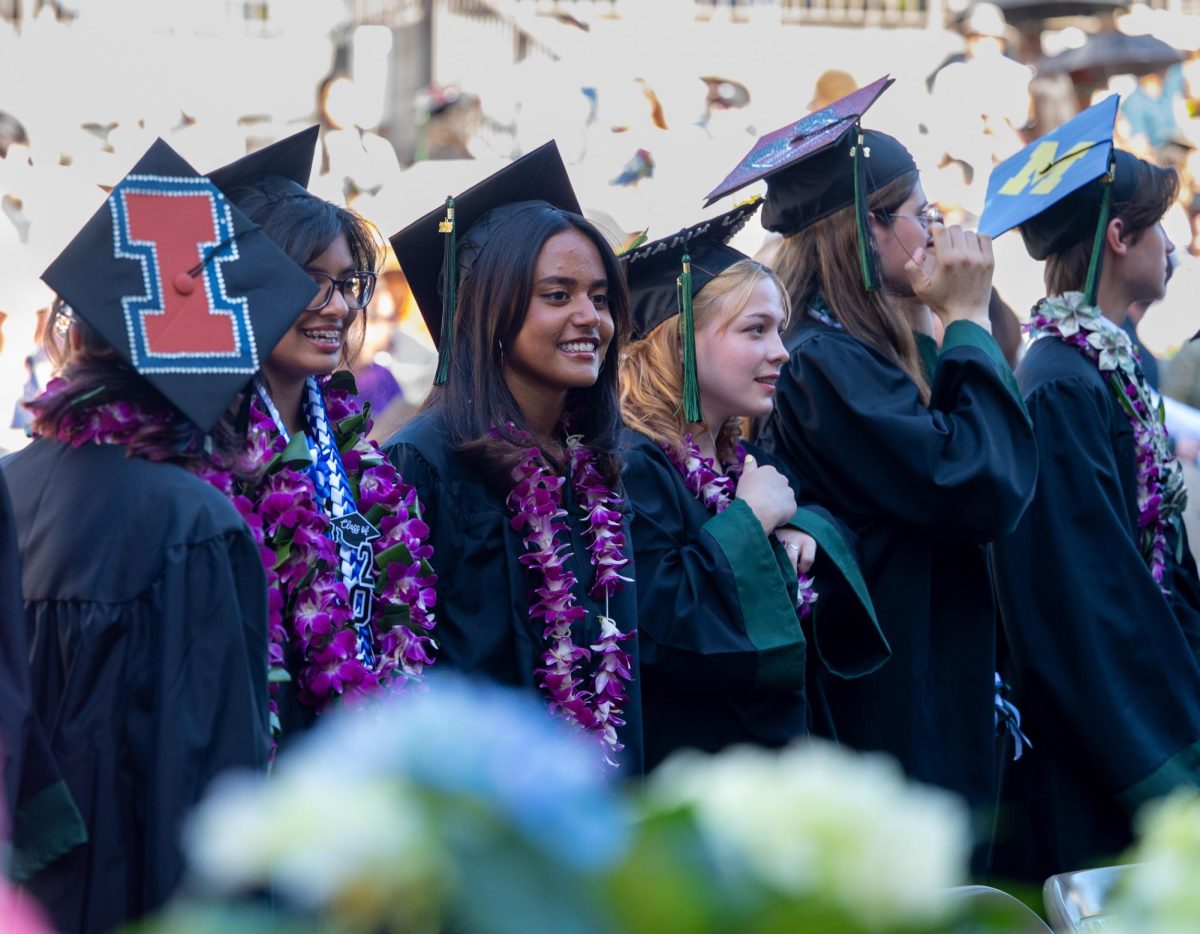
![“I wasn't discouraged by some of the obstacles we faced. I learned a lot from the leadership. I found that different people need different ways of receiving feedback — you can't [just] tell them to do something and expect the best. [Some] people needed more incentive. A large part of my role was to figure out what worked for everyone and to figure out how to lead all these separate individuals as a team,” Suhana Bhandare (’26) said.](https://harkeraquila.com/wp-content/uploads/2026/06/SuhanaBhandare_JasmineHansra-1-1200x798.jpg)

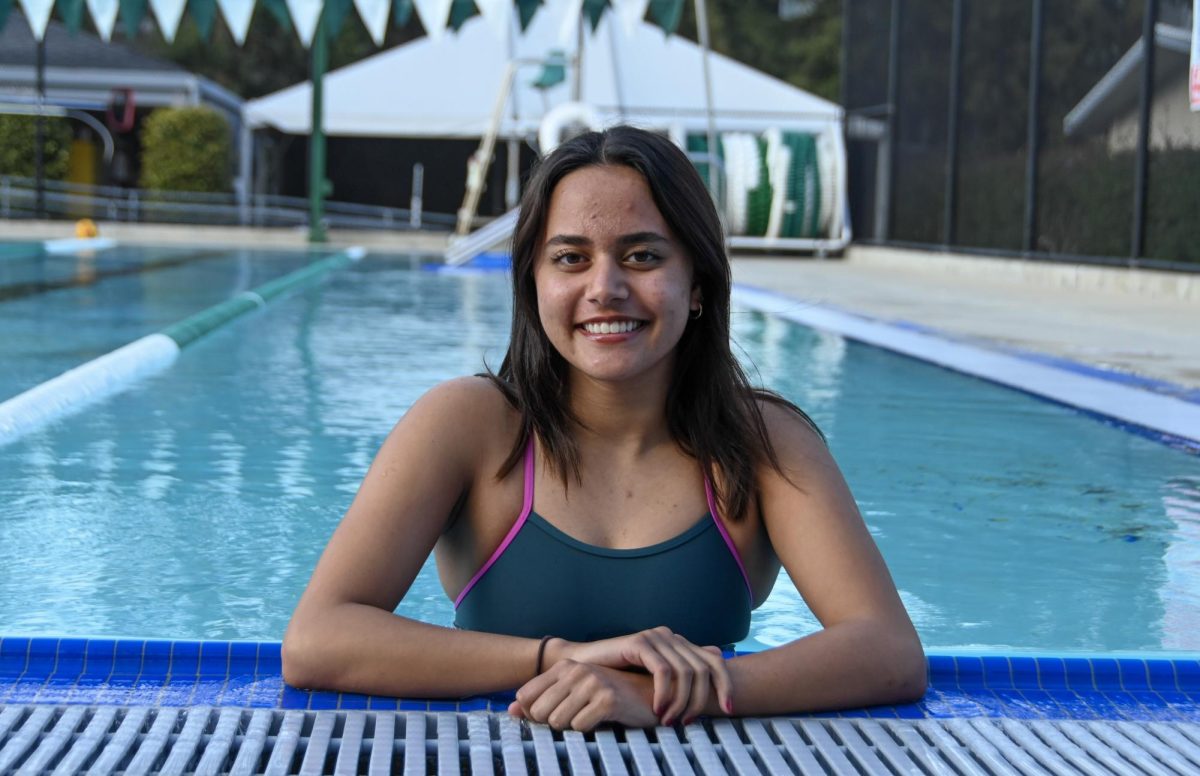
![“This is actually from Randy Pausch Randy P. Brick: ‘Walls are there for a reason. You have to show how much you want to overcome them.’ You have to show how much you want something. That's what I've always been able to do with tennis, Link Crew and getting that internship [with Kushy Baby]. It’s important pushing through that — getting around that brick wall, climbing over it or clawing through it,” Yash Sachdeva (’26) said.](https://harkeraquila.com/wp-content/uploads/2026/05/YashSachdeva_RamBatchu-copy-1200x1002.jpg)

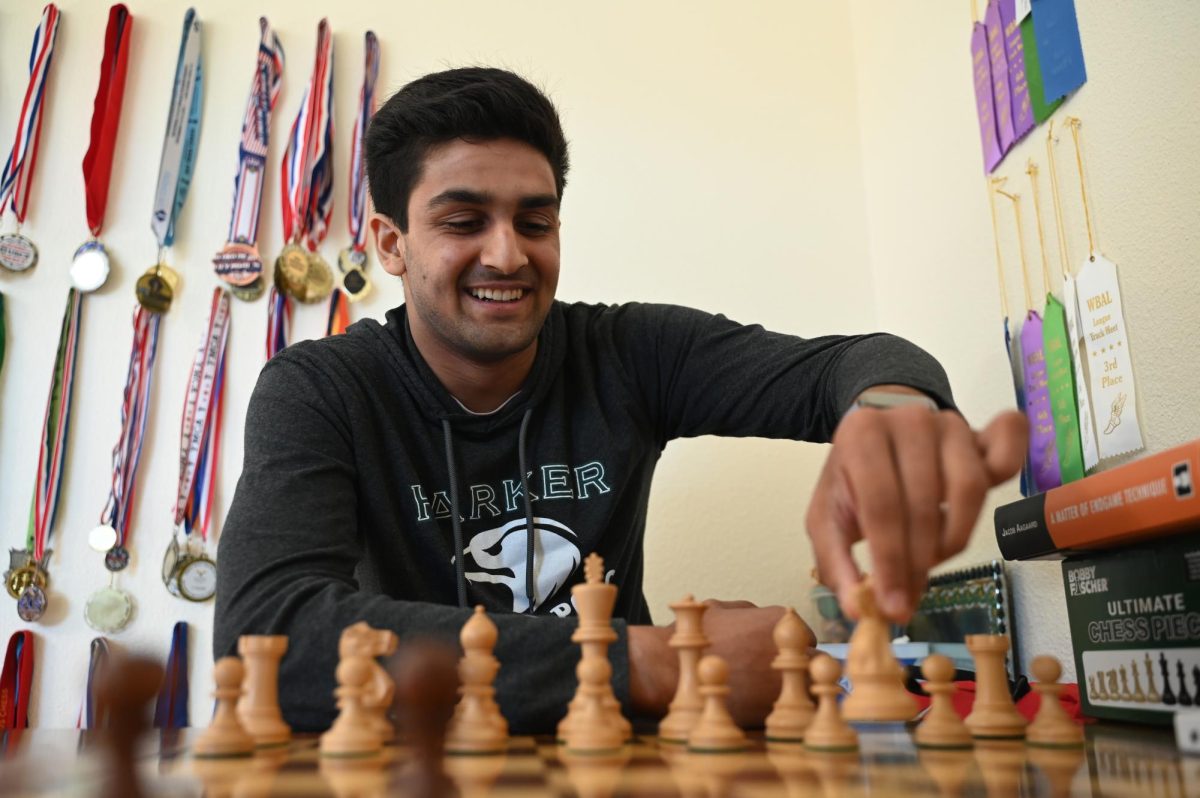









![“[Building nerf blasters] became this outlet of creativity for me that hasn't been matched by anything else. The process [of] making a build complete to your desire is such a painstakingly difficult process, but I've had to learn from [the skills needed from] soldering to proper painting. There's so many different options for everything, if you think about it, it exists. The best part is [that] if it doesn't exist, you can build it yourself," Ishaan Parate said.](https://harkeraquila.com/wp-content/uploads/2022/08/DSC_8149-900x604.jpg)
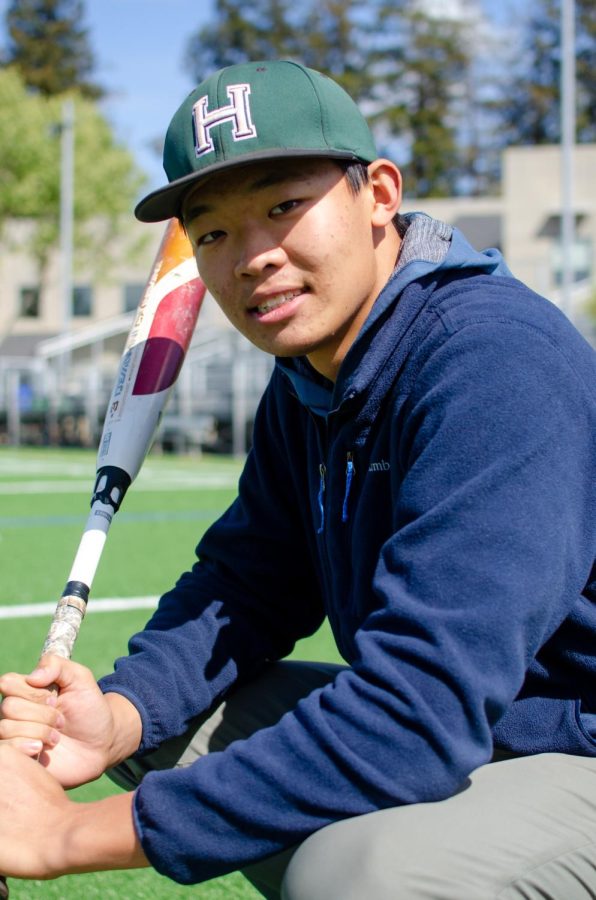

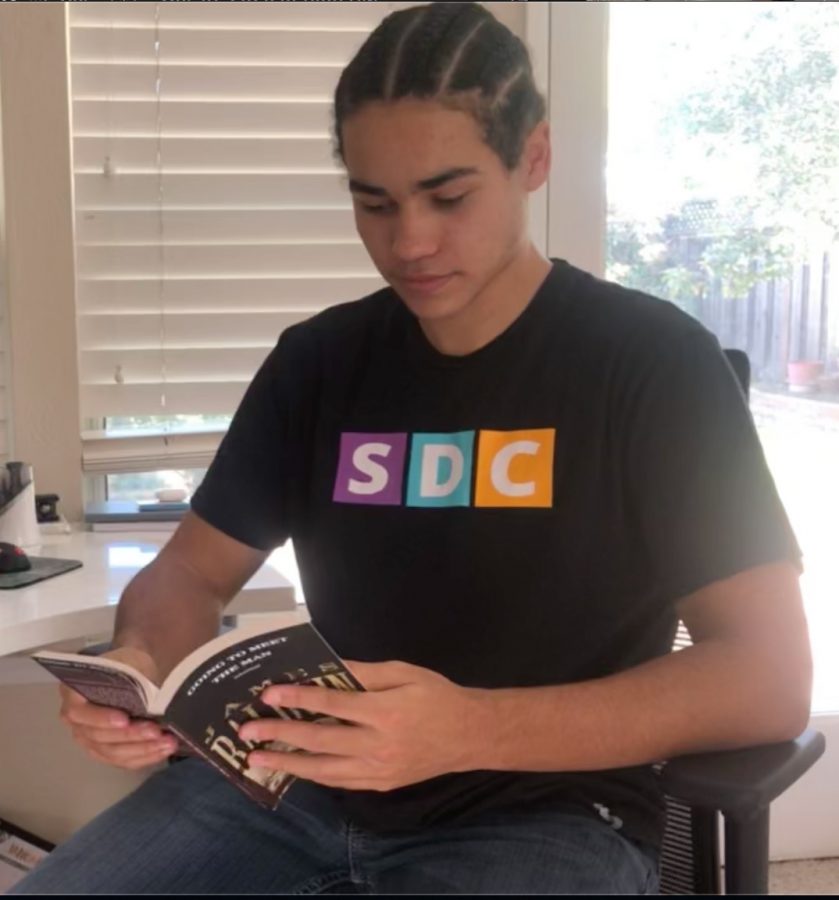
![“When I came into high school, I was ready to be a follower. But DECA was a game changer for me. It helped me overcome my fear of public speaking, and it's played such a major role in who I've become today. To be able to successfully lead a chapter of 150 students, an officer team and be one of the upperclassmen I once really admired is something I'm [really] proud of,” Anvitha Tummala ('21) said.](https://harkeraquila.com/wp-content/uploads/2021/07/Screen-Shot-2021-07-25-at-9.50.05-AM-900x594.png)

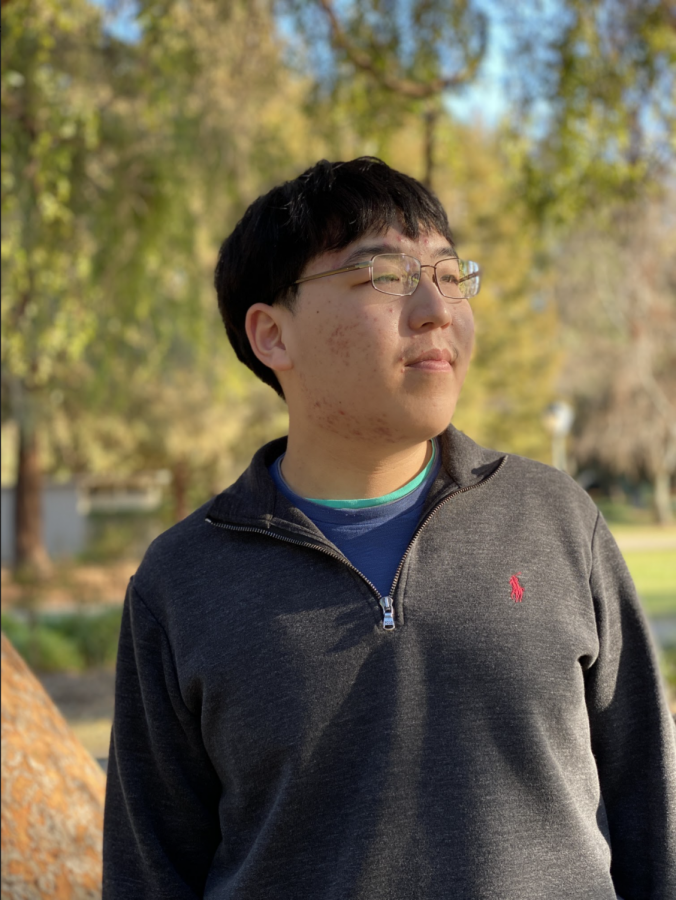
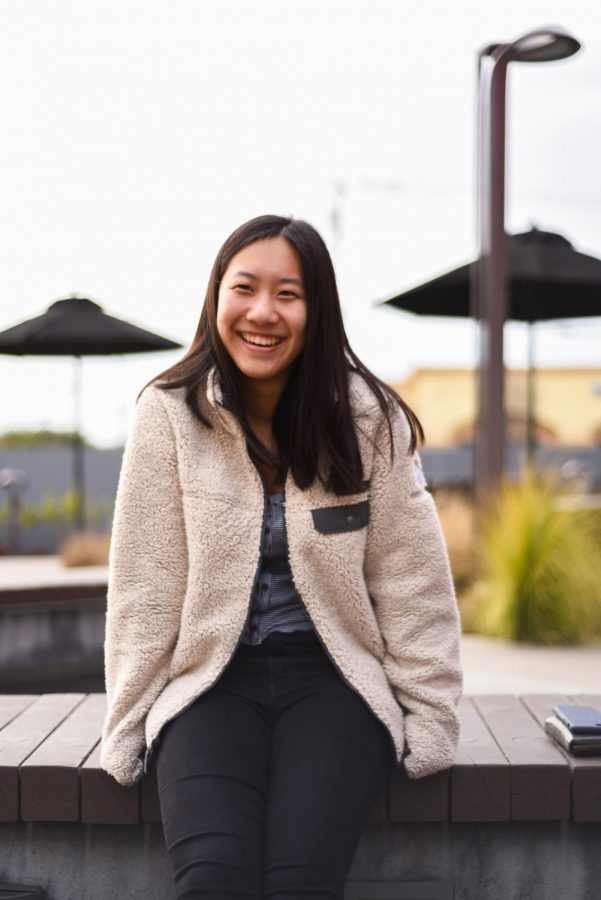

![“I think getting up in the morning and having a sense of purpose [is exciting]. I think without a certain amount of drive, life is kind of obsolete and mundane, and I think having that every single day is what makes each day unique and kind of makes life exciting,” Neymika Jain (12) said.](https://harkeraquila.com/wp-content/uploads/2017/06/Screen-Shot-2017-06-03-at-4.54.16-PM.png)

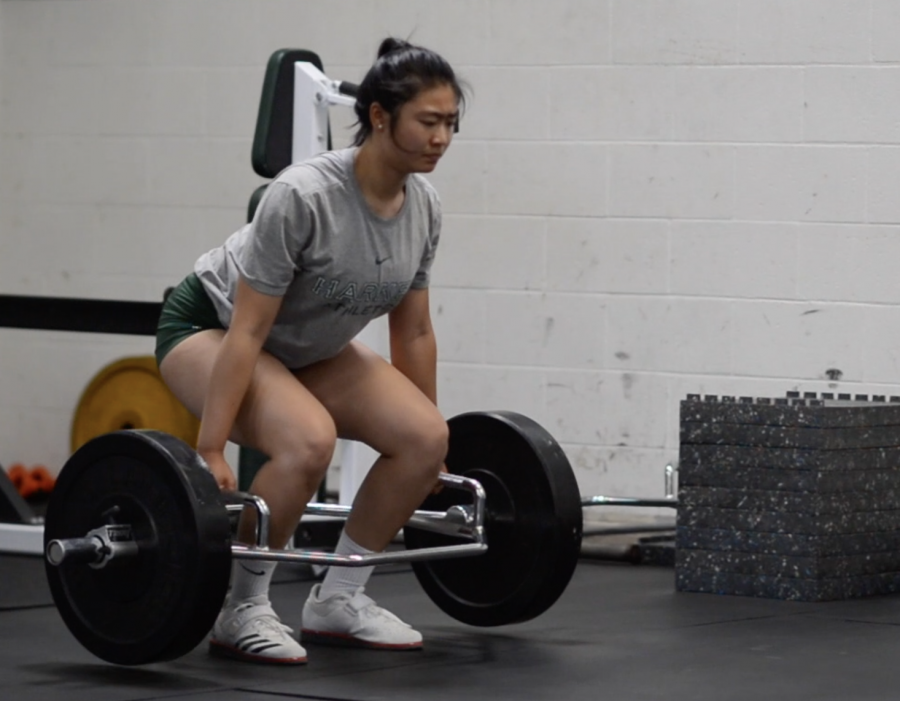
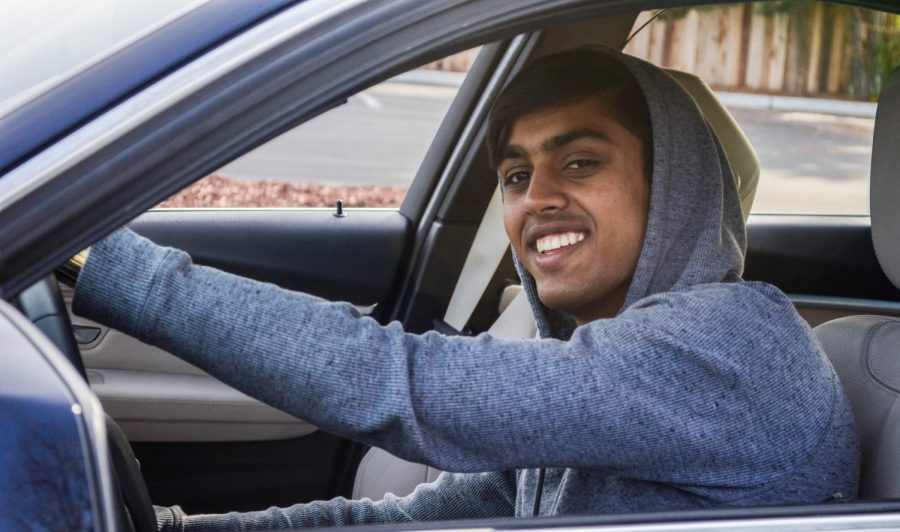
![“My slogan is ‘slow feet, don’t eat, and I’m hungry.’ You need to run fast to get where you are–you aren't going to get those championships if you aren't fast,” Angel Cervantes (12) said. “I want to do well in school on my tests and in track and win championships for my team. I live by that, [and] I can do that anywhere: in the classroom or on the field.”](https://harkeraquila.com/wp-content/uploads/2018/06/DSC5146-900x601.jpg)
![“[Volleyball has] taught me how to fall correctly, and another thing it taught is that you don’t have to be the best at something to be good at it. If you just hit the ball in a smart way, then it still scores points and you’re good at it. You could be a background player and still make a much bigger impact on the team than you would think,” Anya Gert (’20) said.](https://harkeraquila.com/wp-content/uploads/2020/06/AnnaGert_JinTuan_HoHPhotoEdited-600x900.jpeg)
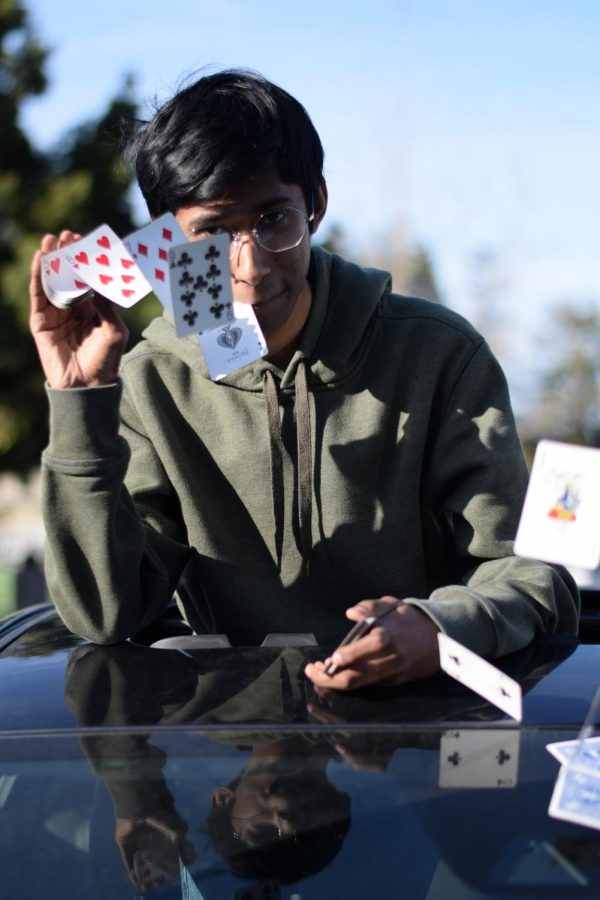
![“I'm not nearly there yet, but [my confidence has] definitely been getting better since I was pretty shy and timid coming into Harker my freshman year. I know that there's a lot of people that are really confident in what they do, and I really admire them. Everyone's so driven and that has really pushed me to kind of try to find my own place in high school and be more confident,” Alyssa Huang (’20) said.](https://harkeraquila.com/wp-content/uploads/2020/06/AlyssaHuang_EmilyChen_HoHPhoto-900x749.jpeg)


Equity Beat: How to help victims of recent natural disasters in the U.S.
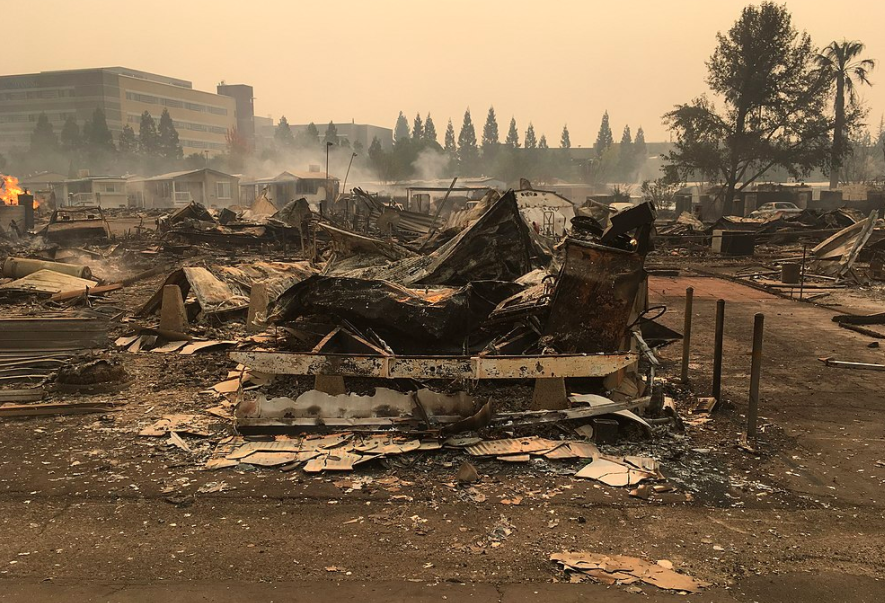
Courtesy of Wikimedia Images
The aftermath of the Tubbs Fire in Northern California in October. The Tubbs fire was one of the largest wildfires among the eight that killed 42 individuals this October.
December 11, 2017
Several catastrophic natural disasters have shaken the U.S. in recent months. To match the spirit of the holidays, here is a guide about what you can do to help with recovery efforts for some major natural disasters.
Hurricane Harvey
Hurricane Harvey made landfall in Texas on Aug. 25. The first major hurricane of this year’s Atlantic hurricane season and the costliest Atlantic hurricane on record, it caused at least 91 deaths and nearly $200 billion in damage, more than the approximately $108 billion that Hurricane Katrina caused in 2005.
The hurricane left more than 300,000 people without power and dislocated thousands in Texas. Heavy rainfall and loss of electricity also extended into other southeastern U.S. states.
Hurricane Irma
Hurricane Irma made landfall in Florida on Sept. 10 after traveling through and causing disastrous damage in the Caribbean in the days prior.
In total, the hurricane has caused at least 134 deaths, 90 of which were in the U.S. mainland, caused more than $60 billion in damage and led to more than a million people in Florida and thousands in South Carolina and North Carolina losing power. Access to electricity in Florida has returned to normal.
Hurricane Maria
Hurricane Maria made landfall in Puerto Rico on Sept. 20, magnifying the destruction wrought by Hurricane Irma there.
In the storms’ wake, the majority of the U.S. commonwealth’s millions of residents were without access to running water and almost all lost power, as Hurricane Maria wiped out its already damaged electrical grid. The hurricane has caused at least 103 deaths in the Caribbean and the U.S.
Currently, although the status of USPS post offices, commercial flights and ports has returned to normal and more than 90 percent have water, the island is at under 60 percent of its peak capacity for generating electricity, and only 69 percent of cell towers are operational.
Northern California wildfires
Wildfires broke out throughout October in several Northern California counties including Napa, Sonoma and Lake, spanning more than 200,000 acres and causing at least 43 deaths and at least $3 billion in damage.
High levels of particulate matter and ozone in the air following the first fires on Oct. 8 and 9 led to declarations of hazardous air quality in and around wildfire-affected cities as well as those further south, including Oakland, San Francisco and San Jose. Low visibility due to smoke also caused some flights to and from San Francisco International Airport to be canceled.
Southern California wildfires
Six wildfires are currently burning in Ventura County, Los Angeles County and San Diego County in Southern California. The largest, the Thomas Fire in Ventura County, has burned 155,000 acres, is currently 15 percent contained and threatens 15,000 structures.
The fires started this week and spread, spurred by the strong, dry seasonal Santa Ana winds, throughout the week. Red flag fire warnings remain in effect as of Saturday evening.
The fires have forced thousands to evacuate, destroyed at least 800 structures and caused the deaths of at least one person and several racehorses.
How to help
Nonprofit charity watchdog Charity Navigator has compiled lists of highly rated charities that are responding to Hurricane Harvey, Hurricane Irma and Hurricane Maria.
Read our guide on how to assist recovery efforts for the Northern California fires.
United Way of Ventura County is sponsoring donations to those affected by the Thomas Fire. GoFundMe has spotlighted several campaigns raising money to Southern California fire victims, and the American Red Cross is taking online donations for the cause.