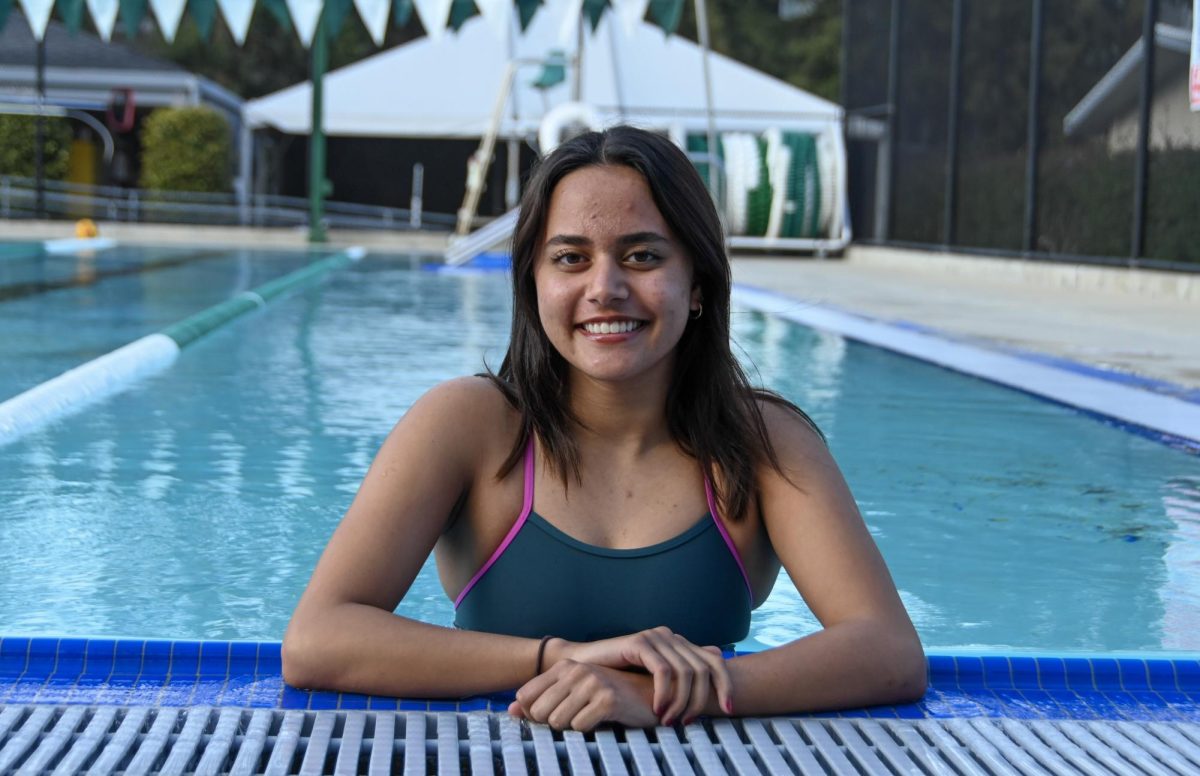
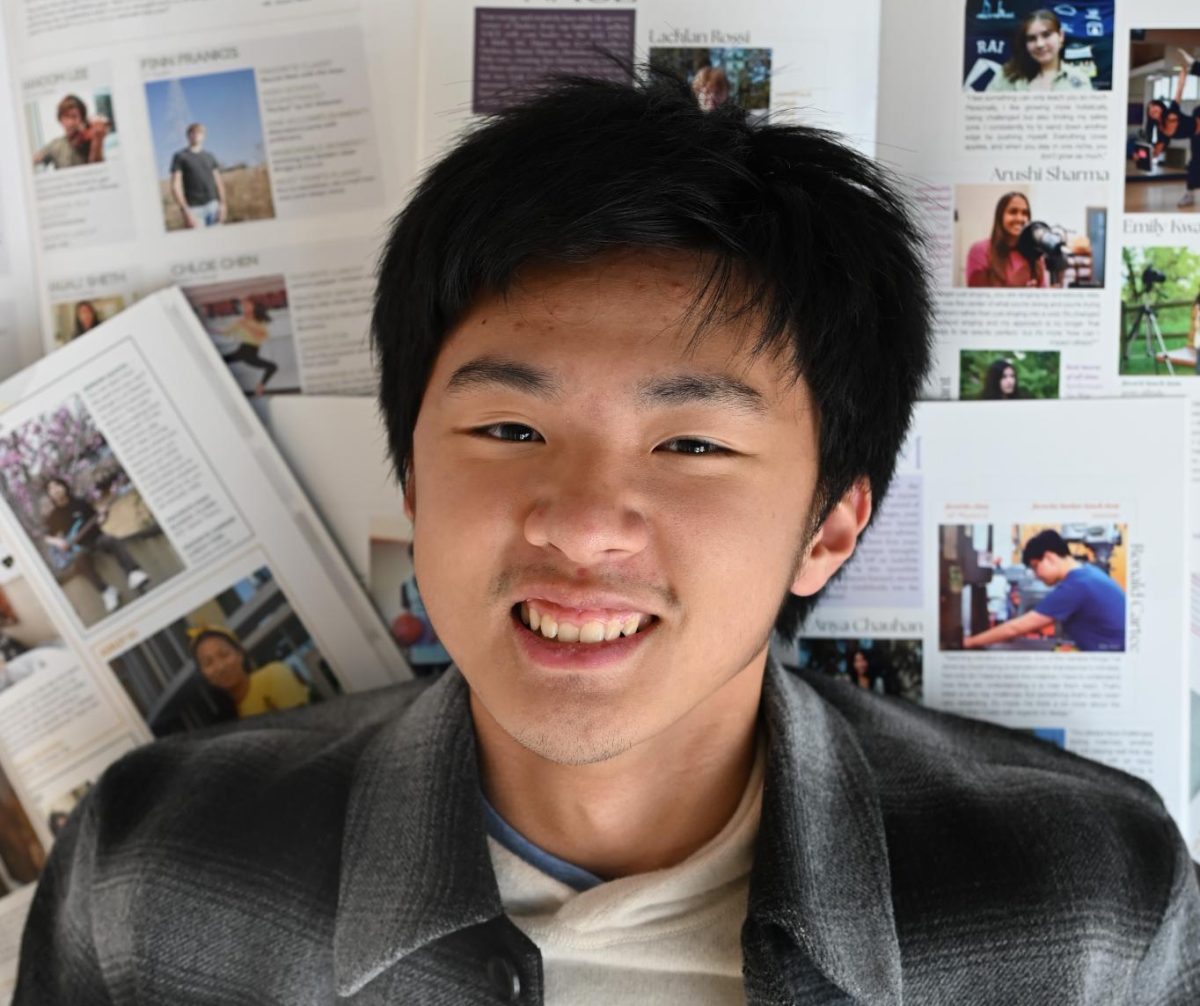
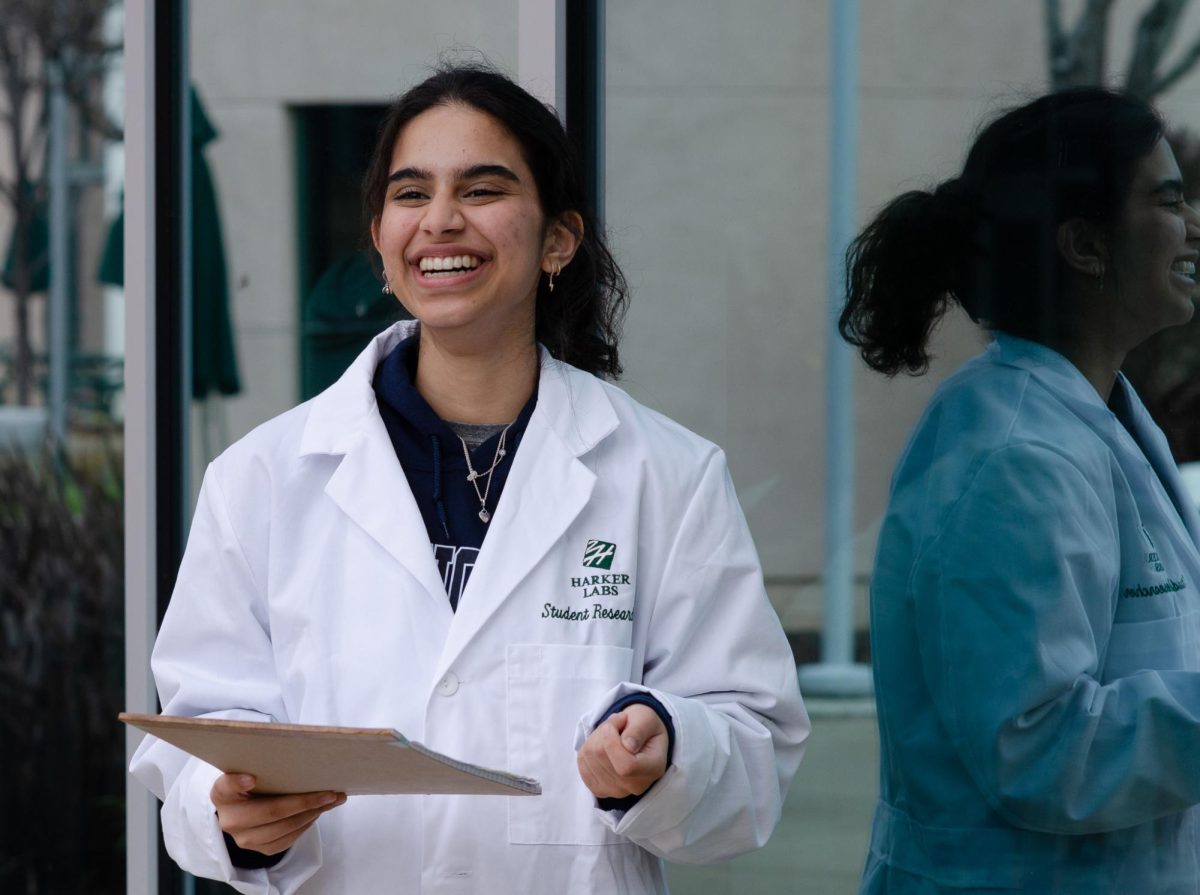
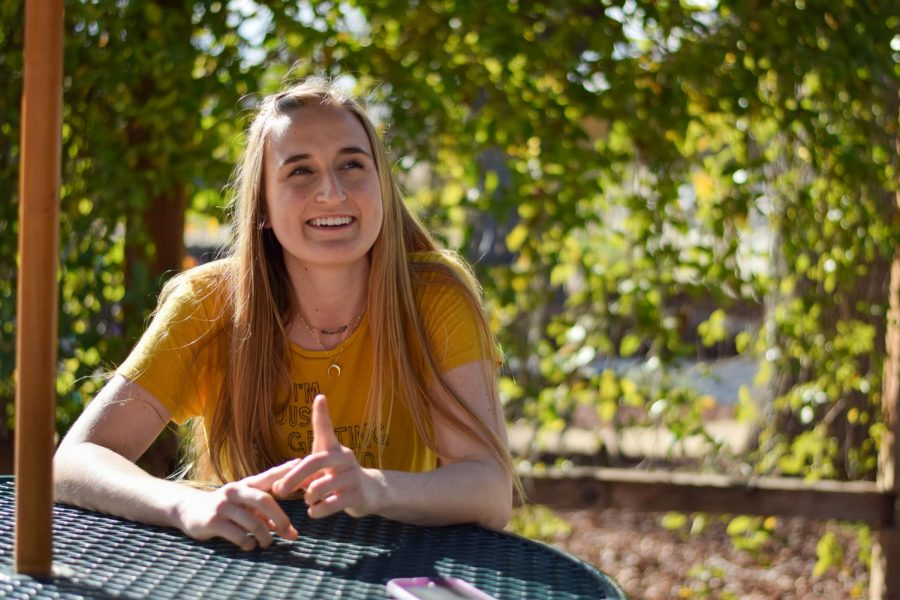
![“I wasn't discouraged by some of the obstacles we faced. I learned a lot from the leadership. I found that different people need different ways of receiving feedback — you can't [just] tell them to do something and expect the best. [Some] people needed more incentive. A large part of my role was to figure out what worked for everyone and to figure out how to lead all these separate individuals as a team,” Suhana Bhandare (’26) said.](https://harkeraquila.com/wp-content/uploads/2026/06/SuhanaBhandare_JasmineHansra-1-1200x798.jpg)

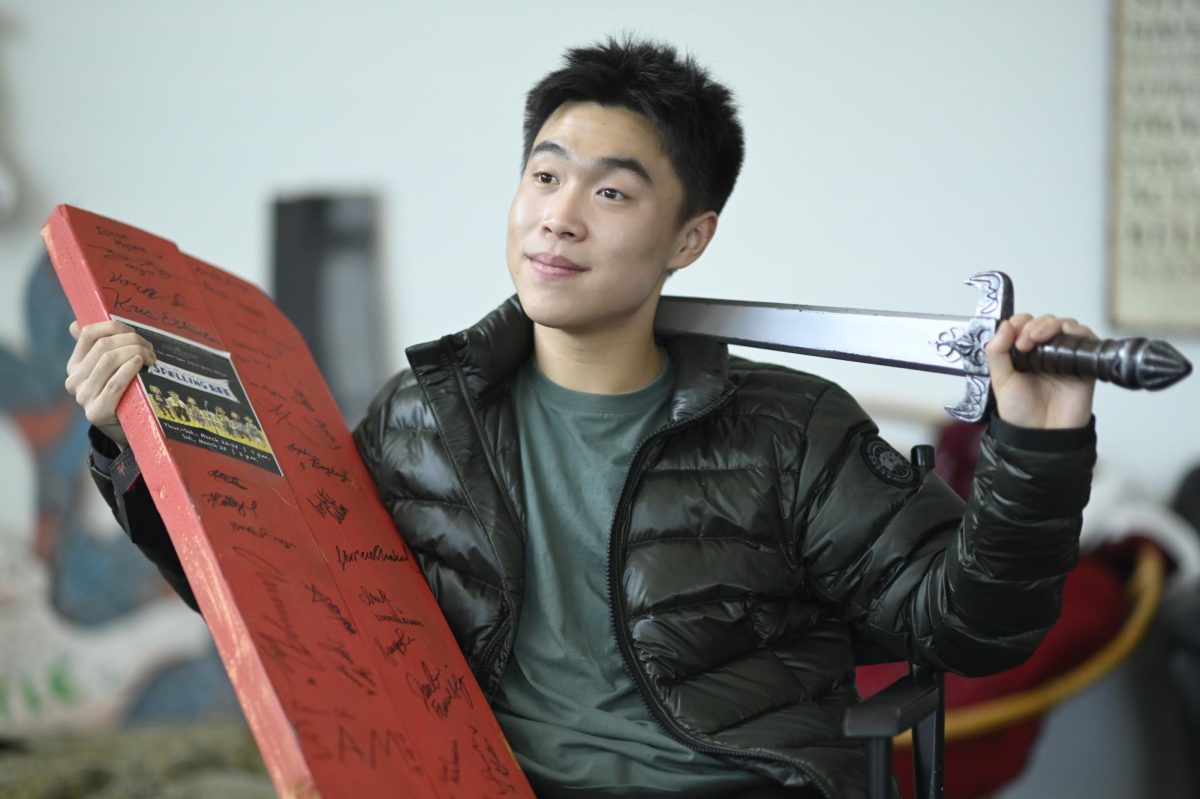
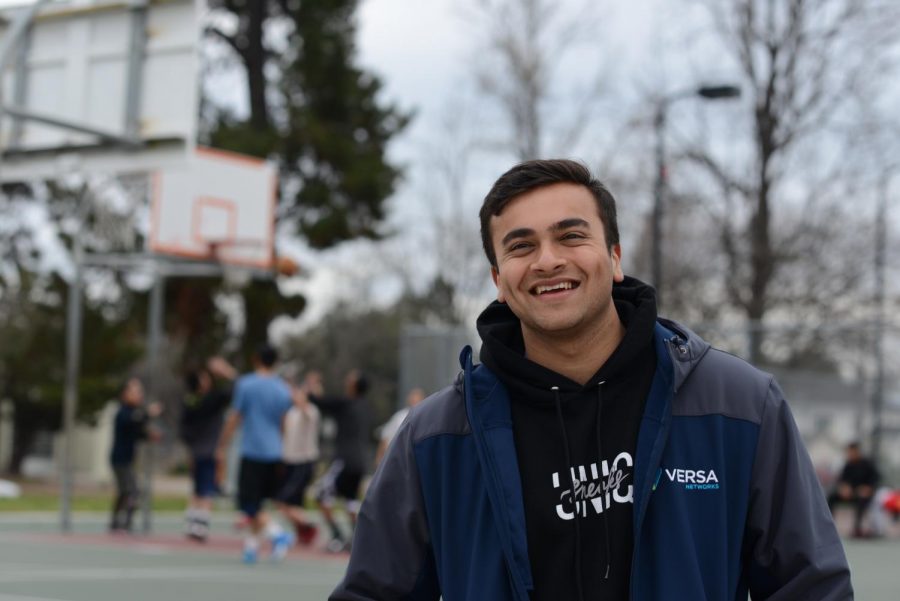
![“This is actually from Randy Pausch Randy P. Brick: ‘Walls are there for a reason. You have to show how much you want to overcome them.’ You have to show how much you want something. That's what I've always been able to do with tennis, Link Crew and getting that internship [with Kushy Baby]. It’s important pushing through that — getting around that brick wall, climbing over it or clawing through it,” Yash Sachdeva (’26) said.](https://harkeraquila.com/wp-content/uploads/2026/05/YashSachdeva_RamBatchu-copy-1200x1002.jpg)
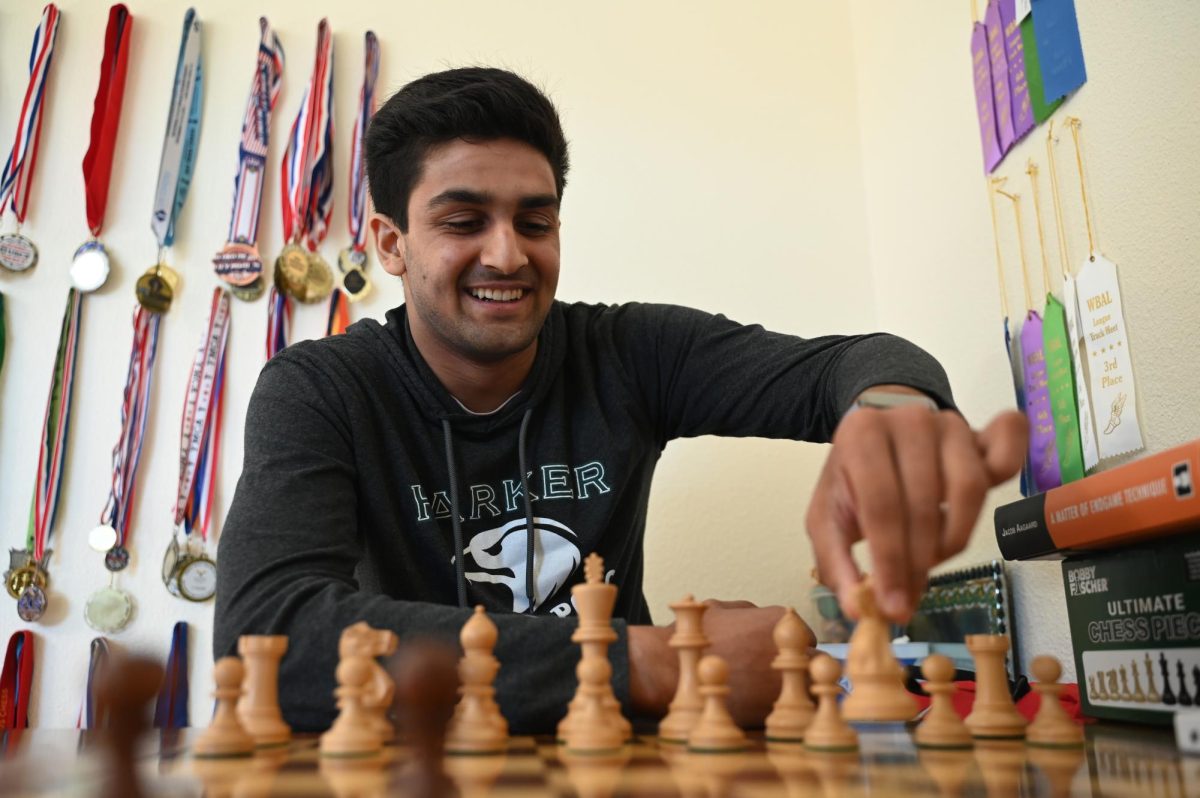






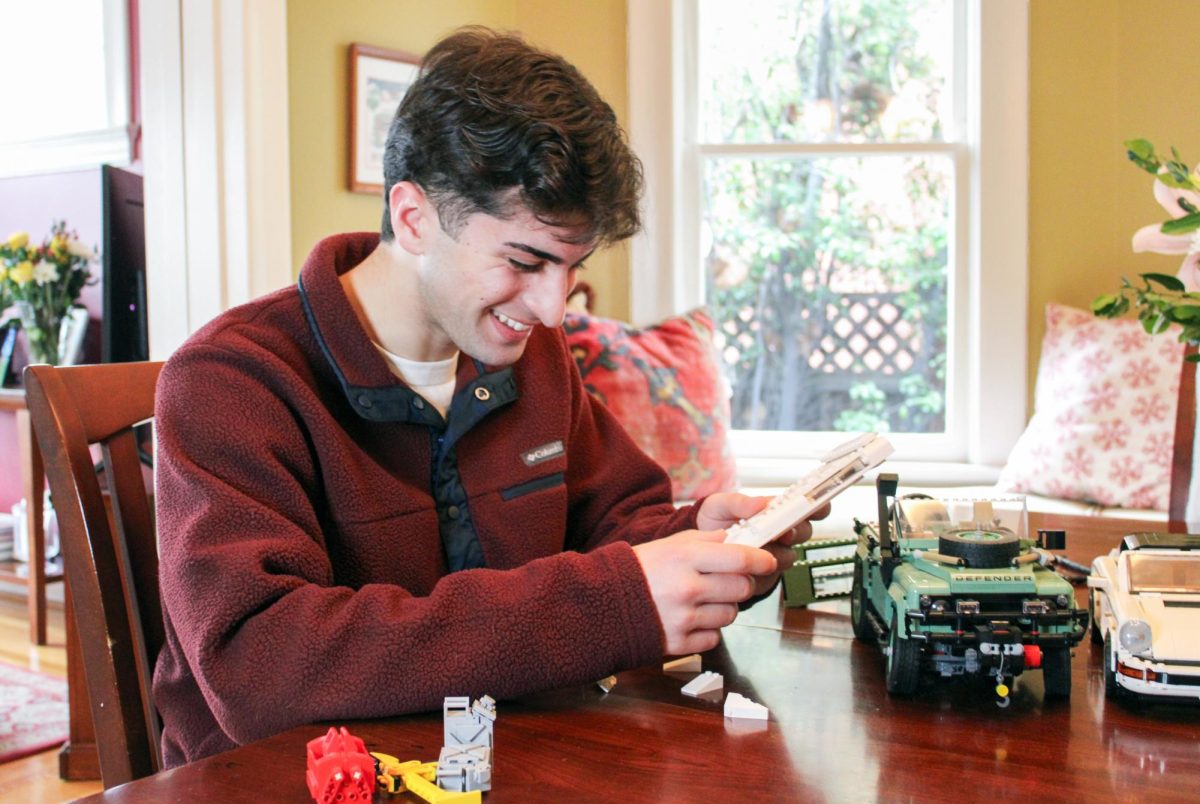

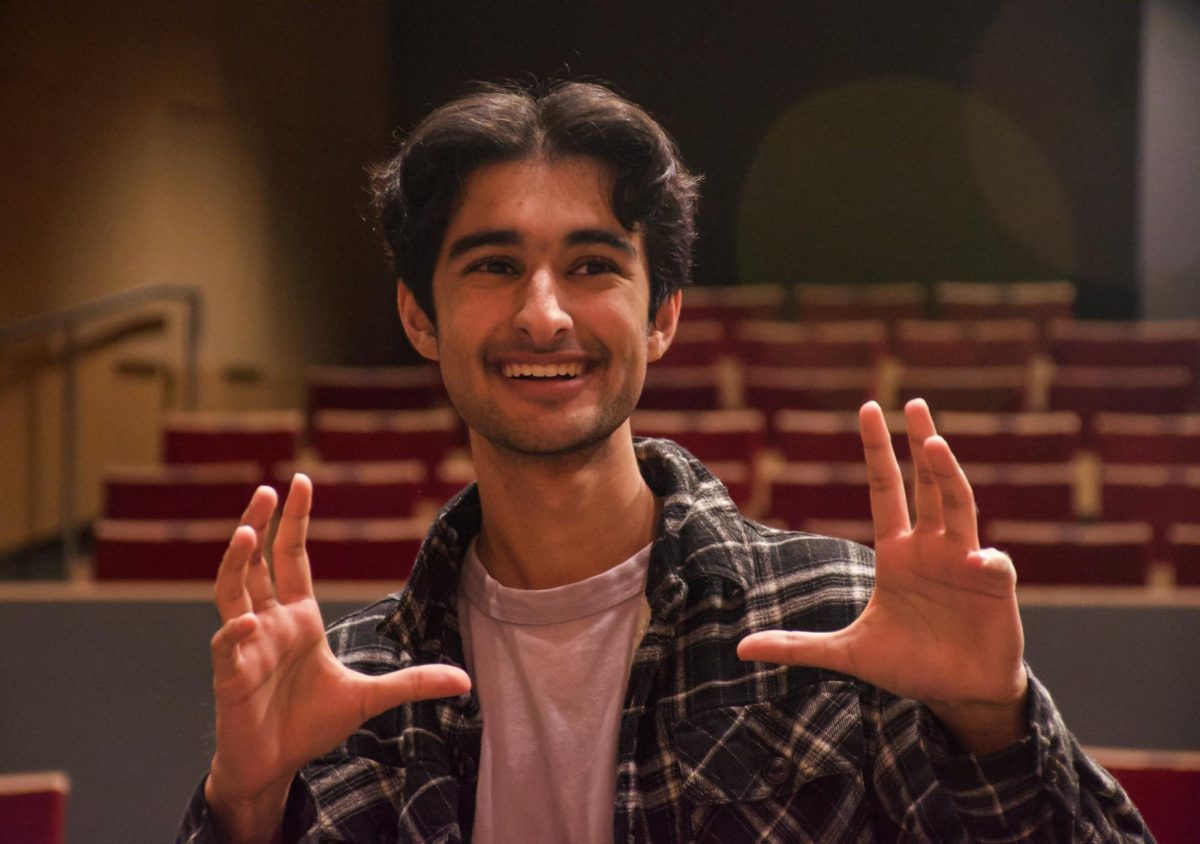


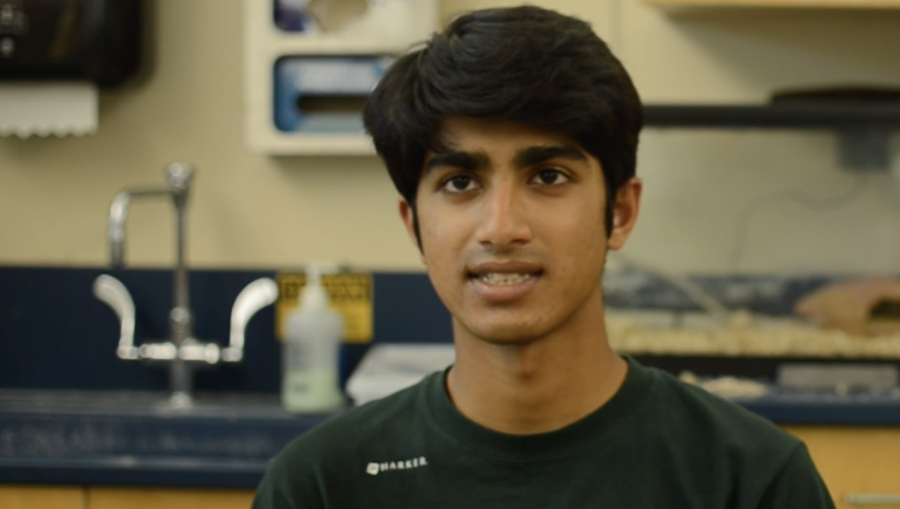
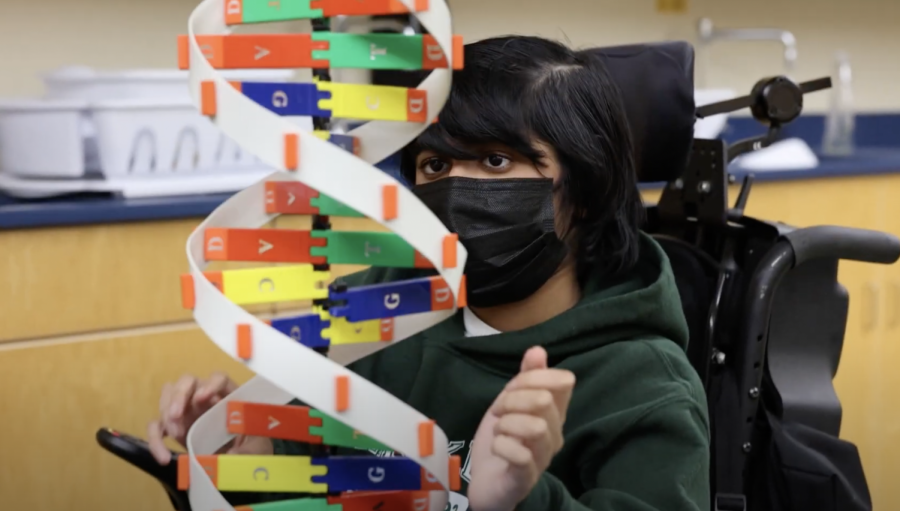
![“[Building nerf blasters] became this outlet of creativity for me that hasn't been matched by anything else. The process [of] making a build complete to your desire is such a painstakingly difficult process, but I've had to learn from [the skills needed from] soldering to proper painting. There's so many different options for everything, if you think about it, it exists. The best part is [that] if it doesn't exist, you can build it yourself," Ishaan Parate said.](https://harkeraquila.com/wp-content/uploads/2022/08/DSC_8149-900x604.jpg)

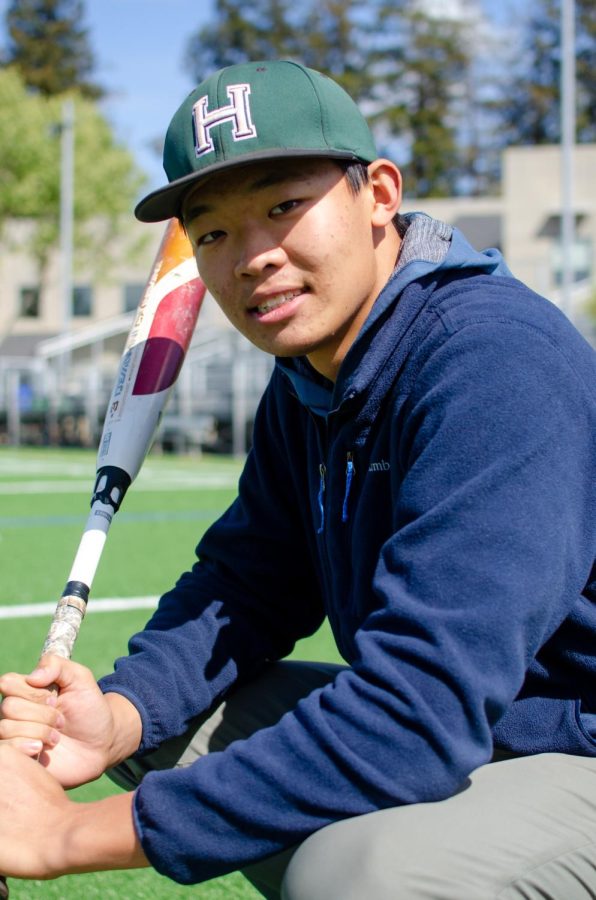

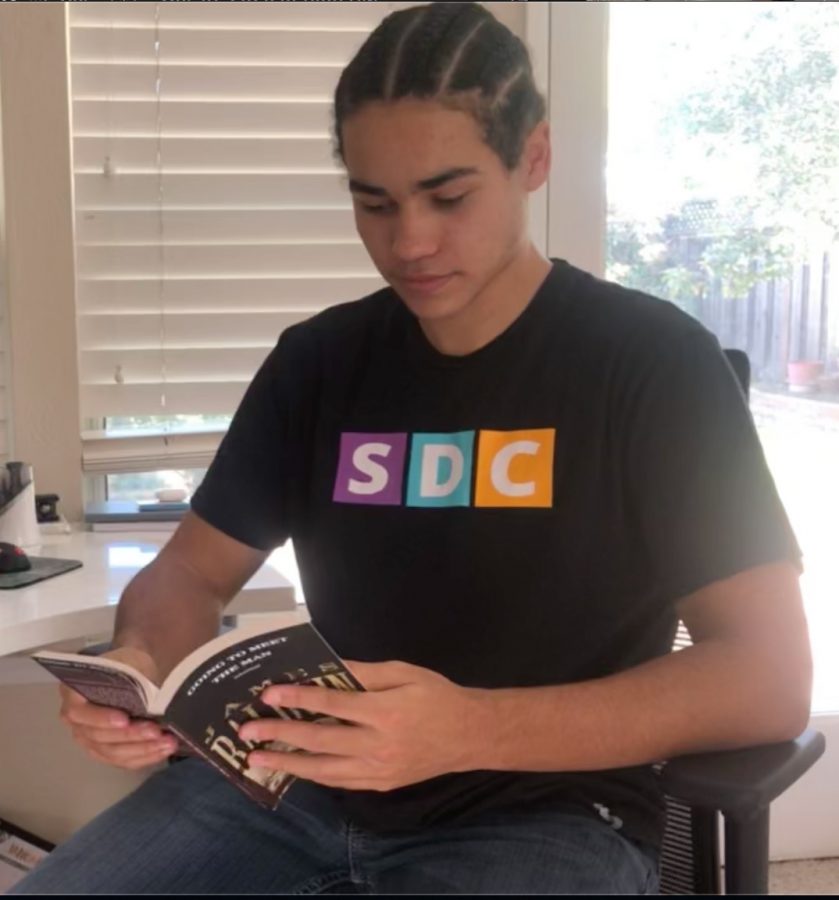
![“When I came into high school, I was ready to be a follower. But DECA was a game changer for me. It helped me overcome my fear of public speaking, and it's played such a major role in who I've become today. To be able to successfully lead a chapter of 150 students, an officer team and be one of the upperclassmen I once really admired is something I'm [really] proud of,” Anvitha Tummala ('21) said.](https://harkeraquila.com/wp-content/uploads/2021/07/Screen-Shot-2021-07-25-at-9.50.05-AM-900x594.png)

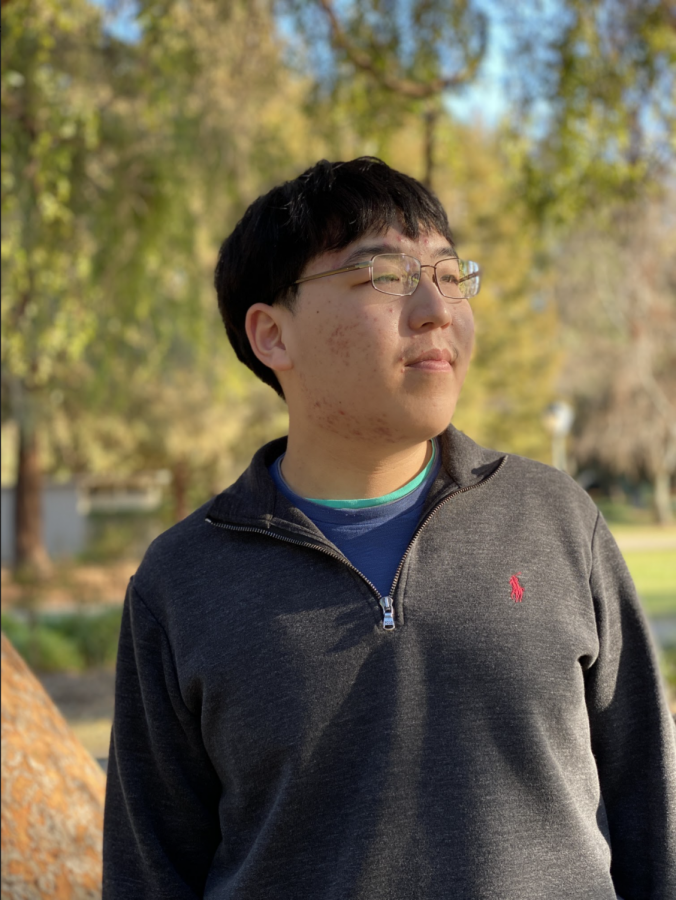
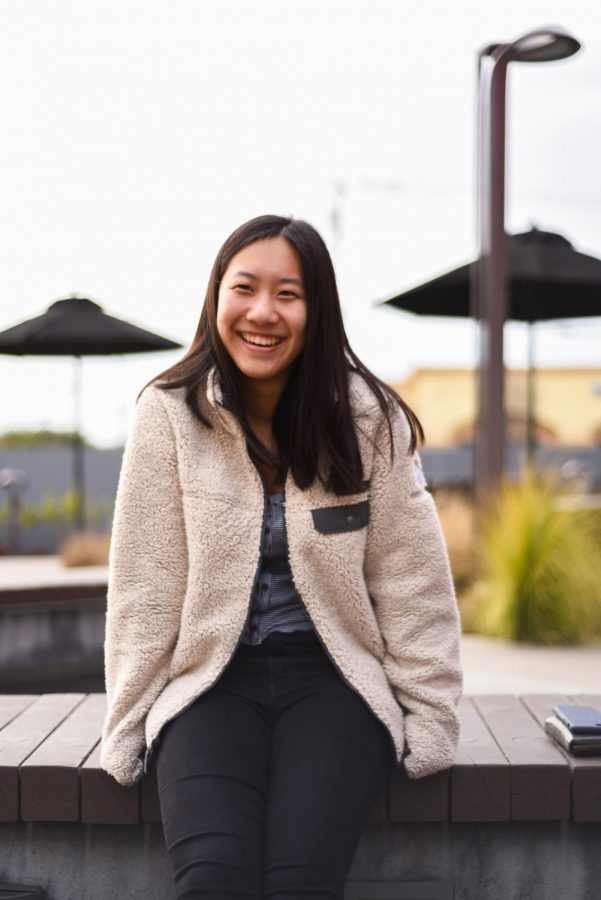
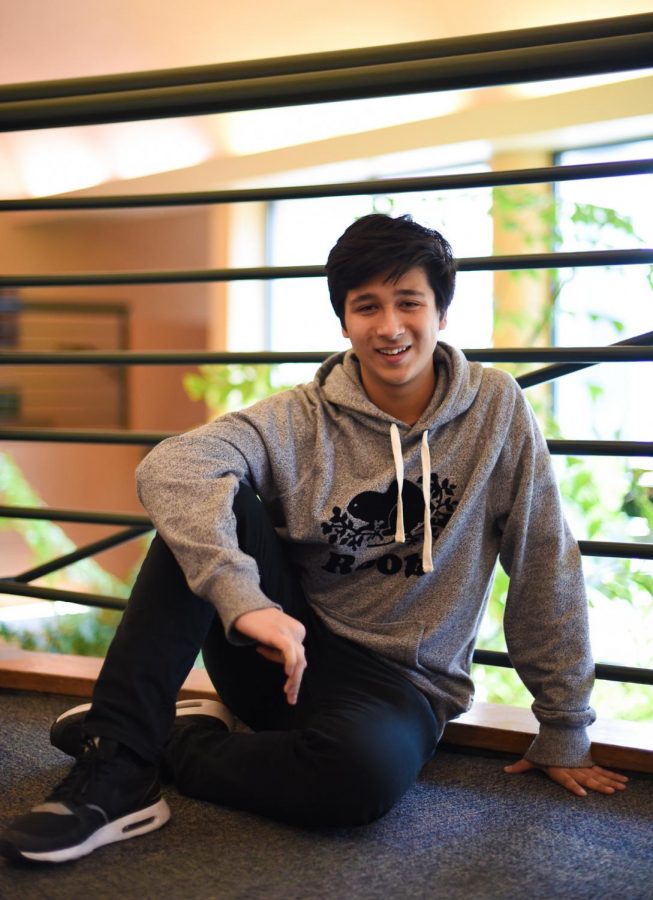
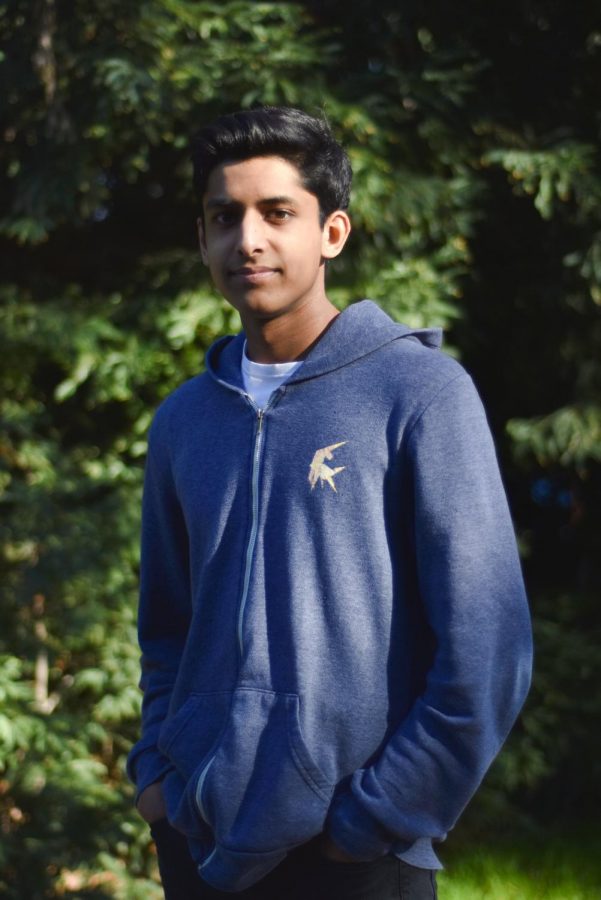

![“I think getting up in the morning and having a sense of purpose [is exciting]. I think without a certain amount of drive, life is kind of obsolete and mundane, and I think having that every single day is what makes each day unique and kind of makes life exciting,” Neymika Jain (12) said.](https://harkeraquila.com/wp-content/uploads/2017/06/Screen-Shot-2017-06-03-at-4.54.16-PM.png)

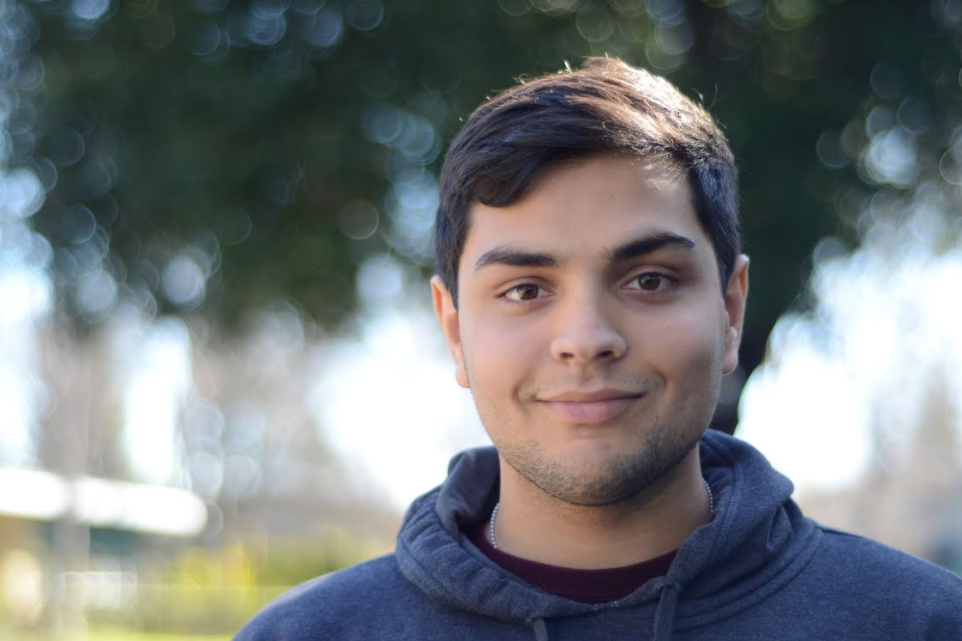

![“My slogan is ‘slow feet, don’t eat, and I’m hungry.’ You need to run fast to get where you are–you aren't going to get those championships if you aren't fast,” Angel Cervantes (12) said. “I want to do well in school on my tests and in track and win championships for my team. I live by that, [and] I can do that anywhere: in the classroom or on the field.”](https://harkeraquila.com/wp-content/uploads/2018/06/DSC5146-900x601.jpg)
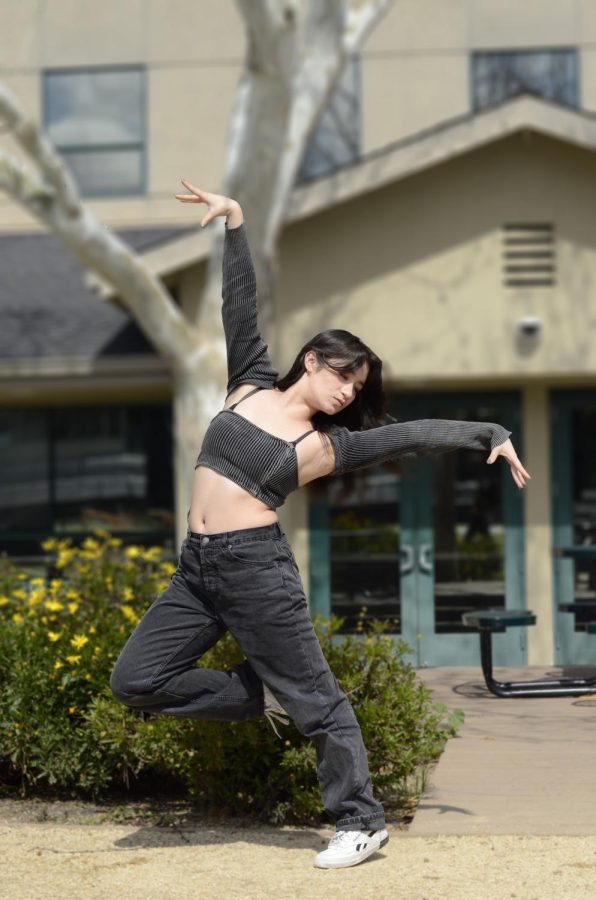
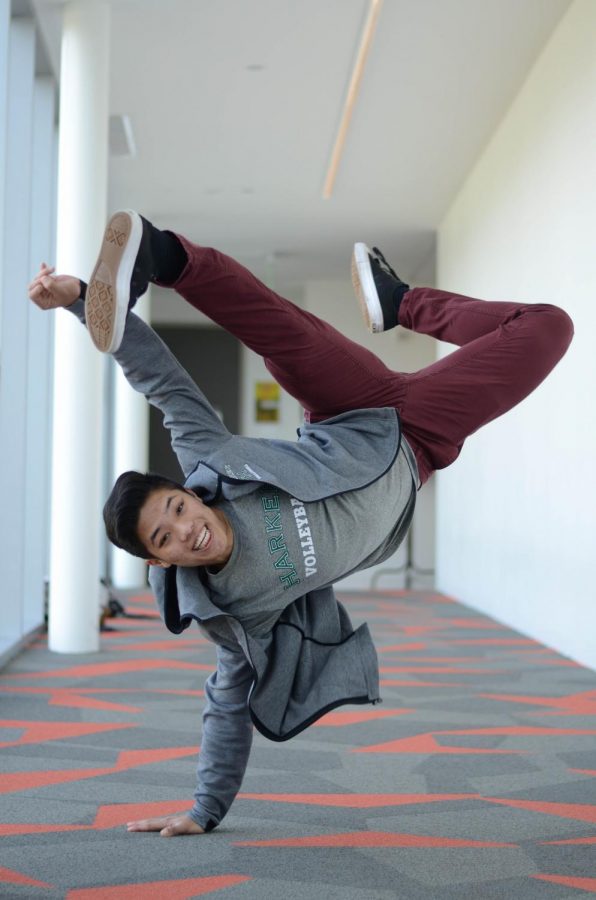
![“[Volleyball has] taught me how to fall correctly, and another thing it taught is that you don’t have to be the best at something to be good at it. If you just hit the ball in a smart way, then it still scores points and you’re good at it. You could be a background player and still make a much bigger impact on the team than you would think,” Anya Gert (’20) said.](https://harkeraquila.com/wp-content/uploads/2020/06/AnnaGert_JinTuan_HoHPhotoEdited-600x900.jpeg)
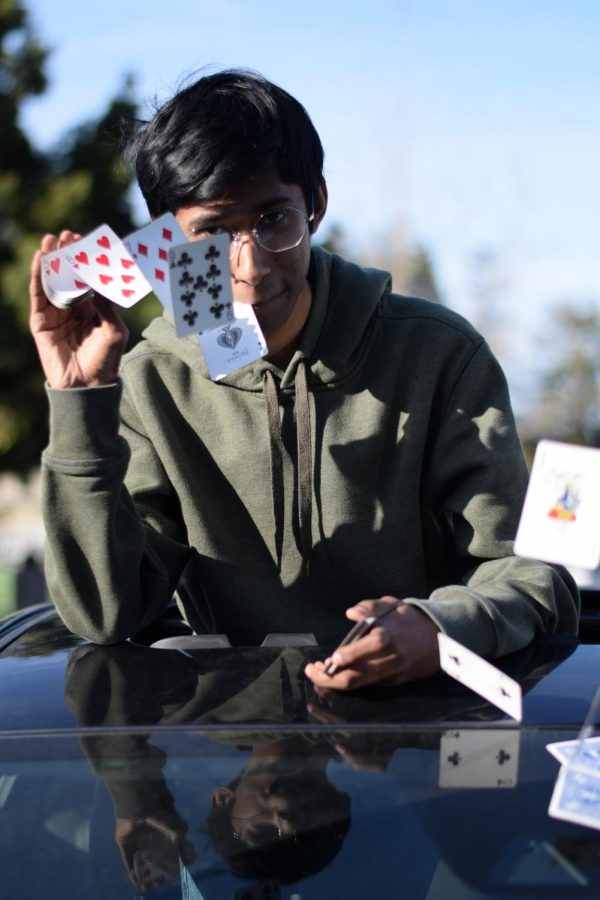
![“I'm not nearly there yet, but [my confidence has] definitely been getting better since I was pretty shy and timid coming into Harker my freshman year. I know that there's a lot of people that are really confident in what they do, and I really admire them. Everyone's so driven and that has really pushed me to kind of try to find my own place in high school and be more confident,” Alyssa Huang (’20) said.](https://harkeraquila.com/wp-content/uploads/2020/06/AlyssaHuang_EmilyChen_HoHPhoto-900x749.jpeg)



Gun control after Las Vegas: Our government’s actions speak far louder than words
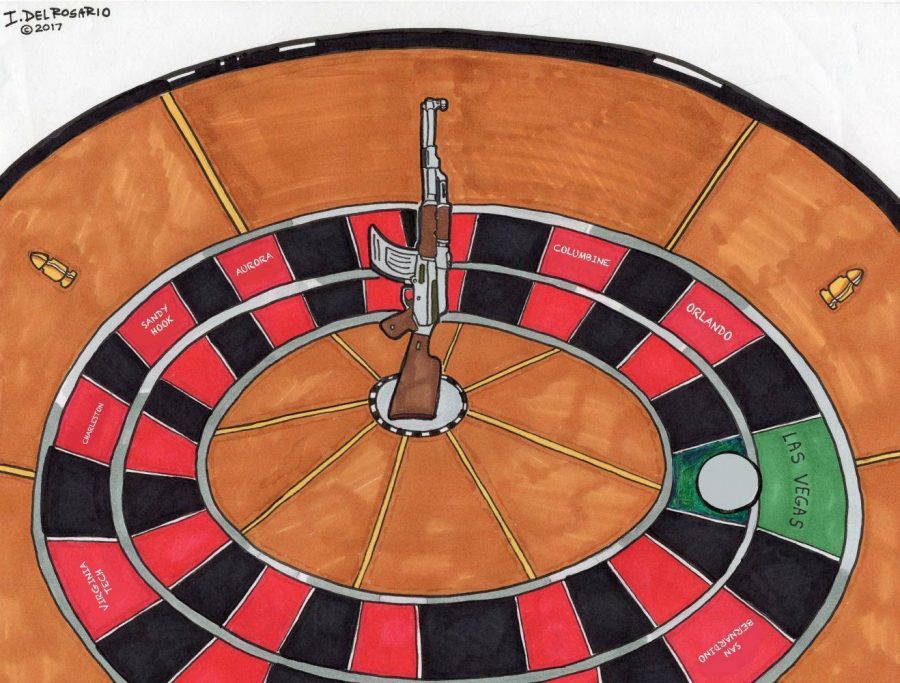
Isabelle Del Rosario/Southwest Shadow
This cartoon is syndicated from the Southwest Shadow, the newspaper of the Southwest Career and Technical Academy in Las Vegas, Nevada.
November 6, 2017
One month ago, on Oct. 1 in Las Vegas, a gunman opened fire out an outdoor concert, wounding 527 and killing 58, using a semi-automatic weapon with a bump fire stock accessory that allowed him to fire at the rate of a fully automatic weapon.
In response to mass shootings, thoughts and prayers are as ineffective as they are ubiquitous. Although well-intentioned and largely meant to be a show of support for victims and families, when they come from our nation’s foremost politicians, platitudes only emphasize our government’s historical lack of concrete action to prevent the inevitable next occurrence.
Most of the media’s—and the world’s—attention since the initial few days of aftermath focused on the psychological state of the gunman, his motivations, his father’s history and the exact timeline of events that night. What has largely gone undiscussed are the bills introduced in both the Senate and House of Representatives—by Calif.’s Senator Dianne Feinstein and Florida Rep. Carlos Curbelo, respectively—to ban the bump-stock gun accessory that enabled Stephen Paddock to increase the firing rate of his semi-automatic weapon.
Passing these bills would be the most meaningful response to such a tragedy, as they would be the biggest step in deterring something similar from happening again.
However, both bills, even the bipartisan House one, have already met opposition from the National Rifle Association (NRA) and Republican leadership, both of whom largely concur that administrative changes within Bureau of Alcohol, Tobacco and Firearms would represent the best solution.
Other gun control bills struggling in Congress even after the Las Vegas shooting include a bill for smart gun technology that allows guns manufactured in the future to only be operated by authorized users, and one that would repeal a Bush-era law that immunizes gun distributors and manufactures from punishment if crimes are committed with their weapons.
If these bills flop in Congress, we as a country will have learned nothing from Las Vegas. The very fact that a single Onion article, entitled ‘No way to prevent this, says only nation where this regularly happens’ has been published five times, verbatim except for the location of the shooting, in the past five years, is overwhelmingly representative of how our national consciousness—and our government—express condolences to victims after a mass shooting and proceed to not address the systemic issues that enable such tragedies to happen regularly.
Did you know that since Oct. 1, 26 mass shootings have taken place in the U.S., killing ten and injuring 24? A mass shooting is defined as an incident in which four or more people are injured or killed by gunfire. Four of the shootings took place in California—one as close as San Francisco.
Responses to such events and our nation collectively showing support for those affected are important, whether through a moment of silence at a school meeting or a President’s official statement. And unfortunately, talks like the one Assistant Head of School Greg Lawson gave about “run, hide, defend” responses to a potential code red on our campus are necessary in a country like ours in a time like this.
But these are by no means the most effective responses. Being collectively informed about what laws—and, specifically, what lack of laws—made Stephen Paddock’s undetected purchase of 23 firearms possible and about what we as citizens can do to contribute to prevention, besides verbalizing our condolences, is more crucial than any emergency preparedness speech.
Taking that information and voting in politicians who pass concrete regulation of the purchase of semi-automatic and automatic weaponry is the only way to truly prepare ourselves.