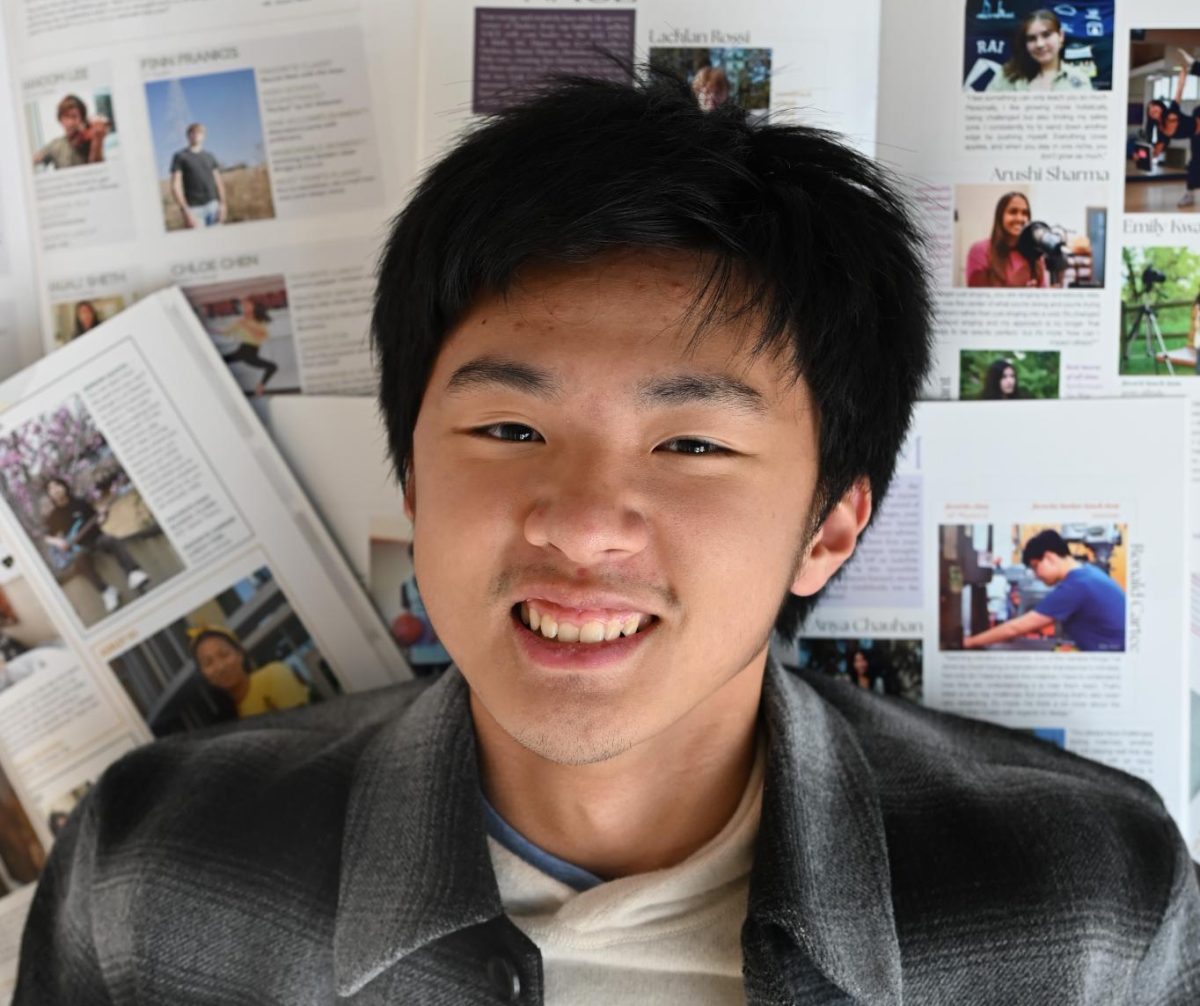
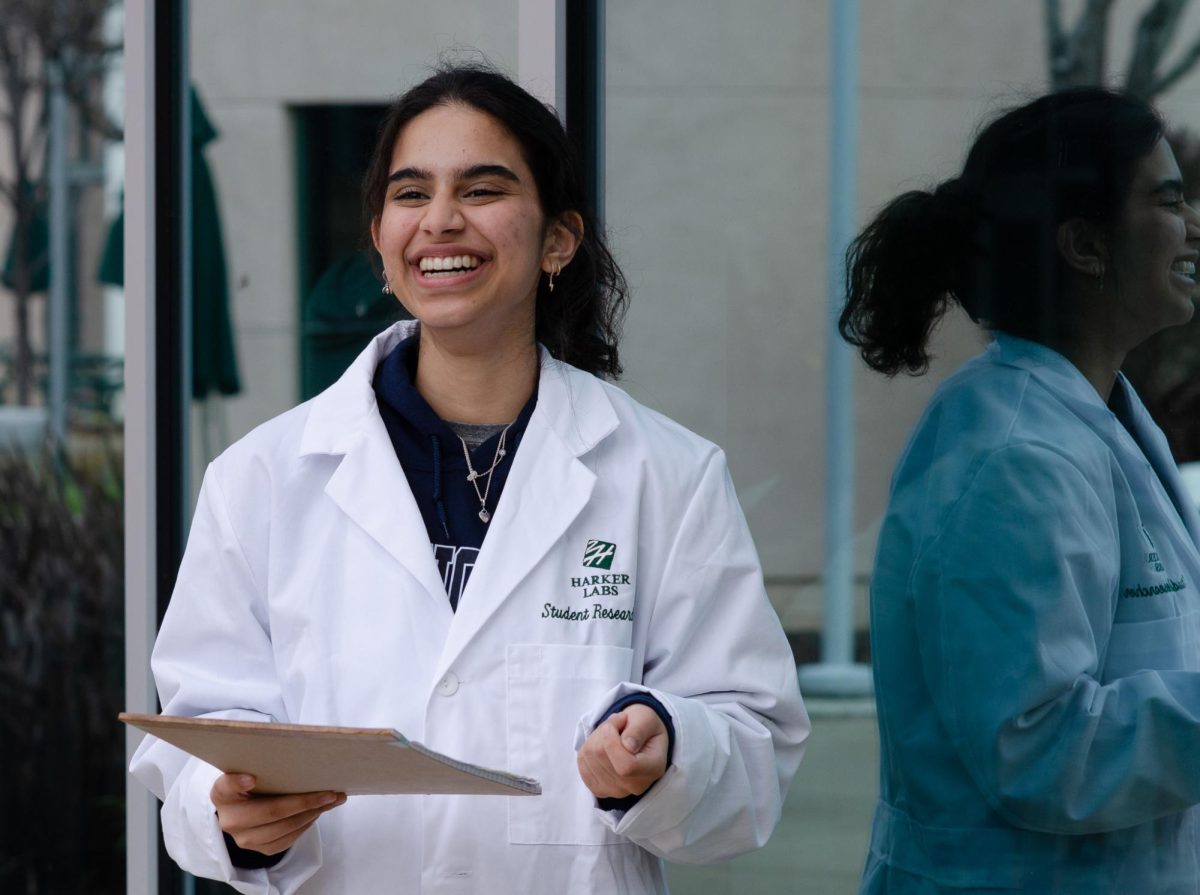
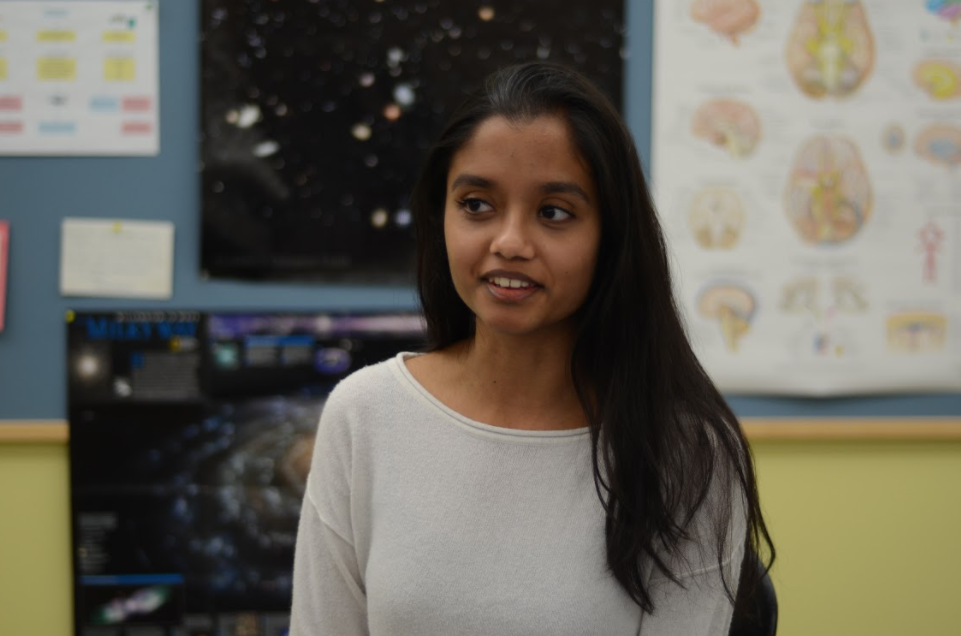
![“I wasn't discouraged by some of the obstacles we faced. I learned a lot from the leadership. I found that different people need different ways of receiving feedback — you can't [just] tell them to do something and expect the best. [Some] people needed more incentive. A large part of my role was to figure out what worked for everyone and to figure out how to lead all these separate individuals as a team,” Suhana Bhandare (’26) said.](https://harkeraquila.com/wp-content/uploads/2026/06/SuhanaBhandare_JasmineHansra-1-1200x798.jpg)

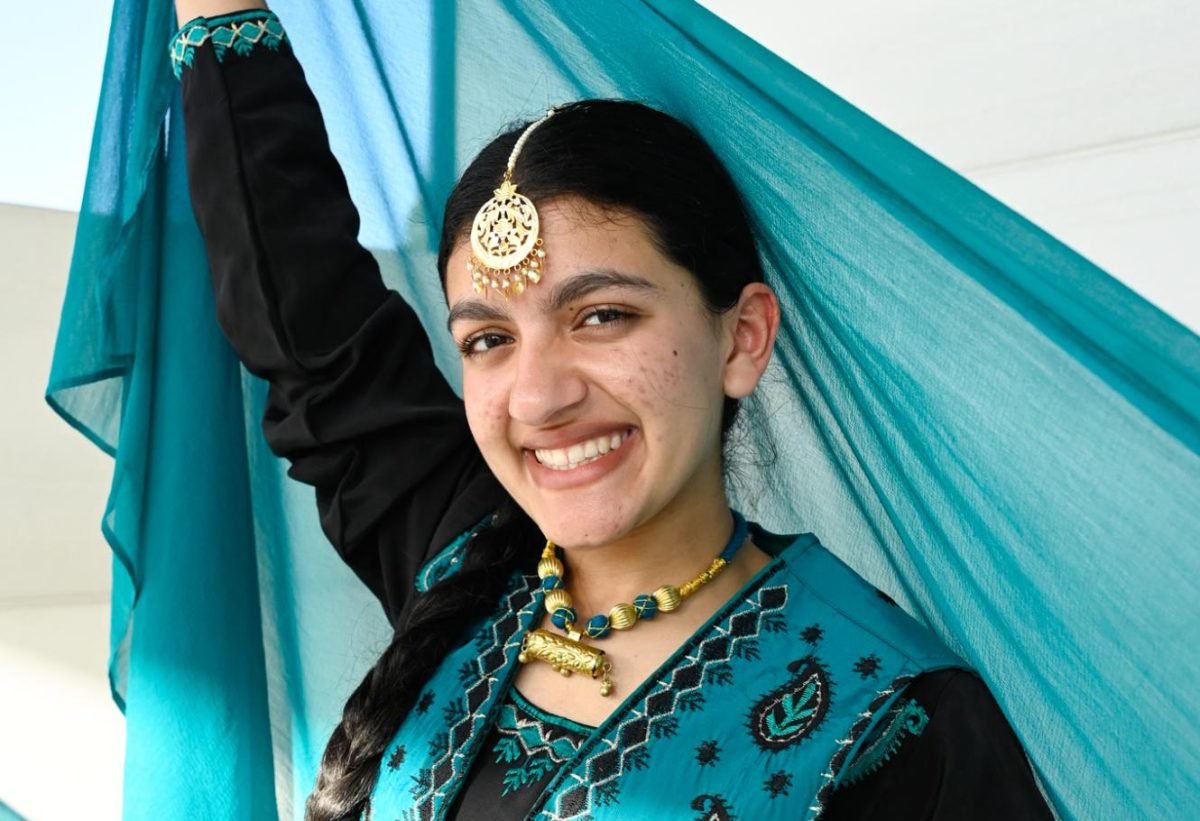
![“This is actually from Randy Pausch Randy P. Brick: ‘Walls are there for a reason. You have to show how much you want to overcome them.’ You have to show how much you want something. That's what I've always been able to do with tennis, Link Crew and getting that internship [with Kushy Baby]. It’s important pushing through that — getting around that brick wall, climbing over it or clawing through it,” Yash Sachdeva (’26) said.](https://harkeraquila.com/wp-content/uploads/2026/05/YashSachdeva_RamBatchu-copy-1200x1002.jpg)
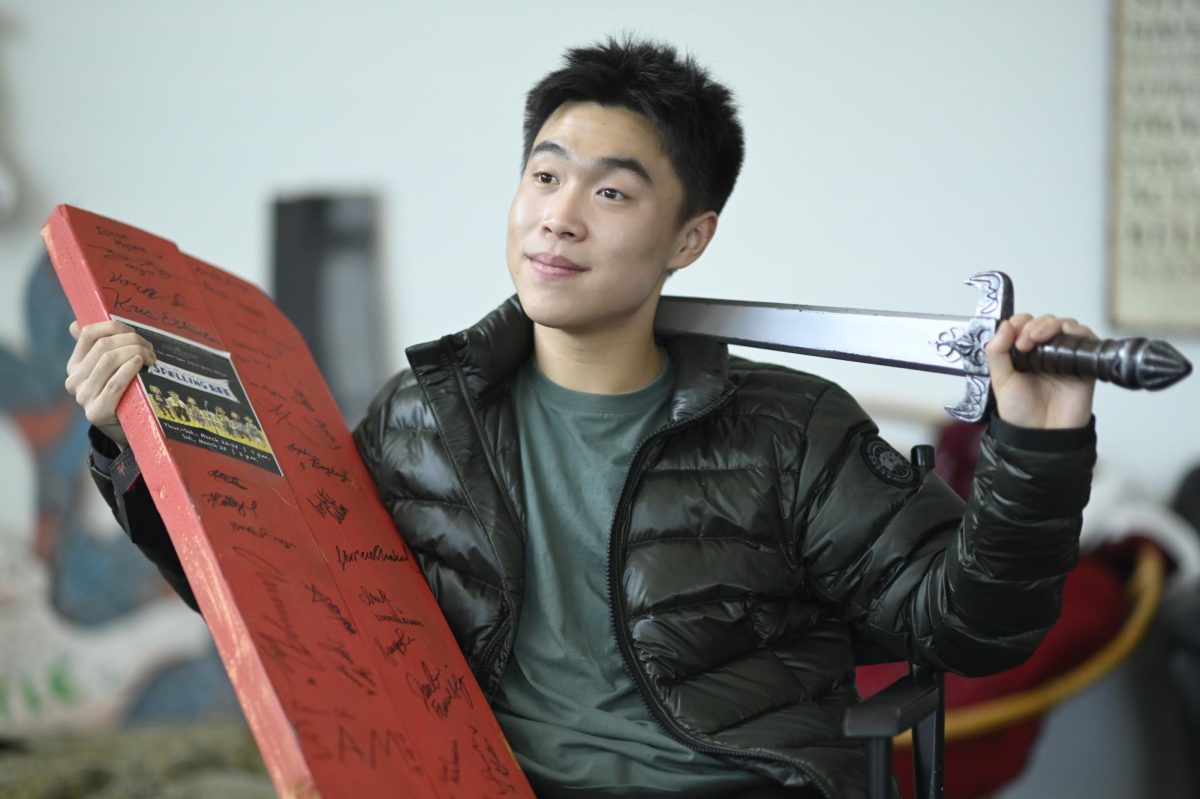
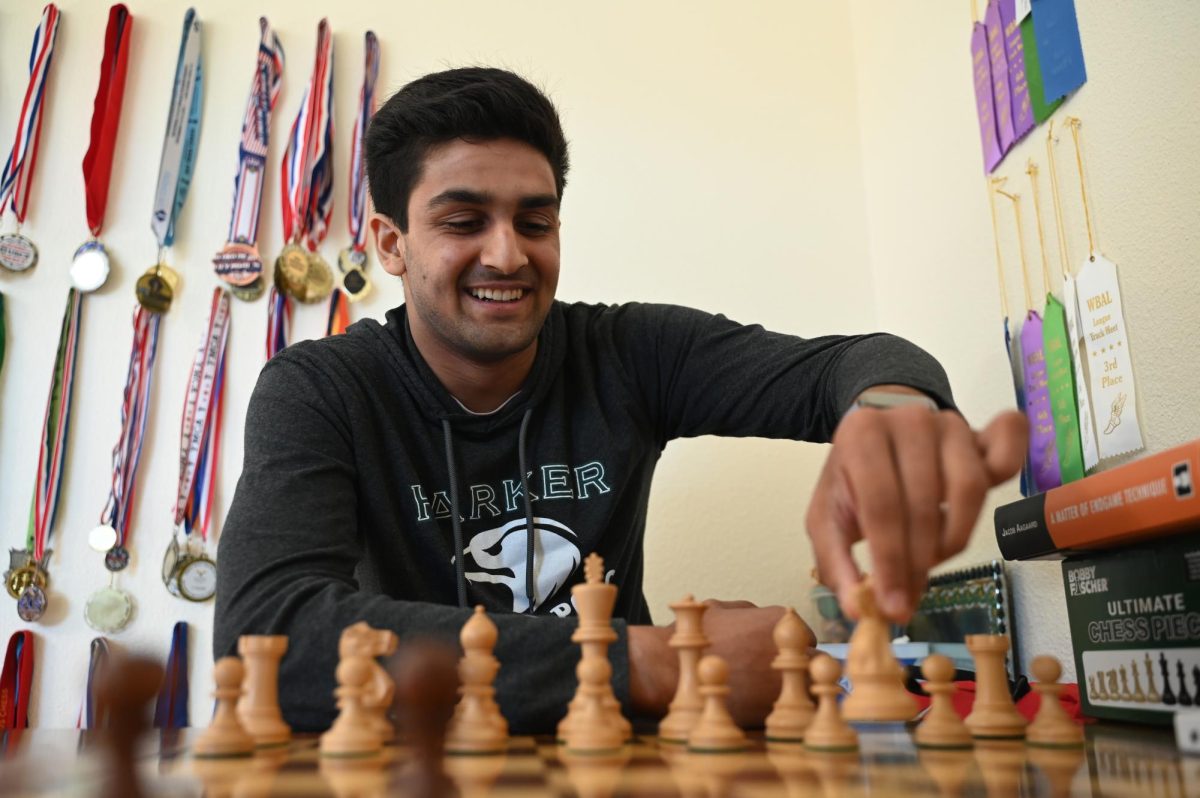




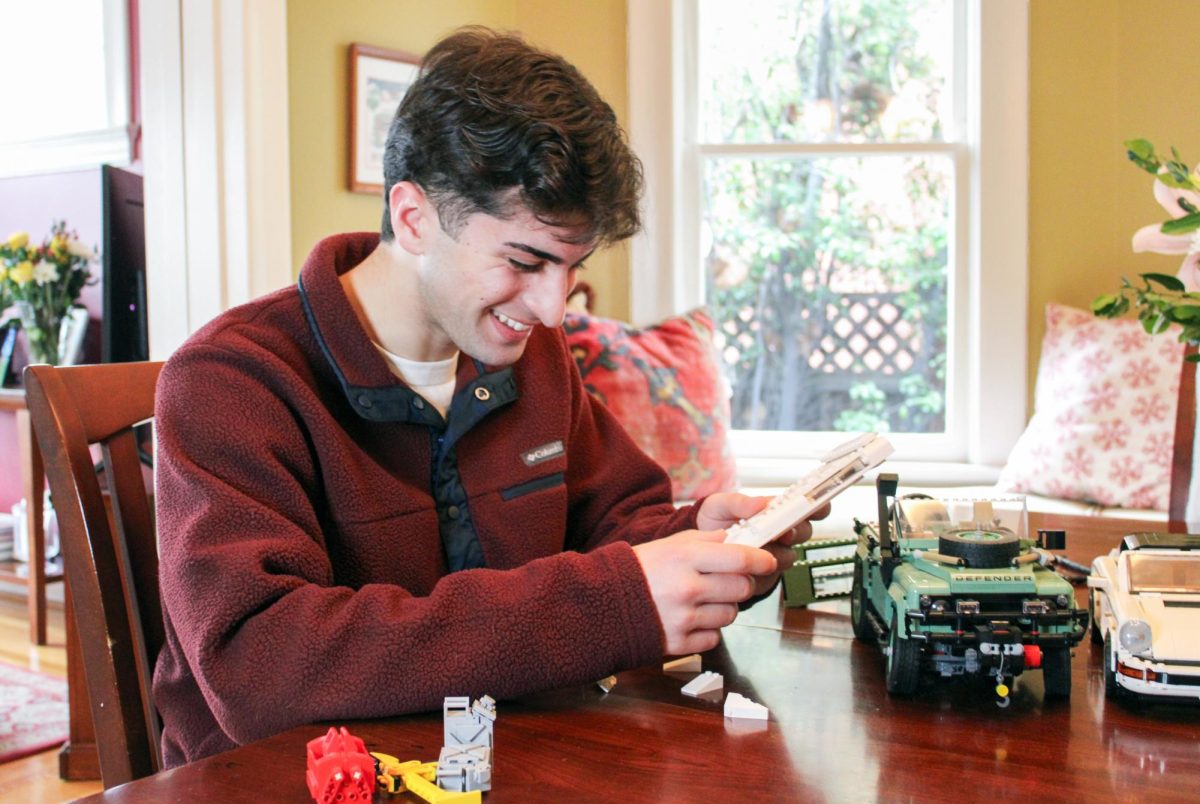

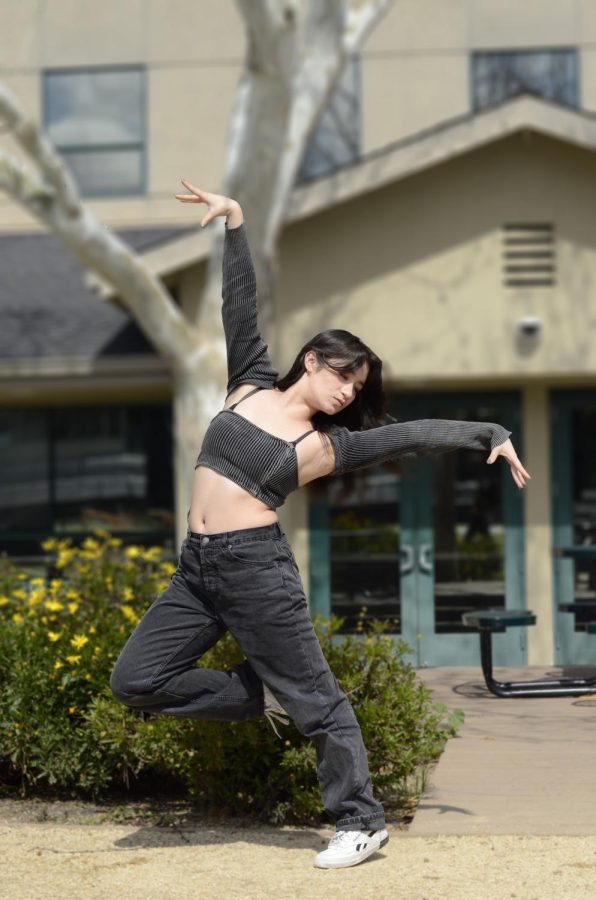
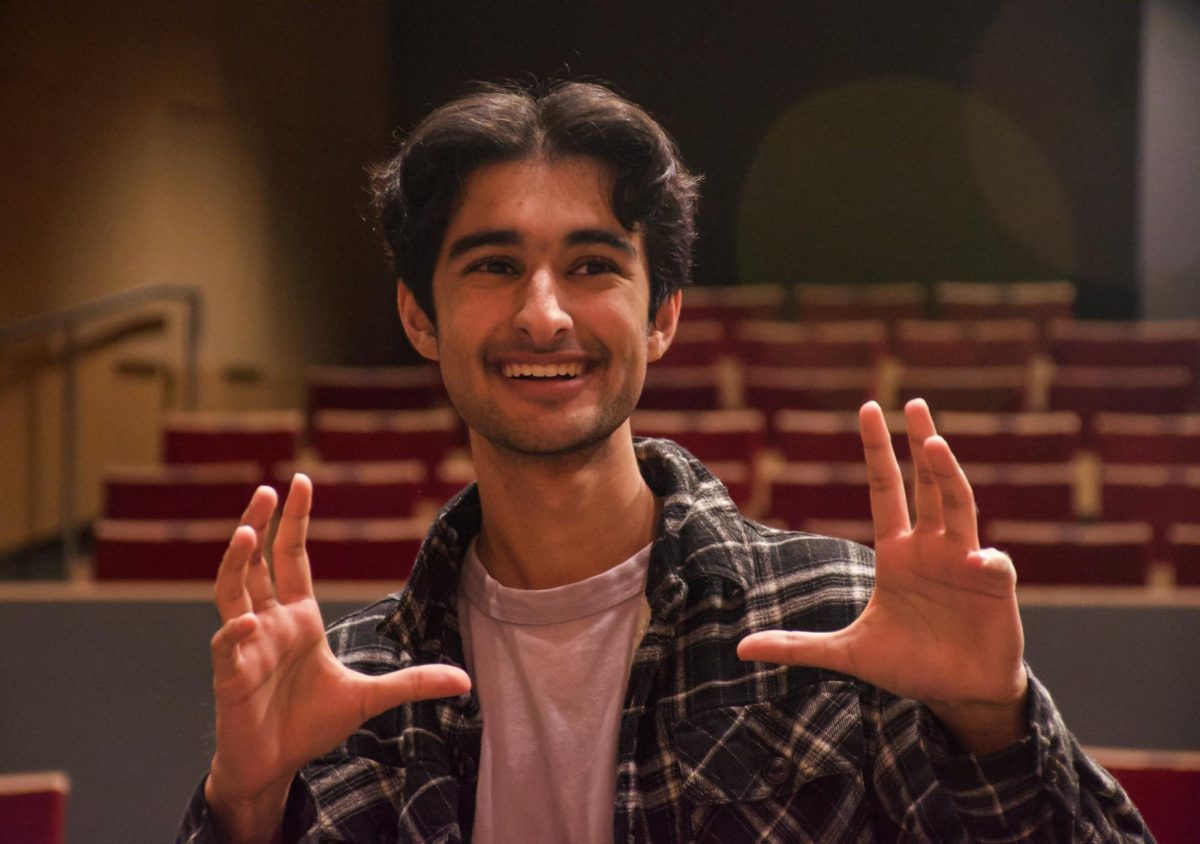

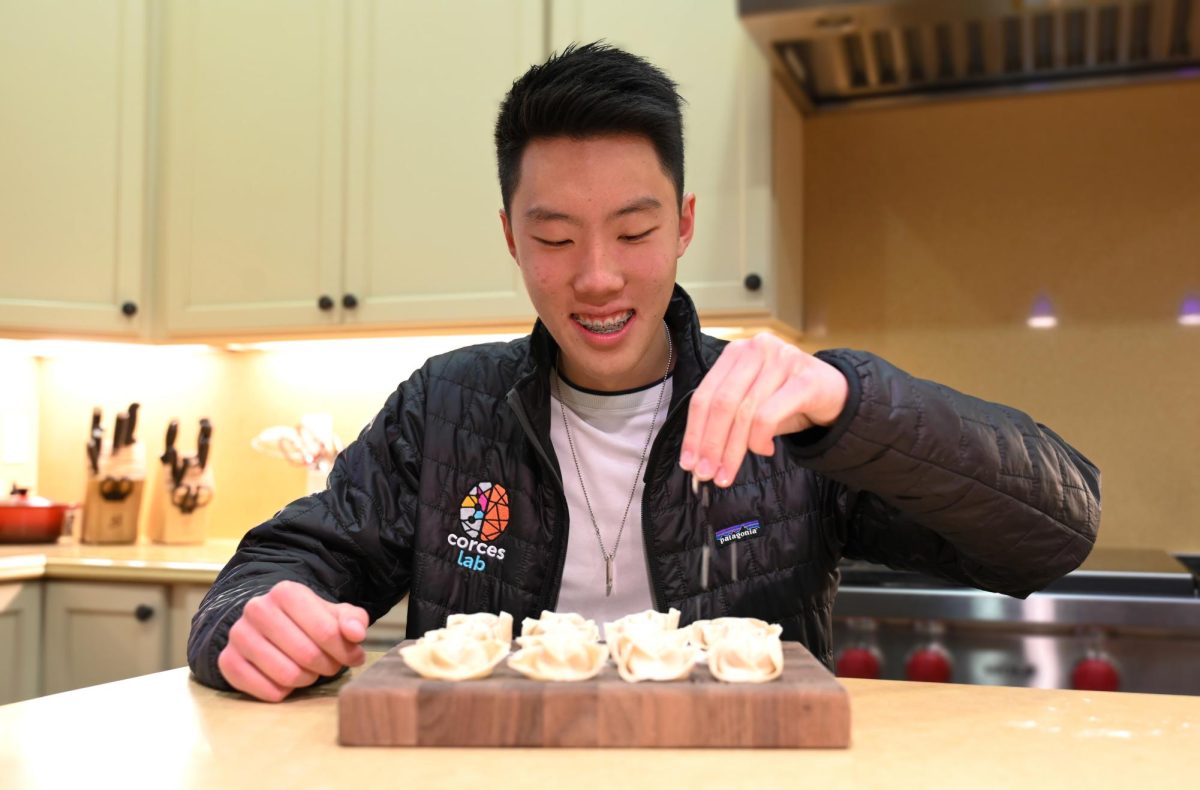
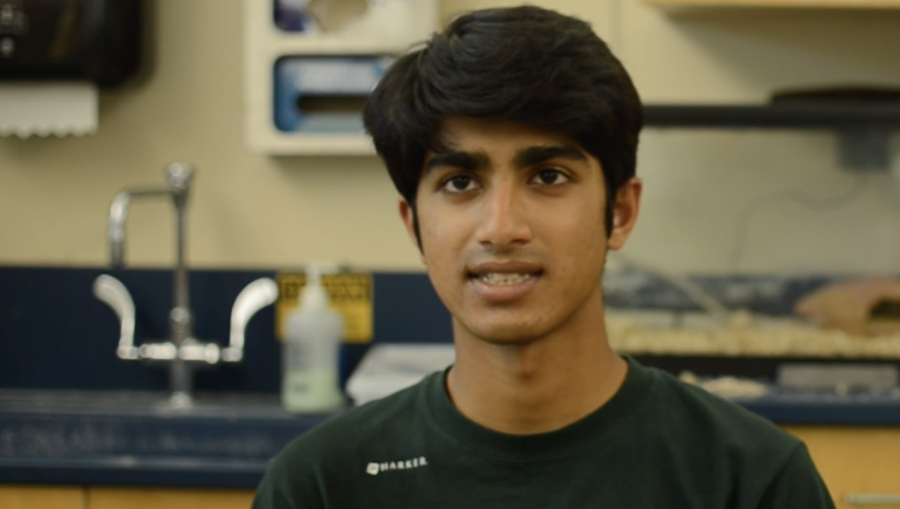
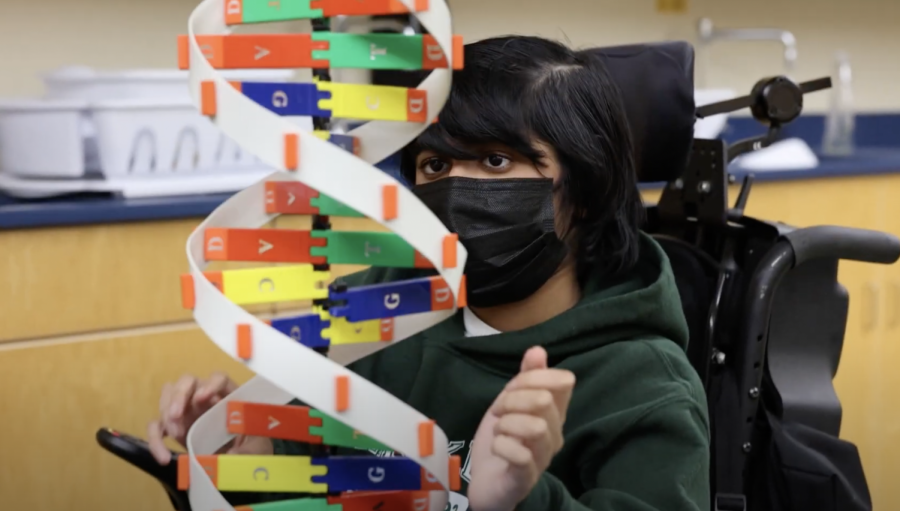
![“[Building nerf blasters] became this outlet of creativity for me that hasn't been matched by anything else. The process [of] making a build complete to your desire is such a painstakingly difficult process, but I've had to learn from [the skills needed from] soldering to proper painting. There's so many different options for everything, if you think about it, it exists. The best part is [that] if it doesn't exist, you can build it yourself," Ishaan Parate said.](https://harkeraquila.com/wp-content/uploads/2022/08/DSC_8149-900x604.jpg)
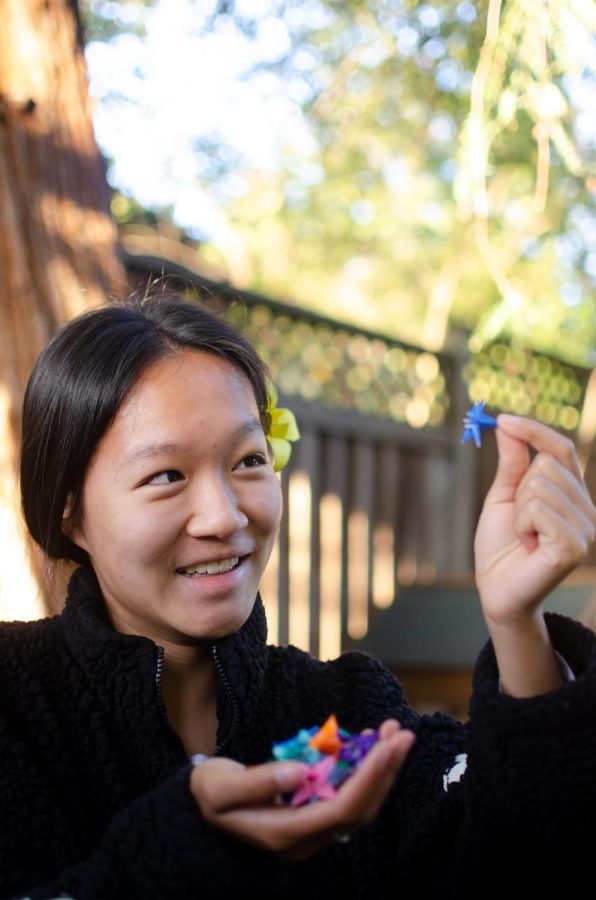
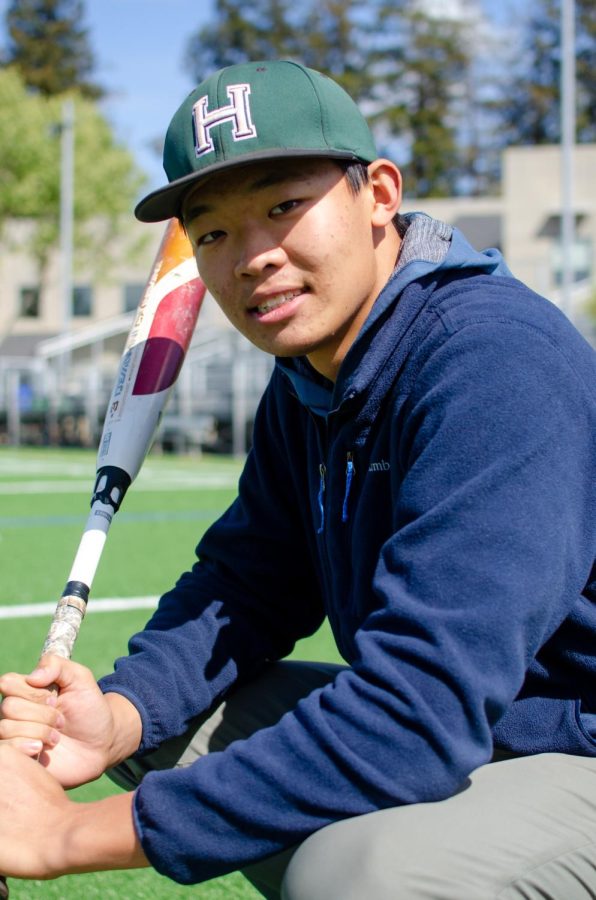

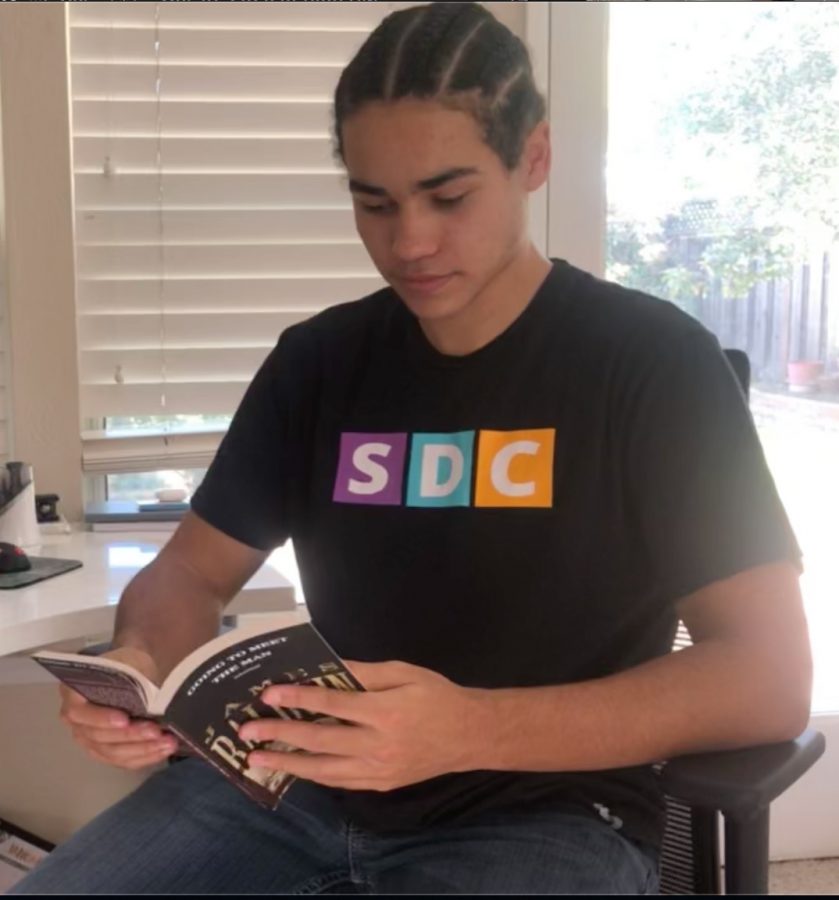
![“When I came into high school, I was ready to be a follower. But DECA was a game changer for me. It helped me overcome my fear of public speaking, and it's played such a major role in who I've become today. To be able to successfully lead a chapter of 150 students, an officer team and be one of the upperclassmen I once really admired is something I'm [really] proud of,” Anvitha Tummala ('21) said.](https://harkeraquila.com/wp-content/uploads/2021/07/Screen-Shot-2021-07-25-at-9.50.05-AM-900x594.png)

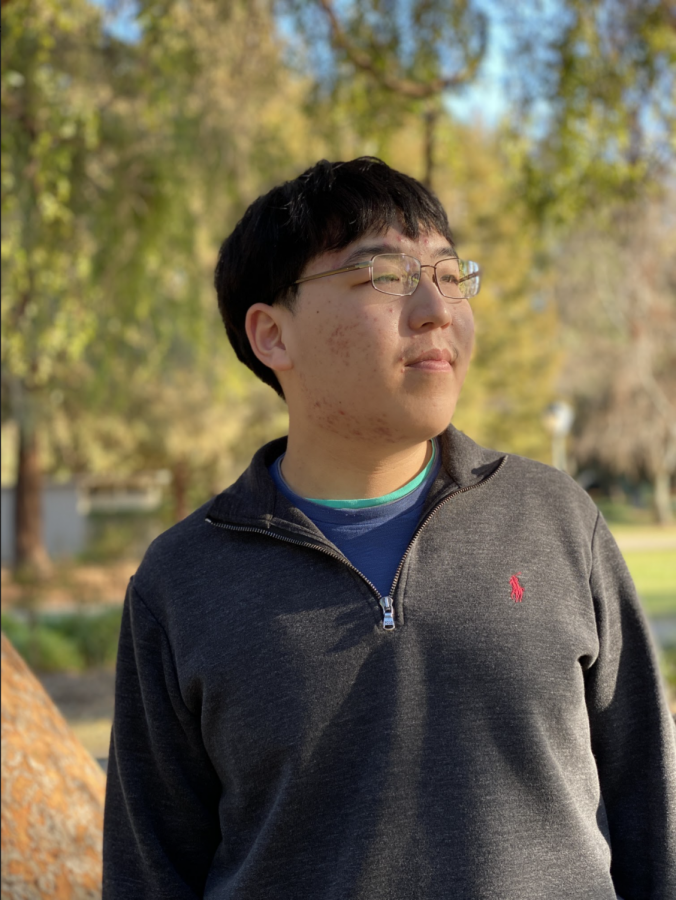


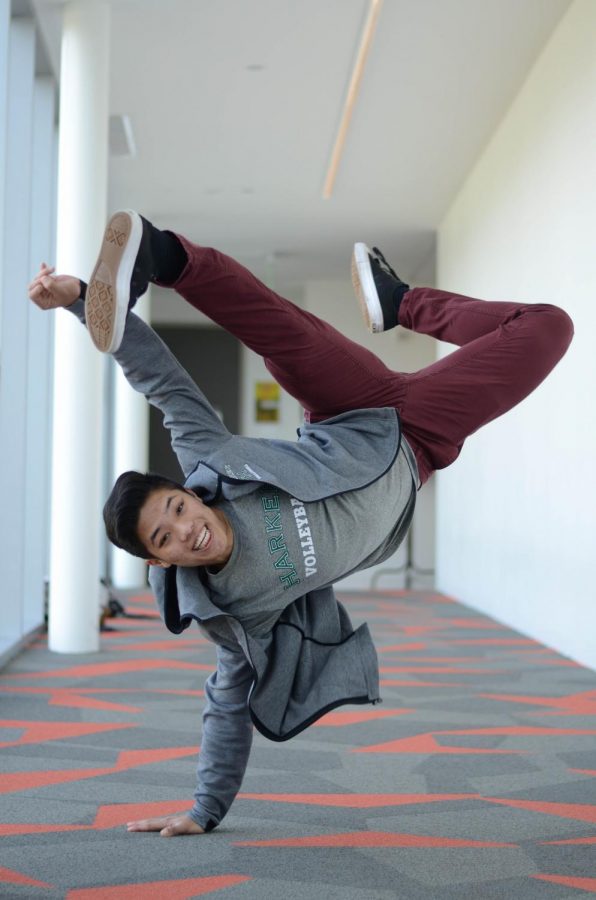
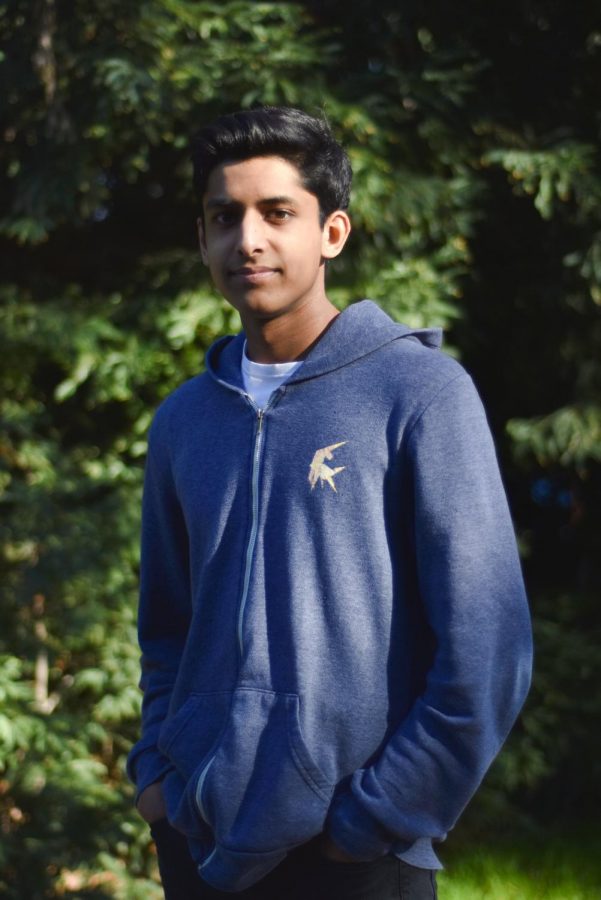

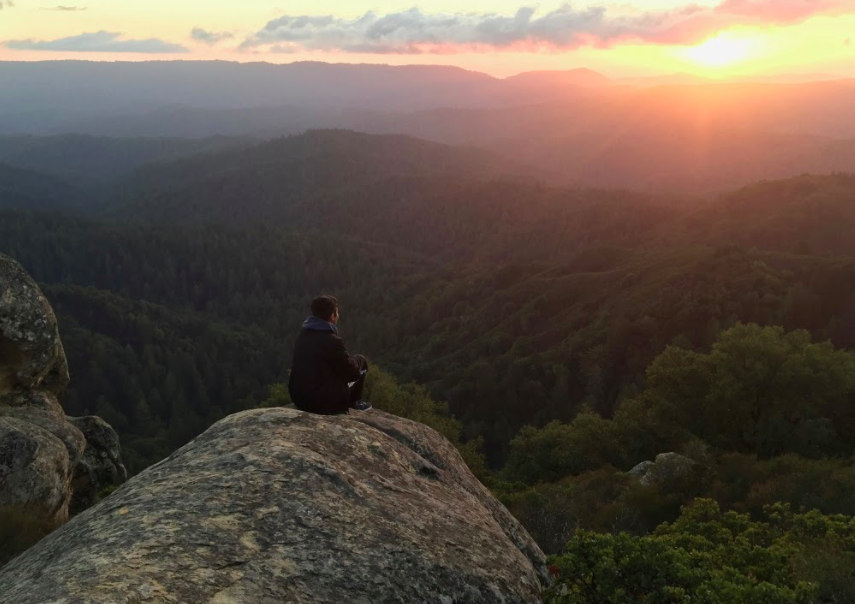
![“I think getting up in the morning and having a sense of purpose [is exciting]. I think without a certain amount of drive, life is kind of obsolete and mundane, and I think having that every single day is what makes each day unique and kind of makes life exciting,” Neymika Jain (12) said.](https://harkeraquila.com/wp-content/uploads/2017/06/Screen-Shot-2017-06-03-at-4.54.16-PM.png)



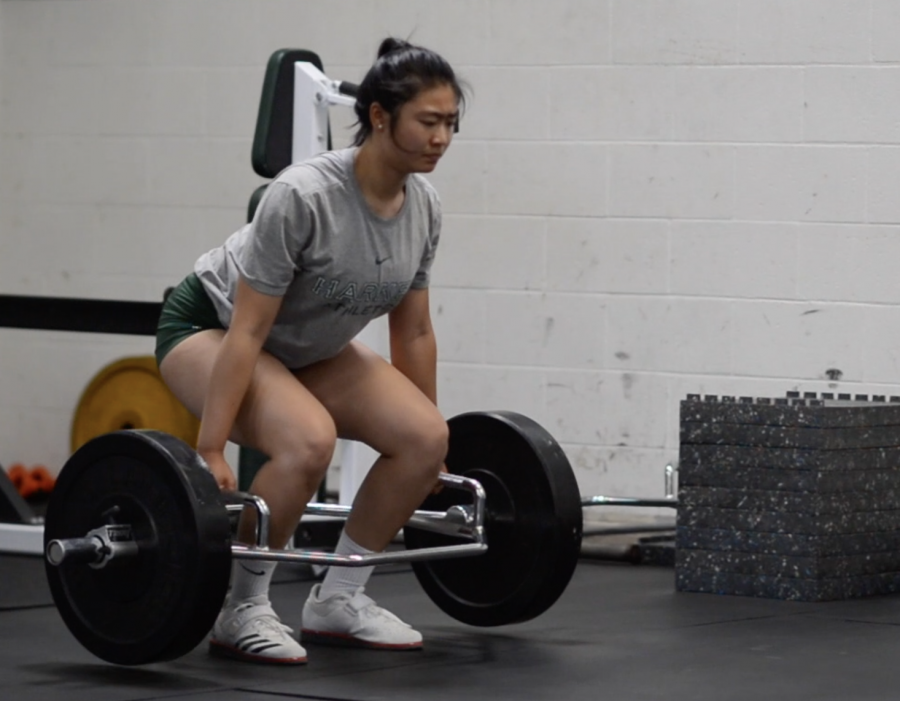

![“My slogan is ‘slow feet, don’t eat, and I’m hungry.’ You need to run fast to get where you are–you aren't going to get those championships if you aren't fast,” Angel Cervantes (12) said. “I want to do well in school on my tests and in track and win championships for my team. I live by that, [and] I can do that anywhere: in the classroom or on the field.”](https://harkeraquila.com/wp-content/uploads/2018/06/DSC5146-900x601.jpg)
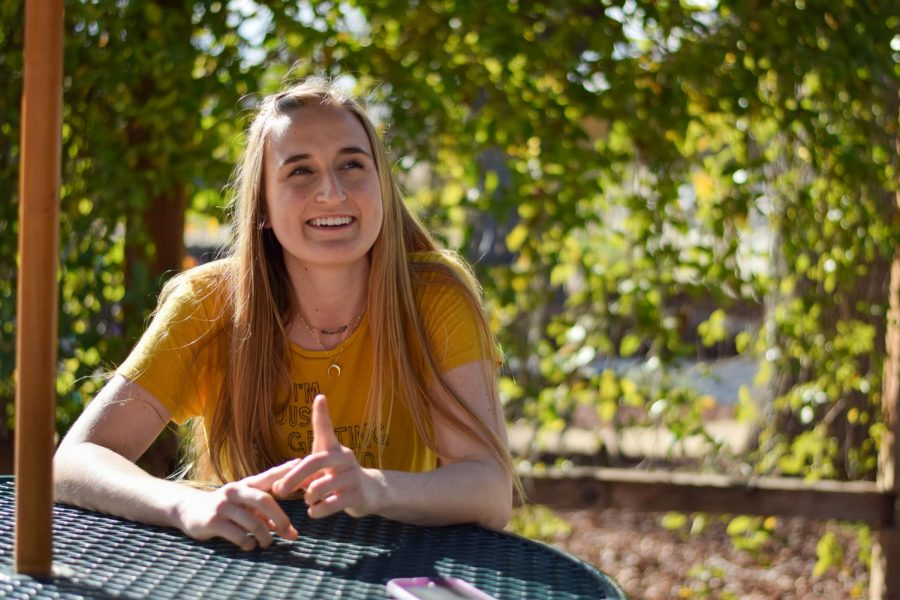
![“[Volleyball has] taught me how to fall correctly, and another thing it taught is that you don’t have to be the best at something to be good at it. If you just hit the ball in a smart way, then it still scores points and you’re good at it. You could be a background player and still make a much bigger impact on the team than you would think,” Anya Gert (’20) said.](https://harkeraquila.com/wp-content/uploads/2020/06/AnnaGert_JinTuan_HoHPhotoEdited-600x900.jpeg)
![“I'm not nearly there yet, but [my confidence has] definitely been getting better since I was pretty shy and timid coming into Harker my freshman year. I know that there's a lot of people that are really confident in what they do, and I really admire them. Everyone's so driven and that has really pushed me to kind of try to find my own place in high school and be more confident,” Alyssa Huang (’20) said.](https://harkeraquila.com/wp-content/uploads/2020/06/AlyssaHuang_EmilyChen_HoHPhoto-900x749.jpeg)


Humans of Harker: Misha Tseitlin sees four dimensions to his personality
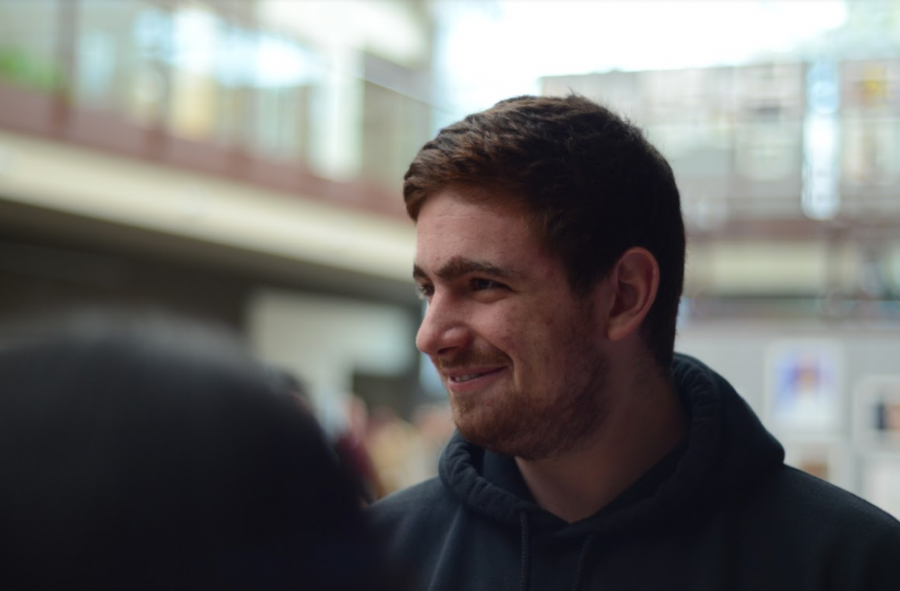
“I always wonder what I would be like if English was my first language, because nothing shapes the way you see the world more than language. I remember from a young age, being told to say please and thank you, but the expression always baffled me because languages like Georgian don’t even have a word for please. The idioms and expressions we use convey very specific cultural values; I get that there’s a saying that actions speak louder than words, but in some places that may not necessarily be true. We don’t often think about it, but these little things can have such a big impact in making us into who we are,” Misha Tseitlin (12) said.
March 17, 2017
When asked about his personality, Misha Tseitlin (12) grouped it into four categories: “independence, politics, language and backgammon.”
Independence. This answer is understandable, as Misha has been involved with two startups, GoForge and SkillFlow, the first of which he served as CFO of.
“My involvement was really out of the blue. I had a friend whom I had gone to class with and he approached me for business help on his new startup. Now, I didn’t really know much at the time but I agreed to try and help him out, but warned that I wouldn’t have too much time,” Misha said.
Ironically, this “help” lasted 2 years on the first startup, and Misha enjoyed the experience enough that after his work on GoForge, he signed up again for round two with SkillFlow.
“I really think that without my upbringing and independence, I wouldn’t have had the courage to say yes, but because of it I’ve grown accustomed to leaps of faith,” Misha said. “I walked home from school sophomore year, managed my own schedule and academic life, and looked after myself for long periods of time from a young age, so when he asked me if I was wanted to be a part of his idea, I was definitely ready.”
Politics. Misha’s involvement in debate and congressional campaigns showcases his interest in politics.
“The Georgian dinner table is a really weird thing. I grew up with Ossetians, Georgians, Armenians and Azeris at the same table, each with their own viewpoints. While for most people, politics is the taboo of Thanksgiving discussion, Georgians flourish in argumentation,” he said. “Especially after a little wine, I’ve seen many a table erupt into passionate argument about ethnic rights, political leaders and economic welfare.”
Exposure to these ideas at the young age of five caused Misha to embrace them and find amusement in making a case with his lively table mates, winning the battle for hearts and minds one drunk adult at a time, starting from age ten.
“Imagine my surprise when I realized there was a competition for this as well: debate,” Misha said. “Suffice it to say, the attraction was instantaneous and magnetic.”
Language. Speaking more than a dozen languages, most indigenous to the Caucasus region, Misha feels his personality is influenced by the languages he speaks.
“I always wonder what I would be like if English was my first language, because nothing shapes the way you see the world more than language. I remember from a young age, being told to say ‘please’ and ‘thank you,’ but the expression always baffled me because languages like Georgian don’t even have a word for ‘please,’” he said. “The idioms and expressions we use convey very specific cultural values; I get that there’s a saying that actions speak louder than words, but in some places that may not necessarily be true. We don’t often think about it, but these little things can have such a big impact in making us into who we are.”
But backgammon. 30 checkers, two die, a doubling cube and a 5000-year-old board game. Now the other two were what you would expect for Misha, but why backgammon?
“I really love that game. It’s the perfect meld of skill and chance. I feel like I’ve played the game since I was in the womb,” he answered. “Kids often play with legos when they’re little right? Well, when I was growing up I’d always be messing around with backgammon pieces, especially my great-grandpa’s ivory set.”
Despite being a novice, Misha’s experiences with backgammon in his childhood set up his ongoing love for the game.
“Granted I wasn’t any good back then, and the pieces were probably a choking hazard, but in some ways, the game taught me about how life functioned. Sometimes you get a good roll, sometimes you don’t. Sometimes there are great moves and other times you’re all but doomed to take a loss just by making a move. But there’s never a choice: you always gotta move,” he said. “When life hasn’t gone my way, I’ve just looked at it like a bad roll in backgammon.”
Since there are two stages to the game, Misha sees that there is always a chance to make up for a bad roll. He views his life in this way as well, seeing opportunities to make up for any bad rolls that he runs into like the inevitable mistakes that come with independence or the inevitable passions that flare up during arguments.
“Life can only get you down if you let it,” he said. “There’s always a chance to come back or at least go down fighting.”