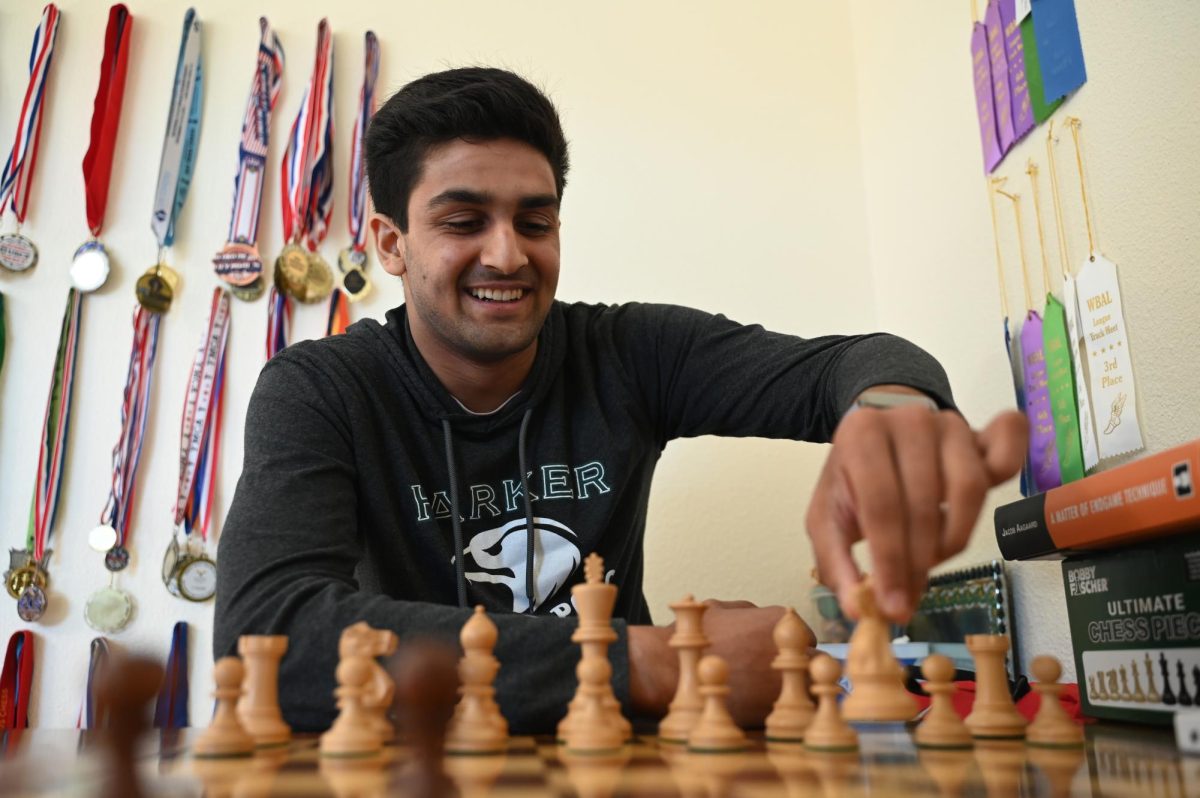
![“I wasn't discouraged by some of the obstacles we faced. I learned a lot from the leadership. I found that different people need different ways of receiving feedback — you can't [just] tell them to do something and expect the best. [Some] people needed more incentive. A large part of my role was to figure out what worked for everyone and to figure out how to lead all these separate individuals as a team,” Suhana Bhandare (’26) said.](https://harkeraquila.com/wp-content/uploads/2026/06/SuhanaBhandare_JasmineHansra-1-1200x798.jpg)

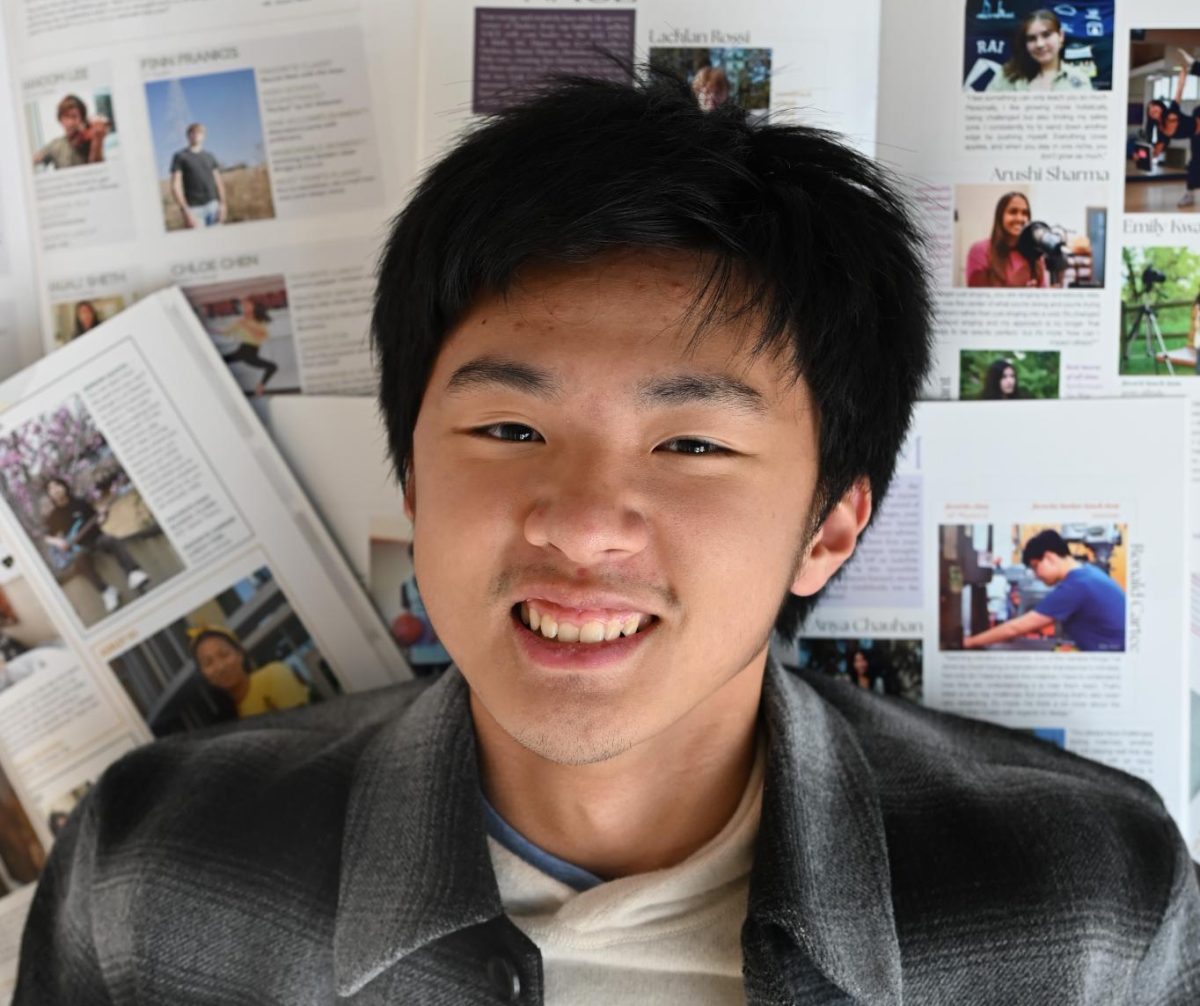
![“This is actually from Randy Pausch Randy P. Brick: ‘Walls are there for a reason. You have to show how much you want to overcome them.’ You have to show how much you want something. That's what I've always been able to do with tennis, Link Crew and getting that internship [with Kushy Baby]. It’s important pushing through that — getting around that brick wall, climbing over it or clawing through it,” Yash Sachdeva (’26) said.](https://harkeraquila.com/wp-content/uploads/2026/05/YashSachdeva_RamBatchu-copy-1200x1002.jpg)










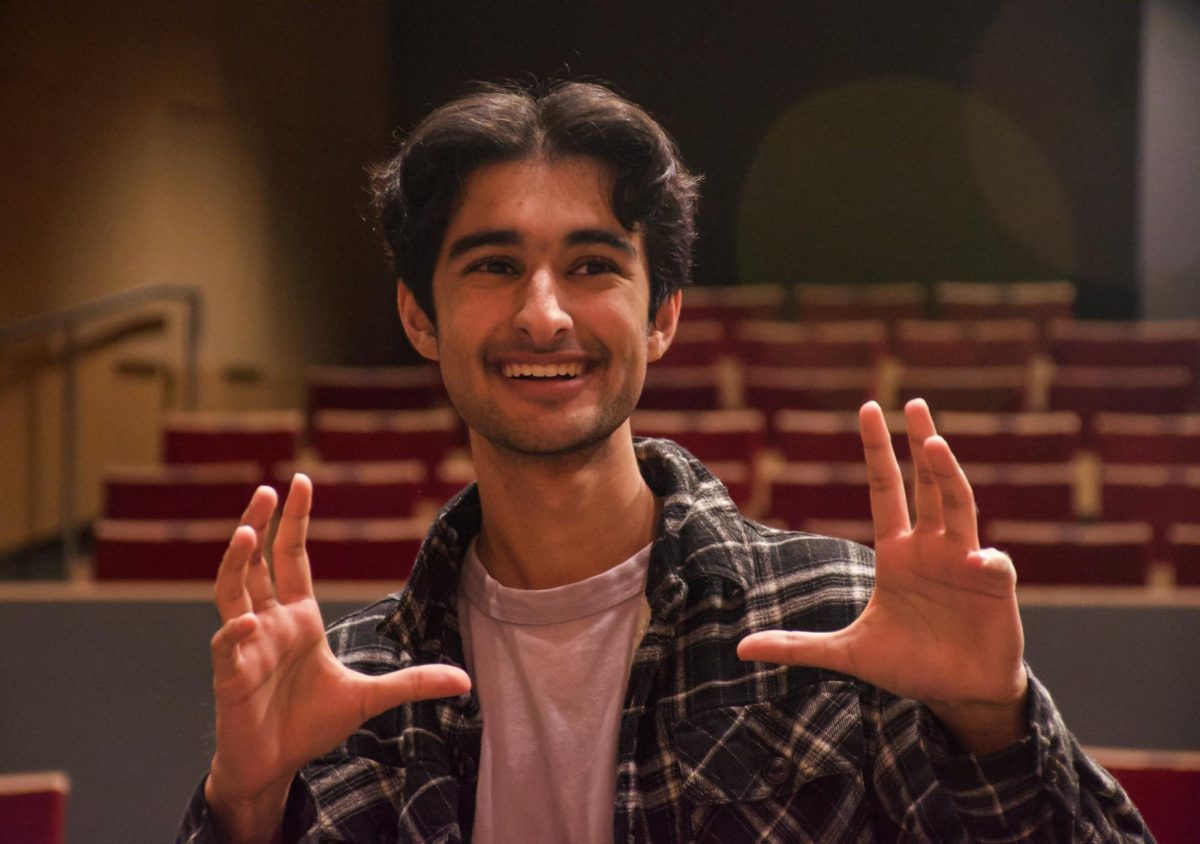

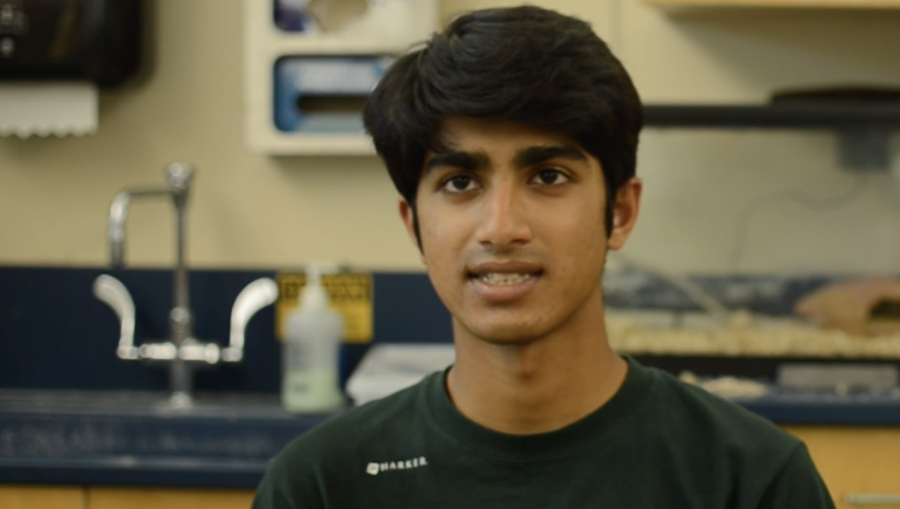
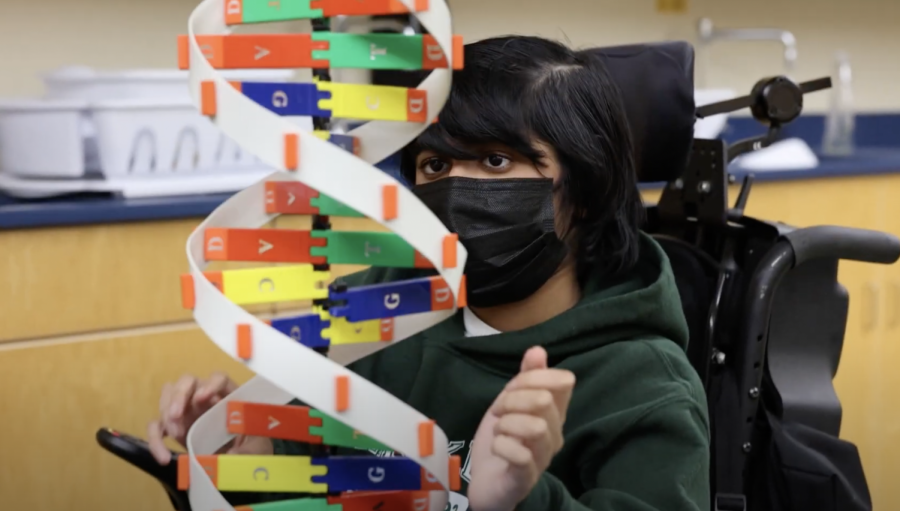
![“[Building nerf blasters] became this outlet of creativity for me that hasn't been matched by anything else. The process [of] making a build complete to your desire is such a painstakingly difficult process, but I've had to learn from [the skills needed from] soldering to proper painting. There's so many different options for everything, if you think about it, it exists. The best part is [that] if it doesn't exist, you can build it yourself," Ishaan Parate said.](https://harkeraquila.com/wp-content/uploads/2022/08/DSC_8149-900x604.jpg)
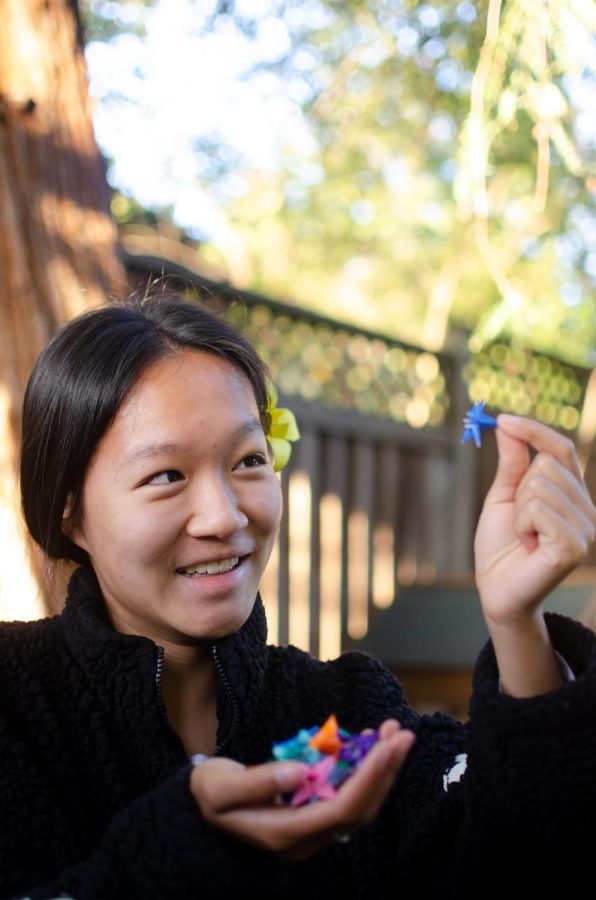
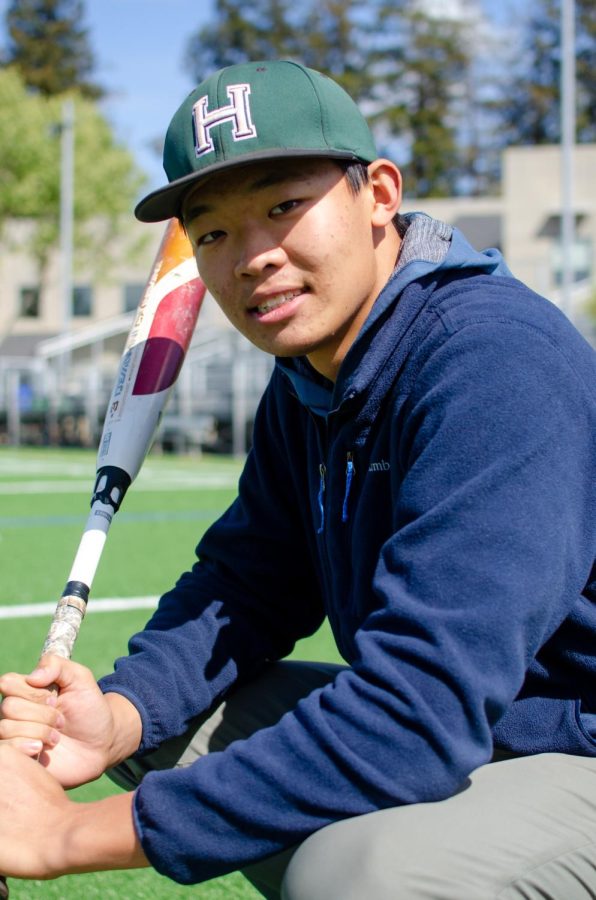

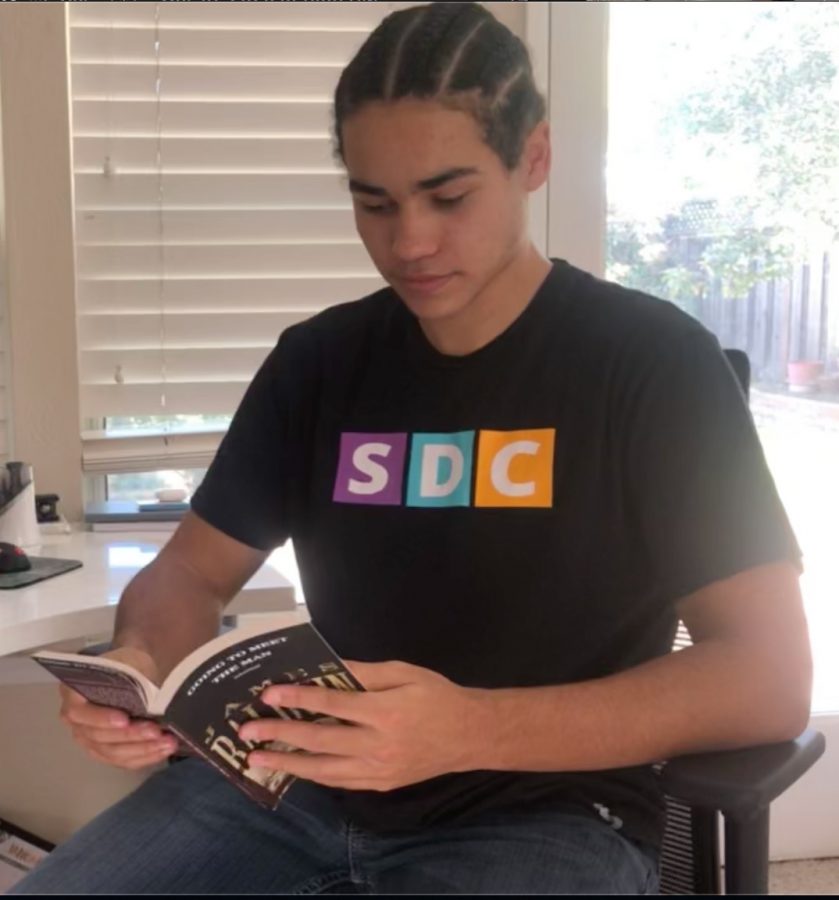
![“When I came into high school, I was ready to be a follower. But DECA was a game changer for me. It helped me overcome my fear of public speaking, and it's played such a major role in who I've become today. To be able to successfully lead a chapter of 150 students, an officer team and be one of the upperclassmen I once really admired is something I'm [really] proud of,” Anvitha Tummala ('21) said.](https://harkeraquila.com/wp-content/uploads/2021/07/Screen-Shot-2021-07-25-at-9.50.05-AM-900x594.png)

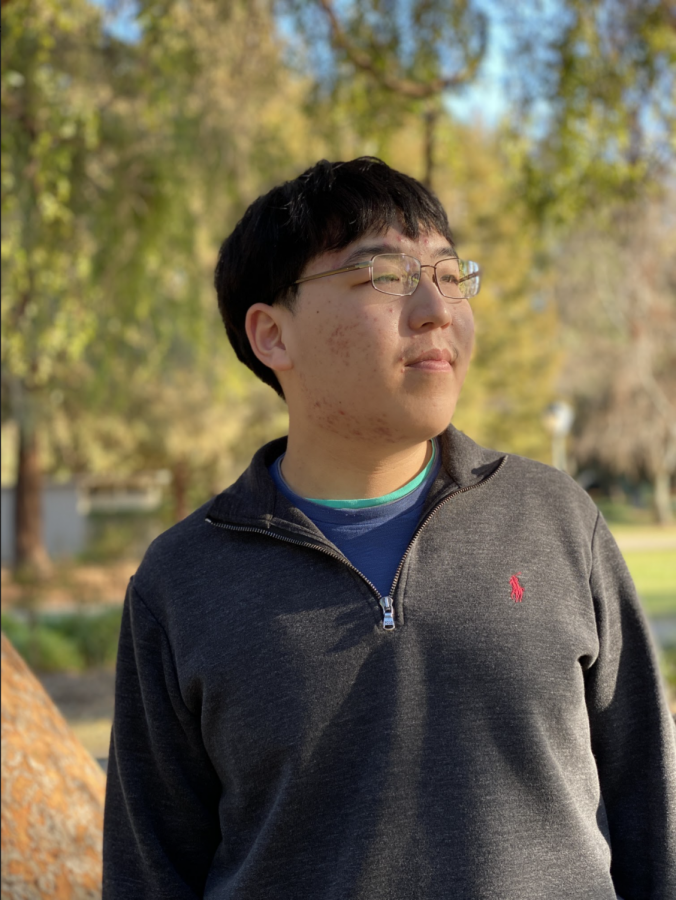

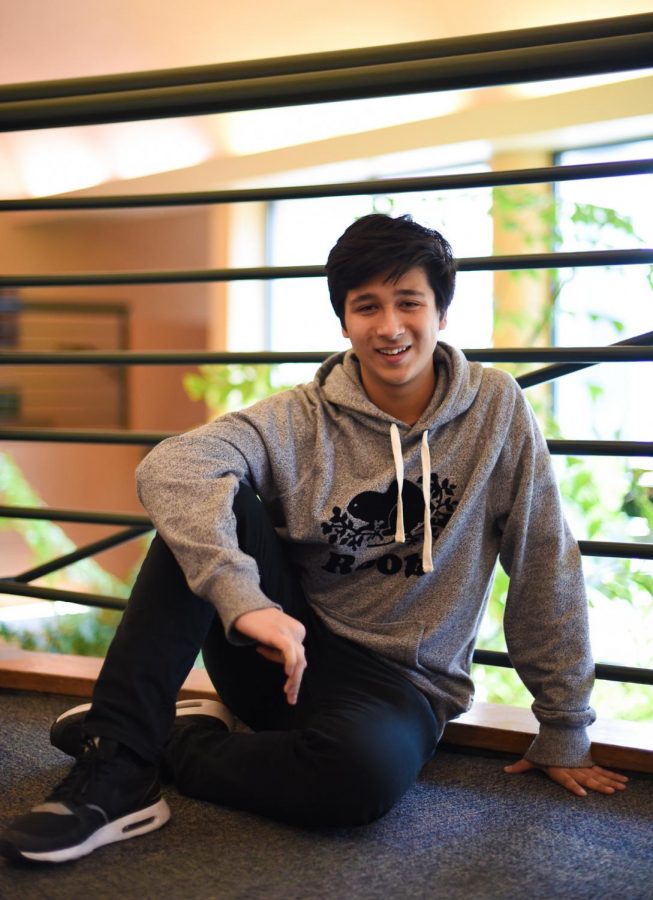
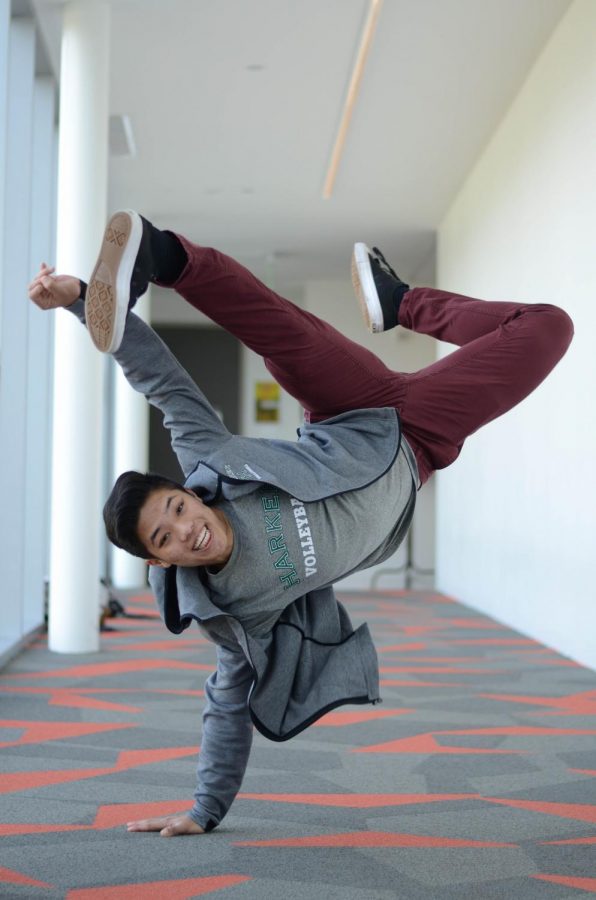


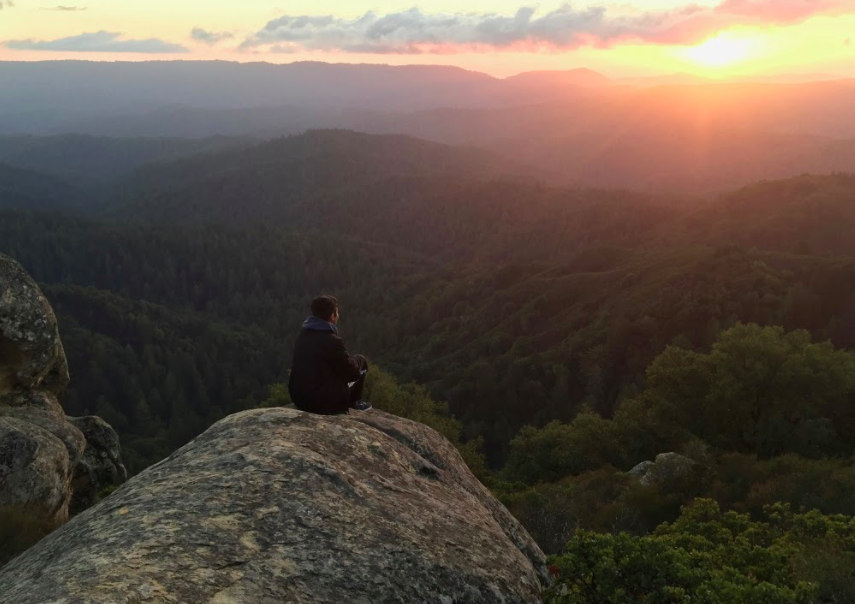
![“I think getting up in the morning and having a sense of purpose [is exciting]. I think without a certain amount of drive, life is kind of obsolete and mundane, and I think having that every single day is what makes each day unique and kind of makes life exciting,” Neymika Jain (12) said.](https://harkeraquila.com/wp-content/uploads/2017/06/Screen-Shot-2017-06-03-at-4.54.16-PM.png)





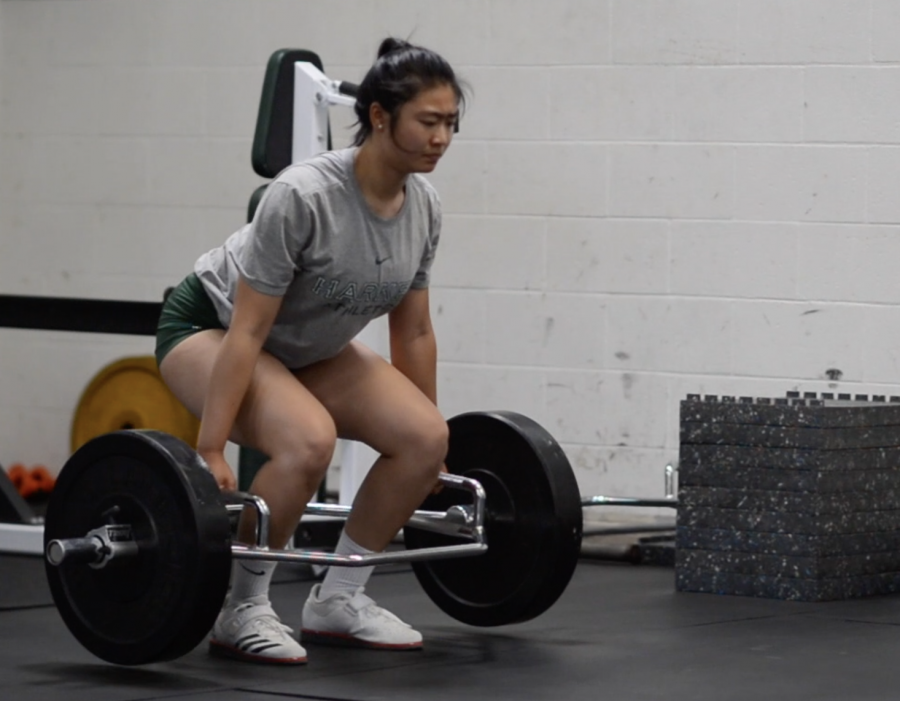

![“My slogan is ‘slow feet, don’t eat, and I’m hungry.’ You need to run fast to get where you are–you aren't going to get those championships if you aren't fast,” Angel Cervantes (12) said. “I want to do well in school on my tests and in track and win championships for my team. I live by that, [and] I can do that anywhere: in the classroom or on the field.”](https://harkeraquila.com/wp-content/uploads/2018/06/DSC5146-900x601.jpg)
![“[Volleyball has] taught me how to fall correctly, and another thing it taught is that you don’t have to be the best at something to be good at it. If you just hit the ball in a smart way, then it still scores points and you’re good at it. You could be a background player and still make a much bigger impact on the team than you would think,” Anya Gert (’20) said.](https://harkeraquila.com/wp-content/uploads/2020/06/AnnaGert_JinTuan_HoHPhotoEdited-600x900.jpeg)
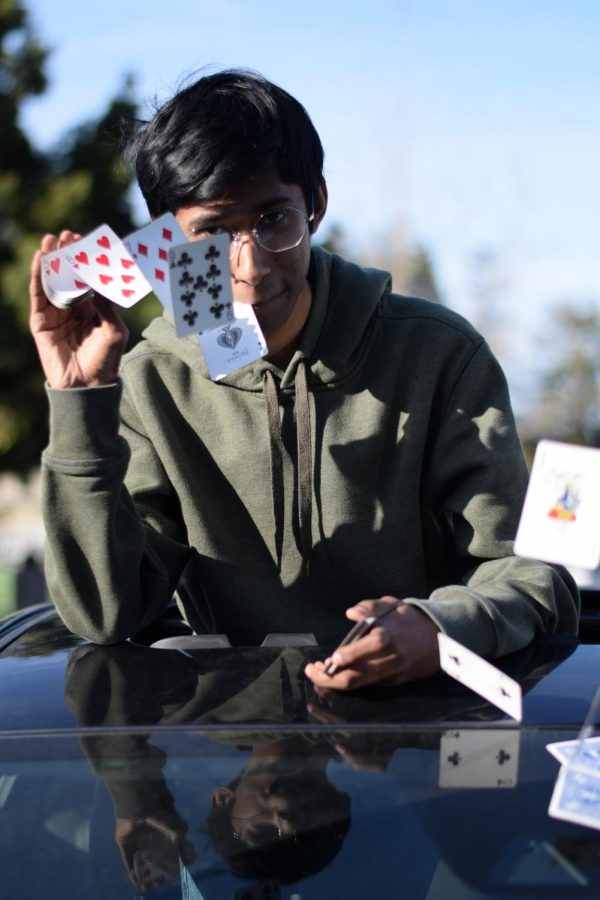
![“I'm not nearly there yet, but [my confidence has] definitely been getting better since I was pretty shy and timid coming into Harker my freshman year. I know that there's a lot of people that are really confident in what they do, and I really admire them. Everyone's so driven and that has really pushed me to kind of try to find my own place in high school and be more confident,” Alyssa Huang (’20) said.](https://harkeraquila.com/wp-content/uploads/2020/06/AlyssaHuang_EmilyChen_HoHPhoto-900x749.jpeg)



Media Matters: eSports gambling serves as a negative influence for younger players
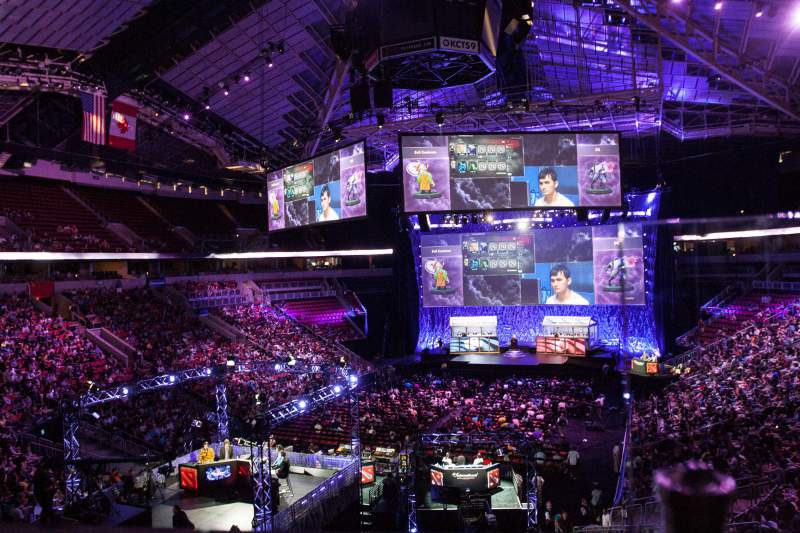
Wikimedia Commons
Thousands of fans join 4.5 million online viewers to watch the 2014 finals of the International 5, a Dota 2 competition. The eSports industry and eSports betting has rapidly grown in the past years, making it easier for younger audiences to start gambling.
February 29, 2016
After my advisory’s Secret Santa party, in which I received a $20 Steam gift card, I contemplated what to do with my newfound wealth. In spite of an ongoing Steam sale, I was still short a couple dollars from my desired purchase. Disappointed, I described my predicament to a friend.
At that point, I had encountered ads concerning online betting on eSports, but I had passed them off as scams. However, as my friend explained how the sites worked and the story of people betting three dollars and making $180 on their first gamble, I felt drawn in. In less than ten minutes, I had already bet the in-game equivalent of a couple cents which I lost an hour later.
The traditional negative view of gamblers as compulsive risk-takers throwing away their savings in a Las Vegas casino does not fit the case of younger people who don’t have ready access to a bank account or a credit card. The reality is that online gambling has become easier and more ubiquitous with the growth of eSports.
The general trend with business models in games is a marketplace of microtransactions of in-game content; a marketplace which uses tradable items worth real money as currency. This means that the gambling and betting system can completely circumnavigate the transfer of real money by using an in-game substitute.
Viewers can bet online with no credit card information and using their game UserID as the only required verification. With less than ten clicks, one can bet the equivalent thousands of dollars.
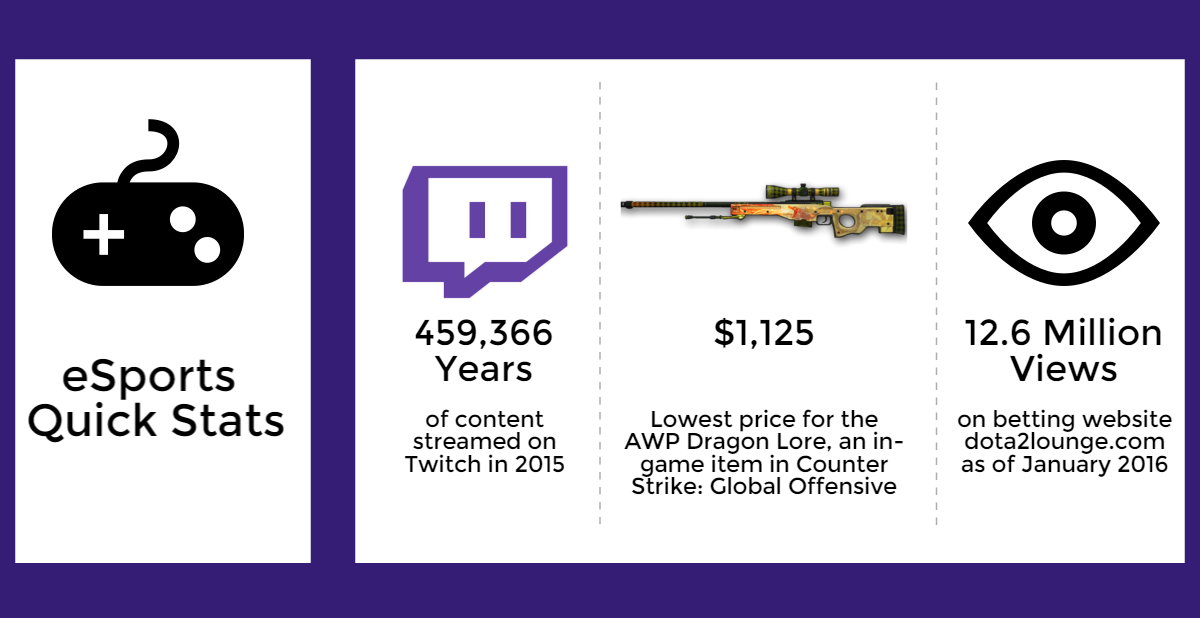
Not only is betting readily available to younger viewers, but the entire community of over a hundred million people has for the most part accepted gambling as a part of the experience of the game. As players search for progression in their games through items that cost money game developers provide few viable avenues for advancing, causing players to take their chances on betting sites instead.
Along with the frequency of advertisements for betting sites in streams, gambling has become the norm for eSports instead of the exception. The situation becomes concerning when one looks at the demographics of eSports viewers who are largely between the ages of 18 and 24; an age group who are just beginning to develop financial responsibility that are more susceptible to the psychological consequences of gambling including depression, anxiety, and substance-abuse.
Though the betting of in-game items do not hold any immediate dire consequences, the long-term implications of habitual betting are profoundly detrimental. If gambling becomes normalized at a young age, it becomes much easier to become addicted to gambling later in life.
As the eSports community expands with increasingly large audiences of young viewers, efforts must be made to curve the pervasiveness of readily accessible gambling in order to allow for the scene to grow based off improved media content instead of luck and money.