


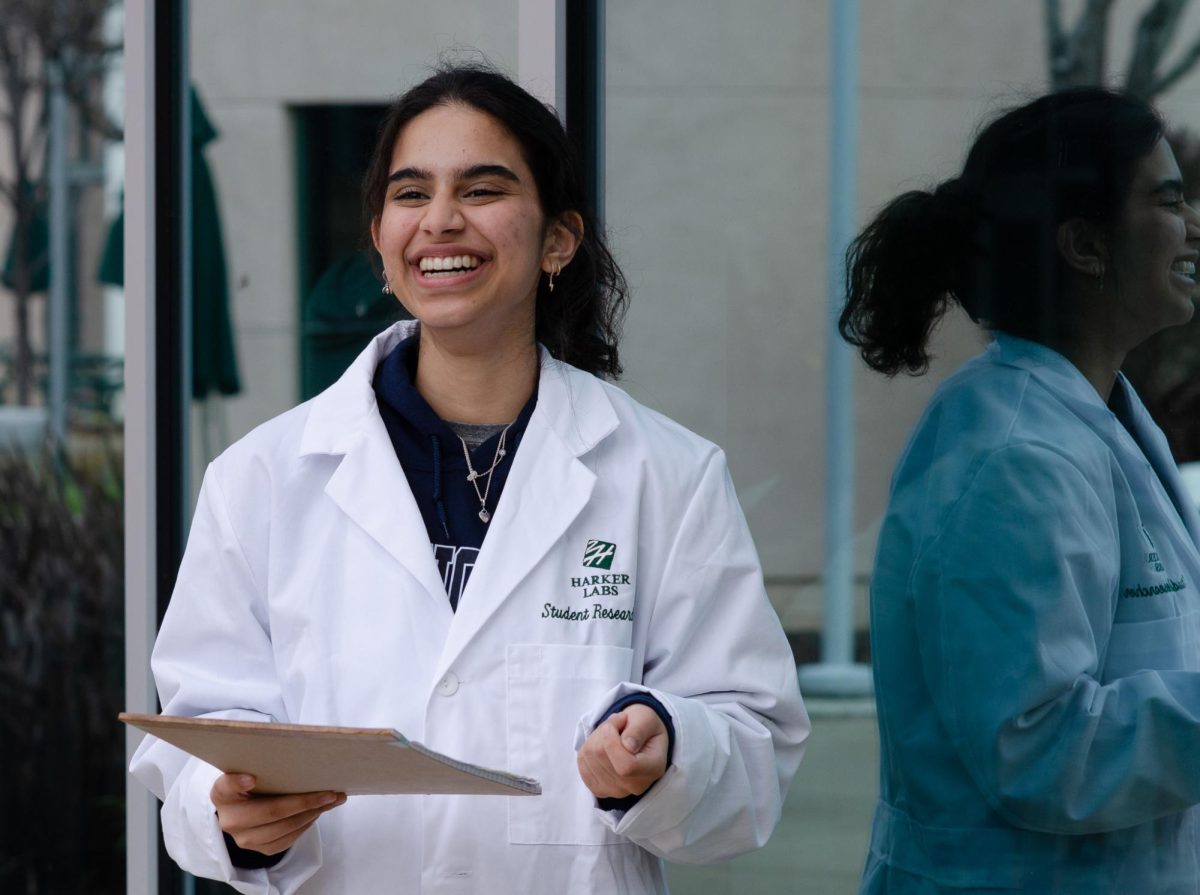
![“I wasn't discouraged by some of the obstacles we faced. I learned a lot from the leadership. I found that different people need different ways of receiving feedback — you can't [just] tell them to do something and expect the best. [Some] people needed more incentive. A large part of my role was to figure out what worked for everyone and to figure out how to lead all these separate individuals as a team,” Suhana Bhandare (’26) said.](https://harkeraquila.com/wp-content/uploads/2026/06/SuhanaBhandare_JasmineHansra-1-1200x798.jpg)

![“This is actually from Randy Pausch Randy P. Brick: ‘Walls are there for a reason. You have to show how much you want to overcome them.’ You have to show how much you want something. That's what I've always been able to do with tennis, Link Crew and getting that internship [with Kushy Baby]. It’s important pushing through that — getting around that brick wall, climbing over it or clawing through it,” Yash Sachdeva (’26) said.](https://harkeraquila.com/wp-content/uploads/2026/05/YashSachdeva_RamBatchu-copy-1200x1002.jpg)
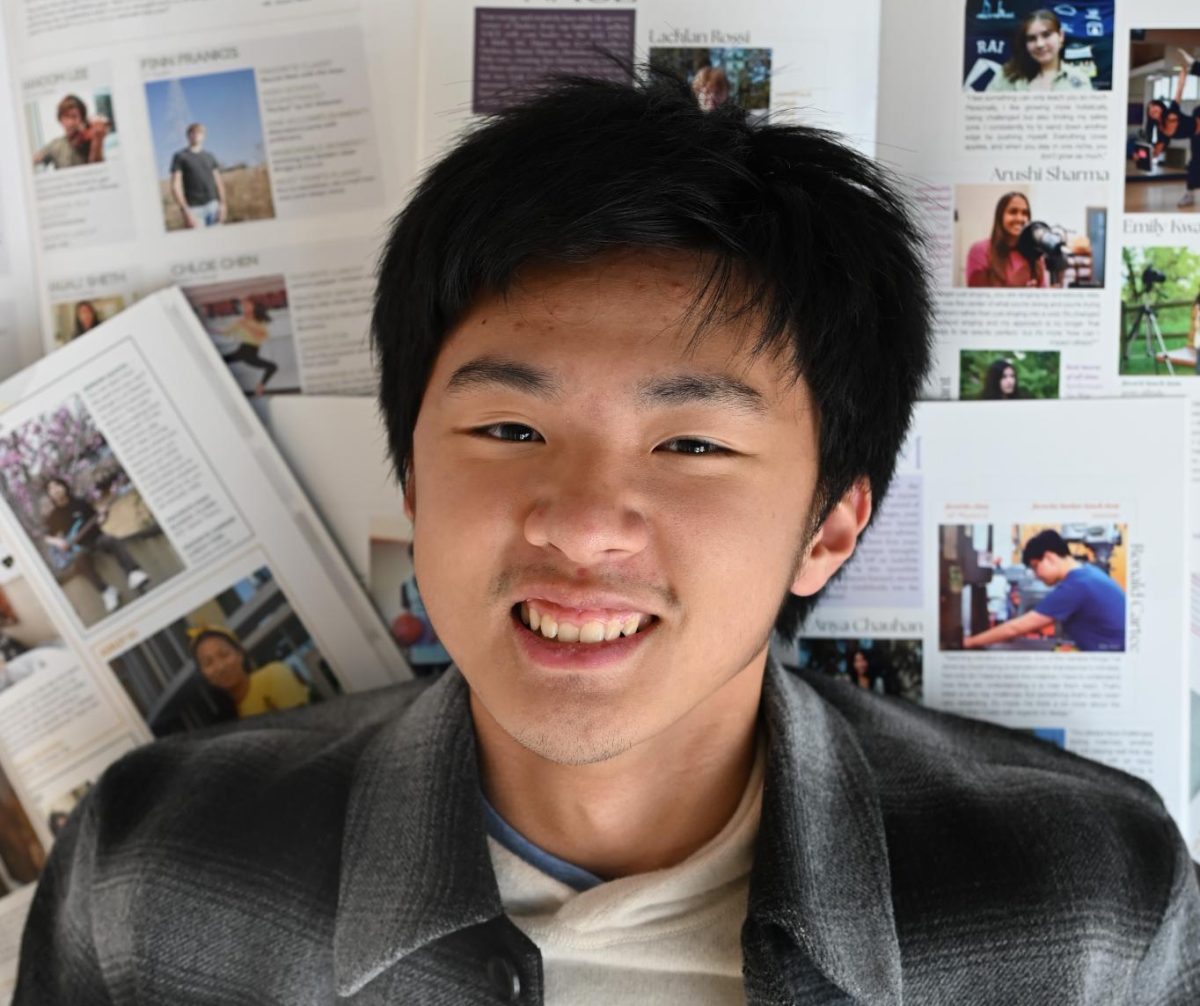
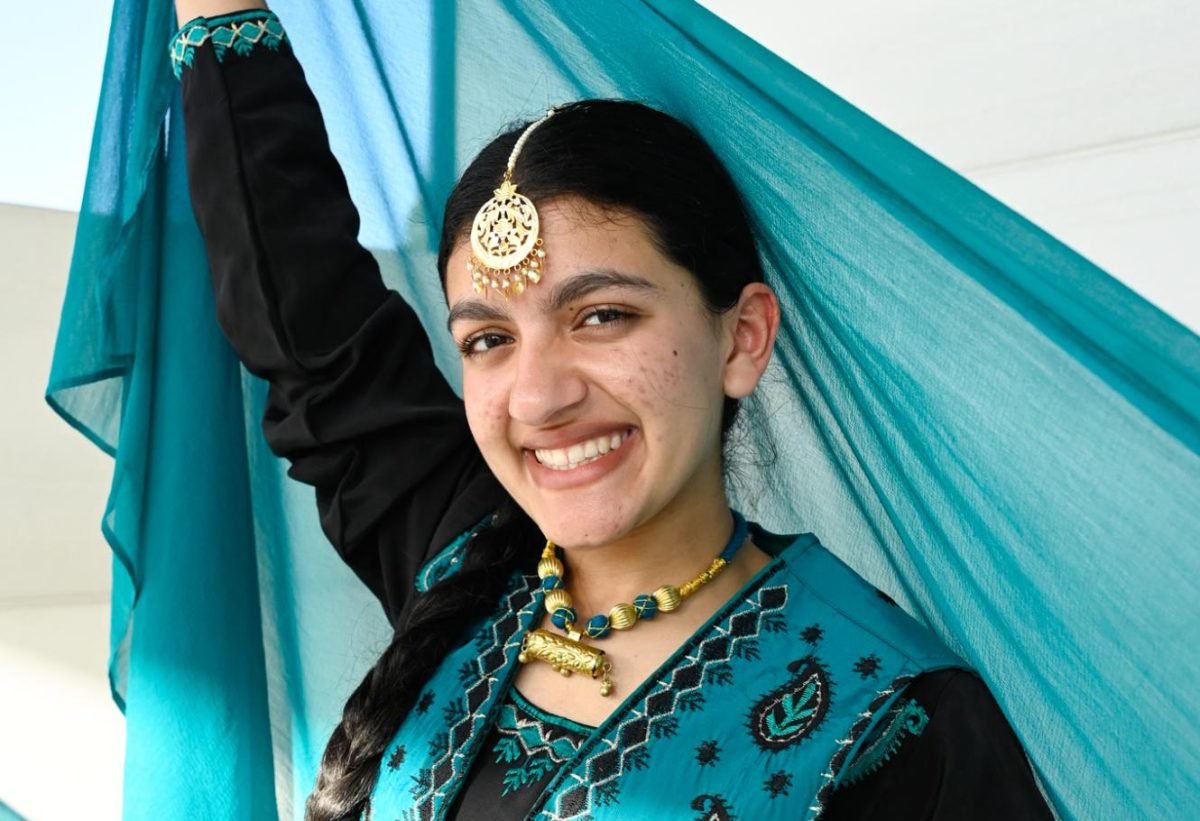


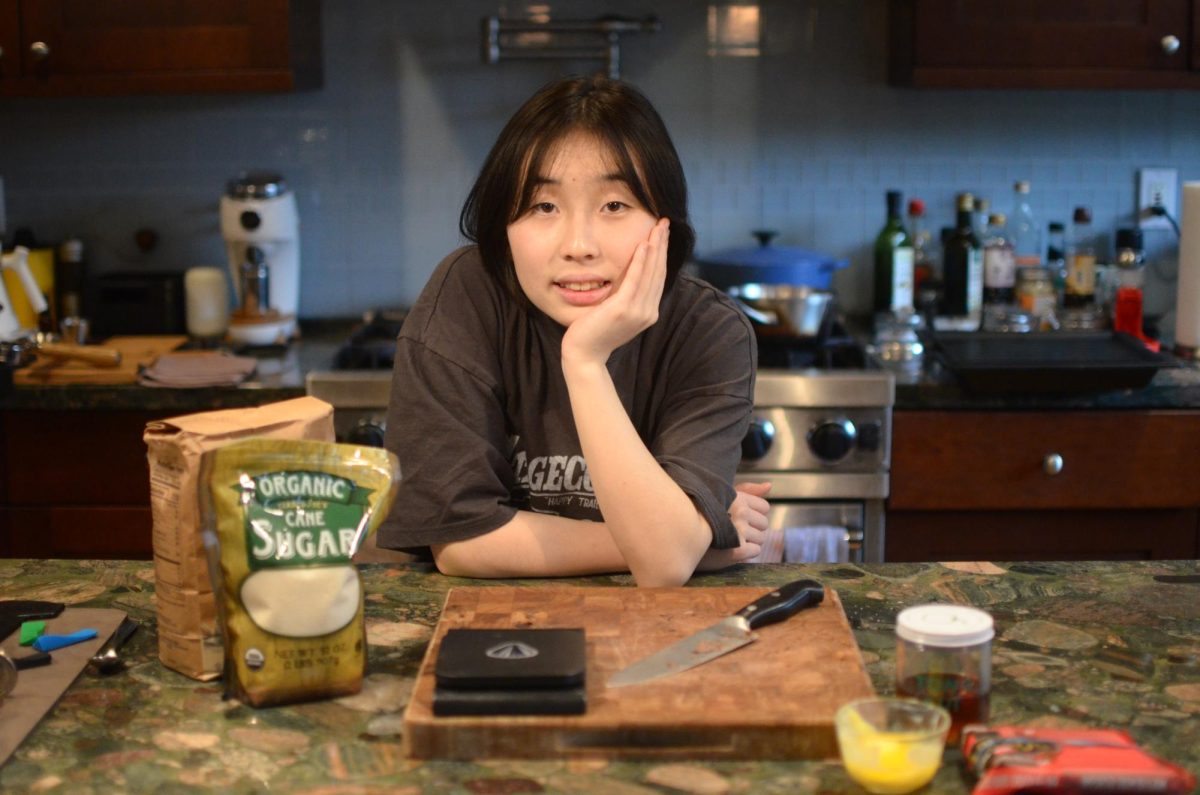


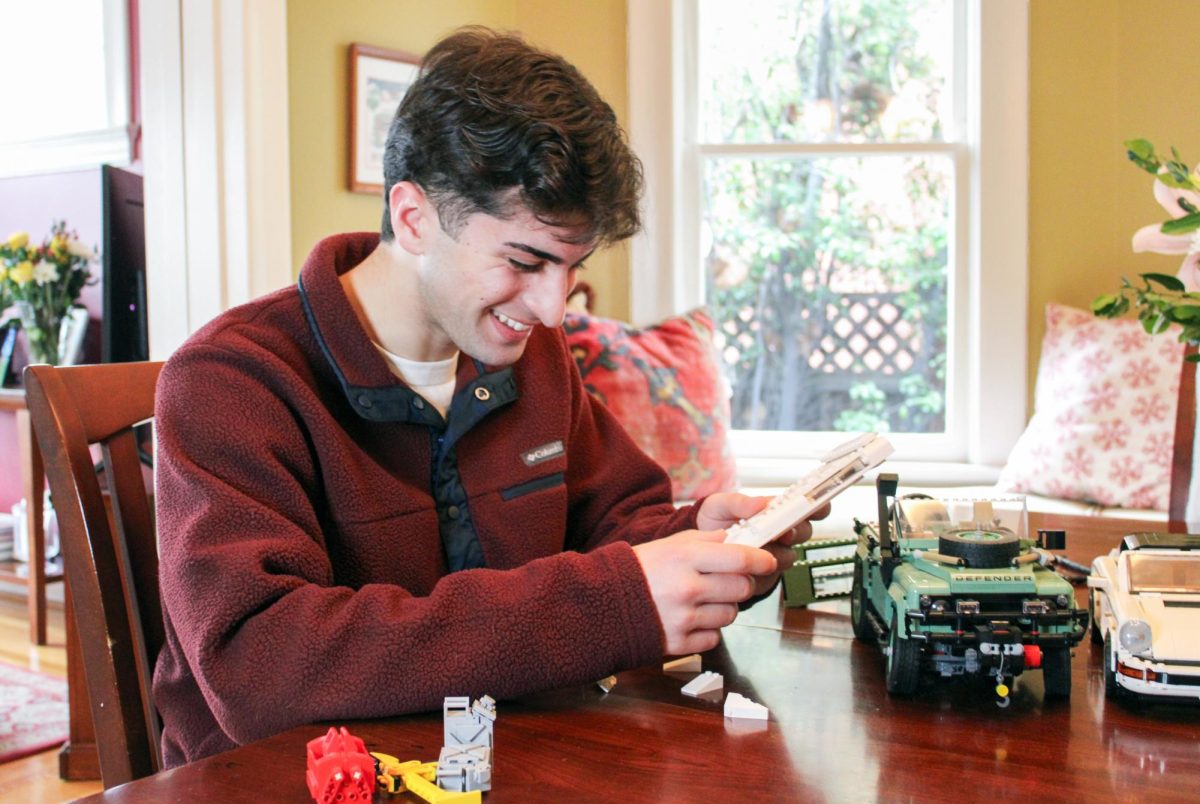

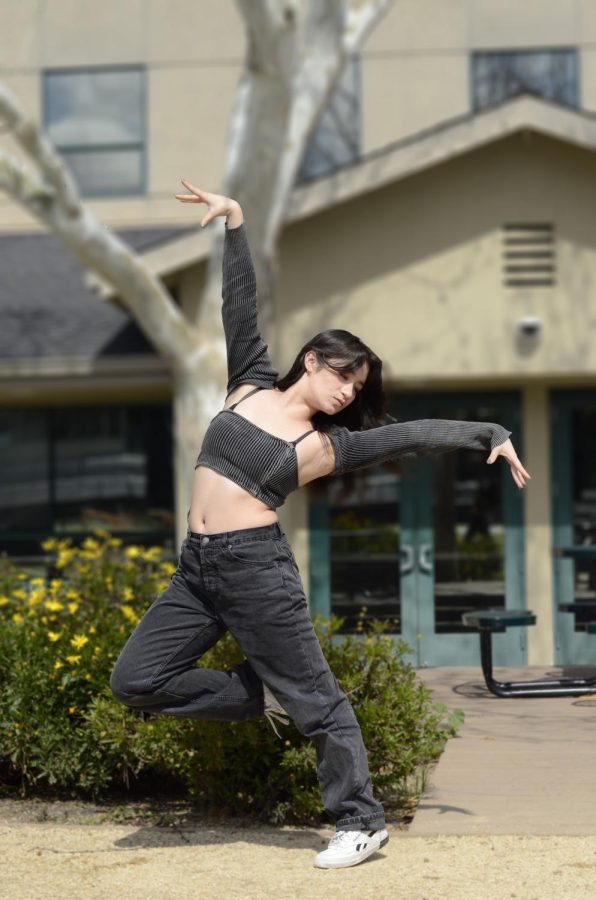
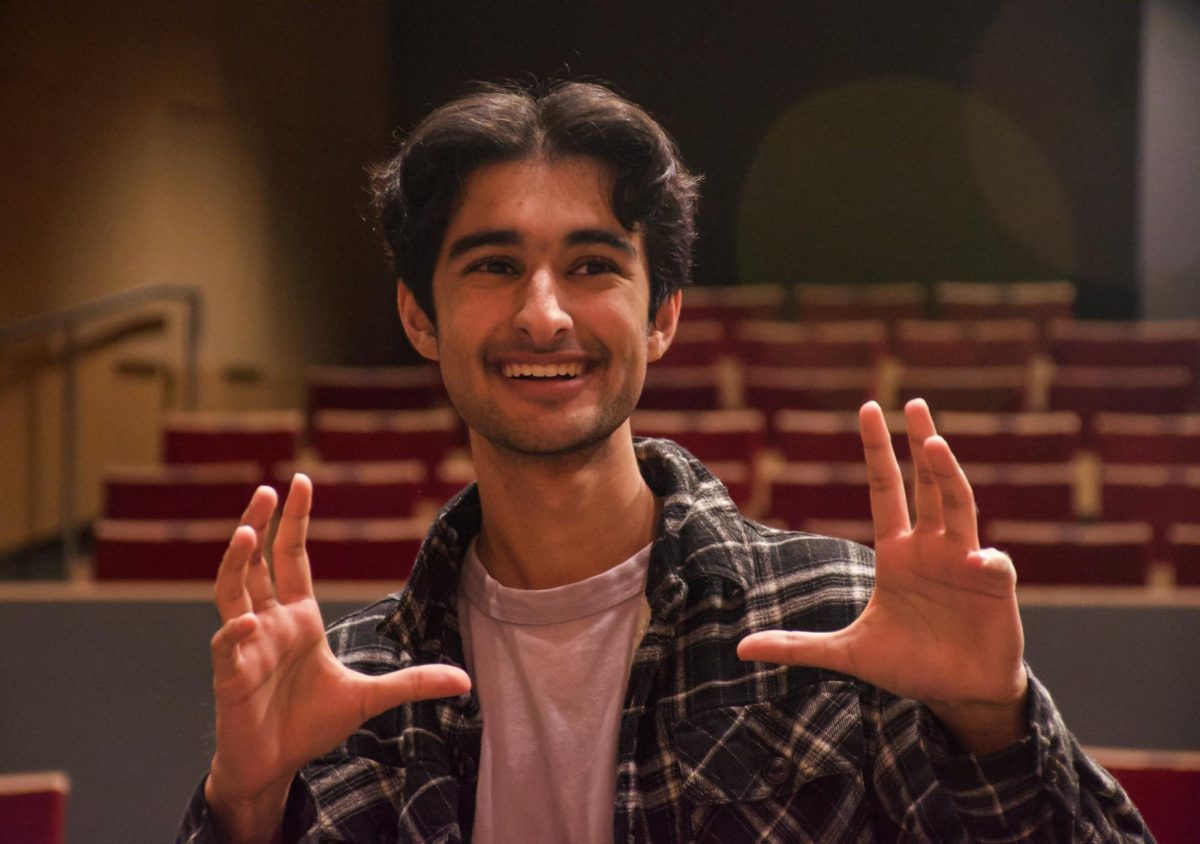


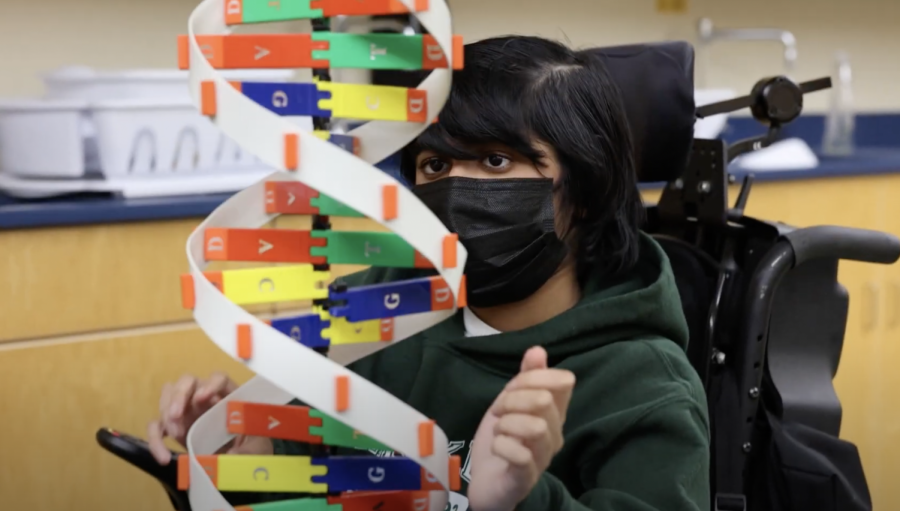
![“[Building nerf blasters] became this outlet of creativity for me that hasn't been matched by anything else. The process [of] making a build complete to your desire is such a painstakingly difficult process, but I've had to learn from [the skills needed from] soldering to proper painting. There's so many different options for everything, if you think about it, it exists. The best part is [that] if it doesn't exist, you can build it yourself," Ishaan Parate said.](https://harkeraquila.com/wp-content/uploads/2022/08/DSC_8149-900x604.jpg)
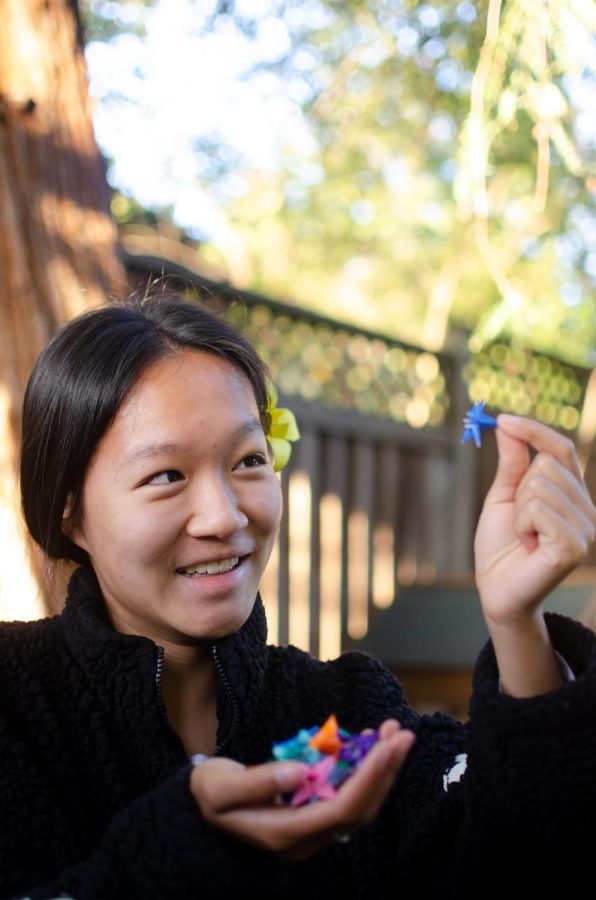
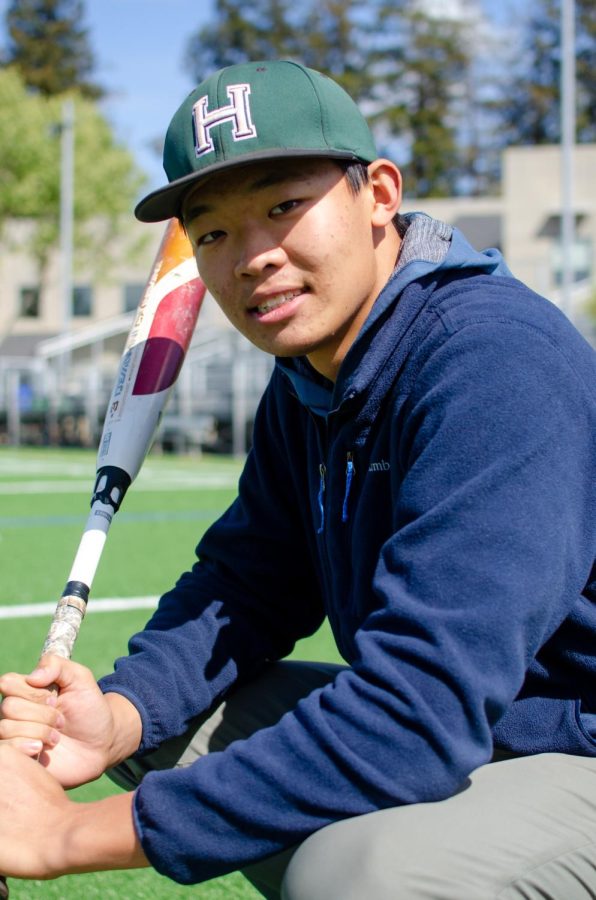
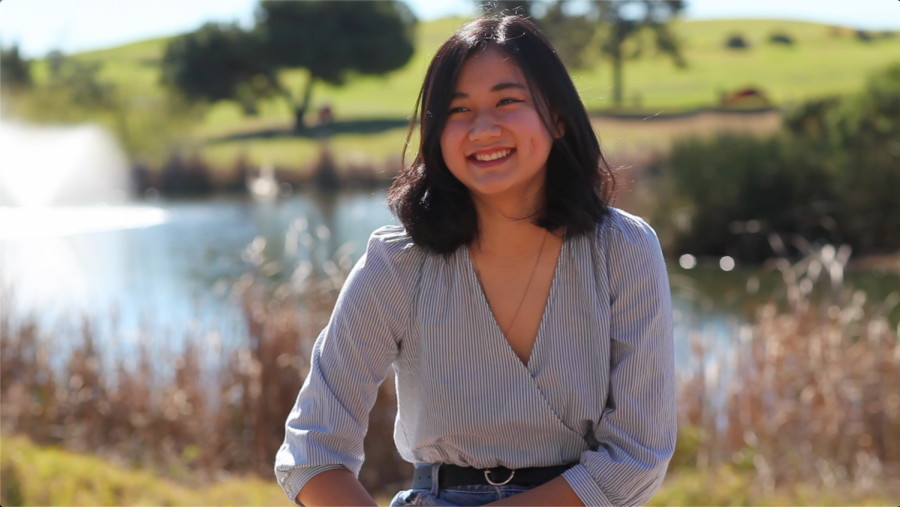
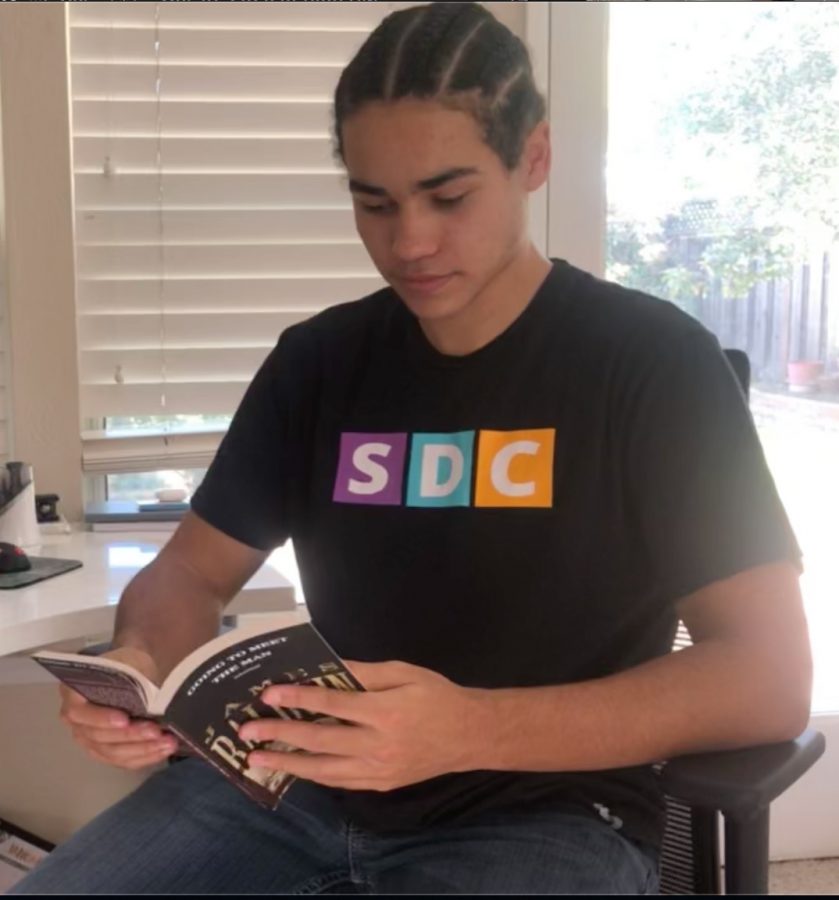
![“When I came into high school, I was ready to be a follower. But DECA was a game changer for me. It helped me overcome my fear of public speaking, and it's played such a major role in who I've become today. To be able to successfully lead a chapter of 150 students, an officer team and be one of the upperclassmen I once really admired is something I'm [really] proud of,” Anvitha Tummala ('21) said.](https://harkeraquila.com/wp-content/uploads/2021/07/Screen-Shot-2021-07-25-at-9.50.05-AM-900x594.png)

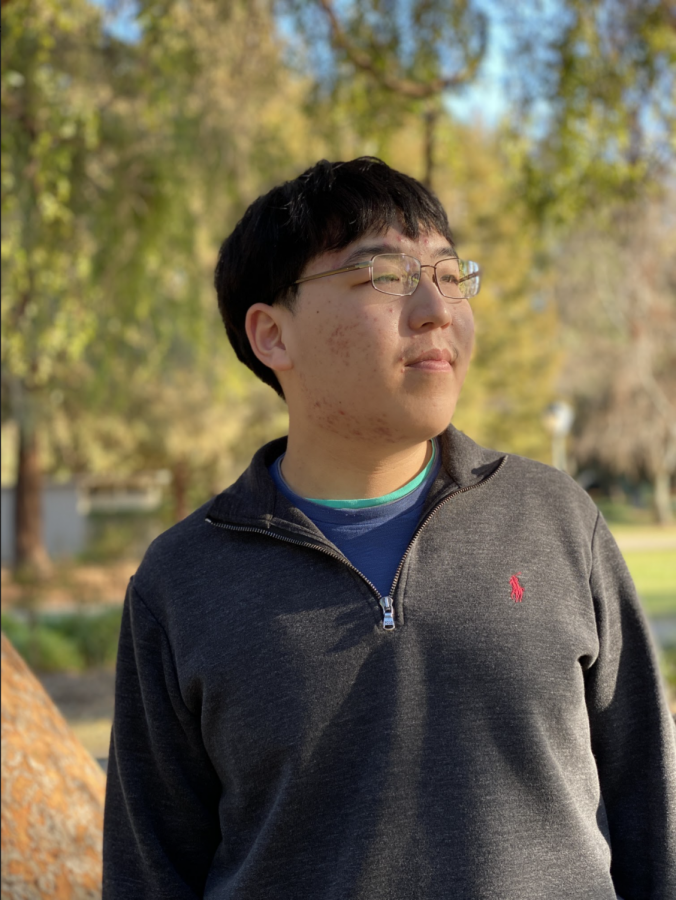
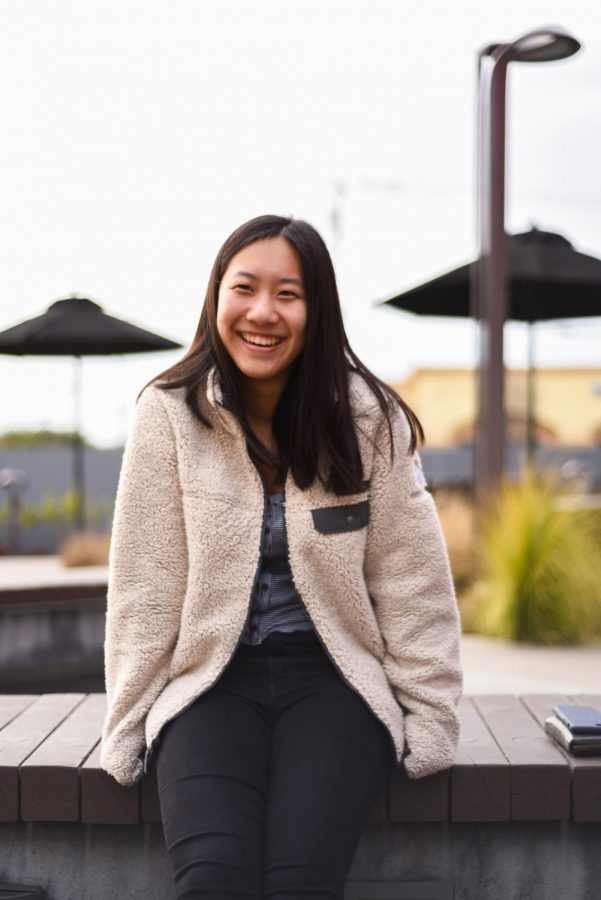
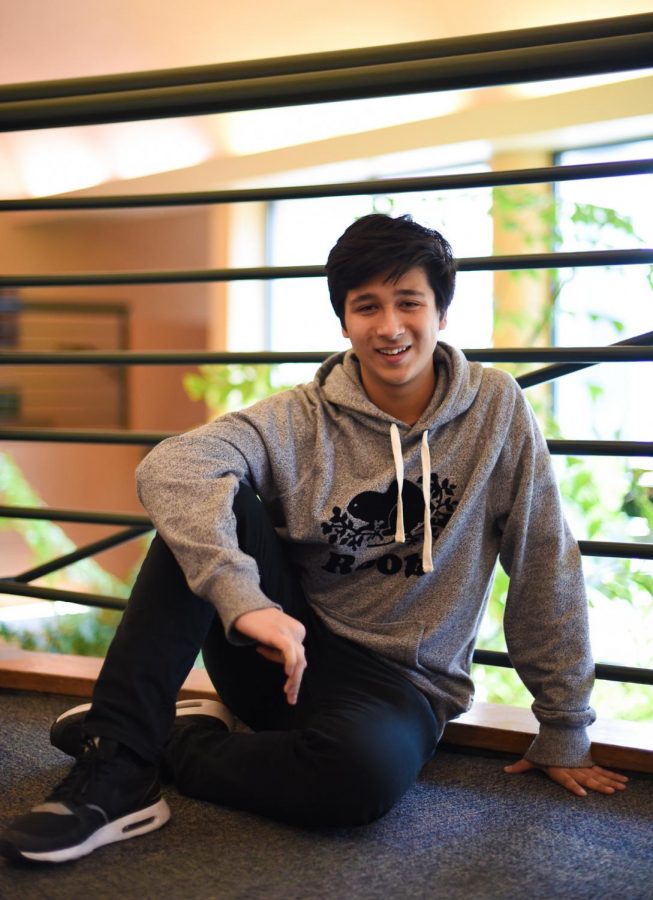

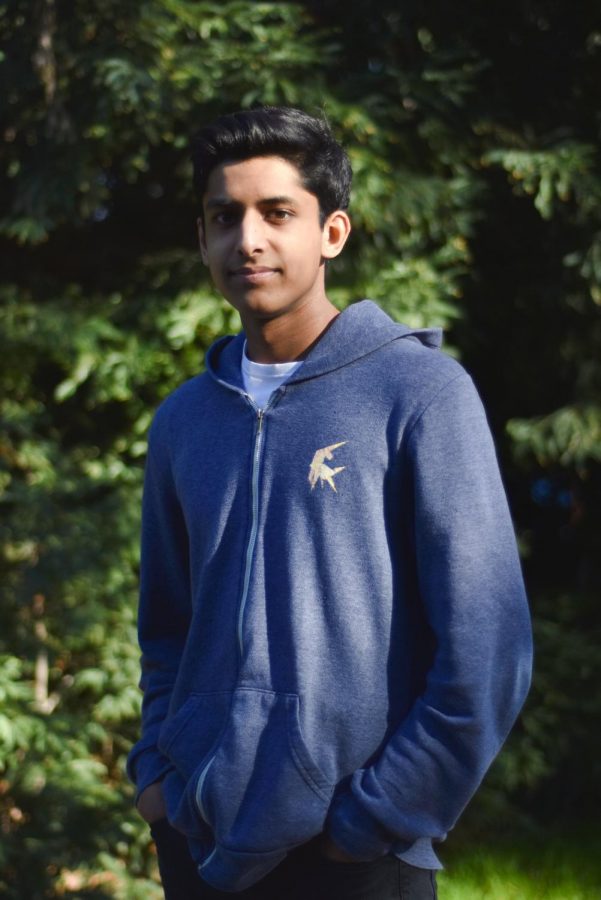

![“I think getting up in the morning and having a sense of purpose [is exciting]. I think without a certain amount of drive, life is kind of obsolete and mundane, and I think having that every single day is what makes each day unique and kind of makes life exciting,” Neymika Jain (12) said.](https://harkeraquila.com/wp-content/uploads/2017/06/Screen-Shot-2017-06-03-at-4.54.16-PM.png)

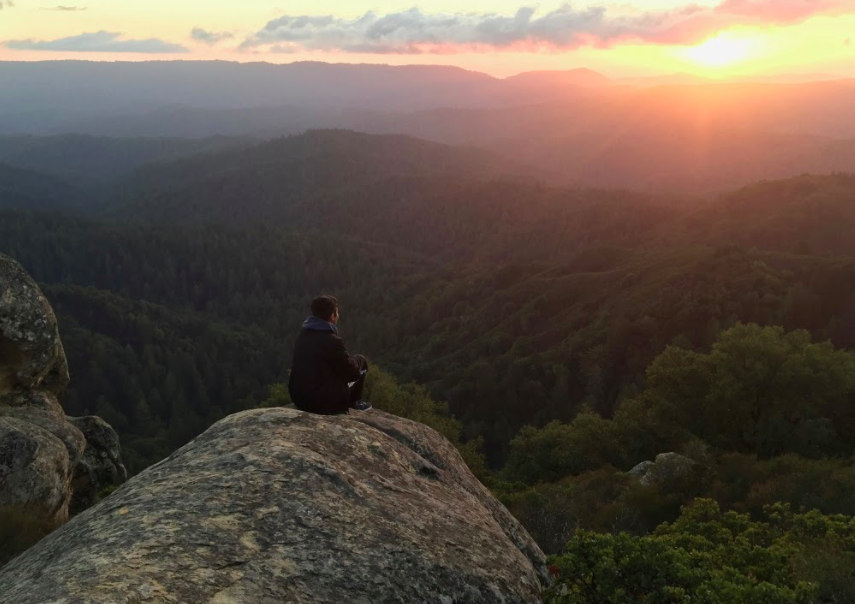
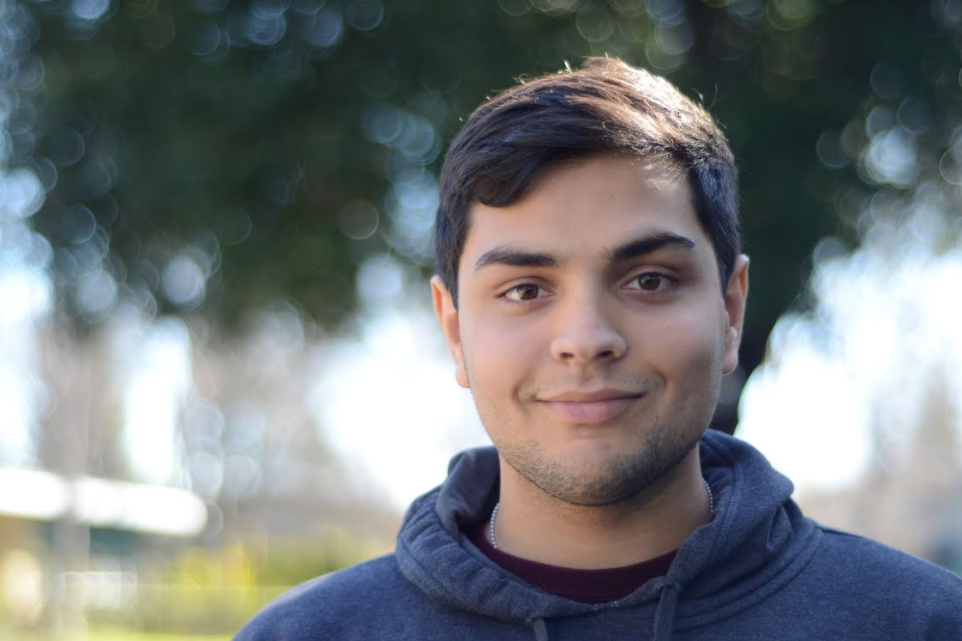
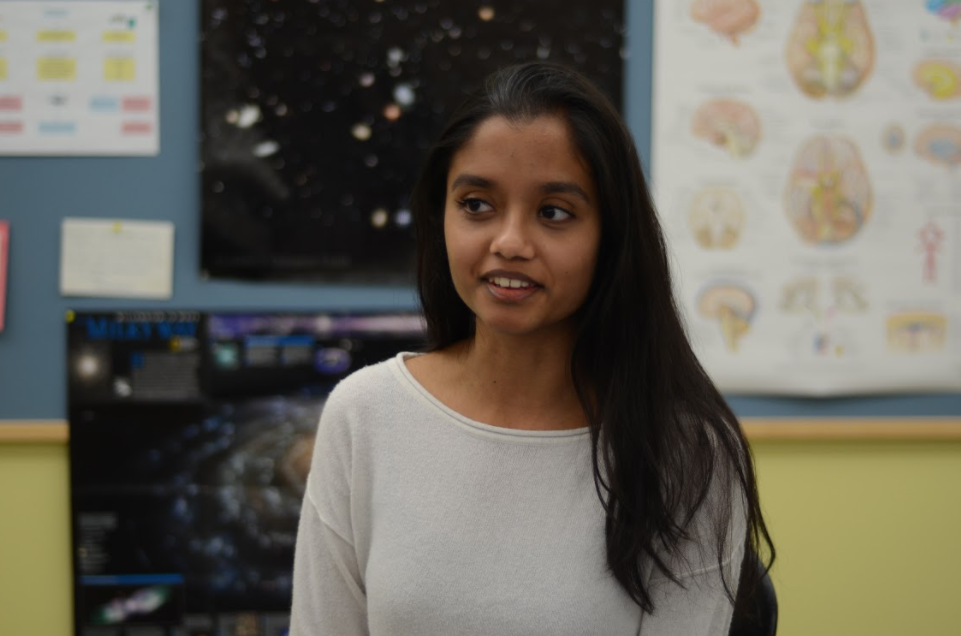
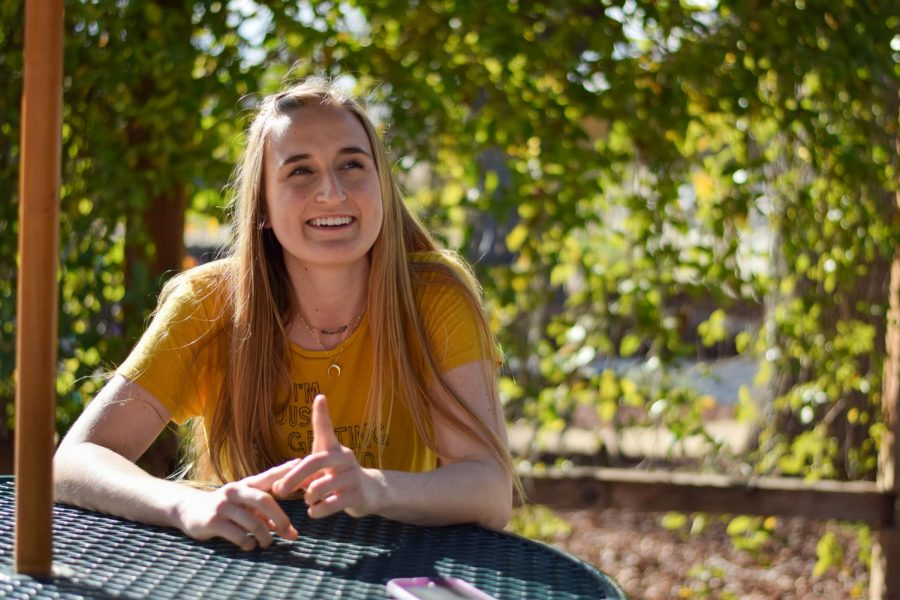
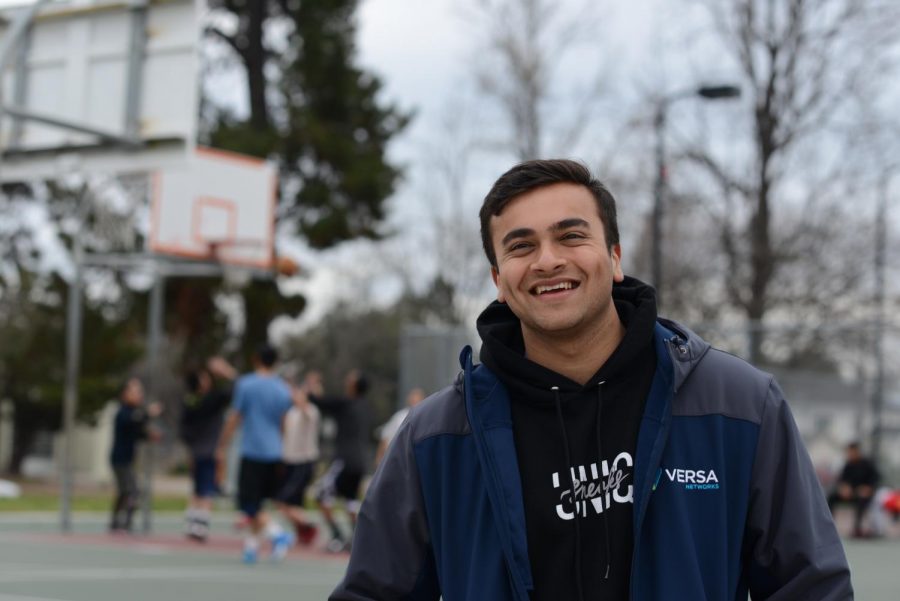
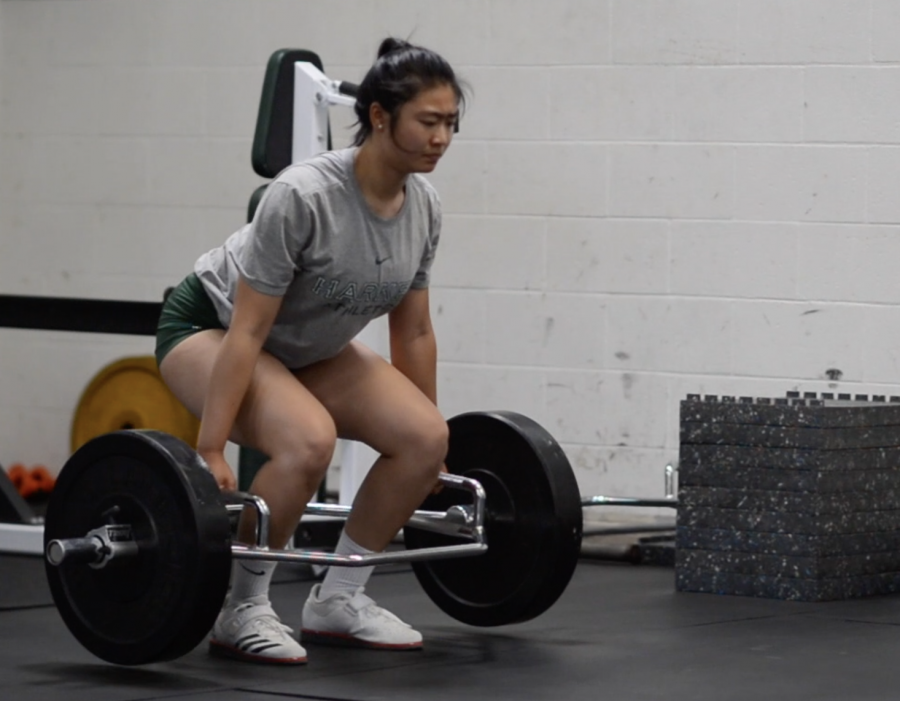
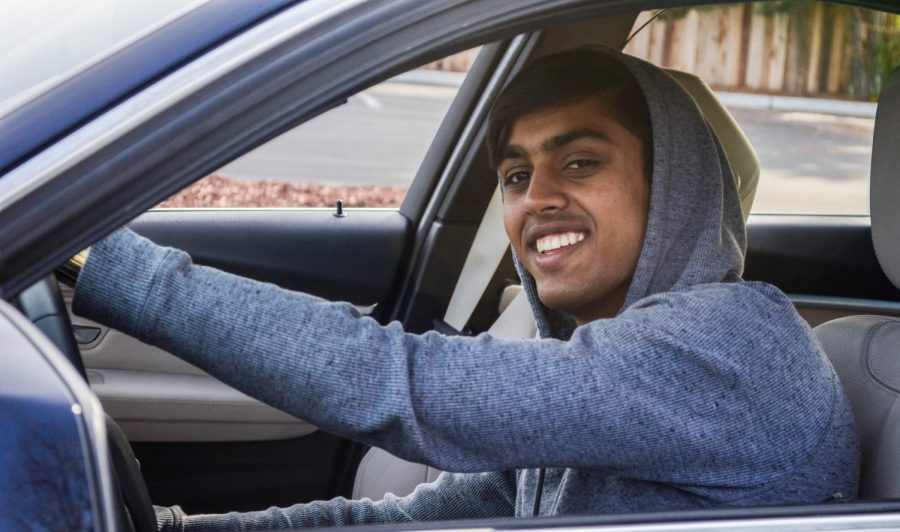
![“My slogan is ‘slow feet, don’t eat, and I’m hungry.’ You need to run fast to get where you are–you aren't going to get those championships if you aren't fast,” Angel Cervantes (12) said. “I want to do well in school on my tests and in track and win championships for my team. I live by that, [and] I can do that anywhere: in the classroom or on the field.”](https://harkeraquila.com/wp-content/uploads/2018/06/DSC5146-900x601.jpg)
![“[Volleyball has] taught me how to fall correctly, and another thing it taught is that you don’t have to be the best at something to be good at it. If you just hit the ball in a smart way, then it still scores points and you’re good at it. You could be a background player and still make a much bigger impact on the team than you would think,” Anya Gert (’20) said.](https://harkeraquila.com/wp-content/uploads/2020/06/AnnaGert_JinTuan_HoHPhotoEdited-600x900.jpeg)
![“I'm not nearly there yet, but [my confidence has] definitely been getting better since I was pretty shy and timid coming into Harker my freshman year. I know that there's a lot of people that are really confident in what they do, and I really admire them. Everyone's so driven and that has really pushed me to kind of try to find my own place in high school and be more confident,” Alyssa Huang (’20) said.](https://harkeraquila.com/wp-content/uploads/2020/06/AlyssaHuang_EmilyChen_HoHPhoto-900x749.jpeg)


Islamophobic ignorance
Violence in Muslim countries recently catapulted into headlines after political commentator Bill Maher spoke of the issue in a tone reminiscent of a charged (and unsubstantiated) Youtube comment.
Without a doubt, there are systems in place within certain Muslim countries that are horrifying, sexist and alarmingly violent. But these systems corrupt and poison the fundamental messages Islam imparts — peace, faith and the equality of all men in the eyes of God.
To clarify, I am not Muslim, and to be honest, I’m not sure what religion I would classify myself as. But all religions, at their cores, provide an ethical code for individuals to act in accordance with, in order to bring balance and stability to communities. The interpretation of balance, of course, can become problematic — for example, Hinduism’s insistence upon the caste system or Christianity’s assertion that women should “submit [them]selves unto [their] husbands” Ephesians 5:22.
All religions can be distorted to validate power imbalances. But this is not the singularly defining feature of religion.
The actions and beliefs of ISIS define Islam in the same context that the Ku Klux Klan defines Christianity. Even a religion as theoretically peace oriented as Buddhism has paved the pathway for violent extremism, such as attacks against the Rohingya Muslims in Myanmar.
Indonesia has a larger Muslim population than Afghanistan, Syria and Saudi Arabia combined. Yet, individuals condemning the violent tendencies of “Muslim countries” choose to ignore the likes of Indonesia, Malaysia and Turkey in their assessments of Islam’s role in perpetuating violent societies.
The selective ignorance these individuals brandish as they proclaim their denunciation of one of the world’s most prominent religions is potentially one of the most harmful attitudes the media can sustain. They choose to ignore facts in favor of personal anecdotes and prejudices, and this position lands firmly within the grounds of Islamophobia. The Taliban, Al Quaeda, ISIS — these organizations are not synecdoches for Islam, and saying that they are is fundamentally bigoted.
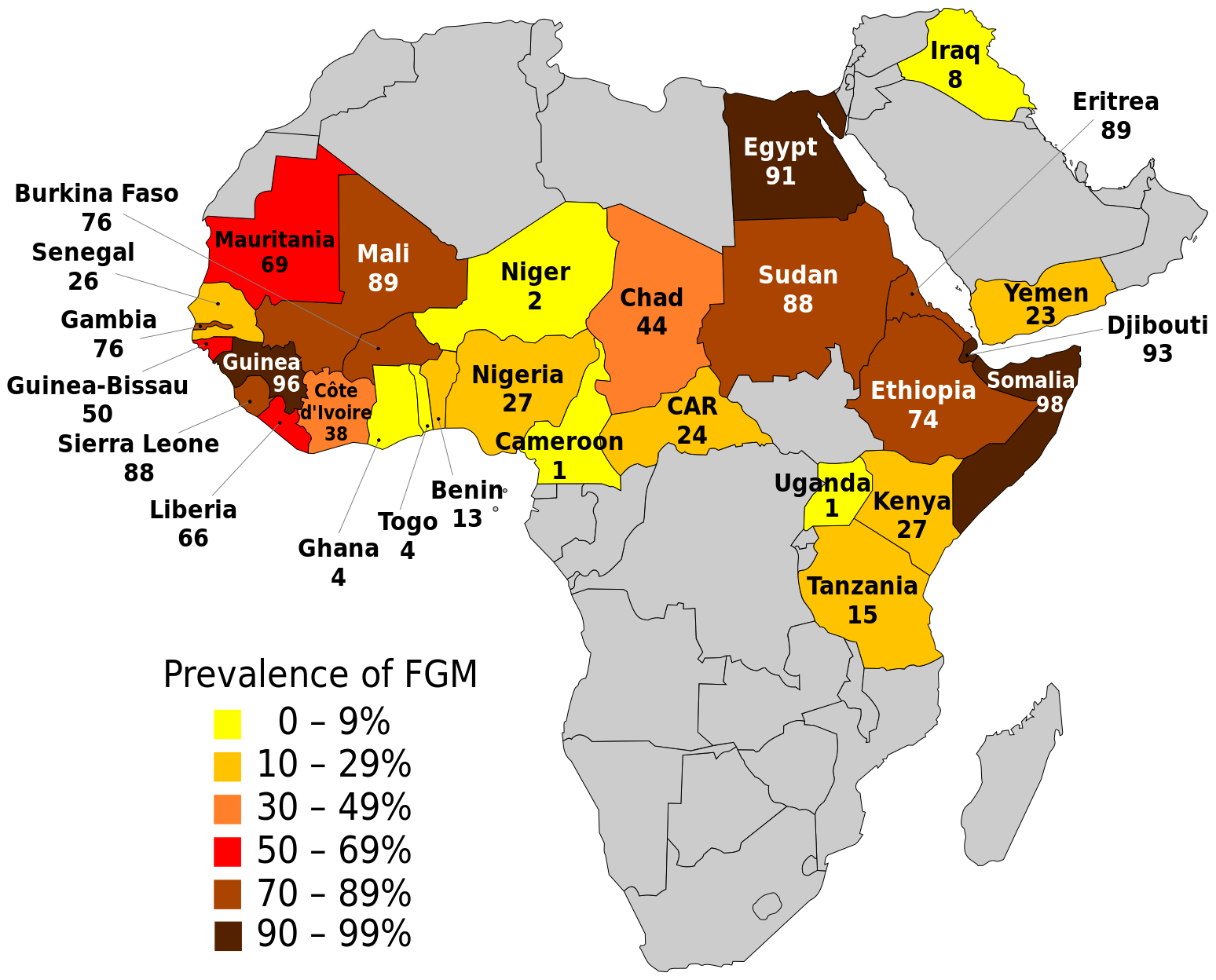
One of the primary issues these individuals address is that of female genital mutilation (FGM).
In Somalia, a dominantly Muslim country, 98% of females undergo FGM. Its predominantly Christian neighbor Ethiopia has a 75% rate of FGM. Towards the western side of the African continent, females in Niger, a country consisting of 94% Muslims, experience FGM at a rate of approximately 2%.
For the purpose of this example, the United States could hypothetically be conceived as a Christian state — the dollar bill proclaims our trust in God, and much of the political debate in this country revolves around what the Bible deems appropriate.
When the United States decides to invade a country, its violent actions are not characterized by Christianity. When Somalian citizens genitally mutilate an overwhelming majority of the country’s females, their actions should not be characterized by Islam, but rather by the regional culture that deems FGM acceptable.
FGM is prevalent in certain Muslim countries, just as it is within certain Christian countries. Religion is not the underlying factor.
By the same token, several of the practices in more violent Muslim countries are arguably more influenced by politics and societal trends than religion; many religious practices even in these countries, now enforced by law, stem from traditions even preceding the advent of Islam.
For instance, while the Quran states that “the Best garment is that of nice, modest conduct” 7:26 , it never explicitly demands that women wear a hijab. The practice of women veiling themselves evolved from adaptations of Byzantine culture and Zoroastrianism.
Selective ignorance when addressing these issues, particularly amongst voices in the media as prominent as CNN and Bill Maher, encourages Islamophobia in the United States. Several countries around the globe, ranging from Yemen to Russia, are systematically ratifying violence and oppression. Several of those countries, such as Saudi Arabia and Somalia, are predominantly Muslim. But we cannot ignore the fact that several of them are not, nor can we ignore the fact that several “Muslim countries” have taken steps towards gender equality that the United States has not.
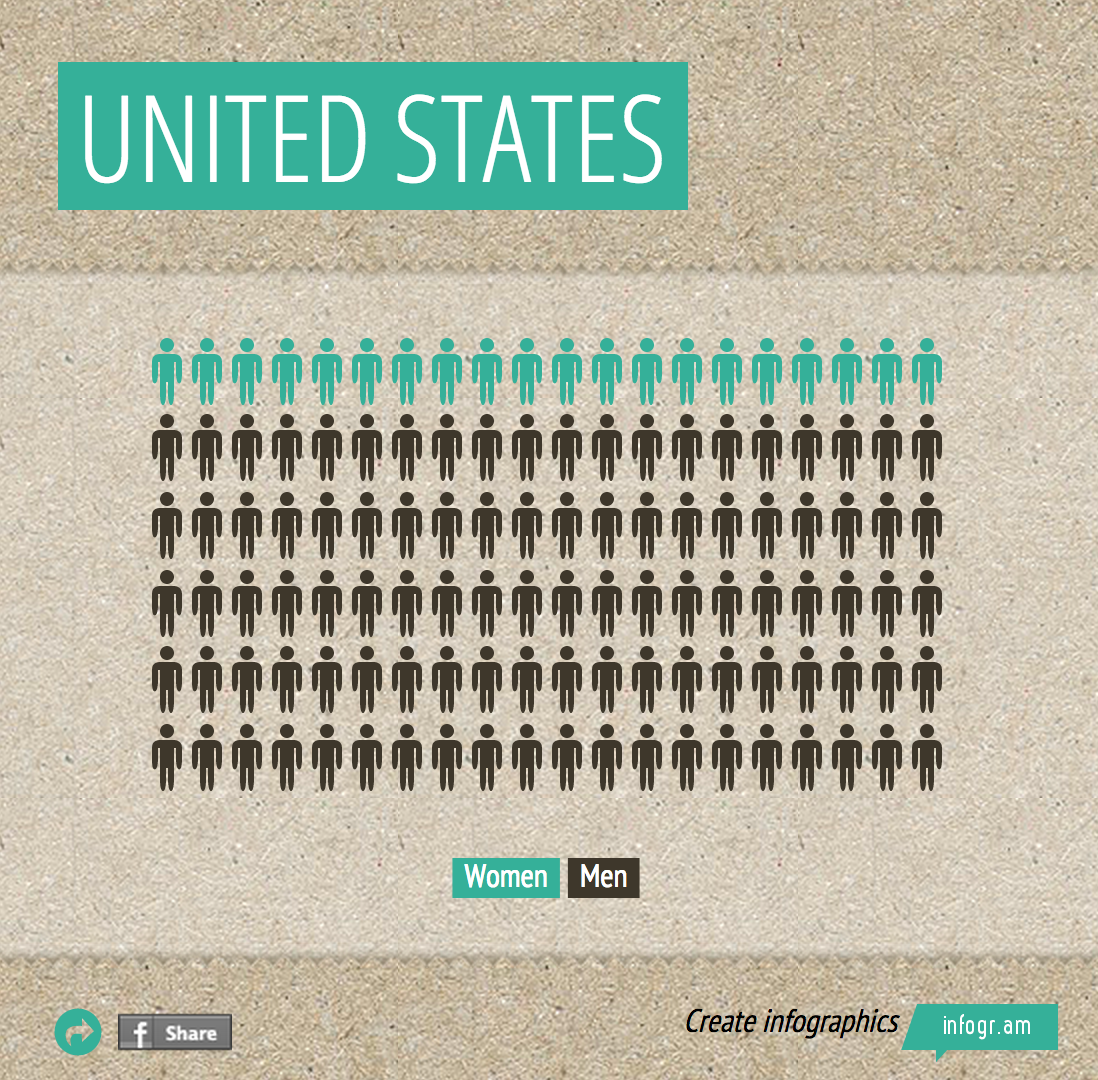
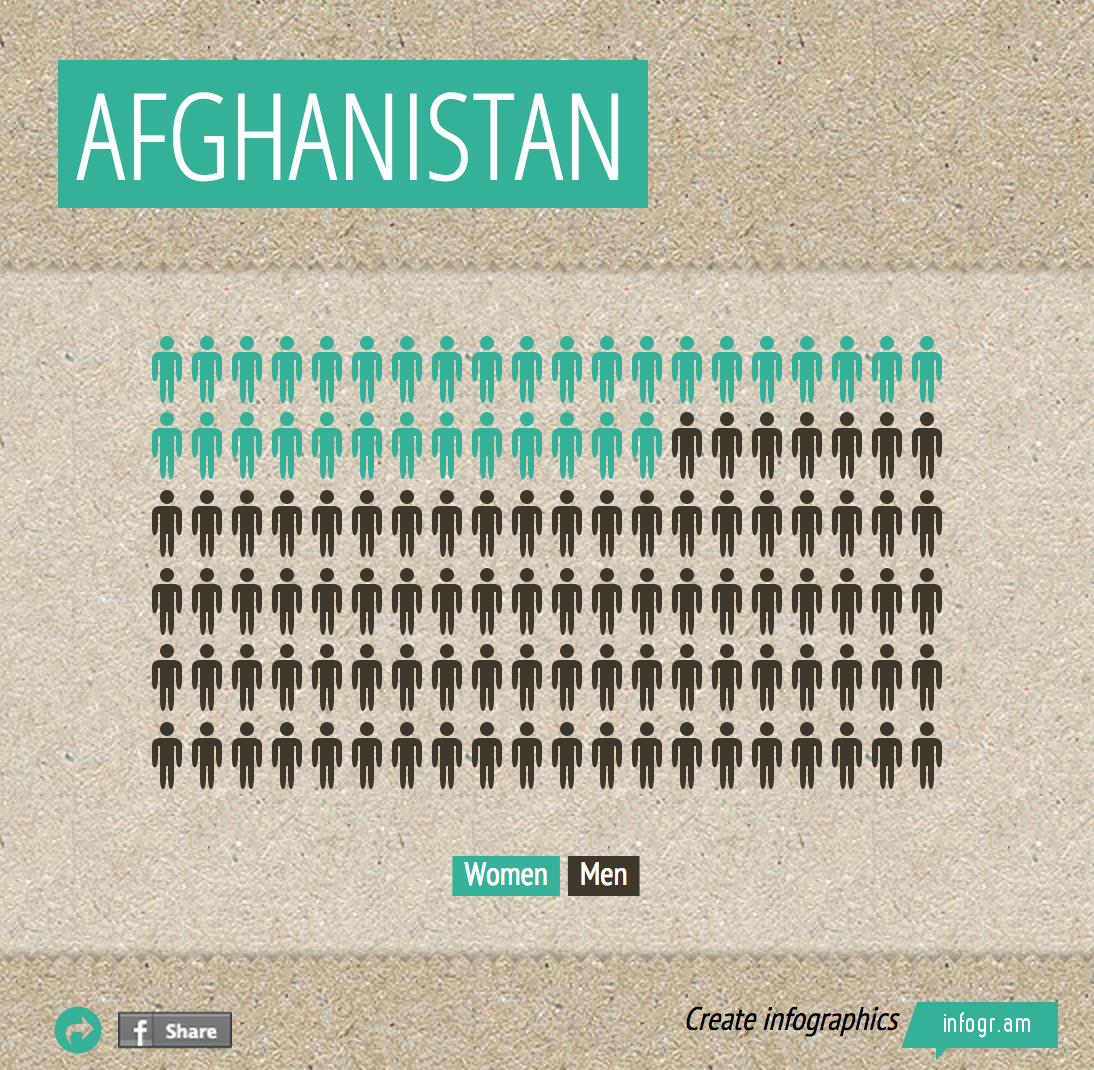
Bangladesh, the third most populous majority Muslim country, has elected female heads of state Khaleda Zia and Sheikh Hasina to serve for a combined 20-year period. In 2010, 27.7% of Afghanistan’s Parliament seats were held by women. Women consist of only 18.5% of the United States Congress today.
Contrary to what Bill Maher may think, Islam is not a “problem,” and the issues he claims derive from the religion cannot be solved by the ignorant assumptions he makes about 1.5 billion people on national television.