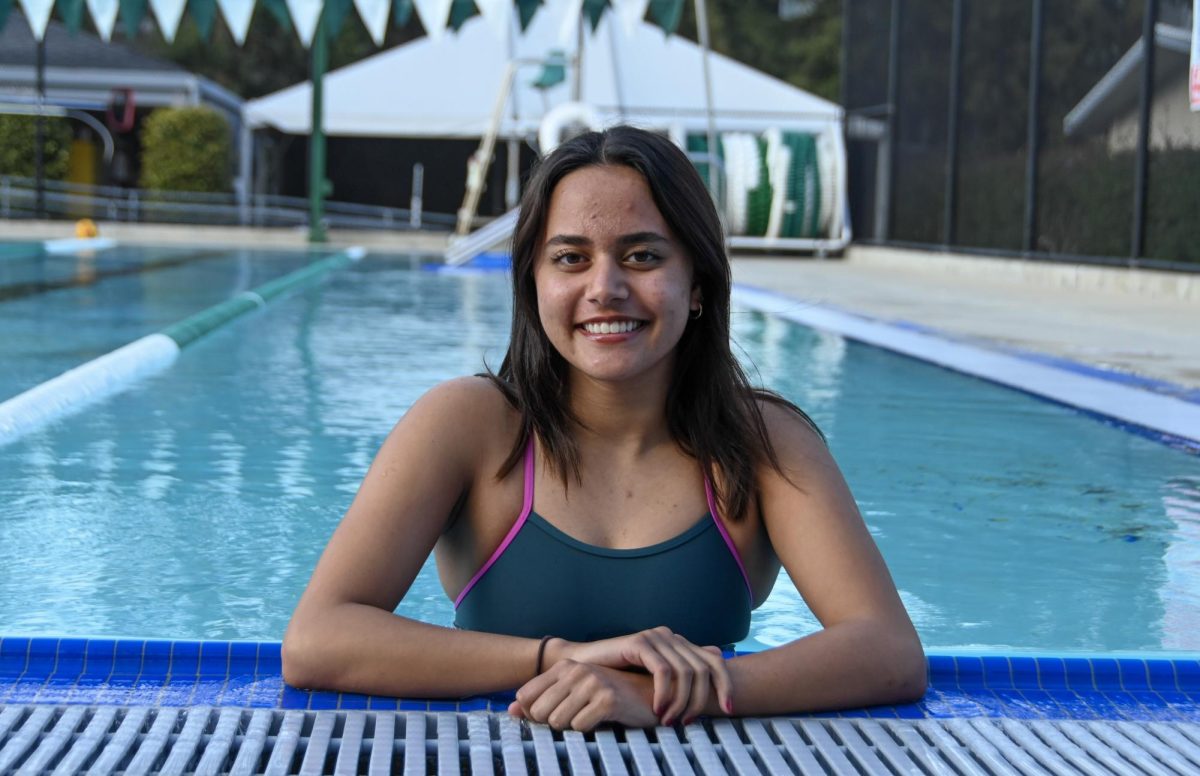
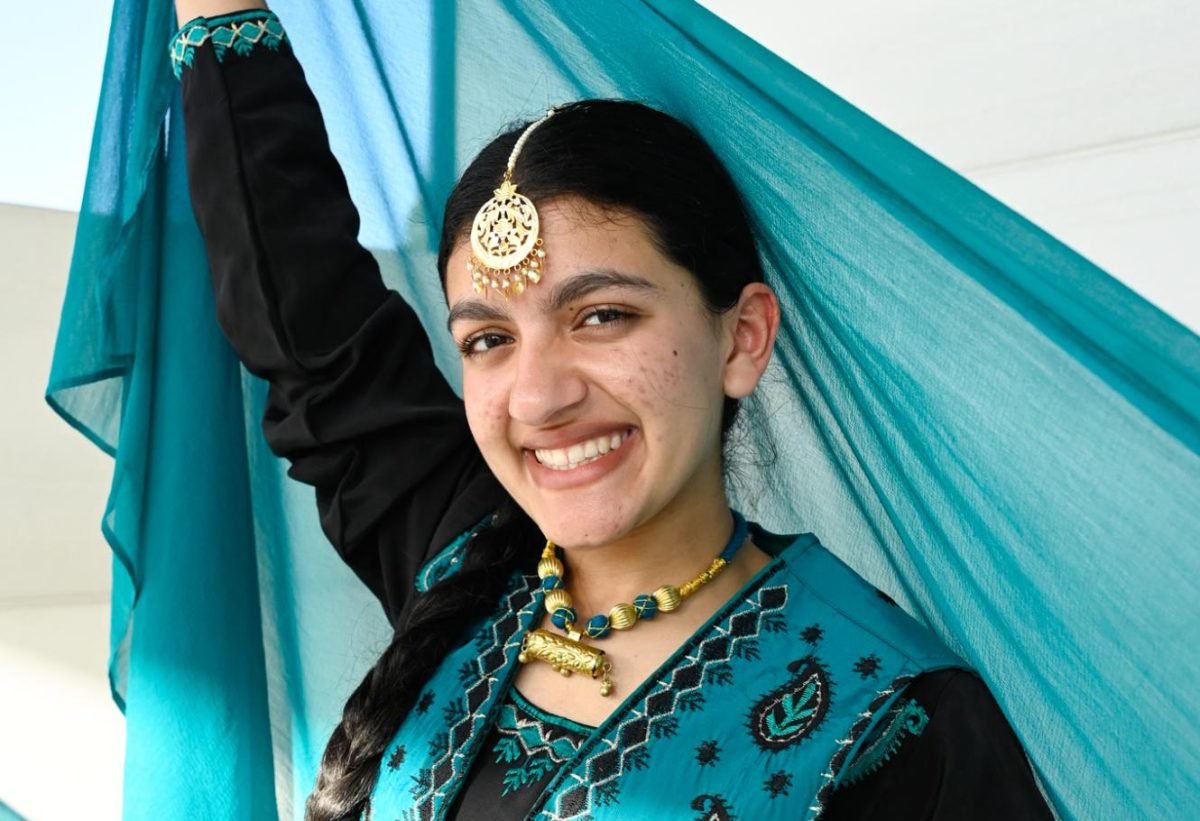
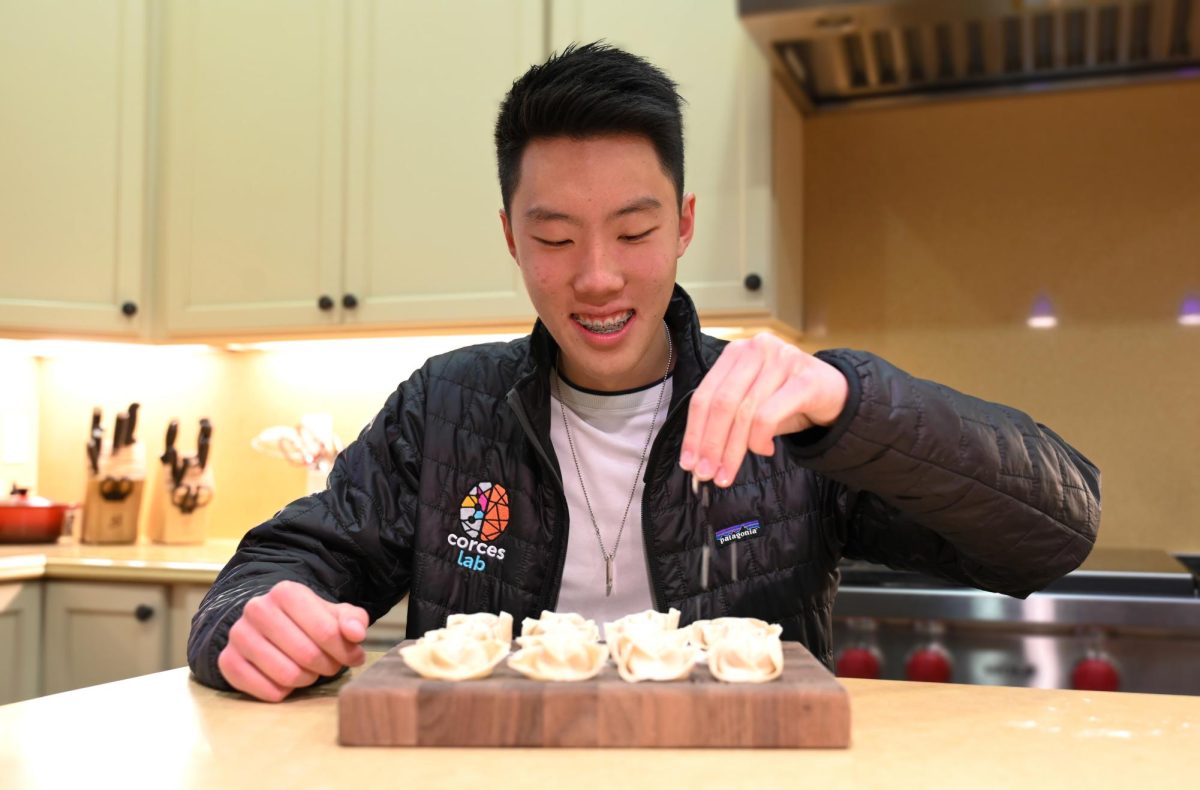
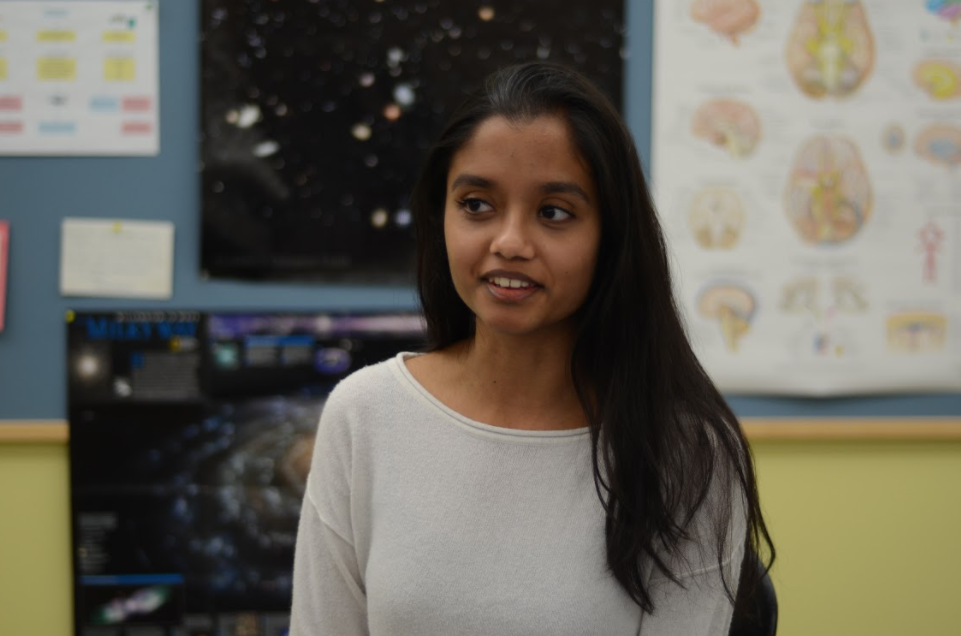
![“I wasn't discouraged by some of the obstacles we faced. I learned a lot from the leadership. I found that different people need different ways of receiving feedback — you can't [just] tell them to do something and expect the best. [Some] people needed more incentive. A large part of my role was to figure out what worked for everyone and to figure out how to lead all these separate individuals as a team,” Suhana Bhandare (’26) said.](https://harkeraquila.com/wp-content/uploads/2026/06/SuhanaBhandare_JasmineHansra-1-1200x798.jpg)
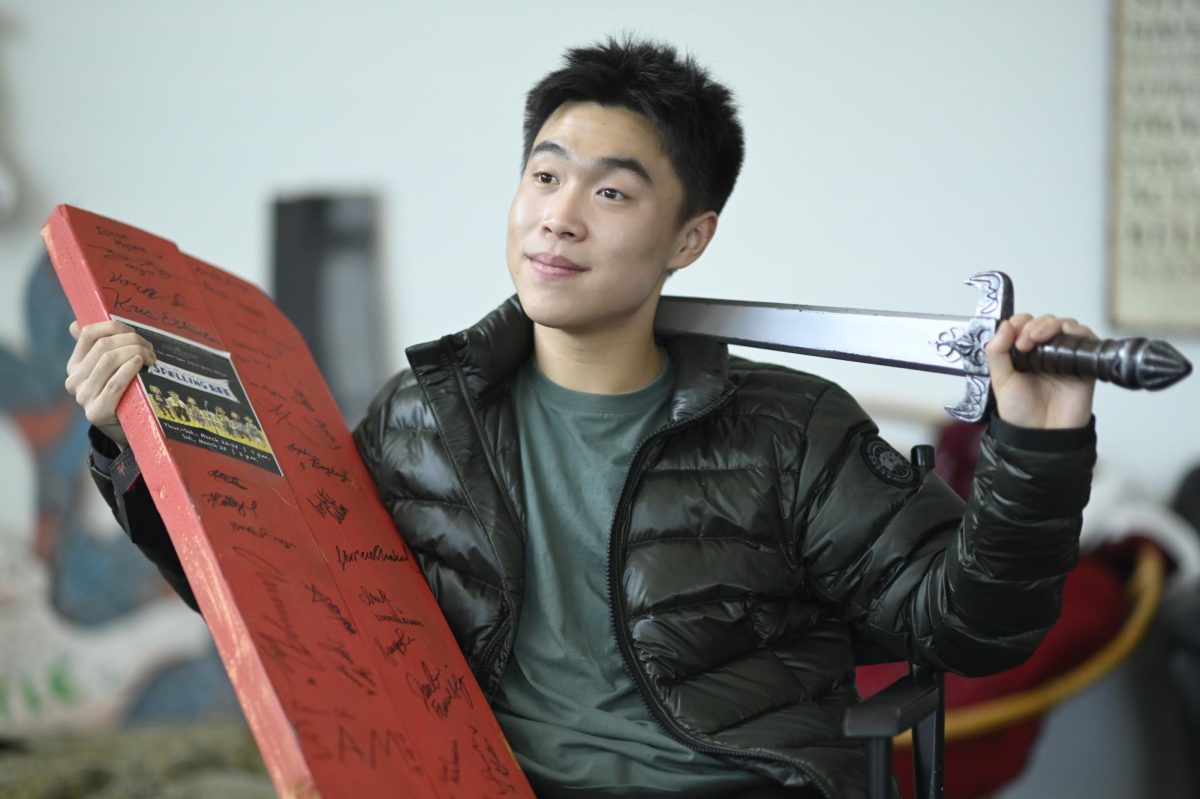
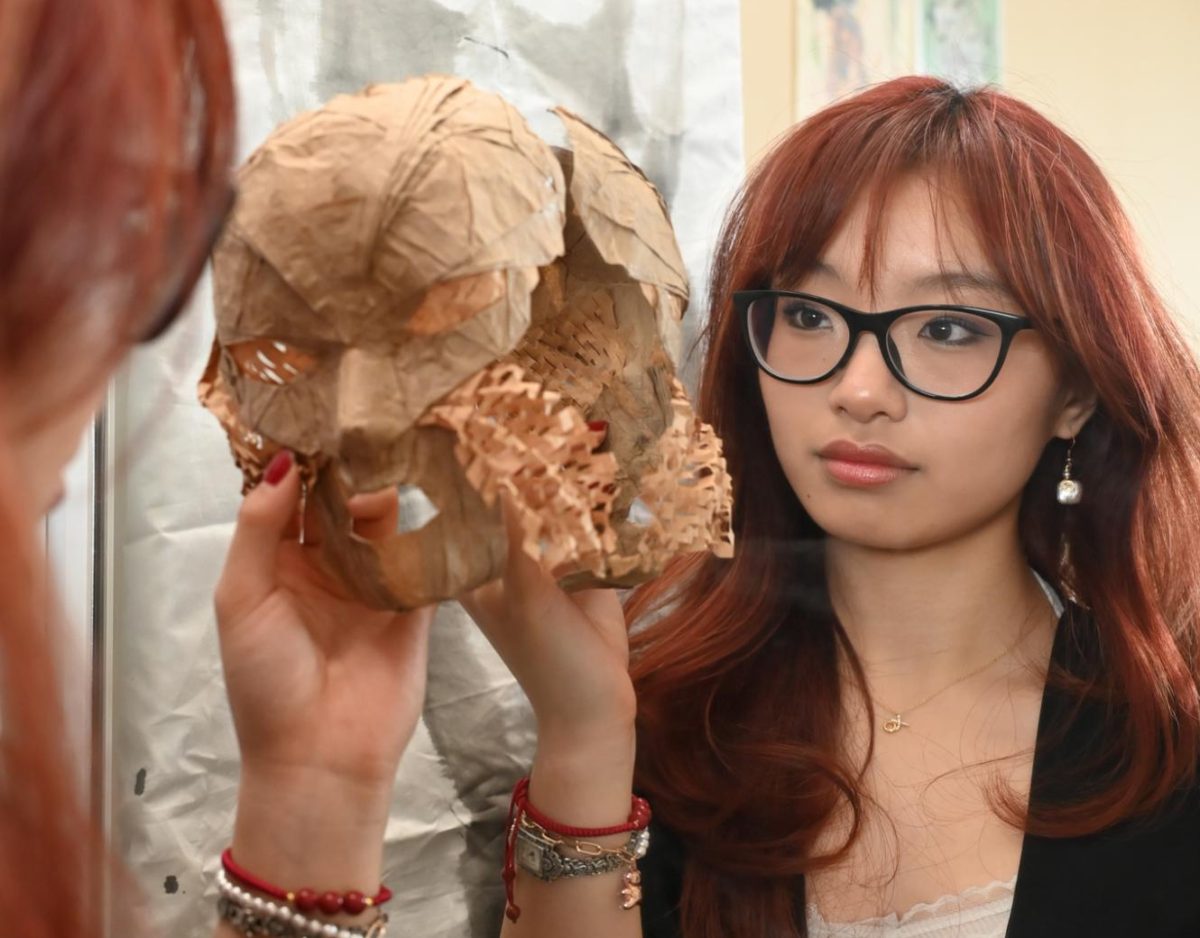
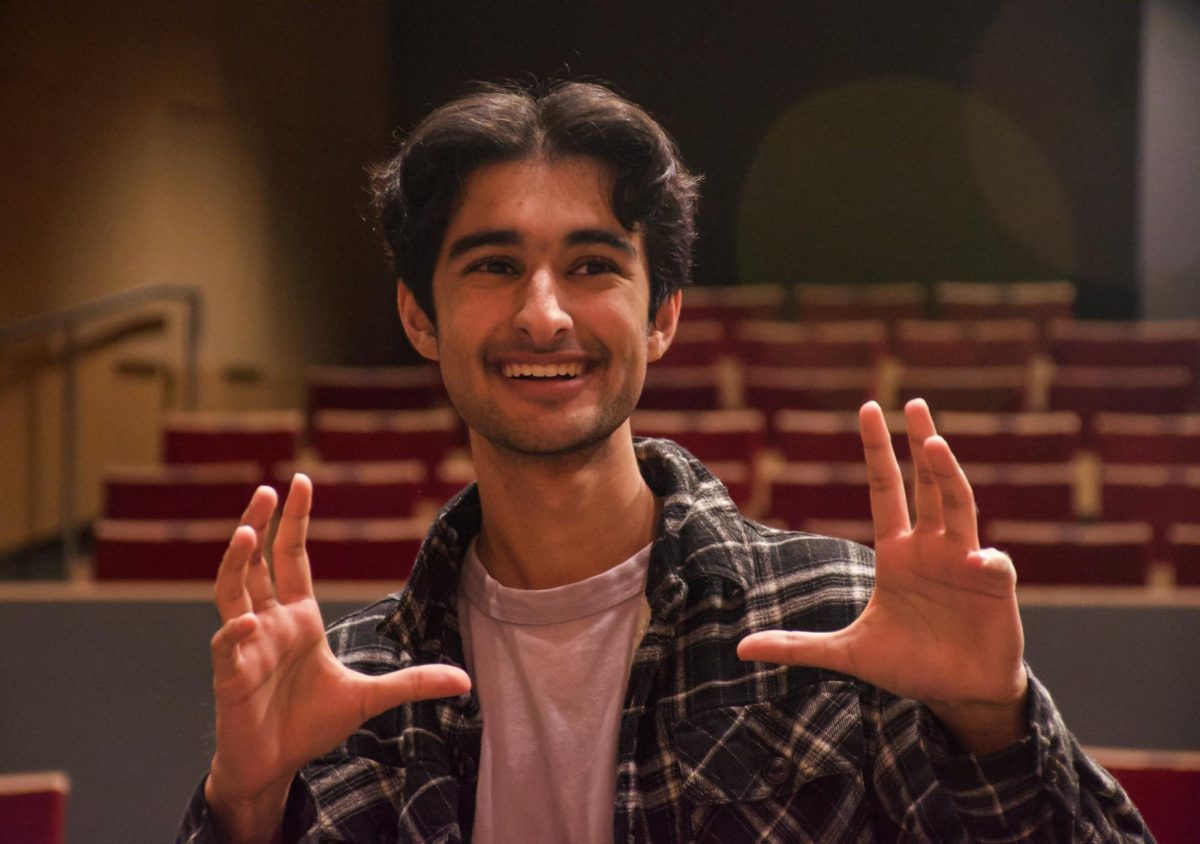
![“This is actually from Randy Pausch Randy P. Brick: ‘Walls are there for a reason. You have to show how much you want to overcome them.’ You have to show how much you want something. That's what I've always been able to do with tennis, Link Crew and getting that internship [with Kushy Baby]. It’s important pushing through that — getting around that brick wall, climbing over it or clawing through it,” Yash Sachdeva (’26) said.](https://harkeraquila.com/wp-content/uploads/2026/05/YashSachdeva_RamBatchu-copy-1200x1002.jpg)
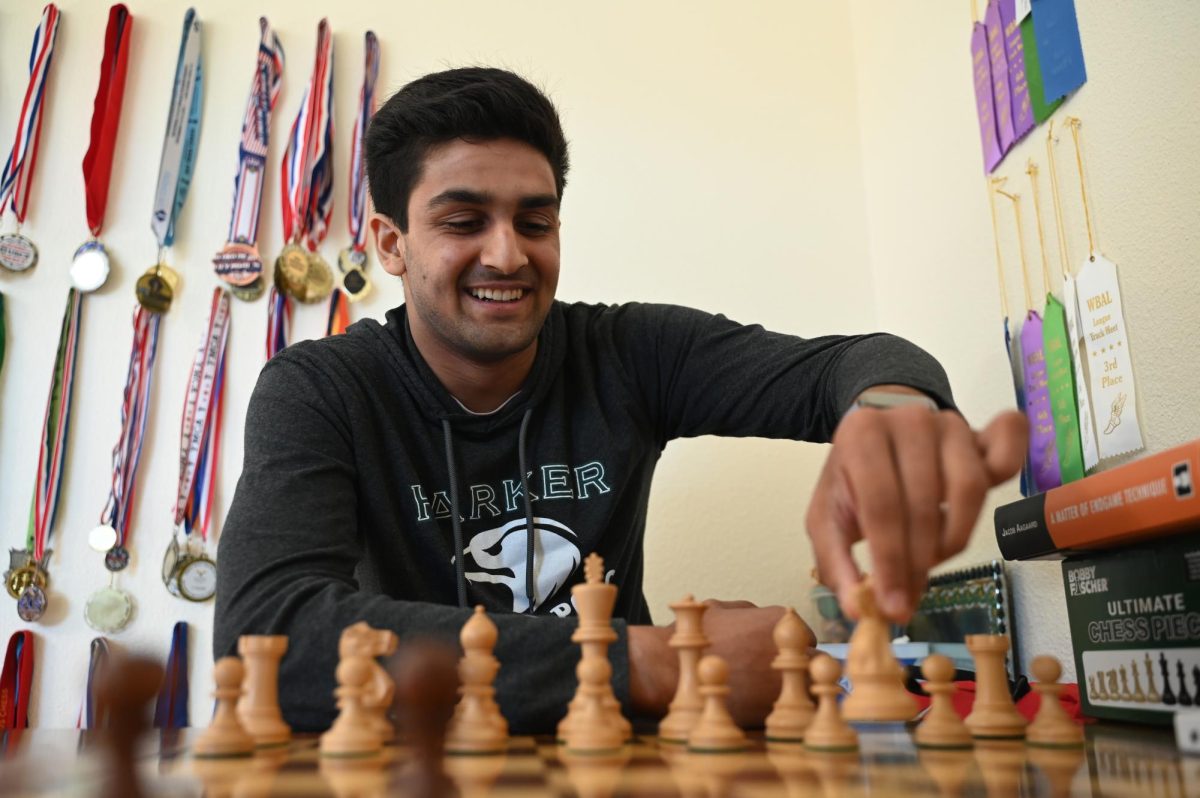

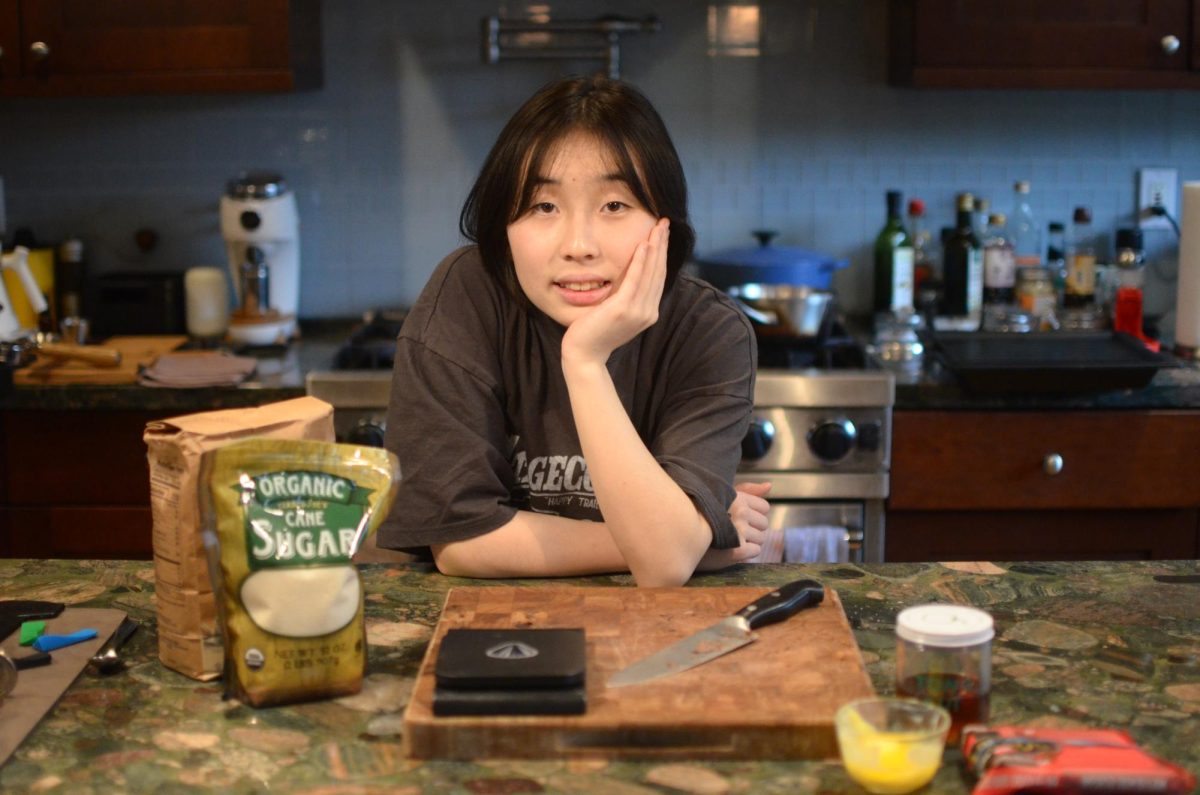
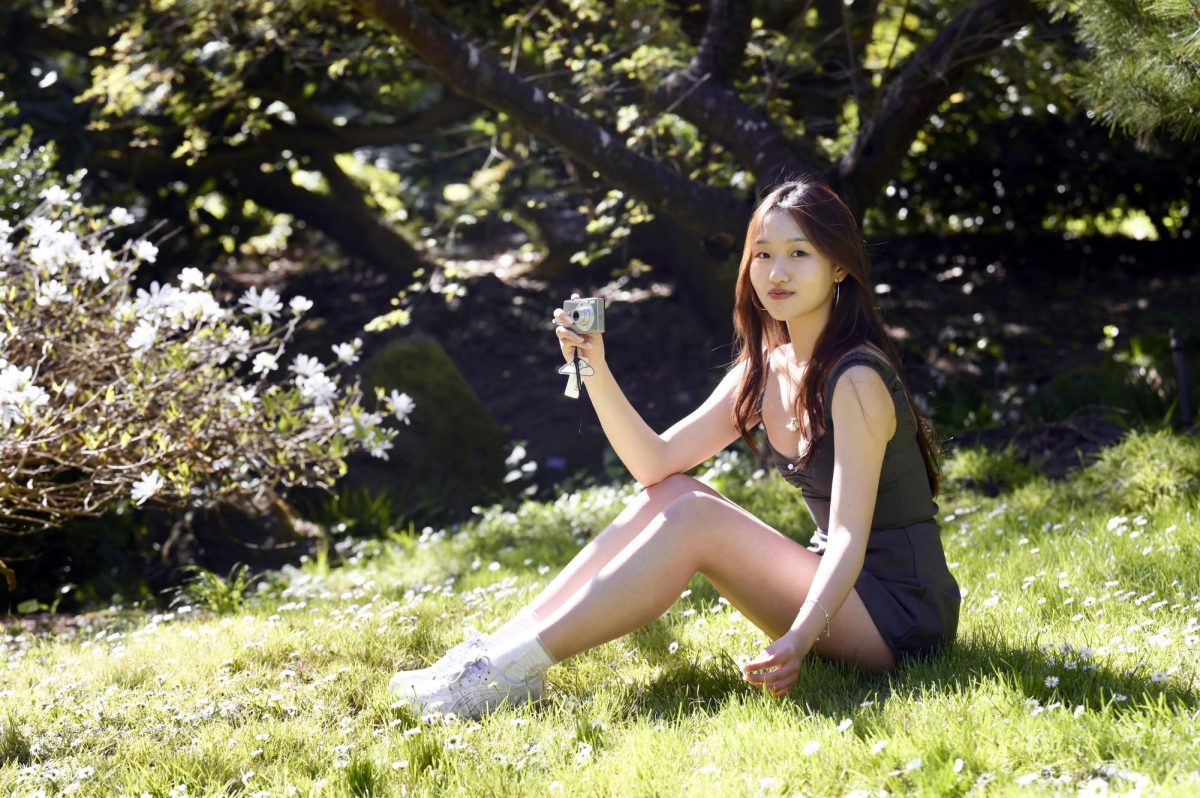
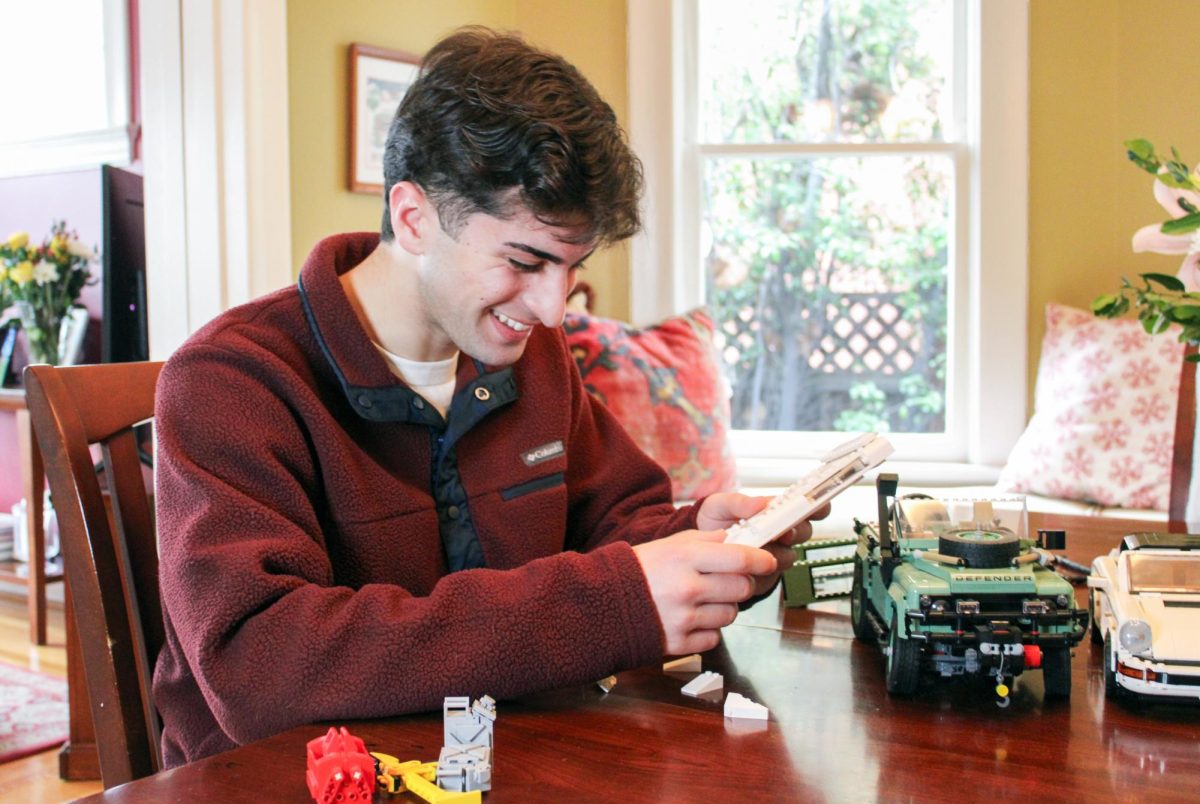
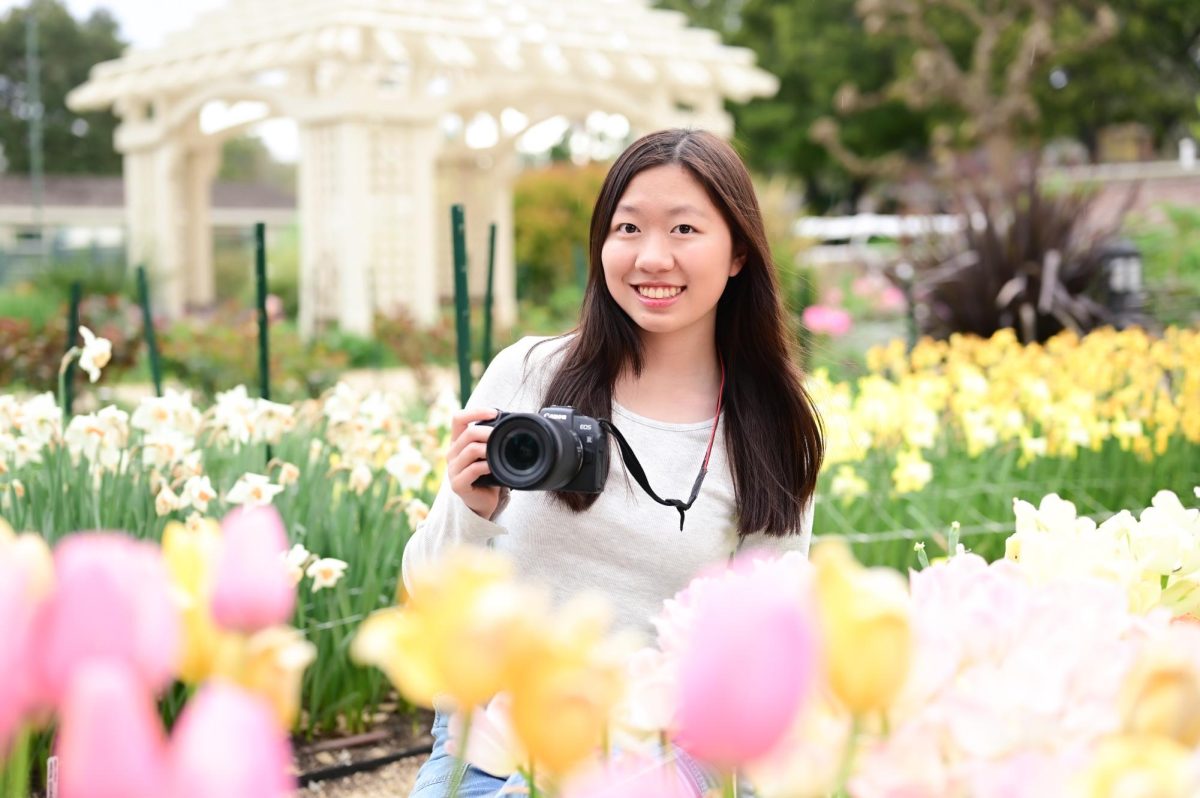
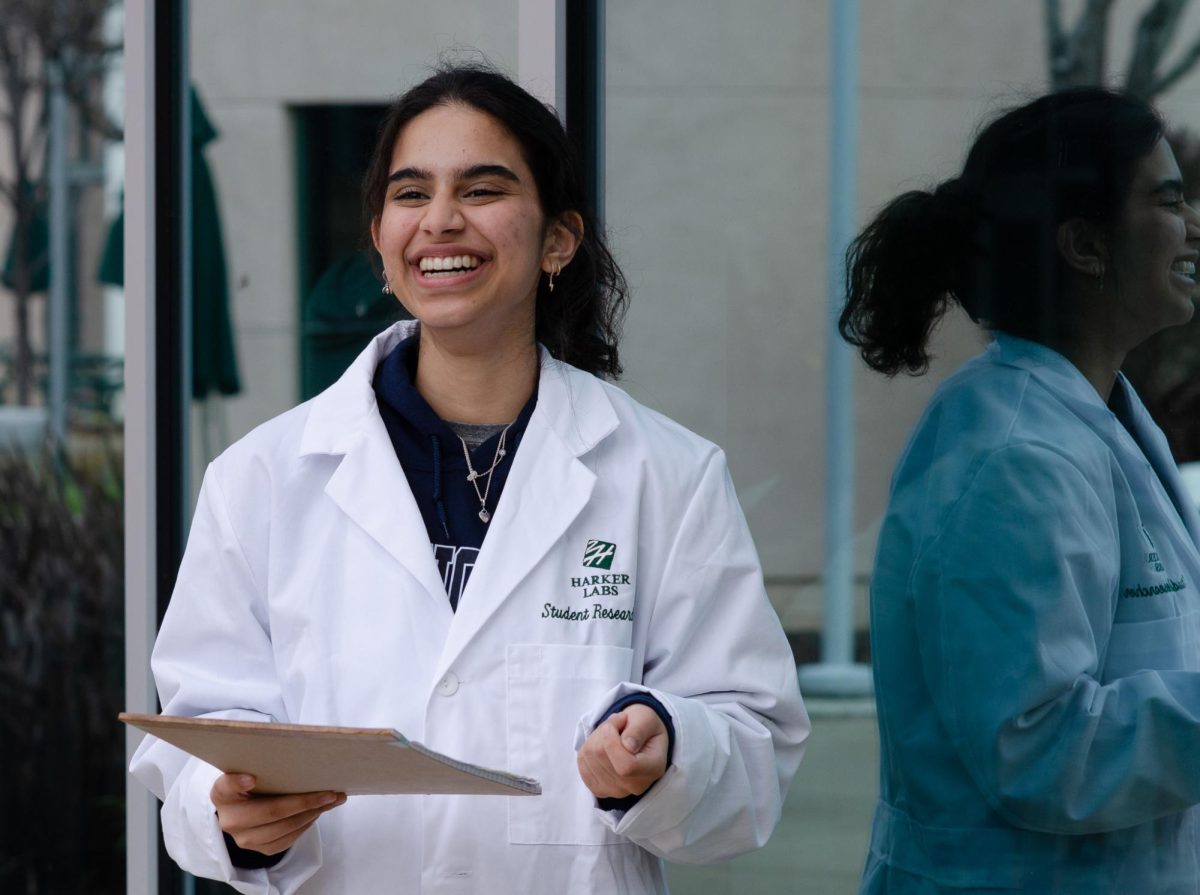
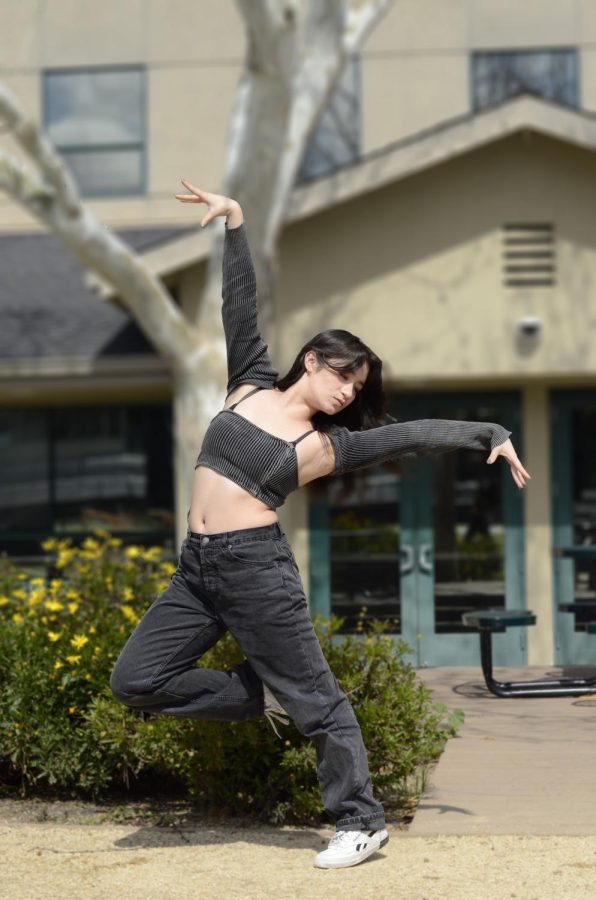
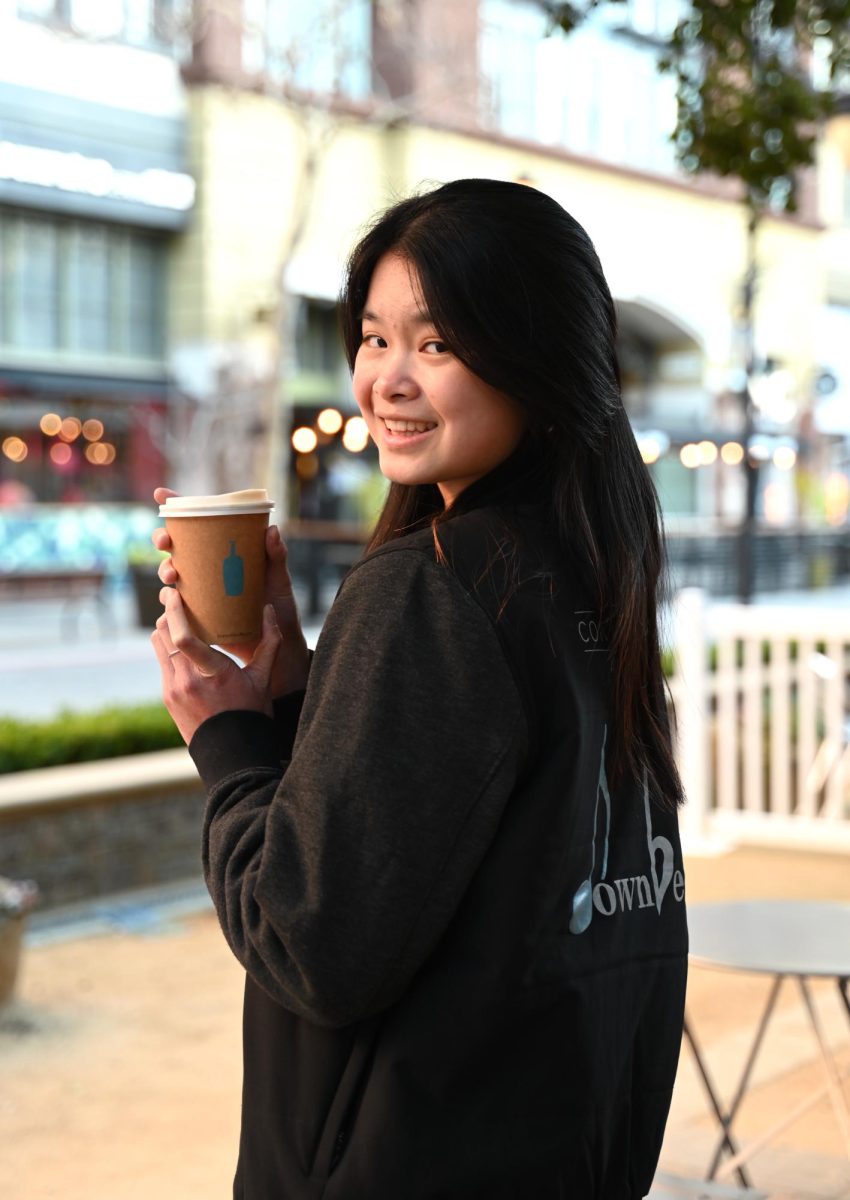
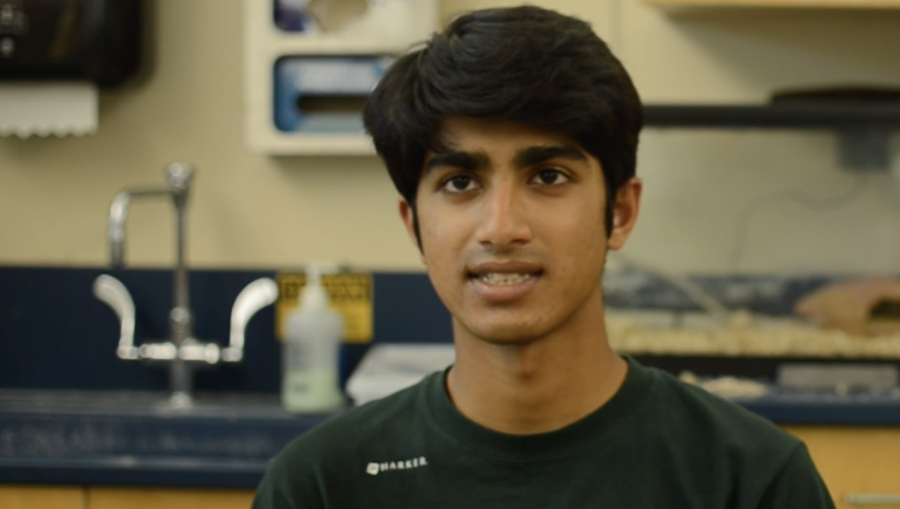
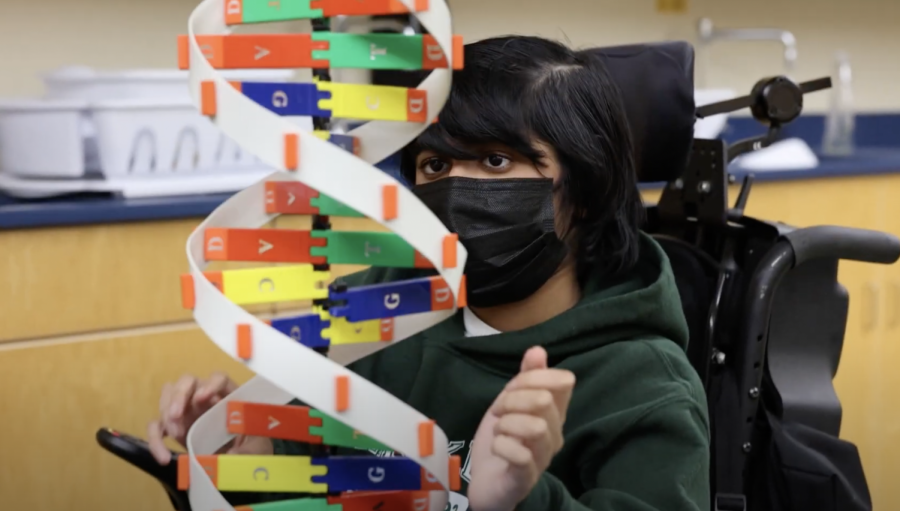
![“[Building nerf blasters] became this outlet of creativity for me that hasn't been matched by anything else. The process [of] making a build complete to your desire is such a painstakingly difficult process, but I've had to learn from [the skills needed from] soldering to proper painting. There's so many different options for everything, if you think about it, it exists. The best part is [that] if it doesn't exist, you can build it yourself," Ishaan Parate said.](https://harkeraquila.com/wp-content/uploads/2022/08/DSC_8149-900x604.jpg)
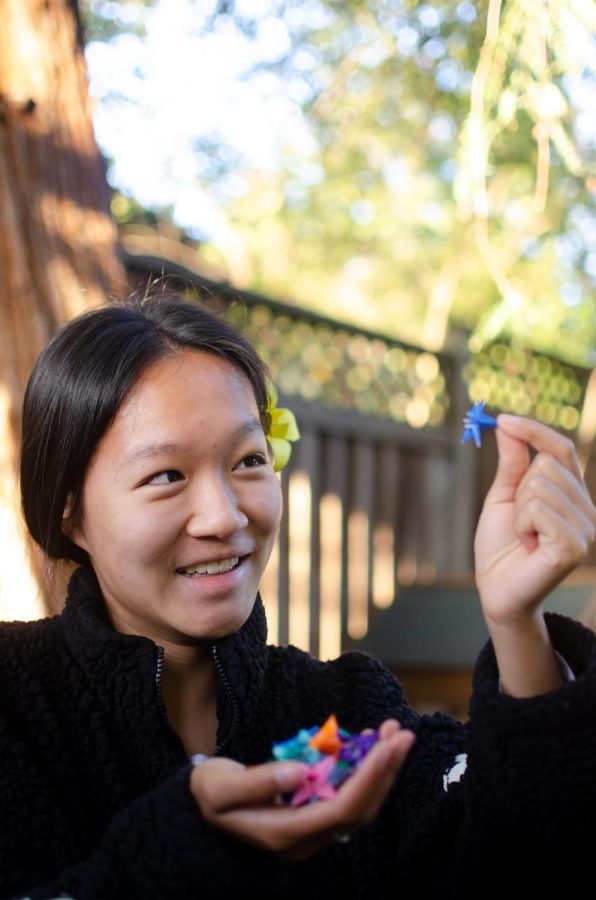
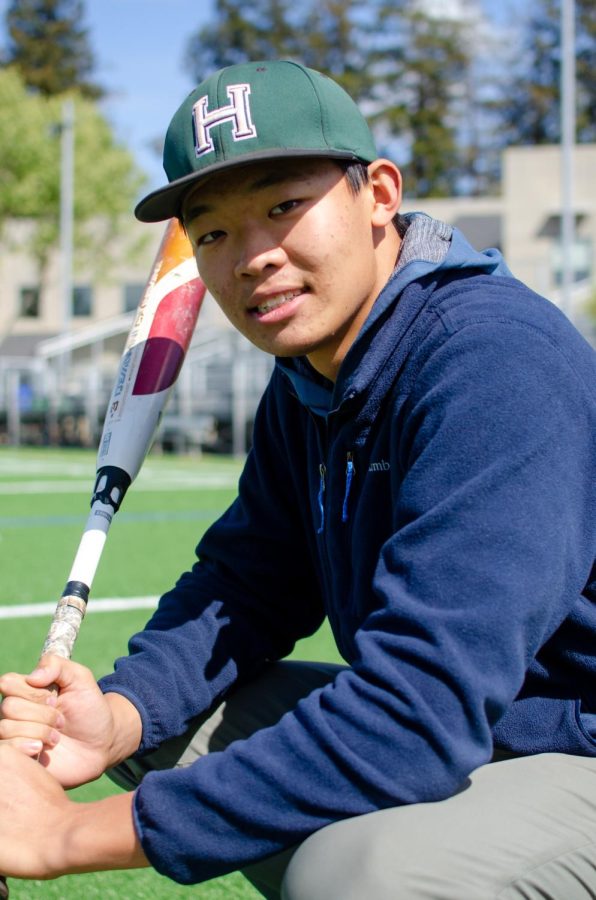
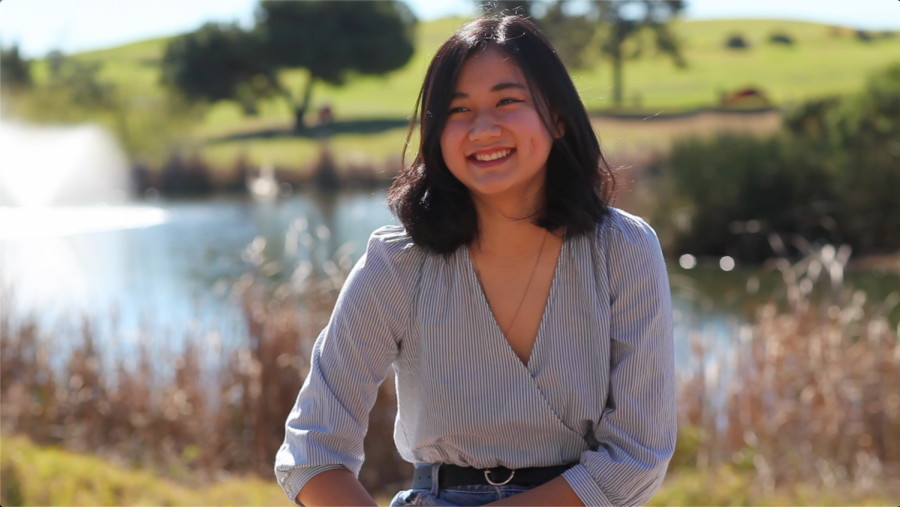
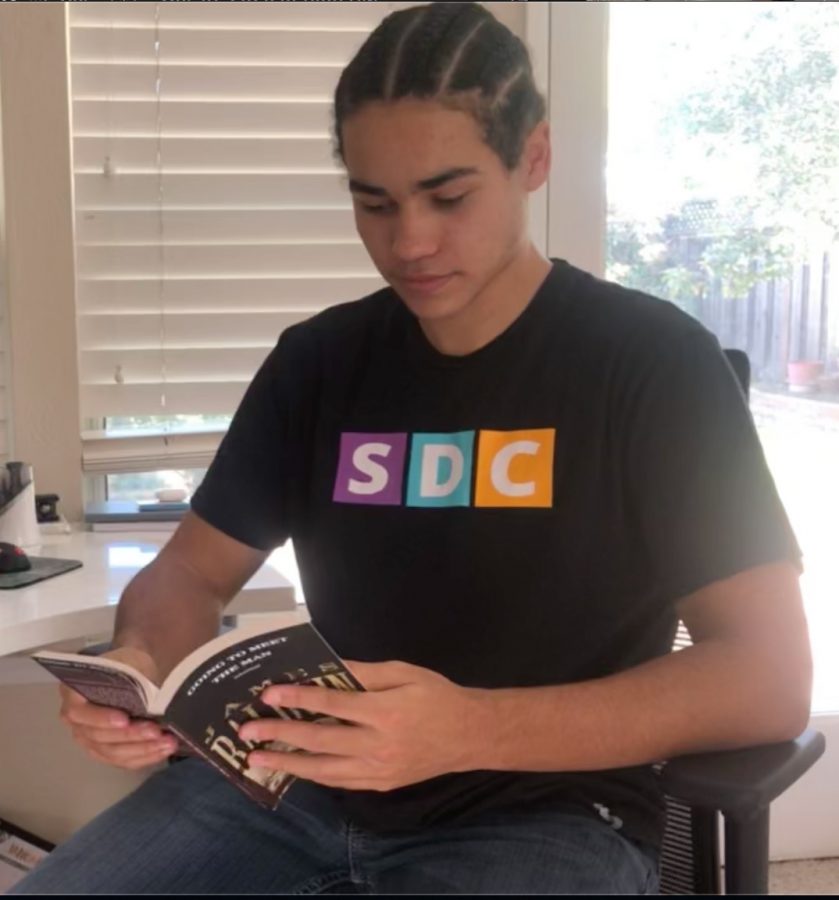
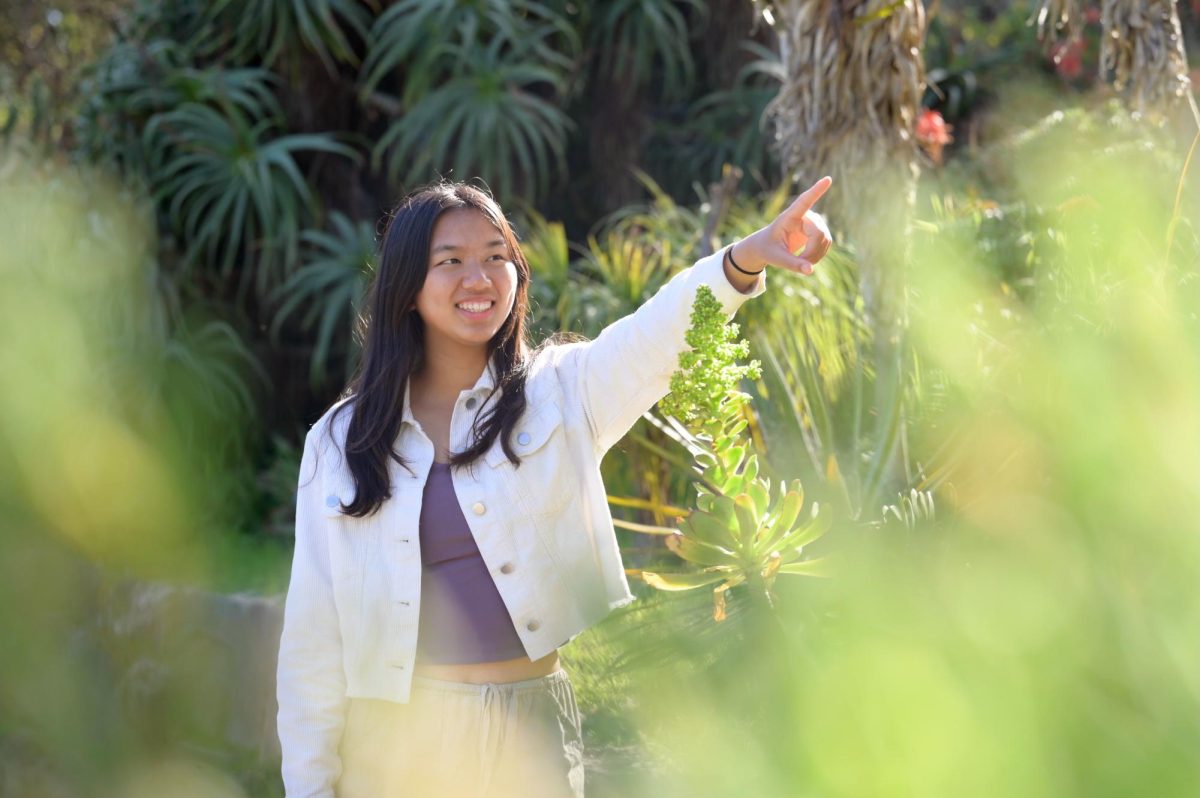
![“When I came into high school, I was ready to be a follower. But DECA was a game changer for me. It helped me overcome my fear of public speaking, and it's played such a major role in who I've become today. To be able to successfully lead a chapter of 150 students, an officer team and be one of the upperclassmen I once really admired is something I'm [really] proud of,” Anvitha Tummala ('21) said.](https://harkeraquila.com/wp-content/uploads/2021/07/Screen-Shot-2021-07-25-at-9.50.05-AM-900x594.png)

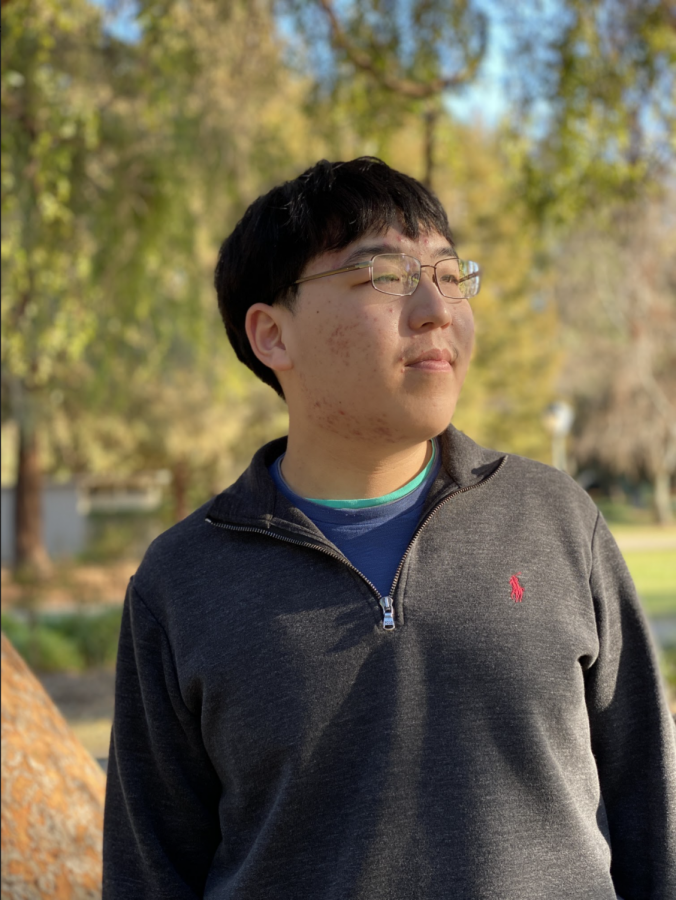
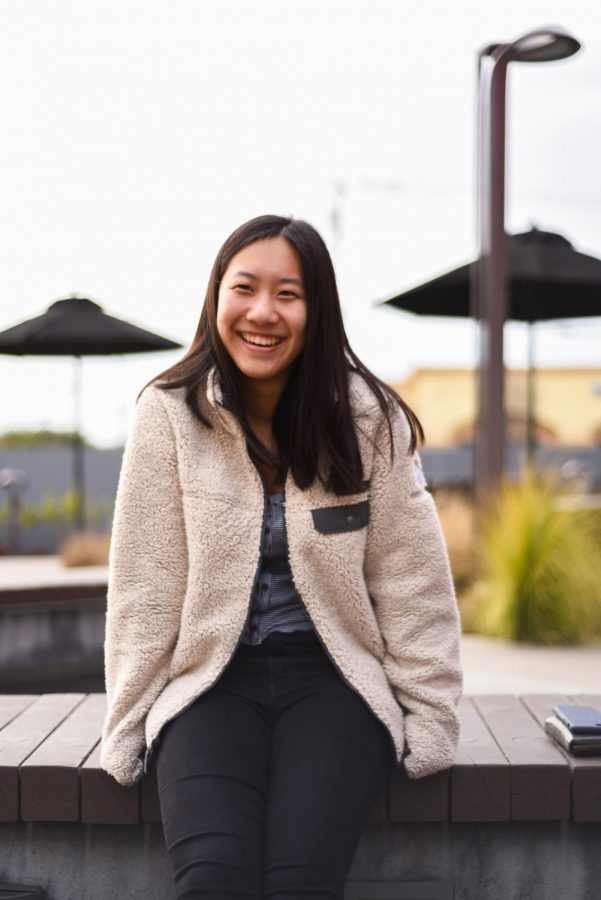
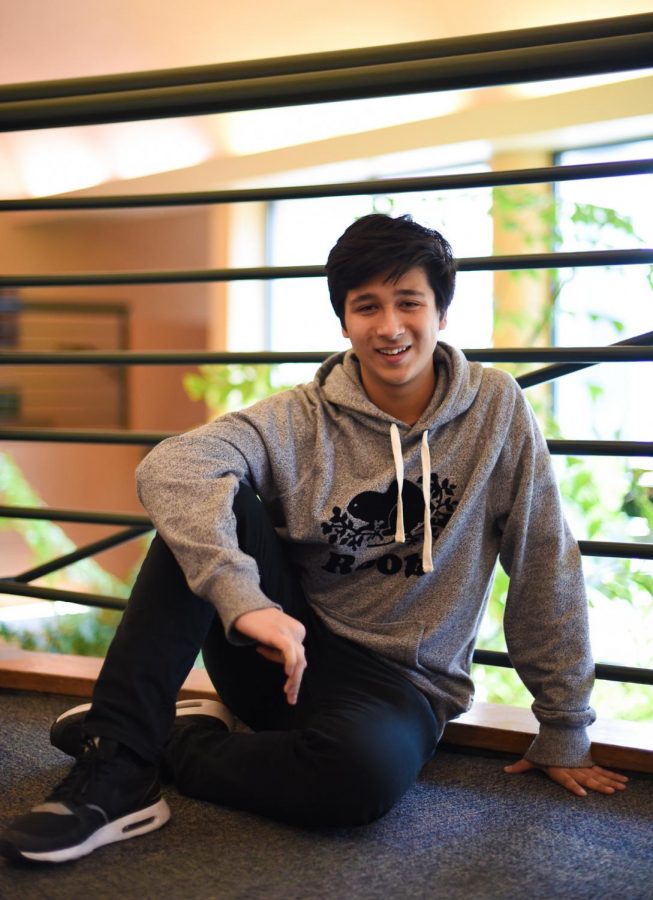
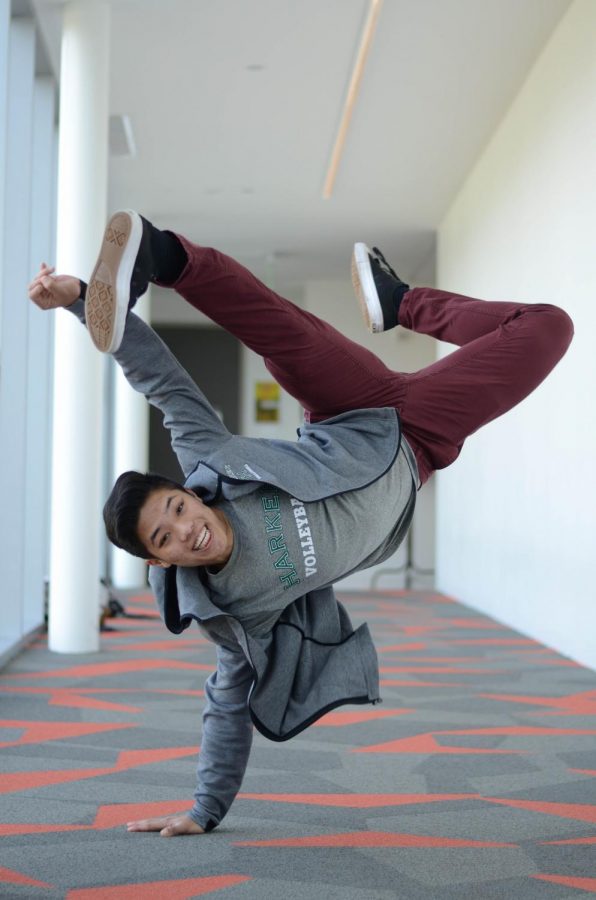

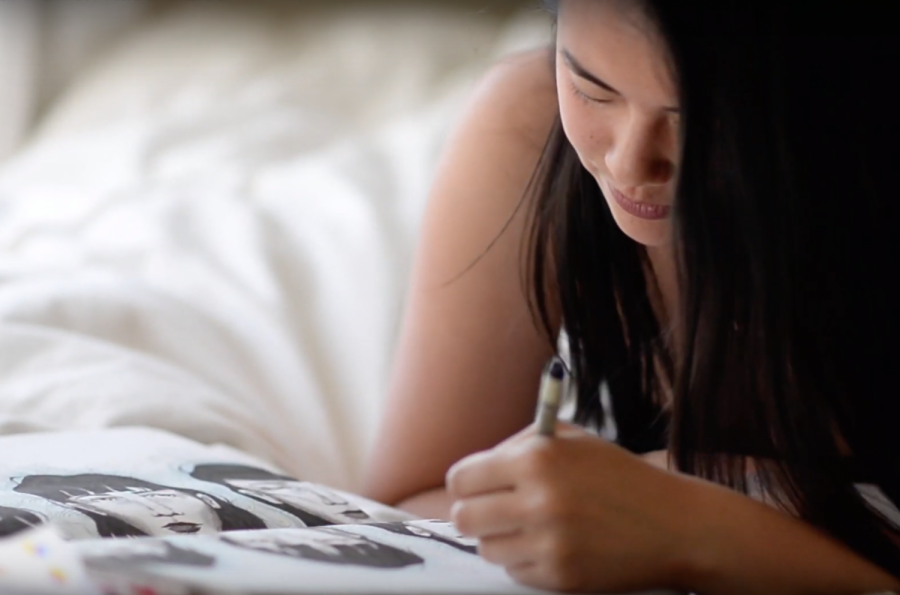
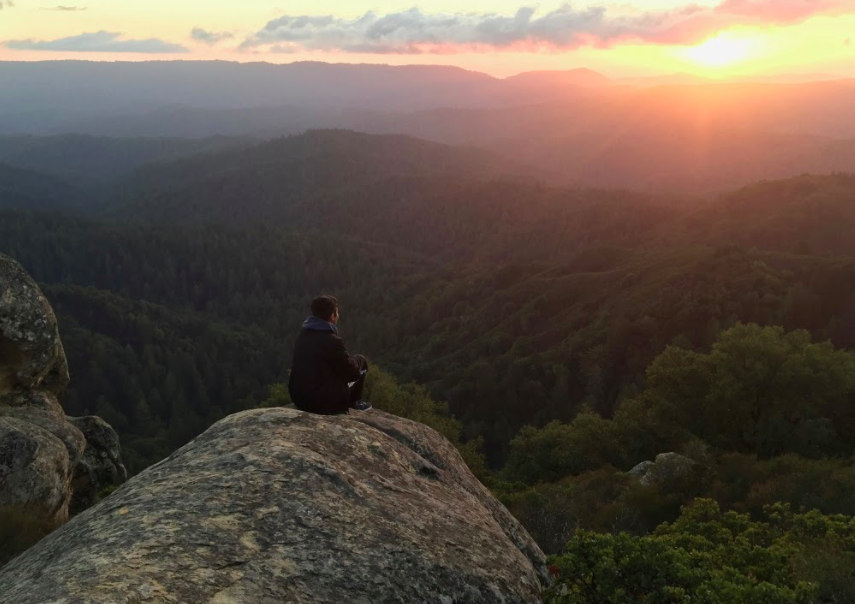
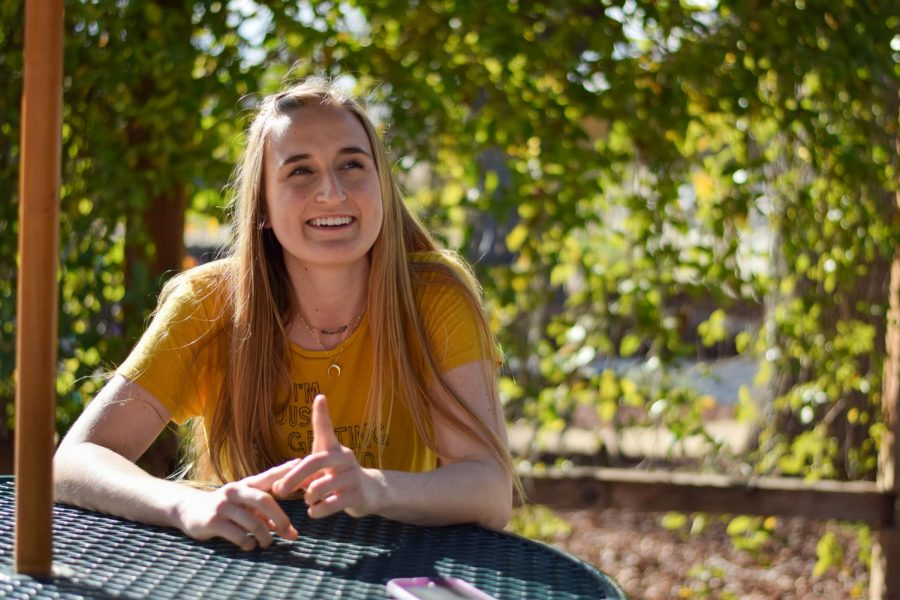
![“I think getting up in the morning and having a sense of purpose [is exciting]. I think without a certain amount of drive, life is kind of obsolete and mundane, and I think having that every single day is what makes each day unique and kind of makes life exciting,” Neymika Jain (12) said.](https://harkeraquila.com/wp-content/uploads/2017/06/Screen-Shot-2017-06-03-at-4.54.16-PM.png)
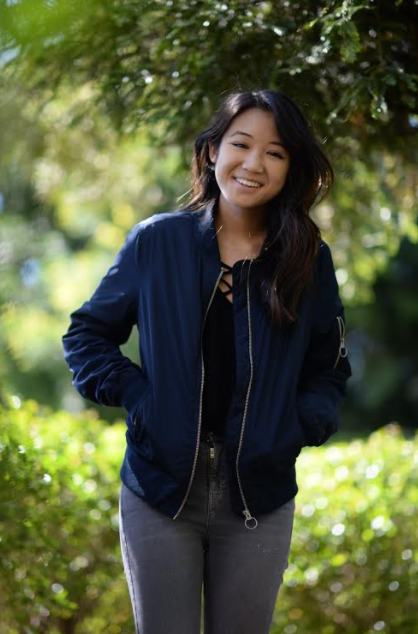



![“My slogan is ‘slow feet, don’t eat, and I’m hungry.’ You need to run fast to get where you are–you aren't going to get those championships if you aren't fast,” Angel Cervantes (12) said. “I want to do well in school on my tests and in track and win championships for my team. I live by that, [and] I can do that anywhere: in the classroom or on the field.”](https://harkeraquila.com/wp-content/uploads/2018/06/DSC5146-900x601.jpg)
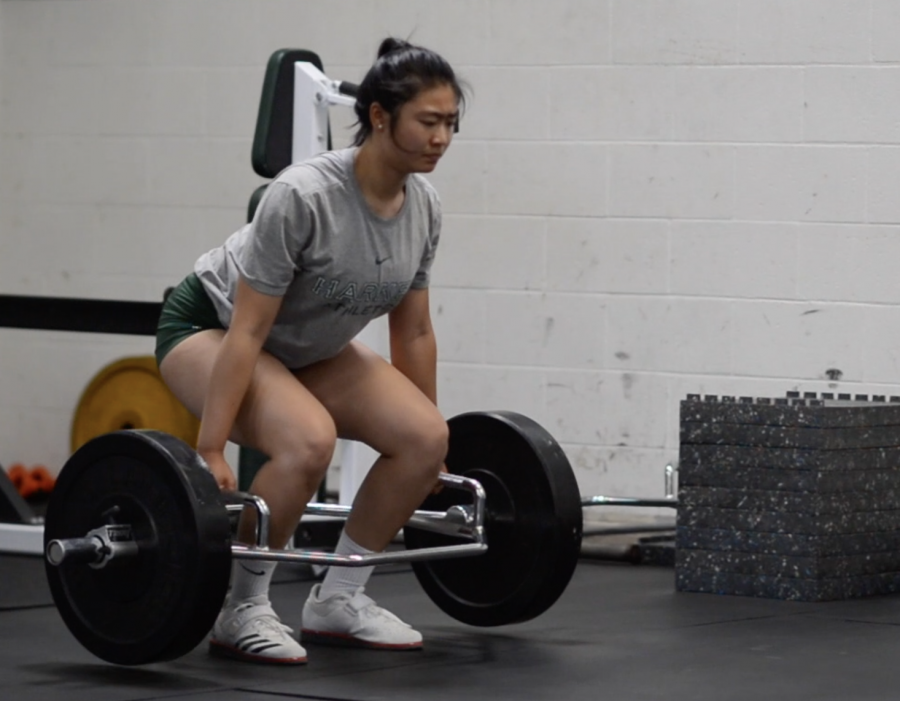
![“[Volleyball has] taught me how to fall correctly, and another thing it taught is that you don’t have to be the best at something to be good at it. If you just hit the ball in a smart way, then it still scores points and you’re good at it. You could be a background player and still make a much bigger impact on the team than you would think,” Anya Gert (’20) said.](https://harkeraquila.com/wp-content/uploads/2020/06/AnnaGert_JinTuan_HoHPhotoEdited-600x900.jpeg)
![“I'm not nearly there yet, but [my confidence has] definitely been getting better since I was pretty shy and timid coming into Harker my freshman year. I know that there's a lot of people that are really confident in what they do, and I really admire them. Everyone's so driven and that has really pushed me to kind of try to find my own place in high school and be more confident,” Alyssa Huang (’20) said.](https://harkeraquila.com/wp-content/uploads/2020/06/AlyssaHuang_EmilyChen_HoHPhoto-900x749.jpeg)

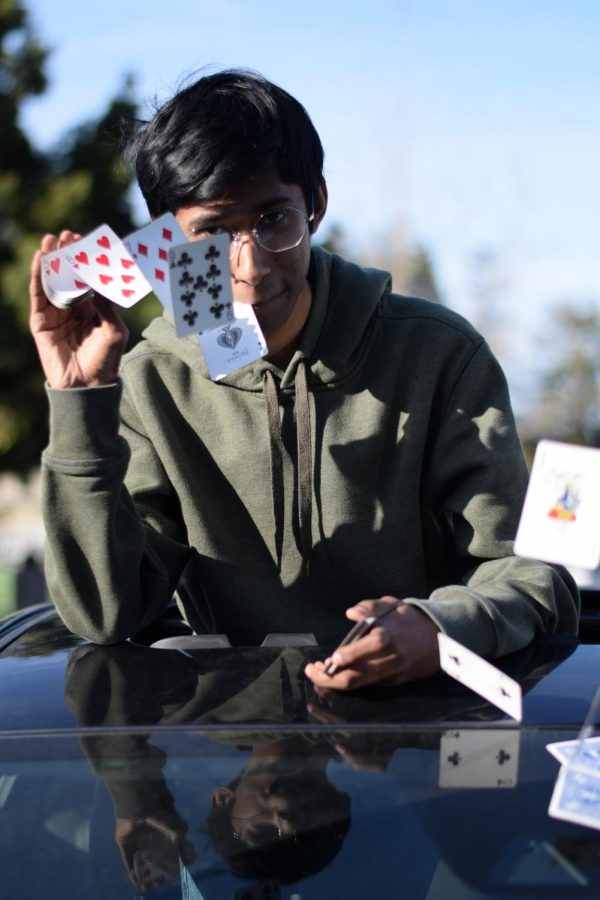
“Are you ready?” my friend asks in the wings, as the curtain opens for our final dance. “No, I’m not,” I say as I run onstage following the lead girl.
The recording of a string orchestra’s flourish travels throughout the theatre as we leap and twirl. Landing the temps leve arabesque, I can feel our breathing in sync.
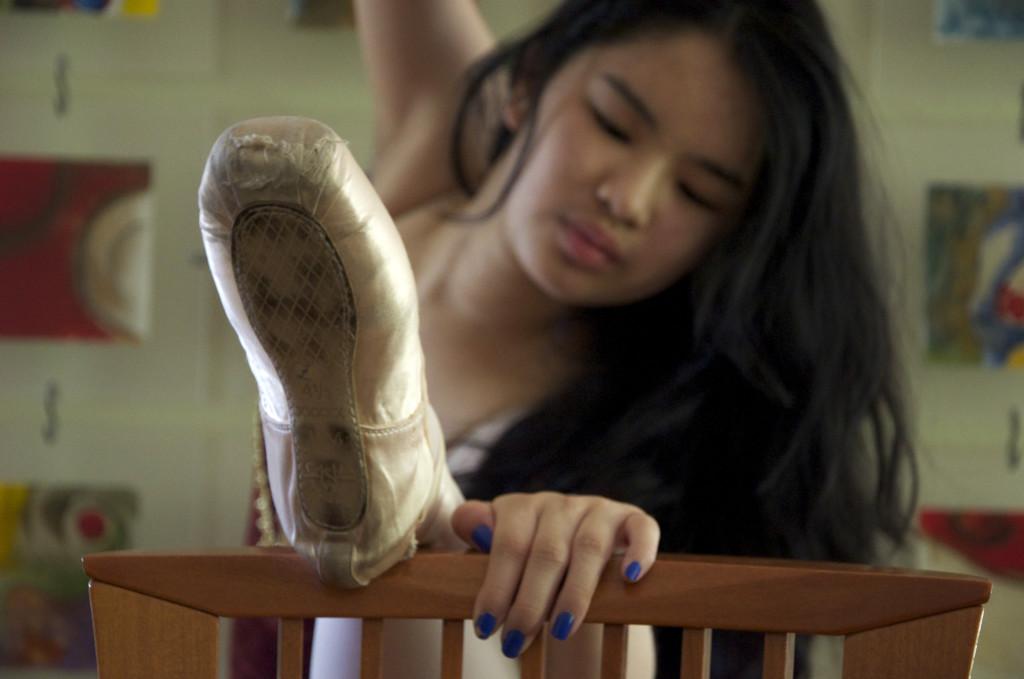
Almost all little girls attend a ballet class at one point in their life, attracted by the massive amounts of tulle, the satin ribbons, and the ethereal appeal dancing on the tips of her toes. When I first entered a ballet studio as a three-year-old wearing stockings and no shoes, I had no idea that I would pursue it to the level I am at now.
Nonetheless, here I am–this year a New Apprentice of my studio company, an official and “professional” member of our corps dancers, and off to yet another fantastic summer intensive with the Joffrey Ballet in New York. I still don’t understand how I have gotten here, or how I could have possibly qualified.
While others spend their afternoons completing rigorous SAT prep books, practicing an instrument, or attending sports practice, I practically live at my ballet studio, rehearsing for our productions.
Pacific Ballet Academy, like many classical ballet studios, has two primary seasons: Winter, when we present our annual showing of The Nutcracker, and our Spring Showcase, in which we perform selections from repertoire ranging from classics like La Bayadere and Swan Lake to original contemporary choreography such as “Jai Ho” and “Earth Rising”, a contemporary modern piece influenced by Martha Graham’s work.
I remember the morning before my first audition for a summer intensive. I woke up with an overwhelming feeling of dread; my mind and body screamed in a vehement cacophonic high-pitched wail, “NO.”
I didn’t even bother standing up. Using my floral duvet cover, I cocooned my body into a human burrito and rolled off the mattress as my mother entered the room. When she left, I crawled to the kitchen, still with one of the blankets in hand, and proceeded to cry on the floor. I believed the change of background made a more convincing statement.
As pathetic and humorous as it sounds now, I was absolutely terrified that morning. I believed that I was setting myself up for failure. With my terrible technique, unimpressive turn-out, and fantastically weak ankles, the prestigious Joffrey Ballet would never take me. Still, I went. Around three weeks later, I was proven wrong.
The entire Joffrey experience was simply surreal. I was living with four incredibly talented and caring girls I am happy to call friends and an easy going and understanding chaperone in the heart of New York’s Greenwich Village. Sometimes, I wonder if my entire summer was a fantastic fever dream. Luckily, it wasn’t.
To say that I have always been committed to dance is a lie. Ballet is a physically gruelling, extremely competitive, and exclusive sport. Before my audition, I had considered quitting ballet too many times to count. In contrast to other styles of dance, ballet is renowned for its demanding attentiveness to technique and physical qualities. The style does not appeal to all; many find the obsession with perfection that is paramount to ballet repulsive.
“So, why do you dance ballet?” others ask me. “I dance to be free,” I say. “But how could you possibly be free with so many restrictions?” Describing my love of ballet to anyone else who does not do ballet is one of the most difficult things in the world. Being a successful ballet dancer requires immense sacrifice, dignity, passion, and the right amount of obsession. Ballet is the pursuit of being perfect, and for that one single moment on stage you are perfect, and everything comes together. And that is why I dance.
It will never make sense to some people why I devote so much time and effort towards an activity I do not plan to pursue outside of high school and college. Although that professional life is not for me, the opportunities ballet has given me, the people I have met, and the individual I have become because of it, are worth it, just to have those three minutes of bourréeing to perfection.