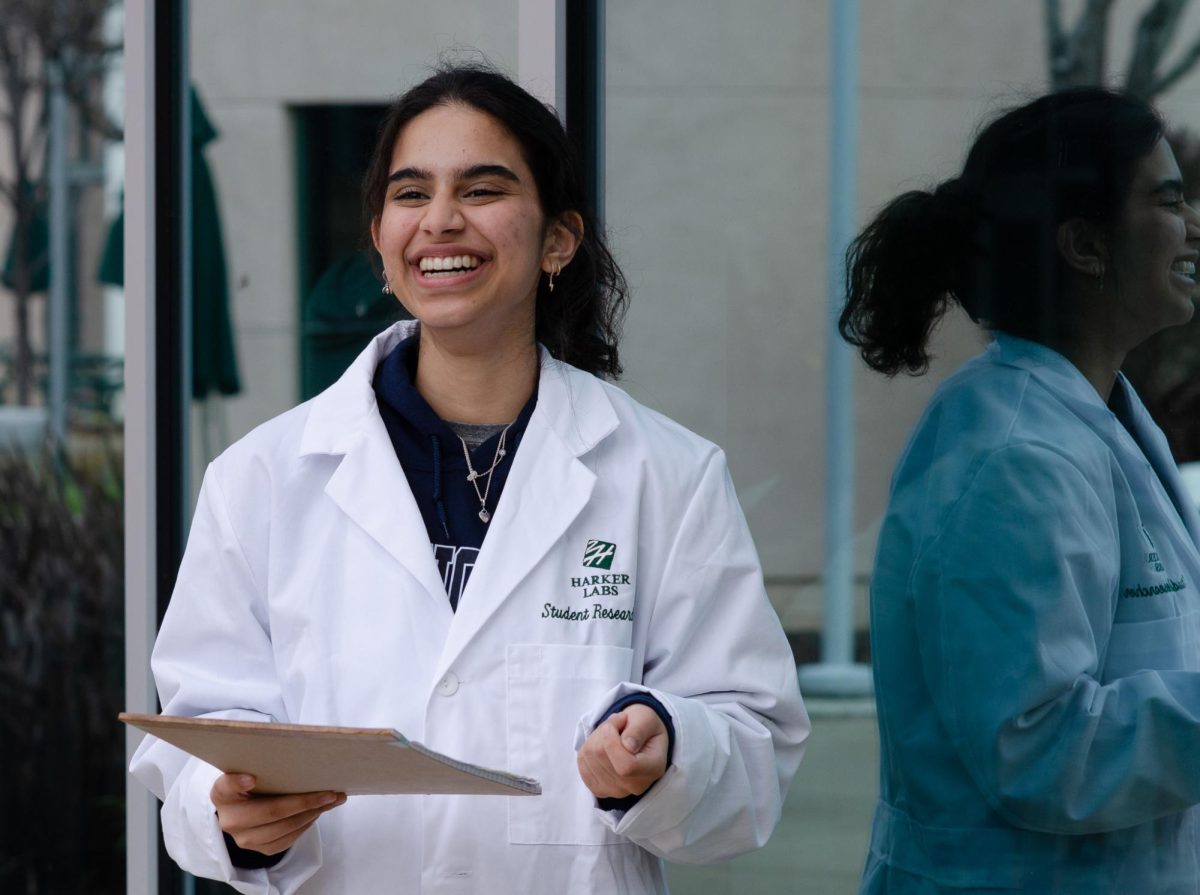
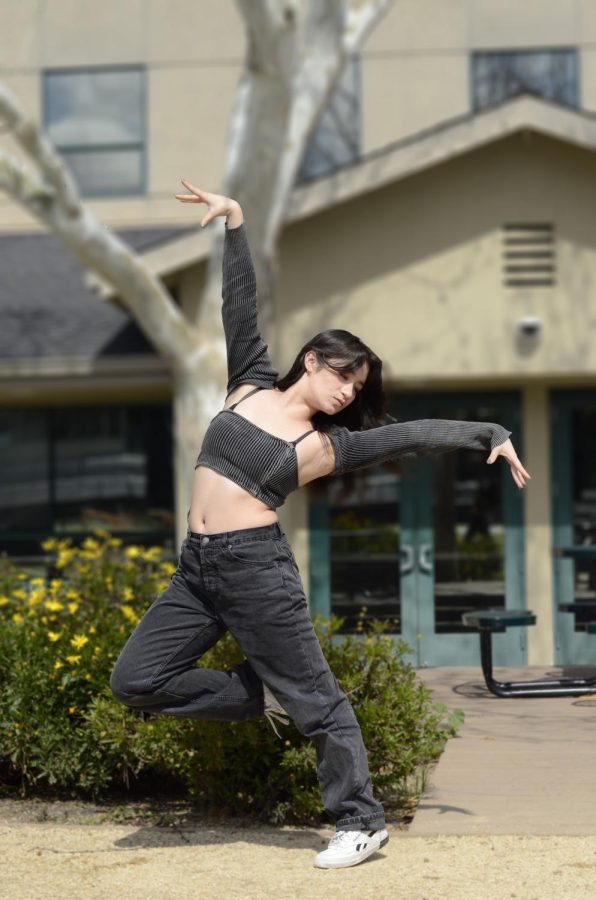
![“I wasn't discouraged by some of the obstacles we faced. I learned a lot from the leadership. I found that different people need different ways of receiving feedback — you can't [just] tell them to do something and expect the best. [Some] people needed more incentive. A large part of my role was to figure out what worked for everyone and to figure out how to lead all these separate individuals as a team,” Suhana Bhandare (’26) said.](https://harkeraquila.com/wp-content/uploads/2026/06/SuhanaBhandare_JasmineHansra-1-1200x798.jpg)

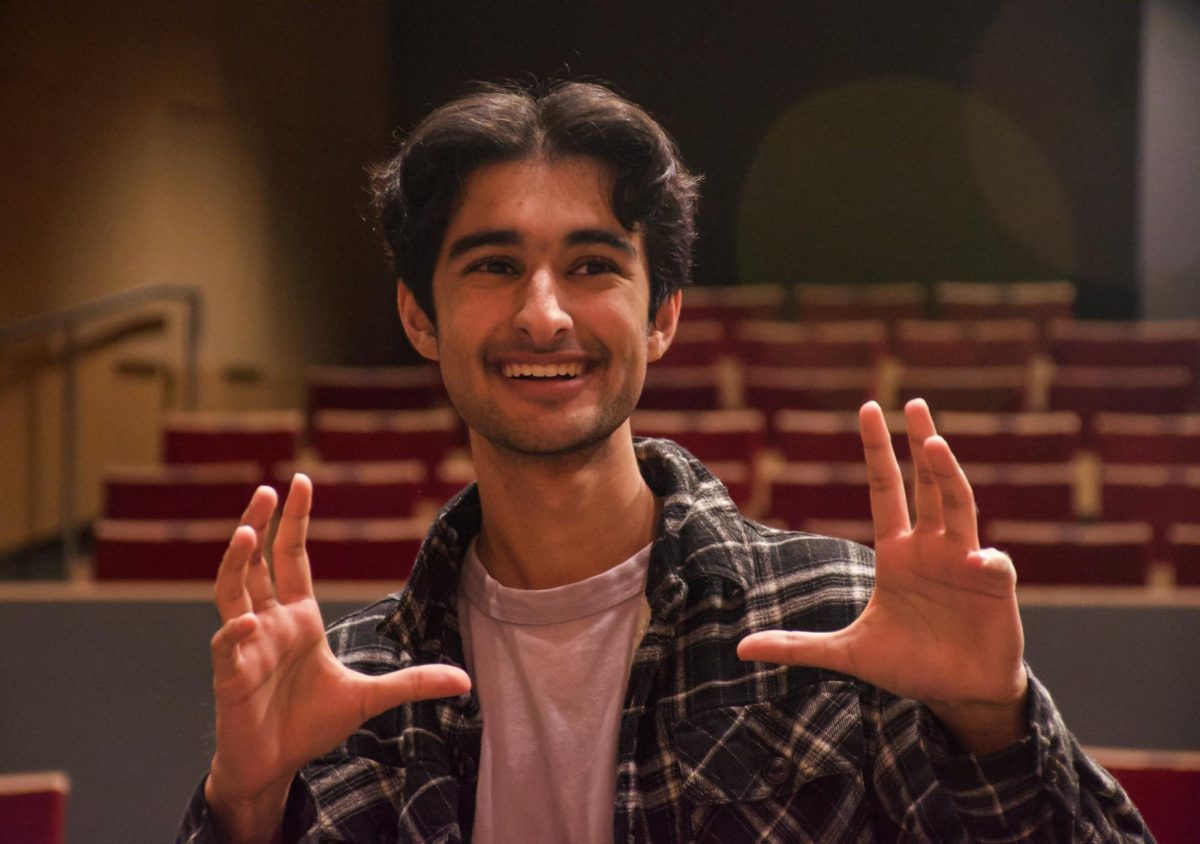
![“This is actually from Randy Pausch Randy P. Brick: ‘Walls are there for a reason. You have to show how much you want to overcome them.’ You have to show how much you want something. That's what I've always been able to do with tennis, Link Crew and getting that internship [with Kushy Baby]. It’s important pushing through that — getting around that brick wall, climbing over it or clawing through it,” Yash Sachdeva (’26) said.](https://harkeraquila.com/wp-content/uploads/2026/05/YashSachdeva_RamBatchu-copy-1200x1002.jpg)

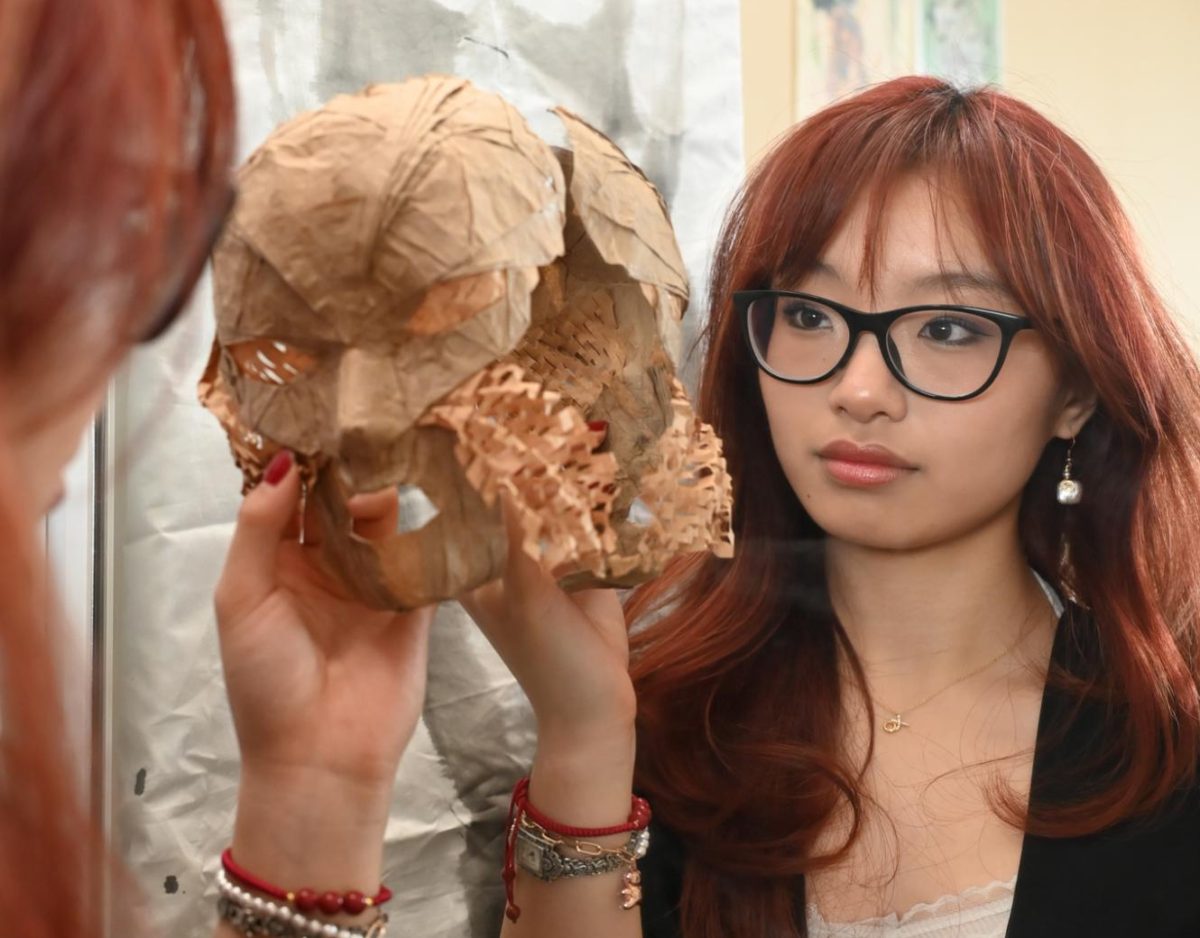

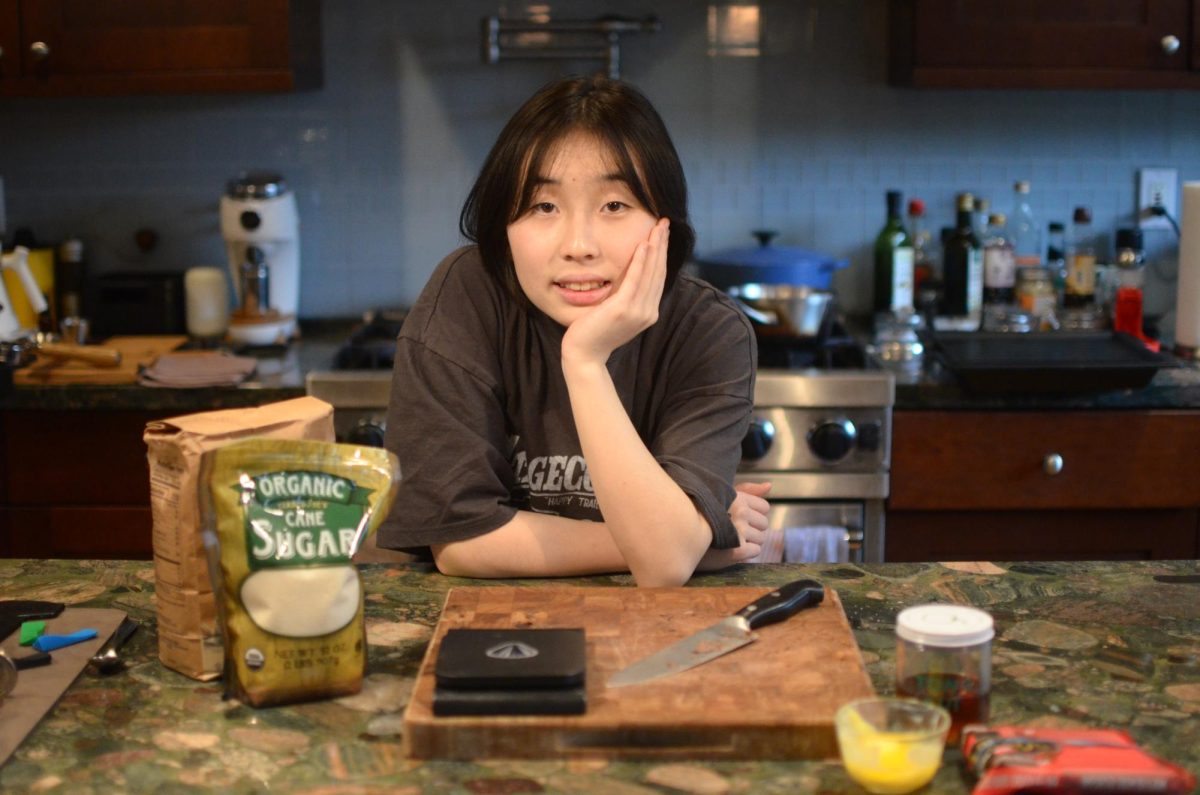


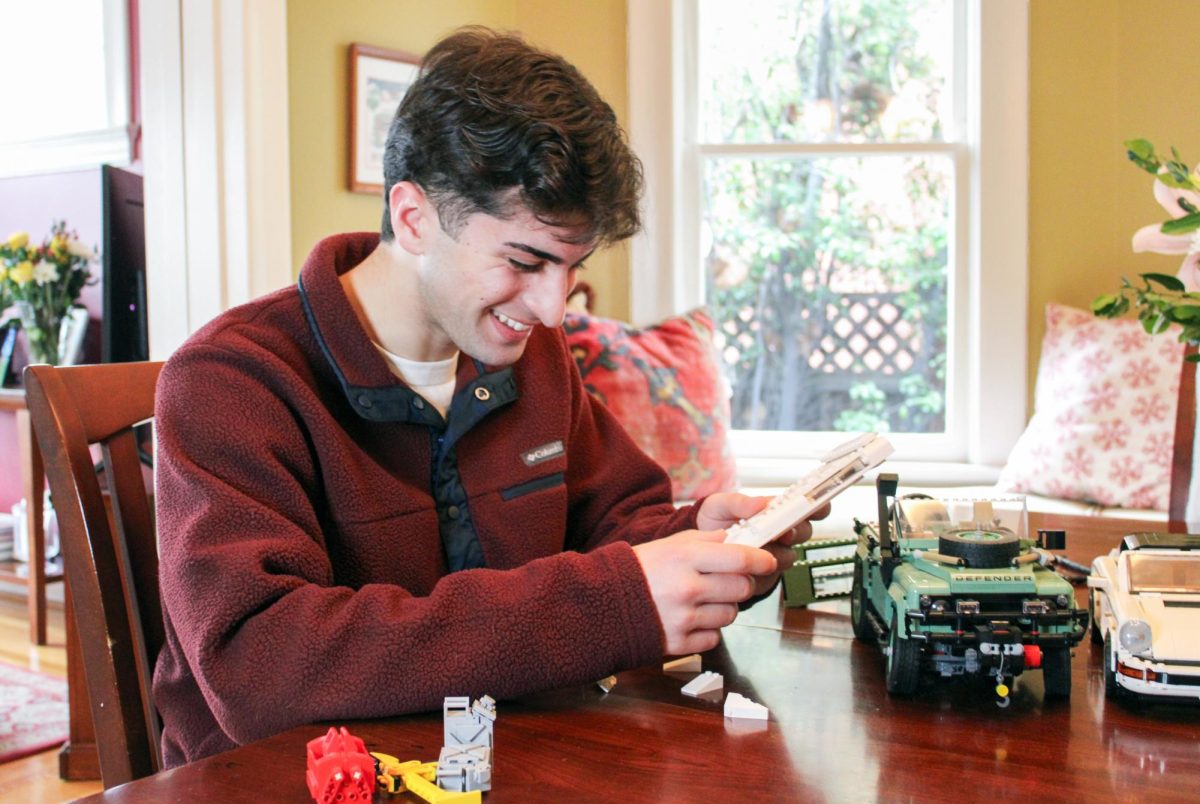


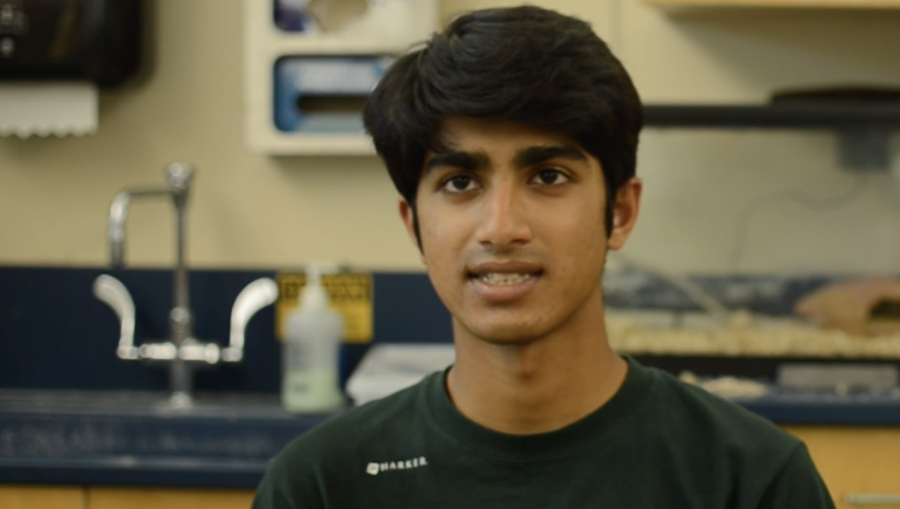
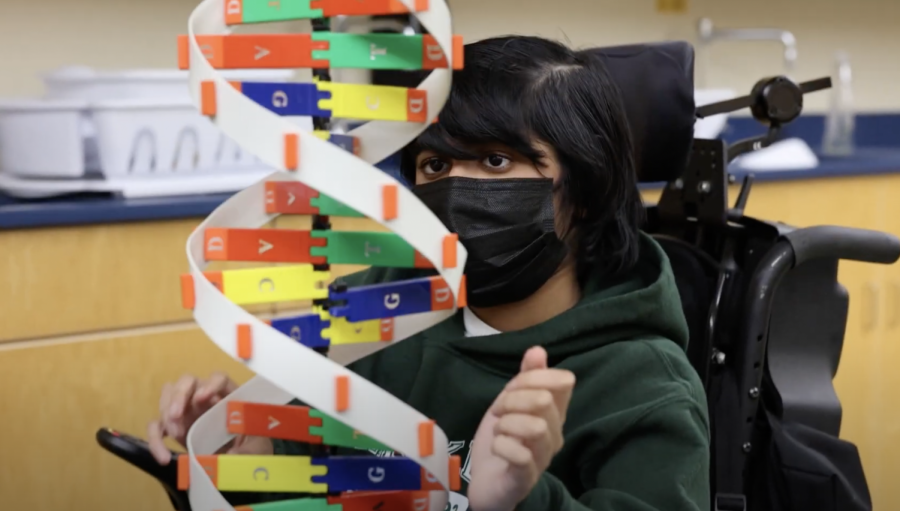
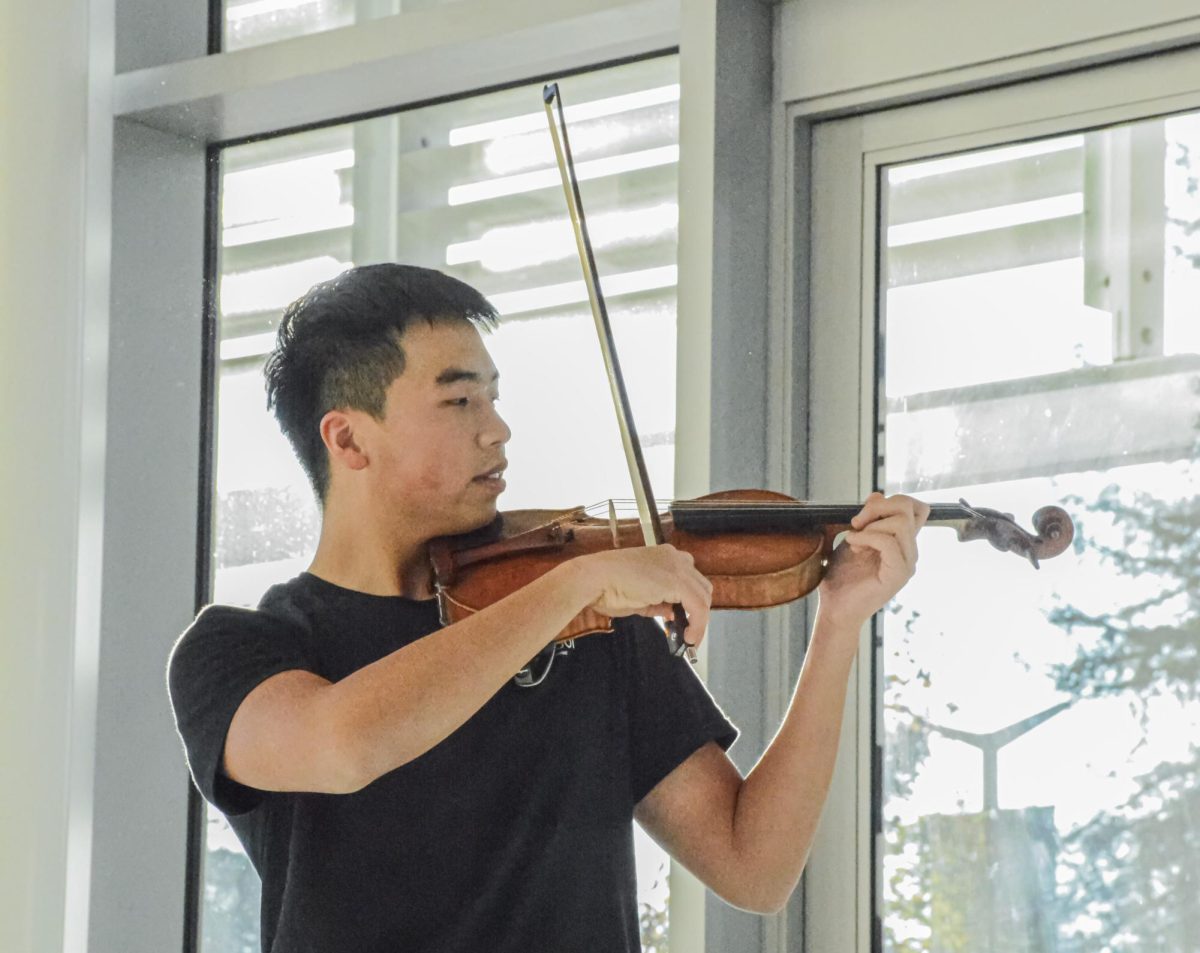
![“[Building nerf blasters] became this outlet of creativity for me that hasn't been matched by anything else. The process [of] making a build complete to your desire is such a painstakingly difficult process, but I've had to learn from [the skills needed from] soldering to proper painting. There's so many different options for everything, if you think about it, it exists. The best part is [that] if it doesn't exist, you can build it yourself," Ishaan Parate said.](https://harkeraquila.com/wp-content/uploads/2022/08/DSC_8149-900x604.jpg)

![“When I came into high school, I was ready to be a follower. But DECA was a game changer for me. It helped me overcome my fear of public speaking, and it's played such a major role in who I've become today. To be able to successfully lead a chapter of 150 students, an officer team and be one of the upperclassmen I once really admired is something I'm [really] proud of,” Anvitha Tummala ('21) said.](https://harkeraquila.com/wp-content/uploads/2021/07/Screen-Shot-2021-07-25-at-9.50.05-AM-900x594.png)

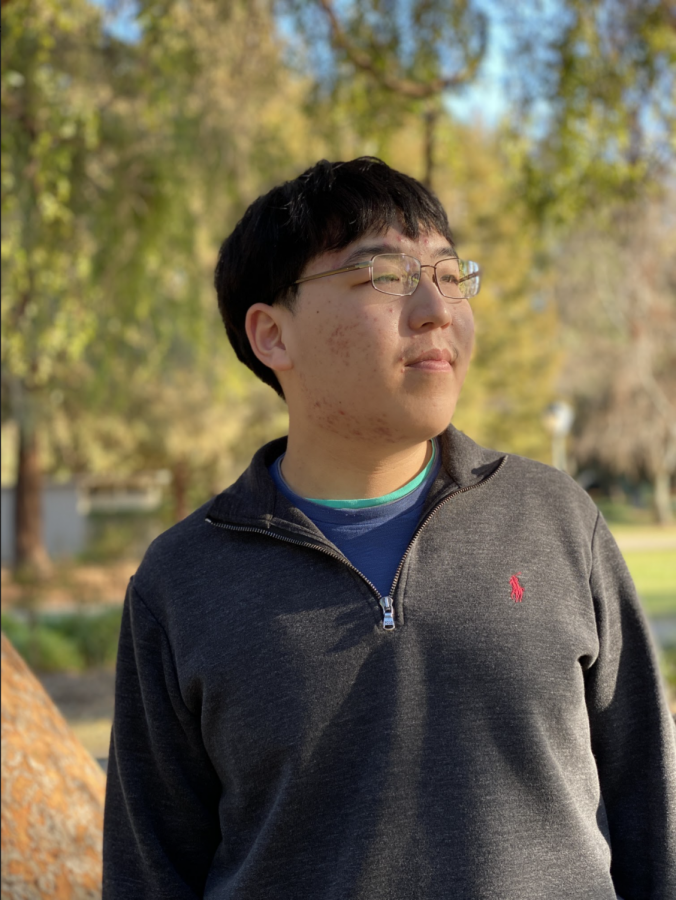

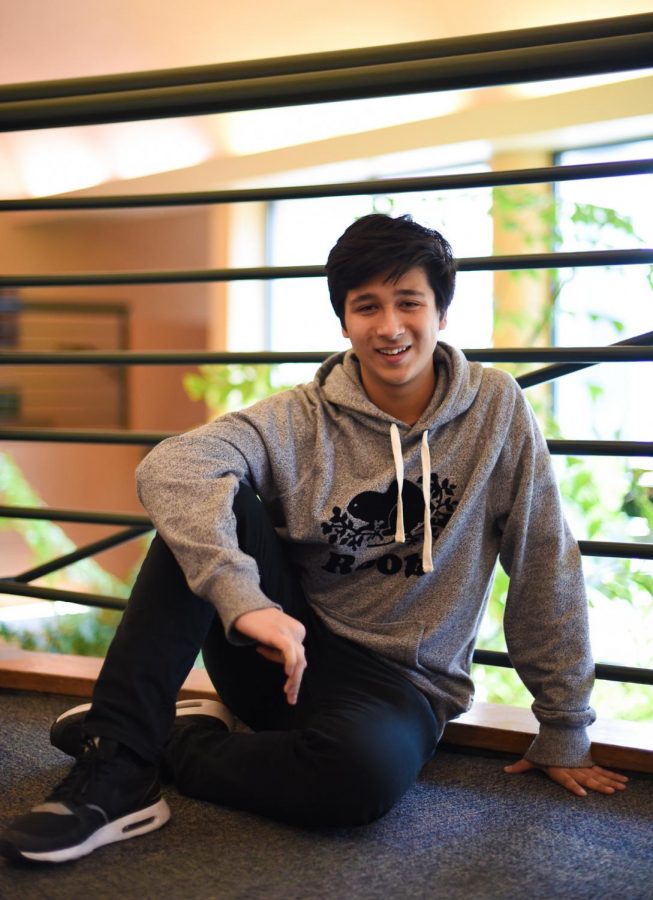
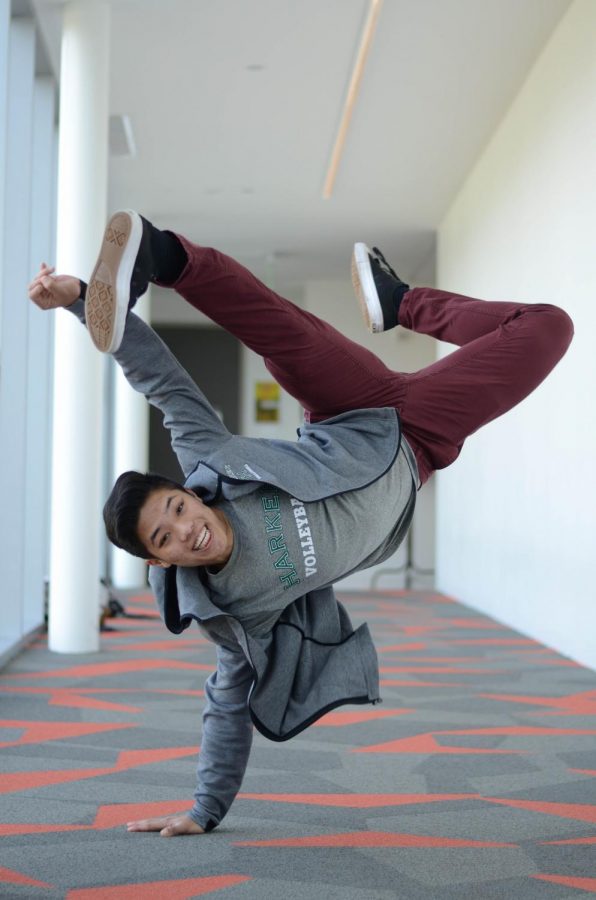


![“I think getting up in the morning and having a sense of purpose [is exciting]. I think without a certain amount of drive, life is kind of obsolete and mundane, and I think having that every single day is what makes each day unique and kind of makes life exciting,” Neymika Jain (12) said.](https://harkeraquila.com/wp-content/uploads/2017/06/Screen-Shot-2017-06-03-at-4.54.16-PM.png)

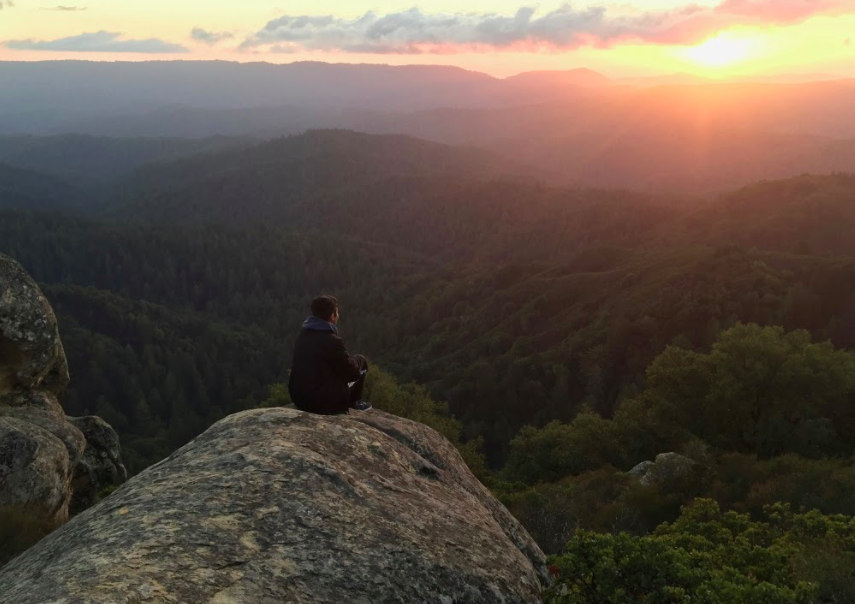



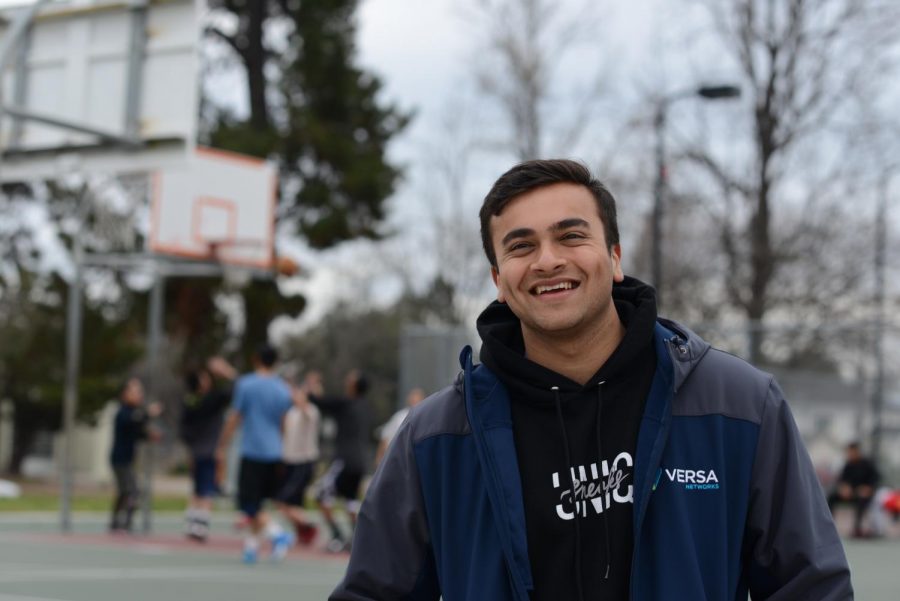
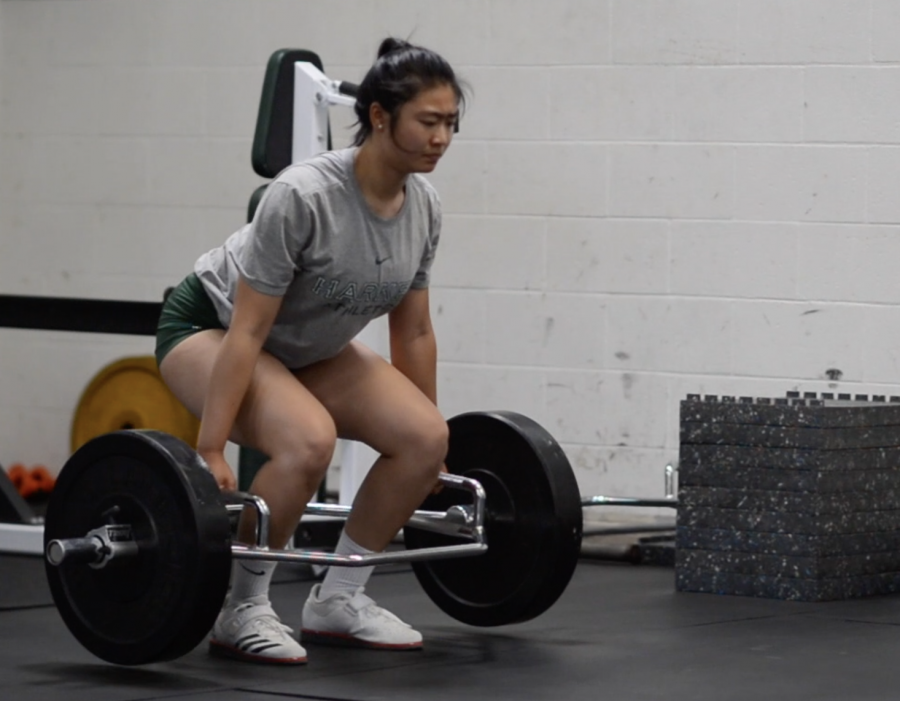

![“My slogan is ‘slow feet, don’t eat, and I’m hungry.’ You need to run fast to get where you are–you aren't going to get those championships if you aren't fast,” Angel Cervantes (12) said. “I want to do well in school on my tests and in track and win championships for my team. I live by that, [and] I can do that anywhere: in the classroom or on the field.”](https://harkeraquila.com/wp-content/uploads/2018/06/DSC5146-900x601.jpg)
![“[Volleyball has] taught me how to fall correctly, and another thing it taught is that you don’t have to be the best at something to be good at it. If you just hit the ball in a smart way, then it still scores points and you’re good at it. You could be a background player and still make a much bigger impact on the team than you would think,” Anya Gert (’20) said.](https://harkeraquila.com/wp-content/uploads/2020/06/AnnaGert_JinTuan_HoHPhotoEdited-600x900.jpeg)
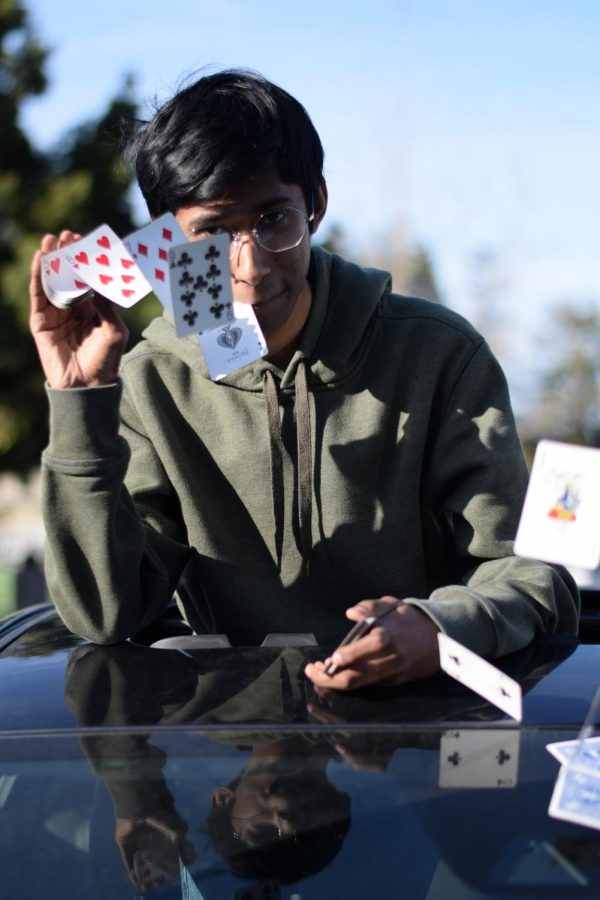
![“I'm not nearly there yet, but [my confidence has] definitely been getting better since I was pretty shy and timid coming into Harker my freshman year. I know that there's a lot of people that are really confident in what they do, and I really admire them. Everyone's so driven and that has really pushed me to kind of try to find my own place in high school and be more confident,” Alyssa Huang (’20) said.](https://harkeraquila.com/wp-content/uploads/2020/06/AlyssaHuang_EmilyChen_HoHPhoto-900x749.jpeg)

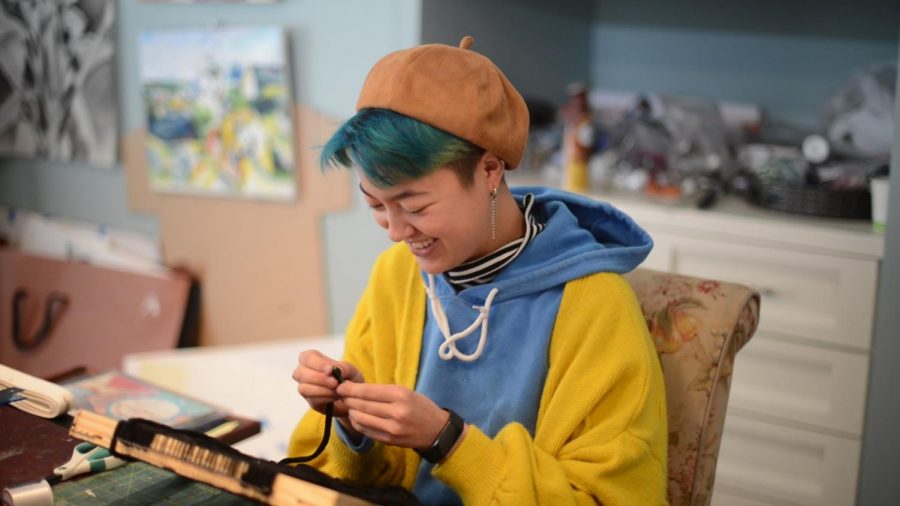

Grinding to a halt: Pushed past our limits

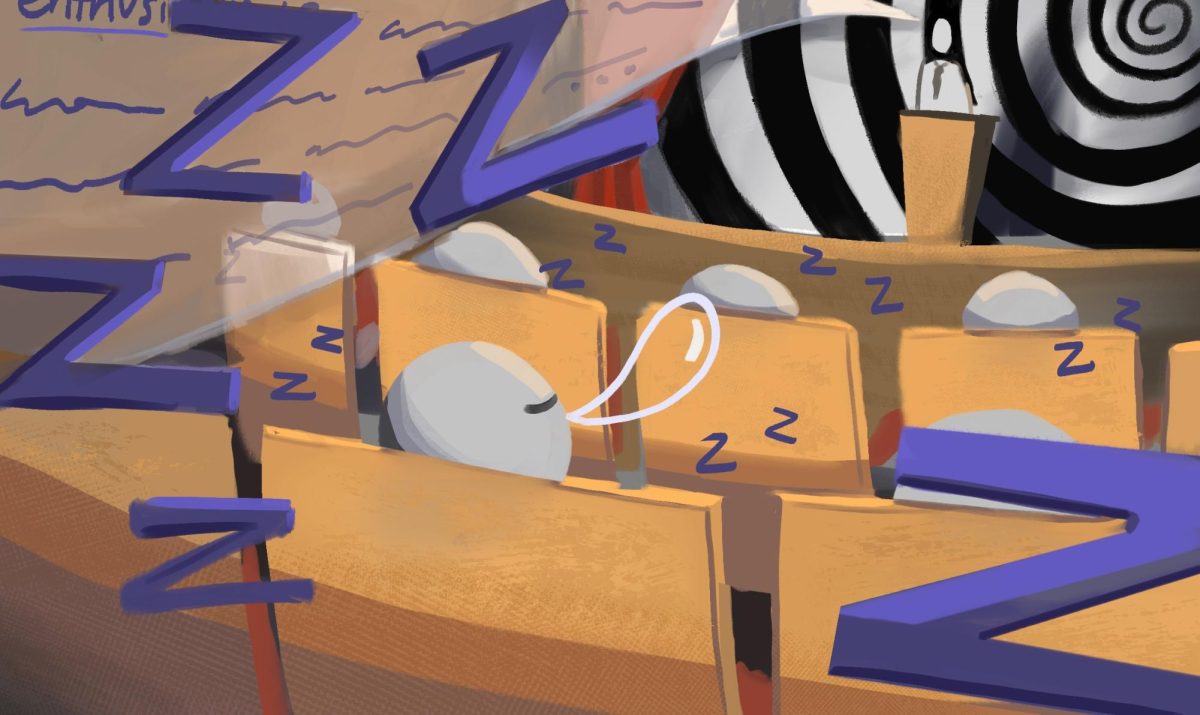
Illustration by Anika Mantripragada
February 23, 2022
“I got three hours of sleep last night,” a girl two sofa seats to the right of me whispers to her friend during an after-school Journalism workshop. My mind flashes to the @harkersleeps Instagram account, which features over 30 images of different students catching some much-needed rest throughout the school day. For freshmen, sophomores, juniors and seniors alike, the feeling of being overworked is mutual.
I attribute this issue to the idea of “grind culture,” the general atmosphere that compels students to add more and more to their academic and extracurricular responsibilities. This grind culture creates a toxic environment where students are pressured to push themselves past their limits often caused by peer, parent or self-induced expectations.
According to Harker Aquila’s Instagram poll, out of 101 upper school students who responded, 74% said they felt negatively pressured by their peers or parents to push themselves academically or non-academically.
But where does this feeling come from? As one of the major K-12 college prep schools in California’s tech-focused Silicon Valley, it’s no surprise that Harker has this environment that feels like it’s constantly weighing and wearing students down. Opportunity-oriented parents also set high expectations and pressure students to continue adding responsibilities in the form of advanced classes or outside activities. However, students, too, play a massive role in shaping the culture at Harker.
During the several months I’ve been at Harker’s upper school campus, I’ve seen and heard countless examples of kids comparing themselves to others, bragging about their extracurriculars or discussing grades with their friends and being teased for it.
Students have casual conversations trying to outdo one another for the most challenging course load or the fewest hours of sleep, thus normalizing the grind culture and constant academic stress. This idea of pushing yourself to become better than your peers or a cookie cutter applicant for Ivy Leagues has become ingrained in students’ mindsets. From the same poll on Harker Aquila’s Instagram, out of 108 upper school students, 91.67% compared themselves to their peers at Harker somewhat often or very often.
When students prioritize sleep instead of studying, they fall behind on homework and assignments. This balancing act of self-care and the pursuit of the perfect report card has often forced me to overlook learning content in favor of finishing homework. However, if students do focus on finishing an assignment rather than sleeping, they show up to school the next day poorly-rested and unfocused, which hurts their academic performance according to the American Psychological Association.
Though some say the grind culture can prepare students with necessary life skills for college and beyond, this statement only applies up to a certain level of difficulty. Once students feel adequately challenged with their course selection, why should they feel the need to add on another Advanced Placement (AP) class or start a nonprofit organization just for the sake of college applications?
Sometimes, when there’s nothing to talk about with my parents, conversations inevitably float to college applications. My mom asks me if I’ve started coming up with ideas for a nonprofit organization that would benefit the unhoused or start a drive to collect toiletries for people living in shelters. Even though I know her goal is to help me succeed, I can’t help but question my self-worth and my academic load: Am I not doing enough? Why can’t I handle as many extracurriculars and AP classes as my peers? Why can’t I be more productive with my time?
Often students pick extracurriculars with the hope that it will bring them more opportunities, but these added activities can also become sources of extra stress. Although their intentions might come from a good place, extrinsic motivation from friends or parents can act as long-term negative reinforcement, potentially teaching students to rely on an extrinsic reward for learning, like a grade, rather than learn because it is enjoyable.
Ultimately, because the concept of a grind culture stems from both external and internal sources, there are a variety of ways to alleviate this issue. As students, we can assess if the extracurriculars or academic courses we participate in truly benefit us or not and try to have more productive conversations with parents about our course loads. We need to choose activities and courses that are for us, not for a college admissions officer or our parents.
Grind culture’s stifling grip on Harker has lasted for too long.