


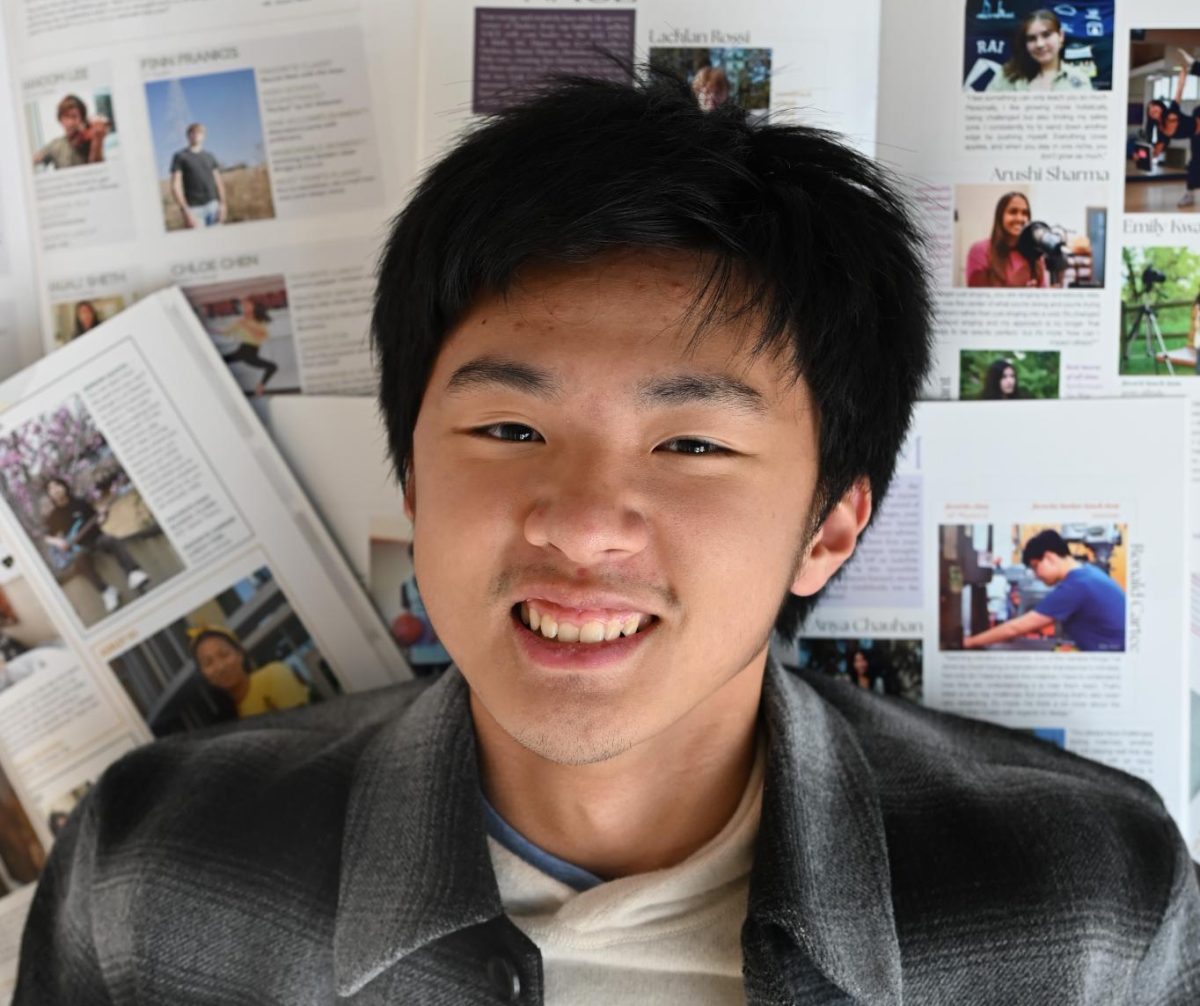
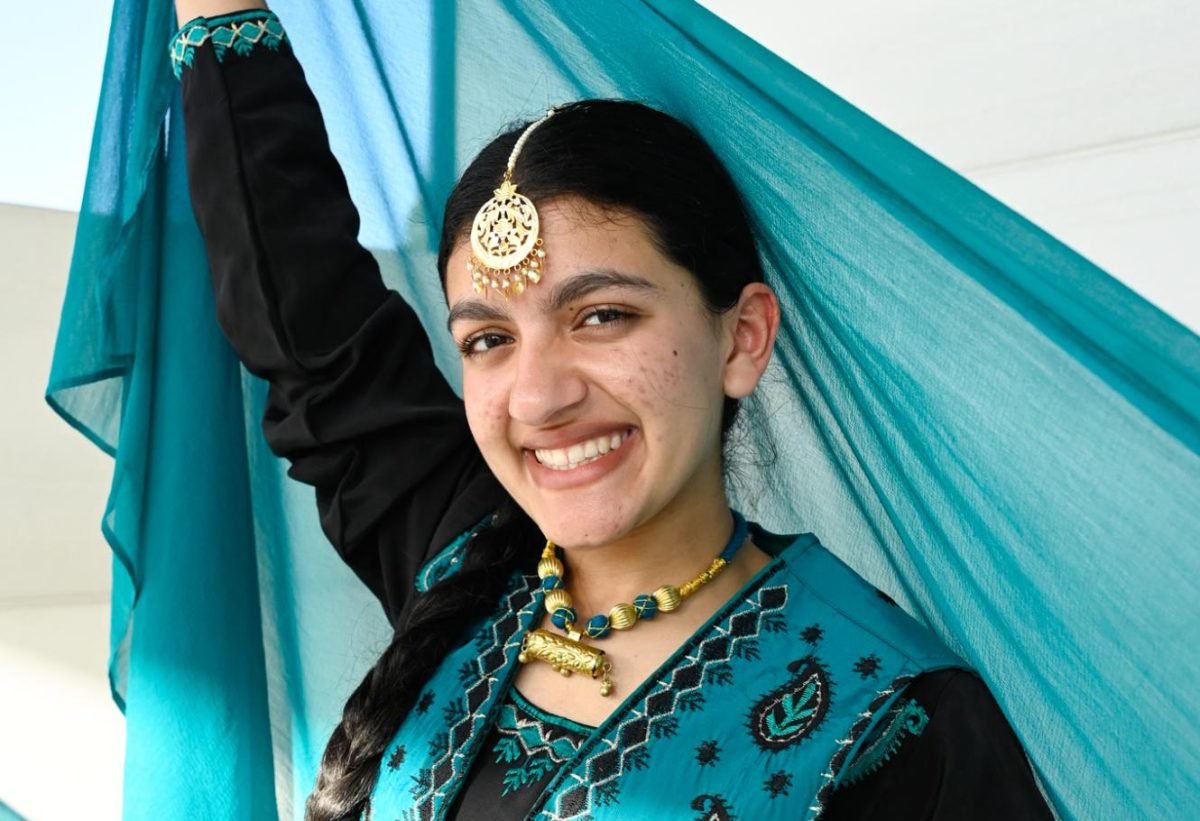
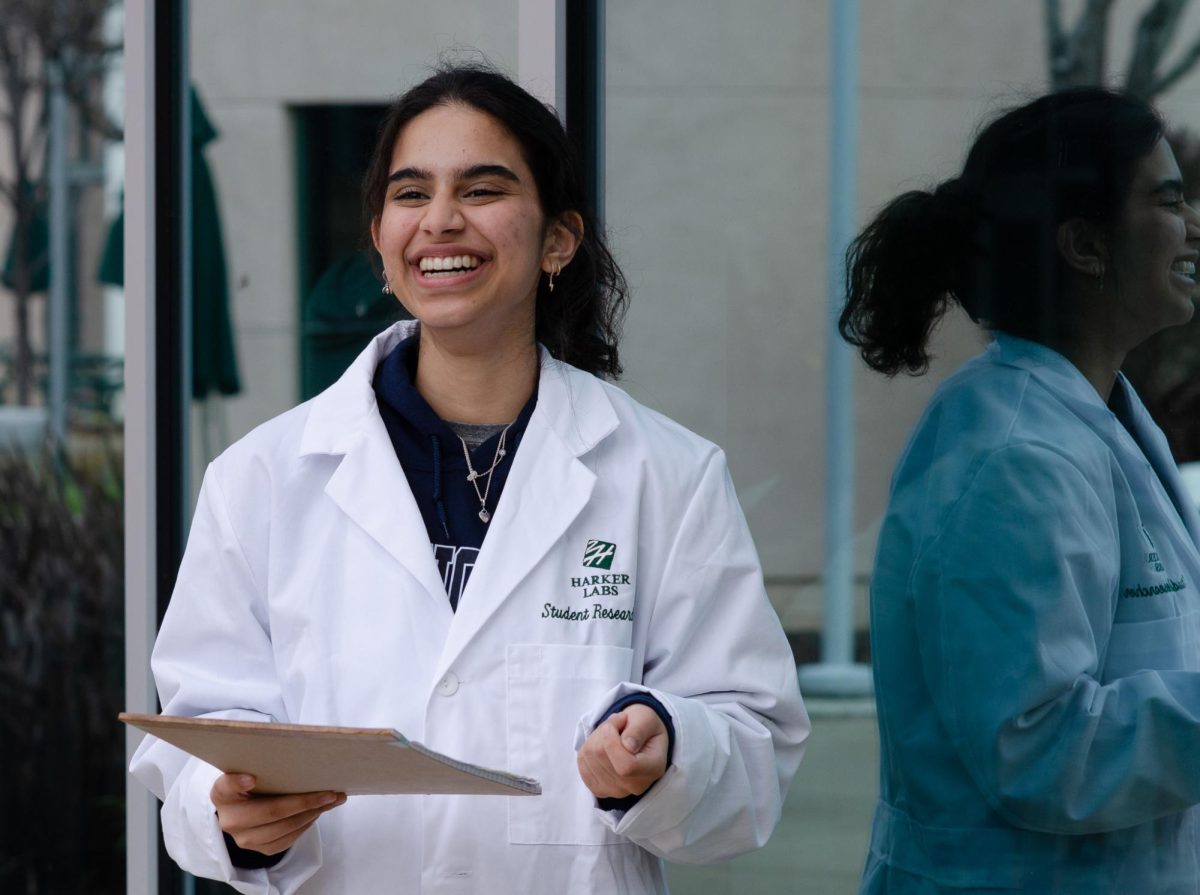
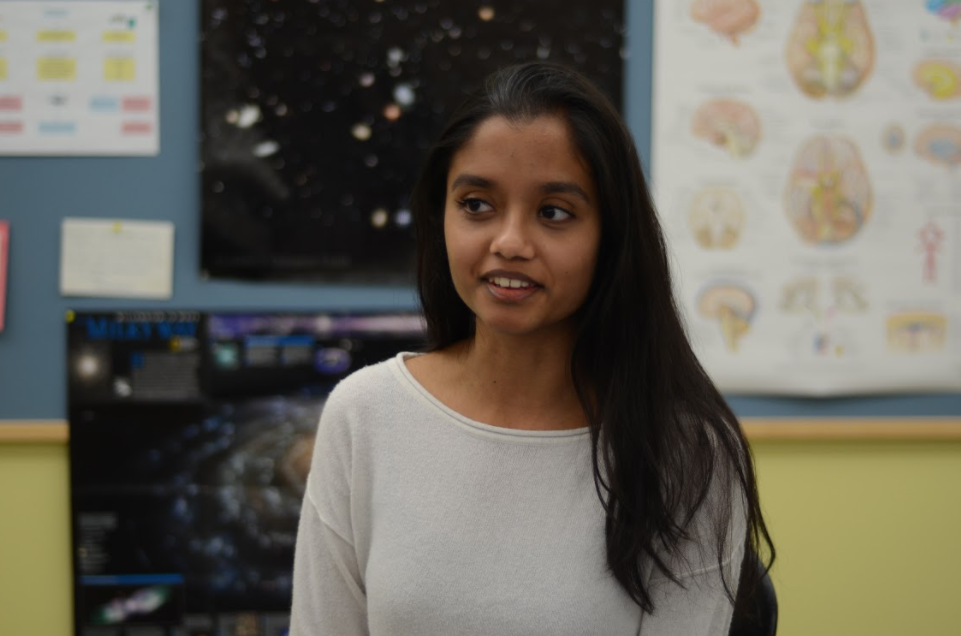
![“I wasn't discouraged by some of the obstacles we faced. I learned a lot from the leadership. I found that different people need different ways of receiving feedback — you can't [just] tell them to do something and expect the best. [Some] people needed more incentive. A large part of my role was to figure out what worked for everyone and to figure out how to lead all these separate individuals as a team,” Suhana Bhandare (’26) said.](https://harkeraquila.com/wp-content/uploads/2026/06/SuhanaBhandare_JasmineHansra-1-1200x798.jpg)
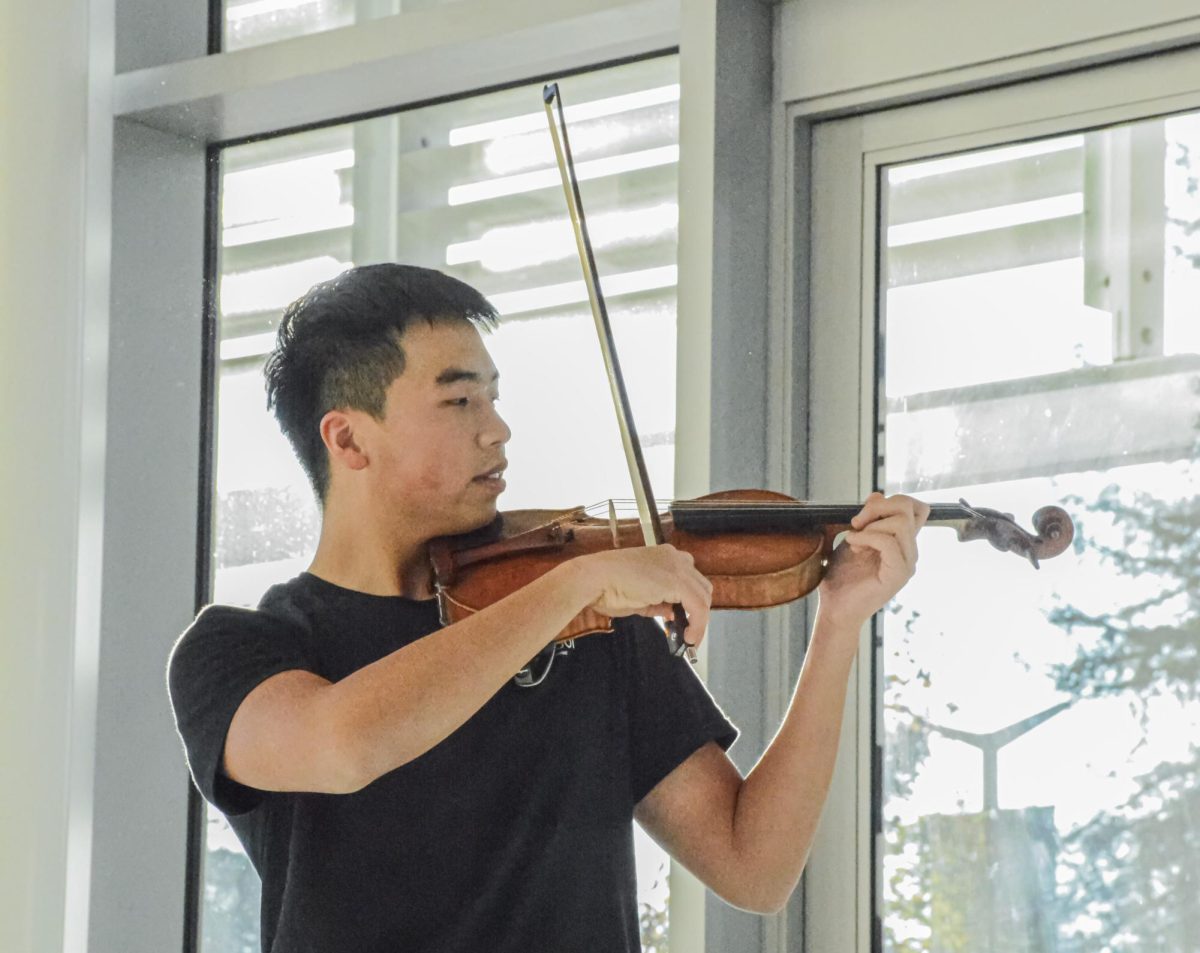

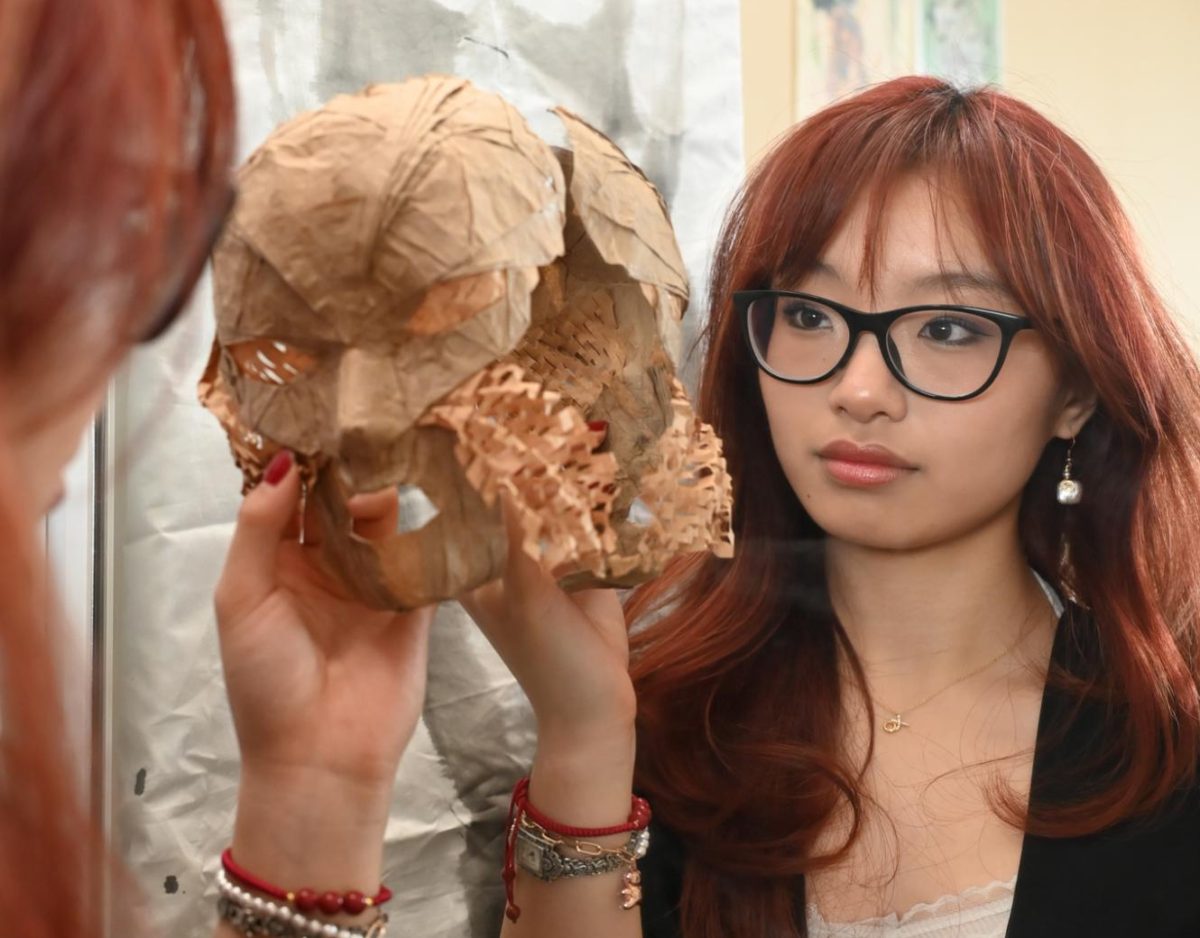
![“This is actually from Randy Pausch Randy P. Brick: ‘Walls are there for a reason. You have to show how much you want to overcome them.’ You have to show how much you want something. That's what I've always been able to do with tennis, Link Crew and getting that internship [with Kushy Baby]. It’s important pushing through that — getting around that brick wall, climbing over it or clawing through it,” Yash Sachdeva (’26) said.](https://harkeraquila.com/wp-content/uploads/2026/05/YashSachdeva_RamBatchu-copy-1200x1002.jpg)

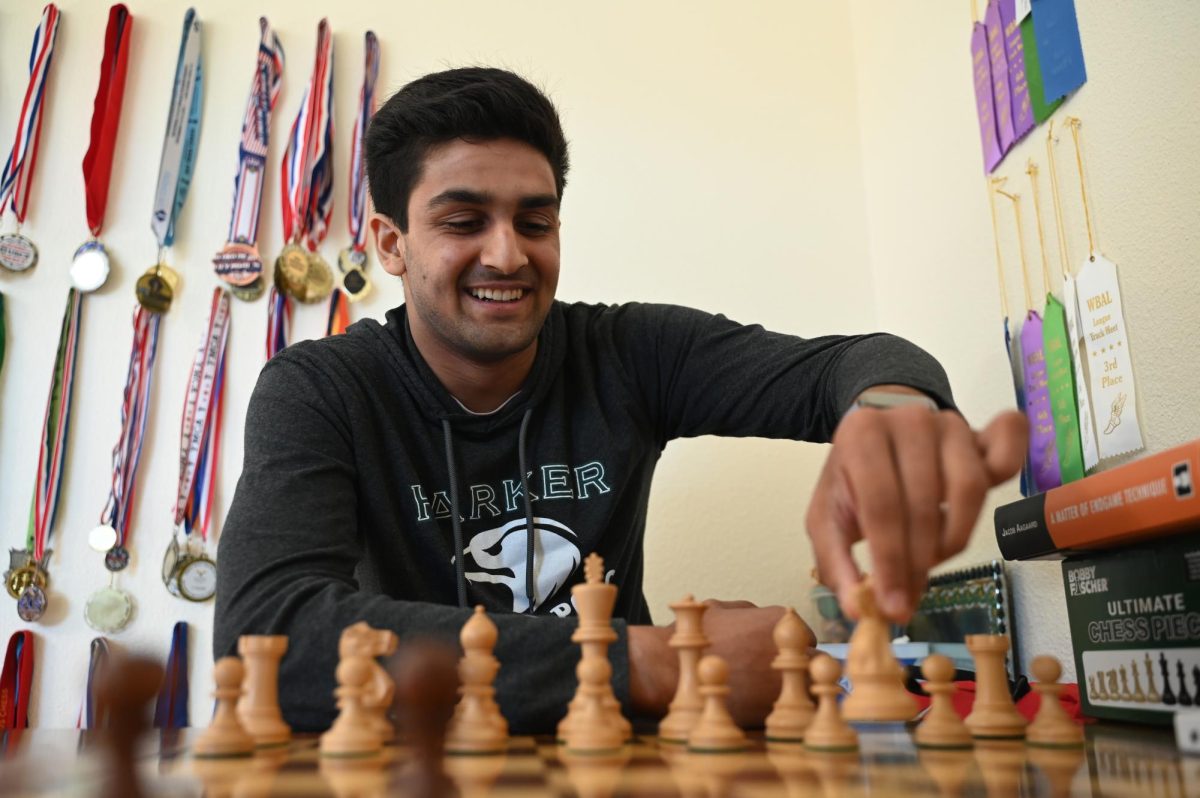

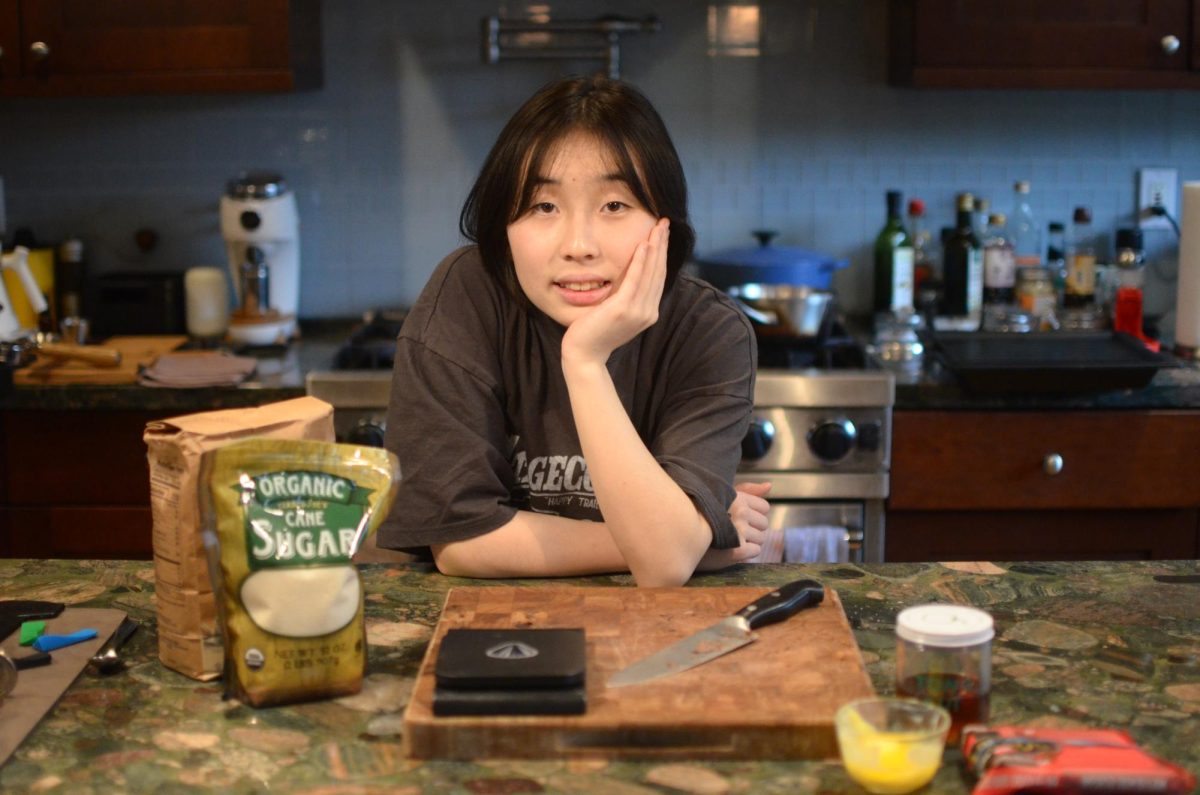


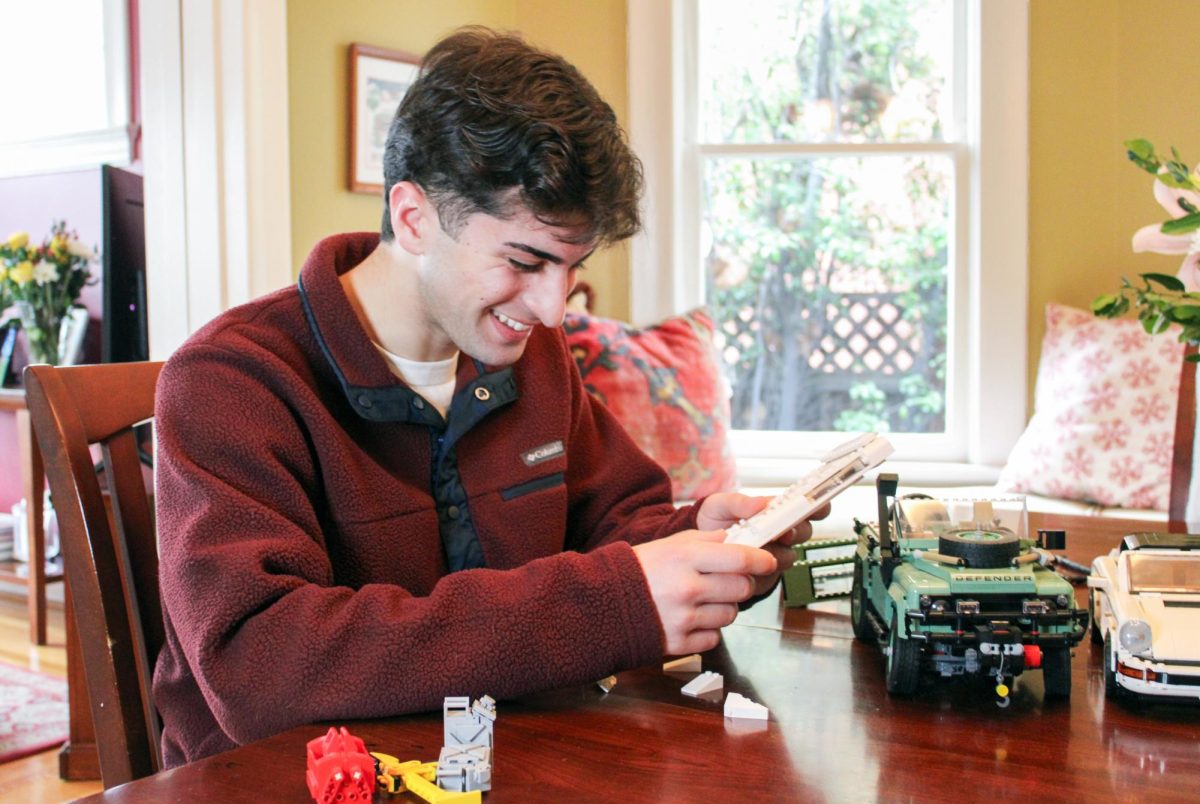


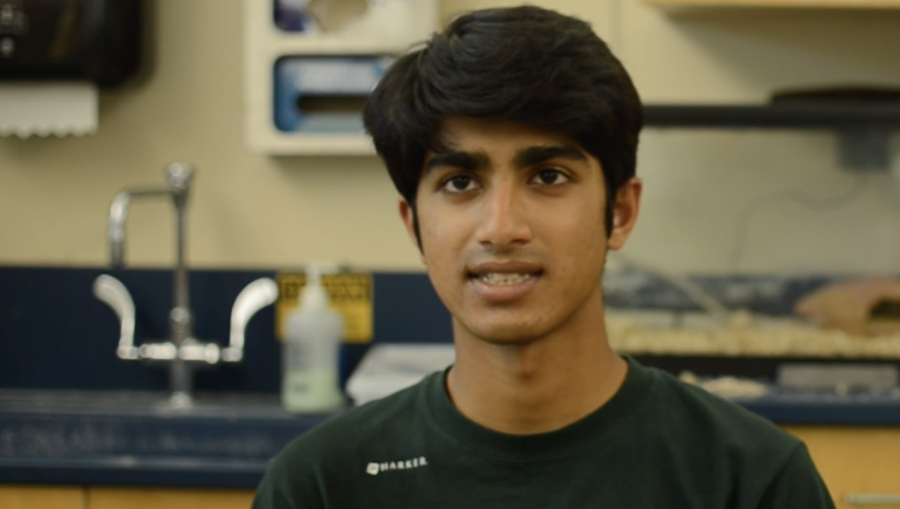
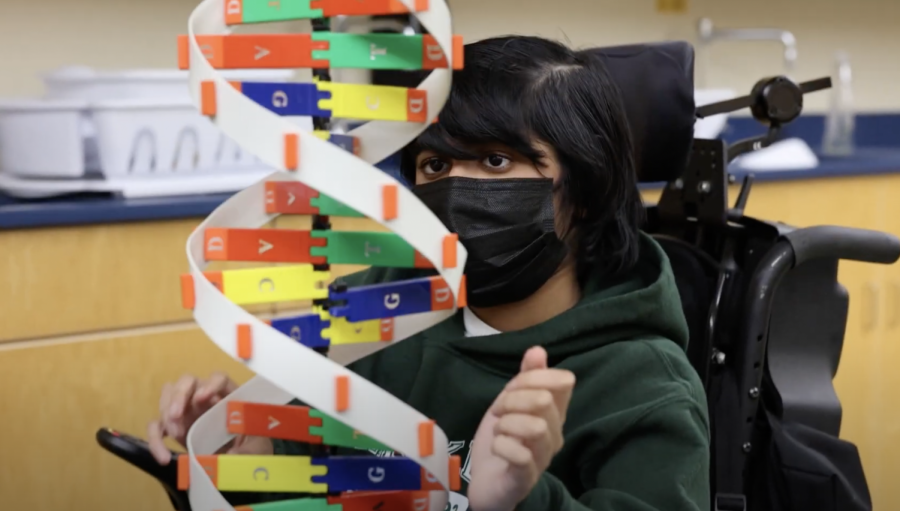
![“[Building nerf blasters] became this outlet of creativity for me that hasn't been matched by anything else. The process [of] making a build complete to your desire is such a painstakingly difficult process, but I've had to learn from [the skills needed from] soldering to proper painting. There's so many different options for everything, if you think about it, it exists. The best part is [that] if it doesn't exist, you can build it yourself," Ishaan Parate said.](https://harkeraquila.com/wp-content/uploads/2022/08/DSC_8149-900x604.jpg)
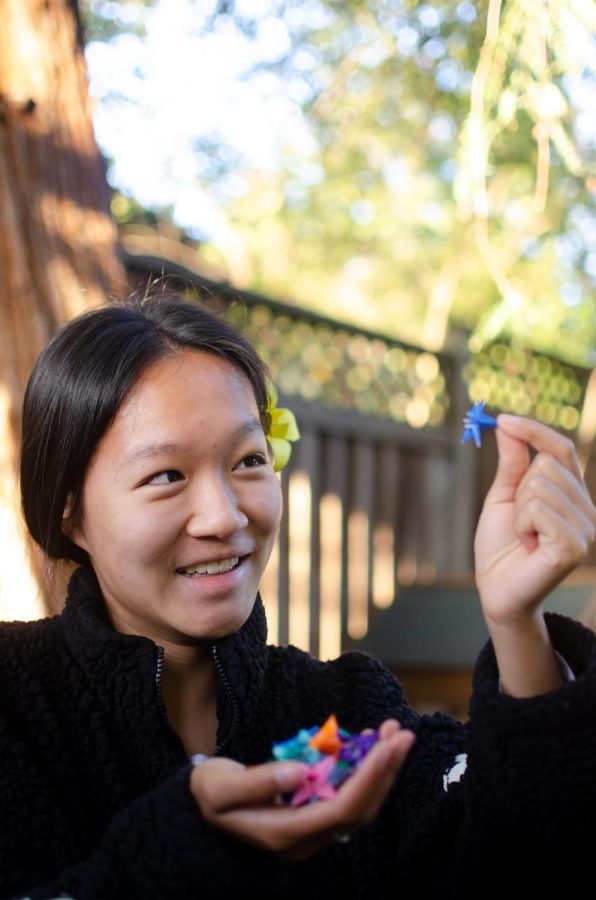


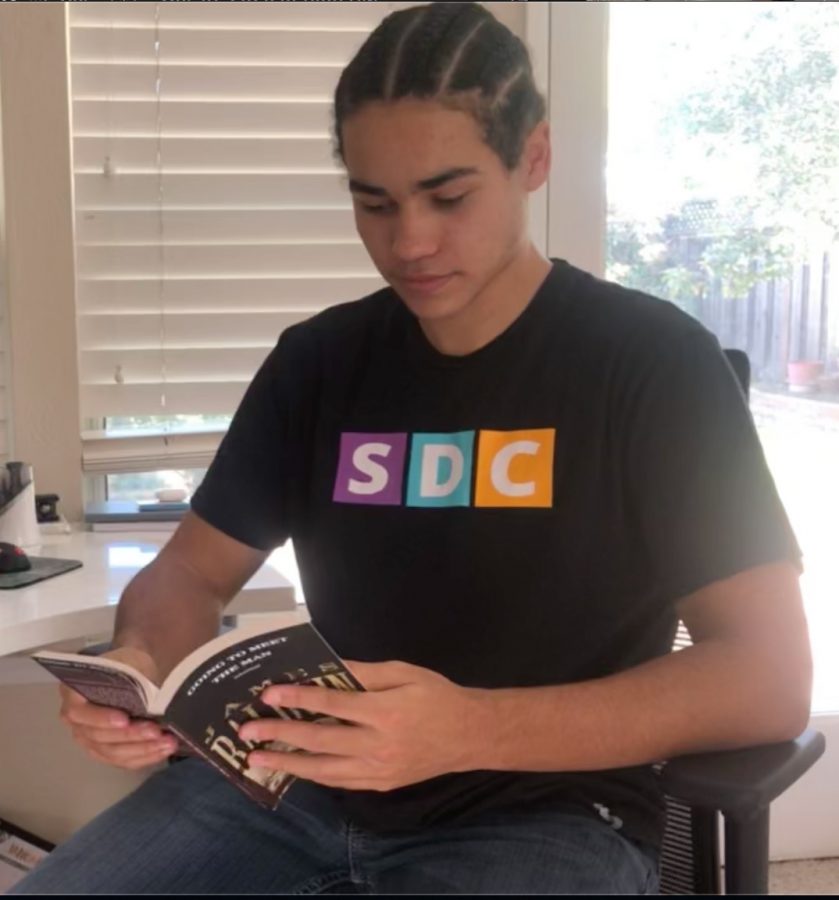
![“When I came into high school, I was ready to be a follower. But DECA was a game changer for me. It helped me overcome my fear of public speaking, and it's played such a major role in who I've become today. To be able to successfully lead a chapter of 150 students, an officer team and be one of the upperclassmen I once really admired is something I'm [really] proud of,” Anvitha Tummala ('21) said.](https://harkeraquila.com/wp-content/uploads/2021/07/Screen-Shot-2021-07-25-at-9.50.05-AM-900x594.png)

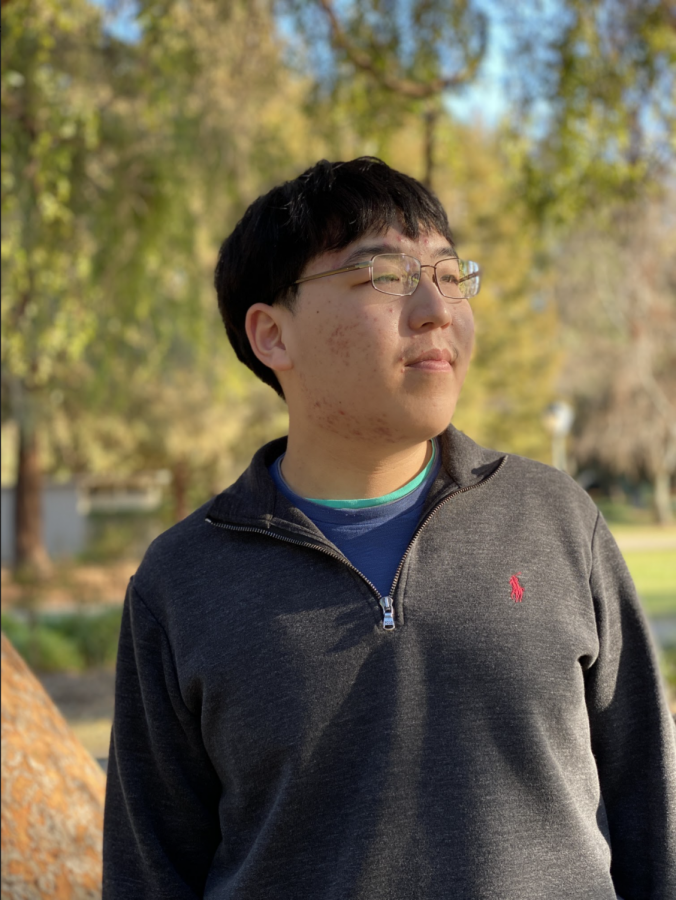


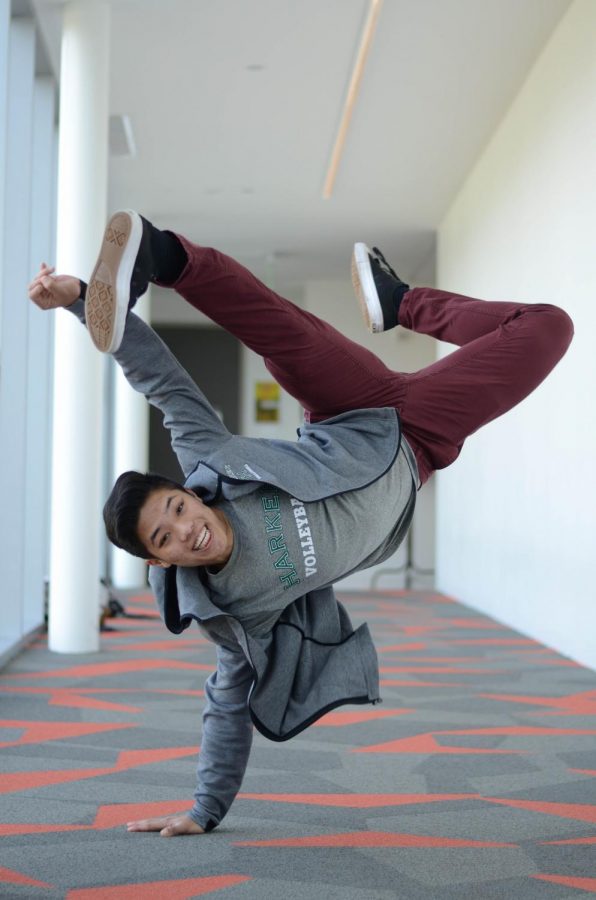


![“I think getting up in the morning and having a sense of purpose [is exciting]. I think without a certain amount of drive, life is kind of obsolete and mundane, and I think having that every single day is what makes each day unique and kind of makes life exciting,” Neymika Jain (12) said.](https://harkeraquila.com/wp-content/uploads/2017/06/Screen-Shot-2017-06-03-at-4.54.16-PM.png)
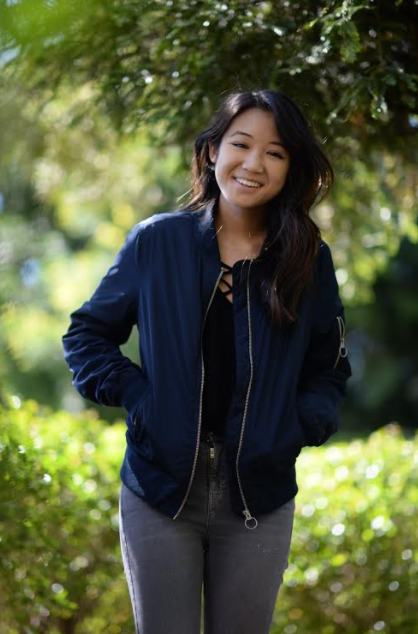
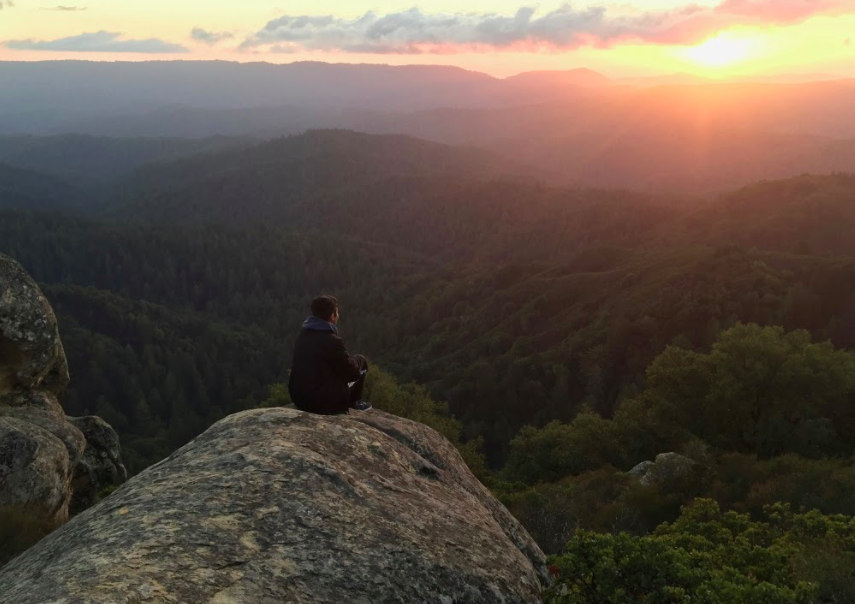


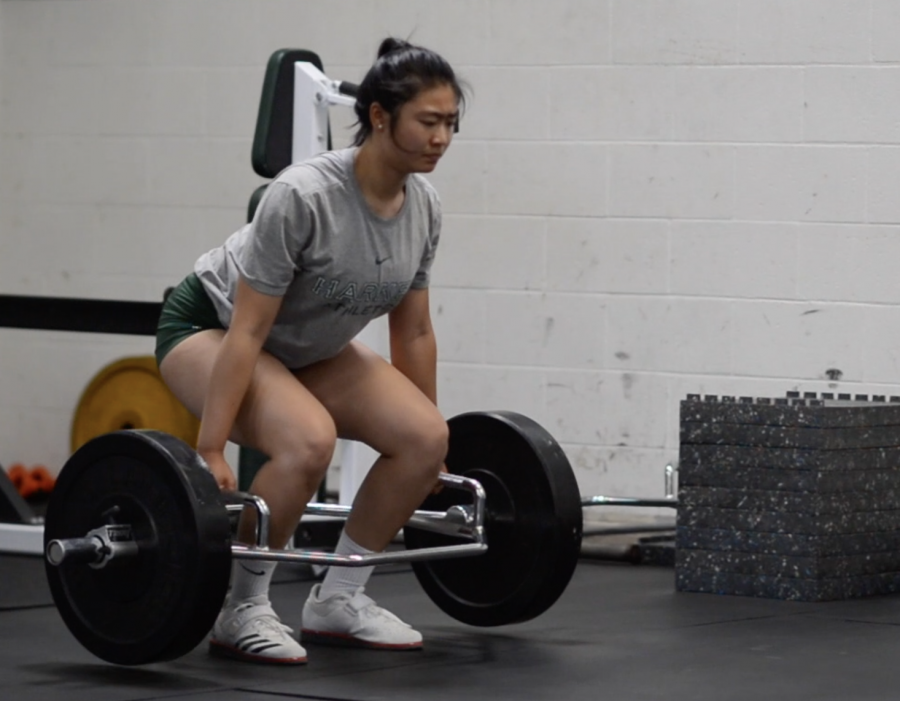

![“My slogan is ‘slow feet, don’t eat, and I’m hungry.’ You need to run fast to get where you are–you aren't going to get those championships if you aren't fast,” Angel Cervantes (12) said. “I want to do well in school on my tests and in track and win championships for my team. I live by that, [and] I can do that anywhere: in the classroom or on the field.”](https://harkeraquila.com/wp-content/uploads/2018/06/DSC5146-900x601.jpg)
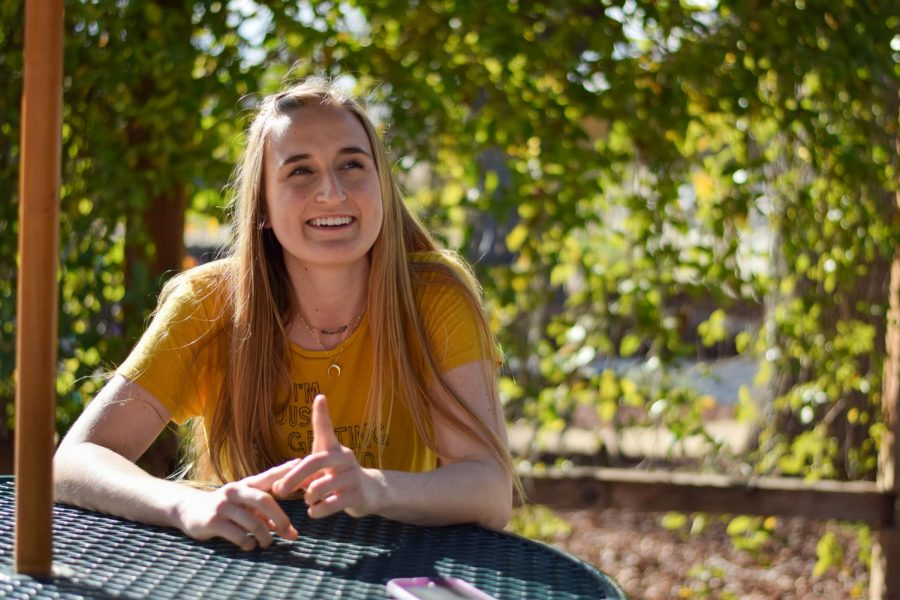
![“[Volleyball has] taught me how to fall correctly, and another thing it taught is that you don’t have to be the best at something to be good at it. If you just hit the ball in a smart way, then it still scores points and you’re good at it. You could be a background player and still make a much bigger impact on the team than you would think,” Anya Gert (’20) said.](https://harkeraquila.com/wp-content/uploads/2020/06/AnnaGert_JinTuan_HoHPhotoEdited-600x900.jpeg)

![“I'm not nearly there yet, but [my confidence has] definitely been getting better since I was pretty shy and timid coming into Harker my freshman year. I know that there's a lot of people that are really confident in what they do, and I really admire them. Everyone's so driven and that has really pushed me to kind of try to find my own place in high school and be more confident,” Alyssa Huang (’20) said.](https://harkeraquila.com/wp-content/uploads/2020/06/AlyssaHuang_EmilyChen_HoHPhoto-900x749.jpeg)


Humans of Harker: Extensive perspective
Natasha Matta explores the nuances of mental health
![“[My multiracial perspective] comes into play for a lot of things — trying to look at an issue from multiple perspectives, to keep in mind the needs of multiple communities. Some health issues impact different communities in different ways, so [it’s important to look] at culturally aware approaches to healthcare," Natasha Matta (12) said.](https://harkeraquila.com/wp-content/uploads/2022/02/NatashaMattaHoH_EshaGohil-596x900.jpeg)
“[My multiracial perspective] comes into play for a lot of things — trying to look at an issue from multiple perspectives, to keep in mind the needs of multiple communities. Some health issues impact different communities in different ways, so [it’s important to look] at culturally aware approaches to healthcare,” Natasha Matta (12) said.
Growing up with serious food allergies starting at a young age, Natasha Matta (12) learned to automatically check food labels and stay home during overnight trips or sleepovers. When she received the opportunity to start a novel treatment at Stanford to reduce the severity of her allergies, she unknowingly initiated the start of her research journey, a path that would continue on to where she is today.
Through her time at Stanford, Natasha became more involved with their science programs and applied for research opportunities, eventually working in a lab dedicated to mental health. Both her upbringing in the Bay Area and her diverse background as someone of Russian, Japanese and Egyptian descent have influenced her decision to research mental health.
“Growing up around technology made me interested in the way media affects mental health, and then also being multiracial has shaped it in seeing how the three cultures I’m from all view mental health differently,” Natasha said.
Even though different sides within her family have deviating perspectives, the general way in which her cultures discuss mental health frames it in a negative light. Instead of her environment’s discouraging discussions on mental health, Natasha finds herself more empathetic to other communities through embracing her racial identity.
“All of [my cultures] view [mental health] as stigmatized, Japanese included — not really something to be super discussed — so that made me more stubborn in wanting to study it more,” she said.
Stemming from her diverse backgrounds, Natasha’s worldview strengthens her ability to take into account different perspectives, helping her research be more inclusive.
“[My multiracial perspective] comes into play for a lot of things — trying to look at an issue from multiple perspectives and trying to keep in mind the needs of multiple communities,” Natasha said. “Some health issues impact different communities in different ways, so [it’s important to be] mindful of that and also [look] at culturally aware approaches to healthcare.”
Although the pressures of research and navigating life can be intimidating, especially as a high schooler, close friend Kavita Murthy (12) notes that Natasha hasn’t allowed others to affect her personality or her drive.
“A lot of the times in high school, you worry a lot about what other people think, but [Natasha’s] not like that,” Kavita said. “She’s always been like, ‘I am who I am, and if people don’t like that, that’s totally fine,’ and that’s something I’ve tried to get a lot from her, too.”
Natasha’s awareness of other cultures and her kindness to others stands out to close friend Angela Gao (12), who admires Natasha for her understanding and tolerance.
“If someone says something that’s ignorant, [Natasha’s] willing to educate them without making them feel bad about it,” Angela said. “I know that nowadays, a lot of people have a tendency to cancel someone who doesn’t say something good … She is willing to put her judgement aside and talk to them about it … She is able to do that in a constructive way instead of tearing them down.”
Just as Natasha makes sure to be kind to others and empathize with them, she also places importance on taking care of herself, having cultivated her hobby of gardening over quarantine and using it as a way to fight the fatigue of lockdown.
“Taking care of other things forces you to take care of yourself,” Natasha said. “Especially with the pandemic and everything, it’s pretty easy to spend the whole day on your laptop, but having activities like [gardening] forces you to get up and actually do stuff. It’s cool gaining another skill, being able to take care of something and see it grow.”
Having a tangible impact with her work and being able to follow its growth, whether it’s a houseplant or her research, motivates Natasha to continue learning and exploring different topics. Research teacher Chris Spenner has witnessed Natasha’s progress over her years in high school and appreciates the thoughtfulness Natasha brings to the classroom.
“She still is the same curious person and still has the same broad knowledge base, although it’s gotten broader,” Spenner said. “[She has grown in that] she’s always willing to try out new quantitative methods, rather than what people think of as softer, more complex systems, so she’s willing to push the boundaries and see where it takes her.”
One topic she discusses in her research is making small changes in language to destigmatize mental health, committing herself to be more mindful with her word choice. More broadly, with her research, Natasha hopes that she can make a palpable contribution to the accessibility and awareness of mental health.
“[One thing I’ve learned from research is] the importance of youth perspectives in this area,” Natasha said. “You wouldn’t think as a high school student you’d be able to work in such an impactful field of work.”
Margaret Cartee 12) is a co-managing editor for Harker Aquila, and this is her fourth year on staff. This year, Margaret wants to do more illustrations...

Esha Gohil (12) is the co-editor-in-chief of Humans of Harker and the photo editor of Harker Aquila. This is her fourth year on staff, and this year she...