![“I wasn't discouraged by some of the obstacles we faced. I learned a lot from the leadership. I found that different people need different ways of receiving feedback — you can't [just] tell them to do something and expect the best. [Some] people needed more incentive. A large part of my role was to figure out what worked for everyone and to figure out how to lead all these separate individuals as a team,” Suhana Bhandare (’26) said.](https://harkeraquila.com/wp-content/uploads/2026/06/SuhanaBhandare_JasmineHansra-1-1200x798.jpg)

![“This is actually from Randy Pausch Randy P. Brick: ‘Walls are there for a reason. You have to show how much you want to overcome them.’ You have to show how much you want something. That's what I've always been able to do with tennis, Link Crew and getting that internship [with Kushy Baby]. It’s important pushing through that — getting around that brick wall, climbing over it or clawing through it,” Yash Sachdeva (’26) said.](https://harkeraquila.com/wp-content/uploads/2026/05/YashSachdeva_RamBatchu-copy-1200x1002.jpg)












![“[Building nerf blasters] became this outlet of creativity for me that hasn't been matched by anything else. The process [of] making a build complete to your desire is such a painstakingly difficult process, but I've had to learn from [the skills needed from] soldering to proper painting. There's so many different options for everything, if you think about it, it exists. The best part is [that] if it doesn't exist, you can build it yourself," Ishaan Parate said.](https://harkeraquila.com/wp-content/uploads/2022/08/DSC_8149-900x604.jpg)
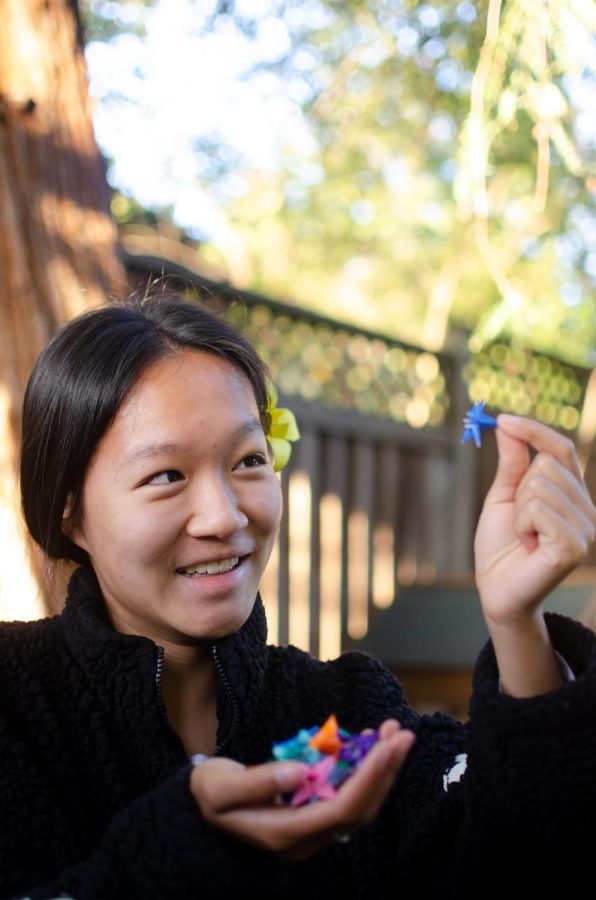


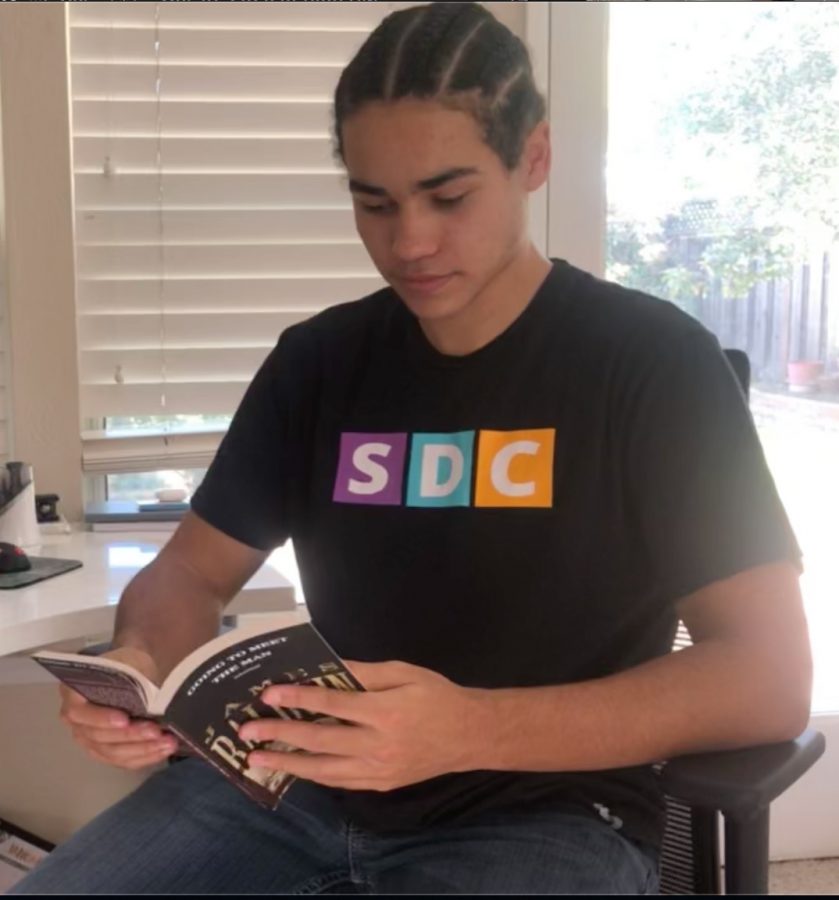
![“When I came into high school, I was ready to be a follower. But DECA was a game changer for me. It helped me overcome my fear of public speaking, and it's played such a major role in who I've become today. To be able to successfully lead a chapter of 150 students, an officer team and be one of the upperclassmen I once really admired is something I'm [really] proud of,” Anvitha Tummala ('21) said.](https://harkeraquila.com/wp-content/uploads/2021/07/Screen-Shot-2021-07-25-at-9.50.05-AM-900x594.png)
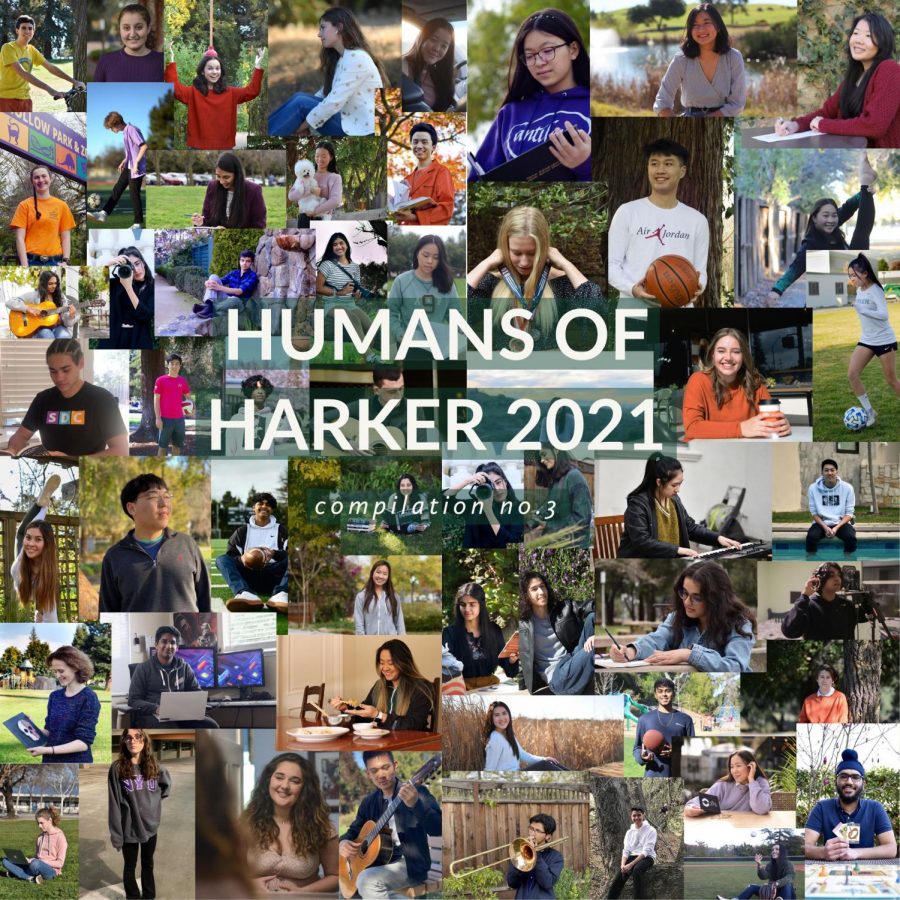



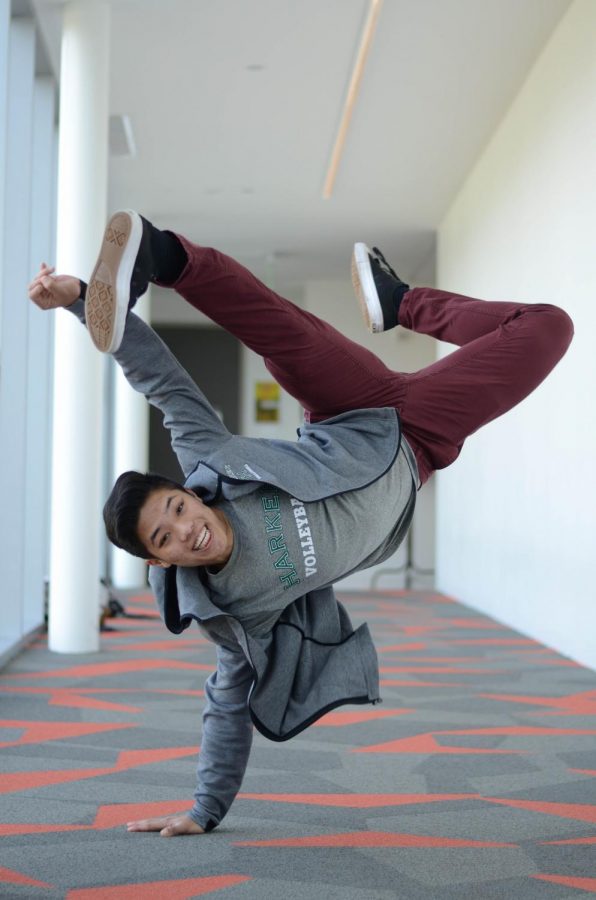


![“I think getting up in the morning and having a sense of purpose [is exciting]. I think without a certain amount of drive, life is kind of obsolete and mundane, and I think having that every single day is what makes each day unique and kind of makes life exciting,” Neymika Jain (12) said.](https://harkeraquila.com/wp-content/uploads/2017/06/Screen-Shot-2017-06-03-at-4.54.16-PM.png)





![“My slogan is ‘slow feet, don’t eat, and I’m hungry.’ You need to run fast to get where you are–you aren't going to get those championships if you aren't fast,” Angel Cervantes (12) said. “I want to do well in school on my tests and in track and win championships for my team. I live by that, [and] I can do that anywhere: in the classroom or on the field.”](https://harkeraquila.com/wp-content/uploads/2018/06/DSC5146-900x601.jpg)
![“[Volleyball has] taught me how to fall correctly, and another thing it taught is that you don’t have to be the best at something to be good at it. If you just hit the ball in a smart way, then it still scores points and you’re good at it. You could be a background player and still make a much bigger impact on the team than you would think,” Anya Gert (’20) said.](https://harkeraquila.com/wp-content/uploads/2020/06/AnnaGert_JinTuan_HoHPhotoEdited-600x900.jpeg)

![“I'm not nearly there yet, but [my confidence has] definitely been getting better since I was pretty shy and timid coming into Harker my freshman year. I know that there's a lot of people that are really confident in what they do, and I really admire them. Everyone's so driven and that has really pushed me to kind of try to find my own place in high school and be more confident,” Alyssa Huang (’20) said.](https://harkeraquila.com/wp-content/uploads/2020/06/AlyssaHuang_EmilyChen_HoHPhoto-900x749.jpeg)



The rise of K-pop: crossing over to the Western market
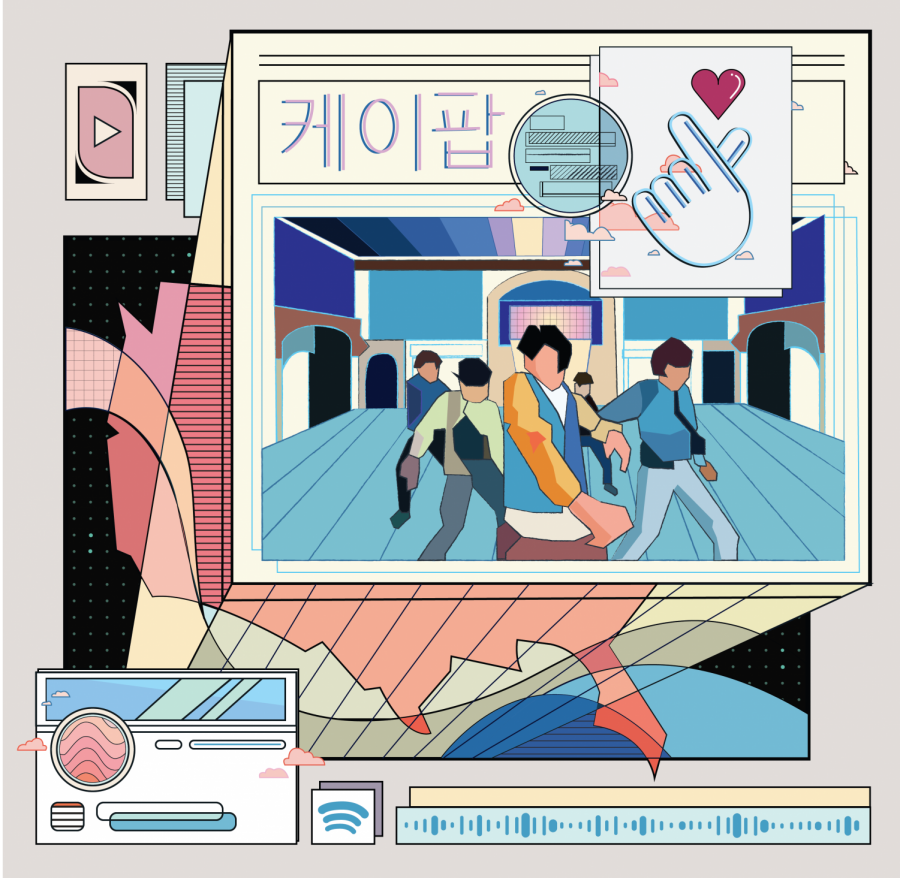
In the next few years, K-pop’s popularity can be expected to attain even greater heights worldwide: wider recognition of the K-pop industry and more meaningful interactions between both Western and Korean artists will follow.
October 28, 2020
BTS and Nicki Minaj. Blackpink and Cardi B. These artists hail from opposite sides of the world, yet their names stand right next to each other under the titles of a recent series of crossovers between the Korean pop music (K-pop) industry and Western artists. Earlier this month, K-pop girl group Blackpink released their first full-length studio album, titled “The Album,” on Oct. 2. In the debut album, they dropped two collaborations with high-profile Western artists: “Ice Cream” with Selena Gomez and “Bet You Wanna” with Cardi B.
K-pop groups’ meteoric rise to fame in the United States has also attracted a steady stream of fame-chasers. BTS, Blackpink, EXO, Twice, NCT 127 and more have become increasingly popular over the past few years, with older groups such as BIGBANG and Girls’ Generation paving the way for international expansion in the early 2010s. BTS, a seven-member boy band, and Blackpink, a four-member girl group, have arguably become the most influential groups at the moment, setting worldwide records on the top charts with their songs.
Over the past few years, as K-pop has begun entering the mainstream Western market, American media sources have jumped at the opportunity to boost their own viewership and gain extra clicks and views from the K-pop fanbase, even though the superficial nature of these interactions has ultimately come at a cost for many of the K-pop artists themselves.
Although some American interviewers ask insightful and specific questions to the Korean artists, others have failed to do adequate research prior to speaking with K-pop groups, creating an uncomfortable atmosphere not only for the live audiences watching the show but also for the millions of fans who later view the recordings online.
“I definitely think that there are some interviewers that really do their research and really ask profound questions that the fans want to know, and then I feel like some of them just definitely use BTS as a headline article,” Emily Zhou (11) said. “They don’t really do the research, they just kind of know Korean culture in general, and they don’t really go into depth of what the fans really want to know.”
This has sparked controversy among fans, especially on social media platforms such as Twitter. With K-pop hitting its stride in the United States during 2018, the criticisms became increasingly prominent. Many have accused media sources of only interacting with their K-pop guests on a superficial level, asking questions that do not relate to the artists themselves in any way. For instance, in an interview with artist Jay Park on Ebro in the Morning, fans called out the interviewer for failing to do his research.
According to fans, the interviewer seemed to have no knowledge of who his guest was and treated Park disrespectfully on the show, drawing disapproval from the comments section of the Youtube video recording.
“A lot of people on social media criticize [not just] Western interviewers but even some artists for clout chasing,” Ray Wang (12) said. “I think part of why people are mad is that sometimes the questions are very generic, and they’ll only really be interested in asking ‘what’s your favorite American this or American that?’”
Not all interactions between the K-pop industry and Western media have occurred on such a shallow level. Many American shows have also welcomed their guests warmly, and the hosts clearly appreciate K-pop as a musical genre and respect the artists. On Youtube, K-pop groups are spotlighted just like any other Western media personality, with interviewers off-screen for the entire duration of the video as the artists complete interesting activities and discuss their daily lives and personal hobbies. For instance, Buzzfeed featured a video of BTS playing with puppies, with the artists themselves leading the interview and the staff handing them interview questions on pieces of paper.
“When the interviews are more artist-based, where they lead the entire video or interaction, I think that’s a very good way to interact with international fans, rather than the interviewer simply asking the questions to the artist,” Claire Bauschlicher (9) said.
Media coverage has also served K-pop groups in many beneficial ways, increasing K-pop’s influence in the United States and also helping the artists reach more potential Western audiences. In the next few years, K-pop’s popularity can be expected to attain even greater heights worldwide: wider recognition of the K-pop industry and more meaningful interactions between both Western and Korean artists will follow.
“I think K-pop as a genre is becoming more respected in the West as well. Over time more and more people are starting to recognize BTS as not just one of the biggest K-pop groups, but one of the biggest pop groups in the world,” Ray Wang (12) said.