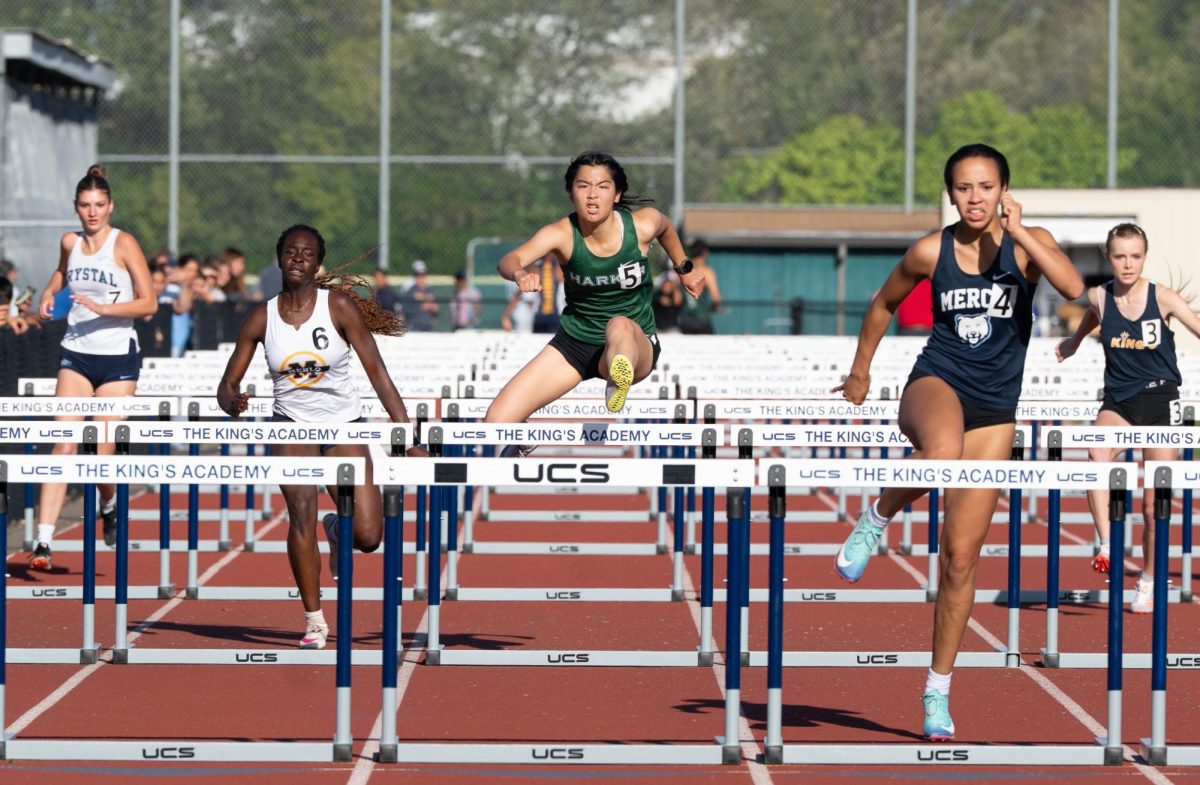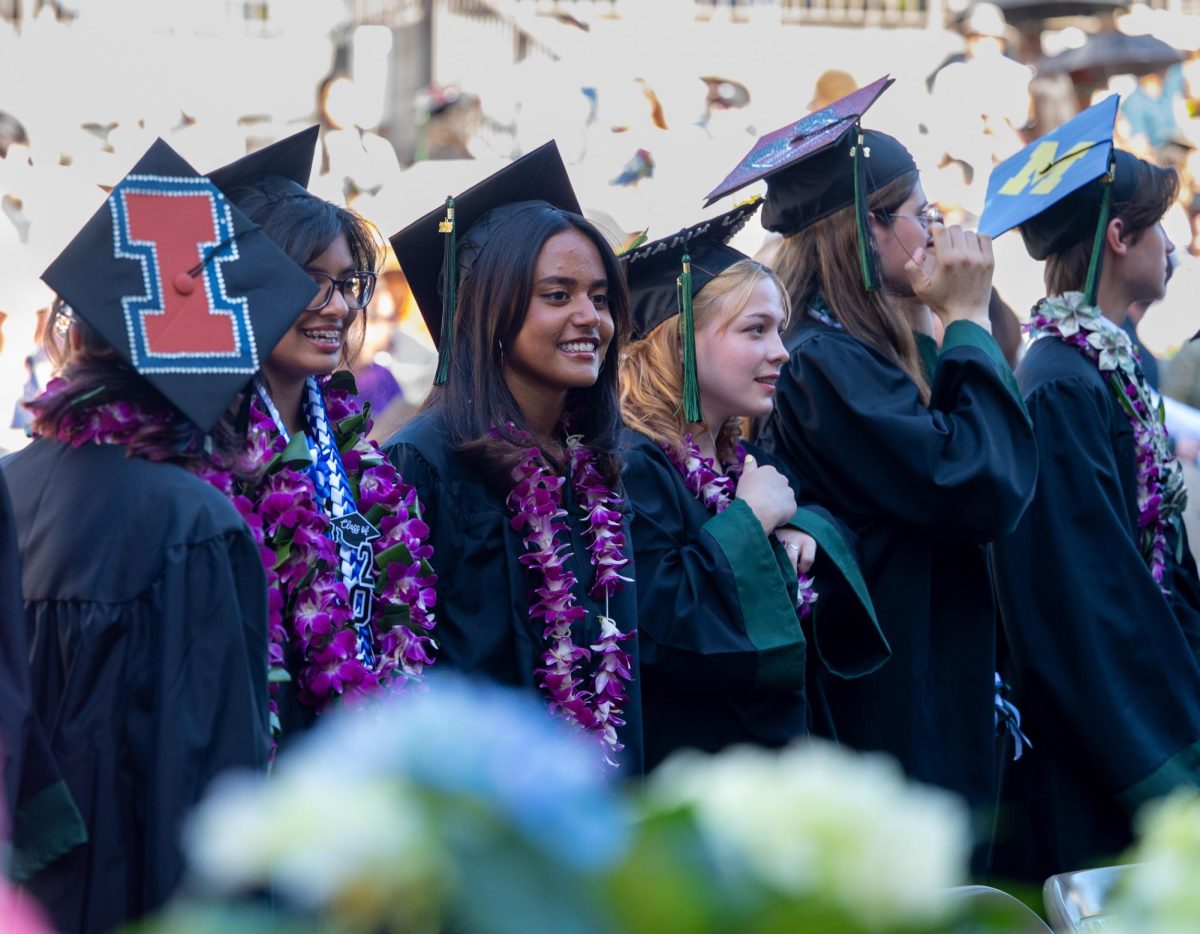
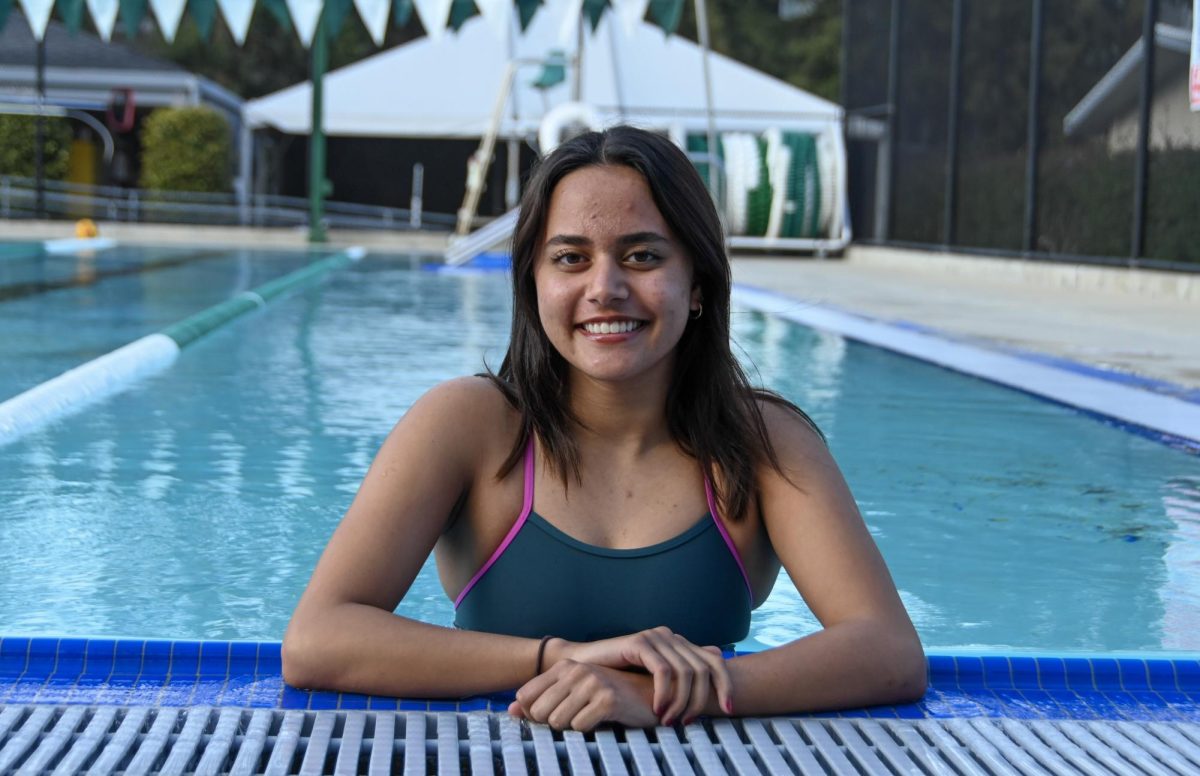
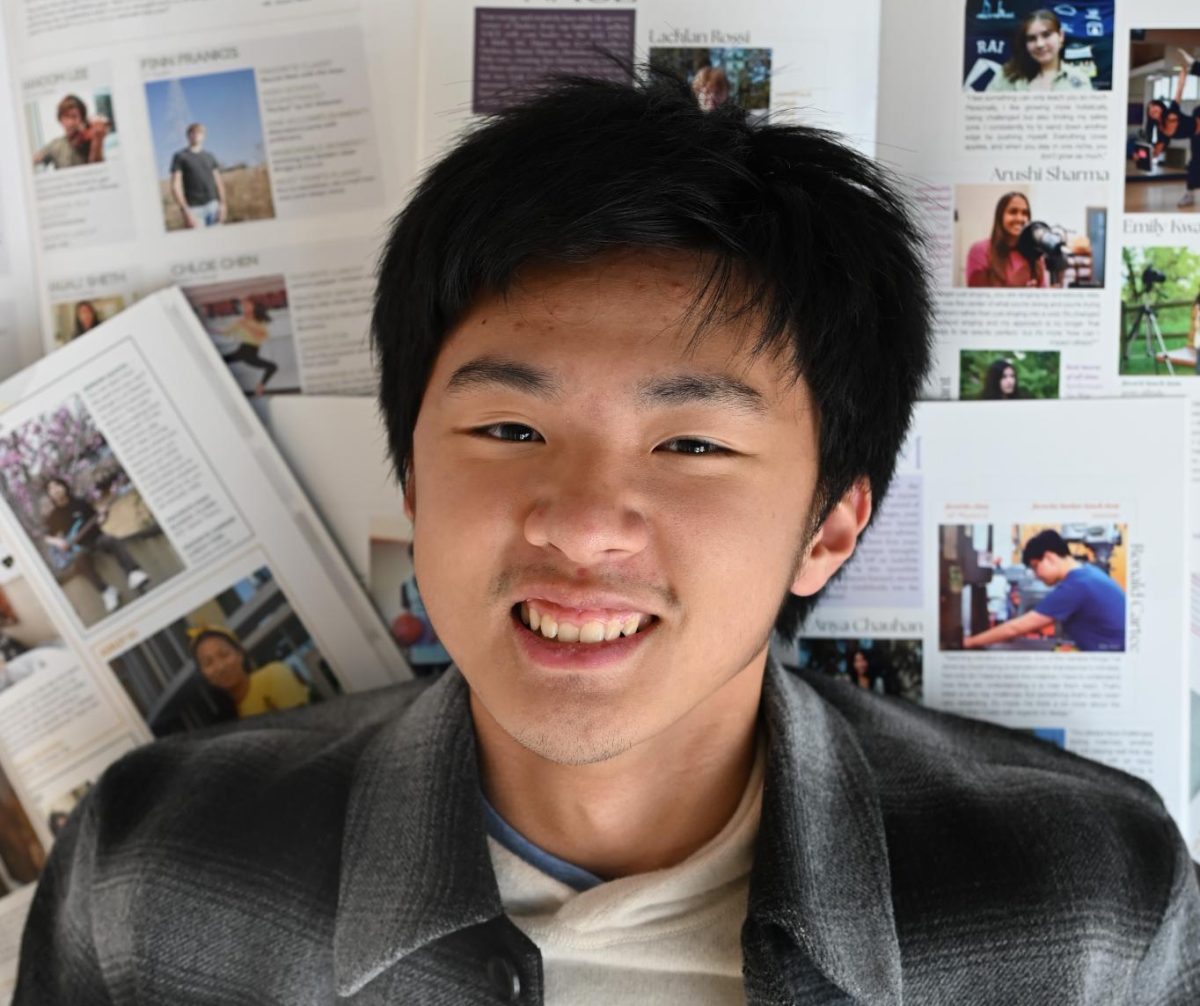
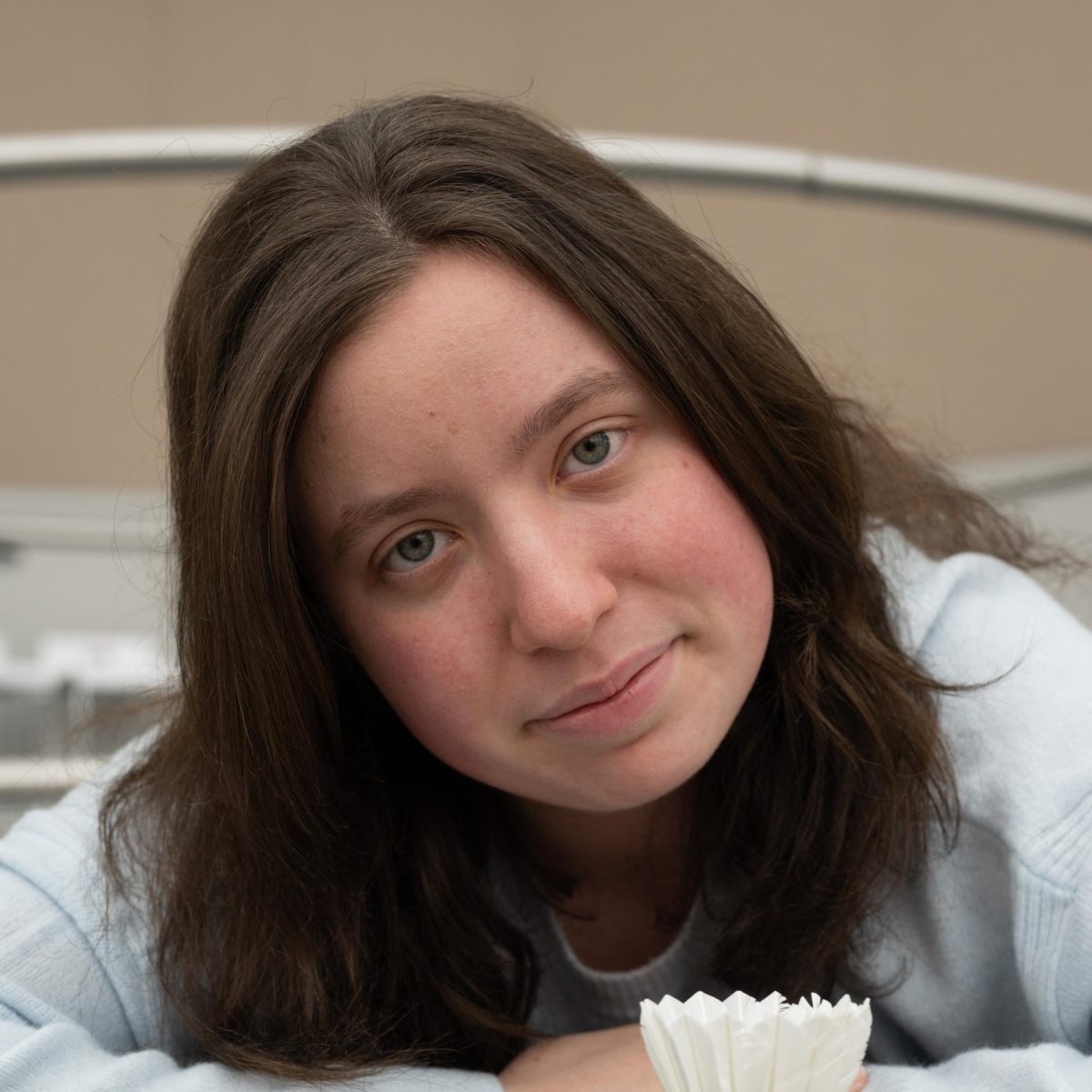
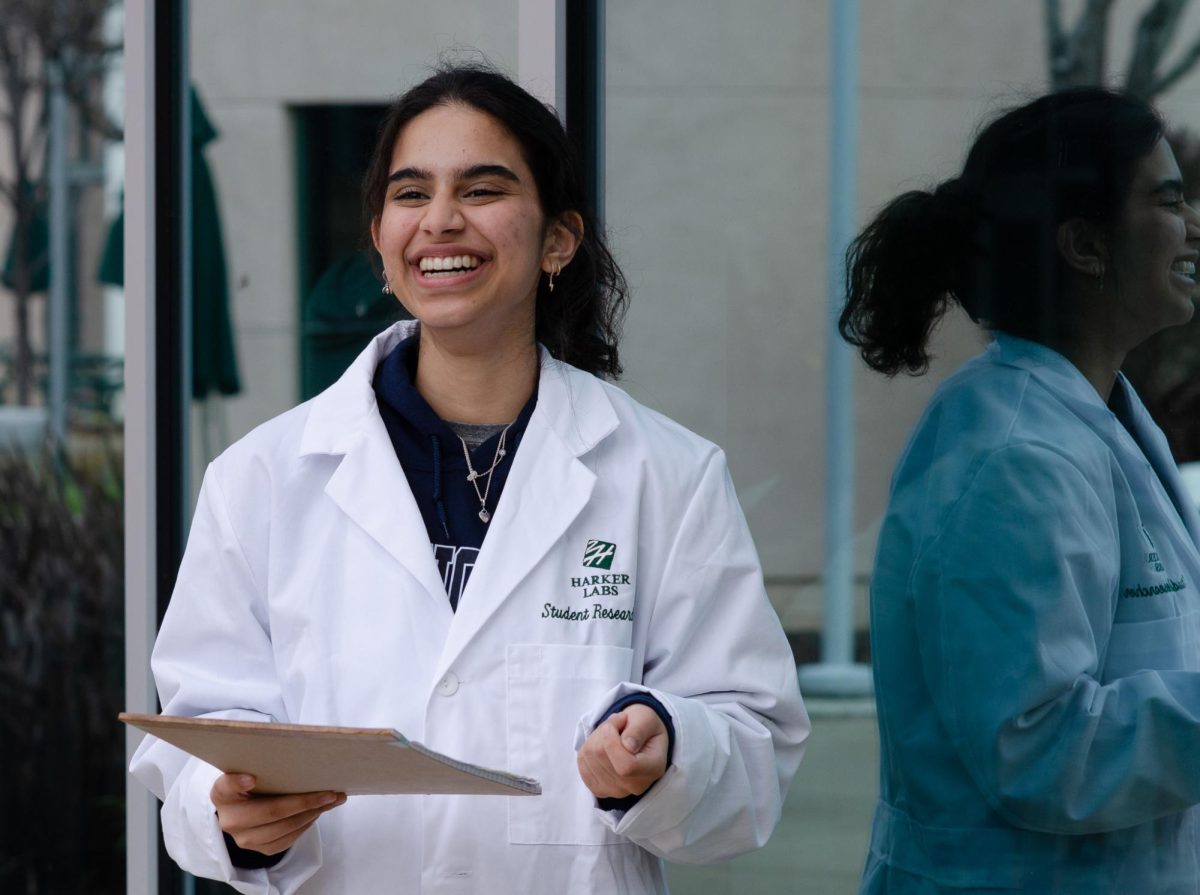
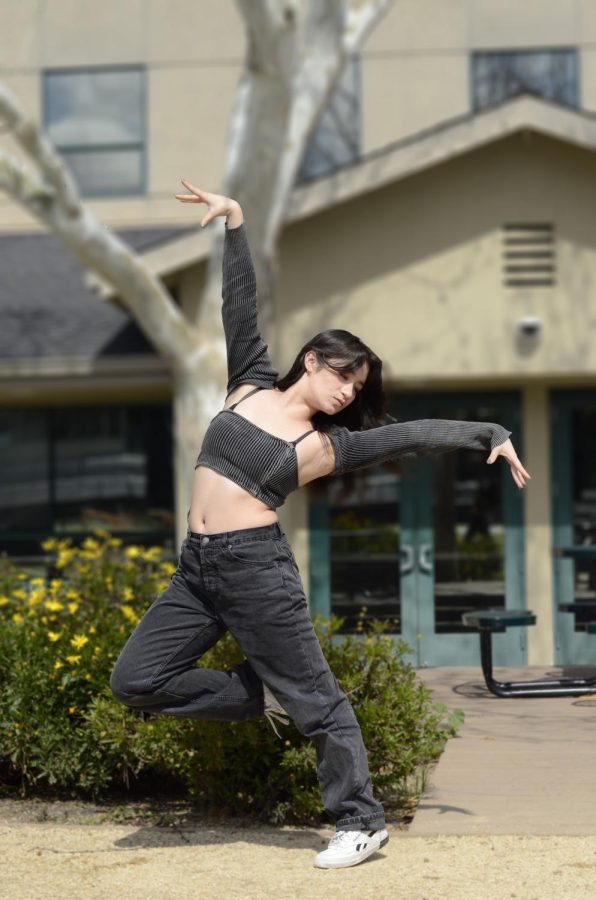
![“I wasn't discouraged by some of the obstacles we faced. I learned a lot from the leadership. I found that different people need different ways of receiving feedback — you can't [just] tell them to do something and expect the best. [Some] people needed more incentive. A large part of my role was to figure out what worked for everyone and to figure out how to lead all these separate individuals as a team,” Suhana Bhandare (’26) said.](https://harkeraquila.com/wp-content/uploads/2026/06/SuhanaBhandare_JasmineHansra-1-1200x798.jpg)
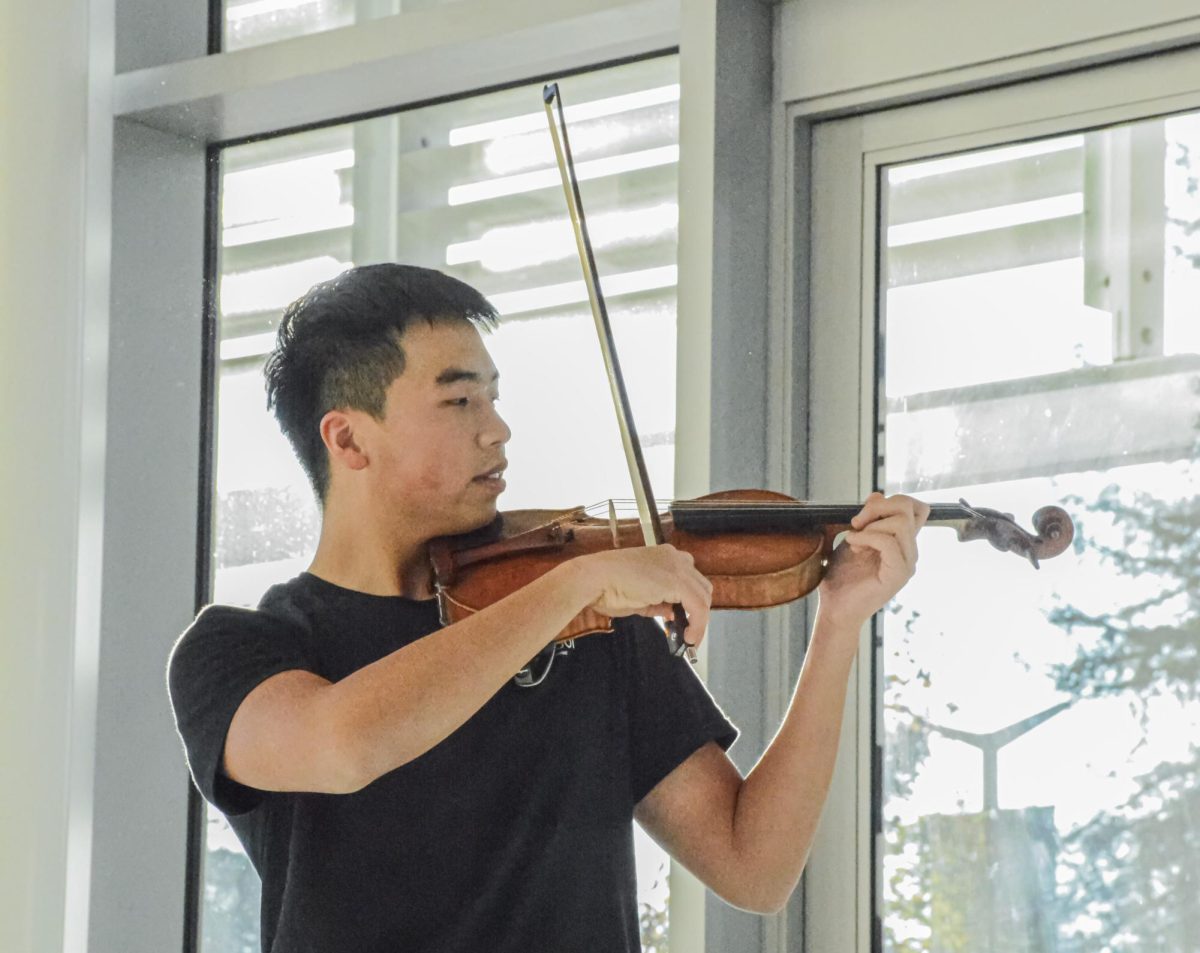
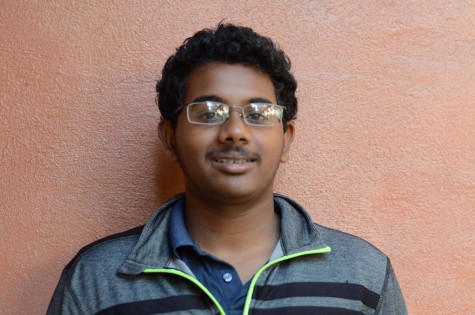
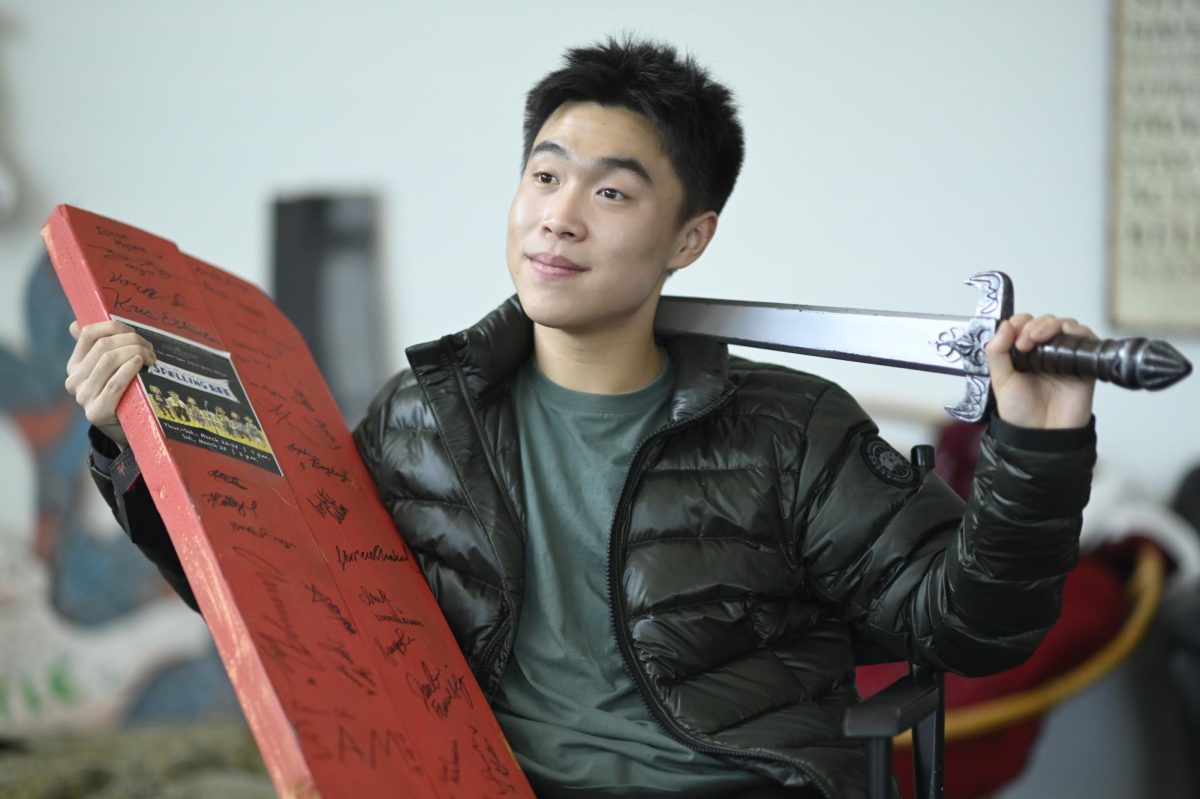
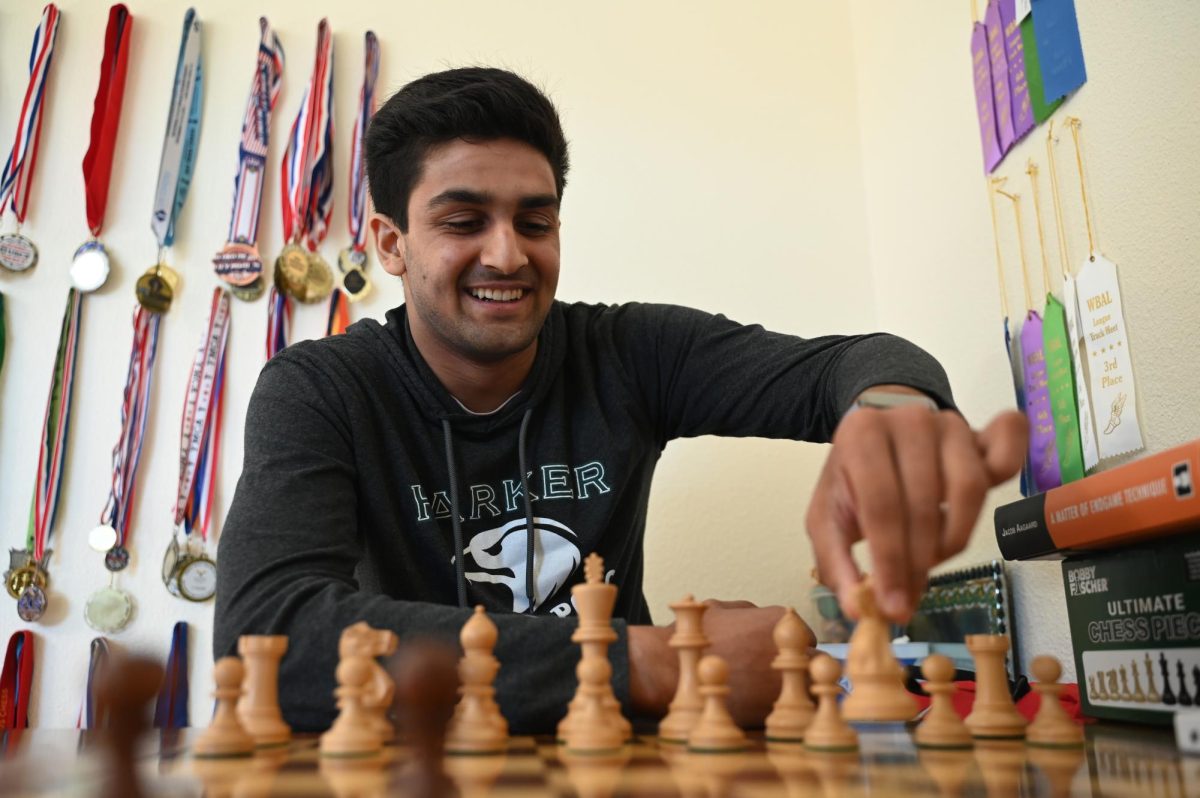
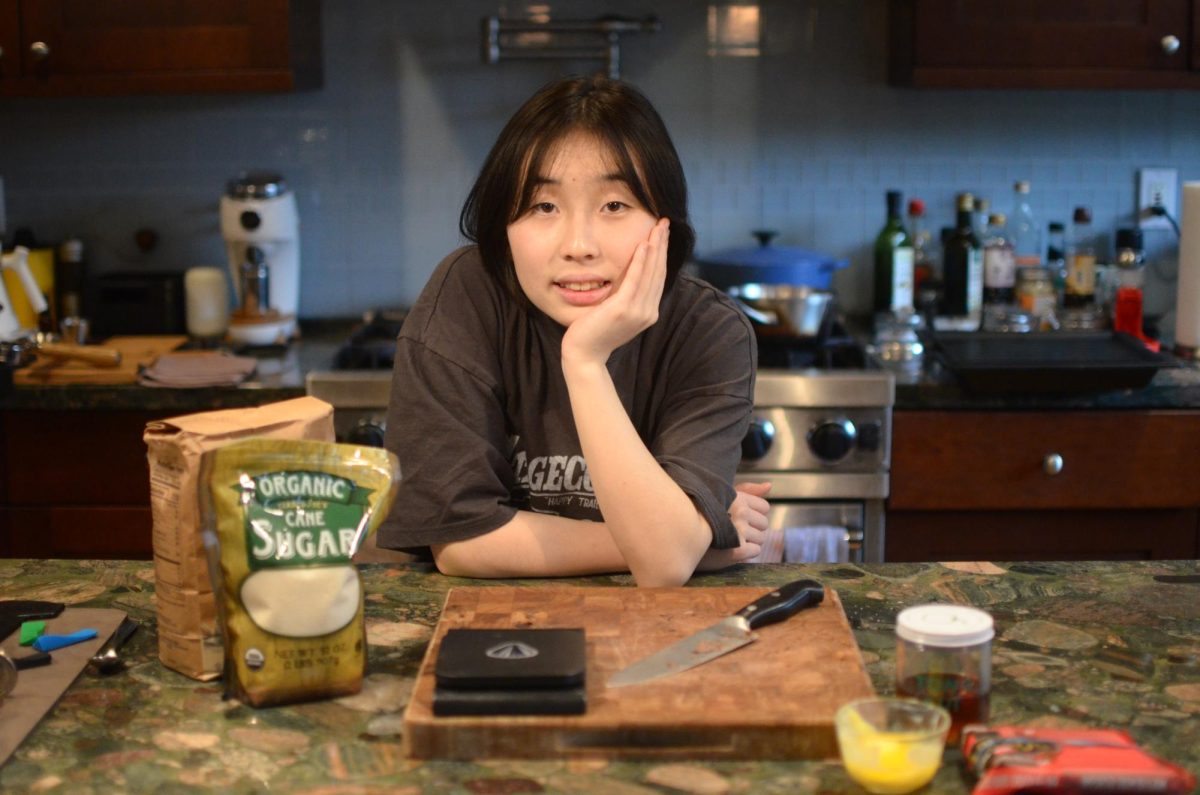
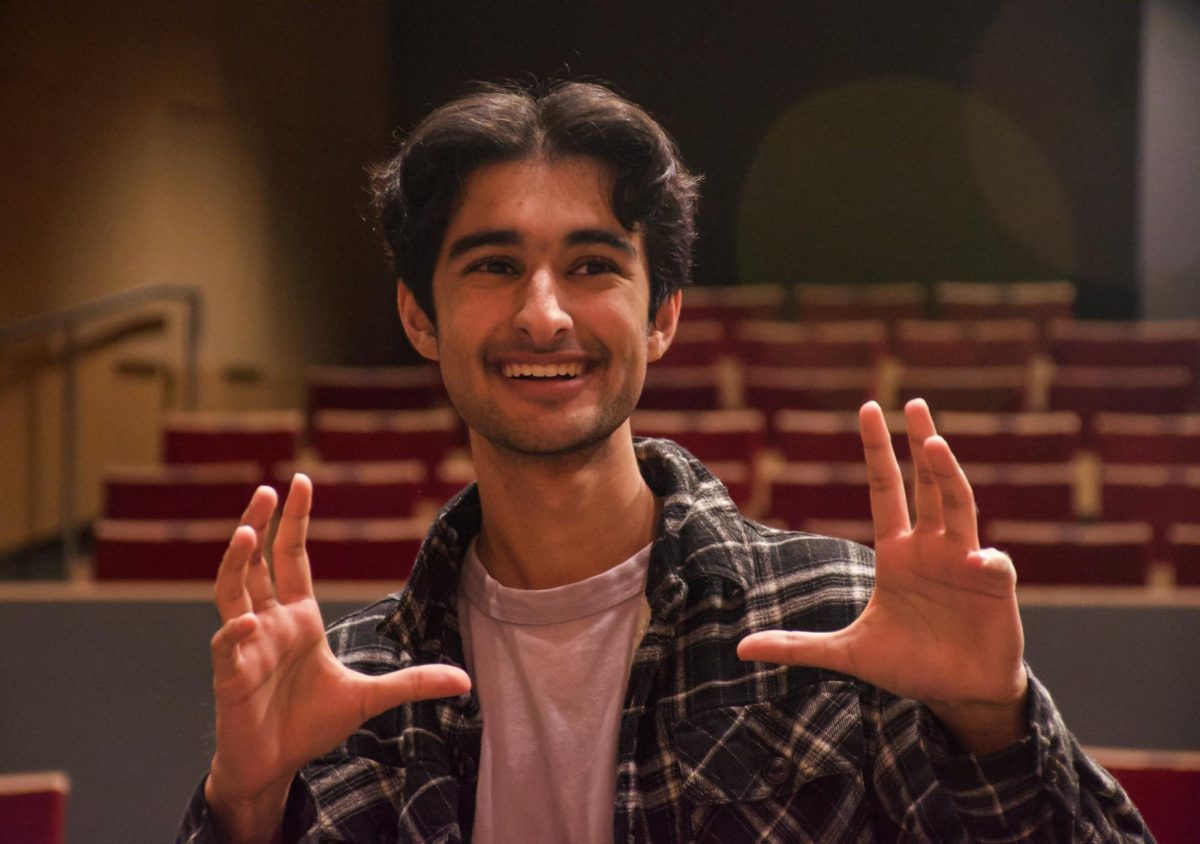
![“This is actually from Randy Pausch Randy P. Brick: ‘Walls are there for a reason. You have to show how much you want to overcome them.’ You have to show how much you want something. That's what I've always been able to do with tennis, Link Crew and getting that internship [with Kushy Baby]. It’s important pushing through that — getting around that brick wall, climbing over it or clawing through it,” Yash Sachdeva (’26) said.](https://harkeraquila.com/wp-content/uploads/2026/05/YashSachdeva_RamBatchu-copy-1200x1002.jpg)


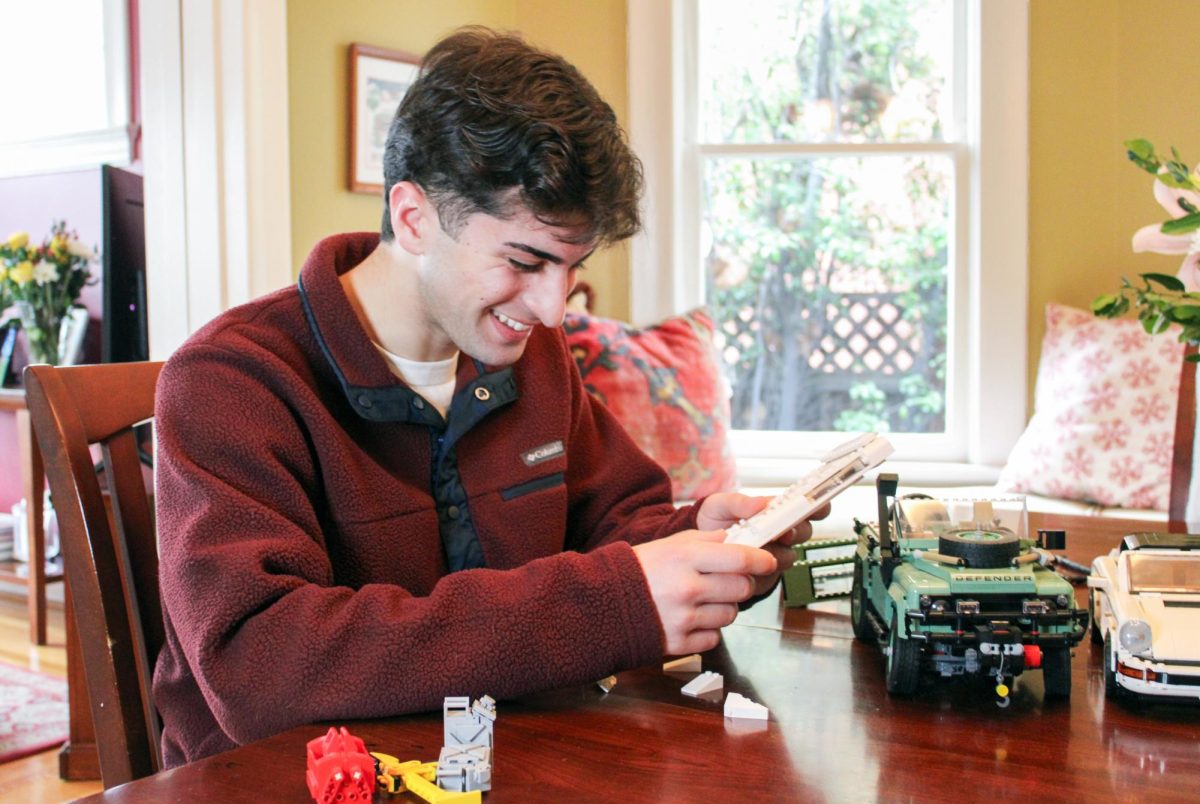

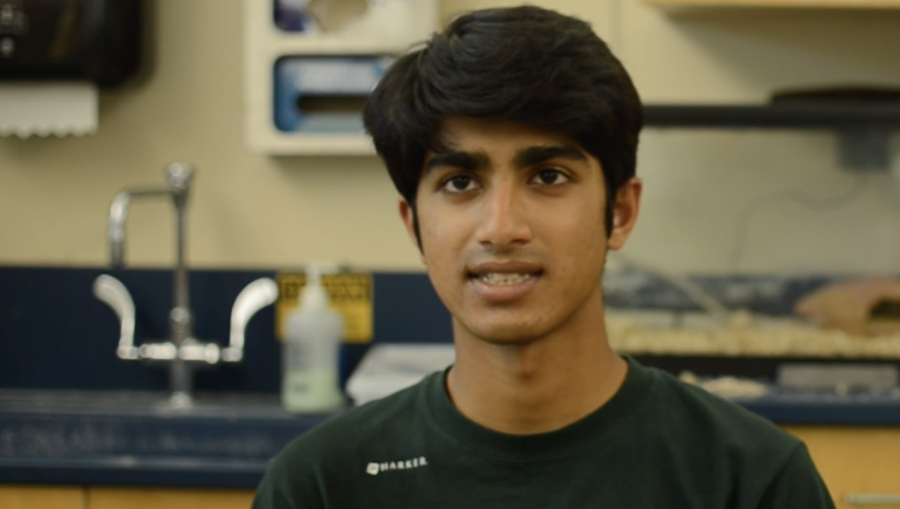
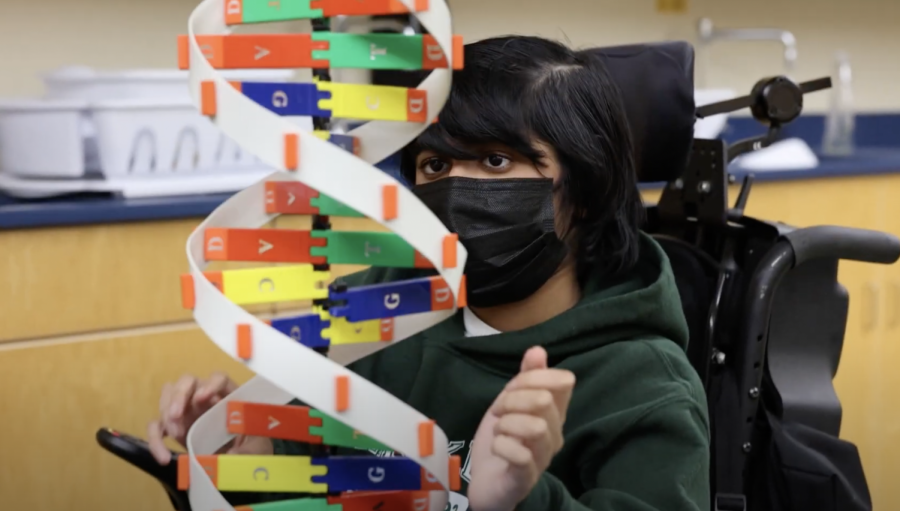
![“[Building nerf blasters] became this outlet of creativity for me that hasn't been matched by anything else. The process [of] making a build complete to your desire is such a painstakingly difficult process, but I've had to learn from [the skills needed from] soldering to proper painting. There's so many different options for everything, if you think about it, it exists. The best part is [that] if it doesn't exist, you can build it yourself," Ishaan Parate said.](https://harkeraquila.com/wp-content/uploads/2022/08/DSC_8149-900x604.jpg)
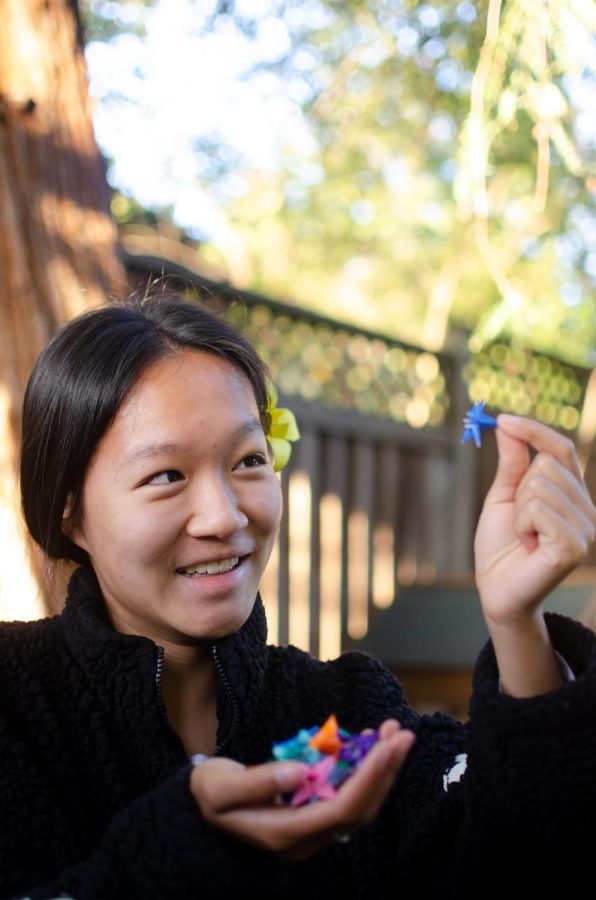
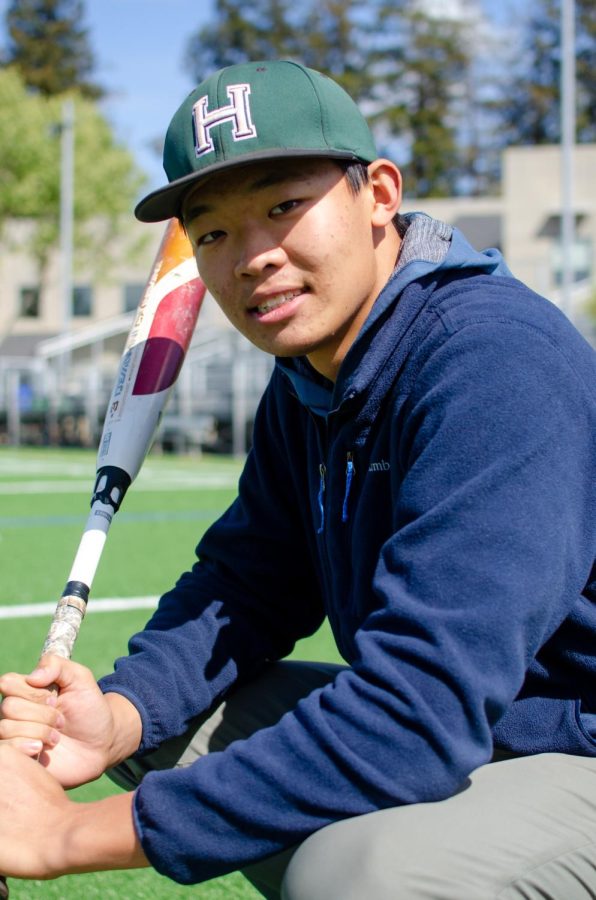
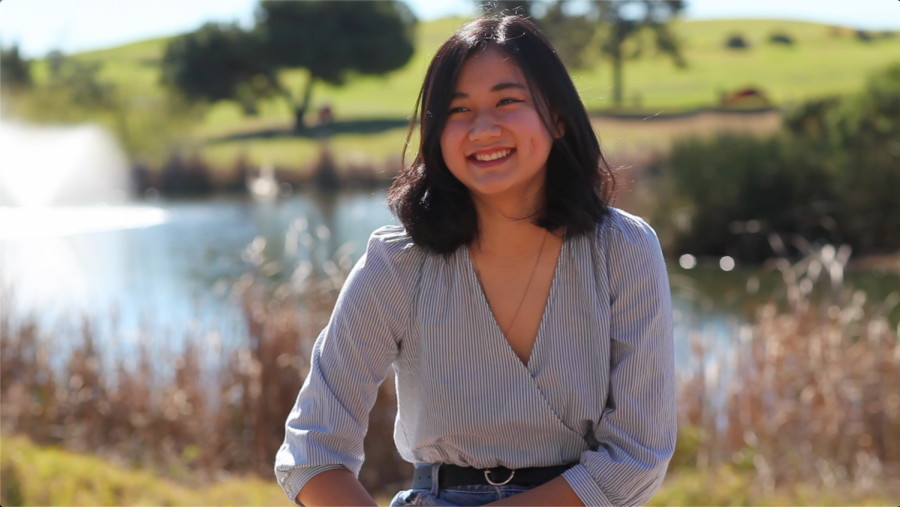
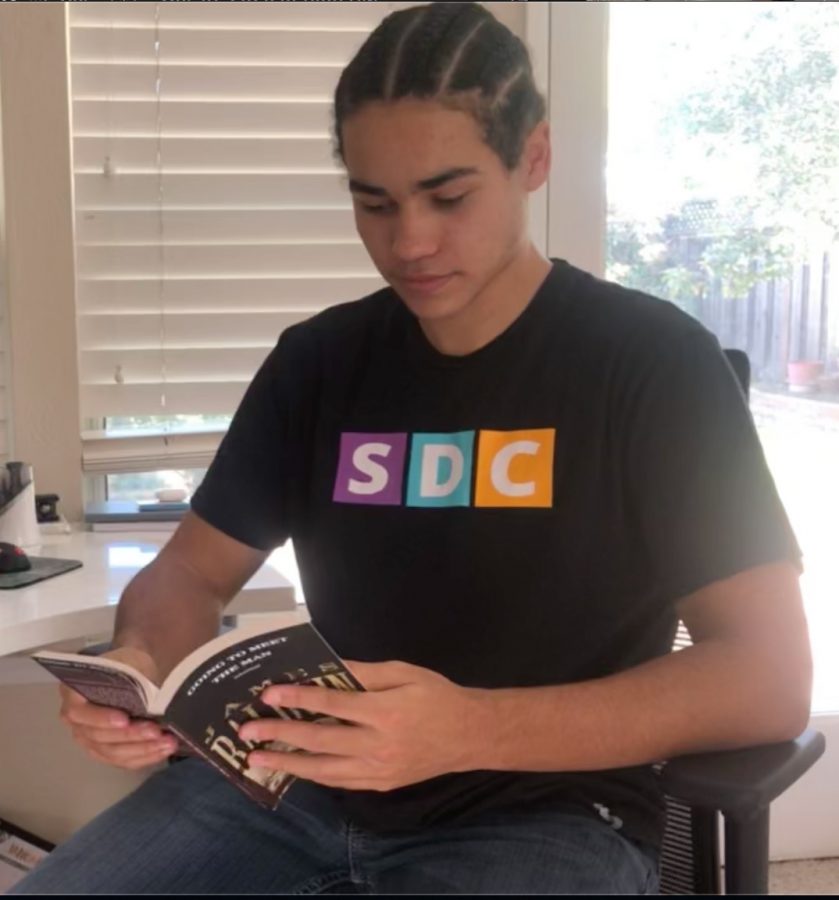
![“When I came into high school, I was ready to be a follower. But DECA was a game changer for me. It helped me overcome my fear of public speaking, and it's played such a major role in who I've become today. To be able to successfully lead a chapter of 150 students, an officer team and be one of the upperclassmen I once really admired is something I'm [really] proud of,” Anvitha Tummala ('21) said.](https://harkeraquila.com/wp-content/uploads/2021/07/Screen-Shot-2021-07-25-at-9.50.05-AM-900x594.png)

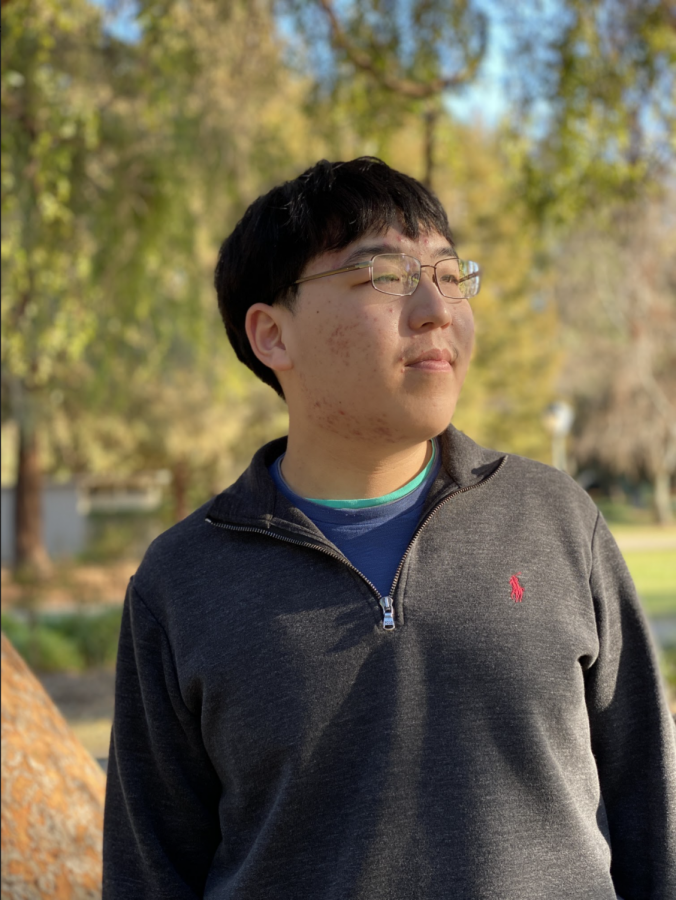
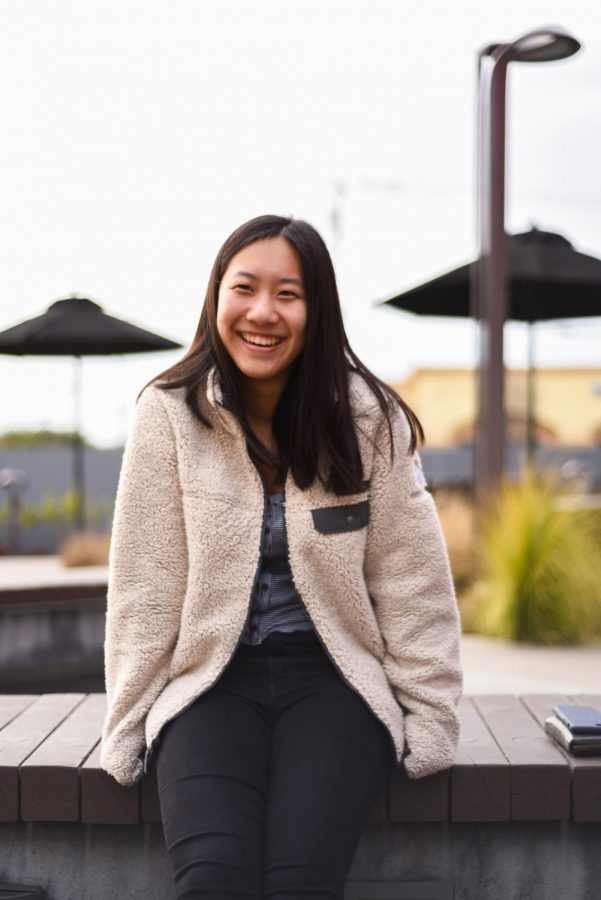
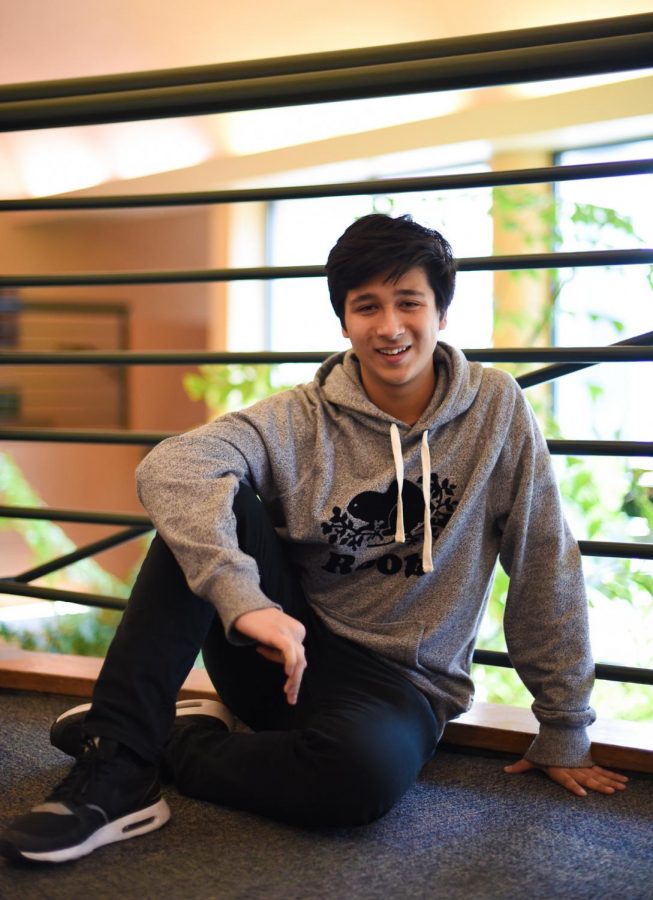
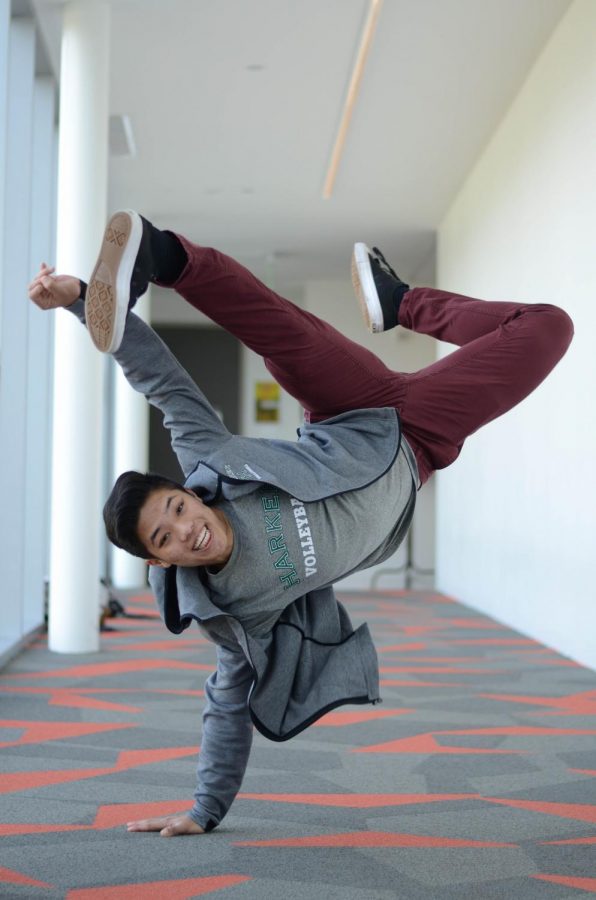
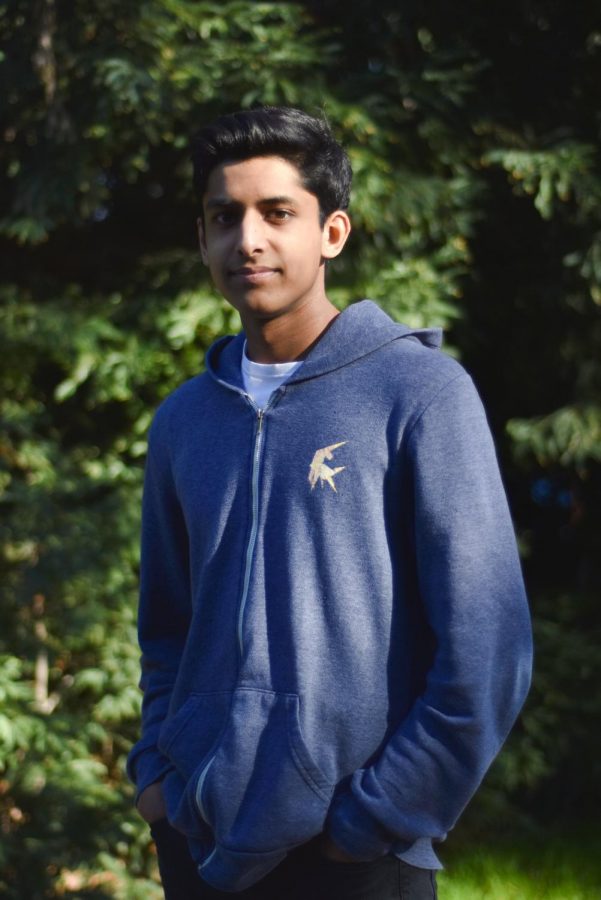

![“I think getting up in the morning and having a sense of purpose [is exciting]. I think without a certain amount of drive, life is kind of obsolete and mundane, and I think having that every single day is what makes each day unique and kind of makes life exciting,” Neymika Jain (12) said.](https://harkeraquila.com/wp-content/uploads/2017/06/Screen-Shot-2017-06-03-at-4.54.16-PM.png)
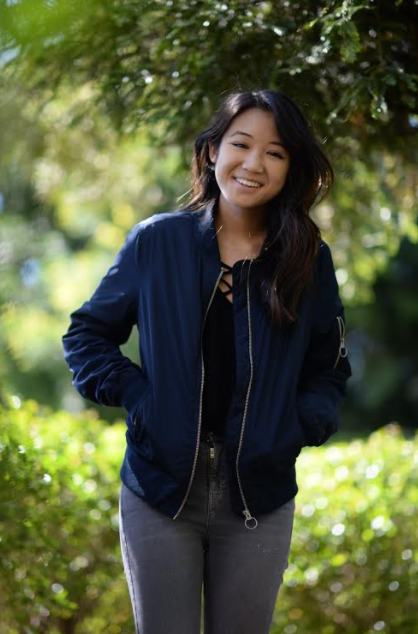
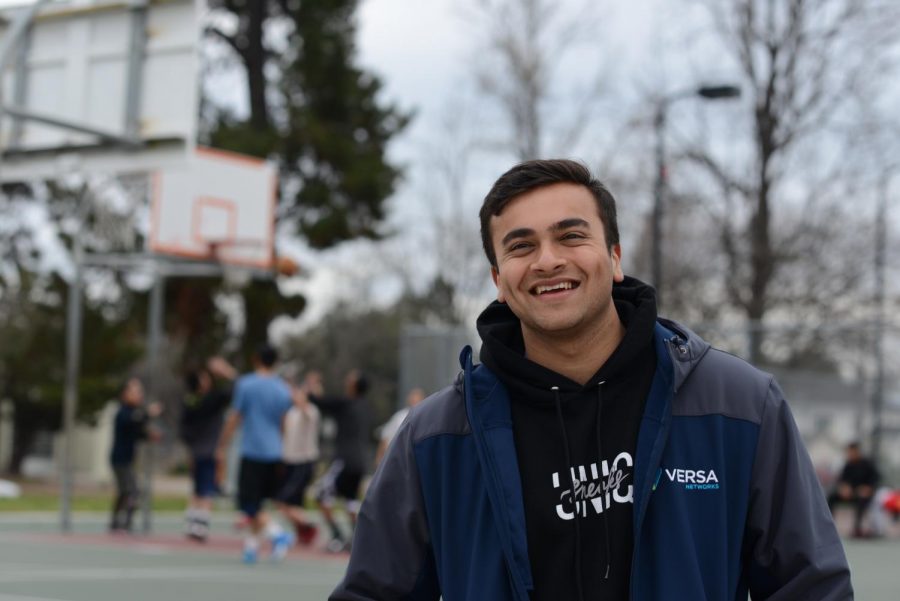
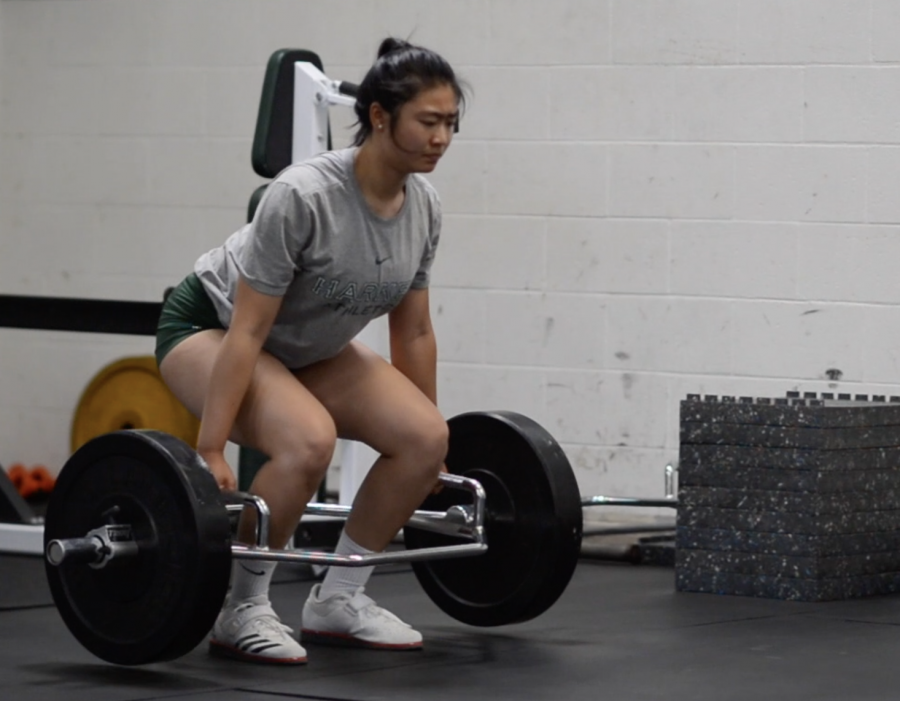

![“My slogan is ‘slow feet, don’t eat, and I’m hungry.’ You need to run fast to get where you are–you aren't going to get those championships if you aren't fast,” Angel Cervantes (12) said. “I want to do well in school on my tests and in track and win championships for my team. I live by that, [and] I can do that anywhere: in the classroom or on the field.”](https://harkeraquila.com/wp-content/uploads/2018/06/DSC5146-900x601.jpg)
![“[Volleyball has] taught me how to fall correctly, and another thing it taught is that you don’t have to be the best at something to be good at it. If you just hit the ball in a smart way, then it still scores points and you’re good at it. You could be a background player and still make a much bigger impact on the team than you would think,” Anya Gert (’20) said.](https://harkeraquila.com/wp-content/uploads/2020/06/AnnaGert_JinTuan_HoHPhotoEdited-600x900.jpeg)
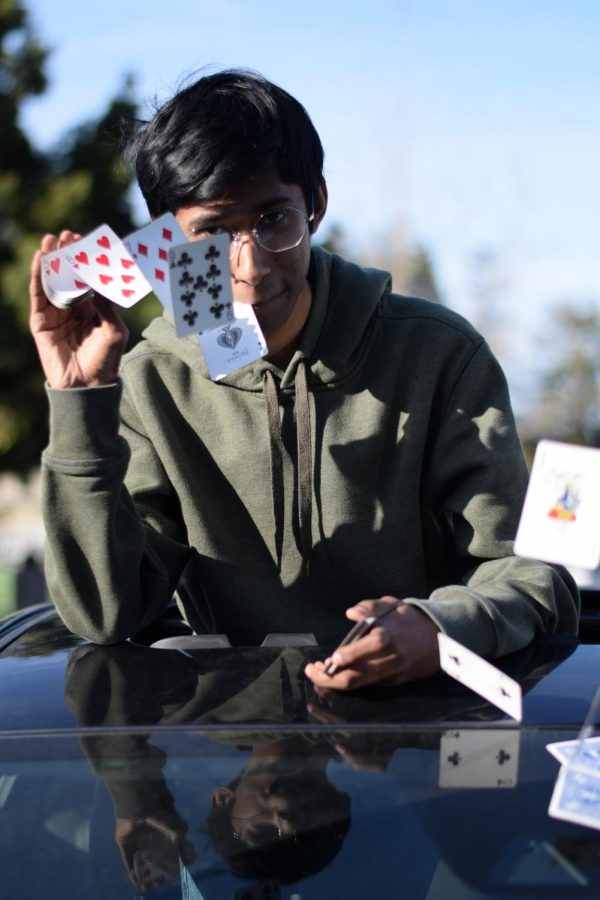
![“I'm not nearly there yet, but [my confidence has] definitely been getting better since I was pretty shy and timid coming into Harker my freshman year. I know that there's a lot of people that are really confident in what they do, and I really admire them. Everyone's so driven and that has really pushed me to kind of try to find my own place in high school and be more confident,” Alyssa Huang (’20) said.](https://harkeraquila.com/wp-content/uploads/2020/06/AlyssaHuang_EmilyChen_HoHPhoto-900x749.jpeg)

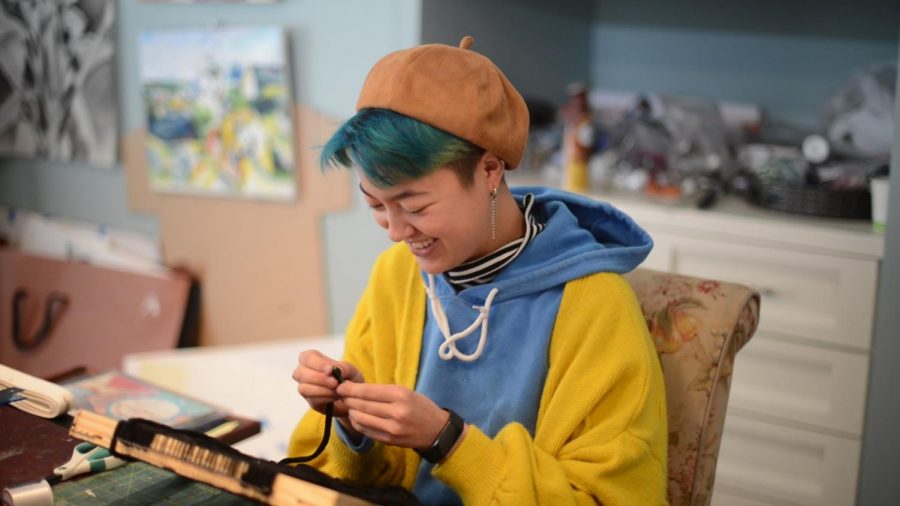

Upper school debate competes at the Stanford National Invitational
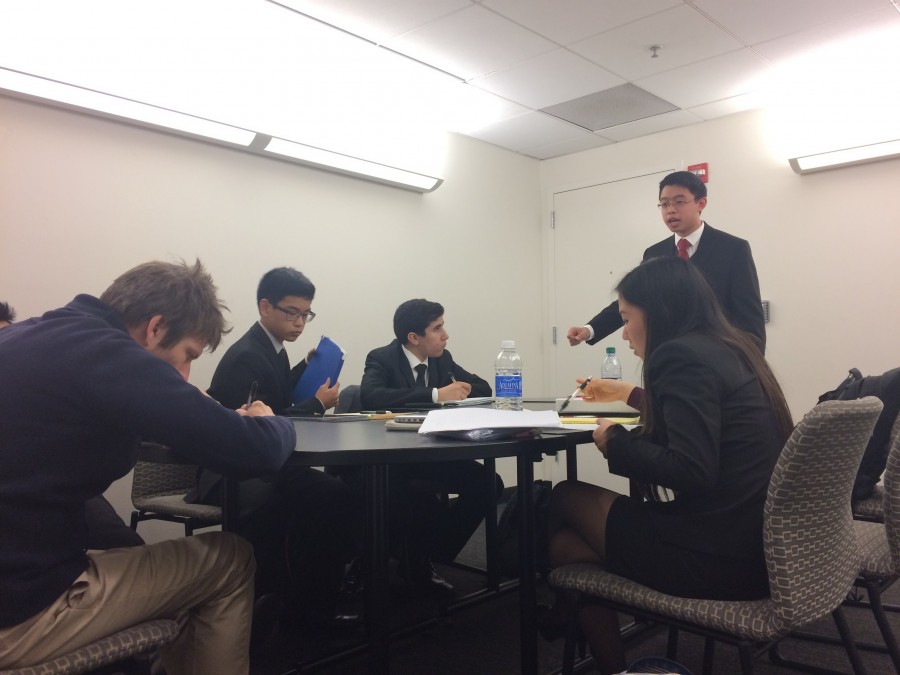
Debater Alexander Lam (11) speaks to a room of competitors during one of the rounds on the first day of the tournament. Seven public forum teams and two Congressional debaters placed at the Stanford National Invitational, which offered nine speech events and five styles of debates, from Jan. 16 to 18. The tournament featured competitors from 199 schools.
January 27, 2016
The upper school debate team competed at the Stanford National Invitational from Jan. 16 to 18, with seven public forum teams and two Congressional debaters winning awards at the tournament.
Offering nine speech events and five styles of debate, the tournament invited high school speakers and debaters from across the country to participate in one of the most competitive high school tournaments of the competition circuit. The Invitational had competitors from 199 schools and 22 states.
Seniors Sorjo Banerjee and Eesha Chona advanced to the final round of Varsity public forum and were later crowned tournament champions after defeating a team from Nueva.
“I was not expecting to win the tournament at all: Stanford is always known to be unpredictable and extremely difficult,” Eesha said. “Because Sorjo and I went to the Blake Tournament in December, which uses the January Public Forum topic, we had already debated at least 10 or more rounds on the topic, and I felt very prepared.”
Juniors Joyce Huang and Alexander Lam advanced to quarterfinals. Seniors Abhinav Ketineni, Jasmine Liu, David Jin, Aumesh Misra and Suraj Jagadeesh, along with junior Emaad Raghib and freshmen Cindy Wang and Clarissa Wang advanced to double-octofinals. Senior Nikhil Bopardikar and sophomore Jacqueline He advanced to triple-octofinals.
In Varsity public forum, there were six preliminary rounds before breaking to triple-octos, allowing 128 debaters to advance.
For the month of January, the public forum topic is “Resolved: On balance, economic sanctions are reducing the threat Russia poses to Western interests.” The debaters must prepare for both sides of the topic by researching various arguments and anticipating counterpoints.
In the Congressional debates, there were four preliminary rounds before breaking directly to the final round. Congressional debate has various chambers, and each chamber sets their own agenda for what bills they will debate. In each tournament, competitors debate different pieces of legislation from an overall list.
“You have to be prepared on the array of bills that are coming, which means we’ve been doing a lot of research, organization and practice speeches,” upper school debate coach Sandra Berkowitz said.
Juniors Aditya Dhar and Misha Tseitlin placed second and sixth in Congressional debate, respectively. In addition to the upper school debaters, various middle school participants competed as well.
“I was obviously hoping to do well at the tournament, but my success came as a little unexpected and a little expected too,” Misha said. “I’ve seen the feedback on my ballots and I know what I need to do in terms of evidence and delivery to make it better.”
The upper school debate team will travel to Emory University to compete at the Barkley Forum for High Schools from Jan. 29 to 31.
This piece was originally published in the pages of The Winged Post on January 27, 2016.