



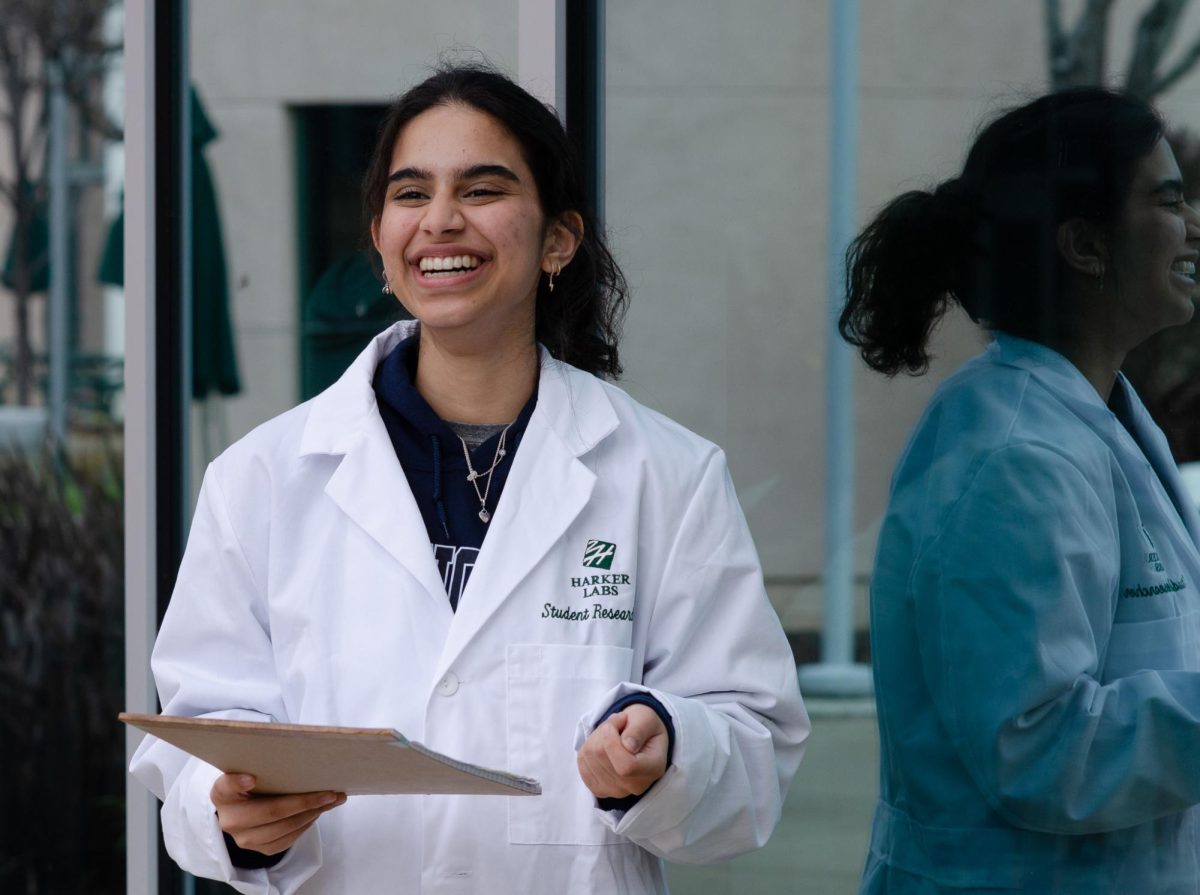
![“I wasn't discouraged by some of the obstacles we faced. I learned a lot from the leadership. I found that different people need different ways of receiving feedback — you can't [just] tell them to do something and expect the best. [Some] people needed more incentive. A large part of my role was to figure out what worked for everyone and to figure out how to lead all these separate individuals as a team,” Suhana Bhandare (’26) said.](https://harkeraquila.com/wp-content/uploads/2026/06/SuhanaBhandare_JasmineHansra-1-1200x798.jpg)
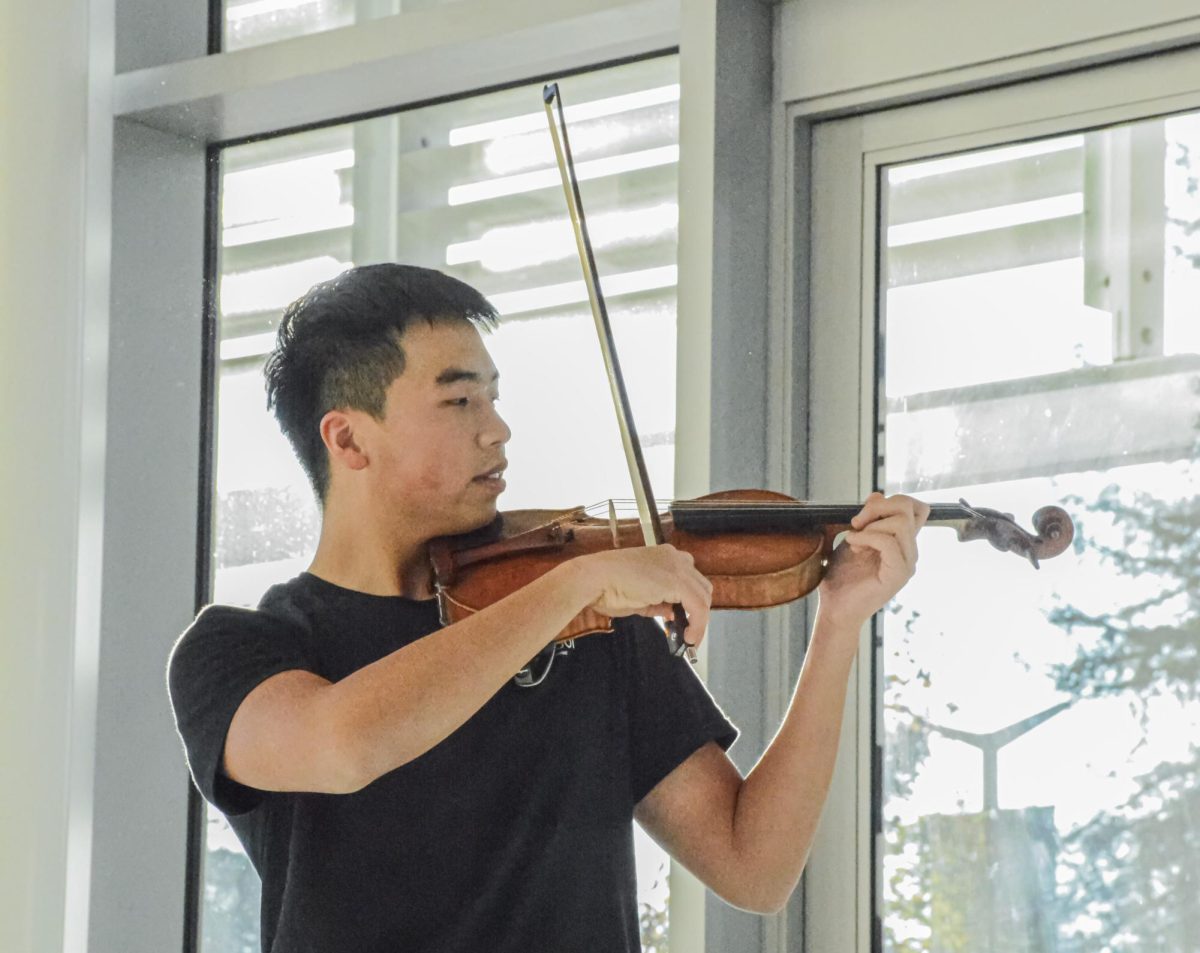
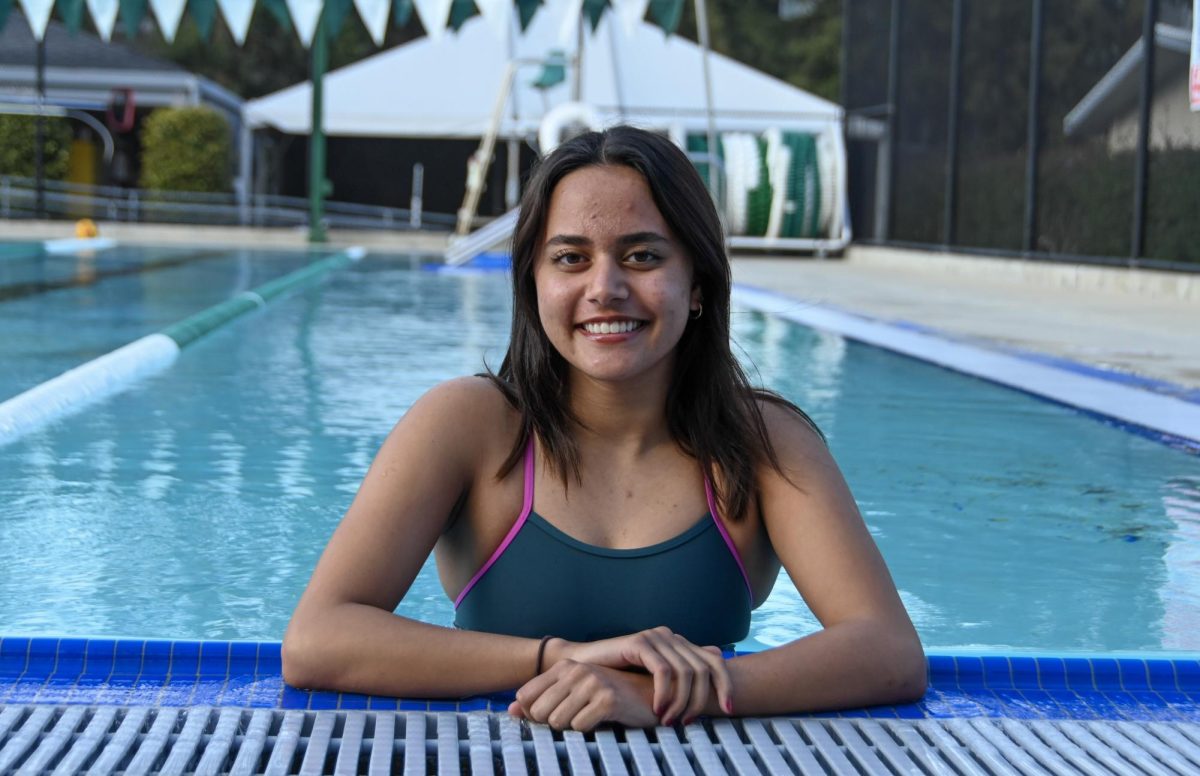
![“This is actually from Randy Pausch Randy P. Brick: ‘Walls are there for a reason. You have to show how much you want to overcome them.’ You have to show how much you want something. That's what I've always been able to do with tennis, Link Crew and getting that internship [with Kushy Baby]. It’s important pushing through that — getting around that brick wall, climbing over it or clawing through it,” Yash Sachdeva (’26) said.](https://harkeraquila.com/wp-content/uploads/2026/05/YashSachdeva_RamBatchu-copy-1200x1002.jpg)

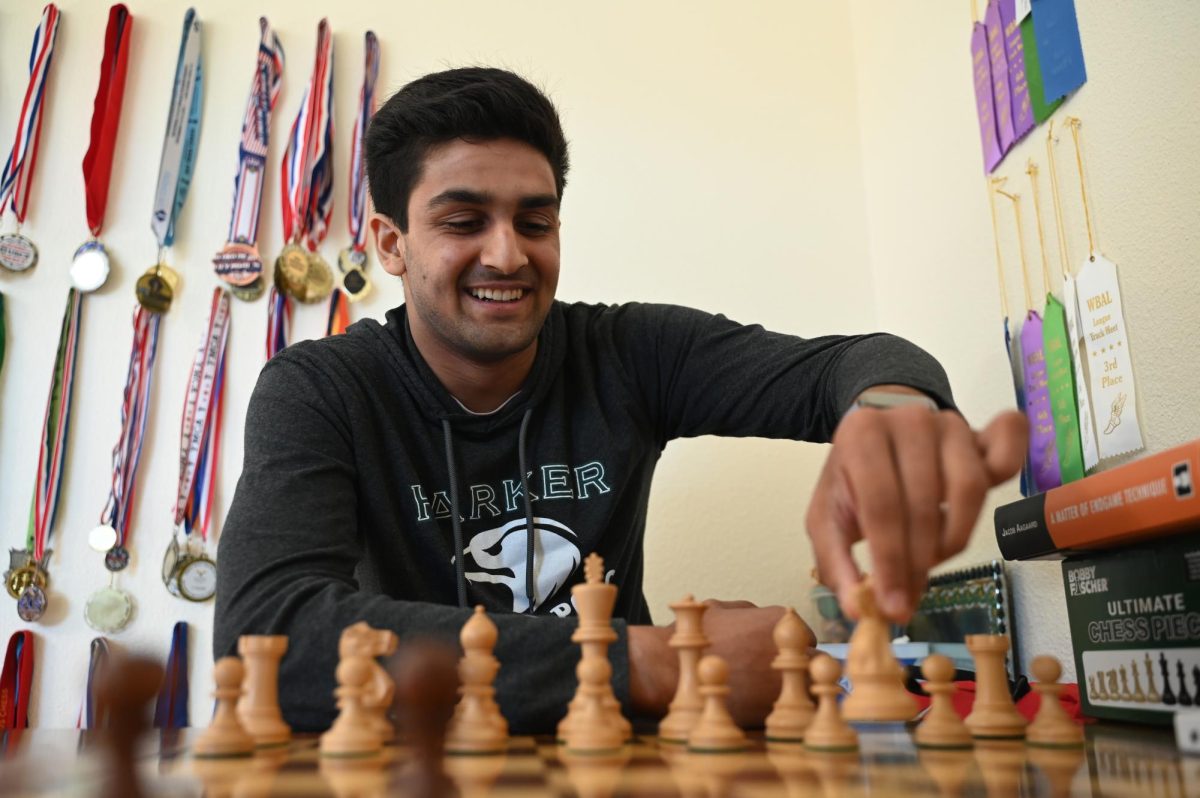







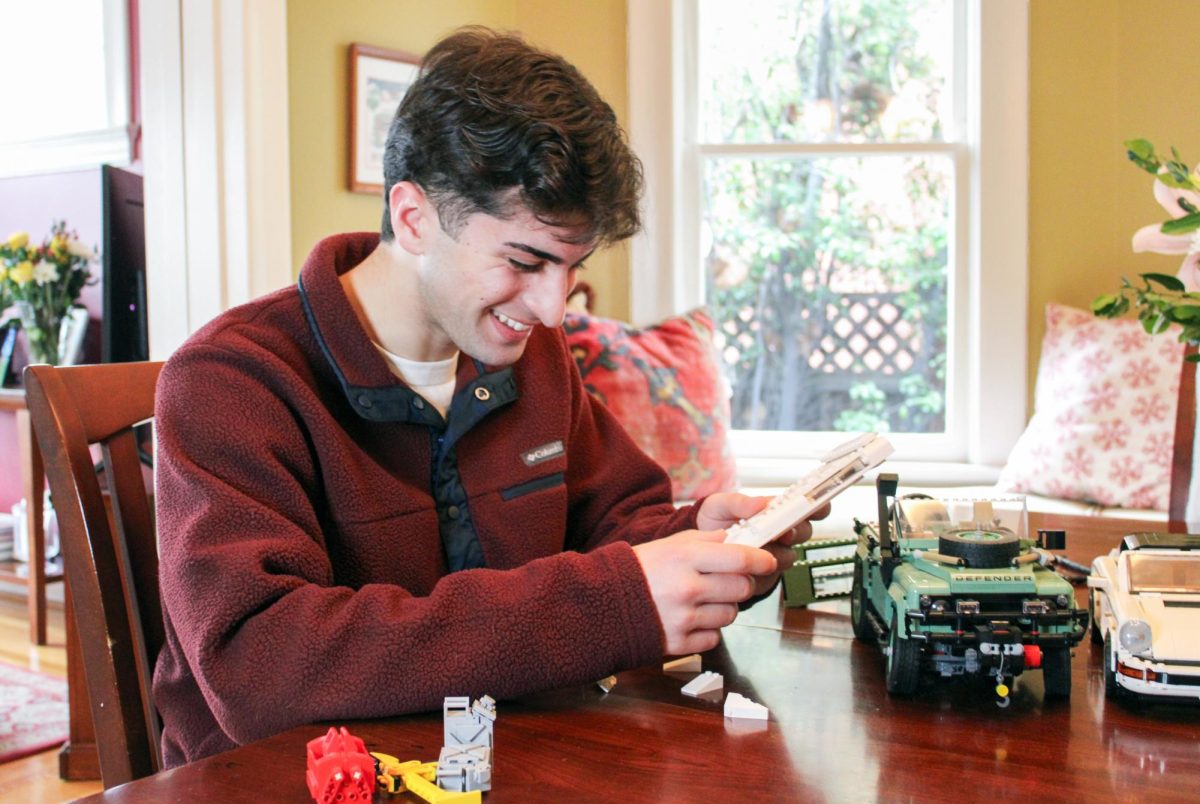

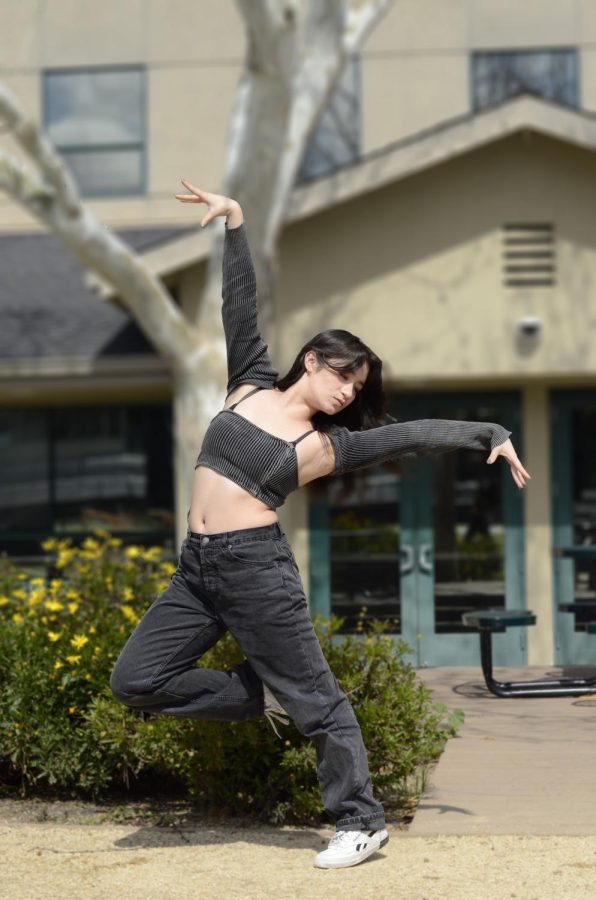
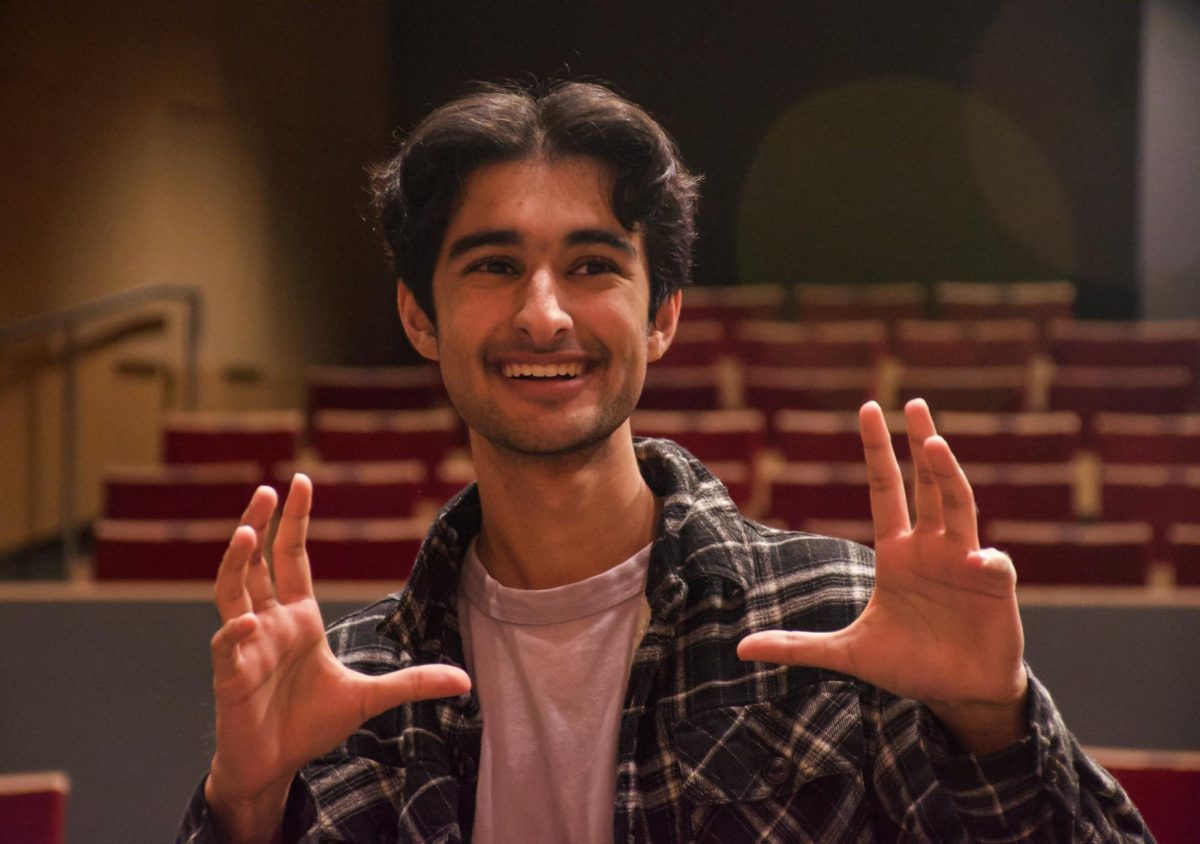

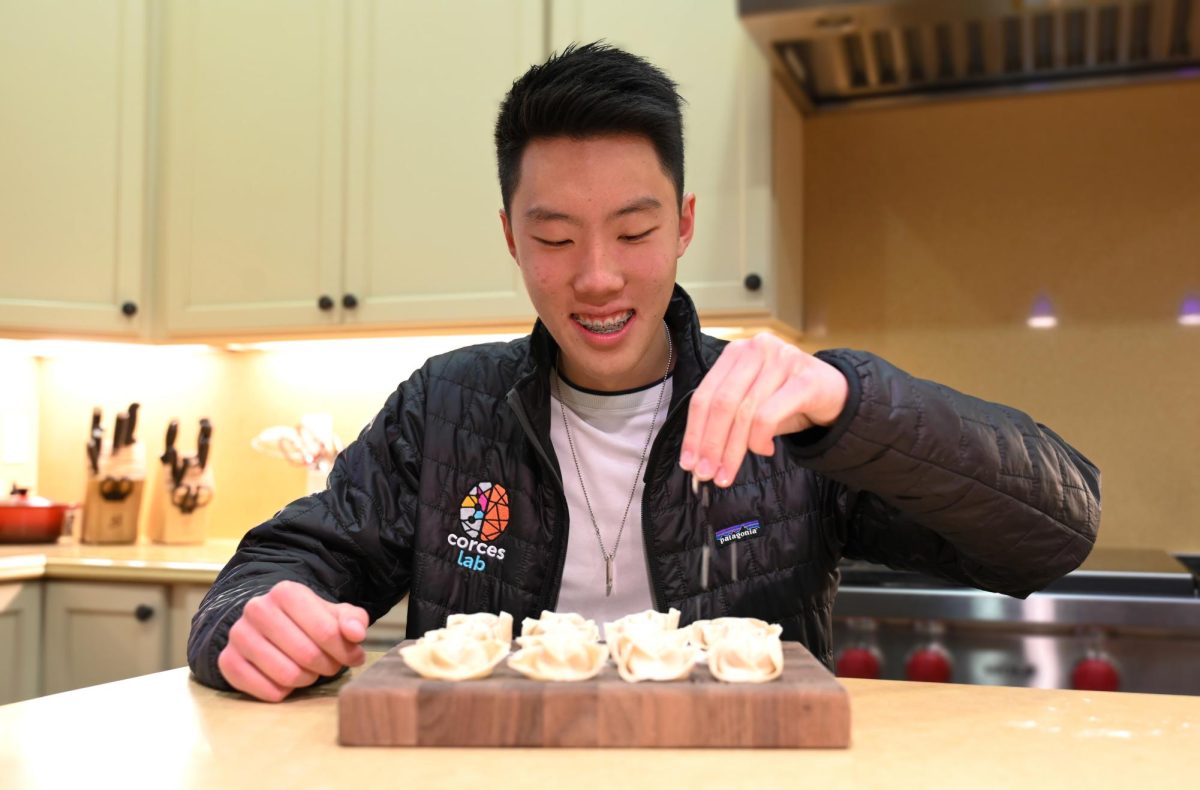
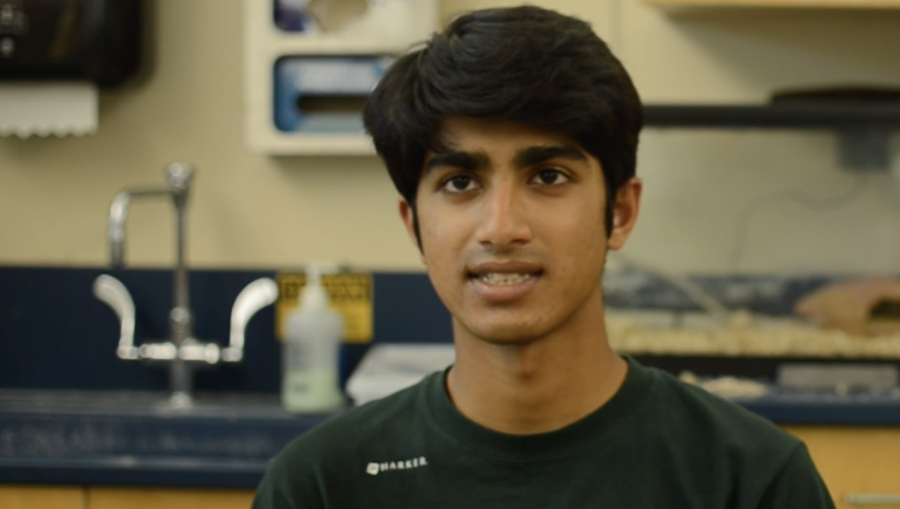
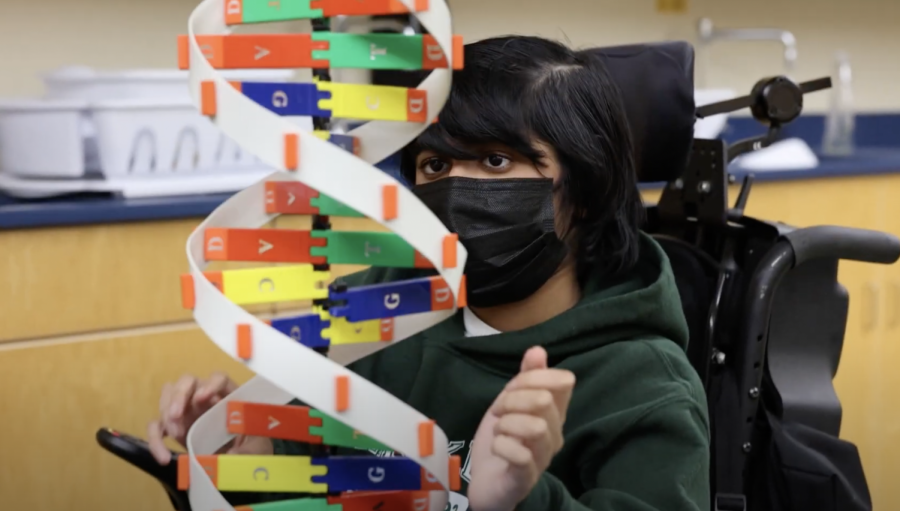
![“[Building nerf blasters] became this outlet of creativity for me that hasn't been matched by anything else. The process [of] making a build complete to your desire is such a painstakingly difficult process, but I've had to learn from [the skills needed from] soldering to proper painting. There's so many different options for everything, if you think about it, it exists. The best part is [that] if it doesn't exist, you can build it yourself," Ishaan Parate said.](https://harkeraquila.com/wp-content/uploads/2022/08/DSC_8149-900x604.jpg)



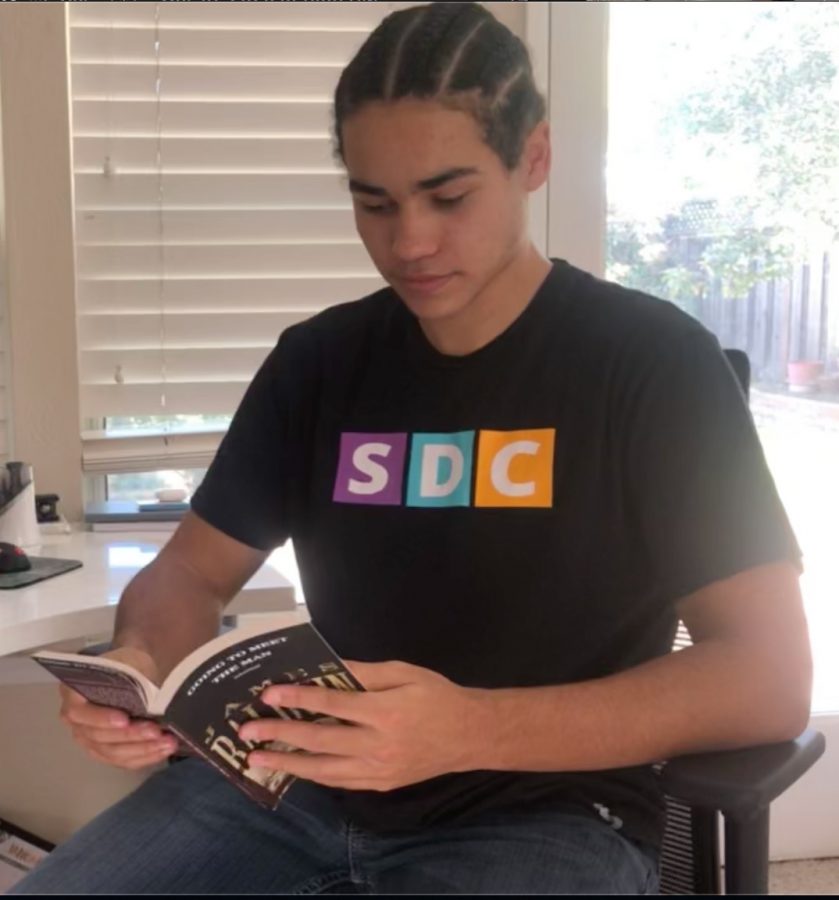
![“When I came into high school, I was ready to be a follower. But DECA was a game changer for me. It helped me overcome my fear of public speaking, and it's played such a major role in who I've become today. To be able to successfully lead a chapter of 150 students, an officer team and be one of the upperclassmen I once really admired is something I'm [really] proud of,” Anvitha Tummala ('21) said.](https://harkeraquila.com/wp-content/uploads/2021/07/Screen-Shot-2021-07-25-at-9.50.05-AM-900x594.png)

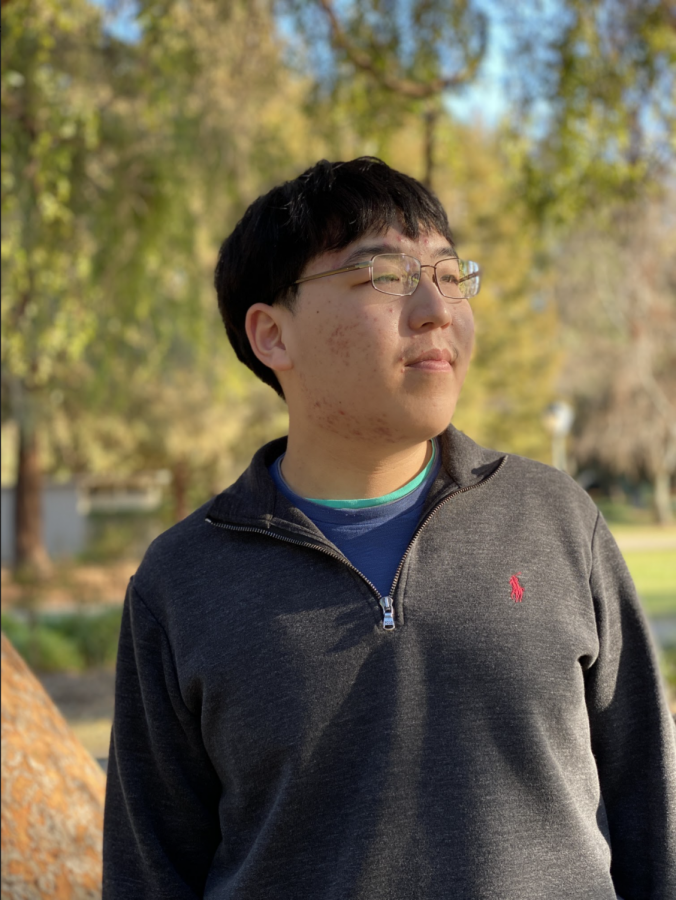




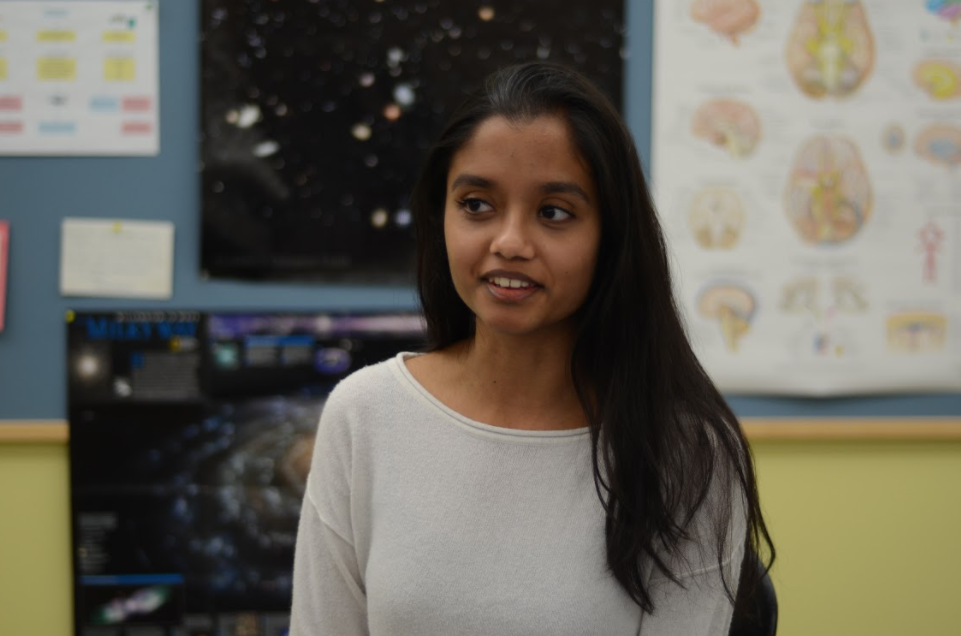
![“I think getting up in the morning and having a sense of purpose [is exciting]. I think without a certain amount of drive, life is kind of obsolete and mundane, and I think having that every single day is what makes each day unique and kind of makes life exciting,” Neymika Jain (12) said.](https://harkeraquila.com/wp-content/uploads/2017/06/Screen-Shot-2017-06-03-at-4.54.16-PM.png)



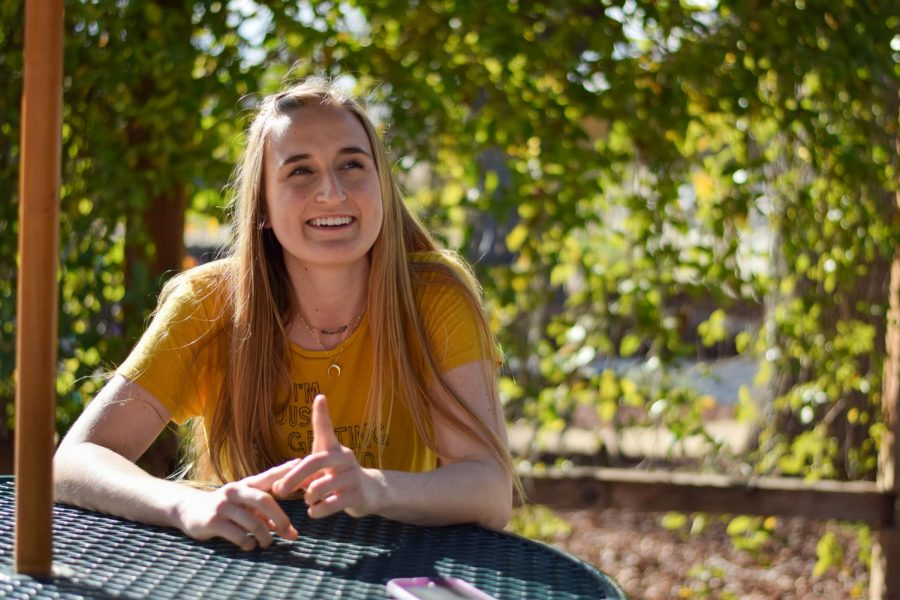

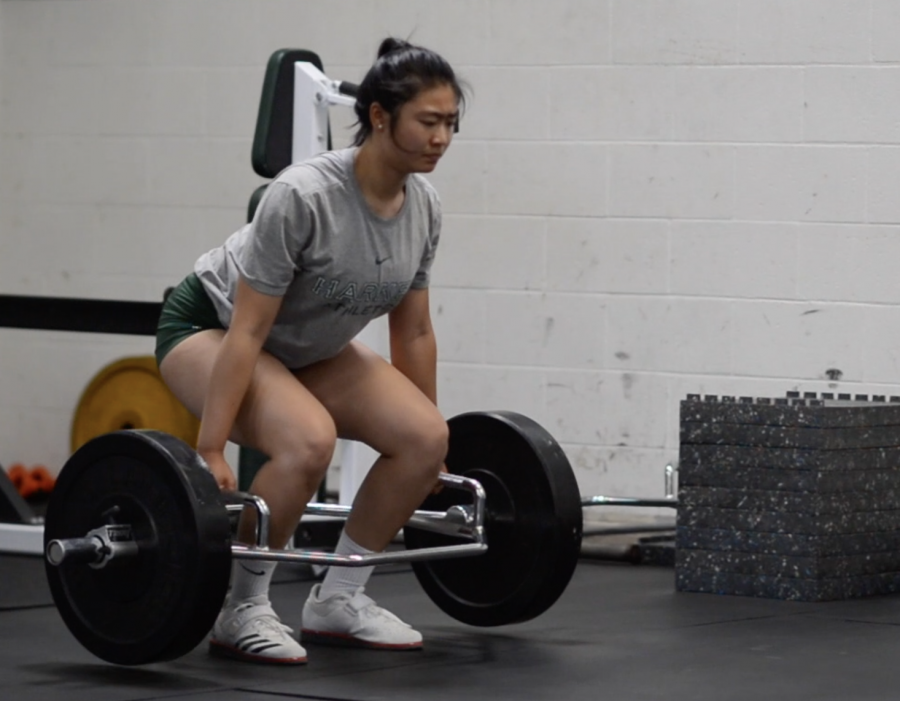

![“My slogan is ‘slow feet, don’t eat, and I’m hungry.’ You need to run fast to get where you are–you aren't going to get those championships if you aren't fast,” Angel Cervantes (12) said. “I want to do well in school on my tests and in track and win championships for my team. I live by that, [and] I can do that anywhere: in the classroom or on the field.”](https://harkeraquila.com/wp-content/uploads/2018/06/DSC5146-900x601.jpg)
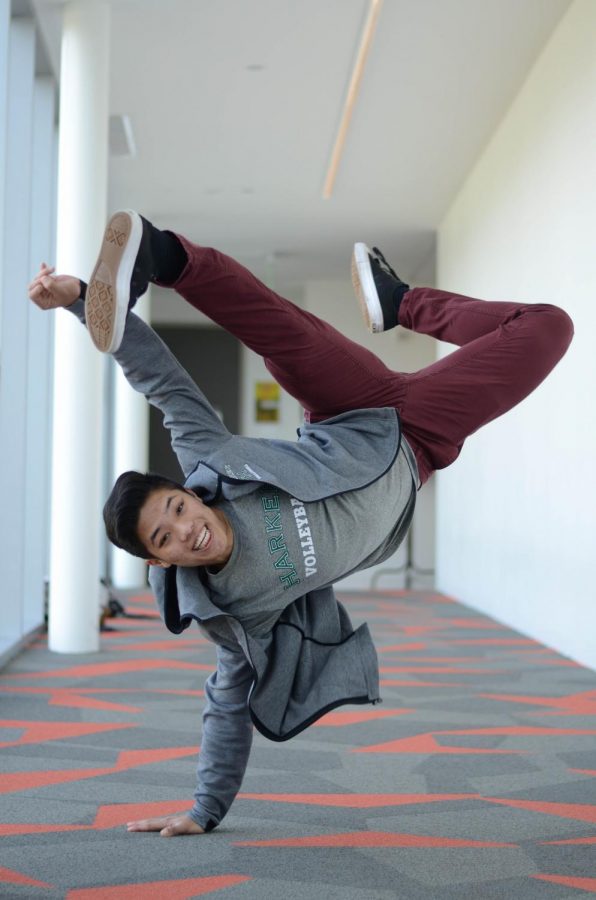
![“[Volleyball has] taught me how to fall correctly, and another thing it taught is that you don’t have to be the best at something to be good at it. If you just hit the ball in a smart way, then it still scores points and you’re good at it. You could be a background player and still make a much bigger impact on the team than you would think,” Anya Gert (’20) said.](https://harkeraquila.com/wp-content/uploads/2020/06/AnnaGert_JinTuan_HoHPhotoEdited-600x900.jpeg)

![“I'm not nearly there yet, but [my confidence has] definitely been getting better since I was pretty shy and timid coming into Harker my freshman year. I know that there's a lot of people that are really confident in what they do, and I really admire them. Everyone's so driven and that has really pushed me to kind of try to find my own place in high school and be more confident,” Alyssa Huang (’20) said.](https://harkeraquila.com/wp-content/uploads/2020/06/AlyssaHuang_EmilyChen_HoHPhoto-900x749.jpeg)



AP exams generate mixed responses from student body and faculty
goucher.edu
The CollegeBoard prepares and oversees standardized testing and advanced placement examinations across the country. Questions and concerns have been raised regarding the organization, and the validity of its “non-profit” status.
For two weeks of the school year, the bells are silent. In the gym and Atrium, only the scratching of pencils can be heard–students bent to their Advanced Placement (AP) tests.
This year, Upper School students collectively took a total of 1,501 AP tests. According to Director of Standardized Testing and Scheduling Derek Kameda, the number of AP exams taken at the Upper School has grown each year.
Since the inception of the AP Program in the 1950s, AP tests and courses have offered high school students the opportunity to learn college-level material, earn credit for survey-level college courses and place above certain introductory-level classes in college.
The Upper School requires that students who take AP classes take the corresponding tests to receive credit. The College Board charges $91 per test, but some students can qualify for fee reductions.
Maya Valluru (10), who took AP European History this year, expressed the two sides of her opinion on the impact of taking AP tests on students.
“I really dislike [APs] because they are pretty big exams that happen during the most busy month of school,” she said. “However, I do like that I won’t have to take a final in June. It’s also cool to rehash everything I learned during the year.”
A prospective freshman at Cornell University, Archana Podury (12) will receive college credit for six of the 12 APs she has taken throughout high school. She believes the AP classes offered at the Upper School help the students more than the tests.
“I think some of the best classes I have taken are AP classes,” she said. “The test itself does have a pretty big curve, and I think you can score well without necessarily knowing the content as in-detail, but the way that the classes are structured, I feel like you cover a lot of material.”
As a Chemistry teacher who took AP Chemistry, AP Biology and AP Physics during his high school career, Andrew Irvine noted how much more widespread the taking of AP classes is now compared to when he was in high school.
“If you are taking an AP sophomore year, it should be because you love that subject and you want to achieve in it, and you want pursue it to its deepest level,” Irvine said. “Not because you need that AP score for your college resume.”
Concerns have been raised regarding the College Board’s practices. A report by the Americans for Educational Testing Reform rated the nonprofit a “D” for “areas of misconduct” including selling test preparation materials and earning large profits.
“I think that they are a profit making machine. Pretty much all they’re interested in is making money,” Mathematics teacher Bradley Stoll said. “I just think that education is more than standardized testing and that’s all the College Board pretty much does.”
Stoll, who teaches AP Calculus BC, which was the most popular exam this year, nevertheless believes that the course is beneficial to students.
“I don’t think that AP courses in general are bad,” he said. “I just don’t necessarily think it should all be about a test at the end of the year to show what you know and what you don’t know.”
The AP tests will conclude this Friday and make-up or late tests will be held next week.
This piece was originally published in the pages of The Winged Post on May 13, 2015.
Kacey Fang (12) is the Managing Editor for The Winged Post. She has been part of the journalism program since freshman year and served as Features Editor...
Tara Parimi (12) is co-Editor-in-Chief of Harker Aquila, and this is her fourth year on staff. She has been involved with the upper school's journalism...
Emma Yu (9) is a reporter for The Winged Post. In her free time, she usually draws, surfs the internet, and hopes for no tests in the upcoming weeks of...