


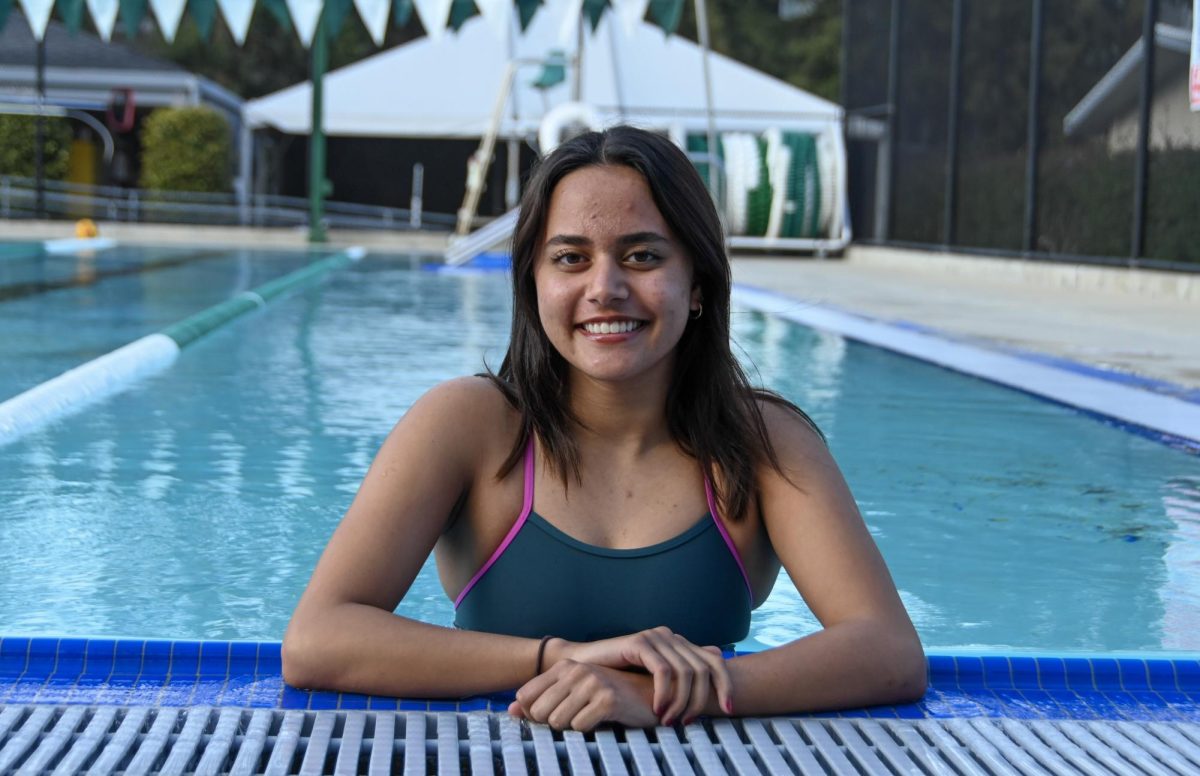
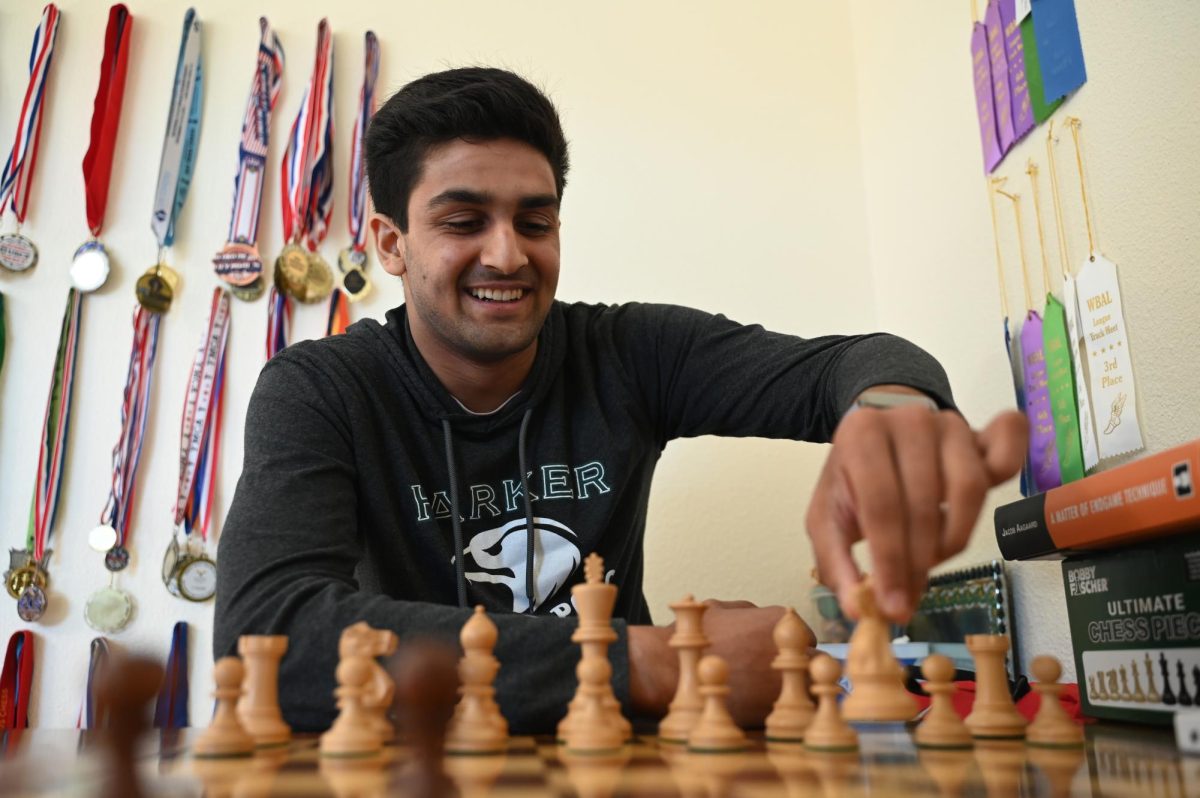
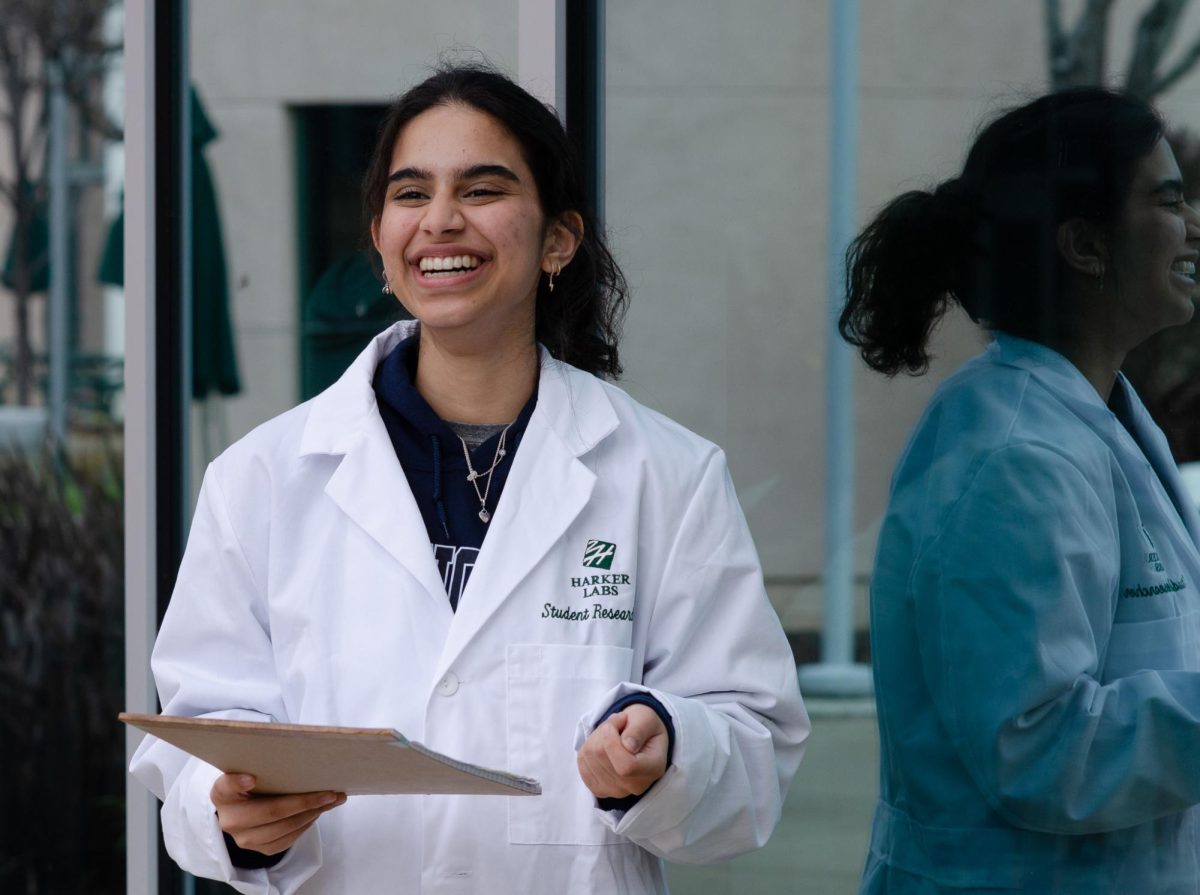
![“I wasn't discouraged by some of the obstacles we faced. I learned a lot from the leadership. I found that different people need different ways of receiving feedback — you can't [just] tell them to do something and expect the best. [Some] people needed more incentive. A large part of my role was to figure out what worked for everyone and to figure out how to lead all these separate individuals as a team,” Suhana Bhandare (’26) said.](https://harkeraquila.com/wp-content/uploads/2026/06/SuhanaBhandare_JasmineHansra-1-1200x798.jpg)
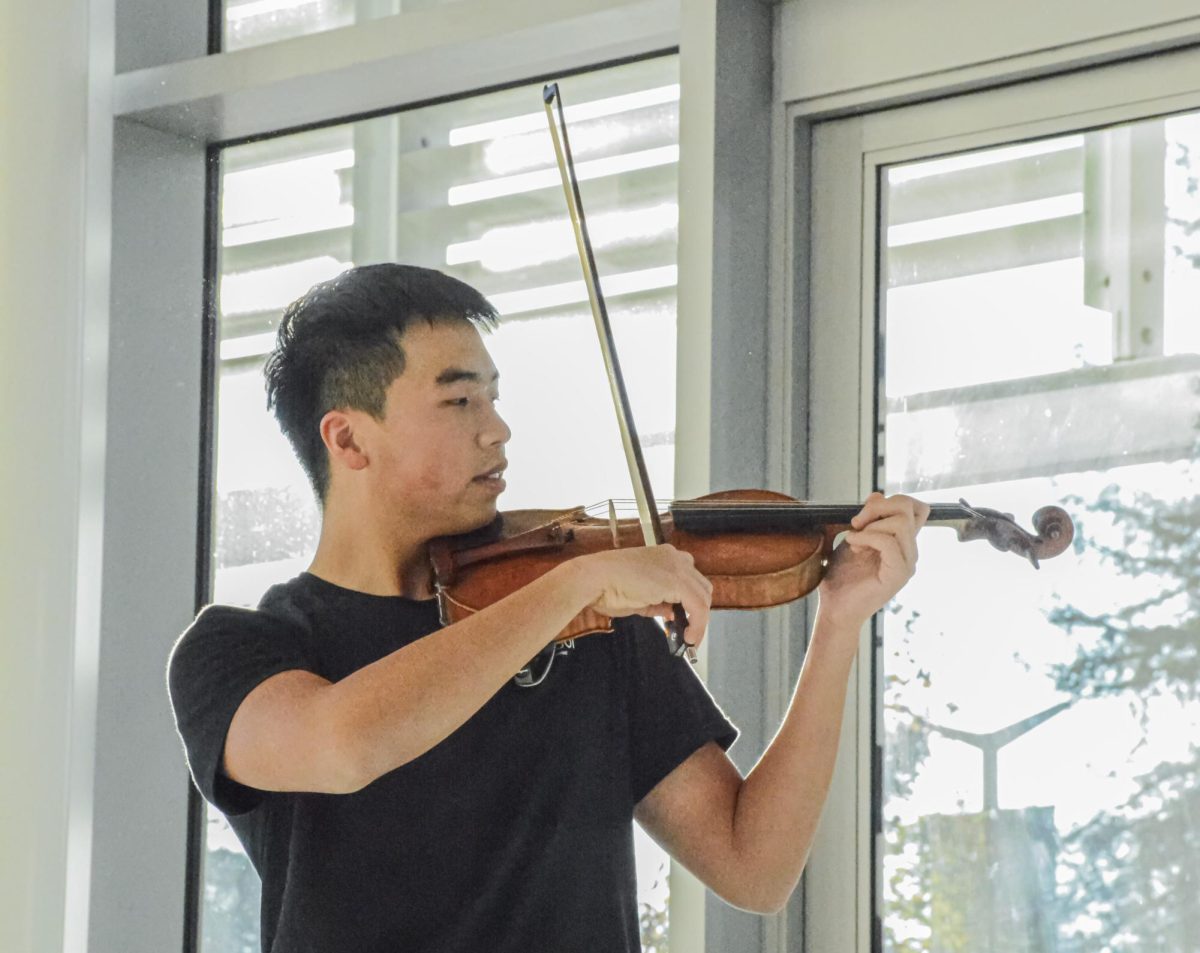
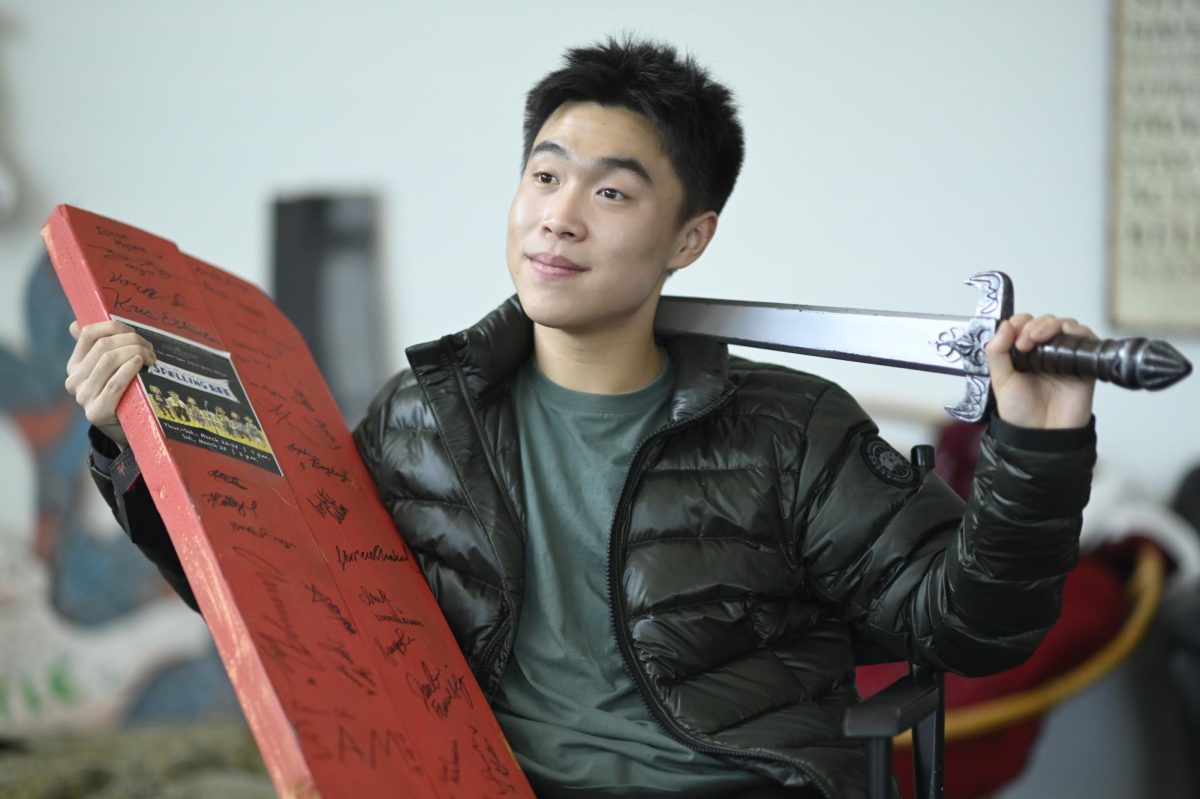
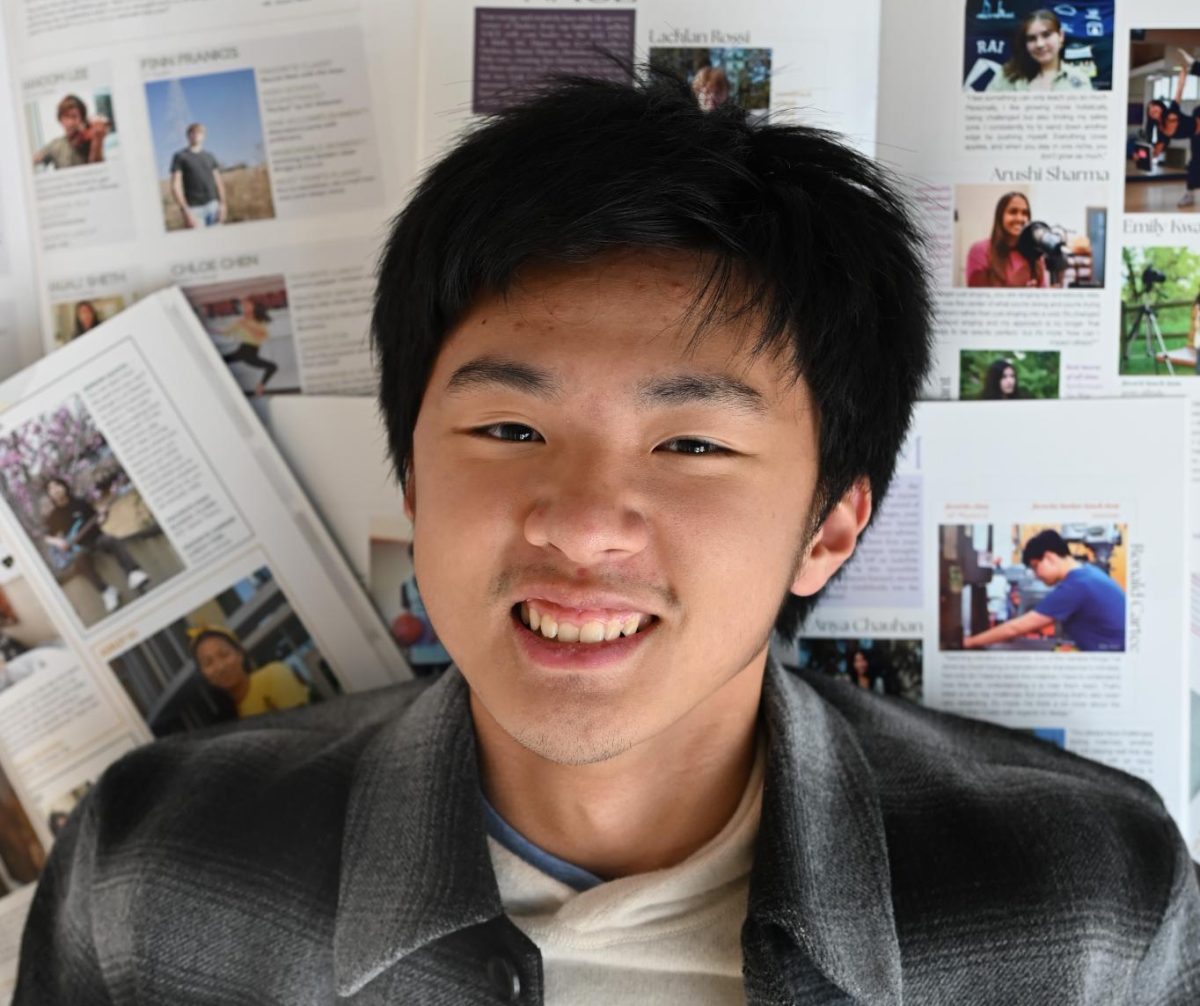
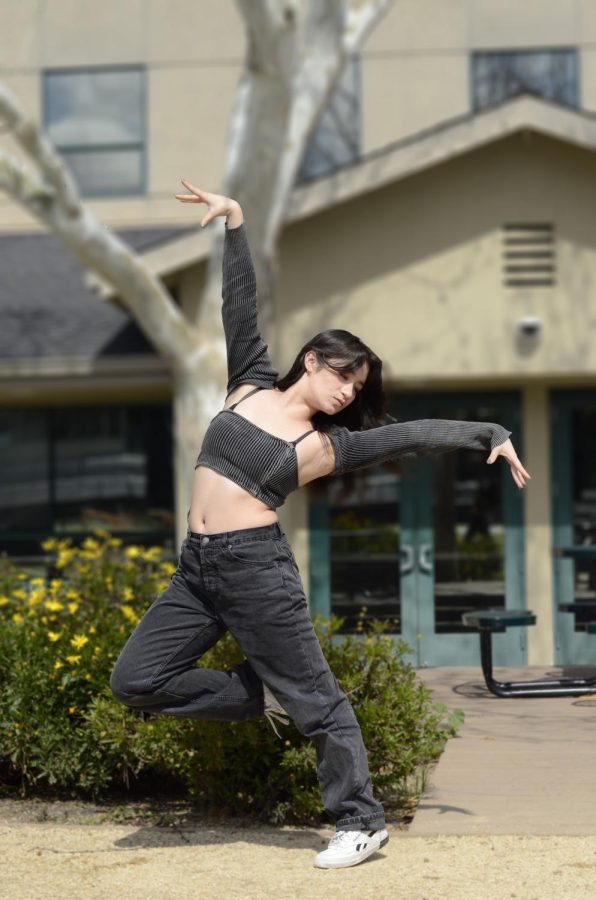
![“This is actually from Randy Pausch Randy P. Brick: ‘Walls are there for a reason. You have to show how much you want to overcome them.’ You have to show how much you want something. That's what I've always been able to do with tennis, Link Crew and getting that internship [with Kushy Baby]. It’s important pushing through that — getting around that brick wall, climbing over it or clawing through it,” Yash Sachdeva (’26) said.](https://harkeraquila.com/wp-content/uploads/2026/05/YashSachdeva_RamBatchu-copy-1200x1002.jpg)

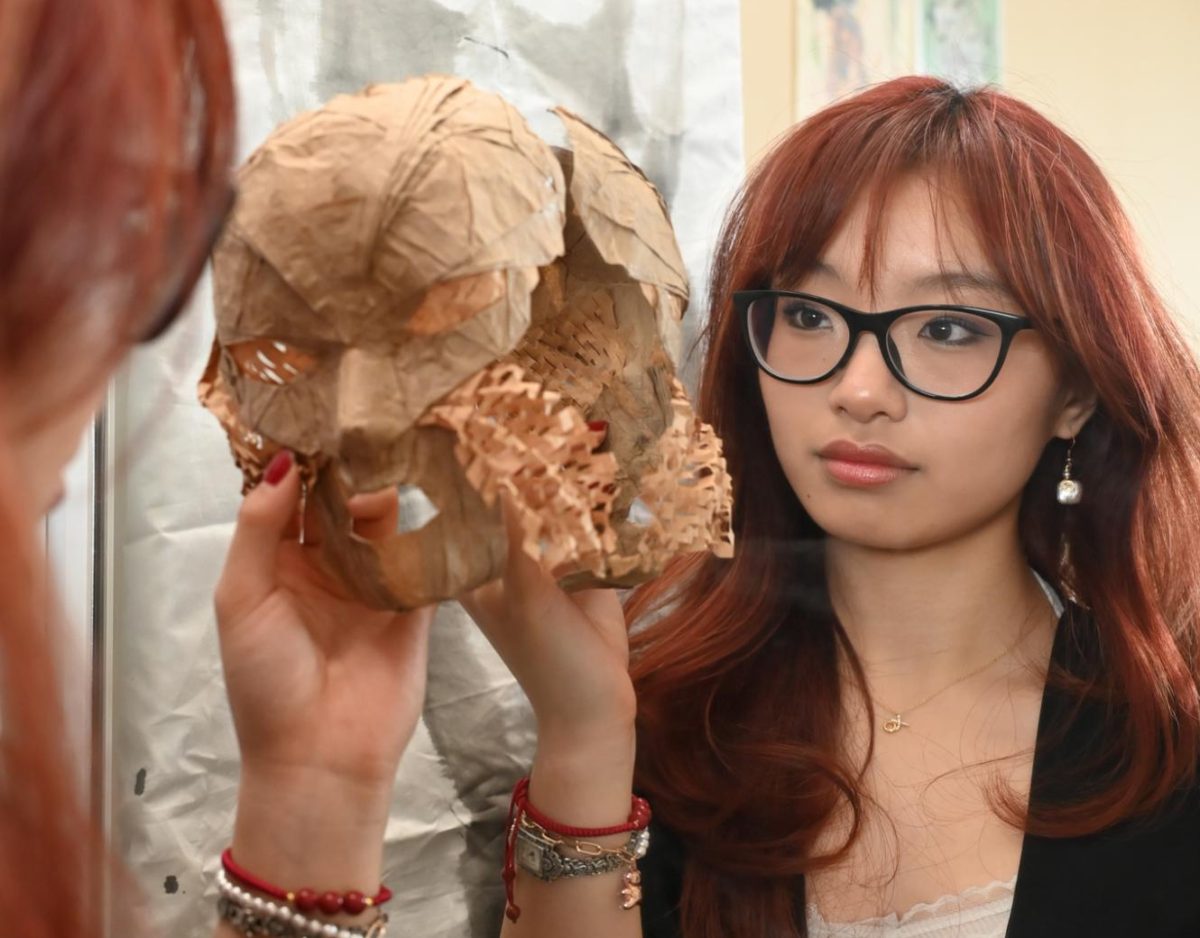





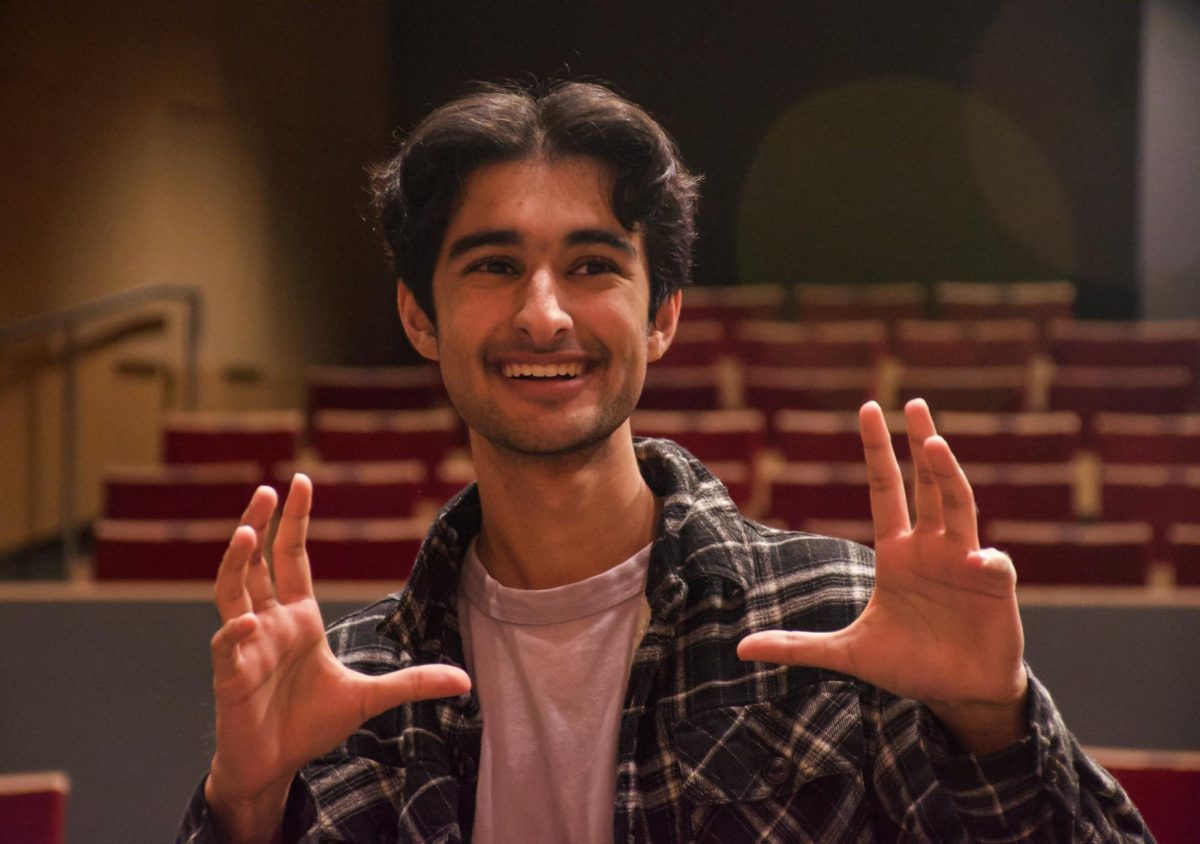


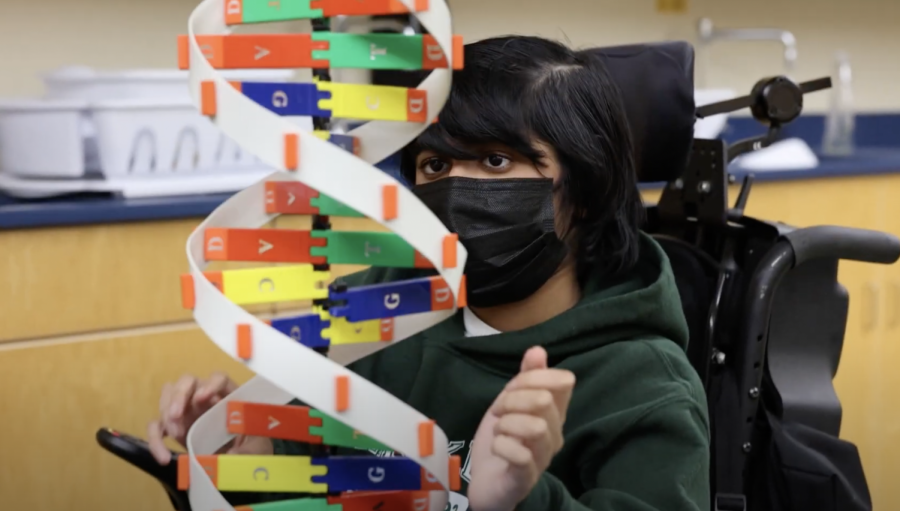
![“[Building nerf blasters] became this outlet of creativity for me that hasn't been matched by anything else. The process [of] making a build complete to your desire is such a painstakingly difficult process, but I've had to learn from [the skills needed from] soldering to proper painting. There's so many different options for everything, if you think about it, it exists. The best part is [that] if it doesn't exist, you can build it yourself," Ishaan Parate said.](https://harkeraquila.com/wp-content/uploads/2022/08/DSC_8149-900x604.jpg)
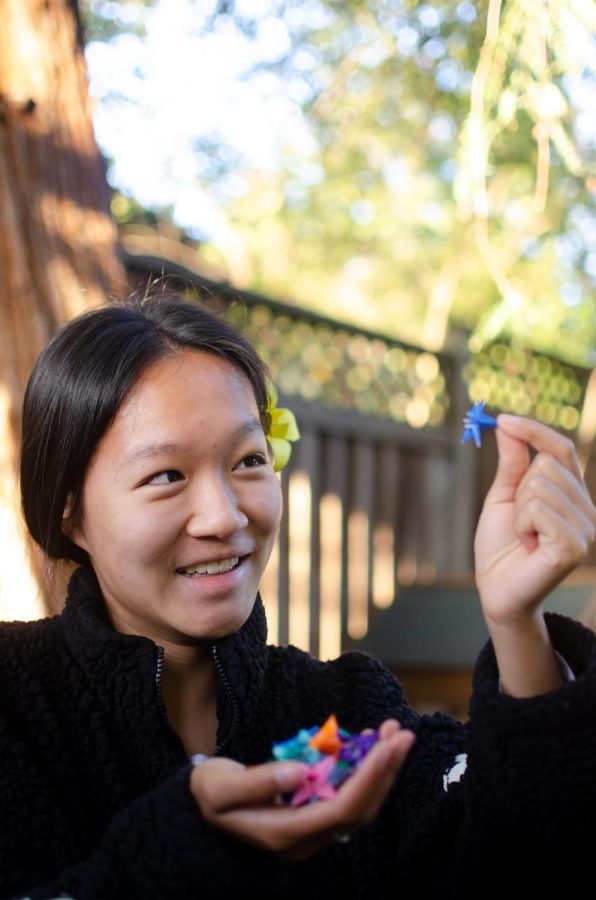
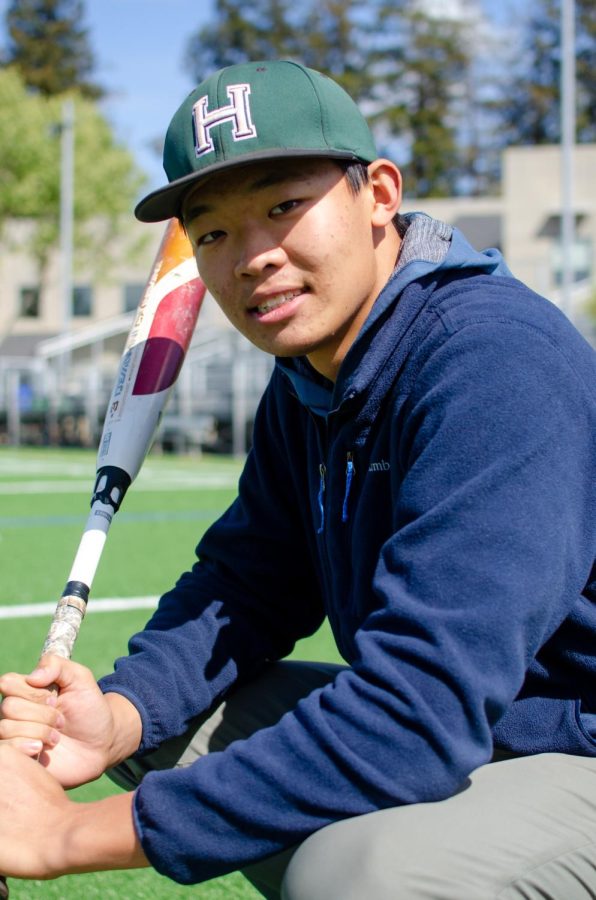

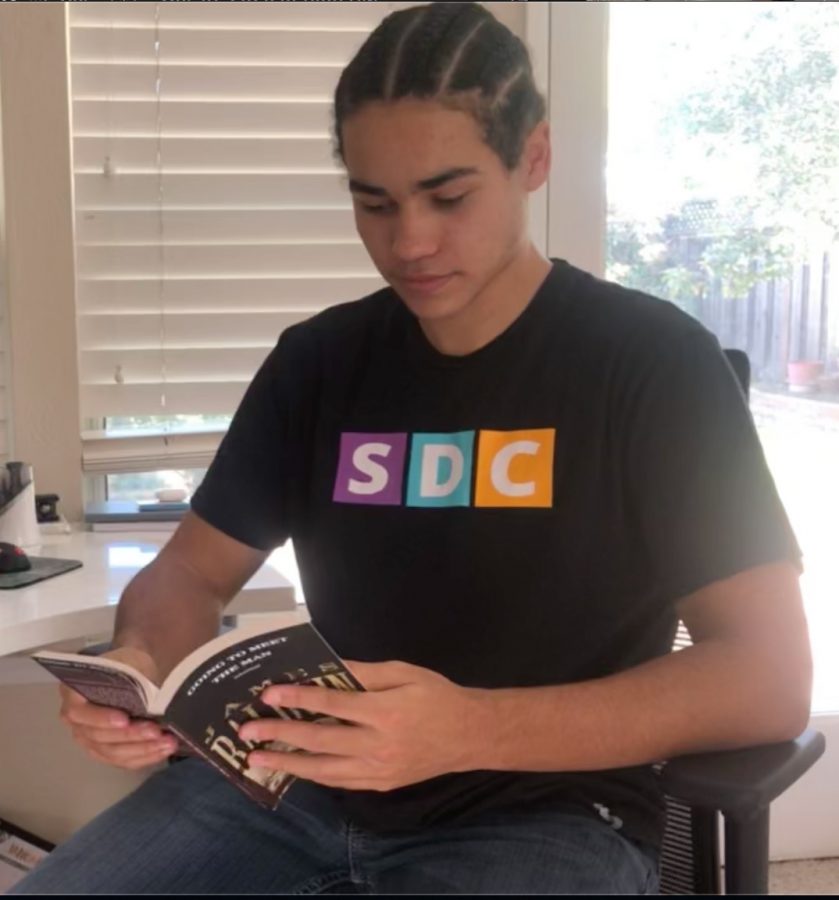
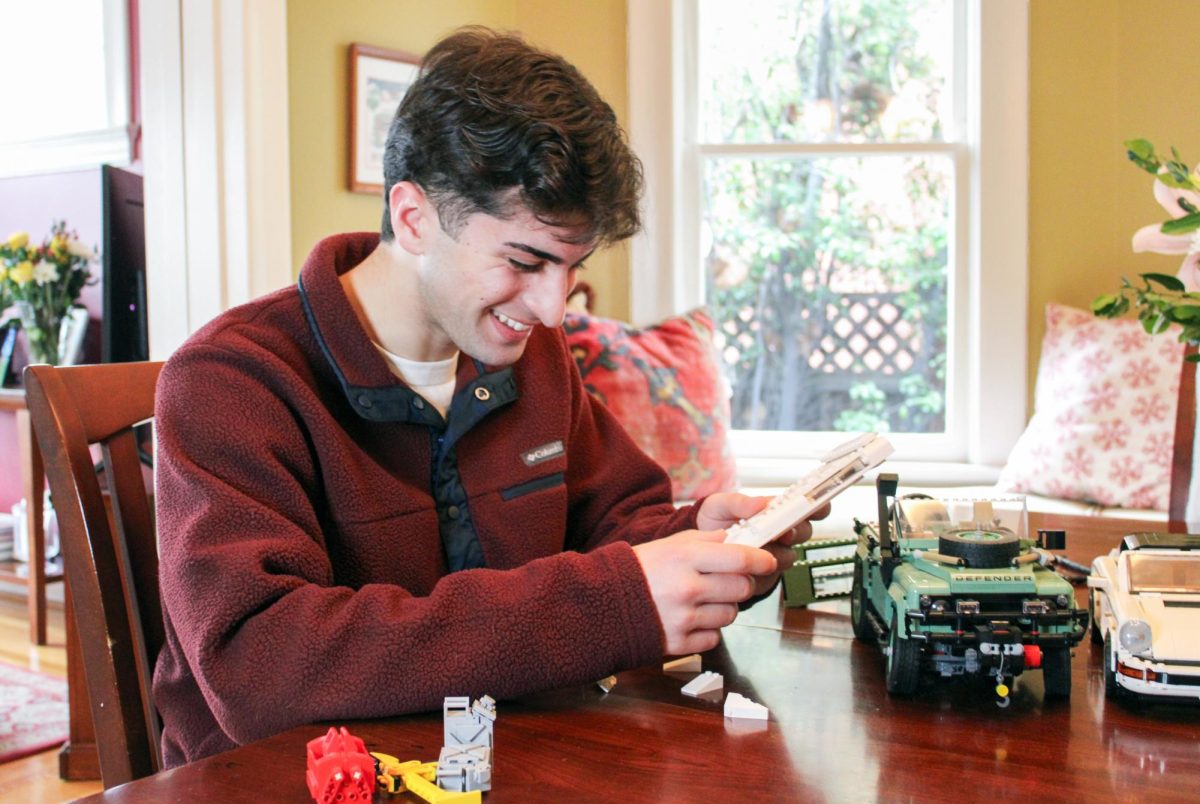
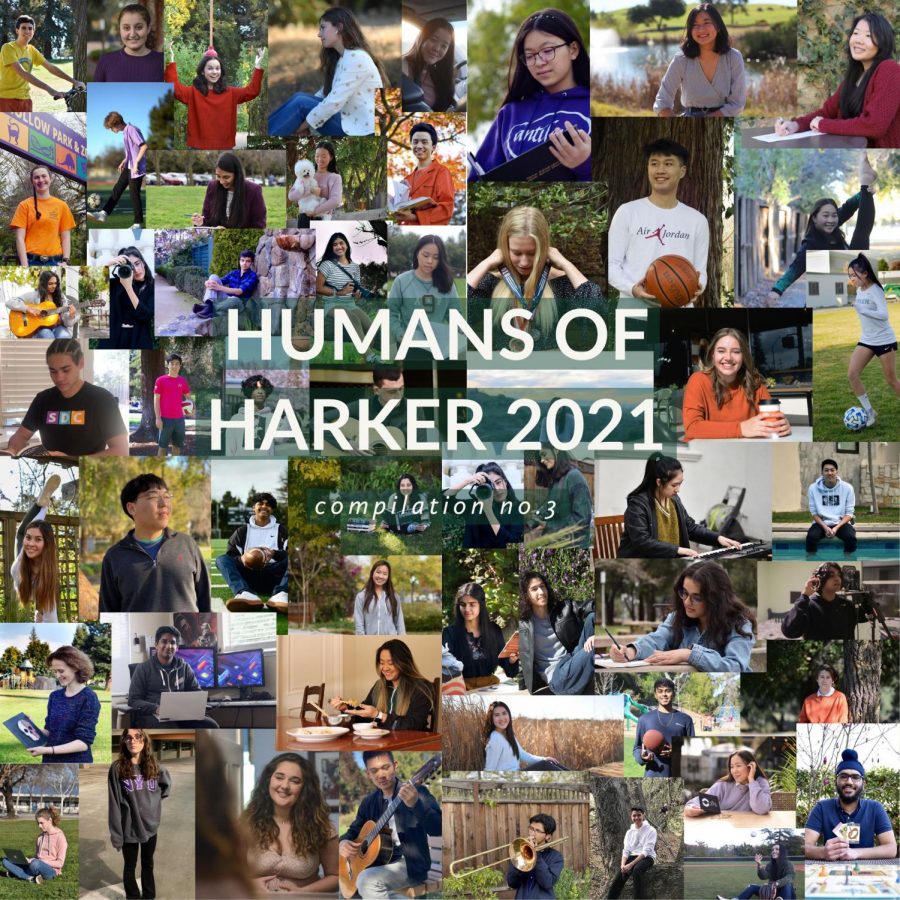
![“When I came into high school, I was ready to be a follower. But DECA was a game changer for me. It helped me overcome my fear of public speaking, and it's played such a major role in who I've become today. To be able to successfully lead a chapter of 150 students, an officer team and be one of the upperclassmen I once really admired is something I'm [really] proud of,” Anvitha Tummala ('21) said.](https://harkeraquila.com/wp-content/uploads/2021/07/Screen-Shot-2021-07-25-at-9.50.05-AM-900x594.png)

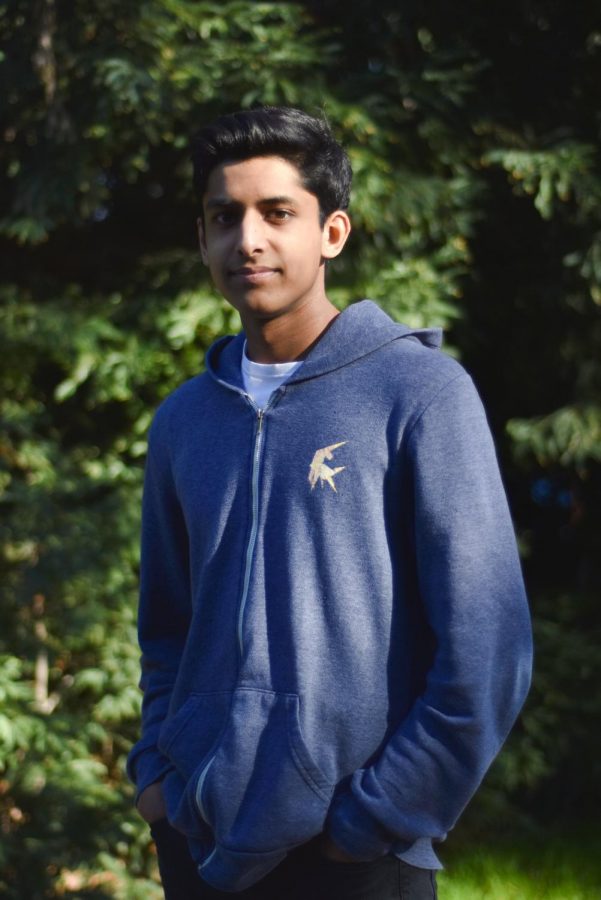

![“I think getting up in the morning and having a sense of purpose [is exciting]. I think without a certain amount of drive, life is kind of obsolete and mundane, and I think having that every single day is what makes each day unique and kind of makes life exciting,” Neymika Jain (12) said.](https://harkeraquila.com/wp-content/uploads/2017/06/Screen-Shot-2017-06-03-at-4.54.16-PM.png)

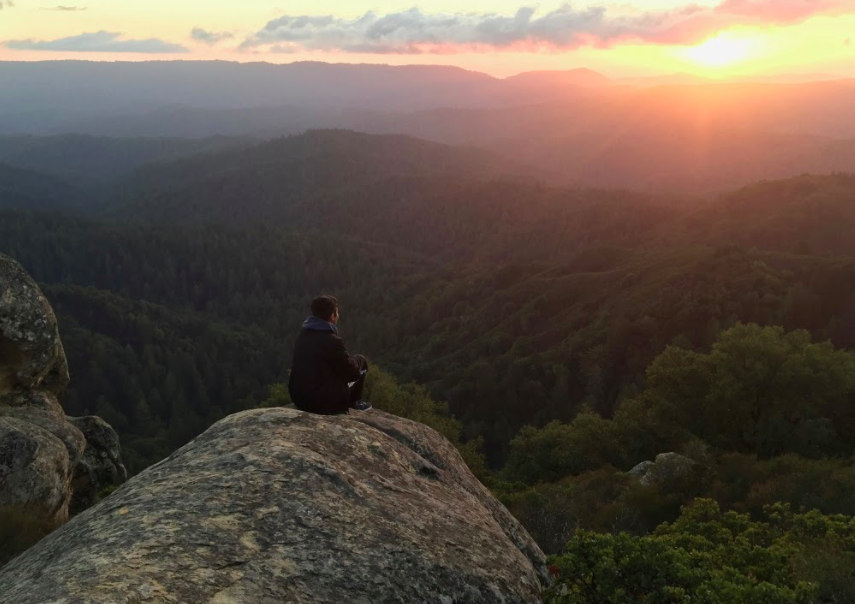
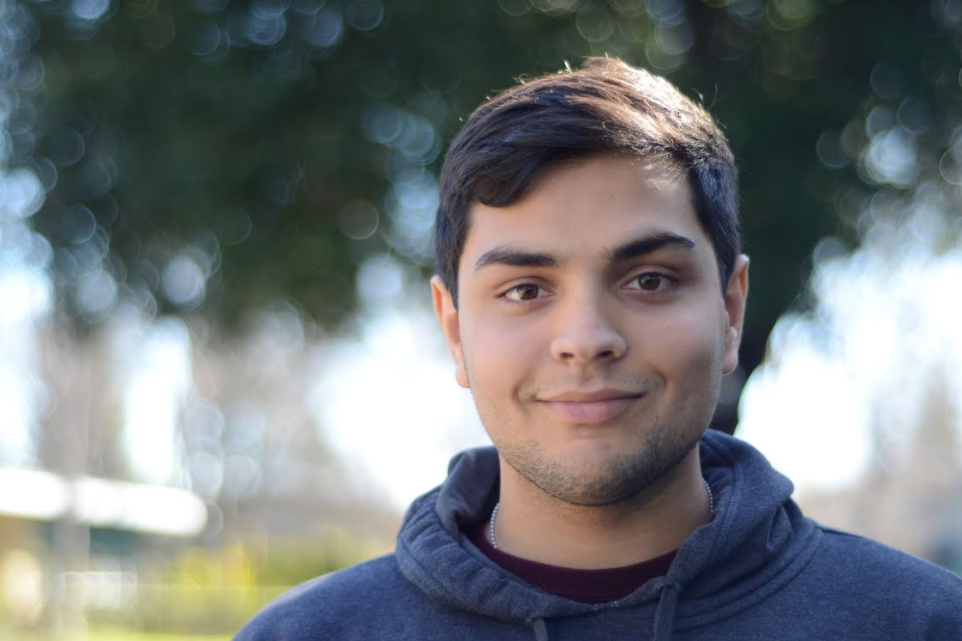
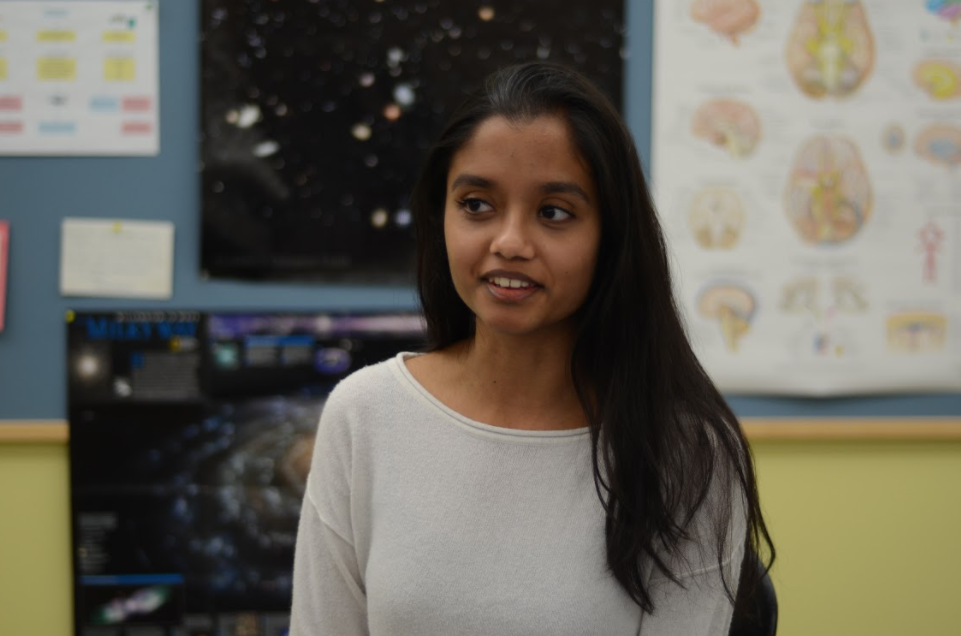


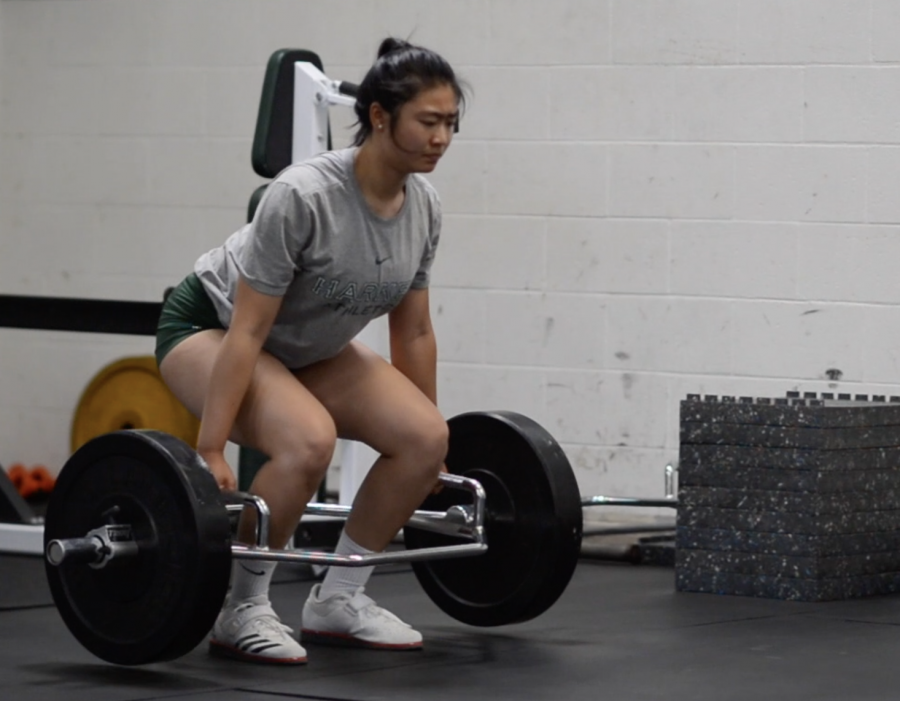

![“My slogan is ‘slow feet, don’t eat, and I’m hungry.’ You need to run fast to get where you are–you aren't going to get those championships if you aren't fast,” Angel Cervantes (12) said. “I want to do well in school on my tests and in track and win championships for my team. I live by that, [and] I can do that anywhere: in the classroom or on the field.”](https://harkeraquila.com/wp-content/uploads/2018/06/DSC5146-900x601.jpg)
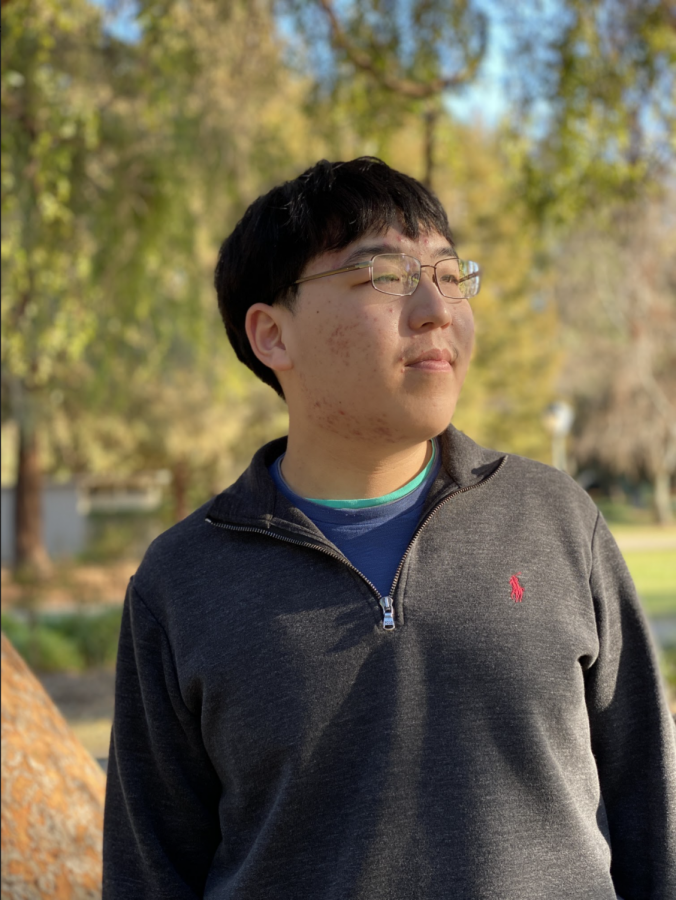
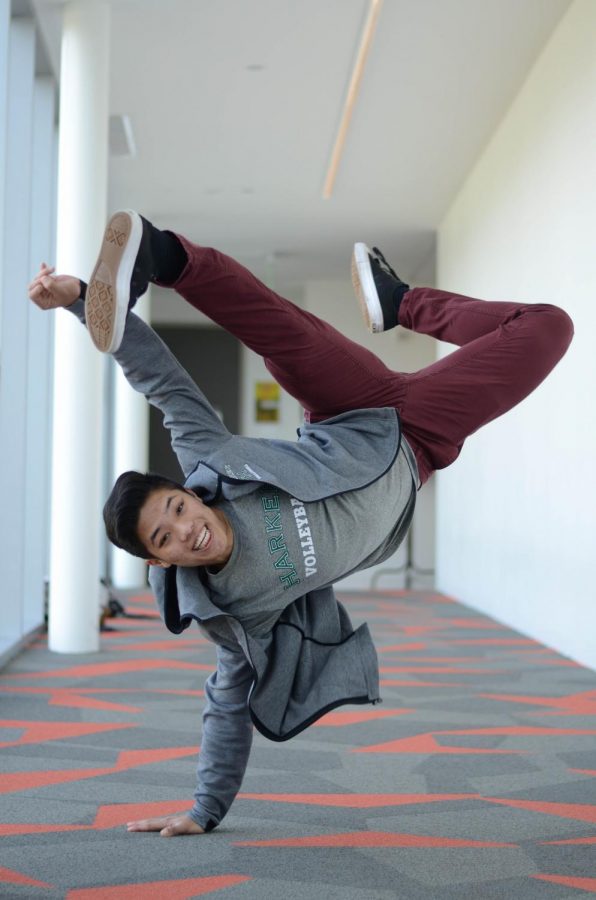
![“[Volleyball has] taught me how to fall correctly, and another thing it taught is that you don’t have to be the best at something to be good at it. If you just hit the ball in a smart way, then it still scores points and you’re good at it. You could be a background player and still make a much bigger impact on the team than you would think,” Anya Gert (’20) said.](https://harkeraquila.com/wp-content/uploads/2020/06/AnnaGert_JinTuan_HoHPhotoEdited-600x900.jpeg)
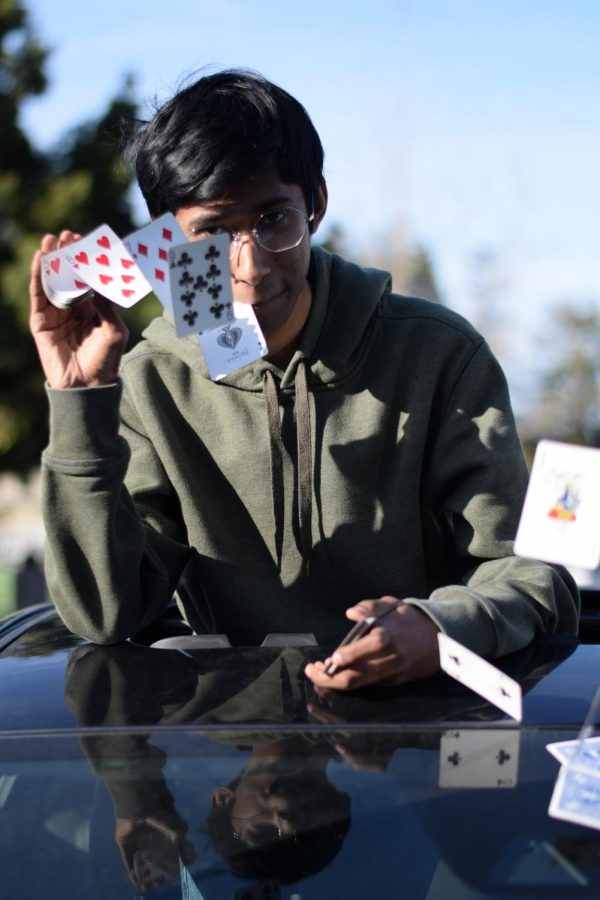
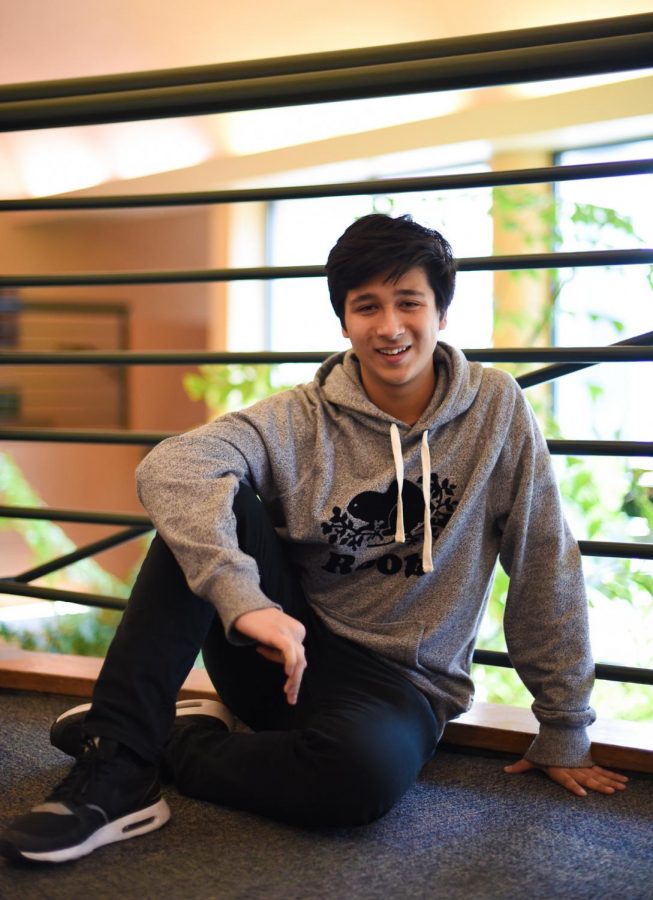
![“I'm not nearly there yet, but [my confidence has] definitely been getting better since I was pretty shy and timid coming into Harker my freshman year. I know that there's a lot of people that are really confident in what they do, and I really admire them. Everyone's so driven and that has really pushed me to kind of try to find my own place in high school and be more confident,” Alyssa Huang (’20) said.](https://harkeraquila.com/wp-content/uploads/2020/06/AlyssaHuang_EmilyChen_HoHPhoto-900x749.jpeg)
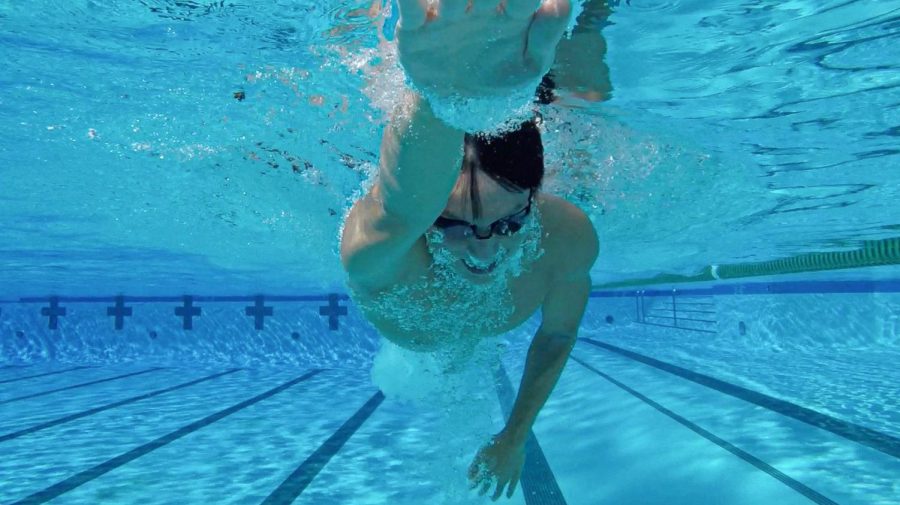


Working hard or hardly working?
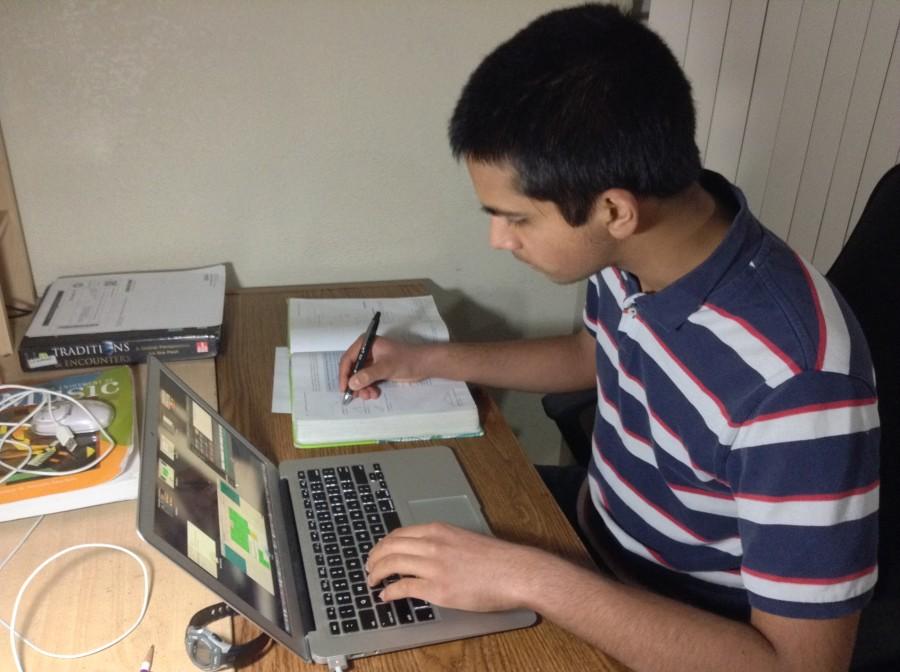
I use my computer frequently for writing and studying because it helps me work more efficiently. However, it’s easy to become distracted while working on a computer, which hurts productivity instead of helping it.
If I’m writing an essay by hand, I can’t just flip over my binder paper and read a news article on the back. But if I’m working on an essay in Google Docs, I can do just that—I create a new tab, I go to BBC News and suddenly my focus is lost. In a world of incredible technology and productivity software, preventing distractions is a major challenge.
Certainly, technology brings its advantages. When I write timed essays by hand, I often lament the inflexibility of working on paper. Instead of being able to move around paragraphs and remove inelegant sentences with a few strokes of the keyboard, I have to laboriously cross out sentences and write in the margins. On a computer, I have the freedom to delete entire sentences without leaving an ugly scribble on the paper. And let’s not forget the beauty of spellcheck.
But it’s incredibly easy to get distracted and lose all of the productivity benefits that technology offers. When I’m typing an essay or taking notes, I can quickly become distracted adjusting page margins, tweaking line spacing and searching for that perfect font (which I usually don’t find, by the way). And then there’s the threat of wasting time checking email, social media or just random news articles. If I’m not working on my essay, then I’m not going to make any progress no matter how powerful my word processor is.
And that’s the problem with technology—no matter how much it helps me write or study, I ultimately have to do the writing or studying myself. I have to figure out what I want to write about and what words I want to use. My brain has to absorb the information I’m studying so that I remember it. As much as the computer can help, it can’t do that for me.
Beethoven didn’t use a computer to write his nine symphonies. Shakespeare never typed his sonnets into Microsoft Word. What made their works revolutionary was not the paper that they wrote them on, but the thoughts that they expressed.
What is most important to remember for creative work—whether on a computer or not—is that the greatest asset that you have is your mind. If you are distracted, your mind will not be able to work at full productivity. Admittedly, this is less true for rote tasks than it is for those which require full mental focus and creativity, and what distracts one person might sharpen the focus of another.
You can identify what tasks requires your greatest mental presence and prevent technology from distracting you while you work on them. Productivity software can have hundreds of options, ranging from formatting to autosave. But if these settings don’t help your mind focus on the work, just ignore them. That might be the reason that minimalism and clean user interfaces have become more common in recent years. They help support the mind instead of working against it.
And be careful to avoid other distractions, like browsing Facebook or surfing the web. Try taking an application into fullscreen mode to single-task or hiding the tab bar in Google Chrome so that you aren’t tempted to switch over to Facebook from your essay. If you’re working on an iOS device, you can use Guided Access to prevent switching applications without entering a password.
And above all, remember to prioritize your mind over the computer.
Praveen Batra (9) is a reporter for the Winged Post. He enjoys informative writing, design, and typography. In his spare time, he likes to write mobile...