


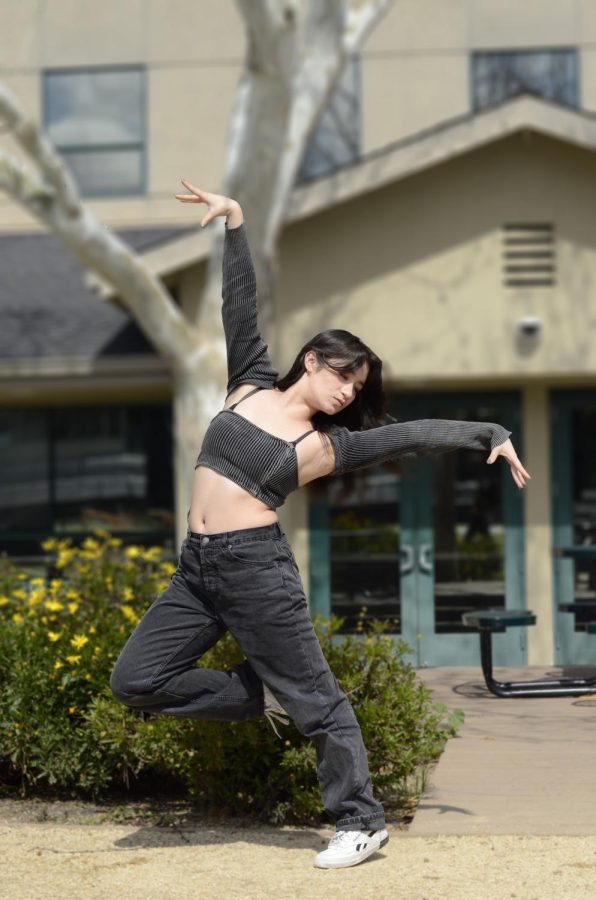
![“I wasn't discouraged by some of the obstacles we faced. I learned a lot from the leadership. I found that different people need different ways of receiving feedback — you can't [just] tell them to do something and expect the best. [Some] people needed more incentive. A large part of my role was to figure out what worked for everyone and to figure out how to lead all these separate individuals as a team,” Suhana Bhandare (’26) said.](https://harkeraquila.com/wp-content/uploads/2026/06/SuhanaBhandare_JasmineHansra-1-1200x798.jpg)
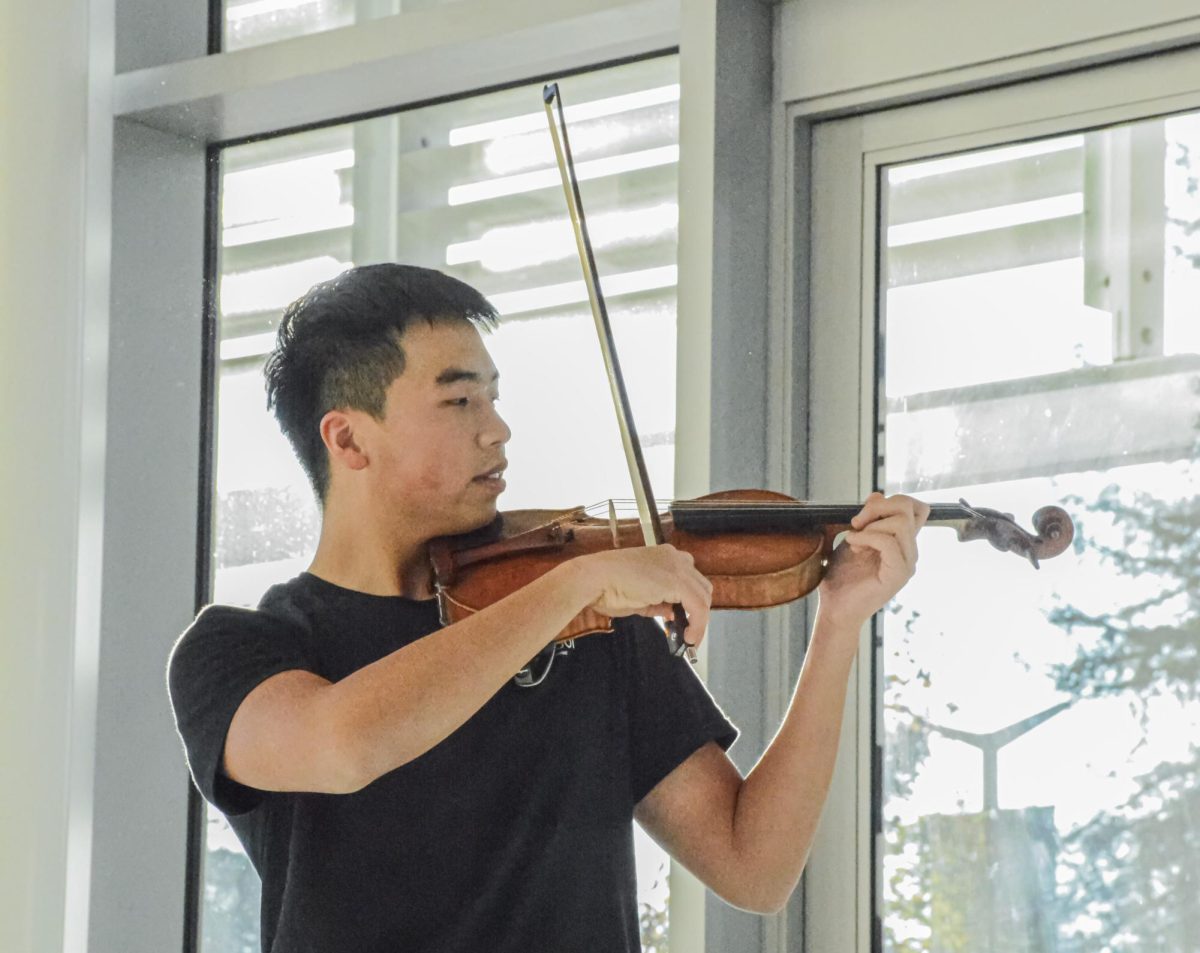
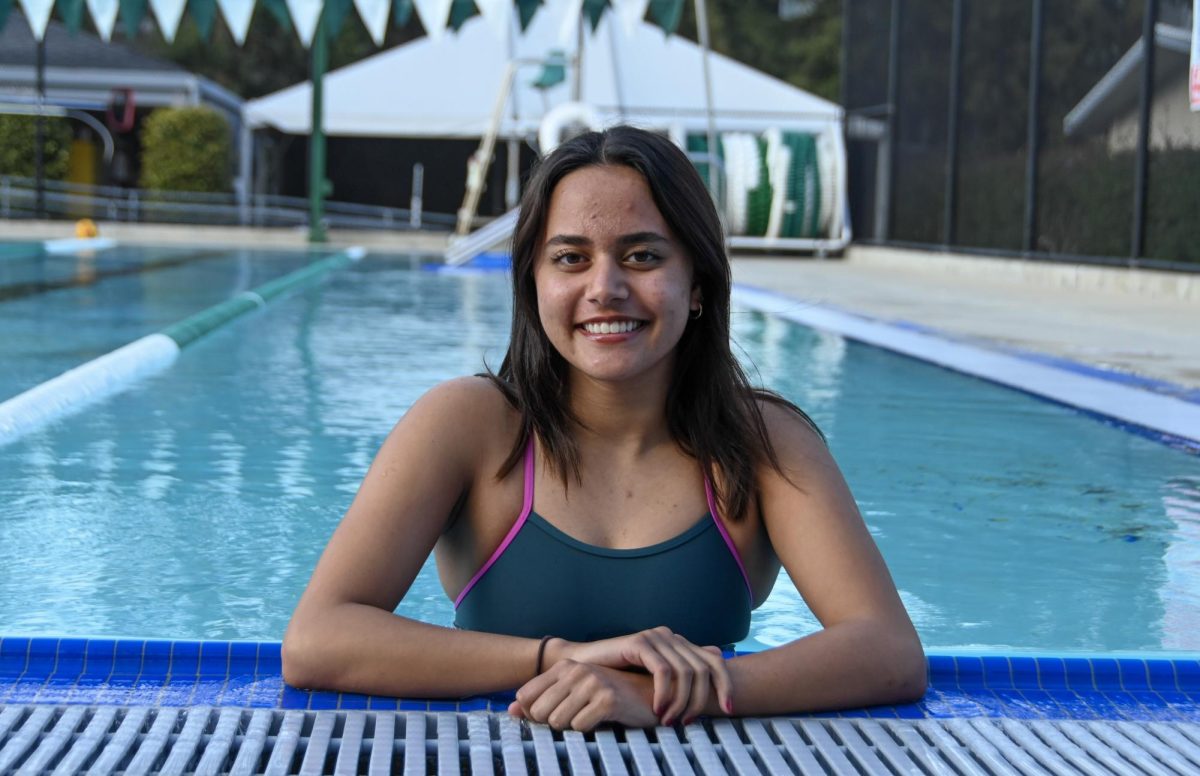
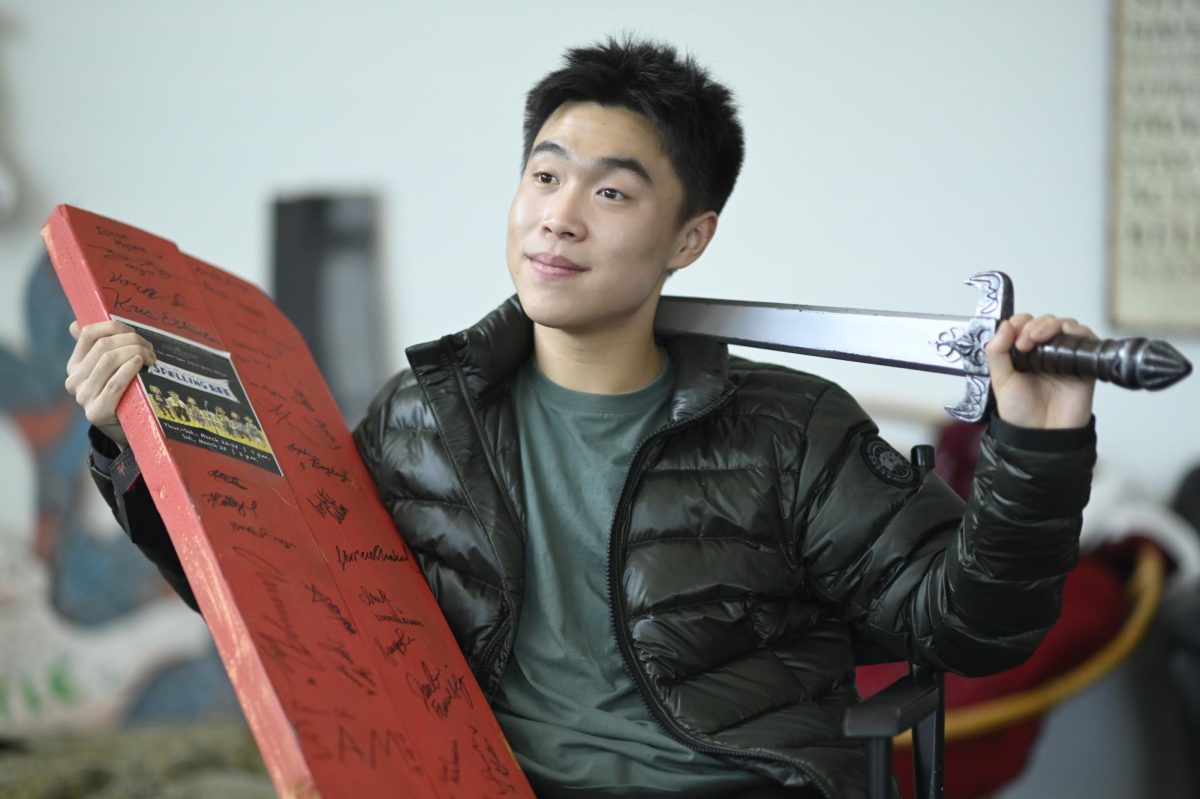
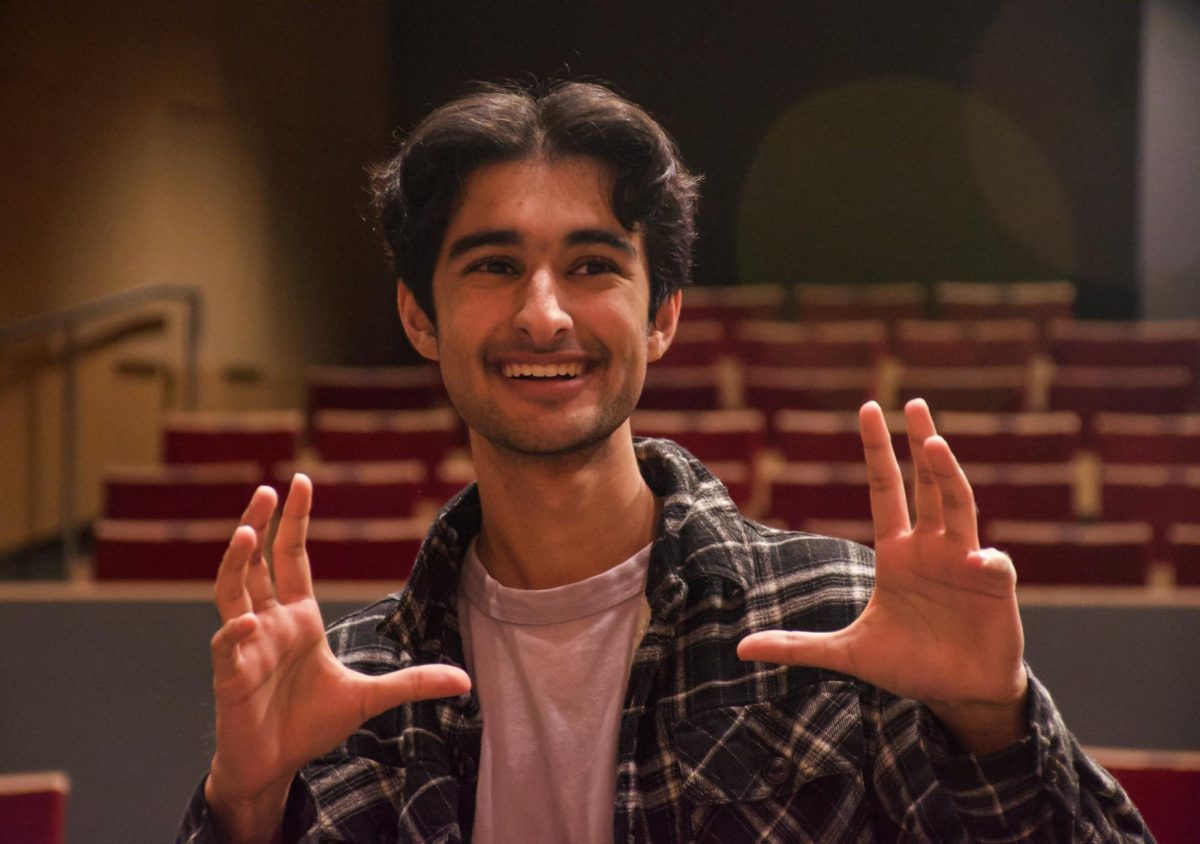
![“This is actually from Randy Pausch Randy P. Brick: ‘Walls are there for a reason. You have to show how much you want to overcome them.’ You have to show how much you want something. That's what I've always been able to do with tennis, Link Crew and getting that internship [with Kushy Baby]. It’s important pushing through that — getting around that brick wall, climbing over it or clawing through it,” Yash Sachdeva (’26) said.](https://harkeraquila.com/wp-content/uploads/2026/05/YashSachdeva_RamBatchu-copy-1200x1002.jpg)
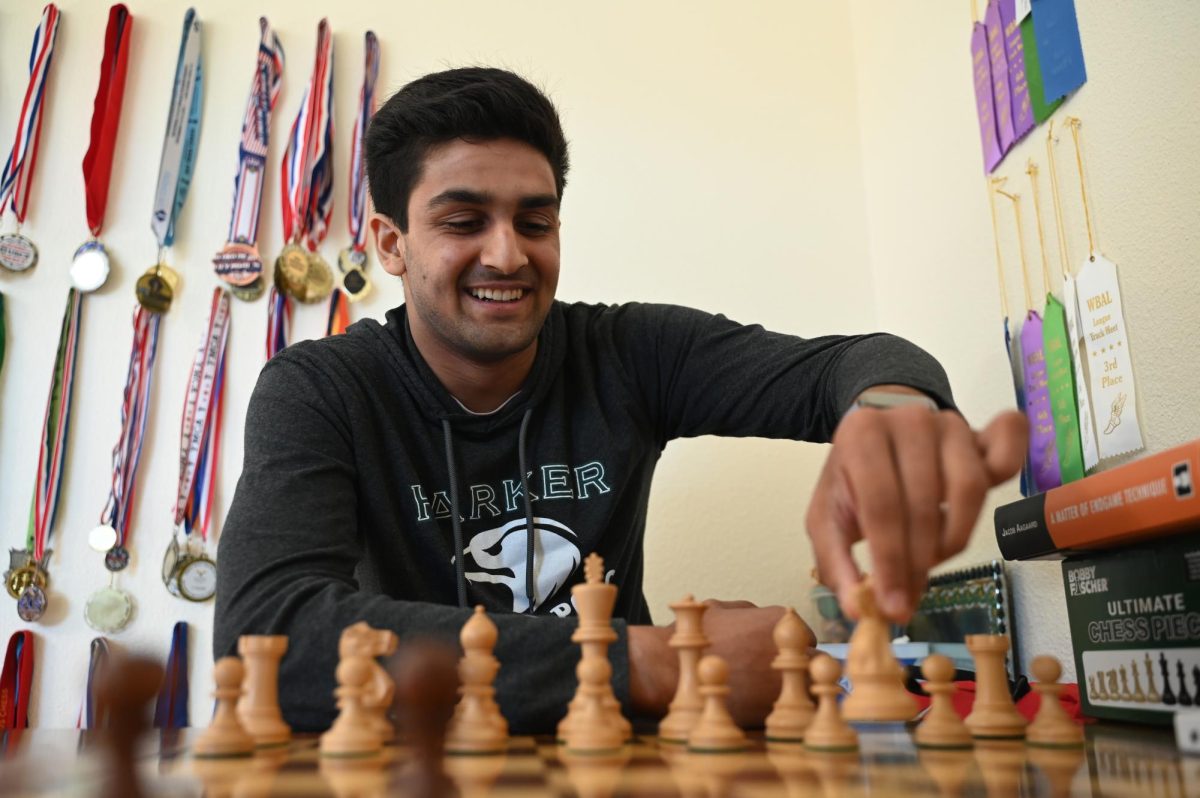






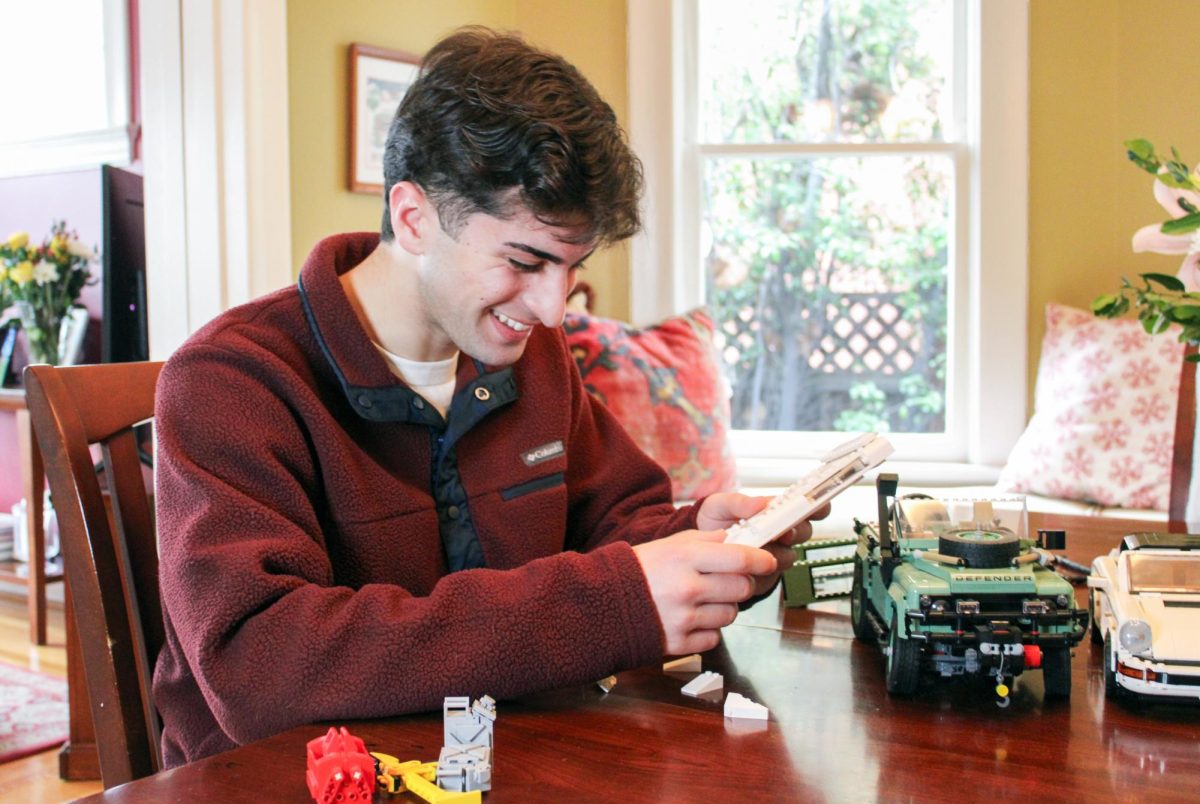


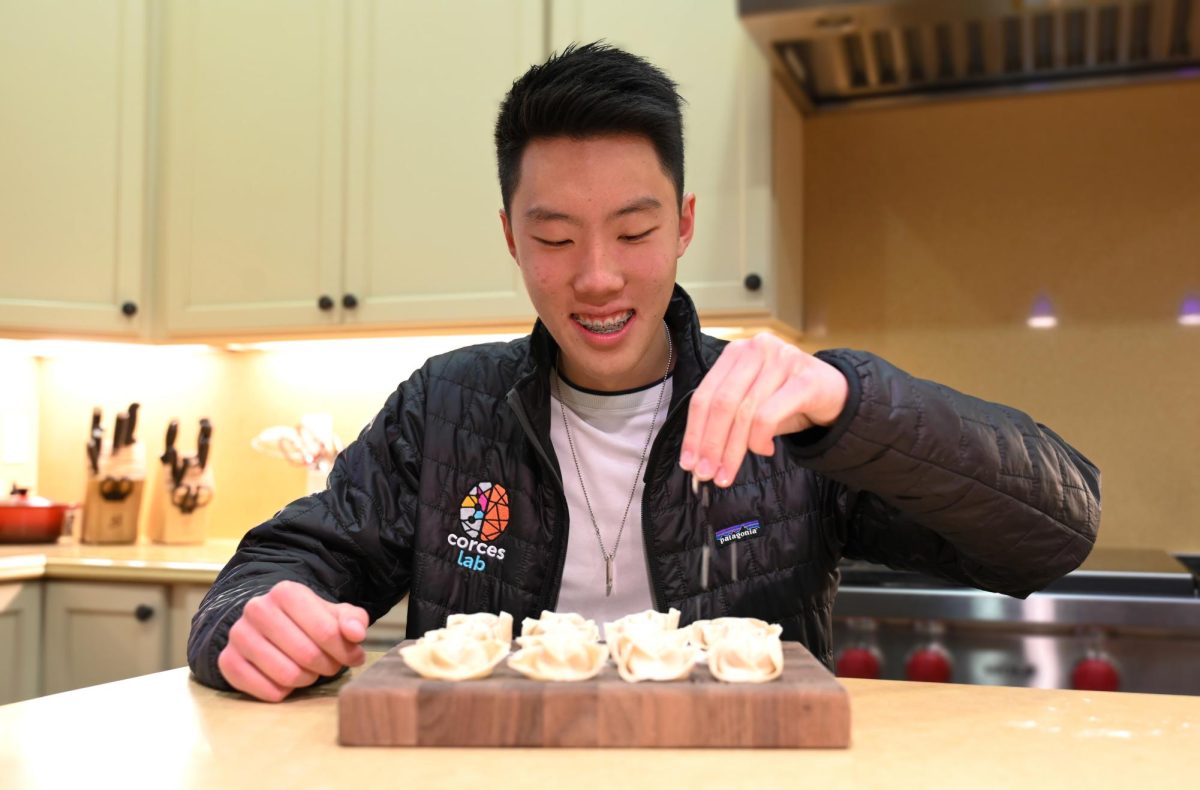
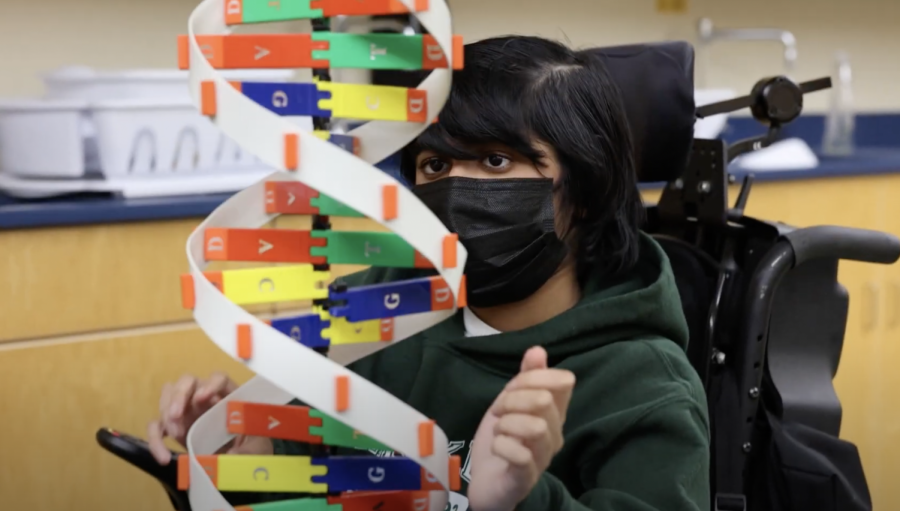
![“[Building nerf blasters] became this outlet of creativity for me that hasn't been matched by anything else. The process [of] making a build complete to your desire is such a painstakingly difficult process, but I've had to learn from [the skills needed from] soldering to proper painting. There's so many different options for everything, if you think about it, it exists. The best part is [that] if it doesn't exist, you can build it yourself," Ishaan Parate said.](https://harkeraquila.com/wp-content/uploads/2022/08/DSC_8149-900x604.jpg)
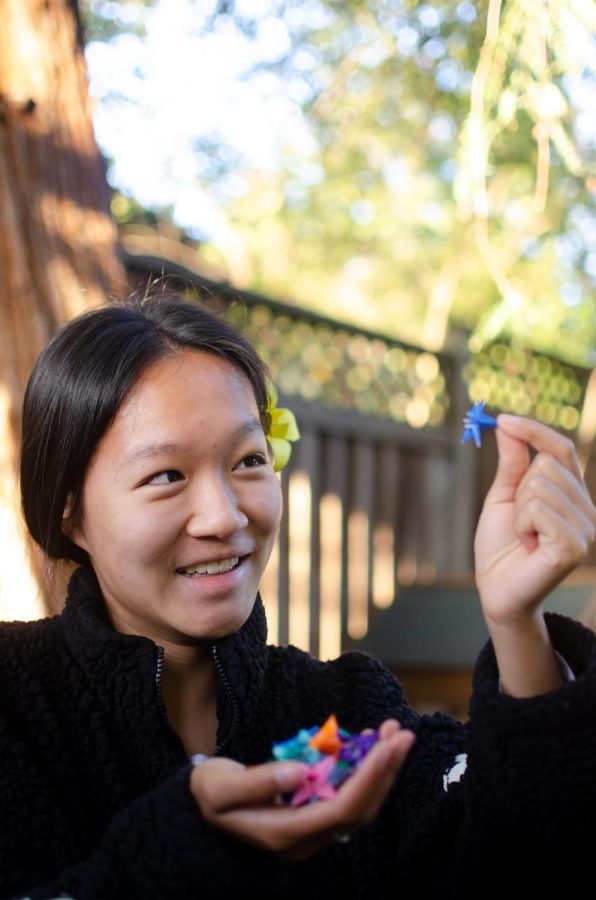
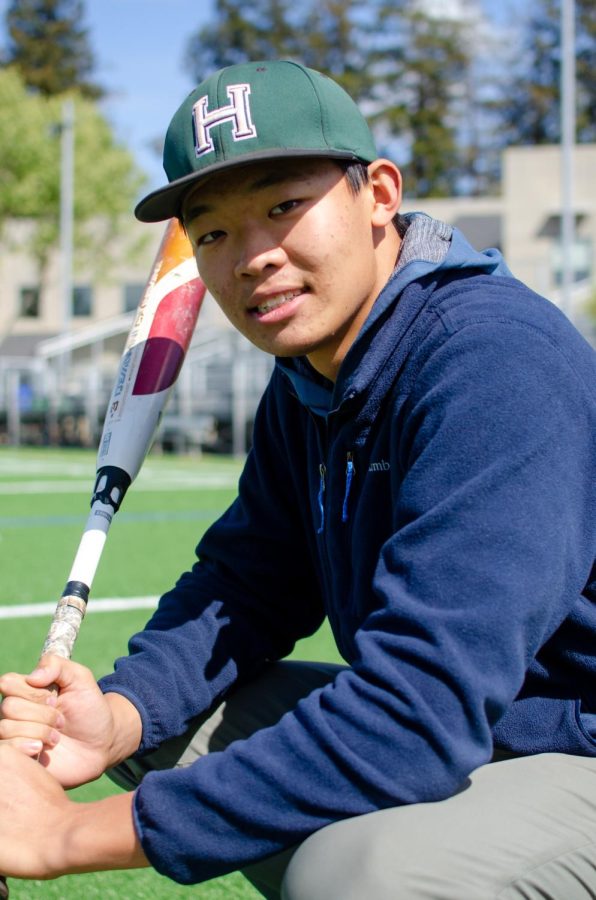

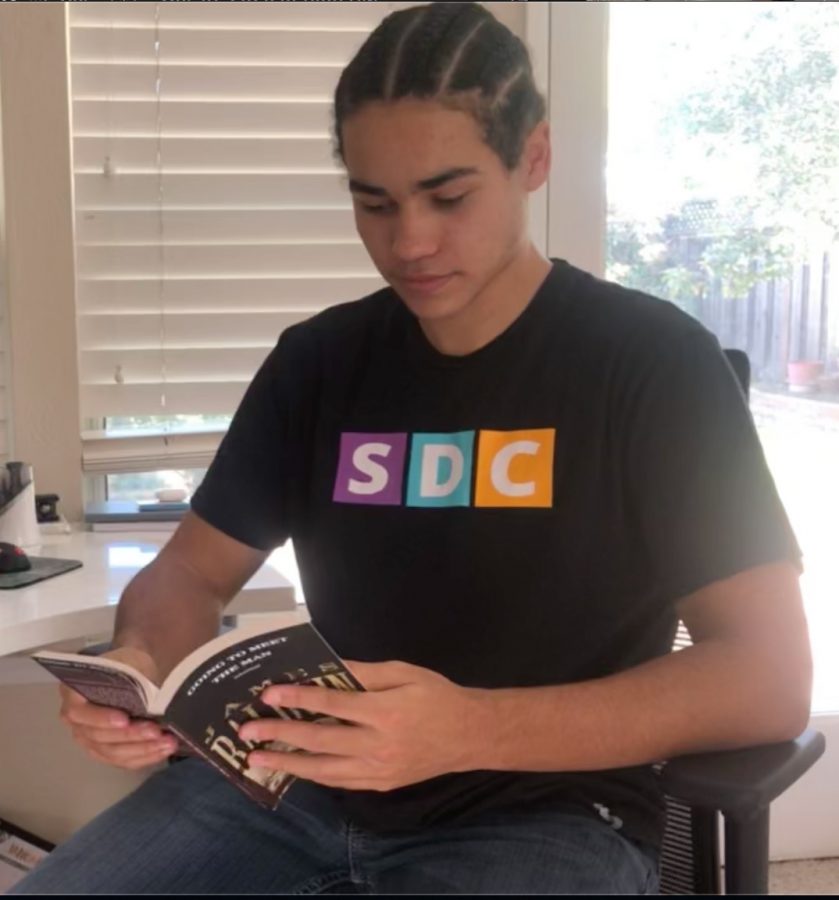
![“When I came into high school, I was ready to be a follower. But DECA was a game changer for me. It helped me overcome my fear of public speaking, and it's played such a major role in who I've become today. To be able to successfully lead a chapter of 150 students, an officer team and be one of the upperclassmen I once really admired is something I'm [really] proud of,” Anvitha Tummala ('21) said.](https://harkeraquila.com/wp-content/uploads/2021/07/Screen-Shot-2021-07-25-at-9.50.05-AM-900x594.png)

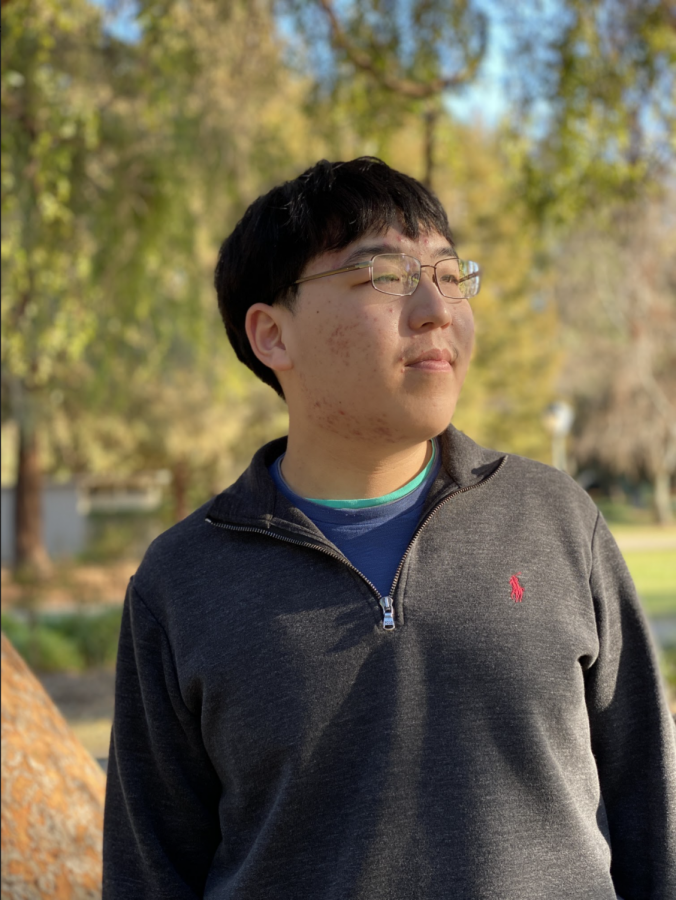

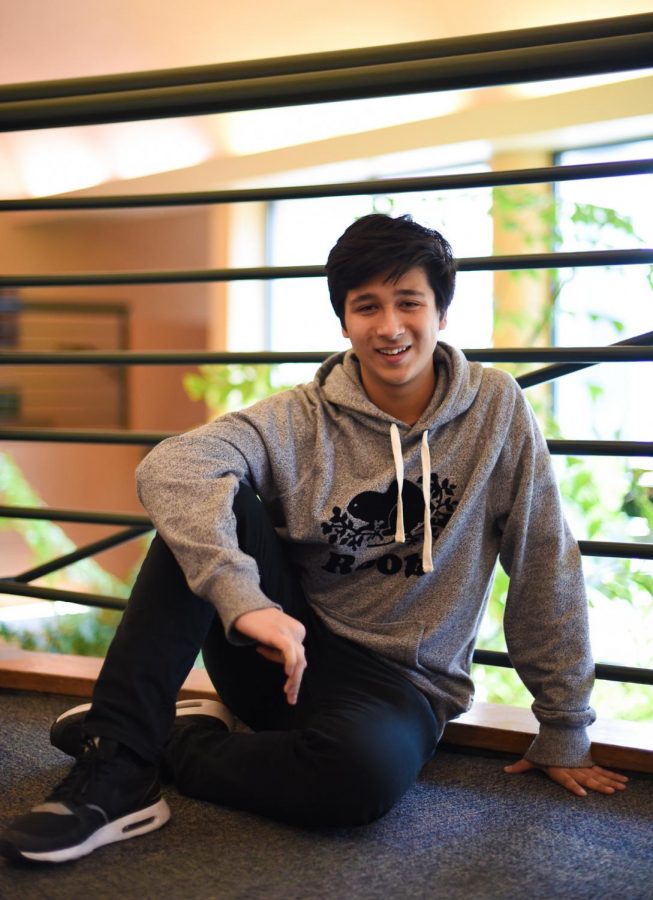
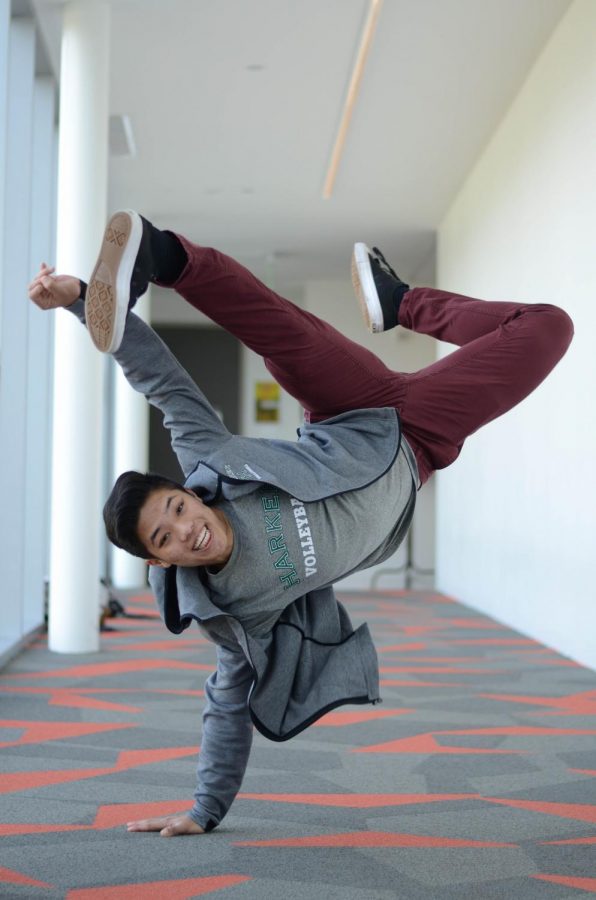
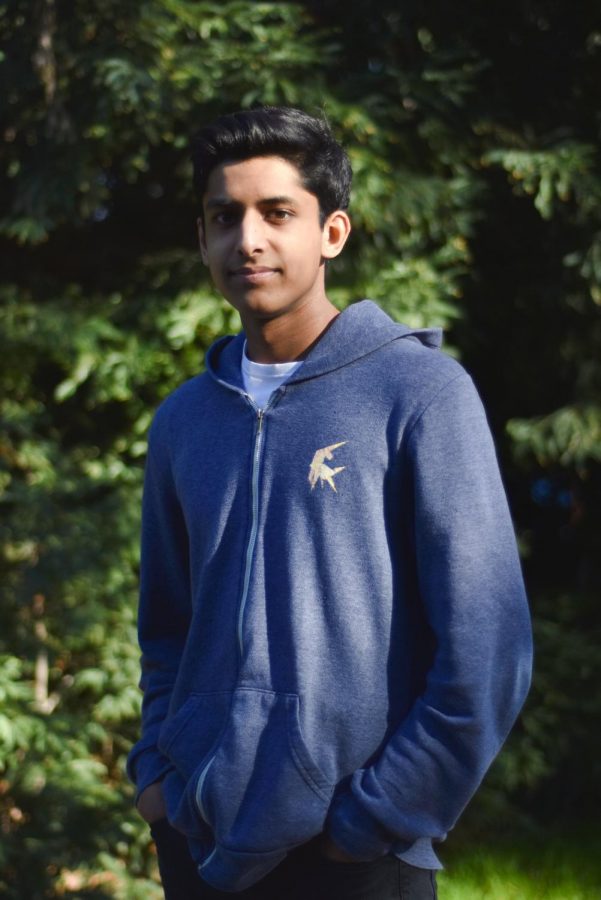

![“I think getting up in the morning and having a sense of purpose [is exciting]. I think without a certain amount of drive, life is kind of obsolete and mundane, and I think having that every single day is what makes each day unique and kind of makes life exciting,” Neymika Jain (12) said.](https://harkeraquila.com/wp-content/uploads/2017/06/Screen-Shot-2017-06-03-at-4.54.16-PM.png)




![“My slogan is ‘slow feet, don’t eat, and I’m hungry.’ You need to run fast to get where you are–you aren't going to get those championships if you aren't fast,” Angel Cervantes (12) said. “I want to do well in school on my tests and in track and win championships for my team. I live by that, [and] I can do that anywhere: in the classroom or on the field.”](https://harkeraquila.com/wp-content/uploads/2018/06/DSC5146-900x601.jpg)
![“[Volleyball has] taught me how to fall correctly, and another thing it taught is that you don’t have to be the best at something to be good at it. If you just hit the ball in a smart way, then it still scores points and you’re good at it. You could be a background player and still make a much bigger impact on the team than you would think,” Anya Gert (’20) said.](https://harkeraquila.com/wp-content/uploads/2020/06/AnnaGert_JinTuan_HoHPhotoEdited-600x900.jpeg)
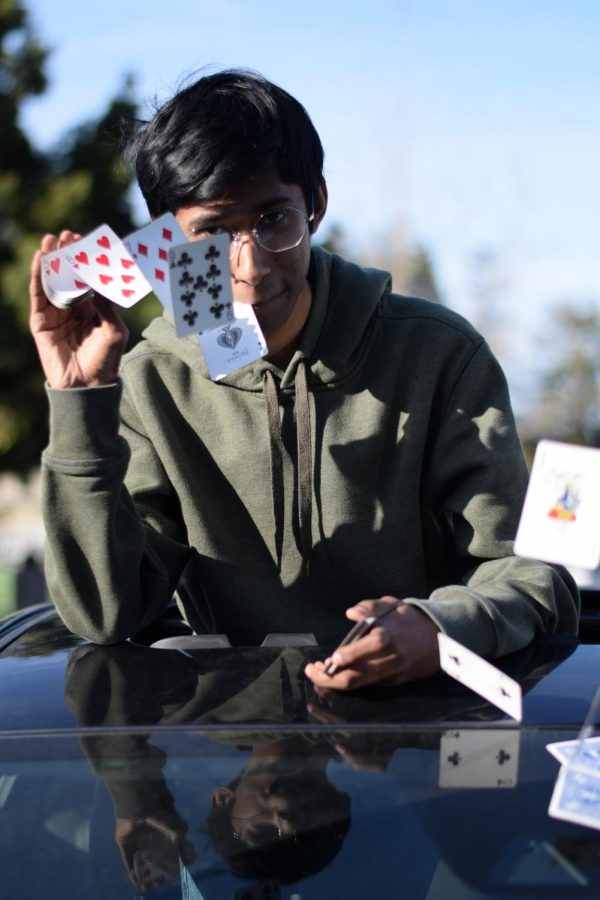
![“I'm not nearly there yet, but [my confidence has] definitely been getting better since I was pretty shy and timid coming into Harker my freshman year. I know that there's a lot of people that are really confident in what they do, and I really admire them. Everyone's so driven and that has really pushed me to kind of try to find my own place in high school and be more confident,” Alyssa Huang (’20) said.](https://harkeraquila.com/wp-content/uploads/2020/06/AlyssaHuang_EmilyChen_HoHPhoto-900x749.jpeg)

The severity of academic fraud
Creative Commons
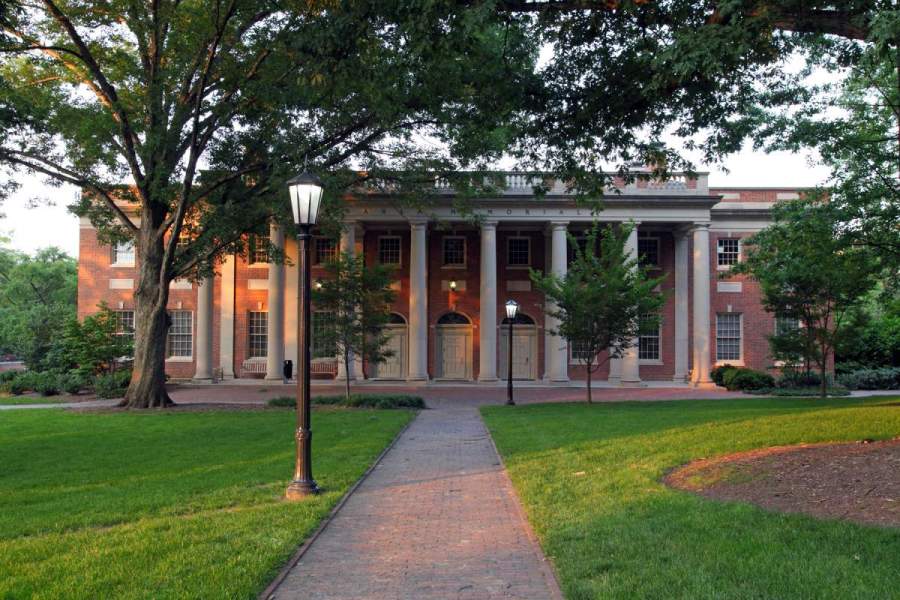
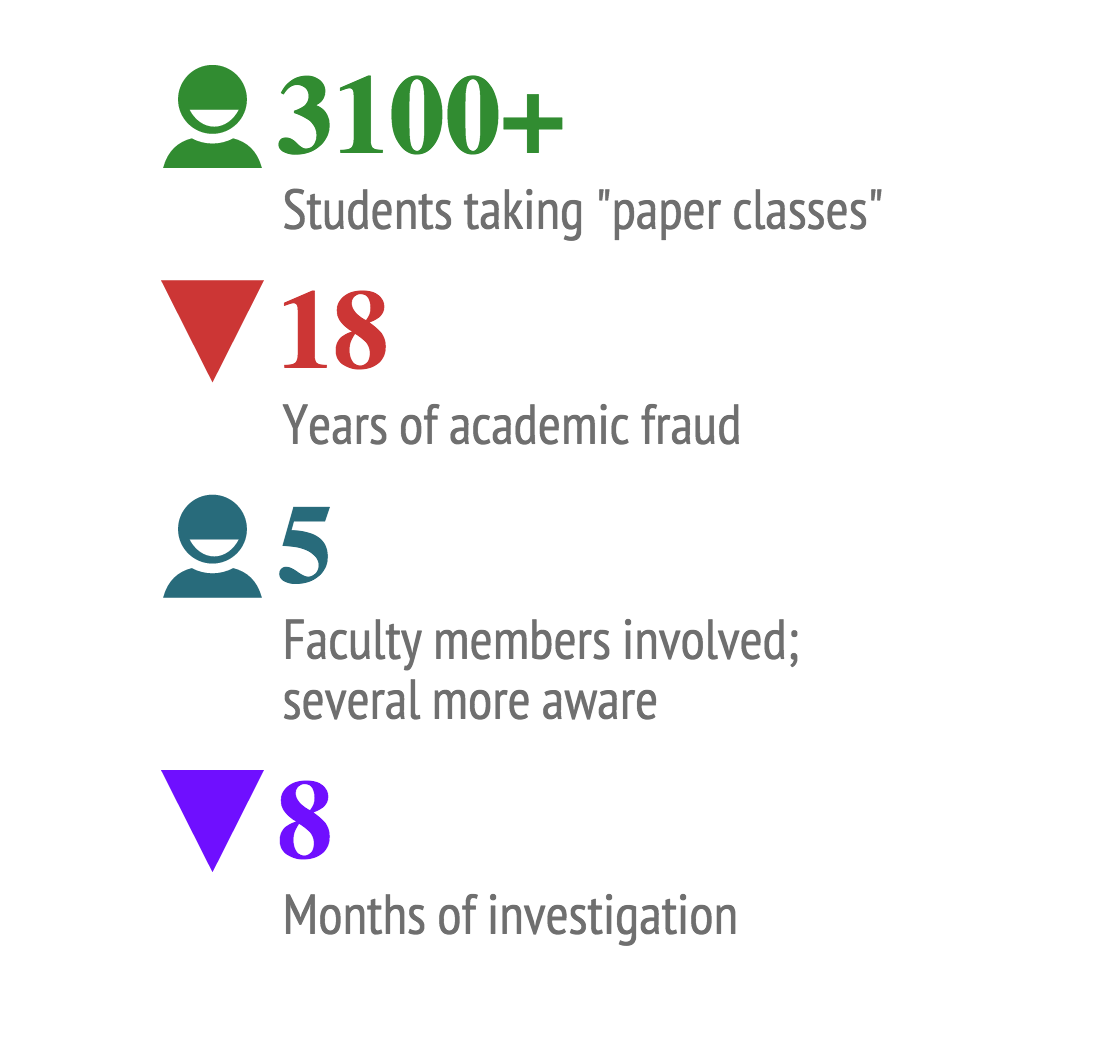
A recent investigation has unearthed that over 3100 student-athletes of the University of North Carolina have been involved in academic fraud that was previously undetected for 18 years.
According to CNN, a recent investigation has unearthed that over 3100 student-athletes of the University of North Carolina have been involved in academic fraud that was previously undetected for 18 years.
When I first read this piece on CNN, I was absolutely shocked. My understanding of academic fraud ended at plagiarism, and I was perplexed by how a scandal of this size remained covered up for 18 years. I spent the next half-hour investigating in a frenzy. How on earth did this happen?
Students were enabled and even encouraged to commit academic fraud by their advisors. The students involved attended “paper classes,” which were aptly disguised as independent studies, in primarily the African-American studies department. While these classes were not limited to exclusively athletes, athletes were the primary group steered towards them. The classes, which had no scheduled meeting times and required zero attendance or interaction with faculty members, were recommended by advisors for students with GPAs below the NCAA’s eligibility criteria.
Some of these classes, as in accordance with independent study requirements, mandated a final paper that was often written by tutors or advisors. The grades earned from these courses, which were unusually high when compared to the rest of students’ transcripts, enabled the student-athletes to maintain the minimum GPA required to remain athletically eligible.
Discovering information like this often reinforces misconceived stereotypes, such as athletes being unable to handle higher-level education. There are many successful student-athletes in high schools and colleges all around the world. The students involved in this particular scandal are probably not incapable; they were just misguided by advisors and faculty–the very people they were encouraged to trust and rely on. That being said, the students were undoubtedly aware of they were doing and have now created a potentially harmful image for student-athletes around the country.
There are many ways to remedy a difficult academic situation without resorting to falsifying grades and classes. In an environment where a low grade can feel like the end of the world, it is difficult to remain calm and think rationally. It is no secret that students under intense pressure and scrutiny often panic and turn to cheating to raise their GPAs.
UNC may face severe consequences from the NCAA, but to me, the most disappointing part of this entire situation is that these student-athletes were misguided by educators in positions of authority. These educators should have dealt with the issue 18 years ago by refusing to propagate the stealthy grade-falsifying process, despite the reputation of the school’s stellar athletic program riding on the efforts of some ineligible athletes. The athletes whose GPAs were in question needed assistance and guidance to enable them to achieve academic success; they did not need to bypass the entire situation.
To prevent a scandal such as this from occurring in the future, the NCAA needs to respond harshly, but at the same time, punish only those involved to prevent harm of innocent student-athletes at UNC. It is possible that other schools are turning a blind eye towards similar shady practices, which also needs to be addressed by the NCAA.
Incidents like this serve as a lesson and precaution for everyone involved and even those not involved, and hopefully, an academic blunder of this size will not happen again.
Maya Jeyendran (11) is the Lifestyle Editor of Harker Aquila. She been a part of Harker's journalism program since her freshman year, and has previously...