


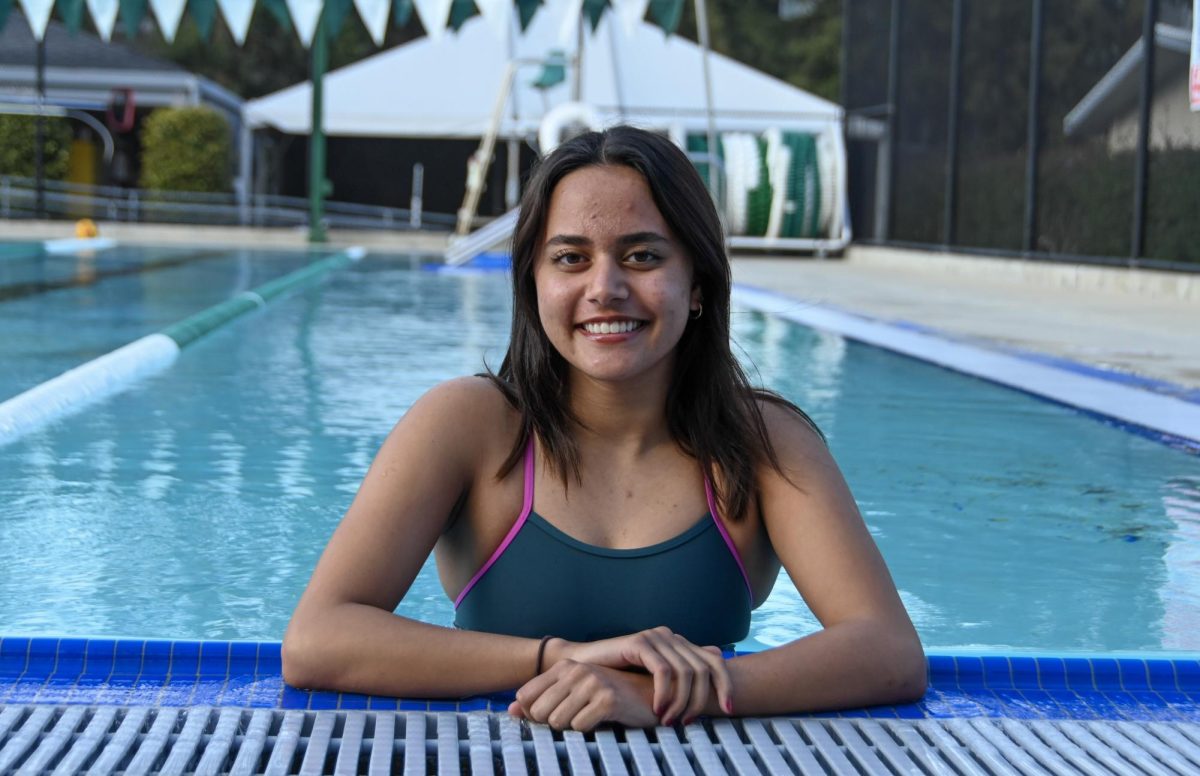
![“I wasn't discouraged by some of the obstacles we faced. I learned a lot from the leadership. I found that different people need different ways of receiving feedback — you can't [just] tell them to do something and expect the best. [Some] people needed more incentive. A large part of my role was to figure out what worked for everyone and to figure out how to lead all these separate individuals as a team,” Suhana Bhandare (’26) said.](https://harkeraquila.com/wp-content/uploads/2026/06/SuhanaBhandare_JasmineHansra-1-1200x798.jpg)
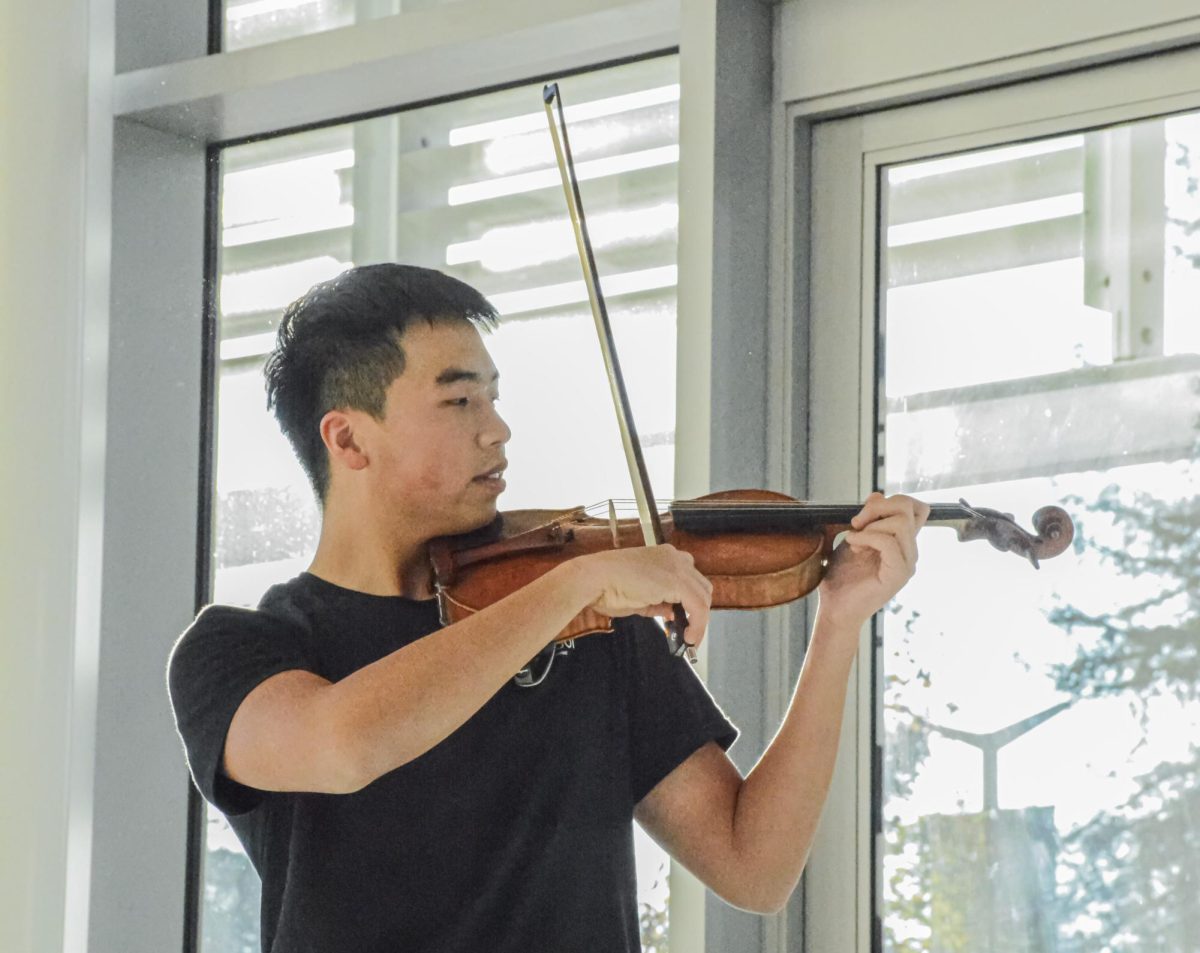
![“This is actually from Randy Pausch Randy P. Brick: ‘Walls are there for a reason. You have to show how much you want to overcome them.’ You have to show how much you want something. That's what I've always been able to do with tennis, Link Crew and getting that internship [with Kushy Baby]. It’s important pushing through that — getting around that brick wall, climbing over it or clawing through it,” Yash Sachdeva (’26) said.](https://harkeraquila.com/wp-content/uploads/2026/05/YashSachdeva_RamBatchu-copy-1200x1002.jpg)

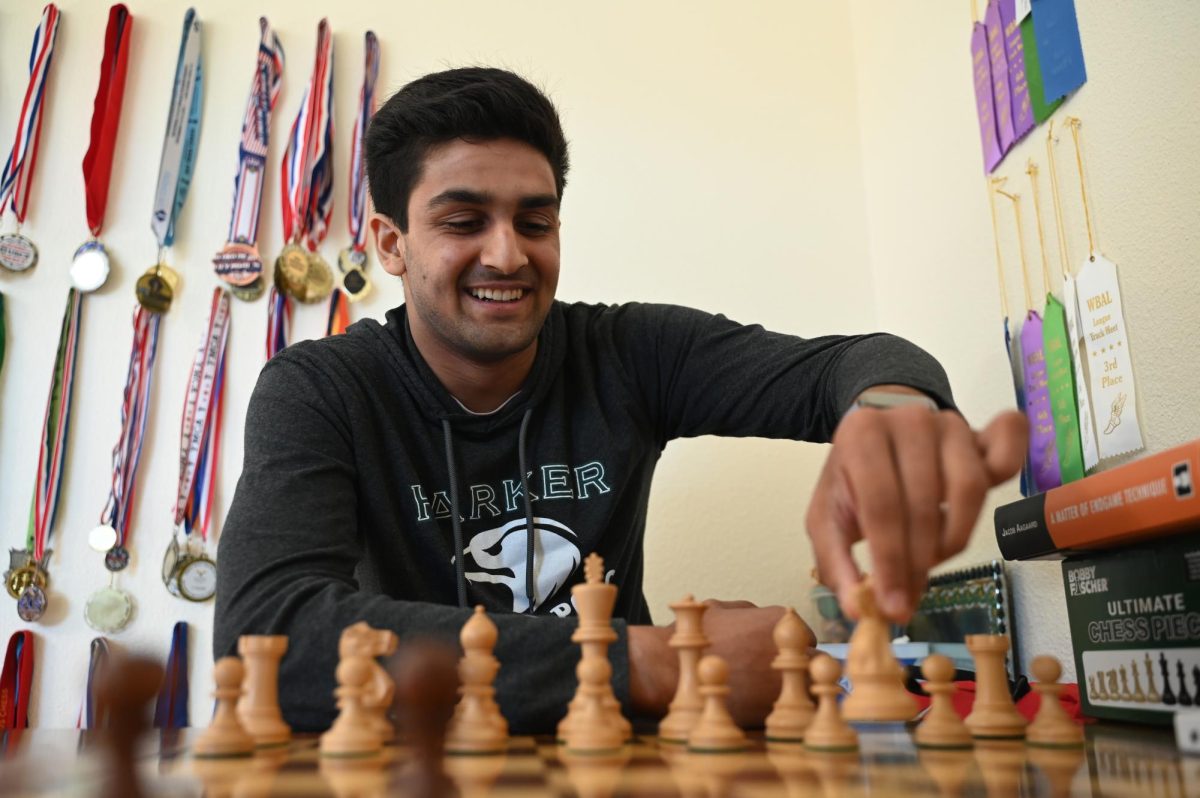
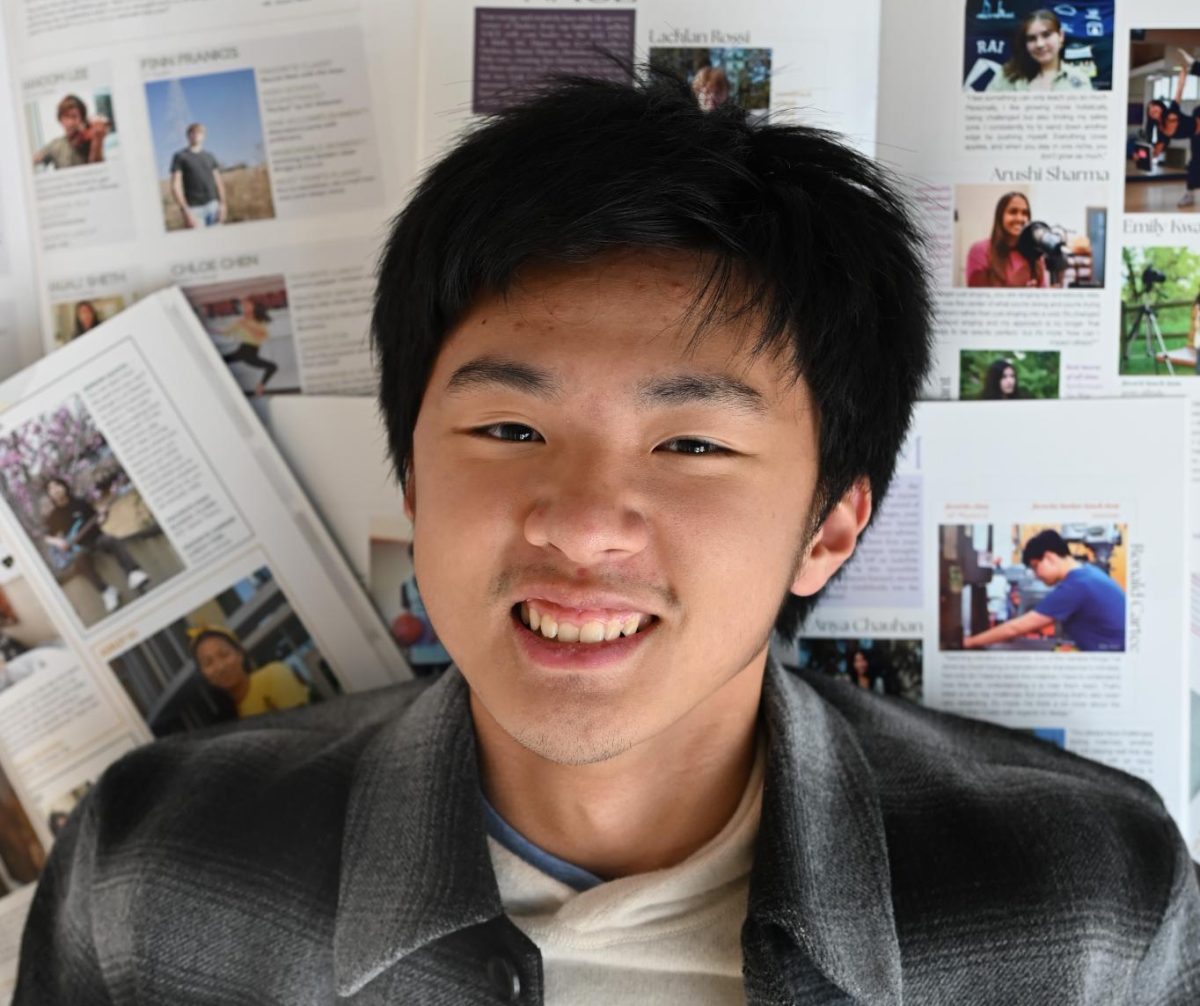



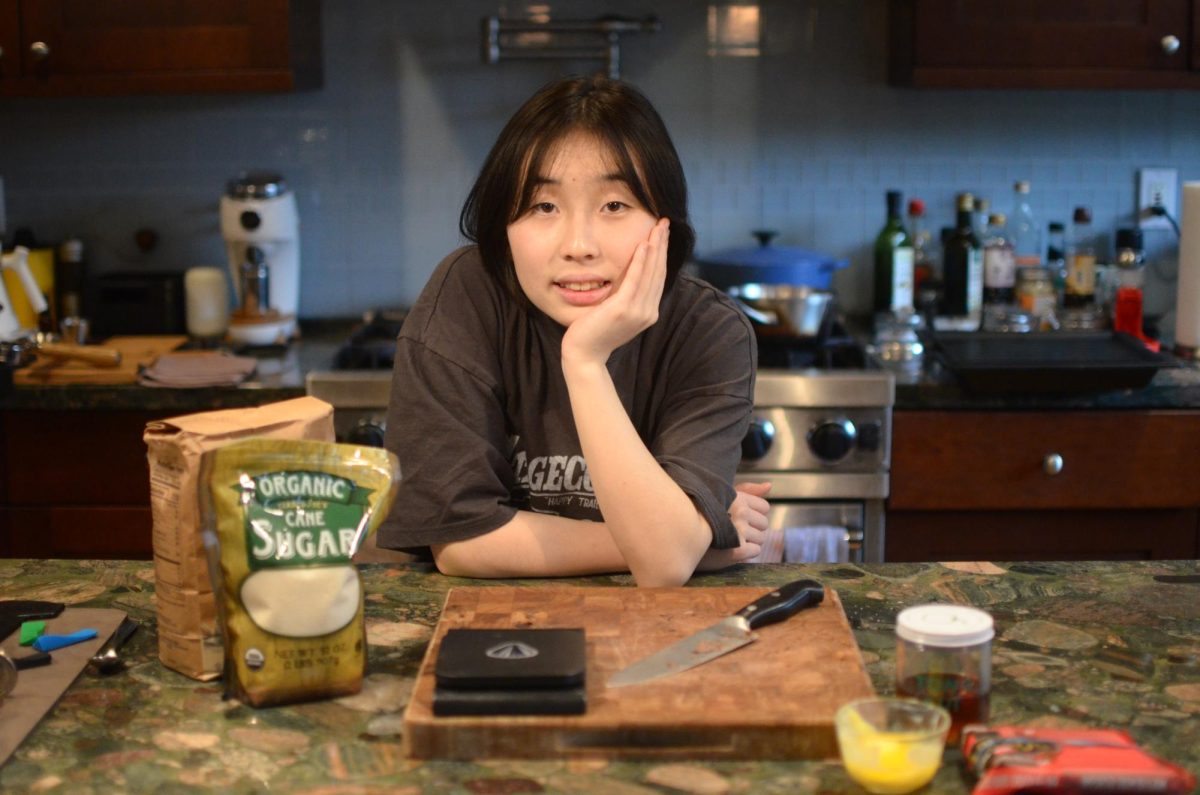


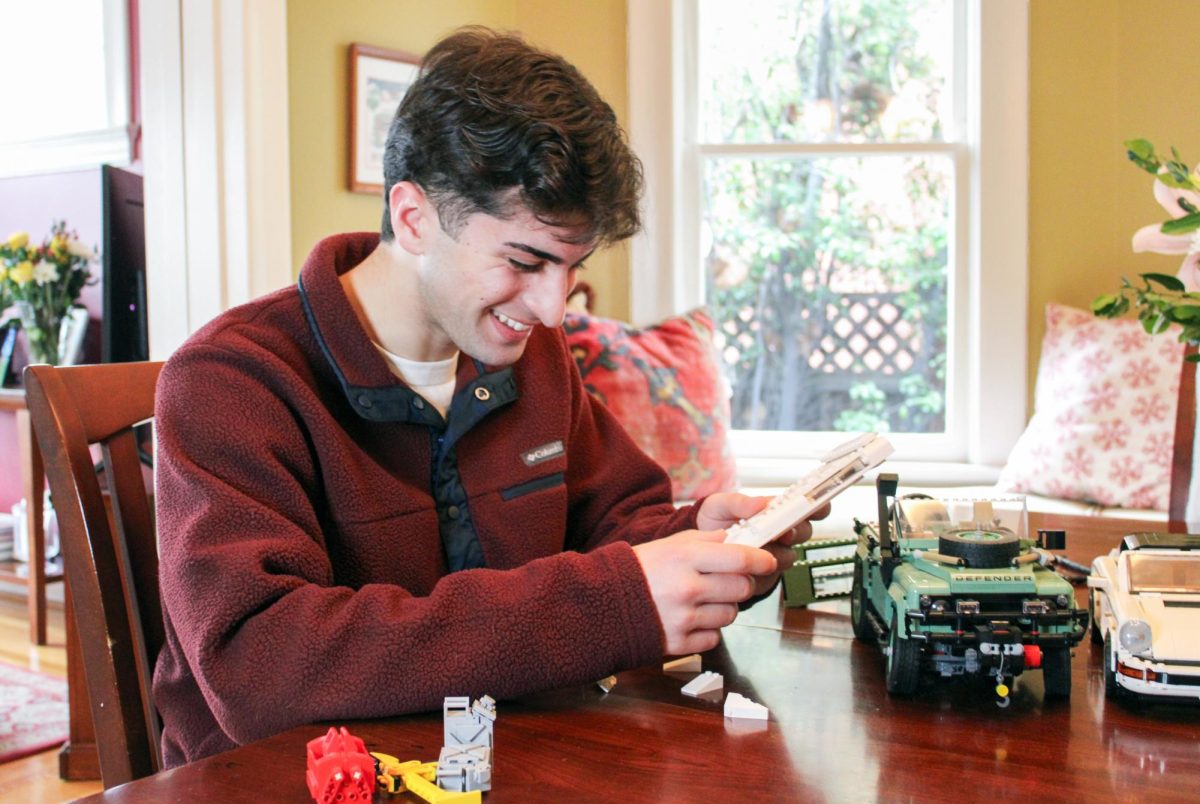

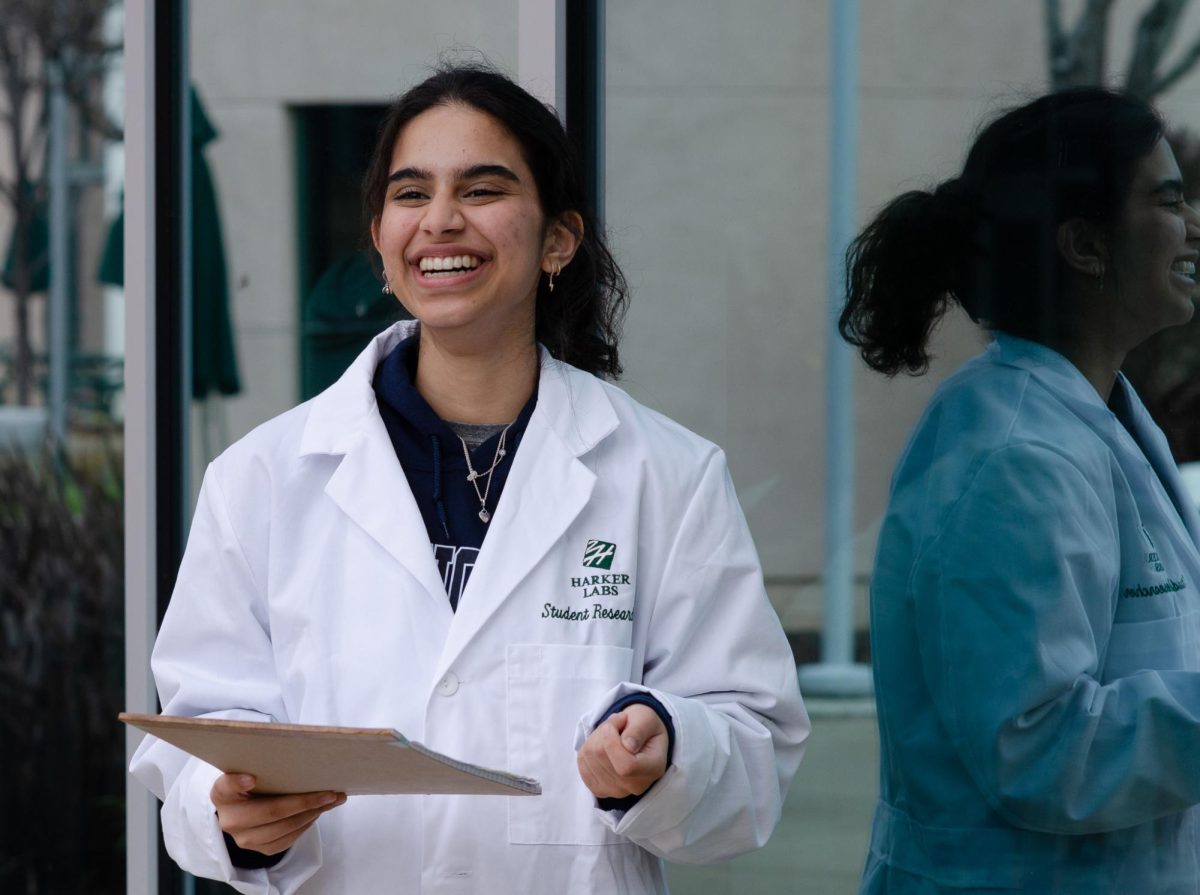


![“[Building nerf blasters] became this outlet of creativity for me that hasn't been matched by anything else. The process [of] making a build complete to your desire is such a painstakingly difficult process, but I've had to learn from [the skills needed from] soldering to proper painting. There's so many different options for everything, if you think about it, it exists. The best part is [that] if it doesn't exist, you can build it yourself," Ishaan Parate said.](https://harkeraquila.com/wp-content/uploads/2022/08/DSC_8149-900x604.jpg)
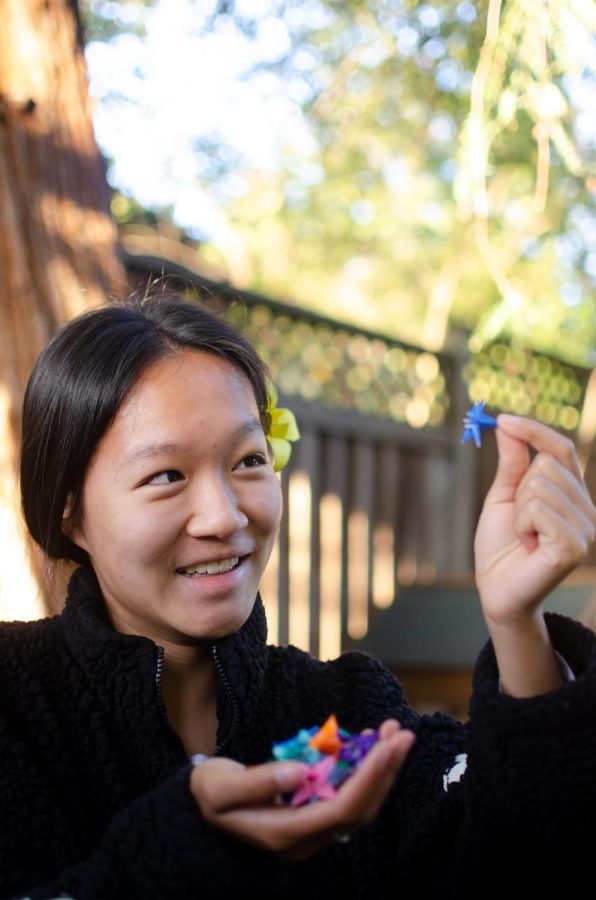
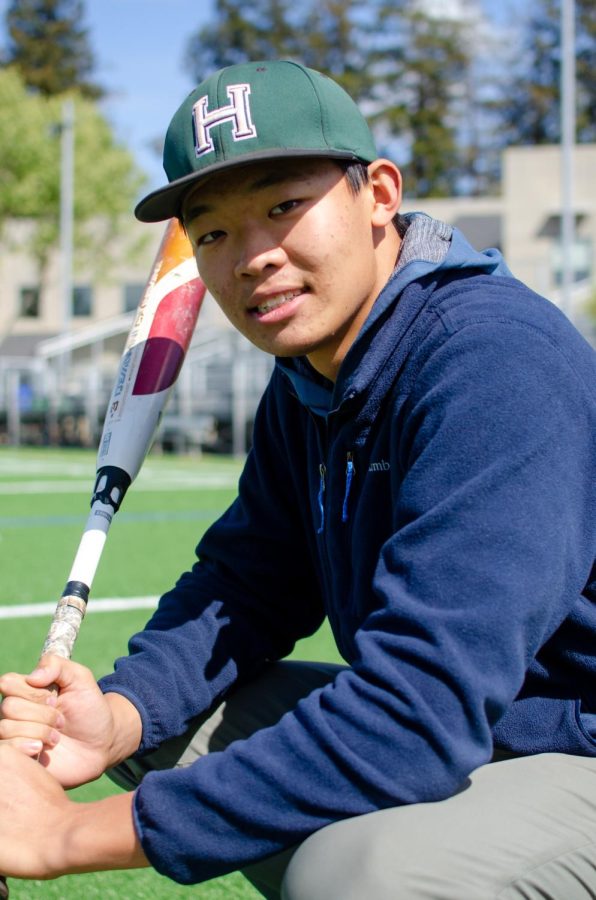

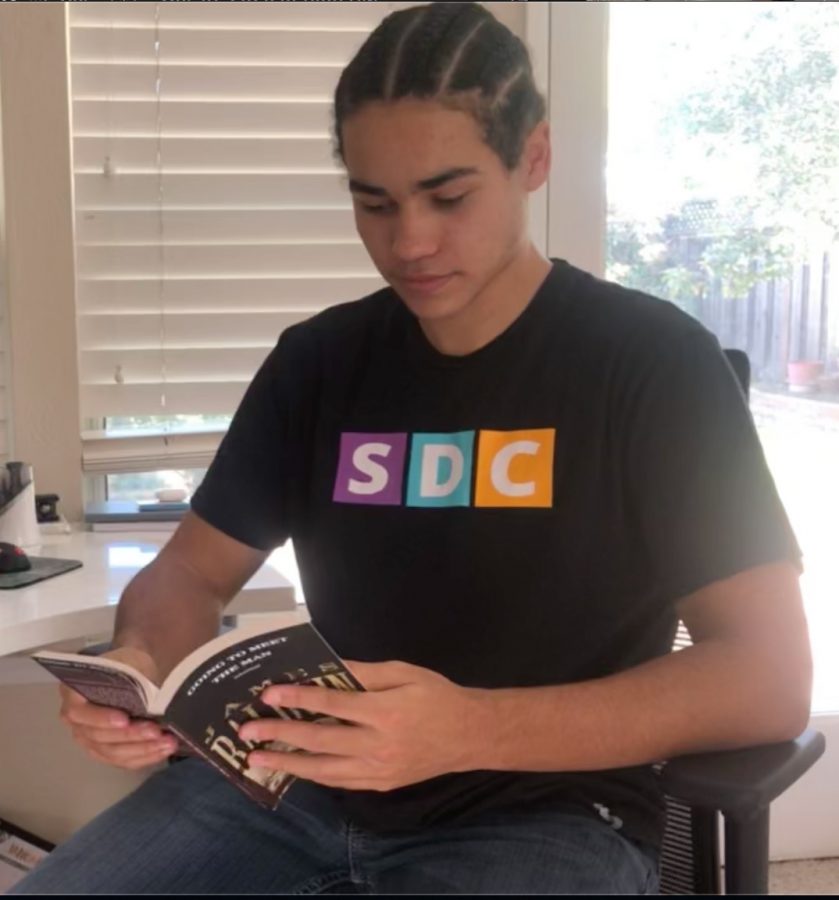
![“When I came into high school, I was ready to be a follower. But DECA was a game changer for me. It helped me overcome my fear of public speaking, and it's played such a major role in who I've become today. To be able to successfully lead a chapter of 150 students, an officer team and be one of the upperclassmen I once really admired is something I'm [really] proud of,” Anvitha Tummala ('21) said.](https://harkeraquila.com/wp-content/uploads/2021/07/Screen-Shot-2021-07-25-at-9.50.05-AM-900x594.png)

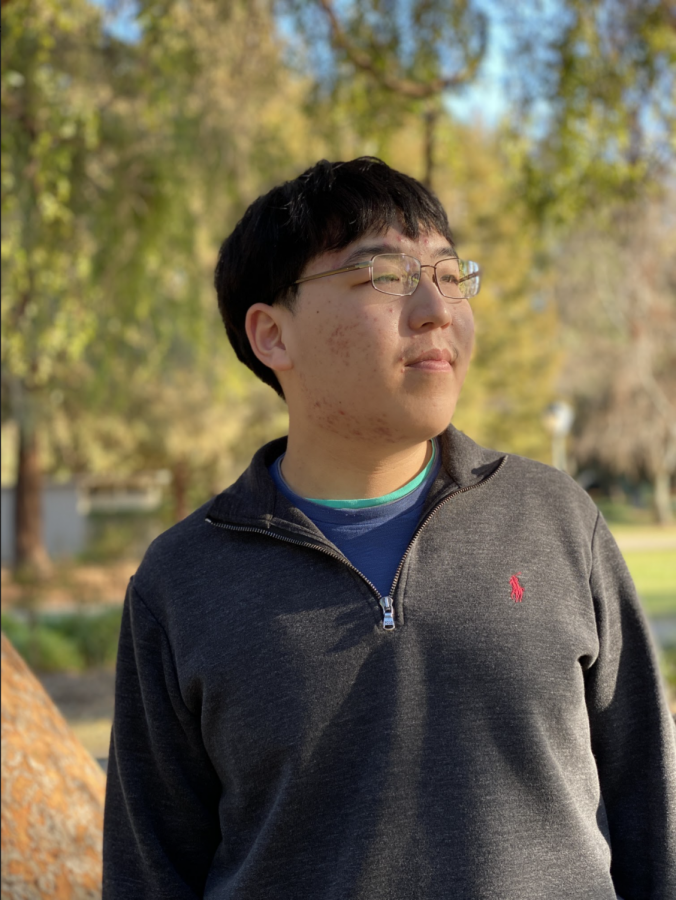
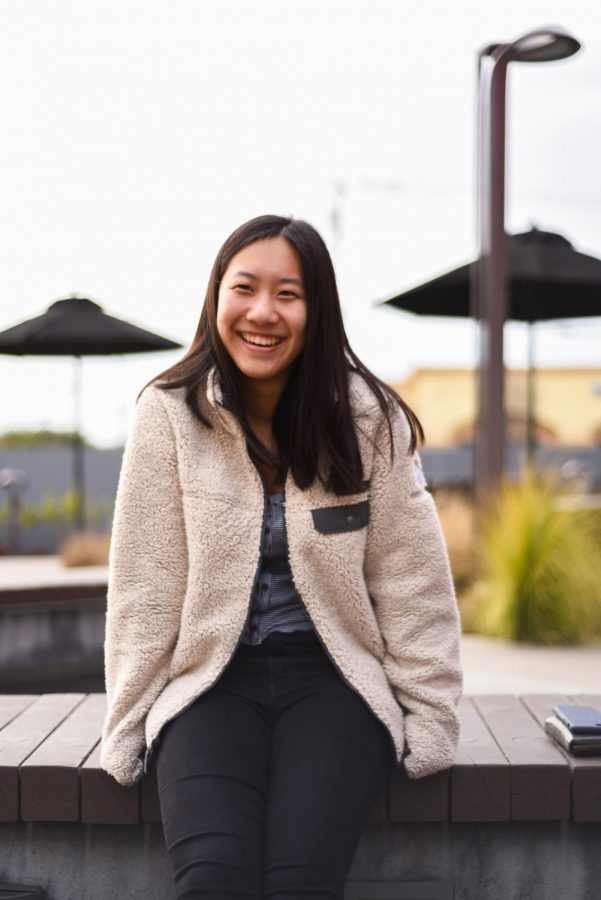
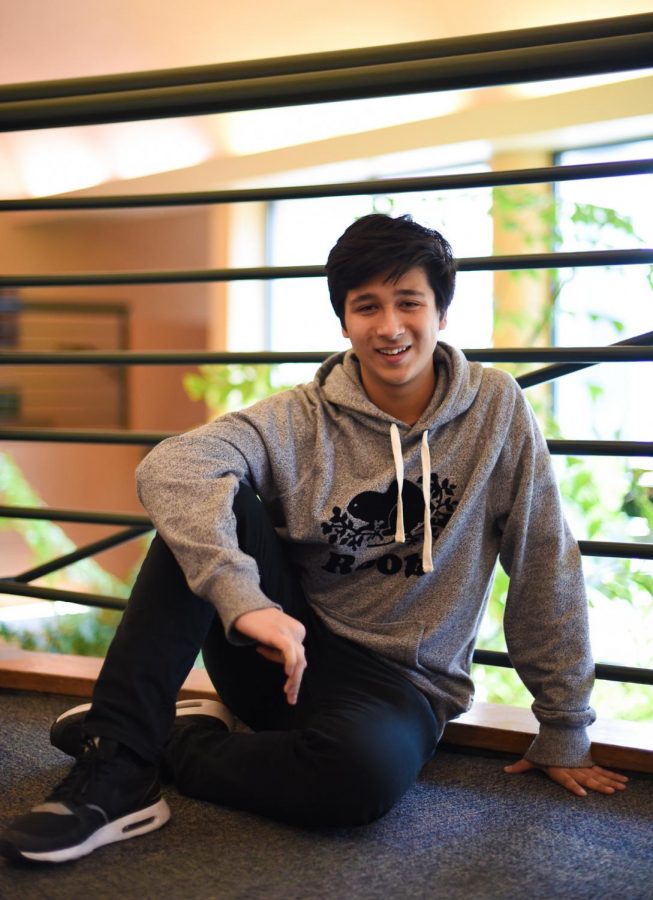
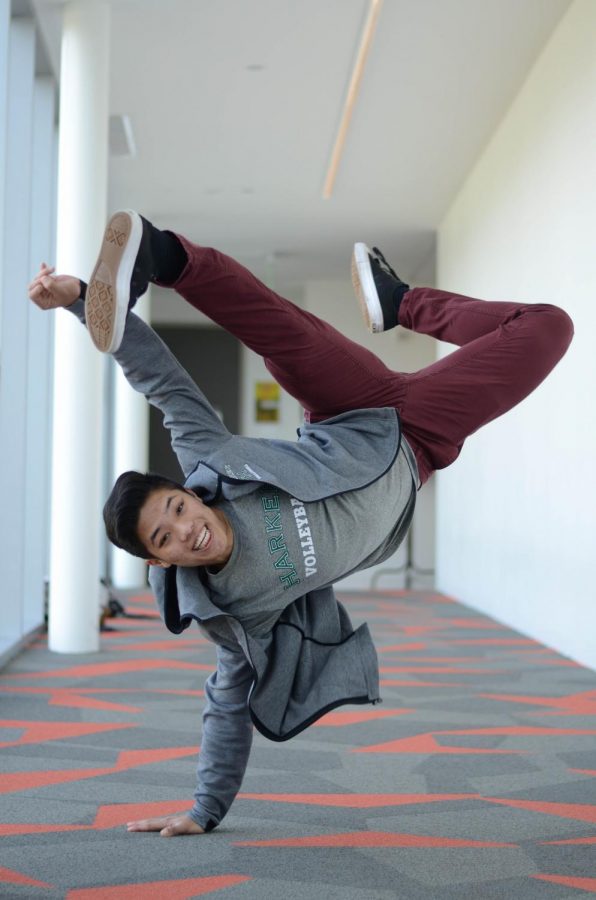
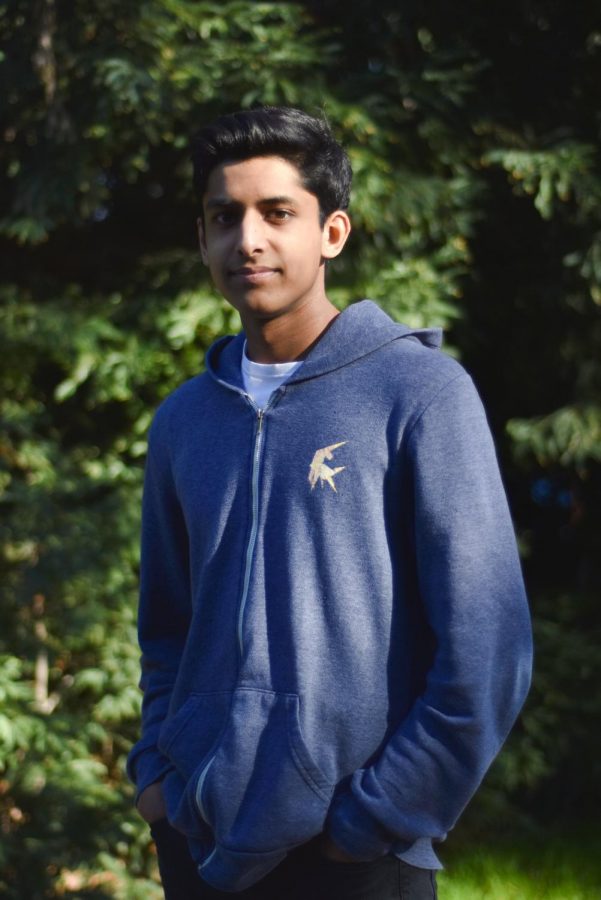

![“I think getting up in the morning and having a sense of purpose [is exciting]. I think without a certain amount of drive, life is kind of obsolete and mundane, and I think having that every single day is what makes each day unique and kind of makes life exciting,” Neymika Jain (12) said.](https://harkeraquila.com/wp-content/uploads/2017/06/Screen-Shot-2017-06-03-at-4.54.16-PM.png)

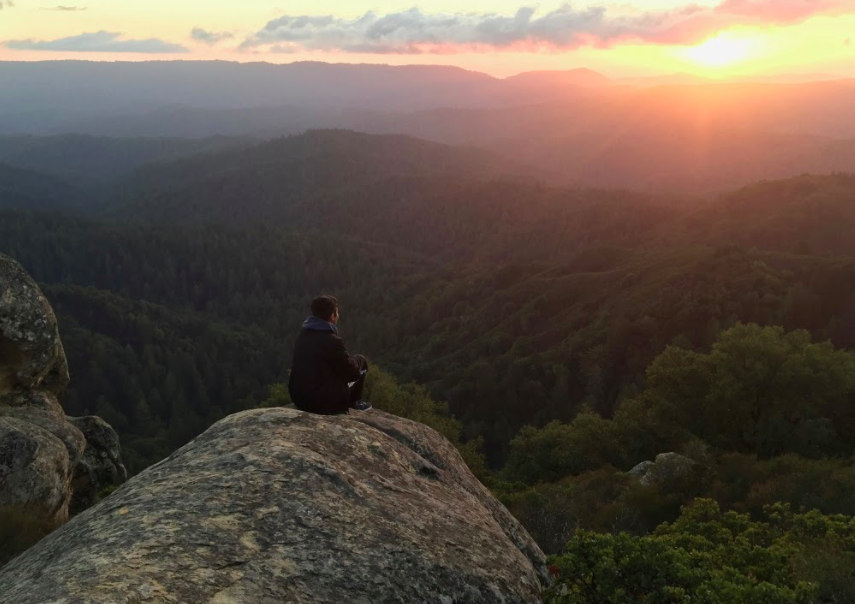
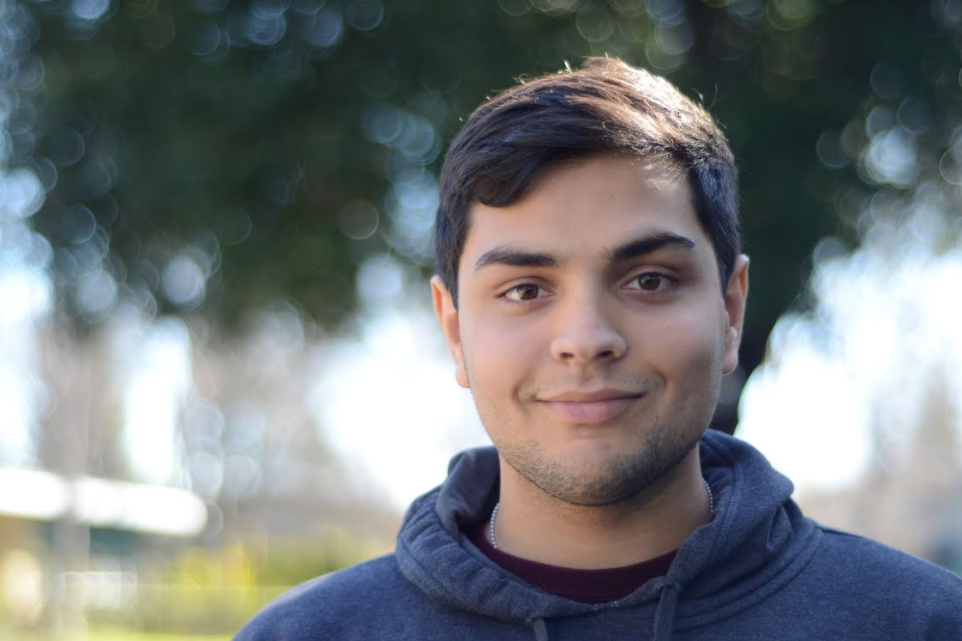

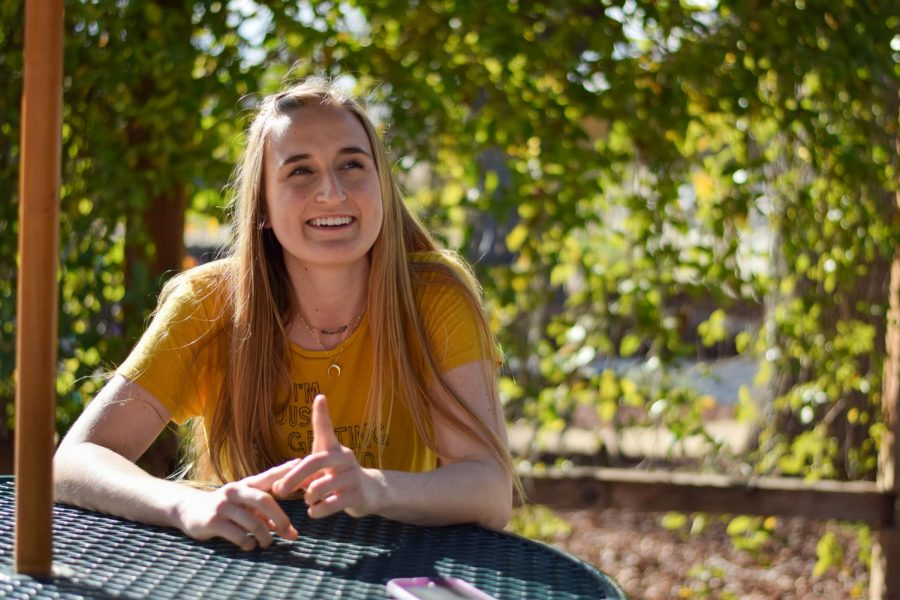

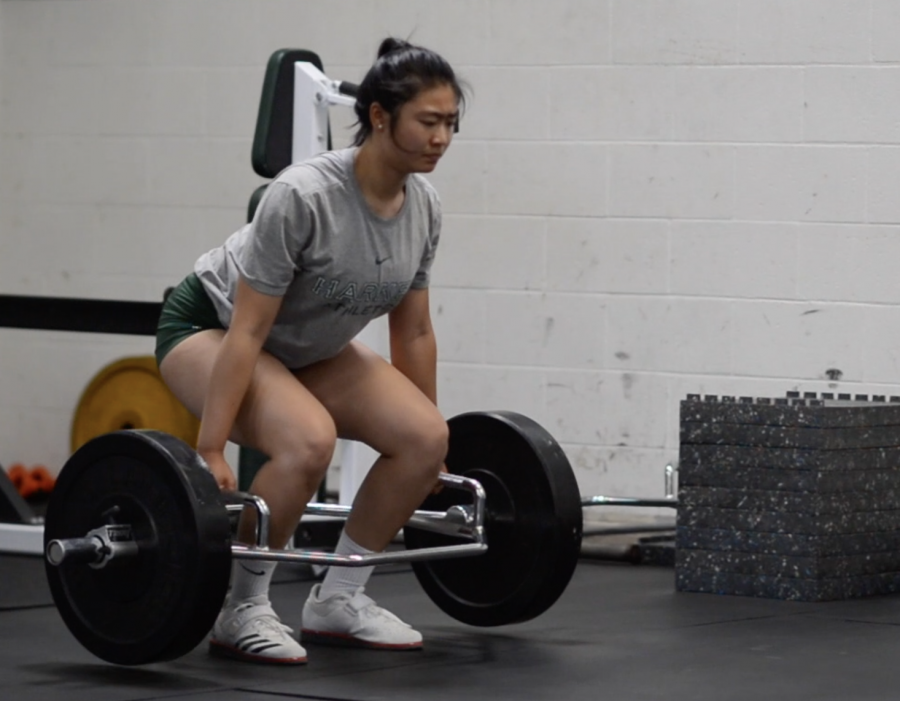
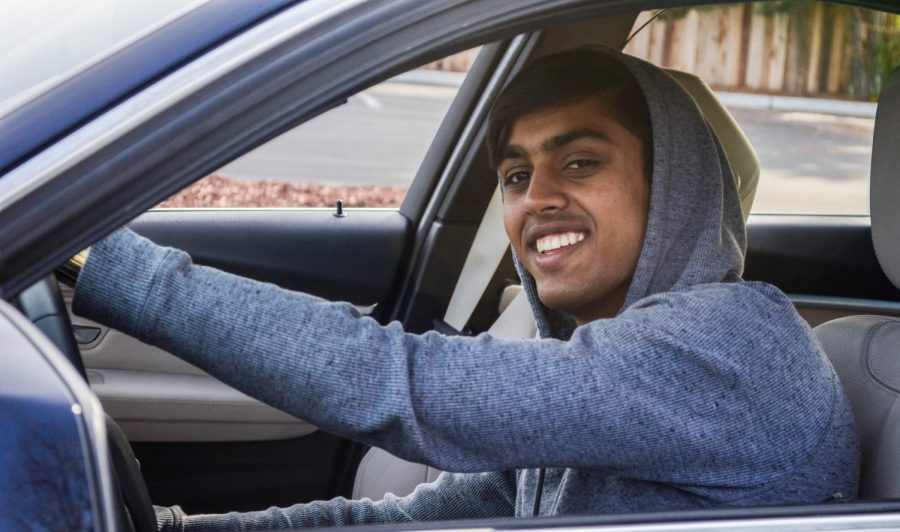
![“My slogan is ‘slow feet, don’t eat, and I’m hungry.’ You need to run fast to get where you are–you aren't going to get those championships if you aren't fast,” Angel Cervantes (12) said. “I want to do well in school on my tests and in track and win championships for my team. I live by that, [and] I can do that anywhere: in the classroom or on the field.”](https://harkeraquila.com/wp-content/uploads/2018/06/DSC5146-900x601.jpg)
![“[Volleyball has] taught me how to fall correctly, and another thing it taught is that you don’t have to be the best at something to be good at it. If you just hit the ball in a smart way, then it still scores points and you’re good at it. You could be a background player and still make a much bigger impact on the team than you would think,” Anya Gert (’20) said.](https://harkeraquila.com/wp-content/uploads/2020/06/AnnaGert_JinTuan_HoHPhotoEdited-600x900.jpeg)
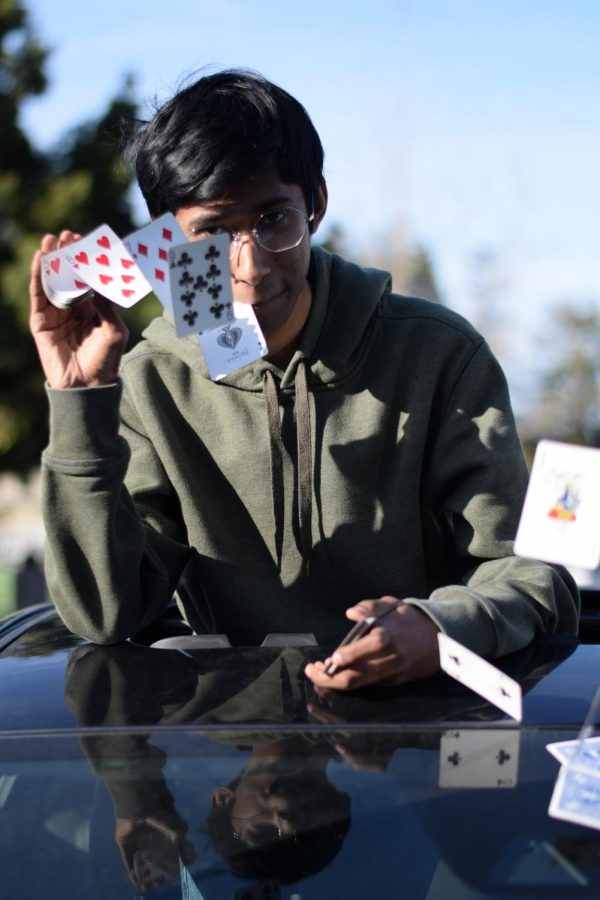
![“I'm not nearly there yet, but [my confidence has] definitely been getting better since I was pretty shy and timid coming into Harker my freshman year. I know that there's a lot of people that are really confident in what they do, and I really admire them. Everyone's so driven and that has really pushed me to kind of try to find my own place in high school and be more confident,” Alyssa Huang (’20) said.](https://harkeraquila.com/wp-content/uploads/2020/06/AlyssaHuang_EmilyChen_HoHPhoto-900x749.jpeg)

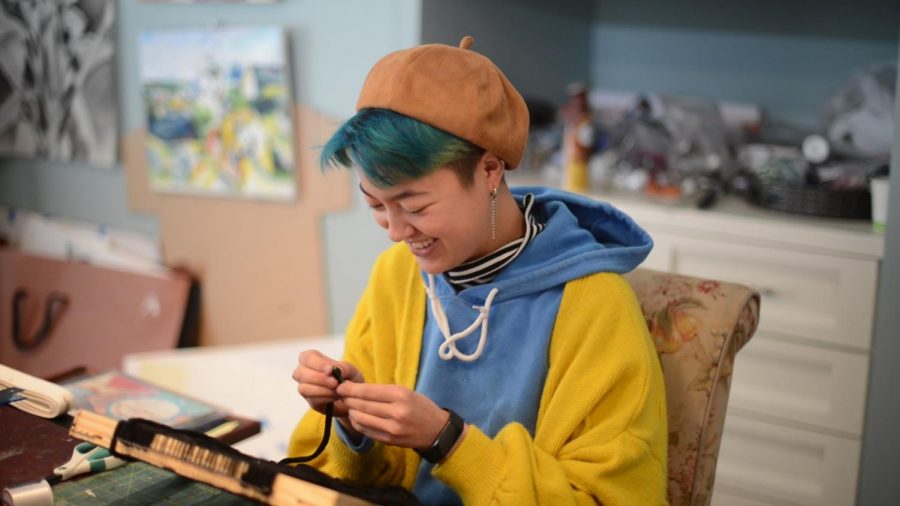

Life with Lizzy: Real Friends
Through my experiences both in school and out of school, there’s one thing that I just can’t seem to get totally right. I’m either the unluckiest person in the regard of making friends, or the luckiest—I guess it can go both ways.
With the bitter comes the sweet: I happen to meet some of the most amazing and influential friends I’ll ever have at a transient point in time, like a stay-away, long-distance summer program, or anywhere outside of school. So I end up making incredible friends that I can only communicate with through the internet and almost never get to see otherwise.
No matter how difficult it seems like it might be, nothing gives me greater pleasure than talking with these people through any medium possible, be it Skype, Facebook and other social networks, SnapChat, texting, or even emailing. We laugh together, cry together, collaborate on projects, complain about school—you name it. The distance and time zones are tricky to manage sometimes, as some of my closer friends live in Argentina, Toronto, Maryland and other states on the east coast, Ireland, and Wisconsin respectively.
I sometimes mention them to people around here as “that friend from [insert place here],” and people either roll with it or immediately stop and question me about a) where I met these friends or b) how on earth I keep in touch with them properly if they’re so far away.
When social media first emerged, its effect was gradual, yet it was soon clear that sites like Facebook would be complete game-changers for friendships and keeping in touch. With the development and refinement of the smartphone, this ease in talking became even more of a reality. This onslaught of alternative ways of communication also resulted in a jaded, perpetually unimpressed group of people denouncing social media and new developments in texting due to their perception that they have somehow cheapened social interaction. Even here at the Upper School, this is a contentious debate topic for students—are people more likely to update a Facebook status and chat online than go out to lunch with friends? Are friends kept primarily through the Internet not as valid as “real” ones?
As an individual with both “internet friends” and “real” ones—and I use both those terms loosely, for even now I struggle with an apt definition for the two of them—I see the answer as a definitive no to both questions.
Holding such fixed and rigid definitions for “good communication” and “bad communication” seems to me both elitist and counterproductive. Who decides what’s good and bad? What this new technology has done for sure is broadened the capacity for us to communicate with one another, as well as give a chance for people with things like social anxiety to carry on meaningful relationships.
Writing off the validity of friendships simply because you don’t see some people in person as frequently as other people is insulting to the people in the friendship who have worked so hard to make things work with distance as a barrier.
Elisabeth Siegel’s column “Life with Lizzy” will appear on alternate Thursdays, exclusively on Harker Aquila.
Elisabeth Siegel (12) is the editor-in-chief of the Winged Post. This is her fourth year in Journalism, and she especially loves production nights and...