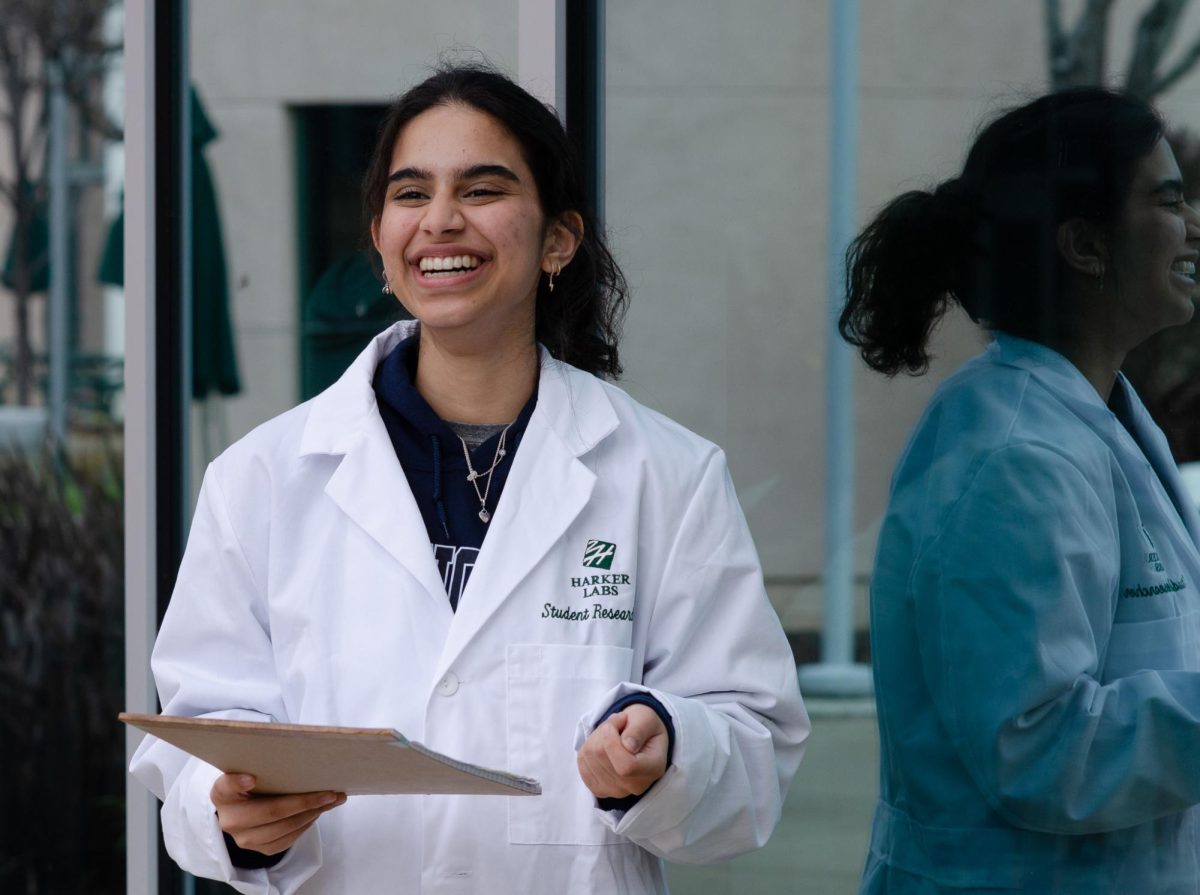
![“I wasn't discouraged by some of the obstacles we faced. I learned a lot from the leadership. I found that different people need different ways of receiving feedback — you can't [just] tell them to do something and expect the best. [Some] people needed more incentive. A large part of my role was to figure out what worked for everyone and to figure out how to lead all these separate individuals as a team,” Suhana Bhandare (’26) said.](https://harkeraquila.com/wp-content/uploads/2026/06/SuhanaBhandare_JasmineHansra-1-1200x798.jpg)
![“This is actually from Randy Pausch Randy P. Brick: ‘Walls are there for a reason. You have to show how much you want to overcome them.’ You have to show how much you want something. That's what I've always been able to do with tennis, Link Crew and getting that internship [with Kushy Baby]. It’s important pushing through that — getting around that brick wall, climbing over it or clawing through it,” Yash Sachdeva (’26) said.](https://harkeraquila.com/wp-content/uploads/2026/05/YashSachdeva_RamBatchu-copy-1200x1002.jpg)








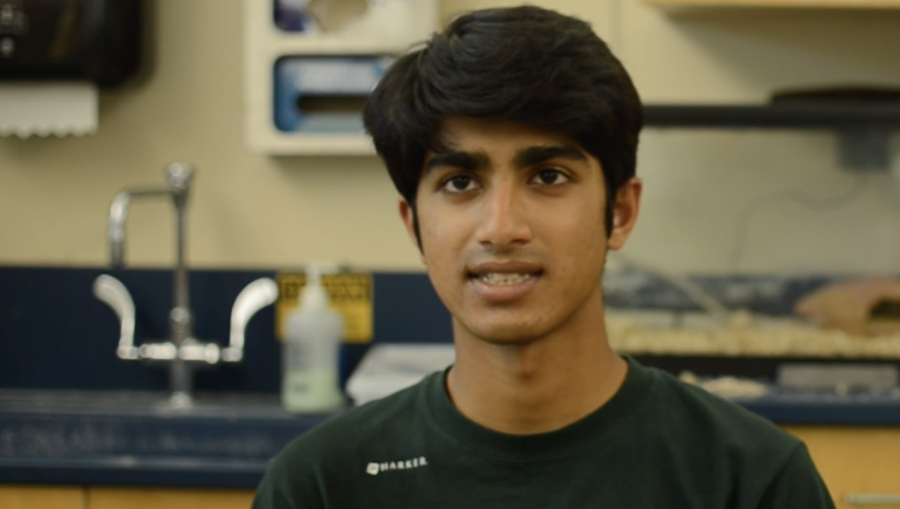
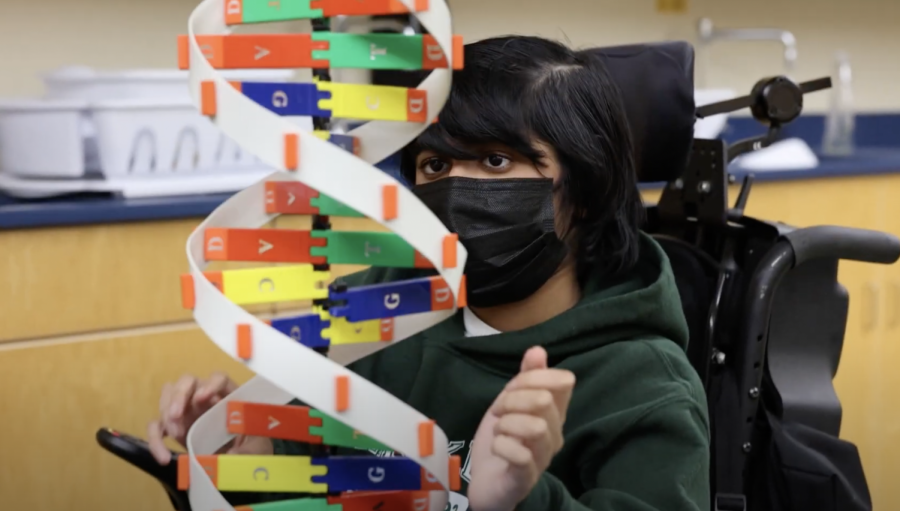
![“[Building nerf blasters] became this outlet of creativity for me that hasn't been matched by anything else. The process [of] making a build complete to your desire is such a painstakingly difficult process, but I've had to learn from [the skills needed from] soldering to proper painting. There's so many different options for everything, if you think about it, it exists. The best part is [that] if it doesn't exist, you can build it yourself," Ishaan Parate said.](https://harkeraquila.com/wp-content/uploads/2022/08/DSC_8149-900x604.jpg)
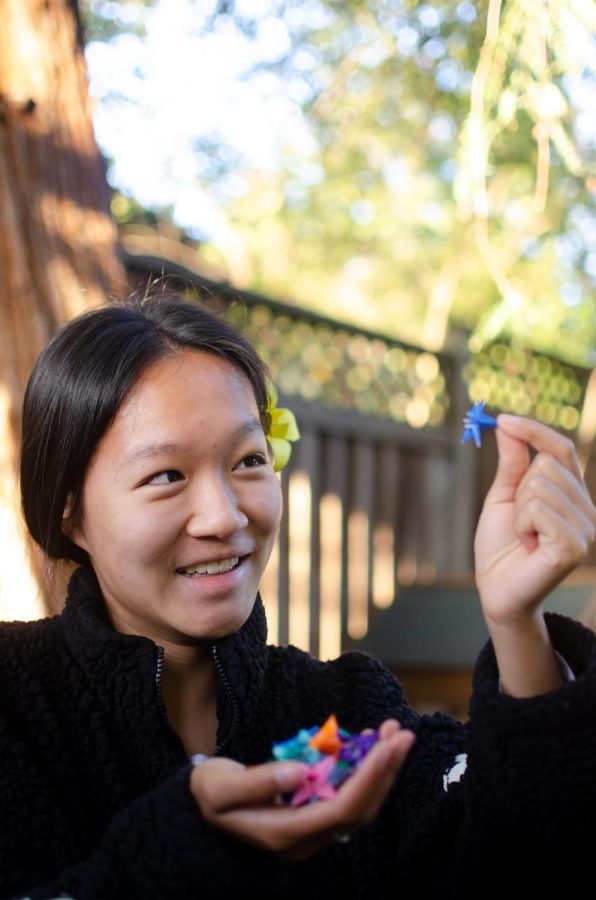
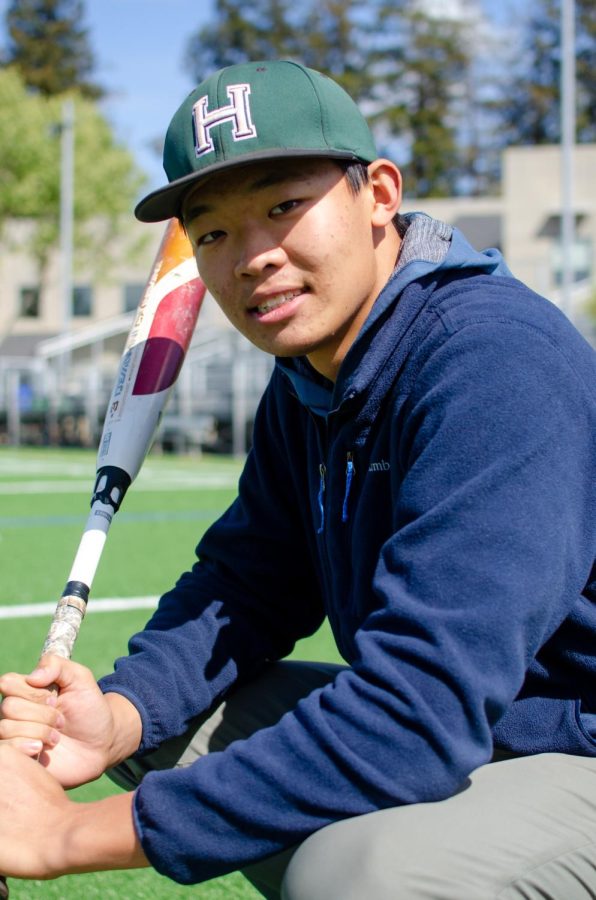

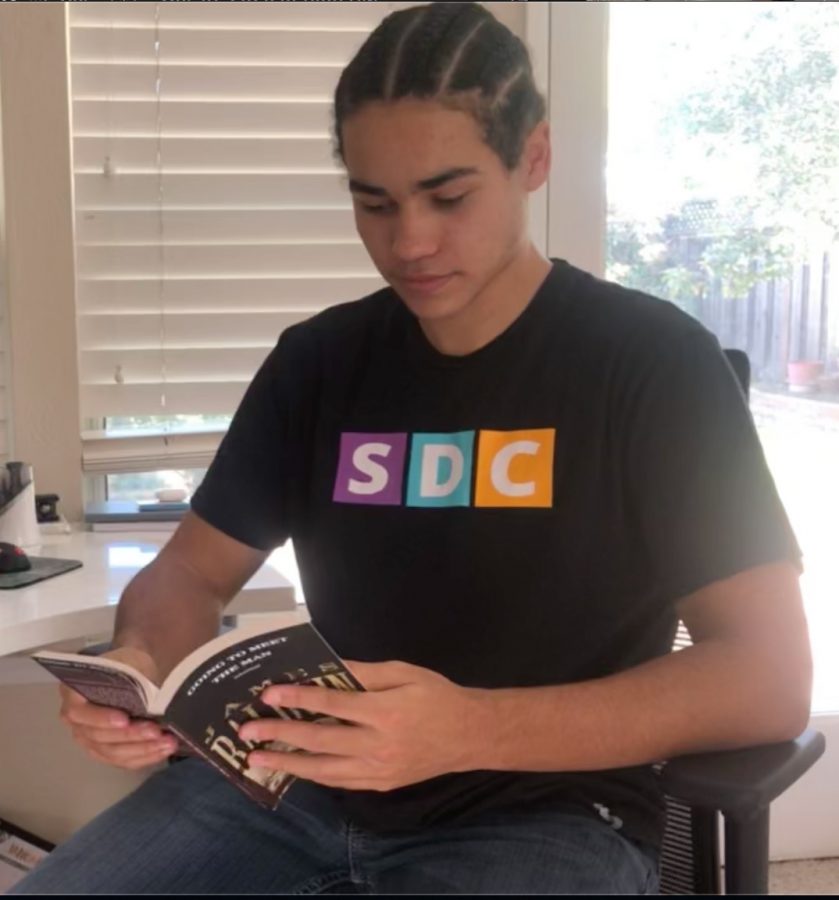
![“When I came into high school, I was ready to be a follower. But DECA was a game changer for me. It helped me overcome my fear of public speaking, and it's played such a major role in who I've become today. To be able to successfully lead a chapter of 150 students, an officer team and be one of the upperclassmen I once really admired is something I'm [really] proud of,” Anvitha Tummala ('21) said.](https://harkeraquila.com/wp-content/uploads/2021/07/Screen-Shot-2021-07-25-at-9.50.05-AM-900x594.png)

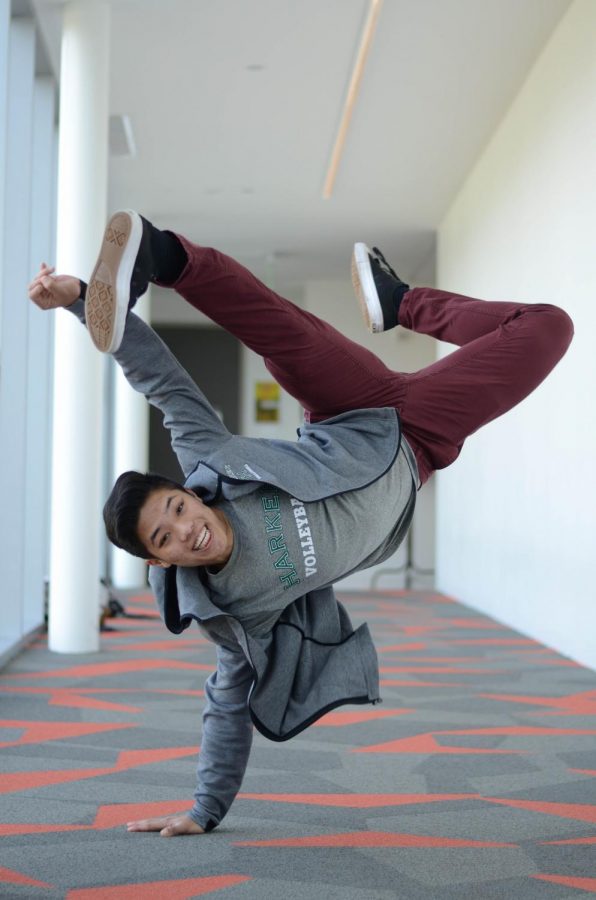
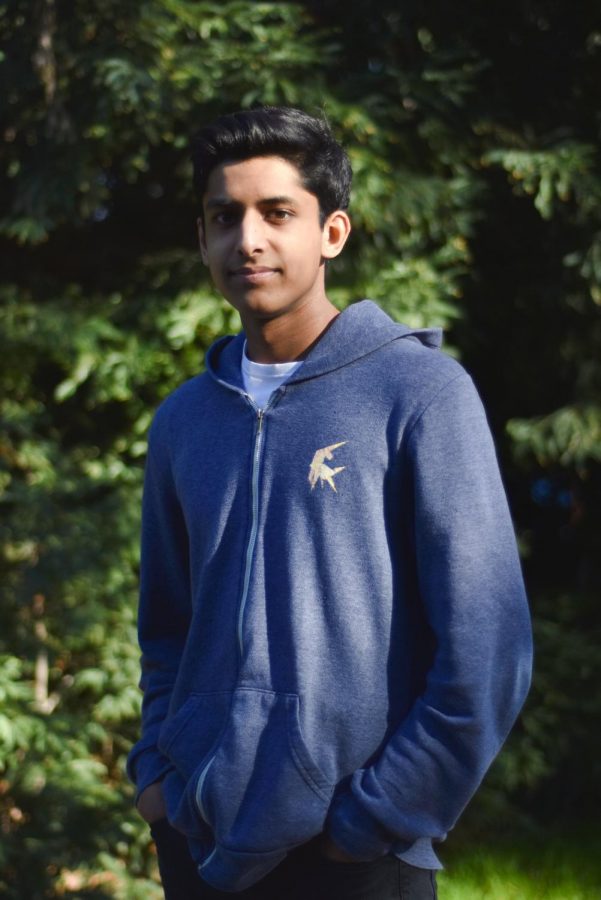

![“I think getting up in the morning and having a sense of purpose [is exciting]. I think without a certain amount of drive, life is kind of obsolete and mundane, and I think having that every single day is what makes each day unique and kind of makes life exciting,” Neymika Jain (12) said.](https://harkeraquila.com/wp-content/uploads/2017/06/Screen-Shot-2017-06-03-at-4.54.16-PM.png)

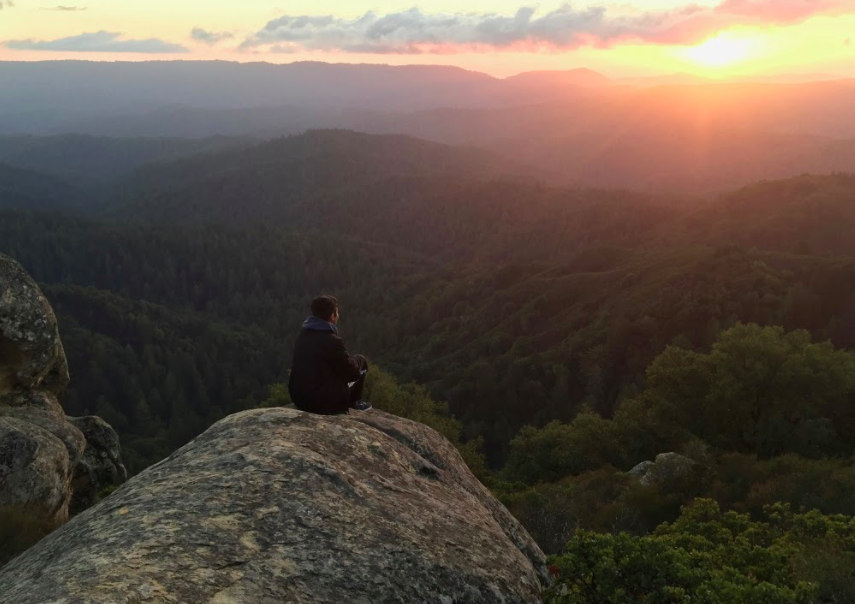

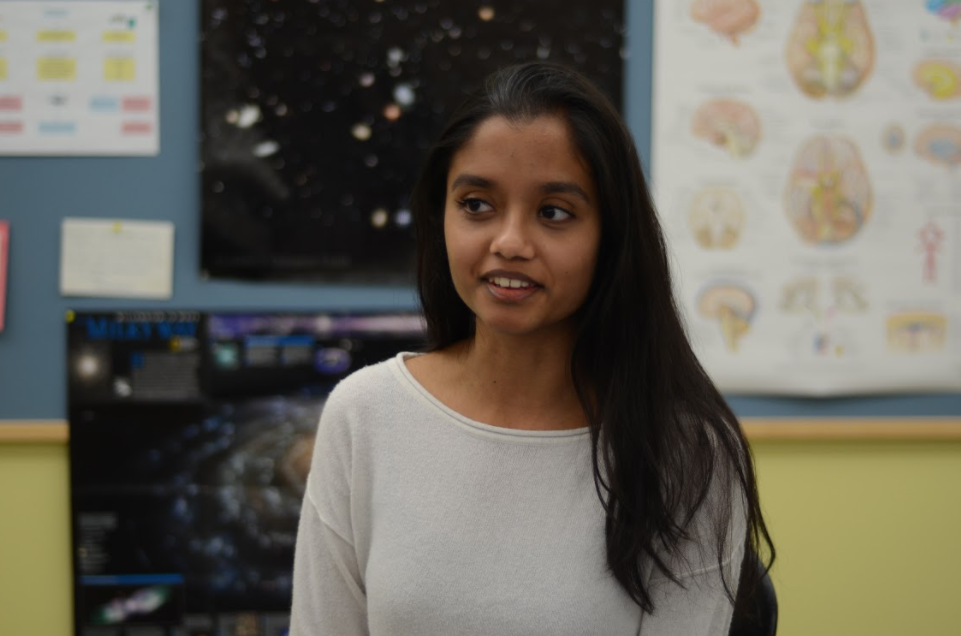
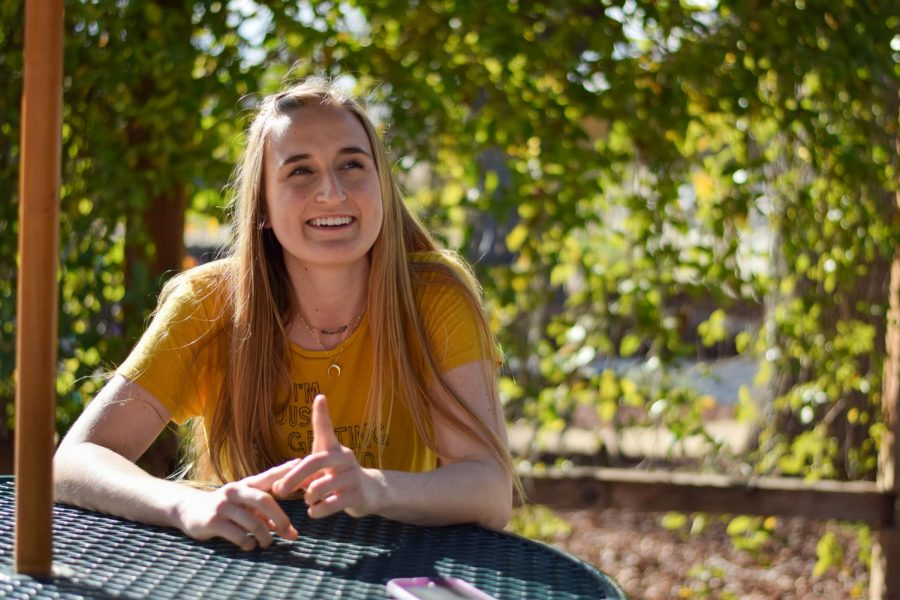



![“My slogan is ‘slow feet, don’t eat, and I’m hungry.’ You need to run fast to get where you are–you aren't going to get those championships if you aren't fast,” Angel Cervantes (12) said. “I want to do well in school on my tests and in track and win championships for my team. I live by that, [and] I can do that anywhere: in the classroom or on the field.”](https://harkeraquila.com/wp-content/uploads/2018/06/DSC5146-900x601.jpg)
![“[Volleyball has] taught me how to fall correctly, and another thing it taught is that you don’t have to be the best at something to be good at it. If you just hit the ball in a smart way, then it still scores points and you’re good at it. You could be a background player and still make a much bigger impact on the team than you would think,” Anya Gert (’20) said.](https://harkeraquila.com/wp-content/uploads/2020/06/AnnaGert_JinTuan_HoHPhotoEdited-600x900.jpeg)
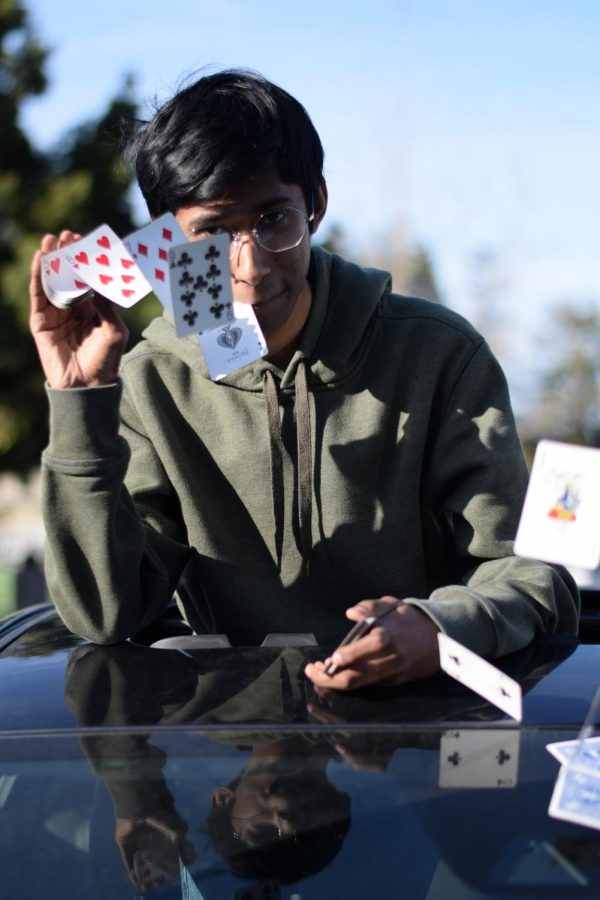
![“I'm not nearly there yet, but [my confidence has] definitely been getting better since I was pretty shy and timid coming into Harker my freshman year. I know that there's a lot of people that are really confident in what they do, and I really admire them. Everyone's so driven and that has really pushed me to kind of try to find my own place in high school and be more confident,” Alyssa Huang (’20) said.](https://harkeraquila.com/wp-content/uploads/2020/06/AlyssaHuang_EmilyChen_HoHPhoto-900x749.jpeg)


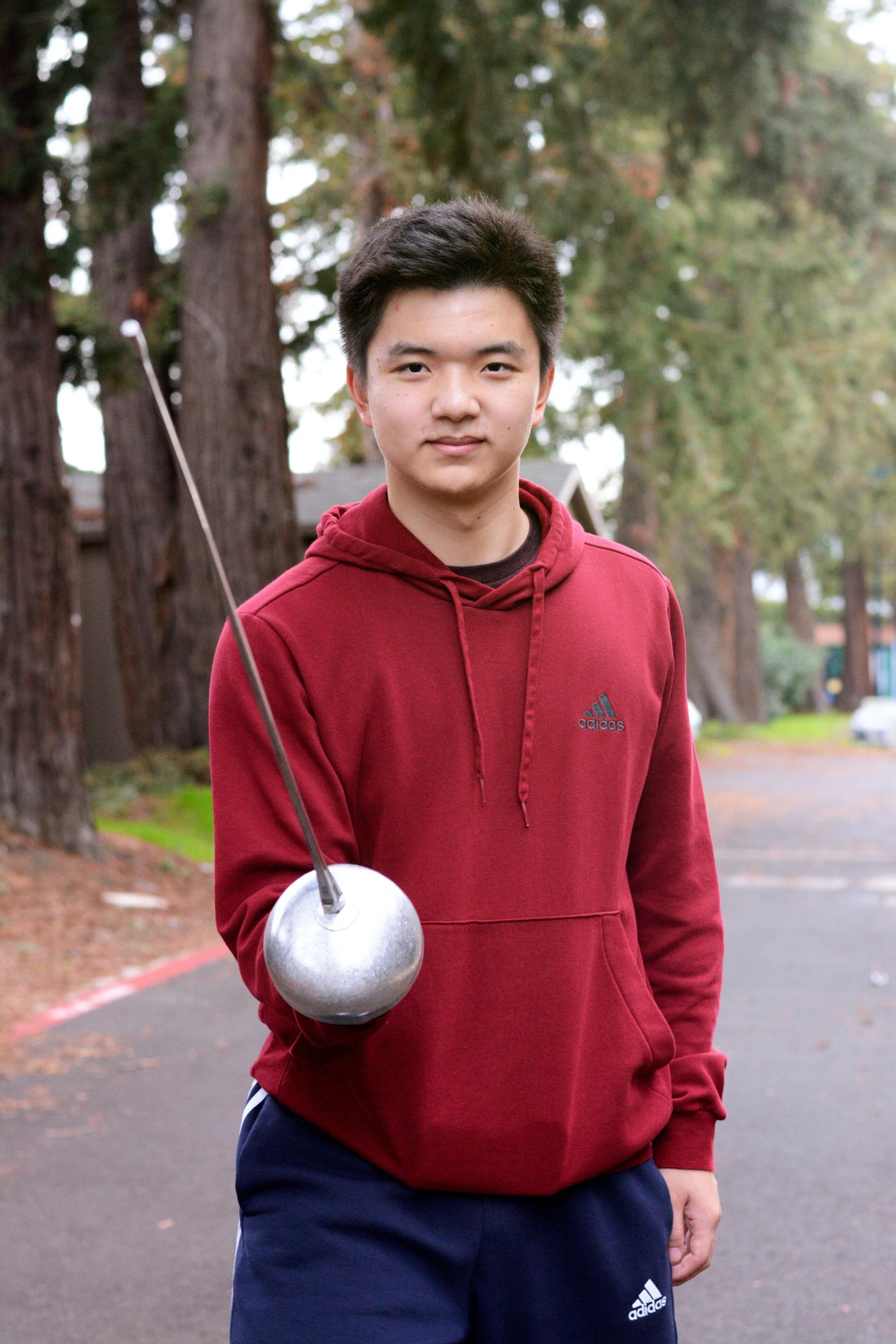
Bladed weapons. Skillful dueling. Swift movements. All these are important aspects of fencing, but Alec Zhang (12) specializes in the calculated side of the sport. Every move, lunge and advance is a carefully thought-out step towards winning a match. For Alec, fencing is about the mental challenge of outwitting an opponent through strategy — not so much the violence and competitiveness associated with the activity.
Alec first picked up fencing in seventh grade, where he ventured into the world of epeé, one of the three types of fencing. Beyond the physical strength required for the sport, what intrigued him was the analytical aspect, which he found to be much more pronounced.
“When fencing, you’re trying to predict what your opponent is doing,” Alec said. “As you do a lot more, you get an idea of what people are going to do, what they’re thinking and what kind of moves work.”
From practicing to competing, Alec believes that the fencing community has made the sport worthwhile, as he has relied on many of his mentors for support. In addition to the friends he has made along the way, the sport has taught him many lessons throughout the years, like the importance of perseverance in challenging situations, whether facing tough opponents or taking tests at school.
“Fencing has taught me to navigate through certain difficult situations I face,” Alec said. “In fencing, you have a strategy or mindset with how everything plays out, and in a way that translates to other areas, where you try to predict problems and why they occur and try to have a long term plan set in mind.”
As an avid fencer who practices five times a week at the Academy of Fencing Masters club, Alec acknowledges that the activity is time consuming and requires a lot of commitment. Despite his rigorous fencing schedule, he manages to juggle school work with extracurriculars and stay on top of his responsibilities. Close friend Varun Fuloria (12) looks up to Alec’s time management skills with everything he does both in and outside of school.
“One of Alec’s strengths is his hard-working attitude and discipline,” Varun said. “He makes it look easy balancing being a competitive fencer and a great student with an extremely difficult course load.”
Not only does Alec channel his problem-solving through fencing, but he also spends many hours proofreading and troubleshooting code. Both fencing and programming have taught Alec to analyze challenges and find effective solutions.
Alec began coding at a young age after being exposed to Scratch at the lower school, where he became interested in how complex tasks could be essentially coded through “text.” In middle school, he was inspired to pursue more advanced topics in computer science and started actually coding with languages like C++, Java and Python. He further explored his interest in high school by taking AP Computer Science and other CS electives.
Computer science has offered Alec a lot of perspective, as he has learned to approach errors in his code from different angles. Recently, Alec also ventured into the realm of AI, fascinated by its ability to address many problems and shape the future world. Even when an AI algorithm puzzles him, he knows that there are many ways to program a model.
“I love when I finally get everything to work out,” Alec said. “When you finally see all the effort that you put into all that coding and syntax finally runs, and you’re finally able to see some result. I find it interesting that coding a language can power AI models that do all these things.”
His patient and discerning mindset extends beyond CS, as Alec always tries to lend a helping hand to those around him. Upper school computer science department chair Dr. Eric Nelson, who taught Alec in the ATCS Neural Networks course and in several other classes, values Alec’s consistent mentorship toward other students.
“One of the things I really admire about Alec is how he supported the other students in class whose understanding was not developing at the same pace as his own,” Dr. Nelson said. “This type of community support is something that grows over time.”
Alec’s community-oriented nature is just one aspect of his multi-faceted personality. Those close to him know him as a light-hearted and positive person who effortlessly brings smiles to others. Close friend Ryan Zhang (12), who met Alec in third grade, has witnessed his personality blossom over the years.
“On the surface, especially to those outside our friend group, he seems pretty chill,” Ryan said. “He’s actually really lively once you get to know him. He’s very reliable as well, always there to help you think through things and insert some jokes that lighten the mood.”
Through both fencing and CS, Alec gained the motivation and determination to push through challenges. He lives by the motto of “seeing something to completion,” striving to overcome every obstacle and find satisfaction in finishing a task. In addition to his own hard work and dedication, Alec attributes much of his success to his friends and family, whose encouragement has been instrumental in his journey.
“I had a lot of times where I wanted to quit before, but over time other people pushed me to stay in it, and I’ve seen the benefit of continuing,” Alec said. “They pushed me to try harder and grow, whereas before I was not super comfortable reaching out of my comfort zone. With their encouragement, I’ve learned more about myself.”