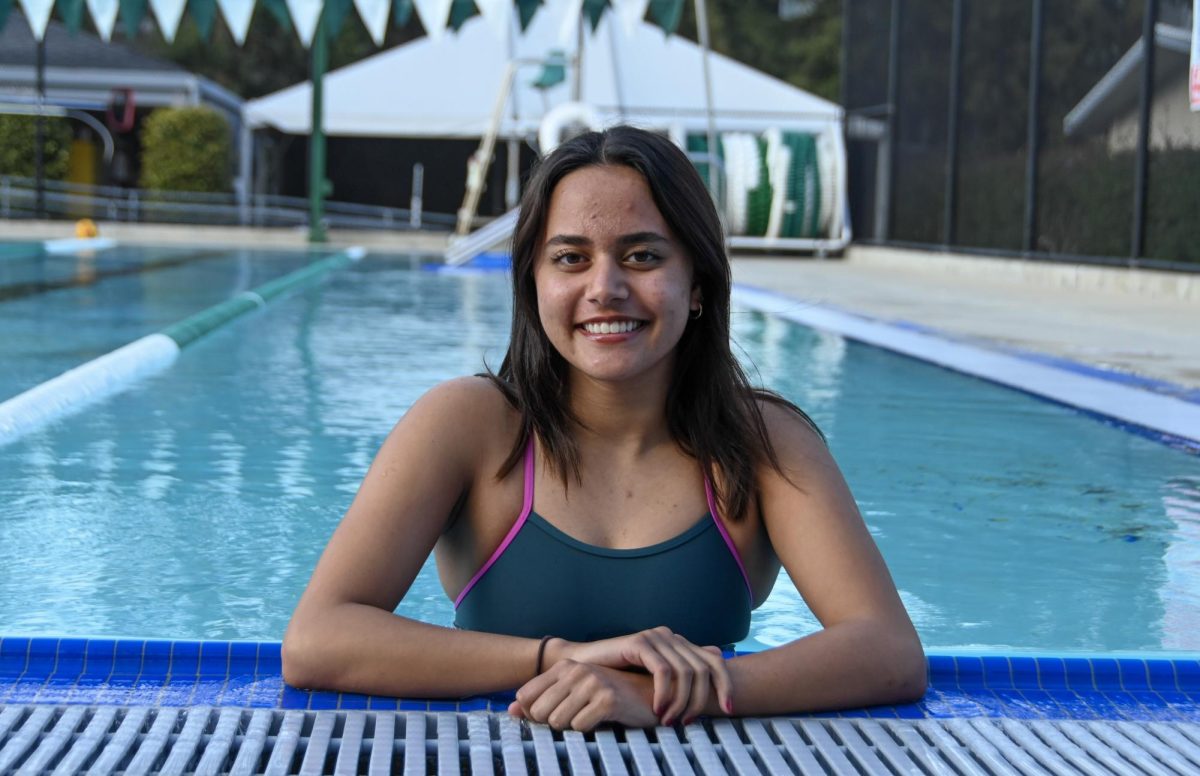
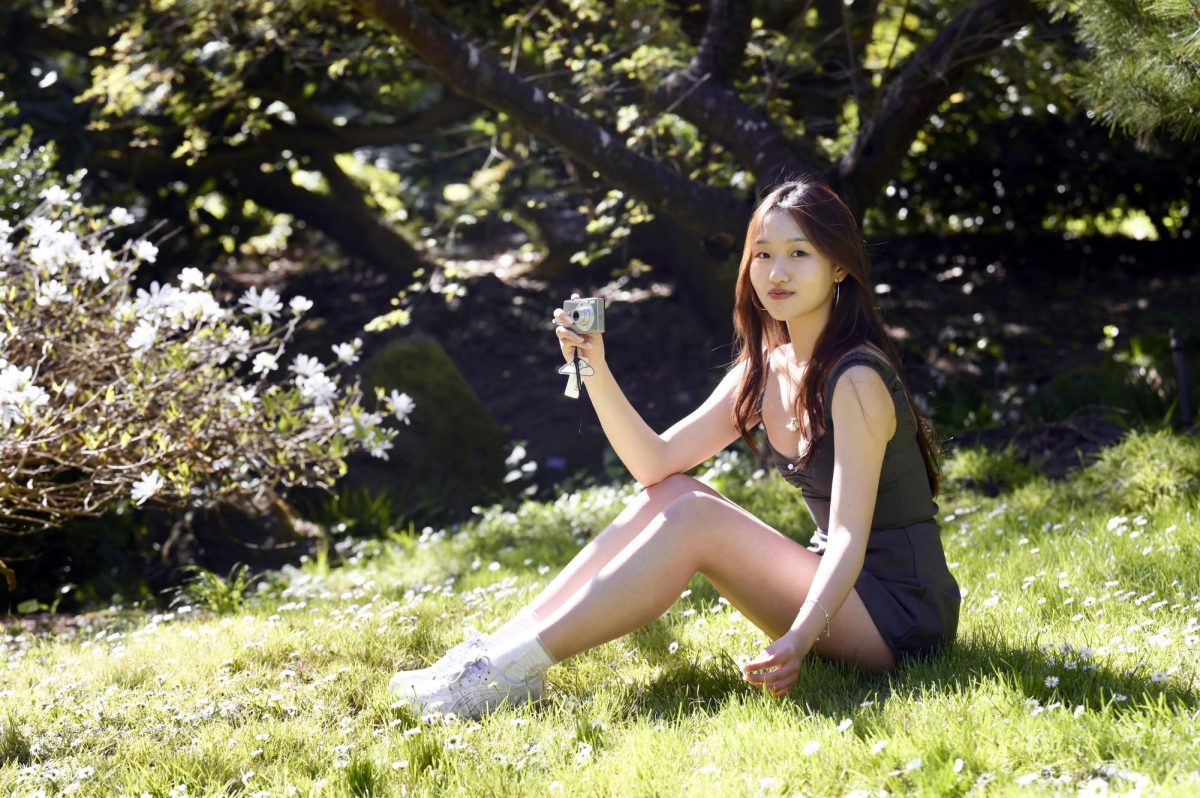
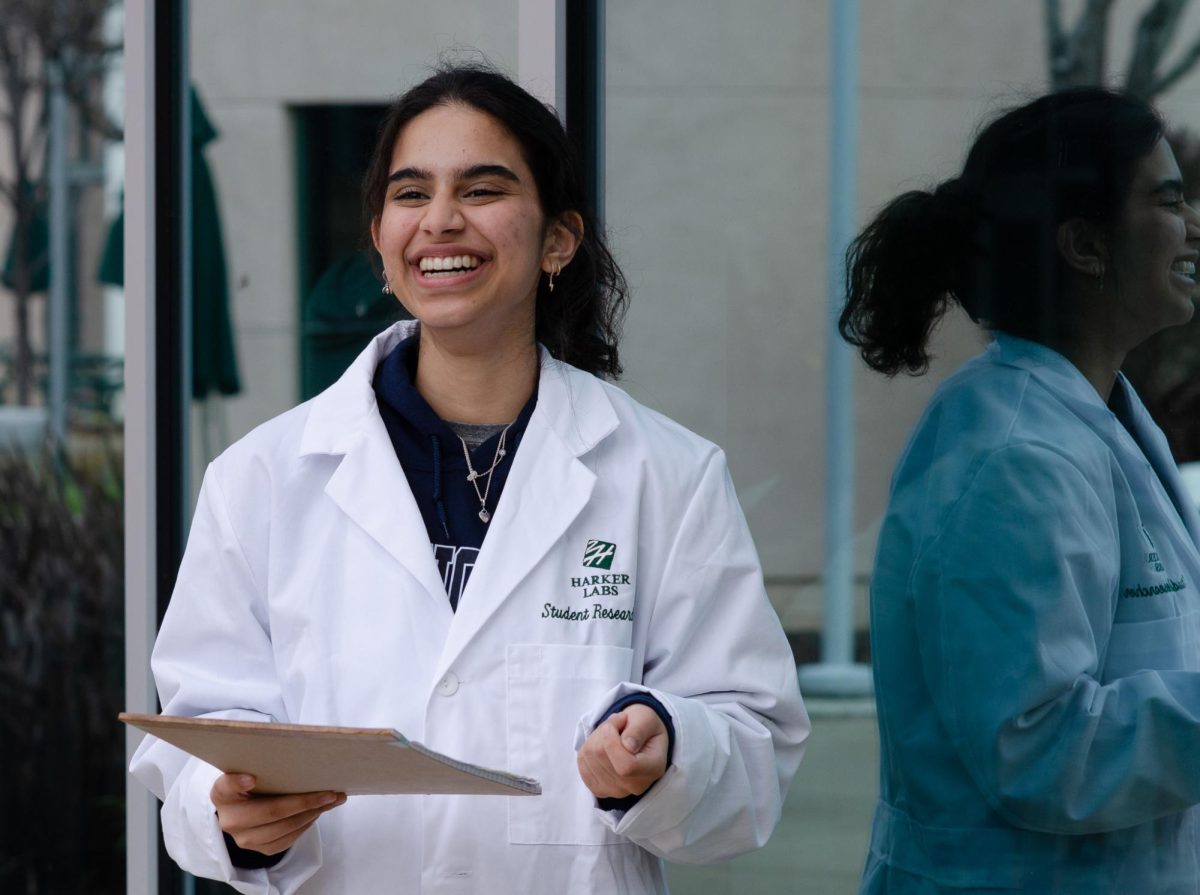
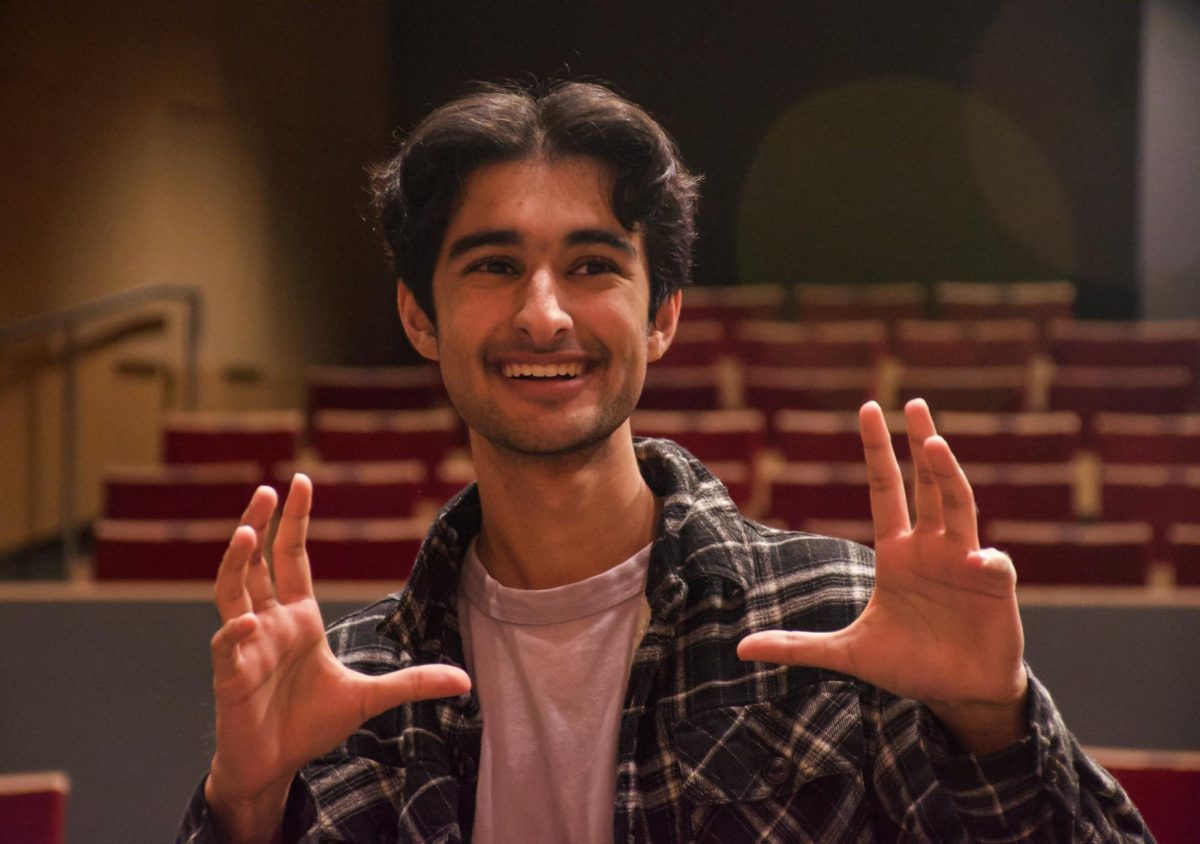
![“I wasn't discouraged by some of the obstacles we faced. I learned a lot from the leadership. I found that different people need different ways of receiving feedback — you can't [just] tell them to do something and expect the best. [Some] people needed more incentive. A large part of my role was to figure out what worked for everyone and to figure out how to lead all these separate individuals as a team,” Suhana Bhandare (’26) said.](https://harkeraquila.com/wp-content/uploads/2026/06/SuhanaBhandare_JasmineHansra-1-1200x798.jpg)
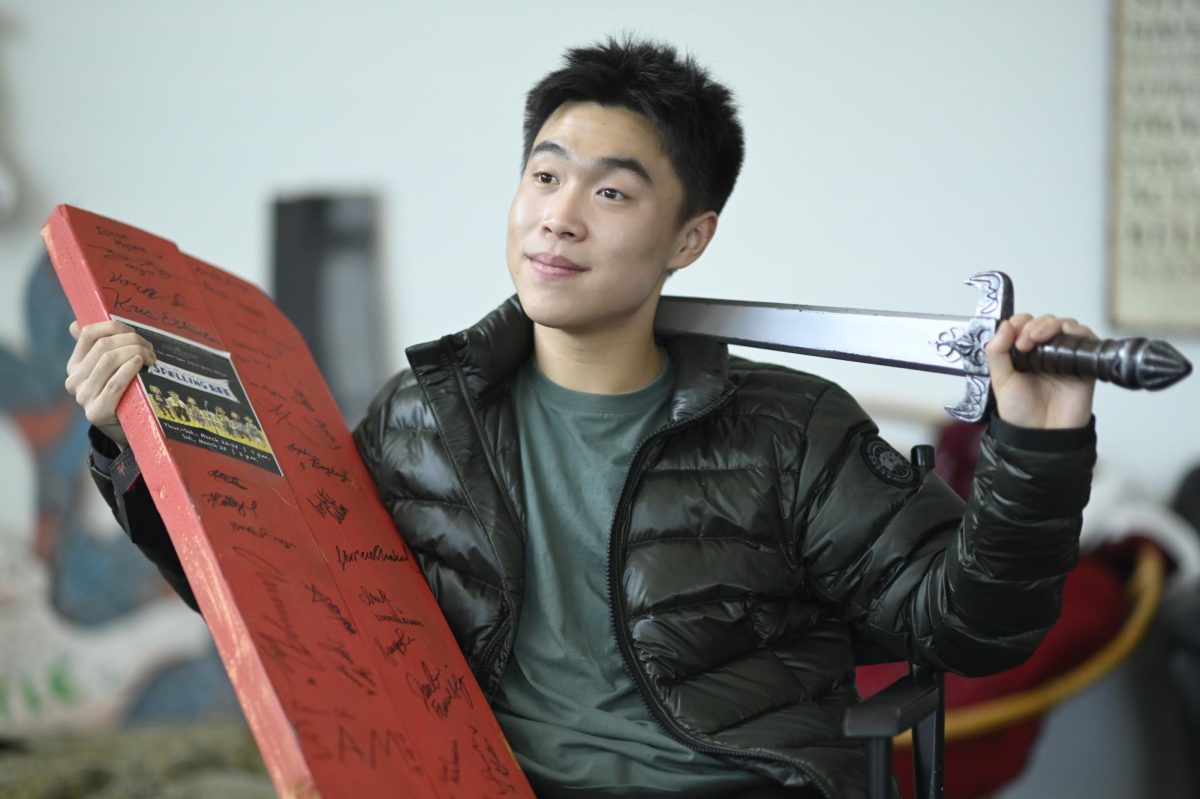
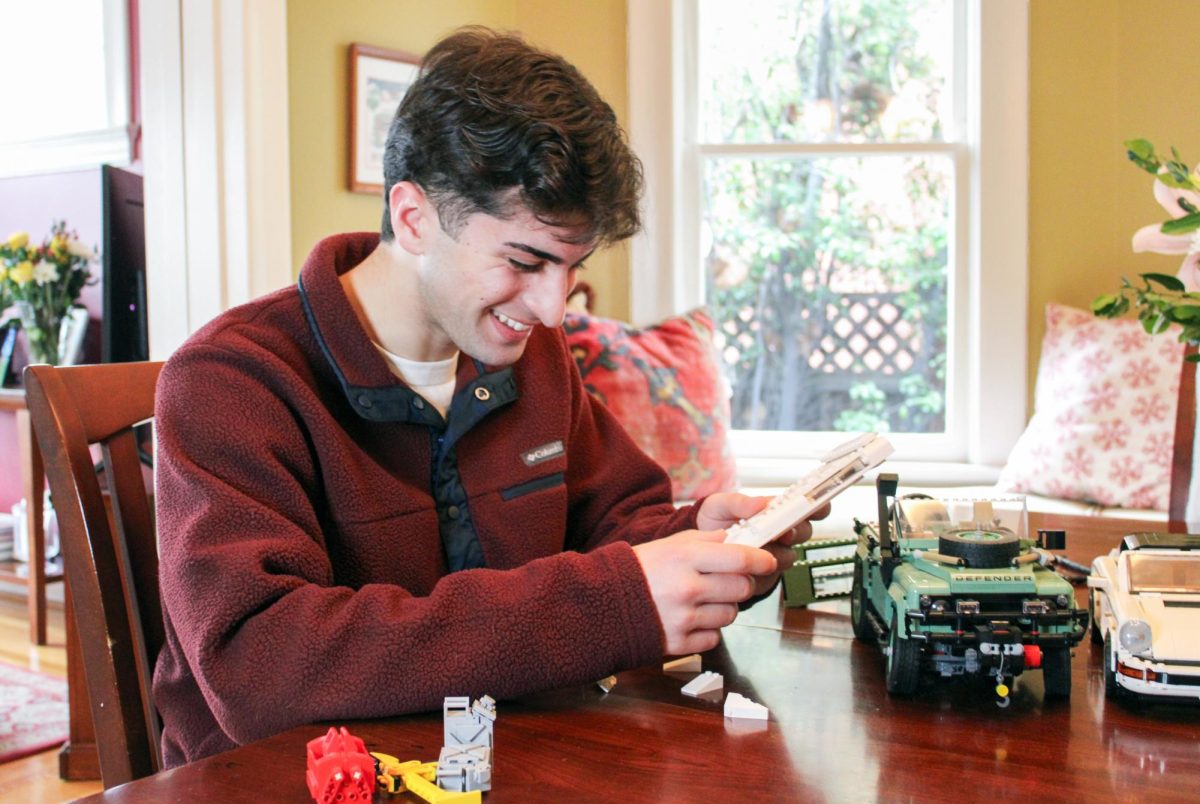
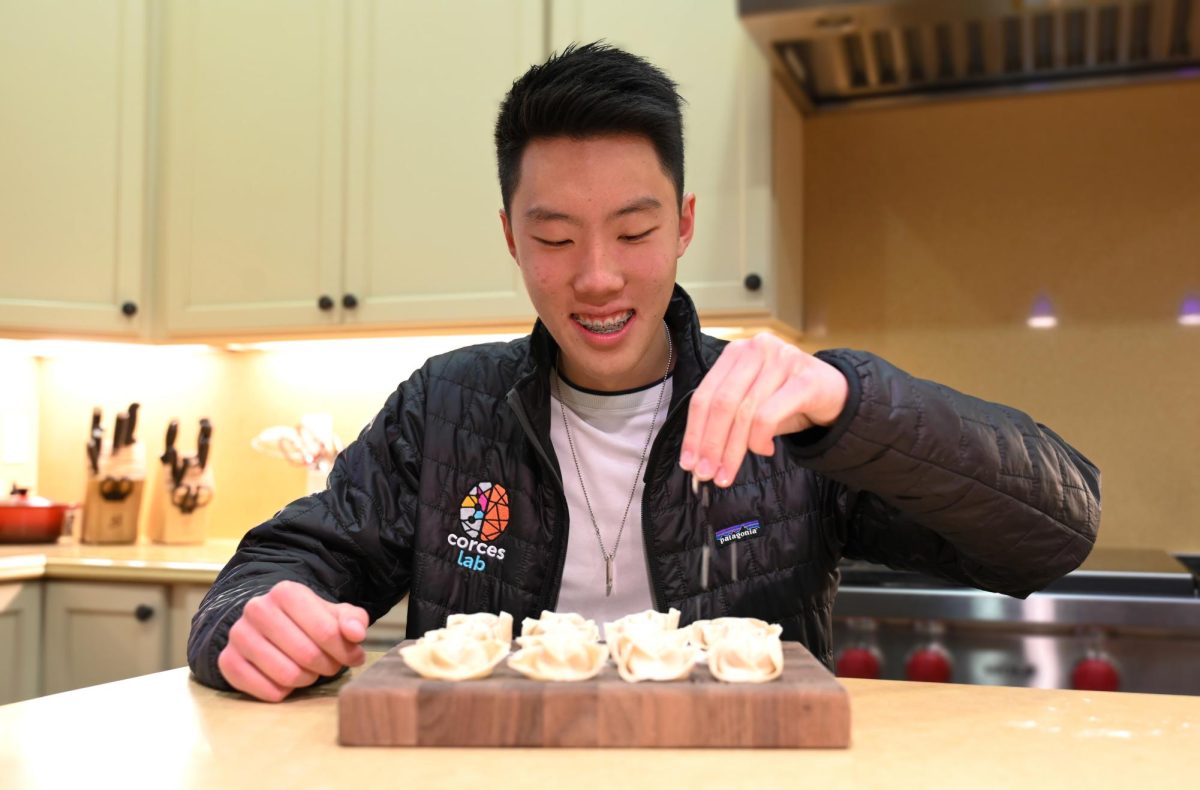
![“This is actually from Randy Pausch Randy P. Brick: ‘Walls are there for a reason. You have to show how much you want to overcome them.’ You have to show how much you want something. That's what I've always been able to do with tennis, Link Crew and getting that internship [with Kushy Baby]. It’s important pushing through that — getting around that brick wall, climbing over it or clawing through it,” Yash Sachdeva (’26) said.](https://harkeraquila.com/wp-content/uploads/2026/05/YashSachdeva_RamBatchu-copy-1200x1002.jpg)
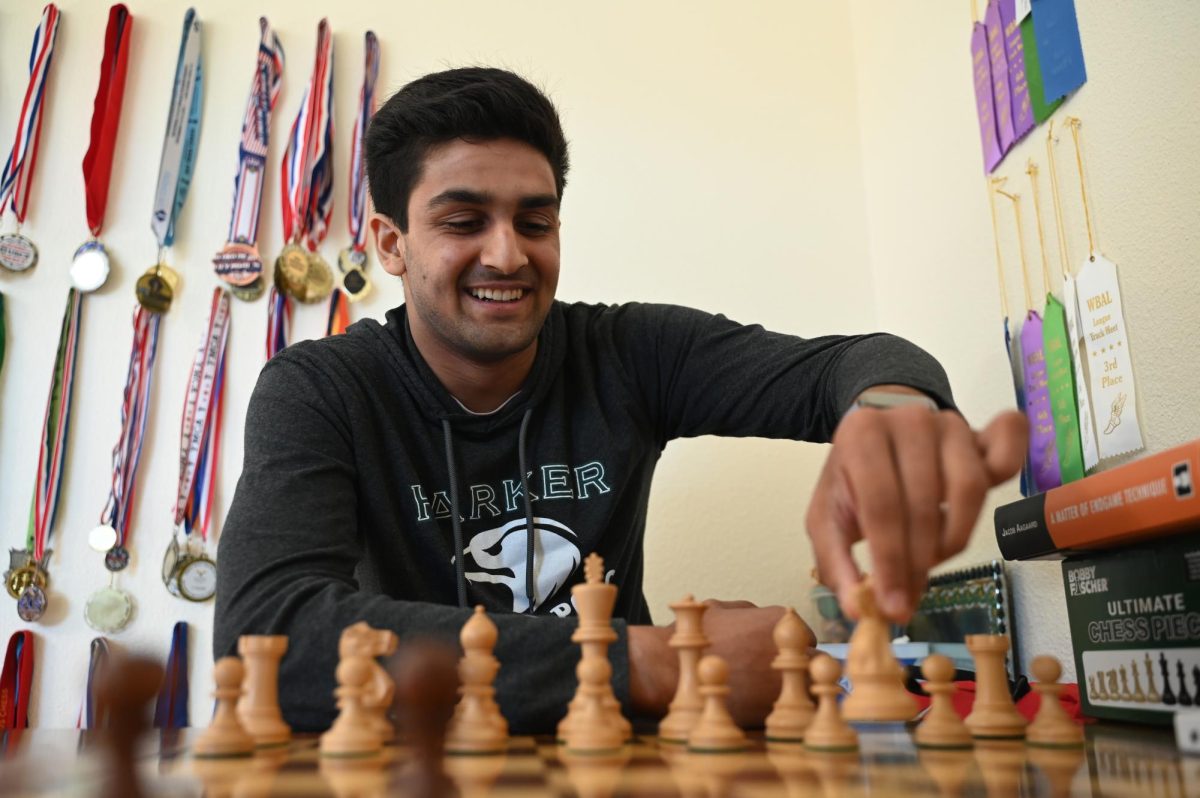


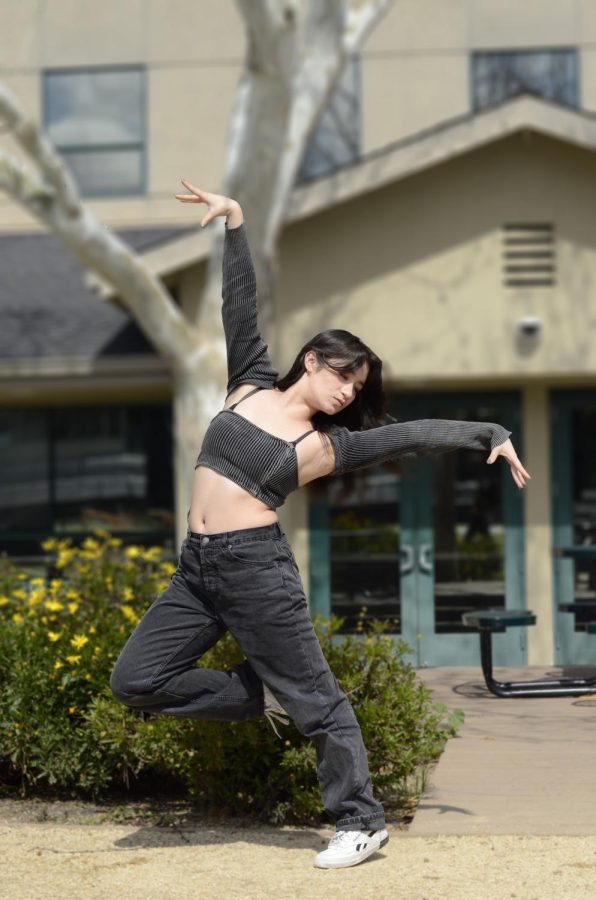

![“[Building nerf blasters] became this outlet of creativity for me that hasn't been matched by anything else. The process [of] making a build complete to your desire is such a painstakingly difficult process, but I've had to learn from [the skills needed from] soldering to proper painting. There's so many different options for everything, if you think about it, it exists. The best part is [that] if it doesn't exist, you can build it yourself," Ishaan Parate said.](https://harkeraquila.com/wp-content/uploads/2022/08/DSC_8149-900x604.jpg)
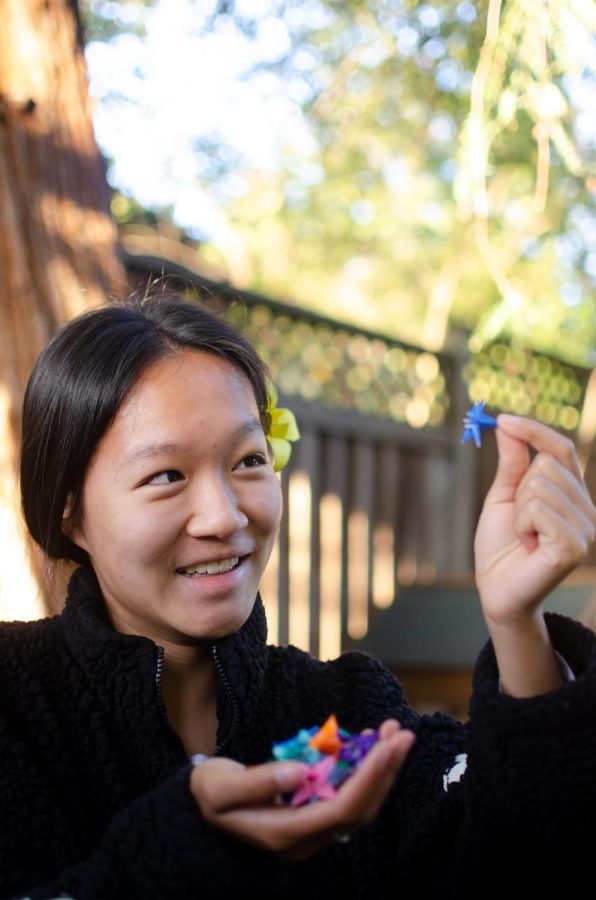
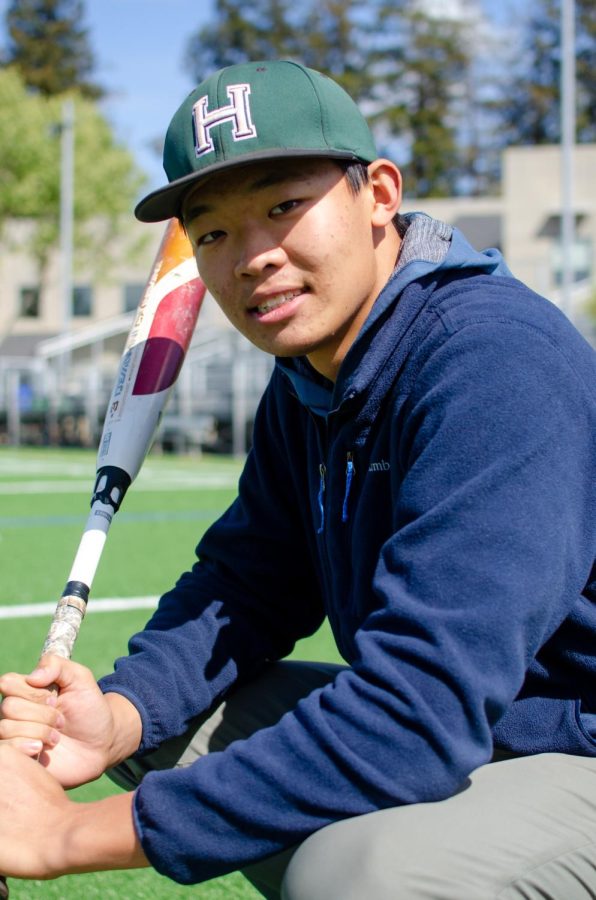
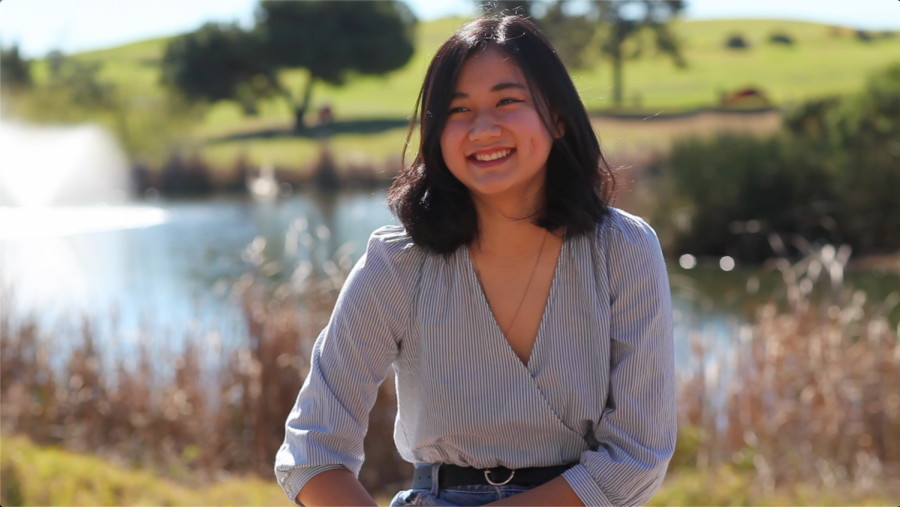
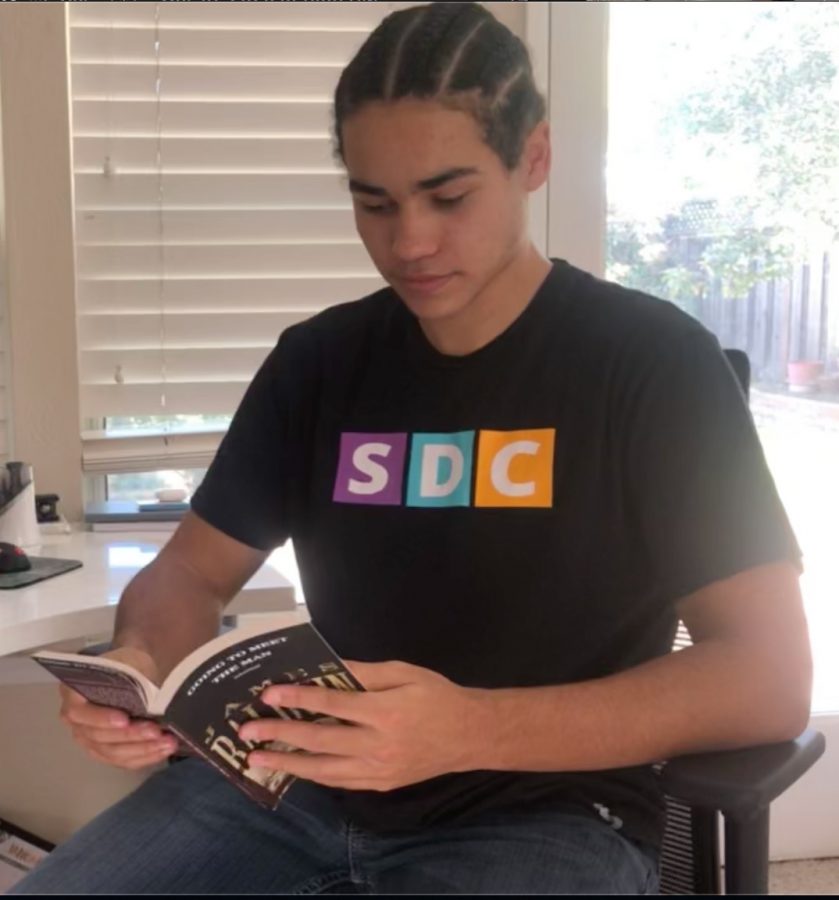
![“When I came into high school, I was ready to be a follower. But DECA was a game changer for me. It helped me overcome my fear of public speaking, and it's played such a major role in who I've become today. To be able to successfully lead a chapter of 150 students, an officer team and be one of the upperclassmen I once really admired is something I'm [really] proud of,” Anvitha Tummala ('21) said.](https://harkeraquila.com/wp-content/uploads/2021/07/Screen-Shot-2021-07-25-at-9.50.05-AM-900x594.png)
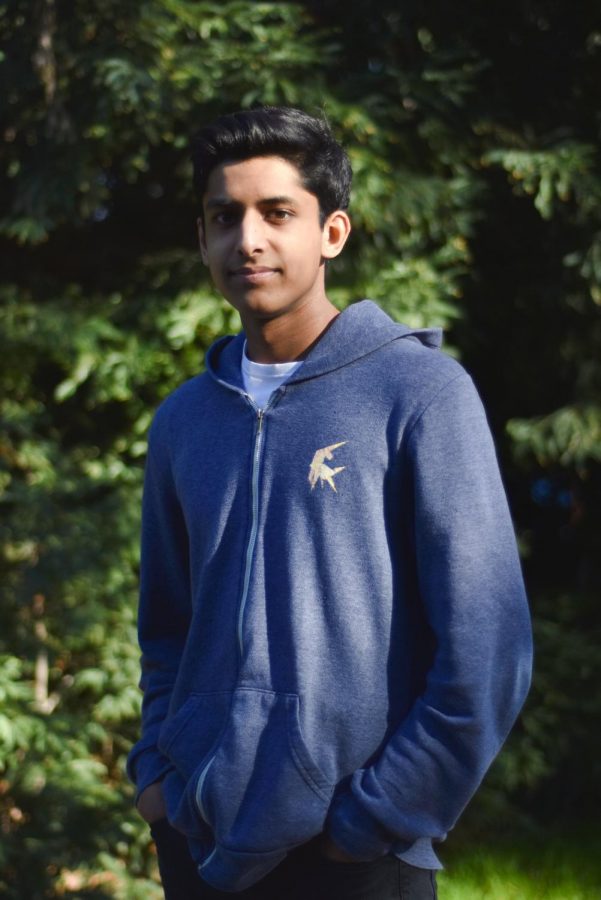

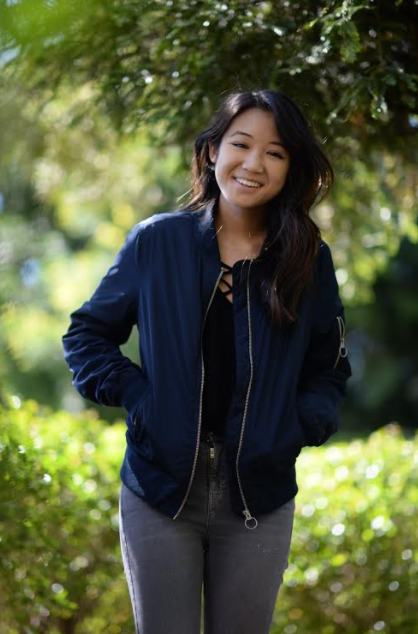
![“I think getting up in the morning and having a sense of purpose [is exciting]. I think without a certain amount of drive, life is kind of obsolete and mundane, and I think having that every single day is what makes each day unique and kind of makes life exciting,” Neymika Jain (12) said.](https://harkeraquila.com/wp-content/uploads/2017/06/Screen-Shot-2017-06-03-at-4.54.16-PM.png)
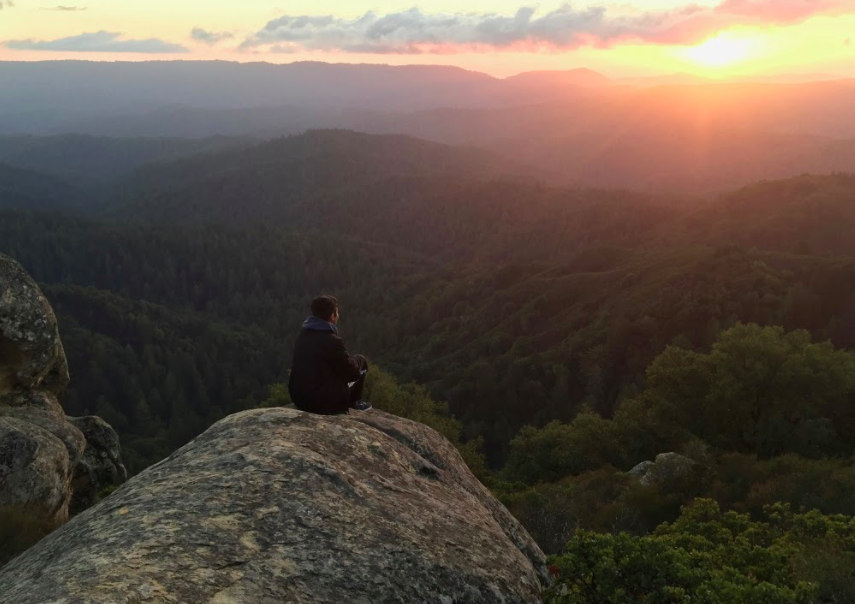
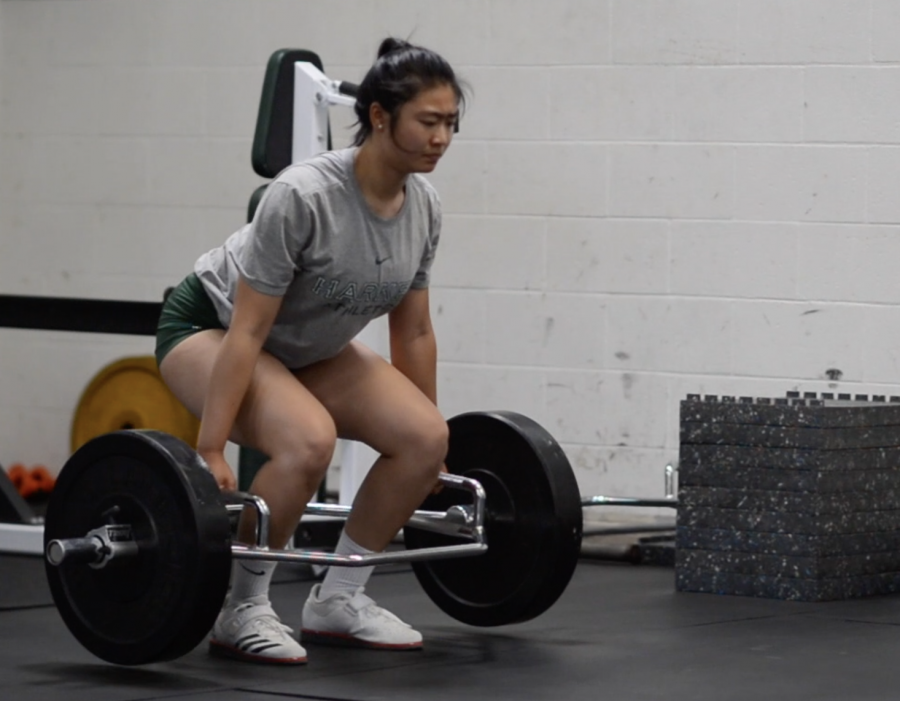
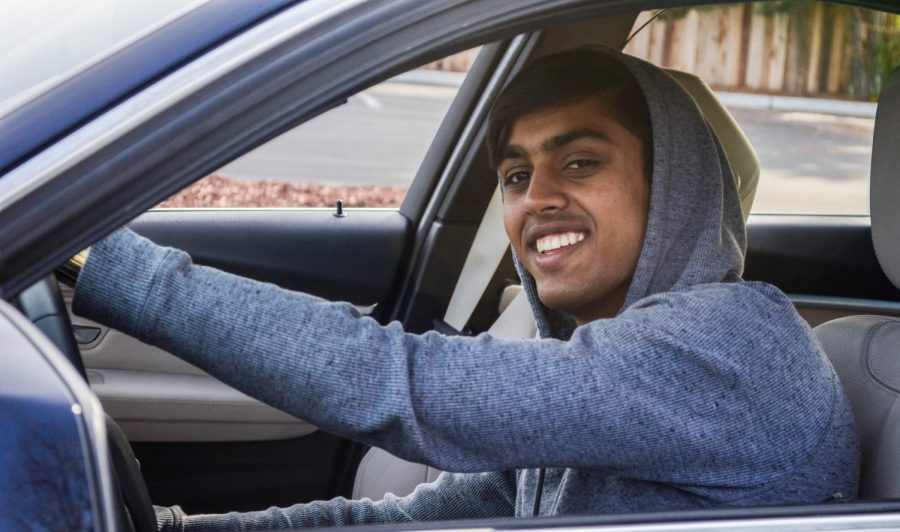
![“My slogan is ‘slow feet, don’t eat, and I’m hungry.’ You need to run fast to get where you are–you aren't going to get those championships if you aren't fast,” Angel Cervantes (12) said. “I want to do well in school on my tests and in track and win championships for my team. I live by that, [and] I can do that anywhere: in the classroom or on the field.”](https://harkeraquila.com/wp-content/uploads/2018/06/DSC5146-900x601.jpg)
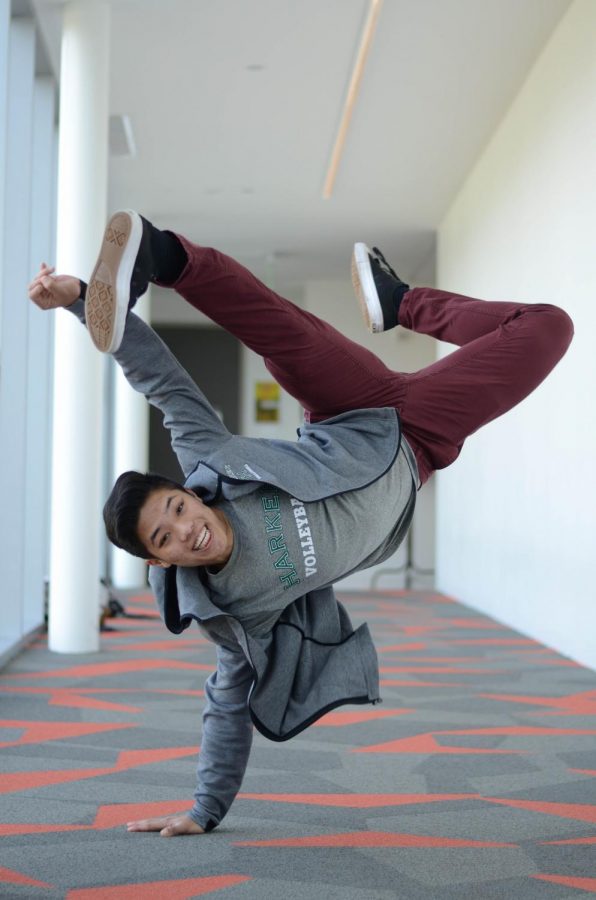
![“[Volleyball has] taught me how to fall correctly, and another thing it taught is that you don’t have to be the best at something to be good at it. If you just hit the ball in a smart way, then it still scores points and you’re good at it. You could be a background player and still make a much bigger impact on the team than you would think,” Anya Gert (’20) said.](https://harkeraquila.com/wp-content/uploads/2020/06/AnnaGert_JinTuan_HoHPhotoEdited-600x900.jpeg)
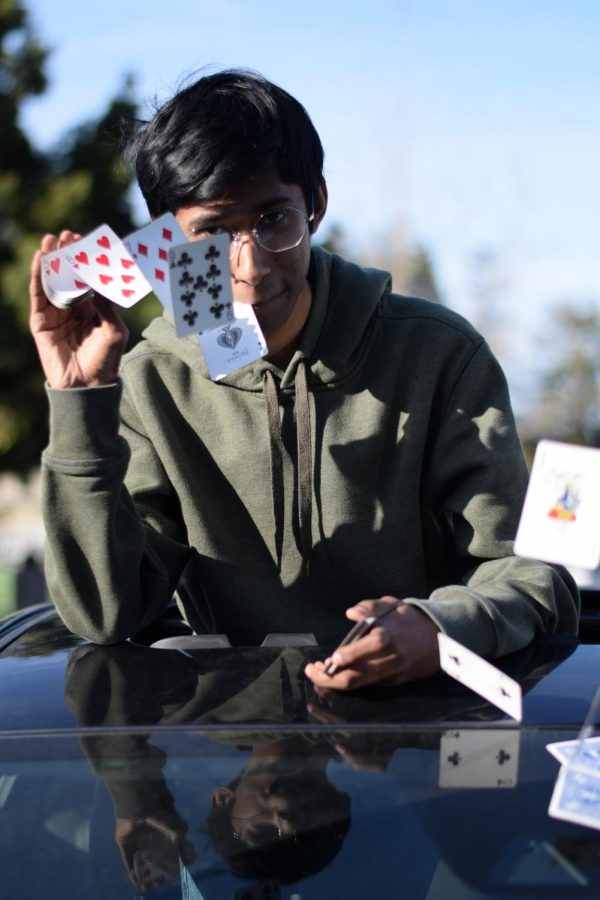
![“I'm not nearly there yet, but [my confidence has] definitely been getting better since I was pretty shy and timid coming into Harker my freshman year. I know that there's a lot of people that are really confident in what they do, and I really admire them. Everyone's so driven and that has really pushed me to kind of try to find my own place in high school and be more confident,” Alyssa Huang (’20) said.](https://harkeraquila.com/wp-content/uploads/2020/06/AlyssaHuang_EmilyChen_HoHPhoto-900x749.jpeg)
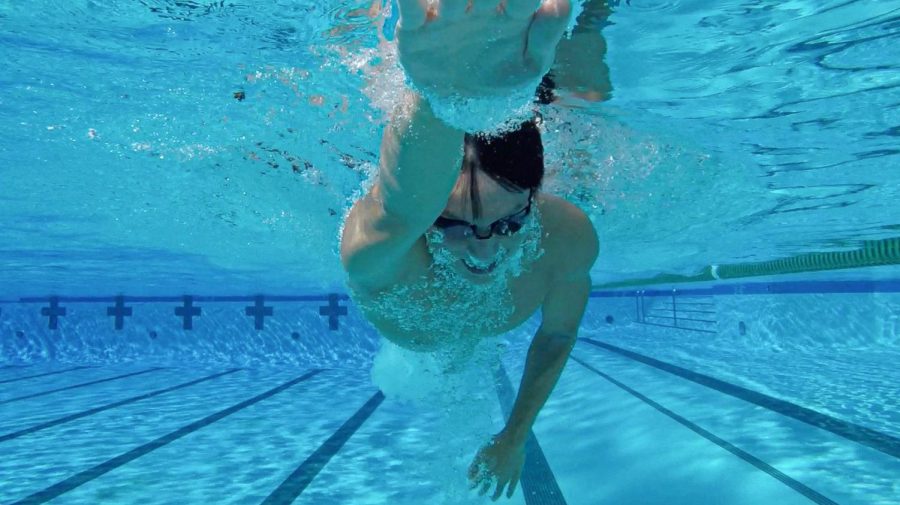

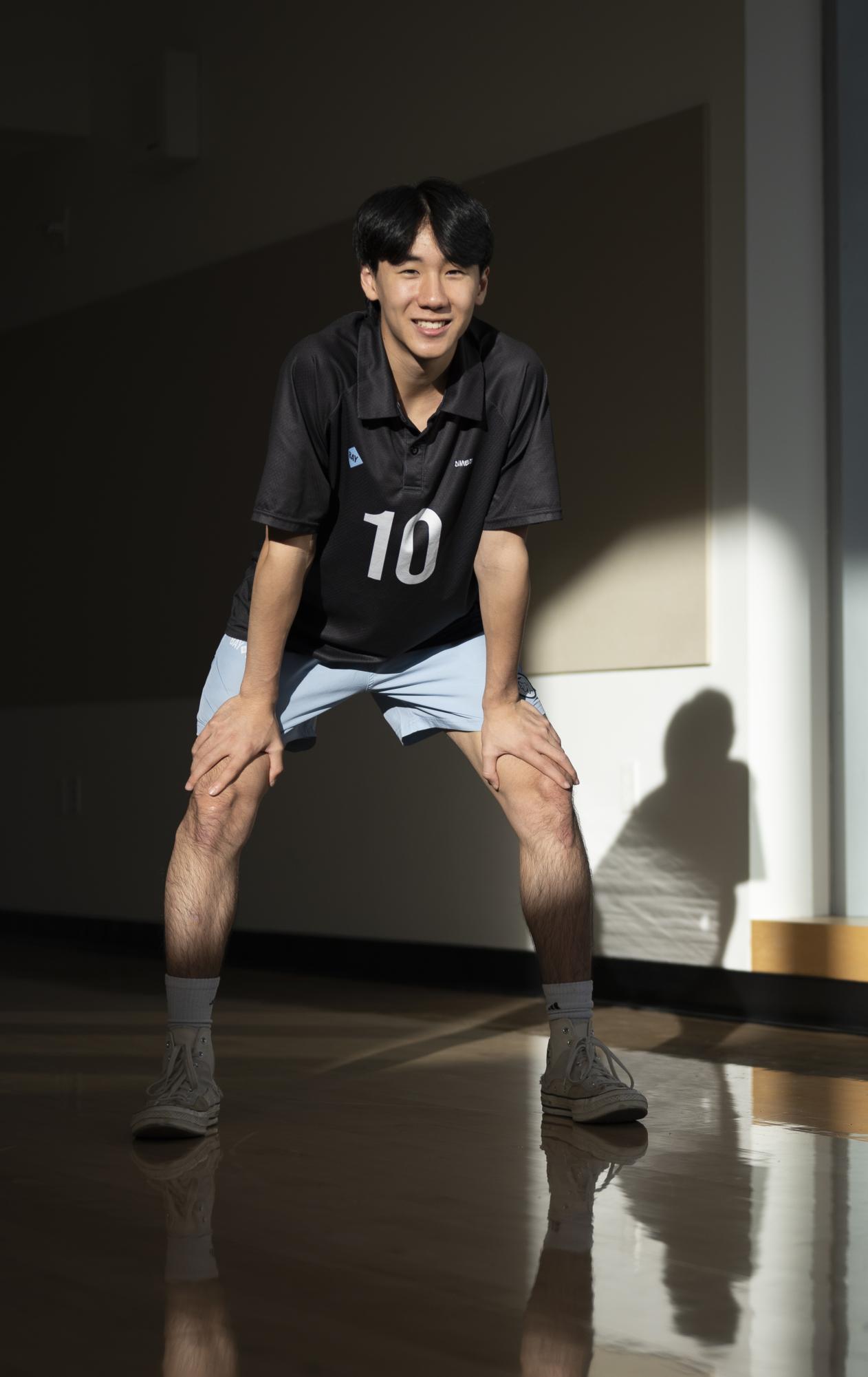
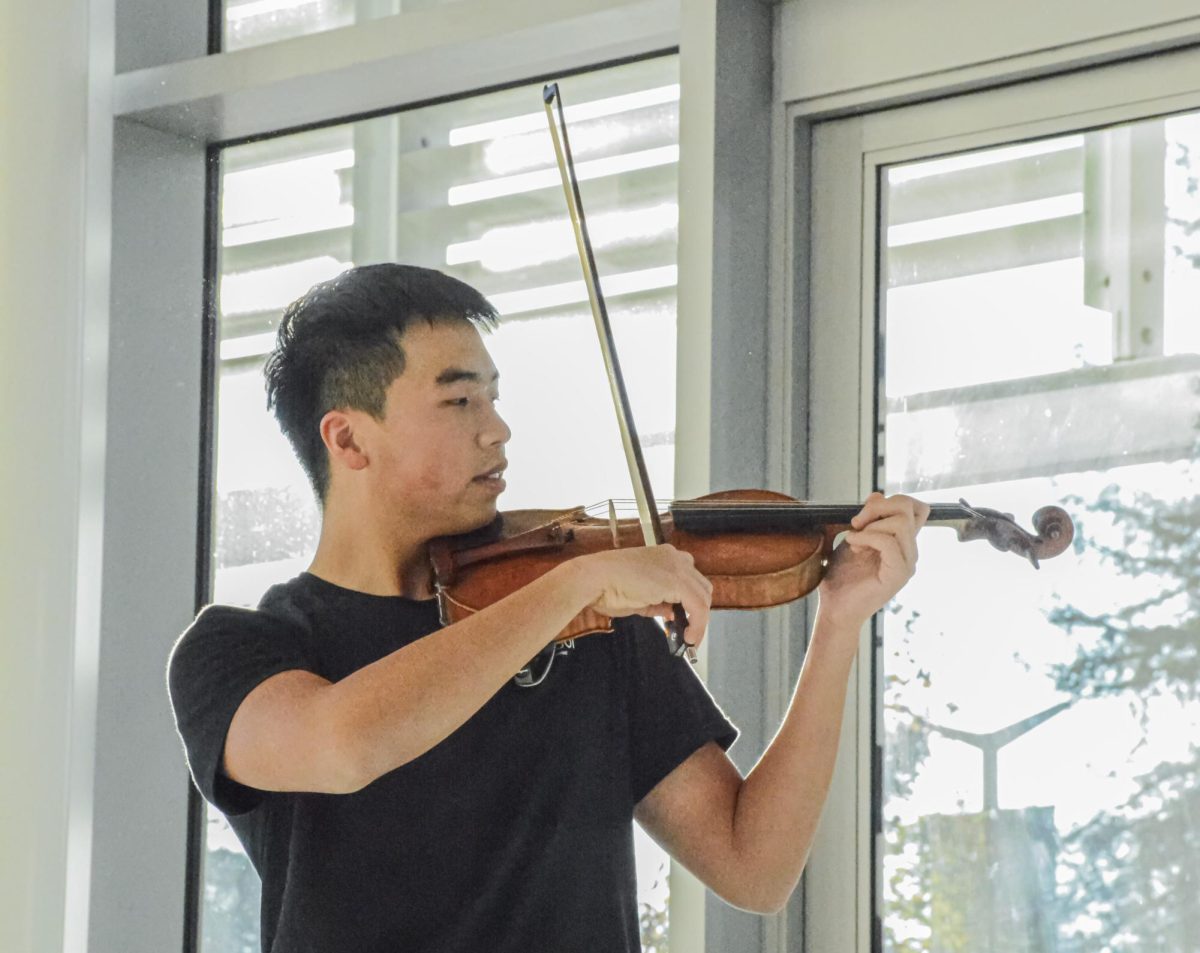
It’s Adrian Liu’s (12) first high school volleyball practice of the year, and he’s one of two freshmen on varsity. Apart from the nerves of playing with upperclassmen this marks one of his first times on campus, a long awaited break from the past year and a half online. Still, two years playing libero for his lauded club team primed him to fight for his spot on the starting roster. Before they begin, his coach makes an announcement.
“We need a setter. Who wants to volunteer?”
Adrian, who has never played setter before, jokingly raises his hand.
“Alright, let’s go run some drills.”
Wait. What?
Adrian fondly recalls his abrupt start to the Harker varsity boys volleyball team. They would go on to win the Central Coast Section (CCS) title that year, and again two years later, with Adrian directing the offense as the team’s setter the whole way. The same sense of unity that first drew him to the sport in sixth grade inspired Adrian to step up and adopt a new position to support his team.
“The sense of camaraderie you get from [volleyball] is really unique compared to basketball, baseball, any of the other sports I’ve tried,” Adrian said. “It’s something that’s very present in volleyball. The culture of your teammates caring for each other is really important.”
Adrian consistently strives to uplift his friends and teammates. Close friend Vivek Nayyar (12), who first met Adrian in first grade and played volleyball and basketball with him in middle school, commented on how his positivity inspires his teammates.
“He’s very motivating,” Vivek said. “When you’re around him, you tend to want to be better yourself. [In volleyball], he’s always the loudest one, he always daps everyone up, he’s really high energy in all the games.”
Upper school history teacher James Tate also highlighted the strength of Adrian’s relationships with his peers. Tate reflected on Adrian’s exuberant energy, all the while clutching a satirical mug Adrian gifted him.
“He’s a very good spirit, [he contributes] a lot of energy to the room, a lot of joy and a lot of just happiness,” Tate said. “His personality is very engaging and very magnetic, talking to him makes you feel good. And he has fine taste in flatware!”
Now a member of the Bay to Bay Volleyball Club 17-1’s team, Adrian accumulated various accolades throughout his seven years with the sport. From winning two CCS championships at the school level to notching second place at the Amateur Athletics Union (AAU) Boys’ Volleyball National Championships his sophomore year, his career seems picture-perfect on paper. Yet, the season after his team’s nationals run, they faced a losing streak, missing the gold bracket in several important national qualifying events. The frustrating experience revealed to Adrian the importance of a positive mindset in sports and staying centered even after big wins.
“I realized that my self-talk [during the losing streak] was, ‘Don’t [mess] up, and that doesn’t work,” Adrian said. “Before, I wasn’t giving up, but I wasn’t proactively doing anything to get better. And if you’re not being proactive to get better, you might as well be getting worse because everyone else is getting better. So, realizing that and being cognizant of that fact not only for myself, but for my team, that’s where the perseverance began.”
Adrian underwent a similar journey in debate, where he faced many initial challenges during his start in ninth grade. Despite struggling to advance in his first tournaments, Adrian finally “broke even,” or won half his matches, in the final competition of his sophomore year. Just one year later, Adrian qualified for the prestigious Tournament of Champions, eventually making it to the quarterfinals of the national competition.
“My whole life I’ve been doing sports or science, and debate is completely different from what I’m used to, [it’s] out of my comfort zone,” Adrian said. “Being able to start something new, and assure myself that I can start something new and get good at it is, ‘Go me!’”
Volleyball teammate Edis Mesic (12) also spoke to Adrian’s ability to respond to challenges in any situation. Whether on the court or in the classroom, Adrian showcases the flexibility he’s gleaned from his experiences.
“[Adrian is] very adaptable as a person,” Edis said. “Whenever he goes into a different, new environment, he’s always ready to go, and he’s always ready to take on a new challenge. For volleyball or for AP Physics 2, whatever it might be, he’s always eager to embrace the challenge.”
Adrian confronts setbacks at more than just the reactionary level. Through his efforts in research, he seeks solutions for the issues he sees and experiences himself. After a friend suffered a devastating sports injury, he decided to develop a research project around arthrofibrosis, a condition which develops when scar tissue builds up after knee surgeries like his friend’s. In the years since, he studied a variety of scientific fields and uncovered a common thread throughout his experiments: the value of failure.
“The whole research process is similar to sports in the way that you’re going to fail a lot, you’re going to make mistakes,” Adrian said. “Everyone says failure is how you learn, but you don’t understand that until you fail enough that you have to learn from it. Every day I’m coming to the lab, I’m doing something wrong, and it’s great. I’m learning more about my project, this condition, what I can do and how I fit into the bigger picture of research.”
As he faces his last club and high school seasons of volleyball, his final round of debate tournaments and the end of his high school career, Adrian strives to remain driven in any circumstance. Whether he’s facing a literal opponent across the net or maintaining his self-discipline, he will take his focus on mindset with him.
“It really comes down to how you frame things,” Adrian said. “If we’re talking about volleyball [and debate], you have an opponent right in front of you. For me, that’s what creates the sense of competition: when you have someone in front of you that has the same goal as you, and only one of you can win: there’s no consolation prize here. For research, there’s no person in front of you, so you’re competing against yourself.”
And, when he inevitably hits a roadblock, Adrian will remind himself of the persistence he’s ingrained in himself throughout high school, and the value he’s discovered in failure.
“I love losing,” Adrian said. “I love messing things up. I love failing. As cliche as it sounds, that is the fastest way for me to learn things, to get better at things. If you’re doing things wrong, and no one ever tells you, or you never lose, you think you’re doing everything right but you might not be.”