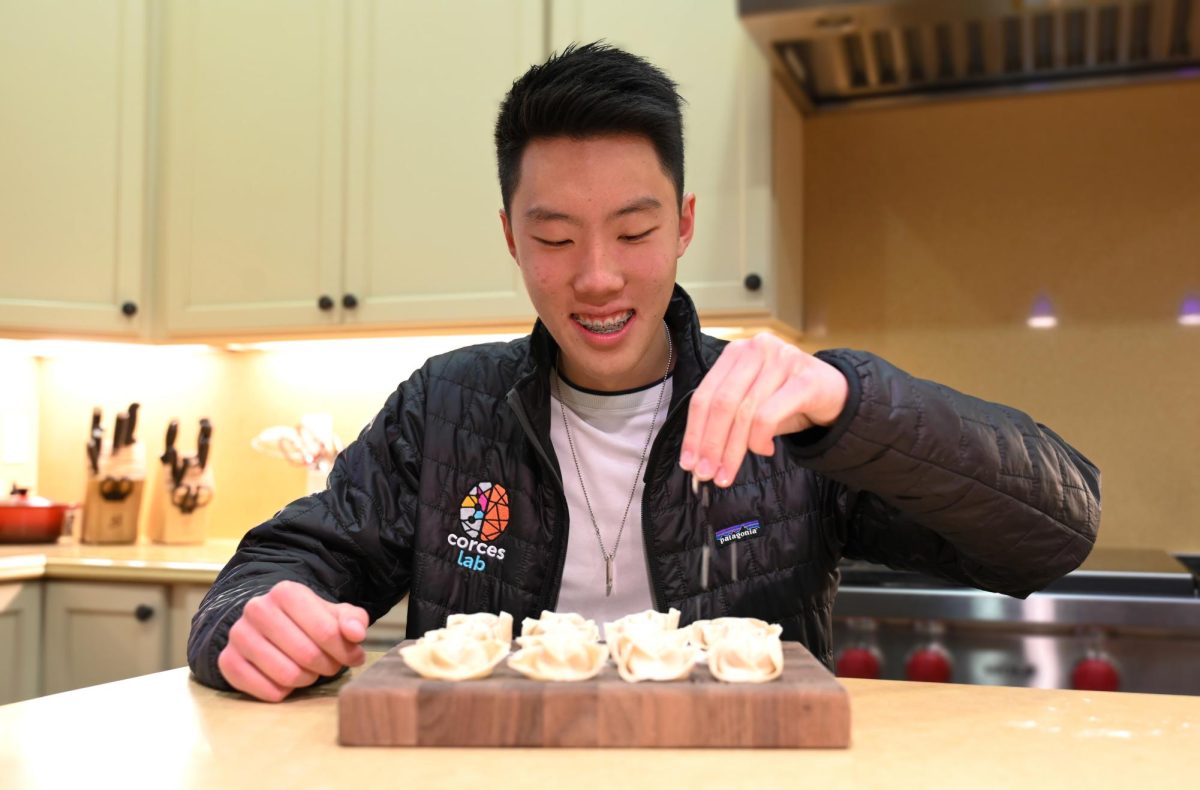
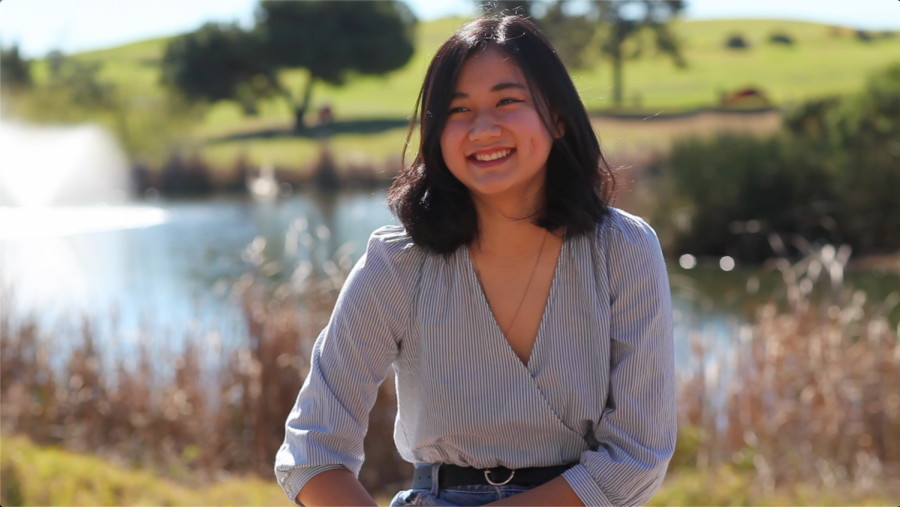
![“I wasn't discouraged by some of the obstacles we faced. I learned a lot from the leadership. I found that different people need different ways of receiving feedback — you can't [just] tell them to do something and expect the best. [Some] people needed more incentive. A large part of my role was to figure out what worked for everyone and to figure out how to lead all these separate individuals as a team,” Suhana Bhandare (’26) said.](https://harkeraquila.com/wp-content/uploads/2026/06/SuhanaBhandare_JasmineHansra-1-1200x798.jpg)
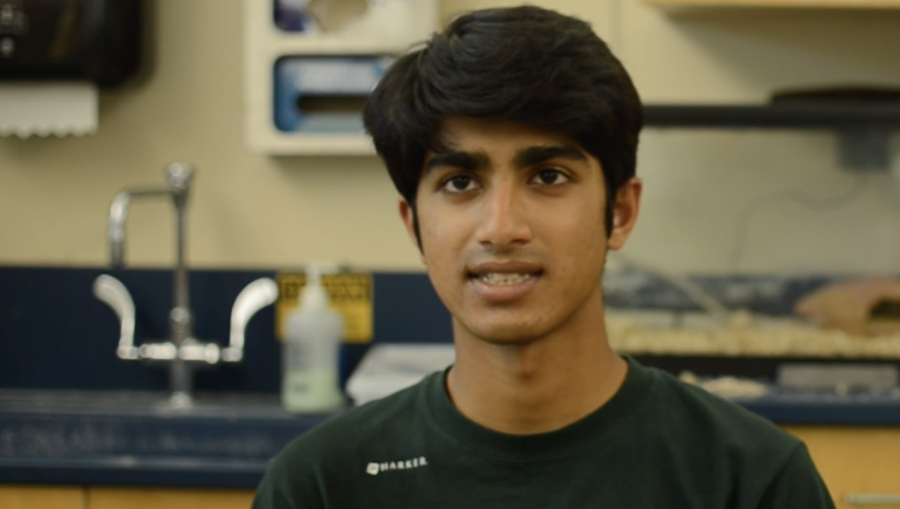
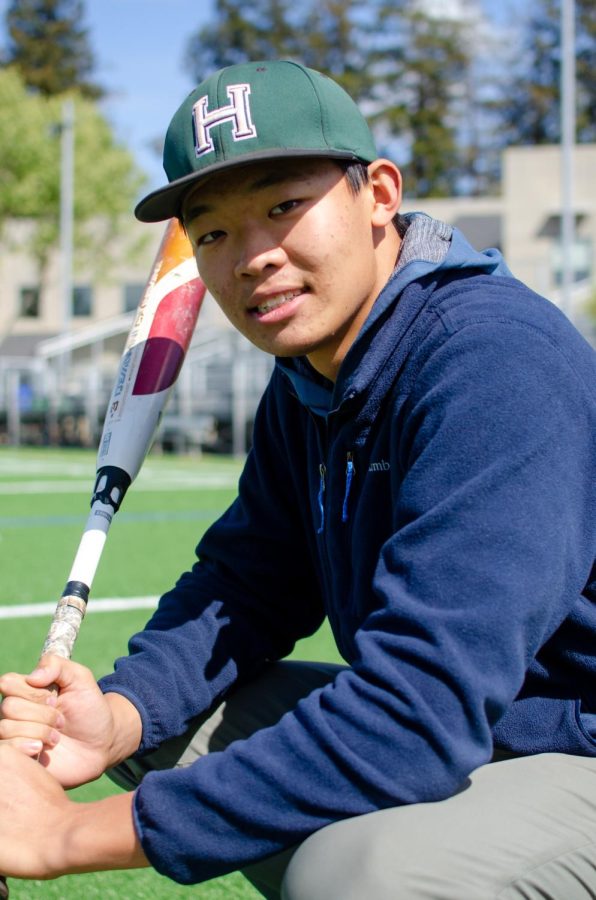
![“This is actually from Randy Pausch Randy P. Brick: ‘Walls are there for a reason. You have to show how much you want to overcome them.’ You have to show how much you want something. That's what I've always been able to do with tennis, Link Crew and getting that internship [with Kushy Baby]. It’s important pushing through that — getting around that brick wall, climbing over it or clawing through it,” Yash Sachdeva (’26) said.](https://harkeraquila.com/wp-content/uploads/2026/05/YashSachdeva_RamBatchu-copy-1200x1002.jpg)







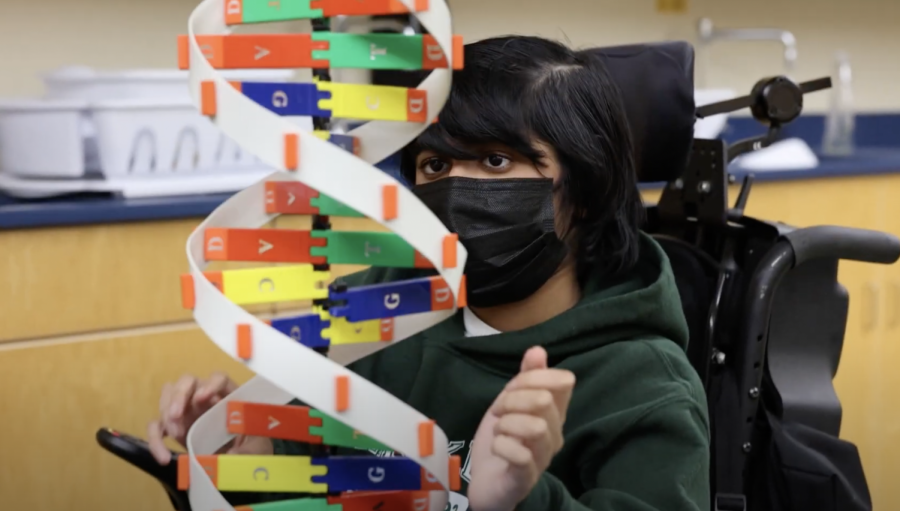
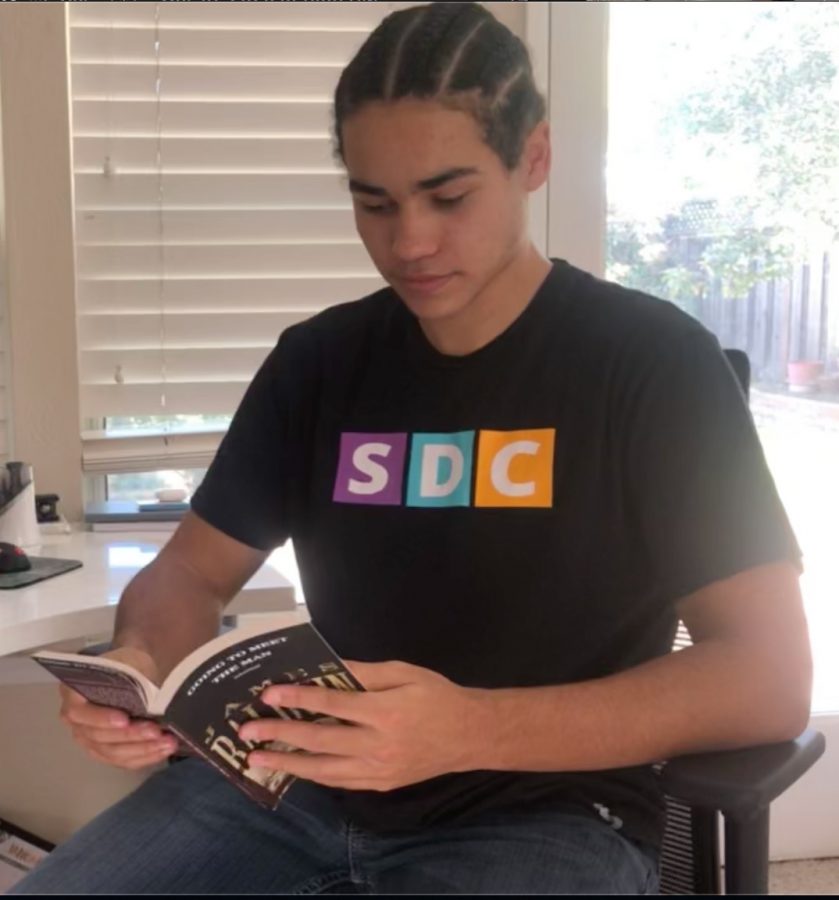
![“[Building nerf blasters] became this outlet of creativity for me that hasn't been matched by anything else. The process [of] making a build complete to your desire is such a painstakingly difficult process, but I've had to learn from [the skills needed from] soldering to proper painting. There's so many different options for everything, if you think about it, it exists. The best part is [that] if it doesn't exist, you can build it yourself," Ishaan Parate said.](https://harkeraquila.com/wp-content/uploads/2022/08/DSC_8149-900x604.jpg)
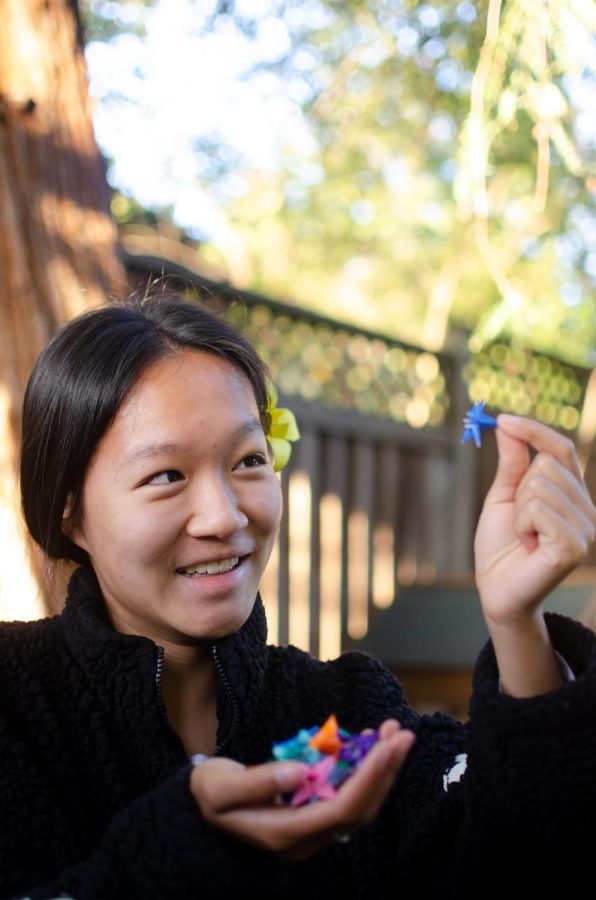
![“When I came into high school, I was ready to be a follower. But DECA was a game changer for me. It helped me overcome my fear of public speaking, and it's played such a major role in who I've become today. To be able to successfully lead a chapter of 150 students, an officer team and be one of the upperclassmen I once really admired is something I'm [really] proud of,” Anvitha Tummala ('21) said.](https://harkeraquila.com/wp-content/uploads/2021/07/Screen-Shot-2021-07-25-at-9.50.05-AM-900x594.png)

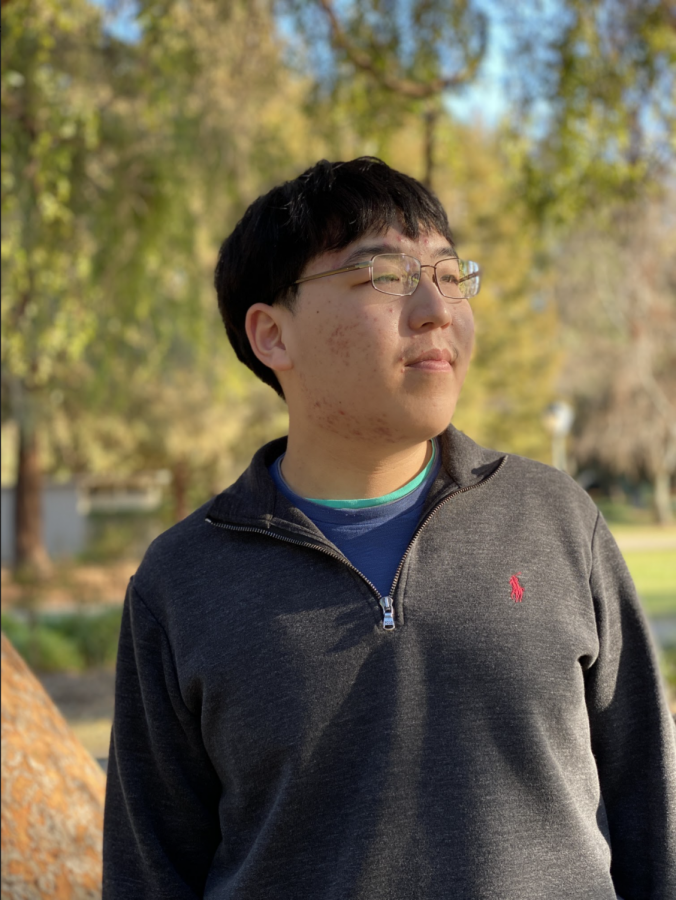



![“I think getting up in the morning and having a sense of purpose [is exciting]. I think without a certain amount of drive, life is kind of obsolete and mundane, and I think having that every single day is what makes each day unique and kind of makes life exciting,” Neymika Jain (12) said.](https://harkeraquila.com/wp-content/uploads/2017/06/Screen-Shot-2017-06-03-at-4.54.16-PM.png)



![“My slogan is ‘slow feet, don’t eat, and I’m hungry.’ You need to run fast to get where you are–you aren't going to get those championships if you aren't fast,” Angel Cervantes (12) said. “I want to do well in school on my tests and in track and win championships for my team. I live by that, [and] I can do that anywhere: in the classroom or on the field.”](https://harkeraquila.com/wp-content/uploads/2018/06/DSC5146-900x601.jpg)
![“[Volleyball has] taught me how to fall correctly, and another thing it taught is that you don’t have to be the best at something to be good at it. If you just hit the ball in a smart way, then it still scores points and you’re good at it. You could be a background player and still make a much bigger impact on the team than you would think,” Anya Gert (’20) said.](https://harkeraquila.com/wp-content/uploads/2020/06/AnnaGert_JinTuan_HoHPhotoEdited-600x900.jpeg)
![“I'm not nearly there yet, but [my confidence has] definitely been getting better since I was pretty shy and timid coming into Harker my freshman year. I know that there's a lot of people that are really confident in what they do, and I really admire them. Everyone's so driven and that has really pushed me to kind of try to find my own place in high school and be more confident,” Alyssa Huang (’20) said.](https://harkeraquila.com/wp-content/uploads/2020/06/AlyssaHuang_EmilyChen_HoHPhoto-900x749.jpeg)



“Next up, Edward!”
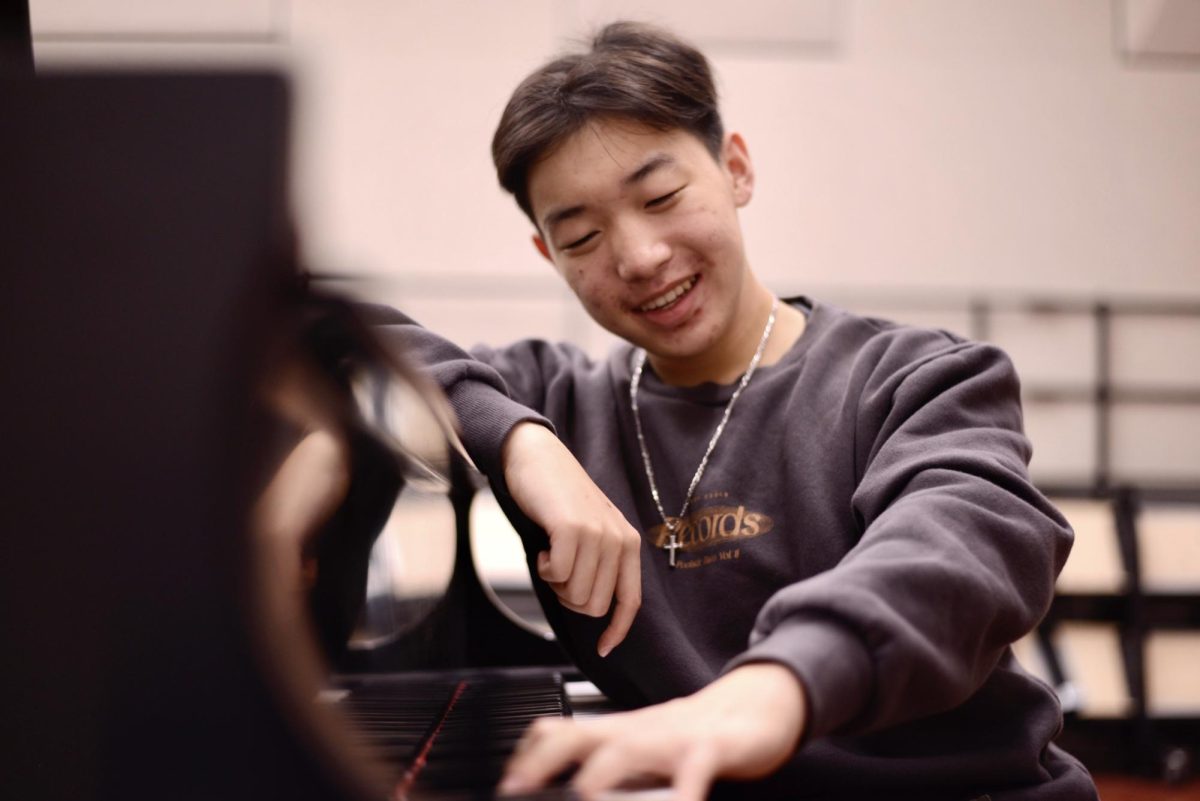
In front of a sea of eager listeners, Edward Huang (12) steps up onto the stage and sits down on the black leather piano stool. Taking a deep breath, he carefully places his hands on the delicate array of piano keys. Applause fades into silence. Edward slowly raises one hand and brings it down on the keys, firmly yet with underlying elegance. Individual notes carrying distinct sounds weave together into chords and clear melodies, as music permeates and floods every corner of the performance hall.
Edward found himself in the world of piano competitions soon after starting to play piano at the age of 6. These competitions enabled Edward to share his musical interpretation to a wider range of audiences.
“When I was in that competition phase, piano was an indicator of how far I can push myself, how much I could push myself to practice, how good I could push myself,” Edward said. “Every competition is another barrier to overcome, so it’s very challenging but also rewarding.”
Despite the enchanting music that he played on stage, Edward struggled with stage fright and anxiety during his first few performances. Unlike the sensational tales of piano prodigies winning prizes from the get-go, Edward didn’t initially gain much recognition for his efforts.
“When you’re on stage, it’s your time to perform,” Edward said. “If you don’t show up at that very moment, then all of your practice before is just meaningless. In ninth grade, I struggled with that a lot. I worried that if I failed this time, then everything I did before would just be all worthless.”
Still, Edward continued to practice rigorously. A few weeks before a competition, he would play for several hours at a time, smoothing out any mistakes or uncertainties. Although his nervousness during performances persisted, he adapted to tense situations, ignoring the end results and focusing on the music instead.
“Now, my mindset going into everything is, no matter what happens, you have to know that you gave it everything you had,” Edward said. “When I step up on stage and go up to play the piano, I make sure that when I get off that stage, I left everything I had on that piano. Then, if I lost, I couldn’t make the excuse that I didn’t try hard enough.”
In both practice and in performance, Edward always gives his all, expending every last drop of effort in the moment. Upper school history teacher and Edward’s advisor Donna Gilbert admires his ambitious attitude and kind nature toward others.
“He likes to challenge himself, and he seems to manage things, even when he’s overloaded,” Gilbert said. “Somehow, gracefully and quietly, he gets it all done. He’s also very kind and sweet. He doesn’t show that too often, but I see it and cherish that.”
Edward also learned to perform under pressure through DECA. He joined the program in ninth grade and has since competed annually in primarily marketing events. He particularly enjoys traveling to different places for competitions, when he could focus solely on DECA while spending time with his friends.
DECA roleplay competitions taught Edward to overcome nervousness before presenting. In roleplays, not only do competitors present for 10 minutes about a scenario, such as a pitch to a potential investor, with only 10 minutes of preparation time, judges also constantly ask questions during the event, which participants must answer almost immediately. This impromptu aspect, along with added pressure of presenting under the spotlight, made the event particularly intimidating.
“When I first started, [roleplays] terrified me so much,” Edward said. “In my first roleplay I only spoke for two minutes, and it was two minutes of nonsense. You don’t know what to expect, [and] everything catches you off guard.”
Over time, Edward began to grasp the essentials behind DECA roleplays, structuring his presentation one section at a time rather than brainstorming all at once. With practice, he overcame his anxiety and found enjoyment even in the toughest of situations.
“Even though the scenario is different, the structure is pretty much the same, and they start to get really fun,” Edward said. “[When] you [begin to] get excited at your scenario and at the points you can make and the creative things you could say to your judge, it transforms something that’s really scary to something more fun.”
From barely completing his first roleplay to now attaining near-perfect scores in competitions, Edward learned to step out of his comfort zone. Close friend Zihua Wang (12) admires Edward’s work ethic and dedication to his pursuits throughout high school.
“[Edward is] very hardworking,” Zihua said. “He started [DECA] in freshman year, and every year, I see him working really hard with his teammates working on the written plans [for] their stock market game. For piano, I’ve watched a concert of his, and he’s really good. In a lot of these areas, he puts his mind to what he likes, and he really pursues it.”
Through both DECA and piano, Edward learned to cherish the process rather than the outcome. Nowadays, he plays piano for himself. Retiring from piano competitions and all the flashy awards that come with it, Edward discovered a different side of piano he never experienced before, embracing music in pure form.
“Now, I feel like doing things on my own for piano, just playing it for fun,” Edward said. “It unlocks a different part of piano that’s more the emotional part of music and the [enjoyment] of music, rather than constantly pushing yourself.”
Like playing piano competitively or for pleasure, life contains both serious and lighthearted moments. Edward balances the best of both worlds, knowing when to work hard and when to lay back. He especially values spending time with his friends. Close friend Sathvik Chundru (12) appreciates Edward’s unique sense of humor.
“He has a sarcastic sense of humor,” Sathvik said. “It’s pretty niche, but we find each other really funny. He also has an easy going personality. “[His] combination of being hard working but not being too serious is something that makes him unique.”
Whether it be playing piano or competing at a DECA conference, Edward carries excitement and dedication to all his activities. Edward strives to enjoy every opportunity, regardless of the prospect of success or failure: once the present passes, there’s no going back.
“[Through] piano and DECA, I learned to appreciate every experience, even if it’s super nervous or stressful,” Edward said. “[Nothing] lasts forever, and you only get to experience these things a few times in your life. You really have to stop worrying about whether you’re going to perform well or whether you’re going to fail. Learn to enjoy every situation and not just appreciate it only after it’s done. You have to appreciate it while you’re in the moment.”