


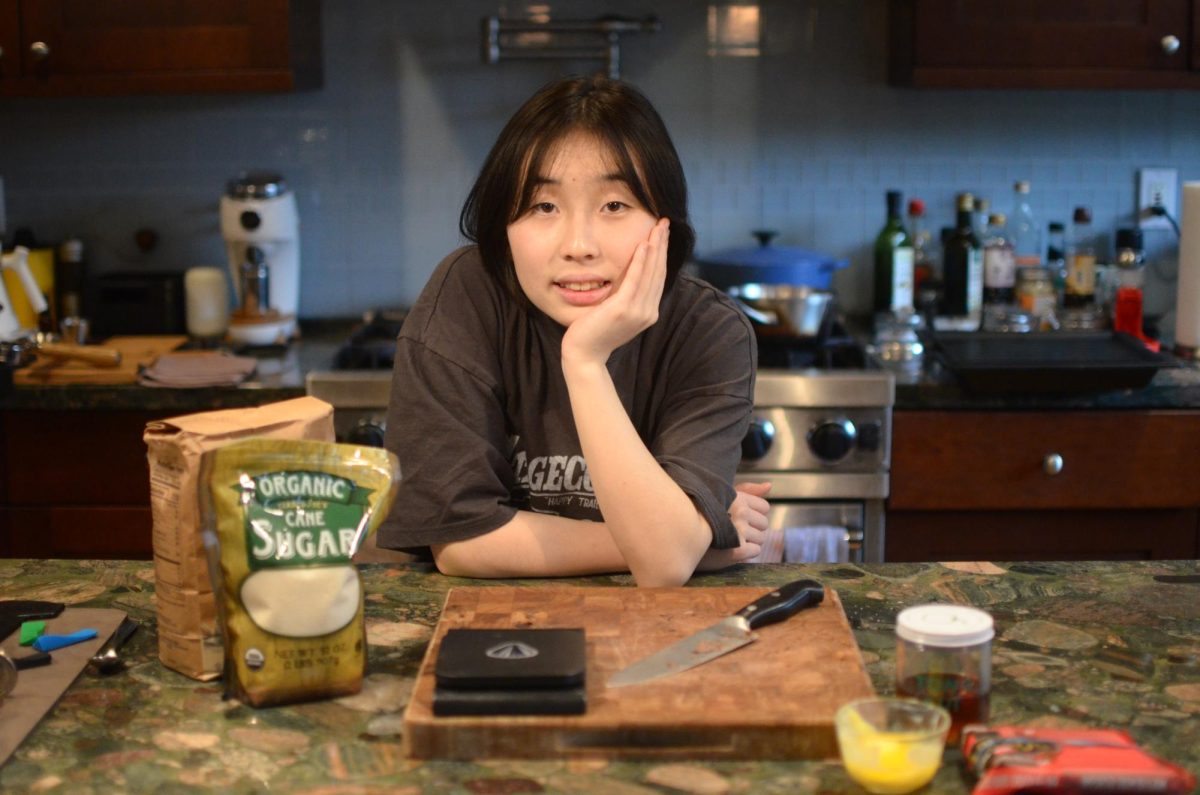
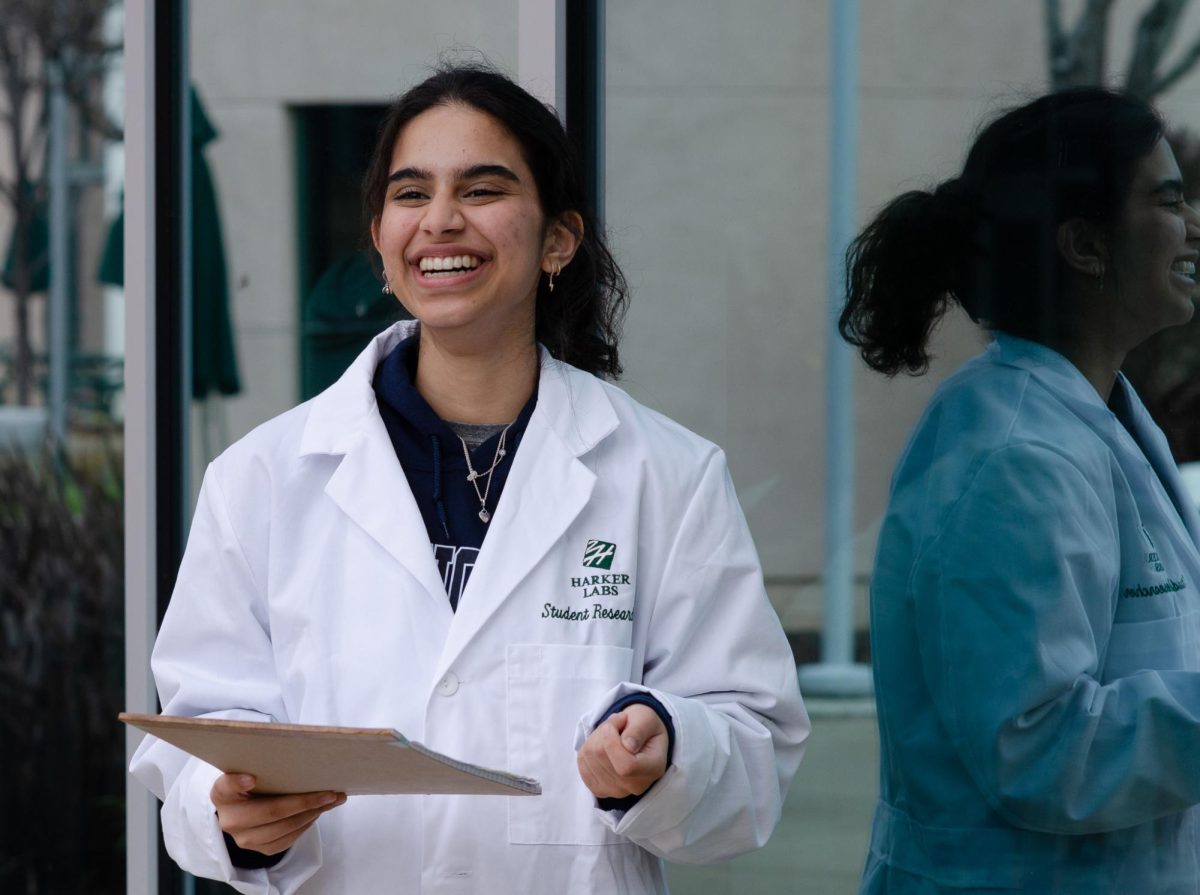
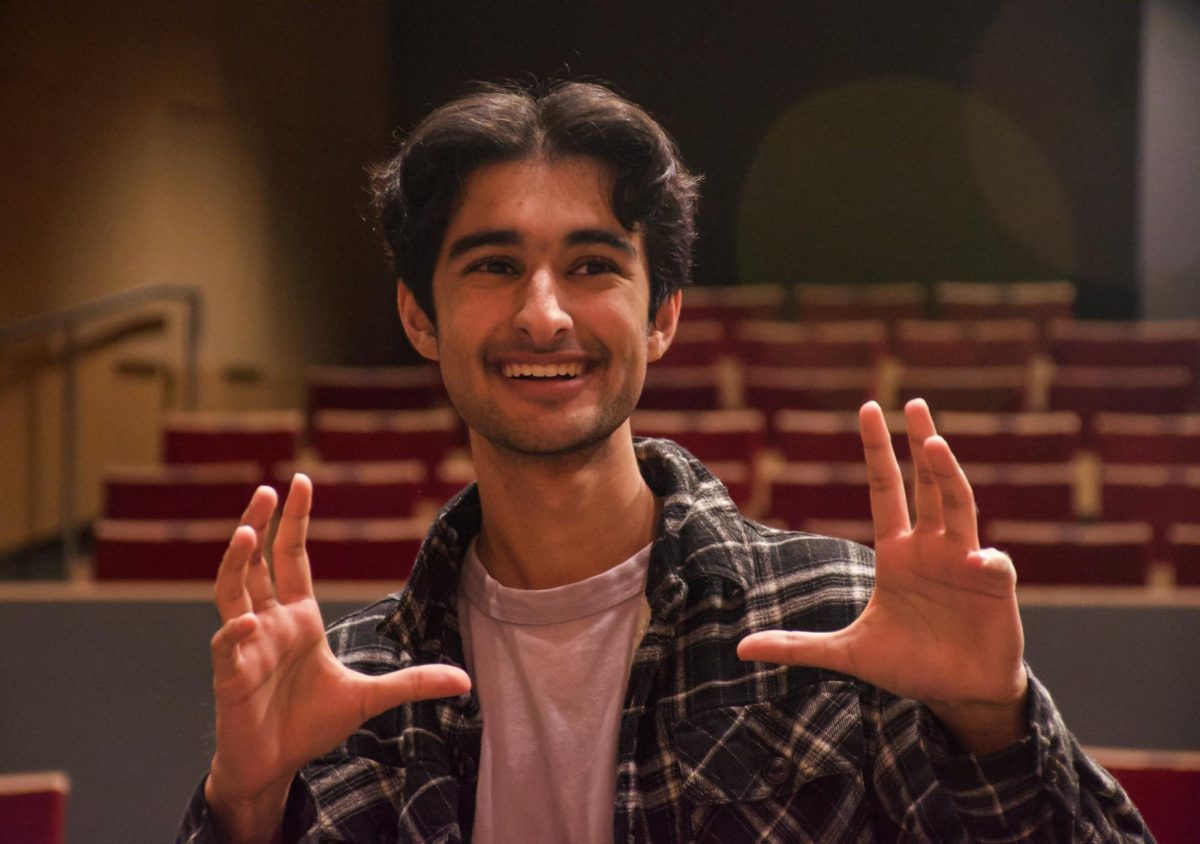
![“I wasn't discouraged by some of the obstacles we faced. I learned a lot from the leadership. I found that different people need different ways of receiving feedback — you can't [just] tell them to do something and expect the best. [Some] people needed more incentive. A large part of my role was to figure out what worked for everyone and to figure out how to lead all these separate individuals as a team,” Suhana Bhandare (’26) said.](https://harkeraquila.com/wp-content/uploads/2026/06/SuhanaBhandare_JasmineHansra-1-1200x798.jpg)
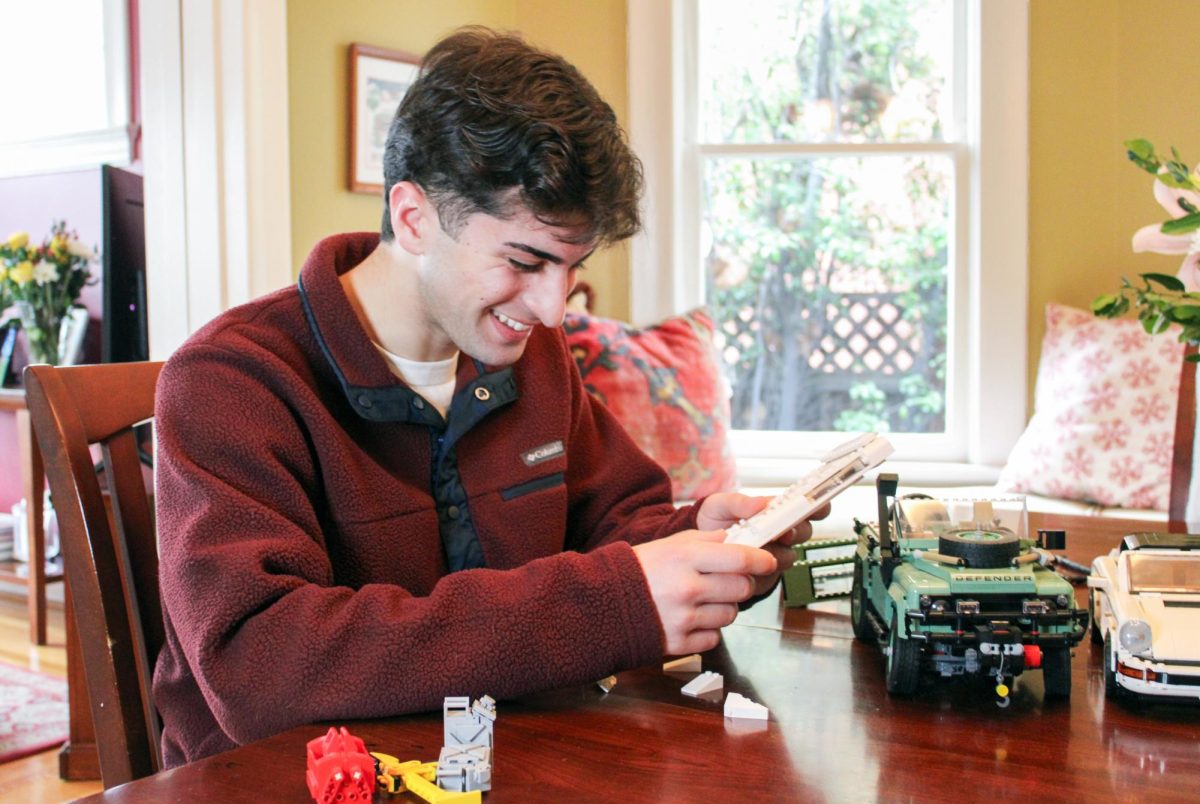
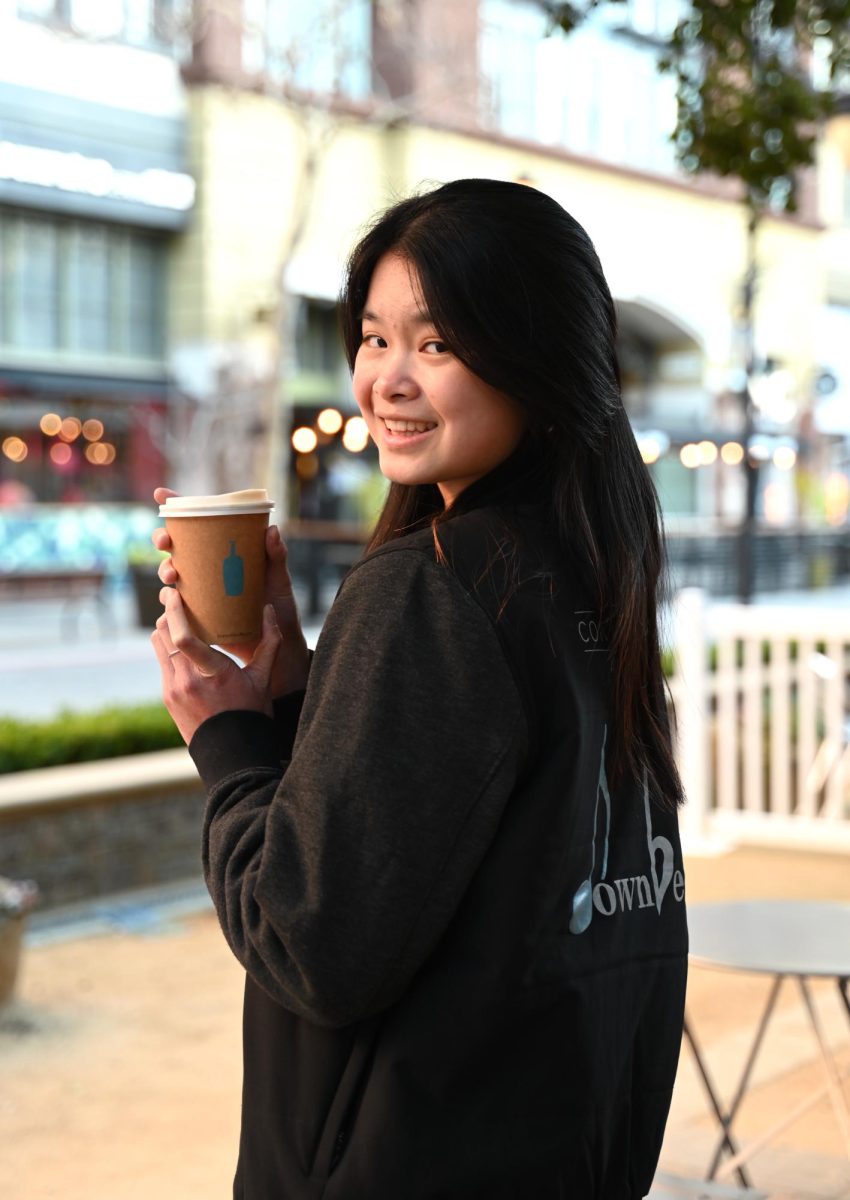
![“This is actually from Randy Pausch Randy P. Brick: ‘Walls are there for a reason. You have to show how much you want to overcome them.’ You have to show how much you want something. That's what I've always been able to do with tennis, Link Crew and getting that internship [with Kushy Baby]. It’s important pushing through that — getting around that brick wall, climbing over it or clawing through it,” Yash Sachdeva (’26) said.](https://harkeraquila.com/wp-content/uploads/2026/05/YashSachdeva_RamBatchu-copy-1200x1002.jpg)




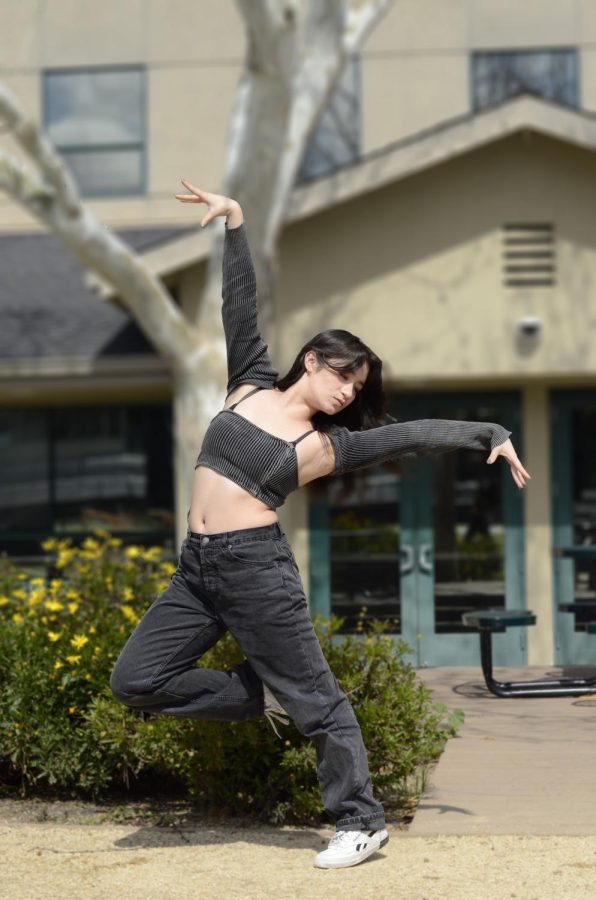
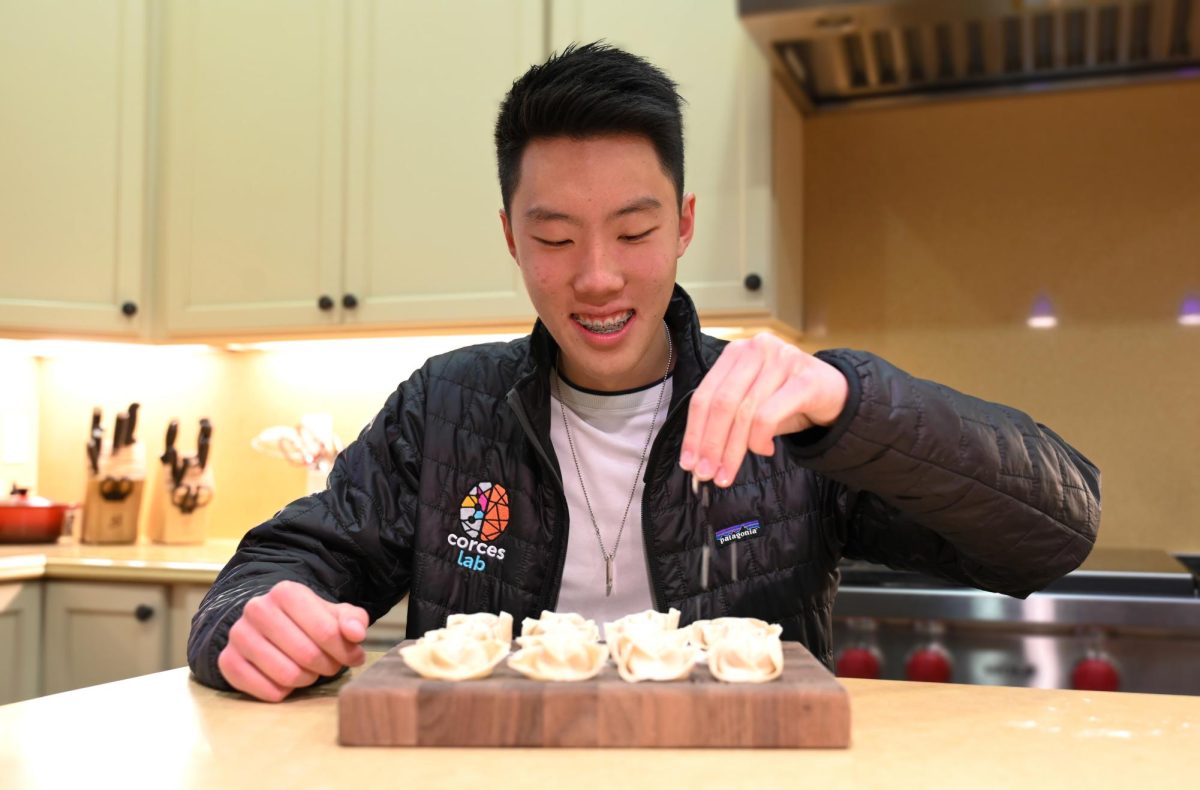
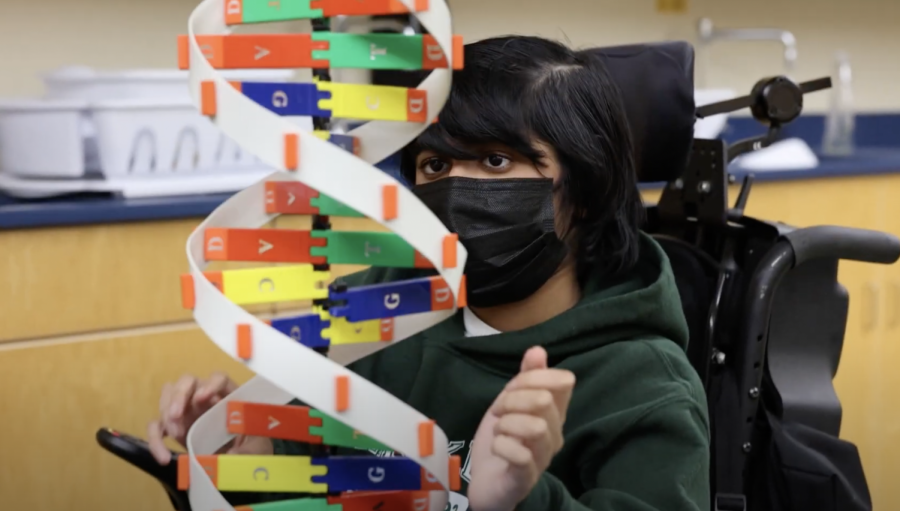
![“[Building nerf blasters] became this outlet of creativity for me that hasn't been matched by anything else. The process [of] making a build complete to your desire is such a painstakingly difficult process, but I've had to learn from [the skills needed from] soldering to proper painting. There's so many different options for everything, if you think about it, it exists. The best part is [that] if it doesn't exist, you can build it yourself," Ishaan Parate said.](https://harkeraquila.com/wp-content/uploads/2022/08/DSC_8149-900x604.jpg)
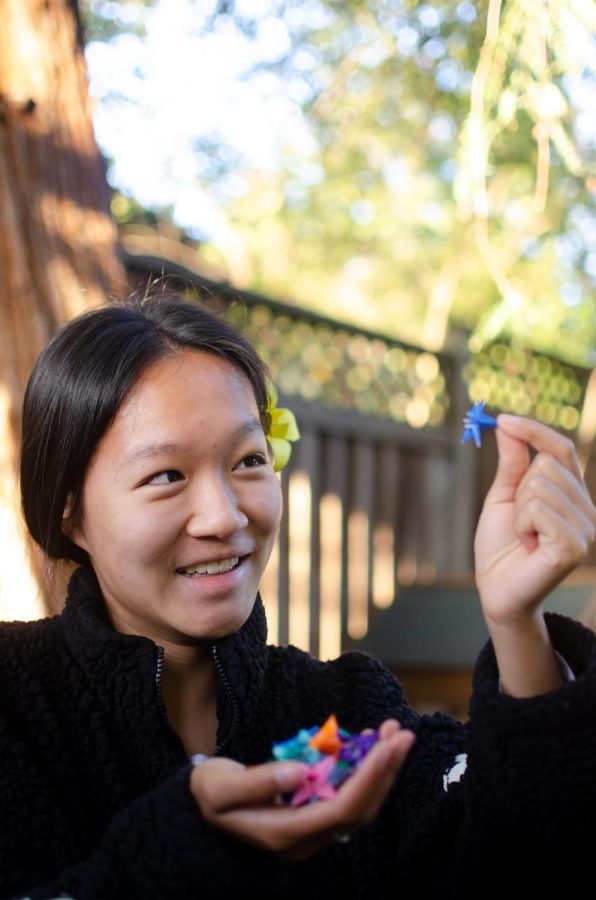
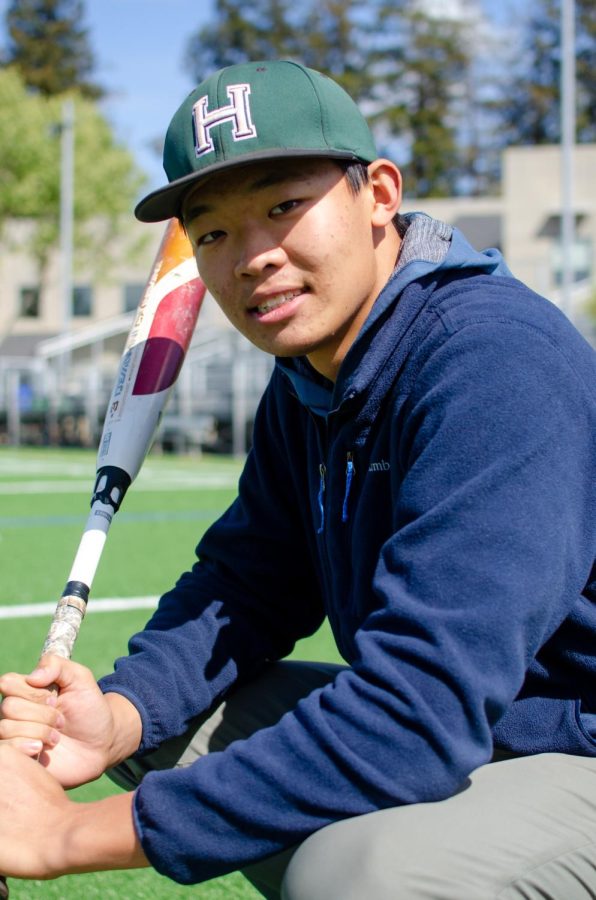
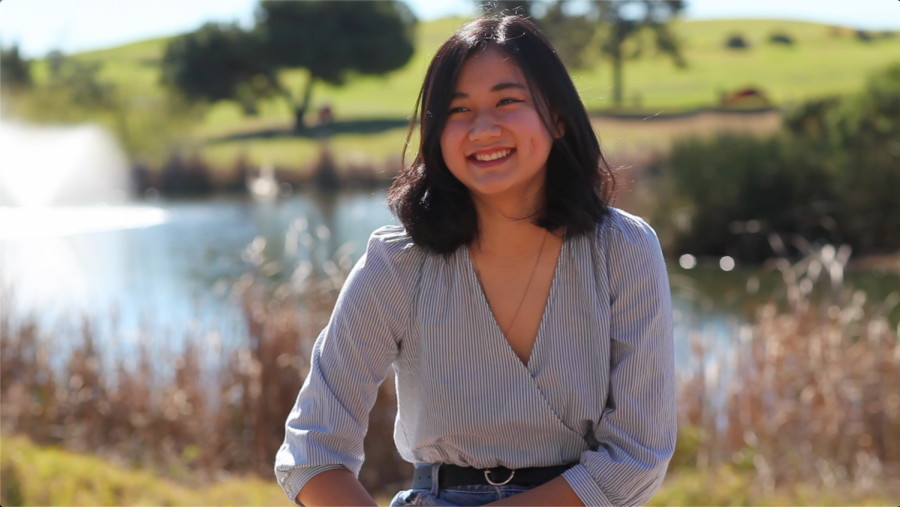
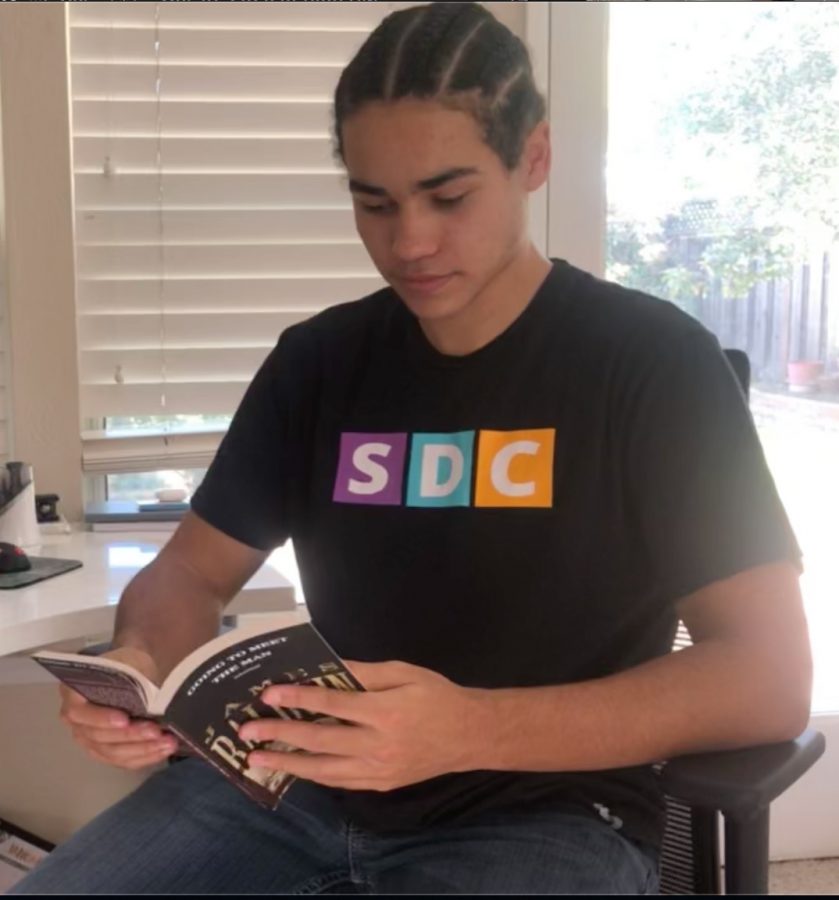
![“When I came into high school, I was ready to be a follower. But DECA was a game changer for me. It helped me overcome my fear of public speaking, and it's played such a major role in who I've become today. To be able to successfully lead a chapter of 150 students, an officer team and be one of the upperclassmen I once really admired is something I'm [really] proud of,” Anvitha Tummala ('21) said.](https://harkeraquila.com/wp-content/uploads/2021/07/Screen-Shot-2021-07-25-at-9.50.05-AM-900x594.png)
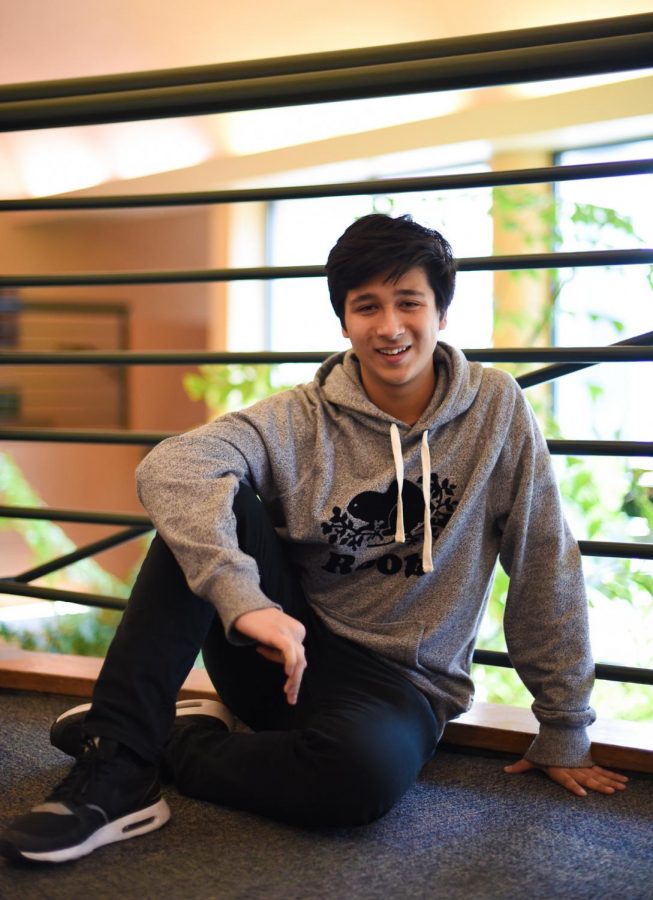
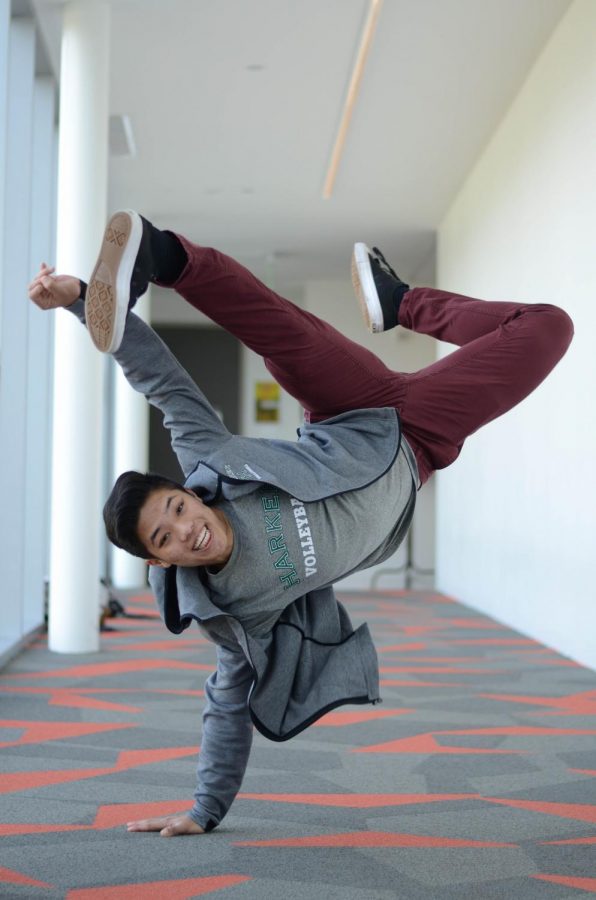
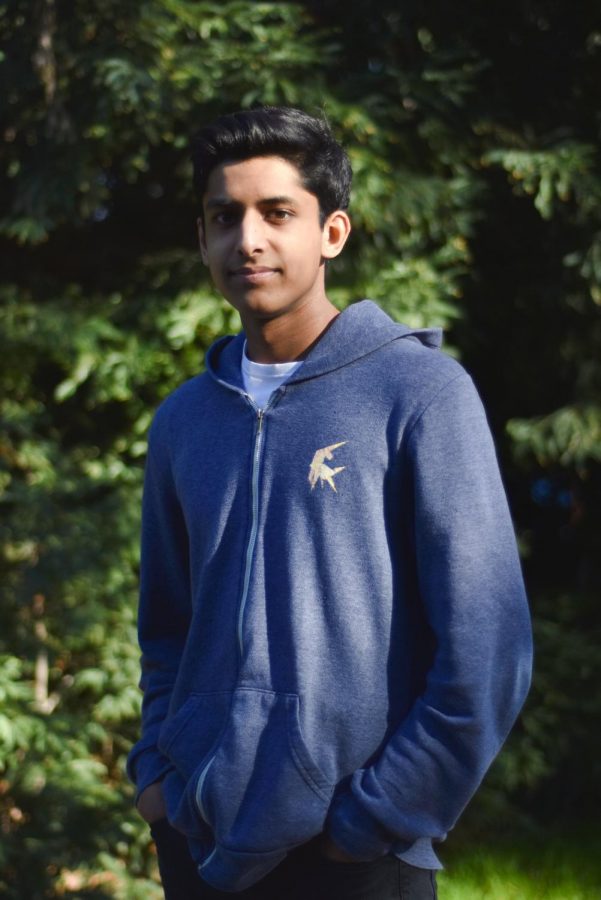

![“I think getting up in the morning and having a sense of purpose [is exciting]. I think without a certain amount of drive, life is kind of obsolete and mundane, and I think having that every single day is what makes each day unique and kind of makes life exciting,” Neymika Jain (12) said.](https://harkeraquila.com/wp-content/uploads/2017/06/Screen-Shot-2017-06-03-at-4.54.16-PM.png)
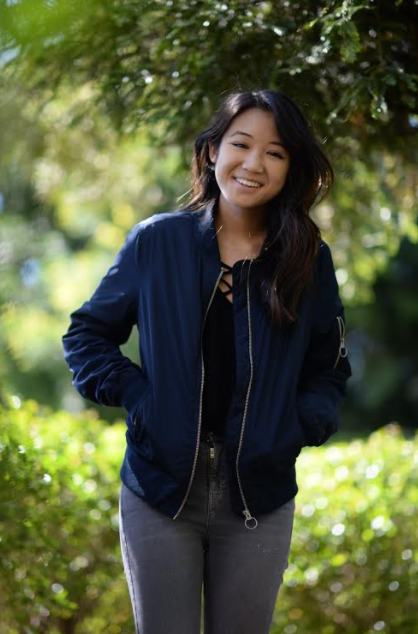
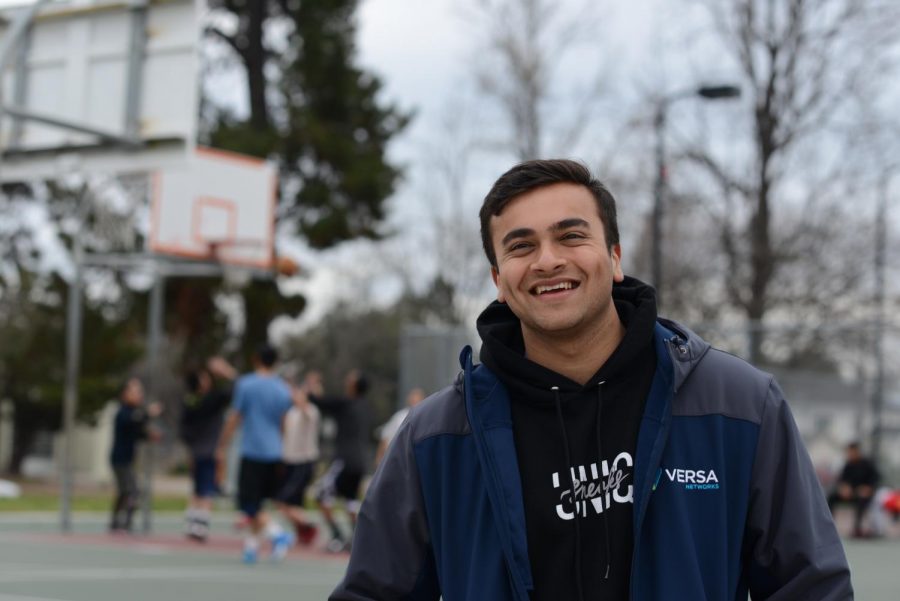
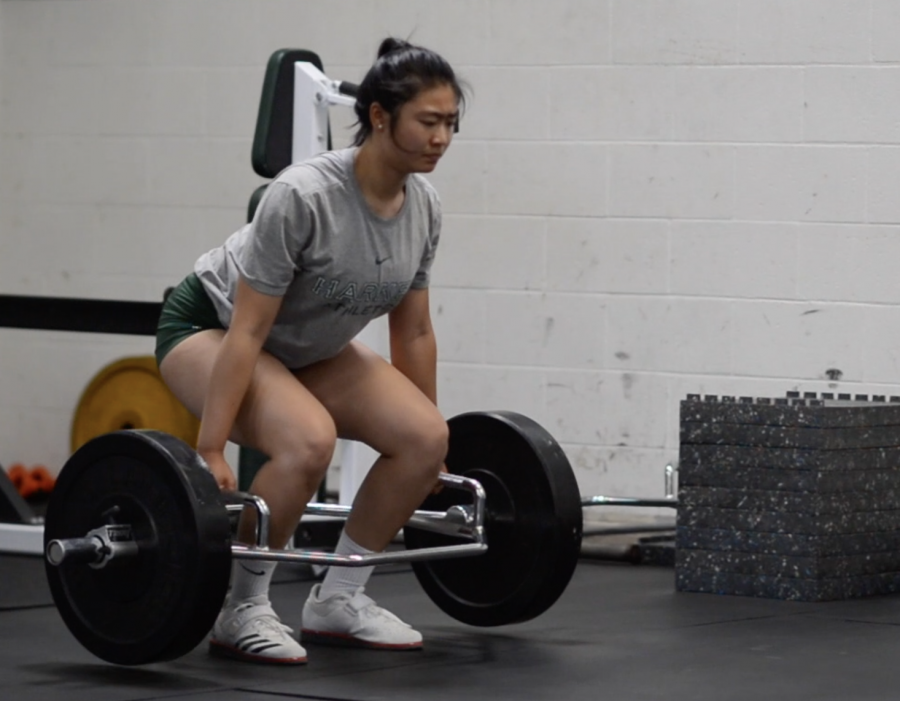

![“My slogan is ‘slow feet, don’t eat, and I’m hungry.’ You need to run fast to get where you are–you aren't going to get those championships if you aren't fast,” Angel Cervantes (12) said. “I want to do well in school on my tests and in track and win championships for my team. I live by that, [and] I can do that anywhere: in the classroom or on the field.”](https://harkeraquila.com/wp-content/uploads/2018/06/DSC5146-900x601.jpg)
![“[Volleyball has] taught me how to fall correctly, and another thing it taught is that you don’t have to be the best at something to be good at it. If you just hit the ball in a smart way, then it still scores points and you’re good at it. You could be a background player and still make a much bigger impact on the team than you would think,” Anya Gert (’20) said.](https://harkeraquila.com/wp-content/uploads/2020/06/AnnaGert_JinTuan_HoHPhotoEdited-600x900.jpeg)
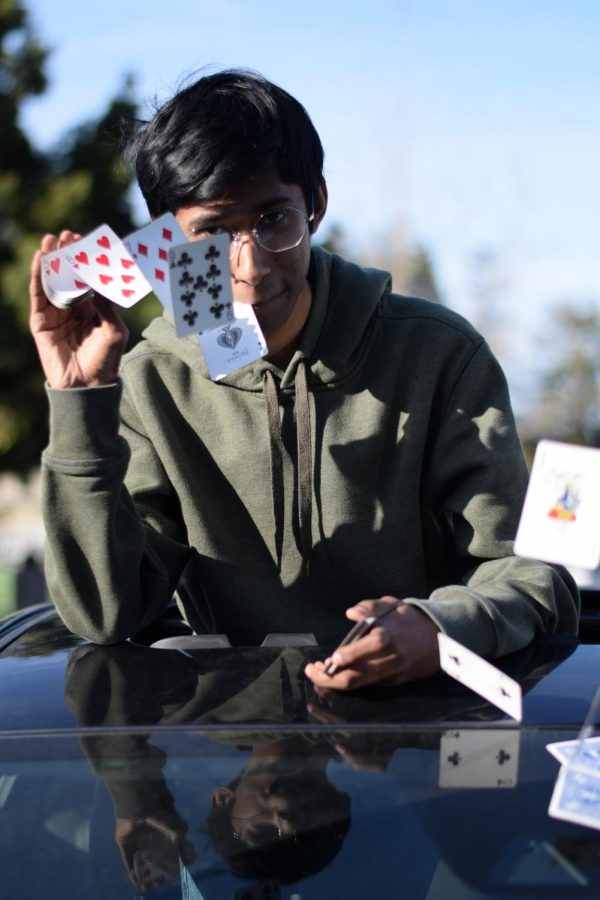
![“I'm not nearly there yet, but [my confidence has] definitely been getting better since I was pretty shy and timid coming into Harker my freshman year. I know that there's a lot of people that are really confident in what they do, and I really admire them. Everyone's so driven and that has really pushed me to kind of try to find my own place in high school and be more confident,” Alyssa Huang (’20) said.](https://harkeraquila.com/wp-content/uploads/2020/06/AlyssaHuang_EmilyChen_HoHPhoto-900x749.jpeg)

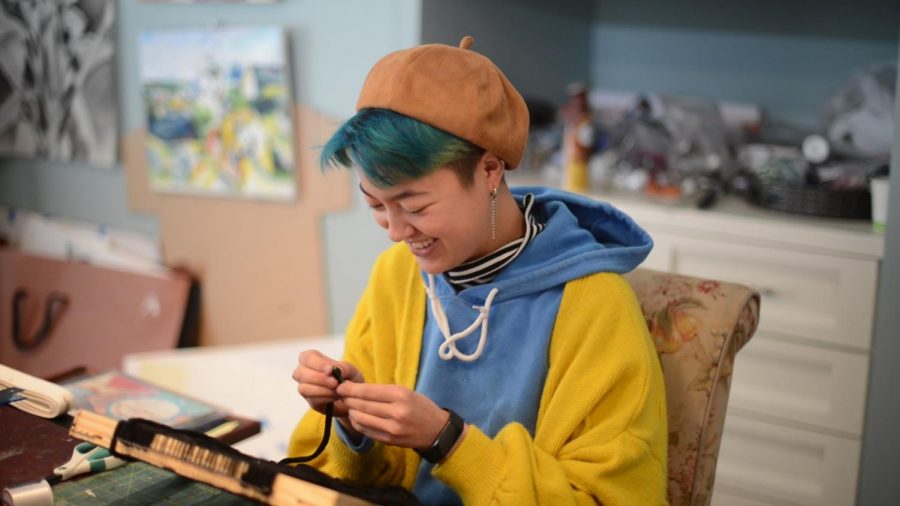

Humans of Harker: Curiosity larger than the universe
Alex Hu avidly explores new branches of math and astronomy
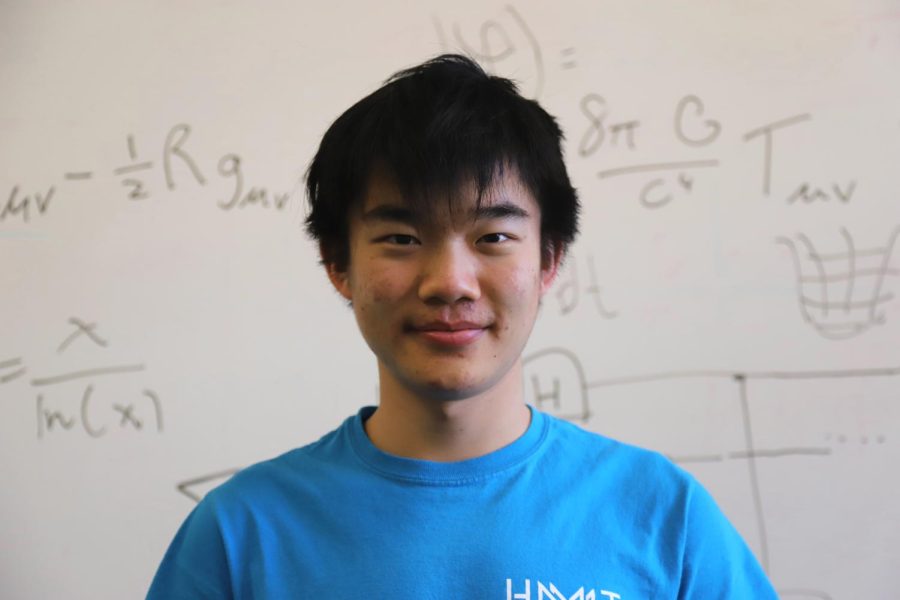
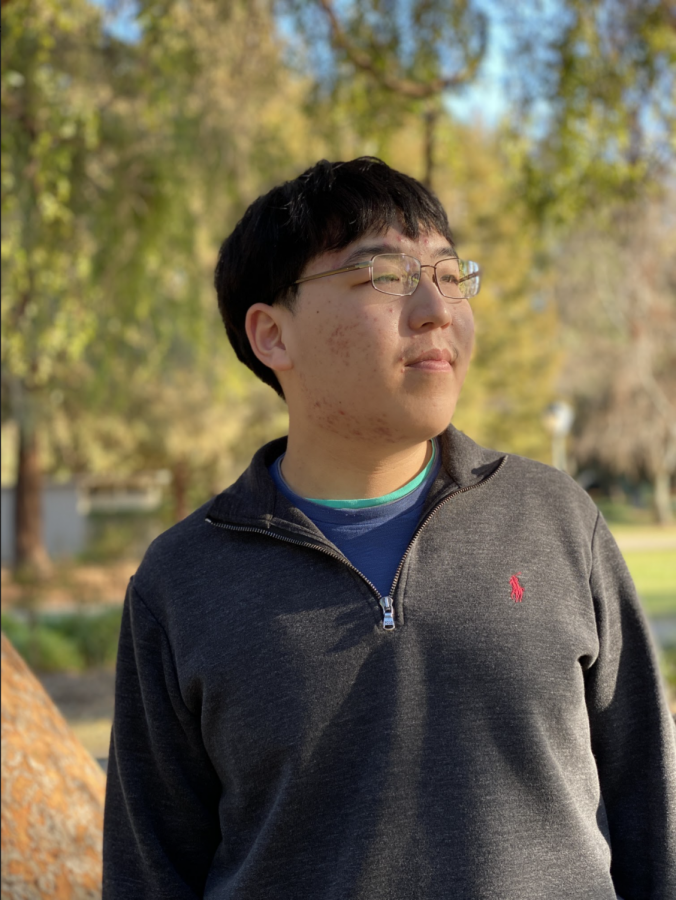
“I’ve always been super self-motivated to reflect on and improve myself while also being curious, which is one of the things doing math has helped cultivate in me; Math is beautiful just like artwork or music,” Alex Hu (12) said.
Alex Hu (12) recalls studying his math research prompt closely, intent on trying to simulate a quantum computer on a regular computer. After attempting many ideas, a stroke of insight flashed into his mind, and he felt his curiosity and determination pay off.
Alex’s interest in math started with competitions in middle school and continued into high school, where the upperclassmen helped further his passion by teaching and guiding him in Math Club.
Alex set high expectations for himself as a freshman. He dreamed of qualifying for the Mathematical Olympiad Summer Program (MOP), a prestigious summer training camp for highly ranked competitors in the United States of America Mathematical Olympiad (USAMO), which determines the USA International Mathematical Olympiad (IMO) team. Basing his sense of self-worth on how well he performed in math competitions, however, proved to be one of the unintended side-effects of being extremely competitive.
“I felt horrible when I bombed the USAMO junior year,” Alex said. “But that shock helped me realize that I shouldn’t care that much about competitions.”
Afterwards, Alex shifted away from pure competition math and focused more on math research. Along the way, Alex encountered many challenges, but persevered with a growth mindset.
“With math research, a lot of the time, you don’t know what to do [if] ideas you tried fail,” Alex said. “Sometimes, you’ll get lucky and it’ll work. But other times, even if your initial idea might not work, you still might find something interesting along the way.”
Alex also believes that doing competitions helps with giving a necessary background to do research by introducing many concepts. Yet, in contrast to competition math, research often allows for more freedom and time to explore ideas.
“Research math is a lot more open-ended than competition math, and problems and research can take days, weeks or even months, as opposed to competition math problems, which take minutes or hours,” Alex said.
Close friend Kevin Wang (12) reflects on Alex’s determination in his math research.
“If [Alex] has a goal and sees meaning in it, he will do everything within his power to achieve it — that’s something I really respect,” Kevin said. “It’s also inspiring to see his positive mindset every day.”
Research allowed Alex to grow his curiosity, and he hopes to fuel that same passion for underclassmen in his role as the co-president of the math club. Alex enjoys helping other people with math, providing the underclassmen with answers whenever they have questions while giving his advice on how to excel with math-related activities in high school. He also helps students prepare for other math opportunities, from teaching problem solving techniques for the American Math Competition (AMC) to leading teams for competitions, such as the Princeton University Math Competition (PUMAC) and the Harvard MIT Math Tournament (HMMT).
“It’s very satisfying to come full circle,” Alex said. “When I was an underclassman, I learned a lot from the upperclassmen, and it has been fulfilling for me to now play that role for the math enthusiasts at Harker. I love helping others, and I also find math really enjoyable, and I’ve been able to do a little bit of that for the math community.”
Close friend Charles Ding (12) believes Alex’s greatest strength is his perseverance. He recounts the countless times where Alex persists with a problem until he finds a solution in his classes.
“Alex is one of the few individuals I know who actually takes it [the problem] home and works through it until he gets the right answer,” Charles said. “He’s always super bright. He’s always smiling and super supportive. When he sees one person slacking behind, he’ll go back and check up on them.”
Upper school math teacher and Math Club adviser Dr. Anuradha “Anu” Aiyer, who taught Alex, reflects on Alex’s ability to discover similarities between the school’s curriculum and his own interests.
“Alex makes connections to subjects that we don’t cover in class, but he has taken the initiative to learn on his own,” Dr. Aiyer said. “What I have seen is an incredible shift in his depth of thinking, as well as his maturity level in terms of interactions.”
In the same way Alex delves into new material within math, Alex also strives to take an interdisciplinary approach to his research pursuits, especially focusing on astronomy. Alex originally became interested in astronomy through Stephen Hawking’s book “A Brief History of Time” and enjoys exploring the various questions that arise in the realm of astronomy, as well as the intersections between astronomy and mathematics. His eyes lit up as he talked about one of his favorite movies, “Interstellar,” which introduced him to new ideas, such as wormholes.
“Astronomy is like our universe, and math is similar — a space of ideas, where there’s endless possibilities you can explore and go really deep into it,” Alex said.
Alex’s curiosity prompted him to conduct research projects uniting his interests in both astrophysics and math — searching for exoplanets, which are planets that orbit a star outside the solar system, and simulating quantum computing, a form of computing based on the laws of quantum mechanics, on classical computers. Yet, his research also pushed him to step outside of his current interests into entirely new realms of information.
“Doing research has really inspired me to learn more … about the world in general,” Alex said. “It’s always important to be curious about everything. It’s important to diversify your talents and be interdisciplinary. I realized that I was too focused on math and astronomy before, and that’s why I’ve been trying to broaden my interest by generally exploring new fields, like computer science, linguistics, biology and even some of the humanities.”
Although Alex faced many challenges, his never-ending curiosity for exploring other fields and his determination in pursuing his passion for math pulled him through.
“I’ve always been super self-motivated to reflect on and improve myself while also being curious, which is one of the things doing math has helped cultivate in me, [especially since] math is beautiful like artwork or music,” Alex said.
Steven Jiang (12) is a Conservatory editor for the TALON Yearbook, and this is his fourth year on staff. This year, he looks forward to enjoying more Conservatory...
Sally Zhu (12) is the co-editor-in-chief of Harker Aquila, and this is her fourth year on staff. This year, Sally wishes to interview more people around...