


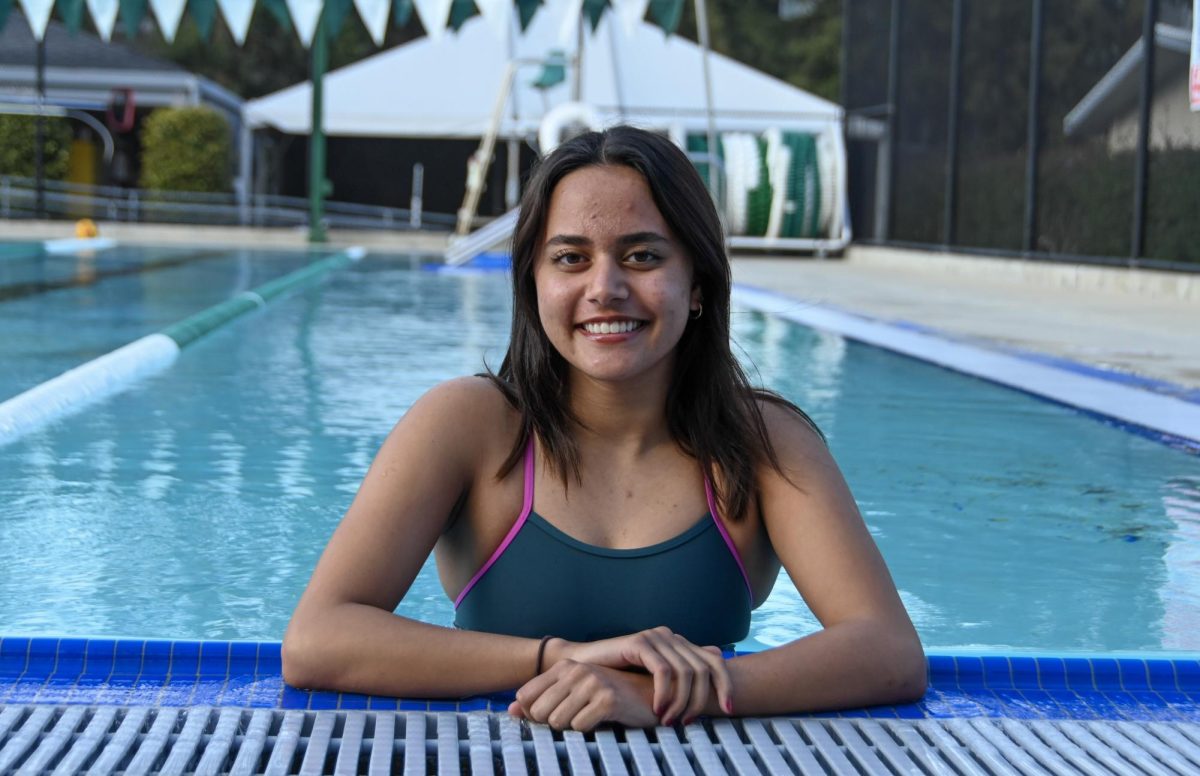
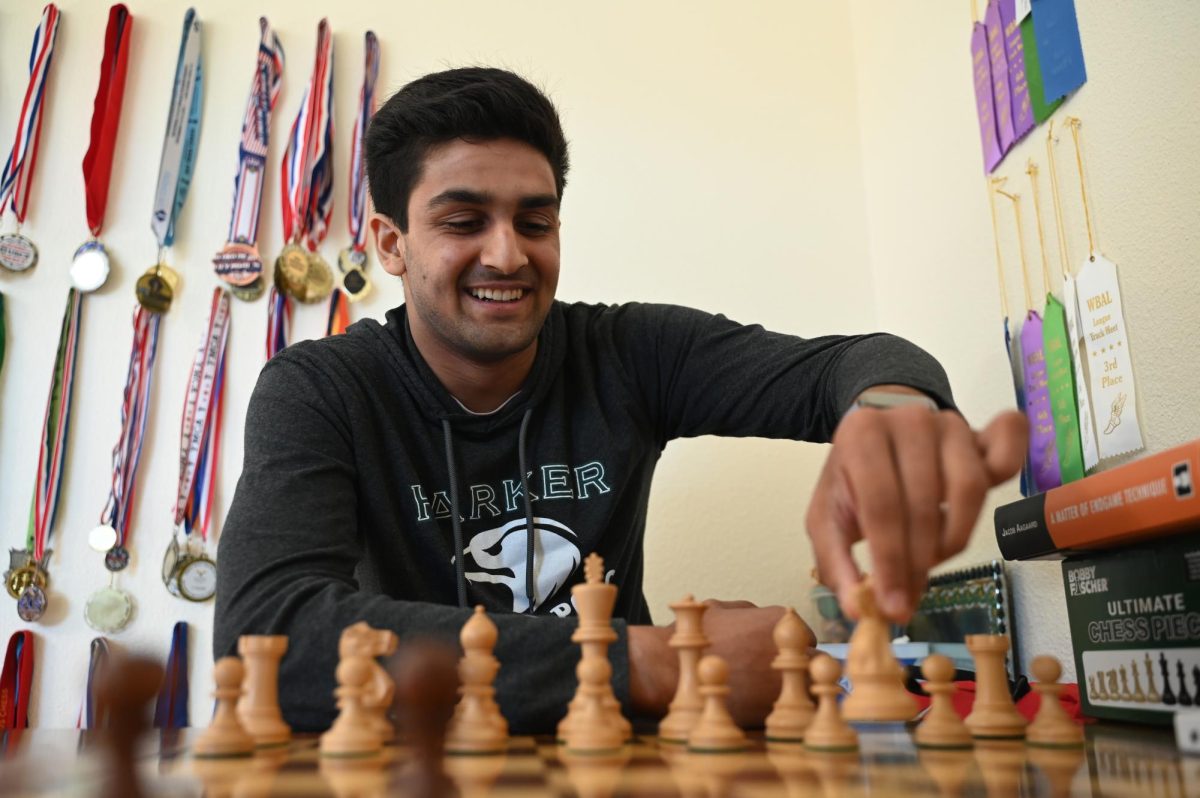
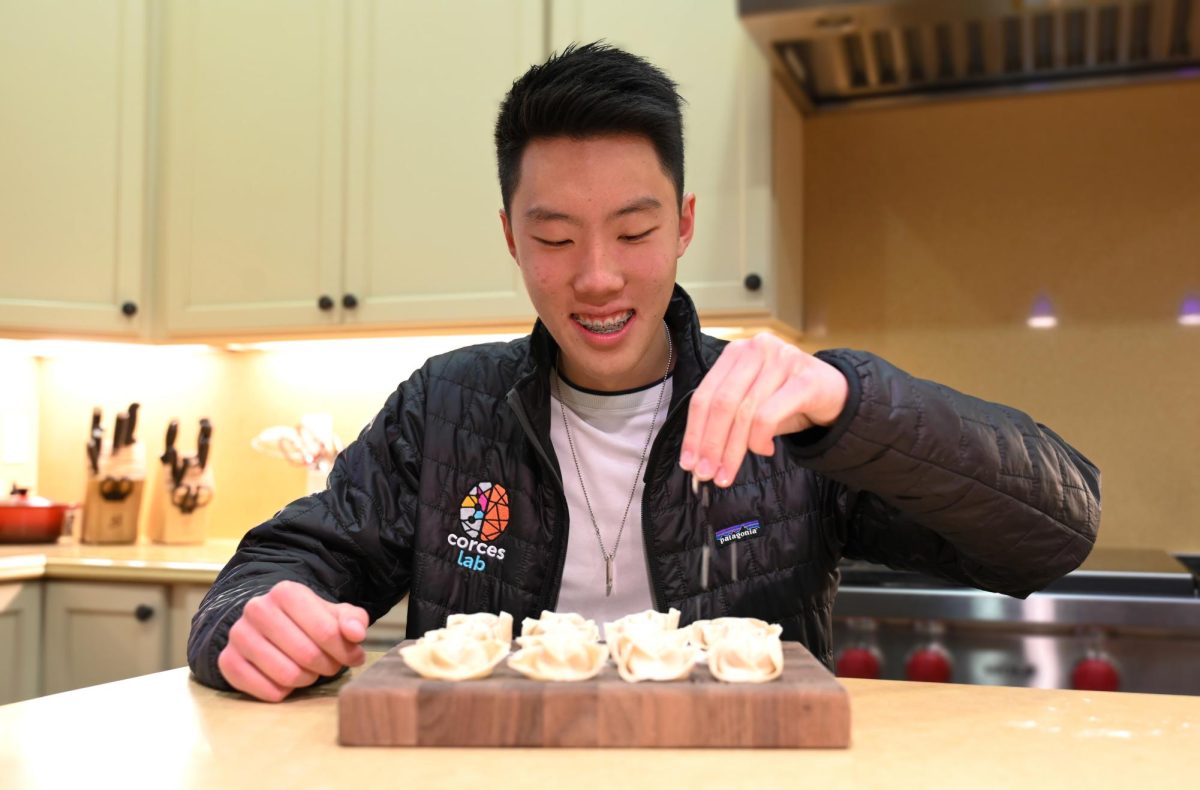
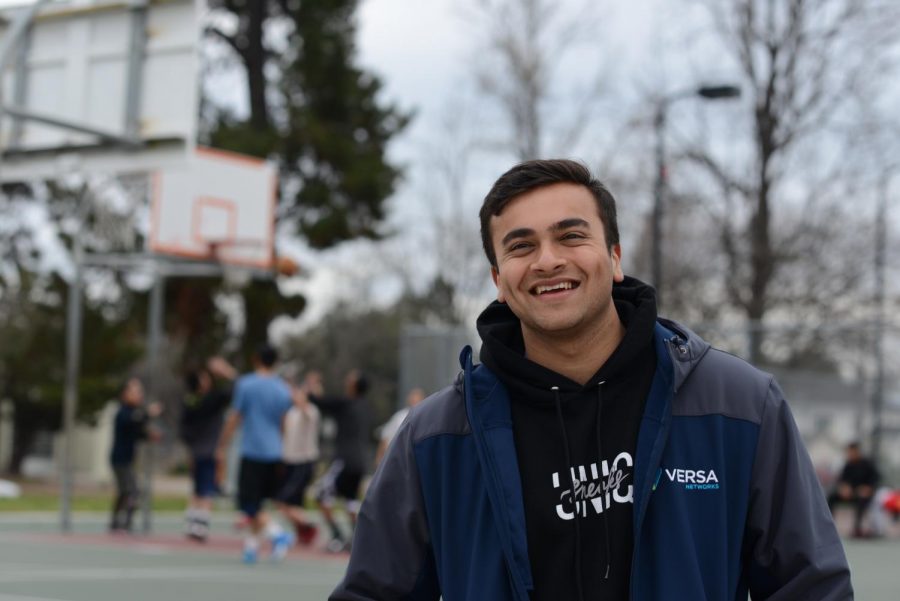
![“I wasn't discouraged by some of the obstacles we faced. I learned a lot from the leadership. I found that different people need different ways of receiving feedback — you can't [just] tell them to do something and expect the best. [Some] people needed more incentive. A large part of my role was to figure out what worked for everyone and to figure out how to lead all these separate individuals as a team,” Suhana Bhandare (’26) said.](https://harkeraquila.com/wp-content/uploads/2026/06/SuhanaBhandare_JasmineHansra-1-1200x798.jpg)
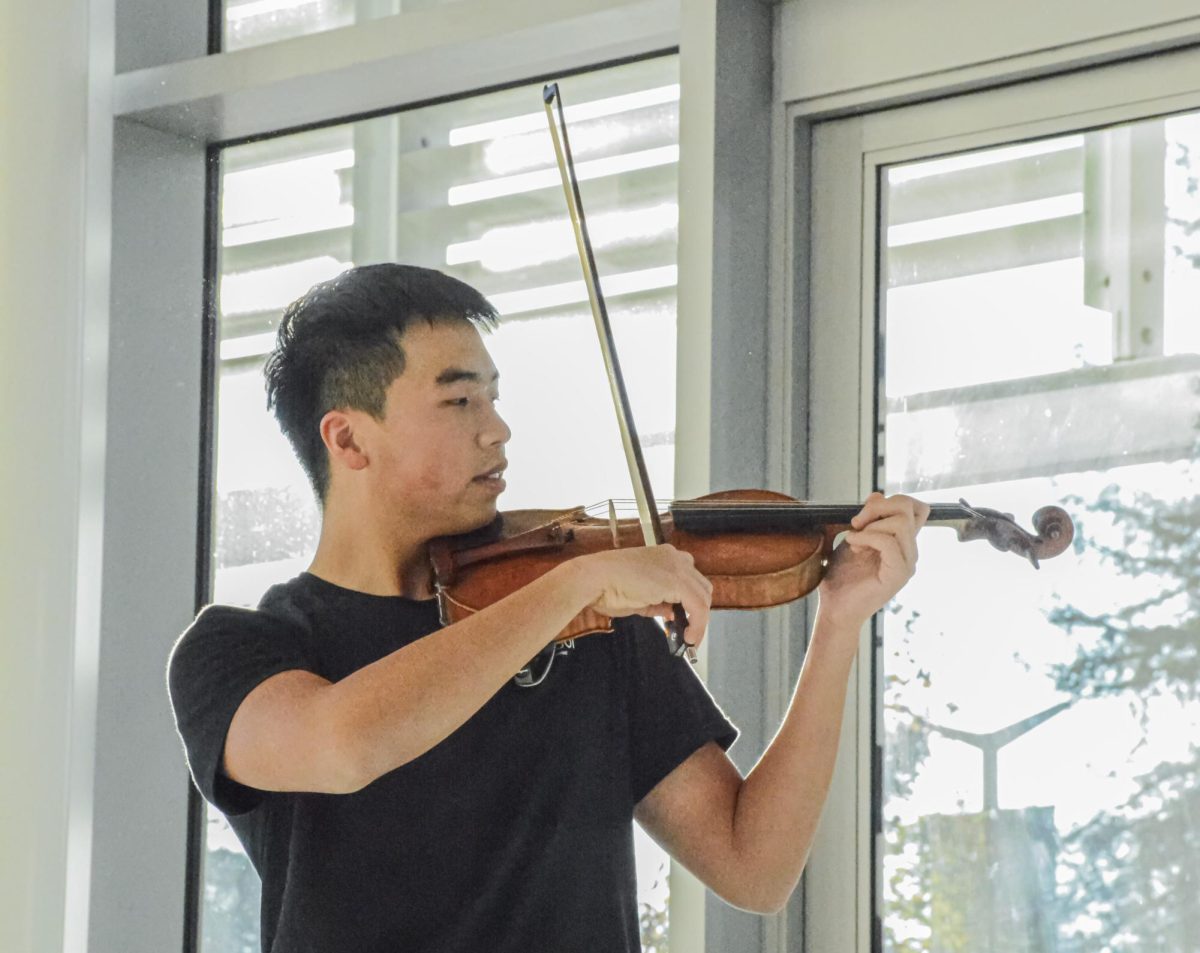
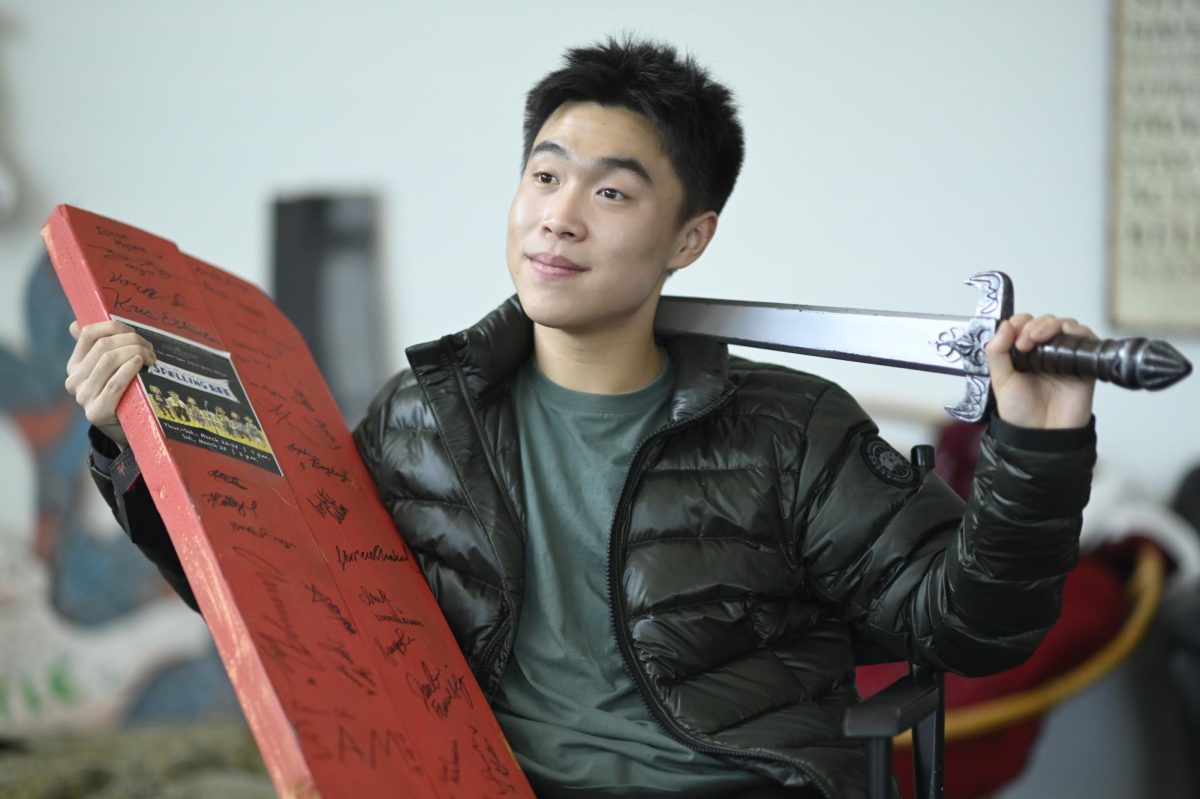
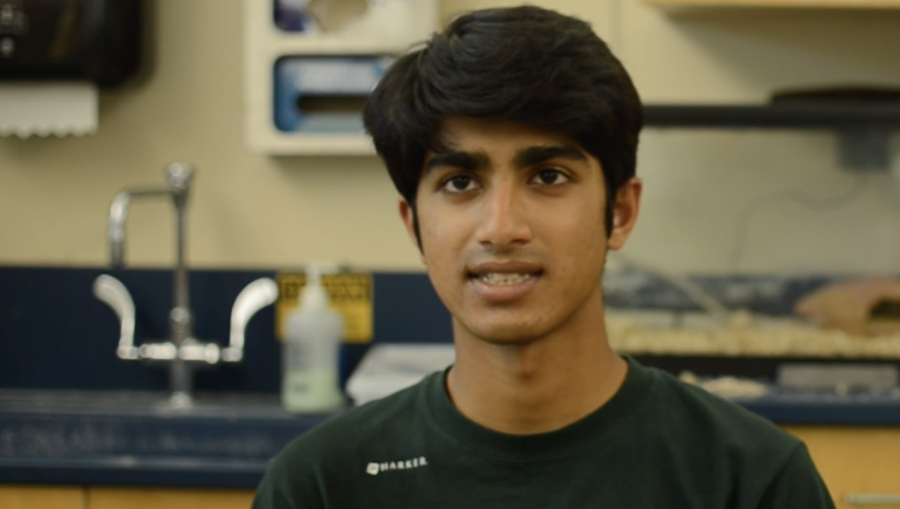
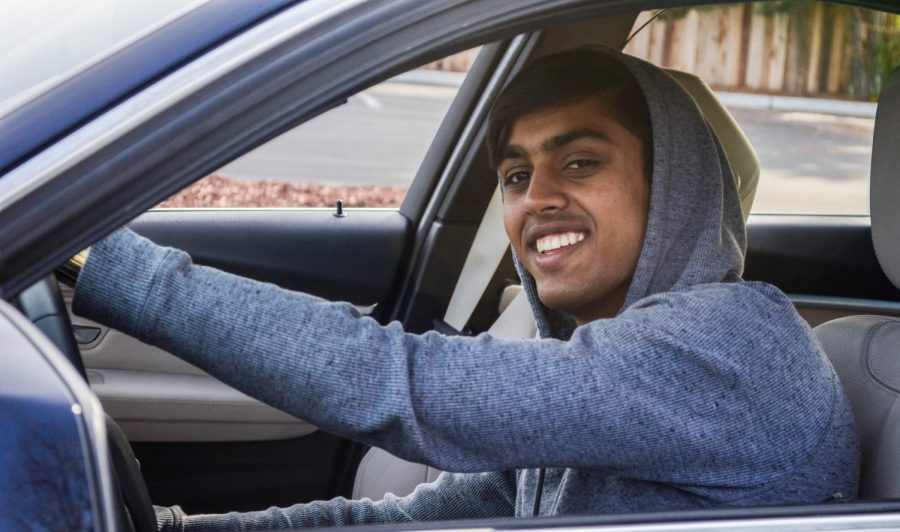
![“This is actually from Randy Pausch Randy P. Brick: ‘Walls are there for a reason. You have to show how much you want to overcome them.’ You have to show how much you want something. That's what I've always been able to do with tennis, Link Crew and getting that internship [with Kushy Baby]. It’s important pushing through that — getting around that brick wall, climbing over it or clawing through it,” Yash Sachdeva (’26) said.](https://harkeraquila.com/wp-content/uploads/2026/05/YashSachdeva_RamBatchu-copy-1200x1002.jpg)


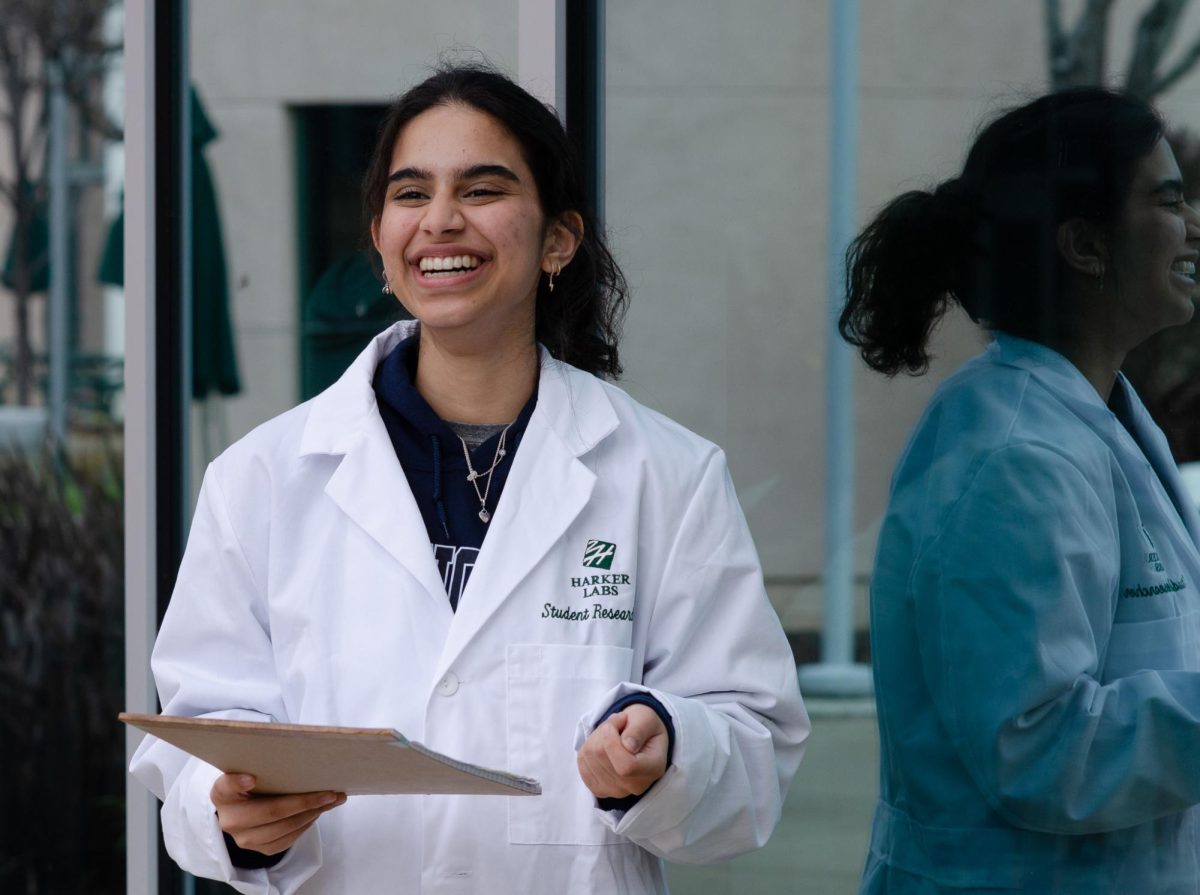
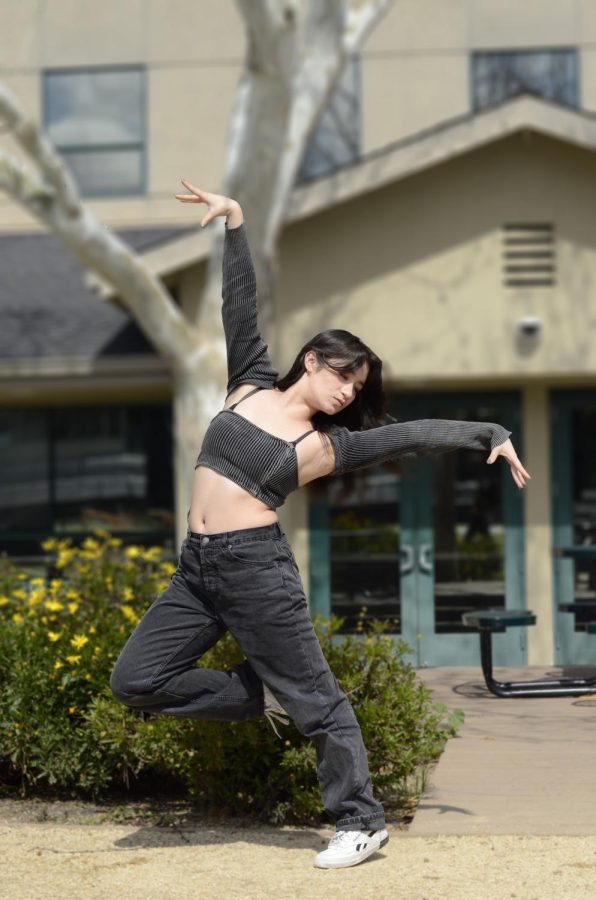
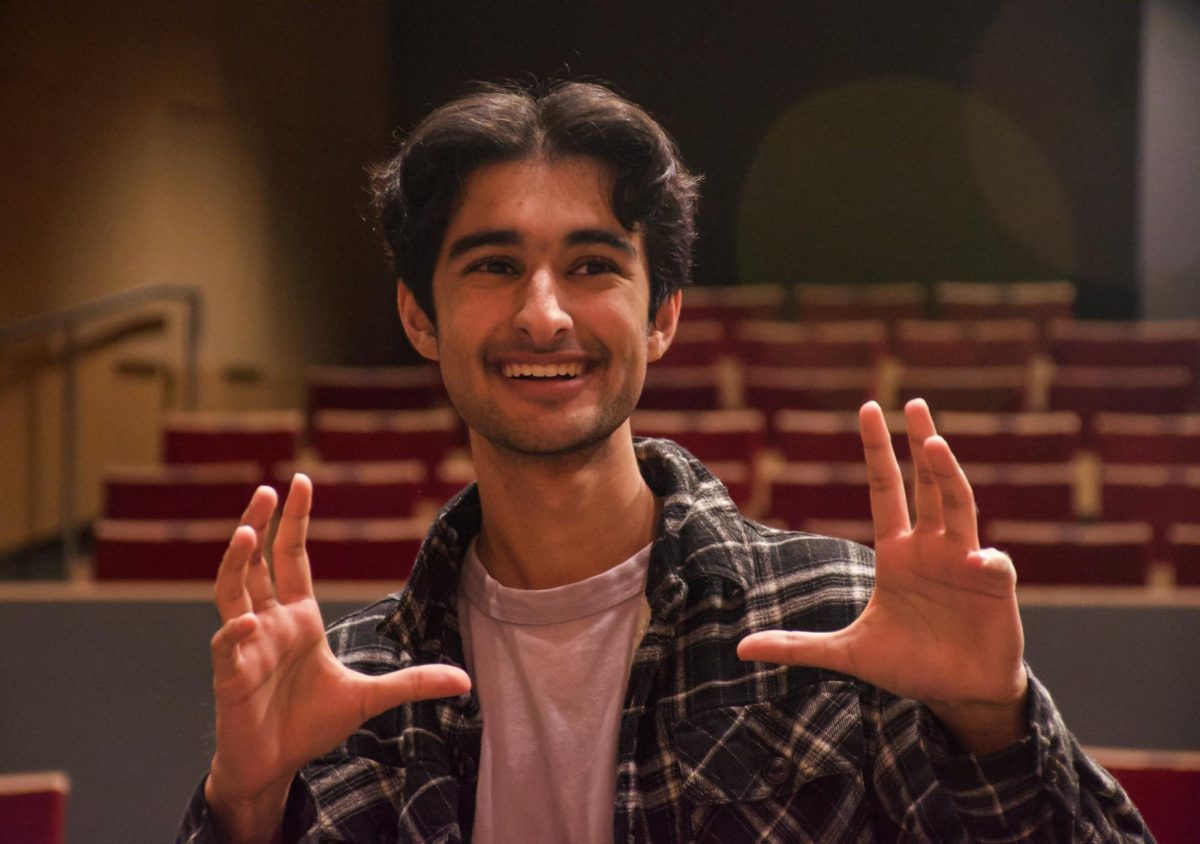
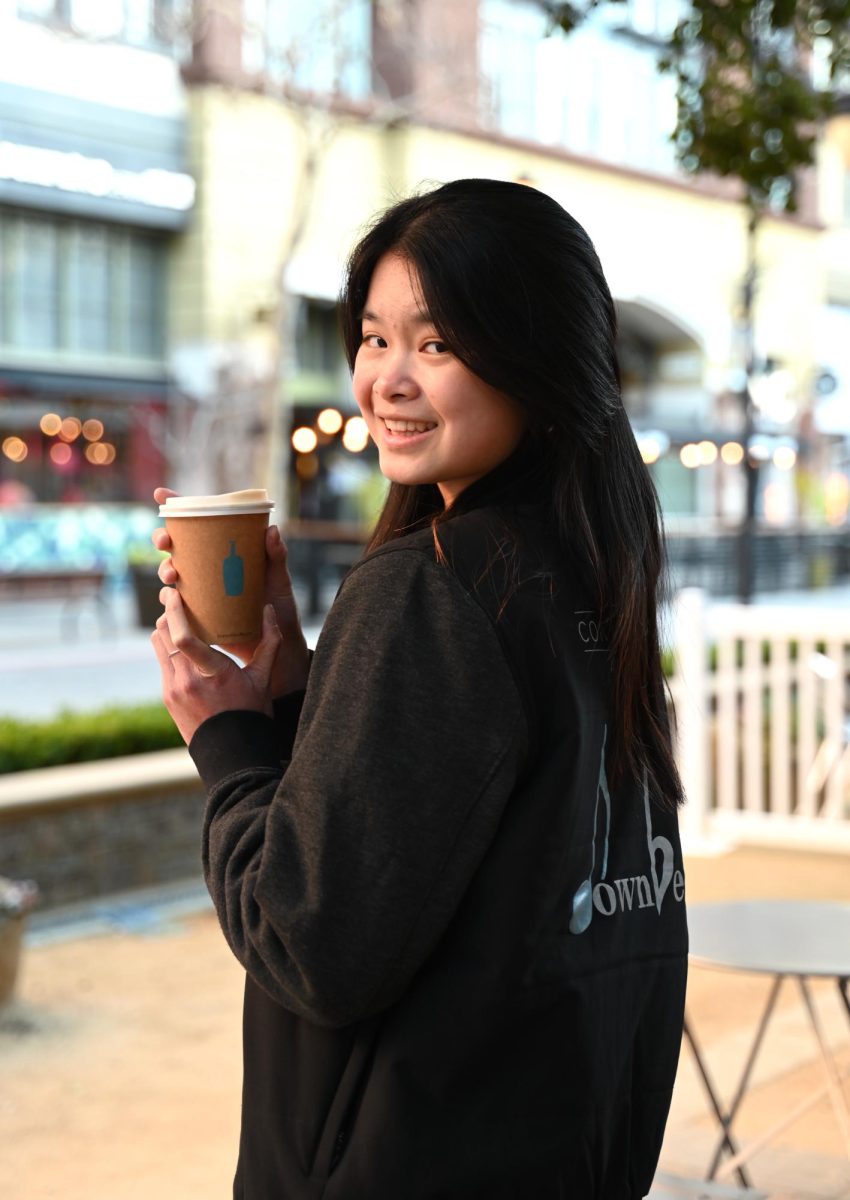
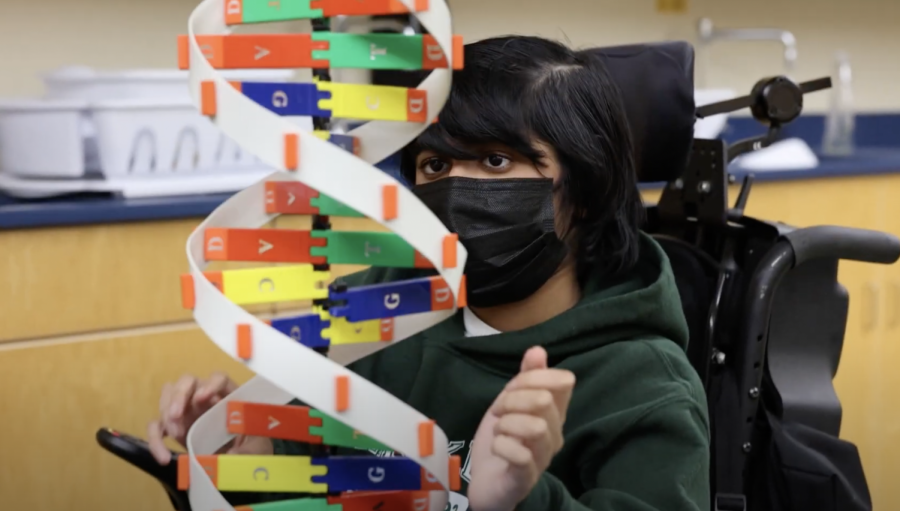
![“[Building nerf blasters] became this outlet of creativity for me that hasn't been matched by anything else. The process [of] making a build complete to your desire is such a painstakingly difficult process, but I've had to learn from [the skills needed from] soldering to proper painting. There's so many different options for everything, if you think about it, it exists. The best part is [that] if it doesn't exist, you can build it yourself," Ishaan Parate said.](https://harkeraquila.com/wp-content/uploads/2022/08/DSC_8149-900x604.jpg)
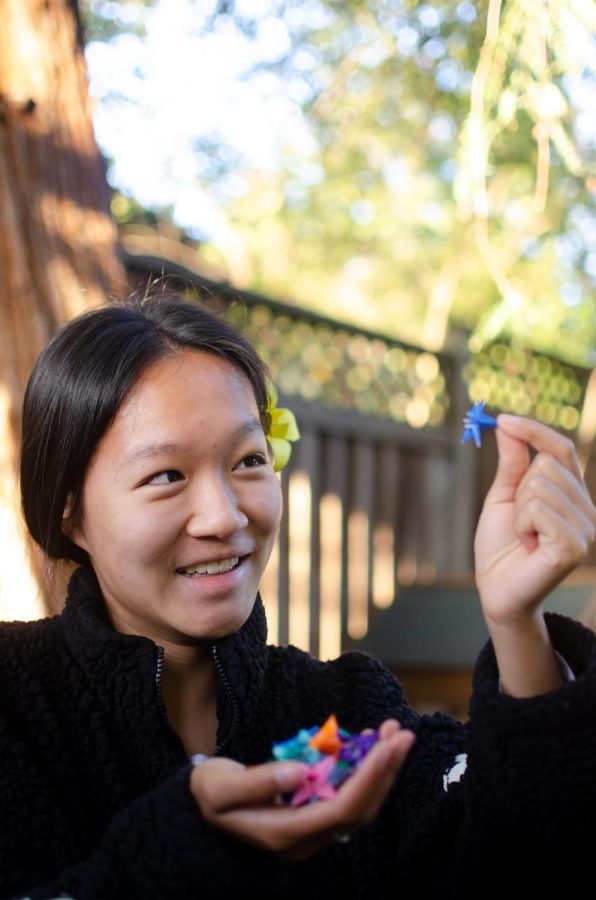
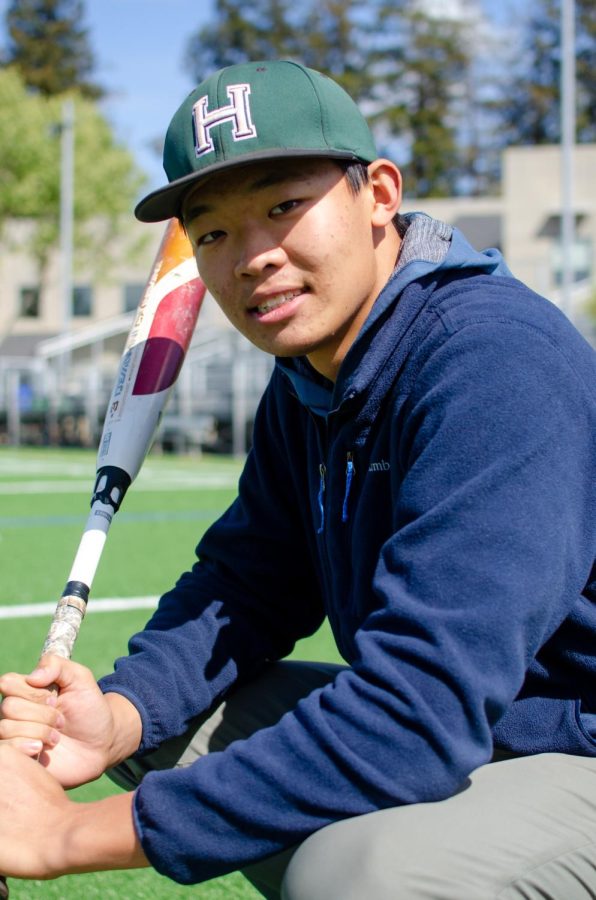
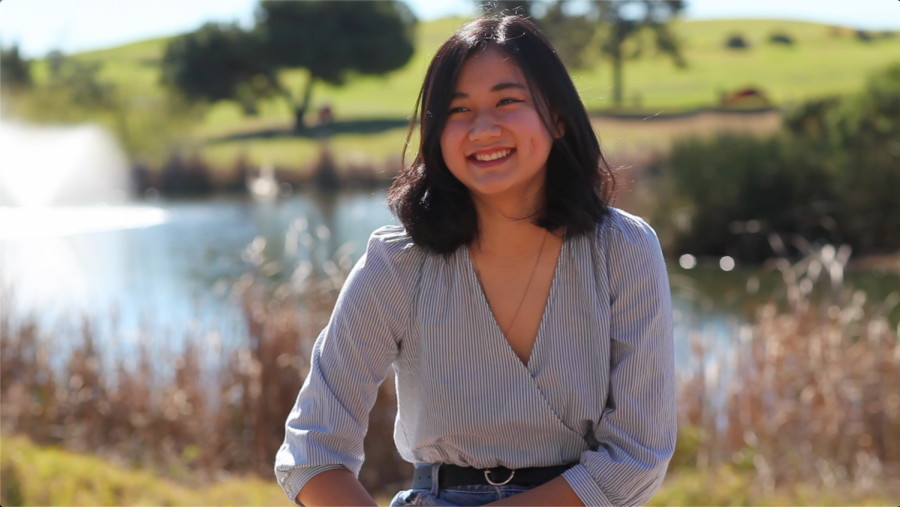
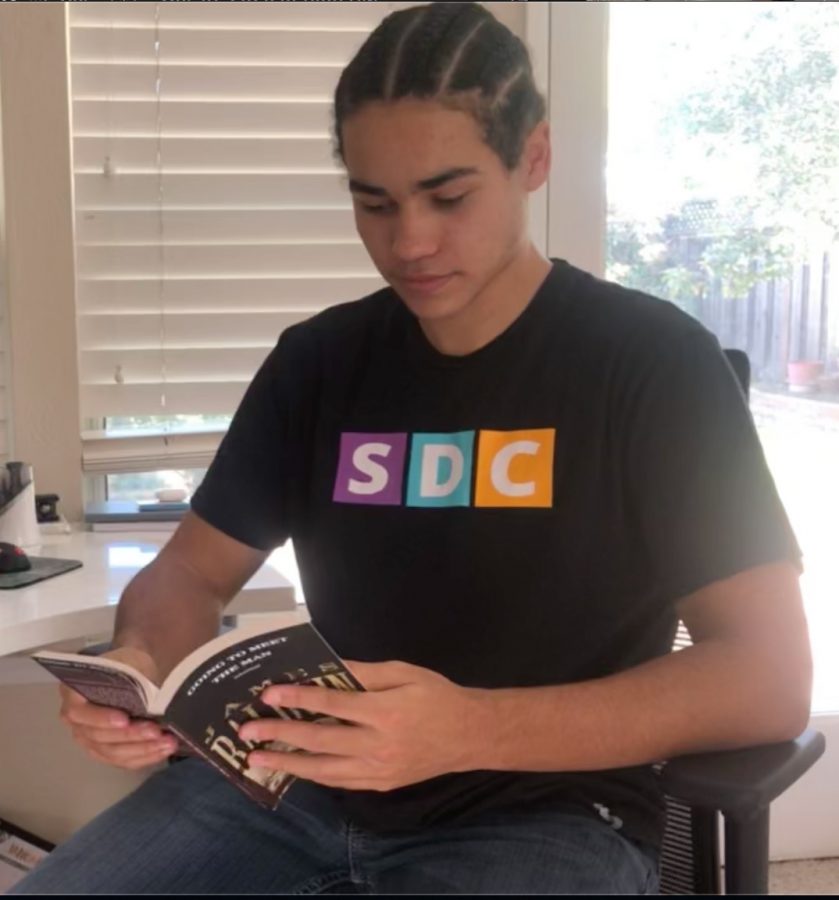
![“When I came into high school, I was ready to be a follower. But DECA was a game changer for me. It helped me overcome my fear of public speaking, and it's played such a major role in who I've become today. To be able to successfully lead a chapter of 150 students, an officer team and be one of the upperclassmen I once really admired is something I'm [really] proud of,” Anvitha Tummala ('21) said.](https://harkeraquila.com/wp-content/uploads/2021/07/Screen-Shot-2021-07-25-at-9.50.05-AM-900x594.png)
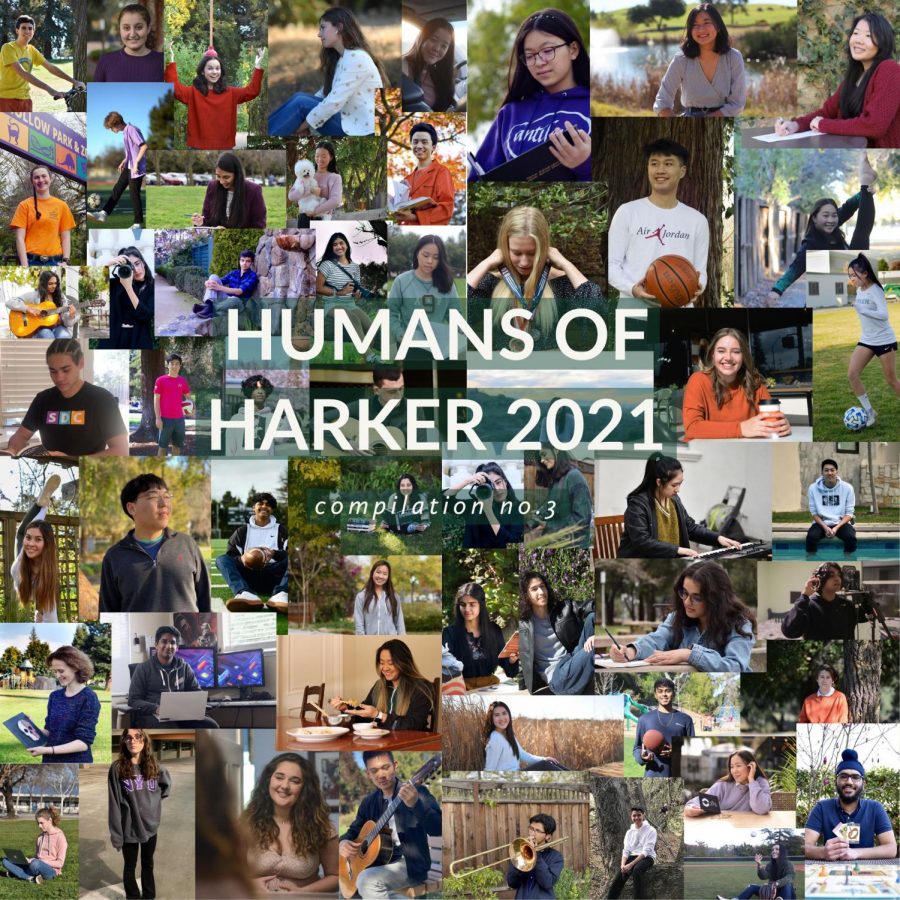
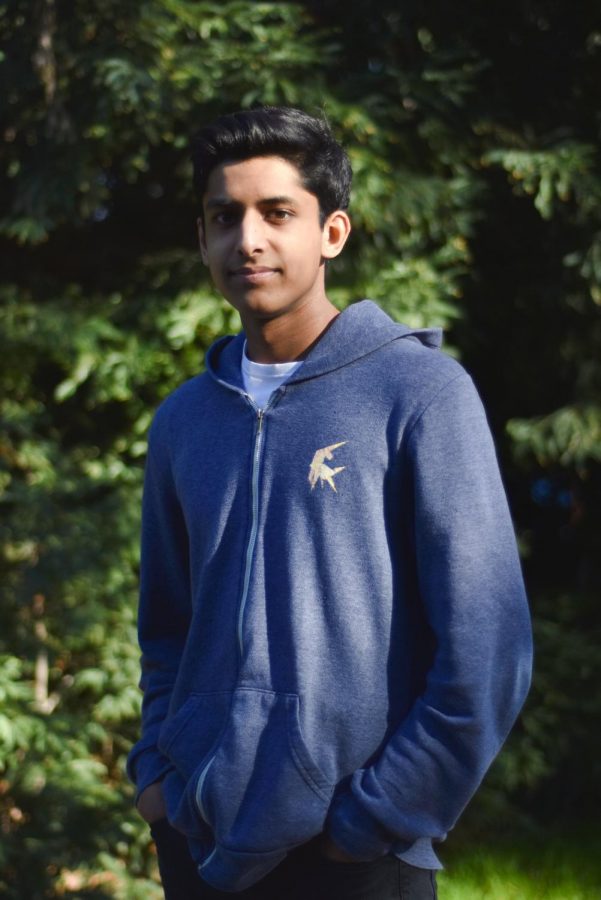

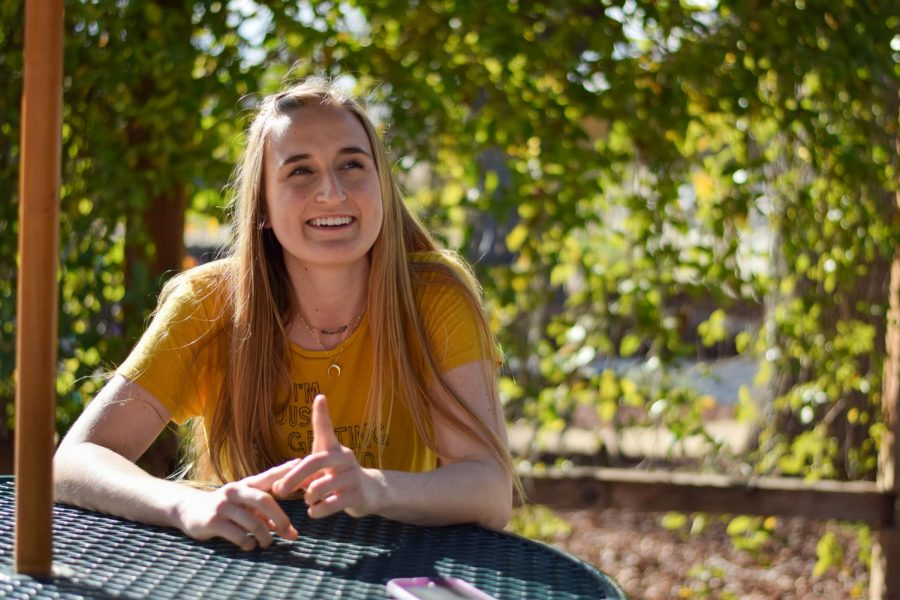
![“I think getting up in the morning and having a sense of purpose [is exciting]. I think without a certain amount of drive, life is kind of obsolete and mundane, and I think having that every single day is what makes each day unique and kind of makes life exciting,” Neymika Jain (12) said.](https://harkeraquila.com/wp-content/uploads/2017/06/Screen-Shot-2017-06-03-at-4.54.16-PM.png)
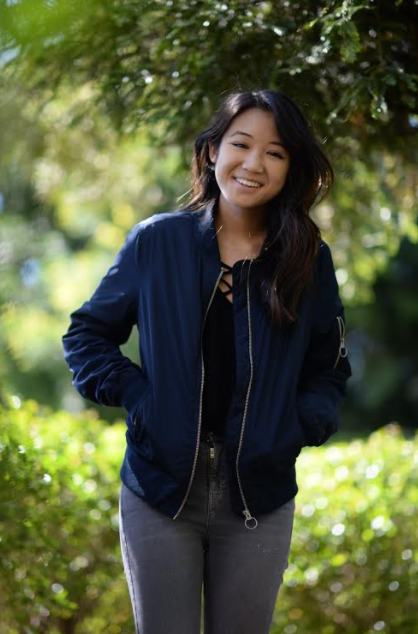
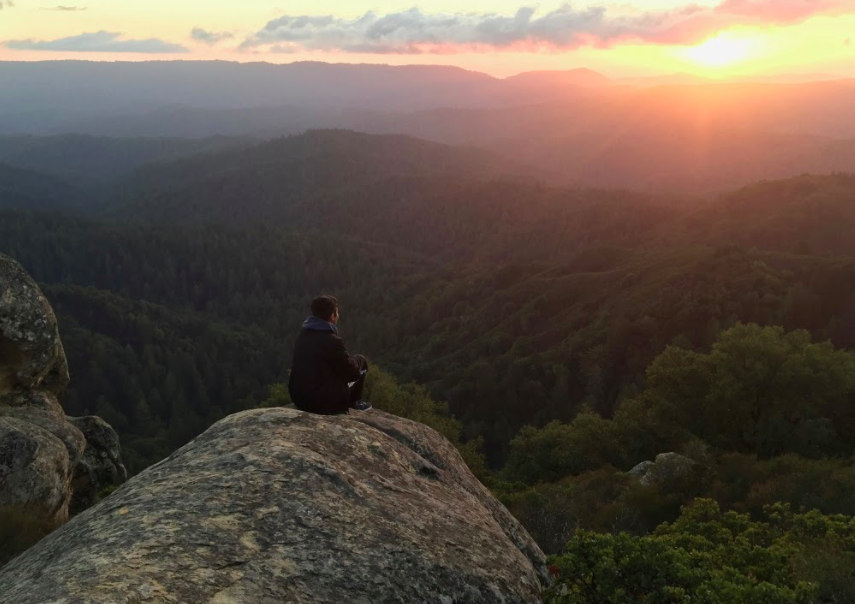

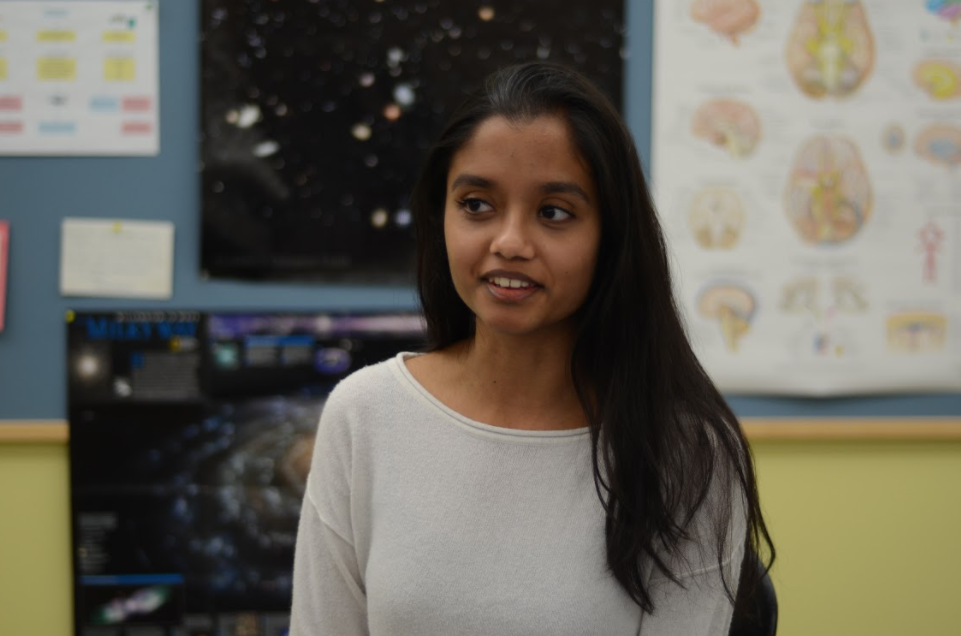
![“My slogan is ‘slow feet, don’t eat, and I’m hungry.’ You need to run fast to get where you are–you aren't going to get those championships if you aren't fast,” Angel Cervantes (12) said. “I want to do well in school on my tests and in track and win championships for my team. I live by that, [and] I can do that anywhere: in the classroom or on the field.”](https://harkeraquila.com/wp-content/uploads/2018/06/DSC5146-900x601.jpg)
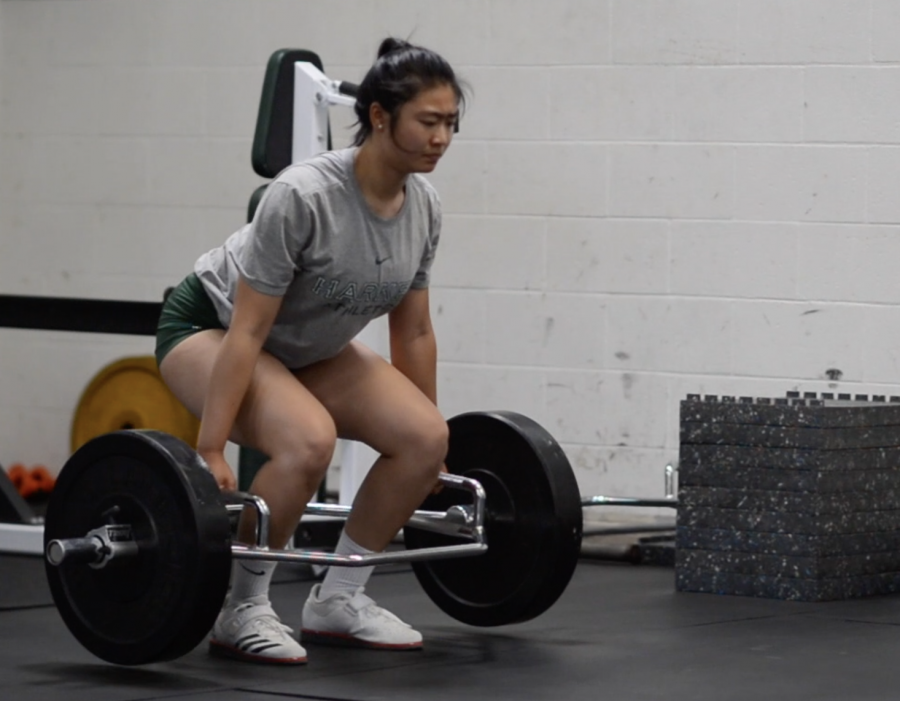
![“[Volleyball has] taught me how to fall correctly, and another thing it taught is that you don’t have to be the best at something to be good at it. If you just hit the ball in a smart way, then it still scores points and you’re good at it. You could be a background player and still make a much bigger impact on the team than you would think,” Anya Gert (’20) said.](https://harkeraquila.com/wp-content/uploads/2020/06/AnnaGert_JinTuan_HoHPhotoEdited-600x900.jpeg)
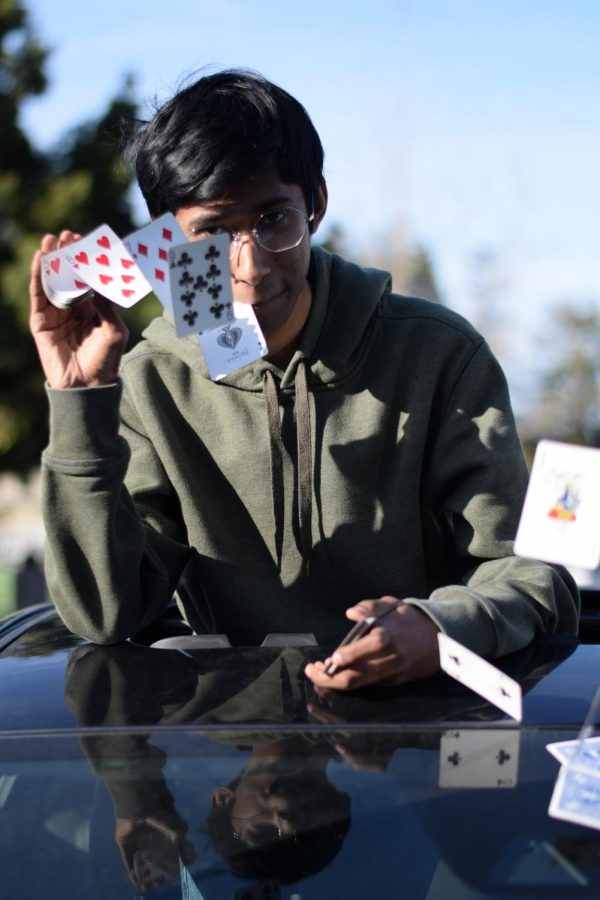
![“I'm not nearly there yet, but [my confidence has] definitely been getting better since I was pretty shy and timid coming into Harker my freshman year. I know that there's a lot of people that are really confident in what they do, and I really admire them. Everyone's so driven and that has really pushed me to kind of try to find my own place in high school and be more confident,” Alyssa Huang (’20) said.](https://harkeraquila.com/wp-content/uploads/2020/06/AlyssaHuang_EmilyChen_HoHPhoto-900x749.jpeg)


Humans of Harker: Behind the lens
Madeleine Hansen uses photography and speech as platforms to promote her passions
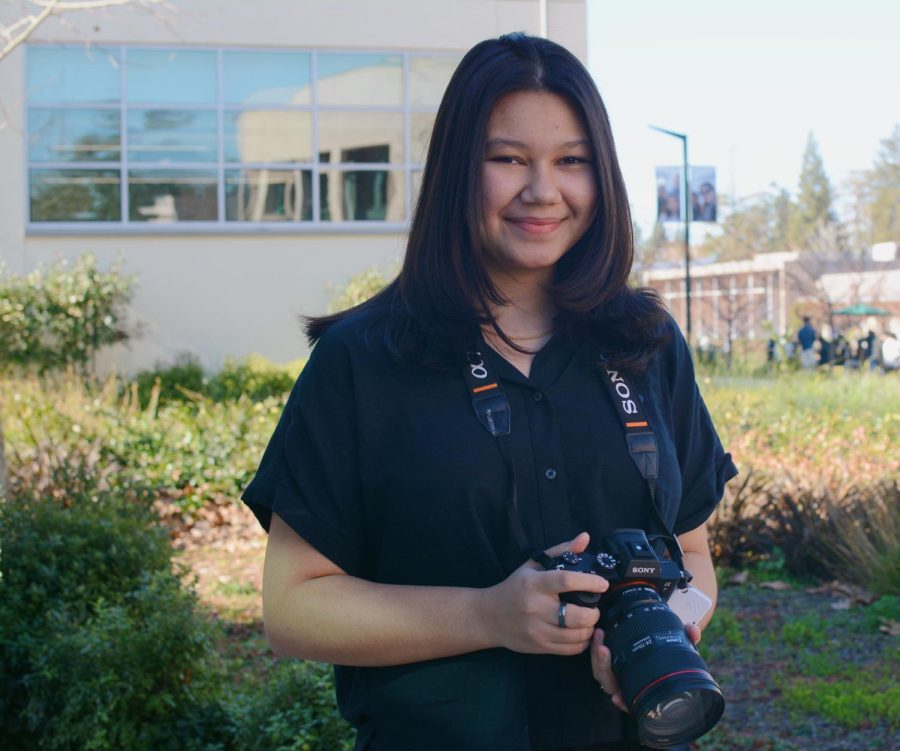
“Toxic positivity is the idea that we have to force ourselves to be happy all the time. We think the best thing about life is being happy so we feel like we have to be happy all the time to live a satisfying life. But that’s not the case, we can take life as it comes, both positive and negative, and it’ll be okay,” Madeleine Hansen (12) said.
Reminiscing on past adventures, Madeleine “Maddie” Hansen (12) recalls where her passion for photography initially stemmed from. She had peered through the viewfinder, adjusting her focus and aperture, seconds before Arely Sun (12) leapt across the sidewalk in her pointe shoes and soft pink leotard. Maddie captures every pirouette and releve performed on the streets of downtown San Jose.
Prior to her summer before junior year, Maddie had never taken a digital arts class. She spent the summer break teaching herself to use the camera and had her friends model for her shoots. Although she had never envisioned a future in art till then, her newfound passion for photography and filmmaking changed her outlook.
“Changing my schedule without really thinking about it impacted how I spent a lot of my junior and senior year because I spent a lot of it taking pictures and trying to figure out things like photography,” Maddie said.
Maddie explained that after setting up the camera and subject, the sense of achievement when she gets the perfect photo or film is the most rewarding. The summer before her junior year, Maddie and friend Anya Warrier (12) participated in a virtual film festival. They won with a short film called “Powerless” on the effects of stress and the struggle of identity in the current social climate.
Much of Maddie’s work combines two of her biggest interests: photography and psychology. By using art as an outlet, she visualizes and better understands her emotions. She also uses photography as a platform to shed light on issues that she feels are important.
“A lot of my photography centers around women experiencing emotion and a lot of different societal issues that play into that because that’s my perspective as a woman,” Maddie said. “It’s a lot about how I feel and how I’m feeling, whether it’s about beauty standards or mental health and how I view that.”
As an advocate for mental health, Maddie strongly believes in the influence that people have on each other. In her work, Maddie seeks to create awareness regarding the importance and impact of self-care.
“Mental health is stigmatized in our community,” Maddie said. “Mental health affects everyone and not just people who struggle specifically with it. We also need to keep in mind that we need to be constantly aware and taking care of our mental health.”
Maddie strives to be a positive influence by promoting honest opinions and balanced relationships. Upper school speech and debate coach Scott Odekirk recognizes and appreciates her care for others and passion for social justice.
“She values kindness deeply,” Odekirk said. “She cares about justice in the world and sometimes gets upset at the way that the world is unjust and unfair. She has a strong sense of justice, and she’s seeking out goodness in the world.”
Another major platform that Maddie uses for her social activism is speech, which she began in sixth grade to overcome her anxiety toward public speaking. Her specialty, original oratory, consists of giving 10-minute speeches about any topic of interest from memory.
“I talked a lot about LGBTQ+ issues in a lot of my speeches because that’s something I’m passionate about,” Maddie said. “[Speech] gave me a platform to talk about things I cared about.”
Maddie’s kindness reflects in her personal relationships as well. Ashley Ma (11) noticed this quality when they first met and became close friends while working at Harker summer camp.
“[Maddie’s] a very kind person,” Ashley said. “She’s always there for her friends and she’ll check in on you when she thinks something is wrong or even if nothing is wrong.”
Uma Iyer (12), who became friends with Maddie over quarantine, also appreciates Maddie’s companionship for her constant kindheartedness and unique approach to situations from the start.
“She’s one of the most thoughtful and empathetic individuals that I know,” Uma said. “She’s also really determined — if she puts her mind to something, she’ll get it done.”
By looking at life with this determined mindset, Maddie embraces the duality of emotions. While a positive perspective can improve mental health, Maddie believes that being able to recognize both one’s struggles and one’s accomplishments is most beneficial for mental health.
“Toxic positivity is the idea that we have to force ourselves to be happy all the time,” Maddie said. “We think the best thing about life is being happy, so we feel like we have to be happy all the time to live a satisfying life. But that’s not the case; we can take life as it comes, both positive and negative, and it’ll be okay.”

Smrithi Sambamurthy (12) is the sports editor of the TALON Yearbook, and this is her fourth year on staff. Smrithi aims to create fascinating graphics...