
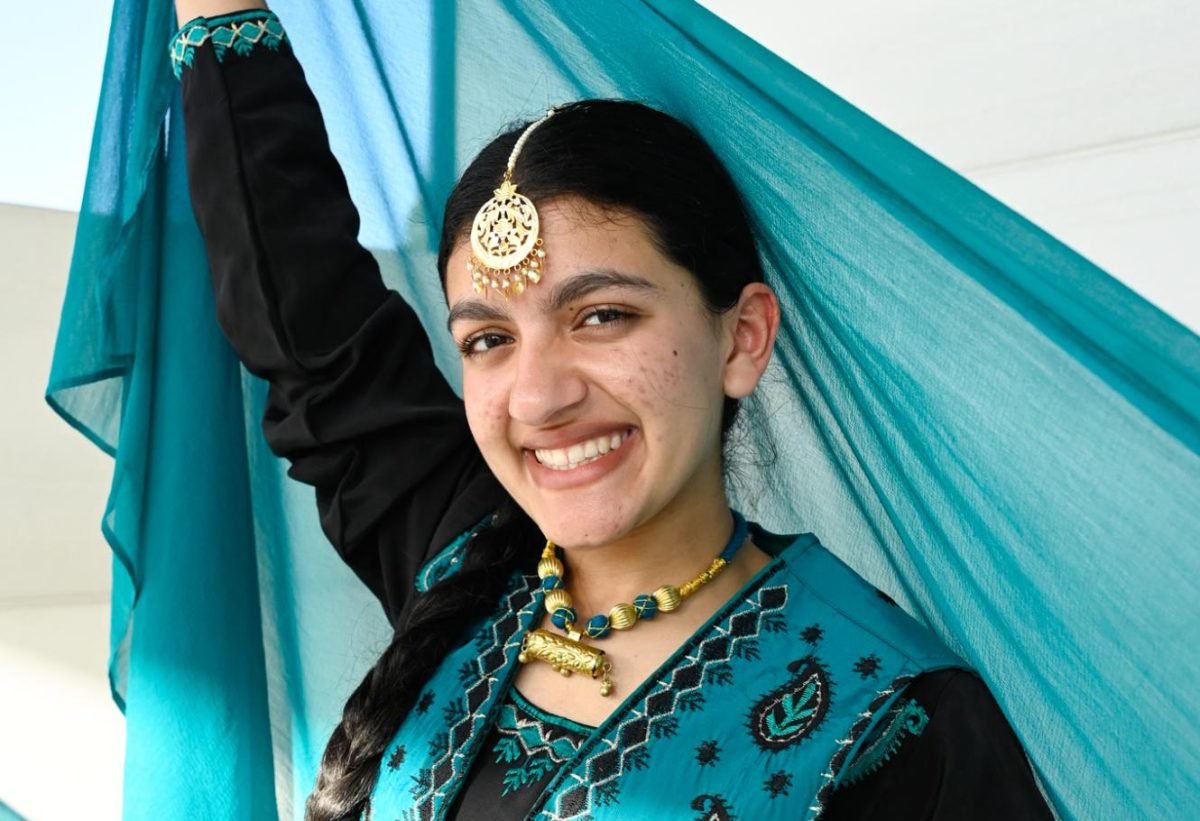
![“I wasn't discouraged by some of the obstacles we faced. I learned a lot from the leadership. I found that different people need different ways of receiving feedback — you can't [just] tell them to do something and expect the best. [Some] people needed more incentive. A large part of my role was to figure out what worked for everyone and to figure out how to lead all these separate individuals as a team,” Suhana Bhandare (’26) said.](https://harkeraquila.com/wp-content/uploads/2026/06/SuhanaBhandare_JasmineHansra-1-1200x798.jpg)


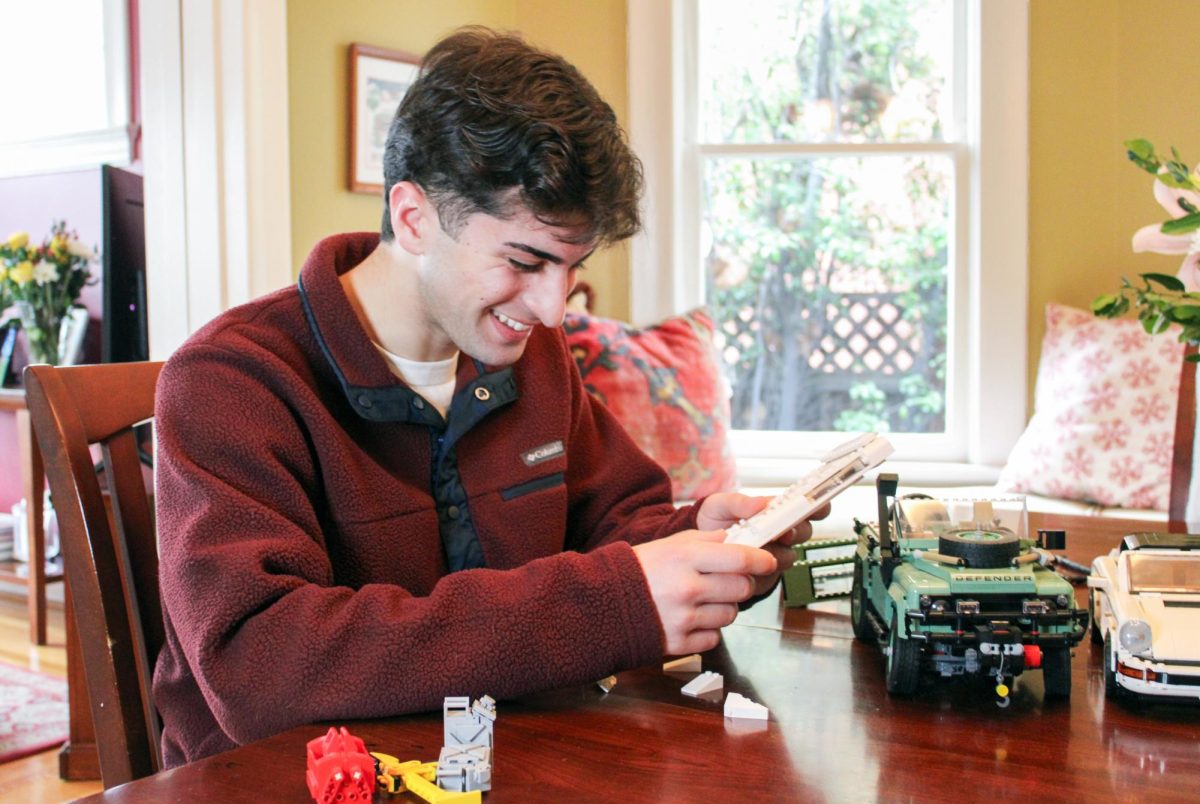
![“This is actually from Randy Pausch Randy P. Brick: ‘Walls are there for a reason. You have to show how much you want to overcome them.’ You have to show how much you want something. That's what I've always been able to do with tennis, Link Crew and getting that internship [with Kushy Baby]. It’s important pushing through that — getting around that brick wall, climbing over it or clawing through it,” Yash Sachdeva (’26) said.](https://harkeraquila.com/wp-content/uploads/2026/05/YashSachdeva_RamBatchu-copy-1200x1002.jpg)










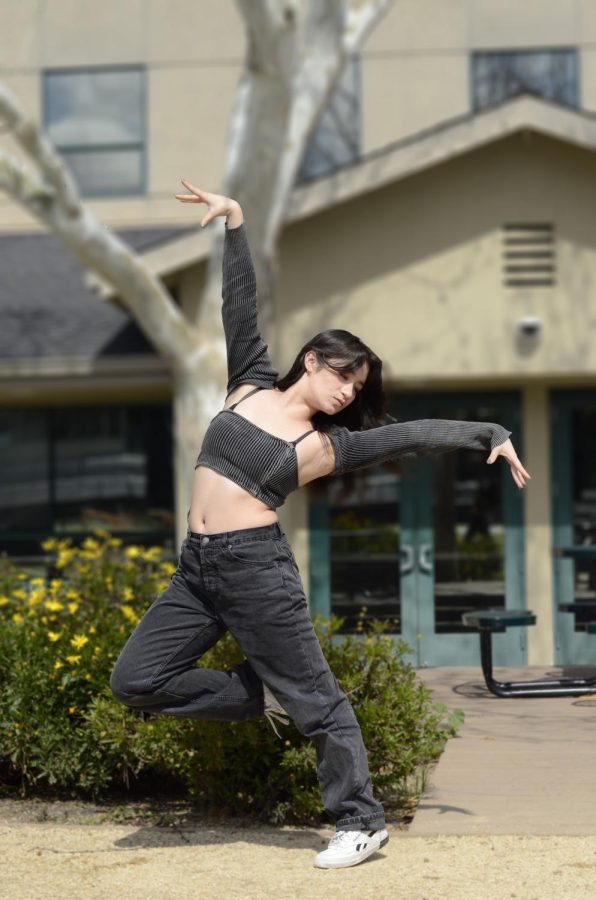



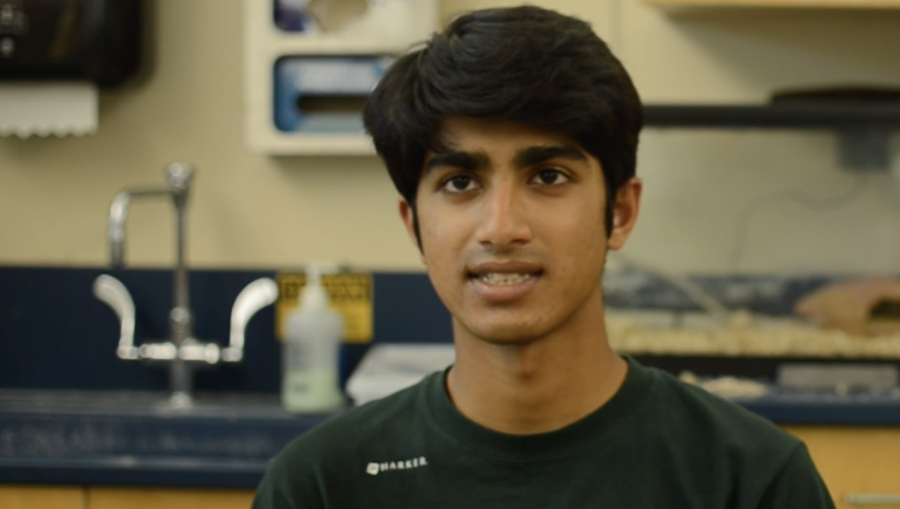

![“[Building nerf blasters] became this outlet of creativity for me that hasn't been matched by anything else. The process [of] making a build complete to your desire is such a painstakingly difficult process, but I've had to learn from [the skills needed from] soldering to proper painting. There's so many different options for everything, if you think about it, it exists. The best part is [that] if it doesn't exist, you can build it yourself," Ishaan Parate said.](https://harkeraquila.com/wp-content/uploads/2022/08/DSC_8149-900x604.jpg)
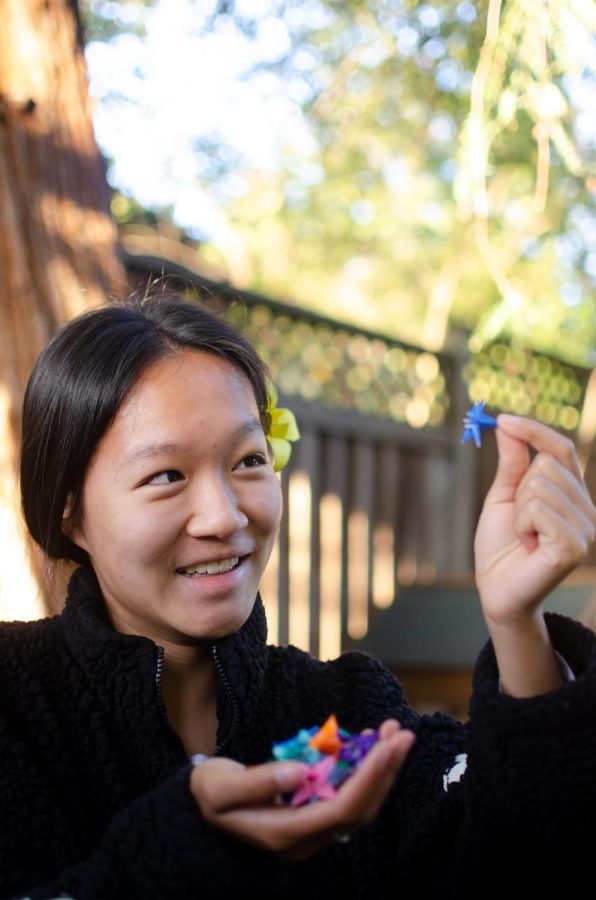


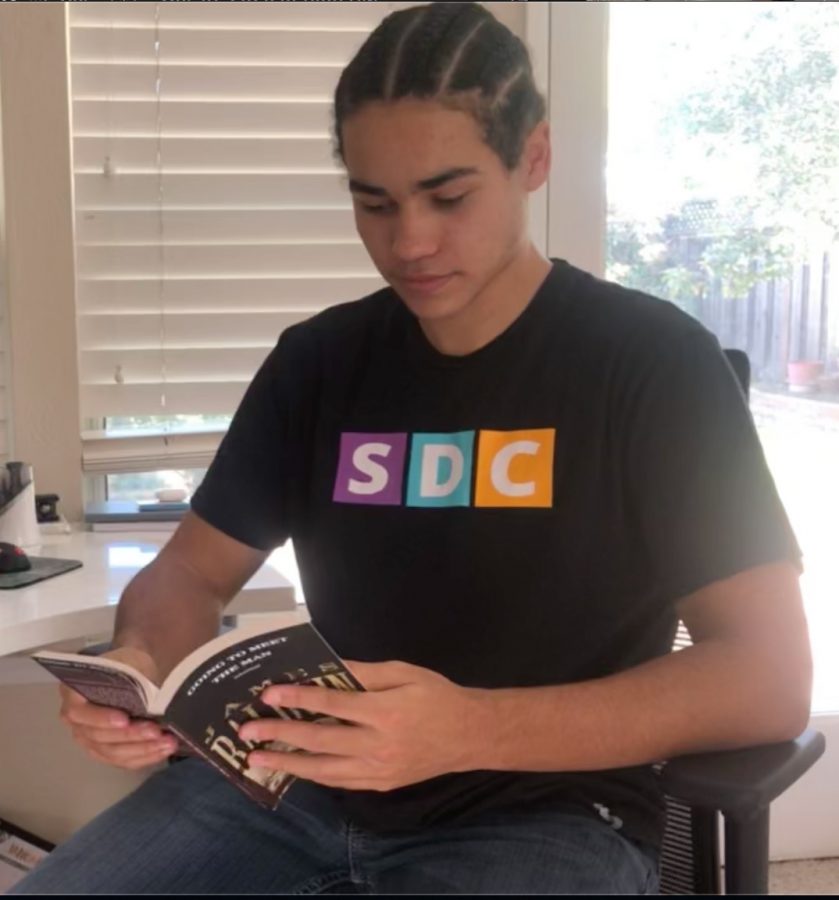
![“When I came into high school, I was ready to be a follower. But DECA was a game changer for me. It helped me overcome my fear of public speaking, and it's played such a major role in who I've become today. To be able to successfully lead a chapter of 150 students, an officer team and be one of the upperclassmen I once really admired is something I'm [really] proud of,” Anvitha Tummala ('21) said.](https://harkeraquila.com/wp-content/uploads/2021/07/Screen-Shot-2021-07-25-at-9.50.05-AM-900x594.png)







![“I think getting up in the morning and having a sense of purpose [is exciting]. I think without a certain amount of drive, life is kind of obsolete and mundane, and I think having that every single day is what makes each day unique and kind of makes life exciting,” Neymika Jain (12) said.](https://harkeraquila.com/wp-content/uploads/2017/06/Screen-Shot-2017-06-03-at-4.54.16-PM.png)

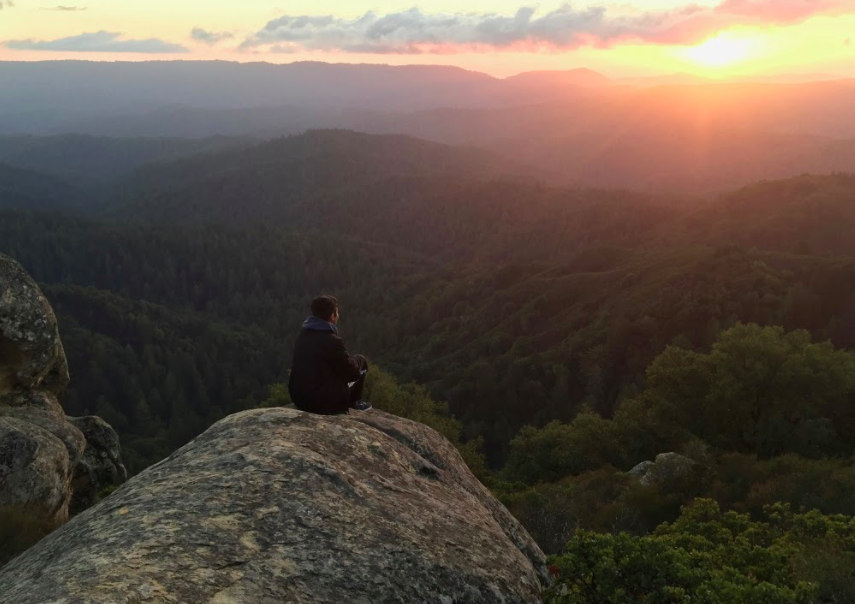


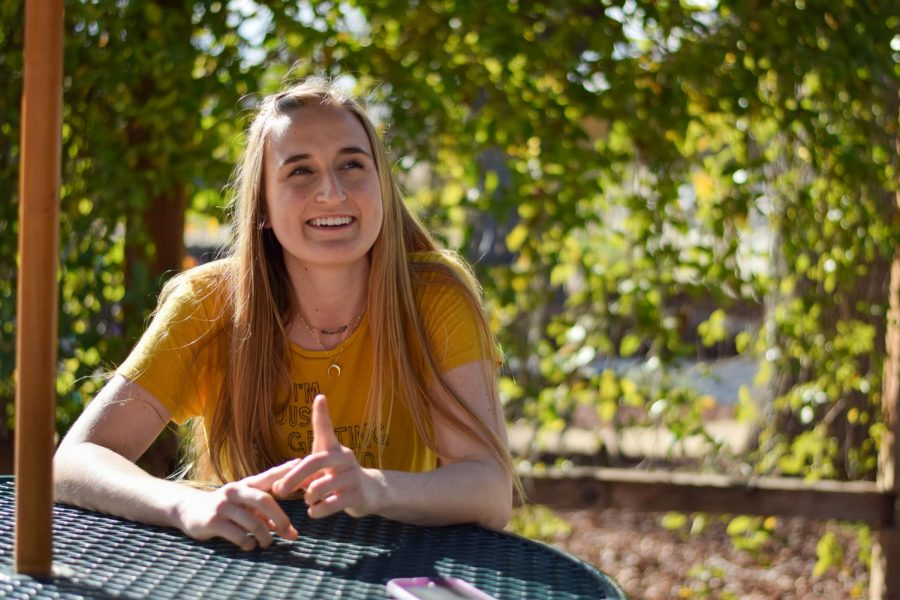



![“My slogan is ‘slow feet, don’t eat, and I’m hungry.’ You need to run fast to get where you are–you aren't going to get those championships if you aren't fast,” Angel Cervantes (12) said. “I want to do well in school on my tests and in track and win championships for my team. I live by that, [and] I can do that anywhere: in the classroom or on the field.”](https://harkeraquila.com/wp-content/uploads/2018/06/DSC5146-900x601.jpg)
![“[Volleyball has] taught me how to fall correctly, and another thing it taught is that you don’t have to be the best at something to be good at it. If you just hit the ball in a smart way, then it still scores points and you’re good at it. You could be a background player and still make a much bigger impact on the team than you would think,” Anya Gert (’20) said.](https://harkeraquila.com/wp-content/uploads/2020/06/AnnaGert_JinTuan_HoHPhotoEdited-600x900.jpeg)

![“I'm not nearly there yet, but [my confidence has] definitely been getting better since I was pretty shy and timid coming into Harker my freshman year. I know that there's a lot of people that are really confident in what they do, and I really admire them. Everyone's so driven and that has really pushed me to kind of try to find my own place in high school and be more confident,” Alyssa Huang (’20) said.](https://harkeraquila.com/wp-content/uploads/2020/06/AlyssaHuang_EmilyChen_HoHPhoto-900x749.jpeg)


Book review: A Walk Across the Sun by Corban Addison

January 12, 2013
A Walk Across the Sun by Corban Addison is a chilling and heart-wrenching fiction that follows the terrifying journey of two sisters as they are forced into the world of one of the largest underground businesses today: human trafficking.
The book starts with the story of a traditional upper middle class South Indian family that holds tight bonds and moral values. Sisters Ahalya and Sita live peacefully in the beachfront of the Tamilnadu shores with their parents, until one day a tsunami strikes and drowns the entire family except the two teenage girls.
A Walk Across the Sun not only discusses the horrors of sex trafficking, but also emphasizes the values of love, beliefs, and hope. It touches the souls of readers, who realize that if horrible tragedies such as those described in the book can happen to a stable middle class family like the Ghais, then they can happen to anybody. The greed, indifference, and cruelty with which the ruthless sex-traffickers sell girls as commodities are shocking. Reading about these appalling crimes truly changes one’s perspective of the world.
By elegantly depicting various aspects of the sex trade, Addison excellently brings out compassion and sadness in the reader without being hard-hitting or judgmental.
In one particular scene that brings tears to the reader’s eyes, Ahalya is “broken” by her buyer: “Sita [sits] in the darkness of the stairwell, weeping at the sounds of her sister’s violation. Her sister has always been her fortress, her protector,…now it was Sita’s turn to comfort and protect.”
In his novel, Addison embodies his real-life personality in the character of Thomas Clarke. Across the globe in Washington D.C., Clarke is a lawyer, like Addison, who is distressed by a broken marriage, a troubled career, and the death of his six months old baby girl. The abduction of a 12-year-old girl right in front of his eyes by sex-traffickers proves to be his last straw. He travels to India on a pro bono sabbatical with CASE, a fictional organization in Mumbai, India, to help as a lawyer and work on getting his wife back. During a rescue operation by CASE, he becomes engrossed in the story of Ahalya and Sita and sets about to rescue Sita upon the request of Ahalya.
The journey of Sita and Thomas becomes the journey of the readers, who also become involved in the girl’s trauma, vexation, and suffering. The readers’ blood boils, tears well, heart beats, and hope rises as they too are swept away with young Sita’s emotions. The book reminds readers that slavery did not end 150 years ago, as some history textbooks might teach; it simply took a different turn.
A Walk Across the Sun, published in the US, the UK, and by Penguin in India, is a novel based on real life. The book has been sold in 15 translation markets, and will be out in Brazil in August, Norway in September. It is available here in all major bookstores and libraries. It received a huge critical acclaim throughout the world and a special forward by author John Grisham who says it is, ”A novel that is beautiful in its story and also important in its message.”
In observance of national human trafficking awareness day, January 11, TalonWP has published a series of articles relating to the subject: an interview with author Corban Addison and a review of his book A Walk Across the Sun.