


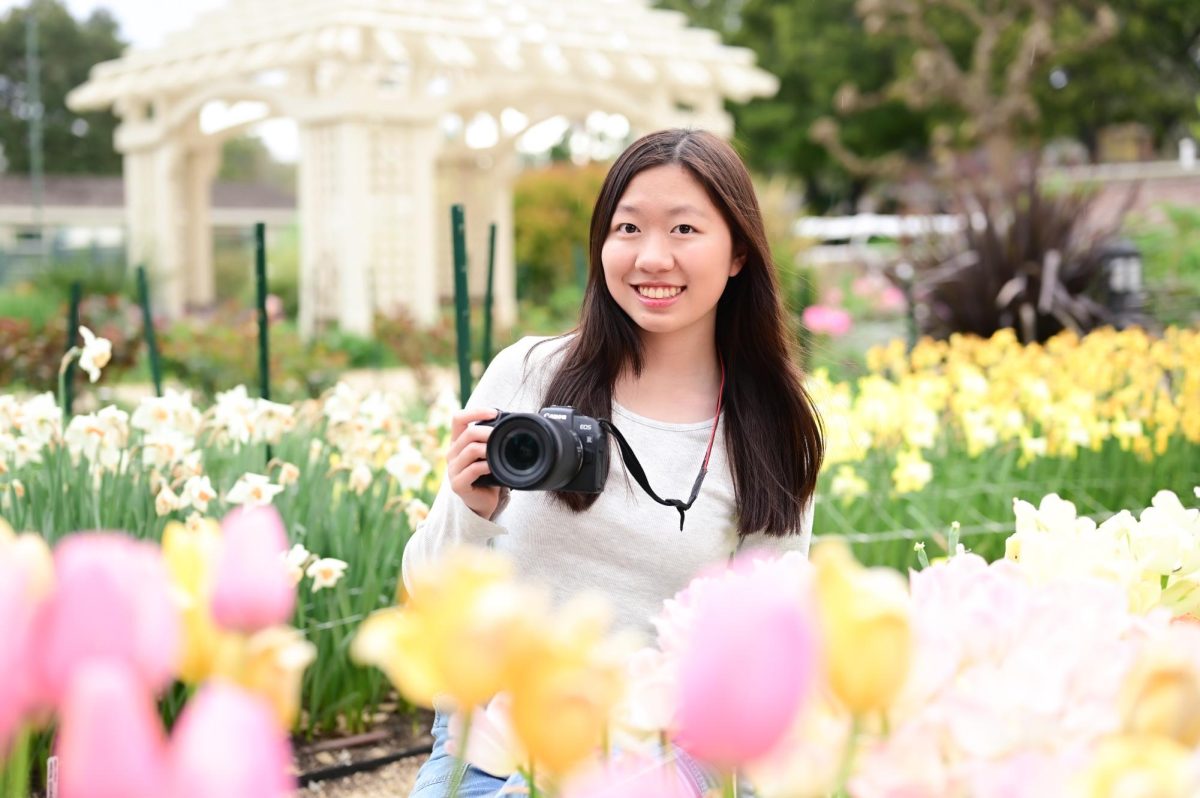
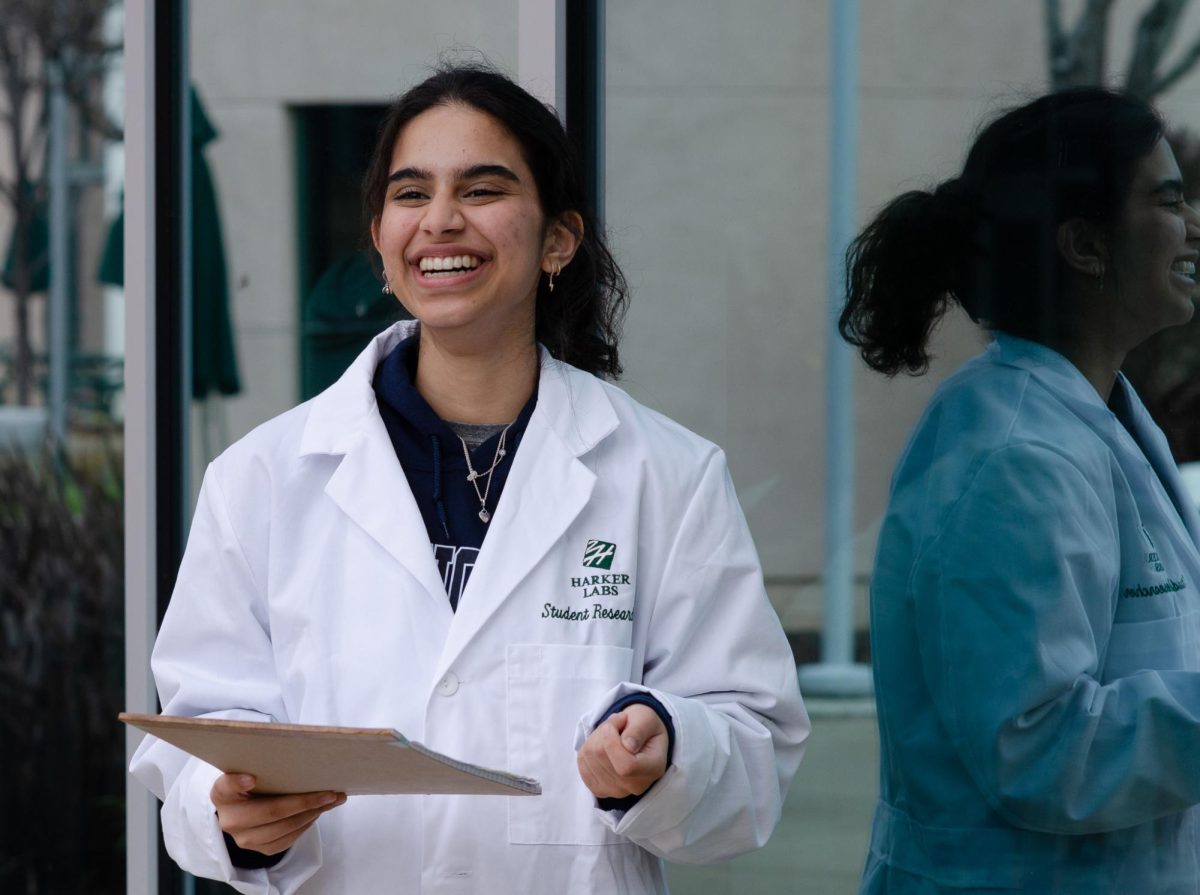
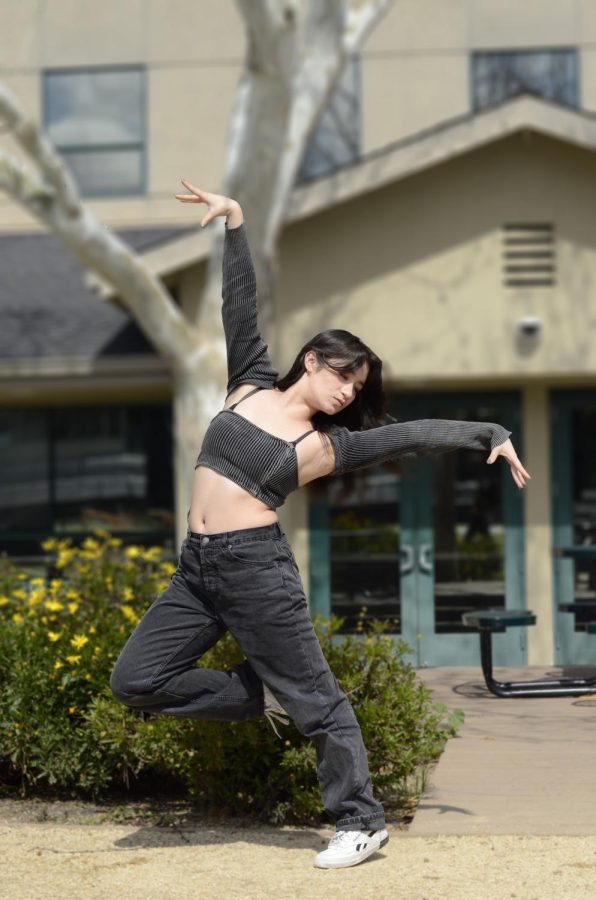
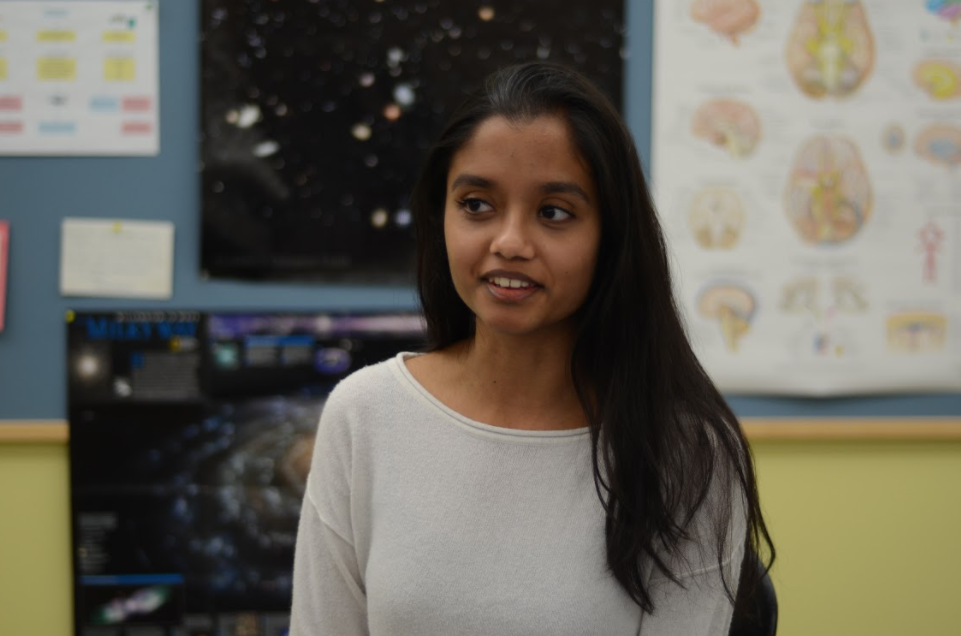
![“I wasn't discouraged by some of the obstacles we faced. I learned a lot from the leadership. I found that different people need different ways of receiving feedback — you can't [just] tell them to do something and expect the best. [Some] people needed more incentive. A large part of my role was to figure out what worked for everyone and to figure out how to lead all these separate individuals as a team,” Suhana Bhandare (’26) said.](https://harkeraquila.com/wp-content/uploads/2026/06/SuhanaBhandare_JasmineHansra-1-1200x798.jpg)
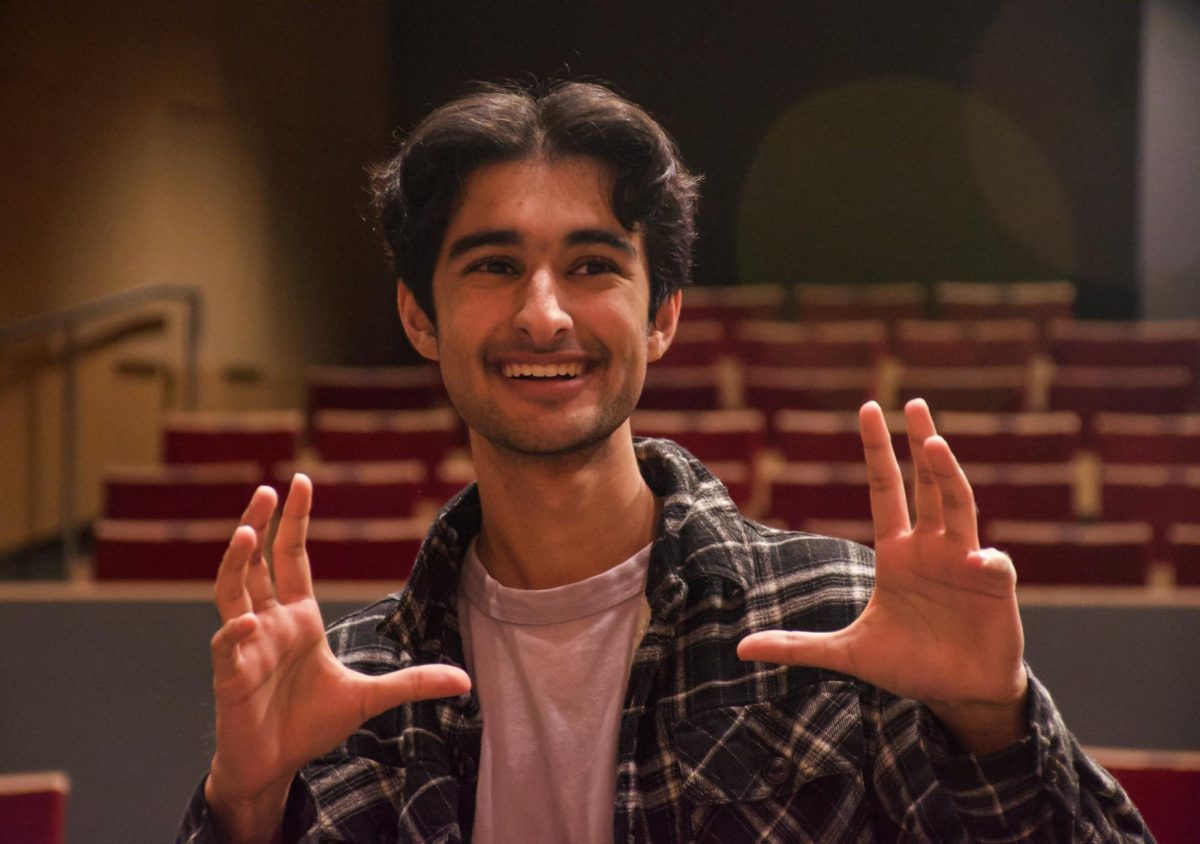
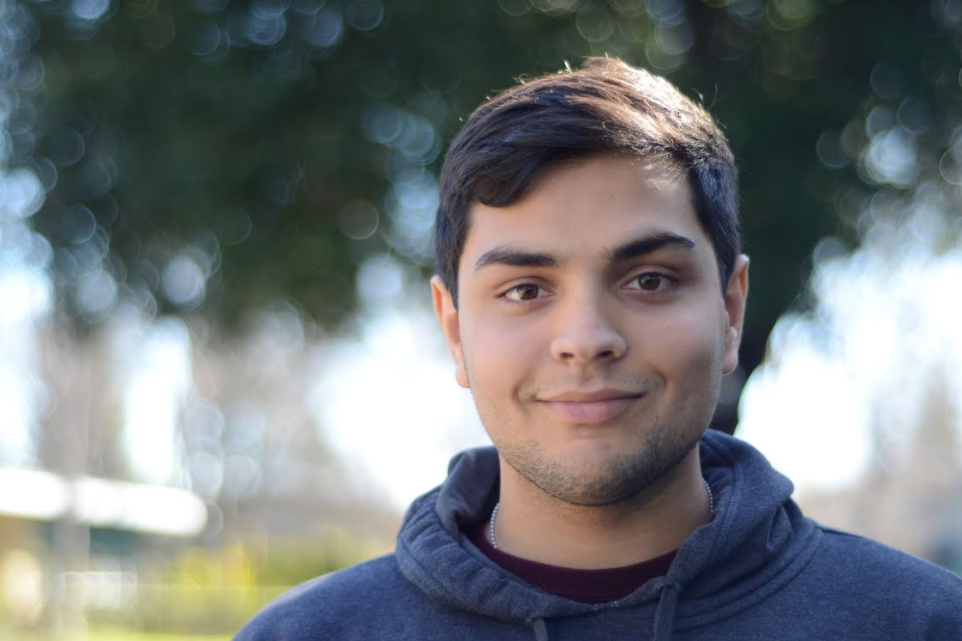
![“This is actually from Randy Pausch Randy P. Brick: ‘Walls are there for a reason. You have to show how much you want to overcome them.’ You have to show how much you want something. That's what I've always been able to do with tennis, Link Crew and getting that internship [with Kushy Baby]. It’s important pushing through that — getting around that brick wall, climbing over it or clawing through it,” Yash Sachdeva (’26) said.](https://harkeraquila.com/wp-content/uploads/2026/05/YashSachdeva_RamBatchu-copy-1200x1002.jpg)

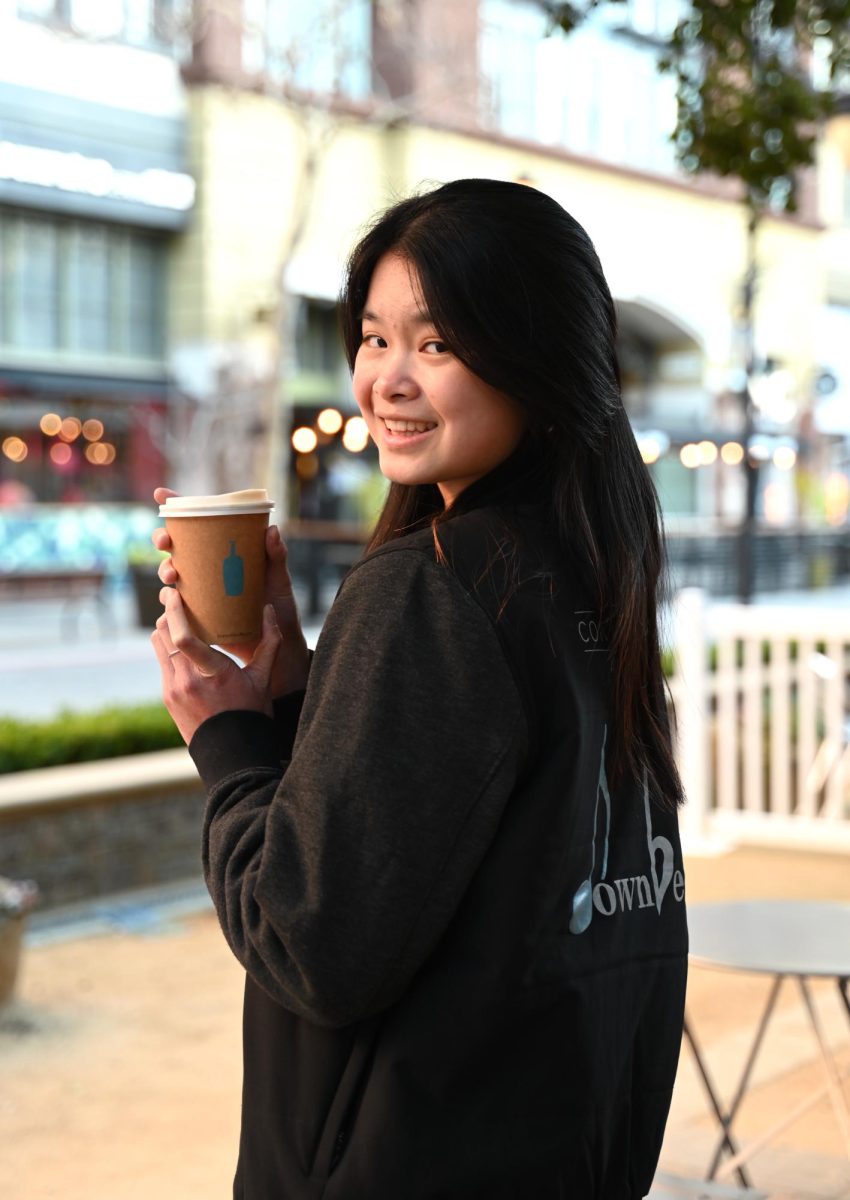
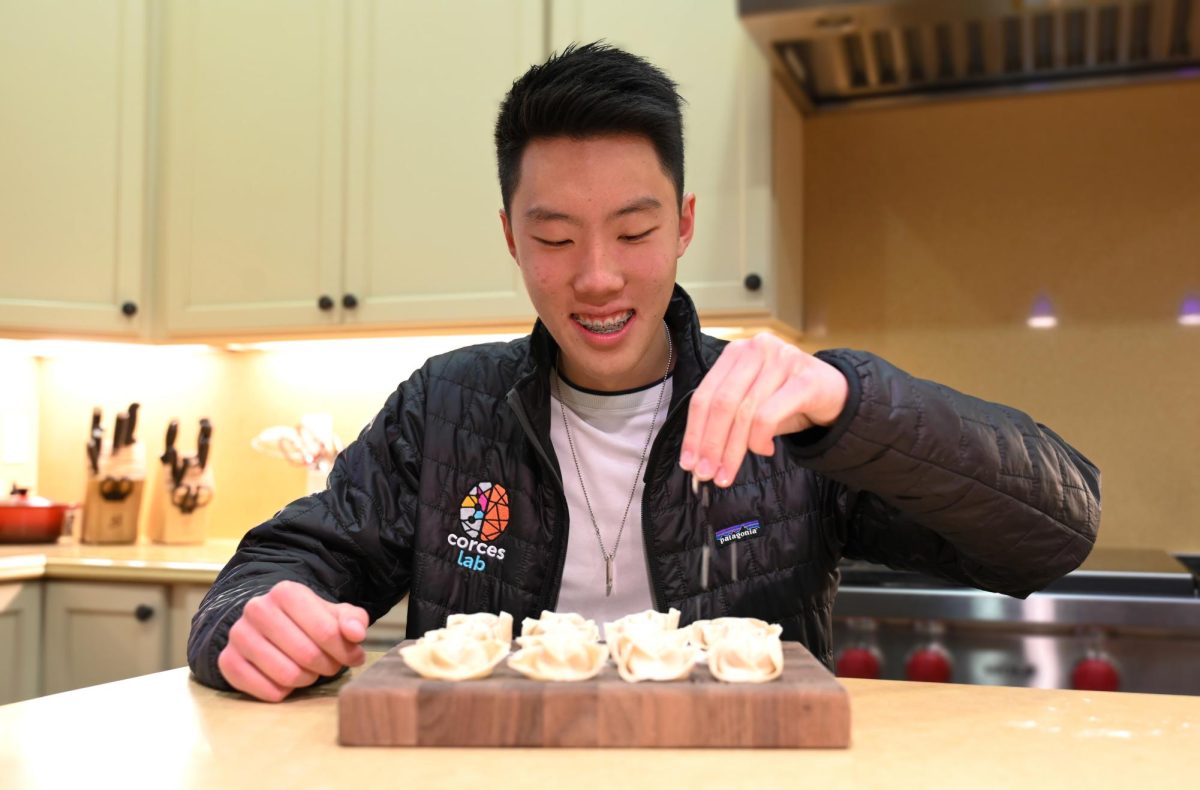
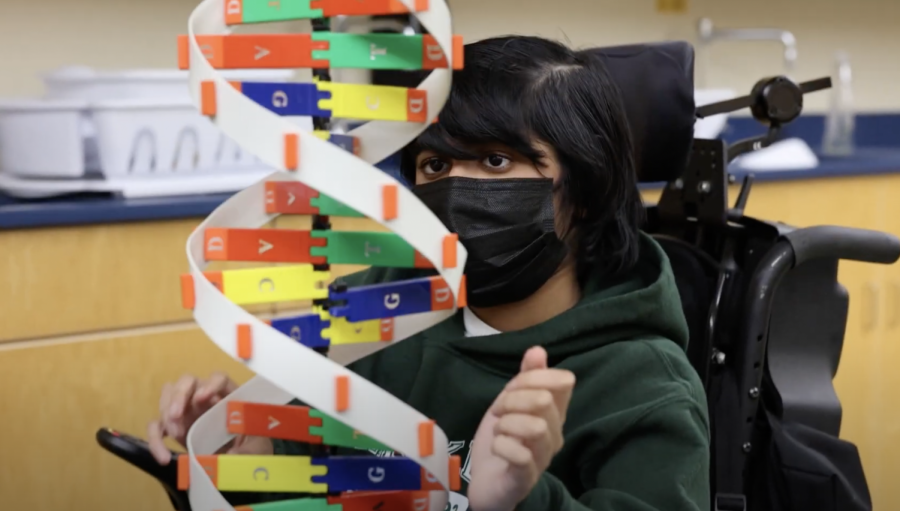
![“[Building nerf blasters] became this outlet of creativity for me that hasn't been matched by anything else. The process [of] making a build complete to your desire is such a painstakingly difficult process, but I've had to learn from [the skills needed from] soldering to proper painting. There's so many different options for everything, if you think about it, it exists. The best part is [that] if it doesn't exist, you can build it yourself," Ishaan Parate said.](https://harkeraquila.com/wp-content/uploads/2022/08/DSC_8149-900x604.jpg)
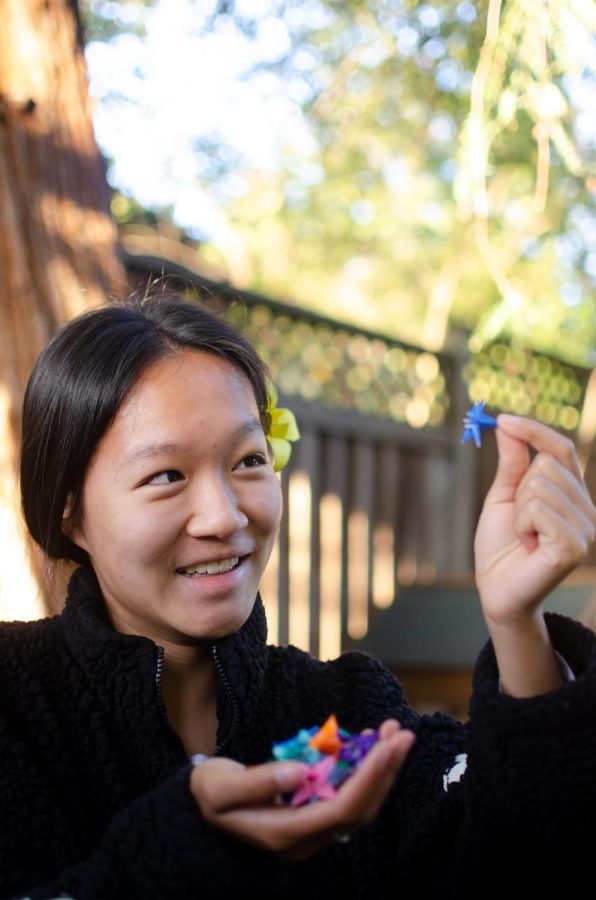
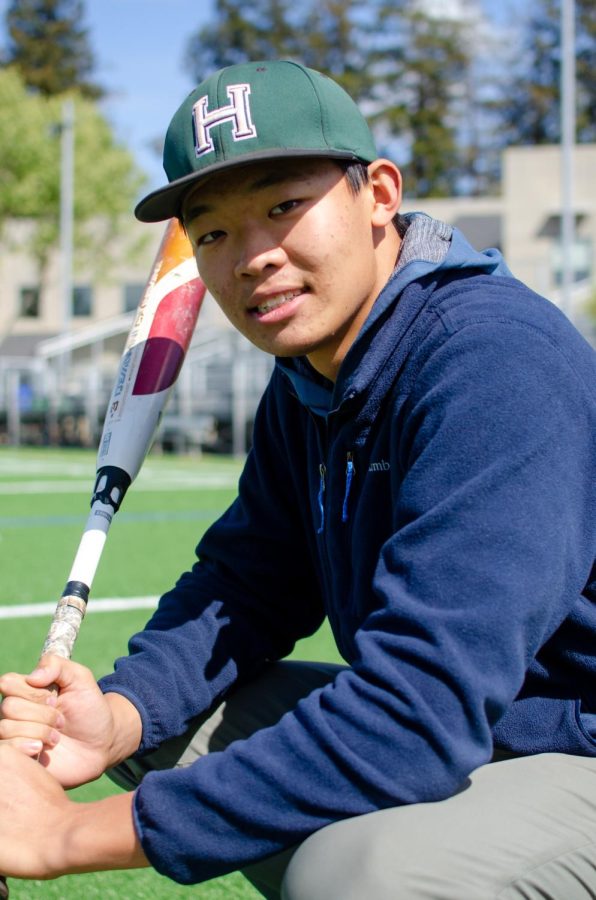
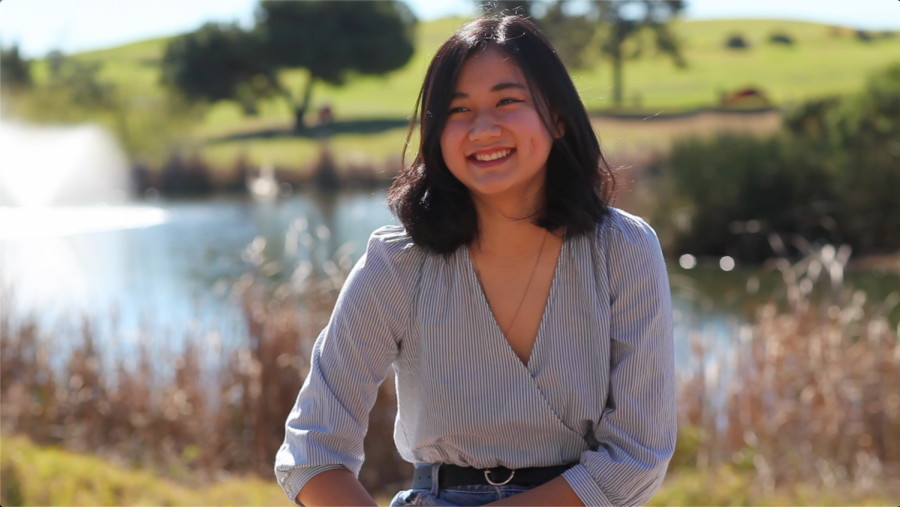
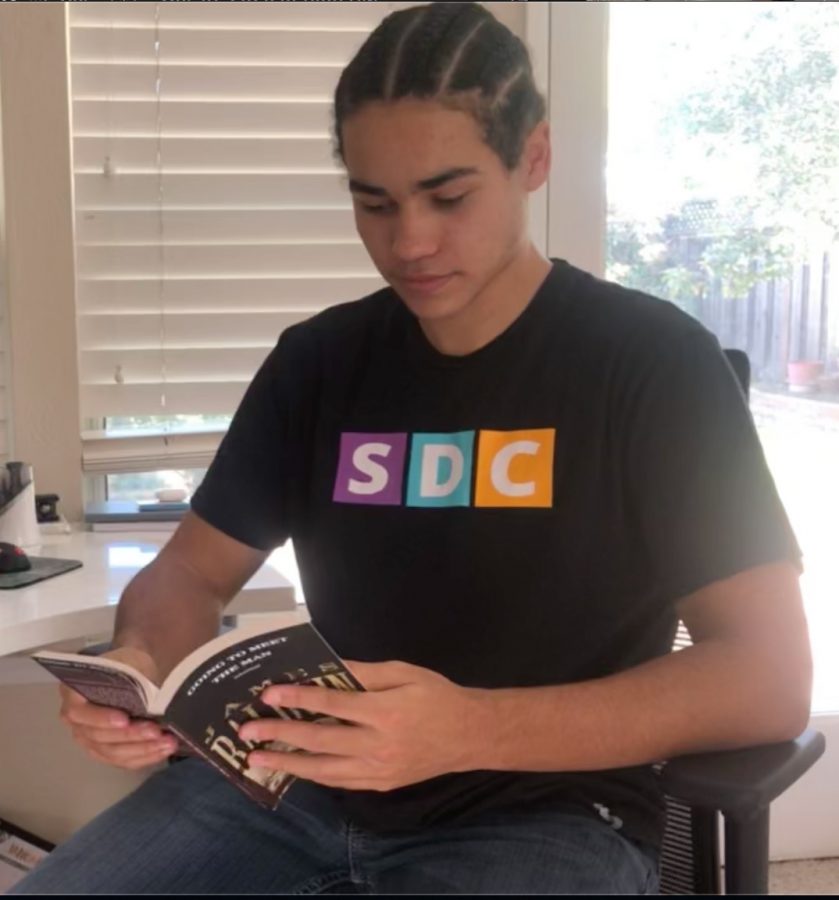
![“When I came into high school, I was ready to be a follower. But DECA was a game changer for me. It helped me overcome my fear of public speaking, and it's played such a major role in who I've become today. To be able to successfully lead a chapter of 150 students, an officer team and be one of the upperclassmen I once really admired is something I'm [really] proud of,” Anvitha Tummala ('21) said.](https://harkeraquila.com/wp-content/uploads/2021/07/Screen-Shot-2021-07-25-at-9.50.05-AM-900x594.png)
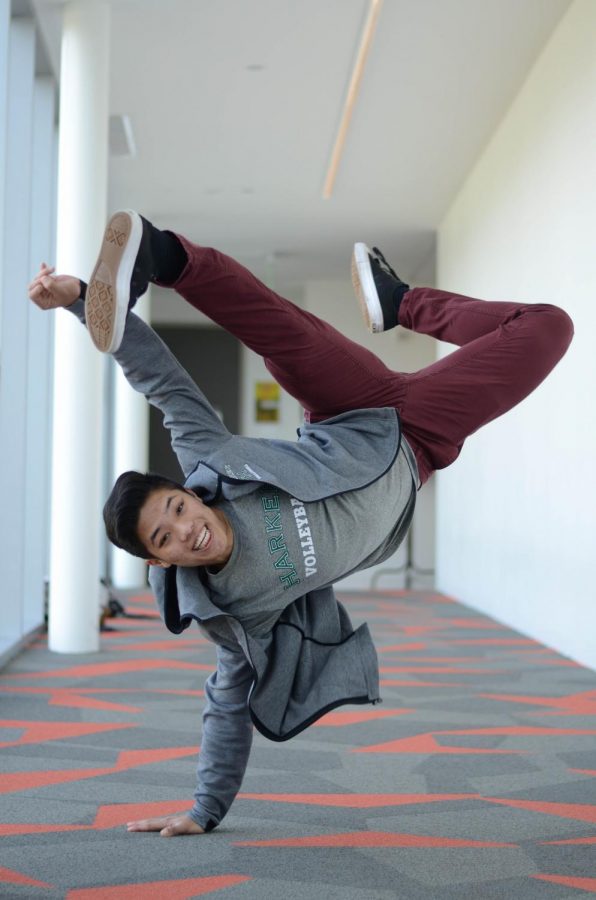
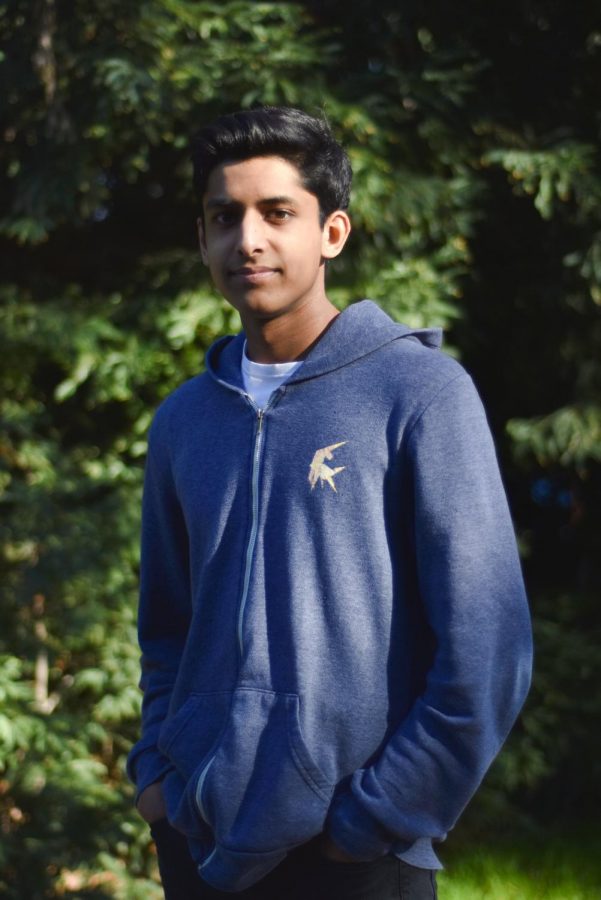

![“I think getting up in the morning and having a sense of purpose [is exciting]. I think without a certain amount of drive, life is kind of obsolete and mundane, and I think having that every single day is what makes each day unique and kind of makes life exciting,” Neymika Jain (12) said.](https://harkeraquila.com/wp-content/uploads/2017/06/Screen-Shot-2017-06-03-at-4.54.16-PM.png)
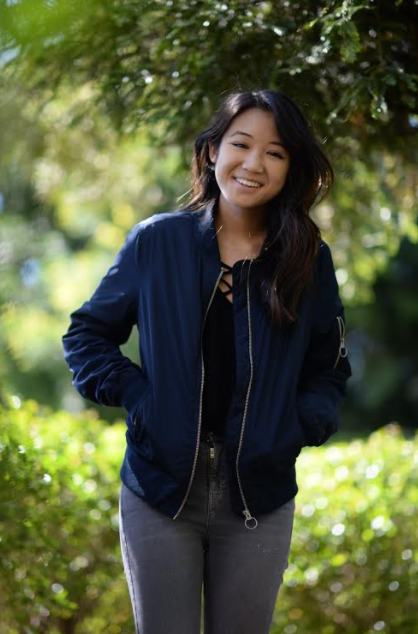
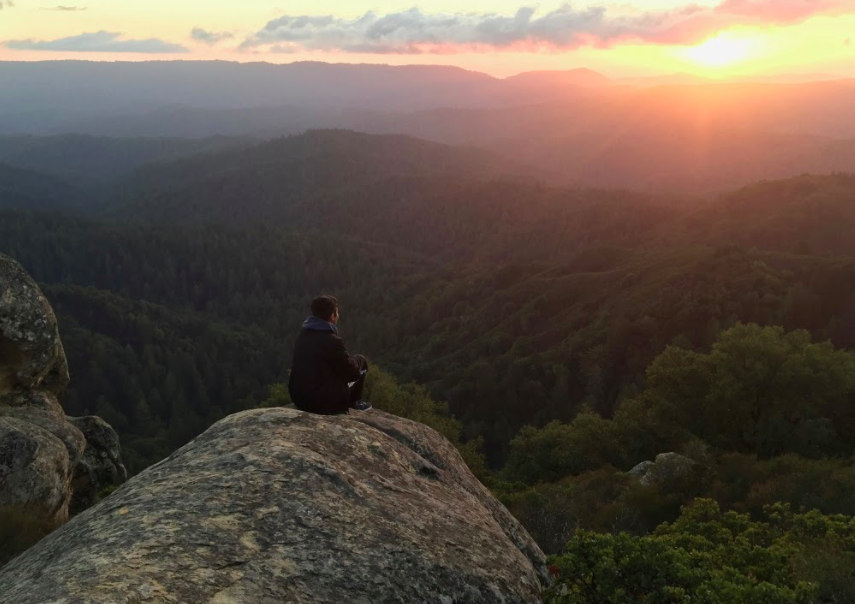
![“My slogan is ‘slow feet, don’t eat, and I’m hungry.’ You need to run fast to get where you are–you aren't going to get those championships if you aren't fast,” Angel Cervantes (12) said. “I want to do well in school on my tests and in track and win championships for my team. I live by that, [and] I can do that anywhere: in the classroom or on the field.”](https://harkeraquila.com/wp-content/uploads/2018/06/DSC5146-900x601.jpg)
![“[Volleyball has] taught me how to fall correctly, and another thing it taught is that you don’t have to be the best at something to be good at it. If you just hit the ball in a smart way, then it still scores points and you’re good at it. You could be a background player and still make a much bigger impact on the team than you would think,” Anya Gert (’20) said.](https://harkeraquila.com/wp-content/uploads/2020/06/AnnaGert_JinTuan_HoHPhotoEdited-600x900.jpeg)
![“I'm not nearly there yet, but [my confidence has] definitely been getting better since I was pretty shy and timid coming into Harker my freshman year. I know that there's a lot of people that are really confident in what they do, and I really admire them. Everyone's so driven and that has really pushed me to kind of try to find my own place in high school and be more confident,” Alyssa Huang (’20) said.](https://harkeraquila.com/wp-content/uploads/2020/06/AlyssaHuang_EmilyChen_HoHPhoto-900x749.jpeg)
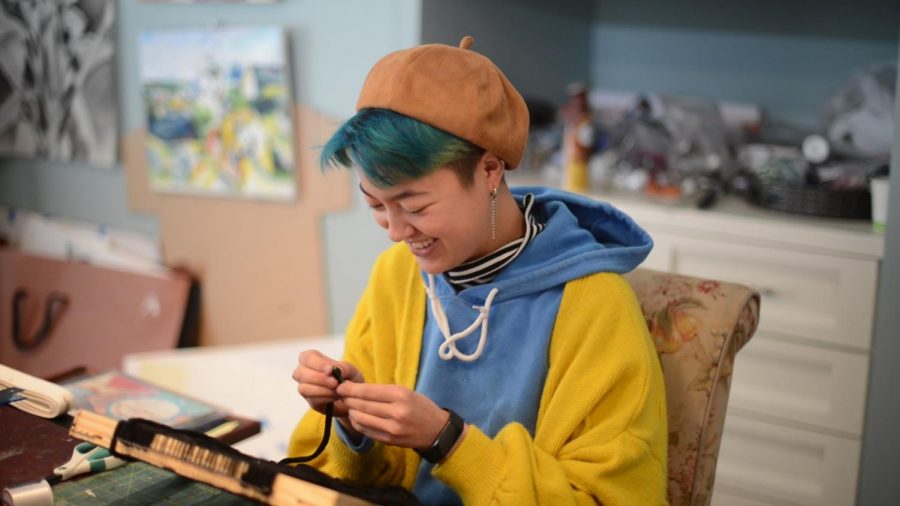

Humans of Harker: Hurdling over horizons
Hannah Grannis overcomes her challenges and help her friends and family with theirs
![“[Coaching] taught me so much about myself as a person, but I’m helping kids develop not only as players but as people, which I think is very important. To help facilitate that change has been something that is very meaningful to me. And to see kids come into the room and grow more confident and supportive [of] each other is really, really cool; that’s why I think it’s really worth it,” Hannah Grannis (12) said.](https://harkeraquila.com/wp-content/uploads/2021/05/HannahGrannis_HoHPhoto-591x900.jpg)
Provided by Hannah Grannis
“[Coaching] taught me so much about myself as a person, but I’m helping kids develop not only as players but as people, which I think is very important. To help facilitate that change has been something that is very meaningful to me. And to see kids come into the room and grow more confident and supportive [of] each other is really, really cool; that’s why I think it’s really worth it,” Hannah Grannis (12) said.
Amid the jerseyed middle school children dribbling soccer balls across the field stands Hannah Grannis (12). Calmly and patiently, she directs the young aspiring soccer players with the knowledge she has gained from her extensive career as a captain in club soccer. Hannah, recalling her experiences being the assistant coach of middle school athletics for nearly four years, holds dear the memory of being able to guide and nurture the next generation of soccer players.
When she was young, Hannah played club soccer and volleyball and—in a way—her life revolved around her passion for sports. She was also the captain of her soccer team and served as its backbone. However, in her freshman year, Hannah was forced to give up soccer, volleyball and other extracurriculars due to contracting a rare hip disorder. Although devastating, Hannah continued to persevere, and with the support of friends, family and coaches, the incident and the resulting surgery has shaped her into the person she is today.
“I was an athlete growing up … [but] the surgery took me out of all of that so that led me on the path to becoming a coach, which has definitely changed me for the better,” Hannah said. “It’s taught me a lot about resilience and positivity and [how] there’s multiple parts to me that are meaningful and that being an athlete wasn’t the only thing that I was good at. At the end of the day, sports are sports, but it teaches you so much more beyond just competitions and the sport itself.”
Though Hannah’s innate resilience and positive nature played a large role in her recovery and growth after her hip surgery, she couldn’t have done it without the support of those around her. Her parents have also expressed immense pride in the way that Hannah dealt with this trial.
“I’m really proud of her [for] taking what could have been a pretty devastating setback to most people, [which] I know it still hurts a little bit, and channeling it into doing good for others,” Hannah’s father Will Grannis said. “I don’t think Hannah always appreciates how much others value her opinion, and it is because she is so thoughtful and is so sincere and does care an awful lot about the people around her.”
Throughout it all, Hannah has maintained a positive outlook and reminded herself to take a breath when she feels overwhelmed.
“I knew from a very young age that there was much more than my own little personal bubble, and it really helps me put things in perspective when things get stressful or when things seem like the end of the world, I know that it’s not,” Hannah said.
As Hannah has coached young children in the lower and middle school sports programs, she’s learned many valuable lessons. Although going from a player to a coach is a drastic shift, Hannah relates that there are actually more similarities between the two than she previously believed.
“She’s found it to be a natural way for her to be around something she loves, just in a different capacity,” Hannah’s mother Tricia Grannis said about Hannah’s transition from playing to coaching.
Though Hannah’s own journey as a player has concluded and she misses the physicality and competitiveness of actually playing the sport, she’s set out on a new journey to nurture and encourage children, something that has been truly fulfilling for both herself and the children she’s taught.
“[Coaching] taught me so much about myself as a person, but I’m helping kids develop not only as players but as people, which I think is very important,” Hannah said. “To help facilitate that change has been something that is very meaningful to me. And to see kids come into the room and grow more confident and supportive [of] each other is really, really cool; that’s why I think it’s really worth it.”
Not only did Hannah discover a new passion, coaching, her other passions for social rights and mental health advocacy and psychology was also fueled by her newfound experiences and insights. Constantly moving due to her parents’ jobs in the military, Hannah fostered an open mind, which lay the foundation for her social rights advocacy. When witnessing prejudice in some of the regions she lived in, one of them being rural Virginia, Hannah did not hesitate to stand up for movements, such as the Black Lives Matter (BLM) and the LGBTQ+ movement.
“I’m very confrontational. It was very much like ‘you shouldn’t say that’ and breaking down the stereotypes that the people around me had grown up around,” Hannah said. “They’re definitely a product of their environment because it’s hard to think differently if you don’t get to see different perspectives and understand the benefit of having a diverse community. So, I don’t blame them at all, but I definitely checked them when it was necessary.”
Influenced by the culmination of her own personal experiences as well as the values instilled in her by her parents and surroundings, Hannah understands the difficulty of struggling with personal problems. Because of these experiences, Hannah is particularly interested in how different environments shape people.
“It’s okay to struggle mentally, and it can be just as damaging as physical injuries,” Hannah said. “I’m really interested in how people think differently and how different environments produce different people, or even how the same environments can produce such different people, and how different communities interact with each other.”
In the future, Hannah aspires to become a psychologist in order to help others through difficult times and mitigate the stigma surrounding mental health issues. Overall, the lessons and little things Hannah has picked up along her journey through life have shaped her into the aware, kind and resilient person she is today.
“All that I can really hope for is that I leave a positive footprint on this world and being remembered as someone kind, who people can depend upon,” Hannah said.
Angelina Hu (12) is the co-editor-in-chief of the TALON Yearbook, and this is her fourth year on staff. This year, Angelina wishes to meet all of her deadlines...
Kinnera Mulam (12) is the co-editor-in-chief of the Winged Post, and this is her fourth year on staff. This year, Kinnera hopes to get to know all the...